

Indicators of retention in remote digital health studies: a cross-study evaluation of 100,000 participants
Open accessThe DOI matches its Crossref record; 84 of the 84 references it cites were found in a registry or an index.
Abstract
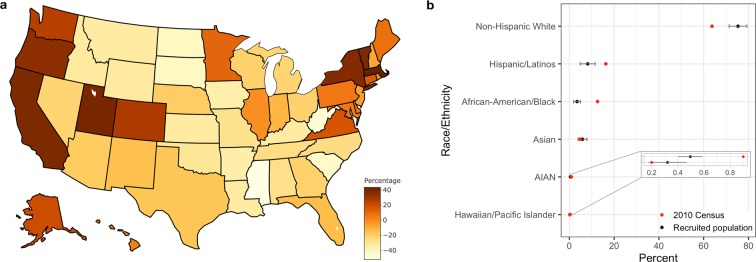
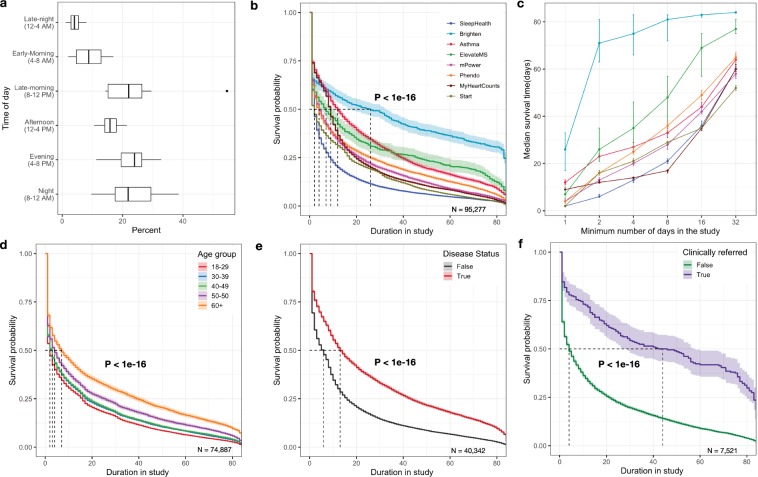
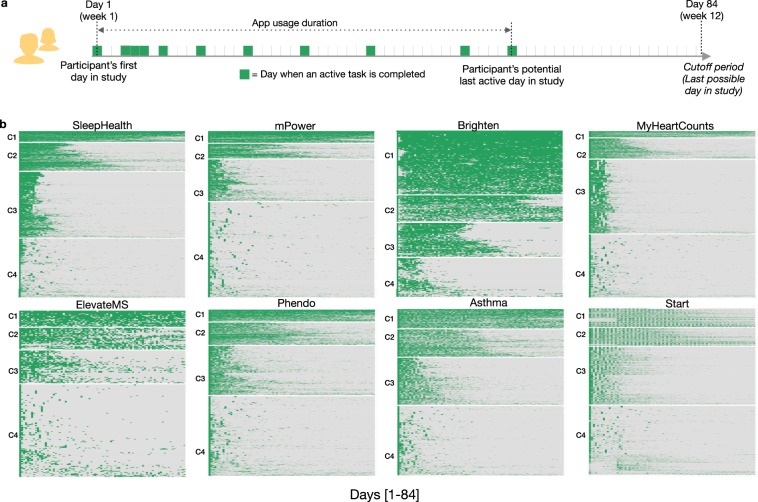
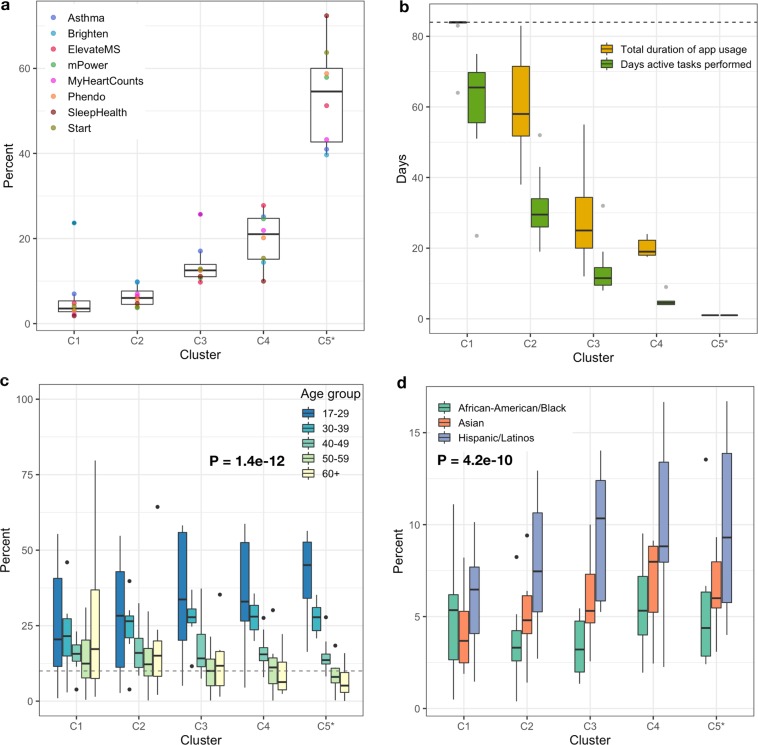
Digital technologies such as smartphones are transforming the way scientists conduct biomedical research. Several remotely conducted studies have recruited thousands of participants over a span of a few months allowing researchers to collect real-world data at scale and at a fraction of the cost of traditional research. Unfortunately, remote studies have been hampered by substantial participant attrition, calling into question the representativeness of the collected data including generalizability of outcomes. We report the findings regarding recruitment and retention from eight remote digital health studies conducted between 2014–2019 that provided individual-level study-app usage data from more than 100,000 participants completing nearly 3.5 million remote health evaluations over cumulative participation of 850,000 days. Median participant retention across eight studies varied widely from 2–26 days (median across all studies = 5.5 days). Survival analysis revealed several factors significantly associated with increase in participant retention time, including (i) referral by a clinician to the study (increase of 40 days in median retention time); (ii) compensation for participation (increase of 22 days, 1 study); (iii) having the clinical condition of interest in the study (increase of 7 days compared with controls); and (iv) older age (increase of 4 days). Additionally, four distinct patterns of daily app usage behavior were identified by unsupervised clustering, which were also associated with participant demographics. Most studies were not able to recruit a sample that was representative of the race/ethnicity or geographical diversity of the US. Together these findings can help inform recruitment and retention strategies to enable equitable participation of populations in future digital health research.
Overview
The claims and statistics of this paper haven’t been checked yet.
Free: it reads the open-access text and checks the first 5 claims that cite a source we can check. Create a free account to check every claim.
Integrity signals
Registry
Cites
Statistics
Figures
Verification
Claims the paper makes
The claims and statistics of this paper haven’t been checked yet.
Free: it reads the open-access text and checks the first 5 claims that cite a source we can check. Create a free account to check every claim.
Claims other papers make about this one
Each is checked against this paper’s own text: does it say what the citing paper says it does?
The source backs part of the claim, not all of it — or backs it for a different population, condition or comparison.
In the citing paper
“This level of attrition is commensurate with other digital mental health solution trial attrition rates [47,57].”
From A Therapeutic Relational Agent for Reducing Problematic Substance Use (Woebot): Development and Usability Study (2021) · cites this paper as [57]
Experimental — accuracy not yet measuredIn the citing paper
“This is especially important given the rapid dropout of user engagement for some forms of mobile phone interventions (e.g., health apps generally and mental health apps specifically [56, 57]).”
From Mobile phone-based interventions for mental health: A systematic meta-review of 14 meta-analyses of randomized controlled trials (2022) · cites this paper as [57]
Self-check
Percentages, sums and reported differences re-computed from the paper’s own numbers.
The self-check needs the paper’s full text.
Citations
Cites
Rogers, E. M., Singhal, A., & Quinlan, M. M. (2019) · An Integrated Approach to Communication Theory and Research · doi:10.4324/9780203710753-35 · Cited by 37,322
Miller, R. G. (1981) · Cited by 3,336
Johnson, C. O., Nguyen, M., Roth, G. A., Nichols, E., Alam, T., Abate, D., Abd-Allah, F., Abdelalim, A., Abraha, H. N., Abu-Rmeileh, N. M., et al. (2019) · The Lancet Neurology · doi:10.1016/s1474-4422(19)30034-1 · Cited by 3,264
Information bias in health research: definition, pitfalls, and adjustment methods
Althubaiti, A. (2016) · Journal of Multidisciplinary Healthcare · doi:10.2147/jmdh.s104807 · Cited by 3,018 · cited 1×
“Rather than retrospectively asking people to recall their health over the past week or month, researchers using mobile technologies can assess participants frequently including outside clinic and at important points in time without having to rely on recall that is known to have bias.(29) While these recent studies sho…”
Eysenbach, G. (2005) · Journal of Medical Internet Research · doi:10.2196/jmir.7.1.e11 · Cited by 2,524
The “All of Us” Research Program
The All of Us Research Program Investigators (2019) · New England Journal of Medicine · doi:10.1056/nejmsr1809937 · Cited by 2,440
Nahum-Shani, I., Smith, S. N., Spring, B. J., Collins, L. M., Witkiewitz, K., Tewari, A., & Murphy, S. A. (2018) · Annals of Behavioral Medicine · doi:10.1007/s12160-016-9830-8 · Cited by 2,171
Yardley, L., Morrison, L., Bradbury, K., & Muller, I. (2015) · Journal of Medical Internet Research · doi:10.2196/jmir.4055 · Cited by 1,442
Fogel, D. B. (2018) · Contemporary Clinical Trials Communications · doi:10.1016/j.conctc.2018.08.001 · Cited by 1,035
An Integrated Approach to Communication Theory and Research
(2014) · Routledge eBooks · doi:10.4324/9780203887011 · Cited by 981
Research works printed but not linked: 2
- Virtual Clinical Trials Challenges and Opportunities: Proceedings of a Workshop: Health and Medicine Division. (2019). http://www.nationalacademies.org/hmd/Reports/2019/virtual-clinical-trials-challenges-and-opportunities-pw.aspx. 31334937
- National Academies of Sciences, Engineering, and Medicine, Health and Medicine Division, Board on Health Sciences Policy & Committee on the Return of Individual-Specific Research Results Generated in Research Laboratories. Returning Individual Research Results to Participants: Guidance for a New Research Paradigm. (National Academies Press, 2018). 30001048
Cited by
Torous, J., Bucci, S., Bell, I. H., Kessing, L. V., Faurholt‐Jepsen, M., Whelan, P., Carvalho, A. F., Keshavan, M., Linardon, J., & Firth, J. (2021) · World Psychiatry · doi:10.1002/wps.20883 · Cited by 1,199
Wearable sensor data and self-reported symptoms for COVID-19 detection
Quer, G., Radin, J. M., Gadaleta, M., Baca-Motes, K., Ariniello, L., Ramos, E., Kheterpal, V., Topol, E. J., & Steinhubl, S. R. (2021) · Nature Medicine · doi:10.1038/s41591-020-1123-x · Cited by 447
“This has proven to be extremely challenging, with a recent analysis of eight different digital research programs involving 100,000 participants having a median duration of retention of only 5.5 days 29 .”
InfluentialLubitz, S. A., Faranesh, A. Z., Selvaggi, C., Atlas, S. J., McManus, D. D., Singer, D. E., Pagoto, S., McConnell, M. V., Pantelopoulos, A., & Foulkes, A. S. (2022) · Circulation · doi:10.1161/circulationaha.122.060291 · Cited by 355
Challenges in Participant Engagement and Retention Using Mobile Health Apps: Literature Review
Amagai, S., Pila, S., Kaat, A. J., Nowinski, C. J., & Gershon, R. C. (2022) · Journal of Medical Internet Research · doi:10.2196/35120 · Cited by 343
“In their cross-study evaluation of 100,000 participants, Pratap et al [10] analyzed individual-level study app use data from 8 studies that accumulated nearly 3.”
InfluentialProchaska, J. J., Vogel, E. A., Chieng, A., Kendra, M., Baiocchi, M., Pajarito, S., & Robinson, A. (2021) · Journal of Medical Internet Research · doi:10.2196/24850 · Cited by 257
“commensurate with other digital mental health solution trial attrition rates [47,57].”
Goldberg, S. B., Lam, S. U., Simonsson, O., Torous, J., & Sun, S. (2022) · PLOS Digital Health · doi:10.1371/journal.pdig.0000002 · Cited by 237
“, health apps generally and mental health apps specifically [56, 57]).”
Beatty, C., Malik, T., Meheli, S., & Sinha, C. (2022) · Frontiers in Digital Health · doi:10.3389/fdgth.2022.847991 · Cited by 224
“Most notably, this is a problem for minimally guided and unguided smartphone interventions that do not involve any degree of therapist support (9–13).”
Current advances in digital cognitive assessment for preclinical Alzheimer's disease
Öhman, F., Hassenstab, J., Berron, D., Schöll, M., & Papp, K. V. (2021) · Alzheimer's & Dementia: Diagnosis, Assessment & Disease Monitoring · doi:10.1002/dad2.12217 · Cited by 214
“43 Digital storage and sharing of cognitive data pose questions related to data privacy, 44 particularly when devices may collect additional identifiable personal data (e.g., voice recordings).”
Engagement in digital interventions.
Nahum-Shani, I., Shaw, S. D., Carpenter, S. M., Murphy, S. A., & Yoon, C. (2022) · American Psychologist · doi:10.1037/amp0000983 · Cited by 177
Multilevel Determinants of Digital Health Equity: A Literature Synthesis to Advance the Field
Lyles, C. R., Nguyen, O. K., Khoong, E. C., Aguilera, A., & Sarkar, U. (2023) · Annual Review of Public Health · doi:10.1146/annurev-publhealth-071521-023913 · Cited by 137
Smartphone apps for the treatment of mental health conditions: status and considerations
Huckvale, K., Nicholas, J., Torous, J., & Larsen, M. E. (2020) · Current Opinion in Psychology · doi:10.1016/j.copsyc.2020.04.008 · Cited by 135
Remote smartphone monitoring of Parkinson’s disease and individual response to therapy
Omberg, L., Neto, E. C., Perumal, T. M., Pratap, A., Tediarjo, A., Adams, J., Bloem, B. R., Bot, B. M., Elson, M. J., Goldman, S. M., et al. (2021) · Nature Biotechnology · doi:10.1038/s41587-021-00974-9 · Cited by 151
Self-citationIndividual differences in computational psychiatry: A review of current challenges
Karvelis, P., Paulus, M. P., & Diaconescu, A. O. (2023) · Neuroscience & Biobehavioral Reviews · doi:10.1016/j.neubiorev.2023.105137 · Cited by 105
“Task engagement (and user experience more generally) is therefore an important variable to optimize, and will require applying gamification strategies (Vermeir et al., 2020 and adopting patient-centered research frameworks (Ger-mine et al., 2021; Pratap et al., 2020).”
Systematic Review of Digital Phenotyping and Machine Learning in Psychosis Spectrum Illnesses
Benoit, J., Onyeaka, H., Keshavan, M., & Torous, J. (2020) · Harvard Review of Psychiatry · doi:10.1097/hrp.0000000000000268 · Cited by 114
Using digital technologies in clinical trials: Current and future applications
Rosa, C., Marsch, L. A., Winstanley, E. L., Brunner, M., & Campbell, A. N. C. (2020) · Contemporary Clinical Trials · doi:10.1016/j.cct.2020.106219 · Cited by 131
“On the other hand, several challenges previously noted in our earlier publication and others (e.g., Cowie et al., 2017; Eagleson et al., 2017; Huckvalle et al., 2019; Pratap et al., 2020; Frampton et al., 2020) remain.”
Blood, A. J., Cannon, C. P., Gordon, W. J., Mailly, C., MacLean, T., Subramaniam, S., Tucci, M., Crossen, J., Nichols, H., Wagholikar, K. B., et al. (2023) · JAMA Cardiology · doi:10.1001/jamacardio.2022.4018 · Cited by 108
Nicosia, J., Aschenbrenner, A. J., Balota, D. A., Sliwinski, M. J., Tahan, M., Adams, S., Stout, S. S., Wilks, H., Gordon, B. A., Benzinger, T. L. S., et al. (2023) · Journal of the International Neuropsychological Society · doi:10.1017/s135561772200042x · Cited by 106
“42%, exceeding that seen in many remote studies (Pratap et al., 2020) and similar to rates observed in other cognitive EMA studies (Sliwinski et al.”
InfluentialCollege student engagement with mental health apps: analysis of barriers to sustained use
Melcher, J., Camacho, E., Lagan, S., & Torous, J. (2022) · Journal of American College Health · doi:10.1080/07448481.2020.1825225 · Cited by 106
“5 days in the first 12weeks of each study.(18) Dropout rates from app clinic studies may be as high as nearly 50% when accounting for risk of bias, portending even lower rates in real world use.”
Watson, A., & Wilkinson, T. M. A. (2022) · Therapeutic Advances in Respiratory Disease · doi:10.1177/17534666221075493 · Cited by 110
The digital clinic: Implementing technology and augmenting care for mental health
Rodriguez-Villa, E., Rauseo-Ricupero, N., Camacho, E., Wisniewski, H., Keshavan, M., & Torous, J. (2020) · General Hospital Psychiatry · doi:10.1016/j.genhosppsych.2020.06.009 · Cited by 97
Krukowski, R. A., Ross, K. M., Western, M. J., Cooper, R., Busse, H., Forbes, C., Kuntsche, E., Allmeta, A., Silva, A. M., John-Akinola, Y. O., et al. (2024) · Trials · doi:10.1186/s13063-024-07937-w · Cited by 83
“…of racial and ethnic minor-itized participants recruited was substantially lower than would be expected given the states’ population averages [19]; on average, 9.2% fewer participants who identified as African American/Black and 8.1% fewer participants who identified as Hispanic/Latino were…”
InfluentialGoldberg, S. B., Bolt, D. M., & Davidson, R. J. (2021) · Journal of Medical Internet Research · doi:10.2196/26749 · Cited by 74
Szinay, D., Forbes, C. C., Busse, H., DeSmet, A., Smit, E. S., & König, L. M. (2023) · Obesity Reviews · doi:10.1111/obr.13542 · Cited by 71
“Consequently, samples in trials are rarely representative of the general population.(73) Using existing data from freely available mobile interventions, as applied in a small number of studies included in this review,(67,71,72) may thus provide a more realistic picture of intervention uptake, engagement, and effective…”
Pratap, A., Grant, D., Vegesna, A., Tummalacherla, M., Cohan, S., Deshpande, C., Mangravite, L., & Omberg, L. (2020) · JMIR mHealth and uHealth · doi:10.2196/22108 · Cited by 75
“Although a significant number of individuals did not participate beyond enrollment on the first day of the elevateMS study, our user engagement data are consistent with previous digital health studies that recruited broadly from the general population, with no scheduled in-clinic touchpoints or incentives associated w…”
InfluentialSelf-citationAlliance with an unguided smartphone app: validation of the digital working alliance inventory
Goldberg, S. B., Baldwin, S. A., Riordan, K. M., Torous, J., Dahl, C. J., Davidson, R. J., & Hirshberg, M. J. (2022) · Assessment · doi:10.1177/10731911211015310 · Cited by 74
Khoong, E. C., Olazo, K., Rivadeneira, N. A., Thatipelli, S., Barr-Walker, J., Fontil, V., Lyles, C. R., & Sarkar, U. (2021) · npj Digital Medicine · doi:10.1038/s41746-021-00486-5 · Cited by 73
Polk, S. E., Öhman, F., Hassenstab, J., König, A., Papp, K. V., Schöll, M., & Berron, D. (2025) · npj Digital Medicine · doi:10.1038/s41746-025-01583-5 · Cited by 73
Bhatia, A., Kara, J., Janmohamed, T., Prabhu, A., Lebovic, G., Katz, J., & Clarke, H. (2021) · JMIR mHealth and uHealth · doi:10.2196/26528 · Cited by 73
“0% (69/246) at the long-term follow-up—are consistent with those reported in literature by our group [47] and others [45,48,49] and appear to be better than the rates for other apps [24].”
Evers, L. J. W., Raykov, Y. P., Krijthe, J. H., de Lima, A. L. S., Badawy, R., Claes, K., Heskes, T., Little, M. A., Meinders, M. J., & Bloem, B. R. (2020) · Journal of Medical Internet Research · doi:10.2196/19068 · Cited by 84
“Although active monitoring has received by far the most attention [4,5], this approach is susceptible to attrition in patient compliance [6].”
(2024) · doi:10.1101/2024.09.25.24314349 · Cited by 72
Milne-Ives, M., Homer, S. R., Andrade, J., & Meinert, E. (2023) · Frontiers in Psychology · doi:10.3389/fpsyg.2023.1227443 · Cited by 69
“Maintaining engagement is a common challenge for mobile health apps (Birnbaum et al., 2015; Yeager and Benight, 2018; Baumel et al., 2019; Meyerowitz-Katz et al., 2020; Pratap et al., 2020; Torous et al., 2020a) and is a potential reason why evidence of their effectiveness remains mixed (Dounavi and Tsoumani, 2019; Ng…”
Cohen, K. A., & Schleider, J. L. (2022) · Internet Interventions · doi:10.1016/j.invent.2022.100496 · Cited by 62
Development of a chatbot for depression: adolescent perceptions and recommendations
Dosovitsky, G., & Bunge, E. (2023) · Child and Adolescent Mental Health · doi:10.1111/camh.12627 · Cited by 65
Thompson, L. I., Harrington, K. D., Roque, N., Strenger, J., Correia, S., Jones, R. N., Salloway, S., & Sliwinski, M. J. (2022) · Alzheimer's & Dementia: Diagnosis, Assessment & Disease Monitoring · doi:10.1002/dad2.12283 · Cited by 66
Daniore, P., Nittas, V., & von Wyl, V. (2022) · Journal of Medical Internet Research · doi:10.2196/39910 · Cited by 69
“A more detailed description of the framework development process can be found in Multimedia Appendix 1 [2,5,14,16,19-28].”
InfluentialStephenson, D., Alexander, R., Aggarwal, V., Badawy, R., Bain, L., Bhatnagar, R., Bloem, B. R., Boroojerdi, B., Burton, J., Cedarbaum, J. M., et al. (2020) · Digital Biomarkers · doi:10.1159/000512500 · Cited by 63
Cohen, K. A., Stiles-Shields, C., Winquist, N., & Lattie, E. G. (2021) · The Journal of Behavioral Health Services & Research · doi:10.1007/s11414-020-09746-w · Cited by 51
Zhang, Y., Pratap, A., Folarin, A., Sun, S., Cummins, N., Matcham, F., Vairavan, S., Dineley, J., Ranjan, Y., Rashid, Z., et al. (2023) · npj Digital Medicine · doi:10.1038/s41746-023-00749-3 · Cited by 71
Self-citationKönig, L. M., Krukowski, R. A., Kuntsche, E. N., Busse, H., Gumbert, L., Gemesi, K., Neter, E., Mohamed, N. F., Ross, K. M., John-Akinola, Y. O., et al. (2023) · International Journal for Equity in Health · doi:10.1186/s12939-023-02055-6 · Cited by 70
“It is thus to be expected that efficacy is only assessed for certain sub-groups of the population which may benefit more from digital interventions [24, 30].”
Zhang, Y., Leuk, J. S.-P., & Teo, W. (2023) · JMIR Aging · doi:10.2196/40460 · Cited by 66
Wilks, H., Aschenbrenner, A. J., Gordon, B. A., Balota, D. A., Fagan, A. M., Musiek, E., Balls-Berry, J., Benzinger, T. L. S., Cruchaga, C., Morris, J. C., et al. (2021) · Journal of Clinical and Experimental Neuropsychology · doi:10.1080/13803395.2021.2009447 · Cited by 59
“These adherence rates exceed those reported in several fully remote assessment studies using smartphones (Pratap et al., 2020).”
Nicosia, J., Aschenbrenner, A. J., Adams, S., Tahan, M., Stout, S. H., Wilks, H., Balls‐Berry, J. E., Morris, J. C., & Hassenstab, J. J. (2022) · Frontiers in Digital Health · doi:10.3389/fdgth.2022.880055 · Cited by 61
Wearables research for continuous monitoring of patient outcomes: A scoping review
Lodewyk, K., Wiebe, M., Dennett, L., Larsson, J., Greenshaw, A. J., & Hayward, J. (2025) · PLOS Digital Health · doi:10.1371/journal.pdig.0000860 · Cited by 57
“This lack of support may contribute to the low compliance rates frequently observed in RHM studies [102,103].”
Guo, C., Song, Q., Yu, M., & Zhang, J. (2024) · European Journal of Operational Research · doi:10.1016/j.ejor.2024.02.023 · Cited by 59
Kruizinga, M. D., Stuurman, F. E., Exadaktylos, V., Doll, R. J., Stephenson, D. T., Groeneveld, G. J., Driessen, G. J. A., & Cohen, A. F. (2020) · Pharmacological Reviews · doi:10.1124/pr.120.000028 · Cited by 56
“Still, compliance with the use of digital devices has been a challenge, and there is growing recognition of the need to improve alignment with patients at all stages of development (Bot et al., 2016; Pratap et al., 2020).”
Graham, S. A., Stein, N., Shemaj, F., Branch, O. H., Paruthi, J., & Kanick, S. C. (2021) · Frontiers in Digital Health · doi:10.3389/fdgth.2021.642818 · Cited by 56
Schroé, H., Crombez, G., Bourdeaudhuij, I. D., & Dyck, D. V. (2022) · JMIR mhealth and uhealth · doi:10.2196/30583 · Cited by 52
“Many studies have already described predictors of attrition in digital health but focused mainly on demographic variables [17,19,20,22] or factors relating to the digital intervention itself instead of the health behavior (eg, attitudes toward the digital tool, perceived control over the tool) [61].”
Sinha, C., Cheng, A. L., & Kadaba, M. (2022) · JMIR Formative Research · doi:10.2196/37302 · Cited by 55
Sun, S., Folarin, A., Zhang, Y., Cummins, N., Garcia‐Dias, R., Stewart, C., Ranjan, Y., Rashid, Z., Conde, P., Laiou, P., et al. (2023) · Journal of Medical Internet Research · doi:10.2196/45233 · Cited by 54
“First, participant engagement is typically a challenge for mobile health (mHealth) studies, which presents a missing data problem for analysis [21].”
Learning endometriosis phenotypes from patient-generated data
Urteaga, I., McKillop, M. M., & Elhadad, N. (2020) · npj Digital Medicine · doi:10.1038/s41746-020-0292-9 · Cited by 55
Self-citationMoore, R. C., Ackerman, R. A., Russell, M. T., Campbell, L. M., Depp, C. A., Harvey, P. D., & Pinkham, A. E. (2022) · Frontiers in Digital Health · doi:10.3389/fdgth.2022.946685 · Cited by 44
Equity in Digital Mental Health Interventions in the United States: Where to Next?
Robinson, A. H., Flom, M., Forman‐Hoffman, V. L., Histon, T., Levy, M., Darcy, A. M., Ajayi, T., Mohr, D. C., Wicks, P. J., Greene, C. J., et al. (2024) · Journal of Medical Internet Research · doi:10.2196/59939 · Cited by 61
“…be necessary in certain cases (eg, collapsing “genderqueer,” “nonbinary,” “agender,” and “different identity” into “other” for gender identity; see [95]), ideally to reach a sample size of at least 20-25 per subgroup [96], although greater care must be taken in the interpretation of these less…”
Ensari, I., Gorman, S. L., Horan, E. N., Henry, S. B., & Elhadad, N. (2022) · BMJ Open · doi:10.1136/bmjopen-2021-059280 · Cited by 53
Self-citationFeasibility and Acceptability of an Asthma App to Monitor Medication Adherence: Mixed Methods Study
Jácome, C. I. O., Almeida, R., Pereira, A. M., Amaral, R., Mendes, S., Alves‐Correia, M., Vidal, C., Freire, S., Méndez‐Brea, P., Araújo, L. M., et al. (2021) · JMIR mhealth and uhealth · doi:10.2196/26442 · Cited by 45
“First appointments with a health care provider are linked to a greater discordance between patients and physicians [40], which may contribute to reducing the known role of physician recommendation as a facilitator of mHealth adoption [36,41].”
InfluentialKolovson, S., Pratap, A., Duffy, J., Allred, R., Munson, S. A., & Areán, P. A. (2020) · International Conference on Pervasive Computing Technologies for Healthcare · doi:10.1145/3421937.3422025 · Cited by 46
Self-citationBevens, W., Weiland, T. J., Gray, K. M., Jelinek, G. A., Neate, S. L., & Simpson, S. (2021) · Journal of Medical Internet Research · doi:10.2196/27735 · Cited by 44
“Evidence suggests that there are barriers to remaining engaged for the recommended duration in these interventions [5] and technological elements that could support engagement (such as interactivity, multimedia components, or feedback) can play a pivotal role in ameliorating attrition.”
The conceptualisation and measurement of engagement in digital health
Milne‐Ives, M., Homer, S. R., Andrade, J., & Meinert, E. (2024) · Internet Interventions · doi:10.1016/j.invent.2024.100735 · Cited by 47
“…the increasing demands on healthcare systems, but the impact of digital health interventions is often limited by a critical factor: lack of engagement (Baumel et al., 2019; Birnbaum et al., 2015; Meyerowitz-Katz et al., 2020; Pratap et al., 2020; Torous et al., 2020a; Yeager and Benight, 2018).”
Renn, B. N., Schurr, M. S., Zaslavsky, O., & Pratap, A. (2021) · Frontiers in Psychiatry · doi:10.3389/fpsyt.2021.734909 · Cited by 42
“When large datasets are available, they are often prone to bias arising from differential recruitment, attrition, and engagement over time (46).”
Self-citationPredicting Physical Exercise Adherence in Fitness Apps Using a Deep Learning Approach
Jossa-Bastidas, O., Zahia, S., Fuente-Vidal, A., Férez, N. S., Noguera, O. R., Montané, J., & García-Zapirain, B. (2021) · International Journal of Environmental Research and Public Health · doi:10.3390/ijerph182010769 · Cited by 43
“Adherence has also been defined as the number of weeks before the participant becomes inactive for an entire week [16], while other authors have chosen to call this “retention” [17].”
Symptom tracking in endometriosis using digital technologies: Knowns, unknowns, and future prospects
Edgley, K., Horne, A. W., Saunders, P. T. K., & Tsanas, A. (2023) · Cell Reports Medicine · doi:10.1016/j.xcrm.2023.101192 · Cited by 39
Feasibility of Digital Memory Assessments in an Unsupervised and Remote Study Setting
Berron, D., Ziegler, G., Vieweg, P., Billette, O. V., Güsten, J., Grande, X., Heneka, M. T., Schneider, A., Teipel, S. J., Jessen, F., et al. (2022) · Frontiers in Digital Health · doi:10.3389/fdgth.2022.892997 · Cited by 38
“5 days with 2 active interactions within a time of 12 weeks, but with high variations across studies of 2–26 days (5).”
InfluentialYao, J., Lim, N., Tan, J., Müller, A. M., van Dam, R. M., Chen, C., Tan, C. S., & Müller‐Riemenschneider, F. (2022) · Journal of the American Heart Association · doi:10.1161/jaha.121.022508 · Cited by 39
van der Walt, A., Butzkueven, H., Shin, R. K., Midaglia, L. S., Capezzuto, L., Lindemann, M., Davies, G., Butler, L. M., Costantino, C., & Montalbán, X. (2021) · Brain Sciences · doi:10.3390/brainsci11091247 · Cited by 35
“In line with the adherence issues reported in similar fully digital studies conducted in real-world settings [39], overall adherence in Floodlight Open was low.”
Čepukaitytė, G., Newton, C., & Chan, D. (2024) · Alzheimer s & Dementia · doi:10.1002/alz.13716 · Cited by 40
Woelfle, T., Pless, S., Reyes, O., Wiencierz, A., Feinstein, A., Calabrese, P., Gugleta, K., Kappos, L., Lorscheider, J., & Naegelin, Y. (2022) · Journal of Neurology · doi:10.1007/s00415-022-11306-5 · Cited by 36
Park, K. W., Mirian, M. S., & McKeown, M. J. (2024) · Singapore Medical Journal · doi:10.4103/singaporemedj.smj-2023-189 · Cited by 39
Jutten, R. J., Thompson, L., Sikkes, S. A. M., Maruff, P., Molinuevo, J. L., Zetterberg, H., Alber, J., Faust, D., Gauthier, S. G., Gold, M., et al. (2022) · Journal of Alzheimer s Disease · doi:10.3233/jad-215098 · Cited by 34
“…digital assessment studies (total combined N = 1,000) found that greater participant retention time was most strongly associated with: a) referral to the study by a clinician, b) compensation for participation, and c) having the clinical condition of interest in the study, and d) older age [84].”
Self-citationPaccoud, I., Leist, A. K., Schwaninger, I., van Kessel, R., & Klucken, J. (2024) · Digital Health · doi:10.1177/20552076241277705 · Cited by 38
“45 While both digital and non-digital trials face challenges with attrition among socially disadvantaged communities, digital trials may have additional unique barriers related to digital literacy, technology access, and cultural relevance.”
Design of a virtual longitudinal observational study in Parkinson’s disease (AT‐HOME PD)
Schneider, R. B., Omberg, L., Macklin, E. A., Daeschler, M., Bataille, L., Anthwal, S., Myers, T. L., Baloga, E., Duquette, S., Snyder, P., et al. (2020) · Annals of Clinical and Translational Neurology · doi:10.1002/acn3.51236 · Cited by 31
“Few studies have examined a longitudinal change in smartphone measures (which are limited by a substantial drop-off in participation over time).(57) By following participants longitudinally, data from AT-HOME PD will allow us to objectively compare the accuracy of smartphone-generated measures versus in-person and vid…”
Self-citationFar, M. S., Eickhoff, S. B., Goñi, M., & Dukart, J. (2021) · Journal of Medical Internet Research · doi:10.2196/26608 · Cited by 34
“Differences in age as well as lack of standardization of the time of day when the assessments were conducted are further sources of variation that may affect the generalizability of our findings [53].”
Coughlin, J. W., Martin, L., Zhao, D., Goheer, A. A., Woolf, T. B., Holzhauer, K., Lehmann, H. P., Lent, M. R., McTigue, K. M., Clark, J. M., et al. (2022) · Journal of Medical Internet Research · doi:10.2196/34191 · Cited by 33
“Our lower yield might be explained by the study’s expectation to download and actively use an app for 6 months or have no guaranteed compensation be provided for participation [45] (ie, raffles of gift cards).”
Doumen, M., Cock, D. D., Lierde, C. V., Betrains, A., Pazmiño, S., Bertrand, D., Westhovens, R., & Verschueren, P. (2022) · RMD Open · doi:10.1136/rmdopen-2022-002625 · Cited by 34
Recruitment and Retention in Remote Research: Learnings From a Large, Decentralized Real-world Study
Li, S. X., Halabi, R., Selvarajan, R., Woerner, M., Fillipo, I. G., Banerjee, S., Mosser, B., Jain, F. A., Areán, P. A., & Pratap, A. (2022) · JMIR Formative Research · doi:10.2196/40765 · Cited by 56
“The relative difference in median retention within individual categories (eg, non-Hispanic White vs Hispanic or Latino) was remarkably higher and aligned with prior research [63] in the phase 1 cohort than the cohort recruited in phase 2 (Table 2).”
InfluentialSelf-citationFillipo, I. G., Pullmann, M. D., Hull, T. D., Zech, J. M., Wu, J., Litvin, B., Chen, S., & Areán, P. A. (2022) · Frontiers in Digital Health · doi:10.3389/fdgth.2022.963741 · Cited by 52
Self-citationOh, J., Capezzuto, L., Kriara, L., Schjodt‐Eriksen, J., van Beek, J., Bernasconi, C., Montalbán, X., Butzkueven, H., Kappos, L., Giovannoni, G., et al. (2024) · Scientific Reports · doi:10.1038/s41598-023-49299-4 · Cited by 37
Radin, J. M., Quer, G., Jalili, M., Hamideh, D., & Steinhubl, S. R. (2021) · The Lancet Digital Health · doi:10.1016/s2589-7500(21)00064-9 · Cited by 33
Barbey, F. M., Farina, F. R., Buick, A. R., Danyeli, L. V., Dyer, J., Islam, M. N., Krylova, M., Murphy, B., Nolan, H., Rueda‐Delgado, L. M., et al. (2022) · Frontiers in Digital Health · doi:10.3389/fdgth.2022.944753 · Cited by 31
“Maintaining adherence to these tasks in the home environment is challenging (28, 33, 34), leading to elevated attrition rates that reduce sample sizes, waste participant effort, and bias results (35, 36).”
de Angel, V., Adeleye, F., Zhang, Y., Cummins, N., Munir, S., Lewis, S., Laporta, E., Matcham, F., Sun, S., Folarin, A., et al. (2023) · JMIR Mental Health · doi:10.2196/42866 · Cited by 28
“…review of self-referral studies found, on average, 50% attrition in the first 15 days and varied retention rates depending on factors such as the presence and type of illness studied [13], whereas clinical trials on digital-based psychotherapy found similar attrition but at a much slower pace [14].”
Exploring how informed mental health app selection may impact user engagement and satisfaction
Kopka, M., Camacho, E., Kwon, S., & Torous, J. B. (2023) · PLOS Digital Health · doi:10.1371/journal.pdig.0000219 · Cited by 31
Cho, P. J., Olaye, I. M., Shandhi, M. M. H., Daza, E. J., Foschini, L., & Dunn, J. (2024) · The Lancet Digital Health · doi:10.1016/s2589-7500(24)00219-x · Cited by 28
Hackett, K., & Giovannetti, T. (2022) · JMIR Aging · doi:10.2196/38130 · Cited by 29
Iglesias, M., Sinha, C., Vempati, R., Grace, S. E., Roy, M., Chapman, W. C., & Rinaldi, M. L. (2022) · Journal of Occupational and Environmental Medicine · doi:10.1097/jom.0000000000002762 · Cited by 27
“Evidence suggests an average retention period between 4 and 16 days in most digital health applications.(36,37) These high rates of engagement and retention indicate that the participants found the app features helpful for their everyday challenges.”
Value of Engagement in Digital Health Technology Research: Evidence Across 6 Unique Cohort Studies
Goodday, S., Karlin, E., Brooks, A., Chapman, C., Harry, C., Lugo, N., Peabody, S., Rangwala, S., Swanson, E., Tempero, J., et al. (2024) · Journal of Medical Internet Research · doi:10.2196/57827 · Cited by 25
“Retention and adherence rates observed in these studies are higher than typically reported by other personal DHT research studies [7-9, 12, 13, 21].”
InfluentialA scoping review of randomized trials assessing the impact of n-of-1 trials on clinical outcomes
Samuel, J. P., Wootton, S. H., Holder, T. F., & Molony, D. A. (2022) · PLoS ONE · doi:10.1371/journal.pone.0269387 · Cited by 25
Guðmundsdóttir, S. L., Ballarini, T., Ámundadóttir, M. L., Mészáros, J., Eysteinsdóttir, J. H., Thorleifsdottir, R. H., Hrafnkelsdóttir, S. K., Helgadóttir, H., Oddsson, S. J., & Silverberg, J. I. (2023) · JMIR Formative Research · doi:10.2196/41227 · Cited by 25
Branch, O. H., Rikhy, M., Auster‐Gussman, L. A., Lockwood, K. G., & Graham, S. A. (2022) · JMIR Formative Research · doi:10.2196/38215 · Cited by 26
Remote Digital Monitoring for Medical Product Development
Izmailova, E. S., Wagner, J. A., Ammour, N., Amondikar, N., Bell-Vlasov, A., Berman, S., Bloomfield, D., Brady, L. S., Cai, X., Calle, R. A., et al. (2020) · Clinical and Translational Science · doi:10.1111/cts.12851 · Cited by 25
Self-citationDigital Health Literacy in Bipolar Disorder: International Web-Based Survey
Morton, E. E., Ho, K., Barnes, S. J., & Michalak, E. E. (2021) · JMIR Mental Health · doi:10.2196/29764 · Cited by 26
“Indeed, a longer duration of engagement with digital health interventions is associated with older age [47].”
Examining equity in access and utilization of a freely available meditation app
Jiwani, Z., Tatar, R., Dahl, C. J., Wilson-Mendenhall, C. D., Hirshberg, M. J., Davidson, R. J., & Goldberg, S. B. (2023) · npj Mental Health Research · doi:10.1038/s44184-023-00025-y · Cited by 25
“This fi nding aligns with prior research on mental health apps which also found lower utilization amongst minoritized groups relative to NL White individuals 51 .”
Sobolev, M., Vitale, R., Wen, H., Kizer, J., Leeman, R. F., Pollak, J., Baumel, A., Vadhan, N. P., Estrin, D. L., & Muench, F. J. (2021) · JMIR mhealth and uhealth · doi:10.2196/25018 · Cited by 25
“Attrition was relatively low compared to other mHealth studies [60].”
Ganesananthan, S., Rajkumar, C., Foley, M. J., Francis, D. P., & Al-Lamee, R. K. (2022) · European Heart Journal Supplements · doi:10.1093/eurheartjsupp/suac058 · Cited by 22
“Moreover, global penetration of smartphones and high frequency of fitness monitor ownership make the adoption of these technologies attractive to clinical trialists.(12) The application of smart devices in clinical trials is wide.”
Strauss, D. H., Davoodi, N. M., Healy, M., Metts, C. L., Merchant, R. C., Banskota, S., & Goldberg, E. M. (2021) · JMIR Research Protocols · doi:10.2196/24455 · Cited by 22
“Older adults face unique challenges with using mobile devices, and many studies have shown that interest in using wearables often wanes after initial recruitment [15].”
Pratap, A., Homiar, A., Waninger, L., Herd, C., Suver, C., Volponi, J. J., Anguera, J. A., & Areán, P. A. (2022) · Scientific Data · doi:10.1038/s41597-022-01633-7 · Cited by 25
Self-citationAdvancing digital sensing in mental health research
Akre, S., Seok, D., Douglas, C., Aguilera, A., Carini, S., Dunn, J., Hotopf, M. H., Mohr, D. C., Bui, A. A. T., & Freimer, N. B. (2024) · npj Digital Medicine · doi:10.1038/s41746-024-01343-x · Cited by 28
Parks, A. M., Duffecy, J. L., McCabe, J. E., Breman, R. B., Milgrom, J., Hirshler, Y., Gemmill, A. W., Segre, L. S., Felder, J. N., & Uscher‐Pines, L. (2022) · JMIR Pediatrics and Parenting · doi:10.2196/35320 · Cited by 22
“As previously stated, attrition is a well-documented problem in digital trials, with most participants dropping out within the first week of the study [30].”
Jesuthasan, J., Low, M., & Ong, T. (2022) · Frontiers in Digital Health · doi:10.3389/fdgth.2022.846375 · Cited by 24
“Indeed, intervention completion for web-based employee psychological interventions can be as low as 3% (8) and a cross-study evaluation reported a median retention of 5.5 days of app usage in digital health studies (17).”
InfluentialGoodday, S., Karlin, E., Alfarano, A., Brooks, A., Chapman, C., Desille, R., Rangwala, S., Karlin, D. R., Emami, H., Woods, N. F., et al. (2021) · JMIR Formative Research · doi:10.2196/32165 · Cited by 25
“Yet, maintaining participant engagement throughout a digital health longitudinal study has proven a challenge [6-8].”
InfluentialSelf-citationBilingual children reach early language milestones at the same age as monolingual peers
Muszyńska, K., Krajewski, G., Dynak, A., Garmann, N. G., Romøren, A. S. H., Łuniewska, M., Alcock, K., Katsos, N., Kołak, J., Simonsen, H. G., et al. (2025) · Journal of Child Language · doi:10.1017/s0305000924000655 · Cited by 36
Oetzmann, C., White, K. M., Ivan, A., Julie, J., Leightley, D., Lavelle, G., Lamers, F., Siddi, S., Annas, P., Arranz, S., et al. (2022) · npj Digital Medicine · doi:10.1038/s41746-022-00680-z · Cited by 22
Öhman, F., Berron, D., Papp, K. V., Kern, S., Skoog, J., Bodin, T. H., Zettergren, A., Skoog, I. G., & Schöll, M. (2022) · Frontiers in Digital Health · doi:10.3389/fdgth.2022.933265 · Cited by 22
Metadata
- Authors
- Pratap, A., Neto, E. C., Snyder, P., Stepnowsky, C., Elhadad, N., Grant, D., Mohebbi, M. H., Mooney, S., Suver, C., Wilbanks, J., Mangravite, L., Heagerty, P. J., Areán, P., & Omberg, L.
- Affiliations
- Sage Bionetworks (US)
- University of California San Diego (US)
- Columbia University (US)
- University of Washington (US)
- Corresponding author
- Pratap, Abhishek
- ORCID
- Venue
- npj Digital Medicine
- Published
- 2020-02-17
- Volume
- 3
- Issue
- 1
- Pages
- 21-21
- ISSN
- 2398-6352 (ISSN-L)
- PMC
- PMC7026051
- OpenAlex
- W2978342502
- Semantic Scholar
- 8ba6198f7cbbcbfcb483575fe7817f70b8f4dc61
- Cited by
- 410
- References
- 84
- Citations by year
- 2026: 65 · 2025: 71 · 2024: 75 · 2023: 56 · 2022: 81 · 2021: 38 · 2020: 24
- FWCI
- 51.78
- Type
- journal article
- Language
- en
- Open access
- gold
- doi.org
- Licence
- cc-by
- creativecommons.org/licenses/by/4.0 (tdm)
- creativecommons.org/licenses/by/4.0 (vor)
- Locations
- npj Digital Medicine (publishedVersion, cc-by)
- PubMed Central (publishedVersion, cc-by)
- PubMed (publishedVersion)
- arXiv (Cornell University) (submittedVersion)
- DOAJ (DOAJ: Directory of Open Access Journals) (submittedVersion, cc-by-sa)
- arXiv (Cornell University)
- Synapse
- Funders
- U.S. Department of Health & Human Services | NIH | National Institute of Mental Health (MH100466)
- Robert Wood Johnson Foundation (73205)
- American Sleep Apnea Foundation, Washington, DC
- U.S. Department of Health & Human Services | NIH | National Center for Advancing Translational Sciences (1UL1TR002319-01)
- Topics
- Health Sciences › Health Professions › General Health Professions › Mobile Health and mHealth Applications
- Health Sciences › Medicine › Public Health, Environmental and Occupational Health › Ethics in Clinical Research
- Physical Sciences › Computer Science › Computer Science Applications › Mobile Crowdsensing and Crowdsourcing
- Keywords
- participant retention, participant attrition, smartphone app usage, participant recruitment, clinician referral, app usage patterns, demographic representativeness, health equity, real-world data
About these checks
Registry, retraction, Cites and statistics results are computed, not judged, with one exception: a printed reference that no index lists is read once by a model before it counts as a citation error. Claims are extracted by a model and kept only when their quote appears verbatim in the text; each cited source is then checked, with a model’s help, for whether it says what the claim relies on. Those verdicts can be wrong — read the claim’s quote and the cited source before relying on one.
Statistics and arithmetic are recomputed, not judged.
Confidence bands are shown only for fields calibrated on our annotated test set. None is calibrated yet, so no band is shown.
What counts as a claim ›How we measure confidence ›How we check this ›
Are you an author, or do you see a problem with this page? Request a review
Data sources
Bibliographic data: Semantic Scholar, OpenAlex, Crossref.
Contains information from the Semantic Scholar Academic Graph Datasets, made available under the ODC Attribution License (ODC-BY 1.0).
Semantic Scholar’s data is described in: Kinney, R., et al. (2023). The Semantic Scholar Open Data Platform. arXiv:2301.10140.
