

Natural language processing applied to mental illness detection: a narrative review
Open accessThe DOI matches its Crossref record; 214 of the 214 references it cites were found in a registry or an index.
Abstract
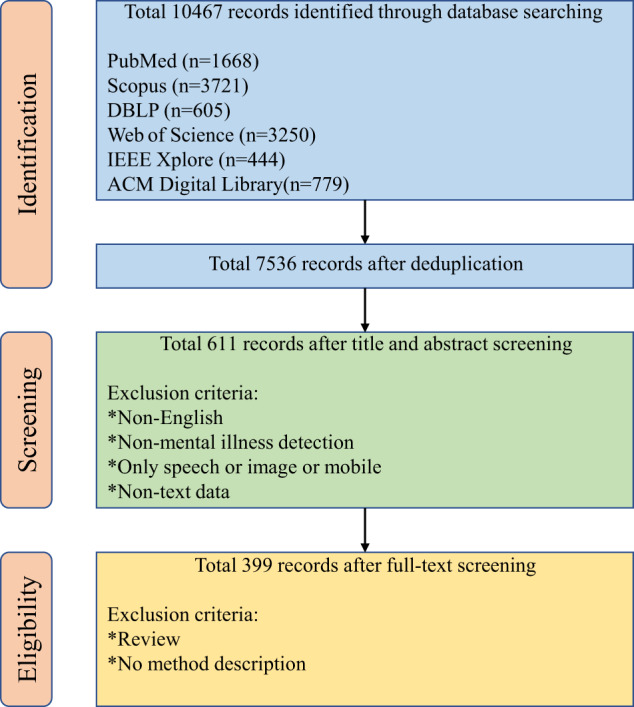
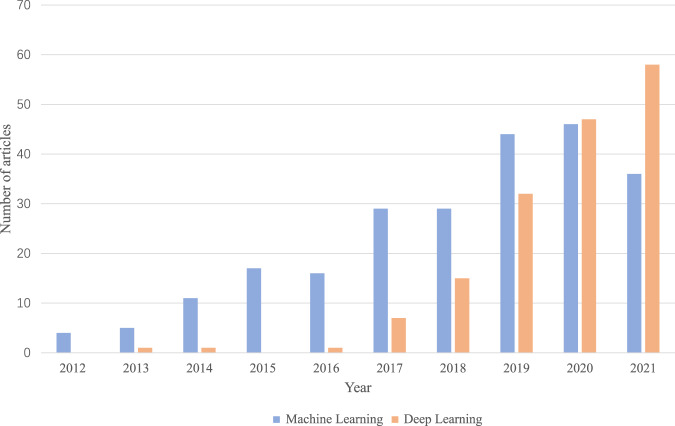
Mental illness is highly prevalent nowadays, constituting a major cause of distress in people’s life with impact on society’s health and well-being. Mental illness is a complex multi-factorial disease associated with individual risk factors and a variety of socioeconomic, clinical associations. In order to capture these complex associations expressed in a wide variety of textual data, including social media posts, interviews, and clinical notes, natural language processing (NLP) methods demonstrate promising improvements to empower proactive mental healthcare and assist early diagnosis. We provide a narrative review of mental illness detection using NLP in the past decade, to understand methods, trends, challenges and future directions. A total of 399 studies from 10,467 records were included. The review reveals that there is an upward trend in mental illness detection NLP research. Deep learning methods receive more attention and perform better than traditional machine learning methods. We also provide some recommendations for future studies, including the development of novel detection methods, deep learning paradigms and interpretable models.
Overview
The claims and statistics of this paper haven’t been checked yet.
Free: it reads the open-access text and checks the first 5 claims that cite a source we can check. Create a free account to check every claim.
Integrity signals
Registry
Cites
Statistics
Figures
Verification
Claims the paper makes
The claims and statistics of this paper haven’t been checked yet.
Free: it reads the open-access text and checks the first 5 claims that cite a source we can check. Create a free account to check every claim.
Claims other papers make about this one
Each is checked against this paper’s own text: does it say what the citing paper says it does?
The cited source says what the claim attributes to it.
In the citing paper
“In order to avoid missing studies, we crosschecked our study selection with existing literature reviews 8,10,13,17,19 and no additional studies were added.”
From Linguistic markers for identifying post-traumatic stress disorder and associated symptoms: a systematic literature review (2025) · cites this paper as [13]
Self-check
Percentages, sums and reported differences re-computed from the paper’s own numbers.
The self-check needs the paper’s full text.
Citations
Cites
Vaswani, A., Shazeer, N., Parmar, N., Uszkoreit, J., Jones, L., Gomez, A. N., Kaiser, L., & Polosukhin, I. (2017) · arXiv · doi:10.48550/arxiv.1706.03762 · Cited by 120,404 · cited 1×
“Recently, transformer architectures 147 were able to solve long-range dependencies using attention and recurrence.”
BackgroundHochreiter, S., & Schmidhuber, J. (1997) · Neural Computation · doi:10.1162/neco.1997.9.8.1735 · Cited by 102,318 · cited 13×
“RNN-based methods LSTM or GRU (some with attention mechanism) 32,133,136,232 – 234 Standard RNN structure: Long Short-Term Memory networks (LSTM) or Gate Recurrent Unit(GRU), and some studies add attention mechanism.”
MethodInfluentialLeCun, Y., Bengio, Y., & Hinton, G. (2015) · Nature · doi:10.1038/nature14539 · Cited by 84,126
Glove: Global Vectors for Word Representation
Pennington, J., Socher, R., & Manning, C. (2014) · Proceedings of the 2014 Conference on Empirical Methods in Natural Language Processing (EMNLP) · doi:10.3115/v1/d14-1162 · Cited by 34,071 · cited 1×
“There are many different embedding techniques, such as ELMo, GloVe word embedding 118 , word2vec 119 and contextual language encoder representations (e.g., bidirectional encoder representations from transformers (BERT) 120 and ALBERT[121).”
Method(2003) · Journal of Machine Learning Research · doi:10.5555/944919.944937 · Cited by 32,337
PRISMA-P Group, Moher, D., Shamseer, L., Clarke, M., Ghersi, D., Liberati, A., Petticrew, M., Shekelle, P., & Stewart, L. A. (2015) · Systematic Reviews · doi:10.1186/2046-4053-4-1 · Cited by 26,223
Learning Phrase Representations using RNN Encoder–Decoder for Statistical Machine Translation
Cho, K., van Merrienboer, B., Gulcehre, C., Bahdanau, D., Bougares, F., Schwenk, H., & Bengio, Y. (2014) · Proceedings of the 2014 Conference on Empirical Methods in Natural Language Processing (EMNLP) · doi:10.3115/v1/d14-1179 · Cited by 25,545 · cited 8×
“RNN-based methods LSTM or GRU (some with attention mechanism) 32,133,136,232 – 234 Standard RNN structure: Long Short-Term Memory networks (LSTM) or Gate Recurrent Unit(GRU), and some studies add attention mechanism.”
MethodInfluential"Why Should I Trust You?": Explaining the Predictions of Any Classifier
Ribeiro, M. T., Singh, S., & Guestrin, C. (2016) · Proceedings of the 22nd ACM SIGKDD International Conference on Knowledge Discovery and Data Mining · doi:10.1145/2939672.2939778 · Cited by 17,555
VADER: a parsimonious rule-based model for sentiment analysis of social media text
Hutto, C., & Gilbert, E. (2014) · Proceedings of the International AAAI Conference on Web and Social Media · doi:10.1609/icwsm.v8i1.14550 · Cited by 6,087
The Psychological Meaning of Words: LIWC and Computerized Text Analysis Methods
Tausczik, Y. R., & Pennebaker, J. W. (2010) · Journal of Language and Social Psychology · doi:10.1177/0261927x09351676 · Cited by 5,774
Research works printed but not linked: 21
- Khan A Husain MS Khan A Analysis of mental state of users using social media to predict depression! a survey Int. J. Adv. Res. Comput. Sci. 2018 9 100 106
- Trifan A Antunes R Matos S Oliveira JL Understanding depression from psycholinguistic patterns in social media texts Adv. Inf. Retr. 2020 12036 402
- Delahunty, F., Wood, I. D. & Arcan, M. First insights on a passive major depressive disorder prediction system with incorporated conversational chatbot. In Irish Conference on Artificial Intelligence and Cognitive Science (2018).
- Prakash, A., Agarwal, K., Shekhar, S., Mutreja, T. & Chakraborty, P. S. An ensemble learning approach for the detection of depression and mental illness over twitter data. In 2021 8th International Conference on Computing for Sustainable Global Development (INDIACom), pp. 565–570 (2021).
- Desmet, B. & Hoste, V. Recognising suicidal messages in dutch social media. In 9th International Conference on Language Resources and Evaluation (LREC), pp. 830–835 (2014).
- Zhou, D., Bousquet, O., Lal, T. N., Weston, J. & Schölkopf, B. Learning with local and global consistency. In Advances in Neural Information Processing Systems, pp. 321–328 (2004).
- Ghannay, S., Favre, B., Esteve, Y. & Camelin, N. Word embedding evaluation and combination. In Proc. Tenth International Conference on Language Resources and Evaluation (LREC’16), pp. 300–305 (2016).
- Mikolov, T., Chen, K., Corrado, G. & Dean, J. Efficient estimation of word representations in vector space. In Proc. 1st International Conference on Learning Representations (ICLR) Workshops Track. (2013).
- Devlin, J., Chang, M. W., Lee, K. & Toutanova, K. Bert: Pre-training of deep bidirectional transformers for languageunderstanding. In Proc. NAACL-HLT, pp. 4171–4186 (2019).
- Pascanu, R., Mikolov, T. & Bengio, Y. On the difficulty of training recurrent neural networks. In International Conference on Machine Learning, pp. 1310–1318 (2013).
- Bahdanau, D., Cho, K. & Bengio, Y. Neural machine translation by jointly learning to align and translate. In Proc. 3rd International Conference on Learning Representations (ICLR) (2015).
- Settles, B. Closing the loop: fast, interactive semi-supervised annotation with queries on features and instances. In Proc. 2011 Conference on Empirical Methods in Natural Language Processing, pp. 1467–1478 (2011).
- Maupomé, D. & Meurs, M. -J. Using topic extraction on social media content for the early detection of depression. In CLEF (Working Notes) vol. 2125 (2018)
- Wang, W. Y., Singh, S. & Li, J. Deep adversarial learning for nlp. In Proc. 2019 Conference of the North American Chapter of the Association for Computational Linguistics: Tutorials, pp. 1–5 (2019).
- Li, Y., Tian, X., Liu, T. & Tao, D. Multi-task model and feature joint learning. In Twenty-Fourth International Joint Conference on Artificial Intelligence (2015).
- Xu, Z., Pérez-Rosas, V. & Mihalcea, R. Inferring social media users’ mental health status from multimodal information. In Proc. 12th Language Resources and Evaluation Conference, pp. 6292–6299 (2020).
- Mittal, A. et al. Multi-modal detection of alzheimer’s disease from speech and text. In Proc. BIOKDD'21 (2021).
- Song, H., You, J., Chung, J. -W. & Park, J. C. Feature attention network: Interpretable depression detection from social media. In Proc. 32nd Pacific Asia Conference on Language, Information and Computation (2018).
- Stephen JJ Prabu P Detecting the magnitude of depression in twitter users using sentiment analysis Int. J. Electr. Comput. Eng. 2019 9 3247
- Mikolov, T., Sutskever, I., Chen, K., Corrado, G. S. & Dean, J. Distributed representations of words and phrases and their compositionality. In Advances in Neural Information Processing Systems, pp. 3111–3119 (2013).
- Bandyopadhyay, A., Achilles, L., Mandl, T., Mitra, M. & Saha, S. K. Identification of depression strength for users of online platforms: a comparison of text retrieval approaches. In Proc. CEUR Workshop Proceedings, vol. 2454, pp. 331–342 (2019).
Cited by
Do AI chatbots improve students learning outcomes? Evidence from a meta‐analysis
Wu, R., & Yu, Z. (2024) · British Journal of Educational Technology · doi:10.1111/bjet.13334 · Cited by 576
Enhancing mental health with Artificial Intelligence: Current trends and future prospects
Olawade, D. B., Wada, O. Z., Odetayo, A., David-Olawade, A. C., Asaolu, F., & Eberhardt, J. (2024) · Journal of Medicine, Surgery, and Public Health · doi:10.1016/j.glmedi.2024.100099 · Cited by 514
“Natural Language Processing (NLP) techniques enable extracting valuable insights from written or spoken words [53,54].”
BackgroundNatural Language Processing for Smart Healthcare
Zhou, B., Yang, G., Shi, Z., & Ma, S. (2024) · IEEE Reviews in Biomedical Engineering · doi:10.1109/rbme.2022.3210270 · Cited by 230
“The data collected for such analysis may include text data such as social media posts, screening surveys, EHRs [220], and also speech data come from narrative interviews [221], etc. NLP techniques could also (automatically) provide effective psychotherapeutic interventions through web-based…”
BackgroundKhan, W., Daud, A., Khan, K., Muhammad, S., & Haq, R. (2023) · Natural Language Processing Journal · doi:10.1016/j.nlp.2023.100026 · Cited by 217
The now and future of ChatGPT and GPT in psychiatry
Cheng, S., Chang, C., Chang, W., Wang, H., Liang, C., Kishimoto, T., Chang, J. P., Kuo, J. S., & Su, K. (2023) · Psychiatry and Clinical Neurosciences · doi:10.1111/pcn.13588 · Cited by 188
Towards Interpretable Mental Health Analysis with Large Language Models
Yang, K., Ji, S., Zhang, T., Xie, Q., Kuang, Z., & Ananiadou, S. (2023) · Proceedings of the 2023 Conference on Empirical Methods in Natural Language Processing · doi:10.18653/v1/2023.emnlp-main.370 · Cited by 155
“SteveKGYang/MentalLLaMA health care (Zhang et al., 2022a).”
BackgroundInfluentialSelf-citationKhoo, L. S., McNaney, R., Lim, M. K., & Chong, C. Y. (2024) · Sensors · doi:10.3390/s24020348 · Cited by 241
Tejaswini, V., Babu, K. S., & Sahoo, B. (2022) · ACM Transactions on Asian and Low-Resource Language Information Processing · doi:10.1145/3569580 · Cited by 176
“This work proposes the “FCL” method, which combines the Fast Text Embedding tech nique for better word representations with a classifier that uses a CNN and LSTM combination to improve the accuracy by extracting the global features quickly with local dependencies.”
MethodToward explainable AI (XAI) for mental health detection based on language behavior
Kerz, E., Zanwar, S., Qiao, Y., & Wiechmann, D. (2023) · Frontiers in Psychiatry · doi:10.3389/fpsyt.2023.1219479 · Cited by 155
“Although the field of MIDAS has made significant progress, recent studies have prioritized predictive accuracy over model interpretability by relying on deep learning techniques and architectures, as noted by Su et al. (23), Zhang et al. (11), and Greco et al. (24).”
MethodYang, K., Zhang, T., & Ananiadou, S. (2022) · Information Processing & Management · doi:10.1016/j.ipm.2022.102961 · Cited by 116
Self-citationLarge Language Models in Mental Health Care: A Scoping Review
Hua, Y., Liu, F., Yang, K., Li, Z., Na, H., Sheu, Y.-H., Zhou, P., Moran, L. V., Ananiadou, S., Clifton, D. A., et al. (2025) · Current Treatment Options in Psychiatry · doi:10.1007/s40501-025-00363-y · Cited by 92
Self-citationChow, J. C. L., Wong, V., & Li, K. (2024) · BioMedInformatics · doi:10.3390/biomedinformatics4010047 · Cited by 117
“Chatbots can help with daily emotional support; there are studies proving they are capable of helping people get rid of stress and feelings of depression, which also somehow demonstrate better results than traditional mental heath treatments [68].”
ResultEmotion fusion for mental illness detection from social media: A survey
Zhang, T., Yang, K., Ji, S., & Ananiadou, S. (2022) · Information Fusion · doi:10.1016/j.inffus.2022.11.031 · Cited by 113
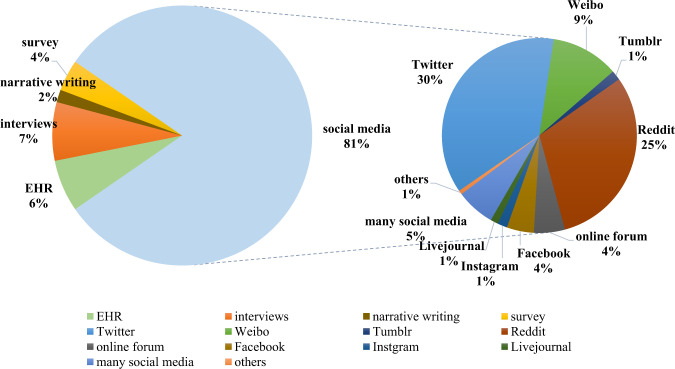
“Indeed, a recent review on mental illness detection [4], reveals that the majority of research in this area (81”
BackgroundMethodInfluentialSelf-citationKumar, K., Kumar, P., Deb, D., Ungureșan, M.-L., & Mureşan, V. (2023) · Healthcare · doi:10.3390/healthcare11020207 · Cited by 122
“Moreover, this branch of Artificial Intelligence is utilized for evaluating mental illness [26], understanding the clinical workflow [27,28], classifying medical prescriptions [29], forecasting patient predilection [30,31], predicting risk and stratification of a patient [32], making decision support…”
Emotion detection for misinformation: A review
Liu, Z., Zhang, T., Yang, K., Thompson, P., Yu, Z., & Ananiadou, S. (2024) · Information Fusion · doi:10.1016/j.inffus.2024.102300 · Cited by 133
“Collection: Similarly to the search strategy described in [59, 60], we conducted an initial keyword search aimed at retrieving articles published between January 2016 and September 2023 that mention both misinformation and affective information.”
MethodSelf-citationZafar, F., Fakhare Alam, L., Vivas, R. R., Wang, J., Whei, S. J., Mehmood, S., Sadeghzadegan, A., Lakkimsetti, M., & Nazir, Z. (2024) · Cureus · doi:10.7759/cureus.56472 · Cited by 55
Malhotra, A., & Jindal, R. (2023) · Cognitive Systems Research · doi:10.1016/j.cogsys.2023.101186 · Cited by 82
Ferrario, A., Sedlakova, J., & Trachsel, M. (2024) · JMIR Mental Health · doi:10.2196/56569 · Cited by 61
“Currently, obtaining such data for patients with depression is challenging, with most available examples coming from social media platforms such as Twitter or Reddit [82].”
BackgroundAli, M., Ali, S., Abbas, Q., Abbas, Z., & Lee, S. (2025) · Digital Health · doi:10.1177/20552076251395548 · Cited by 116
Screening for Depression Using Natural Language Processing: Literature Review
Teferra, B. G., Rueda, A., Pang, H. Y. M., Valenzano, R., Samavi, R., Krishnan, S., & Bhat, V. (2024) · Interactive Journal of Medical Research · doi:10.2196/55067 · Cited by 86
“The main findings of this review align with prior work in the field, which has also identified the potential of NLP techniques in mental health detection [9,10,29].”
BackgroundResultArtificial intelligence in perinatal mental health research: A scoping review
Kwok, W. H., Zhang, Y., & Wang, G. (2024) · Computers in Biology and Medicine · doi:10.1016/j.compbiomed.2024.108685 · Cited by 62
Predictive Analysis of Mental Health Conditions Using AdaBoost Algorithm
Ogunseye, E. O., Adenusi, C. A., Nwanakwaugwu, A. C., Ajagbe, S. A., & Akinola, S. O. (2022) · ParadigmPlus · doi:10.55969/paradigmplus.v3n2a2 · Cited by 62
“One of the complex illnesses associated with varieties of clinical associations and socioeconomic status is mental illness and it’s being associated with diverse textual clinical data, coupled with those from social media and interviews [16].”
BackgroundHameed, S., Nauman, M. A., Akhtar, N., Fayyaz, M. A. B., & Nawaz, R. (2025) · Frontiers in Artificial Intelligence · doi:10.3389/frai.2025.1627078 · Cited by 88
Large Language Models in Mental Health Care: A Systematic Scoping Review (Preprint)
hua, Y., Liu, F., Yang, K., Li, Z., Sheu, Y.-H., Zhou, P., Moran, L. V., Ananiadou, S., Clifton, D. A., & Beam, A. (2024) · doi:10.2196/preprints.64088 · Cited by 46
Self-citationTransformer-based language models for mental health issues: A survey
Greco, C. M., Simeri, A., Tagarelli, A., & Zumpano, E. (2023) · Pattern Recognition Letters · doi:10.1016/j.patrec.2023.02.016 · Cited by 58
The Future of Artificial Intelligence in Mental Health Nursing Practice: An Integrative Review
Milasan, L. H., & Scott, D. (2025) · International Journal of Mental Health Nursing · doi:10.1111/inm.70003 · Cited by 68
Sarkar, S., Gaur, M., Chen, L. K., Garg, M., & Srivastava, B. (2023) · Frontiers in Artificial Intelligence · doi:10.3389/frai.2023.1229805 · Cited by 38
Automated Scoring of Clinical Patient Notes Using Advanced NLP and Pseudo Labeling
Xu, J., Jiang, Y., Yuan, B., Li, S., & Song, T. (2023) · IEEE International Conference on Artificial Intelligence and Computer Applications (ICAICA) · doi:10.1109/icaica58456.2023.10405427 · Cited by 39
“The advent of transfer learning has enabled the fine-tuning of these pre-trained models on domain-specific corpora, resulting in improved performance on specialized tasks [8].”
BackgroundOhse, J., Hadžić, B., Mohammed, P., Peperkorn, N., Danner, M., Yorita, A., Kubota, N., Rätsch, M., & Shiban, Y. (2024) · Computer Speech & Language · doi:10.1016/j.csl.2024.101663 · Cited by 63
The Role of Artificial Intelligence in Mental Health: A Review
Shimada, K. (2023) · Science Insights · doi:10.15354/si.23.re820 · Cited by 58
Diagnostic accuracy of large language models in psychiatry
Gargari, O. K., Fatehi, F., Mohammadi, I., Firouzabadi, S. R., Shafiee, A., & Habibi, G. (2024) · Asian Journal of Psychiatry · doi:10.1016/j.ajp.2024.104168 · Cited by 48
An optimized deep learning approach for suicide detection through Arabic tweets
Baghdadi, N. A., Malki, A., Balaha, H. M., AbdulAzeem, Y., Badawy, M., & Elhosseini, M. A. (2022) · PeerJ Computer Science · doi:10.7717/peerj-cs.1070 · Cited by 36
“LSTM 76 BiLSTM 90 Zogan et al. (2022) 2022 CNN+RNN English Twitter 4,208 users 89.5 Kour & Gupta (2022) 2022 CNN-biLSTM English Twitter 1,402 depressed 94.”
BackgroundInfluentialUddin, M. K. S. (2024) · GLOBAL MAINSTREAM JOURNAL · doi:10.62304/ijmisds.v1i04.185 · Cited by 67
Predicting Diagnostic Progression to Schizophrenia or Bipolar Disorder via Machine Learning
Hansen, L., Bernstorff, M., Enevoldsen, K., Kolding, S., Damgaard, J. G., Perfalk, E., Nielbo, K. L., Danielsen, A. A., & Østergaard, S. D. (2025) · JAMA Psychiatry · doi:10.1001/jamapsychiatry.2024.4702 · Cited by 34
Montejo‐Ráez, A., Molina-González, M. D., Jiménez-Zafra, S. M., Cumbreras, M. Á. G., & López, L. J. G. (2024) · Computer Science Review · doi:10.1016/j.cosrev.2024.100654 · Cited by 64
Ahmed, A., Ramesh, J., Ganguly, S., Aburukba, R., Sagahyroon, A. A., & Aloul, F. (2022) · Information · doi:10.3390/info13090406 · Cited by 38
Villarreal‐Zegarra, D., Reátegui-Rivera, C. M., García-Serna, J., Quispe-Callo, G., Lázaro-Cruz, G., Centeno-Terrazas, G., Gálvez-Arévalo, R. A., Escobar-Agreda, S., Rodríguez, A. D., & Finkelstein, J. (2024) · JMIR Mental Health · doi:10.2196/59560 · Cited by 45
“Previously, other systematic reviews, such as those conducted by Le Glaz et al [19] and Zhang et al [20], analyzed the impact of NLP on mental health.”
MethodnBERT: Harnessing NLP for Emotion Recognition in Psychotherapy to Transform Mental Health Care
Rasool, A., Aslam, S., Hussain, N., Imtiaz, S., & Riaz, W. (2025) · Information · doi:10.3390/info16040301 · Cited by 46
Assessment of the human response to acute mental stress–An overview and a multimodal study
Ernst, H., Scherpf, M., Pannasch, S., Helmert, J. R., Malberg, H., & Schmidt, M. U. (2023) · PLoS ONE · doi:10.1371/journal.pone.0294069 · Cited by 46
Li, T. M. H., Chen, J., Law, F., Li, C.-T., Chan, N. Y., Chan, J. W. Y., Chau, S. W. H., Liu, Y., Li, S. X., Zhang, J., et al. (2023) · JMIR Medical Informatics · doi:10.2196/50221 · Cited by 59
“The study complements previous research with social media data (over 80% of the related studies were conducted using social media texts [19]) by (1) incorporating clinician-rated measures as the outcome, (2) investigating texts generated for specific purposes (ie, responding to the HAMD questions),…”
BackgroundMethodInfluentialCritical review of self‐diagnosis of mental health conditions using artificial intelligence
Wimbarti, S., Kairupan, B. H. R., & Tallei, T. E. (2024) · International Journal of Mental Health Nursing · doi:10.1111/inm.13303 · Cited by 42
PHQ-aware depressive symptoms identification with similarity contrastive learning on social media
Zhang, T., Yang, K., Alhuzali, H., Liu, B., & Ananiadou, S. (2023) · Information Processing & Management · doi:10.1016/j.ipm.2023.103417 · Cited by 40
Self-citationSohn, J.-S., Lee, E., Kim, J., Oh, H.-K., & Kim, E. J. (2025) · Frontiers in Psychiatry · doi:10.3389/fpsyt.2025.1628216 · Cited by 49
“At the same time, this rapid progress underscores the critical need for thoughtful implementation, rigorous clinical validation, ethical considerations, and alignment of AI-driven tools with established clinical standards and individualized patient needs (9, 53 – 55).”
Li, S., Nair, R., & Naqvi, S. M. (2024) · IEEE Journal of Translational Engineering in Health and Medicine · doi:10.1109/jtehm.2024.3369764 · Cited by 35
“Recently, audio and text modalities have drawn more attention for mental health detection due to the characteristics of obtainable, non-invasive and containing abundant information [21], [22].”
BackgroundWar, emotions, mental health, and artificial intelligence
Ćosić, K., Kopilaš, V., & Jovanović, T. (2024) · Frontiers in Psychology · doi:10.3389/fpsyg.2024.1394045 · Cited by 67
“NLP-based semantic analysis and recognition of specific keywords to track individual emotions and moods illustrates promising improvements to empower mental health management (Zhang et al., 2022).”
BackgroundMethodInfluentialArtificial intelligence for suicide assessment using Audiovisual Cues: a review
Dhelim, S., Chen, L., Ning, H., & Nugent, C. (2022) · Artificial Intelligence Review · doi:10.1007/s10462-022-10290-6 · Cited by 52
“The recent advancement in AI, specifically AI applications in image, voice processing and natural language processing [9], [10], has created a promising opportunity to revolutionize suicide risk assessment.”
BackgroundLiu, F., Ju, Q., Zheng, Q., & Peng, Y. (2024) · Current Opinion in Behavioral Sciences · doi:10.1016/j.cobeha.2024.101452 · Cited by 45
“It’s Not Only Attention We Need”: Systematic Review of Large Language Models in Mental Health Care
Bucher, A. M., Egger, S., Vashkite, I., Wu, W., & Schwabe, G. (2025) · JMIR Mental Health · doi:10.2196/78410 · Cited by 63
“Furthermore, chatbots are effective in identifying specific mental conditions [54], building emotional support [55], or supporting interventions [56].”
Alhuzali, H., Zhang, T., & Ananiadou, S. (2022) · Journal of Medical Internet Research · doi:10.2196/40323 · Cited by 35
“Emotion detection systems have been used for alerting public health practitioners, for monitoring mental health patients [27], suicide prevention [28], and adverse drug reactions [29].”
Self-citationMultimodal machine learning for language and speech markers identification in mental health
Drougkas, G., Bakker, E. M., & Spruit, M. R. (2024) · BMC Medical Informatics and Decision Making · doi:10.1186/s12911-024-02772-0 · Cited by 37
Ibrahim, S. T., Li, M., Patel, J., & Katapally, T. R. (2025) · Computers in Biology and Medicine · doi:10.1016/j.compbiomed.2025.109859 · Cited by 43
Quillivic, R., Gayraud, F., Auxéméry, Y., Vanni, L., Peschanski, D., Eustache, F., Dayan, J., & Mesmoudi, S. (2024) · Scientific Reports · doi:10.1038/s41598-024-61557-7 · Cited by 24
Multimodal Technologies for Remote Assessment of Neurological and Mental Health
Ramanarayanan, V. (2024) · Journal of Speech Language and Hearing Research · doi:10.1044/2024_jslhr-24-00142 · Cited by 45
“…writing sources and even EHRs across languages to automatically identify early indicators of mental illness and support early detection, prevention, and treatment (for an extensive review of NLP for mental health and neurodegenerative disorders, see Boschi et al., 2017; Zhang et al., 2022).”
Determinants of depressive symptoms in multinational middle-aged and older adults
Lu, C., Wan, S., & Liu, Z. (2025) · npj Digital Medicine · doi:10.1038/s41746-025-01905-7 · Cited by 28
“Recently, machine learning has emerged as a promising tool for mental health prediction 10,11 .”
Zhu, J., Yalamanchi, N., Jin, R., Kenne, D. R., & Phan, N. (2023) · Journal of Medical Internet Research · doi:10.2196/46867 · Cited by 31
“Especially, during the pandemic, social media use surged as billions of people stayed at home and practiced social distancing [6].”
Ethical Dimensions of Digital Phenotyping Within the Context of Mental Healthcare
D’Alfonso, S., Coghlan, S., Schmidt, S., & Mangelsdorf, S. N. (2024) · Journal of Technology in Behavioral Science · doi:10.1007/s41347-024-00423-9 · Cited by 28
“…language we use provides a window into our minds, text from sources such as (online) therapy/counselling transcripts, keyboard character input and peoples’ social media posts can potentially be analysed with natural language processing (NLP) to assess mental health (Garg, 2023; Zhang et al., 2022).”
Leveraging large language models for automated depression screening
Teferra, B. G., Perivolaris, A., Hsiang, W.-N., Sidharta, C. K., Rueda, A., Parkington, K. B., Wu, Y., Soni, A., Samavi, R., Jetly, R., et al. (2025) · PLOS Digital Health · doi:10.1371/journal.pdig.0000943 · Cited by 35
Transforming mental health research and care through artificial intelligence
Opel, N., & Breakspear, M. J. (2026) · Science · doi:10.1126/science.adz9193 · Cited by 37
Deep Learning based techniques for Neuro-degenerative disorders detection
Kasyap, V. L. V. S. K. B., & Dasari, C. M. (2023) · Engineering Applications of Artificial Intelligence · doi:10.1016/j.engappai.2023.106103 · Cited by 24
Owen, D. C., Antypas, D., Hassoulas, A., Pardiñas, A. F., Espinosa-Anke, L., & Camacho-Collados, J. (2023) · JMIR AI · doi:10.2196/41205 · Cited by 34
“Related Work There is a growing body of literature on the use of NLP techniques to analyze depression patterns on social media [9,10].”
BackgroundWright-Berryman, J. L., Cohen, J., Haq, A., Black, D. P., & Pease, J. L. (2023) · Frontiers in Psychiatry · doi:10.3389/fpsyt.2023.1143175 · Cited by 26
“Additionally, NLP models can perform well despite speakers’ varied location and regional dialect (13) making this method geographically portable (6).”
BackgroundDepression, anxiety, and burnout in academia: topic modeling of PubMed abstracts
Lezhnina, O. (2023) · Frontiers in Research Metrics and Analytics · doi:10.3389/frma.2023.1271385 · Cited by 35
A review on the efficacy of artificial intelligence for managing anxiety disorders
Das, K. P., & Gavade, P. (2024) · Frontiers in Artificial Intelligence · doi:10.3389/frai.2024.1435895 · Cited by 28
“A common data source for these chatbots comes from user interactions within dedicated mental health apps, such as mindfulness training apps or chatbots specifically designed for anxiety or depression management (Zhang et al., 2022).”
Backgroundde Oliveira, A. C., Azevedo, J. P. C., Ruback, L., Moreira, R., Teixeira, S. S., & Teles, A. S. (2025) · IEEE Access · doi:10.1109/access.2025.3556245 · Cited by 29
“Natural Language Processing (NLP) techniques examine SI manifestations in text data, such as interviews, social media posts and clinical notes [115].”
Bhavani, B. H., & Naveen, N. C. (2024) · Engineering Technology & Applied Science Research · doi:10.48084/etasr.7162 · Cited by 24
“Deep Learning (DL) methods receive more attention and outperform traditional Machine Learning (ML) methods [11].”
Linardon, J. (2025) · Current Treatment Options in Psychiatry · doi:10.1007/s40501-025-00344-1 · Cited by 28
“The vast majority of research using NLP techniques has relied on textual data derived from social media posts to model the trajectory or symptoms of mental illness [49].”
Huang, Y., Wang, W., Zhou, J., Zhang, L., Lin, J., Liu, H., Hu, X., Zhou, Z., & Dong, W. (2025) · Information Processing & Management · doi:10.1016/j.ipm.2025.104152 · Cited by 22
Sutranggono, A. N., Sarno, R., & Ghozali, I. (2024) · Journal of Information and Communication Technology · doi:10.32890/jict2024.23.1.4 · Cited by 32
Falling Behind and Getting Ahead: Student Use of Generative AI in Education
Kuzminov, Y. I., Kruchinskaia, E. V., Gruzdev, I., & Naumov, A. (2025) · Высшее образование в России · doi:10.31992/0869-3617-2025-34-6-9-35 · Cited by 44
Identification of maternal depression risk from natural language collected in a mobile health app
Krishnamurti, T., Allen, K., Hayani, L., Rodriguez, S. N., & Davis, A. L. (2022) · Procedia Computer Science · doi:10.1016/j.procs.2022.09.092 · Cited by 21
“These preliminary findings illustrate the potential of language and, consistent with other studies 14 , the use of topics, specifically, to help identify mental health status.”
ResultMerhbene, G., Puttick, A. R., & Kurpicz-Briki, M. (2024) · Frontiers in Psychiatry · doi:10.3389/fpsyt.2024.1319522 · Cited by 23
“For instance, Zhang et al. (45) relied on the voluntary efforts of 31 individuals to meticulously annotate 8554 data points encompassing 38 symptoms related to MD (Mental Disorders).”
BackgroundResultInfluentialMartinson, A. K., Chin, A. T., Butte, M. J., & Rider, N. L. (2024) · The Journal of Allergy and Clinical Immunology In Practice · doi:10.1016/j.jaip.2024.08.012 · Cited by 22
Dalal, S., Tilwani, D., Gaur, M., Jain, S., Shalin, V. L., & Sheth, A. P. (2025) · IEEE Journal of Biomedical and Health Informatics · doi:10.1109/jbhi.2024.3483577 · Cited by 19
“The proposed PSAT model is inspired by the TIFU framework and significantly contributes to knowledge infusion using CPGs. Mental Health: Concentrated effort over the last decade en-deavors to enhance MH services by applying AI and machine learning to both social media and clinical data [22], [23].”
MethodMentalChat16K: A Benchmark Dataset for Conversational Mental Health Assistance
Xu, J., Wei, T., Hou, B., Orzechowski, P., Yang, S., Jin, R., Paulbeck, R., Wagenaar, J., Demiris, G., & Shen, L. (2025) · ACM SIGKDD Conference on Knowledge Discovery and Data Mining (KDD) · doi:10.1145/3711896.3737393 · Cited by 59
“Quantization involves converting the precision of model’s weights from higher precision representation (e.g. 32-bit floating-point number) to lower precision format (e.g. 8-bit fixed-point number).”
Zhao, X., Lou, Z., Shah, P. T., Wu, C., Liu, R., Xie, W. B., & Zhang, S. (2025) · Sensors · doi:10.3390/s25154858 · Cited by 23
“Combining wearable, environmental, and smartphone passive sensing captures comprehensive physiological and behavioral patterns across varied contexts [57,124].”
Data Quality Matters: Suicide Intention Detection on Social Media Posts Using RoBERTa-CNN
Lin, E., Sun, J., Chen, H., & Mahoor, M. H. (2024) · Annual International Conference of the IEEE Engineering in Medicine and Biology Society (EMBC) · doi:10.1109/embc53108.2024.10782647 · Cited by 27
“Currently, transformer-based NLP models are good at tack-ling various medical tasks (cardiology and neurology research [7]) and mental health tasks [8].”
Tran, N., Ta, P., Nguyen, H. T., Nguyen, H. D., & Le, A.-C. (2025) · Expert Systems with Applications · doi:10.1016/j.eswa.2025.128505 · Cited by 17
Lombo, X., Oyelade, O. N., & Ezugwu, A. E.-S. (2022) · Lecture notes in computer science · doi:10.1007/978-3-031-10548-7_37 · Cited by 17
Reinventing mental health care in youth through mobile approaches: Current status and future steps
Marciano, L., & Saboor, S. (2023) · Frontiers in Psychology · doi:10.3389/fpsyg.2023.1126015 · Cited by 21
“Research on the use of chatbots is still at the beginning, and new approaches, including NLP (Zhang et al., 2022) are now needed (Vaidyam et al., 2019) to understand the context and meaning of a statement, thus empowering proactive mental health care.”
BackgroundNabavi, S. F., Garmestani, H., & Fekri, F. (2025) · Journal of Manufacturing Processes · doi:10.1016/j.jmapro.2025.11.035 · Cited by 21
PIE: A Personalized Information Embedded model for text-based depression detection
Wu, Y., Liu, Z., Yuan, J., Chen, B., Cai, H., Liu, L., Zhao, Y., Mei, H., Deng, J., Bao, Y., et al. (2024) · Information Processing & Management · doi:10.1016/j.ipm.2024.103830 · Cited by 19
Zhang, T., Yang, K., & Ananiadou, S. (2023) · Workshop on Biomedical Language Processing (BioNLP) · doi:10.18653/v1/2023.bionlp-1.9 · Cited by 22
“With the huge success of PLMs in several NLP tasks, PLMs are widely used as sentence encoder for various tasks, including for mental health detection (Zhang et al., 2022).”
BackgroundMethodSelf-citationMentalQA: An Annotated Arabic Corpus for Questions and Answers of Mental Healthcare
Alhuzali, H., Alasmari, A., & Alsaleh, H. (2024) · IEEE Access · doi:10.1109/access.2024.3430068 · Cited by 40
“While efforts exist for other languages, Arabic remains understudied in this domain [28].”
BackgroundLanguage-based detection of depression with machine learning: systematic review and meta-analysis
Fisher, H., Jaffe, N. M., Pidvirny, K., Tierney, A. O., Vaidean, M. S., Dongre, P., & Webb, C. A. (2026) · npj Digital Medicine · doi:10.1038/s41746-026-02448-1 · Cited by 39
Exploring emotional patterns in social media through NLP models to unravel mental health insights
Shetty, N. P., Singh, Y., Hegde, V., Cenitta, D., & Dhruthi, K. (2025) · Healthcare Technology Letters · doi:10.1049/htl2.12096 · Cited by 23
“Despite the significant strides in utilizing NLP and machine learning disorder classification from social media text [20–24], there are several conspicuous gaps in the current body of research.”
Yang, X., & Li, G. (2025) · JMIR Formative Research · doi:10.2196/60286 · Cited by 17
“Depression is characterized by a constant depressed mood and the inability to anticipate happiness or pleasure; [1] it has emerged as one of the major challenges globally [2].”
On the State of NLP Approaches to Modeling Depression in Social Media: A Post-COVID-19 Outlook
Bucur, A.-M., Moldovan, A.-C., Parvatikar, K., Zampieri, M., KhudaBukhsh, A. R., & Dinu, L. P. (2025) · IEEE Journal of Biomedical and Health Informatics · doi:10.1109/jbhi.2025.3540507 · Cited by 29
“• Zhang et al. (2022) [10] focus on mental health illness detection instead of mental states, and is one of the most comprehensive, covering a total of nearly 400 studies on depression, bipolar disorder, schizophrenia, etc. • Dhelim et al. (2023) [11] is the most recent related review.”
A Scoping Review of Arabic Natural Language Processing for Mental Health
Alasmari, A. (2025) · Healthcare · doi:10.3390/healthcare13090963 · Cited by 15
Dementia Detection from Speech: What If Language Models Are Not the Answer?
Bouazizi, M., Zheng, C., Yang, S., & Ohtsuki, T. O. (2023) · Information · doi:10.3390/info15010002 · Cited by 20
Khan, A., & Ali, R. (2024) · Social Network Analysis and Mining · doi:10.1007/s13278-024-01205-0 · Cited by 26
“The authors also offered suggestions for further research, such as creating fresh detection techniques, deep learning paradigms, and understandable models (Zhang et al. 2022).”
Merayo, N., Lanchares, A. A., & González‐Sanguino, C. (2024) · PeerJ Computer Science · doi:10.7717/peerj-cs.2251 · Cited by 16
GPT-4 shows potential for identifying social anxiety from clinical interview data
Ohse, J., Hadžić, B., Mohammed, P., Peperkorn, N., Fox, J., Krutzki, J., Lyko, A., Fan, M., Zheng, X., Rätsch, M., et al. (2024) · Scientific Reports · doi:10.1038/s41598-024-82192-2 · Cited by 16
“In fact, only 2% of the studies evaluated by Zhang et al. 19 used interviews as a source.”
InfluentialAI-driven Innovations in Assessing Stress, Anxiety, and Mental Health
Inamdar, A., Gurupadayya, B., Gautam, M., Sharma, A., Pathak, R., & Sharma, H. (2025) · Current Psychiatry Research and Reviews · doi:10.2174/0126660822334997241216062002 · Cited by 16
Liu, J., Gu, J., Tong, M., Yue, Y., Qiu, Y., Zeng, L., Yu, Y., Yang, F., & Zhao, S. (2025) · BMC Psychiatry · doi:10.1186/s12888-025-06798-0 · Cited by 16
“However, these studies focused on detecting pre ‐ selected diseases [43].”
Xu, W., Ding, Z., Wang, Z., Cui, Z., Hu, Y., & Jiang, F. (2025) · IEEE Transactions on Geoscience and Remote Sensing · doi:10.1109/tgrs.2025.3612417 · Cited by 28
Khorasani, M., Kahani, M., Yazdi, S. A. A., & Hajiaghaei–Keshteli, M. (2023) · Knowledge-Based Systems · doi:10.1016/j.knosys.2023.110724 · Cited by 14
Knowledge-prompted ChatGPT: Enhancing drug trafficking detection on social media
Hu, C., Liu, B., Li, X., Ye, Y., & Yin, M. (2024) · Information & Management · doi:10.1016/j.im.2024.104010 · Cited by 28
NLP in SMEs for industry 4.0: opportunities and challenges
Bourdin, M., Paviot, T., Pellerin, R., & Lamouri, S. (2024) · Procedia Computer Science · doi:10.1016/j.procs.2024.06.186 · Cited by 19
Using large language models to detect outcomes in qualitative studies of adolescent depression
Xin, A. W., Nielson, D. M., Krause, K. R., Fiorini, G., Midgley, N., Pereira, F., & Lossio-Ventura, J. A. (2024) · Journal of the American Medical Informatics Association · doi:10.1093/jamia/ocae298 · Cited by 16
“A recent survey demonstrated that NLP enables automated screening for symptoms of several mental disorders from text data [7], though most of these studies only address a single binary classification (e.g., depressed and non-depressed) or regression (e.g., severity).”
BackgroundMethodInfluentialA review of medical text analysis: Theory and practice
Chen, Y., Zhang, C., Bai, R., Sun, T., Ding, W., & Wang, R. (2025) · Information Fusion · doi:10.1016/j.inffus.2025.103024 · Cited by 13
Metadata
- Authors
- Zhang, T., Schoene, A. M., Ji, S., & Ananiadou, S.
- Affiliations
- University of Manchester (GB)
- Aalto University (FI)
- Corresponding author
- Ananiadou, Sophia
- Venue
- npj Digital Medicine
- Published
- 2022-04-08
- Volume
- 5
- Issue
- 1
- Pages
- 46-46
- ISSN
- 2398-6352 (ISSN-L)
- PMC
- PMC8993841
- OpenAlex
- W4223610593
- Semantic Scholar
- 099f8bf42b95a4c239bc338b05821b592c60f44b
- Cited by
- 476
- References
- 204
- Citations by year
- 2026: 101 · 2025: 144 · 2024: 124 · 2023: 85 · 2022: 22
- FWCI
- 14.07
- Type
- journal article
- Language
- en
- Open access
- gold
- doi.org
- Licence
- cc-by
- creativecommons.org/licenses/by/4.0 (tdm)
- creativecommons.org/licenses/by/4.0 (vor)
- Locations
- npj Digital Medicine (publishedVersion, cc-by)
- PubMed Central (publishedVersion, cc-by)
- PubMed (publishedVersion)
- Aaltodoc (Aalto University) (submittedVersion, cc-by)
- DOAJ (DOAJ: Directory of Open Access Journals) (submittedVersion)
- Research Explorer (The University of Manchester) (submittedVersion)
- Funders
- Alan Turing Institute
- Horizon 2020 Framework Programme (874703)
- Topics
- Social Sciences › Psychology › Social Psychology › Mental Health via Writing
- Physical Sciences › Computer Science › Artificial Intelligence › Sentiment Analysis and Opinion Mining
- Physical Sciences › Computer Science › Artificial Intelligence › Emotion and Mood Recognition
- Keywords
- mental disorder detection, natural language processing, early diagnosis, social media text analysis, clinical notes, deep learning, interpretable models, mental health services, text classification
About these checks
Registry, retraction, Cites and statistics results are computed, not judged, with one exception: a printed reference that no index lists is read once by a model before it counts as a citation error. Claims are extracted by a model and kept only when their quote appears verbatim in the text; each cited source is then checked, with a model’s help, for whether it says what the claim relies on. Those verdicts can be wrong — read the claim’s quote and the cited source before relying on one.
Statistics and arithmetic are recomputed, not judged.
Confidence bands are shown only for fields calibrated on our annotated test set. None is calibrated yet, so no band is shown.
What counts as a claim ›How we measure confidence ›How we check this ›
Are you an author, or do you see a problem with this page? Request a review
Data sources
Bibliographic data: Semantic Scholar, OpenAlex, Crossref.
Contains information from the Semantic Scholar Academic Graph Datasets, made available under the ODC Attribution License (ODC-BY 1.0).
Semantic Scholar’s data is described in: Kinney, R., et al. (2023). The Semantic Scholar Open Data Platform. arXiv:2301.10140.
