

Activated protein C reverses epigenetically sustained p66Shc expression in plaque-associated macrophages in diabetes
Open accessThe DOI matches its Crossref record; 68 of the 68 references it cites were found in a registry or an index.
Abstract
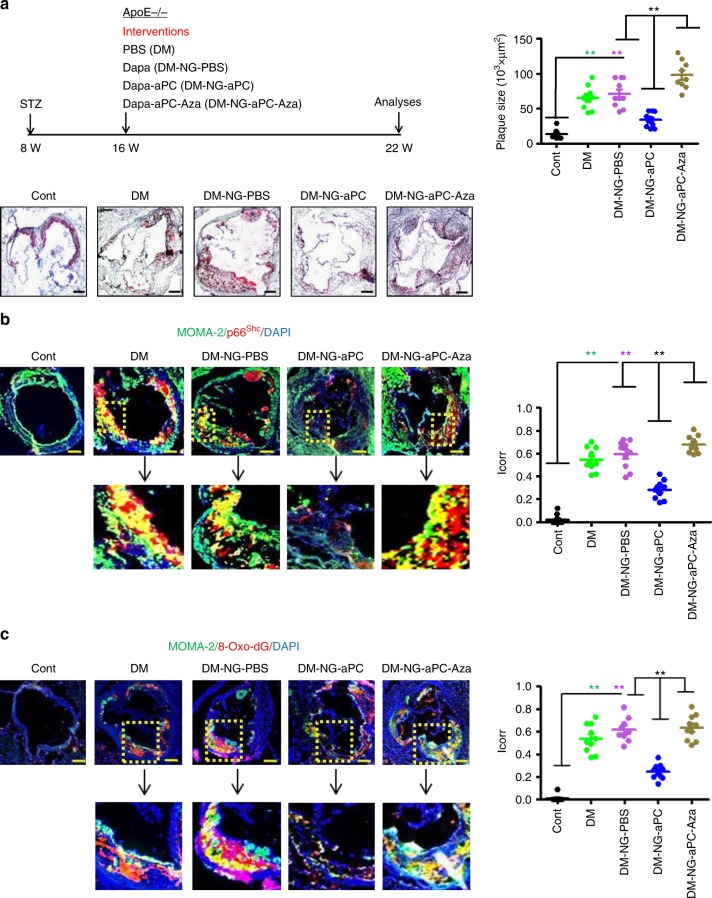
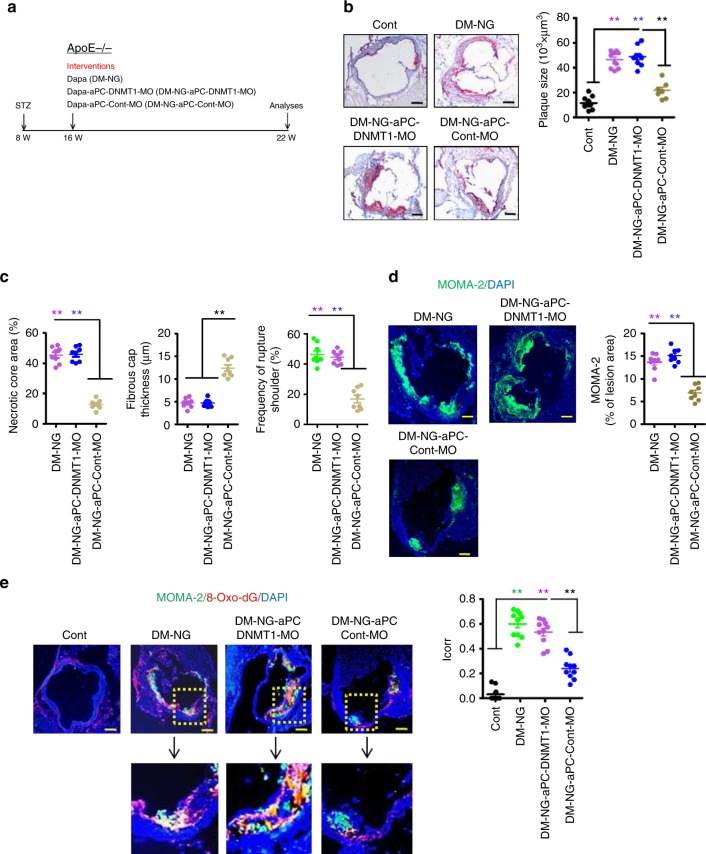
Impaired activated protein C (aPC) generation is associated with atherosclerosis and diabetes mellitus. Diabetes-associated atherosclerosis is characterized by the hyperglycaemic memory, e.g., failure of disease improvement despite attenuation of hyperglycaemia. Therapies reversing the hyperglycaemic memory are lacking. Here we demonstrate that hyperglycaemia, but not hyperlipidaemia, induces the redox-regulator p66 Shc and reactive oxygen species (ROS) in macrophages. p66 Shc expression, ROS generation, and a pro-atherogenic phenotype are sustained despite restoring normoglycemic conditions. Inhibition of p66 Shc abolishes this sustained pro-atherogenic phenotype, identifying p66 Shc -dependent ROS in macrophages as a key mechanism conveying the hyperglycaemic memory. The p66 Shc -associated hyperglycaemic memory can be reversed by aPC via protease-activated receptor-1 signalling. aPC reverses glucose-induced CpG hypomethylation within the p66 Shc promoter by induction of the DNA methyltransferase-1 (DNMT1). Thus, epigenetically sustained p66 Shc expression in plaque macrophages drives the hyperglycaemic memory, which—however—can be reversed by aPC. This establishes that reversal of the hyperglycaemic memory in diabetic atherosclerosis is feasible.
Overview
The claims and statistics of this paper haven’t been checked yet.
Free: it reads the open-access text and checks the first 5 claims that cite a source we can check. Create a free account to check every claim.
Integrity signals
Registry
Cites
Statistics
Figures
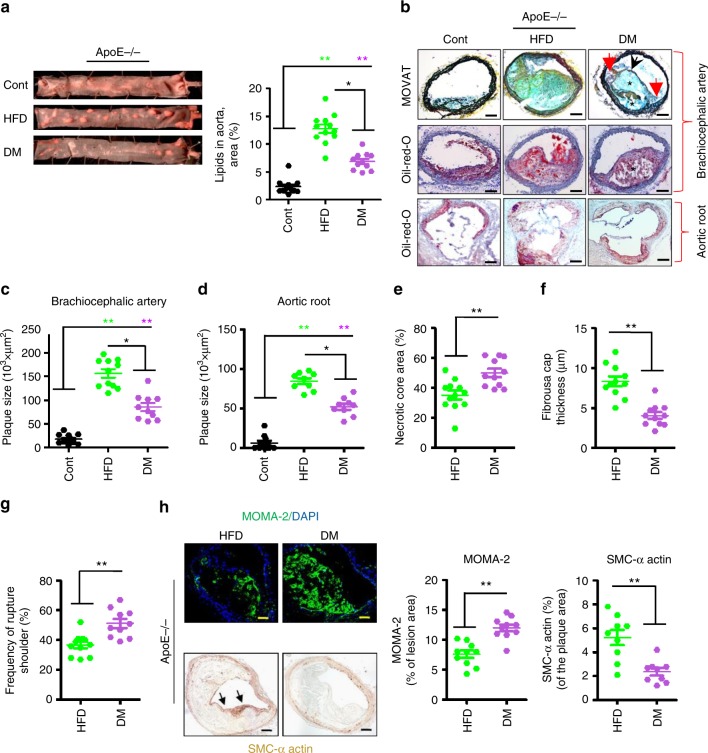
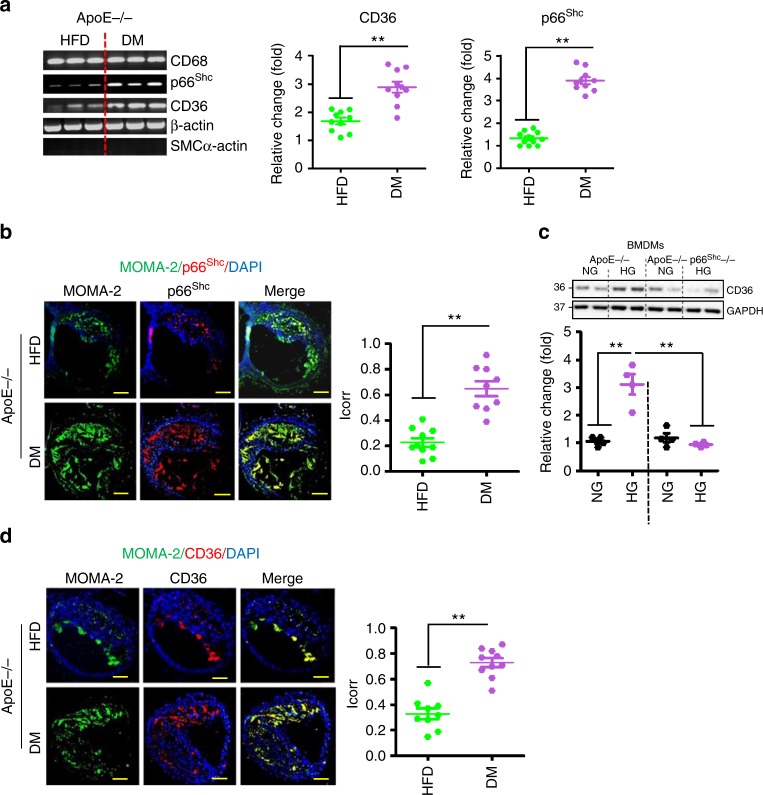
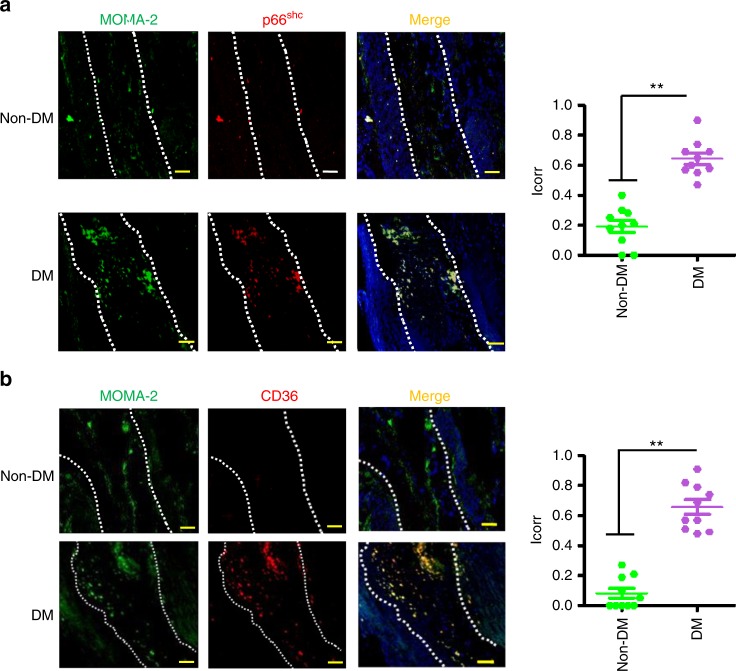
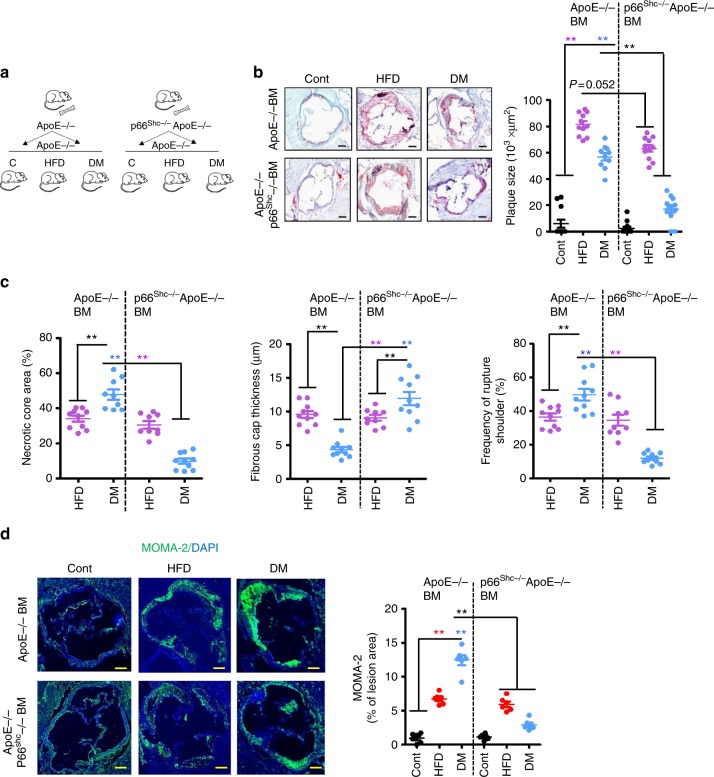
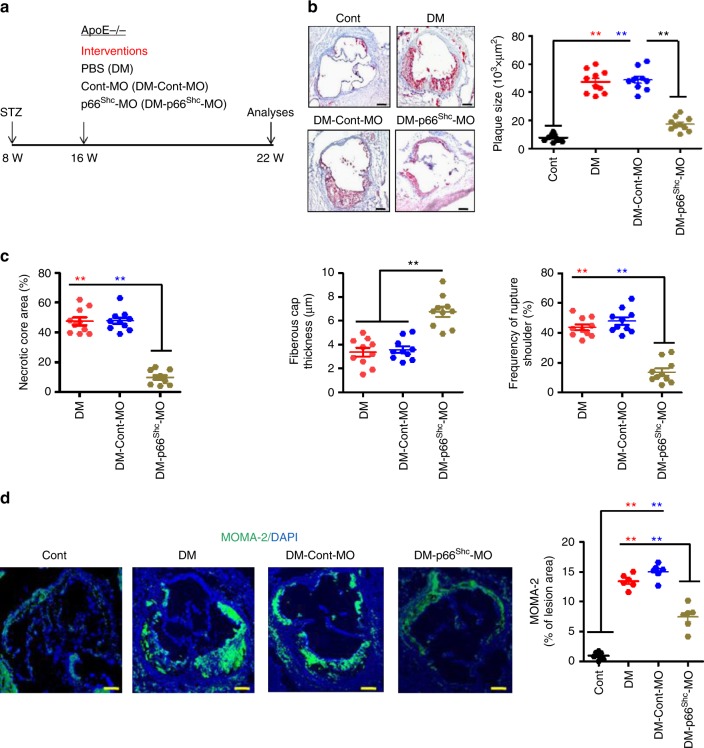
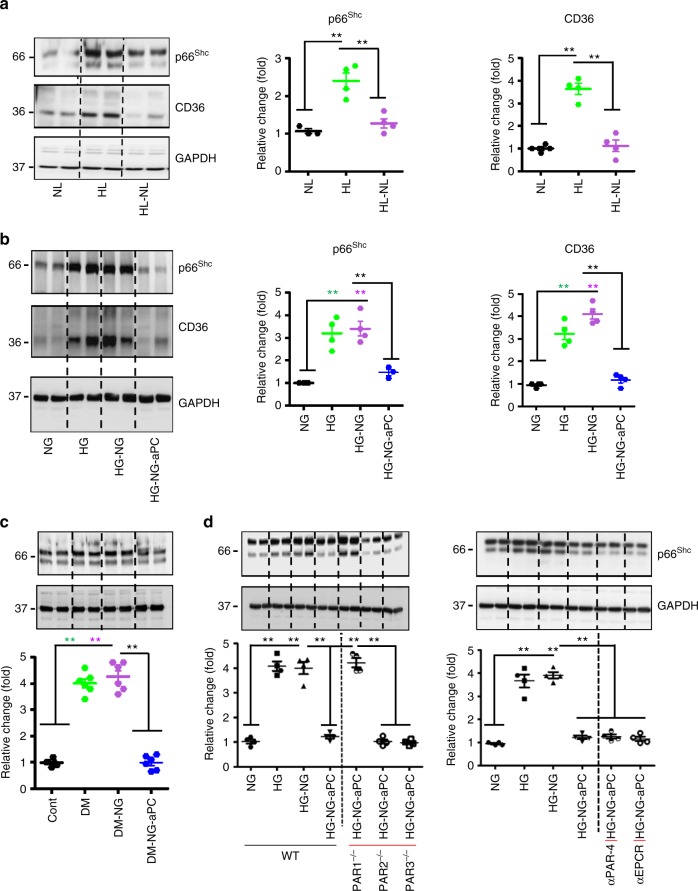
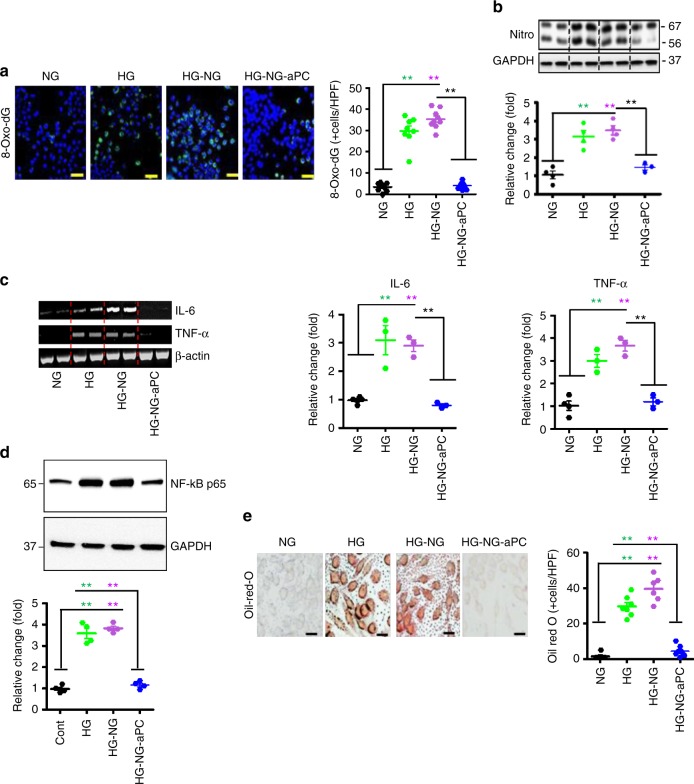
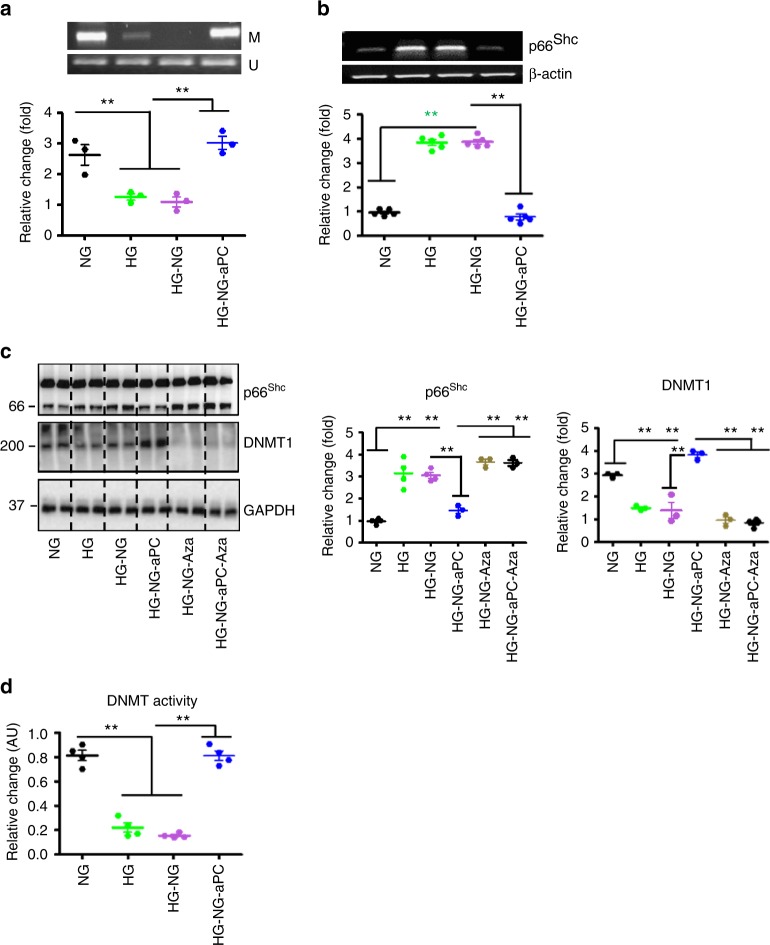
Verification
Claims the paper makes
The claims and statistics of this paper haven’t been checked yet.
Free: it reads the open-access text and checks the first 5 claims that cite a source we can check. Create a free account to check every claim.
Claims other papers make about this one
Each is checked against this paper’s own text: does it say what the citing paper says it does?
The source backs part of the claim, not all of it — or backs it for a different population, condition or comparison.
In the citing paper
“p66Shc is a promoter of oxidative stress70 and is highly expressed in senescent cells68 and atherosclerosis.171”
From Senescence-induced inflammation: an important player and key therapeutic target in atherosclerosis (2020) · cites this paper as [171]
Experimental — accuracy not yet measured
Self-check
Percentages, sums and reported differences re-computed from the paper’s own numbers.
The self-check needs the paper’s full text.
Citations
Cites
Report of the Expert Committee on the Diagnosis and Classification of Diabetes Mellitus
The Expert Committee on the Diagnosis and Classification of Diabetes Mellitus* (2002) · Diabetes Care · doi:10.2337/diacare.25.2007.s5 · Cited by 10,338
Report of the Expert Committee on the Diagnosis and Classification of Diabetes Mellitus
The Expert Committee on the Diagnosis and Classification of Diabetes Mellitus (1997) · Diabetes Care · doi:10.2337/diacare.20.7.1183 · Cited by 6,220
Oxyl radicals, redox-sensitive signalling cascades and antioxidants
Genestra, M. (2007) · Cellular Signalling · doi:10.1016/j.cellsig.2007.04.009 · Cited by 4,930
Trained immunity: A program of innate immune memory in health and– disease
Netea, M. G., Joosten, L. A. B., Latz, E., Mills, K. H. G., Natoli, G., Stunnenberg, H. G., O’Neill, L. A. J., & Xavier, R. J. (2016) · Science · doi:10.1126/science.aaf1098 · Cited by 2,768
Report of the Expert Committee on the Diagnosis and Classification of Diabetes Mellitus
The Expert Committee on the Diagnosis and Classification of Diabetes Mellitus (2003) · Diabetes Care · doi:10.2337/diacare.26.2007.s5 · Cited by 2,689
Giorgio, M., Migliaccio, E., Orsini, F., Paolucci, D., Moroni, M., Contursi, C., Pelliccia, G., Luzi, L., Minucci, S., Marcaccio, M., et al. (2005) · Cell · doi:10.1016/j.cell.2005.05.011 · Cited by 1,176
Self-citationEl-Osta, A., Brasacchio, D., Yao, D., Pocai, A., Jones, P. L., Roeder, R. G., Cooper, M. E., & Brownlee, M. (2008) · The Journal of Experimental Medicine · doi:10.1084/jem.20081188 · Cited by 1,115
Insulin Resistance, Hyperglycemia, and Atherosclerosis
Bornfeldt, K. E., & Tabas, I. (2011) · Cell Metabolism · doi:10.1016/j.cmet.2011.07.015 · Cited by 995
Joyce, D. E., Gelbert, L., Ciaccia, A., DeHoff, B., & Grinnell, B. W. (2001) · Journal of Biological Chemistry · doi:10.1074/jbc.c100017200 · Cited by 648
Hyperglycemia Promotes Myelopoiesis and Impairs the Resolution of Atherosclerosis
Nagareddy, P. R., Murphy, A. J., Stirzaker, R. A., Hu, Y., Yu, S., Miller, R. G., Ramkhelawon, B., Distel, E., Westerterp, M., Huang, L.-S., et al. (2013) · Cell Metabolism · doi:10.1016/j.cmet.2013.04.001 · Cited by 577
Cited by
Reactive Oxygen Species in Macrophages: Sources and Targets
Canton, M., Sánchez-Rodríguez, R., Spera, I., Venegas, F. C., Favia, M., Viola, A., & Castegna, A. (2021) · Frontiers in Immunology · doi:10.3389/fimmu.2021.734229 · Cited by 449
Senescence-induced inflammation: an important player and key therapeutic target in atherosclerosis
Stojanović, S. D., Fiedler, J., Bauersachs, J., Thum, T., & Sedding, D. G. (2020) · European Heart Journal · doi:10.1093/eurheartj/ehz919 · Cited by 188
“p66Shc is a promoter of oxidative stress(70) and is highly expressed in senescent cells(68) and atherosclerosis.(171) Inhibiting p66Shc its key regulator MiR-34a is promising,(172) as p66Shc knock-out led to senescence prevention,(68) 30% animal lifespan extension,(173) and strong inhibition of atherogenesis.”
BackgroundSeasonality, DNA degradation and spatial heterogeneity as drivers of eDNA detection dynamics
Troth, C. R., Sweet, M. J., Nightingale, J., & Burian, A. (2021) · The Science of The Total Environment · doi:10.1016/j.scitotenv.2020.144466 · Cited by 153
Al‐Dabet, M. M., Shahzad, K., Elwakiel, A., Sulaj, A., Kopf, S., Bock, F. M., Gadi, I., Zimmermann, S., Rana, R., Krishnan, S., et al. (2022) · Nature Communications · doi:10.1038/s41467-022-32477-9 · Cited by 108
Self-citationCaza‐Allard, I., Laporte, M., Côté, G., April, J., & Bernatchez, L. (2021) · Environmental DNA · doi:10.1002/edn3.266 · Cited by 70
Structure-functional implications of longevity protein p66Shc in health and disease
Mir, H. A., Ali, R., Mushtaq, U., & Khanday, F. A. (2020) · Ageing Research Reviews · doi:10.1016/j.arr.2020.101139 · Cited by 67
P66shc and its role in ischemic cardiovascular diseases
Boengler, K., Bornbaum, J., Schlüter, K., & Schulz, R. (2019) · Basic Research in Cardiology · doi:10.1007/s00395-019-0738-x · Cited by 58
Kohli, S., Shahzad, K., Jouppila, A., Holthöfer, H., Isermann, B., & Lassila, R. (2022) · Frontiers in Cardiovascular Medicine · doi:10.3389/fcvm.2022.866751 · Cited by 58
Self-citationUpdate: the role of epigenetics in the metabolic memory of diabetic complications
Chen, Z., Malek, V., & Natarajan, R. D. (2024) · American Journal of Physiology-Renal Physiology · doi:10.1152/ajprenal.00115.2024 · Cited by 52
Different DOACs Control Inflammation in Cardiac Ischemia-Reperfusion Differently
Gadi, I., Fatima, S., Elwakiel, A., Nazir, S., Al‐Dabet, M. M., Rana, R., Bock, F. M., Manoharan, J., Gupta, D., Biemann, R., et al. (2020) · Circulation Research · doi:10.1161/circresaha.120.317219 · Cited by 42
Self-citationP66Shc and vascular endothelial function
Kumar, S. (2019) · Bioscience Reports · doi:10.1042/bsr20182134 · Cited by 42
The p66Shc Redox Protein and the Emerging Complications of Diabetes
Biondi, G., Marrano, N., Borrelli, A., Rella, M., D’Oria, R., Genchi, V. A., Caccioppoli, C., Cignarelli, A., Perrini, S., Laviola, L., et al. (2023) · International Journal of Molecular Sciences · doi:10.3390/ijms25010108 · Cited by 27
Extrinsic and intrinsic factors influencing metabolic memory in type 2 diabetes
Vasishta, S., Umakanth, S., Adiga, P. K., & Joshi, M. B. (2021) · Vascular Pharmacology · doi:10.1016/j.vph.2021.106933 · Cited by 24
Fatima, S., Ambreen, S., Mathew, A., Elwakiel, A., Gupta, A., Singh, K. K., Krishnan, S., Rana, R., Khawaja, H., Gupta, D., et al. (2022) · Nutrients · doi:10.3390/nu14142786 · Cited by 26
Self-citationSum, H., & Brewer, A. C. (2023) · Frontiers in Cardiovascular Medicine · doi:10.3389/fcvm.2023.1183181 · Cited by 21
The Role of Vascular Aging in Atherosclerotic Plaque Development and Vulnerability
Liberale, L., & Camici, G. G. (2019) · Current Pharmaceutical Design · doi:10.2174/1381612825666190830175424 · Cited by 22
León, G., Rehill, A. M., & Preston, R. J. S. (2022) · Current Opinion in Hematology · doi:10.1097/moh.0000000000000726 · Cited by 19
Activated protein C modulates T-cell metabolism and epigenetic FOXP3 induction via α-ketoglutarate
Gupta, D., Elwakiel, A., Ranjan, S., Pandey, M. K., Krishnan, S., Ambreen, S., Henschler, R., Rana, R., Keller, M., Ceglarek, U., et al. (2023) · Blood Advances · doi:10.1182/bloodadvances.2023010083 · Cited by 18
“Furthermore, loss of endothelial thrombomodulin expression and reduced aPC levels have not only been observed in GVHD but also in other diseases associated with endothelial dysfunction, such as atherosclerosis, diabetes mellitus, and sepsis.(3,19,52) Whether reduced aPC levels and dysbalanced coagulation activity with…”
Self-citationAkhter, M. S., & Goodwin, J. E. (2023) · International Journal of Molecular Sciences · doi:10.3390/ijms241814261 · Cited by 17
Chen, J., Xu, Y., Li, W., Lin, Y., Lin, R., Cai, X., Yan, B., Xie, B., & Li, J. (2024) · Frontiers in Endocrinology · doi:10.3389/fendo.2024.1370387 · Cited by 19
Rana, R., Manoharan, J., Gupta, A., Gupta, D., Elwakiel, A., Khawaja, H., Fatima, S., Zimmermann, S., Singh, K. K., Ambreen, S., et al. (2022) · Nutrients · doi:10.3390/nu14153138 · Cited by 17
Self-citationGaul, S., Shahzad, K., Medert, R., Gadi, I., Maeder, C., Schumacher, D., Wirth, A., Ambreen, S., Fatima, S., Boeckel, J., et al. (2022) · Frontiers in Cardiovascular Medicine · doi:10.3389/fcvm.2022.813215 · Cited by 16
“E-H: Representative histological images showing truncus brachiocephalic arteries (BCA) sections stained with Oil-red O (E) and bar graphs summarizing data (F).”
MethodInfluentialSelf-citationVasishta, S., Ammankallu, S., Poojary, G., Gomes, S. M., Ganesh, K., Umakanth, S., Adiga, P. K., Upadhya, D., Prasad, T. S. K., & Joshi, M. B. (2024) · The International Journal of Biochemistry & Cell Biology · doi:10.1016/j.biocel.2024.106664 · Cited by 12
Activated protein C in neuroprotection and malaria
Mosnier, L. O. (2019) · Current Opinion in Hematology · doi:10.1097/moh.0000000000000528 · Cited by 9
Hypercoagulability Impairs Plaque Stability in Diabetes-Induced Atherosclerosis
Ambreen, S., Fatima, S., Elwakiel, A., Rana, R., Singh, K. K., Gupta, A., Gupta, D., Khawaja, H., Manoharan, J., Besler, C., et al. (2022) · Nutrients · doi:10.3390/nu14101991 · Cited by 11
Self-citationAmbreen, S., Arif, A., Shamkeeva, S., Elwakiel, A., Pal, S., Jiang, S., Farhan, M. A., Halloul, Z., Griffin, J. H., Isermann, B. H., et al. (2025) · Cardiovascular Diabetology · doi:10.1186/s12933-025-02965-5 · Cited by 5
“…plasma amino acid levels in non-diabetes induced atherosclerosis, a subgroup of ApoE −/− mice (age 8 weeks) were fed on high fat diet (HFD) / Western type diet (containing 42% fat, 0.21% cholesterol, 43% carbohydrates, and 15% protein, Ssniff, Germany, catalogue # TD88137) [11, 15–17] for 20 weeks.”
InfluentialSelf-citationZhang, W., Liu, W., Zhong, X., Dai, L., Liu, X., Li, S., Jiang, H., He, X., Wei, D., Lu, L., et al. (2026) · Theranostics · doi:10.7150/thno.124508 · Cited by 6
“The p66Shc promoter is subject to epigenetic regulation, which can restrict its expression to certain cell types or conditions [12, 13].”
Brandt, S., Bernhardt, A., Häberer, S., Wolters, K., Gehringer, F., Reichardt, C., Krause, A., Geffers, R., Kahlfuß, S., Jeron, A., et al. (2024) · Cells · doi:10.3390/cells13050367 · Cited by 5
Self-citationLyu, X., Cai, J., Yan, R., Huang, P., Gong, H., Peng, J., Liu, Y., Li, S., Tan, S., Hu, M., et al. (2023) · International Journal of Medical Sciences · doi:10.7150/ijms.80343 · Cited by 5
“Previous study suggested that genetic ablation of p66Shc could reduce the superoxide generation in PBMCs [32].”
BackgroundPinaffi‐Langley, A. C. D. C., Melia, E., & Hays, F. A. (2024) · International Journal of Molecular Sciences · doi:10.3390/ijms25073656 · Cited by 4
Farag, A. A., Gazzar, W. B. E., Mostafa, M., Mohammed, L. A., El-Demerdash, A. S., Ali, N., Amer, R. Z., Youssef, H. S., El-Shaer, N. O., Mostafa, I. A., et al. (2026) · Toxics · doi:10.3390/toxics14080713 · Cited by 1
“Quantitative methylation-specific PCR (qMSP) was performed to assess Klotho promoter methylation as previously described [21,22].”
Vascular factor dynamics in therapy for microangiopathy with underlying type 1 diabetes mellitus
Крутиков, Е. С., & Житова, В. А. (2020) · Кубанский научный медицинский вестник · doi:10.25207/1608-6228-2020-27-6-60-70 · Cited by 1
Avaliação subclínica de marcadores cardiovasculares e da alimentação de mulheres
Conte, F. A., Franz, L. B. B., Busnello, M. B., Battisti, I. D. E., & Caetano, A. L. B. (2020) · Revista de Enfermagem UFPE on line · doi:10.5205/1981-8963.2020.244281
Metabolisches Gedächtnis bei diabetischer Nierenerkrankung
Biemann, R., & Isermann, B. (2023) · Die Diabetologie · doi:10.1007/s11428-023-01016-5
Self-citationIRE1α induced senescence promote endothelial barrier dysfunction in diabetes-induced atherosclerosis
Fatima, S., Ambreen, S., Gupta, A., Singh, K., Isermann, B., & Shahzad, K. (2023) · Hämostaseologie · doi:10.1055/s-0042-1760455
Self-citationPinX1 Alleviates Atherosclerosis by Inhibiting MMP-9 Expression and p66shc-Mediated Oxidative StressPreprint
Yao, Y., Zhang, Q., Song, H., & Zhang, Y. (2023) · Preprints.org · doi:10.20944/preprints202307.1819.v1
The role of antioxidant supplementation in neuronal disorders
ShamsEldeen, A. M., Ammar, H. I., Al-Hashem, F. H., Alrefaie, Z. A., Aly, M. H., & Hanna, M. (2025) · Elsevier eBooks · doi:10.1016/b978-0-443-27333-9.00004-x · Cited by 1
Advances in the biological functions and clinical applications of protein C
Yi-Shu, X. U., & Arial Yi, Z. E. N. G. (2026) · Shengming kexue · doi:10.3724/cbls.2026126
Cai, Y., He, S., Zeng, F., & Liu, C. (2026) · Frontiers in Endocrinology · doi:10.3389/fendo.2026.1954392 · Cited by 1
“Retinal DNMT inhibition (16), macrophage p66Shc methylation regulation (24), tubular DNMT1/ p21 manipulation (25) and endothelial DNMT1/Ang-1 experiments (26) provide such mechanistic support at different levels.”
Influential
Metadata
- Authors
- Shahzad, K., Gadi, I., Nazir, S., Al-Dabet, M. M., Kohli, S., Bock, F., Breitenstein, L., Ranjan, S., Fuchs, T., Halloul, Z., Nawroth, P. P., Pelicci, P. G., Braun-Dullaeus, R. C., Camerer, E., Esmon, C. T., & Isermann, B.
- Affiliations
- University of Sargodha (PK)
- Otto-von-Guericke-Universität Magdeburg (DE)
- Vanderbilt University Medical Center (US)
- Heidelberg University (DE)
- European Institute of Oncology (IT)
- Inserm (FR)
- Oklahoma Medical Research Foundation (US)
- Corresponding author
- Shahzad, Khurrum
- Isermann, Berend
- ORCID
- Venue
- Communications Biology
- Published
- 2018-08-06
- Volume
- 1
- Issue
- 1
- Pages
- 104-104
- ISSN
- 2399-3642 (ISSN-L)
- PMC
- PMC6123684
- OpenAlex
- W2885767674
- Cited by
- 40
- References
- 68
- Citations by year
- 2026: 3 · 2025: 2 · 2024: 5 · 2023: 8 · 2022: 7 · 2021: 6 · 2020: 4 · 2019: 5
- FWCI
- 2.58
- Type
- journal article
- Language
- en
- Open access
- gold
- doi.org
- Licence
- cc-by
- creativecommons.org/licenses/by/4.0 (tdm)
- creativecommons.org/licenses/by/4.0 (vor)
- Locations
- Communications Biology (publishedVersion, cc-by)
- Europe PMC (PubMed Central) (publishedVersion, cc-by)
- PubMed Central (publishedVersion, cc-by)
- PubMed (publishedVersion)
- HAL (submittedVersion)
- DOAJ (DOAJ: Directory of Open Access Journals) (submittedVersion)
- Funders
- Deutscher Akademischer Austauschdienst
- Deutsche Forschungsgemeinschaft (RTG2408/P7&, (IS-67/8-1, KO5736-/1-1, IS-67/5-3, CRC) 1118, CRC854/B26, SFB1118, RTG2408/P5, IS-67/11-1, RTG2408, CRC854, RTG2408/P7, SH849/1-2, RTG2408/P7&P9)
- National Heart, Lung, and Blood Institute (UM1HL120877)
- Topics
- Health Sciences › Medicine › Physiology (medical) › Nitric Oxide and Endothelin Effects
- Health Sciences › Medicine › Hematology › Blood Coagulation and Thrombosis Mechanisms
- Life Sciences › Biochemistry, Genetics and Molecular Biology › Clinical Biochemistry › Advanced Glycation End Products research
- Keywords
- activated protein C, p66Shc, diabetic atherosclerosis, reactive oxygen species, CpG hypomethylation, DNA methylation, DNMT1, protease-activated receptor 1, epigenetic regulation, hyperglycemia, atherosclerotic plaque
About these checks
Registry, retraction, Cites and statistics results are computed, not judged, with one exception: a printed reference that no index lists is read once by a model before it counts as a citation error. Claims are extracted by a model and kept only when their quote appears verbatim in the text; each cited source is then checked, with a model’s help, for whether it says what the claim relies on. Those verdicts can be wrong — read the claim’s quote and the cited source before relying on one.
Statistics and arithmetic are recomputed, not judged.
Confidence bands are shown only for fields calibrated on our annotated test set. None is calibrated yet, so no band is shown.
What counts as a claim ›How we measure confidence ›How we check this ›
Are you an author, or do you see a problem with this page? Request a review
Data sources
Bibliographic data: Semantic Scholar, OpenAlex, Crossref.
Contains information from the Semantic Scholar Academic Graph Datasets, made available under the ODC Attribution License (ODC-BY 1.0).
Semantic Scholar’s data is described in: Kinney, R., et al. (2023). The Semantic Scholar Open Data Platform. arXiv:2301.10140.
