

The flavonoid procyanidin C1 has senotherapeutic activity and increases lifespan in mice
Open accessPublished version of a preprint
The DOI matches its Crossref record; 80 of the 80 references it cites were found in a registry or an index.
Abstract
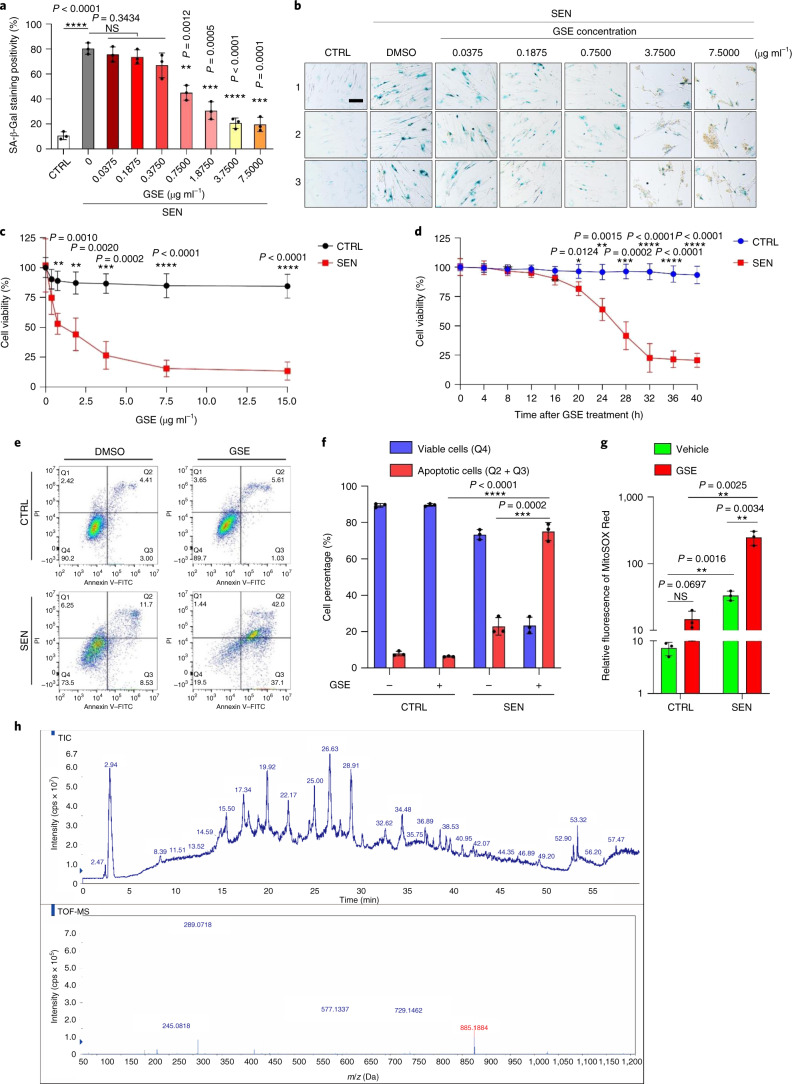
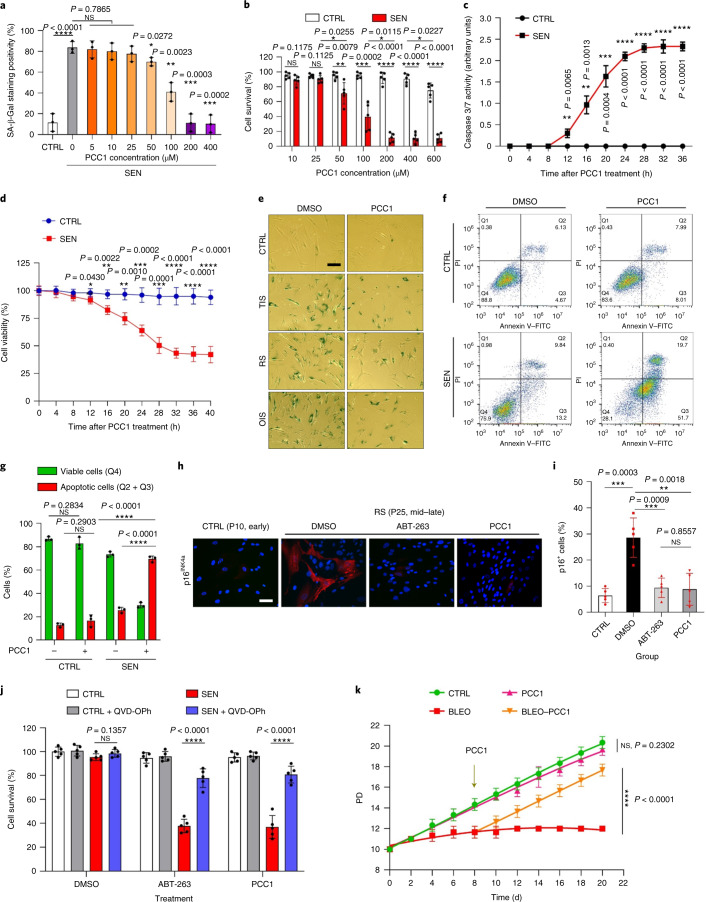
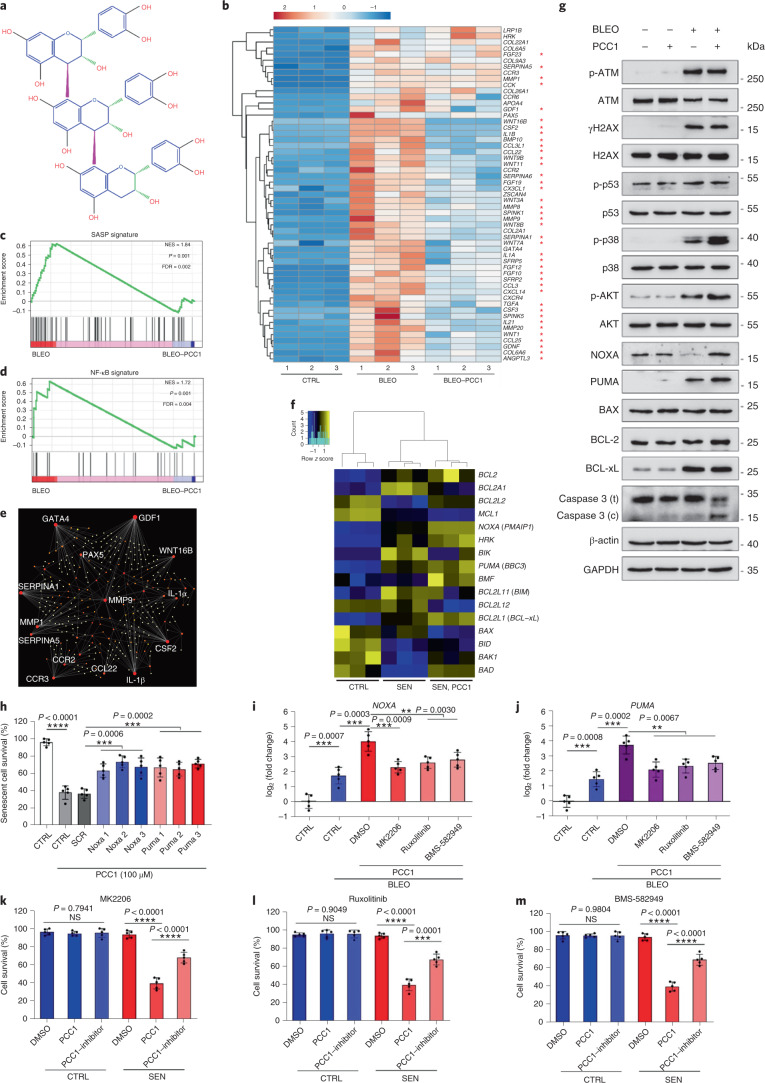
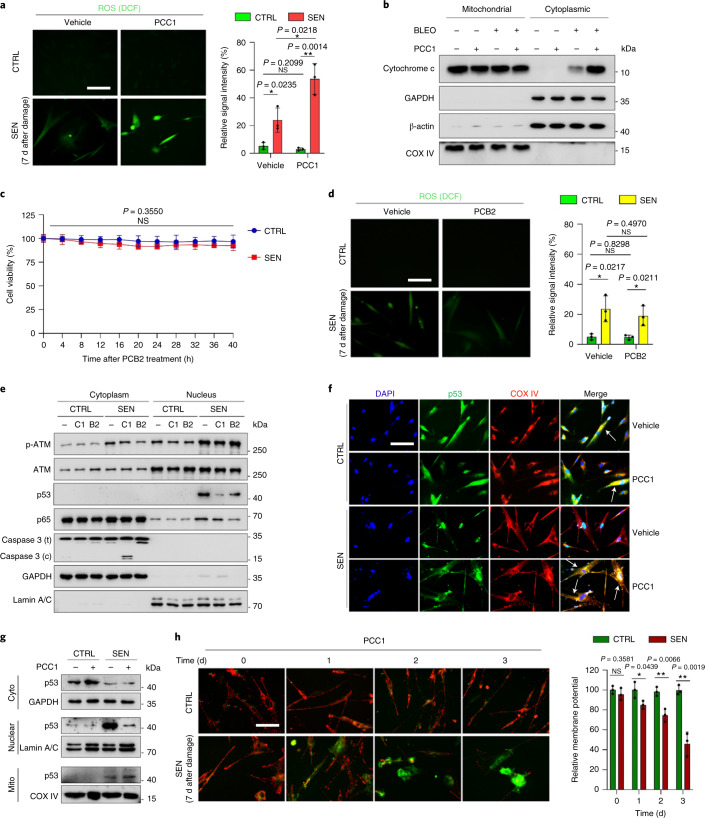
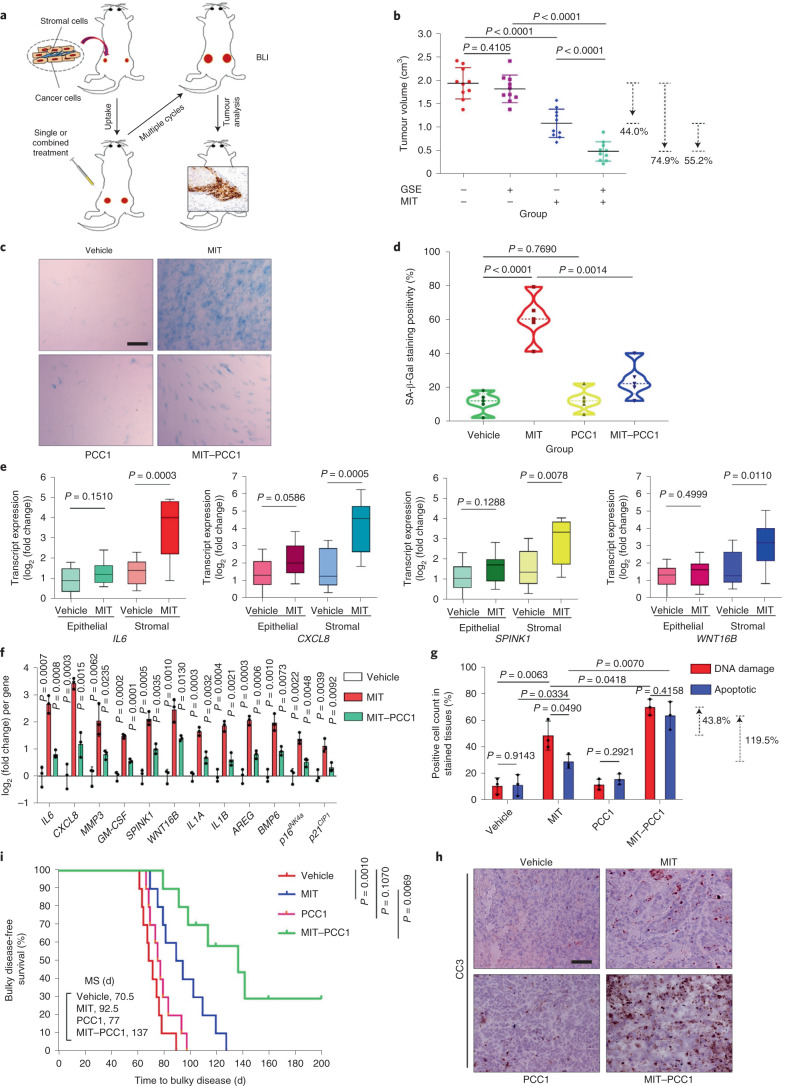
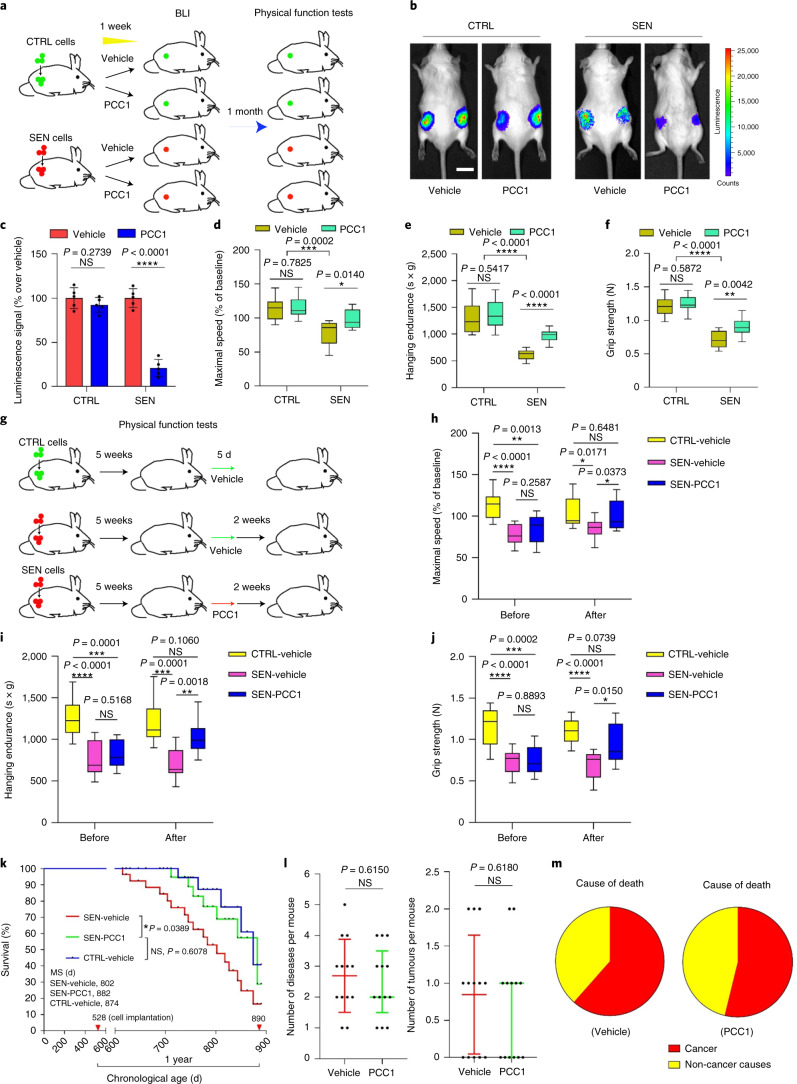
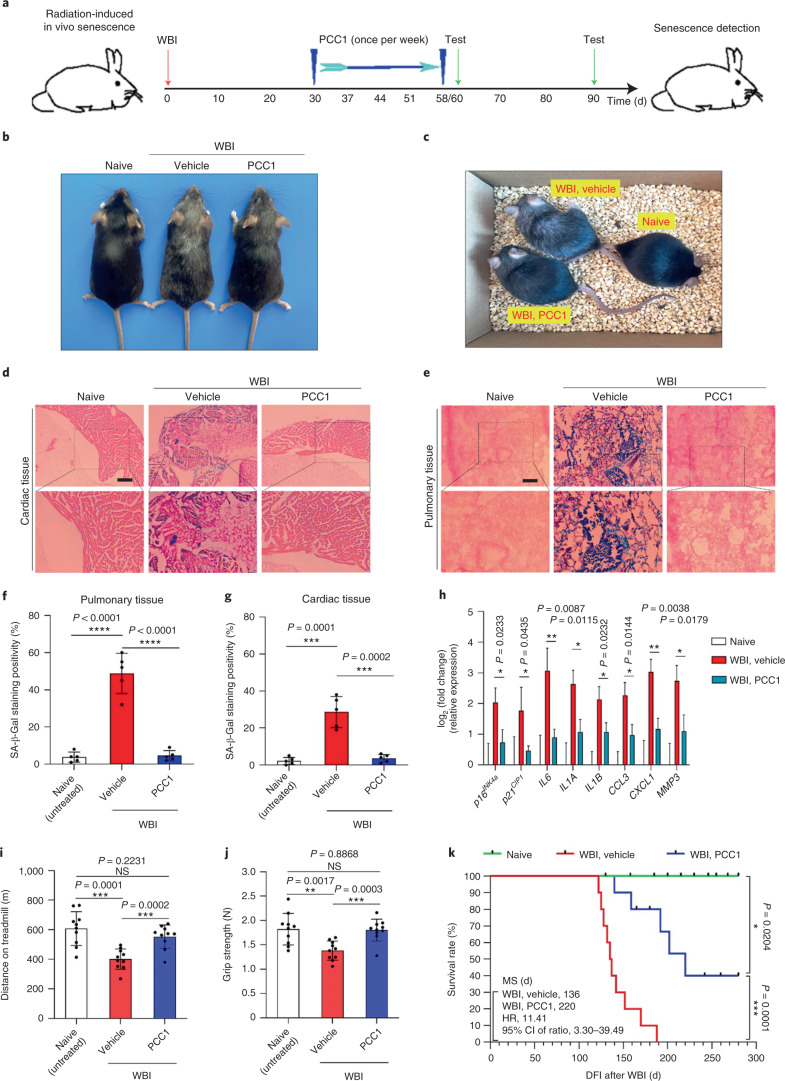
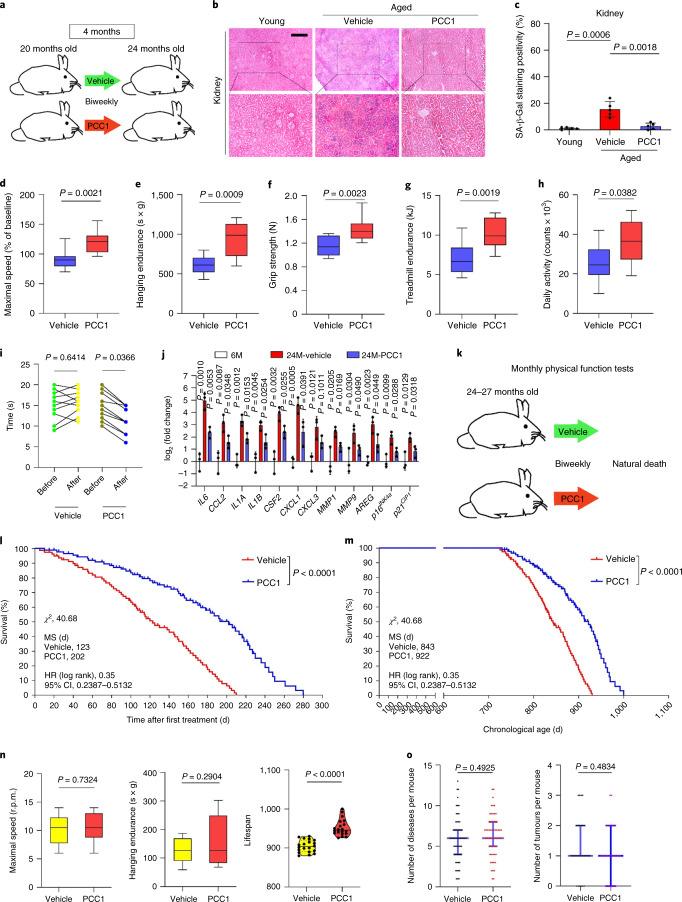
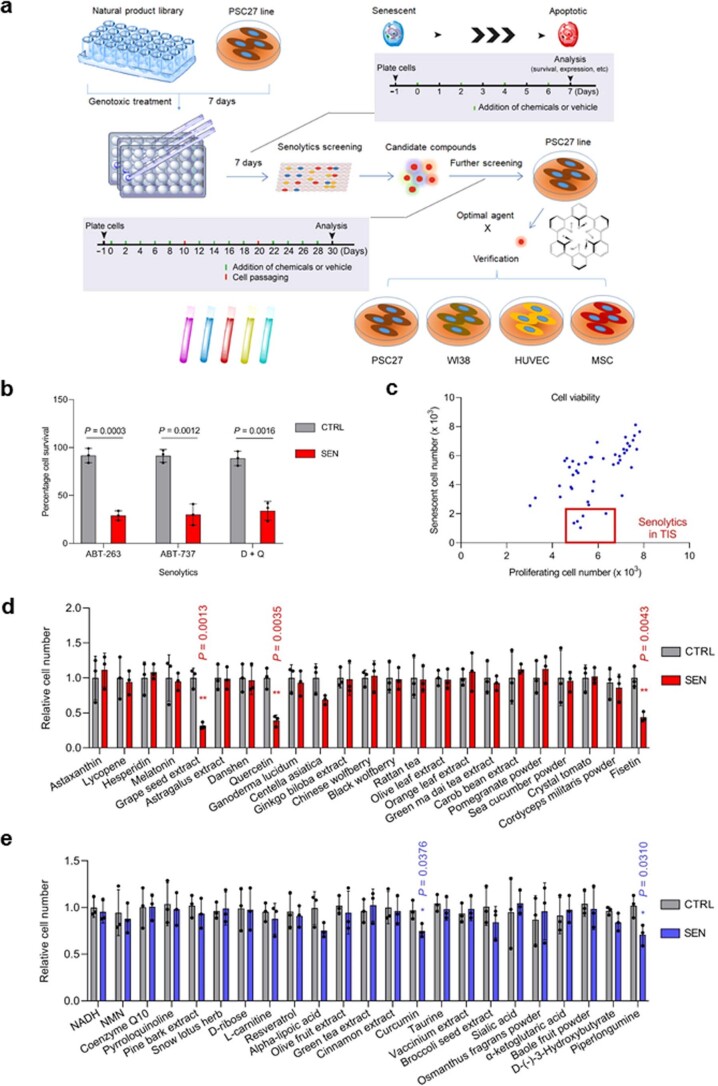
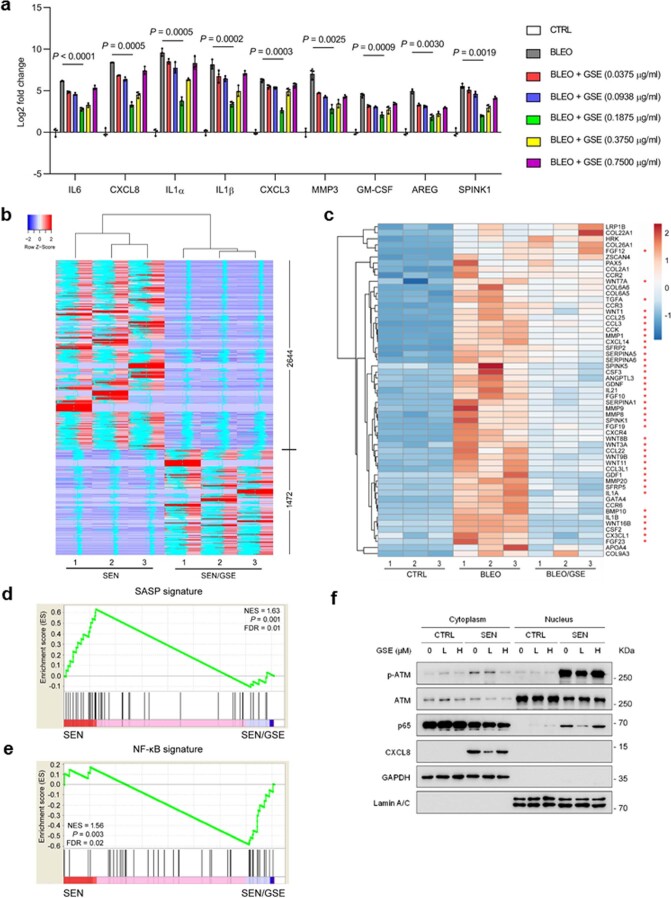
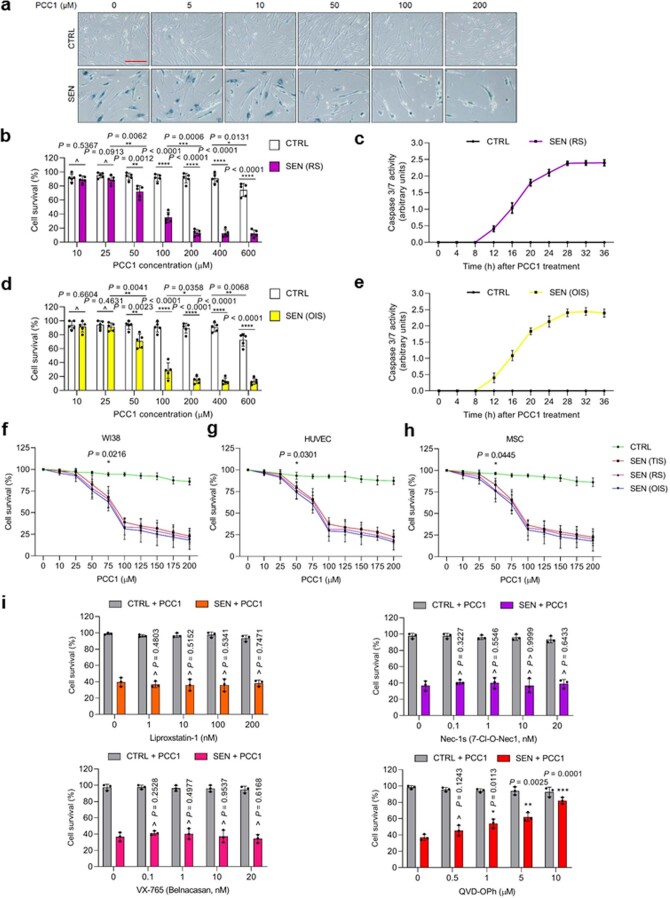
Ageing-associated functional decline of organs and increased risk for age-related chronic pathologies is driven in part by the accumulation of senescent cells, which develop the senescence-associated secretory phenotype (SASP). Here we show that procyanidin C1 (PCC1), a polyphenolic component of grape seed extract (GSE), increases the healthspan and lifespan of mice through its action on senescent cells. By screening a library of natural products, we find that GSE, and PCC1 as one of its active components, have specific effects on senescent cells. At low concentrations, PCC1 appears to inhibit SASP formation, whereas it selectively kills senescent cells at higher concentrations, possibly by promoting production of reactive oxygen species and mitochondrial dysfunction. In rodent models, PCC1 depletes senescent cells in a treatment-damaged tumour microenvironment and enhances therapeutic efficacy when co-administered with chemotherapy. Intermittent administration of PCC1 to either irradiated, senescent cell-implanted or naturally aged old mice alleviates physical dysfunction and prolongs survival. We identify PCC1 as a natural senotherapeutic agent with in vivo activity and high potential for further development as a clinical intervention to delay, alleviate or prevent age-related pathologies.
Overview
The claims and statistics of this paper haven’t been checked yet.
Free: it reads the open-access text and checks the first 5 claims that cite a source we can check. Create a free account to check every claim.
Integrity signals
Registry
Cites
Statistics
Figures
Verification
Claims the paper makes
The claims and statistics of this paper haven’t been checked yet.
Free: it reads the open-access text and checks the first 5 claims that cite a source we can check. Create a free account to check every claim.
Claims other papers make about this one
Each is checked against this paper’s own text: does it say what the citing paper says it does?
The source backs part of the claim, not all of it — or backs it for a different population, condition or comparison.
In the citing paper
“Through upregulation of pro-survival and antiapoptotic pathways such as SRC kinases, the PI3K-AKT signaling pathway, heat shock protein (HSP) pathways, serpines, mitochondrial pathways or apoptosis regulator BCL-2-related proteins, those senescent cells with a proapoptotic SASP can survive, despite the cytotoxic microenvironment they create6,7,14,34,35,54–58.”
From Cellular senescence and senolytics: the path to the clinic (2022) · cites this paper as [55]
Experimental — accuracy not yet measuredThe source backs part of the claim, not all of it — or backs it for a different population, condition or comparison.
In the citing paper
“SID5 scores after senolytic treatments do not drop back to the non-senescence level, similar to the SA-β-gal staining results in the original study under the same drug concentration.86”
From Single-cell senescence identification reveals senescence heterogeneity, trajectory, and modulators (2024) · cites this paper as [86]
Experimental — accuracy not yet measured
Self-check
Percentages, sums and reported differences re-computed from the paper’s own numbers.
The self-check needs the paper’s full text.
Citations
Cites
1 retracted
Han, L., Long, Q., Li, S., Xu, Q., Zhang, B., Dou, X., Qian, M., Jiramongkol, Y., Guo, J., Cao, L., et al. (2020) · Cancer Research · doi:10.1158/0008-5472.can-20-0506 · Cited by 91
Self-citationRetractedModerated estimation of fold change and dispersion for RNA-seq data with DESeq2
Love, M. I., Huber, W., & Anders, S. (2014) · Genome Biology · doi:10.1186/s13059-014-0550-8 · Cited by 95,106
López-Otín, C., Blasco, M. A., Partridge, L., Serrano, M., & Kroemer, G. (2013) · Cell · doi:10.1016/j.cell.2013.05.039 · Cited by 14,982
Clearance of p16Ink4a-positive senescent cells delays ageing-associated disorders
Baker, D. J., Wijshake, T., Tchkonia, T., LeBrasseur, N. K., Childs, B. G., van de Sluis, B., Kirkland, J. L., & van Deursen, J. M. (2011) · Nature · doi:10.1038/nature10600 · Cited by 3,670
Self-citationAgeing as a risk factor for neurodegenerative disease
Hou, Y., Dan, X., Babbar, M., Wei, Y., Hasselbalch, S. G., Croteau, D. L., & Bohr, V. A. (2019) · Nature Reviews Neurology · doi:10.1038/s41582-019-0244-7 · Cited by 3,310
Cellular Senescence: Defining a Path Forward
Gorgoulis, V., Adams, P. D., Alimonti, A., Bennett, D. C., Bischof, O., Bishop, C., Campisi, J., Collado, M., Evangelou, K., Ferbeyre, G., et al. (2019) · Cell · doi:10.1016/j.cell.2019.10.005 · Cited by 3,225
Self-citationNaturally occurring p16Ink4a-positive cells shorten healthy lifespan
Baker, D. J., Childs, B. G., Durik, M., Wijers, M. E., Sieben, C. J., Zhong, J., A. Saltness, R., Jeganathan, K. B., Verzosa, G. C., Pezeshki, A., et al. (2016) · Nature · doi:10.1038/nature16932 · Cited by 2,876
Hallmarks of Cellular Senescence
Hernandez-Segura, A., Nehme, J., & Demaria, M. (2018) · Trends in Cell Biology · doi:10.1016/j.tcb.2018.02.001 · Cited by 2,605
The Achilles' heel of senescent cells: from transcriptome to senolytic drugs
Zhu, Y., Tchkonia, T., Pirtskhalava, T., Gower, A. C., Ding, H., Giorgadze, N., Palmer, A. K., Ikeno, Y., Hubbard, G. B., Lenburg, M., et al. (2015) · Aging Cell · doi:10.1111/acel.12344 · Cited by 2,584
Self-citationSenolytics improve physical function and increase lifespan in old age
Xu, M., Pirtskhalava, T., Farr, J. N., Weigand, B. M., Palmer, A. K., Weivoda, M. M., Inman, C. L., Ogrodnik, M. B., Hachfeld, C. M., Fraser, D. G., et al. (2018) · Nature Medicine · doi:10.1038/s41591-018-0092-9 · Cited by 2,287
Self-citationClearance of senescent cells by ABT263 rejuvenates aged hematopoietic stem cells in mice
Chang, J., Wang, Y., Shao, L., Laberge, R.-M., Demaria, M., Campisi, J., Janakiraman, K., Sharpless, N. E., Ding, S., Feng, W., et al. (2016) · Nature Medicine · doi:10.1038/nm.4010 · Cited by 1,819
Self-citationp53 Has a Direct Apoptogenic Role at the Mitochondria
Mihara, M., Erster, S., Zaika, A., Petrenko, O., Chittenden, T., Pancoska, P., & Moll, U. M. (2003) · Molecular Cell · doi:10.1016/s1097-2765(03)00050-9 · Cited by 1,777
Senescence in Health and Disease
He, S., & Sharpless, N. E. (2017) · Cell · doi:10.1016/j.cell.2017.05.015 · Cited by 1,766
Cellular senescence mediates fibrotic pulmonary disease
Schafer, M. J., White, T. A., Iijima, K., Haak, A. J., Ligresti, G., Atkinson, E. J., Oberg, A. L., Birch, J., Salmonowicz, H., Zhu, Y., et al. (2017) · Nature Communications · doi:10.1038/ncomms14532 · Cited by 1,613
Self-citationJeon, O. H., Kim, C., Laberge, R.-M., Demaria, M., Rathod, S., Vasserot, A. P., Chung, J. W., Kim, D. H., Poon, Y., David, N., et al. (2017) · Nature Medicine · doi:10.1038/nm.4324 · Cited by 1,515
Self-citationBaar, M. P., Brandt, R. M. C., Putavet, D. A., Klein, J. D. D., Derks, K. W. J., Bourgeois, B. R. M., Stryeck, S., Rijksen, Y., van Willigenburg, H., Feijtel, D. A., et al. (2017) · Cell · doi:10.1016/j.cell.2017.02.031 · Cited by 1,454
Self-citationHickson, L. J., Langhi Prata, L. G. P., Bobart, S. A., Evans, T. K., Giorgadze, N., Hashmi, S. K., Herrmann, S. M., Jensen, M. D., Jia, Q., Jordan, K. L., et al. (2019) · EBioMedicine · doi:10.1016/j.ebiom.2019.08.069 · Cited by 1,383
Self-citationCellular senescence promotes adverse effects of chemotherapy and cancer relapse
Demaria, M., O'Leary, M. N., Chang, J., Shao, L., Liu, S., Alimirah, F., Koenig, K., Le, C., Mitin, N., Deal, A. M., et al. (2017) · Cancer Discovery · doi:10.1158/2159-8290.cd-16-0241 · Cited by 1,338
Self-citationSenescent cells: an emerging target for diseases of ageing
Childs, B. G., Gluscevic, M., Baker, D. J., Laberge, R.-M., Marquess, D., Dananberg, J., & van Deursen, J. M. (2017) · Nature Reviews Drug Discovery · doi:10.1038/nrd.2017.116 · Cited by 1,284
Senolytics in idiopathic pulmonary fibrosis: Results from a first-in-human, open-label, pilot study
Justice, J. N., Nambiar, A. M., Tchkonia, T., LeBrasseur, N. K., Pascual, R., Hashmi, S. K., Prata, L., Masternak, M. M., Kritchevsky, S. B., Musi, N., et al. (2019) · EBioMedicine · doi:10.1016/j.ebiom.2018.12.052 · Cited by 1,261
Self-citationSenescent intimal foam cells are deleterious at all stages of atherosclerosis
Childs, B. G., Baker, D. J., Wijshake, T., Conover, C. A., Campisi, J., & van Deursen, J. M. (2016) · Science · doi:10.1126/science.aaf6659 · Cited by 1,195
Self-citationZhu, Y., Tchkonia, T., Fuhrmann‐Stroissnigg, H., Dai, H. M., Ling, Y. Y., Stout, M. B., Pirtskhalava, T., Giorgadze, N., Johnson, K. O., Giles, C. B., et al. (2016) · Aging Cell · doi:10.1111/acel.12445 · Cited by 1,148
Self-citationSenolytic CAR T cells reverse senescence-associated pathologies
Amor, C., Feucht, J., Leibold, J., Ho, Y.-J., Zhu, C., Alonso-Curbelo, D., Mansilla-Soto, J., Boyer, J. A., Li, X., Giavridis, T., et al. (2020) · Nature · doi:10.1038/s41586-020-2403-9 · Cited by 1,098
Directed elimination of senescent cells by inhibition of BCL-W and BCL-XL
Yosef, R., Pilpel, N., Tokarsky-Amiel, R., Biran, A., Ovadya, Y., Cohen, S., Vadai, E., Dassa, L., Shahar, E., Condiotti, R., et al. (2016) · Nature Communications · doi:10.1038/ncomms11190 · Cited by 1,032
Fisetin is a senotherapeutic that extends health and lifespan
Yousefzadeh, M. J., Zhu, Y., McGowan, S. J., Angelini, L., Fuhrmann-Stroissnigg, H., Xu, M., Ling, Y. Y., Melos, K. I., Pirtskhalava, T., Inman, C. L., et al. (2018) · EBioMedicine · doi:10.1016/j.ebiom.2018.09.015 · Cited by 1,032
Self-citationSun, Y., Campisi, J., Higano, C., Beer, T. M., Porter, P., Coleman, I., True, L., & Nelson, P. S. (2012) · Nature Medicine · doi:10.1038/nm.2890 · Cited by 793
Self-citationZhu, Y., Doornebal, E. J., Pirtskhalava, T., Giorgadze, N., Wentworth, M., Fuhrmann-Stroissnigg, H., Niedernhofer, L. J., Robbins, P. D., Tchkonia, T., & Kirkland, J. L. (2017) · Aging · doi:10.18632/aging.101202 · Cited by 757
Self-citationIdentification of HSP90 inhibitors as a novel class of senolytics
Fuhrmann-Stroissnigg, H., Ling, Y. Y., Zhao, J., McGowan, S. J., Zhu, Y., Brooks, R. W., Grassi, D., Gregg, S. Q., Stripay, J. L., Dorronsoro, A., et al. (2017) · Nature Communications · doi:10.1038/s41467-017-00314-z · Cited by 701
Self-citationA selective BCL-XL PROTAC degrader achieves safe and potent antitumor activity
Khan, S., Zhang, X., Lv, D., Zhang, Q., He, Y., Zhang, P., Liu, X., Thummuri, D., Yuan, Y., Wiegand, J. S., et al. (2019) · Nature Medicine · doi:10.1038/s41591-019-0668-z · Cited by 688
Self-citationThe role of cellular senescence in ageing and endocrine disease
Khosla, S., Farr, J. N., Tchkonia, T., & Kirkland, J. L. (2020) · Nature Reviews Endocrinology · doi:10.1038/s41574-020-0335-y · Cited by 523 · cited 1×
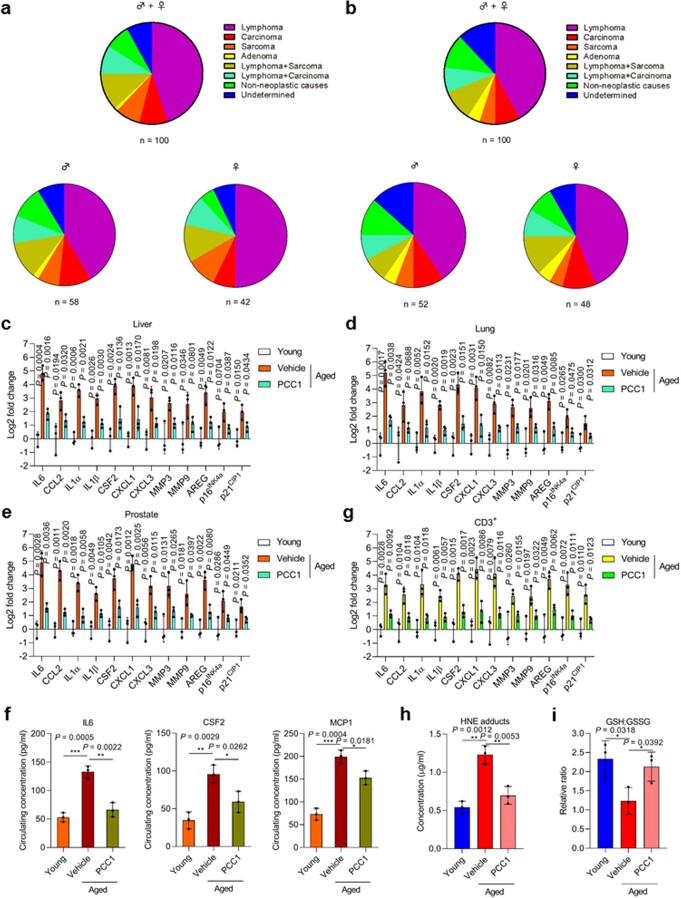
“Mice were euthanized and scored as having died if they exhibited more than one of the following signs: (1) unable to drink or eat, (2) reluctant to move even with stimulus, (3) rapid weight loss, (4) severe balance disorder or (5) bleeding or ulcerated tumour.”
BackgroundSelf-citationExpression of p16 INK4a in peripheral blood T‐cells is a biomarker of human aging
Liu, Y., Sanoff, H. K., Cho, H., Burd, C. E., Torrice, C., Ibrahim, J. G., Thomas, N. E., & Sharpless, N. E. (2009) · Aging Cell · doi:10.1111/j.1474-9726.2009.00489.x · Cited by 509
Acceleration of β Cell Aging Determines Diabetes and Senolysis Improves Disease Outcomes
Aguayo-Mazzucato, C., Andle, J., Lee, T. B., Midha, A., Talemal, L., Chipashvili, V., Hollister-Lock, J., van Deursen, J., Weir, G., & Bonner-Weir, S. (2019) · Cell Metabolism · doi:10.1016/j.cmet.2019.05.006 · Cited by 469
The quest to slow ageing through drug discovery
Partridge, L., Fuentealba, M., & Kennedy, B. K. (2020) · Nature Reviews Drug Discovery · doi:10.1038/s41573-020-0067-7 · Cited by 468
Cai, Y., Zhou, H., Zhu, Y., Sun, Q., Ji, Y., Xue, A., Wang, Y., Chen, W., Yu, X., Wang, L., et al. (2020) · Cell Research · doi:10.1038/s41422-020-0314-9 · Cited by 397
Self-citationIdentification and characterization of Cardiac Glycosides as senolytic compounds
Triana-Martínez, F., Picallos-Rabina, P., Da Silva-Álvarez, S., Pietrocola, F., Llanos, S., Rodilla, V., Soprano, E., Pedrosa, P., Ferreirós, A., Barradas, M., et al. (2019) · Nature Communications · doi:10.1038/s41467-019-12888-x · Cited by 384
Cardiac glycosides are broad-spectrum senolytics
Guerrero, A., Herranz, N., Sun, B., Wagner, V., Gallage, S., Guiho, R., Wolter, K., Pombo, J., Irvine, E. E., Innes, A. J., et al. (2019) · Nature Metabolism · doi:10.1038/s42255-019-0122-z · Cited by 359
Zhao, J., Wang, J., Chen, Y., & Agarwal, R. (1999) · Carcinogenesis · doi:10.1093/carcin/20.9.1737 · Cited by 328
Aging, Cell Senescence, and Chronic Disease: Emerging Therapeutic Strategies
Tchkonia, T., & Kirkland, J. L. (2018) · JAMA · doi:10.1001/jama.2018.12440 · Cited by 302
Self-citationDiscovery of piperlongumine as a potential novel lead for the development of senolytic agents
Wang, Y., Chang, J., Liu, X., Zhang, X., Zhang, S., Zhang, X., Zhou, D., & Zheng, G. (2016) · Aging · doi:10.18632/aging.101100 · Cited by 274
Self-citationPrevalence of Multimorbidity in a Geographically Defined American Population
Rocca, W. A., Boyd, C. M., Grossardt, B. R., Bobo, W. V., Finney Rutten, L. J., Roger, V. L., Ebbert, J. O., Therneau, T. M., Yawn, B. P., & St. Sauver, J. L. (2014) · Mayo Clinic Proceedings · doi:10.1016/j.mayocp.2014.07.010 · Cited by 245
Krzywinski, M., & Altman, N. (2013) · Nature Methods · doi:10.1038/nmeth.2738 · Cited by 230
Chk1 and p21 Cooperate to Prevent Apoptosis during DNA Replication Fork Stress
Rodriguez, R., & Meuth, M. (2006) · Molecular Biology of the Cell · doi:10.1091/mbc.e05-07-0594 · Cited by 182
Chen, B., Li, H., Ou, G., Ren, L., Yang, X., & Zeng, M. (2019) · Arthritis Research & Therapy · doi:10.1186/s13075-019-1974-z · Cited by 181
Loss of SATB1 Induces p21-Dependent Cellular Senescence in Post-mitotic Dopaminergic Neurons
Riessland, M., Kolisnyk, B., Kim, T. W., Cheng, J., Ni, J., Pearson, J. A., Park, E. J., Dam, K., Acehan, D., Ramos-Espiritu, L. S., et al. (2019) · Cell Stem Cell · doi:10.1016/j.stem.2019.08.013 · Cited by 180
Reducing Senescent Cell Burden in Aging and Disease
Pignolo, R. J., Passos, J. F., Khosla, S., Tchkonia, T., & Kirkland, J. L. (2020) · Trends in Molecular Medicine · doi:10.1016/j.molmed.2020.03.005 · Cited by 177
Self-citationThe curcumin analog EF24 is a novel senolytic agent
Li, W., He, Y., Zhang, R., Zheng, G., & Zhou, D. (2019) · Aging · doi:10.18632/aging.101787 · Cited by 164
Perrott, K. M., Wiley, C. D., Desprez, P.-Y., & Campisi, J. (2017) · GeroScience · doi:10.1007/s11357-017-9970-1 · Cited by 163
Self-citationComparison of In Vitro and In Vivo Antioxidant Activities of Six Flavonoids with Similar Structures
Zeng, Y., Song, J., Zhang, M., Wang, H., Zhang, Y., & Suo, H. (2020) · Antioxidants · doi:10.3390/antiox9080732 · Cited by 158
Zhang, B., Fu, D., Xu, Q., Cong, X., Wu, C., Zhong, X., Ma, Y., Lv, Z., Chen, F., Han, L., et al. (2018) · Nature Communications · doi:10.1038/s41467-018-04010-4 · Cited by 157
Self-citationSpontaneous DNA damage to the nuclear genome promotes senescence, redox imbalance and aging
Robinson, A. R., Yousefzadeh, M. J., Rozgaja, T. A., Wang, J., Li, X., Tilstra, J. S., Feldman, C. H., Gregg, S. Q., Johnson, C. H., Skoda, E. M., et al. (2018) · Redox Biology · doi:10.1016/j.redox.2018.04.007 · Cited by 155
Self-citationModulation of Pancreatic Cancer Chemoresistance by Inhibition of TAK1
Melisi, D., Xia, Q., Paradiso, G., Ling, J., Moccia, T., Carbone, C., Budillon, A., Abbruzzese, J. L., & Chiao, P. J. (2011) · JNCI: Journal of the National Cancer Institute · doi:10.1093/jnci/djr243 · Cited by 154
Cocoa and Grape Seed Byproducts as a Source of Antioxidant and Anti-Inflammatory Proanthocyanidins
Cádiz‐Gurrea, M. D. L. L., Borrás‐Linares, I., Lozano‐Sánchez, J., Joven, J., Fernández‐Arroyo, S., & Segura‐Carretero, A. (2017) · International Journal of Molecular Sciences · doi:10.3390/ijms18020376 · Cited by 139
Xu, Q., Long, Q., Zhu, D., Fu, D., Zhang, B., Han, L., Qian, M., Guo, J., Xu, J., Cao, L., et al. (2019) · Aging Cell · doi:10.1111/acel.13027 · Cited by 139
Self-citationStoupi, S., Williamson, G., Viton, F., Barron, D., King, L. J., Brown, J. E., & Clifford, M. N. (2009) · Drug Metabolism and Disposition · doi:10.1124/dmd.109.030304 · Cited by 137
Emerging use of senolytics and senomorphics against aging and chronic diseases
Martel, J., Ojcius, D. M., Wu, C., Peng, H., Voisin, L., Perfettini, J., Ko, Y., & Young, J. D. (2020) · Medicinal Research Reviews · doi:10.1002/med.21702 · Cited by 127
Mitochondrial Dysfunction and Redox Imbalance as a Diagnostic Marker of “Free Radical Diseases”
(2017) · Anticancer Research · doi:10.21873/anticanres.11963 · Cited by 126
Chemical screen identifies a geroprotective role of quercetin in premature aging
Geng, L., Liu, Z., Zhang, W., Li, W., Wu, Z., Wang, W., Ren, R., Su, Y., Wang, P., Sun, L., et al. (2019) · Protein & Cell · doi:10.1007/s13238-018-0567-y · Cited by 126
Self-citationTargeting SPINK1 in the damaged tumour microenvironment alleviates therapeutic resistance
Chen, F., Long, Q., Fu, D., Zhu, D., Ji, Y., Han, L., Zhang, B., Xu, Q., Liu, B., Li, Y., et al. (2018) · Nature Communications · doi:10.1038/s41467-018-06860-4 · Cited by 122
Self-citationLewinska, A., Adamczyk-Grochala, J., Bloniarz, D., Olszowka, J., Kulpa-Greszta, M., Litwinienko, G., Tomaszewska, A., Wnuk, M., & Pazik, R. (2020) · Redox Biology · doi:10.1016/j.redox.2019.101337 · Cited by 112
Rodríguez‐Ramiro, I., Martín, M. Á., Ramos, S., Bravo, L., & Goya, L. (2010) · European Journal of Nutrition · doi:10.1007/s00394-010-0139-2 · Cited by 103
Nie, Y., & Stürzenbaum, S. R. (2018) · Advances in Nutrition · doi:10.1093/advances/nmy118 · Cited by 98
Spicer, J. F., Marabelle, A., Baurain, J., Jebsen, N. L., Jøssang, D. E., Awada, A. H., Kristeleit, R. S., Loirat, D., Lazaridis, G., Jungels, C., et al. (2021) · Clinical Cancer Research · doi:10.1158/1078-0432.ccr-20-3435 · Cited by 90
Long, M., Yang, S., Han, J., Li, P., Zhang, Y., Dong, S. L., Chen, X., Guo, J., Wang, J., & He, J. (2016) · International Journal of Molecular Sciences · doi:10.3390/ijms17060808 · Cited by 88
Analysis of the Oxidative Degradation of Proanthocyanidins under Basic Conditions
Jorgensen, E. M., Marin, A. B., & Kennedy, J. A. (2004) · Journal of Agricultural and Food Chemistry · doi:10.1021/jf035311i · Cited by 79
THE ADJUSTMENT FOR A NATURAL RESPONSE RATE IN PROBIT ANALYSIS
Finney, D. J. (1949) · Annals of Applied Biology · doi:10.1111/j.1744-7348.1949.tb06408.x · Cited by 72
Ma, H., Li, Y.-N., Song, L., Liu, R., Li, X., Shang, Q., Wang, Y., Shao, C., & Shi, Y. (2020) · Cell & Bioscience · doi:10.1186/s13578-020-00450-y · Cited by 72
Self-citationLiu, L., Cao, Q., Gao, W., Li, B., Xia, Z., & Zhao, B. (2021) · Aging · doi:10.18632/aging.203137 · Cited by 60
Zhu, W., Li, M. C., Wang, R., Mackenzie, G. G., & Oteiza, P. I. (2020) · Biochemical Pharmacology · doi:10.1016/j.bcp.2020.113923 · Cited by 55
Chen, F., Wang, H., Zhao, J., Yan, J., Meng, H., Zhan, H., Chen, L., & Yuan, L. (2019) · The Journal of Nutritional Biochemistry · doi:10.1016/j.jnutbio.2019.01.013 · Cited by 54
Sun, P. G., Wang, T., Chen, L., Yu, B., Jia, Q., Chen, K., Fan, H., Li, Y., & Wang, H. (2016) · Acta Pharmacologica Sinica · doi:10.1038/aps.2016.29 · Cited by 47
Lee, Y. R., Cho, H. M., Park, E. J., Zhang, M., Doan, T., Lee, B.-W., Cho, K. A., & Oh, W. K. (2020) · Nutrients · doi:10.3390/nu12051430 · Cited by 47
Liu, J.-X., Yang, C., Liu, Z.-J., Su, H.-Y., Zhang, W., Pan, Q., & Liu, J. (2020) · Aging · doi:10.18632/aging.103726 · Cited by 37
Koteswari, L. L., Kumari, S., Kumar, A. B., & Malla, R. R. (2019) · Natural Product Research · doi:10.1080/14786419.2018.1557173 · Cited by 34
Procyanidin C1 Inhibits Melanoma Cell Growth by Activating 67‐kDa Laminin Receptor Signaling
Bae, J., Kumazoe, M., Murata, K., Fujimura, Y., & Tachibana, H. (2020) · Molecular Nutrition & Food Research · doi:10.1002/mnfr.201900986 · Cited by 32
Design and synthesis of novel mitochondria-targeted CDDO derivatives as potential anti-cancer agents
Ju, W., Li, N., Wang, J., Yu, N., Lei, Z., Zhang, L., Sun, J., & Chen, L. (2021) · Bioorganic Chemistry · doi:10.1016/j.bioorg.2021.105249 · Cited by 27
Rigotti, M., Cerbaro, A. F., Silva, I. D. R., Agostini, F., Branco, C. S., Moura, S., & Salvador, M. M. (2020) · Journal of Food Biochemistry · doi:10.1111/jfbc.13147 · Cited by 24
Protonophoric action of BAM15 on planar bilayers, liposomes, mitochondria, bacteria and neurons
Firsov, A. M., Popova, L. B., Khailova, L. S., Nazarov, P. A., Kotova, Е. А., & Antonenko, Y. N. (2020) · Bioelectrochemistry · doi:10.1016/j.bioelechem.2020.107673 · Cited by 23
Procyanidin B1 promotes in vitro maturation of pig oocytes by reducing oxidative stress
Gao, W., Jin, Y.-X., Hao, J., Huang, S., Wang, D., Quan, F., Ren, W., Zhang, J., Zhang, M., & Yu, X. (2020) · Molecular Reproduction and Development · doi:10.1002/mrd.23440 · Cited by 18
Jeong, M. H., Yang, K., Jeong, D. H., Lee, C. G., Oh, S. J., Jeong, S. K., Lee, K. W., Jo, Y. R., & Jo, W. (2014) · Journal of Radiation Research · doi:10.1093/jrr/rrt140 · Cited by 16
Cited by
Aging and aging-related diseases: from molecular mechanisms to interventions and treatments
Guo, J., Huang, X., Dou, L., Yan, M., Shen, T., Tang, W., & Li, J. (2022) · Signal Transduction and Targeted Therapy · doi:10.1038/s41392-022-01251-0 · Cited by 1,718
Cellular senescence: the good, the bad and the unknown
Huang, W., Hickson, L. J., Eirin, A., Kirkland, J. L., & Lerman, L. O. (2022) · Nature Reviews Nephrology · doi:10.1038/s41581-022-00601-z · Cited by 1,150
Self-citationCellular senescence and senolytics: the path to the clinic
Chaib, S., Tchkonia, T., & Kirkland, J. L. (2022) · Nature Medicine · doi:10.1038/s41591-022-01923-y · Cited by 1,134
Self-citationCellular senescence: a key therapeutic target in aging and diseases
Zhang, L., Pitcher, L. E., Yousefzadeh, M. J., Niedernhofer, L. J., Robbins, P. D., & Zhu, Y. (2022) · Journal of Clinical Investigation · doi:10.1172/jci158450 · Cited by 631
“For instance, procyanidin C1, a polyphenolic flavonoid isolated from grape seed extract, is senomorphic at low concentrations but senolytic at higher concentrations (90).”
BackgroundCai, Y., Song, W., Li, J., Jing, Y., Liang, C., Zhang, L., Zhang, X., Zhang, W., Liu, B., An, Y., et al. (2022) · Science China Life Sciences · doi:10.1007/s11427-022-2161-3 · Cited by 408
Self-citation
Metadata
- Authors
- Xu, Q., Fu, Q., Li, Z., Liu, H., Wang, Y., Lin, X., He, R., Zhang, X., Ju, Z., Campisi, J., Kirkland, J. L., & Sun, Y.
- Affiliations
- Shanghai Jiao Tong University (CN)
- Binzhou Medical University (CN)
- Chinese Academy of Sciences (CN)
- Shanghai Institute of Nutrition and Health (CN)
- Jinan University (CN)
- Buck Institute for Research on Aging (US)
- Mayo Clinic (US)
- Corresponding author
- Sun, Yu
- ORCID
- Venue
- Nature Metabolism
- Published
- 2021-12-06
- Volume
- 3
- Issue
- 12
- Pages
- 1706-1726
- ISSN
- 2522-5812 (ISSN-L)
- PMC
- PMC8688144
- OpenAlex
- W4200000184
- Cited by
- 341
- References
- 77
- Citations by year
- 2026: 66 · 2025: 103 · 2024: 73 · 2023: 54 · 2022: 43 · 2021: 2
- FWCI
- 26.98
- Type
- journal article
- Language
- en
- Open access
- hybrid
- doi.org
- Licence
- cc-by
- creativecommons.org/licenses/by/4.0 (tdm)
- creativecommons.org/licenses/by/4.0 (vor)
- Locations
- Nature Metabolism (publishedVersion, cc-by)
- Research Square (acceptedVersion, cc-by)
- PubMed Central (publishedVersion, cc-by)
- PubMed (publishedVersion)
- OSTI OAI (U.S. Department of Energy Office of Scientific and Technical Information) (submittedVersion, cc-by)
- eScholarship (California Digital Library) (submittedVersion, cc-by)
- Funders
- National Natural Science Foundation of China (81472709, 31671425, 31871380, 82130045)
- Topics
- Life Sciences › Biochemistry, Genetics and Molecular Biology › Cell Biology › Telomeres, Telomerase, and Senescence
- Life Sciences › Biochemistry, Genetics and Molecular Biology › Aging › Genetics, Aging, and Longevity in Model Organisms
- Health Sciences › Medicine › Geriatrics and Gerontology › Sirtuins and Resveratrol in Medicine
- Keywords
- procyanidin C1, grape seed extract, senolytics, senescence-associated secretory phenotype, senescent cells, lifespan extension, healthspan, aging, reactive oxygen species, mitochondrial dysfunction, tumor microenvironment, combination chemotherapy, flavonoids, natural products
- MeSH terms
- Drug Development, Senescence-Associated Secretory Phenotype, Senotherapeutics, Animals, Cell Line, Energy Metabolism, Flavonoids, Gene Expression Regulation, Humans, Longevity, Mitochondria, Cellular Senescence, Apoptosis, Oxidative Stress, Computational Biology, Gene Expression Profiling, Mice
About these checks
Registry, retraction, Cites and statistics results are computed, not judged, with one exception: a printed reference that no index lists is read once by a model before it counts as a citation error. Claims are extracted by a model and kept only when their quote appears verbatim in the text; each cited source is then checked, with a model’s help, for whether it says what the claim relies on. Those verdicts can be wrong — read the claim’s quote and the cited source before relying on one.
Statistics and arithmetic are recomputed, not judged.
Confidence bands are shown only for fields calibrated on our annotated test set. None is calibrated yet, so no band is shown.
What counts as a claim ›How we measure confidence ›How we check this ›
Are you an author, or do you see a problem with this page? Request a review
Data sources
Bibliographic data: Semantic Scholar, OpenAlex, Crossref.
Contains information from the Semantic Scholar Academic Graph Datasets, made available under the ODC Attribution License (ODC-BY 1.0).
Semantic Scholar’s data is described in: Kinney, R., et al. (2023). The Semantic Scholar Open Data Platform. arXiv:2301.10140.
