

A primary cilia-autophagy axis in hippocampal neurons is essential to maintain cognitive resilience
Open accessThe DOI matches its Crossref record; 67 of the 67 references it cites were found in a registry or an index.
Abstract
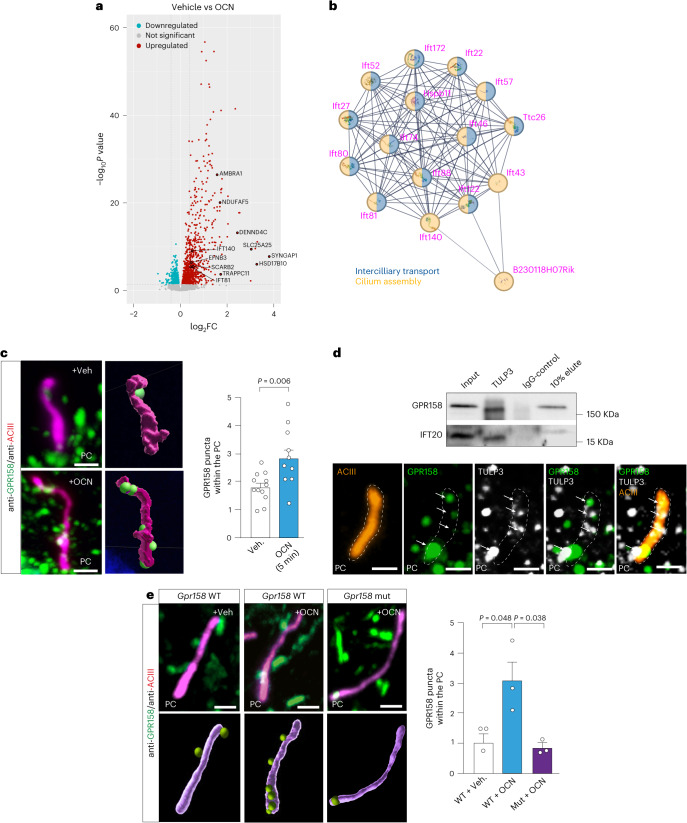
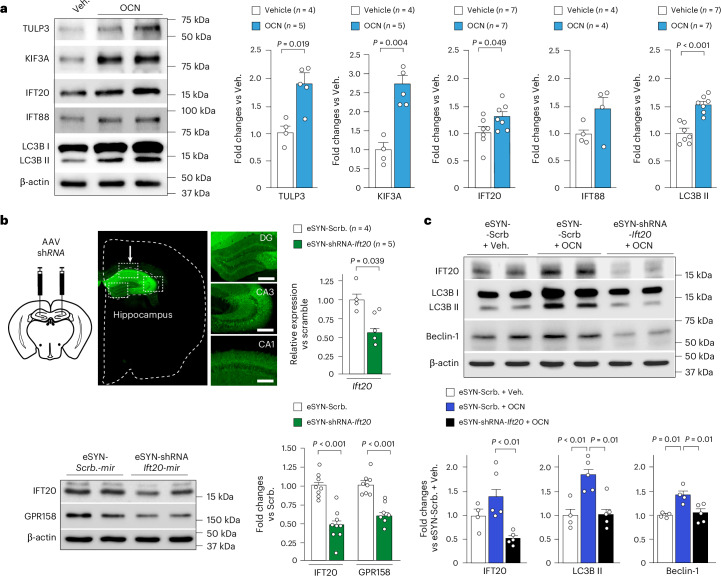
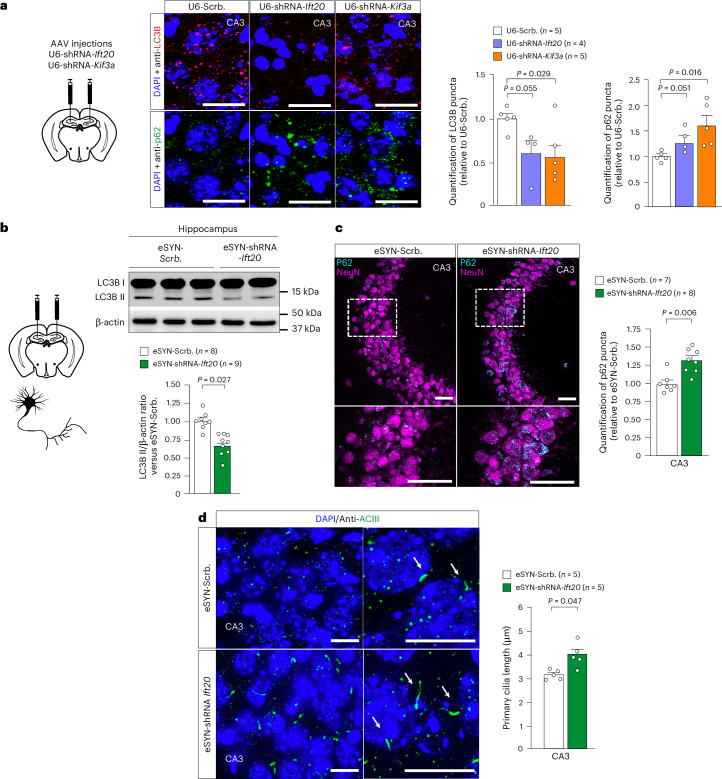
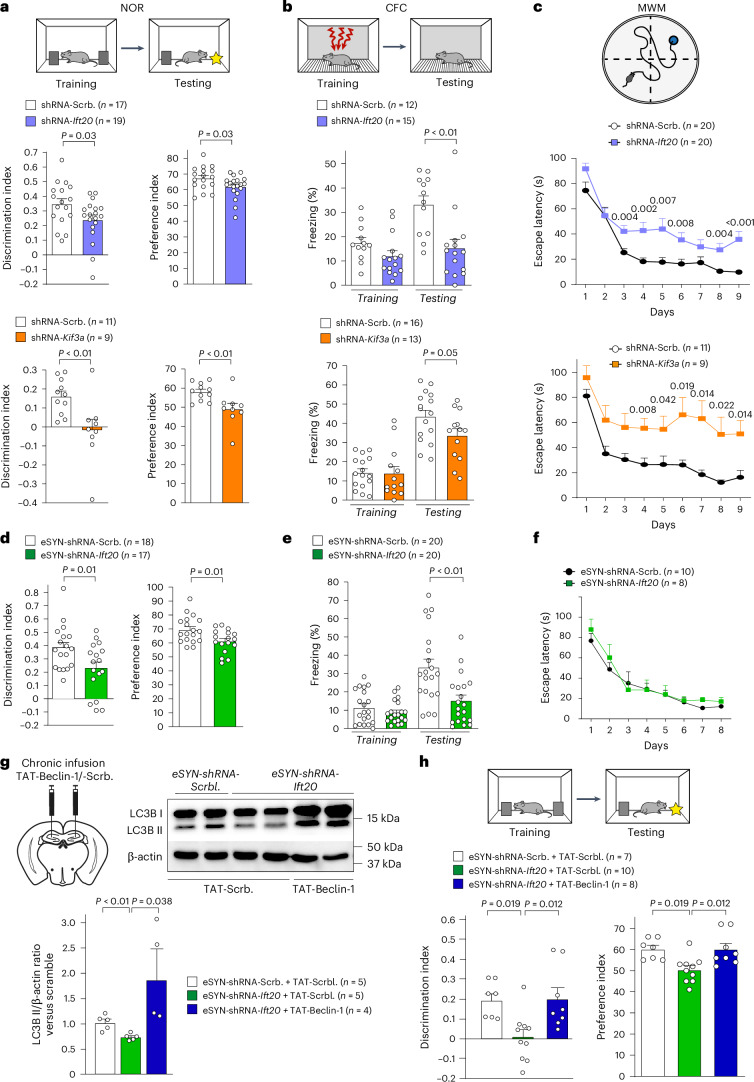
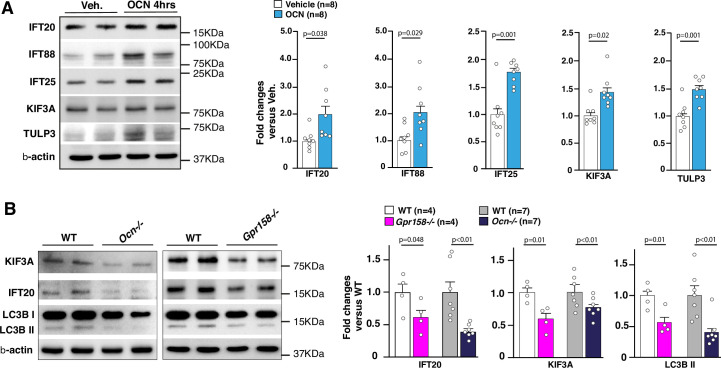
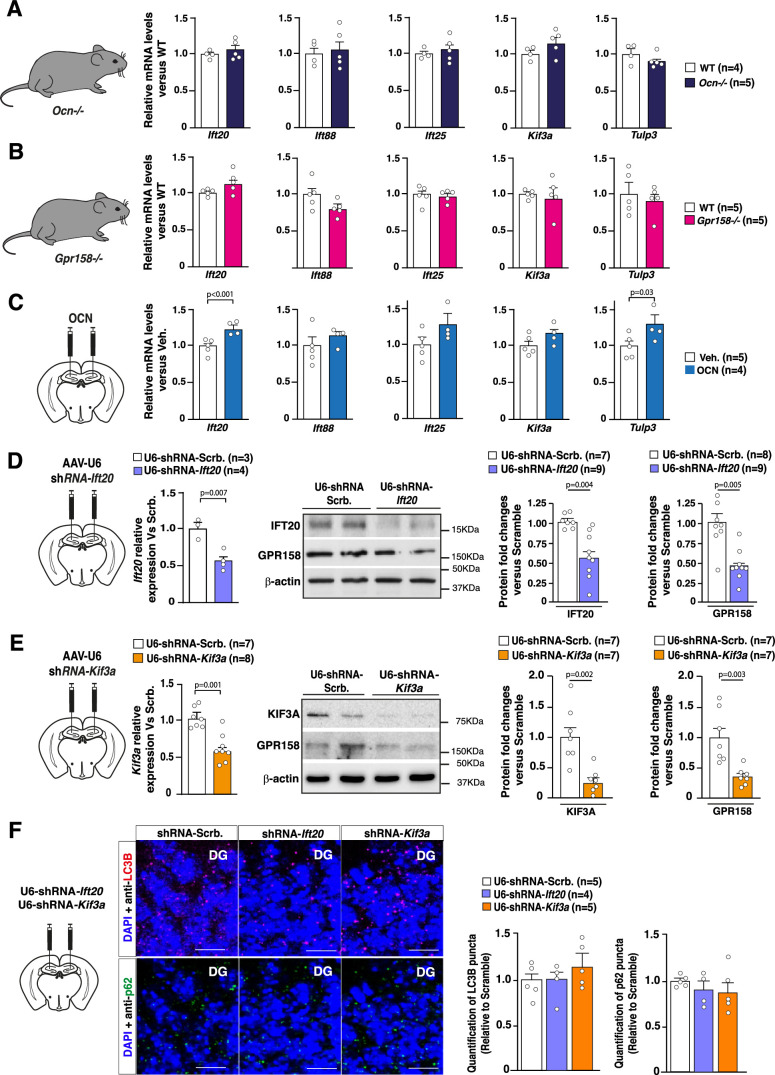
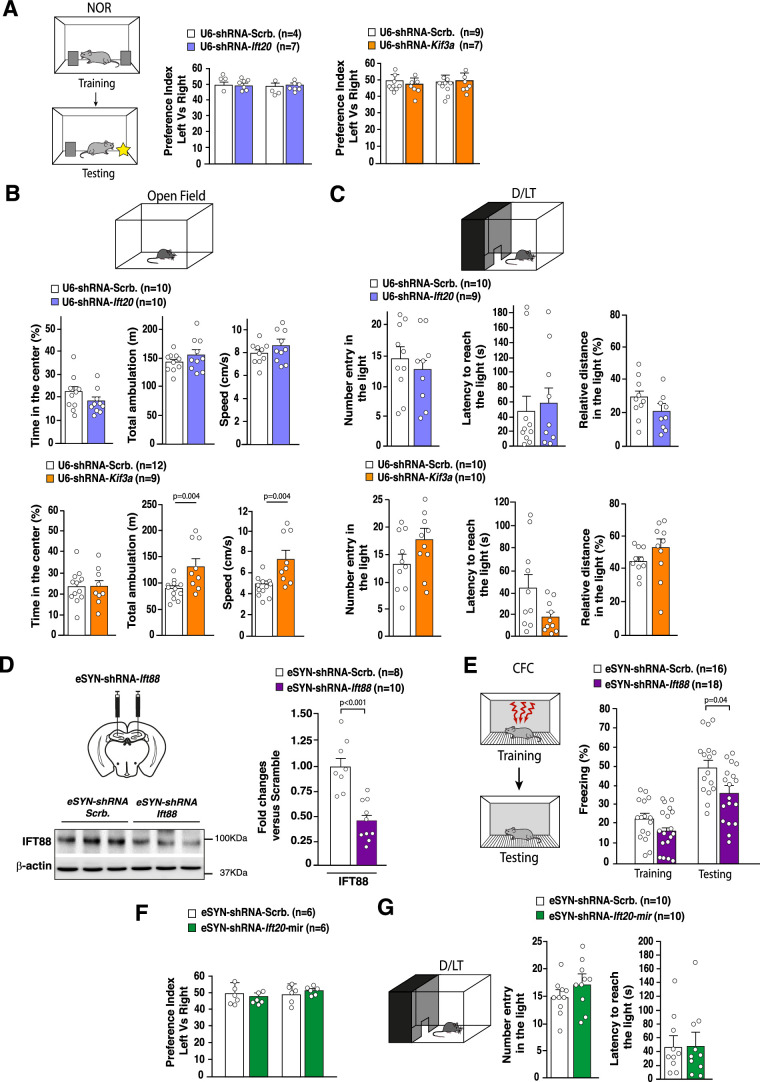
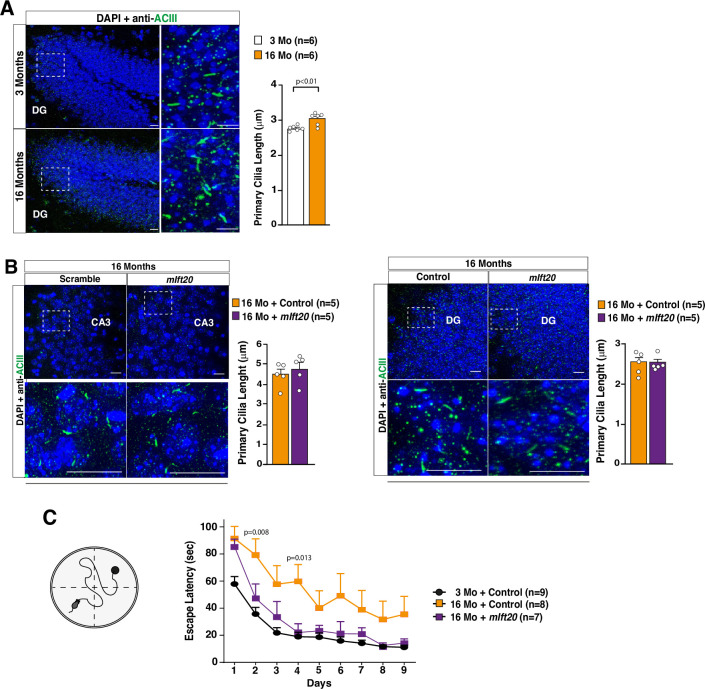
Blood-borne factors are essential to maintain neuronal synaptic plasticity and cognitive resilience throughout life. One such factor is osteocalcin (OCN), a hormone produced by osteoblasts that influences multiple physiological processes, including hippocampal neuronal homeostasis. However, the mechanism through which this blood-borne factor communicates with neurons remains unclear. Here we show the importance of a core primary cilium (PC) protein–autophagy axis in mediating the effects of OCN. We found that the OCN receptor GPR158 is present at the PC of hippocampal neurons and mediates the regulation of autophagy machinery by OCN. During aging, autophagy and PC core proteins are reduced in neurons, and restoring their levels is sufficient to improve cognitive impairments in aged mice. Mechanistically, the induction of this axis by OCN is dependent on the PC-dependent cAMP response element-binding protein signaling pathway. Altogether, this study demonstrates that the PC–autophagy axis is a gateway to mediate communication between blood-borne factors and neurons, and it advances understanding of the mechanisms involved in age-related cognitive decline.
Overview
The claims and statistics of this paper haven’t been checked yet.
Free: it reads the open-access text and checks the first 5 claims that cite a source we can check. Create a free account to check every claim.
Integrity signals
Registry
Cites
Statistics
Figures
Verification
Claims the paper makes
The claims and statistics of this paper haven’t been checked yet.
Free: it reads the open-access text and checks the first 5 claims that cite a source we can check. Create a free account to check every claim.
Claims other papers make about this one
Each is checked against this paper’s own text: does it say what the citing paper says it does?
The cited source says what the claim attributes to it.
In the citing paper
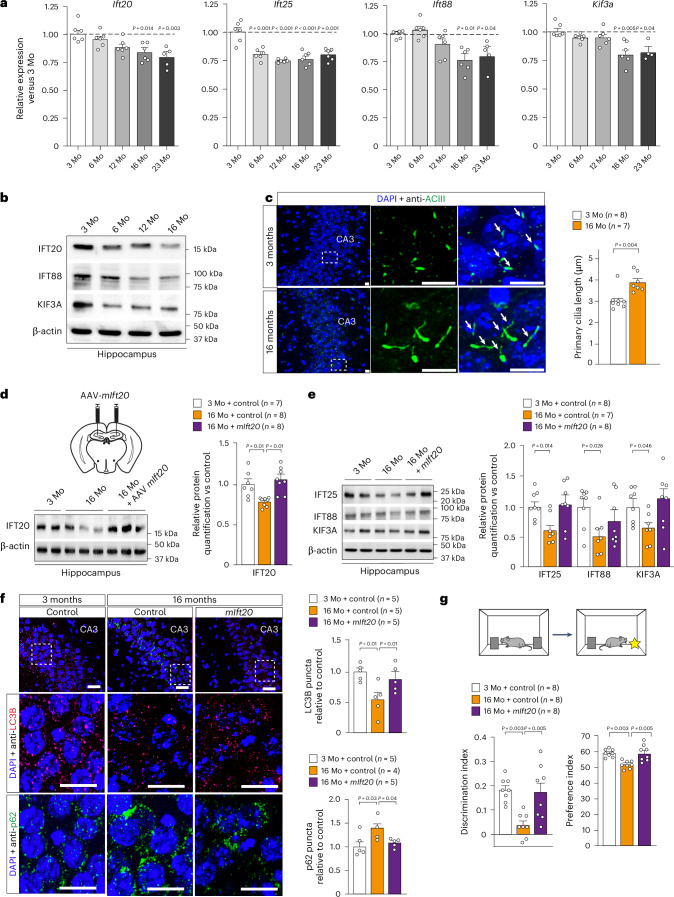
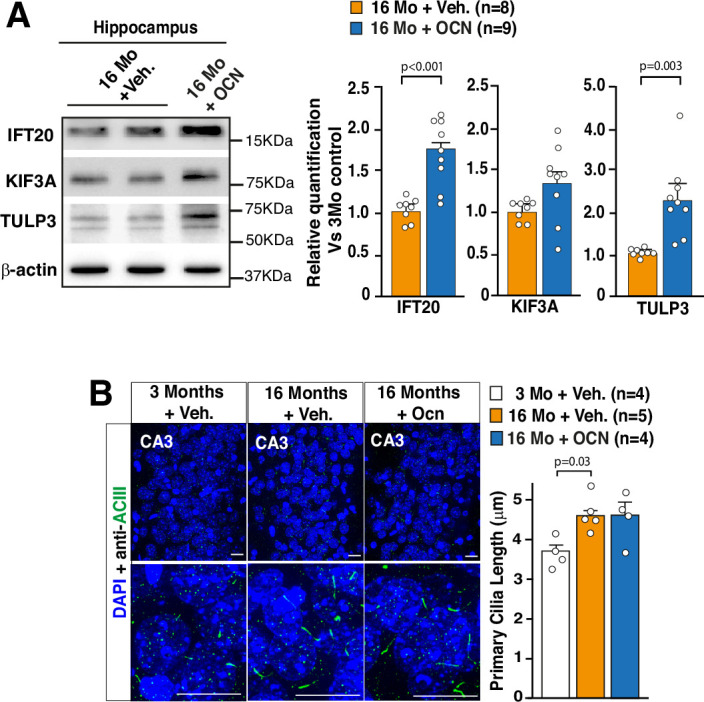
“Rivagorda et al. reported that the age-related decline in autophagy machinery in hippocampal neurons, which contributes to memory deficits, is associated with a marked reduction in primary cilium components, including Ift20, Ift88, and Kif3a, at both the mRNA and protein levels in the hippocampus of aged (16-month-old) C57 mice.”
From Primary cilia in the mature brain: emerging roles in Alzheimer's disease pathogenesis (2025) · cites this paper as Rivagorda et al., 2025
The cited source says what the claim attributes to it.
In the citing paper
“Restoration of Ift20 expression in the hippocampus was sufficient to enhance autophagy activity in the CA3 region and reverse age-related cognitive deficits.”
From Primary cilia in the mature brain: emerging roles in Alzheimer's disease pathogenesis (2025) · cites this paper as Rivagorda et al., 2025
The cited source says what the claim attributes to it.
In the citing paper
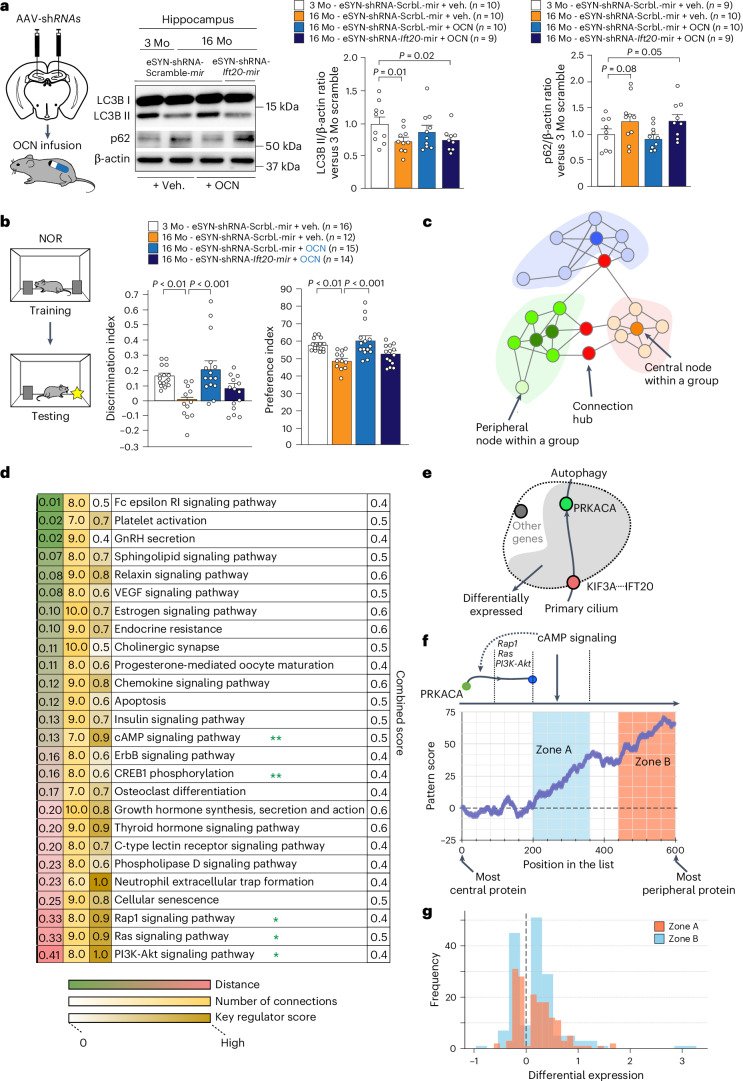
“Together, these findings emphasize the primary cilium–autophagy axis as a signaling route between blood-borne factors and neurons, providing new insight into the mechanisms underlying age-related cognitive decline (Rivagorda et al., 2025).”
From Primary cilia in the mature brain: emerging roles in Alzheimer's disease pathogenesis (2025) · cites this paper as Rivagorda et al., 2025
The cited source says what the claim attributes to it.
In the citing paper
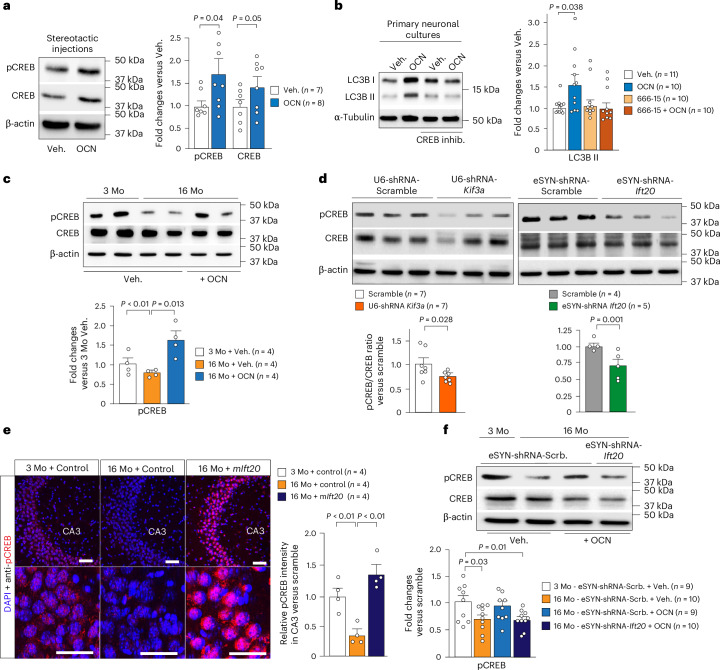
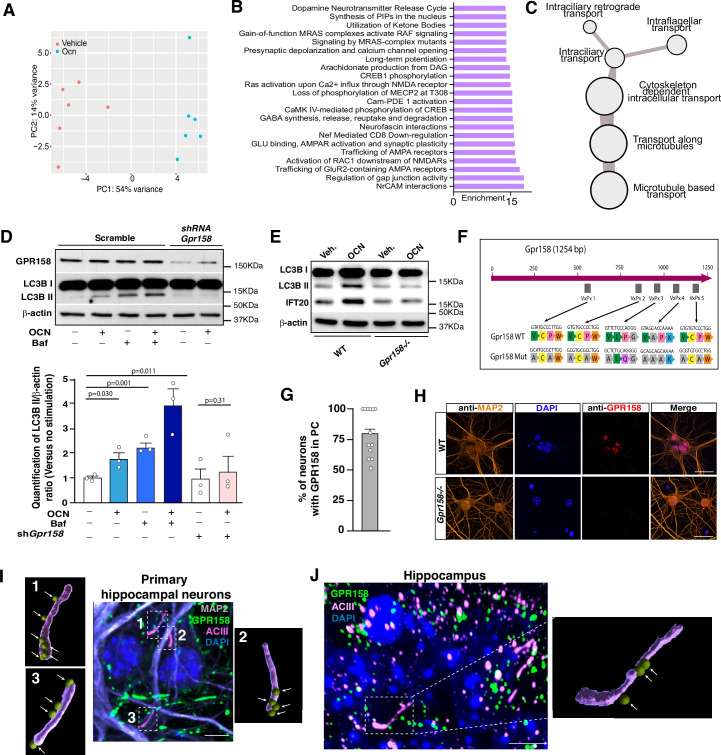
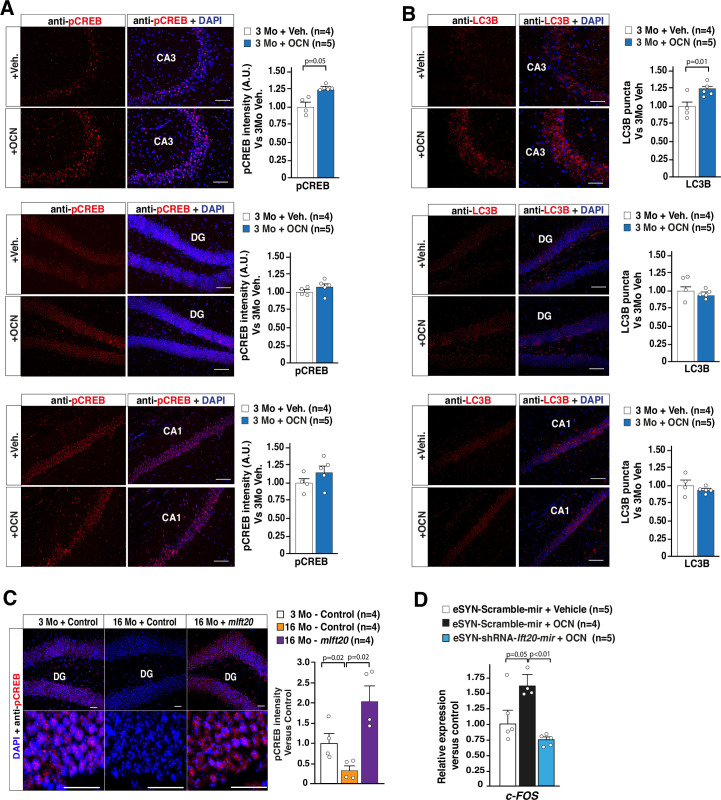
“Complementing these findings, the osteocalcin receptor GPR158 was found to be localized to the primary cilium of hippocampal neurons, where it mediates osteocalcin-regulated autophagy. Mechanistically, this effect depended on a primary cilium-CREB signaling pathway.”
From Primary cilia in the mature brain: emerging roles in Alzheimer's disease pathogenesis (2025) · cites this paper as Rivagorda et al., 2025
Self-check
Percentages, sums and reported differences re-computed from the paper’s own numbers.
The self-check needs the paper’s full text.
Citations
Cites
Hallmarks of aging: An expanding universe
López-Otín, C., Blasco, M. A., Partridge, L., Serrano, M., & Kroemer, G. (2023) · Cell · doi:10.1016/j.cell.2022.11.001 · Cited by 6,549
Autophagy: Renovation of Cells and Tissues
Mizushima, N., & Komatsu, M. (2011) · Cell · doi:10.1016/j.cell.2011.10.026 · Cited by 6,418
Morris water maze: procedures for assessing spatial and related forms of learning and memory
Vorhees, C. V., & Williams, M. T. (2006) · Nature Protocols · doi:10.1038/nprot.2006.116 · Cited by 4,629 · cited 2×
“…models of hippocampal Ift20 and Kif3a downregulation to three independent behavioral tests assessing hippocampal-dependent learning and memory 53,54 : the novel object recognition (NOR) test, the three foot shocks contextual fear conditioning (CFC) paradigm and the Morris water maze (MWM) test…”
Biological Functions of Autophagy Genes: A Disease Perspective
Levine, B., & Kroemer, G. (2019) · Cell · doi:10.1016/j.cell.2018.09.048 · Cited by 2,832
The ageing systemic milieu negatively regulates neurogenesis and cognitive function
Villeda, S. A., Luo, J., Mosher, K. I., Zou, B., Britschgi, M., Bieri, G., Stan, T. M., Fainberg, N., Ding, Z., Eggel, A., et al. (2011) · Nature · doi:10.1038/nature10357 · Cited by 1,763 · cited 1×
“Multiple reports showed that the rejuvenating effects of the young plasma administration on cognition are mediated, in part 57,58 , through the activation of CREB phosphorylation 9,13 .”
Autophagy in major human diseases
Klionsky, D. J., Petroni, G., Amaravadi, R. K., Baehrecke, E. H., Ballabio, A., Boya, P., Bravo‐San Pedro, J. M., Cadwell, K., Cecconi, F., Choi, A. M. K., et al. (2021) · The EMBO Journal · doi:10.15252/embj.2021108863 · Cited by 1,585 · cited 4×
“Four fractions were collected, and each of them was incubated for 30 min with Benzamidine Sepharose (GE Healthcare, 17-5123-10) at room temperature to remove thrombin.”
InfluentialSelf-citationAgeing, fitness and neurocognitive function
Kramer, A. F., Hahn, S., Cohen, N. J., Banich, M. T., McAuley, E., Harrison, C. R., Chason, J., Vakil, E., Bardell, L., Boileau, R. A., et al. (1999) · Nature · doi:10.1038/22682 · Cited by 1,394
Neural mechanisms of ageing and cognitive decline
Bishop, N. A., Lu, T., & Yankner, B. A. (2010) · Nature · doi:10.1038/nature08983 · Cited by 1,323 · cited 1×
“Normal brain aging is characterized by a decline in autophagy machinery in hippocampal neurons, leading to memory deficits 3,20 .”
The autophagosome: origins unknown, biogenesis complex
Lamb, C. A., Yoshimori, T., & Tooze, S. A. (2013) · Nature Reviews Molecular Cell Biology · doi:10.1038/nrm3696 · Cited by 1,314 · cited 1×
“Autophagy is a catabolic cellular process, whereby proteins and organelles are engulfed in autophagosomes (APs), formed by the activity of different autophagy proteins, and then transported to lysosomes for degradation, contributing directly to cell metabolism and energy production 21–23 .”
Autophagy in healthy aging and disease
Aman, Y., Schmauck-Medina, T., Hansen, M., Morimoto, R. I., Simon, A. K., Bjedov, I., Palikaras, K., Simonsen, A., Johansen, T., Tavernarakis, N., et al. (2021) · Nature Aging · doi:10.1038/s43587-021-00098-4 · Cited by 1,313 · cited 1×
“In terminally differentiated cells such as neurons, autophagy-mediated degradation of intracellular material is key to maintain cellular homeostasis and promotes cell survival 24–26 .”
Ageing, neurodegeneration and brain rejuvenation
Wyss-Coray, T. (2016) · Nature · doi:10.1038/nature20411 · Cited by 1,147
Young blood reverses age-related impairments in cognitive function and synaptic plasticity in mice
Villeda, S. A., Plambeck, K. E., Middeldorp, J., Castellano, J. M., Mosher, K. I., Luo, J., Smith, L. K., Bieri, G., Lin, K., Berdnik, D., et al. (2014) · Nature Medicine · doi:10.1038/nm.3569 · Cited by 1,081
G-protein-coupled receptors and signaling networks: emerging paradigms
Marinissen, M. J., & Gutkind, J. S. (2001) · Trends in Pharmacological Sciences · doi:10.1016/s0165-6147(00)01678-3 · Cited by 1,049 · cited 1×
“Numerous studies also indicate that PC are hubs for various GPCRs, the largest families of membrane protein sensors, involved in many physiological processes, including hormonal systems 45–49 .”
Undulating changes in human plasma proteome profiles across the lifespan
Lehallier, B., Gate, D., Schaum, N., Nanasi, T., Lee, S. E., Yousef, H., Moran Losada, P., Berdnik, D., Keller, A., Verghese, J., et al. (2019) · Nature Medicine · doi:10.1038/s41591-019-0673-2 · Cited by 981
Ageing and neuronal vulnerability
Mattson, M. P., & Magnus, T. (2006) · Nature Reviews Neuroscience · doi:10.1038/nrn1886 · Cited by 957
Metabolic control of autophagy
Galluzzi, L., Pietrocola, F., Levine, B., & Kroemer, G. (2014) · Cell · doi:10.1016/j.cell.2014.11.006 · Cited by 855 · cited 1×
“However, beyond its basal functions, autophagy machinery could also be induced by various stimuli (stress, hormones and nutrients), which mediate the adaptive cellular responses to changes in environmental conditions 27–29 .”
Identification of a candidate therapeutic autophagy-inducing peptide
Shoji-Kawata, S., Sumpter, R., Leveno, M., Campbell, G. R., Zou, Z., Kinch, L., Wilkins, A. D., Sun, Q., Pallauf, K., MacDuff, D., et al. (2013) · Nature · doi:10.1038/nature11866 · Cited by 760 · cited 2×
“These alterations in CREB signaling contribute to cognitive deficits in normal aging and various neuro-degenerative diseases 53–55 .”
Ageing hallmarks exhibit organ-specific temporal signatures
Schaum, N., Lehallier, B., Hahn, O., Pálovics, R., Hosseinzadeh, S., Lee, S. E., Sit, R., Lee, D. P., Losada, P. M., Zardeneta, M. E., et al. (2020) · Nature · doi:10.1038/s41586-020-2499-y · Cited by 671 · cited 1×
“Among these cognitive resilience factors, we and others identified OCN or growth differentiation factor 11 (GDF11) 20,34,35 .”
Horowitz, A. M., Fan, X., Bieri, G., Smith, L. K., Sanchez-Diaz, C. I., Schroer, A. B., Gontier, G., Casaletto, K. B., Kramer, J. H., Williams, K. E., et al. (2020) · Science · doi:10.1126/science.aaw2622 · Cited by 496
Maternal and Offspring Pools of Osteocalcin Influence Brain Development and Functions
Oury, F., Khrimian, L., Denny, C. A., Gardin, A., Chamouni, A., Goeden, N., Huang, Y.-Y., Lee, H., Srinivas, P., Gao, X.-B., et al. (2013) · Cell · doi:10.1016/j.cell.2013.08.042 · Cited by 484 · cited 4×
“Four fractions were collected, and each of them was incubated for 30 min with Benzamidine Sepharose (GE Healthcare, 17-5123-10) at room temperature to remove thrombin.”
InfluentialSelf-citationThe different autophagy degradation pathways and neurodegeneration
Fleming, A., Bourdenx, M., Fujimaki, M., Karabiyik, C., Krause, G. J., Lopez, A., Martín-Segura, A., Puri, C., Scrivo, A., Skidmore, J., et al. (2022) · Neuron · doi:10.1016/j.neuron.2022.01.017 · Cited by 480
The hippocampus in aging and disease: From plasticity to vulnerability
Bartsch, T., & Wulff, P. (2015) · Neuroscience · doi:10.1016/j.neuroscience.2015.07.084 · Cited by 465
Human umbilical cord plasma proteins revitalize hippocampal function in aged mice
Castellano, J. M., Mosher, K. I., Abbey, R. J., McBride, A. A., James, M. L., Berdnik, D., Shen, J. C., Zou, B., Xie, X. S., Tingle, M., et al. (2017) · Nature · doi:10.1038/nature22067 · Cited by 445
Mukhopadhyay, S., Wen, X., Chih, B., Nelson, C. D., Lane, W. S., Scales, S. J., & Jackson, P. K. (2010) · Genes & Development · doi:10.1101/gad.1966210 · Cited by 435
Digesting the Expanding Mechanisms of Autophagy
Ktistakis, N. T., & Tooze, S. A. (2016) · Trends in Cell Biology · doi:10.1016/j.tcb.2016.03.006 · Cited by 367 · cited 1×
“Autophagy is a catabolic cellular process, whereby proteins and organelles are engulfed in autophagosomes (APs), formed by the activity of different autophagy proteins, and then transported to lysosomes for degradation, contributing directly to cell metabolism and energy production 21–23 .”
Gpr158 mediates osteocalcin’s regulation of cognition
Khrimian, L., Obri, A., Ramos-Brossier, M., Rousseaud, A., Moriceau, S., Nicot, A.-S., Mera, P., Kosmidis, S., Karnavas, T., Saudou, F., et al. (2017) · Journal of Experimental Medicine · doi:10.1084/jem.20171320 · Cited by 308 · cited 4×
“Interestingly, a key regulator of OCN’s influence on memory is GPR158, an orphan GPCR expressed in neurons of the cornu ammonis 3 (CA3) region of the hippocampus 18,19 .”
InfluentialSelf-citationModulation of Autophagy by BDNF Underlies Synaptic Plasticity
Nikoletopoulou, V., Sidiropoulou, K., Kallergi, E., Dalezios, Y., & Tavernarakis, N. (2017) · Cell Metabolism · doi:10.1016/j.cmet.2017.06.005 · Cited by 280
Carloni, S., Girelli, S., Scopa, C., Buonocore, G., Longini, M., & Balduini, W. (2010) · Autophagy · doi:10.4161/auto.6.3.11261 · Cited by 267 · cited 1×
“A correlation was shown between autophagy induction and activation of CREB phosphorylation to mediate neuronal survival and protection 60,61 .”
Autophagy Is Required for Memory Formation and Reverses Age-Related Memory Decline
Glatigny, M., Moriceau, S., Rivagorda, M., Ramos-Brossier, M., Nascimbeni, A. C., Lante, F., Shanley, M. R., Boudarene, N., Rousseaud, A., Friedman, A. K., et al. (2019) · Current Biology · doi:10.1016/j.cub.2018.12.021 · Cited by 257 · cited 10×
“Consist-ently, the OCN’s pro-cognitive effects, dependent on autophagy 20 , were deteriorated when core PC proteins were downregulated in neuronal PC.”
InfluentialSelf-citationPrimary cilia in neurodevelopmental disorders
Valente, E. M., Rosti, R. O., Gibbs, E., & Gleeson, J. G. (2014) · Nature Reviews Neurology · doi:10.1038/nrneurol.2013.247 · Cited by 254 · cited 1×
“Impor-tantly, mutations in ciliary proteins are implicated in a wide variety of genetic disorders, known as ciliopathies, which, among other phenotypes, lead to neurological defects 41 .”
Downregulation of CREB expression in Alzheimer's brain and in Aβ-treated rat hippocampal neurons
Pugazhenthi, S., Wang, M., Pham, S., Sze, C.-I., & Eckman, C. B. (2011) · Molecular Neurodegeneration · doi:10.1186/1750-1326-6-60 · Cited by 237 · cited 1×
“Multiple reports showed that the rejuvenating effects of the young plasma administration on cognition are mediated, in part 57,58 , through the activation of CREB phosphorylation 9,13 .”
Intraflagellar Transport and Ciliary Dynamics
Ishikawa, H., & Marshall, W. F. (2017) · Cold Spring Harbor Perspectives in Biology · doi:10.1101/cshperspect.a021998 · Cited by 228 · cited 1×
“These proteins allow the transportation of ciliary cargoes and are essential for the formation, maintenance and signaling activity of the PC 50,51 .”
The primary cilium as a cellular receiver: organizing ciliary GPCR signaling
Hilgendorf, K. I., Johnson, C. T., & Jackson, P. K. (2016) · Current Opinion in Cell Biology · doi:10.1016/j.ceb.2016.02.008 · Cited by 224 · cited 1×
“The PC was described as a signaling hub for various GPCRs that sense and transduce changes of the systemic milieu 46 .”
Fioriti, L., Myers, C., Huang, Y.-Y., Li, X., Stephan, J. S., Trifilieff, P., Colnaghi, L., Kosmidis, S., Drisaldi, B., Pavlopoulos, E., et al. (2015) · Neuron · doi:10.1016/j.neuron.2015.05.021 · Cited by 221 · cited 2×
“These alterations in CREB signaling contribute to cognitive deficits in normal aging and various neuro-degenerative diseases 53–55 .”
Intraflagellar transport and the sensory outer segment of vertebrate photoreceptors
Insinna, C., & Besharse, J. C. (2008) · Developmental Dynamics · doi:10.1002/dvdy.21554 · Cited by 188
Blood-to-brain communication in aging and rejuvenation
Bieri, G., Schroer, A. B., & Villeda, S. A. (2023) · Nature Neuroscience · doi:10.1038/s41593-022-01238-8 · Cited by 156 · cited 1×
“Multiple reports showed that the rejuvenating effects of the young plasma administration on cognition are mediated, in part 57,58 , through the activation of CREB phosphorylation 9,13 .”
G-Protein-Coupled Receptor Signaling in Cilia
Mykytyn, K., & Askwith, C. (2017) · Cold Spring Harbor Perspectives in Biology · doi:10.1101/cshperspect.a028183 · Cited by 126 · cited 1×
“Numerous studies also indicate that PC are hubs for various GPCRs, the largest families of membrane protein sensors, involved in many physiological processes, including hormonal systems 45–49 .”
Mechanisms of Hippocampal Aging and the Potential for Rejuvenation
Fan, X., Wheatley, E. G., & Villeda, S. A. (2017) · Annual Review of Neuroscience · doi:10.1146/annurev-neuro-072116-031357 · Cited by 122
Neuronal autophagy and intercellular regulation of homeostasis in the brain
Kulkarni, A., Chen, J., & Maday, S. (2018) · Current Opinion in Neurobiology · doi:10.1016/j.conb.2018.02.008 · Cited by 117 · cited 1×
“In terminally differentiated cells such as neurons, autophagy-mediated degradation of intracellular material is key to maintain cellular homeostasis and promotes cell survival 24–26 .”
Gupta, V. K., Pech, U., Bhukel, A., Fulterer, A., Ender, A., Mauermann, S. F., Andlauer, T. F. M., Antwi-Adjei, E., Beuschel, C., Thriene, K., et al. (2016) · PLOS Biology · doi:10.1371/journal.pbio.1002563 · Cited by 112
Neuronal O-GlcNAcylation Improves Cognitive Function in the Aged Mouse Brain
Wheatley, E. G., Albarran, E., White, C. W., Bieri, G., Sanchez-Diaz, C., Pratt, K., Snethlage, C. E., Ding, J. B., & Villeda, S. A. (2019) · Current Biology · doi:10.1016/j.cub.2019.08.003 · Cited by 107
Leuner, B., & Gould, E. (2010) · The Journal of Neuroscience · doi:10.1523/jneurosci.3388-10.2010 · Cited by 106
Wang, Z., Phan, T., & Storm, D. R. (2011) · The Journal of Neuroscience · doi:10.1523/jneurosci.6561-10.2011 · Cited by 100 · cited 1×
“Previous research indicates that depletion of core cilia proteins in different brain regions results in altered cognitive function 42–44 .”
Autophagy and regulation of cilia function and assembly
Orhon, I., Dupont, N., Pampliega, O., Cuervo, A. M., & Codogno, P. (2014) · Cell Death and Differentiation · doi:10.1038/cdd.2014.171 · Cited by 98 · cited 1×
“PC are non-motile single organelles, acting as cellular ‘antenna’ sensing and transmitting changes in the systemic milieu 39,40 .”
Self-citationMiceli, C., Roccio, F., Penalva-Mousset, L., Burtin, M., Leroy, C., Nemazanyy, I., Kuperwasser, N., Pontoglio, M., Friedlander, G., Morel, É., et al. (2020) · Nature Cell Biology · doi:10.1038/s41556-020-0566-0 · Cited by 92 · cited 1×
“Additionally, recent works have shown that autophagy regulation, among different factors, is downstream of the PC 36,37,59 .”
Self-citationQian, Z., Li, H., Yang, H., Yang, Q., Lu, Z., Wang, L., Chen, Y., & Li, X. (2021) · Science Advances · doi:10.1126/sciadv.abi5811 · Cited by 88 · cited 1×
“62).”
Wachten, D., & Mick, D. U. (2021) · Pharmacology & Therapeutics · doi:10.1016/j.pharmthera.2021.107836 · Cited by 85 · cited 1×
“Lastly, beyond OCN, it is known that numerous receptors for systemic factors are present in the PC 63 and could modulate the autophagy process.”
Intraflagellar Transport Proteins as Regulators of Primary Cilia Length
Wang, W., Hufft‐Martinez, B. M., Wang, H. H., Kavanaugh, M. A., Maser, R. L., & Tran, P. V. (2021) · Frontiers in Cell and Developmental Biology · doi:10.3389/fcell.2021.661350 · Cited by 80 · cited 1×
“Consistently, a recent study observed a decrease in ciliary genes in a mouse model of memory consolidation and demonstrated that failure to form lasting memories is accompanied by downregulation of PC-associated genes 65,66 .”
Kosmidis, S., Polyzos, A., Harvey, L., Youssef, M., Denny, C. A., Dranovsky, A., & Kandel, E. R. (2018) · Cell Reports · doi:10.1016/j.celrep.2018.09.077 · Cited by 74 · cited 1×
“Interestingly, a key regulator of OCN’s influence on memory is GPR158, an orphan GPCR expressed in neurons of the cornu ammonis 3 (CA3) region of the hippocampus 18,19 .”
Autophagy within the mushroom body protects from synapse aging in a non-cell autonomous manner
Bhukel, A., Beuschel, C. B., Maglione, M., Lehmann, M., Juhász, G., Madeo, F., & Sigrist, S. J. (2019) · Nature Communications · doi:10.1038/s41467-019-09262-2 · Cited by 72 · cited 2×
“During aging, autophagy levels are reduced in the hippocampus, leading to a decline in the capacity of neurons to conserve their ability to integrate novel stimuli, and, thereby, in memory functions 20,33,34 .”
Hippocampal and Cortical Primary Cilia Are Required for Aversive Memory in Mice
Berbari, N. F., Malarkey, E. B., Yazdi, S. M. Z. R., McNair, A. D., Kippe, J. M., Croyle, M. J., Kraft, T. W., & Yoder, B. K. (2014) · PLoS ONE · doi:10.1371/journal.pone.0106576 · Cited by 69 · cited 1×
“This result is also consistent with previous findings showing the involvement of PC in cognition, as the disruption of cortical and hippocampal PC promotes alterations in behavior, learning and memory 42,43 .”
Green, J. A., Schmid, C. L., Bley, E., Monsma, P. C., Brown, A., Bohn, L. M., & Mykytyn, K. (2016) · Molecular and Cellular Biology · doi:10.1128/mcb.00765-15 · Cited by 67
Hu, M. C., Liu, Z., Lv, P., Wang, H., Zhu, Y., Qi, Q., & Xu, J. (2016) · Behavioural Brain Research · doi:10.1016/j.bbr.2016.11.053 · Cited by 64 · cited 1×
“A correlation was shown between autophagy induction and activation of CREB phosphorylation to mediate neuronal survival and protection 60,61 .”
Autophagy coupled to translation is required for long-term memory
Pandey, K. R., Yu, X., Steinmetz, A. B., & Alberini, C. M. (2020) · Autophagy · doi:10.1080/15548627.2020.1775393 · Cited by 62 · cited 1×
“In the brain, stimulated autophagy promotes activity-dependent synaptic plasticity in hippocampal neurons and memory formation 20,30–33 .”
Shim, M. S., Nettesheim, A., Dixon, A., & Liton, P. B. (2021) · Proceedings of the National Academy of Sciences · doi:10.1073/pnas.2021942118 · Cited by 59 · cited 1×
“Additionally, recent works have shown that autophagy regulation, among different factors, is downstream of the PC 36,37,59 .”
Moigneu, C., Abdellaoui, S., Ramos-Brossier, M., Pfaffenseller, B., Wollenhaupt-Aguiar, B., Cardoso, T. D. A., Camus, C., Chiche, A., Kuperwasser, N., da Silva, R. A., et al. (2023) · Nature Aging · doi:10.1038/s43587-022-00352-3 · Cited by 56 · cited 1×
“Among these cognitive resilience factors, we and others identified OCN or growth differentiation factor 11 (GDF11) 20,34,35 .”
Self-citationNeural protein synthesis during aging: effects on plasticity and memory
Schimanski (2010) · Frontiers in Aging Neuroscience · doi:10.3389/fnagi.2010.00026 · Cited by 54 · cited 1×
“It is well described that activation of the transcription factor cAMP response element-binding protein (CREB) is decreased in aged mouse hippocampi 54–56 .”
Mechanisms by which autophagy regulates memory capacity in ageing
De Risi, M., Torromino, G., Tufano, M., Moriceau, S., Pignataro, A., Rivagorda, M., Carrano, N., Middei, S., Settembre, C., Ammassari‐Teule, M., et al. (2020) · Aging Cell · doi:10.1111/acel.13189 · Cited by 53 · cited 2×
“During aging, autophagy levels are reduced in the hippocampus, leading to a decline in the capacity of neurons to conserve their ability to integrate novel stimuli, and, thereby, in memory functions 20,33,34 .”
Self-citationThe Autophagy-Cilia Axis: An Intricate Relationship
Morleo, M., & Franco, B. (2019) · Cells · doi:10.3390/cells8080905 · Cited by 44 · cited 1×
“Recent work in the kidney has shown that autophagic machinery can be mobilized in response to systemic stimuli by direct or indirect connection with core primary cilia (PC) proteins, namely intraflagel-lar transports (IFTs) (IFT20 and IFT88) or kinesin family member 3A (KIF3A) 36–38 .”
Role of CREB signaling in aging brain
PARAMANIK, V., & THAKUR, M. K. (2013) · Archives Italiennes de Biologie · doi:10.12871/00039829201314 · Cited by 44
Role of CREB signaling in aging brain.
Paramanik, V., & Thakur, M. K. (2013) · PubMed · doi:10.4449/aib.v151i1.1461 · Cited by 43 · cited 1×
“Multiple reports showed that the rejuvenating effects of the young plasma administration on cognition are mediated, in part 57,58 , through the activation of CREB phosphorylation 9,13 .”
Guadiana, S. M., Parker, A. K., Filho, G. F., Sequeira, A., Semple-Rowland, S., Shaw, G., Mandel, R. J., Foster, T. C., Kumar, A., & Sarkisian, M. R. (2016) · Frontiers in Aging Neuroscience · doi:10.3389/fnagi.2016.00127 · Cited by 40 · cited 1×
“This result is consistent with the increased cilia length, but constant number of PC, observed in aged hippocampal neurons of rats 64 .”
Rhee, S., Kirschen, G. W., Gu, Y., & Ge, S. (2016) · Scientific Reports · doi:10.1038/srep34370 · Cited by 39
Boukhalfa, A., Roccio, F., Dupont, N., Codogno, P., & Morel, É. (2021) · Cell Reports · doi:10.1016/j.celrep.2021.109045 · Cited by 35 · cited 14×
“Additionally, recent works have shown that autophagy regulation, among different factors, is downstream of the PC 36,37,59 .”
InfluentialSelf-citationHypothalamic primary cilium: A hub for metabolic homeostasis
Yang, D. J., Hong, J., & Kim, K. W. (2021) · Experimental & Molecular Medicine · doi:10.1038/s12276-021-00644-5 · Cited by 34 · cited 1×
“These proteins allow the transportation of ciliary cargoes and are essential for the formation, maintenance and signaling activity of the PC 50,51 .”
Zemirli, N., Boukhalfa, A., Dupont, N., Botti, J., Codogno, P., & Morel, É. (2019) · Cell Stress · doi:10.15698/cst2019.03.180 · Cited by 32 · cited 2×
“…proposed that autophagic machinery can be triggered in response to various stimuli, such as serum deprivation and shear stress, by direct or indirect connection with core PC proteins, namely IFTs (such as IFT20 and IFT88) and kinesin (including KIF3A, a kinesin-2 family motor protein) 36–40 .”
Self-citationPrimary cilia are required for the persistence of memory and stabilization of perineuronal nets
Jovasevic, V., Zhang, H., Sananbenesi, F., Guedea, A. L., Soman, K. V., Wiktorowicz, J. E., Fischer, A., & Radulovic, J. (2021) · iScience · doi:10.1016/j.isci.2021.102617 · Cited by 32
Cited by
Beyond the Brain: Exploring the multi-organ axes in Parkinson’s disease pathogenesis
Liu, T., Wu, H., & Wei, J. (2025) · Journal of Advanced Research · doi:10.1016/j.jare.2025.05.034 · Cited by 36
“PD patients exhibit downregulated expression of G protein-coupled receptor 158 (GPR158), the OCN receptor in the hippocampus, correlating with reduced synaptic plasticity marker postsynaptic density protein-95 (PSD-95) [183,184].”
Osteocalcin and GPR158: linking bone and brain function
Li, J., Lou, S., & Bian, X. (2025) · Frontiers in Cell and Developmental Biology · doi:10.3389/fcell.2025.1564751 · Cited by 23
Loukil, A., Ebright, E., Hamdi, K., Menzel, E., Uezu, A., Gao, Y., Soderling, S. H., & Goetz, S. C. (2025) · Journal of Neuroscience · doi:10.1523/jneurosci.0800-24.2025 · Cited by 21
Derwich, W., Feć, K., Gawda, A., Kopa, K., Kopeć, J., Nowak, I., Seńcio, N., Rauf, A., Ahmad, Z., Świątek-Pawelczak, A., et al. (2026) · International Journal of Molecular Sciences · doi:10.3390/ijms27072992 · Cited by 9
In situ proteomics unveils specialized domains for extrasynaptic signaling on neuronal cilia
Chang, C.-H., Trinh, V. N., Novak, S. W., Lokesh, N. R., Kretschmar, C., Boassa, D., Pownall, M. E., Kalocsay, M., & Nachury, M. V. (2026) · Science Advances · doi:10.1126/sciadv.aed5548 · Cited by 9
Metadata
- Authors
- Rivagorda, M., Romeo-Guitart, D., Blanchet, V., Mailliet, F., Boitez, V., Barry, N., Milunov, D., Siopi, E., Goudin, N., Moriceau, S., Guerrera, C., Leibovici, M., Saha, S., Codogno, P., Morselli, E., Morel, E., Armand, A.-S., & Oury, F.
- Affiliations
- Centre National de la Recherche Scientifique (FR)
- Universidad San Sebastián (CL)
- Corresponding author
- Oury, Franck
- ORCID
- Venue
- Nature Aging
- Published
- 2025-02-21
- Volume
- 5
- Issue
- 3
- Pages
- 450-467
- ISSN
- 2662-8465 (ISSN-L)
- PMC
- PMC11922775
- OpenAlex
- W4407843767
- Cited by
- 24
- References
- 66
- Citations by year
- 2026: 10 · 2025: 14
- FWCI
- 16.63
- Type
- journal article
- Language
- en
- Open access
- hybrid
- doi.org
- Licence
- cc-by
- creativecommons.org/licenses/by/4.0 (tdm)
- creativecommons.org/licenses/by/4.0 (vor)
- Locations
- Nature Aging (publishedVersion, cc-by)
- PubMed Central (publishedVersion, cc-by)
- PubMed (publishedVersion)
- HAL (submittedVersion, cc-by)
- Funders
- Agence Nationale de la Recherche
- Institut National de la Santé et de la Recherche Médicale
- Fondation Schlumberger pour l’Education et la Recherche
- Topics
- Life Sciences › Biochemistry, Genetics and Molecular Biology › Cell Biology › Autophagy in Disease and Therapy
- Life Sciences › Biochemistry, Genetics and Molecular Biology › Genetics › Genetic and Kidney Cyst Diseases
- Life Sciences › Neuroscience › Neurology › Neuroinflammation and Neurodegeneration Mechanisms
- Keywords
- primary cilia, autophagy, hippocampal neurons, osteocalcin, GPR158, cognitive resilience, age-related cognitive decline, blood-borne factors, neuronal aging, synaptic plasticity
- MeSH terms
- Aging, Animals, Autophagy, Cilia, Cognition, Hippocampus, Male, Mice, Inbred C57BL, Neuronal Plasticity, Neurons, Signal Transduction, Receptors, G-Protein-Coupled, Mice, Cognitive Dysfunction
About these checks
Registry, retraction, Cites and statistics results are computed, not judged, with one exception: a printed reference that no index lists is read once by a model before it counts as a citation error. Claims are extracted by a model and kept only when their quote appears verbatim in the text; each cited source is then checked, with a model’s help, for whether it says what the claim relies on. Those verdicts can be wrong — read the claim’s quote and the cited source before relying on one.
Statistics and arithmetic are recomputed, not judged.
Confidence bands are shown only for fields calibrated on our annotated test set. None is calibrated yet, so no band is shown.
What counts as a claim ›How we measure confidence ›How we check this ›
Are you an author, or do you see a problem with this page? Request a review
Data sources
Bibliographic data: Semantic Scholar, OpenAlex, Crossref.
Contains information from the Semantic Scholar Academic Graph Datasets, made available under the ODC Attribution License (ODC-BY 1.0).
Semantic Scholar’s data is described in: Kinney, R., et al. (2023). The Semantic Scholar Open Data Platform. arXiv:2301.10140.
