

Cosmic radiation exposure and persistent cognitive dysfunction
Open accessThe DOI matches its Crossref record; 37 of the 37 references it cites were found in a registry or an index.
Abstract
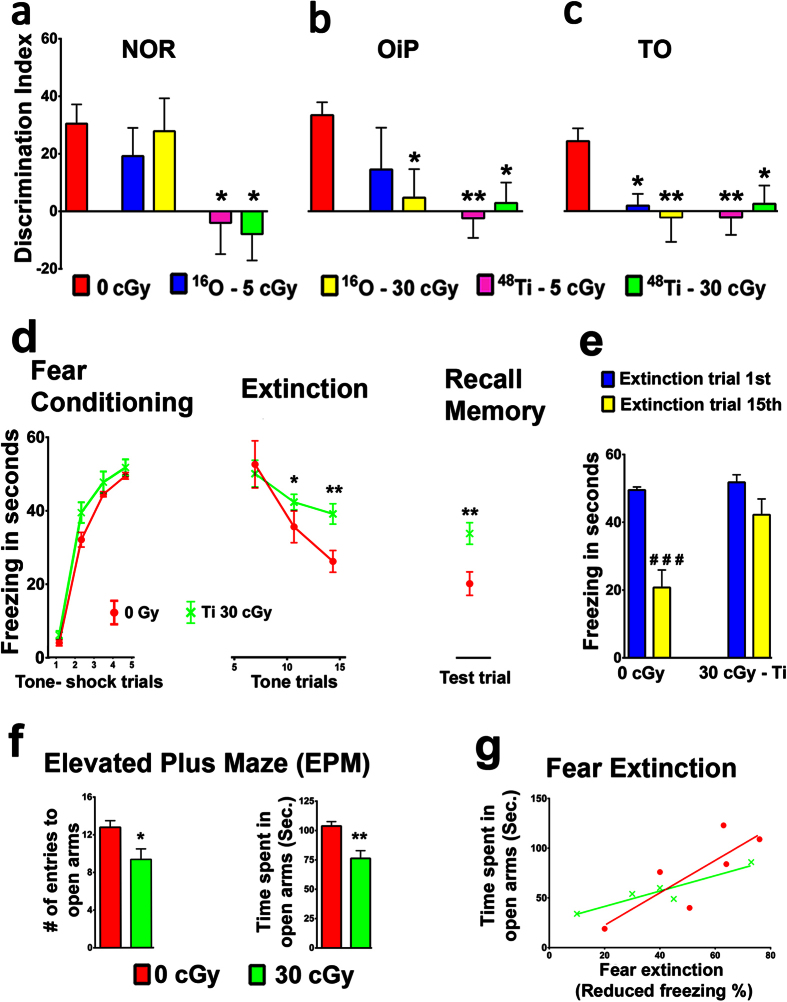
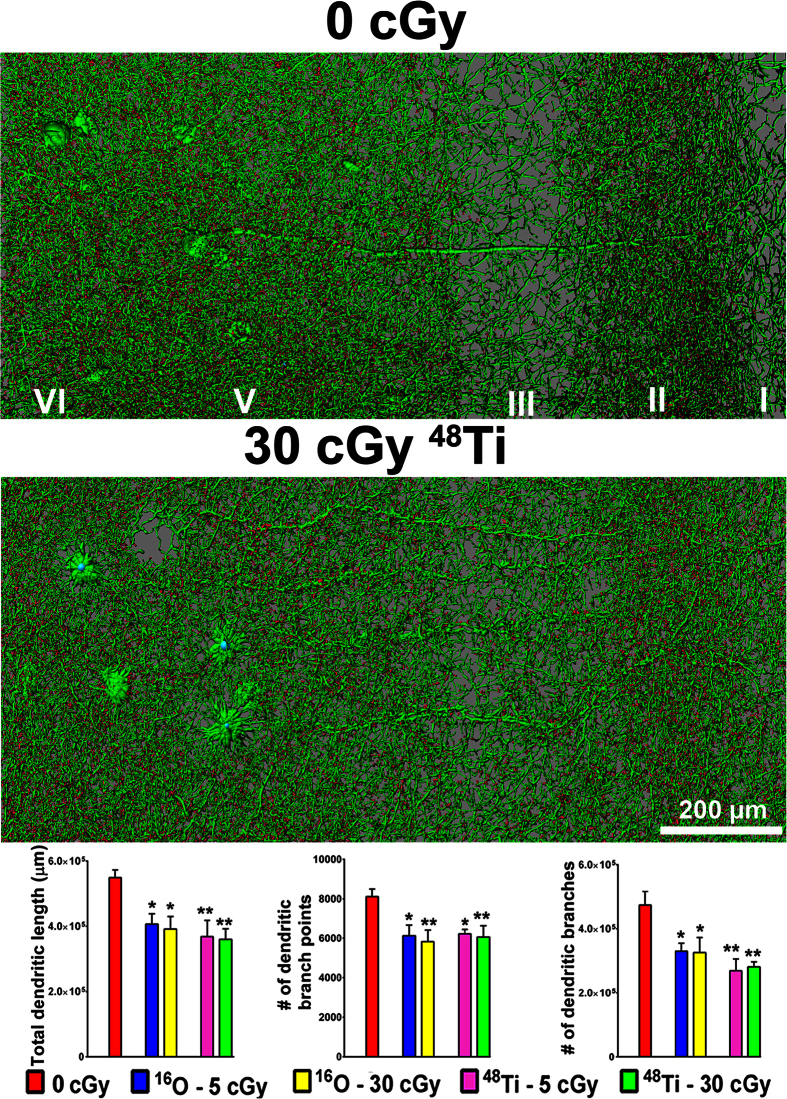
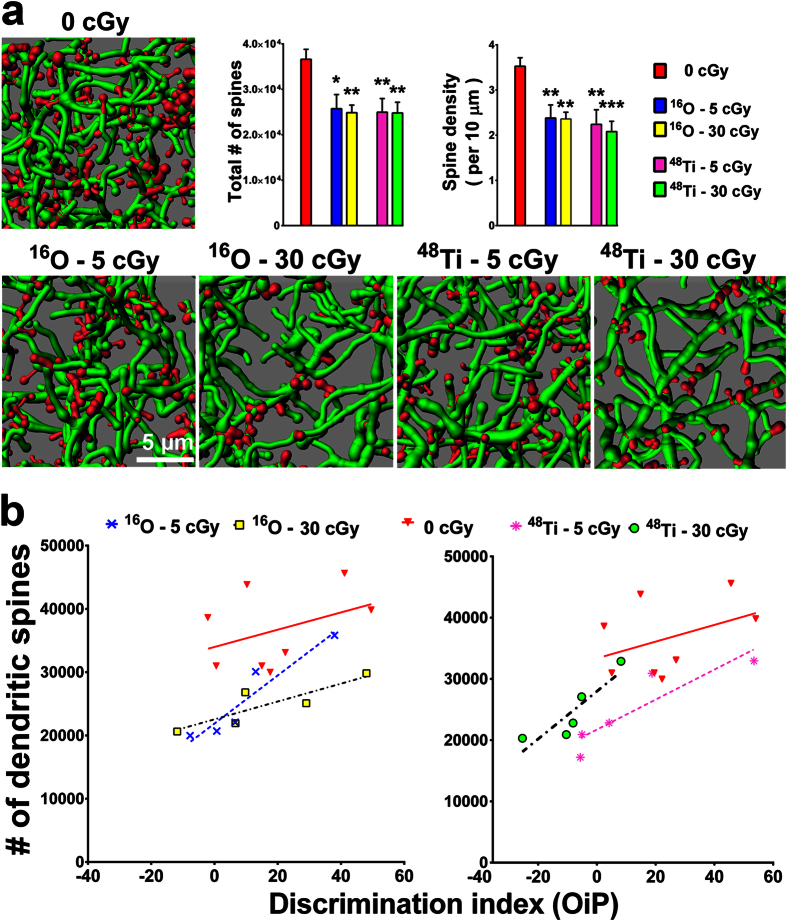
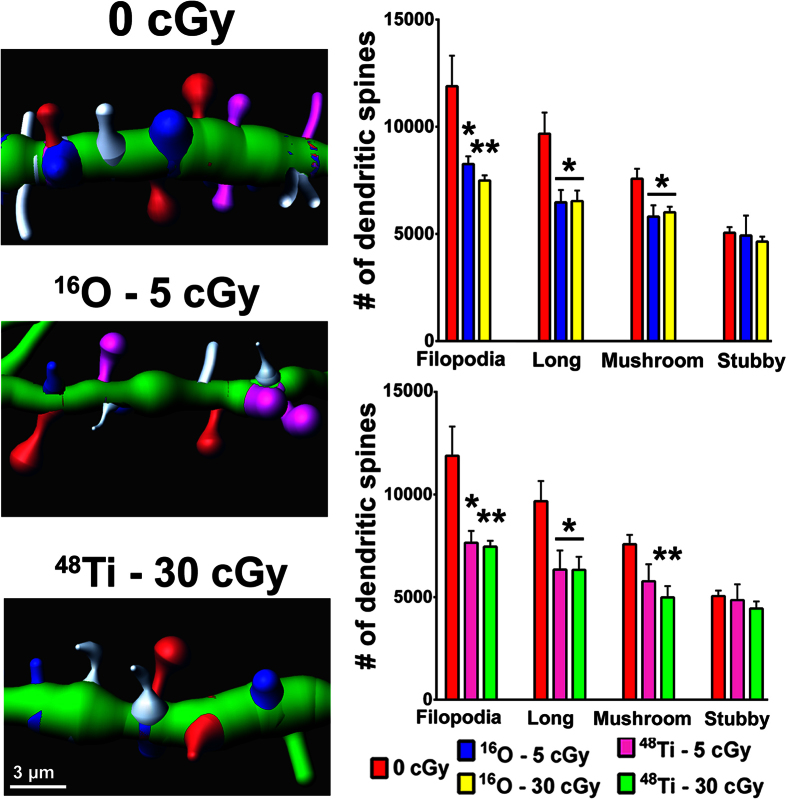
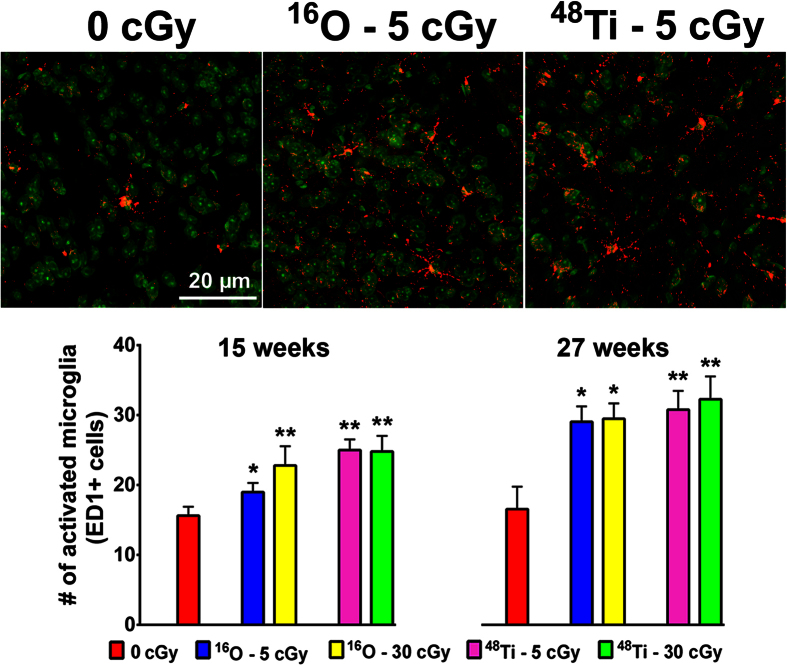
The Mars mission will result in an inevitable exposure to cosmic radiation that has been shown to cause cognitive impairments in rodent models, and possibly in astronauts engaged in deep space travel. Of particular concern is the potential for cosmic radiation exposure to compromise critical decision making during normal operations or under emergency conditions in deep space. Rodents exposed to cosmic radiation exhibit persistent hippocampal and cortical based performance decrements using six independent behavioral tasks administered between separate cohorts 12 and 24 weeks after irradiation. Radiation-induced impairments in spatial, episodic and recognition memory were temporally coincident with deficits in executive function and reduced rates of fear extinction and elevated anxiety. Irradiation caused significant reductions in dendritic complexity, spine density and altered spine morphology along medial prefrontal cortical neurons known to mediate neurotransmission interrogated by our behavioral tasks. Cosmic radiation also disrupted synaptic integrity and increased neuroinflammation that persisted more than 6 months after exposure. Behavioral deficits for individual animals correlated significantly with reduced spine density and increased synaptic puncta, providing quantitative measures of risk for developing cognitive impairment. Our data provide additional evidence that deep space travel poses a real and unique threat to the integrity of neural circuits in the brain.
Overview
The claims and statistics of this paper haven’t been checked yet.
Free: it reads the open-access text and checks the first 5 claims that cite a source we can check. Create a free account to check every claim.
Integrity signals
Registry
Cites
Statistics
Figures


Verification
Claims the paper makes
The claims and statistics of this paper haven’t been checked yet.
Free: it reads the open-access text and checks the first 5 claims that cite a source we can check. Create a free account to check every claim.
Claims other papers make about this one
Each is checked against this paper’s own text: does it say what the citing paper says it does?
The source backs part of the claim, not all of it — or backs it for a different population, condition or comparison.
In the citing paper
“Therefore, the value of a “Sievert” for cognitive risks is undefined until threshold doses and RBE's are determined (or alternative biophysical approaches to risks assessment are created), and could be greatly above 600 mSv based on several experiments reported recently (Britten et al., 2017;Cucinotta and Cacao, 2019;Parihar et al., 2016;Parihar et al., 2015;Parihar et al., 2020;Raber et al., 2016”
From A proposed change to astronaut exposures limits is a giant leap backwards for radiation protection (2021) · cites this paper as Parihar et al., 2016
Experimental — accuracy not yet measuredThe source backs part of the claim, not all of it — or backs it for a different population, condition or comparison.
In the citing paper
“The 100 mGy limit was based on earlier studies of cognitive risks, while investigators continue to document cognitive detriments at lower doses, including several studies at 50 mGy (Britten et al., 2017;Cucinotta and Cacao, 2019;Parihar et al., 2016;Parihar et al., 2015;Parihar et al., 2020;Raber et al., 2016).”
From A proposed change to astronaut exposures limits is a giant leap backwards for radiation protection (2021) · cites this paper as Parihar et al., 2016
Experimental — accuracy not yet measuredThe cited source says what the claim attributes to it.
In the citing paper
“Rodent studies conducted with HZE ions at low, mission-relevant doses and time frames show a variety of structural and functional alterations to neurons and neural circuits with associated performance deficits39–44.”
From Red risks for a journey to the red planet: The highest priority human health risks for a mission to Mars (2020) · cites this paper as [39]
Self-check
Percentages, sums and reported differences re-computed from the paper’s own numbers.
The self-check needs the paper’s full text.
Citations
Cites
Neurons in medial prefrontal cortex signal memory for fear extinction
Milad, M. R., & Quirk, G. J. (2002) · Nature · doi:10.1038/nature01138 · Cited by 1,836
The role of medial prefrontal cortex in memory and decision making
Euston, D. R., Gruber, A. J., & McNaughton, B. L. (2012) · Neuron · doi:10.1016/j.neuron.2012.12.002 · Cited by 1,541
Neural correlates, computation and behavioural impact of decision confidence
Kepecs, A., Uchida, N., Zariwala, H. A., & Mainen, Z. F. (2008) · Nature · doi:10.1038/nature07200 · Cited by 809
Radiation-induced brain injury: A review
Greene-Schloesser, D., Robbins, M. E., Peiffer, A. M., Shaw, E. G., Wheeler, K. T., & Chan, M. D. (2012) · Frontiers in Oncology · doi:10.3389/fonc.2012.00073 · Cited by 700
Barker, G. R. I., Bird, F., Alexander, V., & Warburton, E. C. (2007) · The Journal of Neuroscience · doi:10.1523/jneurosci.5289-06.2007 · Cited by 691
Measurements of energetic particle radiation in transit to Mars on the Mars Science Laboratory
Zeitlin, C., Hassler, D. M., Cucinotta, F. A., Ehresmann, B., Wimmer-Schweingruber, R. F., Brinza, D. E., Kang, S., Weigle, G., Böttcher, S., Böhm, E., et al. (2013) · Science · doi:10.1126/science.1235989 · Cited by 641
Gating of Fear in Prelimbic Cortex by Hippocampal and Amygdala Inputs
Sotres-Bayon, F., Sierra-Mercado, D., Pardilla-Delgado, E., & Quirk, G. J. (2012) · Neuron · doi:10.1016/j.neuron.2012.09.028 · Cited by 450
Microglia: actively surveying and shaping neuronal circuit structure and function
Wake, H., Moorhouse, A. J., Miyamoto, A., & Nabekura, J. (2013) · Trends in Neurosciences · doi:10.1016/j.tins.2012.11.007 · Cited by 448
The dendritic tree and brain disorders
Kulkarni, V. A., & Firestein, B. L. (2012) · Molecular and Cellular Neuroscience · doi:10.1016/j.mcn.2012.03.005 · Cited by 390
Molecular Pathways: Radiation-Induced Cognitive Impairment
Greene-Schloesser, D., Moore, E., & Robbins, M. E. (2013) · Clinical Cancer Research · doi:10.1158/1078-0432.ccr-11-2903 · Cited by 284
Cited by
Items 101–200 of 221
Sleiman, A., Miller, K. B., Flores, D., Kuan, J., Altwasser, K., Smith, B. J., Kozbenko, T., Hocking, R., Wood, S. J., Huff, J. L., et al. (2024) · Environmental and Molecular Mutagenesis · doi:10.1002/em.22622 · Cited by 16
Rabin, B. M., Miller, M. G., Larsen, A., Spadafora, C., Zolnerowich, N. N., Dell'Acqua, L., & Shukitt‐Hale, B. (2019) · Life Sciences in Space Research · doi:10.1016/j.lssr.2019.07.005 · Cited by 16
Particle Radiation Induced Neurotoxicity in the Central Nervous System
Grosshans, D. R., Duman, J. G., Gaber, M. W., & Sawakuchi, G. O. (2018) · International Journal of Particle Therapy · doi:10.14338/ijpt-18-00026.1 · Cited by 14
“Additionally, heavy charged particles, such as oxygen delivered at doses as low as 5 cGy, may exhibit similar impacts on dendritic structure [29].”
BackgroundRabin, B. M., Poulose, S. M., Bielinski, D. F., & Shukitt‐Hale, B. (2019) · Life Sciences in Space Research · doi:10.1016/j.lssr.2019.02.001 · Cited by 13
Kumar, R., Kumar, R., & Kumar, R. (2025) · Molecular Neurobiology · doi:10.1007/s12035-025-04712-z · Cited by 13
“Novel object recognition (NOR) and object in place (OiP) task experiments suggest that the behavioral performance of irradiated subjects is directly linked to cognitive impairment [8].”
Silva, L. A. D., Shi, J., Alves, L. R., Resende, L. C. A., Vieira, L. E. A., Costa, J. E. R., Marchezi, J. P., Agapitov, O. V., Sibeck, D. G., Santos, A. M., et al. (2025) · Frontiers in Astronomy and Space Sciences · doi:10.3389/fspas.2025.1550635 · Cited by 12
“…intensities in space and the atmospheric environments during extreme storms can damage satellite circuits (Baker et al., 2018), and increase radiation hazards for humans in aircraft, spacecraft, and the space station (Parihar et al., 2016; Scheibler et al., 2022; Shetgaonkar and Kumar, 2022).”
Modeling space radiation induced cognitive dysfunction using targeted and non-targeted effects
Shuryak, I., Brenner, D. J., Blattnig, S. R., Shukitt‐Hale, B., & Rabin, B. M. (2021) · Scientific Reports · doi:10.1038/s41598-021-88486-z · Cited by 14
Acute, Low-Dose Neutron Exposures Adversely Impact Central Nervous System Function
Klein, P., Alaghband, Y., Doan, N.-L., Ru, N., Drayson, O. G. G., Baulch, J. E., Kramár, E. A., Wood, M. A., Soltész, I., & Limoli, C. L. (2021) · International Journal of Molecular Sciences · doi:10.3390/ijms22169020 · Cited by 14
“Acute exposures to low doses of charged particle irradiation are sufficient to produce persistent increases in both anxiety- and depression-like behavior in mice [9,68].”
BackgroundSelf-citationMouse genomic associations with in vitro sensitivity to simulated space radiation
Cekanaviciute, E., Tran, D., Nguyen, H., Macha, A. L., Pariset, E., Langley, S. A., Babbi, G., Malkani, S., Penninckx, S., Schisler, J. C., et al. (2022) · Life Sciences in Space Research · doi:10.1016/j.lssr.2022.07.006 · Cited by 14
Terhorst, A., & Dowling, J. (2022) · Space Science & Technology · doi:10.34133/2022/9841785 · Cited by 14
Neuroplasticity as a Foundation for Decision-Making in Space
Rappaport, M. B., & Corbally, C. J. (2022) · NeuroSci · doi:10.3390/neurosci3030033 · Cited by 12
“…spine density, altered spine morphology, and synaptic integrity, along with the increased expression of postsynaptic density protein-95 (PSD-95) in the medial prefrontal cortex [28,29], a region associated with decision-making and retrieval of long-term memory [emphasis added]” [30] (p. 917).”
BackgroundKim, D. W. (2022) · Aerospace · doi:10.3390/aerospace9120814 · Cited by 13
C5aR1 Inhibition Alleviates Cranial Radiation–Induced Cognitive Decline
Krattli, R. P., Do, A. H., El-Khatib, S. M., Alikhani, L., Markarian, M., Vagadia, A. R., Usmani, M. T., Madan, S., Baulch, J. E., Clark, R. J., et al. (2025) · Cancer Research · doi:10.1158/0008-5472.can-24-4869 · Cited by 12
Self-citationMicroglia: Rheostats of space radiation effects in the CNS microenvironment
Kerry O'Banion, M. (2022) · Life Sciences in Space Research · doi:10.1016/j.lssr.2022.08.002 · Cited by 10
Differential Impact of Social Isolation and Space Radiation on Behavior and Motor Learning in Rats
Adkins, A. M., Colby, E. M., Boden, A. F., Gotthold, J. D., Harris, R., Britten, R. A., Wellman, L. L., & Sanford, L. D. (2023) · Life · doi:10.3390/life13030826 · Cited by 10
Self-citationHellweg, C. E., Arena, C., Baatout, S., Baselet, B., Beblo‐Vranesevic, K., Caplin, N., Coos, R., Pieve, F. D., Micco, V. D., Foray, N., et al. (2023) · Springer eBooks · doi:10.1007/978-3-031-18810-7_10 · Cited by 18
Owlett, L. D., Belcher, E. K., Dionisio-Santos, D. A., Williams, J. P., Olschowka, J. A., & O’Banion, M. K. (2020) · Life Sciences in Space Research · doi:10.1016/j.lssr.2020.08.001 · Cited by 12
What can space radiation protection learn from radiation oncology?
Tinganelli, W., Luoni, F., & Durante, M. (2021) · Life Sciences in Space Research · doi:10.1016/j.lssr.2021.06.002 · Cited by 15
Multiple Decrements in Switch Task Performance in Female Rats Exposed to Space Radiation
Stephenson, S., Liu, A., Blackwell, A. A., & Britten, R. A. (2023) · Behavioural Brain Research · doi:10.1016/j.bbr.2023.114465 · Cited by 10
Self-citationExtreme environments and human health: From the immune microenvironments to immune cells
Pan, C., Zhang, Y., Yan, J., Zhou, Y., Wang, S., Liu, X., Zhang, P., & Yang, H. (2023) · Environmental Research · doi:10.1016/j.envres.2023.116800 · Cited by 11
Smith, L. M. (2023) · Life Sciences in Space Research · doi:10.1016/j.lssr.2023.10.001 · Cited by 17
Laiakis, E. C., Pinheiro, M., Nguyen, T., Nguyen, H., Beheshti, A., Dutta, S. M., Russell, W. K., Emmett, M. R., & Britten, R. A. (2022) · Frontiers in Physiology · doi:10.3389/fphys.2022.971282 · Cited by 10
Self-citationUeno, H., Suemitsu, S., Murakami, S., Kitamura, N., Wani, K., Matsumoto, Y., Okamoto, M., & Ishihara, T. (2019) · International Journal of Radiation Biology · doi:10.1080/09553002.2019.1564081 · Cited by 9
“However, more recent research indicates that irradiation causes significant reductions in dendritic complexity, as well as altered spine morphology, in the mouse cortex (Parihar et al. 2016).”
BackgroundInfluentialAn easy-to-use function to assess deep space radiation in human brains
Khaksarighiri, S., Guo, J., Wimmer-Schweingruber, R., & Narici, L. (2021) · Scientific Reports · doi:10.1038/s41598-021-90695-5 · Cited by 8
Li, Z., Wu, J., Zhao, T., Wei, Y., Xu, Y., Liu, Z., Li, X., & Chen, X. (2024) · Frontiers in Cellular Neuroscience · doi:10.3389/fncel.2024.1296205 · Cited by 13
“One concern is that rodents exposed to single heavy ions, such as 48 Ti or 16 O, exhibit a reduction in learning and memory knowledge over 12 weeks after radiation, which indicates that heavy-ion exposure may lead to long-term cognitive dysfunction (Parihar et al., 2016).”
BackgroundEffects of hypomagnetic field on adult hippocampal neurogenic niche and neurogenesis in mice
Luo, Y., Zhan, A., Fan, Y., & Tian, L. (2022) · Frontiers in Physics · doi:10.3389/fphy.2022.1075198 · Cited by 9
Hinshaw, R. G., Schroeder, M. K., Ciola, J., Varma, C., Colletti, B. R., Liu, B., Liu, G. G., Shi, Q., Williams, J. P., O’Banion, M. K., et al. (2023) · International Journal of Molecular Sciences · doi:10.3390/ijms24043615 · Cited by 8
Limoli, C. L. (2020) · British Journal of Radiology · doi:10.1259/bjr.20200245 · Cited by 8
Self-citationDesai, R. I., Kangas, B. D., & Limoli, C. L. (2021) · Life Sciences in Space Research · doi:10.1016/j.lssr.2021.03.008 · Cited by 10
Self-citationMachine Learning Models to Predict Cognitive Impairment of Rodents Subjected to Space Radiation
Matar, M., Gökoğlu, S. A., Prelich, M. T., Gallo, C. A., Iqbal, A. K., Britten, R. A., Prabhu, R. K., & Myers, J. G. (2021) · Frontiers in Systems Neuroscience · doi:10.3389/fnsys.2021.713131 · Cited by 9
“…behavioral assays to evaluate rodents’ cognitive impairment (Rabin et al., 1998, 2011, 2015; Britten et al., 2012; Lonart et al., 2012; Haley et al., 2013; Hadley et al., 2016; Parihar et al., 2016, 2018; Carr et al., 2018; Jewell et al., 2018; Shukitt-hale et al., 2018; Kiffer et al., 2019).”
BackgroundMethodInfluentialSelf-citationKhaksarighiri, S., Guo, J., Wimmer-Schweingruber, R. F., Narici, L., & Lohf, H. (2020) · Life Sciences in Space Research · doi:10.1016/j.lssr.2020.07.003 · Cited by 14
Vozenin, M., Alaghband, Y., Drayson, O. G. G., Piaget, F., Leavitt, R., Allen, B. D., Doan, N.-L., Rostomyan, T., Stabilini, A., Reggiani, D., et al. (2024) · Radiation Research · doi:10.1667/rade-23-00241.1.s1 · Cited by 8
“Functional CNS deficits measured more than one year after exposure to low dose and low dose rate space-relevant radiation paradigms indicate little reliance on radiation type or dose, with dose thresholds for observing specific decrements likely at or below 50 mGy ( 9 – 12 , 15 ).”
BackgroundSelf-citationAdkins, A. M., Colby, E. M., Boden, A. F., Gotthold, J. D., Harris, R. D., Britten, R. A., Wellman, L. L., & Sanford, L. D. (2024) · Life Sciences in Space Research · doi:10.1016/j.lssr.2024.01.005 · Cited by 8
Self-citationProteomic changes in the hippocampus of large mammals after total-body low dose radiation
Iacono, D., Hatch, K., Murphy, E. K., Post, J. D., Cole, R. N., Perl, D. P., & Day, R. M. (2024) · PLoS ONE · doi:10.1371/journal.pone.0296903 · Cited by 9
Nano-scale simulation of neuronal damage by galactic cosmic rays
Peter, J. S., Schuemann, J., Held, K. D., & McNamara, A. L. (2022) · Physics in Medicine and Biology · doi:10.1088/1361-6560/ac95f4 · Cited by 6
“These studies indicate deficits in attention [8], spatial learning [9]–[15], object recognition [10], [13], [15]–[17], episodic memory [10], [13], fear conditioning [9], [10], [13], [15], [16], [18], locomotor activity [19], [20], social behavior [10], and anxiety responses [9], [10], [13], [15], [18], among other beh…”
Adkins, A. M., Luyo, Z. N. M., Gibbs, A. J., Boden, A. F., Heerbrandt, R. S., Gotthold, J. D., Britten, R. A., Wellman, L. L., & Sanford, L. D. (2024) · Life · doi:10.3390/life14050636 · Cited by 6
“Exposure to SR can induce neuroinflammation by elevating microglial activation [4].”
BackgroundSelf-citationDETRIMENTS IN NEURON MORPHOLOGY FOLLOWING HEAVY ION IRRADIATION: WHAT’S THE TARGET?
Cucinotta, F. A., & Cacao, M. A. E. (2018) · Radiation Protection Dosimetry · doi:10.1093/rpd/ncy265 · Cited by 6
The Coming of Age for Big Data in Systems Radiobiology, an Engineering Perspective
Karapiperis, C., Chasapi, A., Angelis, L., Scouras, Z. G., Mastroberardino, P. G., Tapio, S., Atkinson, M. J., & Ouzounis, C. (2020) · Big Data · doi:10.1089/big.2019.0144 · Cited by 6
Johnson, B. J., Andrews, R. N., Olson, J. D., & Cline, J. M. (2025) · Radiation Research · doi:10.1667/rade-24-00033.1 · Cited by 5
Core and valence photoelectron spectroscopy of a series of substituted disulfides
McGhee, H. G., Totani, R., Plekan, O., Coreno, M., de Simone, M., Mumtaz, A. M., Singh, S., Schroeder, B. C., Curchod, B. F. E., & Ingle, R. A. (2024) · The Journal of Chemical Physics · doi:10.1063/5.0231178 · Cited by 5
Kokhan, V. S., Ustyugov, A. A., & Pikalov, V. A. (2022) · Life · doi:10.3390/life12091306 · Cited by 8
“enhancement [15,25], decline [26,27], and the absence of changes against the background of anxiolytic drugs [28] were shown.”
BackgroundPostsynaptic density radiation signature following space irradiation
Impey, S., Pelz, C., Riparip, L., Tafessu, A., Fareh, F., Zuloaga, D. G., Marzulla, T., Stewart, B., Rosi, S., Turker, M. S., et al. (2023) · Frontiers in Physiology · doi:10.3389/fphys.2023.1215535 · Cited by 6
“regulation of glutamatergic postsynaptic density genes/proteins (Machida et al., 2010; Allen et al., 2015; Parihar et al., 2015; Sokolova et al., 2015; Parihar et al., 2016; Krukowski et al., 2018; Parihar et al., 2018).”
Space Radiation and Impact on Instrumentation Technologies
Wrbanek, J. D., & Wrbanek, S. Y. (2020) · NASA Technical Reports Server (NASA) · Cited by 5
Predicting Space Radiation Single Ion Exposure in Rodents: A Machine Learning Approach
Prelich, M. T., Matar, M., Gökoğlu, S. A., Gallo, C. A., Schepelmann, A., Iqbal, A. K., Lewandowski, B. E., Britten, R. A., Prabhu, R. K., & Myers, J. G. (2021) · Frontiers in Systems Neuroscience · doi:10.3389/fnsys.2021.715433 · Cited by 6
Self-citationSaxena, P., Morrissey, L. S., Killen, R. M., McLain, J. L., Yeo, L. H., Curran, N. M., Abraham, N., Graham, H. V., Tucker, O. J., Sarantos, M., et al. (2023) · Earth and Space Science · doi:10.1029/2023ea003004 · Cited by 4
“…have stressed the potential hazards that may exist to humans on these surfaces (for a small sample, see Delp et al., 2016; Hellweg & Baumstark-Khan, 2007; Parihar et al., 2016; Reitz et al., 2012) and the importance of access to potential in situ resources (Anand et al., 2012; Rapp et al., 2005).”
BackgroundChen, Z., Li, Y., Rasheed, M., Wang, H., Lei, R., Zhao, T., Deng, Y., & Ma, H. (2023) · Frontiers in Cellular Neuroscience · doi:10.3389/fncel.2023.1252958 · Cited by 4
Kokhan, V. S., Pikalov, V. A., Chaprov, K., & Gulyaev, M. V. (2024) · International Journal of Molecular Sciences · doi:10.3390/ijms25126725 · Cited by 5
“IR can cause both adaptive [11] and maladaptive [15] neuroplasticity changes, depending on dose, composition, and a number of other factors.”
BackgroundKokhan, V. S., Chaprov, K., Абаимов, Д. А., Nesterov, M. S., & Pikalov, V. A. (2024) · Life Sciences in Space Research · doi:10.1016/j.lssr.2024.08.005 · Cited by 7
Parametric scaling of a magnetic field-reversed conducting coil assembly for radiation shielding
Chesny, D. L., Moffett, M. B., Yanga, A., Orange, N. B., & Rusovici, R. (2021) · Advances in Space Research · doi:10.1016/j.asr.2021.07.038 · Cited by 4
Examining the Effects of 4He Exposure on the Gut-Brain Axis
Jones, C. B., Peiffer, L. B., Davis, C. M., & Sfanos, K. S. (2021) · Radiation Research · doi:10.1667/rade-20-00285.1 · Cited by 7
“Further, exposure to these types of radiation also produces deficits in several neurotransmitter systems, including dopamine-mediated behaviors such as amphetamine-induced conditioned taste aversion learning (30–32), conditioned place preference (33, 34), motor performance (35, 36), evoked dopamine release (36, 37), a…”
BackgroundPuukila, S., Siu, O., Rubinstein, L., Tahimic, C. G. T., Lowe, M. G., Ruiz, S. T., Korostenskij, I., Semel, M., Iyer, J. S., Mhatre, S. D., et al. (2023) · Life · doi:10.3390/life13051214 · Cited by 10
“Reduced cognitive function from single ion exposure has been accompanied with changes in neuronal morphology and dendritic density [2,10].”
BackgroundThe effect of simulated space radiation on the N‐glycosylation of human immunoglobulin G1
Szarka, M., Szilasi, S. Z., Döncző, B., Sárközy, D., Rajta, I., & Guttman, A. (2018) · Electrophoresis · doi:10.1002/elps.201800151 · Cited by 4
Wang, E., Shuryak, I., & Brenner, D. J. (2024) · Scientific Reports · doi:10.1038/s41598-024-68717-9 · Cited by 4
“However, such observations suggest a potential variation in the biological mechanisms of densely-ionizing radiation effects on different disease types, which is crucial for medical monitoring and intervention strategies in space missions 17,18 .”
BackgroundStraume, T., Mora, A. M., Brown, J. B., Bansal, I., Rabin, B. M., Braby, L. A., & Wyrobek, A. J. (2024) · Life Sciences in Space Research · doi:10.1016/j.lssr.2024.12.003 · Cited by 5
Sex-Dependent Changes in Risk-Taking Predisposition of Rats Following Space Radiation Exposure
Smits, E., Reid, F. E., Tamgue, E. N., Arriaga, P. A., Nguyen, C., & Britten, R. A. (2025) · Life · doi:10.3390/life15030449 · Cited by 5
Self-citationComments on “Prolonged Microgravity Affects Human Brain Structure and Function”
Bevelacqua, J. J., Welsh, J. S., & Mortazavi, S. M. J. (2020) · American Journal of Neuroradiology · doi:10.3174/ajnr.a6387 · Cited by 4
Beyond Earth's shield: The surprising way antioxidants could pave the road to Mars
Skirzewski, M., & Skirzewski, A. (2024) · Journal of Neurochemistry · doi:10.1111/jnc.16233 · Cited by 3
“…problems, immuno-suppression, cataracts, premature aging, and impacts on the central nervous system (CNS) (Alaghband et al., 2023; Crucian et al., 2018; Cucinotta, 2014; Cucinotta et al., 2001; Delp et al., 2016; George et al., 2001; Ghosh et al., 2016; Li et al., 2024; Parihar et al., 2016).”
Radiation risk mitigation in human space exploration: a primer, a vision, and the state of the art
Narici, L., Baiocco, G., Cenci, G., Micco, V. D., Fraboni, B., Tessa, C. L., Ottolenghi, A., Vincenzo, P., Pugliese, M., Rea, G., et al. (2026) · The European Physical Journal Plus · doi:10.1140/epjp/s13360-025-07199-8 · Cited by 9
“These effects were also observed 1 year after the journey, implying a persistent damage to the brain [83–85].”
Britten, R. A., Tamgue, E. N., Arriaga, P. A., Li, N., & Phuyal, S. (2026) · Life Sciences in Space Research · doi:10.1016/j.lssr.2026.03.008 · Cited by 2
Self-citationChristofidou‐Solomidou, M., Sielecki, T. M., & Chatterjee, S. (2021) · Elsevier eBooks · doi:10.1016/b978-0-12-816196-8.00024-2 · Cited by 2
Ruprecht, N. A., Singhal, S., Schaefer, K., Gill, J. S., Bansal, B., Sens, D. A., & Singhal, S. K. (2023) · Frontiers in Public Health · doi:10.3389/fpubh.2023.1161124 · Cited by 3
“IR was thought to cause accelerated aging in an organism since it induced a large amount of diseases closely related to natural aging such as cardiovascular diseases, cancers, autoimmune diseases, cognitive impairment, cataracts, and a shortened life span (7).”
BackgroundThe Impact of Space Radiation on Brains of Future Martian and Lunar Explorers
Li, Y., Guo, J., Khaksarighiri, S., Dobynde, M. I., Zhang, J., Liu, B., & Wimmer-Schweingruber, R. F. (2023) · Space Weather · doi:10.1029/2023sw003470 · Cited by 4
“…reduction in dendritic complexity and oxidative and radical damage are also seen as CNS effects under radiation, which lead to decrements in recognition memory, compromised cognitive performance and higher risk of neurodegenerative diseases of mice (Jandial et al., 2018; Parihar et al., 2016).”
BackgroundCahoon, D. S., Fisher, D. R., Rabin, B. M., Lamon‐Fava, S., Wu, D., Zheng, T., & Shukitt‐Hale, B. (2024) · International Journal of Molecular Sciences · doi:10.3390/ijms25115923 · Cited by 2
“Several in vivo studies with rodents have demonstrated increased microglial activation indicated by expression of ionized calcium-binding adaptor molecule 1 (Iba-1) and/or CD68/ED-1 in brain tissue at acute and long-term durations following exposures to GCR particles [5,10–13].”
BackgroundInfluentialIrradiation and Alterations in Hippocampal DNA Methylation
Impey, S., & Raber, J. (2024) · Epigenomes · doi:10.3390/epigenomes8030027 · Cited by 2
Targeting dysfunctional endocannabinoid signaling in a mouse model of Gulf War illness
Squire, E., Lee, H.-L., Jeong, W., Lee, S., Ravichandiran, V., Limoli, C. L., Piomelli, D., Parihar, V. K., & Jung, K. (2024) · Neuropharmacology · doi:10.1016/j.neuropharm.2024.110142 · Cited by 3
“The percentage of time each mouse spent freezing during the tone was then calculated for conditioning, extinction training (average of five tones, three data points per day), and testing phases (Alaghband et al., 2020; Parihar et al., 2016).”
MethodSelf-citationReduced set-shifting processing speed in male rats following low dose (10 cGy) proton exposure
Chang, H. H. V., Kim, G., Kim, K., & Britten, R. A. (2025) · Life Sciences in Space Research · doi:10.1016/j.lssr.2025.02.007 · Cited by 3
“Previous studies have reported that the main ATSET performance decrement observed in SR-exposed male rats was manifested as taking more ATRC to complete the SD stage (Britten et al., 2023, 2022, 2020b; Burket et al., 2021; Jewell et al., 2018; Parihar et al., 2016).”
Self-citationDickstein, D. L., Zhang, R., Ru, N., Vozenin, M., Perry, B. C., Wang, J., Baulch, J. E., Acharya, M. M., & Limoli, C. L. (2025) · Brain Structure and Function · doi:10.1007/s00429-025-02902-y · Cited by 3
“…cell neurons in the hippocampal dentate that exhibit exqui-site sensitivity to photon, electron and proton irradiation delivered at conventional dose-rates (CONV, 2 Gy/min) (Parihar and Limoli 2013; Parihar et al. 2015, 2016; Baulch et al. 2016; Simmons et al. 2019; Montay-Gruel et al. 2019).”
Self-citationHippocampal Volumetric Changes in Astronauts Following a Mission in the International Space Station
Batool, S., Jaswal, T., Burles, F., & Iaria, G. (2025) · NeuroSci · doi:10.3390/neurosci6030070 · Cited by 4
Schmidt, M. A., Bailey, S. M., Goodwin, T. J., Jones, J. A., Killian, J. P., Legato, M. J., Limoli, C. L., Moussa, S., & Ploutz‐Snyder, L. L. (2017) · Gender and the Genome · doi:10.1089/gg.2017.29004.rtl · Cited by 2
Self-citationComputer simulation of radiation damage mechanisms in the structure of brain cells
Batmunkh, M., Bayarchimeg, L., Bugay, A. N., & Lkhagva, O. (2021) · AIP conference proceedings · doi:10.1063/5.0063370 · Cited by 2
Dosimetry of the PIM1 Pion Beam at the Paul Scherrer Institute for Radiobiological Studies of Mice
Desorgher, L., Stabilini, A., Rostomyan, T., Reggiani, D., Hajdas, W., Marcinkowski, R., Vozenin, M., Limoli, C. L., Yukihara, E. G., & Bailat, C. J. (2023) · Radiation Research · doi:10.1667/rade-23-00029.1 · Cited by 2
“Recent data have highlighted some unexpected and potentially concerning effects of cosmic-radiation exposure on the brain (1, 2).”
BackgroundInfluentialSelf-citationLow-Dose Radiation-Induced Effects on Cognitive Function
Kim, G., & Kim, K. (2024) · The Korean Journal of Aerospace and Environmental Medicine · doi:10.46246/kjasem.240012 · Cited by 2
Goodwin, T. J., & Christofidou‐Solomidou, M. (2022) · International Journal of Molecular Sciences · doi:10.3390/ijms23126466 · Cited by 2
“30 Gy, results in an appreciable loss of cognitive function in the mammalian brains of rats and mice [32,33].”
BackgroundKoshlan, I. V., Koshlan, N. A., Isakova, M. D., Melnikova, I., Belyaeva, A. G., Perevezentsev, A. A., Shtemberg, A. S., Klots, I. N., Gvozdik, T. E., & Bugay, A. N. (2024) · Радиационная биология Радиоэкология · doi:10.31857/s0869803124020042 · Cited by 1
Yan, L., Er, T., Sun, S., Deng, Y., Wan, Z., Zhao, J., Wang, A., Liu, B., Wang, Q., Li, S., et al. (2025) · Scientific Reports · doi:10.1038/s41598-025-94812-6 · Cited by 2
“Additionally, radiation was found to diminish synaptophysin expression, lower dendritic spine number and density, and affect neurotransmitter transmission 24,27 .”
Beyond Earth, Beyond Time: Preserving Female Fertility in Space Missions
Marin, L., Bordin, L., Sabbadin, C., Ambrosini, G., & Andrisani, A. (2025) · Journal of Clinical Medicine · doi:10.3390/jcm14175975 · Cited by 2
Britten, R. A., Tamgue, E. N., Arriaga, P. A., Fesshaye, A. S., & Sanford, L. D. (2025) · Life · doi:10.3390/life15111717 · Cited by 1
“In ground-based studies, exposure to 15 cGy of SR impairs executive function and cognitive flexibility performance across both sexes [30–42].”
Self-citationTalko, V., Loganovsky, K., Drozd, I. P., Tukalenko, E., Loganovska, T., Nechayev, S., Masiuk, S. V., & Prokhorova, Y. M. (2017) · Проблеми радіаційної медицини та радіобіології = Problems of Radiation Medicine and Radiobiology · doi:10.33145/2304-8336-2017-22-238-269 · Cited by 1
Space Radiation-Induced Cognitive Deficits Following Head-Only, Whole Body, or Body-Only Exposures
Davis, C., & Rabin, B. R. (2019) · Cited by 1
Applicability of the NASA galactic cosmic ray simulator for mice, rats, and minipigs
Rahmanian, S., & Slaba, T. C. (2023) · Acta Astronautica · doi:10.1016/j.actaastro.2023.04.016 · Cited by 3
Sleep Fragmentation Results in Novel Set-shifting Decrements in GCR-exposed Male and Female Rats
Chang, H. H. V., Fesshaye, A. S., Tidmore, A., Sanford, L. D., & Britten, R. A. (2024) · Radiation Research · doi:10.1667/rade-24-00146.1 · Cited by 3
“SR exposure alone rarely inhibits performance in these reversal/shifting stages when testing has been conducted under rested wakefulness conditions ( 2 , 3 , 26 , 29 , 37 – 39 ).”
Self-citationThe space radiation environment and human health risks
Werneth, C. M., & Huff, J. L. (2024) · Elsevier eBooks · doi:10.1016/b978-0-443-22259-7.00010-2 · Cited by 2
Response to the Commentary from Bevelacqua et al.
Limoli, C. L., Britten, R. A., Baulch, J. E., & Borak, T. B. (2019) · eNeuro · doi:10.1523/eneuro.0439-19.2019 · Cited by 1
“…authors of Acharya et al. (2019) have conducted research at heavy ion particle accelerators around the world for more than a decade, and the implication that we might be unaware of the complexities of the radiation fields in space is misguided (Parihar et al., 2015, 2016, 2018; Lee et al., 2017).”
BackgroundSelf-citationRadiation in Space: The Biology
Hellweg, C. E., Matthiä, D., Berger, T., & Baumstark‐Khan, C. (2020) · SpringerBriefs in space life sciences · doi:10.1007/978-3-030-46744-9_3 · Cited by 1
Rithidech, K. N., Jangiam, W., Tungjai, M., Reungpatthanaphong, P., Gordon, C. R., & Honikel, L. (2021) · International Journal of Radiation Biology · doi:10.1080/09553002.2021.1884312 · Cited by 1
“Previously, 48Ti-ion-induced damage has been found in the liver of Sprague–Dawley rats (Rabin et al. 2007; Jain et al. 2011), including the nervous system (Parihar et al. 2016) and kidney epithelium (Hryciw et al. 2015) of mice.”
BackgroundO’Donoghue, O., Duckworth, P., Ughi, G., Scheibenreif, L., Khezeli, K., Hoarfrost, A., Budd, S., Foley, P., Chia, N., Kalantari, J., et al. (2021) · White Rose Research Online (University of Leeds, The University of Sheffield, University of York) · doi:10.48550/arxiv.2111.07348 · Cited by 1
Krattli, R. P., Do, A. H., El-Khatib, S. M., Alikhani, L., Markarian, M., Vagadia, A. R., Usmani, M. T., Madan, S., Baulch, J. E., Clark, R. J., et al. (2024) · SSRN Electronic Journal · doi:10.2139/ssrn.4800948 · Cited by 1
Self-citationStrahlenrisiko auf Langzeitraumflügen
Hellweg, C. E., Berger, T., & Baumstark‐Khan, C. (2018) · Flugmedizin · Tropenmedizin · Reisemedizin - FTR · doi:10.1055/a-0748-7956 · Cited by 1
The Topology of Neuronal Structures Exposed to Cosmic Radiation
Mihindou, A. M., & Mamouni, M. I. (2020) · WSEAS TRANSACTIONS ON MATHEMATICS · doi:10.37394/23206.2020.19.26
“[12], [13], [14]), after what authors are convinced that irradiation caused significant reductions in dendrite complexity, spine density and altered spine morphology along medial prefrontal cortical neurons known to mediate neuro transmission interrogated by our behavioural tasks.”
BackgroundMethodInfluentialBRAIN IN SPACE. HOW DOES SPACE AFFECT THE HUMAN BRAIN?
Kołodziej, A., & Zdunek, G. (2021) · Issues of Rehabilitation Orthopaedics Neurophysiology and Sport Promotion – IRONS · doi:10.19271/irons-000144-2021-36
Латанов, А. В., Shamsiev, I. D., & Tereshenko, L. (2021) · IOP Conference Series Earth and Environmental Science · doi:10.1088/1755-1315/853/1/012021
Prasad, K. N., & Kim, J. H. (2021) · Journal of Medical Physics and Applied Sciences
Mouse Genomic Associations with Ex Vivo Sensitivity to Simulated Space RadiationPreprint
Cekanaviciute, E., Tran, D., Nguyen, H., Macha, A. L., Pariset, E., Langley, S. A., Babbi, G., Malkani, S., Penninckx, S., Schisler, J. C., et al. (2022) · bioRxiv (Cold Spring Harbor Laboratory) · doi:10.1101/2022.03.03.482929
Hall, S. R., Kim, M. H., Le, T. C., & Yoon, H. (2022) · Nano-, Bio-, Info-Tech Sensors, and Wearable Systems · doi:10.1117/12.2616025
Tereshchenko, L. V., Shamsiev, I. D., Kadochnikova, M. A., Krasavin, E. A., & Латанов, А. В. (2022) · BIOPHYSICS · doi:10.1134/s0006350922020221
Human Health Risks Relevant to Deep Space Mars Exploration Missions
Patel, Z. S., Gibson, C. R., Mader, T. H., Whitmire, A. M., Norcross, J. R., Thompson, M. S., Nemec-Bakk, A. S., Boerma, M., & Huff, J. L. (2023) · American Institute of Aeronautics and Astronautics eBooks · doi:10.2514/5.9781624106545.0487.0542
Limoli, C. L., Vozenin, M., Alaghband, Y., Drayson, O. G. G., Piaget, F., Leavitt, R., Allen, B. D., Doan, N.-L., Rostomyan, T., Stabilini, A., et al. (2023) · Research Square · doi:10.21203/rs.3.rs-3147222/v1
Self-citationChen, Z., Li, Y., Rasheed, M., Wang, H., Lei, R., Zhao, T., Deng, Y., & Ma, H. (2024) · Frontiers in Cellular Neuroscience · doi:10.3389/fncel.2024.1356536
“Behaviour deficits are one of the major problems astronauts face, affecting their performances, and cosmic radiations are believed to be one culprit (Parihar et al., 2016; Constanzo et al., 2020).”
Bevelacqua, J. J., Mortazavi, S. A. R., Mortazavi, S. M. J., & Welsh, J. S. (2024) · Journal of Biomedical Physics and Engineering · doi:10.31661/jbpe.v0i0.2405-1767
“This study, focused on resi - dents with high radium ingestion, revealed in - creased reaction times, highlighting potential challenges in deep space travel [16-19].”
BackgroundBritten, R. A., Fesshaye, A. S., Tidmore, A., Tamgue, E. N., & Arriaga, P. A. (2024) · Life Sciences in Space Research · doi:10.1016/j.lssr.2024.09.001 · Cited by 7
“…importance of executive functions, it is concerning that exposure to < 10 cGy of SR, leads to significant impairment of Attentional set shifting (ATSET) performance in both male and female rats (Britten et al., 2023, 2022, 2020; Burket et al., 2021; Jewell et al., 2018; Parihar et al., 2016).”
Self-citation
Metadata
- Authors
- Parihar, V. K., Allen, B. D., Caressi, C., Kwok, S., Chu, E., Tran, K. K., Chmielewski, N. N., Giedzinski, E., Acharya, M. M., Britten, R. A., Baulch, J. E., & Limoli, C. L.
- Affiliations
- University of California, Irvine (US)
- Eastern Virginia Medical School (US)
- Corresponding author
- Limoli, Charles L.
- ORCID
- Venue
- Scientific Reports
- Published
- 2016-10-10
- Volume
- 6
- Issue
- 1
- Pages
- 34774-34774
- ISSN
- 2045-2322 (ISSN-L)
- PMC
- PMC5056393
- OpenAlex
- W2529882214
- Cited by
- 221
- References
- 37
- Citations by year
- 2026: 11 · 2025: 17 · 2024: 27 · 2023: 26 · 2022: 28 · 2021: 37 · 2020: 23 · 2019: 21 · 2018: 23 · 2017: 8
- FWCI
- 13.94
- Type
- journal article
- Language
- en
- Open access
- gold
- doi.org
- Licence
- cc-by
- creativecommons.org/licenses/by/4.0 (tdm)
- creativecommons.org/licenses/by/4.0 (vor)
- Locations
- Scientific Reports (publishedVersion, cc-by)
- PubMed Central (publishedVersion, cc-by)
- PubMed (publishedVersion)
- eScholarship (California Digital Library) (submittedVersion)
- Funders
- National Aeronautics and Space Administration (NNX13AK70G, NAS2-03144, NNX13AD59G, NNX10AD59G, NNX15AI22G, NNX14AE73G)
- National Institutes of Health (UL1TR001414, KL2TR001416)
- National Center for Advancing Translational Sciences
- Topics
- Health Sciences › Medicine › Physiology (medical) › Spaceflight effects on biology
- Health Sciences › Medicine › Radiology, Nuclear Medicine and Imaging › Effects of Radiation Exposure
- Health Sciences › Medicine › Oncology › Cancer-related cognitive impairment studies
- Keywords
- cosmic rays, cognitive impairment, deep space travel, Mars missions, hippocampus, medial prefrontal cortex, dendritic spine density, synaptic integrity, neuroinflammation, memory impairment, executive function, fear extinction, anxiety, long-term radiation effects, astronaut health
- MeSH terms
- Disks Large Homolog 4 Protein, Animals, Behavior, Animal, Cell Count, Cosmic Radiation, Dendrites, Dose-Response Relationship, Radiation, Inflammation, Male, Mice, Transgenic, Neurons, Rats, Wistar, Prefrontal Cortex, Cognitive Dysfunction
About these checks
Registry, retraction, Cites and statistics results are computed, not judged, with one exception: a printed reference that no index lists is read once by a model before it counts as a citation error. Claims are extracted by a model and kept only when their quote appears verbatim in the text; each cited source is then checked, with a model’s help, for whether it says what the claim relies on. Those verdicts can be wrong — read the claim’s quote and the cited source before relying on one.
Statistics and arithmetic are recomputed, not judged.
Confidence bands are shown only for fields calibrated on our annotated test set. None is calibrated yet, so no band is shown.
What counts as a claim ›How we measure confidence ›How we check this ›
Are you an author, or do you see a problem with this page? Request a review
Data sources
Bibliographic data: Semantic Scholar, OpenAlex, Crossref.
Contains information from the Semantic Scholar Academic Graph Datasets, made available under the ODC Attribution License (ODC-BY 1.0).
Semantic Scholar’s data is described in: Kinney, R., et al. (2023). The Semantic Scholar Open Data Platform. arXiv:2301.10140.
