

Cosmic radiation exposure and persistent cognitive dysfunction
Open accessThe DOI matches its Crossref record; 37 of the 37 references it cites were found in a registry or an index.
Abstract
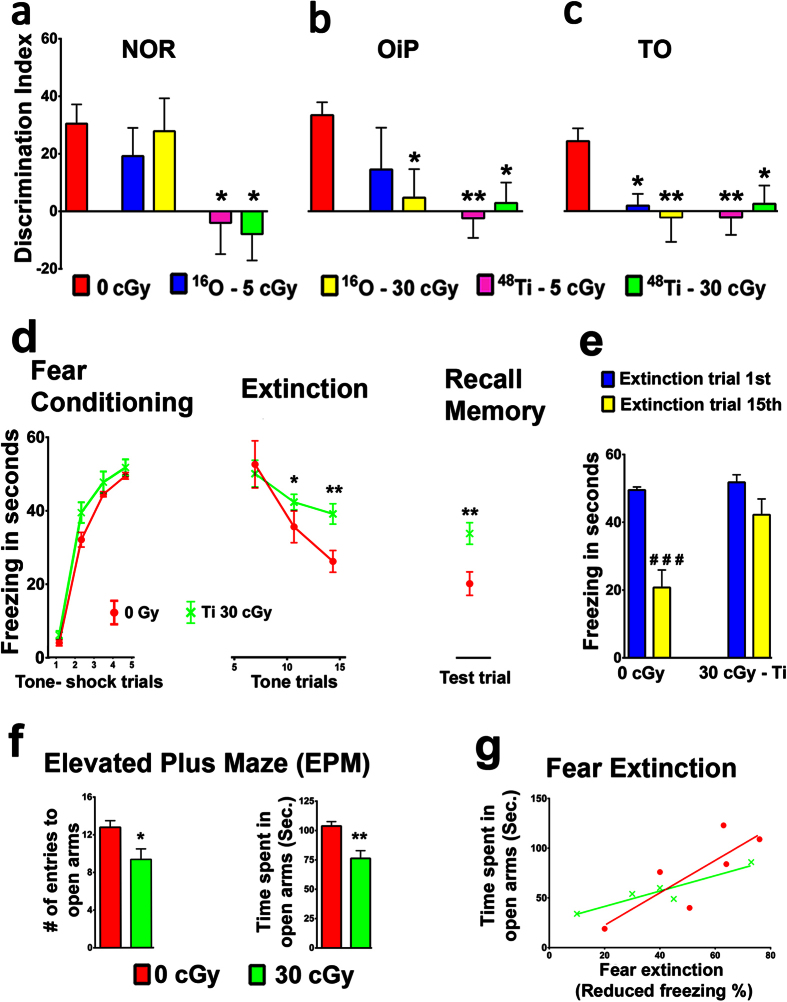
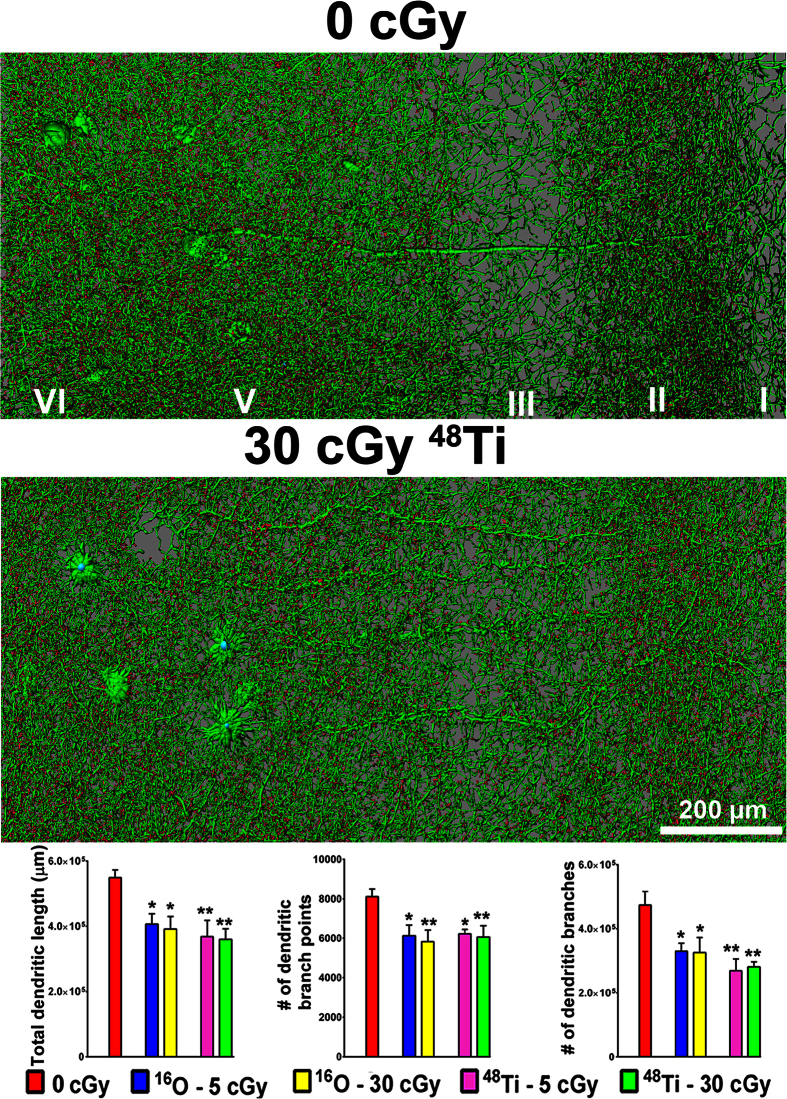
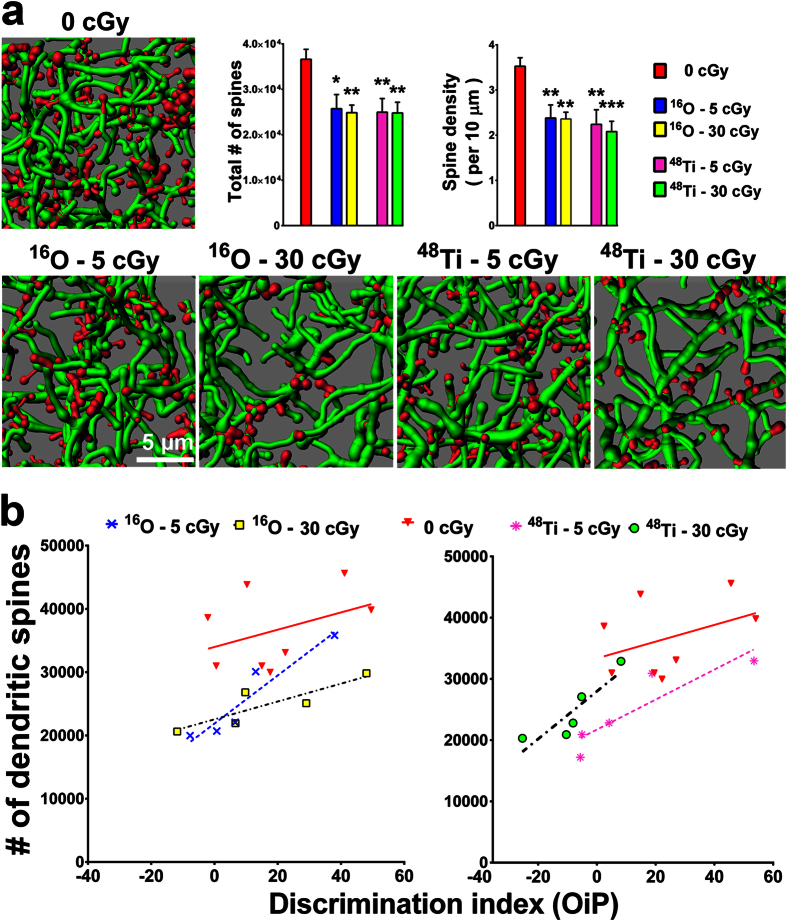
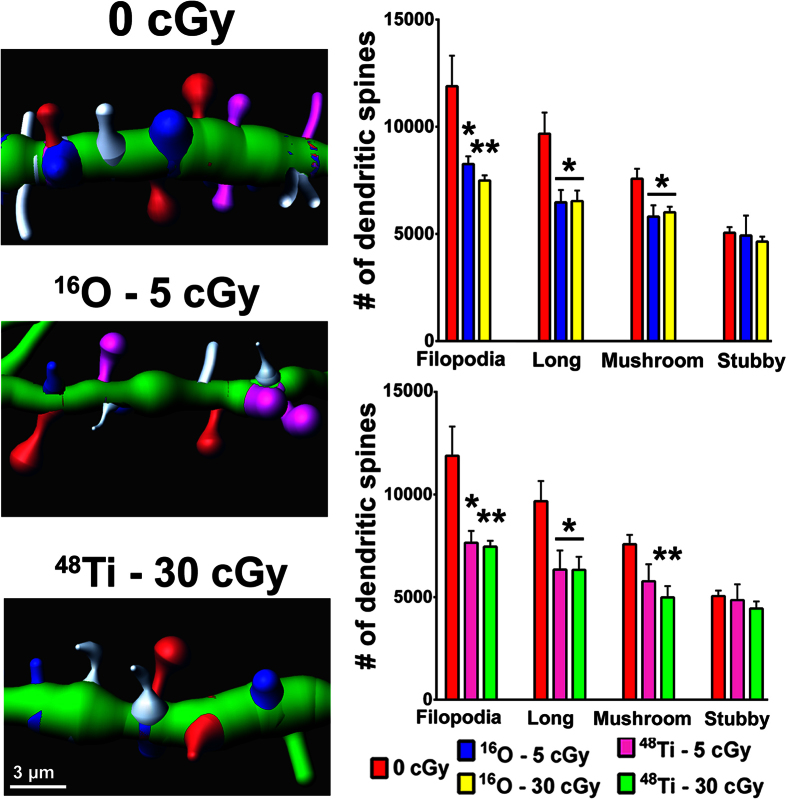
The Mars mission will result in an inevitable exposure to cosmic radiation that has been shown to cause cognitive impairments in rodent models, and possibly in astronauts engaged in deep space travel. Of particular concern is the potential for cosmic radiation exposure to compromise critical decision making during normal operations or under emergency conditions in deep space. Rodents exposed to cosmic radiation exhibit persistent hippocampal and cortical based performance decrements using six independent behavioral tasks administered between separate cohorts 12 and 24 weeks after irradiation. Radiation-induced impairments in spatial, episodic and recognition memory were temporally coincident with deficits in executive function and reduced rates of fear extinction and elevated anxiety. Irradiation caused significant reductions in dendritic complexity, spine density and altered spine morphology along medial prefrontal cortical neurons known to mediate neurotransmission interrogated by our behavioral tasks. Cosmic radiation also disrupted synaptic integrity and increased neuroinflammation that persisted more than 6 months after exposure. Behavioral deficits for individual animals correlated significantly with reduced spine density and increased synaptic puncta, providing quantitative measures of risk for developing cognitive impairment. Our data provide additional evidence that deep space travel poses a real and unique threat to the integrity of neural circuits in the brain.
Overview
The claims and statistics of this paper haven’t been checked yet.
Free: it reads the open-access text and checks the first 5 claims that cite a source we can check. Create a free account to check every claim.
Integrity signals
Registry
Cites
Statistics
Figures


Verification
Claims the paper makes
The claims and statistics of this paper haven’t been checked yet.
Free: it reads the open-access text and checks the first 5 claims that cite a source we can check. Create a free account to check every claim.
Claims other papers make about this one
Each is checked against this paper’s own text: does it say what the citing paper says it does?
The source backs part of the claim, not all of it — or backs it for a different population, condition or comparison.
In the citing paper
“Therefore, the value of a “Sievert” for cognitive risks is undefined until threshold doses and RBE's are determined (or alternative biophysical approaches to risks assessment are created), and could be greatly above 600 mSv based on several experiments reported recently (Britten et al., 2017;Cucinotta and Cacao, 2019;Parihar et al., 2016;Parihar et al., 2015;Parihar et al., 2020;Raber et al., 2016”
From A proposed change to astronaut exposures limits is a giant leap backwards for radiation protection (2021) · cites this paper as Parihar et al., 2016
Experimental — accuracy not yet measuredThe source backs part of the claim, not all of it — or backs it for a different population, condition or comparison.
In the citing paper
“The 100 mGy limit was based on earlier studies of cognitive risks, while investigators continue to document cognitive detriments at lower doses, including several studies at 50 mGy (Britten et al., 2017;Cucinotta and Cacao, 2019;Parihar et al., 2016;Parihar et al., 2015;Parihar et al., 2020;Raber et al., 2016).”
From A proposed change to astronaut exposures limits is a giant leap backwards for radiation protection (2021) · cites this paper as Parihar et al., 2016
Experimental — accuracy not yet measuredThe cited source says what the claim attributes to it.
In the citing paper
“Rodent studies conducted with HZE ions at low, mission-relevant doses and time frames show a variety of structural and functional alterations to neurons and neural circuits with associated performance deficits39–44.”
From Red risks for a journey to the red planet: The highest priority human health risks for a mission to Mars (2020) · cites this paper as [39]
Self-check
Percentages, sums and reported differences re-computed from the paper’s own numbers.
The self-check needs the paper’s full text.
Citations
Cites
Neurons in medial prefrontal cortex signal memory for fear extinction
Milad, M. R., & Quirk, G. J. (2002) · Nature · doi:10.1038/nature01138 · Cited by 1,836
The role of medial prefrontal cortex in memory and decision making
Euston, D. R., Gruber, A. J., & McNaughton, B. L. (2012) · Neuron · doi:10.1016/j.neuron.2012.12.002 · Cited by 1,541
Neural correlates, computation and behavioural impact of decision confidence
Kepecs, A., Uchida, N., Zariwala, H. A., & Mainen, Z. F. (2008) · Nature · doi:10.1038/nature07200 · Cited by 809
Radiation-induced brain injury: A review
Greene-Schloesser, D., Robbins, M. E., Peiffer, A. M., Shaw, E. G., Wheeler, K. T., & Chan, M. D. (2012) · Frontiers in Oncology · doi:10.3389/fonc.2012.00073 · Cited by 700
Barker, G. R. I., Bird, F., Alexander, V., & Warburton, E. C. (2007) · The Journal of Neuroscience · doi:10.1523/jneurosci.5289-06.2007 · Cited by 691
Measurements of energetic particle radiation in transit to Mars on the Mars Science Laboratory
Zeitlin, C., Hassler, D. M., Cucinotta, F. A., Ehresmann, B., Wimmer-Schweingruber, R. F., Brinza, D. E., Kang, S., Weigle, G., Böttcher, S., Böhm, E., et al. (2013) · Science · doi:10.1126/science.1235989 · Cited by 641
Gating of Fear in Prelimbic Cortex by Hippocampal and Amygdala Inputs
Sotres-Bayon, F., Sierra-Mercado, D., Pardilla-Delgado, E., & Quirk, G. J. (2012) · Neuron · doi:10.1016/j.neuron.2012.09.028 · Cited by 450
Microglia: actively surveying and shaping neuronal circuit structure and function
Wake, H., Moorhouse, A. J., Miyamoto, A., & Nabekura, J. (2013) · Trends in Neurosciences · doi:10.1016/j.tins.2012.11.007 · Cited by 448
The dendritic tree and brain disorders
Kulkarni, V. A., & Firestein, B. L. (2012) · Molecular and Cellular Neuroscience · doi:10.1016/j.mcn.2012.03.005 · Cited by 390
Molecular Pathways: Radiation-Induced Cognitive Impairment
Greene-Schloesser, D., Moore, E., & Robbins, M. E. (2013) · Clinical Cancer Research · doi:10.1158/1078-0432.ccr-11-2903 · Cited by 284
Cited by
Long-term neurocognitive benefits of FLASH radiotherapy driven by reduced reactive oxygen species
Montay-Gruel, P., Acharya, M. M., Petersson, K., Alikhani, L., Yakkala, C., Allen, B. D., Ollivier, J., Petit, B., Jorge, P. G., Syage, A. R., et al. (2019) · Proceedings of the National Academy of Sciences · doi:10.1073/pnas.1901777116 · Cited by 599
“Early testing (1 mo) was conducted over 2 wk and included three open-field, spontaneous exploration tasks following our previously described protocols (10, 19, 35, 47).”
BackgroundMethodSelf-citationPatel, Z. S., Brunstetter, T. J., Tarver, W. J., Whitmire, A. M., Zwart, S. R., Smith, S. M., & Huff, J. L. (2020) · npj Microgravity · doi:10.1038/s41526-020-00124-6 · Cited by 373
Space Radiation Biology for “Living in Space”
Furukawa, S., Nagamatsu, A., Nenoi, M., Fujimori, A., Kakinuma, S., Katsube, T., Wang, B., Tsuruoka, C., Shirai, T., Nakamura, A. J., et al. (2020) · BioMed Research International · doi:10.1155/2020/4703286 · Cited by 181
Parihar, V. K., Maroso, M., Syage, A., Allen, B. D., Angulo, M. C., Soltesz, I., & Limoli, C. L. (2018) · Experimental Neurology · doi:10.1016/j.expneurol.2018.03.009 · Cited by 127
“Individual animals often exhibit deficits in multiple behavioral paradigms implicating different brain regions (Britten et al. 2016b; Parihar et al. 2015a; Parihar et al. 2016), and while this is consistent with the mode of exposure, the nature of the deficits found at low dose suggest that irradiation is capable of d…”
BackgroundResultInfluentialSelf-citationFemale mice are protected from space radiation-induced maladaptive responses
Krukowski, K., Grue, K., Frias, E. S., Pietrykowski, J., Jones, T., Nelson, G., & Rosi, S. (2018) · Brain, Behavior, and Immunity · doi:10.1016/j.bbi.2018.08.008 · Cited by 124
“…previous reports in male rodents that have identified alterations in recognition memory following individual ion exposures with iron (Impey, 2016; Britten, 2016), helium (Krukowski et al., 2018; Rabin et al., 2015), oxygen, titanium or protons alone (Parihar, 2015; Parihar, 2016; Britten, 2017).”
BackgroundMethodInfluentialAcharya, M. M., Baulch, J. E., Klein, P., Baddour, A. A. D., Apodaca, L. A., Kramár, E. A., Alikhani, L., García, C. P., Angulo, M. C., Batra, R. S., et al. (2019) · eNeuro · doi:10.1523/eneuro.0094-19.2019 · Cited by 137
“Furthermore, acute GCR exposures reduce excitatory neurotransmitter expression (Machida et al., 2010; Carr et al., 2018) and alter the morphology of dendritic spines on hippocampal and cortical neurons (Parihar et al., 2015b, 2016; Carr et al., 2018).”
BackgroundSelf-citationCentral Nervous System Responses to Simulated Galactic Cosmic Rays
Cekanaviciute, E., Rosi, S., & Costes, S. V. (2018) · International Journal of Molecular Sciences · doi:10.3390/ijms19113669 · Cited by 100
“3 Gy GCR 12 months 3 months 15, 27 weeks 15, 27 weeks 4 months [6,8,13,20]”
BackgroundInfluentialWide range applications of spirulina: from earth to space missions
Fais, G., Manca, A., Bolognesi, F., Borselli, M., Concas, A., Busutti, M., Broggi, G., Sanna, P., Castillo-Aleman, Y. M., Rivero-Jiménez, R. A., et al. (2022) · Marine Drugs · doi:10.3390/md20050299 · Cited by 98
Behavioral effects of space radiation: A comprehensive review of animal studies
Kiffer, F. C., Boerma, M., & Allen, A. R. (2019) · Life Sciences in Space Research · doi:10.1016/j.lssr.2019.02.004 · Cited by 110
Krukowski, K., Feng, X., Paladini, M. S., Chou, A., Sacramento, K., Grue, K., Riparip, L.-K., Jones, T., Campbell-Beachler, M., Nelson, G., et al. (2018) · Scientific Reports · doi:10.1038/s41598-018-26039-7 · Cited by 92
Microglia as Therapeutic Target for Radiation-Induced Brain Injury
Liu, Q., Yan, H., Duan, M., Yang, Q., Ren, B., & Tang, F. R. (2022) · International Journal of Molecular Sciences · doi:10.3390/ijms23158286 · Cited by 88
Raber, J., Yamazaki, J., Torres, E. R. S., Kirchoff, N., Stagaman, K., Sharpton, T., Turker, M. S., & Kronenberg, A. (2019) · Frontiers in Physiology · doi:10.3389/fphys.2019.00179 · Cited by 78
Oluwafemi, F. A., Abdelbaki, R., Lai, J. C.-Y., Mora-Almanza, J. G., & Afolayan, E. M. (2020) · Life Sciences in Space Research · doi:10.1016/j.lssr.2020.12.002 · Cited by 101
Guo, J., Zeitlin, C., Wimmer-Schweingruber, R. F., Hassler, D. M., Ehresmann, B., Rafkin, S., Freiherr von Forstner, J. L., Khaksarighiri, S., Liu, W., & Wang, Y. (2021) · The Astronomy and Astrophysics Review · doi:10.1007/s00159-021-00136-5 · Cited by 73
Liu, B., Hinshaw, R. G., Le, K. X., Park, M.-A., Wang, S., Belanger, A. P., Dubey, S., Frost, J. L., Shi, Q., Holton, P., et al. (2019) · Scientific Reports · doi:10.1038/s41598-019-48615-1 · Cited by 73
Applied nuclear physics at the new high-energy particle accelerator facilities
Durante, M., Golubev, A., Park, W.-Y., & Trautmann, C. (2019) · Physics Reports · doi:10.1016/j.physrep.2019.01.004 · Cited by 72
The Burden of Space Exploration on the Mental Health of Astronauts: A Narrative Review.
Arone, A., Ivaldi, T., Loganovsky, K., Palermo, S., Parra, E., Flamini, W., & Marazziti, D. (2021) · PubMed · doi:10.36131/cnfioritieditore20210502 · Cited by 110
Sex-specific cognitive deficits following space radiation exposure
Parihar, V. K., Angulo, M. C., Allen, B. D., Syage, A., Usmani, M. T., Passerat de la Chapelle, E., Amin, A. N., Flores, L., Lin, X., Giedzinski, E., et al. (2020) · Frontiers in Behavioral Neuroscience · doi:10.3389/fnbeh.2020.535885 · Cited by 67
Self-citationSpace–brain: The negative effects of space exposure on the central nervous system
Limoli, C., Jandial, R., Hoshide, R., & Waters, J. (2018) · Surgical Neurology International · doi:10.4103/sni.sni_250_17 · Cited by 66
“Specifically, mice subjected to space relevant fluences of charged particles have been shown to exhibit significant cortical and hippocampal‐based cognitive deficits using a variety of spontaneous exploration tasks designed to discriminate the capability to recognize novelty.[37,38] Deficits in recognition, episodic,…”
BackgroundResultInfluentialSelf-citationMitigation of helium irradiation-induced brain injury by microglia depletion
Allen, B. D., Syage, A. R., Maroso, M., Baddour, A. A. D., Luong, V., Minasyan, H., Giedzinski, E., West, B. L., Soltesz, I., Limoli, C. L., et al. (2020) · Journal of Neuroinflammation · doi:10.1186/s12974-020-01790-9 · Cited by 62
“Exposure to space-relevant radiation has also been demonstrated to impair dissociative learning [2].”
BackgroundMethodInfluentialSelf-citationNeuro-consequences of the spaceflight environment
Mhatre, S. D., Iyer, J. S., Puukila, S., Paul, A. M., Tahimic, C. G. T., Rubinstein, L., Lowe, M. G., Alwood, J. S., Sowa, M. B., Bhattacharya, S., et al. (2021) · Neuroscience & Biobehavioral Reviews · doi:10.1016/j.neubiorev.2021.09.055 · Cited by 68
Hinkle, J. J., Olschowka, J. A., Love, T. M., Williams, J. P., & O’Banion, M. K. (2019) · Scientific Reports · doi:10.1038/s41598-019-55366-6 · Cited by 61
Onorato, G., Schiavi, E. D., & Cunto, F. D. (2020) · Frontiers in Physics · doi:10.3389/fphy.2020.00362 · Cited by 65
“Moreover, reduced fear extinction and increased anxiety were detected [47].”
BackgroundInfluentialOchmann, M., Hussain, A., von Ahnen, I., Cordones, A. A., Hong, K., Lee, J. H., Ma, R., Adamczyk, K., Kim, T. K., Schoenlein, R. W., et al. (2018) · Journal of the American Chemical Society · doi:10.1021/jacs.7b13455 · Cited by 63
Risks of cognitive detriments after low dose heavy ion and proton exposures
Cucinotta, F. A., & Cacao, E. (2019) · International Journal of Radiation Biology · doi:10.1080/09553002.2019.1623427 · Cited by 58
“2007), and a persistent inflammatory response at lower doses for post-irradiation times of 1-month or more (Cherry et al. 2012; Parihar et al. 2016).”
BackgroundInfluentialPasqual, E., Boussin, F. D., Bаzyка, D., Nordenskjöld, A., Yamada, M., Ozasa, K., Pazzaglia, S., Roy, L., Thierry-Chef, I., de Vathaire, F., et al. (2020) · Environment International · doi:10.1016/j.envint.2020.106295 · Cited by 70
“Microglia depletion and CCR2 inhibition have been clearly shown in different studies to improve cognition and are considered as such as a plausible strategy to prevent cognitive decline following radiation therapy (Acharya et al., 2016; Parihar et al., 2016).”
Whoolery, C. W., Walker, A. K., Richardson, D. R., Lucero, M. J., Reynolds, R. P., Beddow, D. H., Clark, K. L., Shih, H.-Y., LeBlanc, J. A., Cole, M. G., et al. (2017) · Radiation Research · doi:10.1667/rr14797.1 · Cited by 56
“Of course, age at time of exposure plays a role in the behavioral effects of (28)Si radiation, as has also been shown with other ions (87, 89).”
Desai, R. I., Limoli, C. L., Stark, C. E. L., & Stark, S. M. (2022) · Neuroscience & Biobehavioral Reviews · doi:10.1016/j.neubiorev.2022.104676 · Cited by 55
Self-citationWilley, J. S., Britten, R. A., Blaber, E. A., Tahimic, C. G. T., Chancellor, J., Mortreux, M., Sanford, L. D., Kubik, A. J., Delp, M. D., & Mao, X. W. (2021) · Journal of Environmental Science and Health Part C · doi:10.1080/26896583.2021.1885283 · Cited by 78
“[150] Parihar VK, Allen BD, Caressi C, et al.”
BackgroundSelf-citationSmith, S. M., Giedzinski, E., Angulo, M. C., Lui, T., Lu, C., Park, A. L., Tang, S. S., Martirosian, V., Ru, N., Chmielewski, N. N., et al. (2019) · Stem Cells Translational Medicine · doi:10.1002/sctm.18-0227 · Cited by 53
Self-citationKrukowski, K., Grue, K. A., Becker, M., Elizarraras, E., Frias, E. S., Halvorsen, A. T., Koenig-Zanoff, M., Frattini, V., Nimmagadda, H., Feng, X., et al. (2021) · Science Advances · doi:10.1126/sciadv.abg6702 · Cited by 87
“Previous findings have shown that charged particle exposure causes deficits in one or more of these measured domains ( 9 , 13 , 14 , 18 , 26 – 28 ); however, the current data demonstrate that when combined, the five ions might have different combinatory effects that are not cumulative.”
Huff, J. L., Poignant, F., Rahmanian, S., Khan, N., Blakely, E. A., Britten, R. A., Chang, P. Y., Fornace, A. J., Hada, M., Kronenberg, A., et al. (2022) · Life Sciences in Space Research · doi:10.1016/j.lssr.2022.09.001 · Cited by 67
Self-citationCancer risks from cosmic radiation exposure in flight: A review
Scheibler, C., Toprani, S. M., Mordukhovich, I., Schaefer, M., Staffa, S. J., Nagel, Z. D., & McNeely, E. (2022) · Frontiers in Public Health · doi:10.3389/fpubh.2022.947068 · Cited by 84
Britten, R. A., Duncan, V. D., Fesshaye, A. S., Rudobeck, E., Nelson, G. A., & Vlkolinský, R. (2020) · Radiation Research · doi:10.1667/rr15458.1 · Cited by 44
“Performance in the attentional set shifting (ATSET) assay is also impaired after exposure to 15 cGy of 1 GeV/n (56)Fe (15, 16), 1 GeV/n (48)Ti (12, 17) and 600 MeV/n (28)Si (18).”
MethodSelf-citationEthical issues of human enhancements for space missions to Mars and beyond
Szocik, K., Wójtowicz, T., Rappaport, M. B., & Corbally, C. J. (2019) · Futures · doi:10.1016/j.futures.2019.102489 · Cited by 48
Jewell, J. S., Duncan, V. D., Fesshaye, A. S., Tondin, A., Macadat, E., & Britten, R. A. (2018) · Radiation Research · doi:10.1667/rr15085.1 · Cited by 41
Self-citationZwart, S. R., Mulavara, A. P., Williams, T. J., George, K. A., & Smith, S. M. (2021) · Neuroscience & Biobehavioral Reviews · doi:10.1016/j.neubiorev.2021.04.026 · Cited by 45
Raber, J., Fuentes Anaya, A., Torres, E. R. S., Lee, J., Boutros, S., Grygoryev, D., Hammer, A., Kasschau, K. D., Sharpton, T. J., Turker, M. S., et al. (2020) · Frontiers in Physiology · doi:10.3389/fphys.2020.00959 · Cited by 39
Space missions: psychological and psychopathological issues
Marazziti, D., Arone, A., Ivaldi, T., Kuts, K., & Loganovsky, K. (2021) · CNS Spectrums · doi:10.1017/s1092852921000535 · Cited by 50
“This caused learning and memory impairment, as well as increased anxiety behaviors also indicating damage of the amygdala and of some cortical neurons.(28,29) Moreover, astronauts may undergo deficits in executive functions and decision-making due to a functional loss in the medial prefrontal cortex, posterior and ant…”
BackgroundA proposed change to astronaut exposures limits is a giant leap backwards for radiation protection
Cucinotta, F. A., Schimmerling, W., Blakely, E. A., & Hei, T. K. (2021) · Life Sciences in Space Research · doi:10.1016/j.lssr.2021.07.005 · Cited by 35
Galactic cosmic radiation exposure causes multifaceted neurocognitive impairments
Alaghband, Y., Klein, P., Kramár, E. A., Cranston, M. N., Perry, B. C., Shelerud, L. M., Kane, A. E., Doan, N.-L., Ru, N., Acharya, M. M., et al. (2023) · Cellular and Molecular Life Sciences · doi:10.1007/s00018-022-04666-8 · Cited by 44
“Furthermore, low doses of single-ion GCR are known to disrupt dendritic spine morphology within the hippocampus [5, 6, 36].”
BackgroundSelf-citationBritten, R. A., Wellman, L. L., & Sanford, L. D. (2021) · Neuroscience & Biobehavioral Reviews · doi:10.1016/j.neubiorev.2021.01.027 · Cited by 39
Self-citationLopes, J., Leuraud, K., Klokov, D. Y., Durand, C., Bernier, M., & Baudin, C. (2022) · Brain Sciences · doi:10.3390/brainsci12080984 · Cited by 44
Miller, K. B., Mi, K. L., Nelson, G. A., Norman, R. B., Patel, Z. S., & Huff, J. L. (2022) · Frontiers in Physiology · doi:10.3389/fphys.2022.1008640 · Cited by 42
“Ionizing radiation-induced CNS tissue decrements are associated with alterations in behavior and decreased cognitive function (Parihar et al., 2016; Cekanaviciute et al., 2018; Cucinotta and Cacao, 2019; Kiffer et al., 2019).”
BackgroundKiffer, F. C., Alexander, T. C., Anderson, J. E., Groves, T. R., Wang, J., Sridharan, V., Boerma, M., & Allen, A. R. (2019) · Radiation Research · doi:10.1667/rr15092.1 · Cited by 35
“05 Gy of (48)Ti failed to recognize a novel object six weeks postirradiation (10, 15).”
The neurology of space flight; How does space flight effect the human nervous system?
Gupta, U., Baig, S. S., Majid, A., & Bell, S. (2022) · Life Sciences in Space Research · doi:10.1016/j.lssr.2022.09.003 · Cited by 52
Spatially resolved multiomics on the neuronal effects induced by spaceflight in mice
Masarapu, Y., Cekanaviciute, E., Andrusivová, Ž., Westholm, J. O., Björklund, Å. K., Fallegger, R., Badia-i-Mompel, P., Boyko, V., Vasisht, S., Saravia-Butler, A., et al. (2024) · Nature Communications · doi:10.1038/s41467-024-48916-8 · Cited by 35
“Notably, synaptogenesis is particularly sensitive to simulated galactic cosmic radiation components 49 , indicating a potential additional risk for deep space missions.”
Air Travel, Circadian Rhythms/Hormones, and Autoimmunity
Torres-Ruiz, J. J., Sulli, A., Cutolo, M., & Shoenfeld, Y. (2017) · Clinical Reviews in Allergy & Immunology · doi:10.1007/s12016-017-8599-2 · Cited by 36
A Mission to Mars: Prediction of GCR Doses and Comparison with Astronaut Dose Limits
Ramos, R. L., Carante, M. P., FERRARI, A., SALA, P. R., Vercesi, V. I., & Ballarini, F. (2023) · International Journal of Molecular Sciences · doi:10.3390/ijms24032328 · Cited by 37
“Radiation is one of the “red risks” reported by a recent NASA study [1] on the highest-priority health problems faced by astronauts due to the well-known health effects, including cancer, cardiovascular disease and cognitive decrements [2].”
Detrimental impacts of mixed-ion radiation on nervous system function
Klein, P., Parihar, V. K., Szabo, G. G., Zöldi, M., Angulo, M. C., Allen, B. D., Amin, A. N., Nguyen, Q.-A., Katona, I., Baulch, J. E., et al. (2021) · Neurobiology of Disease · doi:10.1016/j.nbd.2021.105252 · Cited by 39
“Overall hippocampal expression of various proteins involved in normal synaptic signaling, including PSD-95, drebrin 1, synapsin 1, and synaptophysin also become shifted following 1-2 beam GCR irradiation paradigms (Carr et al., 2018; Kiffer et al., 2018; Parihar et al., 2016).”
Self-citationLiu, G., Nie, Y., Huang, C., Zhu, G., Zhang, X., Hu, C., Li, Z., Gao, Y., & Ma, Z.-C. (2022) · International Journal of Radiation Biology · doi:10.1080/09553002.2022.2055798 · Cited by 32
“Recent studies have found that radiation-induced hippocampal injury is the main reason for the decline of neurocognitive function in patients receiving craniocerebral radiotherapy, characterized by the influence of learning and memory (Parihar et al. 2016).”
BackgroundDickstein, D. L., Talty, R., Bresnahan, E., Varghese, M., Perry, B., Janssen, W. G. M., Sowa, A., Giedzinski, E., Apodaca, L., Baulch, J., et al. (2018) · Journal of Comparative Neurology · doi:10.1002/cne.24530 · Cited by 31
Self-citationVerma, S. D., de la Chapelle, E. P., Malkani, S., Juran, C. M., Boyko, V., Costes, S. V., & Cekanaviciute, E. (2022) · Frontiers in Immunology · doi:10.3389/fimmu.2022.864923 · Cited by 41
Radium dial workers: back to the future
Martinez, N. E., Jokisch, D. W., Dauer, L. T., Eckerman, K. F., Goans, R. E., Brockman, J. D., Tolmachev, S. Y., Avtandilashvili, M., Mumma, M. T., Boice, J. D., et al. (2021) · International Journal of Radiation Biology · doi:10.1080/09553002.2021.1917785 · Cited by 33
“The health outcomes considered will include the previously studied cancer and noncancer outcomes and have been broadened to include cognitive deficits possibly related to radiation exposure to brain tissue (Marazziti et al. 2012; Parihar et al. 2016, 2020; Table 2.”
BackgroundConsequences of space radiation on the brain and cardiovascular system
Davis, C. M., Allen, A. R., & Bowles, D. E. (2021) · Journal of Environmental Science and Health Part C · doi:10.1080/26896583.2021.1891825 · Cited by 35
“Deficits in attention set shifting, a measure of cognitive flexibility, have also been reported after exposure to numerous ions, including (56)Fe, (48)Ti, and (28)Si, and are associated with changes in neuronal activity in the mPFC.(79,80,86,88,89) More specifically, (28)Si (600MeV/n) ion exposure at doses as low as 1…”
BackgroundArtificial gravity partially protects space-induced neurological deficits in Drosophila melanogaster
Mhatre, S. D., Iyer, J. S., Petereit, J., Dolling-Boreham, R., Tyryshkina, A., Paul, A. M., Gilbert, R., Jensen, M., Woolsey, R. J., Anand, S., et al. (2022) · Cell Reports · doi:10.1016/j.celrep.2022.111279 · Cited by 35
Peripheral T Cells as a Biomarker for Oxygen-Ion-Radiation-Induced Social Impairments
Krukowski, K., Jones, T., Campbell-Beachler, M., Nelson, G. A., & Rosi, S. (2018) · Radiation Research · doi:10.1667/rr15046.1 · Cited by 30
Mange, A., Cao, Y., Zhang, S., Hienz, R. D., & Davis, C. M. (2018) · Radiation Research · doi:10.1667/rr14849.1 · Cited by 29
Life-long brain compensatory responses to galactic cosmic radiation exposure
Miry, O., Zhang, X., Vose, L. R., Gopaul, K. R., Subah, G., Moncaster, J. A., Wojnarowicz, M. W., Fisher, A. M., Tagge, C. A., Goldstein, L. E., et al. (2021) · Scientific Reports · doi:10.1038/s41598-021-83447-y · Cited by 31
Brains in space: impact of microgravity and cosmic radiation on the CNS during space exploration
Wuyts, F. L., Deblieck, C., Vandevoorde, C., & Durante, M. (2025) · Nature reviews. Neuroscience · doi:10.1038/s41583-025-00923-4 · Cited by 40
Britten, R. A., Duncan, V. D., Fesshaye, A. S., Wellman, L. L., Fallgren, C. M., & Sanford, L. D. (2019) · International Journal of Radiation Biology · doi:10.1080/09553002.2019.1694190 · Cited by 27
“There is an increasing body of evidence that exposure to mission pertinent SR doses (<15 cGy) impairs various aspects of executive function (Britten et al. 2014, 2018; Davis et al. 2014; Parihar et al. 2015, 2016, 2018; Hadley et al. 2016; Acharya et al. 2017; Jewell et al. 2018).”
BackgroundSelf-citationCollett, G., Craenen, K., Young, W. R., Gilhooly, M., & Anderson, R. M. (2020) · International Journal of Radiation Biology · doi:10.1080/09553002.2020.1793017 · Cited by 35
“…(physical dosimeter ¼ 0.07618 Gy, effective dose ¼ 0.146 Sv) compared to the ground subject (Garrett-Bakelman et al. 2019) and there is emerging evidence from animal studies that support this (see later section, Britten et al. 2012; Lonart et al. 2012; Parihar et al. 2016; Parihar et al. 2018).”
ResultInfluentialMarfia, G., Navone, S. E., Guarnaccia, L., Campanella, R., Locatelli, M., Miozzo, M. R., Perelli, P., Morte, G. D., Catamo, L., Tondo, P., et al. (2022) · Journal of Neuroscience Research · doi:10.1002/jnr.25066 · Cited by 27
Neurological Impairments in Mice Subjected to Irradiation and Chemotherapy
Dey, D., Parihar, V. K., Szabo, G. G., Klein, P., Tran, J. N., Moayyad, J., Ahmed, F., Nguyen, Q.-A., Murry, A., Merriott, D. J., et al. (2020) · Radiation Research · doi:10.1667/rr15540.1 · Cited by 26
“and will enter the open arms less frequently (34).”
BackgroundSelf-citationRaber, J., Torres, E. R. S., Akinyeke, T., Lee, J., Weber Boutros, S. J., Turker, M. S., & Kronenberg, A. (2018) · International Journal of Molecular Sciences · doi:10.3390/ijms19041247 · Cited by 24
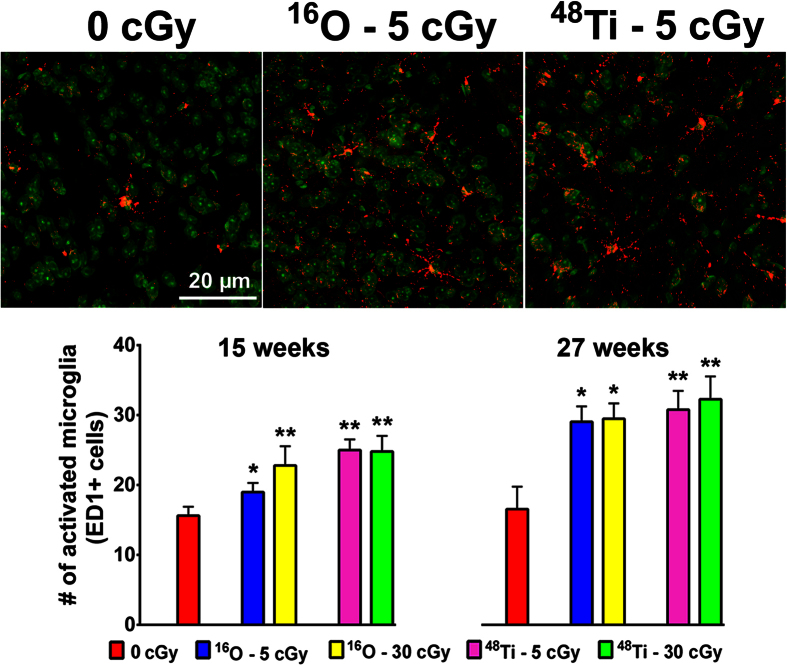
“An increase in activated microglia, assessed as immunoreactive ED-1 cells, was also reported in the medial prefrontal cortex of male transgenic (Thy1-EGFP) MJrsJ mice 15 and 20 weeks following 16O (600 MeV/n; 5 or 30 cGy) and 48Ti (600 MeV/n; 5 or 30 cGy) ion irradiation at six months of age [46].”
BackgroundInfluentialSleep Fragmentation Exacerbates Executive Function Impairments Induced by Low Doses of Si Ions
Britten, R. A., Fesshaye, A. S., Duncan, V. D., Wellman, L. L., & Sanford, L. D. (2020) · Radiation Research · doi:10.1667/rade-20-00080.1 · Cited by 25
Self-citationMicroglia: Ally and Enemy in Deep Space
Rienecker, K. D. A., Paladini, M. S., Grue, K. A., Krukowski, K., & Rosi, S. (2021) · Neuroscience & Biobehavioral Reviews · doi:10.1016/j.neubiorev.2021.03.036 · Cited by 27
Desai, R. I., Kangas, B. D., Luc, O. T., Solakidou, E., Smith, E. C., Dawes, M. H., Ma, X., Makriyannis, A., Chatterjee, S., Dayeh, M. A., et al. (2023) · Nature Communications · doi:10.1038/s41467-023-42173-x · Cited by 29
“Early CNS studies in rodent models primarily focused on acute effects following simpli fi ed single ion exposures that were not accurate representations of the low dose and low dose rate deep space radiation environment in which astronauts are continuously subjected 5 – 11 .”
BackgroundSelf-citationMao, X. W., Nishiyama, N. C., Campbell-Beachler, M., Gifford, P., Haynes, K. E., Gridley, D. S., & Pecaut, M. J. (2017) · Radiation Research · doi:10.1667/rr14754.1 · Cited by 23
“Previously reported groundbased studies have shown that exposure to these radiation doses can result in a number of neurological disturbances and cognitive dysfunction (3, 4).”
BackgroundJones, C. B., Mange, A., Granata, L. E., Johnson, B. A., Hienz, R. D., & Davis, C. M. (2019) · International Journal of Molecular Sciences · doi:10.3390/ijms20020339 · Cited by 26
Cacao, E., & Cucinotta, F. A. (2019) · Radiation Research · doi:10.1667/rr15419.1 · Cited by 24
“5 (17, 18) 380 61 120 (11) 380 61 300 600 51 150 600 51 270 1,000 44 120 1,000 44 390 (16)O 600 16 Tg(Thy1-EGFP) MJrsJ mice M 180 84 (20) 168 600 16 Sprague-Dawley rats M 60 60 (11) 300 1,000 14 120 360 (12)C 290 13 Sprague-Dawley rats M 60 30 (11) 150 (17, 18) 330 (11) (4)He 250 1.”
Nanotechnology enabled radioprotectants to reduce space radiation‐induced reactive oxidative species
Babu, B., Pawar, S., Mittal, A., Kolanthai, E., Neal, C. J., Coathup, M. J., & Seal, S. (2023) · Wiley Interdisciplinary Reviews Nanomedicine and Nanobiotechnology · doi:10.1002/wnan.1896 · Cited by 26
Burket, J. A., Matar, M., Fesshaye, A. S., Pickle, J. C., & Britten, R. A. (2021) · Radiation Research · doi:10.1667/rade-20-00251.1 · Cited by 24
“It is thus important to determine whether similar ATSET/creative problem-solving deficits are induced after exposure to lighter ions such as He, as was observed in our previously published studies with the heavier ions (3, 5, 7).”
BackgroundMethodResultSelf-citationBlackwell, A. A., Schell, B. D., Oltmanns, J. R. O., Whishaw, I. Q., Ton, S. T., Adamczyk, N. S., Kartje, G. L., Britten, R. A., & Wallace, D. G. (2020) · Behavioural Brain Research · doi:10.1016/j.bbr.2020.113010 · Cited by 22
“SR exposure may also damage cortical and subcortical structures or circuits involved in fine motor control [18,58].”
BackgroundSelf-citationBritten, R. A., Fesshaye, A. S., Tidmore, A., & Blackwell, A. A. (2022) · Radiation Research · doi:10.1667/rade-22-00022.1 · Cited by 24
“1A (5)], (28)Si (11), (48)Ti (16), (56)Fe (14), protracted mixed neutrons (21), and now GCRSim (Fig.”
Self-citationMalo, M. E., Bryan, R. A., Shuryak, I., & Dadachova, E. (2017) · Fungal Biology · doi:10.1016/j.funbio.2017.08.010 · Cited by 24
Krishnan, B., Natarajan, C., Bourne, K. Z., Alikhani, L., Wang, J., Sowa, A., Groen, K., Perry, B. C., Dickstein, D., Baulch, J., et al. (2021) · International Journal of Molecular Sciences · doi:10.3390/ijms22073668 · Cited by 21
“Exposure to SR has been shown to alter the complexity of the dendritic tree in the HPC [12] and infralimbic cortex [13], alter synaptic functionality [7,9,19–22], produce LTP decrements in HPC synapses [23,24], and produce LTD decrements in the PFC [5].”
BackgroundSelf-citationConquering Space with Crops That Produce Ample Oxygen and Antioxidants
Polutchko, S. K., Adams, W. W., Escobar, C. M., & Demmig‐Adams, B. (2022) · Oxygen · doi:10.3390/oxygen2020016 · Cited by 22
Jacob, P., Bonnefoy, J., Ghislin, S., & Frippiat, J. (2022) · Frontiers in Immunology · doi:10.3389/fimmu.2022.952928 · Cited by 20
“These differences are likely due to the fact that our head-down tilt bed rest was of a limited duration, that we did not collect blood at R+0, thereby allowing readaptation during 24 hours, and the absence of radiation which causes inflammation (31, 32).”
BackgroundLate effects of 1H irradiation on hippocampal physiology
Kiffer, F. C., Howe, A. K., Carr, H., Wang, J., Alexander, T. C., Anderson, J. E., Groves, T. R., Seawright, J. W., Sridharan, V., Carter, G., et al. (2018) · Life Sciences in Space Research · doi:10.1016/j.lssr.2018.03.004 · Cited by 18
“Recent publications reveal changes in dendritic complexity, length, branching, volume, and spine subtypes (Parihar et al., 2016; Parihar et al., 2015; Allen et al., 2015).”
BackgroundRosi, S. (2018) · Brain Circulation · doi:10.4103/bc.bc_24_18 · Cited by 18
“[4] Several studies have established the prolonged GCR-induced deficits using iron, protons, silicon, titanium, oxygen, or proton with iron exposure.[4,6,8-11,23,24] A recent study has evaluated helium irradiation on rats, of the head only, and reported no significant deficits in NOR at low levels (0.”
BackgroundInfluentialDissecting Differential Complex Behavioral Responses to Simulated Space Radiation Exposures
Britten, R. A., Fesshaye, A. S., Ihle, P., Wheeler, A., Baulch, J. E., Limoli, C. L., & Stark, C. E. L. (2021) · Radiation Research · doi:10.1667/rade-21-00068.1 · Cited by 19
Self-citationHellweg, C. E., Spitta, L. F., Koch, K., Chishti, A. A., Henschenmacher, B., Diegeler, S., Konda, B., Feles, S., Schmitz, C., Berger, T., et al. (2018) · International Journal of Molecular Sciences · doi:10.3390/ijms19082220 · Cited by 18
“found increased numbers of activated microglia in the perirhinal cortex of rodents exposed to low doses of helium and other space-relevant accelerated ions, indicating neuroinflammation [86,87].”
BackgroundDutta, S. M., Hadley, M. M., Peterman, S. M., Jewell, J. S., Duncan, V. D., & Britten, R. A. (2017) · Radiation Research · doi:10.1667/rr14822.1 · Cited by 18
“GCR exposure leads to changes in dendritic morphology (5, 9), and interestingly, several proteins involved in the regulation of dendritic spines, Flot2 (44), Synpo (45) and Sipa1l1 (46) protein, were detected only in the 15 cGy/impaired rats.”
BackgroundSelf-citationZanni, G., Deutsch, H. M., Rivera, P. D., Shih, H.-Y., LeBlanc, J. A., Amaral, W. Z., Lucero, M., Redfield, R. L., DeSalle, M. J., Chen, B. P. C., et al. (2018) · International Journal of Molecular Sciences · doi:10.3390/ijms19103078 · Cited by 18
“A major consideration of our work was to facilitate comparison with how other space radiation particles influence brain and behavior (1H [22,23,48–59], 4He [60–63], 12C [22,39,47,64,65], 16O [22,47,54,60,66–74], 28Si [22,39,41,47,51,56,58,75–78], 48Ti [22,47,58,60,68,69,79], and 56Fe [22–25,28,39,40,48,51,55,56,71,80–…”
Radiation Measured for Chinese Satellite SJ‐10 Space Mission
Zhou, D., Sun, Y., Zhang, B., Zhang, S., Sun, Y., Liang, J., Zhu, G., Jing, T., Yuan, B., Zhang, H., et al. (2018) · Journal of Geophysical Research Space Physics · doi:10.1002/2017ja024697 · Cited by 16
“…used at National Aeronautics and Space Administration (NASA) Space Radiation Laboratory at Brookhaven National Laboratory (Kim et al., 2015; Norbury et al., 2016; Parihar et al., 2016), comparisons of two kinds of bio-effects may facilitate the investigation of bio-effects related to microgravity.”
MethodHinkle, J. J., Olschowka, J. A., Williams, J. P., & O’Banion, M. K. (2020) · International Journal of Radiation Oncology*Biology*Physics · doi:10.1016/j.ijrobp.2023.12.017 · Cited by 16
Effects of Low Dose Space Radiation Exposures on the Splenic Metabolome
Laiakis, E. C., Shuryak, I., Deziel, A., Wang, Y.-W., Barnette, B. L., Yu, Y., Ullrich, R. L., Fornace, A. J., & Emmett, M. R. (2021) · International Journal of Molecular Sciences · doi:10.3390/ijms22063070 · Cited by 18
Belov, O., Belokopytova, K. V., Кудрин, В. С., Molokanov, A. G., Shtemberg, A. S., & Bazyan, A. S. (2018) · Physica Medica · doi:10.1016/j.ejmp.2018.12.003 · Cited by 17
The highs and lows of ionizing radiation and its effects on protein synthesis
Tamaddondoust, R. N., Wang, Y., Jafarnejad, S. M., Graber, T. E., & Alain, T. (2021) · Cellular Signalling · doi:10.1016/j.cellsig.2021.110169 · Cited by 17
Unraveling astrocyte behavior in the space brain: Radiation response of primary astrocytes
Roggan, M. D., Kronenberg, J., Wollert, E., Hoffmann, S., Nisar, H., Konda, B., Diegeler, S., Liemersdorf, C., & Hellweg, C. E. (2023) · Frontiers in Public Health · doi:10.3389/fpubh.2023.1063250 · Cited by 22
“Animal experiments using space-like radiation revealed impairments in memory, deficits in processing speed, attention and cognitive flexibility, as well as elevated anxiety levels and depressive behavior in mice (8, 9).”
BackgroundSchaeffer, E. A., Blackwell, A. A., Oltmanns, J. R. O., Einhaus, R. M., Lake, R. I., Hein, C., Baulch, J. E., Limoli, C. L., Ton, S. T., Kartje, G. L., et al. (2021) · Behavioural Brain Research · doi:10.1016/j.bbr.2021.113577 · Cited by 16
Self-citationLong-Term Deficits in Behavior Performances Caused by Low- and High-Linear Energy Transfer Radiation
Patel, R., Arakawa, H., Radivoyevitch, T., Gerson, S. L., & Welford, S. M. (2017) · Radiation Research · doi:10.1667/rr14795.1 · Cited by 15
Development of IoT based meteorological and environmental gamma radiation monitoring system
Susila, I. P., Istofa, I., Kusuma, G., SUKANDAR, S., & Isnaini, I. (2018) · AIP conference proceedings · doi:10.1063/1.5043016 · Cited by 15
Kokhan, V. S., Mariasina, S. S., Pikalov, V. A., Абаимов, Д. А., Somasundaram, S. G., Kirkland, C. E., & Aliev, G. (2021) · CNS & Neurological Disorders - Drug Targets · doi:10.2174/1871527320666210122092330 · Cited by 14
Microglia depletion and cognitive functions after brain injury: From trauma to galactic cosmic ray
Paladini, M. S., Feng, X., Krukowski, K., & Rosi, S. (2020) · Neuroscience Letters · doi:10.1016/j.neulet.2020.135462 · Cited by 16
Kokhan, V. S., & Dobynde, M. I. (2023) · Biology · doi:10.3390/biology12030400 · Cited by 24
“8 keV/μm) causes the recognition memory impairment, but these impairments are associated with high anxiety [58].”
BackgroundInfluentialA rigorous behavioral testing platform for the assessment of radiation-induced neurological outcomes
Drayson, O. G. G., Vozenin, M., & Limoli, C. L. (2023) · Methods in cell biology · doi:10.1016/bs.mcb.2023.02.015 · Cited by 23
Self-citationNew Radiobiological Principles for the CNS Arising from Space Radiation Research
Britten, R. A., & Limoli, C. L. (2023) · Life · doi:10.3390/life13061293 · Cited by 18
“SR exposure has been reported to result in persistent neuroinflammation involving significant increases in activated microglia [33,40,85,91].”
BackgroundSelf-citationLoss of Cognitive Flexibility Practice Effects in Female Rats Exposed to Simulated Space Radiation
Britten, R. A., Fesshaye, A. S., Tidmore, A., Liu, A., & Blackwell, A. A. (2023) · Radiation Research · doi:10.1667/rade-22-00196.1 · Cited by 13
Self-citation
Metadata
- Authors
- Parihar, V. K., Allen, B. D., Caressi, C., Kwok, S., Chu, E., Tran, K. K., Chmielewski, N. N., Giedzinski, E., Acharya, M. M., Britten, R. A., Baulch, J. E., & Limoli, C. L.
- Affiliations
- University of California, Irvine (US)
- Eastern Virginia Medical School (US)
- Corresponding author
- Limoli, Charles L.
- ORCID
- Venue
- Scientific Reports
- Published
- 2016-10-10
- Volume
- 6
- Issue
- 1
- Pages
- 34774-34774
- ISSN
- 2045-2322 (ISSN-L)
- PMC
- PMC5056393
- OpenAlex
- W2529882214
- Cited by
- 221
- References
- 37
- Citations by year
- 2026: 11 · 2025: 17 · 2024: 27 · 2023: 26 · 2022: 28 · 2021: 37 · 2020: 23 · 2019: 21 · 2018: 23 · 2017: 8
- FWCI
- 13.94
- Type
- journal article
- Language
- en
- Open access
- gold
- doi.org
- Licence
- cc-by
- creativecommons.org/licenses/by/4.0 (tdm)
- creativecommons.org/licenses/by/4.0 (vor)
- Locations
- Scientific Reports (publishedVersion, cc-by)
- PubMed Central (publishedVersion, cc-by)
- PubMed (publishedVersion)
- eScholarship (California Digital Library) (submittedVersion)
- Funders
- National Aeronautics and Space Administration (NNX13AK70G, NAS2-03144, NNX13AD59G, NNX10AD59G, NNX15AI22G, NNX14AE73G)
- National Institutes of Health (UL1TR001414, KL2TR001416)
- National Center for Advancing Translational Sciences
- Topics
- Health Sciences › Medicine › Physiology (medical) › Spaceflight effects on biology
- Health Sciences › Medicine › Radiology, Nuclear Medicine and Imaging › Effects of Radiation Exposure
- Health Sciences › Medicine › Oncology › Cancer-related cognitive impairment studies
- Keywords
- cosmic rays, cognitive impairment, deep space travel, Mars missions, hippocampus, medial prefrontal cortex, dendritic spine density, synaptic integrity, neuroinflammation, memory impairment, executive function, fear extinction, anxiety, long-term radiation effects, astronaut health
- MeSH terms
- Disks Large Homolog 4 Protein, Animals, Behavior, Animal, Cell Count, Cosmic Radiation, Dendrites, Dose-Response Relationship, Radiation, Inflammation, Male, Mice, Transgenic, Neurons, Rats, Wistar, Prefrontal Cortex, Cognitive Dysfunction
About these checks
Registry, retraction, Cites and statistics results are computed, not judged, with one exception: a printed reference that no index lists is read once by a model before it counts as a citation error. Claims are extracted by a model and kept only when their quote appears verbatim in the text; each cited source is then checked, with a model’s help, for whether it says what the claim relies on. Those verdicts can be wrong — read the claim’s quote and the cited source before relying on one.
Statistics and arithmetic are recomputed, not judged.
Confidence bands are shown only for fields calibrated on our annotated test set. None is calibrated yet, so no band is shown.
What counts as a claim ›How we measure confidence ›How we check this ›
Are you an author, or do you see a problem with this page? Request a review
Data sources
Bibliographic data: Semantic Scholar, OpenAlex, Crossref.
Contains information from the Semantic Scholar Academic Graph Datasets, made available under the ODC Attribution License (ODC-BY 1.0).
Semantic Scholar’s data is described in: Kinney, R., et al. (2023). The Semantic Scholar Open Data Platform. arXiv:2301.10140.
