

β-Amyloid accumulation in the human brain after one night of sleep deprivation
Open accessThe DOI matches its Crossref record; 72 of the 72 references it cites were found in a registry or an index.
Abstract
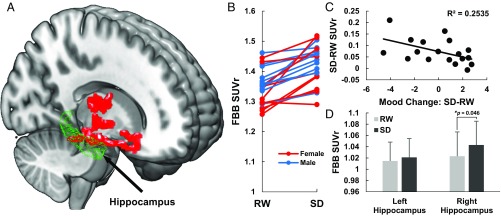
Significance: There has been an emerging interest in sleep and its association with β-amyloid burden as a risk factor for Alzheimer’s disease. Despite the evidence that acute sleep deprivation elevates β-amyloid levels in mouse interstitial fluid and in human cerebrospinal fluid, not much is known about the impact of sleep deprivation on β-amyloid burden in the human brain. Using positron emission tomography, here we show that acute sleep deprivation impacts β-amyloid burden in brain regions that have been implicated in Alzheimer’s disease. Our observations provide preliminary evidence for the negative effect of sleep deprivation on β-amyloid burden in the human brain.
Overview
The claims and statistics of this paper haven’t been checked yet.
Free: it reads the open-access text and checks the first 5 claims that cite a source we can check. Create a free account to check every claim.
Integrity signals
Registry
Cites
Statistics
Figures
Verification
Claims the paper makes
The claims and statistics of this paper haven’t been checked yet.
Free: it reads the open-access text and checks the first 5 claims that cite a source we can check. Create a free account to check every claim.
Claims other papers make about this one
Each is checked against this paper’s own text: does it say what the citing paper says it does?
The cited source doesn’t support the claim as written.
In the citing paper
“However, this usually occurs during deep sleep at the beginning of the night, which lasts one to two hours so is unlikely to be affected in those reporting sleep disturbances. (316-318)”
From Dementia prevention, intervention, and care: 2024 report of the Lancet standing Commission (2024) · cites this paper as [318]
Checked by a reasoning model — may be wrong.
Experimental — accuracy not yet measuredThe cited source says what the claim attributes to it.
In the citing paper
“These increases were negatively correlated with mood but were not associated with a particular AD-linked genotype (that is, the APOE genotype).”
From Rhythms of life: circadian disruption and brain disorders across the lifespan (2019) · cites this paper as [284]
The cited source says what the claim attributes to it.
In the citing paper
“Glymphatic fluid transport is enhanced during sleep14–19.”
From Norepinephrine-mediated slow vasomotion drives glymphatic clearance during sleep (2025) · cites this paper as [18]
The check wasn’t confident either way, so it gives no verdict — never disputed.
In the citing paper
“Soluble Aβ exerts a physiological function, modulating synaptic function and facilitating neuronal growth; furthermore, Aβ protects the brain from infections, repairs leaks in the blood–brain barrier, and promotes recovery from injury [57, 58].”
From Clinical trials of new drugs for Alzheimer disease (2020) · cites this paper as [58]
Experimental — accuracy not yet measuredIn the citing paper
“Indeed, PET imaging showed that a single night of sleep deprivation resulted in a significant increase in Amyloid-β burden in the hippocampus and thalamus (109).”
From Glymphatic failure as a final common pathway to dementia (2020) · cites this paper as [109]
1 more claim about this paper
Create a free account to see every claim other papers make about this one.
Self-check
Percentages, sums and reported differences re-computed from the paper’s own numbers.
The self-check needs the paper’s full text.
Citations
Cites
The Pittsburgh Sleep Quality Index: a new instrument for psychiatric practice and research
Buysse, D. J., Reynolds, C. F., Monk, T. H., Berman, S. R., & Kupfer, D. J. (1989) · Psychiatry Research · doi:10.1016/0165-1781(89)90047-4 · Cited by 35,234 · cited 1×
“The PSQI questionnaire (64) was administered to all participants (n = 20).”
MethodIliff, J. J., Wang, M., Liao, Y., Plogg, B. A., Peng, W., Gundersen, G. A., Benveniste, H., Vates, G. E., Deane, R., Goldman, S. A., et al. (2012) · Science Translational Medicine · doi:10.1126/scitranslmed.3003748 · Cited by 5,824
Self-citationSleep Drives Metabolite Clearance from the Adult Brain
Xie, L., Kang, H., Xu, Q., Chen, M. J., Liao, Y., Thiyagarajan, M., O’Donnell, J., Christensen, D. J., Nicholson, C., Iliff, J. J., et al. (2013) · Science · doi:10.1126/science.1241224 · Cited by 5,411
The minimal preprocessing pipelines for the Human Connectome Project
Glasser, M. F., Sotiropoulos, S. N., Wilson, J. A., Coalson, T. S., Fischl, B., Andersson, J. L., Xu, J., Jbabdi, S., Webster, M., Polimeni, J. R., et al. (2013) · NeuroImage · doi:10.1016/j.neuroimage.2013.04.127 · Cited by 5,253
Imaging brain amyloid in Alzheimer's disease with Pittsburgh Compound‐B
Klunk, W. E., Engler, H., Nordberg, A., Wang, Y., Blomqvist, G., Holt, D. P., Bergström, M., Savitcheva, I., Huang, G., Estrada, S., et al. (2004) · Annals of Neurology · doi:10.1002/ana.20009 · Cited by 4,496 · cited 3×
“There are several validated PET radiotracers for this purpose, including (18)Fflorbetaben (FBB) (22, 23).”
BackgroundPhases of Aβ-deposition in the human brain and its relevance for the development of AD
Thal, D. R., Rüb, U., Orantes, M., & Braak, H. (2002) · Neurology · doi:10.1212/wnl.58.12.1791 · Cited by 3,490 · cited 1×
“We also showed Aβ increases in the thalamus after SD, which is a brain region that shows increases in Aβ in the early stages of AD (33).”
BackgroundApolipoprotein E and Alzheimer disease: risk, mechanisms and therapy
Liu, C.-C., Kanekiyo, T., Xu, H., & Bu, G. (2013) · Nature Reviews Neurology · doi:10.1038/nrneurol.2012.263 · Cited by 3,459 · cited 1×
“SNPs of the APOE gene (rs7412 and rs429358) have been shown to influence brain glucose metabolism and ABB (67, 68).”
BackgroundAnalysis of fMRI Time-Series Revisited
Friston, K. J., Holmes, A. P., Poline, J.-B., Grasby, P. J., Williams, S. C. R., Frackowiak, R. S. J., & Turner, R. (1995) · NeuroImage · doi:10.1006/nimg.1995.1007 · Cited by 2,502
Blood-brain barrier breakdown in the aging human hippocampus
Montagne, A., Barnes, S. R., Sweeney, M. D., Halliday, M. R., Sagare, A. P., Zhao, Z., Toga, A. W., Jacobs, R. E., Liu, C. Y., Amezcua, L., et al. (2015) · Neuron · doi:10.1016/j.neuron.2014.12.032 · Cited by 2,102 · cited 1×
“Instead, changes in hippocampal volume, glucose metabolism (30), and the blood–brain barrier (46) were most evident in patients with early-stage AD.”
BackgroundSimplified Reference Tissue Model for PET Receptor Studies
Lammertsma, A. A., & Hume, S. P. (1996) · NeuroImage · doi:10.1006/nimg.1996.0066 · Cited by 2,021 · cited 3×
“Specifically, regional BPnd was 4486 | www.pnas.org/cgi/doi/10.1073/pnas.1721694115 Shokri-Kojori et al. D ow nl oa de d by g ue st o n Ju ly 1 , 2 02 1 calculated using a noninvasive simplified reference tissue model (SRTM) (61, 62) that was fitted to the time activity curve (0–120 min) derived from the subcortical c…”
MethodInfluential
Cited by
Items 901–1,000 of 1,001
Mora, M. (2024) · Archive ouverte UNIGE (University of Geneva)
Welikovitch, L. A. (2021) · eScholarship@McGill (McGill) · doi:10.82308/19189
Devulder, A. (2024) · Lirias
I DISTURBI DEL SONNO COME CAUSA O SINTOMO DELL'AD: INDICAZIONI TERAPEUTICHE EMERGENTI
MASSEI, F. (2019) · Electronic Theses and Dissertations Repository (University of Pisa)
Plasma and Cerebrospinal Fluid Lipidomic Signature of Alzheimer’s Disease Diagnosis and Progression
Dakterzada, F. (2022) · RECERCAT (Consorci de Serveis Universitaris de Catalunya)
Amyloidi-PET-kuvantaminen Alzheimerin taudin prekliinisessä vaiheessa
Piironen, K. (2024) · UTUPub (University of Turku)
Zhou, J. (2025) · UCL Discovery (University College London)
Glymfaattisen kierron tutkiminen neurokuvantamismenetelmillä
Lehtomäki, T. (2025) · UTUPub (University of Turku)
β-amyloidi- ja tau-PET-kuvantaminen Alzheimerin taudissa
Soininen, V. (2024) · UTUPub (University of Turku)
Walkstein, R. (2025) · Qucosa (Saxon State and University Library Dresden)
Impact of Alzheimer’s Disease Associated Peptides on Sleep-Wake State
Harjani Tirathdas, L. (2025) · UCL Discovery (University College London)
Przerwa, J. (2025) · International Journal of Innovative Technologies in Social Science · doi:10.31435/ijitss.4(48).2025.4430
Kamilova, N. (2025) · Journal of life sciences and biomedicine · doi:10.59849/2710-4915.2025.2.28
Climate Change and Alzheimer’s Disease: An Emerging Neurological Crisis Mediated by Sleep Disruption
Cynthia, A. N. (2025) · Sleep Medicine Research · doi:10.17241/smr.2025.03251
Lai, X. (2026) · Frontiers in Aging Neuroscience · doi:10.3389/fnagi.2026.1749562
Kling, J. M., & Williams, K. (2026) · Elsevier eBooks · doi:10.1016/b978-0-443-26712-3.00004-5
Hainan Longevity Model, Senile Degeneration, Cognitive Disability and Healthy Longevity
Fu, S., Lin, J., Liu, Q., Gao, L., Li, Z., Lin, F., Xie, L., Liu, X., Xiao, W., Zhu, Q., et al. (2026) · Aging Medicine · doi:10.1002/agm2.70054
Zantinge, D. C., Havekes, R., Meerlo, P., & Gervais, N. J. (2026) · Elsevier eBooks · doi:10.1016/b978-0-443-27340-7.00009-7
Aydın, S. (2023) · Dspace Repository (Marmara Üniversitesi)
Ericek, O. B. (2019) · Çukurova University Institutional Repository
Effect of Sleep Restriction on Cerebrovascular Health and Neurocognition in Healthy Adolescents
Chan, A. (2023) · TSpace (University of Toronto)
Exploration of Alzheimer's Disease Risk Factors
Samson, A. D. (2020) · TSpace (University of Toronto)
Zhang, H., Hou, J., Xie, W., Chu, M., Wang, J., Li, X., Tao, L., Wu, L., & Guo, X. (2026) · Journal of Alzheimer s Disease · doi:10.1177/13872877261422403
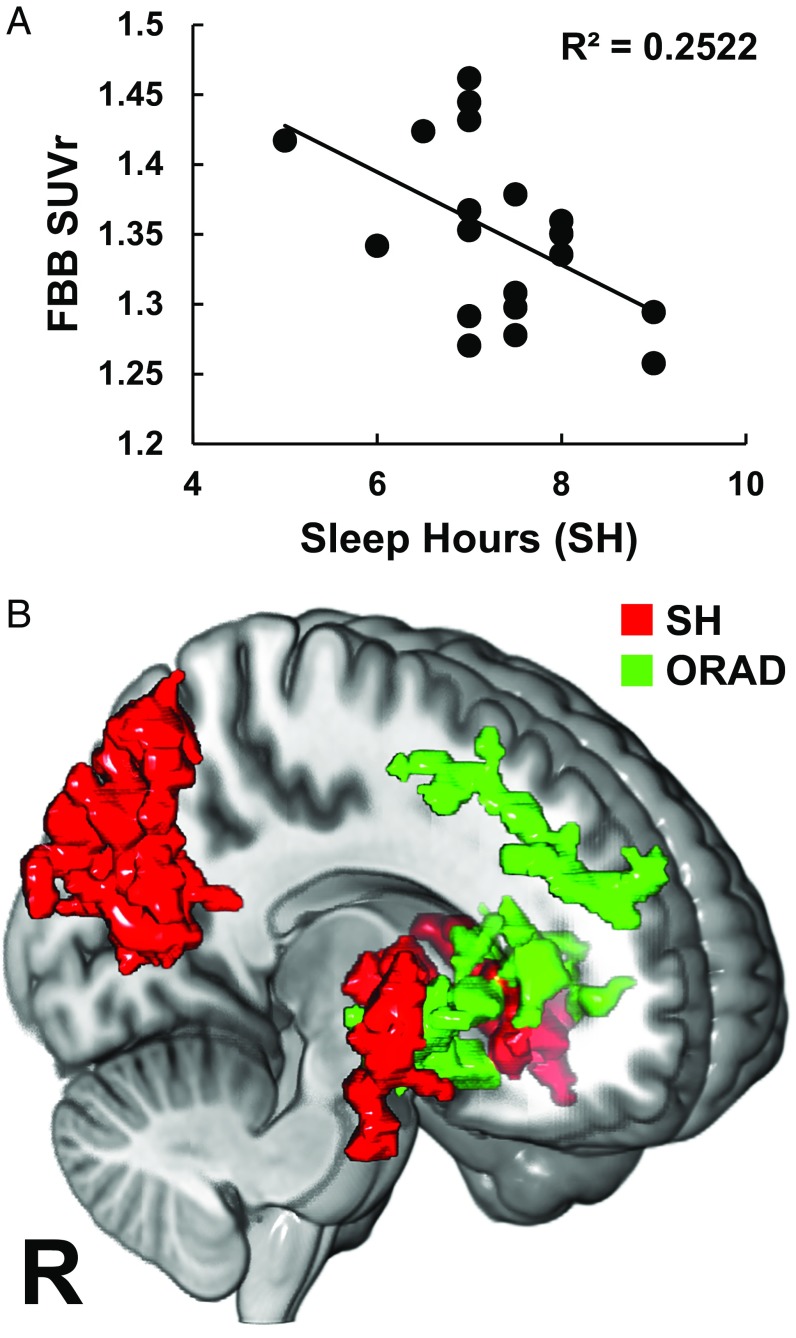
“28 29 – 31 Insuf fi cient sleep durations are associated with a greater A β burden.”
Roenningen, A. E. (n.d.) · Summit (Simon Fraser University)
Fernández-Bonet, A., Temprano‐Sagrera, G., Genius, P., Rodríguez‐Fernández, B., Domingo-Güell, E., Huguet, J., Buongiorno, M., Sánchez‐Benavides, G., Cirach, M., Nieuwenhuijsen, M. J., et al. (2026) · Journal of Cerebral Blood Flow & Metabolism · doi:10.64898/2026.03.23.26349050
Ekpo, U. U., Umana, U. E., Sadeeq, A. A., & Sambo, S. J. (2026) · The Journal of Neurobehavioral Sciences · doi:10.32739/jnbs.13.1.283
Donnelly, P. S., Mitchell, K., McCorry, N., Boeri, M., Passmore, A. P., & Kane, J. P. M. (2026) · Frontiers in Dementia · doi:10.3389/frdem.2026.1721320
Sleep Fragmentation in Neuronal Aβ42-Expressing Drosophila (Stage 2 Registered Report)
Petr, M. A., & Pelton, V. (2026) · doi:10.55277/researchhub.w0nzn0zi.1
Sleep Fragmentation in Neuronal Aβ42-Expressing Drosophila (Stage 2 Registered Report)
Petr, M. A., & Pelton, V. (2026) · doi:10.55277/researchhub.wibn04sv.1
PHYSIOLOGY OF SLEEP DEPRIVATION AND ITS IMPACT ON BRAIN FUNCTION
Gundaria, H. K. (2026) · EPH - International Journal of Medical and Health Science · doi:10.69980/qhjkkv90
Lombardo, D. (2021) · theses.fr (ABES) · doi:10.70675/ccfa1de2z5623z4c5dz8349z154225e4164d
Oksman, I. (2019) · Lithuanian University of Health Sciences
de Almeida, P. S., Silva, C. E. L. E., de Almeida, A. H., Silva, F. E. D. S., Ritti‐Dias, R. M., Lins-Filho, O., & Farah, B. Q. (2026) · Einstein (São Paulo) · doi:10.31744/einstein_journal/2026ao2004 · Cited by 1
“This compromises the proper release of growth hormones, (25) memory consolidation, (26,27) emotional regulation, (28) and activation of the glymphatic system (29,30) which is responsible for the brain’s metabolic waste clearance, thus impairing the perception of restorative sleep.”
Assessment of glymphatic function in treatment-resistant depression using DTI-ALPS index
Zhang, X., Ye, S., Zhang, M., Ye, X., Chen, X., Chen, Z., Jiao, Q., Huang, M., & Cui, D. (2026) · Journal of Affective Disorders · doi:10.1016/j.jad.2026.121801 · Cited by 1
The impact of sleep quality on cognitive function in patients with multiple sclerosis
Revurko, A., Babych, E., & Solodovnikova, Y. (2026) · Ukrainian Neurological Journal · doi:10.30978/unj2026-1-34
Tort‐Colet, N., Stankeviciute, L. S., Fernández‐Arcos, A., Soldevila‐Domenech, N., Sánchez‐Benavides, G., Shekari, M., García, D. V., Altomare, D., Barkhof, F., Boada, M., et al. (2026) · Alzheimer s Research & Therapy · doi:10.1186/s13195-026-02049-w
“Consequently, poor sleep quality is hypothesized to both increase Aβ production and impair its clearance, predicting a net accumulation of soluble Aβ within the brain’s interstitial spaces [33, 34].”
Understanding the relationship between sleep quality and cognitive function in older adults
Nielsen, A., Andersen, S., Christensen, M., & Larsen, E. (2025) · International Journal of Psychology Sciences · doi:10.33545/26648377.2025.v7.i1f.161
Sistema glinfático cerebral: de las bases a su importancia en el paciente neurocrítico
Esper, R. C., Martínez, K. I. G., Ávila, R. E. I., & Morales, D. P. (2026) · Medicina Crítica · doi:10.35366/123041
Vo, T., Gillespie, N. A., Christensen, K., Finkel, D., Kremen, W. S., Nygaard, M., Sachdev, P. S., Thalamuthu, A., & Reynolds, C. A. (2026) · SLEEP · doi:10.1093/sleep/zsag119
Κέδρας, Θ. Ν. (2026) · University of Thessaly Institutional Repository (University of Thessaly)
Shou, Y.-L. (2026) · Integrate Medicine · doi:10.61958/imce4963
Sleeping Position, Deep Sleep, and Dementia Prevention: Clinical and Mechanistic Perspectives
Abyad, A. (2026) · World Family Medicine Journal/Middle East Journal of Family Medicine · doi:10.5742/mewfm.2026.241777
Zhao, Q., Yu, Y., Wang, F., Wang, Y., Shao, P., & Zhao, L. (2026) · Journal of Cellular and Molecular Medicine · doi:10.1111/jcmm.71181
Fong, T. G., Martine, M., Heine, C., Joffe, Y., Liu, J., Topper, M., Schmitt, E. M., Kuo, P. H., Redlich, C. A., & Inouye, S. K. (2026) · Ochsner Journal · doi:10.31486/toj.25.0095
The sleep–microbiome–neurodegeneration triad: A new frontier in neuroimmunology
Valdez, G. V., Alemán-Villa, K. M., Armienta-Rojas, D. A., & la Herrán-Arita, A. K. D. (2026) · Microbes & Immunity · doi:10.36922/mi026020009
Bidirectional links between sleep deprivation and neurodegenerative diseases
Zakharov, A. V., Komarova, Y. S., Москвитина, П., Pavlova, O. N., Romanchuk, N., Sergeeva, M. S., & Shirolapov, I. V. (2026) · S S Korsakov Journal of Neurology and Psychiatry · doi:10.17116/jnevro202612605274
Brain rot in the digital age: Sleep loss, circadian disruption, and neurocognitive vulnerability
Ekici, F., Atılgan, M. C., Kaya, S., & Selvı, Y. (2026) · Chronobiology International · doi:10.1080/07420528.2026.2686763
“In mice, orexin signaling and sleep deprivation influence extracellular amyloid-beta levels; in humans, one night of total sleep deprivation has been associated with short-term changes in amyloid-beta burden or tau-related biomarkers (Kang et al. 2009; Shokri-Kojori et al. 2018; Holth et al. 2019).”
Venkatesh, G. (2025) · Carolina Digital Repository (University of North Carolina at Chapel Hill) · doi:10.17615/8vxr-gv86
Sleep fragmentation correlates with amyloid beta deposition at brain autopsy
Rudolf, M. A., Ng, Y. T., & Lieberman, A. P. (2026) · Alzheimer s & Dementia · doi:10.1002/alz.71616
Exercise as a regulator of glymphatic function
Broatch, J. R., Saner, N. J., JACKSON, M., Syeda, W. T., Bishop, D. J., & Brodtmann, A. (2026) · Trends in Neurosciences · doi:10.1016/j.tins.2026.06.002
Sokołowski, J., Cupiał, N. K., Czepczarz, A., Gryczko, J., Augustyniak, W. W., Pińczak, Z. K., Symon, Z., Mróz, T., Dybka, E. J., & Gryczko, J. (2026) · African Journal of Biomedical Research · doi:10.69980/h0dzkd31
Alsina, R., Riba, M., Sartorio, M., Romera, C., Riu, J., Vilaplana, G., Aldecoa, I., Compta, Y., Sánchez‐Valle, R., del Valle, J., et al. (2026) · Acta Neuropathologica Communications · doi:10.1186/s40478-026-02362-3
“Given that glymphatic failure may constitute a significant risk factor for the development of neurodegenerative diseases [7, 9–11, 13–17, 19, 21, 22], there is a current need for an indicator to assess the functional state of this system.”
Glymphatic system dysfunction and neurological disorders: From mechanisms to therapeutic strategies
Guo, Z., Dai, M., Song, S., Ning, C., Li, Z. Y., Tian, H., & Dong, J. (2026) · Journal of Cerebral Blood Flow & Metabolism · doi:10.1177/0271678x261458981
Фотобиомодуляция: свет в туннеле хронического стресса, бессонницы и артериальной гипертензии
Якубова, Л. В., Комар, М. С., & Семячкина-глушковская, О. В. (2026) · Неврология и нейрохирургия Восточная Европа · doi:10.34883/pi.2026.16.2.057
Kelley, A., Sackinger, E. D., Frischman, M., Thomas, N. O., Kim, K., Scuderi, G., Labut, E. M., MacMurchy, D., Ikea-Mario, T., Rauenhorst, J., et al. (2026) · Frontiers in Aging Neuroscience · doi:10.3389/fnagi.2026.1804332
Ma, J., Braun, A., Oskamp, A., Kricsfalussy-Hrabár, L., Hermes, N., Djakkani, S., Holz, U., Jakobs, S., Klein, S., Stüsgen, S., et al. (2026) · iScience · doi:10.1016/j.isci.2026.116676
“To date, PET imaging has been used to investigate the effects of sleep or sleep deprivation on adenosine receptors, 40,41 noradrenaline receptors, 42 serotonin 2A receptors, 43 and β -amyloid accumulation, 44 among others.”
Ortega, R. S., & Strauss, M. (2026) · Journal of Sleep Research · doi:10.1111/jsr.70404
Enhancing Recovery in Stroke Survivors through Sleep Interventions: A Comprehensive Review
Zhang, H., & Ye, Q. (2026) · Journal of Visualized Experiments · doi:10.3791/71069
Wu, P., Liao, Y., Liu, C., Liu, X., Feng, Q., & Cheng, X. (2026) · Molecular Neurobiology · doi:10.1007/s12035-026-06066-6
Rojas, N., Calderon, L. E., Kogut, K. R., Perez-Rocha, Y., Guadamuz, J. S., Fleming, M. D., Warner, M. L., Eskenazi, B., González, H. M., DEARDORFF, J., et al. (2026) · SLEEP Advances · doi:10.1093/sleepadvances/zpag085
“As such, even one night of sleep deprivation substantially increases β -amyloid in the cerebrospinal f luid (CSF) and brain regions connected with Alzheimer’s disease in healthy adults, including middle-aged adults [ 27, 28].”
Stephens, G. S., Alcantara‐Gonzalez, D., & Scharfman, H. E. (2026) · bioRxiv (Cold Spring Harbor Laboratory) · doi:10.64898/2026.07.28.741316
Sui, J., Wei, Z., & Zou, W. (2026) · Progress in Neuro-Psychopharmacology and Biological Psychiatry · doi:10.1016/j.pnpbp.2026.111875
Sleep deprivation is associated with slower EEG resting state gamma activity
Yırıkoğulları, H., Dasdelen, Z. B., Bölükbaş, B., & Güntekin, B. (2026) · International Journal of Psychophysiology · doi:10.1016/j.ijpsycho.2026.113453
Yang, J., Li, G., Huang, J., Li, C., Li, P., Zhang, Y., & Hu, L. (2026) · Scientific Reports · doi:10.1038/s41598-026-67193-7
“Notwithstanding this heterogeneity, for short sleep duration, the detrimental effects are primarily attributed to impaired glymphatic clearance during slow-wave sleep, leading to the accumulation of neurotoxic proteins such as β-amyloid and tau 36 .”
Adolescent Sleep Deprivation and Susceptibility to Later Development of Alzheimer’s Disease
Ma, M. (2026) · International journal of high school research · doi:10.36838/ijhsr812.22
Клінічна нейросомнологія на перетині з ангіоневрологією, цефалгіями та епілептологією
(2026) · Український медичний часопис · doi:10.32471/umj.1680-3051.279952
Liu, J., Huang, X., Hu, Y., Wang, C., Hu, X., & Yu, X. (2026) · The journal of nutrition health & aging · doi:10.1016/j.jnha.2026.100957
“In addition, insufficient sleep may reduce the clearance of neurotoxic metabolites, particularly β -amyloid, thereby potentially accelerating neurodegenerative processes [31,32].”
Jiang, M., Rubin, M., Storelli, L., Grosselle, M., Esposito, F., Pagani, E., Margoni, M., Meani, A., Rocca, M. A., Filippi, M., et al. (2026) · Journal of Neurology · doi:10.1007/s00415-026-14070-y
Wang, X., Chen, H., Zhang, S., Ji, T., Liu, H., Sang, L., Chen, H., Wu, H., Jiao, K., Su, S., et al. (2026) · NeuroImage · doi:10.1016/j.neuroimage.2026.122180 · Cited by 1
Gao, Q., Zhang, B., Mao, H., Huang, J., Shi, Y., Cui, X., Wang, H., Zhang, Y., & Fang, X. (2026) · Nature and Science of Sleep · doi:10.2147/nss.s618511
“2,12 During sleep, this CSF flow flushes out neurotoxic proteins — most notably amyloid-β (Aβ) and tau 12,13 — into drainage pathways.”
Demirci, Ş., & Ergün, S. (2026) · Comprehensive Child and Adolescent Nursing · doi:10.1080/24694193.2026.2724184
How temporal organization of neuronal function promotes successful cognitive aging
Egroo, M. V. (2019) · ORBi (University of Liège)
Chylinski, D. (2022) · ORBi (University of Liège)
Akar, A., Erbil, G., Aykora, D., & Uzun, M. (2026) · Molecular Biology Reports · doi:10.1007/s11033-026-12670-5
“For example, recent positron emission tomography (PET) studies have reported that a single night of acute sleep deprivation is associated with a measurable increase in amyloid-β burden within the hippocampus and thalamus [45].”
Zhang, Q., Zhou, Q., Mengxia, Y., Zou, S., Li, Y., & Wang, Z. (2026) · Journal of Alzheimer s Disease · doi:10.1177/13872877261480066
“38 Disruption of slow-wave sleep has also been associated with increased cerebrospinal fl uid A β levels, suggesting that impaired sleep depth and continuity may acutely in fl uence amyloid metabolism.”
Qiu, Y., Cho, Y., Xue, Q., Nowrangi, M. A., Leng, Y., & Li, J. (2026) · Sleep Medicine · doi:10.1016/j.sleep.2026.109256
Song, B., Wang, W., Liu, S., Jin, X., Yan, Q., Li, M., Yue, D., Liu, Y., Li, X., Yin, L., et al. (2026) · Aging Cell · doi:10.1111/acel.70699
Quantitative Modelling of Amyloid-β Dynamics in Brain, CSF, and Plasma During Sleep and WakefulnessPreprint
Sangeet, S., Phillips, C. L., Hoyos, C. M., D'Rozario, A. L., Lucey, B. P., & Postnova, S. (2026) · bioRxiv (Cold Spring Harbor Laboratory) · doi:10.64898/2026.09.07.749991
“This could be explained by the connection between poor sleep and build-up of amyloid beta (A ) in the brain 4 , 5 .”
Raihane, A. S., Napoli, M. D., Bragin, D. E., Cáceres, E. L., Ortiz, M. M., Moore, M. N., & Divani, A. A. (2026) · Current Neurology and Neuroscience Reports · doi:10.1007/s11910-026-01521-2
“A PET study reported a 5% mean increase in regional amyloid signal in healthy adults after one night without sleep, but this cannot be attributed solely to glymphatic suppression, since increased Aβ synthesis and perfusion changes are equally plausible explanations [8].”
Sleep-dependent microglial functions in Alzheimer’s disease
Calafate, S., & Mancuso, R. (2026) · Trends in Neurosciences · doi:10.1016/j.tins.2026.09.005
Wang, H.-J., Liu, L., Li, Y.-H., Qiu, Y.-H., Xia, X., Cai, Y., & Zhang, S.-J. (2026) · Frontiers in Neurology · doi:10.3389/fneur.2026.1805467
Hussain, Z., Babar, A. B. A., Siddiqui, I., Rashid, T., & Deen, M. N. (2026) · INNOVAPATH · doi:10.63501/7pgetz19
Zheng, W., Wu, M., Chen, Y., Li, S., & Huang, L. (2026) · Frontiers in Human Neuroscience · doi:10.3389/fnhum.2026.1949679
Circadian Clock Crosswalk Between Chronic Disease and Antitumor Response
Mojiri-Forushani, H., Karimzadeh‐Soureshjani, E., Hemmati, A. A., Pourhasan, F., Kiani-Shamsabadi, D., Mousavi, S. A. M., & Salehi-Behbahani, S. M. (2026) · Chronobiology in Medicine · doi:10.33069/cim.2026.0020
Bowler, B., Nasir, A. R., Szewczyk, A., Ocañas, S. R., Unnikrishnan, A., & Nouh, C. D. (2026) · Pathophysiology · doi:10.3390/pathophysiology33040074
“Conversely, a single night of sleep deprivation measurably increases brain A β burden in humans [197,198].”
Räsänen, J. (2025) · UEF eRepo (University of Eastern Finland)
Il ruolo del sonno e dei nutraceutici nel promuovere la longevità umana
Corbioli, G. (2026) · Archivio Istituzionale della Ricerca - Università degli Studi del Molise
ผลของการงีบหลับในเวลากลางวันต่อคุณภาพการนอนหลับชองผู้ป่วยที่มีภาวะถดถอยทางสมอง
เพ็งสุวรรณเกษม, ณ., สิทธิประภาพร, ภ., วงศ์ศุภสวัสดิ์, ก., รินทระ, จ., นรารัตน์วันชัย, ธ., & ปั้นดี, ว. (2023) · The Journal of Boromarajonani College of Nursing, Suphanburi
Tohirova, G., Izbasarov, I., Dilnozа, Y., & Nurillayeva, P. (2026) · Web of Medicine: Journal of Medicine, Practice and Nursing
Yin, C., Zhang, M., Zhang, S., Ren, T., Ding, L., Wang, P., & You, Q. (2026) · The American Journal of Chinese Medicine · doi:10.1142/s0192415x26500801
Elmer, N., Skorka, C., Reißhauer, A., & Liebl, M. E. (2026) · Research Square · doi:10.21203/rs.3.rs-10729022/v1
Shankar, A., Kryza‐Lacombe, M., Insel, P. S., Harris, E., Kassel, M. T., Goldstein, L., Krystal, A. D., Landau, S. M., Tosun, D., Butters, M. A., et al. (2026) · Alzheimer s & Dementia Diagnosis Assessment & Disease Monitoring · doi:10.1002/dad2.70478
Chapter 5. Practitioner Mental Health, Well-Being, and Clinical Error
(2025) · American Psychiatric Association Publishing eBooks · doi:10.1176/appi.books.9798894551111.lg05
Glymphatic dysfunction in intracranial hemorrhage and neurodegenerative disease
Gonzalez, M., Kent, B., DeYoung, C. L., Dagra, A., & Lucke-Wold, B. P. (2026) · Academia Biology · doi:10.20935/acadbiol8557
Mathoda, Z. (2026) · American journal of student research. · doi:10.70251/hyjr2348.4517721783
Metadata
- Authors
- Shokri-Kojori, E., Wang, G.-J., Wiers, C. E., Demiral, S. B., Guo, M., Kim, S. W., Lindgren, E., Ramirez, V., Zehra, A., Freeman, C., Miller, G., Manza, P., Srivastava, T., De Santi, S., Tomasi, D., Benveniste, H., & Volkow, N. D.
- Affiliations
- Laboratory of Neuroimaging, National Institute on Alcohol Abuse and Alcoholism, National Institutes of Health, Bethesda, MD 20892;
- National Institutes of Health (US)
- Piramal Pharma Inc., Boston, MA 02108;
- Yale University (US)
- Corresponding author
- Wang, Gene-Jack
- Volkow, Nora D.
- ORCID
- Venue
- Proceedings of the National Academy of Sciences
- Publisher
- National Academy of Sciences
- Published
- 2018-04-09
- Volume
- 115
- Issue
- 17
- Pages
- 4483-4488
- ISSN
- 0027-8424 (ISSN-L)
- 1091-6490
- PMC
- PMC5924922
- OpenAlex
- W2797347068
- Cited by
- 893
- References
- 72
- Citations by year
- 2026: 107 · 2025: 133 · 2024: 117 · 2023: 114 · 2022: 104 · 2021: 94 · 2020: 128 · 2019: 76 · 2018: 19
- FWCI
- 54.34
- Type
- journal article
- Language
- en
- Open access
- hybrid
- doi.org
- Licence
- Locations
- Proceedings of the National Academy of Sciences (publishedVersion, cc-by-nc-nd)
- Europe PMC (PubMed Central) (publishedVersion, cc-by-nc-nd)
- PubMed Central (publishedVersion, cc-by-nc-nd)
- PubMed (publishedVersion)
- Funders
- HHS | NIH | National Institute on Alcohol Abuse and Alcoholism (Y1AA3009)
- Topics
- Life Sciences › Neuroscience › Cellular and Molecular Neuroscience › Alzheimer's disease research and treatments
- Life Sciences › Neuroscience › Cognitive Neuroscience › Sleep and Wakefulness Research
- Social Sciences › Psychology › Experimental and Cognitive Psychology › Sleep and Work-Related Fatigue
- Keywords
- amyloid-beta deposition, sleep deprivation, amyloid burden, hippocampus, thalamus, mood, APOE genotype, Alzheimer's disease risk, sleep duration, precuneus
- MeSH terms
- Adult, Aged, Alzheimer Disease, Apolipoproteins E, Female, Genotype, Hippocampus, Humans, Male, Middle Aged, Risk Factors, Sleep Deprivation, Thalamus, Amyloid beta-Peptides
About these checks
Registry, retraction, Cites and statistics results are computed, not judged, with one exception: a printed reference that no index lists is read once by a model before it counts as a citation error. Claims are extracted by a model and kept only when their quote appears verbatim in the text; each cited source is then checked, with a model’s help, for whether it says what the claim relies on. Those verdicts can be wrong — read the claim’s quote and the cited source before relying on one.
Statistics and arithmetic are recomputed, not judged.
Confidence bands are shown only for fields calibrated on our annotated test set. None is calibrated yet, so no band is shown.
What counts as a claim ›How we measure confidence ›How we check this ›
Are you an author, or do you see a problem with this page? Request a review
Data sources
Bibliographic data: Semantic Scholar, OpenAlex, Crossref.
Contains information from the Semantic Scholar Academic Graph Datasets, made available under the ODC Attribution License (ODC-BY 1.0).
Semantic Scholar’s data is described in: Kinney, R., et al. (2023). The Semantic Scholar Open Data Platform. arXiv:2301.10140.
