

β-Amyloid accumulation in the human brain after one night of sleep deprivation
Open accessThe DOI matches its Crossref record; 72 of the 72 references it cites were found in a registry or an index.
Abstract
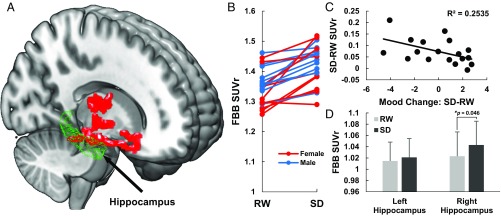
Significance: There has been an emerging interest in sleep and its association with β-amyloid burden as a risk factor for Alzheimer’s disease. Despite the evidence that acute sleep deprivation elevates β-amyloid levels in mouse interstitial fluid and in human cerebrospinal fluid, not much is known about the impact of sleep deprivation on β-amyloid burden in the human brain. Using positron emission tomography, here we show that acute sleep deprivation impacts β-amyloid burden in brain regions that have been implicated in Alzheimer’s disease. Our observations provide preliminary evidence for the negative effect of sleep deprivation on β-amyloid burden in the human brain.
Overview
The claims and statistics of this paper haven’t been checked yet.
Free: it reads the open-access text and checks the first 5 claims that cite a source we can check. Create a free account to check every claim.
Integrity signals
Registry
Cites
Statistics
Figures
Verification
Claims the paper makes
The claims and statistics of this paper haven’t been checked yet.
Free: it reads the open-access text and checks the first 5 claims that cite a source we can check. Create a free account to check every claim.
Claims other papers make about this one
Each is checked against this paper’s own text: does it say what the citing paper says it does?
The cited source doesn’t support the claim as written.
In the citing paper
“However, this usually occurs during deep sleep at the beginning of the night, which lasts one to two hours so is unlikely to be affected in those reporting sleep disturbances. (316-318)”
From Dementia prevention, intervention, and care: 2024 report of the Lancet standing Commission (2024) · cites this paper as [318]
Checked by a reasoning model — may be wrong.
Experimental — accuracy not yet measuredThe cited source says what the claim attributes to it.
In the citing paper
“These increases were negatively correlated with mood but were not associated with a particular AD-linked genotype (that is, the APOE genotype).”
From Rhythms of life: circadian disruption and brain disorders across the lifespan (2019) · cites this paper as [284]
The cited source says what the claim attributes to it.
In the citing paper
“Glymphatic fluid transport is enhanced during sleep14–19.”
From Norepinephrine-mediated slow vasomotion drives glymphatic clearance during sleep (2025) · cites this paper as [18]
The check wasn’t confident either way, so it gives no verdict — never disputed.
In the citing paper
“Soluble Aβ exerts a physiological function, modulating synaptic function and facilitating neuronal growth; furthermore, Aβ protects the brain from infections, repairs leaks in the blood–brain barrier, and promotes recovery from injury [57, 58].”
From Clinical trials of new drugs for Alzheimer disease (2020) · cites this paper as [58]
Experimental — accuracy not yet measuredIn the citing paper
“Indeed, PET imaging showed that a single night of sleep deprivation resulted in a significant increase in Amyloid-β burden in the hippocampus and thalamus (109).”
From Glymphatic failure as a final common pathway to dementia (2020) · cites this paper as [109]
1 more claim about this paper
Create a free account to see every claim other papers make about this one.
Self-check
Percentages, sums and reported differences re-computed from the paper’s own numbers.
The self-check needs the paper’s full text.
Citations
Cites
The Pittsburgh Sleep Quality Index: a new instrument for psychiatric practice and research
Buysse, D. J., Reynolds, C. F., Monk, T. H., Berman, S. R., & Kupfer, D. J. (1989) · Psychiatry Research · doi:10.1016/0165-1781(89)90047-4 · Cited by 35,234 · cited 1×
“The PSQI questionnaire (64) was administered to all participants (n = 20).”
MethodIliff, J. J., Wang, M., Liao, Y., Plogg, B. A., Peng, W., Gundersen, G. A., Benveniste, H., Vates, G. E., Deane, R., Goldman, S. A., et al. (2012) · Science Translational Medicine · doi:10.1126/scitranslmed.3003748 · Cited by 5,824
Self-citationSleep Drives Metabolite Clearance from the Adult Brain
Xie, L., Kang, H., Xu, Q., Chen, M. J., Liao, Y., Thiyagarajan, M., O’Donnell, J., Christensen, D. J., Nicholson, C., Iliff, J. J., et al. (2013) · Science · doi:10.1126/science.1241224 · Cited by 5,411
The minimal preprocessing pipelines for the Human Connectome Project
Glasser, M. F., Sotiropoulos, S. N., Wilson, J. A., Coalson, T. S., Fischl, B., Andersson, J. L., Xu, J., Jbabdi, S., Webster, M., Polimeni, J. R., et al. (2013) · NeuroImage · doi:10.1016/j.neuroimage.2013.04.127 · Cited by 5,253
Imaging brain amyloid in Alzheimer's disease with Pittsburgh Compound‐B
Klunk, W. E., Engler, H., Nordberg, A., Wang, Y., Blomqvist, G., Holt, D. P., Bergström, M., Savitcheva, I., Huang, G., Estrada, S., et al. (2004) · Annals of Neurology · doi:10.1002/ana.20009 · Cited by 4,496 · cited 3×
“There are several validated PET radiotracers for this purpose, including (18)Fflorbetaben (FBB) (22, 23).”
BackgroundPhases of Aβ-deposition in the human brain and its relevance for the development of AD
Thal, D. R., Rüb, U., Orantes, M., & Braak, H. (2002) · Neurology · doi:10.1212/wnl.58.12.1791 · Cited by 3,490 · cited 1×
“We also showed Aβ increases in the thalamus after SD, which is a brain region that shows increases in Aβ in the early stages of AD (33).”
BackgroundApolipoprotein E and Alzheimer disease: risk, mechanisms and therapy
Liu, C.-C., Kanekiyo, T., Xu, H., & Bu, G. (2013) · Nature Reviews Neurology · doi:10.1038/nrneurol.2012.263 · Cited by 3,459 · cited 1×
“SNPs of the APOE gene (rs7412 and rs429358) have been shown to influence brain glucose metabolism and ABB (67, 68).”
BackgroundAnalysis of fMRI Time-Series Revisited
Friston, K. J., Holmes, A. P., Poline, J.-B., Grasby, P. J., Williams, S. C. R., Frackowiak, R. S. J., & Turner, R. (1995) · NeuroImage · doi:10.1006/nimg.1995.1007 · Cited by 2,502
Blood-brain barrier breakdown in the aging human hippocampus
Montagne, A., Barnes, S. R., Sweeney, M. D., Halliday, M. R., Sagare, A. P., Zhao, Z., Toga, A. W., Jacobs, R. E., Liu, C. Y., Amezcua, L., et al. (2015) · Neuron · doi:10.1016/j.neuron.2014.12.032 · Cited by 2,102 · cited 1×
“Instead, changes in hippocampal volume, glucose metabolism (30), and the blood–brain barrier (46) were most evident in patients with early-stage AD.”
BackgroundSimplified Reference Tissue Model for PET Receptor Studies
Lammertsma, A. A., & Hume, S. P. (1996) · NeuroImage · doi:10.1006/nimg.1996.0066 · Cited by 2,021 · cited 3×
“Specifically, regional BPnd was 4486 | www.pnas.org/cgi/doi/10.1073/pnas.1721694115 Shokri-Kojori et al. D ow nl oa de d by g ue st o n Ju ly 1 , 2 02 1 calculated using a noninvasive simplified reference tissue model (SRTM) (61, 62) that was fitted to the time activity curve (0–120 min) derived from the subcortical c…”
MethodInfluential
Cited by
Items 401–500 of 1,001
Influence of sleep disruption on protein accumulation in neurodegenerative diseases
Wang, X., Wang, R., & Li, J. (2022) · Ageing and Neurodegenerative Diseases · doi:10.20517/and.2021.10 · Cited by 17
Sun, Y., Liang, Z., Xia, X., Wang, M. H., Zhu, C., Pan, Y., & Sun, R. (2023) · Frontiers in Nutrition · doi:10.3389/fnut.2023.1052281 · Cited by 17
Altered circadian behavior and light sensing in mouse models of Alzheimer’s disease
Weigel, T. K., Guo, C. L., Güler, A. D., & Ferris, H. A. (2023) · Frontiers in Aging Neuroscience · doi:10.3389/fnagi.2023.1218193 · Cited by 17
“These circadian alterations are particularly interesting because they may play a role in disease progression: sleep can facilitate Aβ clearance from the brain (Xie et al., 2013; Shokri-Kojori et al., 2018) and poor sleep quality in adulthood is a risk factor for AD later in life (Sabia et al.”
Yang, X. N., Tang, J. Y., Zhang, M., He, Y., Fu, J., & Ding, F. (2023) · Neurobiology of Disease · doi:10.1016/j.nbd.2023.106222 · Cited by 17
“Particularly, chronic sleep disturbance is a strong risk factor of vascular dementia [15] , which is supported by the theories of sleep cleaning the brain [4, 16, 17] .”
BackgroundÖzcan, G. G., Lim, S., Canning, T., Tirathdas, L., Donnelly, J., Kundu, T., & Rihel, J. (2024) · iScience · doi:10.1016/j.isci.2024.108870 · Cited by 18
“76 AssleepcandirectlyalterA b levels,sleephistoryoverone’slifetimemaybeasignificantcontributortoAD riskandprogression.”
Circadian Biology and the Neurovascular Unit
Li, W., Tiedt, S., Lawrence, J. H., Harrington, M. E., Musiek, E. S., & Lo, E. H. (2024) · Circulation Research · doi:10.1161/circresaha.124.323514 · Cited by 19
“219,244 Although this could be explained by the reduced clearance of amyloid β and tau during sleep loss, 245,246 little is known on how shift work predisposes to small vessel disease and vascular cognitive impairment.”
BackgroundStankeviciute, L. S., Chhatwal, J. P., Levin, R., Pinilla, V., Schultz, A. P., Redline, S. S., Johnson, K. A., Sperling, R. A., Kozhemiako, N., Purcell, S., et al. (2024) · Alzheimer s & Dementia Diagnosis Assessment & Disease Monitoring · doi:10.1002/dad2.12616 · Cited by 17
The glymphatic system as a therapeutic target: TMS-induced modulation in older adults
Sundman, M., Liu, Y., Chen, N., & Chou, Y. (2025) · Frontiers in Aging Neuroscience · doi:10.3389/fnagi.2025.1597311 · Cited by 19
Sleep Alters the Velocity of Physiological Brain Pulsations in Humans
Elabasy, A., Helakari, H., Väyrynen, T., Rajna, Z., Huotari, N., Raitamaa, L., Isokoski, V., Järvelä, M., Kaakinen, M., Piispala, J., et al. (2026) · Advanced Science · doi:10.1002/advs.202503745 · Cited by 18
Sharma, A., Muresanu, D. F., Sahib, S., Tian, Z. R., Nozari, A., Lafuente, J. V., Buzoianu, A. D., Bryukhovetskiy, I., Manzhulo, I., Patnaik, R., et al. (2020) · Progress in brain research · doi:10.1016/bs.pbr.2020.09.003 · Cited by 17
Rockwood, K. J., Andrew, M. K., Aubertin‐Leheudre, M., Belleville, S., Bherer, L., Bowles, S. K., Kehler, D. S., Lim, A. S. P., Middleton, L. E., Phillips, N. A., et al. (2020) · Alzheimer s & Dementia Translational Research & Clinical Interventions · doi:10.1002/trc2.12083 · Cited by 18
Can chronopharmacology improve the therapeutic management of neurological diseases?
Sion, B., & Bégou, M. (2021) · Fundamental and Clinical Pharmacology · doi:10.1111/fcp.12659 · Cited by 17
Metabolic Disturbances Induced by Sleep Restriction as Potential Triggers for Alzheimer’s Disease
García‐Aviles, J. E., Méndez‐Hernández, R., Guzmán‐Ruiz, M. A., Cruz, M., Guerrero‐Vargas, N. N., Velázquez‐Moctezuma, J., & Hurtado‐Alvarado, G. (2021) · Frontiers in Integrative Neuroscience · doi:10.3389/fnint.2021.722523 · Cited by 17
“Adolescents commonly get less than the recommended 8 to 10 h of sleep per night (Owens et al., 2014), which has been associated with a deficit in working memory (Short and Chee, 2019) and executive functions (Lo et al., 2016).”
BackgroundOkada, I., Iwamoto, K., Miyata, S., Fujimoto, A., Tanaka, M., Amano, M., Matsuyama, N., Taoka, T., Naganawa, S., & Ozaki, N. (2021) · BMJ Open · doi:10.1136/bmjopen-2021-054885 · Cited by 17
Short-term biological variation of serum glial fibrillary acidic protein
Christensen, S. H., Hviid, C. V. B., Madsen, A. T., Parkner, T., & Winther‐Larsen, A. (2022) · Clinical Chemistry and Laboratory Medicine (CCLM) · doi:10.1515/cclm-2022-0480 · Cited by 17
Integrating sleep health into resilience research
Guida, J., Alfini, A. J., Lee, K. C., Miller, C., Riscuta, G., Rusch, H. L., Wali, A., & Dixit, S. (2023) · Stress and Health · doi:10.1002/smi.3244 · Cited by 17
Dong, Q., Ptáček, L. J., & Fu, Y. (2023) · Proceedings of the National Academy of Sciences · doi:10.1073/pnas.2221686120 · Cited by 18
Sleep Deprivation Alters the Pituitary Stress Transcriptome in Male and Female Mice
Oyola, M. G., Shupe, E. A., Soltis, A. R., Sukumar, G., Páez-Pereda, M., Larco, D. O., Wilkerson, M. D., Rothwell, S. W., Dalgard, C. L., & Wu, T. J. (2019) · Frontiers in Endocrinology · doi:10.3389/fendo.2019.00676 · Cited by 17
The orexin/hypocretin system in neuropsychiatric disorders: Relation to signs and symptoms
Fronczek, R., Schinkelshoek, M. S., Shan, L., & Lammers, G. J. (2021) · Handbook of clinical neurology · doi:10.1016/b978-0-12-820107-7.00021-5 · Cited by 18
Sleep Abnormalities and Risk of Alzheimer’s Disease
Süzgün, M. A., Tang, Q., & Stefani, A. (2025) · Current Neurology and Neuroscience Reports · doi:10.1007/s11910-025-01451-5 · Cited by 16
“…of sleep deprivation (e.g., one night or multiple consecutive nights, total or partial sleep deprivation) lead to increased Aβ burden in the hippo - campus and thalamus, and to high levels of plasma or cerebrospinal fluid (CSF) biomarkers, including Aβ38, Aβ40, Aβ42, p-tau and total tau [ 22–24].”
Gervais, N. J., Gravelsins, L. L., Brown, A., Reuben, R. B., Perović, M., Karkaby, L., Nicoll, G., Laird, K., Ramana, S., Bernardini, M. Q., et al. (2023) · Frontiers in Endocrinology · doi:10.3389/fendo.2023.1265470 · Cited by 16
Gao, Y.-Z., Liu, K., Wu, X., Shi, C., He, Q., Wu, H., Yang, J., Yao, H., & Ji, M. (2024) · Molecular Neurobiology · doi:10.1007/s12035-024-04628-0 · Cited by 16
“A recent study has indicated that experiencing a single night of SD results in increased levels of amyloid-beta accumulation in the brain, a pathological marker associated with an elevated susceptibility to Alzheimer’s disease [6].”
The Role of the Urea Cycle in the Alzheimer's Disease Brain
Al‐Thani, N. A., Stewart, G. S., & Costello, D. A. (2025) · Journal of Neurochemistry · doi:10.1111/jnc.70033 · Cited by 16
“In addition, the reduction in GABAergic neurons in the parafacial zone of AD rat models has been linked to sleep disturbances associated with AD (Shokri-Kojori et al. 2018; Song et al. 2018).”
Enhancement of glymphatic function and cognition in chronic insomnia using low-frequency rTMS
Zhang, C., Zheng, Y., Jiang, G., Luo, J., Su, L., Ai, Y., Feng, C., Li, C., Li, S., & Hu, X. (2025) · SLEEP · doi:10.1093/sleep/zsaf083 · Cited by 16
Perceiving traumatic brain injury from glymphatic system
Yang, Z., Li, P., & Wei, J. (2025) · Molecular Psychiatry · doi:10.1038/s41380-025-03126-6 · Cited by 16
“The widening of PVS in the basal ganglia (BG) [46 – 48] and the accumulation of abnormal proteins in the hippocampus [49]--both susceptible to TBI--are strongly suspected to be related to the GS damage.”
Jin, C., & Bhaskar, S. M. M. (2025) · European Journal of Neuroscience · doi:10.1111/ejn.70246 · Cited by 16
“Unhealthy sleep patterns and chronic sleep deprivation are increasingly recognized as contributors to impaired glymphatic clearance, leading to accumulation of amyloid-β and other neurotoxic metabolites (Xie et al. 2013; Shokri-Kojori et al. 2018).”
Braun, M., Simon, M. J., Jang, J., Sanderson, K., Swierz, J., Sevao, M., Pincus, A. B., Schaser, A. J., Elliott, J. E., Lim, M. M., et al. (2026) · Brain Communications · doi:10.1093/braincomms/fcag327 · Cited by 16
Inverse correlation of fluctuations of cerebral blood and water concentrations in humans
Borchardt, V., Korhonen, V. O., Helakari, H., Nedergaard, M., Myllylä, T., & Kiviniemi, V. J. (2021) · The European Physical Journal Plus · doi:10.1140/epjp/s13360-021-01480-2 · Cited by 16
Roles of Exosomes and Exosomal MicroRNAs in Postoperative Sleep Disturbance
Gu, X., & Zhu, J. (2021) · Nature and Science of Sleep · doi:10.2147/nss.s310351 · Cited by 17
Kim, H., Initiative, O. B. O. T. A. D. N., Levine, A., Cohen, D., Gehrman, P., Zhu, X., Devanand, D. P., Lee, S., & Goldberg, T. E. (2022) · Journal of Alzheimer s Disease · doi:10.3233/jad-215417 · Cited by 16
Sleep Duration and Snoring at Midlife in Relation to Healthy Aging in Women 70 Years of Age or Older
Shi, H., Huang, T., Ma, Y., Eliassen, A. H., Sun, Q., & Wang, M. (2021) · Nature and Science of Sleep · doi:10.2147/nss.s302452 · Cited by 16
A curious concept of CNS clearance
Plá, V., Kroesbergen, E., Deng, S., Giannetto, M. J., Hablitz, L. M., Newbold, E., Ladrón-de-Guevara, A., Esmail, T., Gomolka, R. S., Mori, Y., et al. (2025) · Nature Neuroscience · doi:10.1038/s41593-025-01897-3 · Cited by 15
Kopeć, K., Koziorowski, D., & Szlufik, S. (2025) · International Journal of Molecular Sciences · doi:10.3390/ijms26157552 · Cited by 16
“A study using PET imaging showed that even one night of sleep deprivation causes a significant increase in A β deposition in healthy individuals [115].”
Effects of repeated sleep deprivation on brain pericytes in mice
Wu, Y., Li, P., Bhat, N. R., Fan, H., & Liu, M. (2023) · Scientific Reports · doi:10.1038/s41598-023-40138-0 · Cited by 16
Yang, Y., Li, M., Leng, B., Yao, R., Xue, S., Tan, M., Sun, H., & Zhang, J. (2023) · Journal of Alzheimer s Disease · doi:10.3233/jad-221288 · Cited by 16
Nashiro, K., Yoo, H. J., Cho, C., Kim, A. J., Nasseri, P., Min, J., Dahl, M. J., Mercer, N., Choupan, J., Choi, P., et al. (2024) · Trials · doi:10.1186/s13063-024-07943-y · Cited by 15
“Despite evidence that acute manipulations such as sleep deprivation [70] and stress [71] can exacerbate Aβ biomarker profiles, the field has yet to identify behavioral interventions that improve Aβ biomarker profiles in the brain or periphery.”
BackgroundRegulation of proteostasis by sleep through autophagy in Drosophila models of Alzheimer’s disease
Ortiz-Vega, N., Lobato, A. G., Canic, T., Zhu, Y., Lazopulo, S., Syed, S., & Zhai, R. G. (2024) · Life Science Alliance · doi:10.26508/lsa.202402681 · Cited by 15
“Moreover, sleep deprivation is shown to affect the glymphatic clearance of proteins in the brain and increases the accumulation of A β in the hippocampal region, and the accumulation of hyperphosphorylated Tau leading to inhibition of neurogenesis and cognitive dysfunction (16, 17, 18, 19).”
Guo, H.-H., Liang, D.-X., Zhang, Q., Fu, Y., Huang, L.-Y., Sheng, Z.-H., Tan, L., & Wang, Z.-T. (2025) · Translational Psychiatry · doi:10.1038/s41398-025-03389-1 · Cited by 16
Sleep: DNA Repair Function for Better Neuronal Aging?
Mourrain, P., & Wang, G. X. (2019) · Current Biology · doi:10.1016/j.cub.2019.05.018 · Cited by 15
Self-citationMiyata, J., Muraki, I., Iso, H., Yamagishi, K., Yasuda, N., Sawada, N., Inoue, M., & Tsugane, S. (2024) · Preventive Medicine · doi:10.1016/j.ypmed.2024.107884 · Cited by 15
Benzodiazepines: A Perspective
Rosenbaum, J. F. (2020) · American Journal of Psychiatry · doi:10.1176/appi.ajp.2020.20040376 · Cited by 15
Wilson, D. A., Sullivan, R. M., Smiley, J. F., Saito, M., & Raineki, C. (2024) · Neuroscience & Biobehavioral Reviews · doi:10.1016/j.neubiorev.2024.105567 · Cited by 14
The impact of body position on neurofluid dynamics: present insights and advancements in imaging
Muccio, M., Sun, Z., Chu, D., Damadian, B. E., Minkoff, L. A., Bonanni, L., & Ge, Y. (2024) · Frontiers in Aging Neuroscience · doi:10.3389/fnagi.2024.1454282 · Cited by 14
Sleep Patterns and Human Brain Health
Fjell, A. M., & Walhovd, K. B. (2025) · The Neuroscientist · doi:10.1177/10738584241309850 · Cited by 14
Al-Farsi, H. Y., Al-Fahdi, E. Y., Al-Balushi, M. A., Al-Jahwari, A. N., Al-Maskari, A., & Das, S. (2025) · Current Medicinal Chemistry · doi:10.2174/0109298673350476250331181123 · Cited by 16
Zhang, X., Liu, C., Sheng, X., Jiang, Y., Zhang, S., Mo, X., Yang, Y., & Ding, F. (2025) · Brain Communications · doi:10.1093/braincomms/fcaf309 · Cited by 14
Glymphatic-meningeal lymphatic system, a new therapeutic target for sleep disorders
Xiao, M., Marshall, C., & Yin, K. (2025) · Neuroscience · doi:10.1016/j.neuroscience.2025.09.008 · Cited by 14
Zhou, R., Zhong, W., Xia, Y., Ying, Y., Wang, Y., Yang, L., Xu, J., Cao, J., Liang, Z., Wang, X., et al. (2025) · European Journal of Neurology · doi:10.1111/ene.70384 · Cited by 14
“This mechanism has been implicated in various neurodegenerative diseases [34], with similar effects observed among cognitively healthy adults [6, 36, 37].”
El sistema glinfático y su implicación en las enfermedades del sistema nervioso
Toriello, M., González‐Quintanilla, V., & Pascual, J. (2021) · Medicina Clínica · doi:10.1016/j.medcli.2020.08.020 · Cited by 14
Tang, S., Rhodes, C. S., Jiang, L., Chen, H., Roys, S., Badjatia, N., Raghavan, P., Zhuo, J., & Gullapalli, R. P. (2022) · Neurotrauma Reports · doi:10.1089/neur.2022.0004 · Cited by 14
Osuna‐Ramos, J. F., Camberos-Barraza, J., Torres-Mondragón, L. E., Rábago-Monzón, Á. R., Camacho-Zamora, A., Valdez-Flores, M. A., Angulo‐Rojo, C., Guadrón‐Llanos, A. M., Picos-Cárdenas, V. J., Calderón-Zamora, L., et al. (2023) · International Journal of Molecular Sciences · doi:10.3390/ijms242417458 · Cited by 14
Jia, N., Zhu, Z., Liu, Y., Yin, X., Man, L., Hou, W., Zhang, H., Yu, Q., & Hui, L. (2024) · SLEEP · doi:10.1093/sleep/zsae209 · Cited by 14
Thomas, J., Ooms, S. J., Mentink, L. J., Booij, J., Rikkert, M. G. M. O., Overeem, S., Kessels, R. P. C., & Claassen, J. A. H. R. (2020) · Alzheimer s Research & Therapy · doi:10.1186/s13195-020-00668-5 · Cited by 15
How can light be used to optimize sleep and health in older adults?
Elder, G. J., & Flo, E. (2022) · Progress in brain research · doi:10.1016/bs.pbr.2022.04.002 · Cited by 14
Zhai, S., Yin, M., Sun, H., Jiang, X., Liu, Y., Marshall, C., Wu, T., & Xiao, M. (2023) · The FASEB Journal · doi:10.1096/fj.202202040rr · Cited by 13
Riba, M., Romera, C., Alsina, R., Alsina-Scheer, G., Pelegrí, C., Vilaplana, J., & del Valle, J. (2023) · Brain Structure and Function · doi:10.1007/s00429-023-02664-5 · Cited by 13
Yong, Y., Cai, Y., Lin, J., Ma, L., Han, H., & Li, F. (2024) · Med-X · doi:10.1007/s44258-024-00021-7 · Cited by 13
Wang, X., Chen, H., Tang, T., Zhan, X., Qin, S., Hang, T., & Song, M. (2024) · International Journal of Molecular Sciences · doi:10.3390/ijms252111634 · Cited by 13
Cerebral small vessel disease: The impact of glymphopathy and sleep disorders
Hein, Z. M., Nassir, C. M. N. C. M., Ramli, M. D. C., Jaffer, U., Mehat, M. Z., Mustapha, M., & Hamid, H. A. (2025) · Journal of Cerebral Blood Flow & Metabolism · doi:10.1177/0271678x251333933 · Cited by 13
Berberich, C., Müller, L., Zott, B., Nuttal, R., Schneider, G. H., Zimmer, C., Sorg, C., Hedderich, D. M., & Zimmermann, J. (2025) · NeuroImage · doi:10.1016/j.neuroimage.2025.121420 · Cited by 13
Wang, W., Wanigatunga, A. A., Etzkorn, L., Rabinowitz, J. A., Palta, P., Pike, J. R., Dougherty, R. J., Zipunnikov, V., Marino, F., Crainiceanu, C., et al. (2025) · Neurology · doi:10.1212/wnl.0000000000214513 · Cited by 14
Thomas, J., Ooms, S. J., Verbeek, M. M., Booij, J., Rijpkema, M., Kessels, R. P. C., Overeem, S., & Claassen, J. A. H. R. (2019) · BMJ Open · doi:10.1136/bmjopen-2018-026992 · Cited by 14
“Participants are scheduled in their week off in order to prevent short term effects of sleep disruption on amyloid concentrations in the brain.(17) They are instructed not to eat or drink anything except from water 3 hours prior to the scan.”
BackgroundPak, K., Kim, J., Kim, K., Kim, S., & Kim, I. J. (2020) · Nuclear Medicine and Molecular Imaging · doi:10.1007/s13139-020-00636-9 · Cited by 14
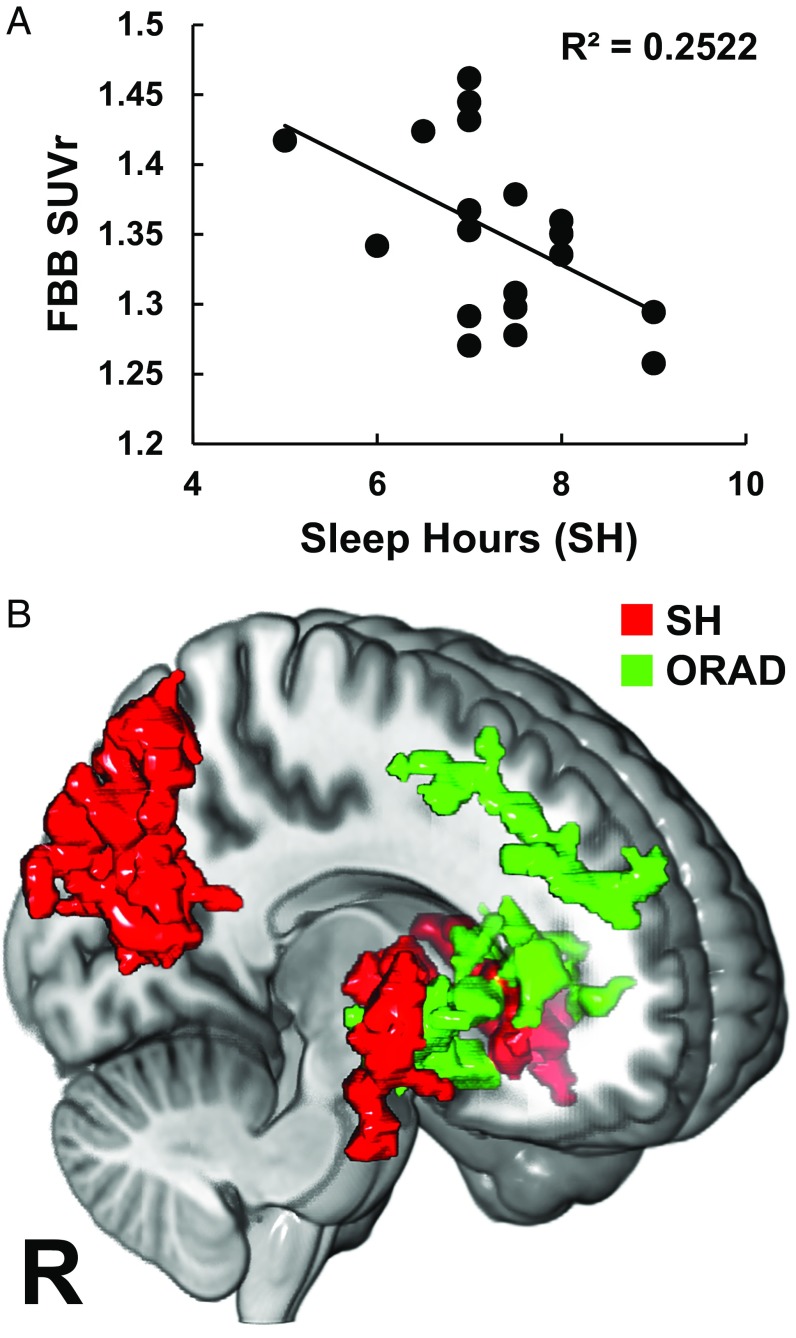
“In addition, the reported sleep hours from the normal controls in that study were negatively correlated with the baseline Aβ burden, which might imply an effect of chronic sleep deprivation [39].”
BackgroundInfluentialSelf-citationBlocker, E. M., Fry, A. C., Luebbers, P. E., Burns, J. M., Perales‐Puchalt, J., Hansen, D. T., & Vidoni, E. D. (2020) · Kansas Journal of Medicine · doi:10.17161/kjm.v13i.13872 · Cited by 14
Bufano, P., Albertini, N., Chiarelli, S., Barone, V., Valleggi, M., Parrini, G., Tognetti, A., Cesari, V., Gemignani, A., & Menicucci, D. (2022) · International Journal of Human-Computer Interaction · doi:10.1080/10447318.2022.2099047 · Cited by 13
“In addition, the sleep clearance function fails with sleep-wakefulness imbalance, with accumulation of b -Amyloid (Shokri-Kojori et al., 2018).”
Kroll, F., Donnelly, J., Özcan, G. G., Mackay, E., & Rihel, J. (2025) · eLife · doi:10.7554/elife.96839 · Cited by 13
Neurosurgery and the glymphatic system
Eide, P. K. (2024) · Acta Neurochirurgica · doi:10.1007/s00701-024-06161-4 · Cited by 13
“One night of sleep deprivation also increased accumulation of amyloid-β in the hippocampus and thalamus of healthy vol - unteers [67 ].”
BackgroundDrouka, A., Ntetsika, K.-D., Brikou, D., Mamalaki, E., Ntanasi, E., Chatzipanagiotou, S., Gu, Y., Scarmeas, N., & Yannakoulia, M. (2025) · European Journal of Nutrition · doi:10.1007/s00394-025-03651-8 · Cited by 12
“Various environmental factors, such as healthy eating habits [26 ], adequate sleep [ 27] and high activity levels [28], may delay the Aβ accumulation.”
Morrone, C. D., Tsang, A. A., & Yu, W. H. (2025) · Molecular Neurodegeneration · doi:10.1186/s13024-025-00877-2 · Cited by 12
IL-1b and TNF-a-driven sleep alterations: Neuroimmune mechanisms and behavioral implications
Zhang, N., Park, K., Chung, S., & Yim, Y. S. (2025) · Brain Behavior & Immunity - Health · doi:10.1016/j.bbih.2025.101139 · Cited by 12
Network Models of Neurodegeneration: Bridging Neuronal Dynamics and Disease Progression
Alexandersen, C. G., Brennan, G. S., Brynildsen, J. K., Henderson, M. X., Iturria‐Medina, Y., & Bassett, D. S. (2026) · IEEE Reviews in Biomedical Engineering · doi:10.1109/rbme.2025.3643310 · Cited by 13
“Experimental and human evidence further indicates that disrupting sleep or slow-wave activity elevates soluble A β /tau on short timescales, whereas augmenting slow waves via closed-loop stimulation can enhance oscillations and improve memory [193], [194].”
Sharma, H. S., Muresanu, D. F., Nozari, A., Lafuente, J. V., Buzoianu, A. D., Sahib, S., Tian, Z. R., Bryukhovetskiy, I., Manzhulo, I., Menon, P. K., et al. (2021) · Progress in brain research · doi:10.1016/bs.pbr.2021.04.008 · Cited by 12
Bidirectional Association Between Sleep and Brain Atrophy in Aging
Kokošová, V., Filip, P., Kec, D., & Baláž, M. (2021) · Frontiers in Aging Neuroscience · doi:10.3389/fnagi.2021.726662 · Cited by 13
Verovnik, B., Khachatryan, E., Šuput, D., & Hulle, M. M. V. (2023) · Alzheimer s & Dementia · doi:10.1002/alz.12991 · Cited by 12
An autonomic mode of brain activity
Kojori, E. S., Tomasi, D. G., Demiral, Ş. B., Wang, G., & Volkow, N. D. (2023) · Progress in Neurobiology · doi:10.1016/j.pneurobio.2023.102510 · Cited by 12
Self-citationGene-environment interaction and Mendelian randomisation
Kolber, P. L., & Krüger, R. (2019) · Revue Neurologique · doi:10.1016/j.neurol.2019.04.010 · Cited by 12
Distribution of Aquaporins 1 and 4 in the Central Nervous System.
Roşu, G. C., Pirici, I., Grigorie, A.-G., Istrate-Ofiţeru, A.-M., Iovan, L., Tudorica, V., & Pirici, D. N. (2019) · PubMed · doi:10.12865/chsj.45.02.14 · Cited by 12
“Some studies have shown that the glymphatic system is most useful during sleep and dysfunctional sleep correlates with amyloid accumulation [31,46].”
BackgroundSleep inhibition induced by amyloid‐β oligomers is mediated by the cellular prion protein
Gallo, F. D., Bianchi, S., Bertani, I., Messa, M., Colombo, L., Balducci, C., Salmona, M., Imeri, L., & Chiesa, R. (2020) · Journal of Sleep Research · doi:10.1111/jsr.13187 · Cited by 12
“Soluble Aβ levels rise with wakefulness and fall with sleep in humans (Bateman, Wen, Morris, & Holtzman, 2007; Kang et al., 2009; Shokri-Kojori et al., 2018) and animals (Kang et al., 2009; Xie et al., 2013).”
BackgroundConnecting Mind-Body Therapy-Mediated Effects to Pathological Features of Alzheimer’s Disease
Hüttenrauch, M., López‐Noguerola, J. S., & Castro‐Obregón, S. (2020) · Journal of Alzheimer s Disease · doi:10.3233/jad-200743 · Cited by 12
Zhao, Q., Yokomizo, S., Perle, S. J., Lee, Y. F., Zhou, H., Miller, M. R., Li, H., Gerashchenko, D., Gomperts, S. N., Bacskai, B. J., et al. (2024) · Scientific Reports · doi:10.1038/s41598-024-73082-8 · Cited by 11
Impaired glymphatic clearance is an important cause of Alzheimer’s disease
Hazzard, I., Batiste, M., Luo, T., Cheung, C., & Lui, F. (2024) · Exploration of Neuroprotective Therapy · doi:10.37349/ent.2024.00091 · Cited by 11
Brain Health in Sleep Disorders
Ji, K., & Yun, C. (2024) · Sleep Medicine Clinics · doi:10.1016/j.jsmc.2024.10.004 · Cited by 12
The impact of sleep and exercise on brain atrophy in mild cognitive impairment
Mian, M., Tahiri, J., Habbal, S., Aftan, F., & Reddy, P. H. (2024) · Mechanisms of Ageing and Development · doi:10.1016/j.mad.2024.112023 · Cited by 11
The Common Alzheimer's Disease Research Ontology (CADRO) for biomarker categorization
Osse, A. M. L., Kinney, J. W., & Cummings, J. L. (2025) · Alzheimer s & Dementia Translational Research & Clinical Interventions · doi:10.1002/trc2.70050 · Cited by 11
Somatization symptoms and burnout: a correlational study among emergency nurses
Li, N., Xie, N., Chen, X., Zhang, H., Zhong, L., Diao, D., Zhu, L., & Zhou, Y. (2025) · Frontiers in Public Health · doi:10.3389/fpubh.2025.1647123 · Cited by 11
“Sleep disturbances can have a serious negative impact on nurse health, patient safety, and social productivity (52, 53).”
Latella, D., Calderone, A., Casella, C., Luca, R. D., Gangemi, A., Impellizzeri, F., Caliri, S., Quartarone, A., & Calabrò, R. S. (2025) · Frontiers in Psychology · doi:10.3389/fpsyg.2025.1700496 · Cited by 11
Elevated tau and β-amyloid in the serum of fibromyalgia patients
Nguy, B.-H. T., Liu, W., Chang, Y.-T., Lin, C., & Kang, J. (2020) · CNS Spectrums · doi:10.1017/s1092852920002114 · Cited by 11
“This scale has a maximum score of 63: normal (0-9), mild (10-18), moderate (19-29), and severe (30-63) anxiety.”
BackgroundBurke, S. L., Grudzien, A., Li, T., Abril, M., Spadola, C., Barnes, C. P., Hanson, K., Grandner, M. A., & DeKosky, S. T. (2022) · Journal of Clinical Neuroscience · doi:10.1016/j.jocn.2022.07.012 · Cited by 11
Sleep-associated insulin resistance promotes neurodegeneration
Ramasubbu, K., Ramanathan, G., Venkatraman, G., & Rajeswari, V. D. (2023) · Molecular Biology Reports · doi:10.1007/s11033-023-08710-z · Cited by 11
“Neurodegeneration instigated by the short-term SD-induced insulin resistance in the brain and neural circuit mainly impacted the thalamus, hypothalamus, pars compacta, hippocampus, SCN, and spinal cord [111, 112].”
BackgroundPredicting neurodegeneration from sleep related biofluid changes
Yang, Y., Kim, W. S., Michaelian, J. C., Lewis, S. J. G., Phillips, C. L., D'Rozario, A. L., Chatterjee, P., Martins, R. N., Grunstein, R. R., Halliday, G. M., et al. (2023) · Neurobiology of Disease · doi:10.1016/j.nbd.2023.106369 · Cited by 11
Nakata, S., Iwasaki, K., Funato, H., Yanagisawa, M., & Ozaki, H. (2024) · Neuroscience Research · doi:10.1016/j.neures.2024.03.004 · Cited by 11
“…induced by SD and the expression of SIK3 (SLP) can eliminate the effects of sleep/wake history and distinguish the isolated effect of increased sleep pressure (Kim et al., 2022; Suzuki-Abe et al., 2021; Wang et al., 2018), enabling us to more directly study the impact of increased sleep pressure.”
BackgroundMueller, C., Nenert, R. E., Catiul, C., Pilkington, J., Szaflarski, J. P., & Amara, A. W. (2024) · Brain Research · doi:10.1016/j.brainres.2024.149016 · Cited by 12
Anwar, M. M., Pérez‐Martínez, L., & Pedraza‐Alva, G. (2024) · Immunological Investigations · doi:10.1080/08820139.2024.2358446 · Cited by 11
Mentink, L. J., Thomas, J., Melis, R. J. F., Rikkert, M. G. M. O., Overeem, S., & Claassen, J. A. H. R. (2020) · PLoS ONE · doi:10.1371/journal.pone.0237622 · Cited by 11
“Indeed, studies reported increased amyloid-β concentration in CSF [18] and an acute increase of amyloid-β assessed with PET and MRI [19] after one night of sleep deprivation compared to unrestricted sleep.”
BackgroundSleep and Tau Pathology in Vietnam War Veterans with Preclinical and Prodromal Alzheimer’s Disease
Andrews, M., Ross, R., Malhotra, A., Ancoli‐Israel, S., Brewer, J. B., Banks, S. J., & Initiative, A. D. N. (2021) · Journal of Alzheimer s Disease Reports · doi:10.3233/adr-200245 · Cited by 11
Les troubles du sommeil chez les patients atteints d’un trouble neurocognitif
Moderie, C., Carrier, J., & Dang‐Vu, T. T. (2021) · L Encéphale · doi:10.1016/j.encep.2021.08.014 · Cited by 11
Short sleep duration and dementia: a narrative review
Stephens, E. R., Sarangi, A., & Gude, J. G. (2022) · Baylor University Medical Center Proceedings · doi:10.1080/08998280.2022.2026123 · Cited by 12
Sleep Biomarkers Help Predict the Development of Alzheimer Disease
Grigg-Damberger, M. M., & Foldvary‐Schaefer, N. (2022) · Journal of Clinical Neurophysiology · doi:10.1097/wnp.0000000000000818 · Cited by 11
A Narrative Review on Obstructive Sleep Apnea in China: A Sleeping Giant in Disease Pathology
Wei, Y., Liu, Y., Ayas, N. T., & Laher, I. (2022) · Heart and Mind · doi:10.4103/hm.hm_49_22 · Cited by 11
Cavuoto, M. G., Kinsella, G., Ong, B., Pike, K. E., & Nicholas, C. L. (2019) · Current Alzheimer Research · doi:10.2174/1567205016666190301104645 · Cited by 11
Metadata
- Authors
- Shokri-Kojori, E., Wang, G.-J., Wiers, C. E., Demiral, S. B., Guo, M., Kim, S. W., Lindgren, E., Ramirez, V., Zehra, A., Freeman, C., Miller, G., Manza, P., Srivastava, T., De Santi, S., Tomasi, D., Benveniste, H., & Volkow, N. D.
- Affiliations
- Laboratory of Neuroimaging, National Institute on Alcohol Abuse and Alcoholism, National Institutes of Health, Bethesda, MD 20892;
- National Institutes of Health (US)
- Piramal Pharma Inc., Boston, MA 02108;
- Yale University (US)
- Corresponding author
- Wang, Gene-Jack
- Volkow, Nora D.
- ORCID
- Venue
- Proceedings of the National Academy of Sciences
- Publisher
- National Academy of Sciences
- Published
- 2018-04-09
- Volume
- 115
- Issue
- 17
- Pages
- 4483-4488
- ISSN
- 0027-8424 (ISSN-L)
- 1091-6490
- PMC
- PMC5924922
- OpenAlex
- W2797347068
- Cited by
- 893
- References
- 72
- Citations by year
- 2026: 107 · 2025: 133 · 2024: 117 · 2023: 114 · 2022: 104 · 2021: 94 · 2020: 128 · 2019: 76 · 2018: 19
- FWCI
- 54.34
- Type
- journal article
- Language
- en
- Open access
- hybrid
- doi.org
- Licence
- Locations
- Proceedings of the National Academy of Sciences (publishedVersion, cc-by-nc-nd)
- Europe PMC (PubMed Central) (publishedVersion, cc-by-nc-nd)
- PubMed Central (publishedVersion, cc-by-nc-nd)
- PubMed (publishedVersion)
- Funders
- HHS | NIH | National Institute on Alcohol Abuse and Alcoholism (Y1AA3009)
- Topics
- Life Sciences › Neuroscience › Cellular and Molecular Neuroscience › Alzheimer's disease research and treatments
- Life Sciences › Neuroscience › Cognitive Neuroscience › Sleep and Wakefulness Research
- Social Sciences › Psychology › Experimental and Cognitive Psychology › Sleep and Work-Related Fatigue
- Keywords
- amyloid-beta deposition, sleep deprivation, amyloid burden, hippocampus, thalamus, mood, APOE genotype, Alzheimer's disease risk, sleep duration, precuneus
- MeSH terms
- Adult, Aged, Alzheimer Disease, Apolipoproteins E, Female, Genotype, Hippocampus, Humans, Male, Middle Aged, Risk Factors, Sleep Deprivation, Thalamus, Amyloid beta-Peptides
About these checks
Registry, retraction, Cites and statistics results are computed, not judged, with one exception: a printed reference that no index lists is read once by a model before it counts as a citation error. Claims are extracted by a model and kept only when their quote appears verbatim in the text; each cited source is then checked, with a model’s help, for whether it says what the claim relies on. Those verdicts can be wrong — read the claim’s quote and the cited source before relying on one.
Statistics and arithmetic are recomputed, not judged.
Confidence bands are shown only for fields calibrated on our annotated test set. None is calibrated yet, so no band is shown.
What counts as a claim ›How we measure confidence ›How we check this ›
Are you an author, or do you see a problem with this page? Request a review
Data sources
Bibliographic data: Semantic Scholar, OpenAlex, Crossref.
Contains information from the Semantic Scholar Academic Graph Datasets, made available under the ODC Attribution License (ODC-BY 1.0).
Semantic Scholar’s data is described in: Kinney, R., et al. (2023). The Semantic Scholar Open Data Platform. arXiv:2301.10140.
