

β-Amyloid accumulation in the human brain after one night of sleep deprivation
Open accessThe DOI matches its Crossref record; 72 of the 72 references it cites were found in a registry or an index.
Abstract
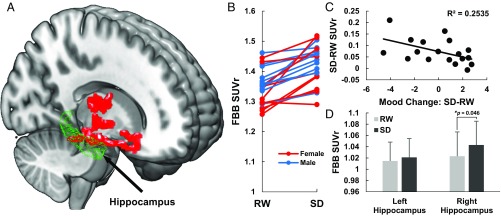
Significance: There has been an emerging interest in sleep and its association with β-amyloid burden as a risk factor for Alzheimer’s disease. Despite the evidence that acute sleep deprivation elevates β-amyloid levels in mouse interstitial fluid and in human cerebrospinal fluid, not much is known about the impact of sleep deprivation on β-amyloid burden in the human brain. Using positron emission tomography, here we show that acute sleep deprivation impacts β-amyloid burden in brain regions that have been implicated in Alzheimer’s disease. Our observations provide preliminary evidence for the negative effect of sleep deprivation on β-amyloid burden in the human brain.
Overview
The claims and statistics of this paper haven’t been checked yet.
Free: it reads the open-access text and checks the first 5 claims that cite a source we can check. Create a free account to check every claim.
Integrity signals
Registry
Cites
Statistics
Figures
Verification
Claims the paper makes
The claims and statistics of this paper haven’t been checked yet.
Free: it reads the open-access text and checks the first 5 claims that cite a source we can check. Create a free account to check every claim.
Claims other papers make about this one
Each is checked against this paper’s own text: does it say what the citing paper says it does?
The cited source doesn’t support the claim as written.
In the citing paper
“However, this usually occurs during deep sleep at the beginning of the night, which lasts one to two hours so is unlikely to be affected in those reporting sleep disturbances. (316-318)”
From Dementia prevention, intervention, and care: 2024 report of the Lancet standing Commission (2024) · cites this paper as [318]
Checked by a reasoning model — may be wrong.
Experimental — accuracy not yet measuredThe cited source says what the claim attributes to it.
In the citing paper
“These increases were negatively correlated with mood but were not associated with a particular AD-linked genotype (that is, the APOE genotype).”
From Rhythms of life: circadian disruption and brain disorders across the lifespan (2019) · cites this paper as [284]
The cited source says what the claim attributes to it.
In the citing paper
“Glymphatic fluid transport is enhanced during sleep14–19.”
From Norepinephrine-mediated slow vasomotion drives glymphatic clearance during sleep (2025) · cites this paper as [18]
The check wasn’t confident either way, so it gives no verdict — never disputed.
In the citing paper
“Soluble Aβ exerts a physiological function, modulating synaptic function and facilitating neuronal growth; furthermore, Aβ protects the brain from infections, repairs leaks in the blood–brain barrier, and promotes recovery from injury [57, 58].”
From Clinical trials of new drugs for Alzheimer disease (2020) · cites this paper as [58]
Experimental — accuracy not yet measuredIn the citing paper
“Indeed, PET imaging showed that a single night of sleep deprivation resulted in a significant increase in Amyloid-β burden in the hippocampus and thalamus (109).”
From Glymphatic failure as a final common pathway to dementia (2020) · cites this paper as [109]
1 more claim about this paper
Create a free account to see every claim other papers make about this one.
Self-check
Percentages, sums and reported differences re-computed from the paper’s own numbers.
The self-check needs the paper’s full text.
Citations
Cites
The Pittsburgh Sleep Quality Index: a new instrument for psychiatric practice and research
Buysse, D. J., Reynolds, C. F., Monk, T. H., Berman, S. R., & Kupfer, D. J. (1989) · Psychiatry Research · doi:10.1016/0165-1781(89)90047-4 · Cited by 35,234 · cited 1×
“The PSQI questionnaire (64) was administered to all participants (n = 20).”
MethodIliff, J. J., Wang, M., Liao, Y., Plogg, B. A., Peng, W., Gundersen, G. A., Benveniste, H., Vates, G. E., Deane, R., Goldman, S. A., et al. (2012) · Science Translational Medicine · doi:10.1126/scitranslmed.3003748 · Cited by 5,824
Self-citationSleep Drives Metabolite Clearance from the Adult Brain
Xie, L., Kang, H., Xu, Q., Chen, M. J., Liao, Y., Thiyagarajan, M., O’Donnell, J., Christensen, D. J., Nicholson, C., Iliff, J. J., et al. (2013) · Science · doi:10.1126/science.1241224 · Cited by 5,411
The minimal preprocessing pipelines for the Human Connectome Project
Glasser, M. F., Sotiropoulos, S. N., Wilson, J. A., Coalson, T. S., Fischl, B., Andersson, J. L., Xu, J., Jbabdi, S., Webster, M., Polimeni, J. R., et al. (2013) · NeuroImage · doi:10.1016/j.neuroimage.2013.04.127 · Cited by 5,253
Imaging brain amyloid in Alzheimer's disease with Pittsburgh Compound‐B
Klunk, W. E., Engler, H., Nordberg, A., Wang, Y., Blomqvist, G., Holt, D. P., Bergström, M., Savitcheva, I., Huang, G., Estrada, S., et al. (2004) · Annals of Neurology · doi:10.1002/ana.20009 · Cited by 4,496 · cited 3×
“There are several validated PET radiotracers for this purpose, including (18)Fflorbetaben (FBB) (22, 23).”
BackgroundPhases of Aβ-deposition in the human brain and its relevance for the development of AD
Thal, D. R., Rüb, U., Orantes, M., & Braak, H. (2002) · Neurology · doi:10.1212/wnl.58.12.1791 · Cited by 3,490 · cited 1×
“We also showed Aβ increases in the thalamus after SD, which is a brain region that shows increases in Aβ in the early stages of AD (33).”
BackgroundApolipoprotein E and Alzheimer disease: risk, mechanisms and therapy
Liu, C.-C., Kanekiyo, T., Xu, H., & Bu, G. (2013) · Nature Reviews Neurology · doi:10.1038/nrneurol.2012.263 · Cited by 3,459 · cited 1×
“SNPs of the APOE gene (rs7412 and rs429358) have been shown to influence brain glucose metabolism and ABB (67, 68).”
BackgroundAnalysis of fMRI Time-Series Revisited
Friston, K. J., Holmes, A. P., Poline, J.-B., Grasby, P. J., Williams, S. C. R., Frackowiak, R. S. J., & Turner, R. (1995) · NeuroImage · doi:10.1006/nimg.1995.1007 · Cited by 2,502
Blood-brain barrier breakdown in the aging human hippocampus
Montagne, A., Barnes, S. R., Sweeney, M. D., Halliday, M. R., Sagare, A. P., Zhao, Z., Toga, A. W., Jacobs, R. E., Liu, C. Y., Amezcua, L., et al. (2015) · Neuron · doi:10.1016/j.neuron.2014.12.032 · Cited by 2,102 · cited 1×
“Instead, changes in hippocampal volume, glucose metabolism (30), and the blood–brain barrier (46) were most evident in patients with early-stage AD.”
BackgroundSimplified Reference Tissue Model for PET Receptor Studies
Lammertsma, A. A., & Hume, S. P. (1996) · NeuroImage · doi:10.1006/nimg.1996.0066 · Cited by 2,021 · cited 3×
“Specifically, regional BPnd was 4486 | www.pnas.org/cgi/doi/10.1073/pnas.1721694115 Shokri-Kojori et al. D ow nl oa de d by g ue st o n Ju ly 1 , 2 02 1 calculated using a noninvasive simplified reference tissue model (SRTM) (61, 62) that was fitted to the time activity curve (0–120 min) derived from the subcortical c…”
MethodInfluential
Cited by
Items 201–300 of 1,001
Sex Hormones, Sleep, and Memory: Interrelationships Across the Adult Female Lifespan
Harrington, Y. A., Parisi, J. M., Duan, D., Rojo‐Wissar, D. M., Holingue, C., & Spira, A. P. (2022) · Frontiers in Aging Neuroscience · doi:10.3389/fnagi.2022.800278 · Cited by 47
“The parabrachial nucleus, which plays a regulatory role in respiration, contains numerous estrogen receptors, indicating the potential influence of estrogen on parabrachial nuclear functioning (Shughrue et al., 1997; Saleh and Connell, 2003; Chamberlin, 2004).”
BackgroundSleep-related and diurnal effects on brain diffusivity and cerebrospinal fluid flow
Tuura, R., Volk, C., Callaghan, F. M., Jaramillo, V., & Huber, R. (2021) · NeuroImage · doi:10.1016/j.neuroimage.2021.118420 · Cited by 47
Cerebrospinal fluid egress to human parasagittal dura and the impact of sleep deprivation
Eide, P. K., & Ringstad, G. A. (2021) · Brain Research · doi:10.1016/j.brainres.2021.147669 · Cited by 47
Association between Sleep, Alzheimer’s, and Parkinson’s Disease
Matsumoto, S., & Tsunematsu, T. (2021) · Biology · doi:10.3390/biology10111127 · Cited by 48
New awakenings: current understanding of sleep dysfunction and its treatment in Parkinson’s disease
Keir, L. H. M., & Breen, D. P. (2019) · Journal of Neurology · doi:10.1007/s00415-019-09651-z · Cited by 46
Brain Glymphatic/Lymphatic Imaging by MRI and PET
Lee, D. S., Suh, M., Sarker, A. K., & Choi, Y. (2020) · Nuclear Medicine and Molecular Imaging · doi:10.1007/s13139-020-00665-4 · Cited by 46
“mals [77, 78] and also in humans [74, 75] (Fig.”
BackgroundSEMYACHKINA-GLUSHKOVSKAYA, O. V., Fedosov, I. V., Penzel, T., Li, D., Yu, T., Telnova, V., Исмаиловна, К. Э., Saranceva, E. I., Terskov, A. V., Khorovodov, A. P., et al. (2023) · International Journal of Molecular Sciences · doi:10.3390/ijms24043221 · Cited by 47
“It is interesting to note that even one night of sleep deprivation causes an increase in the level of beta-amyloid (Aβ) protein in the brain of young and healthy volunteers [3,4].”
BackgroundCarpi, M., Fernandes, M., Mercuri, N. B., & Liguori, C. (2023) · Journal of Alzheimer s Disease · doi:10.3233/jad-230933 · Cited by 45
Association of rapid eye movement sleep latency with multimodal biomarkers of Alzheimer's disease
Jin, J., Chen, J., Cavaillès, C., Yaffe, K. S., Winer, J. R., Stankeviciute, L. S., Lucey, B. P., Zhou, X., Gao, S., Peng, D., et al. (2025) · Alzheimer s & Dementia · doi:10.1002/alz.14495 · Cited by 48
“9 However, which aspects of sleep architecture are most relevant to AD/ADRD pathophysiology is debatable.”
Sleep and brain morphological changes in the eighth decade of life
Aribisala, B. S., Riha, R. L., Hernández, M. V., Maniega, S. M., Cox, S. R., Radaković, R., Taylor, A. M., Pattie, A., Corley, J., Redmond, P. H., et al. (2019) · Sleep Medicine · doi:10.1016/j.sleep.2019.07.015 · Cited by 45
Yoo, S., Kim, H., Kim, J., Kim, E., Kowsari, K., Reet, J. V., & Yoon, K. (2022) · Scientific Reports · doi:10.1038/s41598-022-17314-9 · Cited by 45
Park, S., Bak, A., Kim, S., Nam, Y., Kim, H., Yoo, D.-H., & Moon, M. (2020) · Biomedicines · doi:10.3390/biomedicines8060150 · Cited by 44
Self-citationFoster, F. (2018) · PsyCh Journal · doi:10.1002/pchj.247 · Cited by 44
Emerging non-invasive MRI techniques for glymphatic system assessment in neurodegenerative disease
Botta, D., Hutuca, I., Ghoul, E. E., Sveikata, L., Assal, F., Lövblad, K., & Kurz, F. T. (2025) · Journal of Neuroradiology · doi:10.1016/j.neurad.2025.101322 · Cited by 45
Glymphatic system: a self-purification circulation in brain
Chen, S., Wang, H., Zhang, L., Xi, Y., Lu, Y., Yu, K., Zhu, Y., Regina, I., Bi, Y., & Tong, F. (2025) · Frontiers in Cellular Neuroscience · doi:10.3389/fncel.2025.1528995 · Cited by 45
Welcome, M. O. (2020) · PharmaNutrition · doi:10.1016/j.phanu.2020.100176 · Cited by 44
Xiao, S., Liu, Y.-J., Wang, L., Sha, Z., Che, X., Yu, Z., & Lee, S. (2022) · Frontiers in Cellular Neuroscience · doi:10.3389/fncel.2022.875138 · Cited by 44
CSF circulation and dispersion yield rapid clearance from intracranial compartments
Hornkjøl, M., Valnes, L. M., Ringstad, G. A., Rognes, M. E., Eide, P. K., Mardal, K., & Vinje, V. (2022) · Frontiers in Bioengineering and Biotechnology · doi:10.3389/fbioe.2022.932469 · Cited by 44
Understanding neuron-glia crosstalk and biological clocks in insomnia
Carvalhas-Almeida, C., Serra, J., Moita, J. J., Cavadas, C., & Álvaro, A. R. (2023) · Neuroscience & Biobehavioral Reviews · doi:10.1016/j.neubiorev.2023.105100 · Cited by 43
Bidirectional relationships between sleep and amyloid-beta in the hippocampus
Dufort‐Gervais, J., Mongrain, V., & Brouillette, J. (2018) · Neurobiology of Learning and Memory · doi:10.1016/j.nlm.2018.06.009 · Cited by 43
Zhou, Y., Chen, Q., Wang, Y., Wu, H., Xu, W., Pan, Y., Gao, S., Dong, X., Zhang, J. H., & Shao, A. (2020) · Frontiers in Neuroscience · doi:10.3389/fnins.2020.00581 · Cited by 43
“Notably, sleep deprivation itself is an important predisposing factor for the development of neurodegenerative diseases (Boespflug and Iliff, 2018; Shokri-Kojori et al., 2018; Cordone et al., 2019).”
BackgroundDefining novel functions for cerebrospinal fluid in ALS pathophysiology
Kwong, K. C. N. K., Mehta, A. R., Nedergaard, M., & Chandran, S. (2020) · Acta Neuropathologica Communications · doi:10.1186/s40478-020-01018-0 · Cited by 43
Regulation of beta-amyloid production in neurons by astrocyte-derived cholesterol
Wang, H., Kulas, J. A., Ferris, H. A., & Hansen, S. B. (2020) · bioRxiv (Cold Spring Harbor Laboratory) · doi:10.1101/2020.06.18.159632 · Cited by 42
The glymphatic system and multiple sclerosis: An evolving connection
Alghanimy, A., Work, L. M., & Holmes, W. M. (2024) · Multiple Sclerosis and Related Disorders · doi:10.1016/j.msard.2024.105456 · Cited by 42
Uchida, K. S. K., Meno, K., Korenaga, T., Liu, S., Suzuki, H., Baba, Y., Tagata, C., Araki, Y., Tsunemi, S., Aso, K., et al. (2024) · PLoS ONE · doi:10.1371/journal.pone.0309287 · Cited by 42
“Sleep disturbance is a risk factor for AD, and sleep deprivation leads to increased inflammation and amyloid beta (A β ) burden in the brain [17, 18].”
BackgroundYang, Z., Williams, S. D., Beldzik, E., Anakwe, S. U., Schimmelpfennig, E., & Lewis, L. D. (2025) · Nature Neuroscience · doi:10.1038/s41593-025-02098-8 · Cited by 42
“Finally, although several studies have shown that sleep clears the neurotoxic waste products that accumulate during wakefulness 40,80,81,84,85 , a recent study reported the opposite pattern, with reduced clearance during sleep 86 .”
Liu, P., Zhao, B., Wei, M., Li, Y., Liu, J., Ma, L., Shang, S., Huo, K., Wang, J., Li, R., et al. (2020) · Journal of Alzheimer s Disease · doi:10.3233/jad-191317 · Cited by 42
Sleep is bi-directionally modified by amyloid beta oligomers
Özcan, G. G., Lim, S., Leighton, P. L. A., Allison, W. T., & Rihel, J. (2020) · eLife · doi:10.7554/elife.53995 · Cited by 43
New and Emerging Approaches to Better Define Sleep Disruption and Its Consequences
Lechat, B., Scott, H., Naik, G. R., Hansen, K. L., Nguyen, D. P., Vakulin, A., CATCHESIDE, P. G., & Eckert, D. J. (2021) · Frontiers in Neuroscience · doi:10.3389/fnins.2021.751730 · Cited by 42
“…the concentration of melatonin (in pmol/mL) via a blood draw or via half-hourly saliva samples for at least 3–4 h before bedtime, under dim-light conditions (light intensity 10 lux) while the individual remains relatively stationary and avoids consuming food and drinks (Sletten et al., 2018).”
MethodSleep deprivation: A risk factor for the pathogenesis and progression of Alzheimer's disease
Han, Z., Yang, X., & Huang, S. (2024) · Heliyon · doi:10.1016/j.heliyon.2024.e28819 · Cited by 42
“Measurement of brain A β burden in adults after one night of SD using PET and (18)F-florbetaben revealed that one night of SD resulted in a significant increase in A β burden in the right hippocampus and thalamus [34].”
MethodMa, T., Wang, F., Xu, S., & Huang, J. H. (2021) · Brain Behavior and Immunity · doi:10.1016/j.bbi.2021.01.028 · Cited by 42
Wilkins, H., Troutwine, B., Menta, B. W., Manley, S., Strope, T., Lysaker, C., & Swerdlow, R. H. (2021) · Journal of Alzheimer s Disease · doi:10.3233/jad-215280 · Cited by 41
Sensitivity analysis on a network model of glymphatic flow
Boster, K. A. S., Tithof, J., Cook, D. D., Thomas, J. H., & Kelley, D. H. (2022) · Journal of The Royal Society Interface · doi:10.1098/rsif.2022.0257 · Cited by 38
Etiology of Alzheimer's Disease
Zhang, C. M. (2023) · Discovery Medicine · doi:10.24976/discov.med.202335178.71 · Cited by 40
Sleep Disturbances and Cognitive Impairment in the Course of Type 2 Diabetes-A Possible Link
Brzecka, A., Madetko‐Alster, N., Nikolenko, V. N., Ashraf, G. M., Ejma, M., Leszek, J., Daroszewski, C., Sarul, K., Михалева, Л. М., Somasundaram, S. G., et al. (2020) · Current Neuropharmacology · doi:10.2174/1570159x18666200309101750 · Cited by 39
“Similarly, in humans, there is decreased Aβ clearance with chronically decreased nocturnal sleep duration [165], as well as after one night of total sleep deprivation [166].”
BackgroundGlymphatic Dysfunction in Migraine Mice Model
Huang, W., Zhang, Y., Zhou, Y., Zong, J., Qiu, T., Hu, L., Pan, S., & Xiao, Z. (2023) · Neuroscience · doi:10.1016/j.neuroscience.2023.07.027 · Cited by 38
Sighencea, M. G., Popescu, R. Ș., & Trifu, S. C. (2024) · International Journal of Molecular Sciences · doi:10.3390/ijms252212311 · Cited by 38
Head Position During Sleep: Potential Implications for Patients with Neurodegenerative Disease
Levendowski, D. J., Gamaldo, C. E., Louis, E. K. S., Ferini‐Strambi, L., Hamilton, J. M., Salat, D. H., Westbrook, P. R., & Berka, C. (2019) · Journal of Alzheimer s Disease · doi:10.3233/jad-180697 · Cited by 38
Dopamine D1 and D2 receptors are distinctly associated with rest-activity rhythms and drug reward
Zhang, R., Manza, P., Tomasi, D. G., Kim, S. W., Kojori, E. S., Demiral, Ş. B., Kroll, D. S., Feldman, D. E., McPherson, K. L., Biesecker, C. L., et al. (2021) · Journal of Clinical Investigation · doi:10.1172/jci149722 · Cited by 39
“Given the seeming independence between circadian/diurnal rhythms and sleep homeostasis (24, 52) and that sleep affects numerous mechanisms beyond those modulated by DA, such as clearance of β-amyloid from the human brain (102), interventions combining circadian and sleep components would maximize their beneficial effe…”
BackgroundSelf-citationTarga, A., Benitez, I. D., Dakterzada, F., Araújo, J. F., Mínguez, O., Zetterberg, H., Blennow, K., Barbé, F., & Piñol‐Ripoll, G. (2021) · Alzheimer s Research & Therapy · doi:10.1186/s13195-021-00903-7 · Cited by 39
“Sleep is an important process for memory consolidation [41] and sleep deprivation or pharmacologically induced wakefulness increase the levels of Aβ42 [42, 43].”
BackgroundSleep disorders and risk of alzheimer's disease: A two-way road
Lacerda, R. A. V., Desio, J. A. F., Kammers, C. M., Henkes, S. F. C., de Sá, M. F., de Souza, E. F., da Silva, D. M., Gusmão, C. T. P., & dos Santos, J. C. C. (2024) · Ageing Research Reviews · doi:10.1016/j.arr.2024.102514 · Cited by 37
Havekes, R., Heckman, P. R. A., Wams, E. J., Stasiukonyte, N., Meerlo, P., & Eisel, U. L. M. (2019) · Cellular Signalling · doi:10.1016/j.cellsig.2019.109420 · Cited by 29
Novel PET Biomarkers to Disentangle Molecular Pathways across Age-Related Neurodegenerative Diseases
Wilson, H., Politis, M., Rabiner, E. A., & Middleton, L. T. (2020) · Cells · doi:10.3390/cells9122581 · Cited by 37
“In healthy humans, the amyloid-β burden is increased after one night of sleep deprivation [349].”
BackgroundRole of astrocytes in sleep deprivation: accomplices, resisters, or bystanders?
Que, M., Li, Y., Wang, X., Zhan, G., Luo, X., & Zhou, Z. (2023) · Frontiers in Cellular Neuroscience · doi:10.3389/fncel.2023.1188306 · Cited by 37
“It has been widely reported that SD impairs the glymphatic system due to the accumulation of neurotoxic substances (Shokri-Kojori et al., 2018).”
BackgroundResultTobore, T. O. (2019) · Journal of Alzheimer s Disease · doi:10.3233/jad-181052 · Cited by 37
How Do Cognitively Stimulating Activities Affect Cognition and the Brain Throughout Life?
Mather, M. (2020) · Psychological Science in the Public Interest · doi:10.1177/1529100620941808 · Cited by 36
“One possibility is that the imaging studies reflect something more temporary than the postmortem studies; a recent study suggests that amyloid binding on PET can be affected by just one night of sleep deprivation (Shokri-Kojori et al., 2018), as is also the case for cerebrospinal levels of amyloid-β (Ooms et al.”
Chauhan, A. K., & Mallick, B. N. (2019) · Sleep Medicine · doi:10.1016/j.sleep.2019.04.019 · Cited by 36
Mukli, P., Csípő, T., Lipécz, Á., Stylianou, O., Rácz, F. S., Owens, C. D., Perry, J. W., Tarantini, S., Sorond, F. A., Kellawan, J. M., et al. (2021) · Brain and Behavior · doi:10.1002/brb3.2135 · Cited by 36
Wang, X.-X., Cao, Q., Teng, J., Wang, R., Yang, Z., Wang, M., & Cao, Z. (2022) · European Radiology · doi:10.1007/s00330-022-08649-y · Cited by 37
“For imaging tools, PET and 18F-florbetaben are used to measure brain Aβ accumulation in individuals after sleep deprivation [56].”
BackgroundMethodPosttraumatic Stress Disorder, Traumatic Brain Injury, Sleep, and Performance in Military Personnel
Moore, B. A., Brock, M. S., Brager, A. J., Collen, J. F., LoPresti, M. L., & Mysliwiec, V. (2020) · Sleep Medicine Clinics · doi:10.1016/j.jsmc.2019.11.004 · Cited by 36
Sleep, brain vascular health and ageing
Mahalakshmi, A. M., Ray, B., Tuladhar, S., Bhat, A., Bishir, M., Bolla, S. R., Yang, J. P., Essa, M. M., Chidambaram, S. B., Guillemin, G. J., et al. (2020) · GeroScience · doi:10.1007/s11357-020-00235-8 · Cited by 36
Semyachkina-Glushkovskaya, O. V., Penzel, T., Poluektov, M. G., Fedosov, I. V., Tsoy, M. O., Terskov, A. V., Blokhina, I., Сидоров, В. В., & Kurths, J. (2023) · International Journal of Molecular Sciences · doi:10.3390/ijms241310946 · Cited by 35
Hanert, A., Schönfeld, R., Weber, F. D., Nowak, A., Döhring, J., Philippen, S., Granert, O., Burgalossi, A., Born, J., Berg, D., et al. (2023) · Neurobiology of Disease · doi:10.1016/j.nbd.2023.106378 · Cited by 34
Loss of glymphatic homeostasis in heart failure
Kritsilis, M., Vanherle, L., Rosenholm, M., Zandt, R. I. ‘., Yao, Y., Swanberg, K. M., Weikop, P., Gottschalk, M., Shanbhag, N. C., Luo, J., et al. (2024) · Brain · doi:10.1093/brain/awae411 · Cited by 34
“39,49,50 Type II diabetes mellitus is a disease which is characterized by increased glymphatic influx and impaired glym-phatic clearance, and interestingly this mismatch correlates with the degree of cognitive decline.”
The Microbiota–Gut–Brain Axis: Key Mechanisms Driving Glymphopathy and Cerebral Small Vessel Disease
Nassir, C. M. N. C. M., Ramli, M. D. C., Ghazali, M. M., Jaffer, U., Hamid, H. A., Mehat, M. Z., & Hein, Z. M. (2024) · Life · doi:10.3390/life15010003 · Cited by 34
Sleep and ageing: from human studies to rodent models
McKillop, L. E., & Vyazovskiy, V. V. (2020) · Current Opinion in Physiology · doi:10.1016/j.cophys.2020.03.004 · Cited by 35
An, J., Williams, J. P., Wang, Y., Fang, Q.-W., Shi, L., Liu, H., & Zhang, W.-H. (2020) · Nature and Science of Sleep · doi:10.2147/nss.s262991 · Cited by 34
Aberrant waste disposal in neurodegeneration: why improved sleep could be the solution
Wafford, K. A. (2021) · Cerebral Circulation - Cognition and Behavior · doi:10.1016/j.cccb.2021.100025 · Cited by 34
Sleep medicine: Practice, challenges and new frontiers
Parrino, L., Halász, P., Szűcs, A., THOMAS, R. J., Azzi, N., Rausa, F., Pizzarotti, S., Zilioli, A., Misirocchi, F., & Mutti, C. (2022) · Frontiers in Neurology · doi:10.3389/fneur.2022.966659 · Cited by 34
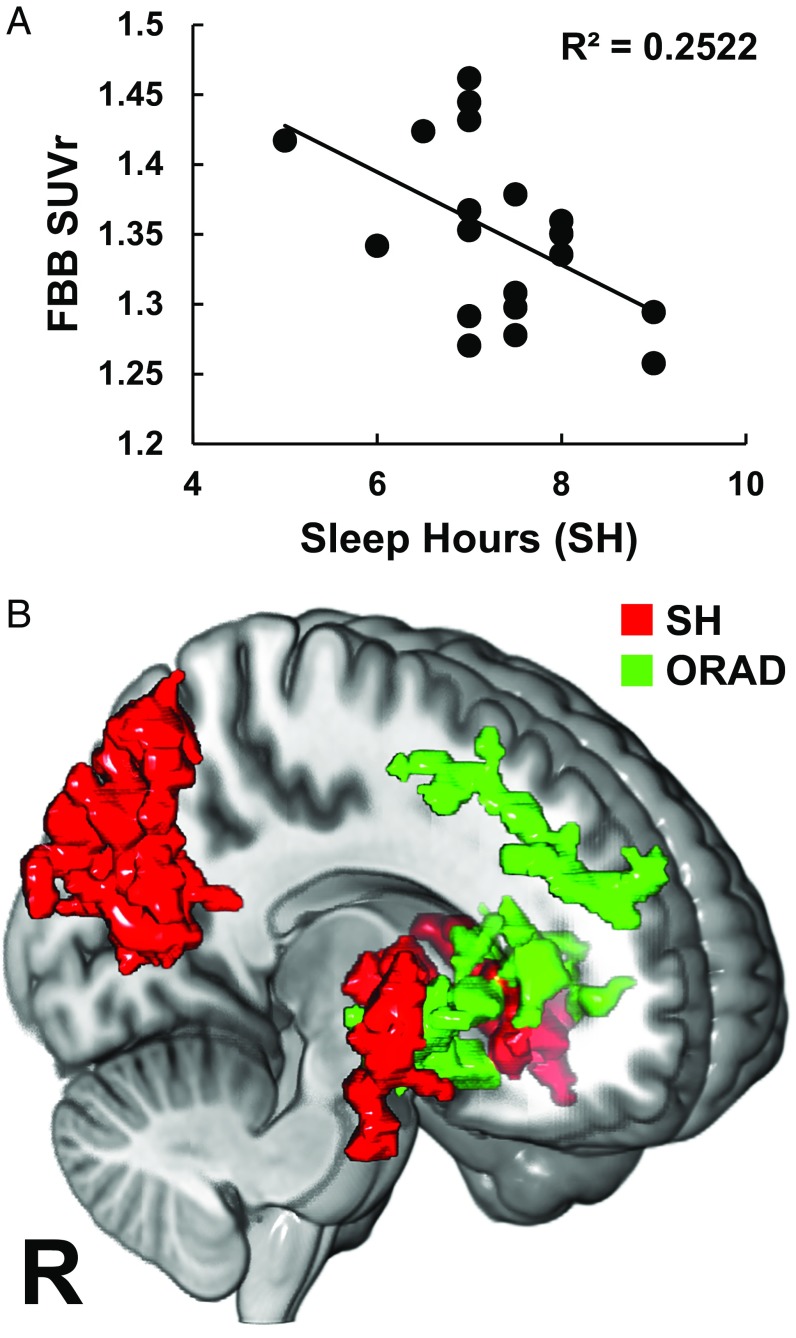
“Sleep duration influences the amount of cortical deposition of Ab in healthy sleepers (318).”
BackgroundSleep and Attention in Alzheimer's Disease.
Hennawy, M., Sabovich, S., Liu, C. S., Herrmann, N., & Lanctôt, K. L. (2019) · PubMed Central · Cited by 35
Yin, C., Zhang, M., Cheng, L., Ding, L., Lv, Q., Huang, Z., Zhou, J., Chen, J., Wang, P., Zhang, S., et al. (2024) · Frontiers in Pharmacology · doi:10.3389/fphar.2024.1430599 · Cited by 33
Taoka, T., Ito, R., Nakamichi, R., Nakane, T., Kawai, H., & Naganawa, S. (2022) · Magnetic Resonance in Medical Sciences · doi:10.2463/mrms.rev.2022-0012 · Cited by 33
Zeller, C. J., Züst, M. A., Wunderlin, M., Nissen, C., & Klöppel, S. (2023) · Journal of Sleep Research · doi:10.1111/jsr.13818 · Cited by 33
“Consequently, poor sleep can impact fundamental neurobiological processes: a single night of sleep deprivation in healthy adults leads to diminished Aβ clearance from the brain (Falter & Van Den Bossche, 2021; Ooms et al., 2014; Shokri-Kojori et al., 2018).”
BackgroundChu, C., Holst, S. C., Elmenhorst, E., Foerges, A. L., Li, C., Lange, D., Hennecke, E., Baur, D. M., Beer, S., Hoffstaedter, F., et al. (2023) · Journal of Neuroscience · doi:10.1523/jneurosci.0790-22.2023 · Cited by 34
Mullane, K., & Williams, M. (2018) · Biochemical Pharmacology · doi:10.1016/j.bcp.2018.09.027 · Cited by 32
Glymphatic clearance is enhanced during sleep
Kroesbergen, E., Riesselmann, L. V., Gomolka, R. S., Plá, V., Esmail, T., Stenmo, V. H., Kovács, E. R., Nielsen, E. S., Goldman, S. A., Nedergaard, M., et al. (2024) · doi:10.1101/2024.08.24.609514 · Cited by 32
Bonnar, O., Eyre, B., & van Veluw, S. J. (2025) · Neurotherapeutics · doi:10.1016/j.neurot.2025.e00535 · Cited by 32
“Remarkably, a study in healthy human participants that underwent one night of sleep deprivation found an increase in A β deposition within the hippocampus [69] and reductions in slow-wave-sleep (SWS) have been associated with increases in CSF levels of A β in healthy participants as well [70,71].”
Maezono, S. E. B., Kanuka, M., Tatsuzawa, C., Morita, M., Kawano, T., Kashiwagi, M., Nondhalee, P., Sakaguchi, M., Saito, T., Saido, T. C., et al. (2020) · eNeuro · doi:10.1523/eneuro.0093-20.2020 · Cited by 32
“Moreover, recent studies in humans and animal models revealed that sleep deprivation or fragmentation accelerates Ab accumulation and may thus contribute to the progression of AD (Kang et al., 2009; Minakawa et al., 2017; Shokri-Kojori et al., 2018).”
BackgroundThe Glymphatic System and Pain
Goldman, N., Hablitz, L. M., Mori, Y., & Nedergaard, M. (2020) · Medical Acupuncture · doi:10.1089/acu.2020.1489 · Cited by 32
Li, S., Hu, S., Liu, R., Liang, S., He, M., & Sun, J. (2022) · Journal of Building Engineering · doi:10.1016/j.jobe.2022.104375 · Cited by 32
Nikolenko, V. N., Oganesyan, M. V., Vovkogon, A. D., Nikitina, A. T., Sozonova, E. A., Kudryashova, V. A., Rizaeva, N. A., Cabezas, R., Ávila-Rodriguez, M., Неганова, М. Е., et al. (2019) · Current Neuropharmacology · doi:10.2174/1570159x17666191113103850 · Cited by 32
“Emphasis has been placed on the role of aquaporin-4, cerebrovascular pulsation, and clearance of metabolites in CNS [10, 31, 32, 48, 64].”
BackgroundInfluentialBerteotti, C., Liguori, C., & Pace, M. (2020) · European Journal of Neuroscience · doi:10.1111/ejn.15077 · Cited by 32
“It has been consistently shown that sleep deprivation (and in a second study only partial sleep deprivation) induces the increase of CSF Aβ42 levels and the deposition of Aβ in the brain (Lucey et al., 2018; Ooms et al., 2014; Shokri-Kojori et al., 2018).”
BackgroundAltered amyloid-β and tau proteins in neural-derived plasma exosomes in obstructive sleep apnea
Sun, H., Gao, Y., Li, M., Zhang, S., Shen, T., Yuan, X., Shang, X., Li, Z., & Zhang, J. (2022) · Sleep Medicine · doi:10.1016/j.sleep.2022.03.021 · Cited by 31
Acute sleep interventions as an avenue for treatment of trauma-associated disorders
Swift, K. M., Thomas, C. L., Balkin, T. J., Lowery‐Gionta, E. G., & Matson, L. M. (2022) · Journal of Clinical Sleep Medicine · doi:10.5664/jcsm.10074 · Cited by 31
Satpati, A., Neylan, T. C., & Grinberg, L. T. (2023) · Alzheimer s & Dementia Translational Research & Clinical Interventions · doi:10.1002/trc2.12379 · Cited by 31
Neuro-regeneration Therapeutic for Alzheimer’s Dementia: Perspectives on Neurotrophic Activity
Sun, M., & Alkon, D. L. (2019) · Trends in Pharmacological Sciences · doi:10.1016/j.tips.2019.07.008 · Cited by 31
Chen, G., Yang, K. Y., Du, W., Hu, X., & Han, Y. (2019) · Journal of Alzheimer s Disease · doi:10.3233/jad-190501 · Cited by 30
Sleep disorders in Alzheimer’s disease: the predictive roles and potential mechanisms
Kuang, H., Zhu, Y., Zhou, Z., Yang, M.-W., Hong, F.-F., & Yang, M.-W. (2021) · Neural Regeneration Research · doi:10.4103/1673-5374.308071 · Cited by 32
Alfini, A. J., Albert, M., Faria, A. V., Soldan, A., Pettigrew, C. A., Wanigatunga, S., Zipunnikov, V., & Spira, A. P. (2021) · SLEEP Advances · doi:10.1093/sleepadvances/zpab007 · Cited by 30
Sleep–Wake Disorders in Alzheimer’s Disease: A Review
Sun, Y.-Y., Wang, Z., Zhou, H.-Y., & Huang, H. (2022) · ACS Chemical Neuroscience · doi:10.1021/acschemneuro.2c00097 · Cited by 30
Poorer sleep impairs brain health at midlife
Namsrai, T., Ambikairajah, A., & Cherbuin, N. (2023) · Scientific Reports · doi:10.1038/s41598-023-27913-9 · Cited by 30
Fatima, G., Ashiquzzaman, A., Kim, S. S., Kim, Y. R., Kwon, H.-S., & Chung, E. (2025) · Neurobiology of Disease · doi:10.1016/j.nbd.2025.106877 · Cited by 30
Self-citationHigh temperature promotes amyloid β-protein production and γ-secretase complex formation via Hsp90
Noorani, A. A., Yamashita, H., Gao, Y., Islam, S., Sun, Y., Nakamura, T., Enomoto, H., Zou, K., & Michikawa, M. (2020) · Journal of Biological Chemistry · doi:10.1074/jbc.ra120.013845 · Cited by 29
“A recent study on humans suggests that one night of sleep deprivation leads to an increase in Ab production of about 5% (17).”
BackgroundOn the relationships between epilepsy, sleep, and Alzheimer’s disease: A narrative review
Hanke, J.-M., Schindler, K. A., & Seiler, A. (2022) · Epilepsy & Behavior · doi:10.1016/j.yebeh.2022.108609 · Cited by 29
A Dichotomous Role for FABP7 in Sleep and Alzheimer’s Disease Pathogenesis: A Hypothesis
Needham, H., Torpey, G., Flores, C. C., Davis, C. J., Vanderheyden, W. M., & Gerstner, J. R. (2022) · Frontiers in Neuroscience · doi:10.3389/fnins.2022.798994 · Cited by 29
Mechanisms behind changes of neurodegeneration biomarkers in plasma induced by sleep deprivation
Eide, P. K., Lashkarivand, A., Pripp, A. H., Valnes, L. M., Hovd, M. H., Ringstad, G. A., Blennow, K., & Zetterberg, H. (2023) · Brain Communications · doi:10.1093/braincomms/fcad343 · Cited by 29
Does Sleep Flush Wastes From the Brain?
Komaroff, A. L. (2021) · JAMA · doi:10.1001/jama.2021.5631 · Cited by 29
Maintaining brain health across the lifespan
García‐García, I., Donica, O., Cohen, A. A., Gonseth, S., Heini, A. F., Nusslé, S. C., Pichard, C., Rietschel, E., Tanačković, G., Folli, S., et al. (2023) · Neuroscience & Biobehavioral Reviews · doi:10.1016/j.neubiorev.2023.105365 · Cited by 28
Clement, A., Wiborg, O., & Asuni, A. A. (2020) · Frontiers in Aging Neuroscience · doi:10.3389/fnagi.2020.00056 · Cited by 28
Dementia Prevention in Clinical Practice
Niotis, K., Akiyoshi, K., Carlton, C., & Isaacson, R. (2022) · Seminars in Neurology · doi:10.1055/s-0042-1759580 · Cited by 28
Assessment of glymphatic function in narcolepsy using DTI-ALPS index
Gümeler, E., Aygun, E., Tezer, F. İ., Sarıtaş, E. Ü., & Oğuz, K. K. (2022) · Sleep Medicine · doi:10.1016/j.sleep.2022.12.002 · Cited by 29
Reciprocal relationships between sleep and smell
Gaeta, G., & Wilson, D. A. (2022) · Frontiers in Neural Circuits · doi:10.3389/fncir.2022.1076354 · Cited by 29
“Impaired sleep leads to a build-up of amyloid-beta (Shokri-Kojori et al., 2018).”
BackgroundSelbæk‐Tungevåg, S., Selbæk, G., Strand, B. H., Myrstad, C., Livingston, G., Lydersen, S., Bergh, S., & Ernstsen, L. (2023) · Journal of Sleep Research · doi:10.1111/jsr.13820 · Cited by 28
“The hypothesis that sleep disturbance is a risk factor for dementia is supported by studies showing accumulation of beta-amyloid, a hallmark of Alzheimer's disease (AD), in the central nervous system in response to sleep deprivation (Shokri-Kojori et al., 2018).”
BackgroundÖrzsik, B., Palombo, M., Asllani, I., Dijk, D., Harrison, N. A., & Cercignani, M. (2023) · NeuroImage · doi:10.1016/j.neuroimage.2023.120124 · Cited by 28
Effects of sleep on brain perivascular space in a cognitively healthy population
Shih, N., Barisano, G., Lincoln, K. D., Mack, W. J., Sepehrband, F., & Choupan, J. (2023) · Sleep Medicine · doi:10.1016/j.sleep.2023.09.024 · Cited by 29
The state of brain activity modulates cerebrospinal fluid transport
Miyakoshi, L. M., Stæger, F. F., Li, Q., Pan, C., Xie, L., Kang, H., Pavan, C., Dang, J., Sun, Q., Ertürk, A., et al. (2023) · Progress in Neurobiology · doi:10.1016/j.pneurobio.2023.102512 · Cited by 27
Dual orexin receptor antagonists as promising therapeutics for Alzheimer’s disease
Ragsdale, S. M., Radovich, J. M., Coiduras, I. I., McCall, W. V., Grant, S. C., Lee, C. S., & Wilber, A. A. (2025) · npj Biological Timing and Sleep · doi:10.1038/s44323-025-00025-5 · Cited by 28
“Some studies in humans have found evidence that disrupted sleep can be a primary cause of AD by contributing to an increase of A β levels, as seen after sleep deprivation 17,30 .”
Optical coherence tomography reveals light-dependent retinal responses in Alzheimer’s disease
Bissig, D., Zhou, C. G., Le, V., & Bernard, J. T. (2020) · NeuroImage · doi:10.1016/j.neuroimage.2020.117022 · Cited by 27
Lin, W., Lin, Y., Yang, F., Chung, C., Hu, J., Tsao, C., Weng, Z., Ko, C.-A., & Chien, W. (2023) · Sleep Medicine · doi:10.1016/j.sleep.2023.05.014 · Cited by 27
Sex hormones, vascular factors and cognition
Szoeke, C. E. I., Downie, S., Parker, A. F., & Phillips, S. (2021) · Frontiers in Neuroendocrinology · doi:10.1016/j.yfrne.2021.100927 · Cited by 27
Metadata
- Authors
- Shokri-Kojori, E., Wang, G.-J., Wiers, C. E., Demiral, S. B., Guo, M., Kim, S. W., Lindgren, E., Ramirez, V., Zehra, A., Freeman, C., Miller, G., Manza, P., Srivastava, T., De Santi, S., Tomasi, D., Benveniste, H., & Volkow, N. D.
- Affiliations
- Laboratory of Neuroimaging, National Institute on Alcohol Abuse and Alcoholism, National Institutes of Health, Bethesda, MD 20892;
- National Institutes of Health (US)
- Piramal Pharma Inc., Boston, MA 02108;
- Yale University (US)
- Corresponding author
- Wang, Gene-Jack
- Volkow, Nora D.
- ORCID
- Venue
- Proceedings of the National Academy of Sciences
- Publisher
- National Academy of Sciences
- Published
- 2018-04-09
- Volume
- 115
- Issue
- 17
- Pages
- 4483-4488
- ISSN
- 0027-8424 (ISSN-L)
- 1091-6490
- PMC
- PMC5924922
- OpenAlex
- W2797347068
- Cited by
- 893
- References
- 72
- Citations by year
- 2026: 107 · 2025: 133 · 2024: 117 · 2023: 114 · 2022: 104 · 2021: 94 · 2020: 128 · 2019: 76 · 2018: 19
- FWCI
- 54.34
- Type
- journal article
- Language
- en
- Open access
- hybrid
- doi.org
- Licence
- Locations
- Proceedings of the National Academy of Sciences (publishedVersion, cc-by-nc-nd)
- Europe PMC (PubMed Central) (publishedVersion, cc-by-nc-nd)
- PubMed Central (publishedVersion, cc-by-nc-nd)
- PubMed (publishedVersion)
- Funders
- HHS | NIH | National Institute on Alcohol Abuse and Alcoholism (Y1AA3009)
- Topics
- Life Sciences › Neuroscience › Cellular and Molecular Neuroscience › Alzheimer's disease research and treatments
- Life Sciences › Neuroscience › Cognitive Neuroscience › Sleep and Wakefulness Research
- Social Sciences › Psychology › Experimental and Cognitive Psychology › Sleep and Work-Related Fatigue
- Keywords
- amyloid-beta deposition, sleep deprivation, amyloid burden, hippocampus, thalamus, mood, APOE genotype, Alzheimer's disease risk, sleep duration, precuneus
- MeSH terms
- Adult, Aged, Alzheimer Disease, Apolipoproteins E, Female, Genotype, Hippocampus, Humans, Male, Middle Aged, Risk Factors, Sleep Deprivation, Thalamus, Amyloid beta-Peptides
About these checks
Registry, retraction, Cites and statistics results are computed, not judged, with one exception: a printed reference that no index lists is read once by a model before it counts as a citation error. Claims are extracted by a model and kept only when their quote appears verbatim in the text; each cited source is then checked, with a model’s help, for whether it says what the claim relies on. Those verdicts can be wrong — read the claim’s quote and the cited source before relying on one.
Statistics and arithmetic are recomputed, not judged.
Confidence bands are shown only for fields calibrated on our annotated test set. None is calibrated yet, so no band is shown.
What counts as a claim ›How we measure confidence ›How we check this ›
Are you an author, or do you see a problem with this page? Request a review
Data sources
Bibliographic data: Semantic Scholar, OpenAlex, Crossref.
Contains information from the Semantic Scholar Academic Graph Datasets, made available under the ODC Attribution License (ODC-BY 1.0).
Semantic Scholar’s data is described in: Kinney, R., et al. (2023). The Semantic Scholar Open Data Platform. arXiv:2301.10140.
