

β-Amyloid accumulation in the human brain after one night of sleep deprivation
Open accessThe DOI matches its Crossref record; 72 of the 72 references it cites were found in a registry or an index.
Abstract
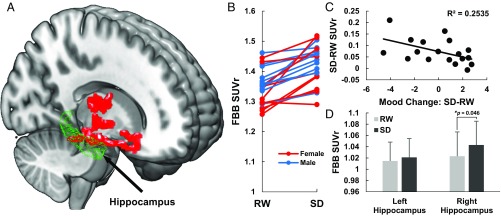
Significance: There has been an emerging interest in sleep and its association with β-amyloid burden as a risk factor for Alzheimer’s disease. Despite the evidence that acute sleep deprivation elevates β-amyloid levels in mouse interstitial fluid and in human cerebrospinal fluid, not much is known about the impact of sleep deprivation on β-amyloid burden in the human brain. Using positron emission tomography, here we show that acute sleep deprivation impacts β-amyloid burden in brain regions that have been implicated in Alzheimer’s disease. Our observations provide preliminary evidence for the negative effect of sleep deprivation on β-amyloid burden in the human brain.
Overview
The claims and statistics of this paper haven’t been checked yet.
Free: it reads the open-access text and checks the first 5 claims that cite a source we can check. Create a free account to check every claim.
Integrity signals
Registry
Cites
Statistics
Figures
Verification
Claims the paper makes
The claims and statistics of this paper haven’t been checked yet.
Free: it reads the open-access text and checks the first 5 claims that cite a source we can check. Create a free account to check every claim.
Claims other papers make about this one
Each is checked against this paper’s own text: does it say what the citing paper says it does?
The cited source doesn’t support the claim as written.
In the citing paper
“However, this usually occurs during deep sleep at the beginning of the night, which lasts one to two hours so is unlikely to be affected in those reporting sleep disturbances. (316-318)”
From Dementia prevention, intervention, and care: 2024 report of the Lancet standing Commission (2024) · cites this paper as [318]
Checked by a reasoning model — may be wrong.
Experimental — accuracy not yet measuredThe cited source says what the claim attributes to it.
In the citing paper
“These increases were negatively correlated with mood but were not associated with a particular AD-linked genotype (that is, the APOE genotype).”
From Rhythms of life: circadian disruption and brain disorders across the lifespan (2019) · cites this paper as [284]
The cited source says what the claim attributes to it.
In the citing paper
“Glymphatic fluid transport is enhanced during sleep14–19.”
From Norepinephrine-mediated slow vasomotion drives glymphatic clearance during sleep (2025) · cites this paper as [18]
The check wasn’t confident either way, so it gives no verdict — never disputed.
In the citing paper
“Soluble Aβ exerts a physiological function, modulating synaptic function and facilitating neuronal growth; furthermore, Aβ protects the brain from infections, repairs leaks in the blood–brain barrier, and promotes recovery from injury [57, 58].”
From Clinical trials of new drugs for Alzheimer disease (2020) · cites this paper as [58]
Experimental — accuracy not yet measuredIn the citing paper
“Indeed, PET imaging showed that a single night of sleep deprivation resulted in a significant increase in Amyloid-β burden in the hippocampus and thalamus (109).”
From Glymphatic failure as a final common pathway to dementia (2020) · cites this paper as [109]
1 more claim about this paper
Create a free account to see every claim other papers make about this one.
Self-check
Percentages, sums and reported differences re-computed from the paper’s own numbers.
The self-check needs the paper’s full text.
Citations
Cites
The Pittsburgh Sleep Quality Index: a new instrument for psychiatric practice and research
Buysse, D. J., Reynolds, C. F., Monk, T. H., Berman, S. R., & Kupfer, D. J. (1989) · Psychiatry Research · doi:10.1016/0165-1781(89)90047-4 · Cited by 35,234 · cited 1×
“The PSQI questionnaire (64) was administered to all participants (n = 20).”
MethodIliff, J. J., Wang, M., Liao, Y., Plogg, B. A., Peng, W., Gundersen, G. A., Benveniste, H., Vates, G. E., Deane, R., Goldman, S. A., et al. (2012) · Science Translational Medicine · doi:10.1126/scitranslmed.3003748 · Cited by 5,824
Self-citationSleep Drives Metabolite Clearance from the Adult Brain
Xie, L., Kang, H., Xu, Q., Chen, M. J., Liao, Y., Thiyagarajan, M., O’Donnell, J., Christensen, D. J., Nicholson, C., Iliff, J. J., et al. (2013) · Science · doi:10.1126/science.1241224 · Cited by 5,411
The minimal preprocessing pipelines for the Human Connectome Project
Glasser, M. F., Sotiropoulos, S. N., Wilson, J. A., Coalson, T. S., Fischl, B., Andersson, J. L., Xu, J., Jbabdi, S., Webster, M., Polimeni, J. R., et al. (2013) · NeuroImage · doi:10.1016/j.neuroimage.2013.04.127 · Cited by 5,253
Imaging brain amyloid in Alzheimer's disease with Pittsburgh Compound‐B
Klunk, W. E., Engler, H., Nordberg, A., Wang, Y., Blomqvist, G., Holt, D. P., Bergström, M., Savitcheva, I., Huang, G., Estrada, S., et al. (2004) · Annals of Neurology · doi:10.1002/ana.20009 · Cited by 4,496 · cited 3×
“There are several validated PET radiotracers for this purpose, including (18)Fflorbetaben (FBB) (22, 23).”
BackgroundPhases of Aβ-deposition in the human brain and its relevance for the development of AD
Thal, D. R., Rüb, U., Orantes, M., & Braak, H. (2002) · Neurology · doi:10.1212/wnl.58.12.1791 · Cited by 3,490 · cited 1×
“We also showed Aβ increases in the thalamus after SD, which is a brain region that shows increases in Aβ in the early stages of AD (33).”
BackgroundApolipoprotein E and Alzheimer disease: risk, mechanisms and therapy
Liu, C.-C., Kanekiyo, T., Xu, H., & Bu, G. (2013) · Nature Reviews Neurology · doi:10.1038/nrneurol.2012.263 · Cited by 3,459 · cited 1×
“SNPs of the APOE gene (rs7412 and rs429358) have been shown to influence brain glucose metabolism and ABB (67, 68).”
BackgroundAnalysis of fMRI Time-Series Revisited
Friston, K. J., Holmes, A. P., Poline, J.-B., Grasby, P. J., Williams, S. C. R., Frackowiak, R. S. J., & Turner, R. (1995) · NeuroImage · doi:10.1006/nimg.1995.1007 · Cited by 2,502
Blood-brain barrier breakdown in the aging human hippocampus
Montagne, A., Barnes, S. R., Sweeney, M. D., Halliday, M. R., Sagare, A. P., Zhao, Z., Toga, A. W., Jacobs, R. E., Liu, C. Y., Amezcua, L., et al. (2015) · Neuron · doi:10.1016/j.neuron.2014.12.032 · Cited by 2,102 · cited 1×
“Instead, changes in hippocampal volume, glucose metabolism (30), and the blood–brain barrier (46) were most evident in patients with early-stage AD.”
BackgroundSimplified Reference Tissue Model for PET Receptor Studies
Lammertsma, A. A., & Hume, S. P. (1996) · NeuroImage · doi:10.1006/nimg.1996.0066 · Cited by 2,021 · cited 3×
“Specifically, regional BPnd was 4486 | www.pnas.org/cgi/doi/10.1073/pnas.1721694115 Shokri-Kojori et al. D ow nl oa de d by g ue st o n Ju ly 1 , 2 02 1 calculated using a noninvasive simplified reference tissue model (SRTM) (61, 62) that was fitted to the time activity curve (0–120 min) derived from the subcortical c…”
MethodInfluential
Cited by
Dementia prevention, intervention, and care: 2024 report of the Lancet standing Commission
Livingston, G., Huntley, J., Liu, K. Y., Costafreda, S. G., Selbæk, G., Alladi, S., Ames, D., Banerjee, S., Burns, A., Brayne, C., et al. (2024) · The Lancet · doi:10.1016/s0140-6736(24)01296-0 · Cited by 3,860
The glymphatic pathway in neurological disorders.
Rasmussen, M. K., Mestre, H., & Nedergaard, M. (2018) · The Lancet Neurology · doi:10.1016/s1474-4422(18)30318-1 · Cited by 1,560
The Sleep-Immune Crosstalk in Health and Disease
Besedovsky, L., Lange, T., & Haack, M. (2019) · Physiological Reviews · doi:10.1152/physrev.00010.2018 · Cited by 1,479
Coupled electrophysiological, hemodynamic, and cerebrospinal fluid oscillations in human sleep
Fultz, N. E., Bonmassar, G., Setsompop, K., Stickgold, R. A., Rosen, B. R., Polimeni, J. R., & Lewis, L. D. (2019) · Science · doi:10.1126/science.aax5440 · Cited by 1,197
Glymphatic failure as a final common pathway to dementia
Nedergaard, M., & Goldman, S. A. (2020) · Science · doi:10.1126/science.abb8739 · Cited by 1,145
A critical appraisal of amyloid-β-targeting therapies for Alzheimer disease
Panza, F., Lozupone, M., Logroscino, G., & Imbimbo, B. P. (2019) · Nature Reviews Neurology · doi:10.1038/s41582-018-0116-6 · Cited by 965
Cerebral amyloid angiopathy and Alzheimer disease — one peptide, two pathways
Greenberg, S. M., Bacskai, B. J., Hernandez-Guillamon, M., Pruzin, J., Sperling, R., & van Veluw, S. J. (2020) · Nature Reviews Neurology · doi:10.1038/s41582-019-0281-2 · Cited by 947
Perivascular spaces in the brain: anatomy, physiology and pathology
Wardlaw, J. M., Benveniste, H., Nedergaard, M., Zlokovic, B. V., Mestre, H., Lee, H., Doubal, F. N., Brown, R., Ramirez, J., MacIntosh, B. J., et al. (2020) · Nature Reviews Neurology · doi:10.1038/s41582-020-0312-z · Cited by 870
Self-citationRhythms of life: circadian disruption and brain disorders across the lifespan
Logan, R. W., & McClung, C. A. (2019) · Nature Reviews Neuroscience · doi:10.1038/s41583-018-0088-y · Cited by 713
Clinical trials of new drugs for Alzheimer disease
Huang, L.-K., Chao, S.-P., & Hu, C.-J. (2020) · Journal of Biomedical Science · doi:10.1186/s12929-019-0609-7 · Cited by 702
“Soluble Aβ exerts a physiological function, modulating synaptic function and facilitating neuronal growth; furthermore, Aβ protects the brain from infections, repairs leaks in the blood–brain barrier, and promotes recovery from injury [57, 58].”
BackgroundAssociation of sleep duration in middle and old age with incidence of dementia
Sabia, S., Fayosse, A., Dumurgier, J., van Hees, V. T., Paquet, C., Sommerlad, A., Kivimäki, M., Dugravot, A., & Singh-Manoux, A. (2021) · Nature Communications · doi:10.1038/s41467-021-22354-2 · Cited by 628
The Brain’s Glymphatic System: Current Controversies
Mestre, H., Mori, Y., & Nedergaard, M. (2020) · Trends in Neurosciences · doi:10.1016/j.tins.2020.04.003 · Cited by 609
“According to one report, a single night of sleep deprivation resulted in a significant increase in amyloid-β burden [41].”
BackgroundRasmussen, M. K., Mestre, H., & Nedergaard, M. (2022) · Physiological Reviews · doi:10.1152/physrev.00031.2020 · Cited by 597
Role of sleep deprivation in immune-related disease risk and outcomes
Garbarino, S., Lanteri, P., Bragazzi, N. L., Magnavita, N., & Scoditti, E. (2021) · Communications Biology · doi:10.1038/s42003-021-02825-4 · Cited by 571
The role of CREB and BDNF in neurobiology and treatment of Alzheimer's disease
Amidfar, M., de Oliveira, J., Kucharska, E., Budni, J., & Kim, Y.-K. (2020) · Life Sciences · doi:10.1016/j.lfs.2020.118020 · Cited by 410
Sleep deprivation impairs molecular clearance from the human brain
Eide, P. K., Vinje, V., Pripp, A. H., Mardal, K.-A., & Ringstad, G. (2021) · Brain · doi:10.1093/brain/awaa443 · Cited by 403
Glymphatic System Impairment in Alzheimer’s Disease and Idiopathic Normal Pressure Hydrocephalus
Reeves, B. C., Karimy, J. K., Kundishora, A. J., Mestre, H., Cerci, H. M., Matouk, C., Alper, S. L., Lundgaard, I., Nedergaard, M., & Kahle, K. T. (2020) · Trends in Molecular Medicine · doi:10.1016/j.molmed.2019.11.008 · Cited by 403
“Aβ deposition in a human brain significantly increased after a single night of sleep deprivation, as compared to rested controls [54].”
BackgroundThe glymphatic system: Current understanding and modeling
Bohr, T., Hjorth, P. G., Holst, S. C., Hrabětová, S., Kiviniemi, V., Lilius, T., Lundgaard, I., Mardal, K.-A., Martens, E. A., Mori, Y., et al. (2022) · iScience · doi:10.1016/j.isci.2022.104987 · Cited by 368
Self-citationAmyloid Beta in Aging and Alzheimer’s Disease
Sehar, U., Rawat, P., Reddy, A. P., Kopel, J., & Reddy, P. H. (2022) · International Journal of Molecular Sciences · doi:10.3390/ijms232112924 · Cited by 361
Norepinephrine-mediated slow vasomotion drives glymphatic clearance during sleep
Hauglund, N. L., Andersen, M., Tokarska, K., Radovanovic, T., Kjaerby, C., Sørensen, F. L., Bojarowska, Z., Untiet, V., Ballestero, S. B., Kolmos, M. G., et al. (2025) · Cell · doi:10.1016/j.cell.2024.11.027 · Cited by 349
Microglia, Lifestyle Stress, and Neurodegeneration
Madore, C., Yin, Z., Leibowitz, J., & Butovsky, O. (2020) · Immunity · doi:10.1016/j.immuni.2019.12.003 · Cited by 311
“A human positron emission tomography (PET) study showed that just one night of SD significantly induced Aβ levels in the brain (Shokri-Kojori et al., 2018).”
BackgroundSleep deprivation and its association with diseases- a review
Liew, S. C., & Aung, T. (2021) · Sleep Medicine · doi:10.1016/j.sleep.2020.07.048 · Cited by 309
Regulation of beta-amyloid production in neurons by astrocyte-derived cholesterol
Wang, H., Kulas, J. A., Wang, C., Holtzman, D. M., Ferris, H. A., & Hansen, S. B. (2021) · Proceedings of the National Academy of Sciences · doi:10.1073/pnas.2102191118 · Cited by 301
Aquaporin-4 Water Channel in the Brain and Its Implication for Health and Disease
Mader, S., & Brimberg, L. (2019) · Cells · doi:10.3390/cells8020090 · Cited by 293
“The glymphatic system is proposed to be most effective during sleep and dysfunctional sleep is further associated with beta-amyloid accumulation [93,96].”
BackgroundSteiger, A., & Pawlowski, M. (2019) · International Journal of Molecular Sciences · doi:10.3390/ijms20030607 · Cited by 289
“These increases were associated with worsening of mood after sleep deprivation [86].”
BackgroundThe amyloid cascade hypothesis: an updated critical review
Kepp, K. P., Robakis, N. K., Høilund-Carlsen, P. F., Sensi, S. L., & Vissel, B. (2023) · Brain · doi:10.1093/brain/awad159 · Cited by 284
Tomaso, C. C., Johnson, A. B., & Nelson, T. D. (2021) · SLEEP · doi:10.1093/sleep/zsaa289 · Cited by 282
Modifiable Risk Factors for Alzheimer’s Disease
Edwards III, G. A., Gamez, N., Escobedo Jr., G., Calderon, O., & Moreno-Gonzalez, I. (2019) · Frontiers in Aging Neuroscience · doi:10.3389/fnagi.2019.00146 · Cited by 253
“In fact, just one night of acute sleep deprivation increases the levels of Aβ in the brain, independently of ApoE genotype, indicating the direct effect of sleep in AD pathology (Shokri-Kojori et al., 2018).”
BackgroundSleep Deprivation and Neurological Disorders
Bishir, M., Bhat, A., Essa, M. M., Ekpo, O., Ihunwo, A. O., Veeraraghavan, V. P., Mohan, S. K., Mahalakshmi, A. M., Ray, B., Tuladhar, S., et al. (2020) · BioMed Research International · doi:10.1155/2020/5764017 · Cited by 247
“A recent study showed that onenight SD increased amyloid-β burden in the hippocampal region [17].”
InfluentialTaoka, T., & Naganawa, S. (2020) · Journal of Magnetic Resonance Imaging · doi:10.1002/jmri.26892 · Cited by 238
“This study showed that one night of sleep deprivation, relative to baseline, resulted in a significant increase in Aβ burden in the right hippocampus and thalamus, suggesting that interruption of glymphatic clearance by sleep deprivation may increase ABB in the brain.(60) In addition, a study using the aforementioned…”
BackgroundGottesman, R. F., Lutsey, P. L., Benveniste, H., Brown, D. L., Full, K. M., Lee, J.-M., Osorio, R. S., Pase, M. P., Redeker, N. S., Redline, S., et al. (2024) · Stroke · doi:10.1161/str.0000000000000453 · Cited by 227
“Glymphatic dysfunction has been documented in aging, 22 sleep deprivation, 2,4 and neurodegenerative disease states, including AD, 84 cerebral small vessel disease, 85 cerebral amyloid angiopathy, 86 Parkinson disease, and normal pressure hydrocephalus.”
BackgroundSelf-citationGlymphatic system, AQP4, and their implications in Alzheimer’s disease
Silva, I., Silva, J., Ferreira, R., & Trigo, D. (2021) · Neurological Research and Practice · doi:10.1186/s42466-021-00102-7 · Cited by 225
“Studies in both human and animal models have found increased Aβ levels after sleep deprivation [52, 53], and”
BackgroundChen, Y., Dang, M., & Zhang, Z. (2021) · Molecular Neurodegeneration · doi:10.1186/s13024-021-00456-1 · Cited by 221
Palmer, C. A., Bower, J. L., Cho, K. W., Clementi, M. A., Lau, S., Oosterhoff, B., & Alfano, C. A. (2024) · Psychological Bulletin · doi:10.1037/bul0000410 · Cited by 212
The links between the gut microbiome, aging, modern lifestyle and Alzheimer's disease
Askarova, S., Umbayev, B., Masoud, A.-R., Kaiyrlykyzy, A., Safarova, Y., Tsoy, A., Olzhayev, F., & Kushugulova, A. (2020) · Frontiers in Cellular and Infection Microbiology · doi:10.3389/fcimb.2020.00104 · Cited by 208
“Similarly, it has been found that slow wave sleep disruption correlates with an increase in Aβ40 level in cerebrospinal fluid (Ju et al., 2017) and that one night of sleep deprivation induces Aβ accumulation in the brains of healthy individuals (Shokri-Kojori et al., 2018).”
BackgroundInfluentialSleep Disturbance Forecasts β-Amyloid Accumulation across Subsequent Years
Winer, J. R., Mander, B. A., Kumar, S., Reed, M., Baker, S. L., Jagust, W. J., & Walker, M. P. (2020) · Current Biology · doi:10.1016/j.cub.2020.08.017 · Cited by 203
Regulation of the Blood–Brain Barrier by Circadian Rhythms and Sleep
Cuddapah, V. A., Zhang, S. L., & Sehgal, A. (2019) · Trends in Neurosciences · doi:10.1016/j.tins.2019.05.001 · Cited by 200
Rahman, A., Jackson, H., Hristov, H., Isaacson, R. S., Saif, N., Shetty, T., Etingin, O., Henchcliffe, C., Brinton, R. D., & Mosconi, L. (2019) · Frontiers in Aging Neuroscience · doi:10.3389/fnagi.2019.00315 · Cited by 187
Herring, W. J., Ceesay, P., Snyder, E., Bliwise, D., Budd, K., Hutzelmann, J., Stevens, J., Lines, C., & Michelson, D. (2020) · Alzheimer's & Dementia · doi:10.1002/alz.12035 · Cited by 185
Impact of sleep duration on executive function and brain structure
Tai, X. Y., Chen, C., Manohar, S., & Husain, M. (2022) · Communications Biology · doi:10.1038/s42003-022-03123-3 · Cited by 148
Glymphatic System Function in Relation to Anesthesia and Sleep States
Benveniste, H., Heerdt, P. M., Fontes, M., Rothman, D. L., & Volkow, N. D. (2019) · Anesthesia & Analgesia · doi:10.1213/ane.0000000000004069 · Cited by 181
Self-citationCasagrande, M., Forte, G., Favieri, F., & Corbo, I. (2022) · International Journal of Environmental Research and Public Health · doi:10.3390/ijerph19148457 · Cited by 180
Sleep in the United States Military
Good, C. H., Brager, A. J., Capaldi, V. F., & Mysliwiec, V. (2020) · Neuropsychopharmacology · doi:10.1038/s41386-019-0431-7 · Cited by 180
“For instance, a study of real-time brain function via positron-emission tomography (PET) found that a single night of >24 h sleep deprivation rapidly increased tau- and amyloid plaque accumulation – two gold-standard signatures of brain inflammation and risk for Alzheimer’s disease – that did not fully return to basel…”
BackgroundSiow, T. Y., Toh, C. H., Hsu, J.-L., Liu, G.-H., Lee, S.-H., Chen, N.-H., Fu, C. J., Castillo, M., & Fang, J.-T. (2022) · Neurology · doi:10.1212/wnl.0000000000013215 · Cited by 177
“A previous experimental human study showed that 1 night of acute sleep deprivation leads to a significant increase in β-amyloid burden in the hippocampi and thalami, which was interpreted to result from the impaired glymphatic function.(32) Our results are consistent with this observation, Figure 2 Scatterplots of DTI…”
ResultReactive astrocytes: The nexus of pathological and clinical hallmarks of Alzheimer’s disease
Price, B. R., Johnson, L. A., & Norris, C. M. (2021) · Ageing Research Reviews · doi:10.1016/j.arr.2021.101335 · Cited by 177
“It is now understood that during wakefulness there is little exchange between the CNS and the glymphatic pathway; however, during sleep, brain waste products such as excessive Aβ and tau are cleared from the ISF by a process that requires astrocytes (Xie et al., 2013; Haydon, 2017; Shokri-Kojori et al., 2018).”
Circadian and sleep dysfunction in Alzheimer’s disease
Uddin, M. S., Tewari, D., Mamun, A. A., Kabir, M. T., Niaz, K., Wahed, M. I. I., Barreto, G. E., & Ashraf, G. M. (2020) · Ageing Research Reviews · doi:10.1016/j.arr.2020.101046 · Cited by 173
Brain clearance is reduced during sleep and anesthesia
Miao, A., Luo, T., Hsieh, B., Edge, C. J., Gridley, M., Wong, R. T. C., Constandinou, T. G., Wisden, W., & Franks, N. P. (2024) · Nature Neuroscience · doi:10.1038/s41593-024-01638-y · Cited by 172
“For example, diminished toxin clearance brought about by chronically poor sleep might exacerbate, if not cause, Alzheimer disease 5,6 .”
Targeting amyloid clearance in Alzheimer's disease as a therapeutic strategy
Nalivaeva, N. N., & Turner, A. J. (2019) · British Journal of Pharmacology · doi:10.1111/bph.14593 · Cited by 172
The consequences of sleep deprivation on cognitive performance
Khan, M. A., & Al-Jahdali, H. (2023) · Neurosciences · doi:10.17712/nsj.2023.2.20220108 · Cited by 169
The Role of Glymphatic System in Alzheimer’s and Parkinson’s Disease Pathogenesis
Buccellato, F. R., D’Anca, M., Serpente, M., Arighi, A., & Galimberti, D. (2022) · Biomedicines · doi:10.3390/biomedicines10092261 · Cited by 169
Sleep-disordered breathing and the risk of Alzheimer's disease
Liguori, C., Maestri, M., Spanetta, M., Placidi, F., Bonanni, E., Mercuri, N. B., & Guarnieri, B. (2020) · Sleep Medicine Reviews · doi:10.1016/j.smrv.2020.101375 · Cited by 165
Lananna, B. V., & Musiek, E. S. (2020) · Neurobiology of Disease · doi:10.1016/j.nbd.2020.104832 · Cited by 143
Han, F., Chen, J., Belkin-Rosen, A., Gu, Y., Luo, L., Buxton, O. M., Liu, X., & Initiative, T. A. D. N. (2021) · PLOS Biology · doi:10.1371/journal.pbio.3001233 · Cited by 160
Gouveia-Freitas, K., & Bastos-Leite, A. J. (2021) · Neuroradiology · doi:10.1007/s00234-021-02718-7 · Cited by 159
“Curiously, a single night of sleep deprivation results in accumulation of β-amyloid in the human hippocampus and thalamus [107].”
BackgroundImaging perivascular space structure and function using brain MRI
Barisano, G., Lynch, K. M., Sibilia, F., Lan, H., Shih, N., Sepehrband, F., & Choupan, J. (2022) · NeuroImage · doi:10.1016/j.neuroimage.2022.119329 · Cited by 158
Astroglial atrophy in Alzheimer’s disease
Verkhratsky, A., Rodrigues, J. J., Pivoriunas, A., Zorec, R., & Semyanov, A. (2019) · Pflügers Archiv - European Journal of Physiology · doi:10.1007/s00424-019-02310-2 · Cited by 138
The Immunopathogenesis of Alzheimer’s Disease Is Related to the Composition of Gut Microbiota
Leblhuber, F., Ehrlich, D., Steiner, K., Geisler, S., Fuchs, D., Lanser, L., & Kurz, K. (2021) · Nutrients · doi:10.3390/nu13020361 · Cited by 159
PDGF-B Is Required for Development of the Glymphatic System
Munk, A. S., Wang, W., Bèchet, N. B., Eltanahy, A. M., Cheng, A. X., Sigurdsson, B., Benraiss, A., Mäe, M. A., Kress, B. T., Kelley, D. H., et al. (2019) · Cell Reports · doi:10.1016/j.celrep.2019.02.050 · Cited by 141
“…detailing approximately 10-fold higher glymphatic activity in the sleep state than the awake state (Xie et al., 2013), acute sleep deprivation increases the Aβ load in the human brain (Shokri-Kojori et al., 2018), thus substantiating a role for perivascular transport of solutes in the human brain.”
BackgroundCordone, S., Annarumma, L., Rossini, P. M., & De Gennaro, L. (2019) · Frontiers in Pharmacology · doi:10.3389/fphar.2019.00695 · Cited by 131
Sleep Duration and Executive Function in Adults
Sen, A., & Tai, X. Y. (2023) · Current Neurology and Neuroscience Reports · doi:10.1007/s11910-023-01309-8 · Cited by 148
“Beyond changes in brain structure, studies using positron emission tomography (PET) imaging [97] suggest accumulation of neurodegenerative proteins is associated with sleep deprivation [98].”
BackgroundMcKnight, C. D., Trujillo, P., Lopez, A. M., Petersen, K. J., Considine, C. M., Lin, Y., Yan, Y., Kang, H., Donahue, M. J., & Claassen, D. O. (2021) · Parkinsonism & Related Disorders · doi:10.1016/j.parkreldis.2021.06.004 · Cited by 146
Sleep disturbances and dementia risk: a multicenter study
Sindi, S., Kåreholt, I., Johansson, L., Skoog, J., Sjöberg, L., Wang, H., Johansson, B., Fratiglioni, L., Soininen, H., Solomon, A., et al. (2018) · Alzheimer's & Dementia · doi:10.1016/j.jalz.2018.05.012 · Cited by 144
The interconnected causes and consequences of sleep in the brain
Lewis, L. D. (2021) · Science · doi:10.1126/science.abi8375 · Cited by 143
Yang, Q. Z., Wei, X., Deng, B., Chang, Z., Jin, D., Huang, Y., Zhang, J. H., Yenari, M. A., Jin, K., & Wang, Q. (2022) · Neurobiology of Disease · doi:10.1016/j.nbd.2022.105750 · Cited by 144
Klostranec, J. M., Vucevic, D., Bhatia, K. D., Kortman, H. G. J., Krings, T., Murphy, K., terBrugge, K. G., & Mikulis, D. J. (2021) · Radiology · doi:10.1148/radiol.2021202043 · Cited by 138
Li, G., Cao, Y., Tang, X., Huang, J., Cai, L., & Zhou, L. (2022) · Journal of Cerebral Blood Flow & Metabolism · doi:10.1177/0271678x221098145 · Cited by 133
Cleaning the sleeping brain – the potential restorative function of the glymphatic system
Hauglund, N. L., Pavan, C., & Nedergaard, M. (2020) · Current Opinion in Physiology · doi:10.1016/j.cophys.2019.10.020 · Cited by 129
Rodríguez-Giraldo, M., González-Reyes, R. E., Ramírez-Guerrero, S., Bonilla-Trilleras, C. E., Guardo-Maya, S., & Nava-Mesa, M. O. (2022) · International Journal of Molecular Sciences · doi:10.3390/ijms232113630 · Cited by 111
Kamondi, A., Grigg-Damberger, M. M., Löscher, W., Tanila, H., & Horvath, A. A. (2024) · Nature Reviews Neurology · doi:10.1038/s41582-024-00932-4 · Cited by 127
“One night of sleep deprivation in humans led to a significant increase in CSF Aβ levels 156 and increased CSF tau levels by >50% 155 compared with baseline levels.”
The role of innate immunity in Alzheimer's disease
Ennerfelt, H. E., & Lukens, J. R. (2020) · Immunological Reviews · doi:10.1111/imr.12896 · Cited by 119
Glymphatic System as a Gateway to Connect Neurodegeneration From Periphery to CNS
Natale, G., Limanaqi, F., Busceti, C. L., Mastroiacovo, F., Nicoletti, F., Puglisi‐Allegra, S., & Fornai, F. (2021) · Frontiers in Neuroscience · doi:10.3389/fnins.2021.639140 · Cited by 125
The glymphatic system: a new perspective on brain diseases
Ding, Z., Fan, X., Zhang, Y., Yao, M., Wang, G., Dong, Y., Liu, J., & Song, W. (2023) · Frontiers in Aging Neuroscience · doi:10.3389/fnagi.2023.1179988 · Cited by 120
Self-citationMassey, A., Boag, M. K., Magnier, A., Bispo, D. P. C. F., Khoo, T. K., & Pountney, D. L. (2022) · International Journal of Molecular Sciences · doi:10.3390/ijms232112928 · Cited by 119
“ShokriKojori and colleagues found that even after one night of sleep deprivation there were substantial increases in amyloid-beta accumulation in the hippocampus and thalamus in human subjects [66].”
BackgroundDysbiosis and Alzheimer’s Disease: A Role for Chronic Stress?
Sharma, V., Singh, T. G., Garg, N., Dhiman, S., Gupta, S., Rahman, M. H., Najda, A., Walasek-Janusz, M., Kamel, M. S., Albadrani, G. M., et al. (2021) · Biomolecules · doi:10.3390/biom11050678 · Cited by 117
Christensen, J., Yamakawa, G. R., Shultz, S. R., & Mychasiuk, R. (2020) · Progress in Neurobiology · doi:10.1016/j.pneurobio.2020.101917 · Cited by 116
The Glymphatic System: A Novel Therapeutic Target for Stroke Treatment
Lv, T., Zhao, B., Hu, Q., & Zhang, X. (2021) · Frontiers in Aging Neuroscience · doi:10.3389/fnagi.2021.689098 · Cited by 116
“The convective solutes transport and parenchymal diffusion transport are accepted by the majority of researchers (Smith et al., 2017; Smith and Verkman, 2018).”
BackgroundMechanisms underlying HIV-associated cognitive impairment and emerging therapies for its management
Ellis, R. J., Marquine, M. J., Kaul, M., Fields, J. A., & Schlachetzki, J. C. M. (2023) · Nature Reviews Neurology · doi:10.1038/s41582-023-00879-y · Cited by 117
“In healthy individuals, β-amyloid levels in the brain on PET imaging were elevated after a single night of sleep deprivation 444 .”
BackgroundRao, R. V., Subramaniam, K. G., Gregory, J., Bredesen, A. L., Coward, C., Okada, S., Kelly, L., & Bredesen, D. E. (2023) · International Journal of Molecular Sciences · doi:10.3390/ijms24021659 · Cited by 102
Glymphatic dysfunction in Alzheimer’s disease: A critical appraisal
Keil, S. A., Jansson, D., Braun, M., & Iliff, J. J. (2025) · Science · doi:10.1126/science.adv8269 · Cited by 113
Ma, J., Chen, M., Liu, G.-H., Gao, M., Chen, N.-H., Toh, C. H., Hsu, J.-L., Wu, K.-Y., Huang, C.-M., Lin, C.-M., et al. (2025) · Molecular Psychiatry · doi:10.1038/s41380-024-02778-0 · Cited by 96
“The rich-club is considered the backbone of the human brain network that facilitates global brain communication and supports higher cognitive functions [62, 88].”
Demiral, Ş. B., Tomasi, D., Sarlls, J., Lee, H., Wiers, C. E., Zehra, A., Srivastava, T., Ke, K., Shokri-Kojori, E., Freeman, C. R., et al. (2019) · NeuroImage · doi:10.1016/j.neuroimage.2018.10.043 · Cited by 110
“beta in brain and in CSF after one night of SD (Ooms et al., 2014; Shokri-Kojori et al., 2018), 2) increases in CSF Aβ following disruption of slow-wave sleep (Ju et al.”
BackgroundSelf-citationRole of Ovarian Hormones in the Modulation of Sleep in Females Across the Adult Lifespan
Brown, A., & Gervais, N. J. (2020) · Endocrinology · doi:10.1210/endocr/bqaa128 · Cited by 110
“Toxins build up during wake and are eliminated during sleep, particularly SWS (154, 155), and acute sleep deprivation increases β-amyloid in mice (156) and young humans (157).”
BackgroundPalagini, L., Geoffroy, P. A., Miniati, M., Perugi, G., Biggio, G., Marazziti, D., & Riemann, D. W. (2021) · CNS Spectrums · doi:10.1017/s1092852921000018 · Cited by 108
“The effect of a night of sleep deprivation was investigated in 20 healthy controls by using PET and (18)F-florbetaben to measure brain Aβ.(86) The results showed that a significant increase in Aβ burden in the right hippocampus and thalamus was associated with mood worsening but was unrelated to the genetic risk for A…”
MethodA clinical primer for the glymphatic system
Carlstrom, L. P., Eltanahy, A. M., Perry, A., Rabinstein, A. A., Elder, B. D., Morris, J. M., Meyer, F. B., Graffeo, C. S., Lundgaard, I., & Burns, T. C. (2021) · Brain · doi:10.1093/brain/awab428 · Cited by 107
You, Y., Li, J., Zhang, Y., Li, X., Li, X., & Ma, X. (2024) · CNS Neuroscience & Therapeutics · doi:10.1111/cns.14783 · Cited by 108
An ancestral recombination graph of human, Neanderthal, and Denisovan genomes
Schaefer, N. K., Shapiro, B., & Green, R. E. (2021) · Science Advances · doi:10.1126/sciadv.abc0776 · Cited by 106
Kim, M., Snowden, S., Suvitaival, T., Ali, A., Merkler, D. J., Ahmad, T., Westwood, S., Baird, A., Proitsi, P., Nevado‐Holgado, A., et al. (2019) · Alzheimer's & Dementia · doi:10.1016/j.jalz.2019.03.004 · Cited by 85
“It has been now shown that positron-emission tomography amyloid burden increases in the hippocampus with one-night sleep deprivation [36], this is especially interesting because of PFAMs associated with total hippocampal volume in our study.”
BackgroundChristensen, J., Wright, D. K., Yamakawa, G. R., Shultz, S. R., & Mychasiuk, R. (2020) · Scientific Reports · doi:10.1038/s41598-020-63022-7 · Cited by 105
Xie, Y., Ba, L., Wang, M., Deng, S., Chen, S., Huang, L., Zhang, M., Wang, W., & Ding, F. (2020) · CNS Neuroscience & Therapeutics · doi:10.1111/cns.13218 · Cited by 97
MacDuffie, K. E., Shen, M. D., Dager, S. R., Styner, M. A., Kim, S. H., Paterson, S., Pandey, J., John, T. S., Elison, J. T., Wolff, J. J., et al. (2020) · American Journal of Psychiatry · doi:10.1176/appi.ajp.2019.19060666 · Cited by 103
Self-citationEffects of acute sleep loss on diurnal plasma dynamics of CNS health biomarkers in young men
Benedict, C., Blennow, K., Zetterberg, H., & Cedernaes, J. (2020) · Neurology · doi:10.1212/wnl.0000000000008866 · Cited by 100
“Given that certain SNPs in apolipoprotein genes have been linked to an increased risk of AD, we also set out to interrogate whether those at increased genetic risk of AD also have altered Aβ dynamics in response to sleep loss, a largely unexplored area of inquiry.(18) In this context, the G and G/G variant of the SNP…”
BackgroundMethodThe Dynamic Relationship between the glymphatic system, aging, memory, and sleep
Voumvourakis, K. I., Sideri, E., Papadimitropoulos, G. N., Tsantzali, I., Hewlett, P., Kitsos, D., Stefanou, M., Bonakis, A., Giannopoulos, S., Tsivgoulis, G., et al. (2023) · Biomedicines · doi:10.3390/biomedicines11082092 · Cited by 82
Association of Sleep and β-Amyloid Pathology Among Older Cognitively Unimpaired Adults
Insel, P. S., Mohlenhoff, B. S., Neylan, T. C., Krystal, A. D., & Mackin, R. S. (2021) · JAMA Network Open · doi:10.1001/jamanetworkopen.2021.17573 · Cited by 97
Eide, P. K., Pripp, A. H., Berge, B., Hrubos‐Strøm, H., Ringstad, G. A., & Valnes, L. M. (2022) · Journal of Cerebral Blood Flow & Metabolism · doi:10.1177/0271678x221090747 · Cited by 98
“Furthermore, one night of sleep deprivation was in a human Ab PET study found to increase parenchymal Ab burden by 5%.(15) Acute sleep deprivation in humans as well negatively affects cognitive functions such as memory, learning, attention and emotional reactivity.”
BackgroundImpaired Glymphatic System Actions in Obstructive Sleep Apnea Adults
Roy, B., Nunez, A., Aysola, R., Kang, D. W., Vacas, S., & Kumar, R. (2022) · Frontiers in Neuroscience · doi:10.3389/fnins.2022.884234 · Cited by 98
Wood, K. H., Nenert, R. E., Miften, A. M., Kent, G. W., Sleyster, M., Memon, R. A., Joop, A., Pilkington, J., Memon, A., Wilson, R. N., et al. (2024) · Movement Disorders · doi:10.1002/mds.29908 · Cited by 97
“32,33 In addition to cognitive decline, lower baseline DTI-ALPS-index was also associated with longitudinal disease progression as measured by MDS-UPDRS total.”
The gut microbiome and Alzheimer’s disease: Complex and bidirectional interactions
Tarawneh, R. M., & Penhos, E. (2022) · Neuroscience & Biobehavioral Reviews · doi:10.1016/j.neubiorev.2022.104814 · Cited by 97
Achieving brain clearance and preventing neurodegenerative diseases—A glymphatic perspective
Kylkilahti, T. M., Berends, E., Ramos, M., Shanbhag, N. C., Töger, J., Bloch, K. M., & Lundgaard, I. (2021) · Journal of Cerebral Blood Flow & Metabolism · doi:10.1177/0271678x20982388 · Cited by 95
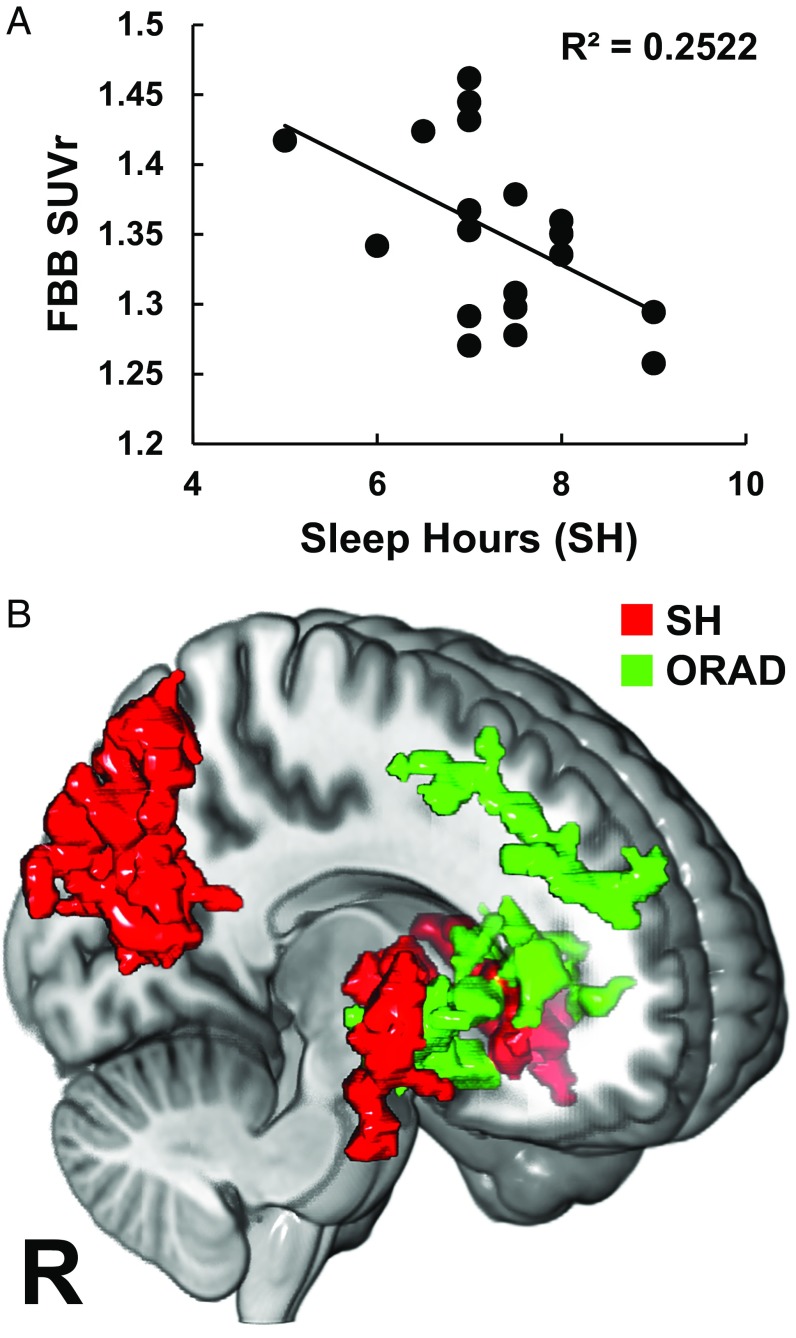
“In line with the hypothesis that disturbed sleep patterns lead to reduced brain clearance and proteinopathies, there is a strong inverse correlation observed between hours slept and amyloid-b levels in the cortex of humans.(64) Both animal and clinical studies suggest that deep sleep in particular is vital for brain c…”
BackgroundAlzheimer’s disease: Neurotransmitters of the sleep-wake cycle
Erum, J. V., Dam, D. V., & Deyn, P. P. D. (2019) · Neuroscience & Biobehavioral Reviews · doi:10.1016/j.neubiorev.2019.07.019 · Cited by 96
“One-day sleep deprivation also significantly increased amyloid brain burden in healthy controls as measured by florbetaben positron emission tomography (Shokri-Kojori et al., 2018).”
MethodUnderstanding the interplay of sleep and aging: Methodological challenges
Muehlroth, B. E., & Werkle‐Bergner, M. (2020) · Psychophysiology · doi:10.1111/psyp.13523 · Cited by 94
Metadata
- Authors
- Shokri-Kojori, E., Wang, G.-J., Wiers, C. E., Demiral, S. B., Guo, M., Kim, S. W., Lindgren, E., Ramirez, V., Zehra, A., Freeman, C., Miller, G., Manza, P., Srivastava, T., De Santi, S., Tomasi, D., Benveniste, H., & Volkow, N. D.
- Affiliations
- Laboratory of Neuroimaging, National Institute on Alcohol Abuse and Alcoholism, National Institutes of Health, Bethesda, MD 20892;
- National Institutes of Health (US)
- Piramal Pharma Inc., Boston, MA 02108;
- Yale University (US)
- Corresponding author
- Wang, Gene-Jack
- Volkow, Nora D.
- ORCID
- Venue
- Proceedings of the National Academy of Sciences
- Publisher
- National Academy of Sciences
- Published
- 2018-04-09
- Volume
- 115
- Issue
- 17
- Pages
- 4483-4488
- ISSN
- 0027-8424 (ISSN-L)
- 1091-6490
- PMC
- PMC5924922
- OpenAlex
- W2797347068
- Cited by
- 893
- References
- 72
- Citations by year
- 2026: 107 · 2025: 133 · 2024: 117 · 2023: 114 · 2022: 104 · 2021: 94 · 2020: 128 · 2019: 76 · 2018: 19
- FWCI
- 54.34
- Type
- journal article
- Language
- en
- Open access
- hybrid
- doi.org
- Licence
- Locations
- Proceedings of the National Academy of Sciences (publishedVersion, cc-by-nc-nd)
- Europe PMC (PubMed Central) (publishedVersion, cc-by-nc-nd)
- PubMed Central (publishedVersion, cc-by-nc-nd)
- PubMed (publishedVersion)
- Funders
- HHS | NIH | National Institute on Alcohol Abuse and Alcoholism (Y1AA3009)
- Topics
- Life Sciences › Neuroscience › Cellular and Molecular Neuroscience › Alzheimer's disease research and treatments
- Life Sciences › Neuroscience › Cognitive Neuroscience › Sleep and Wakefulness Research
- Social Sciences › Psychology › Experimental and Cognitive Psychology › Sleep and Work-Related Fatigue
- Keywords
- amyloid-beta deposition, sleep deprivation, amyloid burden, hippocampus, thalamus, mood, APOE genotype, Alzheimer's disease risk, sleep duration, precuneus
- MeSH terms
- Adult, Aged, Alzheimer Disease, Apolipoproteins E, Female, Genotype, Hippocampus, Humans, Male, Middle Aged, Risk Factors, Sleep Deprivation, Thalamus, Amyloid beta-Peptides
About these checks
Registry, retraction, Cites and statistics results are computed, not judged, with one exception: a printed reference that no index lists is read once by a model before it counts as a citation error. Claims are extracted by a model and kept only when their quote appears verbatim in the text; each cited source is then checked, with a model’s help, for whether it says what the claim relies on. Those verdicts can be wrong — read the claim’s quote and the cited source before relying on one.
Statistics and arithmetic are recomputed, not judged.
Confidence bands are shown only for fields calibrated on our annotated test set. None is calibrated yet, so no band is shown.
What counts as a claim ›How we measure confidence ›How we check this ›
Are you an author, or do you see a problem with this page? Request a review
Data sources
Bibliographic data: Semantic Scholar, OpenAlex, Crossref.
Contains information from the Semantic Scholar Academic Graph Datasets, made available under the ODC Attribution License (ODC-BY 1.0).
Semantic Scholar’s data is described in: Kinney, R., et al. (2023). The Semantic Scholar Open Data Platform. arXiv:2301.10140.
