

β-Amyloid accumulation in the human brain after one night of sleep deprivation
Open accessThe DOI matches its Crossref record; 72 of the 72 references it cites were found in a registry or an index.
Abstract
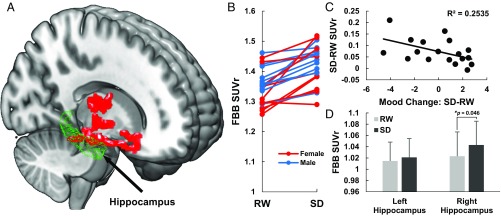
Significance: There has been an emerging interest in sleep and its association with β-amyloid burden as a risk factor for Alzheimer’s disease. Despite the evidence that acute sleep deprivation elevates β-amyloid levels in mouse interstitial fluid and in human cerebrospinal fluid, not much is known about the impact of sleep deprivation on β-amyloid burden in the human brain. Using positron emission tomography, here we show that acute sleep deprivation impacts β-amyloid burden in brain regions that have been implicated in Alzheimer’s disease. Our observations provide preliminary evidence for the negative effect of sleep deprivation on β-amyloid burden in the human brain.
Overview
The claims and statistics of this paper haven’t been checked yet.
Free: it reads the open-access text and checks the first 5 claims that cite a source we can check. Create a free account to check every claim.
Integrity signals
Registry
Cites
Statistics
Figures
Verification
Claims the paper makes
The claims and statistics of this paper haven’t been checked yet.
Free: it reads the open-access text and checks the first 5 claims that cite a source we can check. Create a free account to check every claim.
Claims other papers make about this one
Each is checked against this paper’s own text: does it say what the citing paper says it does?
The cited source doesn’t support the claim as written.
In the citing paper
“However, this usually occurs during deep sleep at the beginning of the night, which lasts one to two hours so is unlikely to be affected in those reporting sleep disturbances. (316-318)”
From Dementia prevention, intervention, and care: 2024 report of the Lancet standing Commission (2024) · cites this paper as [318]
Checked by a reasoning model — may be wrong.
Experimental — accuracy not yet measuredThe cited source says what the claim attributes to it.
In the citing paper
“These increases were negatively correlated with mood but were not associated with a particular AD-linked genotype (that is, the APOE genotype).”
From Rhythms of life: circadian disruption and brain disorders across the lifespan (2019) · cites this paper as [284]
The cited source says what the claim attributes to it.
In the citing paper
“Glymphatic fluid transport is enhanced during sleep14–19.”
From Norepinephrine-mediated slow vasomotion drives glymphatic clearance during sleep (2025) · cites this paper as [18]
The check wasn’t confident either way, so it gives no verdict — never disputed.
In the citing paper
“Soluble Aβ exerts a physiological function, modulating synaptic function and facilitating neuronal growth; furthermore, Aβ protects the brain from infections, repairs leaks in the blood–brain barrier, and promotes recovery from injury [57, 58].”
From Clinical trials of new drugs for Alzheimer disease (2020) · cites this paper as [58]
Experimental — accuracy not yet measuredIn the citing paper
“Indeed, PET imaging showed that a single night of sleep deprivation resulted in a significant increase in Amyloid-β burden in the hippocampus and thalamus (109).”
From Glymphatic failure as a final common pathway to dementia (2020) · cites this paper as [109]
1 more claim about this paper
Create a free account to see every claim other papers make about this one.
Self-check
Percentages, sums and reported differences re-computed from the paper’s own numbers.
The self-check needs the paper’s full text.
Citations
Cites
The Pittsburgh Sleep Quality Index: a new instrument for psychiatric practice and research
Buysse, D. J., Reynolds, C. F., Monk, T. H., Berman, S. R., & Kupfer, D. J. (1989) · Psychiatry Research · doi:10.1016/0165-1781(89)90047-4 · Cited by 35,234 · cited 1×
“The PSQI questionnaire (64) was administered to all participants (n = 20).”
MethodIliff, J. J., Wang, M., Liao, Y., Plogg, B. A., Peng, W., Gundersen, G. A., Benveniste, H., Vates, G. E., Deane, R., Goldman, S. A., et al. (2012) · Science Translational Medicine · doi:10.1126/scitranslmed.3003748 · Cited by 5,824
Self-citationSleep Drives Metabolite Clearance from the Adult Brain
Xie, L., Kang, H., Xu, Q., Chen, M. J., Liao, Y., Thiyagarajan, M., O’Donnell, J., Christensen, D. J., Nicholson, C., Iliff, J. J., et al. (2013) · Science · doi:10.1126/science.1241224 · Cited by 5,411
The minimal preprocessing pipelines for the Human Connectome Project
Glasser, M. F., Sotiropoulos, S. N., Wilson, J. A., Coalson, T. S., Fischl, B., Andersson, J. L., Xu, J., Jbabdi, S., Webster, M., Polimeni, J. R., et al. (2013) · NeuroImage · doi:10.1016/j.neuroimage.2013.04.127 · Cited by 5,253
Imaging brain amyloid in Alzheimer's disease with Pittsburgh Compound‐B
Klunk, W. E., Engler, H., Nordberg, A., Wang, Y., Blomqvist, G., Holt, D. P., Bergström, M., Savitcheva, I., Huang, G., Estrada, S., et al. (2004) · Annals of Neurology · doi:10.1002/ana.20009 · Cited by 4,496 · cited 3×
“There are several validated PET radiotracers for this purpose, including (18)Fflorbetaben (FBB) (22, 23).”
BackgroundPhases of Aβ-deposition in the human brain and its relevance for the development of AD
Thal, D. R., Rüb, U., Orantes, M., & Braak, H. (2002) · Neurology · doi:10.1212/wnl.58.12.1791 · Cited by 3,490 · cited 1×
“We also showed Aβ increases in the thalamus after SD, which is a brain region that shows increases in Aβ in the early stages of AD (33).”
BackgroundApolipoprotein E and Alzheimer disease: risk, mechanisms and therapy
Liu, C.-C., Kanekiyo, T., Xu, H., & Bu, G. (2013) · Nature Reviews Neurology · doi:10.1038/nrneurol.2012.263 · Cited by 3,459 · cited 1×
“SNPs of the APOE gene (rs7412 and rs429358) have been shown to influence brain glucose metabolism and ABB (67, 68).”
BackgroundAnalysis of fMRI Time-Series Revisited
Friston, K. J., Holmes, A. P., Poline, J.-B., Grasby, P. J., Williams, S. C. R., Frackowiak, R. S. J., & Turner, R. (1995) · NeuroImage · doi:10.1006/nimg.1995.1007 · Cited by 2,502
Blood-brain barrier breakdown in the aging human hippocampus
Montagne, A., Barnes, S. R., Sweeney, M. D., Halliday, M. R., Sagare, A. P., Zhao, Z., Toga, A. W., Jacobs, R. E., Liu, C. Y., Amezcua, L., et al. (2015) · Neuron · doi:10.1016/j.neuron.2014.12.032 · Cited by 2,102 · cited 1×
“Instead, changes in hippocampal volume, glucose metabolism (30), and the blood–brain barrier (46) were most evident in patients with early-stage AD.”
BackgroundSimplified Reference Tissue Model for PET Receptor Studies
Lammertsma, A. A., & Hume, S. P. (1996) · NeuroImage · doi:10.1006/nimg.1996.0066 · Cited by 2,021 · cited 3×
“Specifically, regional BPnd was 4486 | www.pnas.org/cgi/doi/10.1073/pnas.1721694115 Shokri-Kojori et al. D ow nl oa de d by g ue st o n Ju ly 1 , 2 02 1 calculated using a noninvasive simplified reference tissue model (SRTM) (61, 62) that was fitted to the time activity curve (0–120 min) derived from the subcortical c…”
MethodInfluential
Cited by
Items 701–800 of 1,001
Yao, M., Liu, A., Song, J., Xing, L., Zi, M., & Li, H. (2026) · Neuroscience · doi:10.1016/j.neuroscience.2026.06.001 · Cited by 3
Promoting Brain Health in the Context of Normal Aging and Mild Cognitive Impairment: A Tutorial
Cohen, M. L., Lanzi, A. M., Rothbart, A., Keatley, E. S., Seagly, K., Strong, K. A., Paul, D. R., & Sohlberg, M. M. (2026) · American Journal of Speech-Language Pathology · doi:10.1044/2026_ajslp-25-00494 · Cited by 2
Lv, Z., Zhang, H., Yang, Y., Wei, Y., & Lei, X. (2026) · Psychological Medicine · doi:10.1017/s0033291726104188 · Cited by 2
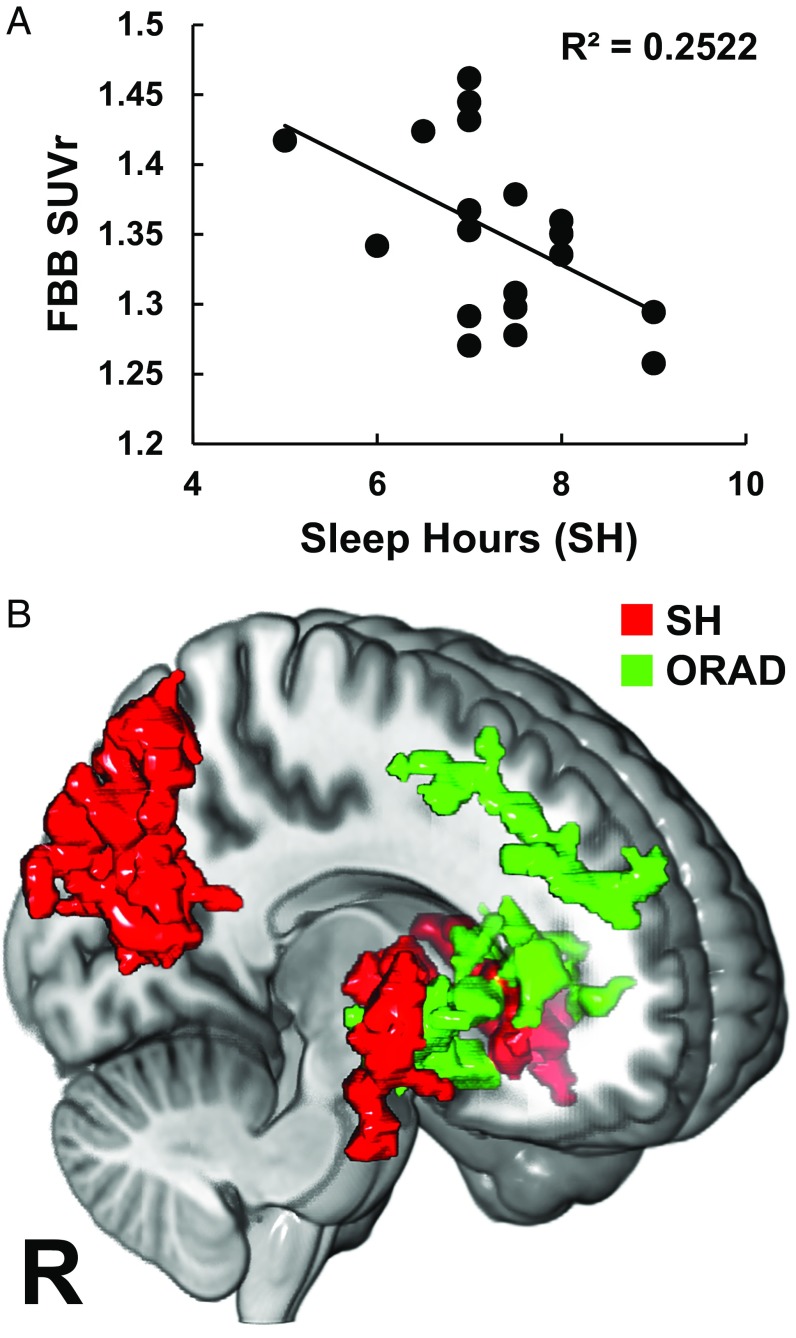
“Similarly, acute sleep deprivation has been shown to increase amyloid-β accumulation in subcortical regions such as the hippocampus and thalamus, negatively correlating with total sleep time (Shokri-Kojori et al., 2018).”
Fisher-Rao Regularized Transport Analysis of the Glymphatic System and Waste Drainage
Elkin, R., Nadeem, S., Lee, H., Benveniste, H., & Tannenbaum, A. (2020) · Lecture notes in computer science · doi:10.1007/978-3-030-59728-3_56 · Cited by 2
Self-citationUnraveling the contributions of sleep dysfunction to Alzheimer's disease
Gottlieb, E., Grima, N., Howard, M. E., Brodtmann, A. G., & Pase, M. P. (2020) · Elsevier eBooks · doi:10.1016/b978-0-12-815868-5.00034-7 · Cited by 2
Symptomatic vs. Disease-Modifying Therapies
Espay, A. J., & Stecher, B. (2020) · Cambridge University Press eBooks · doi:10.1017/9781108888202.011 · Cited by 2
Wang, Z., Sharma, A., Feng, L., Muresanu, D. F., Tian, Z. R., Lafuente, J. V., Buzoianu, A. D., Nozari, A., Huang, H., Chen, L., et al. (2023) · International review of neurobiology · doi:10.1016/bs.irn.2023.06.006 · Cited by 2
Blokhina, I., Adushkina, V., Zlatogosrkaya, D., Ilyukov, E., Telnova, V., Evsukova, A., Terskov, A. V., Myagkov, D., Tuktarov, D., Tsoy, M. O., et al. (2024) · The European Physical Journal Special Topics · doi:10.1140/epjs/s11734-023-01081-3 · Cited by 2
Degradation of Amyloid-β Species by Multi-Copper Oxidases
Yang, J., Ran, K. R., Ma, W., Chen, L., Chen, Y., Zhang, C. M., Ye, H., Lu, Y., & Ran, C. (2024) · Journal of Alzheimer s Disease · doi:10.3233/jad-240625 · Cited by 2
Neuro-inflammatory Response and Immune–Brain Crosstalk in Sleep Regulation
Jha, P. K., & Bouâouda, H. (2024) · Progress in inflammation research · doi:10.1007/978-3-031-74744-1_5 · Cited by 2
Beyond plaques and tangles: The role of immune cell dysfunction in Alzheimer's disease
Hussain, N., Khan, M. M., Sharma, A., Singh, R. K., & Khan, R. H. (2025) · Neurochemistry International · doi:10.1016/j.neuint.2025.105947 · Cited by 2
Younas, A., Vayolipoyil, S., Raghib, S., Bano, S., Wandala, A., Khan, A. A., Amin, A., Khan, A. A., Ali, S. M., Iqbal, J., et al. (2025) · Cureus · doi:10.7759/cureus.83757 · Cited by 2
RetractedSun, S., Xu, L., Zheng, Y., Yu, W., Jing, T., Xu, G., Tang, T., & Chu, C. (2025) · Scientific Reports · doi:10.1038/s41598-025-04660-7 · Cited by 2
Zhao, N., Zhu, Z., Gong, Q., & Jiang, R. (2025) · IBRO Neuroscience Reports · doi:10.1016/j.ibneur.2025.08.011 · Cited by 2
The Role of Sleep in Cognitive Aging
Terlizzese, T., & Scullin, M. K. (2020) · Cambridge University Press eBooks · doi:10.1017/9781108552684.039 · Cited by 2
Chan, Y.-L. E., Cheng, C.-M., Huang, M.-H., Lee, H.-J., Tang, L.-Y., & Tsai, C.-F. (2021) · International Psychogeriatrics · doi:10.1017/s1041610221000491 · Cited by 2
RetractedCLEANING THE BRAIN THROUGH TURBULENT GLYMPHATIC FLOW: THE WASHING MACHINE HYPOTHESIS
Kuo, P. H. (2022) · Lymphology · doi:10.2458/lymph.4787 · Cited by 2
総一郎, 宮., Kitamura, T., & 明子, 野. (2019) · Nippon Jibiinkoka Gakkai Kaiho · doi:10.3950/jibiinkoka.122.1475 · Cited by 2
Neurobioloy of sleep and circadian disorders
Kornum, B. R., & Mignot, E. J.-M. (2022) · Elsevier eBooks · doi:10.1016/b978-0-323-85654-6.00020-4 · Cited by 2
Global Sonication of the Human Intracranial Space Via a Jumbo Planar Transducer
Brinker, S. T., Yoon, K., & Benveniste, H. (2023) · Ultrasonics · doi:10.1016/j.ultras.2023.107062 · Cited by 2
Self-citationTumour horoscope in young adults
Shetty, S. S., & Shetty, P. (2018) · Oral Oncology · doi:10.1016/j.oraloncology.2018.12.016 · Cited by 2
Dementia and Cognitive Impairment
Chong, Y. F. V., & Tang, S. (2024) · Elsevier eBooks · doi:10.1016/b978-0-323-99967-0.00134-4 · Cited by 2
Zeng, X., Li, Y., Yang, F. N., Del Mauro, G., Yu, J., Lu, R., Zhuo, J., Rowland, L., Emerson, W., & Wang, Z. (2025) · PubMed Central · doi:10.48550/arxiv.2512.08704 · Cited by 2
“…Fultz et al., 2019; Hauglund et al., 2025; Hauglund et al., 2020; Lee et al., 2015; Levendowski et al., 2019; Mistlberger & Kent, 2019; Miyakoshi et al., 2023; Reddy & van der Werf, 2020; Shokri-Kojori et al., 2018; Siow et al., 2022; Vasciaveo et al., 2023; Xie et al., 2013; Zhang et al., 2020).”
Szabo, A. B. (2022) · theses.fr (ABES) · doi:10.70675/06fa93f7zd500z4920zade7zdb997795af6b · Cited by 2
Hunter, P. (2021) · EMBO Reports · doi:10.15252/embr.202152957 · Cited by 1
“However, the knot tightened when a more recent study identified a direct association between just a single night of deprived sleep and accumulation of A b in the brain (Shokri-Kojori et al, 2018).”
Neuropsychiatric symptoms in Alzheimer’s disease
Vegytė, J., Podėnė, R., Dlugauskas, E., & Vaitkevičius, A. (2024) · Neurologijos seminarai · doi:10.29014/ns.2023.27.10 · Cited by 1
The brain’s glymphatic system: significance for physiology and pathology
Chupashko, O., & Sulyma, M. (2023) · Experimental and Clinical Physiology and Biochemistry · doi:10.25040/ecpb2023.04.005 · Cited by 1
Bizri, E. A., & Benveniste, H. (2024) · Elsevier eBooks · doi:10.1016/b978-0-323-93273-8.00003-1 · Cited by 1
Self-citationПази, М. Б., & Ekimova, I. V. (2024) · Journal of Evolutionary Biochemistry and Physiology · doi:10.1134/s002209302404029x · Cited by 1
“Positron emission tomography has shown that one night of sleep depri(cid:2) vation is sufficient for amyloid protein A β to accu(cid:2) mulate in a brain of healthy subjects [46].”
Lee, S., Kaufmann, C. N., Lippi, C. A., Ryan, S. J., & Guo, Y. M. (2025) · Sleep Health · doi:10.1016/j.sleh.2025.01.002 · Cited by 1
Echoes in the night: How sleep quality influences auditory health
Zhang, P., An, X., Yang, R., Qi, M., Gao, Z., Zhang, X., Wu, Z., Zheng, Z., Dong, X., Wang, W., et al. (2025) · Neuroscience · doi:10.1016/j.neuroscience.2025.04.039 · Cited by 2
Hamzeh, J., Harati, H., Ayoubi, F., Saab, M., Saab, L., Ahmar, E. A., & Estephan, E. (2025) · Journal of Clinical Medicine · doi:10.3390/jcm14124387 · Cited by 1
Ibrahim, M., Emmanuel, N. S., Abdulrauf, R. A., Ali, H., Umar, B., Malgwi, F. D., Nuruddeen, S., Olowomeye, O. M., Emmanuel, A., Wisdom, F. O., et al. (2025) · Sahel Journal of Life Sciences FUDMA · doi:10.33003/sajols-2025-0302-19 · Cited by 1
Shi, H., Lipworth, L. P., Xiao, Q., Han, X., Mumma, M. T., Keohane, L. M., Yu, D., Bolton, C. J., Archer, D. B., Hohman, T. J., et al. (2025) · Alzheimer s & Dementia · doi:10.1002/alz.70678 · Cited by 1
Jani, S., Hassel, S., Foster, J. A., Turecki, G., Bock, N. A., Churchill, N. W., Müller, D. J., Lam, R. W. M., Taylor, V. H., Milev, R. V., et al. (2025) · Biological Psychiatry Global Open Science · doi:10.1016/j.bpsgos.2025.100649 · Cited by 1
Fernandez, F., & Grandner, M. A. (2025) · Journal of Alzheimer s Disease · doi:10.1177/13872877251392186 · Cited by 2
“29 These fi ndings suggest that acute sleep loss can temporarily simulate the A β burden observed in high-risk populations.”
Boundary homogenization and numerical modeling of solute transport across the blood-brain barrier
Yousofvand, R., Handy, G., & Tithof, J. (2025) · Physical review. E · doi:10.1103/qr7v-btpp · Cited by 1
Bao, L., Xu, Z., Xue, C., Tang, Y., Xiao, C., Peng, L., & Dong, J. (2025) · European Journal of Neuroscience · doi:10.1111/ejn.70367 · Cited by 1
Testing effects of paced breathing on plasma Aβ and brain perivascular spaces
Nashiro, K., Min, J., Yoo, H. J., Cho, C., Dahl, M. J., Choi, P., Lee, H. R. J., Choupan, J., Mercer, N., Nasseri, P., et al. (2026) · International Journal of Psychophysiology · doi:10.1016/j.ijpsycho.2026.113334 · Cited by 1
Increased p‐Tau181 Levels After Overnight Wakefulness Are Associated With Neuroticism in Young Women
Nôga, D. A., Meth, E. M. S., Almajni, A., Rossi, V., Zetterlund, C., Noory, S. F. M., Danek, M., Al-Grety, A., Pacheco, A. P., Wu, M., et al. (2026) · Journal of Sleep Research · doi:10.1111/jsr.70278 · Cited by 1
“…blood concentrations of biomarkers associated with neuro-degenerative diseases such as Alzheimer's disease (AD) (e.g., tau protein; Hampel et al. 2010) have been shown to increase (Benedict et al. 2014, 2020; Lucey et al. 2018; Ooms et al. 2014; Shokri-Kojori et al. 2018; van Egmond et al. 2022).”
Vasomechanic treatment is associated with increased efflux of human brain proteins
Tuunanen, J., Hautamäki, K., Väyrynen, T., Järvelä, M., Korhonen, V. O., Huotari, N., Kaakinen, M., Kananen, J., Helakari, H., Raitamaa, L., et al. (2026) · Nature Communications · doi:10.64898/2026.01.22.26344377 · Cited by 1
Szabo, A. B., Curot, J., Gérard, F., Rulquin, F., Debs, R., Georges, C., Denuelle, M., Bouloufa, A., Lemesle, B., Péran, P., et al. (2026) · Annals of Neurology · doi:10.1002/ana.78135 · Cited by 1
“Indeed, OSA is linked to increased amyloid burden in older adults in the hippocampus and the precuneus, 52,53 and these areas have been identi fi ed as the primary loci of network hyperexcitability in AD models or patients.”
Yoon, S. H. (2026) · Journal of Brain Neuromodulation Therapy · doi:10.66227/jbnt.2026.1.1.14 · Cited by 1
Modeling diseases of aging in larval zebrafish, a paradoxical yet powerful strategy
Özcan, G. G., & Rihel, J. (2026) · Genetics · doi:10.1093/genetics/iyag027 · Cited by 1
Glymphatic imaging and serum glial biomarkers in children with obstructive sleep apnea
Sunman, B., Ipek, O. F., Gümeler, E., Alboğa, D., Karataş, M., Yavuz, B. Ç., Yalçın, H. T., Şenkalfa, B., Emiralioğlu, N., Sabuncuoğlu, S., et al. (2026) · Sleep Medicine · doi:10.1016/j.sleep.2026.108986 · Cited by 1
Neurodegenerative Diseases and Sleep Disorders
Desai, K. M., Thakkar, M. D., Somaiya, T. S., & Thomas, D. C. (2026) · Medical Clinics of North America · doi:10.1016/j.mcna.2025.12.001 · Cited by 1
Nutritional modulation of the glymphatic system: mechanistic insights and clinical implications
Ko, J. W., & Jeon, S. (2026) · Critical Reviews in Food Science and Nutrition · doi:10.1080/10408398.2026.2659866 · Cited by 1
“Chronic sleep deprivation or circadian misalignment dramatically impairs glymphatic transport, and acute sleep loss in humans increases β-amyloid deposition in memory-related brain regions (Shokri-Kojori et al. 2018).”
Does insomnia severity increase the risk of dementia? A 7-year longitudinal study
Oo, A. T., Yamada, T., Sato, S., Takeda, N., Nakamura, M., Ueda, T., Kitabatake, Y., Maruo, K., Arao, T., & Nemoto, Y. (2026) · Archives of Gerontology and Geriatrics · doi:10.1016/j.archger.2026.106274 · Cited by 1
Dai, M., Kuang, X., Wang, Y., & Tai, W. (2026) · Nature and Science of Sleep · doi:10.2147/nss.s584233 · Cited by 1
The glymphatic system and hydrocephalus: emerging insights into pathophysiological mechanisms
Geng, Z., Yang, Z., Li, P., Mao, Y., & Wei, J. (2026) · Reviews in the Neurosciences · doi:10.1515/revneuro-2026-0033 · Cited by 1
“…have also supported the association between sleep and intracerebral metabolic product clearance; acute sleep deprivation can elevate A β levels in certain brain regions within a short period, suggesting that sleep disturbance may lead to metabolic product accumulation (Shokri-Kojori et al. 2018).”
Wang, Y., Lei, B., Jiang, K., Chen, X., Qu, Y., Song, X., Dui, X., Zhao, Q., Zhao, X., Zou, Y., et al. (2026) · Alzheimer s & Dementia · doi:10.1002/alz.71437 · Cited by 1
Non‐linear associations between sleep duration and plasma p‐tau181 in the Framingham Heart Study
Young, V. M., Wiedner, C. D., Baril, A., Pase, M. P., Ruiz, A., Salardini, A., Frei, C. R., Kautz, T. F., Bernal, R., Yiallourou, S. R., et al. (2026) · Alzheimer s & Dementia · doi:10.1002/alz.71499 · Cited by 1
“4,5 Sleep enhances glymphatic clearance of amyloid beta (A β ) and tau, 6–8 suggesting poor sleep could accelerate tau pathology.”
Dual orexin receptor antagonism with lemborexant enhances microglial clearance of β-amyloid in mice
Sharma, A., 瀬川英美子, Chen, X., Park, S., Wang, S., Irmen, R. E., Constantino, N. J., Wang, C., Kanan, M. F., Colonna, M., et al. (2026) · Molecular Neurodegeneration · doi:10.1186/s13024-026-00948-y · Cited by 1
“Sleep enhances glymphatic function, and sleep deprivation impairs clearance of amyloid PET tracer [62] or MRI contrast in healthy adults [63].”
Perivascular space, brain functional connectivity and sleep: a healthy aging population study
Shih, N., Contreras, J. A., Mack, W. J., & Choupan, J. (2026) · npj Biological Timing and Sleep · doi:10.1038/s44323-026-00081-5 · Cited by 1
“Perivascularspaces(PVS),animportantsegmentofthebrainclearance system, are CSF-fi lled spaces surrounding small blood vessels in the brain and play a crucial role in brain clearance of amyloid-β and other metabolic waste 3,4 .”
Infra-slow (<0.1 Hz) Modulation of Human Brain Pulsations in Awake and Sleep States
Väyrynen, T., Helakari, H., Korhonen, V., Tuunanen, J., Huotari, N., Kananen, J., Ebrahimi, S., Elabasy, A., Järvelä, M., Hautamäki, K., et al. (2025) · Journal of Neuroscience · doi:10.1523/jneurosci.2282-25.2026 · Cited by 1
Xu, Y., Huang, W., Jiang, X., Fan, Y., & Bian, Q. (2026) · Molecular Psychiatry · doi:10.1038/s41380-026-03750-w · Cited by 1
Yiallourou, S. R., Wiedner, C. D., Yang, Q., Baril, A., Misialek, J. R., Kline, C. E., Harrison, S., Bernal, R., Bisson, A., Himali, D., et al. (2026) · Neurology · doi:10.1212/wnl.0000000000218182 · Cited by 1
Sleep–wake control with age and neurodegenerative diseases
Tang, W.-X., Yang, C., Zhang, M., Kushida, C. A., de Lecea, L., & Li, S. (2026) · Sleep Medicine Reviews · doi:10.1016/j.smrv.2026.102352 · Cited by 1
Ciampi, C., Govoni, S. M., Preda, S., Mannelli, L. D. C., Racchi, M., Martelli, A., & Lanni, C. (2026) · Frontiers in Cell and Developmental Biology · doi:10.3389/fcell.2026.1891553 · Cited by 1
Li, C., Zhao, C., Lan, Y., Ellis, R. J., Isaac, S., Zhang, S., Miller, G. W., Sun, Y., Jain, S., Yadav, H., et al. (2026) · Alzheimer s & Dementia · doi:10.1002/alz.71842 · Cited by 1
Self-citationMatcha (Japanese ground green tea) and cognitive function
Lange, K. W., & NAKAMURA, Y. (2026) · Journal of Food Bioactives · doi:10.26599/jfb.2026.95035451 · Cited by 1
Sleep-dependent cellular chemical changes in the aging brain
Wang, G. X., & Mourrain, P. (2020) · Elsevier eBooks · doi:10.1016/b978-0-12-800136-3.00006-5 · Cited by 1
Self-citationHu, Z., Zhang, F., Liao, Q., & Ouyang, W. (2020) · Exploratory Research and Hypothesis in Medicine · doi:10.14218/erhm.2020.00041 · Cited by 1
Sleep, neurocognition, and aging, including secular trends in older adult sleep
McCall, C., & Watson, N. F. (2021) · Elsevier eBooks · doi:10.1016/b978-0-12-816094-7.00005-2 · Cited by 1
Nasta, B., Hill‐Strathy, M., Biskup, E. M., & Rauen, K. (2021) · Elsevier eBooks · doi:10.1016/b978-0-12-819344-0.00006-5 · Cited by 1
The Role of Sleep in Accelerated Cognitive Aging in Bipolar Disorder
Kaufmann, C. N., & Eyler, L. T. (2019) · Chronobiology in Medicine · doi:10.33069/cim.2019.0007 · Cited by 1
“There is also emerging research suggesting a biological link between sleep and dementia pathology— studies of rodents [13] and humans [14,15] show sleep may impart clearance of waste products in the brain built up during the day that may ward against development of dementia biomarkers (e.”
BackgroundHamoud, A. (2019) · The Medical Journal of Cairo University/The Medical Journal of Cairo University · doi:10.21608/mjcu.2019.88810 · Cited by 1
Belang van slaap voor cognitief en psychologisch functioneren
Meerlo, P., & Havekes, R. (2020) · Bohn Stafleu van Loghum eBooks · doi:10.1007/978-90-368-2524-5_2 · Cited by 1
Kling, J. M., & Williams, K. (2021) · Elsevier eBooks · doi:10.1016/b978-0-12-816569-0.00014-0 · Cited by 1
Disentangling the effects of aging and ovarian hormone loss on sleep
Nicoll, G., Almey, A., & Gervais, N. J. (2021) · Elsevier eBooks · doi:10.1016/b978-0-12-817990-1.00042-1 · Cited by 1
Disease Subtypes: The Promise and the Fallacy
Espay, A. J., & Stecher, B. (2020) · Cambridge University Press eBooks · doi:10.1017/9781108888202.006 · Cited by 1
Behavioral Pathophysiology and Psychological Implications for Sleep Disorder in Dementia
Akter, R., Kaushik, D. K., Kumar, K., & Rahman, M. H. (2021) · Springer eBooks · doi:10.1007/978-981-16-4558-7_1 · Cited by 1
What is the Relationship Between Sleep and Alzheimer’s Disease? A Narrative Review
Gobraeil, S., & Rizq, G. (2022) · Undergraduate Research in Natural and Clinical Science and Technology (URNCST) Journal · doi:10.26685/urncst.334 · Cited by 1
Sleep deprivation: A toxicogenic drive for neurodegenerative diseases and public health issue
Afonne, O. J., Ifediba, E. C., & Afonne, A. J. (2022) · Advances in Health and Behavior · doi:10.25082/ahb.2022.01.006 · Cited by 1
Cascardo, P. C., Poliseli, L. A. D. S., Vargas, R., & Ferreira, E. D. F. (2022) · Brazilian Journal of Health Review · doi:10.34119/bjhrv5n5-040 · Cited by 1
Research Progress on the Impact of Sleep Disorders on Alzheimer’s Disease
陈, 慧. (2022) · Advances in Clinical Medicine · doi:10.12677/acm.2022.12101301 · Cited by 1
Disruptions of Circadian Rhythms and Sleep/Wake Cycles in Neurologic Disorders
Walker, W. H., Liu, J. A., & Nelson, R. J. (2023) · Healthy ageing and longevity · doi:10.1007/978-3-031-22468-3_22 · Cited by 1
Wilting, J., & Chao, T. I. (2023) · Springer eBooks · doi:10.1007/978-3-662-61452-5_16 · Cited by 1
Sharma, A., Feng, L., Muresanu, D. F., Tian, Z. R., Lafuente, J. V., Buzoianu, A. D., Nozari, A., Bryukhovetskiy, I., Manzhulo, I., Wiklund, L., et al. (2023) · Advances in neurobiology · doi:10.1007/978-3-031-32997-5_1 · Cited by 1
Is excess brain fluid an early marker of autism?
Guglielmi, G. (2023) · The Transmitter · doi:10.53053/ewgz1877 · Cited by 1
Пази, М. Б., & Ekimova, I. V. (2024) · Российский физиологический журнал им И М Сеченова · doi:10.31857/s0869813924080022 · Cited by 1
Wong, R., & Grullon, J. R. (2024) · BJPsych Open · doi:10.1192/bjo.2024.814 · Cited by 1
“5 Moreover, when specific human brain waves are experimentally suppressed disrupting deep non-rapid eye movement (REM) sleep, amyloid-β levels in cerebrospinal fluid can become significantly elevated.”
Tang, Z., Zhong, S., Gao, Y., He, Q., Cai, X., Yang, S., Peng, Y., Liu, H., & Han, H. (2025) · Sensing and Imaging · doi:10.1007/s11220-025-00591-9 · Cited by 1
“Experimental evidence indicates light exposure enhances interstitial fluid flow rates, correlating with reduced ECS formaldehyde levels and decreased amyloid-β accumulation [ 9–11].”
Chronic sleep deprivation increase the risk of Alzheimer's disease
Szabat, P., Poleszak, J., Piwoński, M., Kozyra, M., Wiśniewski, K., & Milanowska, J. (2019) · Zenodo (CERN European Organization for Nuclear Research) · doi:10.5281/zenodo.2589486 · Cited by 2
Neuroeducación: un campo de trabajo interdisciplinario
Morandin-Ahuerma, F. (2022) · PhilPapers (PhilPapers Foundation) · Cited by 1
If only I could sleep, maybe I could remember
Rångtell, F. H. (2019) · Uppsala University Publications (Uppsala University) · Cited by 1
Editorial: Small vessel disease: From diagnosis to organized management pathways
Zedde, M., Linn, J., Katsanos, A. H., & Pascarella, R. (2023) · Frontiers in Neurology · doi:10.3389/fneur.2022.1120426 · Cited by 1
“) is an intriguing topic with relevant implications for the pathophysiology of cerebral microvascular damage and for prevention, also considering the role of sleep and sleeping hours on beta amyloid trafficking/removal in the brain (11).”
BackgroundKroll, F., Donnelly, J., Özcan, G. G., Mackay, E., & Rihel, J. (2025) · eLife · doi:10.7554/elife.96839.2 · Cited by 1
Martinac, A. D. (2024) · UNSWorks (University of New South Wales, Sydney, Australia) · doi:10.26190/unsworks/30512 · Cited by 1
Sleep and Cognition Associations: A Macro and Micro Perspective
Vo, T. (2024) · eScholarship (California Digital Library) · Cited by 1
Effect of memantine on rat and human NMDA receptors in comparison with harmonia axyridis extract
Rehman, A. (2023) · Nottingham ePrints (University of Nottingham) · Cited by 1
Genetic risk, sleep disruption, and neuroimaging biomarkers of Alzheimer's disease
Mentink, L. J. (2024) · Radboud Repository (Radboud University) · Cited by 1
Sadowska, A., Grzelak, W., Moc, K., Kluczniok, J., Matzner, M., Stenka, W., Marchwiany, P., Rutkowska, A., Kramek, J., & Przeniosło, J. (2025) · African Journal of Biomedical Research · doi:10.53555/ajbr.v28i4s.9049 · Cited by 1
Pinilla, V., Laho, E. M., Marvin, S. A., Usman, Y., Properzi, M. J., Palmgren, K. A., Rao, Y., Yau, W. W., Reynolds, G., Johnson, K. A., et al. (2026) · medRxiv · doi:10.64898/2026.01.22.26344642 · Cited by 1
Sleep Improvement: A Preventative Therapy to Reduce the Risk for Cognitive Decline
Pivac, L. (n.d.) · Murdoch University Research Portal · Cited by 1
Neurology met sleep medicine in 2018
Xiao, F., Zhang, J., Strohl, K. P., & Han, F. (2018) · The Lancet Neurology · doi:10.1016/s1474-4422(18)30459-9
Gebhardt, U. (2019) · Springer eBooks · doi:10.1007/978-3-662-57990-9_12
The effects of sleep on neurobehavioral outcomes
Juelich, J., Lindseth, G. N., & Petros, T. V. (2019) · Archives of Psychiatric Nursing · doi:10.1016/j.apnu.2019.08.005
Smith, M.-A. (2019) · Acta Scientifci Nutritional Health · doi:10.31080/asnh.2019.03.0390
da Conceição, J. D. N. (2019) · Portuguese National Funding Agency for Science, Research and Technology (RCAAP Project by FCT) · doi:10.34626/2zbr-9a20
Metadata
- Authors
- Shokri-Kojori, E., Wang, G.-J., Wiers, C. E., Demiral, S. B., Guo, M., Kim, S. W., Lindgren, E., Ramirez, V., Zehra, A., Freeman, C., Miller, G., Manza, P., Srivastava, T., De Santi, S., Tomasi, D., Benveniste, H., & Volkow, N. D.
- Affiliations
- Laboratory of Neuroimaging, National Institute on Alcohol Abuse and Alcoholism, National Institutes of Health, Bethesda, MD 20892;
- National Institutes of Health (US)
- Piramal Pharma Inc., Boston, MA 02108;
- Yale University (US)
- Corresponding author
- Wang, Gene-Jack
- Volkow, Nora D.
- ORCID
- Venue
- Proceedings of the National Academy of Sciences
- Publisher
- National Academy of Sciences
- Published
- 2018-04-09
- Volume
- 115
- Issue
- 17
- Pages
- 4483-4488
- ISSN
- 0027-8424 (ISSN-L)
- 1091-6490
- PMC
- PMC5924922
- OpenAlex
- W2797347068
- Cited by
- 893
- References
- 72
- Citations by year
- 2026: 107 · 2025: 133 · 2024: 117 · 2023: 114 · 2022: 104 · 2021: 94 · 2020: 128 · 2019: 76 · 2018: 19
- FWCI
- 54.34
- Type
- journal article
- Language
- en
- Open access
- hybrid
- doi.org
- Licence
- Locations
- Proceedings of the National Academy of Sciences (publishedVersion, cc-by-nc-nd)
- Europe PMC (PubMed Central) (publishedVersion, cc-by-nc-nd)
- PubMed Central (publishedVersion, cc-by-nc-nd)
- PubMed (publishedVersion)
- Funders
- HHS | NIH | National Institute on Alcohol Abuse and Alcoholism (Y1AA3009)
- Topics
- Life Sciences › Neuroscience › Cellular and Molecular Neuroscience › Alzheimer's disease research and treatments
- Life Sciences › Neuroscience › Cognitive Neuroscience › Sleep and Wakefulness Research
- Social Sciences › Psychology › Experimental and Cognitive Psychology › Sleep and Work-Related Fatigue
- Keywords
- amyloid-beta deposition, sleep deprivation, amyloid burden, hippocampus, thalamus, mood, APOE genotype, Alzheimer's disease risk, sleep duration, precuneus
- MeSH terms
- Adult, Aged, Alzheimer Disease, Apolipoproteins E, Female, Genotype, Hippocampus, Humans, Male, Middle Aged, Risk Factors, Sleep Deprivation, Thalamus, Amyloid beta-Peptides
About these checks
Registry, retraction, Cites and statistics results are computed, not judged, with one exception: a printed reference that no index lists is read once by a model before it counts as a citation error. Claims are extracted by a model and kept only when their quote appears verbatim in the text; each cited source is then checked, with a model’s help, for whether it says what the claim relies on. Those verdicts can be wrong — read the claim’s quote and the cited source before relying on one.
Statistics and arithmetic are recomputed, not judged.
Confidence bands are shown only for fields calibrated on our annotated test set. None is calibrated yet, so no band is shown.
What counts as a claim ›How we measure confidence ›How we check this ›
Are you an author, or do you see a problem with this page? Request a review
Data sources
Bibliographic data: Semantic Scholar, OpenAlex, Crossref.
Contains information from the Semantic Scholar Academic Graph Datasets, made available under the ODC Attribution License (ODC-BY 1.0).
Semantic Scholar’s data is described in: Kinney, R., et al. (2023). The Semantic Scholar Open Data Platform. arXiv:2301.10140.
