

β-Amyloid accumulation in the human brain after one night of sleep deprivation
Open accessThe DOI matches its Crossref record; 72 of the 72 references it cites were found in a registry or an index.
Abstract
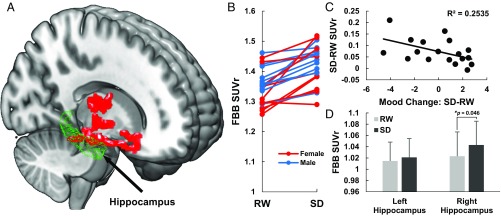
Significance: There has been an emerging interest in sleep and its association with β-amyloid burden as a risk factor for Alzheimer’s disease. Despite the evidence that acute sleep deprivation elevates β-amyloid levels in mouse interstitial fluid and in human cerebrospinal fluid, not much is known about the impact of sleep deprivation on β-amyloid burden in the human brain. Using positron emission tomography, here we show that acute sleep deprivation impacts β-amyloid burden in brain regions that have been implicated in Alzheimer’s disease. Our observations provide preliminary evidence for the negative effect of sleep deprivation on β-amyloid burden in the human brain.
Overview
The claims and statistics of this paper haven’t been checked yet.
Free: it reads the open-access text and checks the first 5 claims that cite a source we can check. Create a free account to check every claim.
Integrity signals
Registry
Cites
Statistics
Figures
Verification
Claims the paper makes
The claims and statistics of this paper haven’t been checked yet.
Free: it reads the open-access text and checks the first 5 claims that cite a source we can check. Create a free account to check every claim.
Claims other papers make about this one
Each is checked against this paper’s own text: does it say what the citing paper says it does?
The cited source doesn’t support the claim as written.
In the citing paper
“However, this usually occurs during deep sleep at the beginning of the night, which lasts one to two hours so is unlikely to be affected in those reporting sleep disturbances. (316-318)”
From Dementia prevention, intervention, and care: 2024 report of the Lancet standing Commission (2024) · cites this paper as [318]
Checked by a reasoning model — may be wrong.
Experimental — accuracy not yet measuredThe cited source says what the claim attributes to it.
In the citing paper
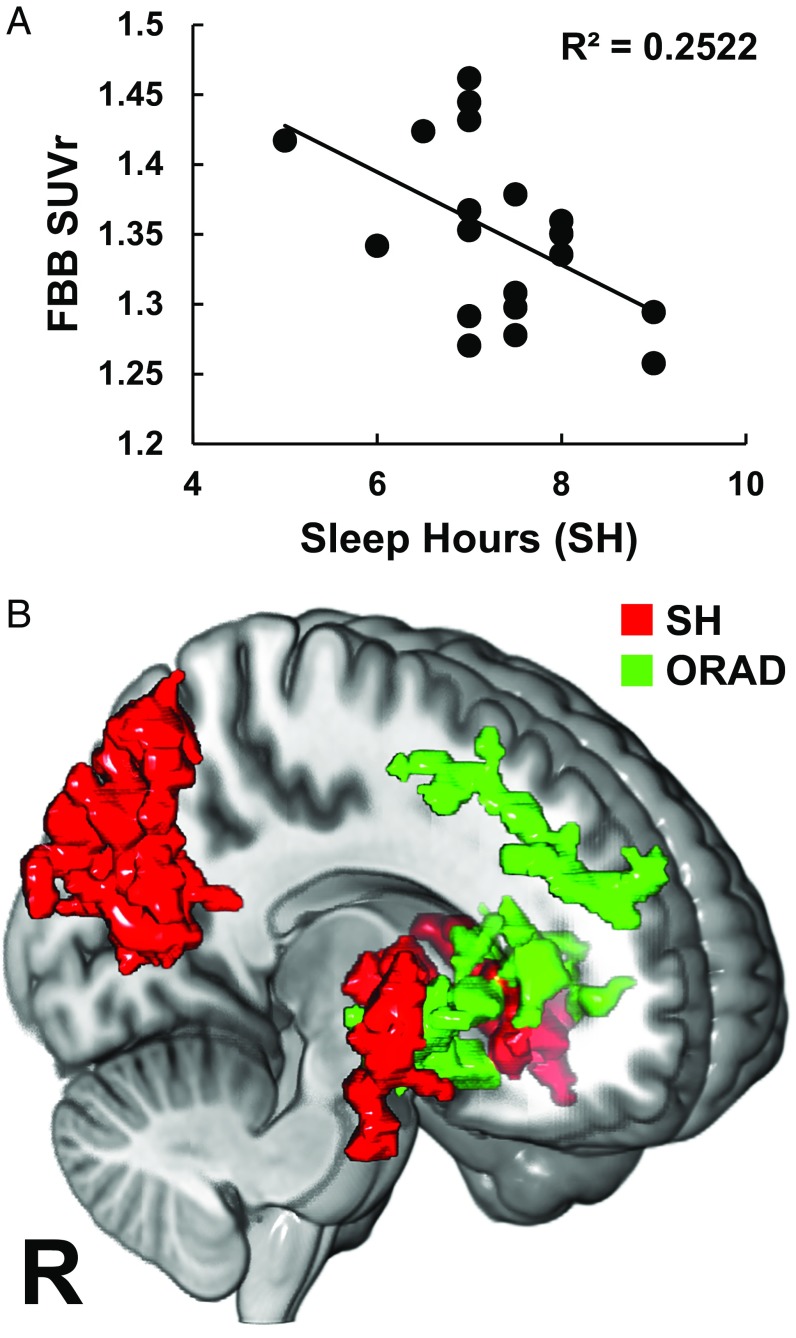
“These increases were negatively correlated with mood but were not associated with a particular AD-linked genotype (that is, the APOE genotype).”
From Rhythms of life: circadian disruption and brain disorders across the lifespan (2019) · cites this paper as [284]
The cited source says what the claim attributes to it.
In the citing paper
“Glymphatic fluid transport is enhanced during sleep14–19.”
From Norepinephrine-mediated slow vasomotion drives glymphatic clearance during sleep (2025) · cites this paper as [18]
The check wasn’t confident either way, so it gives no verdict — never disputed.
In the citing paper
“Soluble Aβ exerts a physiological function, modulating synaptic function and facilitating neuronal growth; furthermore, Aβ protects the brain from infections, repairs leaks in the blood–brain barrier, and promotes recovery from injury [57, 58].”
From Clinical trials of new drugs for Alzheimer disease (2020) · cites this paper as [58]
Experimental — accuracy not yet measuredIn the citing paper
“Indeed, PET imaging showed that a single night of sleep deprivation resulted in a significant increase in Amyloid-β burden in the hippocampus and thalamus (109).”
From Glymphatic failure as a final common pathway to dementia (2020) · cites this paper as [109]
1 more claim about this paper
Create a free account to see every claim other papers make about this one.
Self-check
Percentages, sums and reported differences re-computed from the paper’s own numbers.
The self-check needs the paper’s full text.
Citations
Cites
The Pittsburgh Sleep Quality Index: a new instrument for psychiatric practice and research
Buysse, D. J., Reynolds, C. F., Monk, T. H., Berman, S. R., & Kupfer, D. J. (1989) · Psychiatry Research · doi:10.1016/0165-1781(89)90047-4 · Cited by 35,234 · cited 1×
“The PSQI questionnaire (64) was administered to all participants (n = 20).”
MethodIliff, J. J., Wang, M., Liao, Y., Plogg, B. A., Peng, W., Gundersen, G. A., Benveniste, H., Vates, G. E., Deane, R., Goldman, S. A., et al. (2012) · Science Translational Medicine · doi:10.1126/scitranslmed.3003748 · Cited by 5,824
Self-citationSleep Drives Metabolite Clearance from the Adult Brain
Xie, L., Kang, H., Xu, Q., Chen, M. J., Liao, Y., Thiyagarajan, M., O’Donnell, J., Christensen, D. J., Nicholson, C., Iliff, J. J., et al. (2013) · Science · doi:10.1126/science.1241224 · Cited by 5,411
The minimal preprocessing pipelines for the Human Connectome Project
Glasser, M. F., Sotiropoulos, S. N., Wilson, J. A., Coalson, T. S., Fischl, B., Andersson, J. L., Xu, J., Jbabdi, S., Webster, M., Polimeni, J. R., et al. (2013) · NeuroImage · doi:10.1016/j.neuroimage.2013.04.127 · Cited by 5,253
Imaging brain amyloid in Alzheimer's disease with Pittsburgh Compound‐B
Klunk, W. E., Engler, H., Nordberg, A., Wang, Y., Blomqvist, G., Holt, D. P., Bergström, M., Savitcheva, I., Huang, G., Estrada, S., et al. (2004) · Annals of Neurology · doi:10.1002/ana.20009 · Cited by 4,496 · cited 3×
“There are several validated PET radiotracers for this purpose, including (18)Fflorbetaben (FBB) (22, 23).”
BackgroundPhases of Aβ-deposition in the human brain and its relevance for the development of AD
Thal, D. R., Rüb, U., Orantes, M., & Braak, H. (2002) · Neurology · doi:10.1212/wnl.58.12.1791 · Cited by 3,490 · cited 1×
“We also showed Aβ increases in the thalamus after SD, which is a brain region that shows increases in Aβ in the early stages of AD (33).”
BackgroundApolipoprotein E and Alzheimer disease: risk, mechanisms and therapy
Liu, C.-C., Kanekiyo, T., Xu, H., & Bu, G. (2013) · Nature Reviews Neurology · doi:10.1038/nrneurol.2012.263 · Cited by 3,459 · cited 1×
“SNPs of the APOE gene (rs7412 and rs429358) have been shown to influence brain glucose metabolism and ABB (67, 68).”
BackgroundAnalysis of fMRI Time-Series Revisited
Friston, K. J., Holmes, A. P., Poline, J.-B., Grasby, P. J., Williams, S. C. R., Frackowiak, R. S. J., & Turner, R. (1995) · NeuroImage · doi:10.1006/nimg.1995.1007 · Cited by 2,502
Blood-brain barrier breakdown in the aging human hippocampus
Montagne, A., Barnes, S. R., Sweeney, M. D., Halliday, M. R., Sagare, A. P., Zhao, Z., Toga, A. W., Jacobs, R. E., Liu, C. Y., Amezcua, L., et al. (2015) · Neuron · doi:10.1016/j.neuron.2014.12.032 · Cited by 2,102 · cited 1×
“Instead, changes in hippocampal volume, glucose metabolism (30), and the blood–brain barrier (46) were most evident in patients with early-stage AD.”
BackgroundSimplified Reference Tissue Model for PET Receptor Studies
Lammertsma, A. A., & Hume, S. P. (1996) · NeuroImage · doi:10.1006/nimg.1996.0066 · Cited by 2,021 · cited 3×
“Specifically, regional BPnd was 4486 | www.pnas.org/cgi/doi/10.1073/pnas.1721694115 Shokri-Kojori et al. D ow nl oa de d by g ue st o n Ju ly 1 , 2 02 1 calculated using a noninvasive simplified reference tissue model (SRTM) (61, 62) that was fitted to the time activity curve (0–120 min) derived from the subcortical c…”
MethodInfluential
Cited by
Items 601–700 of 1,001
Wunderlin, M., Wicki, K., Teunissen, C. E., & Züst, M. A. (2026) · Scientific Reports · doi:10.1038/s41598-026-47886-9 · Cited by 5
Early microglial response to amyloid plaques drives sleep loss in Alzheimer's disease
Constantino, N. J., Irmen, R. E., Lanning, M. J., Turner, S. M., Ashley, C. C., Carroll, C. M., Neary, E. M., Rubinow, D., Snipes, J. A., & Macauley, S. L. (2026) · Alzheimer s & Dementia · doi:10.1002/alz.71579 · Cited by 5
Glymphatic system impairment in neurological disorders: potential mechanisms and therapeutic targets
Wang, N., Liu, Z. H., Wang, Y., Cao, F., & Xu, D. (2026) · Molecular Biomedicine · doi:10.1186/s43556-026-00489-2 · Cited by 6
“Conversely, sleep deprivation suppresses this convective exchange, resulting in the sequestration of metabolic waste and the disruption of cerebral proteostasis [69, 70].”
Cai, H., Zou, Y., Gao, H., Huang, K., Liu, Y., Cheng, Y., Liu, Y., Zhou, L., Zhou, D., & Chen, Q. (2022) · Psychoradiology · doi:10.1093/psyrad/kkac019 · Cited by 5
Xue, J., Li, B., Huang, B., Feng, H., Li, X., Liang, S., Yuan, F., Wang, S., Shi, H., Shao, J., et al. (2023) · Pharmacology Biochemistry and Behavior · doi:10.1016/j.pbb.2023.173657 · Cited by 5
Association between sleep patterns and galectin-3 in a Chinese community population
Liu, L., Zhen, J., Liu, S., Ren, L., Zhao, G., Liang, J., Xu, A., Li, C., Wu, J., & Cheung, B. M. Y. (2024) · BMC Public Health · doi:10.1186/s12889-024-18811-4 · Cited by 5
“Both acute and chronic experimental sleep deprivation in animals and humans leads to the accumulation of brain beta-amyloid (Aβ) and plaque formation [30, 31], which in turn triggers the activation of immune cells in the brain, such as microglia and astrocytes [32].”
BackgroundChang, J., Liu, Y., Zhao, Y., Gao, P., & Tang, Y. (2024) · Journal of Neurology · doi:10.1007/s00415-024-12580-1 · Cited by 5
“Less than 6 h of bed rest has been associated with increased dementia incidence [20], and insufficient sleep can result in pathological changes in brain microstructure and accumulation of toxic metabolites, such as β-amyloid [21].”
Reduced DTI-ALPS index in tinnitus patients: DTI-ALPS as a mediator of sleep on tinnitus
Liang, Y., Wen, H., Guo, R., Yin, G.-D., Zhao, J.-Q., Li, Z., & Zeng, X. (2025) · Neuroradiology · doi:10.1007/s00234-025-03556-7 · Cited by 5
“The relationship between sleep and the glymphatic system has been verified in several studies [12, 16, 28–30].”
Ju, E., Guo, Y., Park, J. I., Kim, J., Qu, A., & Lee, J. (2025) · Western Journal of Nursing Research · doi:10.1177/01939459251323675 · Cited by 5
“tests indicate that beta-amyloid levels are highest before sleep and lowest in the morning, 4,5 suggesting effective beta-amyloid clearance during sleep.”
Association of P300 Event-Related Potential with Sleep in Indian Collegiate Population
Aseem, A., Chaudhry, N., & Hussain, M. E. (2020) · Sleep and Vigilance · doi:10.1007/s41782-020-00098-1 · Cited by 5
“This clearance can be attenuated following acute total sleep deprivation [48].”
BackgroundThe Involvement of Melatonin and Tasimelteon against Alzheimer’s Disease
Ravikumar, M., Mohan, S., & Velpandian, C. (2022) · Current Drug Safety · doi:10.2174/1574886317666220517125644 · Cited by 5
Sleep Disturbances in Neurological Disease: A Target for Intervention
Khambadkone, S. G., & Benjamin, S. E. (2022) · Seminars in Neurology · doi:10.1055/a-1958-0710 · Cited by 5
Is multiple sclerosis a glymphaticopathy?
Alghanimy, A., Giovannoni, G., Lechner‐Scott, J., Levy, M. L., Yeh, E. A., & Hawkes, C. H. (2023) · Multiple Sclerosis and Related Disorders · doi:10.1016/j.msard.2023.105141 · Cited by 5
Carroll, C. M., & Benca, R. M. (2024) · Biomolecules · doi:10.3390/biom14030274 · Cited by 5
Tucker, A., Goldberg, T. E., & Kim, H. (2024) · Expert Review of Molecular Diagnostics · doi:10.1080/14737159.2024.2389307 · Cited by 6
“Causal relationship between sleep pathologies and AD are also demonstrated through studies using transgenic mouse models and Mendelian Randomization models (i.e. using genetic risk factors to infer causality between sleep and AD outcomes) [93,94].”
Interactions of Sleep and Female Sexual Function: a Review
Kling, J. M., Kapoor, E., & Faubion, S. S. (2018) · Current Sexual Health Reports · doi:10.1007/s11930-018-0180-3 · Cited by 5
The Reciprocal Interaction Between Sleep and Alzheimer’s Disease
Harris, S., Schwerd-Kleine, T., Lee, B. I., & Busche, M. A. (2021) · Advances in experimental medicine and biology · doi:10.1007/978-3-030-81147-1_10 · Cited by 5
“…controls following one night of SD increased in the right hippocampus and thalamus with baseline burden in subcortical areas and precuneus negatively correlated to reported sleep time during rested sleep, but was not related to genetic risk for AD (APOE genotype) (Shokri-Kojori et al. 2018).”
BackgroundSleep Loss: What Does It Do to Our Brain and Body?
Jha, V. M., & Jha, S. K. (2020) · Springer eBooks · doi:10.1007/978-981-15-7175-6_4 · Cited by 5
An automatic estimation of the rest-interval for MotionWatch8© using uniaxial movement and lux data
Backhouse, D., Falck, R. S., & Liu-Ambrose, T. Y. L. (2020) · Sleep Science and Practice · doi:10.1186/s41606-020-00051-1 · Cited by 6
Altered BOLD signal variation in Alzheimer’s disease and frontotemporal dementiaPreprint
Tuovinen, T., Kananen, J., Rytty, R., Moilanen, V., Elseoud, A. A., Remes, A. M., Kiviniemi, V. J., & ADNI (2018) · bioRxiv (Cold Spring Harbor Laboratory) · doi:10.1101/455683 · Cited by 5
Liguori, C., Placidi, F., Izzi, F., Spanetta, M., Mercuri, N. B., & Pucchio, A. D. (2020) · Alzheimer s Research & Therapy · doi:10.1186/s13195-020-00624-3 · Cited by 5
Wu, Y., Bhat, N. R., & Liu, M. (2025) · Frontiers in Aging Neuroscience · doi:10.3389/fnagi.2025.1529769 · Cited by 4
Modeling biomarker kinetics of Aβ levels in serum following blast
Norris, C., Garimella, H. T., Carr, W. S., Boutté, A. M., Gupta, R. K., & Przekwas, A. J. (2025) · Frontiers in Neurology · doi:10.3389/fneur.2025.1548589 · Cited by 4
Li, J., Ding, M., Zhang, W., Pan, Y., Du, Y., Wang, W., Ding, J., & Ding, X. (2025) · Neurological Sciences · doi:10.1007/s10072-025-08275-8 · Cited by 4
“Given that glymphatic clearance is most active during slow-wave sleep [39], sleep deprivation or slow-wave sleep disruptions have been shown to exacerbate Aβ accumulation, further underscoring the importance of sleep in maintaining glymphatic function [12, 31].”
Associations between night/shift working and late-life brain health
King‐Robson, J., Nicholas, J. M., James, S., Keshavan, A., Williams, D. M., Groves, J., Sudre, C. H., Lu, K., Barnes, J., Coath, W., et al. (2025) · Brain Communications · doi:10.1093/braincomms/fcaf264 · Cited by 4
“However, many of those studies suggesting an amyloidogenic effect of sleep disturbance utilize acute sleep deprivation paradigms quite different to the chronic circadian disruption explored here, 3,5,61 and few if any explore the influence of sleep disturbance this early in the life course.”
van der Zwet, L. C. A., Michel, S. H., & Deboer, T. (2025) · Exploration of Endocrine and Metabolic Diseases · doi:10.37349/eemd.2025.101437 · Cited by 5
Zhang, M., Huang, X., Dai, M., Zhang, S., Yin, C., & You, Q. (2025) · Scientific Reports · doi:10.1038/s41598-025-14303-6 · Cited by 4
Stimulus-driven cerebrospinal fluid dynamics is impaired in glaucoma patients
Bang, J. W., Parra, C., Yu, K., Lee, H. S., Wollstein, G., Schuman, J. S., & Chan, K. C. (2026) · npj Aging · doi:10.1038/s41514-025-00315-z · Cited by 4
Diurnal changes of cerebrospinal fluid and global signal coupling
Müller, L., Berberich, C., Heinrich, P., Nuttall, R., Pilge, S., Zott, B., Sorg, C., Wohlschlaeger, A. M., Schneider, G., & Zimmermann, J. (2026) · NeuroImage · doi:10.1016/j.neuroimage.2026.121833 · Cited by 4
Acute sleep rebound following sleep restriction is associated with reduced mortality risk
Li, X., Zhang, M., Li, Z., Zhang, S., Bertisch, S. M., Huang, T., Rutter, M. K., & Redline, S. S. (2026) · Nature Communications · doi:10.1038/s41467-026-72461-1 · Cited by 4
Can Wim Hof Method breathing induce conscious metabolic waste clearance of the brain?
Chavez, J. A., & Zappaterra, M. (2023) · Medical Hypotheses · doi:10.1016/j.mehy.2023.111118 · Cited by 4
Objective sleep was longitudinally associated with brain amyloid burden in mild cognitive impairment
Kimura, N., Sasaki, Y., Masuda, T., Ataka, T., Eguchi, A., Kakuma, T., & Matsubara, E. (2023) · Annals of Clinical and Translational Neurology · doi:10.1002/acn3.51912 · Cited by 4
Zhen-zhu, H., Li, Z., Shi, Y., Liu, S., Shen, Y., Hu, F., Li, Q., Liu, X., Gou, X., Chen, Z., et al. (2023) · Neurological Sciences · doi:10.1007/s10072-023-07208-7 · Cited by 4
Gabb, V. G., Blackman, J., Morrison, H. D., Biswas, B., Li, H., Turner, N. L., Russell, G. M., Greenwood, R., Jolly, A., Trender, W. R., et al. (2024) · JMIR Research Protocols · doi:10.2196/52652 · Cited by 4
“A single night of sleep deprivation disrupts cognitive performance [28], increases AD-related pathology such as amyloid burden [29], and reduces waste clearance in the brain [30], and improving sleep through treating sleep-disordered breathing has been associated with improvements in both…”
BackgroundImpact of sleep deprivation on dynamic functional connectivity states
Fasiello, E., Galbiati, A., & Ferini‐Strambi, L. (2025) · Handbook of clinical neurology · doi:10.1016/b978-0-323-90918-1.00012-5 · Cited by 4
Nanopathways modulating postoperative cognitive dysfunction: extracellular vesicles
Zhang, Y., Yin, Z., Zou, Z., Feng, S., & Xu, H. (2025) · Frontiers in Cell and Developmental Biology · doi:10.3389/fcell.2025.1613378 · Cited by 4
Sleep deprivation exhibits an age-dependent effect on infraslow global brain activity
Yang, Y., Zhao, W., Mao, Y., Mao, T., Deng, Y., Yang, Y., Rao, H., & Liu, X. (2026) · Proceedings of the National Academy of Sciences · doi:10.1073/pnas.2528913123 · Cited by 4
Carbone, M. G., Maremmani, I., Rocca, F. D., Gastaldello, G., Mazzetto, L., Bellini, A., Rizzato, R., Miccichè, R., Tripodi, B., Tagliarini, C., et al. (2026) · Journal of Clinical Medicine · doi:10.3390/jcm15062222 · Cited by 4
Pastukhov, Y. F., Симонова, В. В., Shemiakova, T. S., Guzeev, M. A., Полоник, С. Г., & Ekimova, I. V. (2020) · Advances in Gerontology · doi:10.1134/s2079057020030133 · Cited by 4
NREM delta power and AD-relevant tauopathy are associated with shared cortical gene networks
Scarpa, J. R., Jiang, P., Gao, V., Vitaterna, M. H., Turek, F. W., & Kasarskis, A. (2021) · Scientific Reports · doi:10.1038/s41598-021-86255-6 · Cited by 4
How to Prevent and/or Revert Alzheimer’s Disease Continuum During Preclinical Phases
Ávila‐Villanueva, M., Dolado, A. M., & Fernández‐Blázquez, M. A. (2023) · Journal of Alzheimer s Disease Reports · doi:10.3233/adr220100 · Cited by 4
Sato, T., Ochiishi, T., Higo-Yamamoto, S., & Oishi, K. (2023) · EXPERIMENTAL ANIMALS · doi:10.1538/expanim.23-0104 · Cited by 4
“Extracellular Aβ levels decrease during sleep, and conversely, sleep deprivation elevates Aβ levels [ 34 ], Aβ plaque deposition [35], and tau pathology in the brain [36 ].”
Executive Functions in Adolescents with Sleep Disorder
abadi, F. G. S., & Abdolmohammadi, K. (2023) · The Neuroscience Journal of Shefaye Khatam · doi:10.61186/shefa.11.2.32 · Cited by 4
Li, A., Jaakkola, M. K., Saaresranta, T., Klén, R., & Li, X. (2024) · Sleep Medicine Reviews · doi:10.1016/j.smrv.2024.101967 · Cited by 4
CRY2 mediates the cognitive decline induced by sleep deprivation in 5xFAD mice
Luo, S., Guo, L., Chen, N., Guo, Q., Xie, Y., Wang, Y., & Wang, E. (2024) · PLoS ONE · doi:10.1371/journal.pone.0306930 · Cited by 4
Emerging Technologies to Track and Improve Sleep Health
Ji, K., & Yun, C. (2024) · Sleep Medicine Clinics · doi:10.1016/j.jsmc.2024.10.011 · Cited by 4
New Targets for Positron Emission Tomography Imaging in Parkinson´s Disease
Yang, Y., Zhao, Y.-X., Li, X., & Zuo, C. (2025) · Seminars in Nuclear Medicine · doi:10.1053/j.semnuclmed.2025.05.004 · Cited by 4
Does More Sleep Time Improve Memory? Evidence for the Middle-Aged and Elderly
Chen, W. (2019) · American Journal of Health Education · doi:10.1080/19325037.2019.1662859 · Cited by 4
“that midlife and late-life sleep disturbances are associated with a higher dementia risk,(15) and that sleep deprivation may be linked to risk factor for Alzheimer’s disease.(16) However, the direct effect of sleep time on memory for the middle-aged and elderly is still unclear, which remains to be explored.”
BackgroundPreventing Cognitive Decline and Dementia
Shea, Y. F., & DeKosky, S. T. (2019) · Cambridge University Press eBooks · doi:10.1017/9781108554350.019 · Cited by 4
Paltsyn, A. A., & Sviridkina, N. B. (2020) · Nauchno-prakticheskii zhurnal «Patogenez» · doi:10.25557/2310-0435.2020.02.79-86 · Cited by 4
Chethana, H. P., Hemachandra, G., & Sidhu, A. (2022) · Springer eBooks · doi:10.1007/978-981-16-6703-9_12 · Cited by 4
Membrane Proteins as a Regulator for Antibiotic Persistence in Gram-Negative Bacteria
Yee, J. X., Kim, J., & Yeom, J. (2023) · The Journal of Microbiology · doi:10.1007/s12275-023-00024-w · Cited by 4
Exploratory Data Analysis in a Six-Year Longitudinal Study in Healthy Brain AgingPreprint
Gómez-Ramírez, J., Ávila‐Villanueva, M., Payo, B. F., Quijano, T. D. S., Soler, M. V., Sevilla, M. A. Z., & Fernández‐Blázquez, M. A. (2019) · bioRxiv (Cold Spring Harbor Laboratory) · doi:10.1101/674853 · Cited by 4
“In a study that measured the association between amyloid-beta burden, relative to baseline, and sleep deprivation in 20 healthy controls [Shokri-Kojori et al., 2018], researchers reported that one night of sleep deprivation is sufficient for a significant increase in amyloid-beta in the right…”
BackgroundMistlberger, R. E., & Kent, B. A. (2019) · Faculty Opinions – Post-Publication Peer Review of the Biomedical Literature · doi:10.3410/f.736832585.793568954 · Cited by 4
Jo, K. J., Ho, S. H., Hong, Y. J., Jeong, J. H., Kim, S., Wang, M. J., Choi, S. H., Han, S., Yang, D. W., & Park, K. H. (2024) · Dementia and Neurocognitive Disorders · doi:10.12779/dnd.2024.23.1.22 · Cited by 3
“2,17,18 Sleep is thus a potent modulator of A β , both in the short term for monomeric A β and in the long term for A β deposition and AD pathology progression.”
BackgroundSelf-citationWu, P., Fu, C., Chen, M., Wu, F., He, W., Luo, Q., Wang, H., & Li, Y. (2025) · ACS Chemical Neuroscience · doi:10.1021/acschemneuro.5c00214 · Cited by 3
Assessment of Intravoxel Incoherent Motion Diffusion‐Weighted Imaging in Insomnia
Tang, W., Debora, A., Miao, S., Lin, B., Huang, Q., Yuan, Z., Yang, Y., & Xia, N. (2025) · Brain and Behavior · doi:10.1002/brb3.70785 · Cited by 3
Chen, A., Kuang, Z., Khong, P., Huang, J., Wen, J., Choi, Y. S., Xu, Y., Wu, P., & Wei, X. (2025) · European Journal of Neurology · doi:10.1111/ene.70389 · Cited by 3
Sex differences in sleep fragmentation in 5xFAD mice
Kim, K., Villegas, A.-R., Kelley, A., Labut, E. M., Hagen, T. M., Magnusson, K. R., & Kloefkorn, H. E. (2025) · Neuroscience · doi:10.1016/j.neuroscience.2025.10.035 · Cited by 3
Glymphatic Dysfunction, Brain Damage, and Clinical Disability in Spinocerebellar Ataxia Type 3
Guo, J., Xie, J., Fan, Y., Biswal, B. B., Liu, X., Wang, X., Sheng, W., Chen, W., Chen, H., Wang, J., et al. (2026) · Movement Disorders · doi:10.1002/mds.70311 · Cited by 3
“14,15 However, the use of such invasive techniques requires adequate clinical justi fi cation and therefore is limited in clinical settings.”
Amyloid-β clearance: an astrocytic perspective
Li, J., Lv, Z., Chen, X. P., Fu, F., Yang, K., Lai, G., Wu, H., & Xie, G. (2026) · Frontiers in Neuroscience · doi:10.3389/fnins.2026.1812081 · Cited by 3
The Glymphatic system: A dynamic regulator of brain health and therapeutic target
Wang, X., Gao, M., Sui, S., Liu, F., Tian, W., Wu, S., Ding, J., Chao, X., Xie, X., Gu, M., et al. (2026) · Experimental Neurology · doi:10.1016/j.expneurol.2026.115825 · Cited by 3
AQP4-mediated glymphatic clearance: Sleep, neurodegeneration, and the translational gap
Santerre, M., Shcherbik, N., & Sawaya, B. E. (2026) · Neuroscience & Biobehavioral Reviews · doi:10.1016/j.neubiorev.2026.106819 · Cited by 4
Hackshaw, K. V. (2026) · CNS Spectrums · doi:10.1017/s1092852926101114 · Cited by 3
Sharma, A., Feng, L., Muresanu, D. F., Tian, Z. R., Lafuente, J. V., Buzoianu, A. D., Nozari, A., Bryukhovetskiy, I., Manzhulo, I., Wiklund, L., et al. (2023) · International review of neurobiology · doi:10.1016/bs.irn.2023.05.009 · Cited by 3
Wang, Y., Li, M., & Chen, X. (2023) · Frontiers in Public Health · doi:10.3389/fpubh.2023.1246008 · Cited by 3
“…proteins associated with neurodegeneration, such as β -amyloid, are cleared from the brain but a short sleep duration for one night and chronic short sleep durations could limit this function, leading to the accumulation of such proteins with potentially adverse effects on brain function (27).”
BackgroundTari, B., Yehuda, M. B., Laurell, A. A. S., Ritchie, K. A., Dauvilliers, Y. A., Ritchie, C. W., LAWLOR, B. A., Naçi, L., Terrera, G. M., Malhotra, P., et al. (2023) · Frontiers in Sleep · doi:10.3389/frsle.2023.1226824 · Cited by 3
Circadian advantages in elite athletes
Brager, A. J., Gordon, J. A., Rouska, A., Moore, B. A., & Mysliwiec, V. (2024) · Elsevier eBooks · doi:10.1016/b978-0-12-822969-9.00012-2 · Cited by 3
Cold Hypersensitivity and Sleep Quality: A Cross-sectional Community-based Study
Park, K.-H., Lee, S., & Bae, K.-H. (2024) · The Journal of Internal Korean Medicine · doi:10.22246/jikm.2024.45.3.342 · Cited by 3
Hand, L. K., Key, M. N., Vidoni, E. D., Ludwig, R. L., Nelson, E., Glaser, A., Drerup, M. L., Phadnis, M. A., Bruce, J. M., Burns, J. M., et al. (2025) · Journal of Sleep Research · doi:10.1111/jsr.70098 · Cited by 4
“In fact, just one night of sleep deprivation promotes Aβ accumulation in healthy adults ages 22–72 (Shokri-Kojori et al. 2018), suggesting chronic poor sleep in the case of insomnia may promote AD pathology throughout adulthood prior to cognitive decline.”
Ye, H., Lu, C.-Q., Wang, C., Zhang, D., Li, Y.-F., Feng, X.-Y., Wang, H.-P., Mao, Y., Ji, M., & Yang, J. (2023) · Brain Research Bulletin · doi:10.1016/j.brainresbull.2023.110776 · Cited by 3
“One night of SD could result in a significant increase in the Aβ burden in the right hippocampus and thalamus in healthy participants (Shokri-Kojori et al., 2018).”
Stress and the domestic cat: have humans accidentally created an animal mimic of neurodegeneration?
Niesman, I. R. (2024) · Frontiers in Neurology · doi:10.3389/fneur.2024.1429184 · Cited by 3
“Sleep disturbances increase CSF levels of toxic A β (56, 57), which accumulates into extracellular plaques.”
BackgroundBilingualism, sleep, and cognition: An integrative view and open research questions
Gallo, F., Myachykov, A. V., Abutalebi, J., DeLuca, V., Ellis, J., Rothman, J., & Wheeldon, L. R. (2024) · Brain and Language · doi:10.1016/j.bandl.2024.105507 · Cited by 3
La prevalencia de los neuromitos en la educación
Morandín-Ahuerma, F. (2022) · PhilPapers (PhilPapers Foundation) · Cited by 3
Neurodegenerative Dementias: Improving Brain Health to Decrease Risk
Bateman, J. R., Hurley, R. A., & Taber, K. H. (2019) · Journal of Neuropsychiatry · doi:10.1176/appi.neuropsych.18110287 · Cited by 3
The overlooked vital sign: The importance of measuring sleep in drug development studies
McCarthy, M., Murphy, P., Rosenberg, R. P., & Orford, C. (2021) · Drug Discovery Today · doi:10.1016/j.drudis.2021.12.003 · Cited by 3
The Relationship Between Sleep and Sexual Function in Women
Al-Badri, M., Kapoor, E., Faubion, S. S., & Kling, J. M. (2022) · Current Sexual Health Reports · doi:10.1007/s11930-022-00347-6 · Cited by 3
Sistema glinfático: aspectos anatómicos, fisiológicos e implicaciones clínicas
Martínez-Cogollo, J. A., de Ávila, C. A. R., & Sobrino, F. (2023) · Acta neurológica colombiana · doi:10.22379/anc.v39i2.835 · Cited by 3
“…20 pacientes sanos, en quienes la interrupción del sueño de onda lenta con-dujo al aumento de la concentración de los niveles en LCR de amiloide-ß (35), lo que apoya la hipótesis de que la mala calidad del sueño es un factor de riesgo para el deterioro cognitivo y demencia secundario a la…”
BackgroundGlymphatic dysfunction and sleep disorders: indirect effects on Alzheimer’s disease
Kashchenko, S. A., Eranova, A. A., & Валентиновна, Ч. Е. (2024) · S S Korsakov Journal of Neurology and Psychiatry · doi:10.17116/jnevro20241240417 · Cited by 3
Ryden, A., & Alessi, C. (2022) · Respiratory medicine · doi:10.1007/978-3-030-93739-3_22 · Cited by 3
Liu, T., Wang, G., Zhang, X., Liu, X., Liang, Z., Ren, X., Yan, D., & Zhang, W. (2022) · Frontiers in Integrative Neuroscience · doi:10.3389/fnint.2022.936955 · Cited by 3
Self-citationA PRIVAÇÃO DO SONO E SEUS IMPACTOS NO DESENVOLVIMENTO DE TRANSTORNOS NEURODEGENERATIVOS
Garcia, M. P., Siqueira, L. B., Bordignon, G., Peres, G. F. F., Machado, A. R. D. S. R., Machado, A. M., & da Silva, A. V. (2023) · Arquivos de Ciências da Saúde da UNIPAR · doi:10.25110/arqsaude.v27i7.2023-041 · Cited by 3
Understanding the interplay of sleep and aging: Methodological challengesPreprint
Muehlroth, B. E., & Werkle‐Bergner, M. (2019) · bioRxiv (Cold Spring Harbor Laboratory) · doi:10.1101/713552 · Cited by 4
“, 2019), but might also potentiate, accelerate, or even cause cognitive pathology in old age (Shokri-Kojori et al., 2018; Vaou et al., 2018).”
BackgroundStudying the interplay of sleep and aging: Methodological challengesPreprint
Muehlroth, B. E., & Werkle‐Bergner, M. (2019) · MPG.PuRe (Max Planck Society) · Cited by 3
Kroll, F., Donnelly, J., Özcan, G. G., Mackay, E., & Rihel, J. (2024) · eLife · doi:10.7554/elife.96839.1 · Cited by 3
Yu, Y., Fedele, G., Celardo, I., Zhou, L., Zhi Tan, B. W., Loh, S. H. Y., & Martins, L. M. (2025) · doi:10.1101/2025.02.26.640405 · Cited by 3
“A lack of sleep is linked to increased neuronal excitability (Tabuchi et al., 2015) and increased Aβ levels (Shokri-Kojori et al., 2018).”
Correlation of Alzheimer’s Disease and Other Psychological and Non-Psychological Conditions
Boiko, D. I., Zhyvotovska, L. V., Боднарь, Л. А., Rud, V. O., Vasylyeva, G. Y., & Skrypnikov, A. M. (2024) · Springer eBooks · doi:10.1007/978-981-96-0259-9_5 · Cited by 2
Insomnia, major depressive disorders, and risk for Alzheimer’s disease and related dementias
Ahn, S., Salas, J., Cho, J., & Scherrer, J. F. (2025) · Aging & Mental Health · doi:10.1080/13607863.2025.2533495 · Cited by 2
Feng, S., Que, J., Wang, Q., Yuan, K., & Shi, L. (2025) · Frontiers in Aging Neuroscience · doi:10.3389/fnagi.2025.1627774 · Cited by 2
Alzheimer's disease model explains Alzheimer’s disease incidences
Chan, J. C.-Y. (2025) · Journal of Alzheimer s Disease Reports · doi:10.1177/25424823251395616 · Cited by 2
Cerebral Venous Insufficiency as a Contributing Factor in Dementia: An Emerging Hypothesis
Eliav, T., Alguayn, F., Zlotnik, Y., & Horev, A. (2025) · Stroke Vascular and Interventional Neurology · doi:10.1161/svin.125.002083 · Cited by 2
The Cerebral Clearance Cascade as a Driver of Alzheimer’s Disease Progression
Izrael, M., & Frenkel, O. M. (2025) · Journal of dementia and Alzheimer's disease · doi:10.3390/jdad3010001 · Cited by 2
“Clinically, orexin receptor antagonists such as suvorexant not only improve sleep architecture but also lower CSF tau and amyloid levels in early AD patients [135].”
Glymphatic system dysfunction as a predictor of cognitive decline and incident dementia
Li, C., Li, W., Liu, Z.-Y., Zhai, F.-F., Han, F., Li, M., Zhou, L., Ni, J., Yao, M., Zhang, S.-Y., et al. (2026) · Journal of Alzheimer s Disease · doi:10.1177/13872877251411493 · Cited by 2
Activity driven sleep dynamics: A conceptual modeling study
Postnov, D. E., Merkulova, K. O., Semyachkina-Glushkovskaya, O. V., & Kurths, J. (2026) · PLoS ONE · doi:10.1371/journal.pone.0341279 · Cited by 2
Implication of the thalamus in sleep alterations observed in Alzheimer's disease
Burnet-Merlin, C., Hay, Y. A., & Brécier, A. (2026) · Alzheimer s & Dementia · doi:10.1002/alz.71242 · Cited by 2
“13,14 Thus, alterations of the thalamus could be central in the sleep disorders associated with AD.”
Liu, S., Huang, J., Calderon, R., Spira, A. P., McPhillips, M., Gooneratne, N. S., Gill, J., & Li, J. (2026) · The Journals of Gerontology Series A · doi:10.1093/gerona/glag081 · Cited by 2
Insomnia and Cognitive Functions: Focus on Neurobiological Mechanisms
Janjic, V., Djoković, D., Muric, M. D., Fetahović, E., Radmanović, B., Barać, S., Čolović, S., Radmanović, O., & Muric, N. N. (2026) · Psychiatry International · doi:10.3390/psychiatryint7020070 · Cited by 2
“Both clinical and experimental studies indicate that impaired sleep continuity may interfere with A β clearance, thereby promoting its accumulation in vulnerable brain regions [112,113].”
Exercise modulates novelty-related behavior and hippocampal calcium activity after sleep deprivation
You, Y., Ablitip, A., Wang, D., Ding, H., Cui, Y., Zheng, K., Liu, J., & Ma, X. (2026) · SLEEP · doi:10.1093/sleep/zsag104 · Cited by 2
Li, Y., Li, J., Liu, X., Wang, T., Ma, L., She, R., & Chang, Y. (2026) · Rejuvenation Research · doi:10.1177/15491684261442832 · Cited by 2
“47 Holth et al. demonstrated that 36 hours of total sleep deprivation caused a 51.5% increase in CSF tau in healthy humans, as measured by serial lumbar puncture.”
InfluentialNAD + ‒circadian rhythm coupling in dementia
Zhang, S., Lee, J., Pan, J., Enger, R., Hrubos‐Strøm, H., Musiek, E. S., Fang, E. F., & Le, W. (2026) · Alzheimer s & Dementia · doi:10.1002/alz.71360 · Cited by 2
“98,99 At the same time, human studies associate a higher amyloid burden with reduced slow-wave activity and poorer memory consolidation.”
Metadata
- Authors
- Shokri-Kojori, E., Wang, G.-J., Wiers, C. E., Demiral, S. B., Guo, M., Kim, S. W., Lindgren, E., Ramirez, V., Zehra, A., Freeman, C., Miller, G., Manza, P., Srivastava, T., De Santi, S., Tomasi, D., Benveniste, H., & Volkow, N. D.
- Affiliations
- Laboratory of Neuroimaging, National Institute on Alcohol Abuse and Alcoholism, National Institutes of Health, Bethesda, MD 20892;
- National Institutes of Health (US)
- Piramal Pharma Inc., Boston, MA 02108;
- Yale University (US)
- Corresponding author
- Wang, Gene-Jack
- Volkow, Nora D.
- ORCID
- Venue
- Proceedings of the National Academy of Sciences
- Publisher
- National Academy of Sciences
- Published
- 2018-04-09
- Volume
- 115
- Issue
- 17
- Pages
- 4483-4488
- ISSN
- 0027-8424 (ISSN-L)
- 1091-6490
- PMC
- PMC5924922
- OpenAlex
- W2797347068
- Cited by
- 893
- References
- 72
- Citations by year
- 2026: 107 · 2025: 133 · 2024: 117 · 2023: 114 · 2022: 104 · 2021: 94 · 2020: 128 · 2019: 76 · 2018: 19
- FWCI
- 54.34
- Type
- journal article
- Language
- en
- Open access
- hybrid
- doi.org
- Licence
- Locations
- Proceedings of the National Academy of Sciences (publishedVersion, cc-by-nc-nd)
- Europe PMC (PubMed Central) (publishedVersion, cc-by-nc-nd)
- PubMed Central (publishedVersion, cc-by-nc-nd)
- PubMed (publishedVersion)
- Funders
- HHS | NIH | National Institute on Alcohol Abuse and Alcoholism (Y1AA3009)
- Topics
- Life Sciences › Neuroscience › Cellular and Molecular Neuroscience › Alzheimer's disease research and treatments
- Life Sciences › Neuroscience › Cognitive Neuroscience › Sleep and Wakefulness Research
- Social Sciences › Psychology › Experimental and Cognitive Psychology › Sleep and Work-Related Fatigue
- Keywords
- amyloid-beta deposition, sleep deprivation, amyloid burden, hippocampus, thalamus, mood, APOE genotype, Alzheimer's disease risk, sleep duration, precuneus
- MeSH terms
- Adult, Aged, Alzheimer Disease, Apolipoproteins E, Female, Genotype, Hippocampus, Humans, Male, Middle Aged, Risk Factors, Sleep Deprivation, Thalamus, Amyloid beta-Peptides
About these checks
Registry, retraction, Cites and statistics results are computed, not judged, with one exception: a printed reference that no index lists is read once by a model before it counts as a citation error. Claims are extracted by a model and kept only when their quote appears verbatim in the text; each cited source is then checked, with a model’s help, for whether it says what the claim relies on. Those verdicts can be wrong — read the claim’s quote and the cited source before relying on one.
Statistics and arithmetic are recomputed, not judged.
Confidence bands are shown only for fields calibrated on our annotated test set. None is calibrated yet, so no band is shown.
What counts as a claim ›How we measure confidence ›How we check this ›
Are you an author, or do you see a problem with this page? Request a review
Data sources
Bibliographic data: Semantic Scholar, OpenAlex, Crossref.
Contains information from the Semantic Scholar Academic Graph Datasets, made available under the ODC Attribution License (ODC-BY 1.0).
Semantic Scholar’s data is described in: Kinney, R., et al. (2023). The Semantic Scholar Open Data Platform. arXiv:2301.10140.
