

β-Amyloid accumulation in the human brain after one night of sleep deprivation
Open accessThe DOI matches its Crossref record; 72 of the 72 references it cites were found in a registry or an index.
Abstract
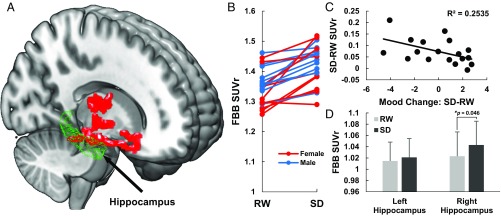
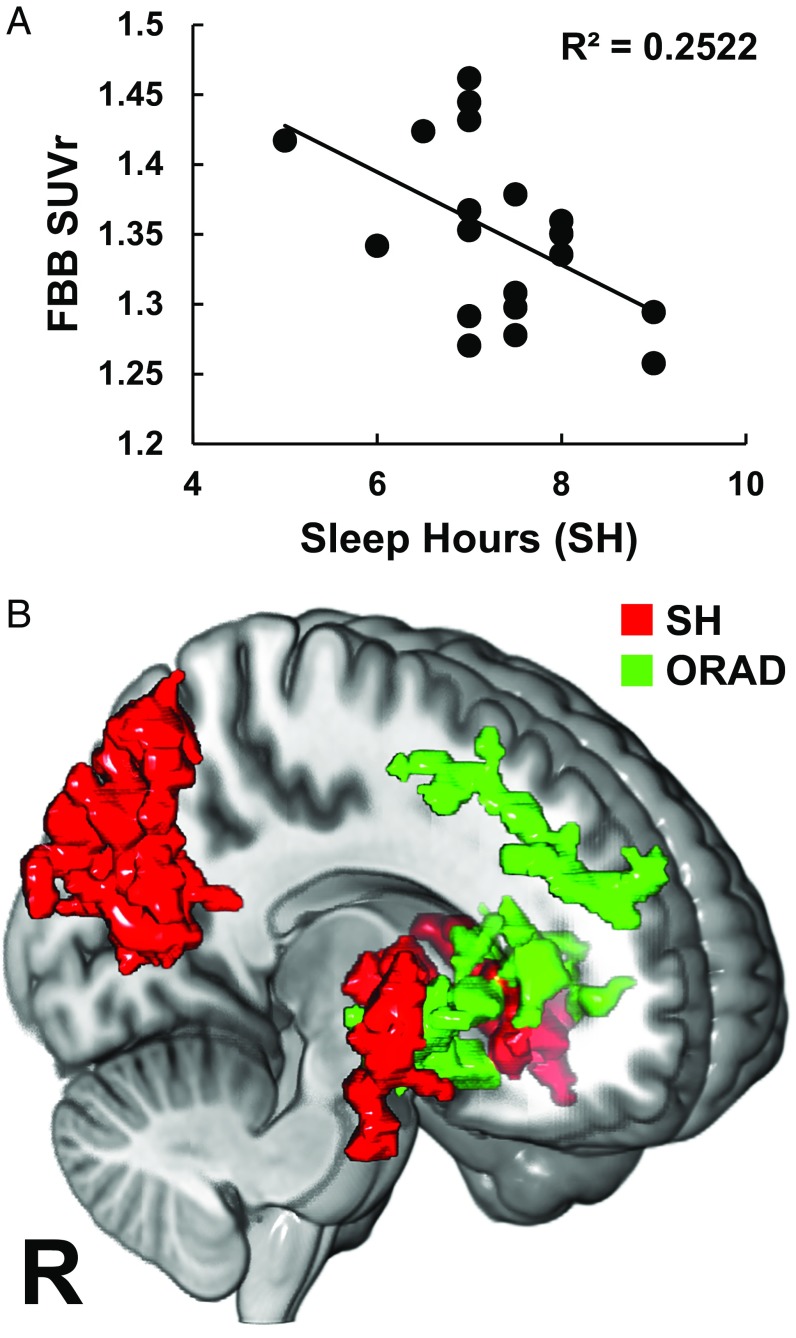
Significance: There has been an emerging interest in sleep and its association with β-amyloid burden as a risk factor for Alzheimer’s disease. Despite the evidence that acute sleep deprivation elevates β-amyloid levels in mouse interstitial fluid and in human cerebrospinal fluid, not much is known about the impact of sleep deprivation on β-amyloid burden in the human brain. Using positron emission tomography, here we show that acute sleep deprivation impacts β-amyloid burden in brain regions that have been implicated in Alzheimer’s disease. Our observations provide preliminary evidence for the negative effect of sleep deprivation on β-amyloid burden in the human brain.
Overview
The claims and statistics of this paper haven’t been checked yet.
Free: it reads the open-access text and checks the first 5 claims that cite a source we can check. Create a free account to check every claim.
Integrity signals
Registry
Cites
Statistics
Figures
Verification
Claims the paper makes
The claims and statistics of this paper haven’t been checked yet.
Free: it reads the open-access text and checks the first 5 claims that cite a source we can check. Create a free account to check every claim.
Claims other papers make about this one
Each is checked against this paper’s own text: does it say what the citing paper says it does?
The cited source doesn’t support the claim as written.
In the citing paper
“However, this usually occurs during deep sleep at the beginning of the night, which lasts one to two hours so is unlikely to be affected in those reporting sleep disturbances. (316-318)”
From Dementia prevention, intervention, and care: 2024 report of the Lancet standing Commission (2024) · cites this paper as [318]
Checked by a reasoning model — may be wrong.
Experimental — accuracy not yet measuredThe cited source says what the claim attributes to it.
In the citing paper
“These increases were negatively correlated with mood but were not associated with a particular AD-linked genotype (that is, the APOE genotype).”
From Rhythms of life: circadian disruption and brain disorders across the lifespan (2019) · cites this paper as [284]
The cited source says what the claim attributes to it.
In the citing paper
“Glymphatic fluid transport is enhanced during sleep14–19.”
From Norepinephrine-mediated slow vasomotion drives glymphatic clearance during sleep (2025) · cites this paper as [18]
The check wasn’t confident either way, so it gives no verdict — never disputed.
In the citing paper
“Soluble Aβ exerts a physiological function, modulating synaptic function and facilitating neuronal growth; furthermore, Aβ protects the brain from infections, repairs leaks in the blood–brain barrier, and promotes recovery from injury [57, 58].”
From Clinical trials of new drugs for Alzheimer disease (2020) · cites this paper as [58]
Experimental — accuracy not yet measuredIn the citing paper
“Indeed, PET imaging showed that a single night of sleep deprivation resulted in a significant increase in Amyloid-β burden in the hippocampus and thalamus (109).”
From Glymphatic failure as a final common pathway to dementia (2020) · cites this paper as [109]
1 more claim about this paper
Create a free account to see every claim other papers make about this one.
Self-check
Percentages, sums and reported differences re-computed from the paper’s own numbers.
The self-check needs the paper’s full text.
Citations
Cites
The Pittsburgh Sleep Quality Index: a new instrument for psychiatric practice and research
Buysse, D. J., Reynolds, C. F., Monk, T. H., Berman, S. R., & Kupfer, D. J. (1989) · Psychiatry Research · doi:10.1016/0165-1781(89)90047-4 · Cited by 35,234 · cited 1×
“The PSQI questionnaire (64) was administered to all participants (n = 20).”
MethodIliff, J. J., Wang, M., Liao, Y., Plogg, B. A., Peng, W., Gundersen, G. A., Benveniste, H., Vates, G. E., Deane, R., Goldman, S. A., et al. (2012) · Science Translational Medicine · doi:10.1126/scitranslmed.3003748 · Cited by 5,824
Self-citationSleep Drives Metabolite Clearance from the Adult Brain
Xie, L., Kang, H., Xu, Q., Chen, M. J., Liao, Y., Thiyagarajan, M., O’Donnell, J., Christensen, D. J., Nicholson, C., Iliff, J. J., et al. (2013) · Science · doi:10.1126/science.1241224 · Cited by 5,411
The minimal preprocessing pipelines for the Human Connectome Project
Glasser, M. F., Sotiropoulos, S. N., Wilson, J. A., Coalson, T. S., Fischl, B., Andersson, J. L., Xu, J., Jbabdi, S., Webster, M., Polimeni, J. R., et al. (2013) · NeuroImage · doi:10.1016/j.neuroimage.2013.04.127 · Cited by 5,253
Imaging brain amyloid in Alzheimer's disease with Pittsburgh Compound‐B
Klunk, W. E., Engler, H., Nordberg, A., Wang, Y., Blomqvist, G., Holt, D. P., Bergström, M., Savitcheva, I., Huang, G., Estrada, S., et al. (2004) · Annals of Neurology · doi:10.1002/ana.20009 · Cited by 4,496 · cited 3×
“There are several validated PET radiotracers for this purpose, including (18)Fflorbetaben (FBB) (22, 23).”
BackgroundPhases of Aβ-deposition in the human brain and its relevance for the development of AD
Thal, D. R., Rüb, U., Orantes, M., & Braak, H. (2002) · Neurology · doi:10.1212/wnl.58.12.1791 · Cited by 3,490 · cited 1×
“We also showed Aβ increases in the thalamus after SD, which is a brain region that shows increases in Aβ in the early stages of AD (33).”
BackgroundApolipoprotein E and Alzheimer disease: risk, mechanisms and therapy
Liu, C.-C., Kanekiyo, T., Xu, H., & Bu, G. (2013) · Nature Reviews Neurology · doi:10.1038/nrneurol.2012.263 · Cited by 3,459 · cited 1×
“SNPs of the APOE gene (rs7412 and rs429358) have been shown to influence brain glucose metabolism and ABB (67, 68).”
BackgroundAnalysis of fMRI Time-Series Revisited
Friston, K. J., Holmes, A. P., Poline, J.-B., Grasby, P. J., Williams, S. C. R., Frackowiak, R. S. J., & Turner, R. (1995) · NeuroImage · doi:10.1006/nimg.1995.1007 · Cited by 2,502
Blood-brain barrier breakdown in the aging human hippocampus
Montagne, A., Barnes, S. R., Sweeney, M. D., Halliday, M. R., Sagare, A. P., Zhao, Z., Toga, A. W., Jacobs, R. E., Liu, C. Y., Amezcua, L., et al. (2015) · Neuron · doi:10.1016/j.neuron.2014.12.032 · Cited by 2,102 · cited 1×
“Instead, changes in hippocampal volume, glucose metabolism (30), and the blood–brain barrier (46) were most evident in patients with early-stage AD.”
BackgroundSimplified Reference Tissue Model for PET Receptor Studies
Lammertsma, A. A., & Hume, S. P. (1996) · NeuroImage · doi:10.1006/nimg.1996.0066 · Cited by 2,021 · cited 3×
“Specifically, regional BPnd was 4486 | www.pnas.org/cgi/doi/10.1073/pnas.1721694115 Shokri-Kojori et al. D ow nl oa de d by g ue st o n Ju ly 1 , 2 02 1 calculated using a noninvasive simplified reference tissue model (SRTM) (61, 62) that was fitted to the time activity curve (0–120 min) derived from the subcortical c…”
MethodInfluential
Cited by
Items 501–600 of 1,001
Associations of informant-based sleep reports with Alzheimer’s disease pathologies
Shokouhi, S. (2019) · Clinical Interventions in Aging · doi:10.2147/cia.s215208 · Cited by 11
Zeydan, B., Lowe, V. J., Tosakulwong, N., Lesnick, T. G., Senjem, M. L., Jack, C. R., Fields, J. A., James, T. T., Gleason, C. E., Dowling, N. M., et al. (2021) · Neuroreport · doi:10.1097/wnr.0000000000001592 · Cited by 11
Duan, H., Sun, Y., Liu, Q., Fu, J., Huang, L., Wang, Z., Zhao, J., Li, Z., Li, W., Liu, H., et al. (2022) · European Journal of Neurology · doi:10.1111/ene.15269 · Cited by 11
“Many studies have shown that sleep disturbances including sleep deprivation can increase the accumulation of Aβ and tau protein aggregates, which can impair cognitive function [17,18].”
BackgroundSelf-citationModulating the Gut Microbiota as a Therapeutic Intervention for Alzheimer’s Disease
Liu, M., & Zhong, P. (2022) · Indian Journal of Microbiology · doi:10.1007/s12088-022-01025-w · Cited by 11
Sleep Disorders in Chronic Kidney Disease
Brown, L. K., & Unruh, M. L. (2019) · Elsevier eBooks · doi:10.1016/b978-0-12-815876-0.00036-x · Cited by 11
Seo, C.-R., Lee, B. K., Jee, H. J., Yoo, J. R., Lee, C.-K., Park, J. W., & Jung, Y. (2024) · Nutrients · doi:10.3390/nu16234224 · Cited by 10
The aging human brain exhibits reduced hemodynamic and cerebrospinal fluid flow waves during sleep
Bailes, S. M., Williams, S. D., Ashenagar, B., Pham, T. L. D., Valdiviezo, Z., Licata, J., Bosli, M. Y., Dormes, B. J., Yun, H. J., Zimmerman, D., et al. (2026) · Nature Aging · doi:10.1101/2025.02.22.639649 · Cited by 10
“Sleep is a state of heightened waste removal from the brain and plays a key role in maintaining brain health (Eide et al., 2021; Shokri-Kojori Ehsan et al., 2018; Xie et al., 2013).”
Kaufmann, C. N., Bondi, M. W., Thompson, W. K., Spira, A. P., Ancoli‐Israel, S., & Malhotra, A. (2021) · The Journals of Gerontology Series A · doi:10.1093/gerona/glab164 · Cited by 10
Kujovic, M., Lipka, T., Zalman, M., Baumann, L., Jänner, M., & Baumann, B. (2023) · Scientific Reports · doi:10.1038/s41598-023-33701-2 · Cited by 10
Borrelli, S., Leclercq, S., Pasi, M., & Maggi, P. (2024) · Multiple Sclerosis and Related Disorders · doi:10.1016/j.msard.2024.105878 · Cited by 10
Sleep induced by mechanosensory stimulation provides cognitive and health benefits in Drosophila
Inami, S., & Koh, K. (2024) · SLEEP · doi:10.1093/sleep/zsae226 · Cited by 10
On the cause of sleep: Protein fragments, the concept of sentinels, and links to epilepsy
Varshavsky, A. J. (2019) · Proceedings of the National Academy of Sciences · doi:10.1073/pnas.1904709116 · Cited by 11
“Extracellular/intracellular levels of Aβ peptides in the brain increase during both wakefulness and sleep deprivation (40, 41).”
BackgroundBrain Fables: The Hidden History of Neurodegenerative Diseases and a Blueprint to Conquer Them
Espay, A. J., & Stecher, B. (2020) · Cambridge University Press eBooks · doi:10.1017/9781108888202 · Cited by 10
Zhu, Y., Gao, M., Huang, H., Gao, S.-H., Liao, L., Tao, Y. K., Cheng, H., & Gao, C. (2022) · Neuroscience · doi:10.1016/j.neuroscience.2022.06.009 · Cited by 10
Verkhratsky, A., & Butt, A. M. (2023) · Elsevier eBooks · doi:10.1016/b978-0-12-821565-4.00012-2 · Cited by 10
Grimmer, T., Laub, T., Hapfelmeier, A., Eisele, T., Fatke, B., Hölzle, P., Lüscher, S., Parchmann, A., Rentrop, M., Schwerthöffer, D., et al. (2020) · Alzheimer s & Dementia · doi:10.1002/alz.12072 · Cited by 10
Smith, S. K., & Musiek, E. S. (2020) · International review of neurobiology · doi:10.1016/bs.irn.2020.02.005 · Cited by 11
“Positron emission tomography imaging of amyloid plaques in humans suggests that a single night of sleep deprivation may slightly increase amyloid deposition (Shokri-Kojori et al., 2018).”
BackgroundLin, C., Lee, M., Kao, S., Chung, C., Chen, L., Chou, P., Lee, J.-F., & Chien, W. (2020) · Journal of Affective Disorders · doi:10.1016/j.jad.2020.08.025 · Cited by 10
Patient-derived iPSCs, a reliable in vitro model for the investigation of Alzheimer’s disease
Asiamah, E. A., Guo, R., Kong, D., Feng, B., He, J., Zhang, W., Liu, X., Du, X., Ma, Z., Liu, B., et al. (2021) · Reviews in the Neurosciences · doi:10.1515/revneuro-2020-0065 · Cited by 10
Effects of Shear Rate and Protein Concentration on Amyloidogenesis via Interfacial Shear
Adam, J. A., Middlestead, H. R., Debono, N. E., & Hirsa, A. H. (2021) · The Journal of Physical Chemistry B · doi:10.1021/acs.jpcb.1c05171 · Cited by 10
Alzheimer's in Post-Industrial EpochPreprint
Kholmanskiy, A. S. (2019) · Preprints.org · doi:10.20944/preprints201905.0345.v1 · Cited by 10
The many roads to dementia: a systems view of Alzheimer's diseasePreprint
Kareva, I. (2025) · arXiv (Cornell University) · doi:10.48550/arxiv.2504.05441 · Cited by 10
Wang, Z., Wu, D., Hu, X., Hu, X., Zhu, Q., Lai, B., Zeng, C., & Long, Q. (2024) · Journal of Ethnopharmacology · doi:10.1016/j.jep.2024.118939 · Cited by 9
Zhou, X., Du, K., Mao, T., Wang, N., Zhang, L., Tian, Y., Liu, T., Wang, L., & Wang, X. (2024) · iScience · doi:10.1016/j.isci.2024.111413 · Cited by 9
“51,52 In this study, 4-month-old APP/PS1 double-transgenic mice were also found to exhibit sleep-wake cycle disturbance and A b deposition.”
Custer, R. M., Lynch, K. M., Barisano, G., Herting, M. M., Åkerstedt, T., Nilsonne, G., Ahmadi, H., & Choupan, J. (2025) · Sleep Medicine · doi:10.1016/j.sleep.2025.106537 · Cited by 9
Impact of sleep disturbance in shift workers on hippocampal volume and psychomotor speed
Song, Y., Kim, S., Joo, Y., Ha, E., Shim, Y., Lee, H., Jeong, H. S., Lyoo, I. K., Yoon, S. J., & Lee, S. L. (2024) · SLEEP · doi:10.1093/sleep/zsae100 · Cited by 9
Self-citationBrendstrup‐Brix, K., Larsen, S. M. U., Lee, H., & Knudsen, G. M. (2024) · Journal of Sleep Research · doi:10.1111/jsr.14226 · Cited by 10
“While the glymphatic system hypothesis bridges the gap between sleep and neurodegenerative disease (Bubu et al., 2017; Lucey et al., 2018; Shokri-Kojori et al., 2018), this mechanism does not yet fully explain the cognitive decline following acute sleep deprivation.”
Sleep, glymphatic system, and Parkinson’s disease
Wang, Y., Zou, W., Jin, Z., Yin, S., Chi, X., Li, J., Sun, Y., Wu, J., Kou, L., Xia, Y. F., et al. (2024) · Ageing and Neurodegenerative Diseases · doi:10.20517/and.2023.56 · Cited by 9
Progress in magnetic resonance imaging of the glymphatic system
Lyu, J., Wang, X., Duan, Q., Wang, W., Li, R., Wang, X., & Lou, X. (2024) · Magnetic Resonance Letters · doi:10.1016/j.mrl.2024.200154 · Cited by 9
Sleep Deficiency in the Elderly
Pappas, J. A., & Miner, B. (2024) · Sleep Medicine Clinics · doi:10.1016/j.jsmc.2024.07.007 · Cited by 11
Glymphatic system, sleep, neurodegeneration
Gorbachevskii, A. V., Kicherova, O. A., & Рейхерт, Л. И. (2024) · Журнал высшей нервной деятельности им И П Павлова · doi:10.31857/s0044467724030024 · Cited by 9
Aderinto, N., Babalola, A. E., Ajagbe͓, A. O., Obasanjo, O. M., Moradeyo, A. A., Ukoaka, B. M., Oyetola, E. O., Babalola, D. O., Abraham, I. C., Olatunji, G. D., et al. (2025) · The Egyptian Journal of Neurology Psychiatry and Neurosurgery · doi:10.1186/s41983-025-00957-6 · Cited by 9
“During wakefulness, the brain primarily processes information, while homeostatic functions are more prevalent during sleep [38–40].”
Grydeland, H., Sederevičius, D., Wang, Y., Bartrés‐Faz, D., Bertram, L., Dobričić, V., Düzel, S., Ebmeier, K. P., Lindenberger, U., Nyberg, L. H., et al. (2021) · SLEEP · doi:10.1093/sleep/zsab110 · Cited by 9
“5 T Avanto (n=64, 70% female, mean age (SD, min-max) = 51 (13, 24-77) years), TR/TE=8200/81 ms, FOV=128, 60 diffusion-sensitizing gradients at a b-value of 700 s mm−2 and 2 volumes without diffusion weighting (b-value = 0)), and 3T Skyra scanner (n=187, 58% female, mean age (SD, min-max) = 55 (22, 19-81) years), TR/TE…”
The glymphatic system and its involvement in disorders of the nervous system
Toriello, M., González‐Quintanilla, V., & Pascual, J. (2021) · Medicina Clínica (English Edition) · doi:10.1016/j.medcle.2021.03.003 · Cited by 9
How non-rapid eye movement sleep and Alzheimer pathology are linked
Falter, A., & Bossche, M. J. A. V. D. (2021) · World Journal of Psychiatry · doi:10.5498/wjp.v11.i11.1027 · Cited by 9
Demand Coupling Drives Neurodegeneration: A Model of Age-Related Cognitive Decline and Dementia
Turknett, J., & Wood, T. R. (2022) · Cells · doi:10.3390/cells11182789 · Cited by 9
The potential value of exosomes as adjuvants for novel biologic local anesthetics
Zhang, Y., Feng, S., Cheng, X., Lou, K., Liu, X., Zhuo, M., Chen, L., & Ye, J. (2023) · Frontiers in Pharmacology · doi:10.3389/fphar.2023.1112743 · Cited by 9
Mei, X., Zou, C., Si, Z., Xu, T., Hu, J., Wu, X., & Zheng, C. (2023) · Frontiers in Pharmacology · doi:10.3389/fphar.2023.1235406 · Cited by 9
Kapadia, A. N., Mirrahimi, A., & Dmytriw, A. A. (2020) · Medical Hypotheses · doi:10.1016/j.mehy.2020.110283 · Cited by 9
A step forward in understanding the role of sleep and its link to neurodegeneration
Stefani, A., & Högl, B. (2021) · Brain · doi:10.1093/brain/awab047 · Cited by 9
Sleep Deprivation and Its Consequences
Chernyshev, O. Y. (2023) · CONTINUUM Lifelong Learning in Neurology · doi:10.1212/con.0000000000001323 · Cited by 9
Anxious–depressive symptoms and sleep disturbances across the Alzheimer disease spectrum
Chai, Y., Kojori, E. S., Saykin, A. J., & Yu, M. (2025) · Nature Mental Health · doi:10.1038/s44220-025-00416-4 · Cited by 8
“Moreover, sleep deprivation has been shown to worsen mood in healthy CN individuals 98,141 , thereby increasing the risk of developing clinical depression 183 .”
InfluentialZare, F., Shakhmurova, G., Rizaev, J., Smerat, A., Abbood, R. S., Patil, V., & Kumar‐Mishra, M. (2026) · Brain and Behavior · doi:10.1002/brb3.71374 · Cited by 11
Kroll, F., Donnelly, J., Özcan, G. G., Mackay, E., & Rihel, J. (2025) · eLife · doi:10.7554/elife.96839.3 · Cited by 9
Li, Y., Yan, Z., Shao, N., Tang, S. H., Zhang, X., Liu, X. M., & Tang, J. (2024) · Sleep Medicine · doi:10.1016/j.sleep.2024.07.023 · Cited by 8
The Glymphatic System, Sleep, and Neurodegeneration
Gorbachevskii, A. V., Kicherova, O. A., & Рейхерт, Л. И. (2024) · Neuroscience and Behavioral Physiology · doi:10.1007/s11055-024-01734-3 · Cited by 8
“Studies reported in [Eide et al., 2021; Shokri-Kojori et al., 2018], demonstrated a link between sleep deprivation and impaired glymphatic clearance, while Del Brutto et al. [2018] demonstrated a connection between sleep disturbances and expansion of the perivascular spaces.”
Li, T., Wang, Q., Yang, B. T., Qu, X., Chen, W., Wang, H., Wang, N., & Xian, J. (2025) · Brain Research · doi:10.1016/j.brainres.2025.149450 · Cited by 8
The Brain Toxin Cleansing of Sleep Achieved During Wakefulness
Arendash, G. W. (2025) · Journal of Clinical Medicine · doi:10.3390/jcm14030926 · Cited by 8
“Amazingly, after a single night of sleep deprivation, healthy humans showed a significant increase in PET-identified (insoluble) A β burdens in their brains relative to baseline [61].”
Turton, S. M., Padgett, S., Jessup, M. T., Johnson, C. E., Buzinova, V. A., Barth, S. E., Köhler, K., Spearman, H. M., Macheda, T., Manauis, E. C., et al. (2025) · Biochimica et Biophysica Acta (BBA) - Molecular Basis of Disease · doi:10.1016/j.bbadis.2025.167840 · Cited by 8
Nair, V. V., Kish, B. R., Oshima, H., Wright, A. M., Wen, Q., Schwichtenberg, A. J., & Tong, Y. (2025) · Journal of Cerebral Blood Flow & Metabolism · doi:10.1177/0271678x251337637 · Cited by 8
Musgrave, R. H., Nowakowski, S., Watermeyer, T., Arentson‐Lantz, E. J., & Elder, G. J. (2025) · Post Reproductive Health · doi:10.1177/20533691251350518 · Cited by 8
Lewy Body Degenerations as Neuropsychiatric Disorders
Hinkle, J. T., & Pontone, G. M. (2020) · Psychiatric Clinics of North America · doi:10.1016/j.psc.2020.02.003 · Cited by 8
Privação crônica do sono e desempenho escolar-acadêmico: uma revisão sistemática
Barros, J. P., & de Sousa, C. E. B. (2022) · Revista Neurociências · doi:10.34024/rnc.2022.v30.13010 · Cited by 8
Yao, D., Li, R., Kora, M., Huang, H., Liu, X., & Gong, S. (2023) · Frontiers in Aging Neuroscience · doi:10.3389/fnagi.2023.1142055 · Cited by 7
Favaro, M., Mauri, S., Bernardo, G., Zordan, M. A., Mazzotta, G. M., & Ziviani, E. (2024) · Frontiers in Neuroscience · doi:10.3389/fnins.2024.1410139 · Cited by 7
Feng, S., Park, J.-H., Zhang, Q., Ma, P., Lee, J. M., & Shin, J. C. (2025) · Journal of Primary Care & Community Health · doi:10.1177/21501319251315599 · Cited by 7
The Clock and the Brain: Circadian Rhythm and Alzheimer’s Disease
Shirkouhi, S. G., Karimi, A., Khatami, S. S., Gashtrodkhani, A. A., Kamari, F., Blaabjerg, M., & Andalib, S. (2025) · Current Issues in Molecular Biology · doi:10.3390/cimb47070547 · Cited by 7
“Shokri-Kojori et al. similarly showed that one-night SD led to an increased A β burden in the hippocampus and thalamus of healthy individuals, suggesting that sleep, among other factors, could influence A β clearance in the human brain [95].”
Wall, J. T., Xie, H., & Wang, X. (2020) · Frontiers in Neuroscience · doi:10.3389/fnins.2020.00769 · Cited by 7
“…and synaptic homeostasis viewpoints on sleep and its normal effects on cortical substrates (Lucey and Holtzman, 2015; Nedergaard and Goldman, 2016; Cirelli and Tononi, 2017; de Vivo et al., 2017; Diering et al., 2017; Boespflug and Iliff, 2018; Rasmussen et al., 2018; Shokri-Kojori et al., 2018).”
BackgroundRondelli, V., Salmona, M., Colombo, L., Fragneto, G., Fadda, G. C., Cantú, L., & Favero, E. D. (2020) · International Journal of Molecular Sciences · doi:10.3390/ijms21218295 · Cited by 7
Understanding Health Trajectories among Unpaid Cares in the United Kingdom
Cartagena‐Farias, J., & Brimblecombe, N. (2022) · Journal of Long-Term Care · doi:10.31389/jltc.124 · Cited by 7
Ciciora, D., Vásquez, E., Valachovic, E. L., Hou, L., Zheng, Y., Xu, H., Jiang, X., Huang, K., Gabriel, K. P., Deng, H., et al. (2023) · American Journal of Preventive Medicine · doi:10.1016/j.amepre.2023.11.017 · Cited by 7
Liang, Y., Li, Y., Wang, H., Cheng, X., Guan, M., Zhong, S., & Zhao, C. (2019) · Frontiers in Psychiatry · doi:10.3389/fpsyt.2019.00297 · Cited by 7
“Even one night of sleep deprivation could result in a significant increase in Aβ burden in the brain (54).”
BackgroundImpact of Sleep on Autophagy and Neurodegenerative Disease: Sleeping Your Mind Clear
Deutsch, S., & Malik, B. R. (2022) · Archives of Molecular Biology and Genetics · doi:10.33696/genetics.1.007 · Cited by 7
Melikyan, Z. A., Kawas, C. H., Paganini‐Hill, A., Jiang, L., Mander, B. A., & Corrada, M. M. (2022) · Behavioral Sleep Medicine · doi:10.1080/15402002.2022.2148668 · Cited by 7
“…inflammation (Ferrie et al., 2013), increased amyloid and tau accumulation or decreased clearance (López-García et al., 2021; Ooms et al., 2014; Shokri-Kojori et al., 2018; Spira et al., 2013), hippocampal oxidative stress (Silva et al., 2004), inhibited neurogenesis (Mirescu et al., 2006),…”
BackgroundFauria, K., Minguillón, C., Knezevic, I., Tort‐Colet, N., Stankeviciute, L. S., Hernández, L., Rădoi, A., Deulofeu, C., Fuentes‐Julián, S., Turull, I., et al. (2022) · BMJ Open · doi:10.1136/bmjopen-2022-067159 · Cited by 7
A RELAÇÃO ENTRE A PRIVAÇÃO DO SONO E A DOENÇA DE ALZHEIMER: UMA REVISÃO INTEGRATIVA
Tourinho, F. S., da Silva, G. V. R., Bologna, G. T. B., Almeida, B. C. R., Andrade, J. P. G., Toledo, S. L., Soares, E. A., & Duarte, G. G. D. M. (2023) · Arquivos de Ciências da Saúde da UNIPAR · doi:10.25110/arqsaude.v27i5.2023-039 · Cited by 7
Mayer, G., Stenmanns, C., Doeppner, T. R., Hermann, D. M., & Gronewold, J. (2023) · Zeitschrift für Gerontologie und Geriatrie · doi:10.1007/s00391-023-02237-5 · Cited by 7
Tang, K., Zhou, J., Yang, H., Tan, X., Xie, M., Tao, X., Ge, X., & Xu, J. (2010) · PubMed · Cited by 7
Dong, Z., Du, X., Wang, L., Zou, X., Zuo, H., Yan, Y., Chen, G., Cheng, O., & Zhang, Y. (2024) · Journal of Central Nervous System Disease · doi:10.1177/11795735241259429 · Cited by 6
Kourosh‐Arami, M., Ramezani, M., & Komaki, A. (2025) · The Journal of Physiological Sciences · doi:10.1016/j.jphyss.2024.100004 · Cited by 6
“One night of sleep deprivation increased Aβ in the right hippocampus and thalamus and worsened mood [32].”
Gu, J.-M., Chen, Y., Tang, H., Chen, X., & Xing, S. (2025) · Brain Research Bulletin · doi:10.1016/j.brainresbull.2025.111330 · Cited by 7
Sun, Q., Liu, J., Yang, Z., Lei, J., Li, H., & Wang, Y. (2025) · Journal of the Neurological Sciences · doi:10.1016/j.jns.2025.123515 · Cited by 6
Mund, S. S., Chakraborty, S., Mukherjee, C., Sahu, K., & Majumder, S. K. (2025) · Probiotics and Antimicrobial Proteins · doi:10.1007/s12602-025-10558-7 · Cited by 6
“…, it has been observed that bacteriocins from L. acidophilus were found to exhibit antibacterial activity against S. marcescens at a pH of 4.7, while, post neutralization of the pH of the CFS to pH 8, more than half of the activity was lost, with complete loss occurring at other pH values [53].”
InfluentialCircadian influences on central nervous system barriers and the glymphatic system
Elliott, B. D., Kisamore, C. O., Nelson, R. J., DeVries, A. C., & Walker, W. H. (2025) · Frontiers in Physiology · doi:10.3389/fphys.2025.1622236 · Cited by 7
Delbono, O., Wang, Z., & Messi, M. L. (2025) · Ageing Research Reviews · doi:10.1016/j.arr.2025.102999 · Cited by 7
The Impact of Lifestyle on Brain Health
Potashkin, J. A., Vidyadhara, D. J., & Hunsberger, H. C. (2025) · American Journal of Lifestyle Medicine · doi:10.1177/15598276251411888 · Cited by 7
Zhu, J., Liao, D., Lin, C., Yang, A. C., Tsai, H., Chang, H., Chang, C., Huang, C., & Tsai, S. (2025) · Psychiatry and Clinical Neurosciences · doi:10.1111/pcn.70016 · Cited by 6
Zhang, D., Wang, R., Zhou, L., Zhou, K., Zuo, Z., & Sun, G. (2026) · NeuroImage · doi:10.1016/j.neuroimage.2026.121769 · Cited by 6
Hein, Z. M., Nassir, C. M. N. C. M., Hamid, H. A., Abdullah, M. F. I. L., & Shantakumari, N. (2026) · Biology · doi:10.3390/biology15040309 · Cited by 6
“Physiological studies have demonstrated that glymphatic clearance is markedly enhanced during deep slow-wave sleep (SWS), when reduced noradrenergic tone expands the interstitial space and promotes efficient CSF–ISF exchange [11,12].”
Zheng, M., Su, W., Tian, L., & Gao, W. (2026) · Brain Research · doi:10.1016/j.brainres.2026.150221 · Cited by 7
The Glymphatic system: A key mechanism linking sleep to brain health and diseases
Yang, Z., Li, P., Yin, R., Sun, S., Liu, X., Deng, C., Fang, Z., Wang, Y., Zhang, X., & Wei, J. (2026) · Neurobiology of Disease · doi:10.1016/j.nbd.2026.107515 · Cited by 7
Zhao, Z., Zhang, X., Zhang, X., Cheng, Y. Z., Chen, L., Shen, Z., Chen, B., Wang, H., Chen, Y., Xuan, W., et al. (2022) · ACS Chemical Neuroscience · doi:10.1021/acschemneuro.2c00494 · Cited by 6
Liu, X., Sun, J. Y., Ling, Z., & Dong, T. (2023) · Sleep And Breathing · doi:10.1007/s11325-023-02929-7 · Cited by 6
“For example, the human right hippocampus shows higher accumulation of β-amyloid (Aβ) after one-night of SD, suggesting that SD may be a potential risk factor for Alzheimer’s disease [25].”
BackgroundCircadian rhythm disruption and retinal dysfunction: a bidirectional link in Alzheimer's disease?
Carrero, L., Antequera, D., Municio, C., & Carro, E. (2023) · Neural Regeneration Research · doi:10.4103/1673-5374.390962 · Cited by 6
“Additionally, this waste-removal mechanism is partly regulated by circadian rhythms and sleep (Shokri-Kojori et al., 2018).”
BackgroundSleep Apnea and Amyotrophic Lateral Sclerosis: Cause, Correlation, Any Relation?
Özdinler, P. H. (2024) · Brain Sciences · doi:10.3390/brainsci14100978 · Cited by 6
da Luz, M. H. M., Pino, J. M. V., Mônico‐Neto, M., Nicolicht, P., Antunes, H. K. M., Porcionatto, M. A., & Lee, K. S. (2023) · Biochimica et Biophysica Acta (BBA) - Molecular Basis of Disease · doi:10.1016/j.bbadis.2023.166729 · Cited by 6
Sun, H., Li, P., Gao, L., Yang, J., Yu, L., Buchman, A. S., Bennett, D. A., Westover, M. B., & Hu, K. (2024) · Journal of Alzheimer s Disease · doi:10.3233/jad-230928 · Cited by 6
“There is evidence that sleep quality is linked to the pathology of amyloid-(cid:4) (A (cid:4) ) in pre-clinical AD [32]; deep sleep enhances the glymphatic system that helps clear A (cid:4) [33]; and sleep deprivation increases A (cid:4) [34].”
BackgroundShin, S., Seok, J. W., Kim, K., Kim, J. H., Nam, H., & Pak, K. (2024) · NeuroImage · doi:10.1016/j.neuroimage.2024.120814 · Cited by 6
Current status of prevention strategies adapted for Alzheimer's disease
Singh, A., Sethi, P., Ghosh, S., Singh, K. K., Rohatgi, S., Singh, P. K., & Sinha, J. K. (2024) · Elsevier eBooks · doi:10.1016/b978-0-443-15540-6.00004-5 · Cited by 6
Hepatic encephalopathy: Another brick in the wall
Weiss, N., Housset, C., & Thabut, D. (2018) · Journal of Hepatology · doi:10.1016/j.jhep.2018.10.016 · Cited by 6
Walker, K. A., Gottesman, R. F., Coresh, J., Sharrett, A. R., Knopman, D. S., Mosley, T. H., Alonso, Á., Zhou, Y., Wong, D. F., & Brown, C. H. (2020) · Anesthesiology · doi:10.1097/aln.0000000000003255 · Cited by 6
Sleep is bi-directionally modified by amyloid beta oligomersPreprint
Özcan, G. G., Lim, S., Leighton, P. L. A., Allison, W. T., & Rihel, J. (2019) · bioRxiv (Cold Spring Harbor Laboratory) · doi:10.1101/610014 · Cited by 6
“As Aβ burden is also acutely increased by sleep deprivation (Shokri-Kojori et al., 2018), perturbations to the normal sleep-wake cycle may feedback on behavior through altered Aβ signalling.”
BackgroundAquino, G., Palagini, L., Alfì, G., Feige, B., Spiegelhalder, K., Piarulli, A., & Gemignani, A. (2025) · Journal of Sleep Research · doi:10.1111/jsr.70069 · Cited by 6
“This altered sleep-dependent accumulation of aberrant proteins such as tau and Aβ has been evidenced by a number of studies (Holth et al. 2019; Iaccarino et al. 2016; Kang et al. 2009; Shokri-Kojori et al. 2018).”
Choroid plexus enlargement correlated with motor dysfunction in spinocerebellar ataxia type 3
Zhen, Z., Ou, P., Huang, Y., Deng, L., Chen, Y., He, L., Hua, Y., Chen, W., Chen, H., Huang, P., et al. (2025) · Neurobiology of Disease · doi:10.1016/j.nbd.2025.107044 · Cited by 5
Khan, Z. A., & Jagota, A. (2025) · Biogerontology · doi:10.1007/s10522-025-10321-z · Cited by 5
“…2025), along with the higher brain functions of the cerebral cortex, including cognition and memory involving neurode-generation, through inflammation-mediated circadian dysfunction (Musiek and Holtzman 2016; Chavan et al. 2016; Shokri-Kojori et al. 2018; Leng et al. 2019; Khan and Jagota 2025).”
Buxton, O. M., Gao, Q., Hakun, J. G., Ji, L., Gamaldo, A. A., Bertisch, S. M., Sliwinski, M. J., Wang, C., & Derby, C. A. (2025) · Sleep Health · doi:10.1016/j.sleh.2025.11.010 · Cited by 5
Fan, M., Yuan, J., Zhang, S., Yao, Q., Fu, Q., Wang, Q., Xie, H., & Gao, H. (2026) · BMC Public Health · doi:10.1186/s12889-026-26185-y · Cited by 5
“Sleep patterns affect cognition through multiple pathways, such as promoting chronic accumulation of brain Aβ, inducing AD pathology-like changes, or increasing neuroinflammation and disrupting hormonal rhythms [57, 58].”
The Role of Lifestyle Factors in Multiple Sclerosis: An Integrative Perspective
Lanzillo, R., Clerico, M., & Stranges, S. (2026) · Brain Sciences · doi:10.3390/brainsci16020224 · Cited by 5
“Shokri–Kojori E [27] demonstrated that even a single night of sleep deprivation leads to significant amyloid-beta accumulation.”
Oriquat, G., Ali, A. M., Patel, P. N., Hanumanthayya, M., Priyadarshini‐Nayak, P., Bainsal, N., Urazbaeva, D., Xusinovna, D. M., & Ghahari, A. (2026) · Behavioural Brain Research · doi:10.1016/j.bbr.2026.116138 · Cited by 6
Wake‐promoting neuromodulators in Alzheimer's disease: Implications for sleep and brain clearance
Pedersen, T. J., Clemens, S. G., Winer, J. R., Sharma, A., Falgàs, N., Lucey, B. P., Gordon, B. A., & Musiek, E. S. (2026) · Alzheimer s & Dementia · doi:10.1002/alz.71298 · Cited by 6
Metadata
- Authors
- Shokri-Kojori, E., Wang, G.-J., Wiers, C. E., Demiral, S. B., Guo, M., Kim, S. W., Lindgren, E., Ramirez, V., Zehra, A., Freeman, C., Miller, G., Manza, P., Srivastava, T., De Santi, S., Tomasi, D., Benveniste, H., & Volkow, N. D.
- Affiliations
- Laboratory of Neuroimaging, National Institute on Alcohol Abuse and Alcoholism, National Institutes of Health, Bethesda, MD 20892;
- National Institutes of Health (US)
- Piramal Pharma Inc., Boston, MA 02108;
- Yale University (US)
- Corresponding author
- Wang, Gene-Jack
- Volkow, Nora D.
- ORCID
- Venue
- Proceedings of the National Academy of Sciences
- Publisher
- National Academy of Sciences
- Published
- 2018-04-09
- Volume
- 115
- Issue
- 17
- Pages
- 4483-4488
- ISSN
- 0027-8424 (ISSN-L)
- 1091-6490
- PMC
- PMC5924922
- OpenAlex
- W2797347068
- Cited by
- 893
- References
- 72
- Citations by year
- 2026: 107 · 2025: 133 · 2024: 117 · 2023: 114 · 2022: 104 · 2021: 94 · 2020: 128 · 2019: 76 · 2018: 19
- FWCI
- 54.34
- Type
- journal article
- Language
- en
- Open access
- hybrid
- doi.org
- Licence
- Locations
- Proceedings of the National Academy of Sciences (publishedVersion, cc-by-nc-nd)
- Europe PMC (PubMed Central) (publishedVersion, cc-by-nc-nd)
- PubMed Central (publishedVersion, cc-by-nc-nd)
- PubMed (publishedVersion)
- Funders
- HHS | NIH | National Institute on Alcohol Abuse and Alcoholism (Y1AA3009)
- Topics
- Life Sciences › Neuroscience › Cellular and Molecular Neuroscience › Alzheimer's disease research and treatments
- Life Sciences › Neuroscience › Cognitive Neuroscience › Sleep and Wakefulness Research
- Social Sciences › Psychology › Experimental and Cognitive Psychology › Sleep and Work-Related Fatigue
- Keywords
- amyloid-beta deposition, sleep deprivation, amyloid burden, hippocampus, thalamus, mood, APOE genotype, Alzheimer's disease risk, sleep duration, precuneus
- MeSH terms
- Adult, Aged, Alzheimer Disease, Apolipoproteins E, Female, Genotype, Hippocampus, Humans, Male, Middle Aged, Risk Factors, Sleep Deprivation, Thalamus, Amyloid beta-Peptides
About these checks
Registry, retraction, Cites and statistics results are computed, not judged, with one exception: a printed reference that no index lists is read once by a model before it counts as a citation error. Claims are extracted by a model and kept only when their quote appears verbatim in the text; each cited source is then checked, with a model’s help, for whether it says what the claim relies on. Those verdicts can be wrong — read the claim’s quote and the cited source before relying on one.
Statistics and arithmetic are recomputed, not judged.
Confidence bands are shown only for fields calibrated on our annotated test set. None is calibrated yet, so no band is shown.
What counts as a claim ›How we measure confidence ›How we check this ›
Are you an author, or do you see a problem with this page? Request a review
Data sources
Bibliographic data: Semantic Scholar, OpenAlex, Crossref.
Contains information from the Semantic Scholar Academic Graph Datasets, made available under the ODC Attribution License (ODC-BY 1.0).
Semantic Scholar’s data is described in: Kinney, R., et al. (2023). The Semantic Scholar Open Data Platform. arXiv:2301.10140.
