

Circadian clock protein BMAL1 regulates IL-1β in macrophages via NRF2
Open accessThe DOI matches its Crossref record; 34 of the 34 references it cites were found in a registry or an index.
Abstract
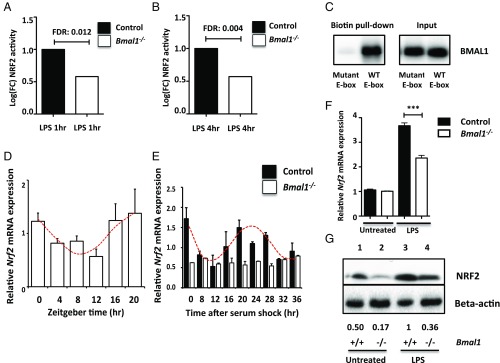
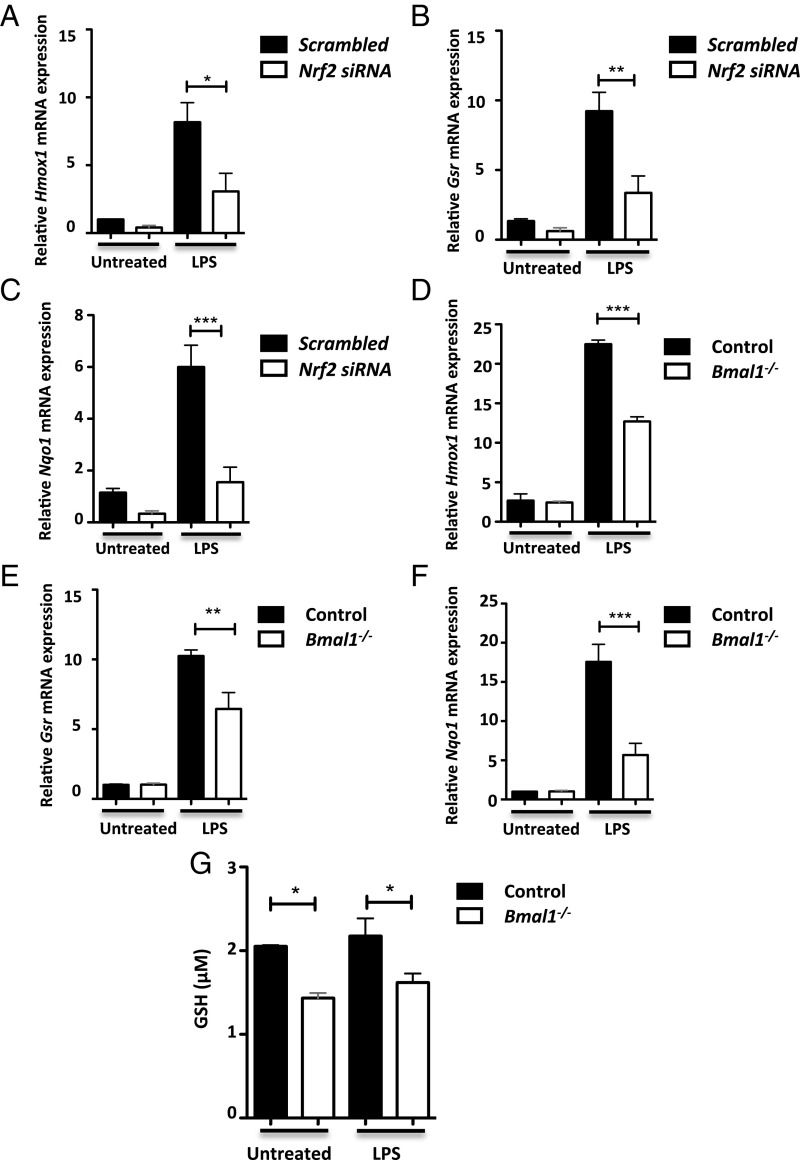
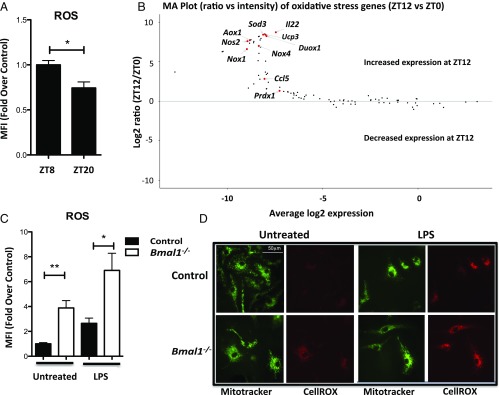
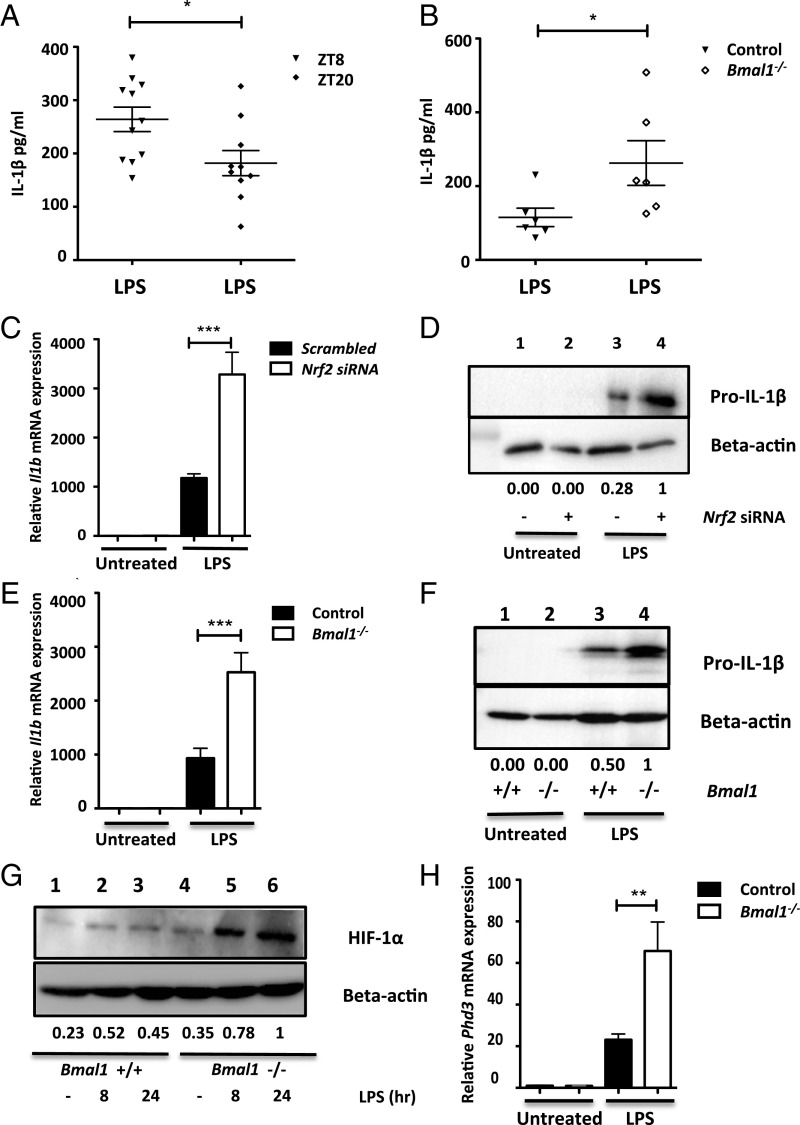
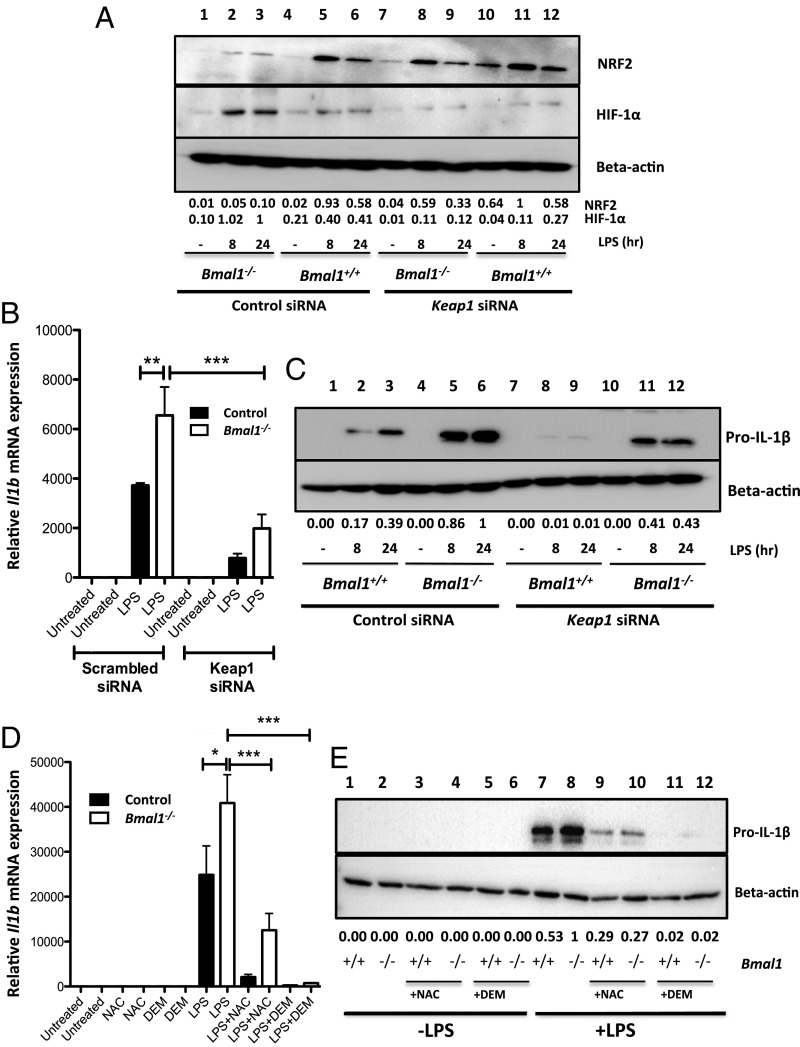
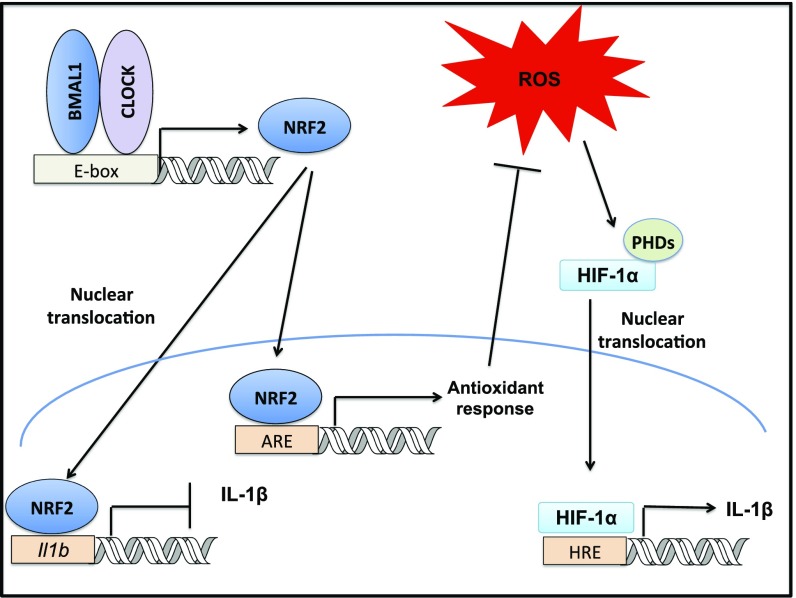
Significance: The molecular clock provides an anticipatory mechanism, allowing organisms to prepare and respond to daily changes in the external environment. The response of the innate immune system to pathogenic threats is dependent on time of day; however, the molecular mechanisms underlying this have yet to be fully uncovered. We observe that the core molecular clock component, BMAL1, is crucial in promoting an antioxidant response in myeloid cells. Deletion of Bmal1 in macrophages disrupts NRF2 activity, facilitating accumulation of reactive oxygen species and the proinflammatory cytokine, IL-1β. Thus the molecular clock directly controls NRF2 transcriptional activity and antioxidant capacity to regulate IL-1β in myeloid cells.
Overview
The claims and statistics of this paper haven’t been checked yet.
Free: it reads the open-access text and checks the first 5 claims that cite a source we can check. Create a free account to check every claim.
Integrity signals
Registry
Cites
Statistics
Figures
Verification
Claims the paper makes
The claims and statistics of this paper haven’t been checked yet.
Free: it reads the open-access text and checks the first 5 claims that cite a source we can check. Create a free account to check every claim.
Claims other papers make about this one
Each is checked against this paper’s own text: does it say what the citing paper says it does?
The source backs part of the claim, not all of it — or backs it for a different population, condition or comparison.
In the citing paper
“Inflammasomes in microglia can be activated by ROS, which causes inflammatory cytokines, including TNF-α, IL-1β, and IFN-γ, to be produced. 138”
From Major depressive disorder: hypothesis, mechanism, prevention and treatment (2024) · cites this paper as [138]
Experimental — accuracy not yet measuredThe check wasn’t confident either way, so it gives no verdict — never disputed.
In the citing paper
“Higher levels of inflammation increase the chance of developing new-onset depression. 138 , 139”
From Major depressive disorder: hypothesis, mechanism, prevention and treatment (2024) · cites this paper as [138]
Experimental — accuracy not yet measured
Self-check
Percentages, sums and reported differences re-computed from the paper’s own numbers.
The self-check needs the paper’s full text.
Citations
Cites
Role of nrf2 in oxidative stress and toxicity
Ma, Q. (2013) · Annual Review of Pharmacology and Toxicology · doi:10.1146/annurev-pharmtox-011112-140320 · Cited by 4,903
Reactive Oxygen Species in Inflammation and Tissue Injury
Mittal, M., Siddiqui, M. R., Tran, K., Reddy, S. P., & Malik, A. B. (2014) · Antioxidants & Redox Signaling · doi:10.1089/ars.2012.5149 · Cited by 4,897 · cited 2×
“Reactive oxygen species (ROS) are signaling molecules that are critical for the progression of an immune response (11).”
BackgroundSuccinate is an inflammatory signal that induces IL-1β through HIF-1α
Tannahill, G. M., Curtis, A. M., Adamik, J., Palsson-McDermott, E. M., McGettrick, A. F., Goel, G., Frezza, C., Bernard, N. J., Kelly, B., Foley, N. H., et al. (2013) · Nature · doi:10.1038/nature11986 · Cited by 4,176 · cited 2×
“However, in later stages of macrophage activation with LPS, ROS levels accumulate, stabilizing HIF-1α to drive IL-1β production (16, 28).”
BackgroundSelf-citationTargeting the KEAP1-NRF2 system to prevent kidney disease progression
Nezu, M., Suzuki, N., & Yamamoto, M. (2017) · American Journal of Nephrology · doi:10.1159/000475890 · Cited by 3,447
Mills, E. L., Kelly, B., Logan, A., Costa, A. S. H., Varma, M., Bryant, C. E., Tourlomousis, P., Däbritz, J. H. M., Gottlieb, E., Latorre, I., et al. (2016) · Cell · doi:10.1016/j.cell.2016.08.064 · Cited by 2,291 · cited 5×
“Circadian gating of NRF2 in macrophages would provide a mechanism by which BMAL1 may temporally regulate inflammation via modulation of ROS levels (16) and direct binding of NRF2 to the IL-1β promoter (23).”
BackgroundInfluentialSelf-citationA Serum Shock Induces Circadian Gene Expression in Mammalian Tissue Culture Cells
Balsalobre, A., Damiola, F., & Schibler, U. (1998) · Cell · doi:10.1016/s0092-8674(00)81199-x · Cited by 2,001
Itaconate is an anti-inflammatory metabolite that activates Nrf2 via alkylation of KEAP1
Mills, E. L., Ryan, D. G., Prag, H. A., Dikovskaya, D., Menon, D., Zaslona, Z., Jedrychowski, M. P., Costa, A. S. H., Higgins, M., Hams, E., et al. (2018) · Nature · doi:10.1038/nature25986 · Cited by 1,885 · cited 5×
“NRF2 has been demonstrated to limit IL-1β through this mechanism (22).”
BackgroundInfluentialSelf-citationNrf2 suppresses macrophage inflammatory response by blocking proinflammatory cytokine transcription
Kobayashi, E. H., Suzuki, T., Funayama, R., Nagashima, T., Hayashi, M., Sekine, H., Tanaka, N., Moriguchi, T., Motohashi, H., Nakayama, K., et al. (2016) · Nature Communications · doi:10.1038/ncomms11624 · Cited by 1,878 · cited 5×
“activating NRF2, but would also increase levels of NRF2 binding directly to the IL-1β promoter (23).”
BackgroundInfluentialLinker, R. A., Lee, D.-H., Ryan, S., van Dam, A. M., Conrad, R., Bista, P., Zeng, W., Hronowsky, X., Buko, A., Chollate, S., et al. (2011) · Brain · doi:10.1093/brain/awq386 · Cited by 1,155 · cited 2×
“For example, mice have a heightened response to Listeria monocytogenes, lipopolysaccharide (LPS), and induction of experimental autoimmune encephalomyelitis (EAE), a model of multiple sclerosis, ahead of their active phase, which is exacerbated with Bmal1 deletion (5, 7–9).”
Nrf2 is a critical regulator of the innate immune response and survival during experimental sepsis
Thimmulappa, R. K. (2006) · Journal of Clinical Investigation · doi:10.1172/jci25790 · Cited by 1,028 · cited 1×
“Intriguingly, suppression of NRF2 activity has previously been linked with pathogenesis of inflammatory conditions that are at least partly mediated by both myeloid cells and the circadian clock, such as EAE (29), sepsis (30), and asthma (31).”
Background
Cited by
Major depressive disorder: hypothesis, mechanism, prevention and treatment
Cui, L., Li, S., Wang, S., Wu, X., Liu, Y., Yu, W., Wang, Y., Tang, Y., Xia, M., & Li, B. (2024) · Signal Transduction and Targeted Therapy · doi:10.1038/s41392-024-01738-y · Cited by 1,244
“138 Neuroendocrine-immune activities can be compromised by in fl ammation, which can also result in numerous disorders, such as MDD. Proin fl ammatory cytokines have become pathological indicators of MDD, and using the right antioxidants to combat ROS may be a useful method for treating MDD. Proin fl…”
BackgroundMethodGenomics of circadian rhythms in health and disease
Rijo-Ferreira, F., & Takahashi, J. S. (2019) · Genome Medicine · doi:10.1186/s13073-019-0704-0 · Cited by 534
Interplay between Circadian Clock and Cancer: New Frontiers for Cancer Treatment
Sulli, G., Lam, M. T. Y., & Panda, S. (2019) · Trends in Cancer · doi:10.1016/j.trecan.2019.07.002 · Cited by 480
“For example, Bmal1 impose rhythmic oscillation in NRF2 which controls IL-1β expression, and Bmal1 deletion results in IL-1 β increased production (108).”
BackgroundMolecular regulations of circadian rhythm and implications for physiology and diseases
Fagiani, F., Di Marino, D., Romagnoli, A., Travelli, C., Voltan, D., Di Cesare Mannelli, L., Racchi, M., Govoni, S., & Lanni, C. (2022) · Signal Transduction and Targeted Therapy · doi:10.1038/s41392-022-00899-y · Cited by 467
Hypoxia, oxidative stress, and the interplay of HIFs and NRF2 signaling in cancer
Bae, T., Hallis, S. P., & Kwak, M.-K. (2024) · Experimental & Molecular Medicine · doi:10.1038/s12276-024-01180-8 · Cited by 354
“Therefore, BMAL1 -de fi cient cells exhibit increased HIF-1 α expression levels due to ROS accumulation, which results from a reduction in NRF2 expression levels 68 .”
BackgroundThirty years of NRF2: advances and therapeutic challenges.
Zhang, D. D. (2025) · Nature Reviews Drug Discovery · doi:10.1038/s41573-025-01145-0 · Cited by 282
“Deletion of the circadian clock protein BMAL1 decreases NRF2 that is associated with increased ROS, HIF-1α and IL-1β levels, linking NRF2 to circadian regulation of immune responses 128 .”
Neuroinflammation, Sleep, and Circadian Rhythms
Zielinski, M. R., & Gibbons, A. J. (2022) · Frontiers in Cellular and Infection Microbiology · doi:10.3389/fcimb.2022.853096 · Cited by 244
“IL1b also can function to alter clock genes including CLOCK- BMAL1 activation of E-box regulatory elements, which may serve to alter spontaneous sleep and the normal homeostatic sleep responses to sleep promoting stimuli (Early et al., 2018; Timmons et al., 2021).”
BackgroundWang, C., Lutes, L. K., Barnoud, C., & Scheiermann, C. (2022) · Science Immunology · doi:10.1126/sciimmunol.abm2465 · Cited by 215
Melatonin in macrophage biology: Current understanding and future perspectives
Xia, Y., Chen, S., Zeng, S., Zhao, Y., Zhu, C., Deng, B., Zhu, G., Yin, Y., Wang, W., Hardeland, R., et al. (2019) · Journal of Pineal Research · doi:10.1111/jpi.12547 · Cited by 183
Oxidative Stress in Age-Related Macular Degeneration: Nrf2 as Therapeutic Target
Bellezza, I. (2018) · Frontiers in Pharmacology · doi:10.3389/fphar.2018.01280 · Cited by 173
“It is also to note that expression of Nrf2 can be controlled by the molecular clock protein, BMAL1, (Early et al., 2018).”
AMPK and NRF2: Interactive players in the same team for cellular homeostasis?
Petsouki, E., Cabrera, S. N. S., & Heiß, E. H. (2022) · Free Radical Biology and Medicine · doi:10.1016/j.freeradbiomed.2022.07.014 · Cited by 170
Neuro-immune crosstalk in cancer: mechanisms and therapeutic implications
Pu, T., Sun, J., Ren, G., & Li, H. (2025) · Signal Transduction and Targeted Therapy · doi:10.1038/s41392-025-02241-8 · Cited by 172
“237,238 Consequently, compared to Bmal1 WT mice, mice with bone marrow-speci fi c Bmal1 knockout exhibited increased tumor growth and alternatively activated TAMs.”
Molecular Interactions Between Components of the Circadian Clock and the Immune System
Hergenhan, S., Holtkamp, S., & Scheiermann, C. (2020) · Journal of Molecular Biology · doi:10.1016/j.jmb.2019.12.044 · Cited by 169
Zeng, Y., Guo, Z., Wu, M., Chen, F., & Chen, L. (2024) · Cell Death Discovery · doi:10.1038/s41420-024-01960-1 · Cited by 168
Bmal1 integrates mitochondrial metabolism and macrophage activation
Alexander, R. K., Liou, Y.-H., Knudsen, N. H., Starost, K. A., Xu, C., Hyde, A. L., Liu, S., Jacobi, D., Liao, N.-S., & Lee, C.-H. (2020) · eLife · doi:10.7554/elife.54090 · Cited by 166
“A previous study suggests that Bmal1 deletion impairs the expression of Nfe2l2 (which encodes Nrf2) and its downstream antioxidant genes thereby increasing oxidative stress (Early et al., 2018).”
BackgroundLananna, B. V., & Musiek, E. S. (2020) · Neurobiology of Disease · doi:10.1016/j.nbd.2020.104832 · Cited by 143
Redox changes in obesity, metabolic syndrome, and diabetes
Korac, B., Kalezic, A., Pekovic-Vaughan, V., Korac, A., & Jankovic, A. (2021) · Redox Biology · doi:10.1016/j.redox.2021.101887 · Cited by 158
Circadian rhythm influences induction of trained immunity by BCG vaccination
de Bree, L. C. J., Mourits, V. P., Koeken, V. A. C. M., Moorlag, S. J. C. F. M., Janssen, R., Folkman, L., Barreca, D., Krausgruber, T., Fife, V. E. R., Novakovic, B., et al. (2020) · Journal of Clinical Investigation · doi:10.1172/jci133934 · Cited by 160
Off the Clock: From Circadian Disruption to Metabolic Disease
Maury, E. (2019) · International Journal of Molecular Sciences · doi:10.3390/ijms20071597 · Cited by 140
“Abrogation of the molecular clock restricted to adipose-tissue [116,117], pancreas [22,111], liver [113,118,119], skeletal muscle [120,121], smooth-muscle [122], myeloid cells [123,124] or even arcuate nucleus AgRP neurons [125] further confirmed this link (Figure 3).”
BackgroundCircadian clocks guide dendritic cells into skin lymphatics
Holtkamp, S., Ince, L. M., Barnoud, C., Schmitt, M. T., Sinturel, F., Pilorz, V., Pick, R., Jemelin, S., Mühlstädt, M., Boehncke, W., et al. (2021) · Nature Immunology · doi:10.1038/s41590-021-01040-x · Cited by 133
Circadian regulation of cancer cell and tumor microenvironment crosstalk
Xuan, W., Khan, F., James, C. D., Heimberger, A. B., Lesniak, M. S., & Chen, P. (2021) · Trends in Cell Biology · doi:10.1016/j.tcb.2021.06.008 · Cited by 111
“Depletion of BMAL1 in macrophages downregulates mitochondrial metabolism via upregulation of HIF1 α and reactive oxygen species (ROS) accumulation, and downregulation of nuclear factor erythroid 2-related factor 2 (NRF2), thus regulating the production of proin fl ammatory cytokines [69,70].”
BackgroundReactive Oxygen Species and NRF2 Signaling, Friends or Foes in Cancer?
Wang, R., Liang, L., Matsumoto, M., Iwata, K., Umemura, A., & He, F. (2023) · Biomolecules · doi:10.3390/biom13020353 · Cited by 123
Circadian rhythms in innate immunity and stress responses
Baxter, M., & Ray, D. W. (2020) · Immunology · doi:10.1111/imm.13166 · Cited by 94
Circadian Regulation of Immunity Through Epigenetic Mechanisms
Orozco-Solís, R., & Aguilar‐Arnal, L. (2020) · Frontiers in Cellular and Infection Microbiology · doi:10.3389/fcimb.2020.00096 · Cited by 111
“Along the same lines, BMAL1 is a direct positive regulator of Nrf2 gene transcription in mouse BMDMs, and NRF2 is a master TF inducing the expression of antioxidant genes such as Hmox1, Gsr, or Nqo1 (Early et al., 2018).”
BackgroundLiu, W., Wei, S., Huang, G., Liu, L., Gu, C., Shen, Y., Wang, X., Xia, S., Xie, A., Hu, L., et al. (2020) · The FASEB Journal · doi:10.1096/fj.201901565rr · Cited by 105
Wang, J., Li, S., Li, X., Li, B., Li, Y., Xia, K., Yang, Y., Aman, S., Wang, M., & Wu, H. (2019) · Cancer Cell International · doi:10.1186/s12935-019-0902-2 · Cited by 109
Circadian Synchrony: Sleep, Nutrition, and Physical Activity
Healy, K. L., Morris, A. R., & Liu, A. C. (2021) · Frontiers in Network Physiology · doi:10.3389/fnetp.2021.732243 · Cited by 109
“BMAL1/CLOCK activity is negatively regulated by transcriptional repressors PERIOD (PER1/2/3) and CRYPTOCHROME (CRY1/2) (Sato et al., 2006; Takahashi, 2017).”
InfluentialCollins, E. J., Cervantes-Silva, M. P., Timmons, G. A., O'Siorain, J. R., Curtis, A. M., & Hurley, J. M. (2021) · Genome Research · doi:10.1101/gr.263814.120 · Cited by 97
Self-citationChhunchha, B., Kubo, E., & Singh, D. P. (2020) · Cells · doi:10.3390/cells9081861 · Cited by 101
“Bmal1-Clock forms heterodimer to regulate expression of clock-controlled and other genes (non-clock genes) by directly interacting with E-Box element (nCACGTGn) present in the gene promoters [5].”
BackgroundResultInfluentialCircadian rhythm regulation in the immune system
Ding, J., Chen, P., & Qi, C. (2024) · Immunology · doi:10.1111/imm.13747 · Cited by 98
“BMAL1 expression and activity also exhibit clear circadian rhythmicity, and its absence leads to abnormal inflammatory responses in immune cells [14 – 16].”
BackgroundInnate Rhythms: Clocks at the Center of Monocyte and Macrophage Function
Timmons, G. A., O’Siorain, J. R., Kennedy, O. D., Curtis, A. M., & Early, J. O. (2020) · Frontiers in Immunology · doi:10.3389/fimmu.2020.01743 · Cited by 100
Self-citationCircadian rhythms in adaptive immunity
Downton, P. J., Early, J. O., & Gibbs, J. E. (2020) · Immunology · doi:10.1111/imm.13167 · Cited by 100
Self-citationAn astrocyte BMAL1-BAG3 axis protects against alpha-synuclein and tau pathology
Sheehan, P. W., Nadarajah, C. J., Kanan, M. F., Patterson, J. N., Novotny, B. C., Lawrence, J. H., King, M. W., Brase, L., Inman, C. E., Yuede, C. M., et al. (2023) · Neuron · doi:10.1016/j.neuron.2023.05.006 · Cited by 98
The Circadian Clock Gene Bmal1 Controls Intestinal Exporter MRP2 and Drug Disposition
Yu, F., Zhang, T., Zhou, C., Xu, H., Guo, L., Chen, M., & Wu, B. (2019) · Theranostics · doi:10.7150/thno.33395 · Cited by 91
“In addition to regulating circadian gene expression, BMAL1 plays important roles in regulation of many other physiological processes such as lipogenesis, fatty acid oxidation, amino acid metabolism, and immune responses [9, 10, 11, 12].”
BackgroundCircadian Influences of Diet on the Microbiome and Immunity
Zheng, D., Ratiner, K., & Elinav, E. (2020) · Trends in Immunology · doi:10.1016/j.it.2020.04.005 · Cited by 90
The circadian clock and inflammation: A new insight
Xu, H., Huang, L., Zhao, J., Chen, S., Liu, J., & Li, G. (2020) · Clinica Chimica Acta · doi:10.1016/j.cca.2020.11.011 · Cited by 88
Circadian rhythms and renal pathophysiology
Mohandas, R., Douma, L. G., Scindia, Y. M., & Gumz, M. L. (2022) · Journal of Clinical Investigation · doi:10.1172/jci148277 · Cited by 88
“The circadian clock protein BMAL1 regulates IL-1β in macrophages via nuclear factor erythroid 2–related factor 2 (Nrf2) (90).”
BackgroundCircadian clock: a regulator of the immunity in cancer
Zhang, Z., Zeng, P., Gao, W., Zhou, Q., Feng, T., & Tian, X. (2021) · Cell Communication and Signaling · doi:10.1186/s12964-021-00721-2 · Cited by 88
Timmons, G. A., Carroll, R. G., O’Siorain, J. R., Cervantes‐Silva, M. P., Fagan, L. E., Cox, S. L., Pålsson‐McDermott, E. M., Finlay, D. K., Vincent, E. E., Jones, N., et al. (2021) · Frontiers in Immunology · doi:10.3389/fimmu.2021.700431 · Cited by 86
“BMAL1 also directly regulates the antioxidant transcription factor NRF2 which attenuates inflammation by binding to il-1b promoter regions and antioxidant response elements (25).”
BackgroundSelf-citationSchilperoort, M., van den Berg, R., Bosmans, L. A., van Os, B. W., Dollé, M. E. T., Smits, N. A. M., Guichelaar, T., van Baarle, D., Koemans, L., Berbée, J. F. P., et al. (2019) · Journal of Pineal Research · doi:10.1111/jpi.12614 · Cited by 88
Circadian Clock Regulates Inflammation and the Development of Neurodegeneration
Wang, X., & Li, L. (2021) · Frontiers in Cellular and Infection Microbiology · doi:10.3389/fcimb.2021.696554 · Cited by 85
“Bmal1 deficient peritoneal macrophages or bone marrow-derived macrophages (BMDMs) show increased production of IL6, CXCL1, TNFa, MCP1/CCL2, or Il1b expression upon bacterial endotoxin-lipopolysaccharide (LPS) stimulation; both NRF2 and microRNA miR-155 are implicated in Bmal1 control of inflammatory phenotype (Curtis…”
BackgroundDeficiency of the Circadian Clock Gene Bmal1 Reduces Microglial Immunometabolism
Wang, X., Wolff, S. E. C., Korpel, N. L., Milanova, I. V., Sandu, C., Rensen, P. C. N., Kooijman, S., Cassel, J., Kalsbeek, A., Boutillier, A., et al. (2020) · Frontiers in Immunology · doi:10.3389/fimmu.2020.586399 · Cited by 86
“In macrophages, Bmal1 regulates inflammation via controlling the gene expression of Nrf2, which plays a critical role in the innate immune system (13).”
BackgroundInfluentialEmerging Insight Into the Role of Circadian Clock Gene BMAL1 in Cellular Senescence
Zhang, W., Xiong, Y., Tao, R., Panayi, A. C., Mi, B., & Liu, G. (2022) · Frontiers in Endocrinology · doi:10.3389/fendo.2022.915139 · Cited by 78
“The CLOCK and BMAL1 form heterodimers to activate the PER and CRY genes as well as a spectrum of clock-controlled genes (CCGs) by directly interacting with E-Box elements (nCACGTGn) present in gene promoters (25).”
BackgroundImmunometabolism around the Clock
Carroll, R. G., Timmons, G. A., Cervantes‐Silva, M. P., Kennedy, O. D., & Curtis, A. M. (2019) · Trends in Molecular Medicine · doi:10.1016/j.molmed.2019.04.013 · Cited by 79
Self-citationCircadian clock protein BMAL1 broadly influences autophagy and endolysosomal function in astrocytes
McKee, C. A., Polino, A. J., King, M. W., & Musiek, E. S. (2023) · Proceedings of the National Academy of Sciences · doi:10.1073/pnas.2220551120 · Cited by 78
Circadian Disruption and Consequences on Innate Immunity and Inflammatory Response
Jerigová, V. Š., Zeman, M., & Okuliarová, M. (2022) · International Journal of Molecular Sciences · doi:10.3390/ijms232213722 · Cited by 74
“) ↓ NRF2 response in LPS stimulated BMDMs ↑ basal and LPS stimulated ROS levels, ↑ LPS stimulated IL-1β and HIF1α levels in BMDMs ↑ serum IL-1β response to in vivo LPS stimulation [58]”
BackgroundWaggoner, S. N. (2020) · Current Allergy and Asthma Reports · doi:10.1007/s11882-020-0896-9 · Cited by 72
Palomino‐Segura, M., & Hidalgo, A. (2020) · The Journal of Experimental Medicine · doi:10.1084/jem.20200798 · Cited by 72
“For instance, they display rhythmic expression of genes encoding pattern recognition receptors (Keller et al., 2009; Silver et al., 2018, 2012b) and cytokines (Curtis et al., 2015; Gibbs et al., 2012; Kiessling et al., 2017) or involved in production of reactive oxygen species (Early et al., 2018).”
BackgroundVieira, E. C., Mirizio, G. G., Barin, G. R., de Andrade, R. V., Nimer, N. F. S., & Sala, L. L. (2020) · International Journal of Molecular Sciences · doi:10.3390/ijms21249743 · Cited by 70
“In addition to its role in mediating the inflammatory response, Bmal1 also plays a crucial role in promoting the antioxidant response in myeloid cells [17].”
BackgroundNeural function of Bmal1: an overview
Zheng, Y., Pan, L., Wang, F., Yan, J., Wang, T., Xia, Y., Yao, L., Deng, K., Zheng, Y., Xia, X., et al. (2023) · Cell & Bioscience · doi:10.1186/s13578-022-00947-8 · Cited by 69
Zhuang, X., Tsukuda, S., Wrensch, F., Wing, P. A. C., Schilling, M., Harris, J. M., Borrmann, H., Morgan, S. B., Cane, J., Mailly, L., et al. (2021) · iScience · doi:10.1016/j.isci.2021.103144 · Cited by 66
Circadian clock genes as promising therapeutic targets for autoimmune diseases
Xiang, K., Xu, Z., Hu, Y., He, Y.-S., Wu, G., Li, T., Wang, X., Ding, L., Zhang, Q., Tao, S., et al. (2021) · Autoimmunity Reviews · doi:10.1016/j.autrev.2021.102866 · Cited by 65
Fan, R., Peng, X., Xie, L., Dong, K., Ma, D., Xu, W., Shi, X., Zhang, S., Chen, J., Yu, X., et al. (2022) · Aging Cell · doi:10.1111/acel.13704 · Cited by 63
“Antioxidants that boost nuclear factor erythroid 2- related factor 2 (NRF2) activity are available to rescue the excessive pro- oxidant and pro- inflammatory phenotype of Bmal1−/− macrophages (Early et al., 2018).”
BackgroundJoshi, A., Upadhyay, K. K., Vohra, A., Shirsath, K., & Devkar, R. (2021) · The FASEB Journal · doi:10.1096/fj.202002556rrr · Cited by 63
Impact of Environmental Factors on Hypertension and Associated Cardiovascular Disease
Rios, F. J. O., Montezano, A. C. I., Camargo, L. L., & Touyz, R. M. (2023) · Canadian Journal of Cardiology · doi:10.1016/j.cjca.2023.07.002 · Cited by 62
Yang, W., Wang, Y., Wang, T., Li, C., Shi, L., Zhang, P., Yin, Y., Tao, K., & Li, R. (2022) · Genes & Diseases · doi:10.1016/j.gendis.2022.05.039 · Cited by 61
“In addition, Nrf2 activation can inhibit IL-1b generation.(37) This may be due to the direct inhibition of IL-1b gene transcription by Nrf2 or the indirect inhibition of ROS production, ultimately inhibiting IL-1b production.”
BackgroundZhao, Y., Zhang, R., Wang, Z., Chen, Z., Wang, G., Guan, S., & Lu, J. (2022) · Journal of Agricultural and Food Chemistry · doi:10.1021/acs.jafc.2c04337 · Cited by 61
Hong, H., Cheung, Y. M., Cao, X., Wu, Y., Li, C., & Tian, X. Y. (2021) · Biochemical Pharmacology · doi:10.1016/j.bcp.2021.114701 · Cited by 60
Metabolic reprogramming of macrophages and its involvement in inflammatory diseases
Guo, C., Islam, R., Zhang, S., & Fang, J. (2021) · EXCLI journal · doi:10.17179/excli2020-3053 · Cited by 62
“Nrf2 inhibits IL-1β production by regulating directly the transcription of IL-1β or by inducing an antioxidant response to inhibit ROS (Early et al., 2018).”
BackgroundXiao, T., Langston, P. K., Muñoz-Rojas, A. R., Jayewickreme, T., Lazar, M. A., Benoist, C. O., & Mathis, D. J. (2022) · Science Immunology · doi:10.1126/sciimmunol.abl7641 · Cited by 57
“An inefficient mitochondrial respiration in the absence of BMAL1 increases the production of reactive oxygen species (ROS) (53), and ROS exhibits circadian rhythmicity (41, 42, 47).”
BackgroundZhang, Y., Gao, Y., Ding, Y., Jiang, Y., Chen, H., Zhan, Z., & Liu, X. (2023) · MedComm · doi:10.1002/mco2.306 · Cited by 57
Modulation of neuroimmune cytokine networks by antidepressants: implications in mood regulation
Nava, R. G., Adri, A. S., Filgueiras, I. S., Nóbile, A. L., Barcelos, P. M., Corrêa, Y. L. G., de Oliveira, S. F., Cabral‐Miranda, G., Dias, H. D., Schimke, L. F., et al. (2025) · Translational Psychiatry · doi:10.1038/s41398-025-03532-y · Cited by 58
“Oxidative stress not only damages neuronal structures but also serves as a trigger for in fl ammasome activation, particularly the NLRP3 in fl ammasome, which ampli fi es in fl ammatory signaling through caspase-1 activation and subsequent release of IL-1 β and IL-18 [8 – 12].”
A Pro- and Anti-inflammatory Axis Modulates the Macrophage Circadian Clock
Chen, S., Fuller, K. K., Dunlap, J., & Loros, J. (2020) · Frontiers in Immunology · doi:10.3389/fimmu.2020.00867 · Cited by 57
Aging, circadian disruption and neurodegeneration: Interesting interplay
Verma, A. K., Singh, S., & Rizvi, S. I. (2023) · Experimental Gerontology · doi:10.1016/j.exger.2022.112076 · Cited by 55
McCarty, M. F., Assanga, S. B. I., Luján, L. M. L., O’Keefe, J. H., & DiNicolantonio, J. J. (2020) · Nutrients · doi:10.3390/nu13010047 · Cited by 55
“This may reflect the fact that the promoter of the nrf2 gene contains E boxes that bind the “clock” transcription factor Bmal1, in conjunction with the protein Clock, and this drives nrf2 transcription [89,90].”
BackgroundMolecular mechanisms of artificial light at night affecting circadian rhythm disturbance
Lei, T., Hua, H., Du, H., Xia, J., Xu, D., Liu, W., Wang, Y., & Yang, T. (2023) · Archives of Toxicology · doi:10.1007/s00204-023-03647-5 · Cited by 54
“Early et al. (2018) found that the deletion of BMAL1 in macrophages disrupted NRF2 activity, facilitating the accumulation of reactive oxygen species and the proinflammatory cytokine IL-1β.”
Microglial ablation in rats disrupts the circadian system
Sominsky, L., Dangel, T., Malik, S., Luca, S. N. D., Singewald, N., & Spencer, S. J. (2020) · The FASEB Journal · doi:10.1096/fj.202001555rr · Cited by 52
The role of ferroptosis mediated by Bmal1/Nrf2 in nicotine -induce injury of BTB integrity
Zhang, Z., Cheng, J., Li, Y., Li, X., Hua, R., Xu, D., Jiang, Z., & Li, Q. (2023) · Free Radical Biology and Medicine · doi:10.1016/j.freeradbiomed.2023.02.024 · Cited by 51
Circadian Clocks, Redox Homeostasis, and Exercise: Time to Connect the Dots?
McClean, C. M., & Davison, G. W. (2022) · Antioxidants · doi:10.3390/antiox11020256 · Cited by 51
Iweka, C. A., Seigneur, E. M., Latif‐Hernandez, A., Paredes, S. H., Cabrera, M., Blacher, E., Tsai, C. A., Longo, F. M., de Lecea, L., & Andreasson, K. I. (2023) · Journal of Neuroinflammation · doi:10.1186/s12974-023-02727-8 · Cited by 50
“immune cell trafficking, mitochondrial metabolism and inflammatory responses (Nguyen et al., 2013; Early et al., 2018; Alexander et al., 2020).”
BackgroundXu, L., Yang, T., Zhou, Y., Wu, M., Shen, J., Cheng, J., Liu, Q.-X., Cao, S., Wang, J., & Zhang, L. (2021) · Acta Pharmacologica Sinica · doi:10.1038/s41401-021-00658-9 · Cited by 50
Molecular Regulation of Circadian Chromatin
Zhu, Q., & Belden, W. J. (2020) · Journal of Molecular Biology · doi:10.1016/j.jmb.2020.01.009 · Cited by 50
Chrono-tailored drug delivery systems: recent advances and future directions
Butler, C. T., Rodgers, A. M., Curtis, A. M., & Donnelly, R. F. (2024) · Drug Delivery and Translational Research · doi:10.1007/s13346-024-01539-4 · Cited by 49
Self-citationEvaluating endophenotypes for bipolar disorder
Guglielmo, R., Miskowiak, K. W., & Hasler, G. (2021) · International Journal of Bipolar Disorders · doi:10.1186/s40345-021-00220-w · Cited by 47
“In fact, several evidences suggest the integration of clock genes, particularly Bmal1 into the immune control circuitry, allowing organisms to prepare and respond to daily changes in the external environment (Oishi et al. 2017; Nguyen et al. 2013; Early et al. 2018).”
BackgroundAryl hydrocarbon receptor (AhR) impairs circadian regulation: Impact on the aging process
Salminen, A. (2023) · Ageing Research Reviews · doi:10.1016/j.arr.2023.101928 · Cited by 46
H. pylori infection induced BMAL1 expression and rhythm disorder aggravate gastric inflammation
Li, T., Shao, W., Li, S., Ma, L., Zheng, L., Shang, W., Jia, X., Sun, P., Liang, X., & Jia, J. (2018) · EBioMedicine · doi:10.1016/j.ebiom.2018.11.043 · Cited by 44
Spiers, J. G., Breda, C., Robinson, S., Giorgini, F., & Steinert, J. R. (2019) · Frontiers in Molecular Neuroscience · doi:10.3389/fnmol.2019.00086 · Cited by 45
“The circadian clock is involved in the regulation of ROS levels both in vivo and in vitro (Desvergne et al., 2014; Early et al., 2018).”
BackgroundThe role of circadian clock in regulating cell functions: implications for diseases
Lin, Y., He, L., Cai, Y., Wang, X., Wang, S., & Li, F. (2024) · MedComm · doi:10.1002/mco2.504 · Cited by 44
“105,185,186 In experimental models, conditional knockout of E4bp4 in T cells has been shown to enhance the differentiation of T follicular helper cells, thus exacerbating pristane-induced lupus-like diseases in mice.”
BackgroundZhu, J., Jin, Z., Wang, J., Wu, Z., Xu, T., Tong, G., Shen, E., Fan, J., Jiang, C., Wang, J., et al. (2024) · Journal of Advanced Research · doi:10.1016/j.jare.2024.04.004 · Cited by 45
“In proinflammatory macrophages, previous studies provided strong evidence that activated NF-j B and MAPK signaling pathway promote upregulate the expression of HIF-1 a , while excessive production of ROS contributes to stabilization of HIF-1 a [62,63].”
Kumar, P. V. A., Dakup, P., Sarkar, S., Modasia, J. B., Motzner, M. S., & Gaddameedhi, S. (2019) · PubMed Central · Cited by 43
Bevinakoppamath, S., Ramachandra, S. C., Yadav, A. K., Basavaraj, V., Vishwanath, P., & Prashant, A. (2022) · Frontiers in Pharmacology · doi:10.3389/fphar.2021.719631 · Cited by 43
“Removal of BMAL1 leads to the altered activity of Nrf2 and leads to the buildup of ROS and IL-1β, the pro-inflammatory cytokine.”
BackgroundInfluentialChronobiology and Chronotherapy in Inflammatory Joint Diseases
Ursini, F., Giorgi, A. D., D’Onghia, M., GIORGIO, R. D., Fabbian, F., & Manfredini, R. (2021) · Pharmaceutics · doi:10.3390/pharmaceutics13111832 · Cited by 43
McCarty, M. F. (2021) · International Journal of Molecular Sciences · doi:10.3390/ijms22073321 · Cited by 42
“The neurohormone melatonin amplifies phase 2 induction by increasing expression of Nrf2 at the transcriptional level, likely by increasing expression of the clock protein Bmal1, a clock protein transcription factor which binds to the promoter of the Nrf2 gene [198,199].”
BackgroundCui, Z., Xu, H., Wu, F., Chen, J., Zhu, L., Shen, Z., Yi, X., Yang, J., Jia, C., Zhang, L., et al. (2024) · Nature Metabolism · doi:10.1038/s42255-024-01021-y · Cited by 41
“ARNTL (also called Bmal1 ) is the central component in the transcriptional network of circadian clock, and circadian oscillation was eliminated when Bmal1 was silenced 20 .”
Circadian modulation of microglial physiological processes and immune responses
Guzmán‐Ruiz, M. A., Guerrero‐Vargas, N. N., Lagunes‐Cruz, A., González‐González, S., García‐Aviles, J. E., Hurtado‐Alvarado, G., Méndez‐Hernández, R., Chavarría, A., Morin, J., Arriaga-Ávila, V. S., et al. (2022) · Glia · doi:10.1002/glia.24261 · Cited by 40
“Clock proteins also regulate other target genes known as clock-controlled genes (CCGs) through the binding of the CLOCK: BMAL1 dimer to the E-box element in their promoter region.”
BackgroundCircadian Rhythm Effects on the Molecular Regulation of Physiological Systems
Crislip, G. R., Johnston, J. G., Douma, L. G., Costello, H. M., Juffre, A., Boyd, K., Li, W. W., Maugans, C. C., Gutierrez‐Monreal, M. A., Esser, K. A., et al. (2021) · Comprehensive physiology · doi:10.1002/cphy.c210011 · Cited by 40
Liu, M., Liu, X., Wang, Y., Sui, Y., Liu, F., Liu, Z., Zou, F., Zuo, K., Wang, Z., Sun, W., et al. (2022) · Oxidative Medicine and Cellular Longevity · doi:10.1155/2022/8279269 · Cited by 39
McCarty, M. F., Luján, L. M. L., & Assanga, S. B. I. (2022) · International Journal of Molecular Sciences · doi:10.3390/ijms23094776 · Cited by 39
“Melatonin boosts the expression of Nrf2 via the Bmal1 transcription factor [165,166].”
BackgroundCircadian disruption: from mouse models to molecular mechanisms and cancer therapeutic targets
Wang, Y., Guo, H.-D., & He, F. (2022) · Cancer and Metastasis Reviews · doi:10.1007/s10555-022-10072-0 · Cited by 38
“In addition, nuclear factor erythroid 2-related factor 2 (NRF2), a master transcription factor for antioxidant response and tumor promotion [27, 28], is transcriptionally upregulated by BMAL1 via the direct binding of the E-box of NRF2 promoter [29].”
BackgroundZe, Y., Wu, Y., Tan, Z., Li, R., Li, R., Gao, W., & Zhao, Q. S. (2025) · Bone Research · doi:10.1038/s41413-025-00403-6 · Cited by 37
Clocks, Viruses, and Immunity: Lessons for the COVID-19 Pandemic
Sengupta, S., Ince, L. M., Sartor, F., Borrmann, H., Zhuang, X., Naik, A. S., Curtis, A. M., & McKeating, J. A. (2021) · Journal of Biological Rhythms · doi:10.1177/0748730420987669 · Cited by 37
“In numerous models of viral infection as well as aseptic inflammation, the disruption of the clock incurred by the loss of Bmal1 in key cell types results in increased disease severity (Scheiermann et al., 2012; Gibbs et al., 2014; Sutton et al., 2017; Early et al., 2018; Ehlers et al., 2018; Pariollaud et al., 2018;…”
BackgroundSelf-citationOxidative stress in human gingival fibroblasts from periodontitis versus healthy counterparts
Liu, J., Wang, X., Zheng, M., & Luan, Q. (2021) · Oral Diseases · doi:10.1111/odi.14103 · Cited by 37
Intertwining roles of circadian and metabolic regulation of the innate immune response
Cox, S. L., O’Siorain, J. R., Fagan, L. E., Curtis, A. M., & Carroll, R. G. (2022) · Seminars in Immunopathology · doi:10.1007/s00281-021-00905-5 · Cited by 37
“As mentioned previously, both SIRT1 and HIF-1α are linked to the molecular clock in numerous cell types [20, 43].”
BackgroundSelf-citationCsoma, B., & Bikov, A. (2023) · International Journal of Molecular Sciences · doi:10.3390/ijms241814145 · Cited by 38
“Moreover, it has also been shown that the lack of BMAL1 leads to the proinflammatory activation of macrophages with an elevated production of reactive oxygen species, hypoxia-induced factor-1 α , IL-1 β and IL-6 [126].”
BackgroundInfluentialCircadian Effects on Vascular Immunopathologies
Zeng, Q., Oliva, V. M., Moro, M. Á., & Scheiermann, C. (2024) · Circulation Research · doi:10.1161/circresaha.123.323619 · Cited by 36
MYC Ran Up the Clock: The Complex Interplay between MYC and the Molecular Circadian Clock in Cancer
Burchett, J. B., Knudsen-Clark, A. M., & Altman, B. J. (2021) · International Journal of Molecular Sciences · doi:10.3390/ijms22147761 · Cited by 38
Ashraf, A., & Bruce, E. D. (2026) · Antioxidants · doi:10.3390/antiox15030378 · Cited by 40
Hadadi, É., & Acloque, H. (2021) · Endocrine Related Cancer · doi:10.1530/erc-20-0390 · Cited by 35
Enteroviruses and T1D: Is It the Virus, the Genes or Both which Cause T1D
Geravandi, S., Liu, H., & Maedler, K. (2020) · Microorganisms · doi:10.3390/microorganisms8071017 · Cited by 36
“Additional exposure of islets to the pro-inflammatory cytokine IL-1β potentiates β-cell apoptosis [56], suggesting the necessity of a complex pro-inflammatory milieu to induce β-cell failure.”
BackgroundInfluentialBmal1 Regulates Macrophage Polarize Through Glycolytic Pathway in Alcoholic Liver Disease
Zhou, Y., Wu, M., Xu, L., Cheng, J., Shen, J., Yang, T., & Zhang, L. (2021) · Frontiers in Pharmacology · doi:10.3389/fphar.2021.640521 · Cited by 34
“However, Bmal1, which plays a central orchestration role in the molecular clock, is certainly involved in the process (Early et al., 2018).”
Background
Metadata
- Authors
- Early, J. O., Menon, D., Wyse, C. A., Cervantes-Silva, M. P., Zaslona, Z., Carroll, R. G., Palsson-McDermott, E. M., Angiari, S., Ryan, D. G., Corcoran, S. E., Timmons, G., Geiger, S. S., Fitzpatrick, D. J., O’Connell, D., Xavier, R. J., Hokamp, K., O’Neill, L. A. J., & Curtis, A. M.
- Affiliations
- Royal College of Surgeons in Ireland (IE)
- Trinity College Dublin (IE)
- Department of Molecular and Cellular Therapeutics, Tissue Engineering Regenerative Group, Royal College of Surgeons in Ireland, Dublin 2, Ireland;
- School of Biochemistry and Immunology, Trinity Biomedical Sciences Institute, Trinity College Dublin, Dublin 2, Ireland;
- Broad Institute (US)
- Corresponding author
- Curtis, Annie M.
- ORCID
- Venue
- Proceedings of the National Academy of Sciences
- Publisher
- National Academy of Sciences
- Published
- 2018-08-20
- Volume
- 115
- Issue
- 36
- Pages
- E8460-E8468
- ISSN
- 0027-8424 (ISSN-L)
- 1091-6490
- PMC
- PMC6130388
- OpenAlex
- W2888547429
- Cited by
- 389
- References
- 34
- Citations by year
- 2026: 61 · 2025: 54 · 2024: 51 · 2023: 59 · 2022: 57 · 2021: 51 · 2020: 38 · 2019: 15 · 2018: 3
- FWCI
- 15.02
- Type
- journal article
- Language
- en
- Open access
- hybrid
- doi.org
- Licence
- Locations
- Proceedings of the National Academy of Sciences (publishedVersion, cc-by-nc-nd)
- Europe PMC (PubMed Central) (publishedVersion, cc-by-nc-nd)
- PubMed Central (publishedVersion, cc-by-nc-nd)
- PubMed (publishedVersion)
- Arrow@dit (Dublin Institute of Technology) (submittedVersion, cc-by-nc-sa)
- Figshare (submittedVersion, cc-by-nc-sa)
- Edinburgh Research Explorer (University of Edinburgh) (submittedVersion, cc-by-nc-nd)
- Funders
- Science Foundation Ireland (13/SIRG/2130, 17/CDA/4688)
- Wellcome (205455)
- Topics
- Life Sciences › Neuroscience › Endocrine and Autonomic Systems › Circadian rhythm and melatonin
- Life Sciences › Biochemistry, Genetics and Molecular Biology › Molecular Biology › Genomics, phytochemicals, and oxidative stress
- Life Sciences › Neuroscience › Cognitive Neuroscience › Sleep and Wakefulness Research
- Keywords
- Bmal1, circadian clock, Nrf2, IL-1β, macrophages, reactive oxygen species, antioxidant response, innate immunity, myeloid cells, inflammatory cytokines
- MeSH terms
- Animals, Humans, Inflammation, Lipopolysaccharides, Macrophages, Reactive Oxygen Species, Mice, Knockout, Oxidative Stress, NF-E2-Related Factor 2, Mice, Hypoxia-Inducible Factor 1, alpha Subunit, Interleukin-1beta, ARNTL Transcription Factors, HEK293 Cells
About these checks
Registry, retraction, Cites and statistics results are computed, not judged, with one exception: a printed reference that no index lists is read once by a model before it counts as a citation error. Claims are extracted by a model and kept only when their quote appears verbatim in the text; each cited source is then checked, with a model’s help, for whether it says what the claim relies on. Those verdicts can be wrong — read the claim’s quote and the cited source before relying on one.
Statistics and arithmetic are recomputed, not judged.
Confidence bands are shown only for fields calibrated on our annotated test set. None is calibrated yet, so no band is shown.
What counts as a claim ›How we measure confidence ›How we check this ›
Are you an author, or do you see a problem with this page? Request a review
Data sources
Bibliographic data: Semantic Scholar, OpenAlex, Crossref.
Contains information from the Semantic Scholar Academic Graph Datasets, made available under the ODC Attribution License (ODC-BY 1.0).
Semantic Scholar’s data is described in: Kinney, R., et al. (2023). The Semantic Scholar Open Data Platform. arXiv:2301.10140.
