

Circadian clock protein BMAL1 regulates IL-1β in macrophages via NRF2
Open accessThe DOI matches its Crossref record; 34 of the 34 references it cites were found in a registry or an index.
Abstract
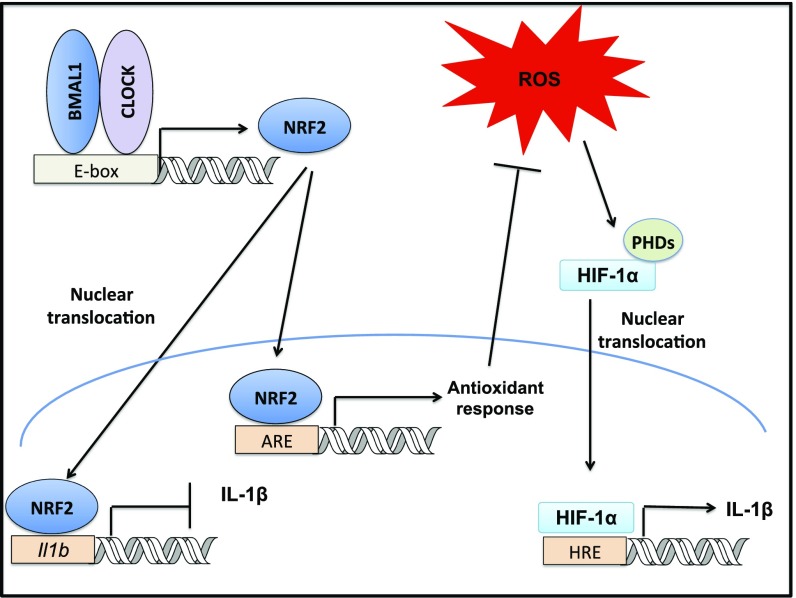
Significance: The molecular clock provides an anticipatory mechanism, allowing organisms to prepare and respond to daily changes in the external environment. The response of the innate immune system to pathogenic threats is dependent on time of day; however, the molecular mechanisms underlying this have yet to be fully uncovered. We observe that the core molecular clock component, BMAL1, is crucial in promoting an antioxidant response in myeloid cells. Deletion of Bmal1 in macrophages disrupts NRF2 activity, facilitating accumulation of reactive oxygen species and the proinflammatory cytokine, IL-1β. Thus the molecular clock directly controls NRF2 transcriptional activity and antioxidant capacity to regulate IL-1β in myeloid cells.
Overview
The claims and statistics of this paper haven’t been checked yet.
Free: it reads the open-access text and checks the first 5 claims that cite a source we can check. Create a free account to check every claim.
Integrity signals
Registry
Cites
Statistics
Figures
Verification
Claims the paper makes
The claims and statistics of this paper haven’t been checked yet.
Free: it reads the open-access text and checks the first 5 claims that cite a source we can check. Create a free account to check every claim.
Claims other papers make about this one
Each is checked against this paper’s own text: does it say what the citing paper says it does?
The source backs part of the claim, not all of it — or backs it for a different population, condition or comparison.
In the citing paper
“Inflammasomes in microglia can be activated by ROS, which causes inflammatory cytokines, including TNF-α, IL-1β, and IFN-γ, to be produced. 138”
From Major depressive disorder: hypothesis, mechanism, prevention and treatment (2024) · cites this paper as [138]
Experimental — accuracy not yet measuredThe check wasn’t confident either way, so it gives no verdict — never disputed.
In the citing paper
“Higher levels of inflammation increase the chance of developing new-onset depression. 138 , 139”
From Major depressive disorder: hypothesis, mechanism, prevention and treatment (2024) · cites this paper as [138]
Experimental — accuracy not yet measured
Self-check
Percentages, sums and reported differences re-computed from the paper’s own numbers.
The self-check needs the paper’s full text.
Citations
Cites
Role of nrf2 in oxidative stress and toxicity
Ma, Q. (2013) · Annual Review of Pharmacology and Toxicology · doi:10.1146/annurev-pharmtox-011112-140320 · Cited by 4,903
Reactive Oxygen Species in Inflammation and Tissue Injury
Mittal, M., Siddiqui, M. R., Tran, K., Reddy, S. P., & Malik, A. B. (2014) · Antioxidants & Redox Signaling · doi:10.1089/ars.2012.5149 · Cited by 4,897 · cited 2×
“Reactive oxygen species (ROS) are signaling molecules that are critical for the progression of an immune response (11).”
BackgroundSuccinate is an inflammatory signal that induces IL-1β through HIF-1α
Tannahill, G. M., Curtis, A. M., Adamik, J., Palsson-McDermott, E. M., McGettrick, A. F., Goel, G., Frezza, C., Bernard, N. J., Kelly, B., Foley, N. H., et al. (2013) · Nature · doi:10.1038/nature11986 · Cited by 4,176 · cited 2×
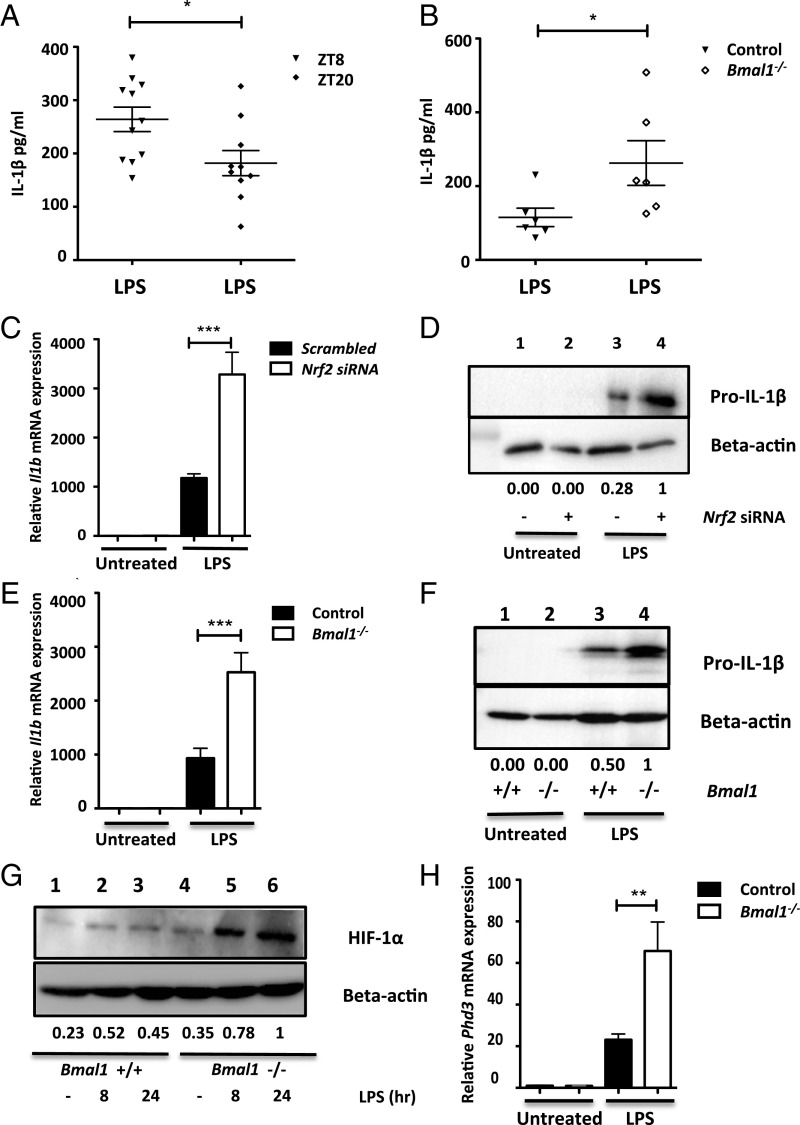
“However, in later stages of macrophage activation with LPS, ROS levels accumulate, stabilizing HIF-1α to drive IL-1β production (16, 28).”
BackgroundSelf-citationTargeting the KEAP1-NRF2 system to prevent kidney disease progression
Nezu, M., Suzuki, N., & Yamamoto, M. (2017) · American Journal of Nephrology · doi:10.1159/000475890 · Cited by 3,447
Mills, E. L., Kelly, B., Logan, A., Costa, A. S. H., Varma, M., Bryant, C. E., Tourlomousis, P., Däbritz, J. H. M., Gottlieb, E., Latorre, I., et al. (2016) · Cell · doi:10.1016/j.cell.2016.08.064 · Cited by 2,291 · cited 5×
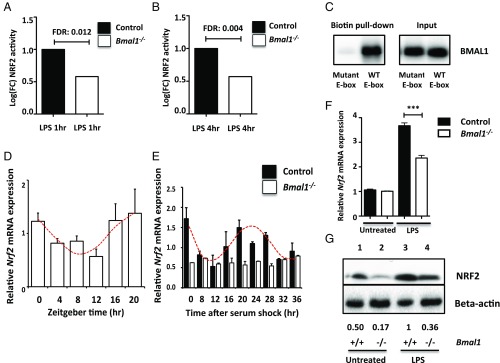
“Circadian gating of NRF2 in macrophages would provide a mechanism by which BMAL1 may temporally regulate inflammation via modulation of ROS levels (16) and direct binding of NRF2 to the IL-1β promoter (23).”
BackgroundInfluentialSelf-citationA Serum Shock Induces Circadian Gene Expression in Mammalian Tissue Culture Cells
Balsalobre, A., Damiola, F., & Schibler, U. (1998) · Cell · doi:10.1016/s0092-8674(00)81199-x · Cited by 2,001
Itaconate is an anti-inflammatory metabolite that activates Nrf2 via alkylation of KEAP1
Mills, E. L., Ryan, D. G., Prag, H. A., Dikovskaya, D., Menon, D., Zaslona, Z., Jedrychowski, M. P., Costa, A. S. H., Higgins, M., Hams, E., et al. (2018) · Nature · doi:10.1038/nature25986 · Cited by 1,885 · cited 5×
“NRF2 has been demonstrated to limit IL-1β through this mechanism (22).”
BackgroundInfluentialSelf-citationNrf2 suppresses macrophage inflammatory response by blocking proinflammatory cytokine transcription
Kobayashi, E. H., Suzuki, T., Funayama, R., Nagashima, T., Hayashi, M., Sekine, H., Tanaka, N., Moriguchi, T., Motohashi, H., Nakayama, K., et al. (2016) · Nature Communications · doi:10.1038/ncomms11624 · Cited by 1,878 · cited 5×
“activating NRF2, but would also increase levels of NRF2 binding directly to the IL-1β promoter (23).”
BackgroundInfluentialLinker, R. A., Lee, D.-H., Ryan, S., van Dam, A. M., Conrad, R., Bista, P., Zeng, W., Hronowsky, X., Buko, A., Chollate, S., et al. (2011) · Brain · doi:10.1093/brain/awq386 · Cited by 1,155 · cited 2×
“For example, mice have a heightened response to Listeria monocytogenes, lipopolysaccharide (LPS), and induction of experimental autoimmune encephalomyelitis (EAE), a model of multiple sclerosis, ahead of their active phase, which is exacerbated with Bmal1 deletion (5, 7–9).”
Nrf2 is a critical regulator of the innate immune response and survival during experimental sepsis
Thimmulappa, R. K. (2006) · Journal of Clinical Investigation · doi:10.1172/jci25790 · Cited by 1,028 · cited 1×
“Intriguingly, suppression of NRF2 activity has previously been linked with pathogenesis of inflammatory conditions that are at least partly mediated by both myeloid cells and the circadian clock, such as EAE (29), sepsis (30), and asthma (31).”
Background
Cited by
Items 201–300 of 425
IL-1b and TNF-a-driven sleep alterations: Neuroimmune mechanisms and behavioral implications
Zhang, N., Park, K., Chung, S., & Yim, Y. S. (2025) · Brain Behavior & Immunity - Health · doi:10.1016/j.bbih.2025.101139 · Cited by 12
Krishnan, S., Stearman, R. S., Zeng, L., Fisher, A. J., Mickler, E. A., Rodriguez, B., Simpson, E. R., Cook, T. G., Slaven, J. E., Ivan, M., et al. (2020) · American Journal of Physiology-Lung Cellular and Molecular Physiology · doi:10.1152/ajplung.00487.2019 · Cited by 12
Hewitt, O. H., & Shaikh, H. M. (2021) · Frontiers in Marine Science · doi:10.3389/fmars.2021.744169 · Cited by 12
Circadian metabolism regulates the macrophage inflammatory response
Sun, Y., Jiang, W., & Horng, T. (2022) · Life Metabolism · doi:10.1093/lifemeta/loac037 · Cited by 12
Circadian gene CLOCK accelerates atherosclerosis by promoting endothelial autophagy
Wang, C., Yang, X., Guo, Z., Zhu, G., & Fan, L. (2023) · Biotechnology and Genetic Engineering Reviews · doi:10.1080/02648725.2023.2193061 · Cited by 12
“Besides that, a growing number of studies have shown that the circadian clock could regulate vascular function and affect atherosclerosis progression (Bellet et al., 2013; Chen et al., 2020; Early et al., 2018; Pourcet et al., 2018; Takeda et al., 2007; Viswambharan et al., 2007).”
Detecting and exploiting the circadian clock in rheumatoid arthritis
Wilantri, S., Graßhoff, H., Lange, T., Gaber, T., Besedovsky, L., & Buttgereit, F. (2023) · Acta Physiologica · doi:10.1111/apha.14028 · Cited by 13
Yang, W., Jin, M., Wang, Y., Zhao, H., Wang, X., Guo, Y., Li, C., Xiao, B., Zhang, H., Fouzia, K., et al. (2024) · International Journal of Biological Macromolecules · doi:10.1016/j.ijbiomac.2024.137642 · Cited by 13
Shirazi, J., Donzanti, M. J., Nelson, K. M., Zurakowski, R., Fromen, C. A., & Gleghorn, J. P. (2020) · Cellular and Molecular Bioengineering · doi:10.1007/s12195-020-00637-w · Cited by 12
Circadian clocks and their role in kidney and eye diseases across organ systems
Chen, X., Zhang, W., Gu, Y., & Huang, S. (2025) · Frontiers in Physiology · doi:10.3389/fphys.2025.1583502 · Cited by 11
Puerariae lobatae radix protects against UVB-induced skin aging via antagonism of REV-ERBα in mice
Ma, L., Meiping, H., Sun, G., Lin, Y., Lu, D., & Wu, B. (2022) · Frontiers in Pharmacology · doi:10.3389/fphar.2022.1088294 · Cited by 11
“BMAL1 promotes oxidative defense by up-regulating the expression of NRF2 (a major regulator of antioxidant enzymes) and of the major antioxidant enzymes (Early et al., 2018; Chhunchha et al., 2020).”
BackgroundHiramoto, K., Kubo, S., Tsuji, K., Sugiyama, D., & Hamano, H. (2024) · Current Issues in Molecular Biology · doi:10.3390/cimb46050295 · Cited by 11
Hu, A., Yang, L., Liang, J., Lü, D., Zhang, J., Cao, F., Fu, J., Dai, W., & Zhang, J. (2020) · Molecular Carcinogenesis · doi:10.1002/mc.23256 · Cited by 11
“And anti‐EPAS1 and anti‐SIRT2 were used to coprecipitate endogenous SIRT2 and EPAS1.”
BackgroundInfluentialClock genes in pancreatic disease progression: from circadian regulation to dysfunction
Zheng, T., Wang, K., Shi, Q., Zhang, L., Yan, Q., Jiang, W., Chen, C., Zhao, K., Feng, J., & Wang, W. (2025) · Annals of Medicine · doi:10.1080/07853890.2025.2528449 · Cited by 11
“Consequently, Bmal1 regulates the transcriptional activity and antioxidant function of Nrf2, thereby controlling IL-1β levels in myeloid cells and inhibiting the progression of pancreatitis [98].”
Ge, Y., Xu, J., Yue, C., Zhang, B., He, S.-Y., Li, P.-J., Bu, Y.-R., Zhang, L., Yu, Z., Ma, H., et al. (2025) · Cell Communication and Signaling · doi:10.1186/s12964-025-02420-8 · Cited by 10
“In myeloid cells, BMAL1 has been found to control monocyte diurnal oscillations [26], macrophage functions [35], and inflammatory cytokine production [26, 36, 37].”
He, J., Hu, J., & Liu, H. (2023) · Expert Review of Respiratory Medicine · doi:10.1080/17476348.2024.2311262 · Cited by 10
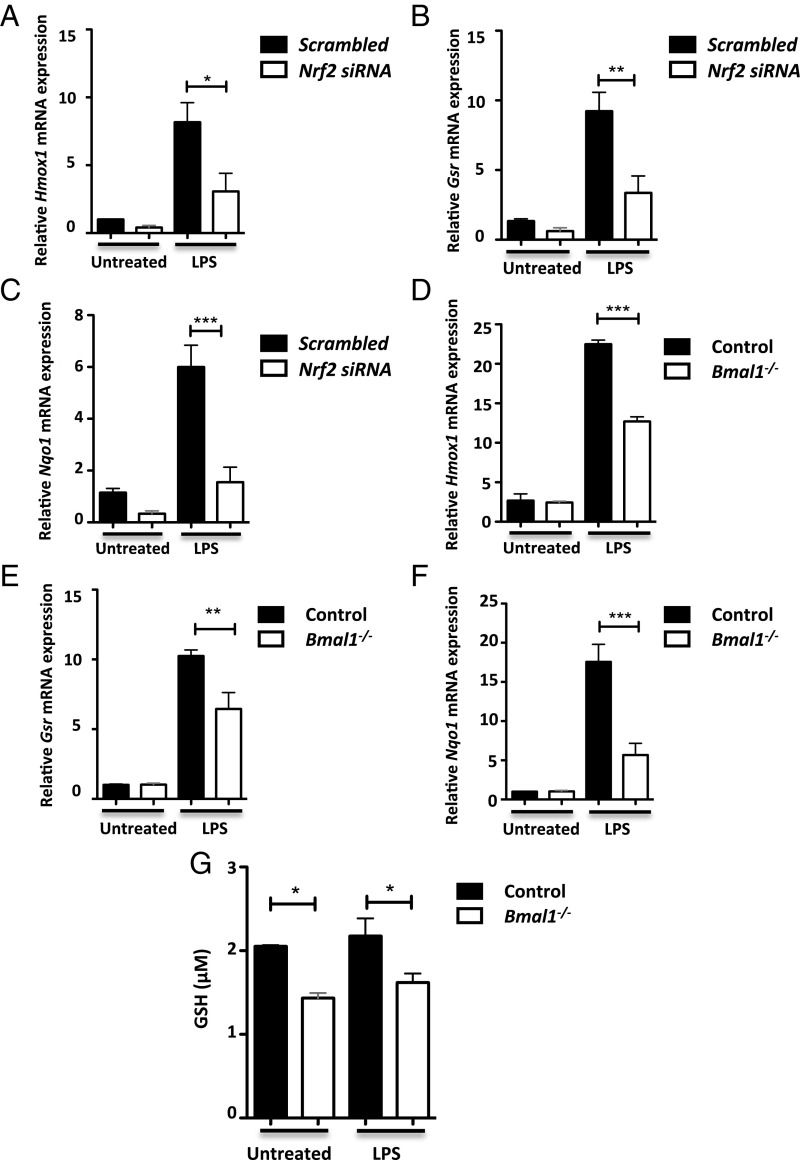
“The NRF2 protein accumulates and promotes the circadian transcription of a series of important antioxidant genes responsible for regulating glutathione metabolism in a circadian fashion [45].”
BackgroundLee, J. Y., Jung, E., Yeo, H., Ahn, S. S., Lim, Y., & Lee, Y. H. (2022) · Molecules · doi:10.3390/molecules27134205 · Cited by 10
Cellular and Molecular Pathways Underlying the Nephrotoxicity of Gadolinium
Sousa, N. R., Rocha, S., Santos‐Silva, A., Coimbra, S., & Valente, M. J. (2021) · Toxicological Sciences · doi:10.1093/toxsci/kfab148 · Cited by 9
Circadian rhythm disruption linked to skeletal muscle dysfunction in the Mexican Cavefish
Olsen, L. A., Krishnan, J., Banks, C. A. S., Hassan, H., & Rohner, N. (2023) · Current Biology · doi:10.1016/j.cub.2023.02.036 · Cited by 9
Huo, Y., Gao, Y., Li, B., Zhang, P., Liu, H., Pang, C., Pang, C., Wang, Y., & Bai, L. (2024) · European Journal of Pharmacology · doi:10.1016/j.ejphar.2024.177136 · Cited by 9
Fahey, L., & Lopez, L. M. (2024) · Genes Brain & Behavior · doi:10.1111/gbb.70011 · Cited by 9
Xu, S., Tang, Q., Du, H., Xie, J., He, R., Wang, R., & Sun, Q. (2025) · Biomedicines · doi:10.3390/biomedicines13061375 · Cited by 9
“The BMAL1/NRF2 pathway is not only involved in the regulation of oxidative stress [8], but may also influence ferroptosis through the modulation of intracellular iron metabolism and antioxidant enzyme activities.”
Khandia, R., Pandey, M. K., Khan, A. A., Rzhepakovsky, I. V., Gurjar, P., & Karobari, M. I. (2022) · Vaccines · doi:10.3390/vaccines10111874 · Cited by 9
Tran, N. Q. V., Le, M., Nguyen, T.-A., Kondo, T., & Nakao, A. (2023) · International Journal of Molecular Sciences · doi:10.3390/ijms24087477 · Cited by 9
Cortés-Espinar, A. J., Ibarz-Blanch, N., Soliz‐Rueda, J. R., Calvo, E., Bravo, F. I., Mulero, M., & Ávila‐Román, J. (2023) · International Journal of Molecular Sciences · doi:10.3390/ijms242317057 · Cited by 9
“…the antioxidant response within the organism, as the expression and/or the activity of many antioxidant enzymes fluctuate in a circadian manner or are regulated by the circadian clock genes, with NRF2 playing a pivotal role in linking both oxidative stress and circadian rhythms [29,30,64,65].”
BackgroundChen, Q., Liu, R., Wei, C., Wang, X., Wu, X., Fan, R., Yu, X., Li, Z., Mao, R., Hu, J., et al. (2023) · Nutrients · doi:10.3390/nu15245130 · Cited by 9
Jiang, H., Garcia, V., Yanum, J. A., Lee, J., & Dai, G. (2021) · American Journal of Physiology-Gastrointestinal and Liver Physiology · doi:10.1152/ajpgi.00204.2021 · Cited by 9
Li, N., Feng, G., Liu, Y., He, Y., Shi, Y., Sun, J., Tang, Q., Shi, Y., Wang, J., Wang, Y., et al. (2025) · Advanced Healthcare Materials · doi:10.1002/adhm.202500867 · Cited by 8
Zhang, W., Qi, D., Pei, X., Lu, D., Ba, M., Xuan, S., Huang, D., Yang, T., Yang, J., Li, Z., et al. (2025) · Journal of Nanobiotechnology · doi:10.1186/s12951-025-03630-5 · Cited by 8
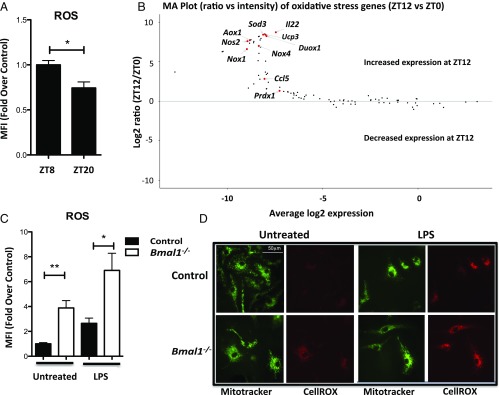
“The accompanying loss of ROS rhythmicity is consistent with the established role of circadian clocks in redox regulation through anti-oxidant pathways such as NRF2/NR1D1 [75] and NRF2/ BMAL1 [28, 76].”
Advances in Unhealthy Nutrition and Circadian Dysregulation in Pathophysiology of NAFLD
Guo, X., Zheng, J., Zhang, S., Jiang, X., Chen, T., Yu, J., Wang, S., Ma, X., & Wu, C. (2021) · Frontiers in Clinical Diabetes and Healthcare · doi:10.3389/fcdhc.2021.691828 · Cited by 8
Qi, L., Cheng, Y., Sun, S., & Wan, H. (2023) · The World Journal of Biological Psychiatry · doi:10.1080/15622975.2023.2252499 · Cited by 8
“Bmal1 has been demonstrated to activate Nrf2-mediated antioxidant pathways in macrophages and consequently limit production of the proinflammatory cytokine interleulin-1 beta (IL-1) through inhibition of lipopolysaccharide (LPS)-induced ROS production (Early et al. 2018).”
BackgroundSleep deprivation reduced LPS-induced IgG2b production by up-regulating BMAL1 and CLOCK expression
Chen, X., Zhai, B., Zhang, Y., Fang, Y., Zhang, M., Zhang, C., Wang, W., Ding, M., Huang, X. H., Shen, B., et al. (2023) · Biochemical and Biophysical Research Communications · doi:10.1016/j.bbrc.2023.149326 · Cited by 8
Time Dimension Influences Severity of Stroke and Heightened Immune Response in Mice
Kamat, P. K., Khan, M. B., Siddiqui, S., Williams, D., Salles, É. L., Naeini, S. E., Arbab, A. S., Rudic, R. D., Baban, B., Dhandapani, K. M., et al. (2023) · Translational Stroke Research · doi:10.1007/s12975-023-01226-5 · Cited by 8
Jadhao, M., Hsu, S., Deshmukh, D., Liu, P., Weng, S.-F., Chen, Y., Li, C., Wang, C., Tsai, E., Wang, L., et al. (2025) · International Journal of Biological Sciences · doi:10.7150/ijbs.101598 · Cited by 8
“Interestingly, the expression and regulation of MMP9 are controlled by transcription factors, and MMP9 mRNA contains binding sites for several transcription regulators, such as NFκB, AP-l, Spl, and Ets-l [52].”
Macrophage clock of pregnancy: circadian and metabolic control of decidual macrophage
Yang, D., Thiele, K., Yin, T., & Diao, L. (2025) · Seminars in Immunopathology · doi:10.1007/s00281-025-01057-6 · Cited by 8
“For example, in LPS-stimulated mouse bone marrow-derived macrophages, BMAL1 activates the transcription of NRF2, a transcription factor that limits inflammatory responses by inhibiting ROS produc - tion and suppressing the expression of pro-inflammatory cytokines [85].”
Identification and characterization of the CDK1-BMAL1-UHRF1 pathway driving tumor progression
Wang, D., Wang, F., Wang, S., Chu, L., Tang, D., Chen, P., & Yang, M. (2023) · iScience · doi:10.1016/j.isci.2023.106544 · Cited by 8
Qiu, J., Cui, W., Zhang, Q., Dai, T., Liu, K., Li, J., Wang, Y., Sima, Y., & Xu, S. (2022) · Insect Science · doi:10.1111/1744-7917.13043 · Cited by 8
“Furthermore, the activity of the antioxidant transcription factor, NRF2, was significantly decreased, the production of reactive oxygen species (ROS) was increased, and expression of interleukin (IL-1β) in bmal1−/− macrophages was increased (Early et al., 2018).”
BackgroundObesity Induces Disruption of Microvascular Endothelial Circadian Rhythm
Padgett, C. A., Butcher, J. T., Haigh, S., Speese, A. C., Corley, Z. L., Rosewater, C. L., Sellers, H. G., Larion, S., MINTZ, J. D., Fulton, D. J., et al. (2022) · Frontiers in Physiology · doi:10.3389/fphys.2022.887559 · Cited by 8
“Both eNOS and NOX1 have been reported to be under control of the circadian clock, making them attractive targets for discovering a link between circadian and vascular dysfunction (Shang et al., 2016; Early et al., 2018).”
BackgroundCircadian clock genes: Potential therapeutic targets for autoimmune diseases
Tian, T., Rao, L., Wei, M., Du, J., Gu, Y., Wu, X., & Ma, Y. (2025) · Journal of Autoimmunity · doi:10.1016/j.jaut.2025.103516 · Cited by 7
Blood–spinal cord barrier disruption after spinal cord injury: a time-dependent mechanistic review
Jiang, Z. G., Zhang, C., Zhao, Z., & Ning, B. (2026) · Frontiers in Cellular Neuroscience · doi:10.3389/fncel.2026.1805529 · Cited by 7
“Additionally, tissue-specific target genes of these heterodimers contribute to the circadian regulation of metabolic processes, immune/inflammatory responses, and antioxidant defense mechanisms (Early et al., 2018; Koike et al., 2012; Musiek et al., 2013; Oishi et al., 2017; Rey et al., 2011).”
Zhou, Q., Wu, Y., Liu, P., Deng, W.-Z., Lu, Y.-H., Gong, H., Lin, X., Sun, W., Wang, R., Huang, F., et al. (2024) · Phytomedicine · doi:10.1016/j.phymed.2024.155613 · Cited by 7
Perspective of Cataract and Oxidative Stress
Nsonwu, M. C., Ozims, S., & Johnkennedy, N. (2024) · Series of clinical and biomedical research. · doi:10.54178/2997-2701.v1i1a1994 · Cited by 7
The Clock and the Brain: Circadian Rhythm and Alzheimer’s Disease
Shirkouhi, S. G., Karimi, A., Khatami, S. S., Gashtrodkhani, A. A., Kamari, F., Blaabjerg, M., & Andalib, S. (2025) · Current Issues in Molecular Biology · doi:10.3390/cimb47070547 · Cited by 7
“ROS further regulates Hypoxia-Inducible Factor 1-alpha (HIF-1 α ), a transcription factor that upregulates the production of IL-1 β [74].”
Do macrophages follow the beat of circadian rhythm in TIME (Tumor Immune Microenvironment)?
Knudsen-Clark, A. M., Cazarin, J., & Altman, B. J. (2023) · F1000Research · doi:10.12688/f1000research.129863.1 · Cited by 7
Yoshida, Y., Fukuda, T., Fukuoka, K., Nagayama, T., Tanihara, T., Nishikawa, N., Otsuki, K., Terada, Y., Hamamura, K., Oyama, K., et al. (2023) · Journal of Pharmacology and Experimental Therapeutics · doi:10.1124/jpet.123.001864 · Cited by 7
Macrophage Metabolism at the Crossroad of Metabolic Diseases and Cancer
Yang, S., den Bossche, J. V., & Ramalho, T. R. D. O. (2020) · Immunometabolism · doi:10.20900/immunometab20200022 · Cited by 7
“The activation states of macrophages can be triggered by excessive availability of nutrients and obesogenic factors that enable macrophages to acquire a pro-tumoral state which could benefit tumor development [40,41].”
BackgroundRye Bread Crust as an Inducer of Antioxidant Genes and Suppressor of NF-κB Pathway In Vivo
Wächter, K., Gohde, B., Szabo, G. B., & Simm, A. (2022) · Nutrients · doi:10.3390/nu14224790 · Cited by 7
Izmailova, O. V., Kabaliei, A., Shynkevych, V. І., Shlykova, O. A., & Кайдашев, І. П. (2022) · Physiological Reports · doi:10.14814/phy2.15535 · Cited by 7
A wrinkle in time: circadian biology in pulmonary vascular health and disease
Bryant, A. J., Ebrahimi, E., Nguyen, A., Wolff, C. A., Gumz, M. L., Liu, A. C., & Esser, K. A. (2021) · American Journal of Physiology-Lung Cellular and Molecular Physiology · doi:10.1152/ajplung.00037.2021 · Cited by 7
Nah, J., Yun, N., Yoo, H., Park, S., & Pae, M. (2024) · International Journal of Molecular Sciences · doi:10.3390/ijms252111524 · Cited by 6
Bmal1 haploinsufficiency impairs fear memory and modulates neuroinflammation via the 5-HT2C receptor
Li, W., Mou, S., Ali, T., Li, T., Liu, Y., Li, S., Yu, X., & Yu, Z. (2024) · Frontiers in Pharmacology · doi:10.3389/fphar.2024.1422693 · Cited by 6
BMAL1 rescued the hippocampus-dependent recognition memory induced by sleep deprivation
Li, X., Zheng, Q., Yu, H., Du, T., Hu, T., Gao, L., Jia, L., & Sun, Q. (2025) · Neuroscience · doi:10.1016/j.neuroscience.2025.01.067 · Cited by 6
Filipovská, E., Skálová, K., Spišská, V., Mendoza, J., & Bendová, Z. (2025) · The FASEB Journal · doi:10.1096/fj.202403177rr · Cited by 6
Zhang, C., Zhang, R., Zhao, G., Wu, Z., Song, W., Ran, R., Zhou, K., & Zhang, H. (2025) · Frontiers in Cell and Developmental Biology · doi:10.3389/fcell.2025.1586193 · Cited by 6
Hu, Y., Yun, T., Hou, D., & Yang, G. (2025) · Experimental Neurology · doi:10.1016/j.expneurol.2025.115464 · Cited by 6
Yu, Q., Ren, L., Ren, F., & Li, F. (2025) · Oncology Letters · doi:10.3892/ol.2025.15393 · Cited by 7
“Integrating single‑cell tran‑ scriptomics with spatial metabolomics is essential to resolve redox heterogeneity and niche‑specific adaptations (126,127).”
Cordi, C. V., & Hurley, J. (2025) · Current Opinion in Physiology · doi:10.1016/j.cophys.2025.100859 · Cited by 6
Core Circadian Protein BMAL1: Implication for Nervous System Functioning and Its Diseases
Smirnova, K. V., Smirnova, L. P., & Amstislavskaya, T. G. (2025) · Brain Sciences · doi:10.3390/brainsci15121321 · Cited by 7
“…and oxidative stress response; for example, BMAL1 is a crucial antioxidant in myeloid cells, and its removal disrupts NRF2 (nuclear factor erythroid 2-related factor 2) activity, promoting the accumulation of reactive oxygen species (ROS) and the proinflammatory interleukin (IL)-1 β [40].”
Circadian rhythms in ischemic stroke: From pathogenesis to chronotherapy
Fan, H., Wu, Z., Zhao, J., Kou, J., & Xu, Q. (2026) · Sleep Medicine · doi:10.1016/j.sleep.2026.108825 · Cited by 6
Time-of-Day Variation in SARS-CoV-2 RNA Levels during the Second Wave of COVID-19
Zhuang, X., Wang, W., Borrmann, H., Balfe, P., Matthews, P. C., Eyre, D. W., Klerman, E. B., & McKeating, J. A. (2022) · Viruses · doi:10.3390/v14081728 · Cited by 6
Prostaglandin F2α Affects the Cycle of Clock Gene Expression and Mouse Behavior
Tsurudome, Y., Yoshida, Y., Hamamura, K., Ogino, T., Yasukochi, S., Yasuo, S., Iwamoto, A., Yoshihara, T., Inazumi, T., Tsuchiya, S., et al. (2024) · International Journal of Molecular Sciences · doi:10.3390/ijms25031841 · Cited by 6
Xu, L., Jia, J., Yu, J., Miao, S., & Zhang, Y. (2024) · Free Radical Research · doi:10.1080/10715762.2024.2348789 · Cited by 6
The role of circadian and redox rhythms in cancer hypoxia
Omer, S., Karunagaran, D., & Suraishkumar, G. K. (2021) · Advances in Redox Research · doi:10.1016/j.arres.2021.100018 · Cited by 6
Bringing the cellular clock into understanding lung disease: it’s time, period!
Bartman, C. M., & Prakash, Y. S. (2020) · American Journal of Physiology-Lung Cellular and Molecular Physiology · doi:10.1152/ajplung.00320.2020 · Cited by 6
“Some targets of the clock include immuneinflammatory responses (16, 18, 25, 44, 51), oxidative stress response (15, 38), proliferation (37), remodeling (14, 48), intracellular calcium concentration ([Ca(2) ]i) (26, 28, 33, 35, 36), and metabolism (23, 45): pathways highly relevant to chronic respiratory disease physio…”
BackgroundCircadian Biology in Obstructive Sleep Apnea-Associated Cardiovascular Disease
Gaspar, L. S., Pyakurel, S., Xu, N., D’Souza, S. P., & Koritala, B. S. C. (2025) · Journal of Molecular and Cellular Cardiology · doi:10.1016/j.yjmcc.2025.03.008 · Cited by 5
Bian, C., Wu, Y., Zhang, M., Ge, L., Zhong, M., Zheng, C., Chen, L., Lei, M., Nisar, M. F., Pourzand, C., et al. (2025) · FEBS Journal · doi:10.1111/febs.70144 · Cited by 5
“In addition, it was found that Bmal1 is a direct positive regulator of Nrf2 transcription via direct E-box binding to its promoter [39], and Nrf2-Keap1 (Kelch-like ECH associated protein 1) pathways antagonize UV stress by upregulating a battery of cellular defense genes [40].”
Dysfunctional circadian-driven dynamics in gut microbiota and tumor microenvironment
Peng, T., Wan, Y., Sun, Y., Ren, Y., Shi, F., Lv, Y., Wen, X., Chen, Q., Yang, X., Xu, S., et al. (2025) · Gut Microbes · doi:10.1080/19490976.2025.2526716 · Cited by 5
“82,83 Notably, TAMs are activated through toll-like receptors (TLRs) induced cascade reactions.”
Temporal Orchestration of Immunity: How Circadian Clocks Coordinate Immune Responses
Jiang, Y., Liu, C., & Zhong, Y. (2025) · Frontiers in Bioscience-Landmark · doi:10.31083/fbl39948 · Cited by 5
da Silva, P. R., Barbosa, N. M. M. V., Leite, J. M. D. S., Alves, L. P., de Andrade, J. C., Formiga, A. L. D., Uchôa, A. F. C., Neri, L. C. D., Dias, A. L., Golzio, A. M. F. D. O., et al. (2025) · Pharmaceutics · doi:10.3390/pharmaceutics18010027 · Cited by 5
Zhang, T., Zhang, G., Liu, T., Gu, T., Yu, F., Xu, P., Mi, W., Zhao, X., Guo, Q., Zheng, H., et al. (2026) · Med Research · doi:10.1002/mdr2.70052 · Cited by 5
HIV disrupts the lung molecular clock, leading to lung inflammation and features of emphysema
Panda, K., Peng, J. Y.-C., Santiago, M. J., Rahman, M. S., Shaikh, S. B., Kaur, G., Faizan, M. I., Islam, K. U., Wang, T., Black, S. M., et al. (2026) · Communications Biology · doi:10.1038/s42003-025-09284-1 · Cited by 5
“Ac-BMAL1 further manifests as upregulation of the IL-6 gene, as previously reported 33,34 (Supplementary Fig.”
Crosstalk between Circadian Rhythm and Neuroinflammation
Mei, G., Pan, H., Zheng, J., Chen, K., Zheng, W., Xu, H., Liu, Z., Lin, Lin, Z., & Zhang, M. (2026) · Neuroendocrinology · doi:10.1159/000551312 · Cited by 5
“This is corroborated by findings in myeloid-specific Bmal1 knockout models, where Bmal1 deletion disrupts Nrf2 activity and stimulates the production of ROS and pro-inflammatory cytokines such as IL-1β, playing a significant role in inflammatory diseases like multiple sclerosis [89].”
Workineh, Z. G., Baumgartner, L., Pascuet-Fontanet, A., Ter-Grigoryan, M., Mobasheri, A., Richardson, S. M., Meng, Q., & Noailly, J. (2026) · Physics of Life Reviews · doi:10.1016/j.plrev.2026.03.004 · Cited by 6
Ying-hao, P., Yang, Y.-S., Song-Yi, C., Hua, J., Peng, Y., & Chen, X. (2024) · Heliyon · doi:10.1016/j.heliyon.2024.e37088 · Cited by 5
“BMAL1 modulates IL-1 β and the oxidative stress response in macrophages through the Nrf2 signaling pathway [44].”
BackgroundRakshit, K., Brown, M., Javeed, N., Lee, J., Ördög, T., & Matveyenko, A. V. (2024) · iScience · doi:10.1016/j.isci.2024.111179 · Cited by 5
“26 Importantly, mice with b cell-specific depletion of either NRF2 and/or YY1 display diabetes phenotype characterized by loss of insulin expression, diminished secretory function, and increased b cell apoptosis, reminiscent of the phenotype observed in STZ-treated Bmal1 -deficient mice.”
Takaguri, A., Noro, R., Shinohe, S., Murayama, R., Sakuraba, M., Nomura, R., & Satoh, K. (2025) · Cell Biology International · doi:10.1002/cbin.12273 · Cited by 5
“Nevertheless, several reports have indicated that BMAL1 knockdown results in increased ROS production in mast cells or macrophages (Early et al., 2018; Nagasaka et al., 2024).”
Jiang, Z., Dong, T., Wang, Y., Tang, L., Zhao, C., Wen, Y., & Chen, J. (2022) · Arabian Journal of Chemistry · doi:10.1016/j.arabjc.2022.104477 · Cited by 5
Functional analysis of Bucella reveals transcriptional regulation of MarR
Deng, X., Li, M., Liu, L., Zhang, J., Zhang, Y., Guo, J., Zhao, T., Cao, S., Li, Z., & Zhang, H. (2020) · Microbial Pathogenesis · doi:10.1016/j.micpath.2020.104201 · Cited by 5
Seto, Y., Tokeshi, S., Inoue, D., Okazaki, F., & To, H. (2025) · Journal of Pharmacological Sciences · doi:10.1016/j.jphs.2025.04.007 · Cited by 4
Circadian clock controlled glycolipid metabolism and its relevance to disease management
Lin, L., Huang, Y., Li, A., Cai, Y., Yan, Y., Huang, Y., He, L., Chen, Y., & Wang, S. (2025) · Biochemical Pharmacology · doi:10.1016/j.bcp.2025.116967 · Cited by 4
The circadian clock regulates innate immunity and cardiovascular diseases
Qiu, D., Li, L., Yu, X., Xiao, Z., Chen, K., Wang, Z., & Wang, S. (2025) · European Journal of Pharmacology · doi:10.1016/j.ejphar.2025.178050 · Cited by 4
Dialogue Between the Clock Gene Bmal1 and Retinopathy: What Is the Exact Relationship?
Cui, Y., Li, H., Fan, W., Wu, H., Wang, J., Qu, C., Pu, N., & Tao, Y. (2025) · CNS Neuroscience & Therapeutics · doi:10.1111/cns.70490 · Cited by 4
Kubo, E., Chhunchha, B., & Singh, D. P. (2026) · Progress in Retinal and Eye Research · doi:10.1016/j.preteyeres.2026.101444 · Cited by 4
“Bmal1 modulates responses to oxidative stress via interaction with E-box elements in gene promoters and is present in the promoters of the Prdx6 and Nrf2 genes (Chhunchha et al., 2020; Early et al., 2018; Pekovic-Vaughan et al., 2014).”
Ni, Y., Zhang, W., Sun, P., Xu, Y., & Zhang, Q. (2026) · Journal of Food Bioactives · doi:10.26599/jfb.2026.95033436 · Cited by 4
Chen, Y., Huang, P., Chai, C., Yu, S., Hsieh, Y., Chang, H.-C., Kuo, C.-W., Lee, Y.-C., & Yu, H. (2022) · The Analyst · doi:10.1039/d2an01546c · Cited by 4
Wang, F., Zhang, Z., Sun, Y., Li, Y., Guo, T., Pan, Y., Ding, S., Jiang, L. H., & Liu, H. (2024) · PubMed Central · doi:10.12122/j.issn.1673-4254.2024.05.09 · Cited by 4
Luján, L. M. L., McCarty, M. F., Galvez-Ruiz, J. C., López, S. T., & Assanga, S. B. I. (2024) · Human Nutrition & Metabolism · doi:10.1016/j.hnm.2024.200281 · Cited by 4
Carbone, A., Vitullo, P., Gioia, S. D., Castellani, S., & Conese, M. (2024) · Current Issues in Molecular Biology · doi:10.3390/cimb46090618 · Cited by 4
“Another study found that GSK4112 can inhibit the expression of NLRP3 and reduce the production of IL-1 β in an LPS-induced inflammation model [90].”
BackgroundAchilles tendinopathy treatment via circadian rhythm regulation
Zhang, Y., Wu, Y., Wang, Y., Lu, J., Yang, L., Wang, P., Li, L., Yan, W., Cai, H., Leigh, W. H., et al. (2024) · Journal of Advanced Research · doi:10.1016/j.jare.2024.10.022 · Cited by 4
Circadian metabolic adaptations to infections
Costantini, C., Brancorsini, S., Grignani, F., Romani, L. R., & Bellet, M. M. (2025) · Philosophical Transactions of the Royal Society B Biological Sciences · doi:10.1098/rstb.2023.0473 · Cited by 4
“Thus, by suppressing HIF-1α stabilization and consequently Il1β transcription, BMAL1 plays an important anti-inflammatory role by inducing an antioxidant response, through the regulation of NRF2, a transcription factor essential for the protection against oxidative stress [39].”
Qin, Q., Guo, X., Su, Y., Liu, Y., Zhang, X., Peng, X., Zhao, Y. L., Li, N., Chen, Y., & Qiu, C. (2022) · Journal of Photochemistry and Photobiology · doi:10.1016/j.jpap.2022.100156 · Cited by 4
Arntl deficiency in myeloid cells reduces neutrophil recruitment and delays skeletal muscle repair
Watanabe, A., Koike, H., Kumagami, N., Shimba, S., Manabe, I., & Oishi, Y. (2023) · Scientific Reports · doi:10.1038/s41598-023-33830-8 · Cited by 4
Kamareh, M. N., Samadi, M., Arabzadeh, E., Abdollahi, M., Sheidaei, S., Malayeri, S. R., Schlicht, J., Shirvani, H., & Rostamkhani, F. (2023) · Gene · doi:10.1016/j.gene.2023.147732 · Cited by 4
Circadian rhythms in solid organ transplantation
Patlin, B. H., Mok, H., Arra, M., & Haspel, J. A. (2024) · The Journal of Heart and Lung Transplantation · doi:10.1016/j.healun.2024.01.017 · Cited by 4
Mathematical modeling of viral infection and the immune response controlled by the circadian clock
Zhou, J., Wang, H., & Ouyang, Q. (2024) · Journal of Biological Physics · doi:10.1007/s10867-024-09655-5 · Cited by 4
“Second, REV-ERBα in monocytes acts as a transcription factor to inhibit the release of cytokine IL10 [23], and the dimer BMAL1/CLOCK acts as a transcription factor to inhibit monocytes from releasing chemokine CCL2 and cytokine IL1β [24, 25].”
Yang, L., Wang, X., Wang, C., Wang, D., Wang, Z., & Zhang, X. (2024) · Comparative Biochemistry and Physiology Part C Toxicology & Pharmacology · doi:10.1016/j.cbpc.2024.110038 · Cited by 4
Circadian Rhythms, Immune Regulation, and the Risk for Sepsis
Sengupta, S., Smith, D. F., & Koritala, B. S. C. (2024) · Clinics in Perinatology · doi:10.1016/j.clp.2024.10.012 · Cited by 4
Yoshida, Y., Nishikawa, N., Fukuoka, K., Tsuruta, A., Otsuki, K., Fukuda, T., Terada, Y., Tanihara, T., Kumamoto, T., Tsukamoto, R., et al. (2024) · International Journal of Molecular Sciences · doi:10.3390/ijms252313009 · Cited by 4
Baba, K., Suen, T.-C., Goyal, V., Stowie, A. C., Davidson, A. J., DeBruyne, J. P., & Tosini, G. (2022) · F1000Research · doi:10.12688/f1000research.125133.1 · Cited by 4
Acute exercise modulates Trim63 and Bmal1 in the skeletal muscle of IL-10 knockout mice
da Mata, G. E., Brícola, R. S., Ribeiro, D. N., Simabuco, F. M., Pauli, J. R., de Freitas, E. C., Ropelle, E. R., da Silva, A. S. R., & Pinto, A. P. (2023) · Cytokine · doi:10.1016/j.cyto.2023.156484 · Cited by 4
Poulsen, R. C., & Dalbeth, N. (2024) · Gout Urate and Crystal Deposition Disease · doi:10.3390/gucdd2020011 · Cited by 4
Metadata
- Authors
- Early, J. O., Menon, D., Wyse, C. A., Cervantes-Silva, M. P., Zaslona, Z., Carroll, R. G., Palsson-McDermott, E. M., Angiari, S., Ryan, D. G., Corcoran, S. E., Timmons, G., Geiger, S. S., Fitzpatrick, D. J., O’Connell, D., Xavier, R. J., Hokamp, K., O’Neill, L. A. J., & Curtis, A. M.
- Affiliations
- Royal College of Surgeons in Ireland (IE)
- Trinity College Dublin (IE)
- Department of Molecular and Cellular Therapeutics, Tissue Engineering Regenerative Group, Royal College of Surgeons in Ireland, Dublin 2, Ireland;
- School of Biochemistry and Immunology, Trinity Biomedical Sciences Institute, Trinity College Dublin, Dublin 2, Ireland;
- Broad Institute (US)
- Corresponding author
- Curtis, Annie M.
- ORCID
- Venue
- Proceedings of the National Academy of Sciences
- Publisher
- National Academy of Sciences
- Published
- 2018-08-20
- Volume
- 115
- Issue
- 36
- Pages
- E8460-E8468
- ISSN
- 0027-8424 (ISSN-L)
- 1091-6490
- PMC
- PMC6130388
- OpenAlex
- W2888547429
- Cited by
- 389
- References
- 34
- Citations by year
- 2026: 61 · 2025: 54 · 2024: 51 · 2023: 59 · 2022: 57 · 2021: 51 · 2020: 38 · 2019: 15 · 2018: 3
- FWCI
- 15.02
- Type
- journal article
- Language
- en
- Open access
- hybrid
- doi.org
- Licence
- Locations
- Proceedings of the National Academy of Sciences (publishedVersion, cc-by-nc-nd)
- Europe PMC (PubMed Central) (publishedVersion, cc-by-nc-nd)
- PubMed Central (publishedVersion, cc-by-nc-nd)
- PubMed (publishedVersion)
- Arrow@dit (Dublin Institute of Technology) (submittedVersion, cc-by-nc-sa)
- Figshare (submittedVersion, cc-by-nc-sa)
- Edinburgh Research Explorer (University of Edinburgh) (submittedVersion, cc-by-nc-nd)
- Funders
- Science Foundation Ireland (13/SIRG/2130, 17/CDA/4688)
- Wellcome (205455)
- Topics
- Life Sciences › Neuroscience › Endocrine and Autonomic Systems › Circadian rhythm and melatonin
- Life Sciences › Biochemistry, Genetics and Molecular Biology › Molecular Biology › Genomics, phytochemicals, and oxidative stress
- Life Sciences › Neuroscience › Cognitive Neuroscience › Sleep and Wakefulness Research
- Keywords
- Bmal1, circadian clock, Nrf2, IL-1β, macrophages, reactive oxygen species, antioxidant response, innate immunity, myeloid cells, inflammatory cytokines
- MeSH terms
- Animals, Humans, Inflammation, Lipopolysaccharides, Macrophages, Reactive Oxygen Species, Mice, Knockout, Oxidative Stress, NF-E2-Related Factor 2, Mice, Hypoxia-Inducible Factor 1, alpha Subunit, Interleukin-1beta, ARNTL Transcription Factors, HEK293 Cells
About these checks
Registry, retraction, Cites and statistics results are computed, not judged, with one exception: a printed reference that no index lists is read once by a model before it counts as a citation error. Claims are extracted by a model and kept only when their quote appears verbatim in the text; each cited source is then checked, with a model’s help, for whether it says what the claim relies on. Those verdicts can be wrong — read the claim’s quote and the cited source before relying on one.
Statistics and arithmetic are recomputed, not judged.
Confidence bands are shown only for fields calibrated on our annotated test set. None is calibrated yet, so no band is shown.
What counts as a claim ›How we measure confidence ›How we check this ›
Are you an author, or do you see a problem with this page? Request a review
Data sources
Bibliographic data: Semantic Scholar, OpenAlex, Crossref.
Contains information from the Semantic Scholar Academic Graph Datasets, made available under the ODC Attribution License (ODC-BY 1.0).
Semantic Scholar’s data is described in: Kinney, R., et al. (2023). The Semantic Scholar Open Data Platform. arXiv:2301.10140.
