

Circadian clock protein BMAL1 regulates IL-1β in macrophages via NRF2
Open accessThe DOI matches its Crossref record; 34 of the 34 references it cites were found in a registry or an index.
Abstract
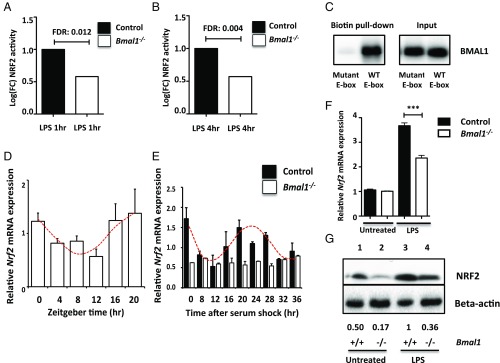
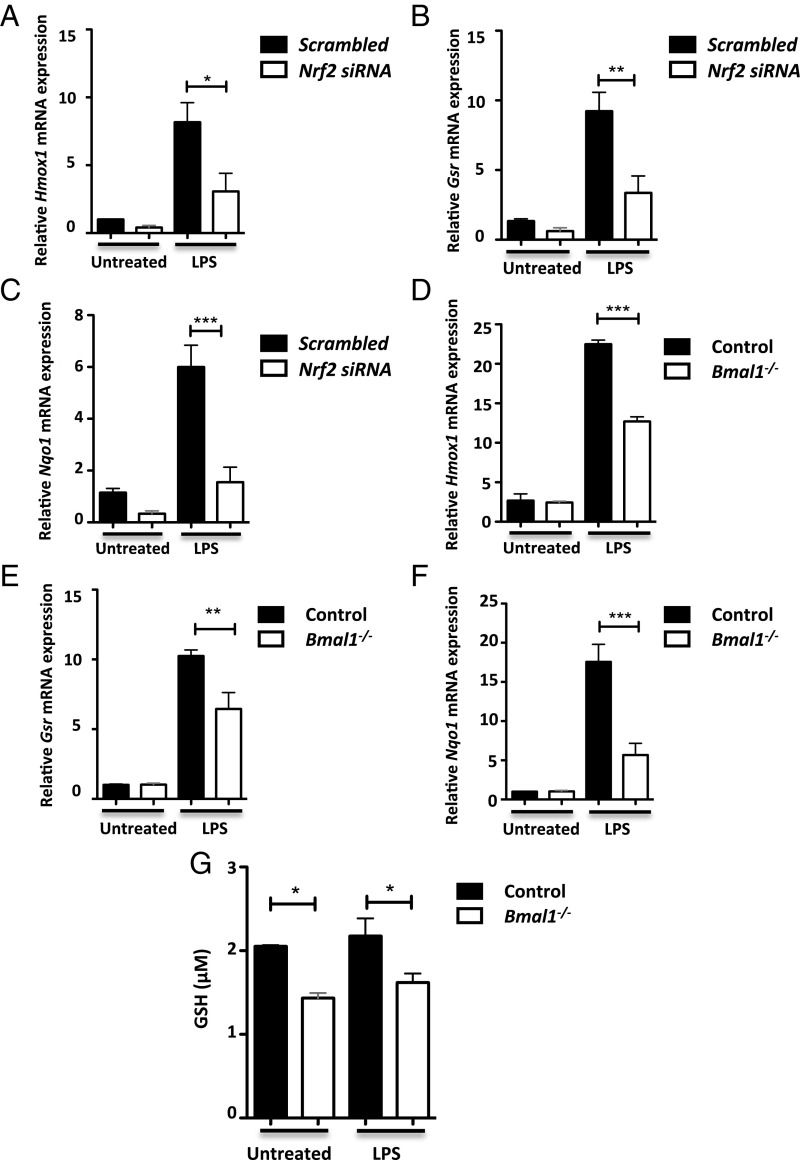
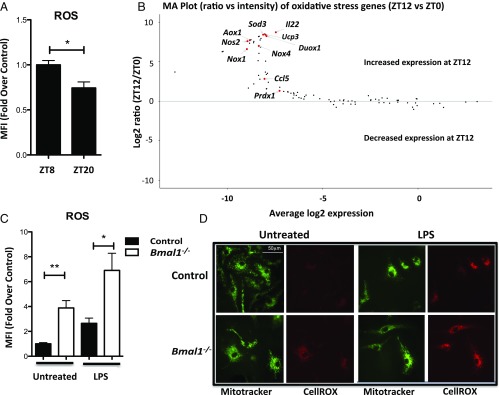
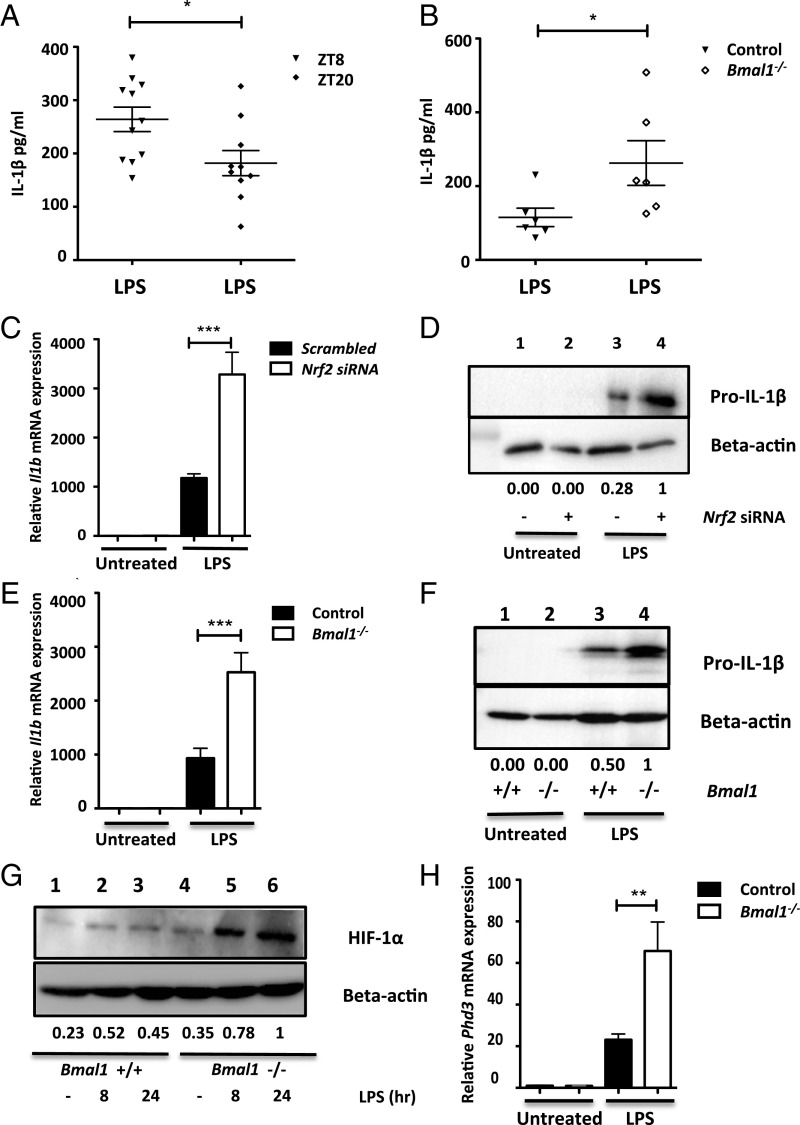
Significance: The molecular clock provides an anticipatory mechanism, allowing organisms to prepare and respond to daily changes in the external environment. The response of the innate immune system to pathogenic threats is dependent on time of day; however, the molecular mechanisms underlying this have yet to be fully uncovered. We observe that the core molecular clock component, BMAL1, is crucial in promoting an antioxidant response in myeloid cells. Deletion of Bmal1 in macrophages disrupts NRF2 activity, facilitating accumulation of reactive oxygen species and the proinflammatory cytokine, IL-1β. Thus the molecular clock directly controls NRF2 transcriptional activity and antioxidant capacity to regulate IL-1β in myeloid cells.
Overview
The claims and statistics of this paper haven’t been checked yet.
Free: it reads the open-access text and checks the first 5 claims that cite a source we can check. Create a free account to check every claim.
Integrity signals
Registry
Cites
Statistics
Figures
Verification
Claims the paper makes
The claims and statistics of this paper haven’t been checked yet.
Free: it reads the open-access text and checks the first 5 claims that cite a source we can check. Create a free account to check every claim.
Claims other papers make about this one
Each is checked against this paper’s own text: does it say what the citing paper says it does?
The source backs part of the claim, not all of it — or backs it for a different population, condition or comparison.
In the citing paper
“Inflammasomes in microglia can be activated by ROS, which causes inflammatory cytokines, including TNF-α, IL-1β, and IFN-γ, to be produced. 138”
From Major depressive disorder: hypothesis, mechanism, prevention and treatment (2024) · cites this paper as [138]
Experimental — accuracy not yet measuredThe check wasn’t confident either way, so it gives no verdict — never disputed.
In the citing paper
“Higher levels of inflammation increase the chance of developing new-onset depression. 138 , 139”
From Major depressive disorder: hypothesis, mechanism, prevention and treatment (2024) · cites this paper as [138]
Experimental — accuracy not yet measured
Self-check
Percentages, sums and reported differences re-computed from the paper’s own numbers.
The self-check needs the paper’s full text.
Citations
Cites
Role of nrf2 in oxidative stress and toxicity
Ma, Q. (2013) · Annual Review of Pharmacology and Toxicology · doi:10.1146/annurev-pharmtox-011112-140320 · Cited by 4,903
Reactive Oxygen Species in Inflammation and Tissue Injury
Mittal, M., Siddiqui, M. R., Tran, K., Reddy, S. P., & Malik, A. B. (2014) · Antioxidants & Redox Signaling · doi:10.1089/ars.2012.5149 · Cited by 4,897 · cited 2×
“Reactive oxygen species (ROS) are signaling molecules that are critical for the progression of an immune response (11).”
BackgroundSuccinate is an inflammatory signal that induces IL-1β through HIF-1α
Tannahill, G. M., Curtis, A. M., Adamik, J., Palsson-McDermott, E. M., McGettrick, A. F., Goel, G., Frezza, C., Bernard, N. J., Kelly, B., Foley, N. H., et al. (2013) · Nature · doi:10.1038/nature11986 · Cited by 4,176 · cited 2×
“However, in later stages of macrophage activation with LPS, ROS levels accumulate, stabilizing HIF-1α to drive IL-1β production (16, 28).”
BackgroundSelf-citationTargeting the KEAP1-NRF2 system to prevent kidney disease progression
Nezu, M., Suzuki, N., & Yamamoto, M. (2017) · American Journal of Nephrology · doi:10.1159/000475890 · Cited by 3,447
Mills, E. L., Kelly, B., Logan, A., Costa, A. S. H., Varma, M., Bryant, C. E., Tourlomousis, P., Däbritz, J. H. M., Gottlieb, E., Latorre, I., et al. (2016) · Cell · doi:10.1016/j.cell.2016.08.064 · Cited by 2,291 · cited 5×
“Circadian gating of NRF2 in macrophages would provide a mechanism by which BMAL1 may temporally regulate inflammation via modulation of ROS levels (16) and direct binding of NRF2 to the IL-1β promoter (23).”
BackgroundInfluentialSelf-citationA Serum Shock Induces Circadian Gene Expression in Mammalian Tissue Culture Cells
Balsalobre, A., Damiola, F., & Schibler, U. (1998) · Cell · doi:10.1016/s0092-8674(00)81199-x · Cited by 2,001
Itaconate is an anti-inflammatory metabolite that activates Nrf2 via alkylation of KEAP1
Mills, E. L., Ryan, D. G., Prag, H. A., Dikovskaya, D., Menon, D., Zaslona, Z., Jedrychowski, M. P., Costa, A. S. H., Higgins, M., Hams, E., et al. (2018) · Nature · doi:10.1038/nature25986 · Cited by 1,885 · cited 5×
“NRF2 has been demonstrated to limit IL-1β through this mechanism (22).”
BackgroundInfluentialSelf-citationNrf2 suppresses macrophage inflammatory response by blocking proinflammatory cytokine transcription
Kobayashi, E. H., Suzuki, T., Funayama, R., Nagashima, T., Hayashi, M., Sekine, H., Tanaka, N., Moriguchi, T., Motohashi, H., Nakayama, K., et al. (2016) · Nature Communications · doi:10.1038/ncomms11624 · Cited by 1,878 · cited 5×
“activating NRF2, but would also increase levels of NRF2 binding directly to the IL-1β promoter (23).”
BackgroundInfluentialLinker, R. A., Lee, D.-H., Ryan, S., van Dam, A. M., Conrad, R., Bista, P., Zeng, W., Hronowsky, X., Buko, A., Chollate, S., et al. (2011) · Brain · doi:10.1093/brain/awq386 · Cited by 1,155 · cited 2×
“For example, mice have a heightened response to Listeria monocytogenes, lipopolysaccharide (LPS), and induction of experimental autoimmune encephalomyelitis (EAE), a model of multiple sclerosis, ahead of their active phase, which is exacerbated with Bmal1 deletion (5, 7–9).”
Nrf2 is a critical regulator of the innate immune response and survival during experimental sepsis
Thimmulappa, R. K. (2006) · Journal of Clinical Investigation · doi:10.1172/jci25790 · Cited by 1,028 · cited 1×
“Intriguingly, suppression of NRF2 activity has previously been linked with pathogenesis of inflammatory conditions that are at least partly mediated by both myeloid cells and the circadian clock, such as EAE (29), sepsis (30), and asthma (31).”
Background
Cited by
Items 101–200 of 425
Regulation of protein O-GlcNAcylation by circadian, metabolic, and cellular signals
Liu, X., Cai, Y. D., & Chiu, J. C. (2023) · Journal of Biological Chemistry · doi:10.1016/j.jbc.2023.105616 · Cited by 33
BMAL1 Modulates Epidermal Healing in a Process Involving the Antioxidative Defense Mechanism
da Silveira, É. J. D., Filho, C., Yujra, V. Q., Webber, L. P., CASTILHO, R. M., & SQUARIZE, C. H. (2020) · International Journal of Molecular Sciences · doi:10.3390/ijms21030901 · Cited by 33
Deciphering clock genes as emerging targets against aging
Zhu, Y., Liu, Y., Escames, G., Yang, Z. Z., Zhao, H., Lu, Q., Xue, C., Xu, D., Acuña-Castroviejo, D., & Yang, Y. (2022) · Ageing Research Reviews · doi:10.1016/j.arr.2022.101725 · Cited by 33
Chhunchha, B., Kubo, E., & Singh, D. P. (2022) · Cells · doi:10.3390/cells11193021 · Cited by 33
Awuah, W. A., Huang, H., Kalmanovich, J., Mehta, A., Mikhailova, T., Ng, J. C., Abdul-Rahman, T., Adebusoye, F. T., Tan, J. K., Kamanousa, K., et al. (2023) · Medicine · doi:10.1097/md.0000000000034614 · Cited by 27
The interplay of the circadian clock and metabolic tumorigenesis
Wang, Z., Ma, L., Meng, Y., Fang, J., Xu, D., & Lu, Z. (2023) · Trends in Cell Biology · doi:10.1016/j.tcb.2023.11.004 · Cited by 32
Relationship between the Biological Clock and Inflammatory Bowel Disease
Giebfried, J., & Lorentz, A. (2023) · Clocks & Sleep · doi:10.3390/clockssleep5020021 · Cited by 32
Konakchieva, R., Mladenov, M. I., Konaktchieva, M. N., Sazdova, I., Gagov, H., & Nikolaev, G. (2025) · International Journal of Molecular Sciences · doi:10.3390/ijms26136267 · Cited by 31
Słomnicki, Ł. P., Myers, S. A., Ohri, S. S., Parsh, M. V., Andres, K. R., Chariker, J. H., Rouchka, E. C., Whittemore, S. R., & Hetman, M. (2020) · Scientific Reports · doi:10.1038/s41598-020-71131-6 · Cited by 31
Xiong, Y., Zhong, Q., Zhang, Y., Liu, Z., & Wang, X. (2024) · Frontiers in Endocrinology · doi:10.3389/fendo.2024.1338110 · Cited by 32
Hirai, T., Mitani, Y., Kurumisawa, K., Nomura, K., Wang, W., Nakashima, K., & Inoue, M. (2019) · Biochemical Pharmacology · doi:10.1016/j.bcp.2019.04.017 · Cited by 31
Expanding the link between circadian rhythms and redox metabolism of epigenetic control
Sato, T., & Greco, C. M. (2021) · Free Radical Biology and Medicine · doi:10.1016/j.freeradbiomed.2021.01.009 · Cited by 30
Circadian rhythms in the tissue-specificity from metabolism to immunity: insights from omics studies
Kinouchi, K., Mikami, Y., Kanai∥, T., & Itoh, H. (2021) · Molecular Aspects of Medicine · doi:10.1016/j.mam.2021.100984 · Cited by 30
Zhao, S.-J., Liu, H., Chen, J., Qian, D., Kong, F., Jian, J., Yin, G., Li, Q., & Fan, J. (2020) · Journal of Bone and Mineral Research · doi:10.1002/jbmr.4099 · Cited by 30
Shao, F.-L., Wang, Z.-P., Ye, L., Wu, R., Wang, J., Yu, Q.-X., Wusiman, D., Tuo, Z.-T., Yoo, K. H., Shu, Z., et al. (2025) · Burns & Trauma · doi:10.1093/burnst/tkae075 · Cited by 26
Yang, Z., Lin, Y., Gao, L., Zhou, Z., Wang, S., Dong, D., & Wu, B. (2019) · Phytomedicine · doi:10.1016/j.phymed.2019.153161 · Cited by 28
McCarty, M. F., DiNicolantonio, J. J., & Lerner, A. (2021) · International Journal of Molecular Sciences · doi:10.3390/ijms22042140 · Cited by 29
NRF2 , a crucial modulator of skin cells protection against vitiligo, psoriasis, and cancer
Panieri, E., Telkoparan‐Akillilar, P., & Saso, L. (2022) · BioFactors · doi:10.1002/biof.1912 · Cited by 28
Huang, H. Y. R., Mehta, A., Kalmanovich, J. B., Anand, A., Bejarano, M. C., Garg, T., Khan, N., Tonpouwo, G. K., Shkodina, A. D., & Bardhan, M. (2023) · Molecular Biology Reports · doi:10.1007/s11033-023-08276-w · Cited by 29
“The BMAL1 which controls the Nrf2, antioxidant-encoding gene, levels suggest that the regulation of NRF2 in immune cells to control the inflammatory response is a potential role of the molecular clock [53].”
BackgroundFighting Against the Clock: Circadian Disruption and Parkinson’s Disease
Chen, Y.-C., Wang, W., Lewis, S. J. G., & Wu, S. (2023) · Journal of Movement Disorders · doi:10.14802/jmd.23216 · Cited by 28
“107,108 Thus, the targeting of clock genes and their downstream inflammatory pathways may provide novel therapeutic approaches for mitigating neuro-inflammation and slowing disease progression in PD. 88”
BackgroundBiological resilience in health and disease
Weavers, H. (2024) · Disease Models & Mechanisms · doi:10.1242/dmm.050799 · Cited by 28
Gong, Y. Q., Zhang, G., Li, B., Cao, C., Cao, D., Li, X., Li, H., Ye, M., Shen, H., & Chen, G. (2021) · Annals of Translational Medicine · doi:10.21037/atm-21-1863 · Cited by 28
“Currently, accumulating evidence has shown that Bmal1 directly regulates the Nrf2 signaling pathway by binding to its response element E-Box (8,12,13).”
BackgroundResultInfluentialShilovsky, G. A., Putyatina, T. S., Васильевна, М. Г., Селиверстов, А. В., Ashapkin, V. V., Сорокина, Е. В., Markov, A. V., & Skulachev, V. P. (2021) · Biochemistry (Moscow) · doi:10.1134/s0006297921040052 · Cited by 27
“[36] established that deletion of the Bmal1 gene (as well as knockdown) disrupts Nrf2 activity”
BackgroundTime‐of‐day control of mitochondria regulates NLRP3 inflammasome activation in macrophages
O’Siorain, J. R., Cox, S. L., Payet, C. A., Nally, F. K., He, Y., Drewinksi, T. T., Kennedy, O. D., Dowling, J. K., Mellett, M., Early, J. O., et al. (2024) · The FASEB Journal · doi:10.1096/fj.202400508rr · Cited by 27
Self-citationDu, L. Y., Keerthisinghe, P., Rolland, L., Sung, Y. J., Darroch, H., Linnerz, T., Ashimbayeva, E., Grant, M. J., Kakadia, P. M., Ramachandran, A., et al. (2025) · Science Immunology · doi:10.1126/sciimmunol.adn3080 · Cited by 26
Gao, F., Li, H., Feng, Y., Tian, W., Cao, R., & Fu, K. (2021) · Reproduction in Domestic Animals · doi:10.1111/rda.13939 · Cited by 26
Liu, X., Xiao, W. H., Jiang, Y., Zou, L., Chen, F., Xiao, W., Zhang, X., Cao, Y., Xu, L., & Zhu, Y. (2021) · Oxidative Medicine and Cellular Longevity · doi:10.1155/2021/5542815 · Cited by 26
Shilovsky, G. A. (2022) · Biochemistry (Moscow) · doi:10.1134/s0006297922010060 · Cited by 26
“These effects are mediated via at least three pathways: (i) GSK3 and βTrCP are directly involved in the Nrf2 degradation by promoting its ubiquitination and proteasomal cleavage (and not just its inactivation as in the case of other kinases); (ii) GSK3 drives the ultradi an rhythms of Nrf2; it phosphorylates Fyn kinas…”
BackgroundCircadian clock genes and insomnia: molecular mechanisms and therapeutic implications
Ren, Q., Gu, M., & Xu, F. (2025) · Annals of Medicine · doi:10.1080/07853890.2025.2576643 · Cited by 25
“Elevated ROS levels also inhibit BMAL1 transcription, creating a vicious cycle that exacerbates circadian disruption and sleep fragmentation [65].”
Liu, Y., Zhang, H., Yuan, G., Yao, M., Ли, Б., Chen, J., Fan, Y., Mo, R., Lai, F., Chen, X., et al. (2022) · Immunity & Ageing · doi:10.1186/s12979-022-00304-w · Cited by 26
“Of relevance to the initial response to vaccination, it has been shown in mice that trafficking of monocytes from the blood to an inflamed site is subject to circadian variation regulated by BMAL1 expression in monocytes [23].”
BackgroundLazado, C. C., & Voldvik, V. (2020) · Journal of Photochemistry and Photobiology B Biology · doi:10.1016/j.jphotobiol.2020.111851 · Cited by 25
The circadian clock: a central mediator of cartilage maintenance and osteoarthritis development?
Poulsen, R. C., Hearn, J. I., & Dalbeth, N. (2021) · Rheumatology · doi:10.1093/rheumatology/keab197 · Cited by 24
Cox, S. L., O’Siorain, J. R., He, Y., Lordan, R., Naik, A. S., Tang, S. Y., Sengupta, S., FitzGerald, G. A., Carroll, R. G., & Curtis, A. M. (2023) · The FASEB Journal · doi:10.1096/fj.202201456r · Cited by 24
Self-citationMelatonin may decrease risk for and aid treatment of COVID-19 and other RNA viral infections
DiNicolantonio, J. J., McCarty, M. F., & Barroso-Aranda, J. (2021) · Open Heart · doi:10.1136/openhrt-2020-001568 · Cited by 24
Wang, Y. Z., Li, R., Ye, Q., Fei, D., Zhang, X., Huang, J., Liu, T., Wang, J., & Wang, Q. (2025) · International Journal of Oral Science · doi:10.1038/s41368-024-00331-x · Cited by 23
Sutton, E. R., & Pekovic‐Vaughan, V. (2025) · Antioxidants · doi:10.3390/antiox14091132 · Cited by 24
“In contrast, in mouse peritoneal cells, both Bmal1 and Nrf2 troughed during mid-afternoon (ZT8) and peaked in the early morning (ZT20), whilst a rapid induction of Nrf2 was seen upon stimulation by BMAL1 [131].”
Lin, L., Xiao, L., Xu, Z., Li, Y., Guo, Z., Liu, L., Liu, H., Cai, Q., Chen, Y., Yu, Z., et al. (2025) · Biomaterials · doi:10.1016/j.biomaterials.2025.123764 · Cited by 26
Is Nuclear Factor Erythroid 2-Related Factor 2 a Target for the Intervention of Cytokine Storms?
Liu, Z., Deng, P., Liu, S., Bian, Y., Xu, Y., Zhang, Q., Wang, H., & Pi, J. (2023) · Antioxidants · doi:10.3390/antiox12010172 · Cited by 23
Overview of the Circadian Clock in the Hair Follicle Cycle
Niu, Y., Wang, Y., Chen, H., Liu, X., & Liu, J. (2023) · Biomolecules · doi:10.3390/biom13071068 · Cited by 23
“Additionally, in response to lipopolysaccharides, miR-155 suppresses the transcription and translation of Bmal1, which inhibits the activation of NF-κB [11,80,81].”
BackgroundChen, A.-Q., Xue, M., Qiu, C.-Z., Zhang, H.-Y., Zhou, R., Zhang, L., Yin, Z., & Ren, D. (2023) · Cell Reports · doi:10.1016/j.celrep.2023.113179 · Cited by 23
Circadian regulation of microglia function: Potential targets for treatment of Parkinson’s Disease
Kou, L., Chi, X., Sun, Y., Yin, S., Wu, J., Zou, W., Wang, Y., Jin, Z., Huang, J., Xiong, N., et al. (2024) · Ageing Research Reviews · doi:10.1016/j.arr.2024.102232 · Cited by 23
“Knockout of Bmal1 mitigates the response of NRF2 to LPS challenge, resulting in decreased antioxidant reactions and glutathione synthesis, and increased accumulation of ROS and HIF-1 α in macrophages (Early et al., 2018).”
It’s about time: clocks in the developing lung
Bartman, C. M., Matveyenko, A. V., & Prakash, Y. S. (2020) · Journal of Clinical Investigation · doi:10.1172/jci130143 · Cited by 23
Accounting for Time: Circadian Rhythms in the Time of COVID-19
Sengupta, S., Brooks, T. G., Grant, G. R., & FitzGerald, G. A. (2020) · Journal of Biological Rhythms · doi:10.1177/0748730420953335 · Cited by 23
“circadian variation in the immune system across the day: Control of the immune system by the molecular clock includes regulation of inflammatory cytokines (Gibbs et al., 2012; Early et al., 2018; Keller et al., 2009), neutrophil maturation (Adrover et al.”
BackgroundTime is on the Immune System's Side, Yes it is.
Abele, S. H., Meadows, K. E., Medeiros, D., & Silver, A. C. (2019) · PubMed Central · Cited by 22
Tran, A., He, W., Jiang, N., Chen, J. T. C., & Belsham, D. D. (2020) · Frontiers in Endocrinology · doi:10.3389/fendo.2020.00351 · Cited by 22
Physcion Protects Against Ethanol-Induced Liver Injury by Reprogramming of Circadian Clock
Yao, Y., Zuo, A., Deng, Q., Liu, S., Zhan, T., Wang, M., Xu, H., Ma, J., & Zhao, Y. (2020) · Frontiers in Pharmacology · doi:10.3389/fphar.2020.573074 · Cited by 22
Cabral, P. C., Tekade, K., Stegeman, S. K., Olivier, M., & Cermakian, N. (2022) · Parasite Immunology · doi:10.1111/pim.12903 · Cited by 22
Hu, Y., Yin, J., & Yang, G. (2022) · Brain and Behavior · doi:10.1002/brb3.2836 · Cited by 21
Circadian regulation of lung repair and regeneration
Naik, A. S., Forrest, K. M., Paul, O., Issah, Y., Valekunja, U. K., Tang, S. Y., Reddy, A. B., Hennessy, E. J., Brooks, T. G., Chaudhry, F. N., et al. (2023) · JCI Insight · doi:10.1172/jci.insight.164720 · Cited by 22
Juhász, K. Z., Hajdú, T., Kovács, P., Vágó, J., Matta, C., & Takács, R. (2024) · Cells · doi:10.3390/cells13060512 · Cited by 21
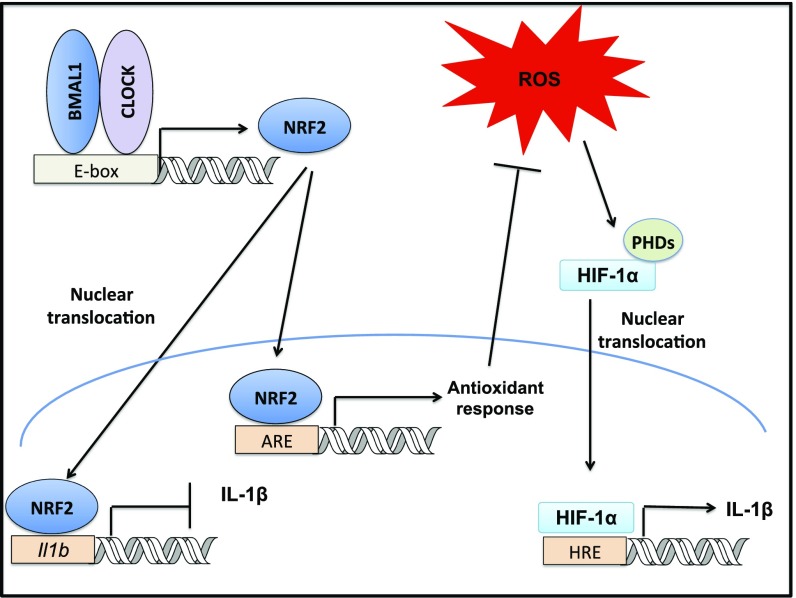
“In macrophages, the BMAL1/CLOCK heterodimer induces NRF2 transcription factor expression, which suppresses reactive oxygen species (ROS), and therefore HIF1-α , and thus dampens the production of the proinflammatory cytokines IL-1 β and IL-6 [74–76].”
BackgroundNTRC mediates the coupling of chloroplast redox rhythm with nuclear circadian clock in plant cells
Paeng, S. K., Wi, S. D., Chae, H. B., Bae, S. B., Phan, K. A. T., Kim, M. G., Yun, D., Kim, W., McClung, C. R., & Lee, S. Y. (2025) · Molecular Plant · doi:10.1016/j.molp.2025.01.014 · Cited by 21
Circadian Clock and Sirtuins in Diabetic Lung: A Mechanistic Perspective
Zhou, S., Dai, Y., Zeng, X., & Chen, H. (2020) · Frontiers in Endocrinology · doi:10.3389/fendo.2020.00173 · Cited by 21
Mei, L., Zheng, Y., Ma, T., Xia, B., Gao, X. J., Hao, Y., Luo, Z., & Huang, J. (2021) · Frontiers in Pharmacology · doi:10.3389/fphar.2021.753548 · Cited by 21
“Bmal1 regulates Nrf2 in macrophages (Early et al., 2018), pancreatic β cells (Lee et al.”
BackgroundPeng, P., Wang, D., Xu, X., Wang, D., Gao, B., Wang, H., Jia, H., Shang, Q., Zheng, C., Gao, C., et al. (2022) · Arthritis Research & Therapy · doi:10.1186/s13075-022-02876-w · Cited by 21
Makris, K. C., Heibati, B., & Narui, S. Z. (2023) · Environment International · doi:10.1016/j.envint.2023.108048 · Cited by 22
Dar, M. I., Hussain, Y., & Pan, X. (2025) · American Journal of Physiology-Endocrinology and Metabolism · doi:10.1152/ajpendo.00009.2025 · Cited by 20
Redox Balance in Cancer in the Context of Tumor Prevention and Treatment
Sutkowy, P., & Czeleń, P. (2025) · Biomedicines · doi:10.3390/biomedicines13051149 · Cited by 20
“A relatively high concentration of NRF2 can inhibit the activity of HIF-α by reducing the concentration of ROS [103,104].”
Liu, Y., Weng, X., Wei, M., Yu, S., Ding, Y., & Cheng, B. (2022) · Biochemical Pharmacology · doi:10.1016/j.bcp.2022.115073 · Cited by 20
Huo, M., Cao, X., Zhang, H., Lau, C. W., Hong, H., Chen, F. M., Huang, Y., Chawla, A., & Tian, X. Y. (2021) · Cardiovascular Research · doi:10.1093/cvr/cvab336 · Cited by 20
Chhunchha, B., Kubo, E., Krueger, R. R., & Singh, D. P. (2023) · Antioxidants · doi:10.3390/antiox12010140 · Cited by 19
Circadian Disruption in Night Shift Work and Its Association with Chronic Pulmonary Diseases
Joshi, A., & Sundar, I. K. (2023) · Advanced Biology · doi:10.1002/adbi.202200292 · Cited by 19
Wang, Y., Xiong, Z., Qiao, Y., Zhang, Q., Zhou, G., Zhou, C., Ma, X., Jiang, X., & Yu, W. (2024) · CNS Neuroscience & Therapeutics · doi:10.1111/cns.14642 · Cited by 19
Xiong, X.-Y., Liang, J., Xu, Y.-Q., & Liu, Y. (2019) · Chronobiology International · doi:10.1080/07420528.2019.1606821 · Cited by 19
“The key component of circadian clock Bmal1 could regulate IL-1β production (Early et al. 2018); Cry1 could regulate the production of proinflammatory cytokines and regulate their release (Narasimamurthy et al. 2012).”
BackgroundSu, W., Wu, C., Wu, S. V., Lee, M., Liao, M.-T., Lu, K., & Lu, C. (2022) · Frontiers in Nutrition · doi:10.3389/fnut.2022.865321 · Cited by 19
“In the nucleus, Nrf2 binds to Maf, which binds to the antioxidant response element (ARE).”
BackgroundInfluentialImpact of light therapy on rotating night shift workers: the EuRhythDia study
Rizza, S., Luzi, A., Mavilio, M., Ballanti, M., Massimi, A., Porzio, O., Magrini, A., Hannemann, J., Menghini, R., Cridland, J., et al. (2022) · Acta Diabetologica · doi:10.1007/s00592-022-01956-2 · Cited by 19
Oxidative stress in the RVLM mediates sympathetic hyperactivity induced by circadian disruption
Duan, W., Ye, P., Leng, Y.-Q., Liu, D.-H., Sun, J., Tan, X. L., & Wang, W. (2022) · Neuroscience Letters · doi:10.1016/j.neulet.2022.136917 · Cited by 19
Circadian rhythm and atherosclerosis (Review)
Zhang, Z., Yu, B., Wang, X., Luo, C.-Y., Zhou, T., Zheng, X., & Ding, J. (2020) · Experimental and Therapeutic Medicine · doi:10.3892/etm.2020.9224 · Cited by 19
The circadian rhythm gene Bmal1 ameliorates acute deoxynivalenol-induced liver damage
Yang, L., Xu, S., Tang, M., Zhou, X., Liao, Y., Nussler, A. K., Liu, L., & Yang, W. Q. (2023) · Archives of Toxicology · doi:10.1007/s00204-022-03431-x · Cited by 18
Zhao, Y., Zhang, R., Chen, Z., Wang, Z., Guan, S., & Lü, J. (2023) · Food Science and Human Wellness · doi:10.1016/j.fshw.2023.03.007 · Cited by 18
More, S. M., Kaleem, M., Kharwade, R., Almutairy, A. F., Shahzad, N., Mujtaba, M. A., Taha, M., Pise, A. G., Zafar, A., & Mahmood, D. (2024) · Brain Research · doi:10.1016/j.brainres.2024.149313 · Cited by 18
McCarty, M. F., & Lerner, A. (2021) · Expert Review of Neurotherapeutics · doi:10.1080/14737175.2021.1907182 · Cited by 18
Gowda, P., Lathoria, K., Sharma, S., Patrick, S., Umdor, S. B., & Sen, E. (2021) · Molecular and Cellular Biology · doi:10.1128/mcb.00449-20 · Cited by 18
“As Bmal1 regulates IL-1b (25), its status in sodium oxamate-treated cells exhibiting decreased”
BackgroundZhang, Y., Yu, W., Liu, Y., Chang, W., Wang, M., & Zhang, L. (2022) · Frontiers in Molecular Neuroscience · doi:10.3389/fnmol.2022.995518 · Cited by 18
“BMAL1 binds to the Nrf2 gene promoter through an E-box element to increase the expression of Nrf2 and promote the activity of the Nrf2/ARE signaling pathway (Early et al., 2018; Sun et al., 2021).”
BackgroundInfluentialCircadian Biology and the Neurovascular Unit
Li, W., Tiedt, S., Lawrence, J. H., Harrington, M. E., Musiek, E. S., & Lo, E. H. (2024) · Circulation Research · doi:10.1161/circresaha.124.323514 · Cited by 19
“160,161 However, these mechanisms have not been studied for their involvement in the regulation of CBF.”
BackgroundKilloy, K. M., Pehar, M., Harlan, B. A., & Vargas, M. R. (2021) · The FASEB Journal · doi:10.1096/fj.202000386rr · Cited by 17
Tian, R., Li, Y., & Shu, M. (2022) · Frontiers in Immunology · doi:10.3389/fimmu.2021.797450 · Cited by 18
“BMAL1 in macrophages inhibited the production of ROS and HIF1a, and affected tumor growth through regulating macrophage alternative polarization (43) RORa and RORg in”
BackgroundTakeuchi, T., Hata, T., Miyanishi, H., Yuasa, T., Setoguchi, S., Takeda, A., Morimoto, N., Hikima, J.-I., Sakai, M., & Kono, T. (2022) · Fish & Shellfish Immunology · doi:10.1016/j.fsi.2022.06.020 · Cited by 16
The application of alkaloids in ferroptosis: A review
Fan, B., Guo, Q., & Wang, S. (2024) · Biomedicine & Pharmacotherapy · doi:10.1016/j.biopha.2024.117232 · Cited by 16
Pathogenesis and therapeutic strategies for cancer-related depression
Liu, M. (2024) · American Journal of Cancer Research · doi:10.62347/wvvg5364 · Cited by 16
Reciprocal regulation between the molecular clock and kidney injury
Rey-Serra, C., Tituaña, J., Lin, T. C., Herrero, J. I., Miguel, V., Barbas, C., Meseguer, A., Ramos, R., Firsov, D., Chaix, A., et al. (2023) · Life Science Alliance · doi:10.26508/lsa.202201886 · Cited by 17
“In other pathological contexts, Bmal1 seems to play a role in the metabolic switch of macrophage populations (40, 41, 42).”
BackgroundDeletion of Bmal1 Impairs Pancreatic β‐Cell Function via Mitochondrial Signaling Pathway
Lu, Y., Wu, H., & Xu, W. (2020) · BioMed Research International · doi:10.1155/2020/9803024 · Cited by 16
HIF-1α and BMAL1 in bone regeneration: crosstalk between hypoxia response and circadian rhythm
Weng, Y., Xiong, J., Zhao, Q., & Tan, Z. (2026) · Bone Research · doi:10.1038/s41413-026-00506-8 · Cited by 16
“208 These antioxidant response pathways inhibit HIF-1 α , a pivotal regulator of glycolytic metabolism and in fl ammation, in a ROS-dependent manner.”
LI, Y., Zhao, Q., Hu, H., & Pei, J.-F. (2026) · Cellular & Molecular Biology Letters · doi:10.1186/s11658-025-00849-w · Cited by 15
Redox and metabolic reprogramming in breast cancer and cancer‐associated adipose tissue
Zakić, T., Pekovic‐Vaughan, V., Čvoro, A., Korać, A., Janković, A., & Korać, B. (2023) · FEBS Letters · doi:10.1002/1873-3468.14794 · Cited by 15
“Circadian Nrf2/ARE regulation impacts rhythmic regulation of tissue antioxidant responses to cancer drugs such as bleomycin [262], inflammatory responses [265] and oxyinflammation [266] as well as the molecular clock mechanism itself [267], thus warranting future studies in breast cancer.”
Zhang, S., Yu, Y., Sheng, M., Chen, X., Wu, Q., Kou, J., & Chen, G. (2023) · Phytomedicine · doi:10.1016/j.phymed.2023.155028 · Cited by 15
Wang, J., Cao, M., Li, S., Pei, W., Li, J., & Wang, Z. (2025) · Molecular Medicine Reports · doi:10.3892/mmr.2025.13713 · Cited by 16
“Bmal1 defi‑ ciency reduces nrF2 activity, leading to the accumulation of reactive oxygen species and excessive il‑1 β secretion, thereby inducing a pro‑inflammatory phenotype (63).”
Circadian Control of Redox Reactions in the Macrophage Inflammatory Response
O’Siorain, J. R., & Curtis, A. M. (2022) · Antioxidants and Redox Signaling · doi:10.1089/ars.2022.0014 · Cited by 14
“Deletion of Bmal1 in macrophages enhances RONS production, leading to increased HIF-1 a activity (24).”
InfluentialSelf-citationNutraceutical Prevention of Diabetic Complications—Focus on Dicarbonyl and Oxidative Stress
McCarty, M. F., DiNicolantonio, J. J., & O’Keefe, J. H. (2022) · Current Issues in Molecular Biology · doi:10.3390/cimb44090297 · Cited by 14
The role of the circadian rhythms in critical illness with a focus on acute pancreatitis
Waddell, H., Stevenson, T. J., & Mole, D. J. (2023) · Heliyon · doi:10.1016/j.heliyon.2023.e15335 · Cited by 14
Liu, T., Wang, L., Shi, T., Liu, H., Liu, B., Guo, J., & Li, M. (2024) · Drug Design Development and Therapy · doi:10.2147/dddt.s470684 · Cited by 13
“…of antioxidant genes to balance cellular oxidation states, including SOD2, Prdx1, and GSR. Nrf2 levels and activity are known to be under circadian control, 57 with the BMAL1-CLOCK heterodimer directly regulating Nrf2 transcriptional activity by binding to the E-box in the promoter region.”
BackgroundZeng, F., Wang, M., Li, Z., & Zhang, Y. (2025) · Medicine · doi:10.1097/md.0000000000042763 · Cited by 13
“[29,30] Sirtuin 1 (SIRT1), a core member of the mammalian sirtuin protein family, plays a significant role in regulating oxidative stress and inflammation.”
Circadian Clock: A Regulator of Immunity in Autoimmune Diseases
Wu, Y., Zhang, S., Chen, H., He, X., & Yang, G. (2025) · Immunity Inflammation and Disease · doi:10.1002/iid3.70246 · Cited by 14
Lin, A., Fang, X., Zhang, P., Zhang, N., Liu, Z., Cheng, Q., Zhang, J., Tang, B., & Luo, P. (2025) · Journal of the National Cancer Center · doi:10.1016/j.jncc.2025.09.007 · Cited by 13
“98 99–101 Additionally, BMAL1 knockout results in increased IL-1 𝛽 secretion in macrophages.”
Identifying hub circadian rhythm biomarkers and immune cell infiltration in rheumatoid arthritis
Wen, P., Ma, T., Zhang, B.-F., Hao, L., Wang, Y., Guo, J., Song, W., Wang, J., & Zhang, Y. (2022) · Frontiers in Immunology · doi:10.3389/fimmu.2022.1004883 · Cited by 13
Nrf2 modulates the benefits of evening exercise in type 2 diabetes
Fasipe, B., & Laher, I. (2023) · Sports Medicine and Health Science · doi:10.1016/j.smhs.2023.09.001 · Cited by 14
Exacerbating effects of circadian rhythm disruption on the systemic lupus erythematosus
Shen, L., Han, M., Xuan, L., Zhang, Q., Xu, H., Wang, J., Wei, N., Liu, Q., Wang, G., & Zhou, F. (2024) · Lupus Science & Medicine · doi:10.1136/lupus-2023-001109 · Cited by 13
DiNicolantonio, J. J., McCarty, M. F., Barroso-Aranda, J., Assanga, S. B. I., Luján, L. M. L., & O’Keefe, J. H. (2021) · Open Heart · doi:10.1136/openhrt-2021-001663 · Cited by 13
Wang, N., Zhu, S., Chen, S., Zou, J., Zeng, P., & Tan, S. (2025) · Reviews in the Neurosciences · doi:10.1515/revneuro-2024-0147 · Cited by 12
Biological clock perspective in rheumatoid arthritis
Liu, Q., & Zhang, Y. (2024) · Inflammation · doi:10.1007/s10753-024-02120-4 · Cited by 12
“Loss of clock genes induces a proinflammatory response that increases the incidence of autoimmune disease [8, 11], abnormal circadian clock has an impact on the function of immune cells [12, 13].”
He, X., Li, R., He, X., He, F., Xiao, Y., Chen, X., Lai, Y., Guo, W., Liu, P., Cai, X., et al. (2025) · Pharmacological Research · doi:10.1016/j.phrs.2025.107787 · Cited by 12
Metadata
- Authors
- Early, J. O., Menon, D., Wyse, C. A., Cervantes-Silva, M. P., Zaslona, Z., Carroll, R. G., Palsson-McDermott, E. M., Angiari, S., Ryan, D. G., Corcoran, S. E., Timmons, G., Geiger, S. S., Fitzpatrick, D. J., O’Connell, D., Xavier, R. J., Hokamp, K., O’Neill, L. A. J., & Curtis, A. M.
- Affiliations
- Royal College of Surgeons in Ireland (IE)
- Trinity College Dublin (IE)
- Department of Molecular and Cellular Therapeutics, Tissue Engineering Regenerative Group, Royal College of Surgeons in Ireland, Dublin 2, Ireland;
- School of Biochemistry and Immunology, Trinity Biomedical Sciences Institute, Trinity College Dublin, Dublin 2, Ireland;
- Broad Institute (US)
- Corresponding author
- Curtis, Annie M.
- ORCID
- Venue
- Proceedings of the National Academy of Sciences
- Publisher
- National Academy of Sciences
- Published
- 2018-08-20
- Volume
- 115
- Issue
- 36
- Pages
- E8460-E8468
- ISSN
- 0027-8424 (ISSN-L)
- 1091-6490
- PMC
- PMC6130388
- OpenAlex
- W2888547429
- Cited by
- 389
- References
- 34
- Citations by year
- 2026: 61 · 2025: 54 · 2024: 51 · 2023: 59 · 2022: 57 · 2021: 51 · 2020: 38 · 2019: 15 · 2018: 3
- FWCI
- 15.02
- Type
- journal article
- Language
- en
- Open access
- hybrid
- doi.org
- Licence
- Locations
- Proceedings of the National Academy of Sciences (publishedVersion, cc-by-nc-nd)
- Europe PMC (PubMed Central) (publishedVersion, cc-by-nc-nd)
- PubMed Central (publishedVersion, cc-by-nc-nd)
- PubMed (publishedVersion)
- Arrow@dit (Dublin Institute of Technology) (submittedVersion, cc-by-nc-sa)
- Figshare (submittedVersion, cc-by-nc-sa)
- Edinburgh Research Explorer (University of Edinburgh) (submittedVersion, cc-by-nc-nd)
- Funders
- Science Foundation Ireland (13/SIRG/2130, 17/CDA/4688)
- Wellcome (205455)
- Topics
- Life Sciences › Neuroscience › Endocrine and Autonomic Systems › Circadian rhythm and melatonin
- Life Sciences › Biochemistry, Genetics and Molecular Biology › Molecular Biology › Genomics, phytochemicals, and oxidative stress
- Life Sciences › Neuroscience › Cognitive Neuroscience › Sleep and Wakefulness Research
- Keywords
- Bmal1, circadian clock, Nrf2, IL-1β, macrophages, reactive oxygen species, antioxidant response, innate immunity, myeloid cells, inflammatory cytokines
- MeSH terms
- Animals, Humans, Inflammation, Lipopolysaccharides, Macrophages, Reactive Oxygen Species, Mice, Knockout, Oxidative Stress, NF-E2-Related Factor 2, Mice, Hypoxia-Inducible Factor 1, alpha Subunit, Interleukin-1beta, ARNTL Transcription Factors, HEK293 Cells
About these checks
Registry, retraction, Cites and statistics results are computed, not judged, with one exception: a printed reference that no index lists is read once by a model before it counts as a citation error. Claims are extracted by a model and kept only when their quote appears verbatim in the text; each cited source is then checked, with a model’s help, for whether it says what the claim relies on. Those verdicts can be wrong — read the claim’s quote and the cited source before relying on one.
Statistics and arithmetic are recomputed, not judged.
Confidence bands are shown only for fields calibrated on our annotated test set. None is calibrated yet, so no band is shown.
What counts as a claim ›How we measure confidence ›How we check this ›
Are you an author, or do you see a problem with this page? Request a review
Data sources
Bibliographic data: Semantic Scholar, OpenAlex, Crossref.
Contains information from the Semantic Scholar Academic Graph Datasets, made available under the ODC Attribution License (ODC-BY 1.0).
Semantic Scholar’s data is described in: Kinney, R., et al. (2023). The Semantic Scholar Open Data Platform. arXiv:2301.10140.
