

Hsp90-binding Immunophilins Link p53 to Dynein During p53 Transport to the Nucleus
Open accessThe DOI matches its Crossref record; 52 of the 52 references it cites were found in a registry or an index.
Abstract
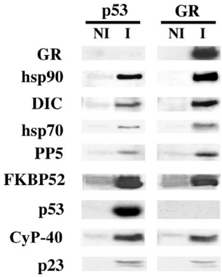
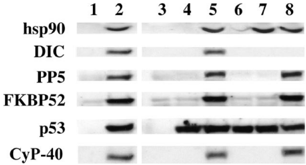
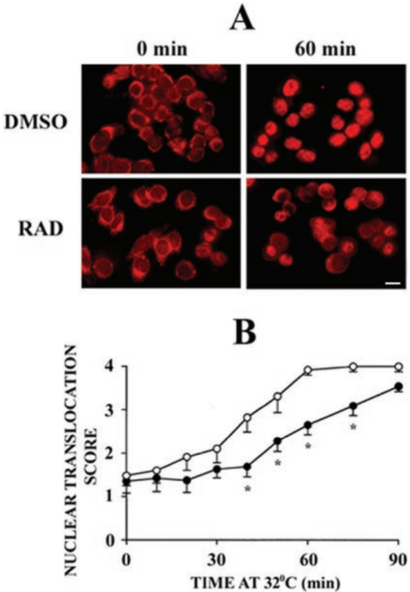
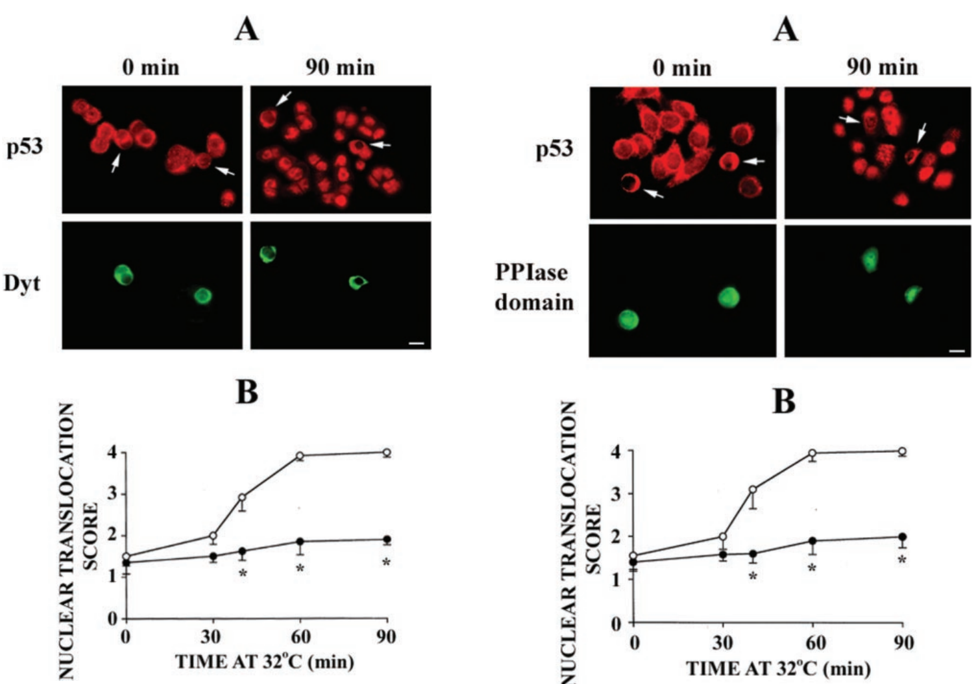
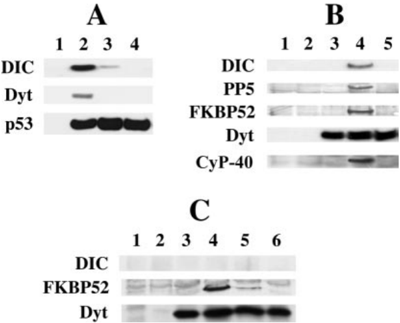
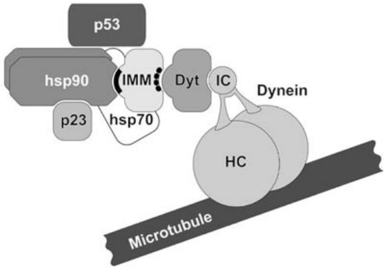
The tumor suppressor protein p53 is known to be transported to the nucleus along microtubular tracks by cytoplasmic dynein. However, the connection between p53 and the dynein motor protein complex has not been established. Here, we show that hsp90.binding immunophilins link p53.hsp90 complexes to dynein and that prevention of that linkage in vivo inhibits the nuclear movement of p53. First, we show that p53.hsp90 heterocomplexes from DLD-1 human colon cancer cells contain an immunophilin (FKBP52, CyP-40, or PP5) as well as dynein. p53.hsp90.immunophilin.dynein complexes can be formed by incubating immunopurified p53 with rabbit reticulocyte lysate, and we show by peptide competition that the immunophilins link via their tetratricopeptide repeat domains to p53-bound hsp90 and by means of their PPIase domains to the dynein complex. The linkage of immunophilins to the dynein motor is indirect by means of the dynamitin component of the dynein-associated dynactin complex, and we show that purified FKBP52 binds directly by means of its PPIase domain to purified dynamitin. By using a temperature-sensitive mutant of p53 where cytoplasmic-nuclear movement occurs by shift to permissive temperature, we show that p53 movement is impeded when p53 binding to hsp90 is inhibited by the hsp90 inhibitor radicicol. Also, nuclear movement of p53 is inhibited when immunophilin binding to dynein is competed for by expression of a PPIase domain fragment in the same manner as when dynein linkage to cargo is dissociated by expression of dynamitin. This is the first demonstration of the linkage between an hsp90-chaperoned transcription factor and the system for its retrograde movement to the nucleus both in vitro and in vivo.
Overview
The claims and statistics of this paper haven’t been checked yet.
Free: it reads the open-access text and checks the first 5 claims that cite a source we can check. Create a free account to check every claim.
Integrity signals
Registry
Cites
Statistics
Figures
Verification
Claims the paper makes
The claims and statistics of this paper haven’t been checked yet.
Free: it reads the open-access text and checks the first 5 claims that cite a source we can check. Create a free account to check every claim.
Claims other papers make about this one
Each is checked against this paper’s own text: does it say what the citing paper says it does?
The cited source says what the claim attributes to it.
In the citing paper
“The same heterocomplex described for steroid receptors is also responsible for the cytoplasmic retrotransport of the proapototic factor p53 [27], suggesting that the hsp90-based complex may play a general role in the retrotransport of a number of hsp90-associated factors towards the nuclear surface.”
From FKBP51 and FKBP52 in signaling and disease (2011) · cites this paper as [27]
Self-check
Percentages, sums and reported differences re-computed from the paper’s own numbers.
The self-check needs the paper’s full text.
Citations
Cites
p53 Mutations in Human Cancers
Hollstein, M., Sidransky, D., Vogelstein, B., & Harris, C. C. (1991) · Science · doi:10.1126/science.1905840 · Cited by 8,018
Vogelstein, B., Lane, D., & Levine, A. J. (2000) · Nature · doi:10.1038/35042675 · Cited by 6,607
The p53 tumour suppressor gene
Levine, A. J., Momand, J., & Finlay, C. A. (1991) · Nature · doi:10.1038/351453a0 · Cited by 3,788
Steroid Receptor Interactions with Heat Shock Protein and Immunophilin Chaperones*
Pratt, W. B., & Toft, D. O. (1997) · Endocrine Reviews · doi:10.1210/edrv.18.3.0303 · Cited by 1,791
Self-citationKinesin and Dynein Superfamily Proteins and the Mechanism of Organelle Transport
Hirokawa, N. (1998) · Science · doi:10.1126/science.279.5350.519 · Cited by 1,686
Pratt, W. B., & Toft, D. O. (2003) · Experimental Biology and Medicine · doi:10.1177/153537020322800201 · Cited by 1,483
Roe, S. M., Prodromou, C., O'Brien, R., Ladbury, J. E., Piper, P. W., & Pearl, L. H. (1999) · Journal of Medicinal Chemistry · doi:10.1021/jm980403y · Cited by 1,004
p53 mutations in colorectal cancer.
Rodrigues, N. R., Rowan, A., Smith, M. E., Kerr, I. B., Bodmer, W. F., Gannon, J. V., & Lane, D. P. (1990) · Proceedings of the National Academy of Sciences · doi:10.1073/pnas.87.19.7555 · Cited by 1,003
Stommel, J. M., Marchenko, N. D., Jimenez, G. S., Moll, U. M., Hope, T. J., & Wahl, G. M. (1999) · The EMBO Journal · doi:10.1093/emboj/18.6.1660 · Cited by 738
Burkhardt, J. K., Echeverri, C. J., Nilsson, T., & Vallee, R. B. (1997) · The Journal of Cell Biology · doi:10.1083/jcb.139.2.469 · Cited by 656
Research works printed but not linked: 7
- David-Pfeuty, T., Chakrani, F., Ory, K., and Nouviandooghe, Y. (1996) Cell Growth Differ. 7, 1211-1225
- Komarova, E. A., Zelnick, C. R., Chin, D., Zeremeski, M., Gleiberman, A. S., Bacus, S. S., and Gudkor, A. V. (1997) Cancer Res. 57, 5217-5220
- Galigniana, M. D., Scruggs, J. L., Herrington, J., Welsh, M. J., Carter-Su, C., Housley, P. R., and Pratt, W. B. (1998) Mol. Endocrinol. 12, 1903-1913 · doi:10.1210/mend.12.12.0204 · Paper page
- Merchant, A. K., Loney, T. L., and Maybaum, J. (1996) Oncogene 13, 2631-2637
- Ginsberg, D., Michael-Michalovitz, D., Ginsberg, D., and Oren, M. (1991) Mol. Cell Biol. 11, 582-585
- Schulte, T. W., Akinaga, S., Murakata, T., Agatsuma, T., Sugimoto, S., Na- kano, H., Lee, Y. S., Simen, B. B., Argon, Y., Felts, S., Toft, D. O., Neckers, L. M., and Sharma, S. (1999) Mol. Endocrinol. 13, 1435-1448 · doi:10.1210/mend.13.9.0339 · Paper page
- Pratt, W. B., and Toft, D. O. (1997) Endocr. Rev. 18, 306 -360
Cited by
Wochnik, G. M., Rüegg, J., Abel, G. A., Schmidt, U., Holsboer, F., & Rein, T. (2005) · Journal of Biological Chemistry · doi:10.1074/jbc.m407498200 · Cited by 638
Microtubules and Their Role in Cellular Stress in Cancer
Parker, A. L., Kavallaris, M., & McCarroll, J. A. (2014) · Frontiers in Oncology · doi:10.3389/fonc.2014.00153 · Cited by 440
The glucocorticoid responses are shaped by molecular chaperones
Grad, I., & Picard, D. (2007) · Molecular and Cellular Endocrinology · doi:10.1016/j.mce.2007.05.018 · Cited by 423
Understanding microtubule dynamics for improved cancer therapy
Honore, S., Pasquier, E., & Braguer, D. (2005) · Cellular and Molecular Life Sciences CMLS · doi:10.1007/s00018-005-5330-x · Cited by 319
FKBP51 and FKBP52 in signaling and disease
Storer, C. L., Dickey, C. A., Galigniana, M. D., Rein, T., & Cox, M. B. (2011) · Trends in Endocrinology & Metabolism · doi:10.1016/j.tem.2011.08.001 · Cited by 266
“The same heterocomplex described for steroid receptors is also responsible for cytoplasmic retrotransport of the proapototic factor p53 [27], which suggests that the HSP90-based complex may play a general role in the retrotransport of a number of HSP90-associated factors towards the nuclear surface.”
Chaperoning of Glucocorticoid Receptors
Pratt, W. B., Morishima, Y., Murphy, M., & Harrell, M. (2005) · Handbook of Experimental Pharmacology · doi:10.1007/3-540-29717-0_5 · Cited by 245
Targeted delivery to the nucleus☆
POUTON, C., WAGSTAFF, K., ROTH, D., MOSELEY, G., & JANS, D. (2007) · Advanced Drug Delivery Reviews · doi:10.1016/j.addr.2007.06.010 · Cited by 246
Molecular chaperones, essential partners of steroid hormone receptors for activity and mobility
Echeverria, P. C., & Picard, D. (2010) · Biochimica et Biophysica Acta (BBA) - Molecular Cell Research · doi:10.1016/j.bbamcr.2009.11.012 · Cited by 227
“are additional examples of proteins imported by both mechanisms [57-59].”
BackgroundPetta, I., Dejager, L., Ballegeer, M., Lievens, S., Tavernier, J., De Bosscher, K., & Libert, C. (2016) · Microbiology and Molecular Biology Reviews · doi:10.1128/mmbr.00064-15 · Cited by 203
“In the presence of ATP, Hop is released from the GR complex, permitting the immunophilins FKBP52, FKBP51, cyclophilin-40 (Cyp-40) (59), and phosphatase PP5 to anchor to the GR complex.”
BackgroundPratt, W. B., Morishima, Y., Peng, H.-M., & Osawa, Y. (2010) · Experimental Biology and Medicine · doi:10.1258/ebm.2009.009250 · Cited by 200
HSP90AB1: Helping the good and the bad
Haase, M., & Fitze, G. (2016) · Gene · doi:10.1016/j.gene.2015.08.063 · Cited by 179
“2002) via the dynamitin component of the dynactin complex (Galigniana et al. 2004).”
BackgroundInfluentialMurphy, P. J. M., Morishima, Y., Kovacs, J. J., Yao, T.-P., & Pratt, W. B. (2005) · Journal of Biological Chemistry · doi:10.1074/jbc.m506997200 · Cited by 164
Targeting the DNA Damage Response in Cancer
Ljungman, M. (2009) · Chemical Reviews · doi:10.1021/cr900047g · Cited by 163
Transcriptome sequencing of malignant pleural mesothelioma tumors
Sugarbaker, D. J., Richards, W. G., Gordon, G. J., Dong, L., De Rienzo, A., Maulik, G., Glickman, J. N., Chirieac, L. R., Hartman, M.-L., Taillon, B. E., et al. (2008) · Proceedings of the National Academy of Sciences · doi:10.1073/pnas.0712399105 · Cited by 155
“ACTR1A encodes the most abundant subunit of dynactin, which is associated with transport of p53 to the nucleus (29).”
BackgroundNew Insights in Glucocorticoid Receptor Signaling—More Than Just a Ligand-Binding Receptor
Scheschowitsch, K., Leite, J. A., & Assreuy, J. (2017) · Frontiers in Endocrinology · doi:10.3389/fendo.2017.00016 · Cited by 152
Hsp90 Chaperones Wild-type p53 Tumor Suppressor Protein
Walerych, D., Kudla, G., Gutkowska, M., Wawrzynow, B., Muller, L., King, F. W., Helwak, A., Boros, J., Zylicz, A., & Zylicz, M. (2004) · Journal of Biological Chemistry · doi:10.1074/jbc.m407601200 · Cited by 154
Galigniana, M. D., Erlejman, A. G., Monte, M., Gomez-Sanchez, C., & Piwien-Pilipuk, G. (2010) · Molecular and Cellular Biology · doi:10.1128/mcb.01190-09 · Cited by 152
“receptor via FKBP52 (16, 18) and suggested a potential role in”
BackgroundSelf-citationEcheverría, P. C., Mazaira, G., Erlejman, A., Gomez-Sanchez, C., Pilipuk, G. P., & Galigniana, M. D. (2009) · Molecular and Cellular Biology · doi:10.1128/mcb.00649-09 · Cited by 144
“This regeneration system is identical to that used in previous studies to reconstitute heterocomplexes with GR (34), MR (41), and p53 (17).”
ResultSelf-citationDYNLL/LC8: a light chain subunit of the dynein motor complex and beyond
Rapali, P., Szenes, Á., Radnai, L., Bakos, A., Pál, G., & Nyitray, L. (2011) · FEBS Journal · doi:10.1111/j.1742-4658.2011.08254.x · Cited by 174
Федотчева, Т. А., Fedotcheva, N. I., & Shimanovsky, N. L. (2022) · Biomolecules · doi:10.3390/biom12091299 · Cited by 157
Functional Specificity of Co-Chaperone Interactions with Hsp90 Client Proteins
Riggs, D. L., Cox, M. B., Cheung-Flynn, J., Prapapanich, V., Carrigan, P. E., & Smith, D. F. (2004) · Critical Reviews in Biochemistry and Molecular Biology · doi:10.1080/10409230490892513 · Cited by 131
“According to their findings, FKBP52, CyP40, or PP5 in the Hsp90/receptor complex can concomitantly bind a dynein-dynactin motor complex on cytoskeleton (Galigniana et al., 2001, 2002, 2004).”
BackgroundEvidence for glucocorticoid receptor transport on microtubules by dynein
Harrell, J. M., Murphy, P. J. M., Morishima, Y., Chen, H., Mansfield, J. F., Galigniana, M. D., & Pratt, W. B. (2004) · Journal of Biological Chemistry · doi:10.1074/jbc.m406863200 · Cited by 129
Lin, J., Xu, J., Tian, H., Gao, X., Chen, Q., Gu, Q., Xu, G., Song, J., & Zhao, F. (2007) · International Journal of Cancer · doi:10.1002/ijc.23016 · Cited by 125
“the retrograde movement of the tumor suppressor protein p53 to the nucleus, resulting in the inactivation of p53.(29) Studies have FIGURE 1 – Immunoblot analysis of AMACR levels in PNBX specimens from patients with PCa (Lane 1 and 2) or BPH (Lane 3).”
BackgroundZhou, C., Yang, F., Yuan, S., Ma, J., Liu, F., Yuan, J., Bi, F., Lin, K., Yin, J., Cao, G., et al. (2016) · Hepatology · doi:10.1002/hep.28393 · Cited by 126
Breast Cancer Molecular Signatures as Determined by SAGE: Correlation with Lymph Node Status
Abba, M. C., Sun, H., Hawkins, K. A., Drake, J. A., Hu, Y., Nunez, M. I., Gaddis, S., Shi, T., Horvath, S., Şahin, A. A., et al. (2007) · Molecular Cancer Research · doi:10.1158/1541-7786.mcr-07-0055 · Cited by 127
“5) 20 (34) 3 (30) IDCA/Metastasis 4 (22) 21 (35.”
BackgroundGaligniana, M. D., Echeverría, P. C., Erlejman, A. G., & Piwien-Pilipuk, G. (2010) · Nucleus · doi:10.4161/nucl.1.4.11743 · Cited by 114
Self-citationLo, K. W.-H., Kan, H.-M., Chan, L.-N., Xu, W.-G., Wang, K.-P., Wu, Z., Sheng, M., & Zhang, M. (2005) · Journal of Biological Chemistry · doi:10.1074/jbc.m411408200 · Cited by 111
Gallo, L. I., Lagadari, M., Piwien-Pilipuk, G., & Galigniana, M. D. (2011) · Journal of Biological Chemistry · doi:10.1074/jbc.m111.256610 · Cited by 109
Murphy, P. J. M., Galigniana, M. D., Morishima, Y., Harrell, J. M., Kwok, R. P. S., Ljungman, M., & Pratt, W. B. (2004) · Journal of Biological Chemistry · doi:10.1074/jbc.m403539200 · Cited by 108
Boysen, M., Kityk, R., & Mayer, M. P. (2019) · Molecular Cell · doi:10.1016/j.molcel.2019.03.032 · Cited by 105
Microtubule-targeted agents: When mitochondria become essential to chemotherapy
Rovini, A. M. F., Savry, A., Braguer, D., & Carré, M. (2011) · Biochimica et Biophysica Acta (BBA) - Bioenergetics · doi:10.1016/j.bbabio.2011.01.001 · Cited by 115
Multidomain Peptidyl Prolyl cis/trans Isomerases
Schiene‐Fischer, C. (2014) · Biochimica et Biophysica Acta (BBA) - General Subjects · doi:10.1016/j.bbagen.2014.11.012 · Cited by 120
A Microtubule‐Facilitated Nuclear Import Pathway for Cancer Regulatory Proteins
Roth, D., Moseley, G. W., Glover, D. J., Pouton, C. W., & Jans, D. A. (2007) · Traffic · doi:10.1111/j.1600-0854.2007.00564.x · Cited by 103
Regulation of activation-induced deaminase stability and antibody gene diversification by Hsp90
Orthwein, A., Patenaude, A., Affar, E. B., Lamarre, A., Young, J. C., & Noia, J. M. D. (2010) · The Journal of Experimental Medicine · doi:10.1084/jem.20101321 · Cited by 121
Gallo, L. I., Ghini, A. A., Piwien Pilipuk, G., & Galigniana, M. D. (2007) · Biochemistry · doi:10.1021/bi701372c · Cited by 99
Self-citationMolecular Aspects of the Stress Response: Chaperones, Membranes and Networks
Csermely, P., & VÃgh, L. (2007) · Springer eBooks · doi:10.1007/978-0-387-39975-1 · Cited by 104
NF-κB Transcriptional Activity Is Modulated by FK506-binding Proteins FKBP51 and FKBP52
Erlejman, A. G., De Leo, S. A., Mazaira, G. I., Molinari, A. M., Camisay, M. F., Fontana, V., Cox, M. B., Piwien-Pilipuk, G., & Galigniana, M. D. (2014) · Journal of Biological Chemistry · doi:10.1074/jbc.m114.582882 · Cited by 97
“FKBP51 and FKBP52 Affect NF- B Nuclear Translocation— In previous studies we showed that FKBP52 favors the nuclear translocation of steroid receptors (15, 17, 36), p53 mutant isoforms (37), and RAC3 (38).”
BackgroundBiological Actions of the Hsp90-binding Immunophilins FKBP51 and FKBP52
Zgajnar, N., De Leo, S., Lotufo, C., Erlejman, A., Piwien-Pilipuk, G., & Galigniana, M. (2019) · Biomolecules · doi:10.3390/biom9020052 · Cited by 94
Quintá, H. R., Maschi, D., Gomez‐Sanchez, C., Piwien‐Pilipuk, G., & Galigniana, M. D. (2010) · Journal of Neurochemistry · doi:10.1111/j.1471-4159.2010.06970.x · Cited by 85
The immunophilin FKBP52 specifically binds to tubulin and prevents microtubule formation
Chambraud, B., Belabes, H., Fontaine‐Lenoir, V., Fellous, A., & Baulieu, E. E. (2007) · The FASEB Journal · doi:10.1096/fj.06-7667com · Cited by 85
“However, it has been reported that FKBP52 interacts with the motor protein dynein by its PPIase domain (25, 26 ), and it is tempting to speculate that tubulin, FKBP52, and dynein form a heterooligomeric complex whose function remains to be elucidated.”
BackgroundGiustiniani, J., Daire, V., Cantaloube, I., Durand, G., Poüs, C., Perdiz, D., & Baillet, A. (2008) · Cellular Signalling · doi:10.1016/j.cellsig.2008.12.004 · Cited by 89
Galigniana, N. M., Ballmer, L. T., Toneatto, J., Erlejman, A. G., Lagadari, M., & Galigniana, M. D. (2012) · Journal of Neurochemistry · doi:10.1111/j.1471-4159.2012.07775.x · Cited by 77
Microtubules Regulate Hypoxia-inducible Factor-1α Protein Trafficking and Activity
Carbonaro, M., Escuín, D., O’Brate, A., Thadani‐Mulero, M., & Giannakakou, P. (2012) · Journal of Biological Chemistry · doi:10.1074/jbc.m112.345587 · Cited by 89
“Our data, combinedwith a recent study showing that hsp90-immunophilins link p53 to dynein during itsmicrotubule-based transport to the nucleus (9), highlight the importance of microtubule-dynein dependent trafficking for transcription factors that require rapid and targeted nuclear translocation upon specific stimuli.”
BackgroundResultRegulatory role of the 90-kDa-heat-shock protein (Hsp90) and associated factors on gene expression
Erlejman, A. G., Lagadari, M., Toneatto, J., Piwien‐Pilipuk, G., & Galigniana, M. D. (2014) · Biochimica et Biophysica Acta (BBA) - Gene Regulatory Mechanisms · doi:10.1016/j.bbagrm.2013.12.006 · Cited by 86
Ummanni, R., Mundt, F., Pospisil, H., Venz, S., Scharf, C., Barett, C., Fälth, M., Köllermann, J. W., Walther, R., Schlomm, T., et al. (2011) · PLoS ONE · doi:10.1371/journal.pone.0016833 · Cited by 75
“Earlier reports described its precise role in tumor initiation and progression via translocation of p53 to the nucleus, leads to p53 inactivation [44].”
Backgroundp53 Superfamily Proteins in Marine Bivalve Cancer and Stress Biology
Walker, C. W., Beneden, R. J. V., Muttray, A. F., Böttger, S. A., Kelley, M. L., Tucker, A. E., & Thomas, W. K. (2011) · Advances in marine biology · doi:10.1016/b978-0-12-385536-7.00001-7 · Cited by 81
Müller, J., Menzel, D., & Šamaj, J. (2007) · PROTOPLASMA · doi:10.1007/s00709-006-0239-2 · Cited by 79
McKeen, H. D., McAlpine, K., Valentine, A., Quinn, D. J., McClelland, K., Byrne, C., O'Rourke, M., Young, S., Scott, C. J., McCarthy, H. O., et al. (2008) · Endocrinology · doi:10.1210/en.2008-0168 · Cited by 70
“(17) suggested that the hsp90 binding immunophilins also bind dynamitin, a 50-kDa subunit of the dynein-associated dynactin complex, directly through their PPIase domain, in turn linking the hsp90 heterocomplex to dynein.”
BackgroundPrinsloo, E., Setati, M. M., Longshaw, V. M., & Blatch, G. L. (2009) · BioEssays · doi:10.1002/bies.200800158 · Cited by 70
“, p53((29,30))) for nuclear translocation, or nuclear translocation of the entire chaperone-bound complex to the nucleus (e.”
BackgroundGaligniana, M. D., Morishima, Y., Gallay, P. A., & Pratt, W. B. (2004) · Journal of Biological Chemistry · doi:10.1074/jbc.m406259200 · Cited by 62
Structural characterization of the PPIase domain of FKBP51, a cochaperone of human Hsp90
Bracher, A., Kozany, C., Thost, A.-K., & Hausch, F. (2011) · Acta Crystallographica Section D Biological Crystallography · doi:10.1107/s0907444911013862 · Cited by 62
“Alternatively, this region could provide a docking site for FKBP52specific protein interaction partners such as dynamitin, which is believed to facilitate dynamin-dependent retrograde transport of steroid receptors after hormone binding (Galigniana et al., 2004).”
BackgroundHsp90 regulates the Fanconi anemia DNA damage response pathway
Oda, T., Hayano, T., Miyaso, H., Takahashi, N., & Yamashita, T. (2007) · Blood · doi:10.1182/blood-2006-08-038638 · Cited by 71
Coló, G. P., Rubio, M. F., Nojek, I. M., Werbajh, S., Echeverría, P. C., Alvarado, C. V., Nahmod, V. E., Galigniana, M. D., & Costas, M. A. (2007) · Oncogene · doi:10.1038/sj.onc.1210900 · Cited by 62
“This is in agreement with the previously described interaction among FKBP52, Hsp90 and dynein, a complex where the immunophilin acts as an anchor or adaptor that links the cargo protein complex to be transported by the microtubule machinery via dynein motor proteins (Galigniana et al., 2004).”
BackgroundInfluentialSasaki, M., Nie, L., & Maki, C. G. (2007) · Journal of Biological Chemistry · doi:10.1074/jbc.m610514200 · Cited by 53
Guerrero-Preston, R. E., Hadar, T., Ostrow, K. L., Soudry, E., Echenique, M. M., Ili, C., Pérez, G., Pérez, J., Brebi, P., DESCHAMPS, J., et al. (2014) · Oncology Reports · doi:10.3892/or.2014.3262 · Cited by 54
“Median (range) 56 (30-89) 50 (22-86) 53 (22-89)”
BackgroundManagement of cytoskeleton architecture by molecular chaperones and immunophilins
Quintá, H. R., Galigniana, N. M., Erlejman, A. G., Lagadari, M., Pilipuk, G. P., & Galigniana, M. D. (2011) · Cellular Signalling · doi:10.1016/j.cellsig.2011.07.023 · Cited by 55
Genome-wide analysis of genes encoding FK506-binding proteins in rice
Gollan, P. J., & Bhave, M. R. (2009) · Plant Molecular Biology · doi:10.1007/s11103-009-9547-1 · Cited by 55
Gestl, E. E., & Böttger, S. A. (2012) · Biochemical and Biophysical Research Communications · doi:10.1016/j.bbrc.2012.05.139 · Cited by 52
Sunnotel, O., Hiripi, L., Lagan, K., McDaid, J. R., Leon, J. T. D., Miyagawa, Y., Crowe, H., Kaluskar, S., Ward, M. S., Scullion, C. A., et al. (2010) · Reproductive Biology and Endocrinology · doi:10.1186/1477-7827-8-22 · Cited by 43
“The fact that FKBPL can interact with GR and probably p53 in some tissues [13] also matches the multi-client protein behaviour of FKBP52, as shown by several laboratories [8,9,33] and with data from the Pratt and Sanchez groups [34,35] which suggest that the co-chaperone:client protein interaction is tissue-dependent.”
BackgroundResultWattanathamsan, O., & Pongrakhananon, V. (2021) · Cancer Gene Therapy · doi:10.1038/s41417-021-00396-4 · Cited by 48
“functions of the tumor suppressor protein p53; the translocation of p53 to the nucleus is dependent on the microtubule tracking protein dynein, in which its function was controlled by tubulin dynamics [38].”
BackgroundToma-Jonik, A., Vydra, N., Janus, P., & Widłak, W. (2019) · Cellular Oncology · doi:10.1007/s13402-019-00452-0 · Cited by 46
“also been found to be essential for p53 binding to dynein and its association with microtubules [47].”
Zhou, C., Bi, F., Yuan, J., Yang, F., & Sun, S. (2018) · Journal of Experimental & Clinical Cancer Research · doi:10.1186/s13046-018-0951-8 · Cited by 42
Edlich, F., & Fischer, G. S. (2005) · Handbook of experimental pharmacology · doi:10.1007/3-540-29717-0_15 · Cited by 43
“This heterocomplex forms a functional link between the PPIases and p53 transport into the nucleus in colon carcinoma cells (Galigniana et al. 2004).”
BackgroundMonaghan, P., Fardis, M., Revill, W. P., & Bell, A. (2005) · The Journal of Infectious Diseases · doi:10.1086/428454 · Cited by 41
“A number of FKBPs have been implicated in the regulation of signal transduction mechanisms because of their association with proteins involved in signaling pathways [14–20].”
BackgroundIdentification of a novel gene regulating amygdala-mediated fear extinction
Gunduz-Cinar, O., Brockway, E., Lederle, L., Wilcox, T., Halladay, L. R., Ding, Y., Oh, H., Busch, E. F., Kaugars, K., Flynn, S., et al. (2019) · Molecular Psychiatry · doi:10.1038/s41380-017-0003-3 · Cited by 38
“Prior work has shown that Ppid interacts with the dynein motor complex to assist translocation of the GR to the nucleus 72–74 and is upregulated in the hippocampus after stress 75 .”
Structural Features and Chaperone Activity of the NudC Protein Family
Zheng, M., Cierpicki, T., Burdette, A. J., Utepbergenov, D., Janczyk, P. Ł., Derewenda, U., Stukenberg, P. T., Caldwell, K. A., & Derewenda, Z. S. (2011) · Journal of Molecular Biology · doi:10.1016/j.jmb.2011.04.018 · Cited by 40
Qin, Z., DeFee, M. R., Isaacs, J. S., & Parsons, C. H. (2010) · Virology · doi:10.1016/j.virol.2010.03.052 · Cited by 37
“Hsp90 has been previously implicated in microtubule trafficking of intracellular proteins to the nucleus (Galigniana et al., 2004) and participates in the nuclear trafficking of the herpes simplex virus DNA Virology.”
BackgroundSu, P., Wang, F., Qi, B., Wang, T., & Zhang, S. (2017) · Medical Science Monitor · doi:10.12659/msm.900205 · Cited by 36
“P53 was demonstrated to utilize a HSP90denpendent movement system to translocate to the nucleus [20].”
BackgroundFunctions of the Hsp90-Binding FKBP Immunophilins
Guy, N. C., Garcia, Y. A., Sivils, J. C., Galigniana, M. D., & Cox, M. B. (2015) · Subcellular Biochemistry · doi:10.1007/978-3-319-11731-7_2 · Cited by 35
Jeong, Y. Y., Her, J., Oh, S.-Y., & Chung, I. K. (2016) · Biochemical Journal · doi:10.1042/bcj20160344 · Cited by 37
Shaping of interphase chromosomes by the microtubule network
Maizels, Y., & Gerlitz, G. (2015) · FEBS Journal · doi:10.1111/febs.13334 · Cited by 37
Peche, L. Y., Ladelfa, M. F., Toledo, M. F., Mano, M., Laiseca, J. E., Schneider, C., & Monte, M. (2015) · Journal of Biological Chemistry · doi:10.1074/jbc.m115.671982 · Cited by 33
“Potential coadsorbed endogenous proteins were dissociated by supplementing the buffer with 500 mM NaCl (34).”
MethodVafopoulou, X., & Steel, C. G. H. (2012) · Frontiers in Endocrinology · doi:10.3389/fendo.2012.00043 · Cited by 37
“For example, FKBP52 is required for dynein/dynactindependent retrograde movement of GR (Harrell et al., 2004), MR (Piwien Pilipuk et al., 2007; Galigniana et al., 2010), aryl hydrocarbon (Kazlauskas et al., 2001), p53 (Galigniana et al., 2004), and possibly estrogen receptor (Rayala et al., 2005).”
BackgroundČešková, P., Chichger, H., Wallace, M., Vojtesek, B., & Hupp, T. R. (2005) · Journal of Molecular Biology · doi:10.1016/j.jmb.2005.12.026 · Cited by 31
Chambraud, B., Daguinot, C., Guillemeau, K., Genet, M., Dounane, O., Méduri, G., Poüs, C., Baulieu, E. E., & Giustiniani, J. (2021) · Autophagy · doi:10.1080/15548627.2021.1875611 · Cited by 28
“It has been reported that FKBP4 is implicated in the retrograde transport of numerous proteins such as steroid hormone receptors [56], the tumor suppressor p53 [57] and the human telomerase reverse transcriptase [58] through an interaction with the dynein complex.”
BackgroundByun, K., Kim, T., Oh, J., Bayarsaikhan, E., Kim, D., Lee, M. Y., Pack, C., Hwang, D., & Lee, B. (2013) · Stem Cell Research · doi:10.1016/j.scr.2013.08.014 · Cited by 26
Retrograde activation of STAT3 by leukemia inhibitory factor in sympathetic neurons
OʼBrien, J., & Nathanson, N. M. (2007) · Journal of Neurochemistry · doi:10.1111/j.1471-4159.2007.04736.x · Cited by 29
A Small Ras-like protein Ray/Rab1c modulates the p53-regulating activity of PRPK
Abe, Y., Takeuchi, T., Imai, Y., Murase, R., Kamei, Y., Fujibuchi, T., Matsumoto, S., Ueda, N., Ogasawara, M., Shigemoto, K., et al. (2006) · Biochemical and Biophysical Research Communications · doi:10.1016/j.bbrc.2006.03.071 · Cited by 33
TUBB 1 dysfunction in inherited thrombocytopenia causes genome instability
Matsumura, T., Nakamura‐Ishizu, A., Takaoka, K., Maki, H., Muddineni, S. S. N. A., Wang, C. Q., Suzushima, H., Kawakita, M., Asou, N., Matsuoka, M., et al. (2019) · British Journal of Haematology · doi:10.1111/bjh.15835 · Cited by 31
“…damaged human HSPC might be to undergo apoptosis, and loss of p53 rescues human HSPC from apoptosis and predisposes them to malignant transformation. p53 localizes in microtubules to be transported to the nucleus in a microtubule-dependent manner (Giannakakou et al, 2000; Galigniana et al, 2004).”
BackgroundHsp90α Recruited by Sp1 Is Important for Transcription of 12(S)-Lipoxygenase in A431 Cells
Hung, J., Wu, C., Liao, P., & Chang, W. (2005) · Journal of Biological Chemistry · doi:10.1074/jbc.m504904200 · Cited by 26
Jones, C., Anderson, S., Singha, U. K., & Chaudhuri, M. (2008) · Parasitology Research · doi:10.1007/s00436-007-0817-z · Cited by 25
“TbPP5 interacts with Hsp90 in vivo PP5 interacts with Hsp90 in various biological systems (Zuo et al. 1999; Shao et al. 2002; Galigniana et al. 2004; Conde et al. 2005).”
BackgroundDilworth, D., Gudavicius, G., Xu, X., Boyce, A. K. J., O’Sullivan, C., Serpa, J. J., Bilenky, M., Petrotchenko, E. V., Borchers, C. H., Hirst, M., et al. (2018) · Nucleic Acids Research · doi:10.1093/nar/gky008 · Cited by 27
“Of particular note is FKBP52, a large immunophilin that, like FKBP25, can bind the MT network through its FKBP domain (20,88).”
BackgroundRegulation of FKBP51 and FKBP52 functions by post-translational modifications
Daneri-Becerra, C., Zgajnar, N. R., Lotufo, C. M., Ramos-Hryb, A. B., Piwien‐Pilipuk, G., & Galigniana, M. D. (2019) · Biochemical Society Transactions · doi:10.1042/bst20190334 · Cited by 24
Pantzartzi, C. N., Kourtidis, A., Drosopoulou, E., Yiangou, M., & Scouras, Z. G. (2008) · Gene · doi:10.1016/j.gene.2008.10.028 · Cited by 28
Narayan, V., Eckert, M. J., Żylicz, M., Żylicz, M., & Ball, K. L. (2009) · Journal of Biological Chemistry · doi:10.1074/jbc.m109.019505 · Cited by 30
Chaperones as Parts of Organelle Networks
Szabadkai, G., & Rizzuto, R. (2007) · Springer eBooks · doi:10.1007/978-0-387-39975-1_7 · Cited by 22
The role of PP5 and PP2C in cardiac health and disease
Neumann, J., Bokník, P., Kirchhefer, U., & Gergs, U. (2021) · Cellular Signalling · doi:10.1016/j.cellsig.2021.110035 · Cited by 23
Biological relevance of Hsp90‐binding immunophilins in cancer development and treatment
Mazaira, G. I., Camisay, M. F., Leo, S. A. D., Erlejman, A. G., & Galigniana, M. D. (2015) · International Journal of Cancer · doi:10.1002/ijc.29509 · Cited by 25
“Among them, p53 cytoplasmic mutants are associated to Hsp90 and FKBP52, this chaperone complex also being responsible for the retrotransport of the proapoptotic factor via dynein/dynactin motor proteins.(37) The p160 nuclear receptor coactivator family member RAC3 (Receptor-Associated Coactivator-3), which is recruite…”
BackgroundBalaș, M., Constanda, S., Duma-Voiculet, A., Prodana, M., Hermenean, A. O., Pop, S., Demetrescu, I., & Dinischiotu, A. (2016) · Toxicology in Vitro · doi:10.1016/j.tiv.2016.09.011 · Cited by 23
“The degraded Hsp90 could not stabilize p53 and as a result, Mdm2 dependent ubiquitination probably occurred (Galigniana et al., 2004).”
BackgroundHsp90-Binding Immunophilins As A Potential New Platform for Drug Treatment
Erlejman, A. G., Lagadari, M., & Galigniana, M. D. (2013) · Future Medicinal Chemistry · doi:10.4155/fmc.13.7 · Cited by 24
Hamann, A., Broad, K., Nguyen, A., & Pannier, A. K. (2018) · Biotechnology and Bioengineering · doi:10.1002/bit.26870 · Cited by 20
“…cytoplasmic transport mechanisms (i.e., dynein motor protein on microtubules; Davies et al., 2002; Dhanoya et al., 2013; Echeverria et al., 2009; Galigniana et al., 2004; Harrell et al., 2004; Lachish‐Zalait et al., 2009) and GR binding is required for DEX‐mediated transfection enhancement in…”
BackgroundInfluentialKrtková, J., Zimmermann, A., Schwarzerová, K., & Nick, P. (2012) · Journal of Plant Physiology · doi:10.1016/j.jplph.2012.06.010 · Cited by 25
Antiglucocorticoids, Neurogenesis and Depression
Fitzsimons, C. P., van Hooijdonk, L. W. A., Morrow, J. A., Peeters, B. W. M. M., Hamilton, N. M., Craighead, M. W., & Vreugdenhil, E. (2009) · Mini-Reviews in Medicinal Chemistry · doi:10.2174/138955709787316001 · Cited by 22
P53 is transported into the nucleus via an Hsf1-dependent nuclear localization mechanism
Li, Q., & Martinez, J. D. (2010) · Molecular Carcinogenesis · doi:10.1002/mc.20713 · Cited by 21
Giustiniani, J., Couloubaly, S., Baillet, A., Pourci, M.-L., Cantaloube, I., Fourniat, C., Paul, J. L., & Poüs, C. (2009) · Experimental Cell Research · doi:10.1016/j.yexcr.2009.07.018 · Cited by 23
“In this respect, Hsp90, which is also known to organize various signaling pathways in the MT environment, and more specifically around stable MTs too, such as p53 [58], survivin [59] or the glucocorticoid receptor [60] might play an important role in the above regulation.”
Stankiewicz, M., & Mayer, M. P. (2011) · BioMolecular Concepts · doi:10.1515/bmc.2011.054 · Cited by 23
Ratajczak, T. (2015) · Current Molecular Pharmacology · doi:10.2174/1874467208666150519113639 · Cited by 18
FKBP52 in Neuronal Signaling and Neurodegenerative Diseases: A Microtubule Story
Chambraud, B., Byrne, C., Méduri, G., Baulieu, E. E., & Giustiniani, J. (2022) · International Journal of Molecular Sciences · doi:10.3390/ijms23031738 · Cited by 19
“The same FKBP52/Dynein complex is involved in the retrograde transport of both the tumor suppressor p53 [100,101] and the human telomerase reverse transcriptase hTERT [58] along the MT network promoting their nuclear translocation and transcriptional activity; however, their possible involvement in neuronal functions…”
BackgroundCorticosteroid receptors as a model for the Hsp90•immunophilin-based transport machinery
Mazaira, G. I., Pilipuk, G. P., & Galigniana, M. D. (2021) · Trends in Endocrinology and Metabolism · doi:10.1016/j.tem.2021.07.005 · Cited by 20
Activation of the Mitochondrial Apoptotic Signaling Platform during Rubella Virus Infection
Claus, C., Manssen, L., Hübner, D., Roßmark, S., Bothe, V., Petzold, A., Große, C., Reins, M., Mankertz, A., Frey, T. K., et al. (2015) · Viruses · doi:10.3390/v7122928 · Cited by 19
“Noteworthy in this context is that Hsp90-binding cyclophilins such as Cyp40 are involved in protein trafficking to the nucleus, including p53 [33].”
Background
Metadata
- Authors
- Galigniana, M. D., Harrell, J. M., O'Hagen, H. M., Ljungman, M., & Pratt, W. B.
- Affiliations
- Consejo Nacional de Investigaciones Científicas y Técnicas (AR)
- University of Michigan (US)
- Corresponding author
- Pratt, William B.
- Venue
- Journal of Biological Chemistry
- Publisher
- Elsevier BV
- Published
- 2004-05
- Volume
- 279
- Issue
- 21
- Pages
- 22483-22489
- ISSN
- 0021-9258 (ISSN-L)
- OpenAlex
- W2171230661
- Cited by
- 150
- References
- 52
- Citations by year
- 2026: 1 · 2024: 4 · 2023: 3 · 2022: 5 · 2021: 6 · 2019: 8 · 2018: 5 · 2017: 5 · 2016: 4 · 2015: 8 · 2014: 7 · 2013: 5 · 2012: 10
- FWCI
- 4.63
- Type
- journal article
- Language
- en
- Open access
- hybrid
- doi.org
- Licence
- cc-by
- www.elsevier.com/tdm/userlicense/1.0/ (tdm)
- creativecommons.org/licenses/by/4.0/ (vor, 5988 d)
- Locations
- Journal of Biological Chemistry (publishedVersion, cc-by)
- PubMed (publishedVersion)
- Repositorio Digital Institucional de la Universidad de Buenos Aires (Universidad de Buenos Aires) (publishedVersion, other-oa)
- LA Referencia (Red Federada de Repositorios Institucionales de Publicaciones Científicas) (publishedVersion, other-oa)
- Americanae (AECID Library) (submittedVersion, cc-by-nc-sa)
- Greater South Information System
- Funders
- National Institutes of Health (5r01ca082376-04, P60DK20572, CA28010)
- National Cancer Institute (R01CA028010, CA-82376, CA 28010)
- National Institute of Diabetes and Digestive and Kidney Diseases (P60DK020572, P60 DK 20572)
- Fondo para la Investigación Científica y Tecnológica
- Topics
- Life Sciences › Biochemistry, Genetics and Molecular Biology › Molecular Biology › Heat shock proteins research
- Health Sciences › Medicine › Oncology › Cancer-related Molecular Pathways
- Life Sciences › Biochemistry, Genetics and Molecular Biology › Cell Biology › Microtubule and mitosis dynamics
- Keywords
- p53, HSP90, immunophilins, cytoplasmic dynein, nuclear transport, FKBP52, protein phosphatase 5, dynamitin, dynactin, tetratricopeptide repeat domain, PPIase domain, radicicol, microtubule motor proteins, tumor suppressor proteins
- MeSH terms
- Adsorption, Binding, Competitive, Cell Line, Cell Nucleus, Cells, Cultured, Cytoplasm, Cytosol, Humans, Lactones, Microscopy, Fluorescence, Microtubules, Models, Biological, Mutation, Peptides, Protein Binding, Quinones, Temperature, Time Factors, Transfection, Tumor Suppressor Protein p53, Benzoquinones, Protein Structure, Tertiary, HSP90 Heat-Shock Proteins, Macrolides, Immunophilins, Active Transport, Cell Nucleus, Tacrolimus Binding Proteins, Cell Line, Tumor, Lactams, Macrocyclic
About these checks
Registry, retraction, Cites and statistics results are computed, not judged, with one exception: a printed reference that no index lists is read once by a model before it counts as a citation error. Claims are extracted by a model and kept only when their quote appears verbatim in the text; each cited source is then checked, with a model’s help, for whether it says what the claim relies on. Those verdicts can be wrong — read the claim’s quote and the cited source before relying on one.
Statistics and arithmetic are recomputed, not judged.
Confidence bands are shown only for fields calibrated on our annotated test set. None is calibrated yet, so no band is shown.
What counts as a claim ›How we measure confidence ›How we check this ›
Are you an author, or do you see a problem with this page? Request a review
Data sources
Bibliographic data: Semantic Scholar, OpenAlex, Crossref.
Contains information from the Semantic Scholar Academic Graph Datasets, made available under the ODC Attribution License (ODC-BY 1.0).
Semantic Scholar’s data is described in: Kinney, R., et al. (2023). The Semantic Scholar Open Data Platform. arXiv:2301.10140.
