

Interindividual methylomic variation across blood, cortex, and cerebellum: implications for epigenetic studies of neurological and neuropsychiatric phenotypes
Open accessThe DOI matches its Crossref record; 35 of the 35 references it cites were found in a registry or an index.
Abstract
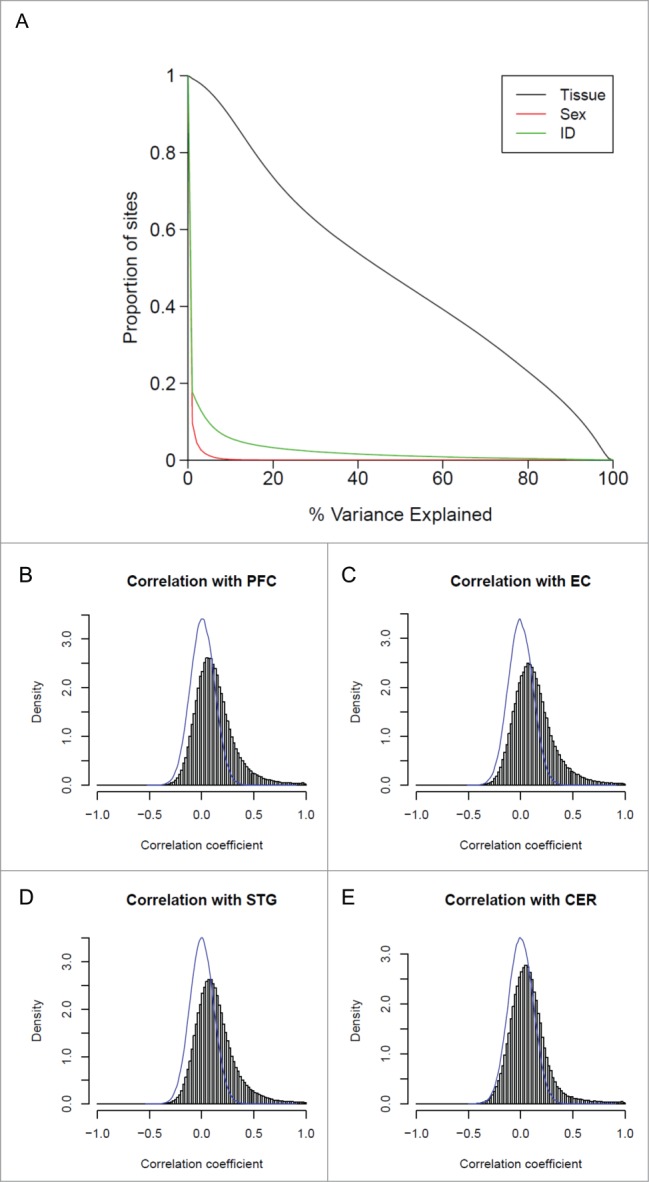
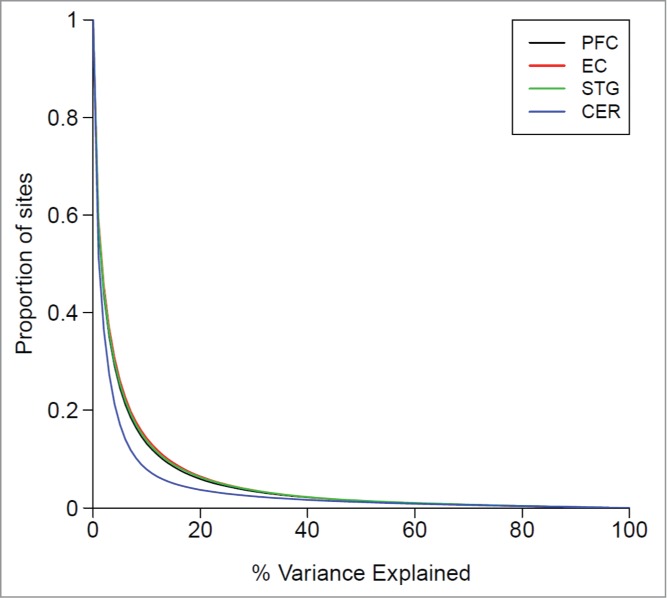
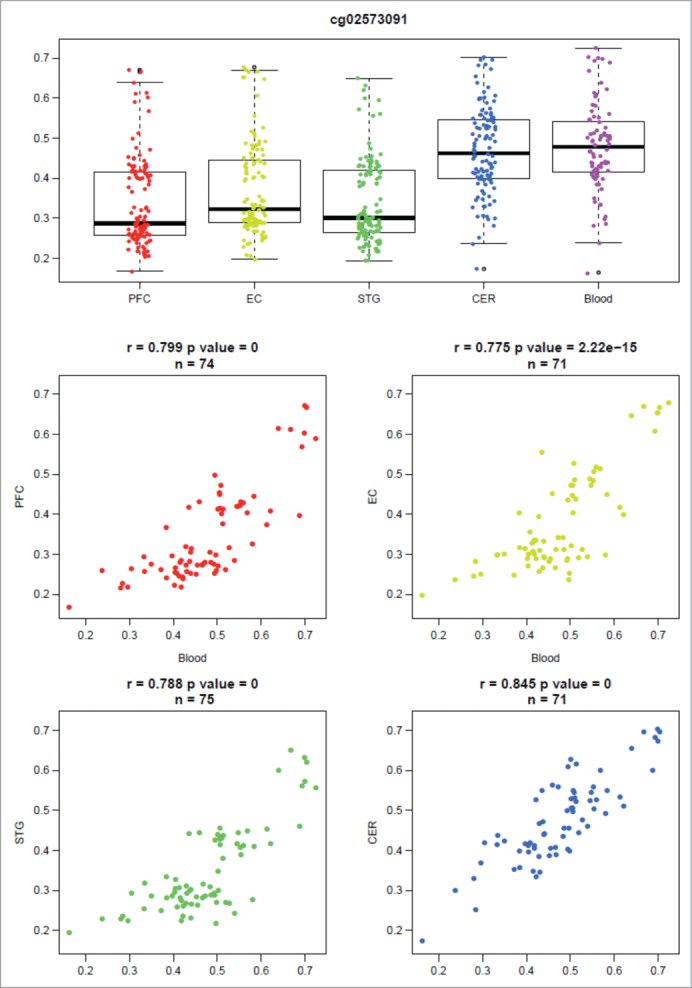
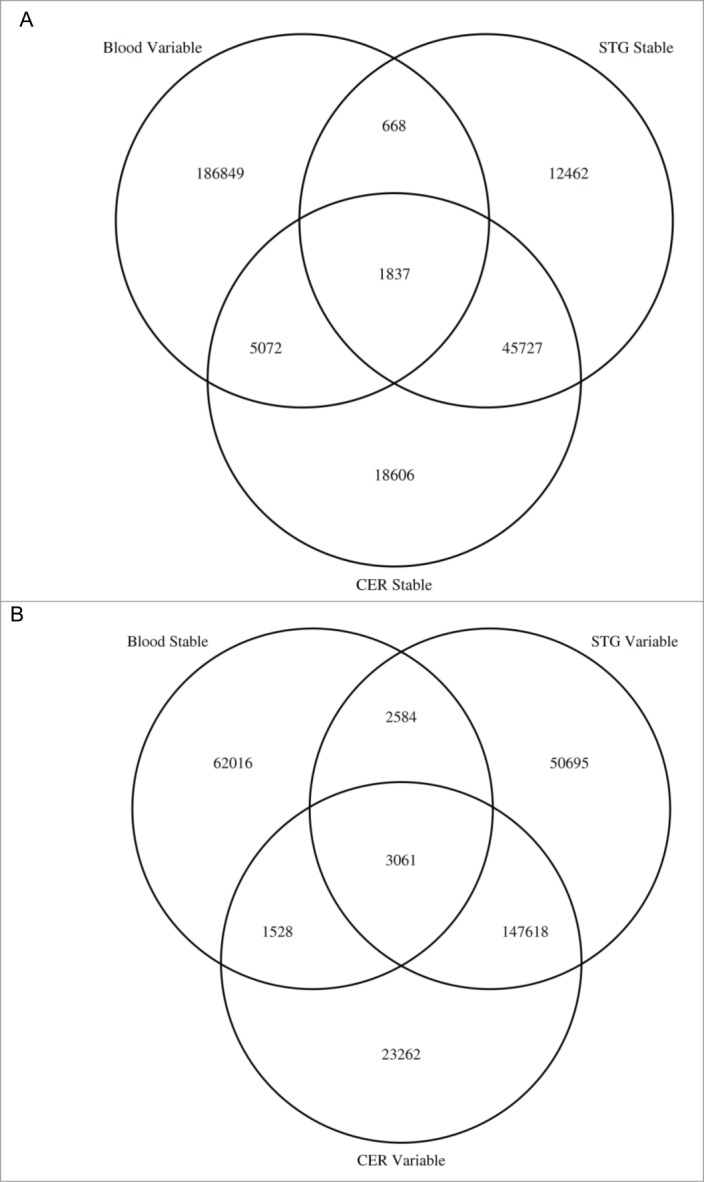
Given the tissue-specific nature of epigenetic processes, the assessment of disease-relevant tissue is an important consideration for epigenome-wide association studies (EWAS). Little is known about whether easily accessible tissues, such as whole blood, can be used to address questions about interindividual epigenomic variation in inaccessible tissues, such as the brain. We quantified DNA methylation in matched DNA samples isolated from whole blood and 4 brain regions (prefrontal cortex, entorhinal cortex, superior temporal gyrus, and cerebellum) from 122 individuals. We explored co-variation between tissues and the extent to which methylomic variation in blood is predictive of interindividual variation identified in the brain. For the majority of DNA methylation sites, interindividual variation in whole blood is not a strong predictor of interindividual variation in the brain, although the relationship with cortical regions is stronger than with the cerebellum. Variation at a subset of probes is strongly correlated across tissues, even in instances when the actual level of DNA methylation is significantly different between them. A substantial proportion of this co-variation, however, is likely to result from genetic influences. Our data suggest that for the majority of the genome, a blood-based EWAS for disorders where brain is presumed to be the primary tissue of interest will give limited information relating to underlying pathological processes. These results do not, however, discount the utility of using a blood-based EWAS to identify biomarkers of disease phenotypes manifest in the brain. We have generated a searchable database for the interpretation of data from blood-based EWAS analyses ( http://epigenetics.essex.ac.uk/bloodbrain/).
Overview
The claims and statistics of this paper haven’t been checked yet.
Free: it reads the open-access text and checks the first 5 claims that cite a source we can check. Create a free account to check every claim.
Integrity signals
Registry
Cites
Statistics
Figures
Verification
Claims the paper makes
The claims and statistics of this paper haven’t been checked yet.
Free: it reads the open-access text and checks the first 5 claims that cite a source we can check. Create a free account to check every claim.
Claims other papers make about this one
Each is checked against this paper’s own text: does it say what the citing paper says it does?
The source backs part of the claim, not all of it — or backs it for a different population, condition or comparison.
In the citing paper
“consistent with previous studies in AD that also found DNA methylation variations in the blood, by and large, did not recapitulate those in the brain [20, 22, 93].”
From Distinct sex-specific DNA methylation differences in Alzheimer’s disease (2022) · cites this paper as [93]
Experimental — accuracy not yet measuredThe cited source says what the claim attributes to it.
In the citing paper
“A key limitation of such epigenetic research as described above is nonetheless the tissue specificity of effects, which means that for only very limited sites scan congruent changes across tissues be expected (106, 107).”
From Epigenetic Modifications in Stress Response Genes Associated With Childhood Trauma (2019) · cites this paper as [106]
The cited source says what the claim attributes to it.
In the citing paper
“While we assessed methylation levels in whole blood, ECT is applied to the brain; both central and peripheral mechanisms may be affected by the global nature of the treatment and care should be taken with the interpretation of these findings65.”
From Methylome-wide change associated with response to electroconvulsive therapy in depressed patients (2021) · cites this paper as [65]
The cited source says what the claim attributes to it.
In the citing paper
“our study analyzed DNA methylation profiled in peripheral blood and therefore can provide only limited information about variation in the primary tissue associated with disease (Hannon et al., 2015).”
From DNA methylation meta-analysis reveals cellular alterations in psychosis and markers of treatment-resistant schizophrenia (2021) · cites this paper as Hannon et al., 2015
Self-check
Percentages, sums and reported differences re-computed from the paper’s own numbers.
The self-check needs the paper’s full text.
Citations
Cites
An integrated encyclopedia of DNA elements in the human genome
The ENCODE Project Consortium (2012) · Nature · doi:10.1038/nature11247 · Cited by 18,072
Bioconductor: open software development for computational biology and bioinformatics
Gentleman, R. C., Carey, V. J., Bates, D. M., Bolstad, B., Dettling, M., Dudoit, S., Ellis, B., Gautier, L., Ge, Y., Gentry, J., et al. (2004) · Genome Biology · doi:10.1186/gb-2004-5-10-r80 · Cited by 12,172 · cited 1×
“13.(33) Signal intensities were imported into R using the methylumi package.”
MethodIntegrative analysis of 111 reference human epigenomes
Roadmap Epigenomics Consortium, Kundaje, A., Meuleman, W., Ernst, J., Bilenky, M., Yen, A., Heravi-Moussavi, A., Kheradpour, P., Zhang, Z., Wang, J., et al. (2015) · Nature · doi:10.1038/nature14248 · Cited by 6,368
The Genotype-Tissue Expression (GTEx) pilot analysis: Multitissue gene regulation in humans
The GTEx Consortium, Ardlie, K. G., Deluca, D. S., Segrè, A. V., Sullivan, T. J., Young, T. R., Gelfand, E. T., Trowbridge, C. A., Maller, J. B., Tukiainen, T., et al. (2015) · Science · doi:10.1126/science.1262110 · Cited by 5,062
Mapping and analysis of chromatin state dynamics in nine human cell types
Ernst, J., Kheradpour, P., Mikkelsen, T. S., Shoresh, N., Ward, L. D., Epstein, C. B., Zhang, X., Wang, L., Issner, R., Coyne, M., et al. (2011) · Nature · doi:10.1038/nature09906 · Cited by 2,898
Irizarry, R. A., Ladd-Acosta, C., Wen, B., Wu, Z., Montano, C., Onyango, P., Cui, H., Gabo, K., Rongione, M., Webster, M., et al. (2009) · Nature Genetics · doi:10.1038/ng.298 · Cited by 2,177
Chen, Y.-A., Lemire, M., Choufani, S., Butcher, D. T., Grafodatskaya, D., Zanke, B. W., Gallinger, S., Hudson, T. J., & Weksberg, R. (2013) · Epigenetics · doi:10.4161/epi.23470 · Cited by 1,552
DNA methylation profiling of human chromosomes 6, 20 and 22
Eckhardt, F., Lewin, J., Cortese, R., Rakyan, V. K., Attwood, J., Burger, M., Burton, J., Cox, T. V., Davies, R., Down, T. A., et al. (2006) · Nature Genetics · doi:10.1038/ng1909 · Cited by 1,348
The human transcriptome across tissues and individuals
Melé, M., Ferreira, P. G., Reverter, F., DeLuca, D. S., Monlong, J., Sammeth, M., Young, T. R., Goldmann, J. M., Pervouchine, D. D., Sullivan, T. J., et al. (2015) · Science · doi:10.1126/science.aaa0355 · Cited by 1,304
Epigenome-wide association studies for common human diseases
Rakyan, V. K., Down, T. A., Balding, D. J., & Beck, S. (2011) · Nature Reviews Genetics · doi:10.1038/nrg3000 · Cited by 1,267
Research works printed but not linked: 1
- Davis S, Du P, Bilke S, Triche J, Bootwalla M Methylumi: Handle Illumina Methylation Data. R Package Version 2.14.0 2015
Cited by
Items 101–200 of 477
Liu, J., Zhao, W., Ware, E. B., Turner, S. T., Mosley, T. H., & Smith, J. A. (2018) · BMC Medical Genomics · doi:10.1186/s12920-018-0363-9 · Cited by 42
“uk/bloodbrain/) [30] includes methylation levels in whole blood and four brain regions (prefrontal cortex (PFC), entorhinal cortex (EC), superior temporal gyrus (STG), and cerebellum (CER)) in N = 71–75 matched samples from individuals archived in the MRC London Neurodegenerative Disease Brain Bank.”
BackgroundKnoblich, N., Gundel, F., Brückmann, C., Becker-Sadzio, J., Frischholz, C., & Nieratschker, V. (2018) · European Neuropsychopharmacology · doi:10.1016/j.euroneuro.2017.12.010 · Cited by 41
Xiu, J., Li, J., Liu, Z., Wei, H., Zhu, C., Han, R., Liu, Z., Zhu, W., Shen, Y., & Xu, Q. (2022) · Proceedings of the National Academy of Sciences · doi:10.1073/pnas.2201967119 · Cited by 42
Cord Blood DNA Methylation Biomarkers for Predicting Neurodevelopmental Outcomes
Hodyl, N. A., Roberts, C. T., & Bianco‐Miotto, T. (2016) · Genes · doi:10.3390/genes7120117 · Cited by 40
“Does measuring DNA methylation changes in peripheral fluids such as cord blood reflect what is happening in the brain? A recent study compared DNA methylation profiles in blood and four different brain regions and found that the whole blood DNA methylation profile was distinctively different from the brain regions [26…”
BackgroundZhang, W., Young, J. I., Gomez, L., Schmidt, M. A., Lukacsovich, D., Varma, A., Chen, X. S., Martin, E. R., & Wang, L. (2023) · Alzheimer s Research & Therapy · doi:10.1186/s13195-023-01216-7 · Cited by 40
“To this end, we analyzed DNAm measured on premortem blood samples from 69 subjects, along with their postmortem neurofibrillary tangle burden in the brain prefrontal cortex determined at autopsy, as measured by AD Braak stage [57] in the London dataset [7, 56].”
MethodGo, R. C. P., Corley, M. J., Ross, G. W., Petrovitch, H., Masaki, K., Maunakea, A. K., He, Q., & Tiirikainen, M. (2020) · BMC Neuroscience · doi:10.1186/s12868-020-00582-4 · Cited by 46
van Dongen, J., Hagenbeek, F. A., Suderman, M. J., Roetman, P. J., Sugden, K., Chiocchetti, A. G., Ismail, K., Mulder, R. H., Hafferty, J. D., Adams, M. J., et al. (2021) · Molecular Psychiatry · doi:10.1038/s41380-020-00987-x · Cited by 44
Self-citationGatev, E., Inkster, A. M., Negri, G. L., Konwar, C., Lussier, A. A., Skakkebaek, A. H., Sokolowski, M. B., Gravholt, C. H., Dunn, E. C., Kobor, M. S., et al. (2021) · Nucleic Acids Research · doi:10.1093/nar/gkab682 · Cited by 47
Vangeel, E. B., Pishva, E., Hompes, T., van den Hove, D., Lambrechts, D., Allegaert, K., Freson, K., Izzi, B., & Claes, S. (2017) · Clinical Epigenetics · doi:10.1186/s13148-017-0408-5 · Cited by 38
“Moreover, data from the online Blood Brain DNA Methylation Comparison Tool [54] suggested that DNA methylation of the HM450 probes in the identified GABBR1 DMR was correlated between peripheral blood and prefrontal cortex samples (most significant probe: cg05812266, R = 0.425, p = 0.00012).”
BackgroundInfluentialJagannath, V., Marinova, Z., Monoranu, C., Walitza, S., & Grünblatt, E. (2017) · Frontiers in Neuroanatomy · doi:10.3389/fnana.2017.00031 · Cited by 39
Ebrahimi, P., Luthman, H., McGuigan, F. E., & Åkesson, K. (2020) · Epigenetics · doi:10.1080/15592294.2020.1788325 · Cited by 41
Danoff, J. S., Connelly, J. J., Morris, J. P., & Perkeybile, A. M. (2021) · Comprehensive Psychoneuroendocrinology · doi:10.1016/j.cpnec.2021.100098 · Cited by 40
Treble‐Barna, A., Heinsberg, L. W., Stec, Z., Breazeale, S., Davis, T. S., Kesbhat, A., Chattopadhyay, A., VonVille, H. M., Ketchum, A., Yeates, K. O., et al. (2022) · Neuroscience & Biobehavioral Reviews · doi:10.1016/j.neubiorev.2023.105078 · Cited by 39
Hao, G., Youssef, N. A., Davis, C. L., & Su, S. (2017) · International Journal of Cardiology · doi:10.1016/j.ijcard.2017.12.063 · Cited by 39
Bressler, J., Marioni, R. E., Walker, R. M., Xia, R., Gottesman, R. F., Windham, B. G., Grove, M. L., Guan, W., Pankow, J. S., Evans, K. L., et al. (2020) · The Journals of Gerontology: Series A · doi:10.1093/gerona/glz245 · Cited by 36
“Although there are differences in methylation between blood and brain, a distinct set of differentially methylated probes associated with Alzheimer’s disease was recently characterized in peripheral blood providing proof of principle for the utility of bloodbased biomarkers to identify individuals affected with a neur…”
BackgroundSocial Epigenomics: Are we at an Impasse?
Non, A. L. (2021) · Epigenomics · doi:10.2217/epi-2020-0136 · Cited by 38
Role of DNA Methylation in Mediating Genetic Risk of Psychiatric Disorders
Starnawska, A., & Demontis, D. (2021) · Frontiers in Psychiatry · doi:10.3389/fpsyt.2021.596821 · Cited by 40
“As DNA methylation is tissue-specific, findings even from a large metaEWASmay not reflect biological processes in the brain (68).”
BackgroundMitsumori, R., Sakaguchi, K., Shigemizu, D., Mori, T., Akiyama, S., Ozaki, K., Niida, S., & Shimoda, N. (2020) · PLOS ONE · doi:10.1371/journal.pone.0239196 · Cited by 34
“These results were consistent with the majority of DNA methylation sites, where interindividual variations in whole blood are not a strong predictor for those in the brain [40].”
Utility of DNA Methylation as a Biomarker in Aging and Alzheimer’s Disease
Milicic, L., Porter, T., Vacher, M. A., & Laws, S. M. (2023) · Journal of Alzheimer s Disease Reports · doi:10.3233/adr-220109 · Cited by 40
“This finding was supported in a study assessing 80 matched blood and postmortem brain tissues, which found that subset of probes on the Illumina 450K array were significantly correlated across tissues [21].”
BackgroundResultInfluentialMulder, R. H., Rijlaarsdam, J., Luijk, M. P. C. M., Verhulst, F. C., Felix, J. F., Tiemeier, H., Bakermans-Kranenburg, M. J., & Van Ijzendoorn, M. H. (2017) · Development and Psychopathology · doi:10.1017/s095457941700013x · Cited by 34
Cross-Tissue Exploration of Genetic and Epigenetic Effects on Brain Gray Matter in Schizophrenia
Lin, D., Chen, J., Ehrlich, S., Bustillo, J., Perrone‐Bizzozero, N. I., Walton, E., Clark, V. P., Wang, Y., Sui, J., Du, Y., et al. (2017) · Schizophrenia Bulletin · doi:10.1093/schbul/sbx068 · Cited by 35
Nabais, M. F., Lin, T., Benyamin, B., Williams, K. L., Garton, F. C., Vinkhuyzen, A. A. E., Zhang, F., Vallerga, C. L., Restuadi, R., Freydenzon, A., et al. (2020) · npj Genomic Medicine · doi:10.1038/s41525-020-0118-3 · Cited by 34
Self-citationBahado-Singh, R. O., Radhakrishna, U., Gordevičius, J., Aydas, B., Yılmaz, A., Jafar, F., Imam, K., Maddens, M. E., Challapalli, K., Metpally, R. P. R., et al. (2022) · Cells · doi:10.3390/cells11111744 · Cited by 36
“Another study with the same dataset [49] along with an additional dataset [51] also did not reach an excellent predictive accuracy [52].”
BackgroundFuture Prospects for Epigenetics in Autism Spectrum Disorder
Williams, L. A., & LaSalle, J. M. (2022) · Molecular Diagnosis & Therapy · doi:10.1007/s40291-022-00608-z · Cited by 43
A MIR4646 associated methylation locus is hypomethylated in adolescent depression
Boström, A. E., Ciuculete, D.-M., Attwood, M., Krattinger, R., Nikontovic, L., Titova, O. E., Kullak-Ublick, G. A., Mwinyi, J., & Schiöth, H. B. (2017) · Journal of Affective Disorders · doi:10.1016/j.jad.2017.05.017 · Cited by 33
Distinct sex-specific DNA methylation differences in Alzheimer’s disease
C. Silva, T., Zhang, W., Young, J. I., Gomez, L., Schmidt, M. A., Varma, A., Chen, X. S., Martin, E. R., & Wang, L. (2022) · Alzheimer's Research & Therapy · doi:10.1186/s13195-022-01070-z · Cited by 35
“Intriguingly, we found the majority of the CpGs (26 out of 31) had opposite directions of changes in brain and blood (Tables 5 and 6), consistent with previous studies in AD that also found DNA methylation variations in the blood, by and large, did not recapitulate those in the brain [20, 22, 93].”
ResultDysregulation of the oxytocin receptor gene in Williams syndrome
Kimura, R., Tomiwa, K., Inoüe, R., Suzuki, S., Nakata, M., Awaya, T., Kato, T., Okazaki, S., Heike, T., & Hagiwara, M. (2020) · Psychoneuroendocrinology · doi:10.1016/j.psyneuen.2020.104631 · Cited by 41
“Blood-brain correlations of the significant CpG sites The Blood Brain DNA Methylation Comparison Tool (https:// epigenetics.essex.ac.uk/bloodbrain/) was used for comparison of methylation status between blood and brain tissue samples (Hannon et al., 2015).”
MethodDNA methylation in APOE: The relationship with Alzheimer's and with cardiovascular health
Mur, J., McCartney, D. L., Walker, R. M., Campbell, A., Bermingham, M. L., Morris, S. W., Porteous, D. J., McIntosh, A. M., Deary, I. J., Evans, K. L., et al. (2020) · Alzheimer s & Dementia Translational Research & Clinical Interventions · doi:10.1002/trc2.12026 · Cited by 38
Rygiel, C. A., Goodrich, J. M., Solano-González, M., Mercado‐García, A., Hu, H., Téllez‐Rojo, M. M., Peterson, K. E., & Dolinoy, D. C. (2021) · Environmental Health Perspectives · doi:10.1289/ehp8507 · Cited by 35
“…databases compared matched blood and brain tissue DNA methylation pro fi les that allow researchers to assess the level of similarity between human whole blood and various brain tissues at CpG sites available on the 450K (Edgar et al. 2017; Hannon et al. 2015) and EPIC arrays (Braun et al. 2019).”
Epigenetics applied to child and adolescent mental health: Progress, challenges and opportunities
Cecil, C. A. M., Neumann, A., & Walton, E. (2022) · JCPP Advances · doi:10.1002/jcv2.12133 · Cited by 41
“Topping the list of factors is arguably tissue and cell‐type: for most DNAm sites, cross‐tissue variability exceeds that of inter‐individual variability within the same tissue (Hannon et al., 2015).”
BackgroundMethylome-wide change associated with response to electroconvulsive therapy in depressed patients
Sirignano, L., Frank, J., Kranaster, L., Witt, S. H., Streit, F., Zillich, L., Sartorius, A., Rietschel, M., & Foo, J. C. (2021) · Translational Psychiatry · doi:10.1038/s41398-021-01474-9 · Cited by 32
Assessment of dried blood spots for DNA methylation profiling
Walker, R. M., MacGillivray, L., McCafferty, S., Wrobel, N., Murphy, L., Kerr, S. M., Morris, S. W., Campbell, A., McIntosh, A. M., Porteous, D. J., et al. (2019) · Wellcome Open Research · doi:10.12688/wellcomeopenres.15136.1 · Cited by 30
Furlong, M., Paul, K. C., Yan, Q. J., Chuang, Y., Cockburn, M., Bronstein, J. M., Horvath, S., & Ritz, B. R. (2020) · International Journal of Hygiene and Environmental Health · doi:10.1016/j.ijheh.2020.113569 · Cited by 33
“Additionally, we explored correlations between blood methylation values and brain methylation values for several CpG sites annotated to genes with neurologic functions, using a freely available blood brain methylation tool(88).”
MethodMoschny, N., Zindler, T., Jahn, K., Dorda, M., Davenport, C., Wiehlmann, L., Maier, H. B., Eberle, F. C., Bleich, S., Neyazi, A., et al. (2020) · Clinical Epigenetics · doi:10.1186/s13148-020-00891-9 · Cited by 39
“Unfortunately, the web tools frequently used for this investigation (as BECon [98] or BloodBrain [99]) are based on data obtained from the Illumina 450 K array and are thus not applicable to our results.”
MethodA machine learning case–control classifier for schizophrenia based on DNA methylation in blood
Gunasekara, C., Hannon, E. J., MacKay, H., Coarfa, C., McQuillin, A., Clair, D. S., Mill, J. S., & Waterland, R. A. (2021) · Translational Psychiatry · doi:10.1038/s41398-021-01496-3 · Cited by 36
“When we evaluated these high-range 2 – 98% probes in the brain vs. blood data set [16] we found that, even after excluding those within CoRSIVs, most showed a substantial positive correlation in methylation between blood and four brain regions (Fig.”
BackgroundSelf-citationSchür, R. R., Boks, M. P., Rutten, B. P. F., Daskalakis, N. P., de Nijs, L., van Zuiden, M., Kavelaars, A., Heijnen, C. J., Joëls, M., Kahn, R. S., et al. (2017) · Translational Psychiatry · doi:10.1038/tp.2017.150 · Cited by 31
“Signi fi cant associations between change in mental health problems and methylation change existed at 14 CpGs (22, 31 – 35, 39 – 41, 44, 47, 48, 51, 52).”
BackgroundIntegrated DNA methylation analysis reveals a potential role for ANKRD30B in Williams syndrome
Kimura, R., Lardenoije, R., Tomiwa, K., Funabiki, Y., Nakata, M., Suzuki, S., Awaya, T., Kato, T., Okazaki, S., Murai, T., et al. (2020) · Neuropsychopharmacology · doi:10.1038/s41386-020-0675-2 · Cited by 39
Nöthling, J., Abrahams, N., Toikumo, S., Suderman, M. J., Mhlongo, S., Lombard, C. J., Seedat, S., & Hemmings, S. M. J. (2021) · Translational Psychiatry · doi:10.1038/s41398-021-01608-z · Cited by 34
“The relationship between BRSK2 methylation and adverse neuronal development and maintenance is further supported by prior findings of a high correlation between BRSK2 blood methylation and methylation in brain tissue [59].”
BackgroundMethodResultInfluentialEpigenome-wide DNA methylation in obsessive-compulsive disorder
Schiele, M. A., Lipovsek, J., Schlosser, P., Soutschek, M., Schratt, G. M., Zaudig, M., Berberich, G., Köttgen, A., & Domschke, K. (2022) · Translational Psychiatry · doi:10.1038/s41398-022-01996-w · Cited by 32
“An additional analysis using the Blood Brain DNA Methylation Comparison Tool [26] allowing for the interrogation of specific brain regions, i.”
MethodInfluentialCiuculete, D. M., Boström, A. E. D., Tuunainen, A., Sohrabi, F., Kular, L., Jagodic, M., Voisin, S. A. C., Mwinyi, J., & Schiöth, H. B. (2018) · Journal of Psychiatric Research · doi:10.1016/j.jpsychires.2018.03.008 · Cited by 32
Boehm, I., Walton, E., Alexander, N., Batury, V.-L., Seidel, M., Geisler, D., King, J. A., Weidner, K., Roessner, V., & Ehrlich, S. (2020) · Journal of Psychiatry and Neuroscience · doi:10.1503/jpn.190016 · Cited by 36
Wang, Q., Chen, Y., Readhead, B. P., Chen, K., Su, Y., Reiman, E. M., & Dudley, J. T. (2020) · Clinical Epigenetics · doi:10.1186/s13148-020-00984-5 · Cited by 35
Prenatal lead exposure and cord blood DNA methylation in the Korean Exposome Study
Park, J., Kim, J., Kim, E., Kim, W. J., & Won, S. (2021) · Environmental Research · doi:10.1016/j.envres.2021.110767 · Cited by 32
Sokolov, A. V., Manu, D.-M., Nordberg, D. O. T., Boström, A. E. D., Jokinen, J., & Schiöth, H. B. (2023) · Clinical Epigenetics · doi:10.1186/s13148-022-01394-5 · Cited by 34
Epigenetics of Fear, Anxiety and Stress – Focus on Histone Modifications
Ell, M. A., Schiele, M. A., Iovino, N., & Domschke, K. (2023) · Current Neuropharmacology · doi:10.2174/1570159x21666230322154158 · Cited by 32
Katrinli, Ş., Wani, A. H., Maihofer, A. X., Ratanatharathorn, A. D., Daskalakis, N. P., Montalvo‐Ortiz, J. L., Núñez-Ríos, D. L., Zannas, A. S., Zhao, X., Aiello, A. E., et al. (2024) · Genome Medicine · doi:10.1186/s13073-024-01417-1 · Cited by 41
The Role of DNA Methylation in Drug Addiction: Implications for Diagnostic and Therapeutics
Lax, E., & Szyf, M. (2018) · Progress in molecular biology and translational science · doi:10.1016/bs.pmbts.2018.01.003 · Cited by 28
Cecil, C. A. M., Walton, E., Pingault, J., Provençal, N., Pappa, I., Vitaro, F., Côté, S. M., Szyf, M., Tremblay, R. E., Tiemeier, H. W., et al. (2018) · American Journal of Medical Genetics Part B Neuropsychiatric Genetics · doi:10.1002/ajmg.b.32689 · Cited by 33
“blood and brain, based on independent published data (Hannon et al., 2015; Smith et al., 2015).”
BackgroundGenotype-dependent epigenetic regulation of DLGAP2 in alcohol use and dependence
Meng, W., Sjöholm, L. K., Kononenko, O., Tay, N., Zhang, D., Sarkisyan, D., Geske, J. R., Ing, A., Qiu, W., Watanabe, H., et al. (2019) · Molecular Psychiatry · doi:10.1038/s41380-019-0588-9 · Cited by 33
Caramaschi, D., Neumann, A., Cárdenas, A., Tindula, G. N., Alemany, S., Zillich, L., Pesce, G., Lahti, J. M. T., Havdahl, A., Mulder, R. H., et al. (2022) · Molecular Psychiatry · doi:10.1038/s41380-022-01441-w · Cited by 33
Løkhammer, S., Stavrum, A.-K., Polushina, T. V., Aas, M., Ottesen, A. A., Andreassen, O. A., Melle, I. S., & Hellard, S. L. (2022) · Translational Psychiatry · doi:10.1038/s41398-022-01936-8 · Cited by 34
DNA Methylome Marks of Exposure to Particulate Matter at Three Time Points in Early Life
Plusquin, M., Chadeau‐Hyam, M., Ghantous, A., Alfano, R., Bustamante, M., Chatzi, L., Cuenin, C., Gulliver, J., Herceg, Z., Kogevinas, M., et al. (2018) · Environmental Science & Technology · doi:10.1021/acs.est.7b06447 · Cited by 27
Altered DNA methylation profiles in blood from patients with sporadic Creutzfeldt–Jakob disease
Dabin, L. C., Guntoro, F., Campbell, T., Bélicard, T., Smith, A. R., Smith, R. G., Raybould, R., Schott, J. M., Lunnon, K., Sarkies, P., et al. (2020) · Acta Neuropathologica · doi:10.1007/s00401-020-02224-9 · Cited by 34
“Disease (PD), and Huntington Disease (HD) all show very little overlap between blood and brain DNA methylation signals [6,14,20].”
BackgroundSelf-citationThe Role of Genetics, Epigenetics, and the Environment in ASD: A Mini Review
Khogeer, A., Abumansour, I. S., & Mohammed, D. A. (2022) · Epigenomes · doi:10.3390/epigenomes6020015 · Cited by 30
“However, in concordance with studies on blood–brain DNA methylation, these high correlations have not been frequently observed at specific sites across tissues, which is likely due to genetic influences [65,66].”
BackgroundNeuroepigenetics of ageing and neurodegeneration-associated dementia: An updated review
Mir, F. A., Amanullah, A., Jain, B. P., Hyderi, Z., & Gautam, A. (2023) · Ageing Research Reviews · doi:10.1016/j.arr.2023.102067 · Cited by 31
Elevated OPRD1 promoter methylation in Alzheimer’s disease patients
Ji, H., Wang, Y., Liu, G., Chang, L. Y., Chen, Z., Zhou, D., Xu, X., Cui, W., Hong, Q., Jiang, L., et al. (2017) · PLoS ONE · doi:10.1371/journal.pone.0172335 · Cited by 29
Starnawska, A., Hansen, C. S., Sparsø, T., Mazin, W., Olsen, L., Bertalan, M., Buil, A., Bybjerg‐Grauholm, J., Bækvad‐Hansen, M., HOUGAARD, D. M., et al. (2017) · Translational Psychiatry · doi:10.1038/tp.2017.181 · Cited by 33
“In addition, using the Blood Brain DNA Methylation Comparison Tool (http://epigenetics.iop.kcl.ac.uk/ bloodbrain/), 59 which has information on DNA methylation in blood and four brain regions, we found that the CpG site of interest (cg23546855) in STK32C is highly methylated in cerebellum samples…”
MethodArtificial Intelligence and the detection of pediatric concussion using epigenomic analysis
Bahado-Singh, R. O., Vishweswaraiah, S., Er, A., Aydas, B., Türkoğlu, O., Taşkın, B. D., Duman, M., Yılmaz, D., & Radhakrishna, U. (2019) · Brain Research · doi:10.1016/j.brainres.2019.146510 · Cited by 30
DNA methylation in candidate genes for handedness predicts handedness direction
Schmitz, J., Kumsta, R., Moser, D., Güntürkün, O., & Ocklenburg, S. (2017) · Laterality Asymmetries of Body Brain and Cognition · doi:10.1080/1357650x.2017.1377726 · Cited by 30
“However, interindividual DNA methylation variation in blood and brain tissue is correlated, indicating that peripheral tissue can yield suitable biomarkers for brain phenotypes (Hannon et al., 2015).”
BackgroundKoopman‐Verhoeff, M. E., Mulder, R. H., Saletin, J., Reiss, I. K. M., van der Horst, G. T. J., Felix, J. F., Carskadon, M. A., Tiemeier, H. W., & Cecil, C. A. M. (2020) · Journal of Child Psychology and Psychiatry · doi:10.1111/jcpp.13252 · Cited by 29
Polyphenolic Compounds Alter Stress‐Induced Patterns of Global DNA Methylation in Brain and Blood
Blaze, J., Wang, J., Ho, L., Mendelev, N., Haghighi, F. G., & Pasinetti, G. M. (2018) · Molecular Nutrition & Food Research · doi:10.1002/mnfr.201700722 · Cited by 25
Insights from epigenetic studies on human health and evolution
Mulligan, C. J. (2018) · Current Opinion in Genetics & Development · doi:10.1016/j.gde.2018.06.008 · Cited by 26
Ciuculete, D. M., Voisin, S. A. C., Kular, L., Welihinda, N., Jonsson, J., Jagodic, M., Mwinyi, J., & Schiöth, H. B. (2019) · Epigenetics · doi:10.1080/15592294.2019.1700628 · Cited by 30
Spindola, L. M., Santoro, M. L., Pan, P. M., Ota, V. K., Xavier, G., Carvalho, C. M., Talarico, F., Sleiman, P., March, M., Pellegrino, R., et al. (2019) · Clinical Epigenetics · doi:10.1186/s13148-019-0740-z · Cited by 25
“However, these DMRs were mapped to the gene body, and the DNA methylation patterns between blood and brain are very distinct, particularly in the gene body [61].”
BackgroundAbrishamcar, S., Chen, J., Feil, D., Kilanowski, A., Koen, N., Vanker, A., Wedderburn, C. J., Donald, K. A., Zar, H. J., Stein, D. J., et al. (2022) · Translational Psychiatry · doi:10.1038/s41398-022-02195-3 · Cited by 28
Rochtus, A. M., Winand, R., Laenen, G., Vangeel, E. B., Izzi, B., Wittevrongel, C., Moreau, Y., Verpoorten, C., Jansen, K., Geet, C. V., et al. (2016) · Clinical Epigenetics · doi:10.1186/s13148-016-0272-8 · Cited by 27
Walton, E., Baltramonaityte, V., Calhoun, V. D., Heijmans, B. T., Thompson, P. M., & Cecil, C. A. M. (2023) · Molecular Psychiatry · doi:10.1038/s41380-023-02067-2 · Cited by 40
“Studies of cross-tissue correlation based on biopsy or postmortem samples in general do not fi nd large overall comparability between tissues, and only a small proportion of DNAm sites show cross-tissue correspondence [68, 69].”
Walker, R. M., Sussmann, J. E., Whalley, H. C., Ryan, N., Porteous, D. J., McIntosh, A. M., & Evans, K. L. (2016) · Bipolar Disorders · doi:10.1111/bdi.12415 · Cited by 28
DNA methylation landscape of ocular tissue relative to matched peripheral blood
Hewitt, A. W., Januar, V., Sexton‐Oates, A., Joo, J. E., Franchina, M., Wang, J. J., Liang, H. H., Craig, J. E., & Saffery, R. (2017) · Scientific Reports · doi:10.1038/srep46330 · Cited by 24
“In neurological conditions this has been done by directly comparing matched blood and brain tissue 12–14 , but has yet to be investigated in matched blood and eye tissue.”
BackgroundResultMiyake, K., Miyashita, C., Araki, A., Miura, R., Itoh, S., Yamazaki, K., Kobayashi, S., Masuda, H., Ooka, T., Yamagata, Z., et al. (2021) · Clinical Epigenetics · doi:10.1186/s13148-021-01063-z · Cited by 28
“However, correlation of DNA methylation between blood and brain, and association between blood DNA methylation and brain phenotypes have been reported [51, 52].”
BackgroundThe Importance of Detailed Epigenomic Profiling of Different Cell Types within Organs
Stueve, T. R., Marconett, C. N., Zhou, B., Borok, Z., & Laird‐Offringa, I. A. (2016) · Epigenomics · doi:10.2217/epi-2016-0005 · Cited by 26
Mehta, D., de Boer, I., Sutherland, H. G. E., Pijpers, J. A., Bron, C., Bainomugisa, C. K., Haupt, L. M., van den Maagdenberg, A. M. J. M., Griffiths, L. R., Nyholt, D. R., et al. (2023) · Clinical Epigenetics · doi:10.1186/s13148-023-01604-8 · Cited by 27
“The Blood Brain DNA methylation comparison tool [56] was used to check the correlation between blood and brain DNAm for the significant CpGs.”
MethodAlameda, L., Liu, Z., Sham, P. C., Aas, M., Trotta, G., Rodríguez, V., Forti, M. D., Stilo, S. A., Kandaswamy, R., Arango, C., et al. (2023) · Molecular Psychiatry · doi:10.1038/s41380-023-02044-9 · Cited by 30
Self-citationGlucocorticoid receptor exon 1F methylation and the cortisol stress response in health and disease
Schür, R. R., van Leeuwen, J. M. C., Houtepen, L. C., Joëls, M., Kahn, R. S., Boks, M. P., & Vinkers, C. H. (2018) · Psychoneuroendocrinology · doi:10.1016/j.psyneuen.2018.07.018 · Cited by 24
Genome-wide DNA methylation profile in the peripheral blood of cocaine and crack dependents
Camilo, C., Maschietto, M. C., Vieira, H. C., Tahira, A. C., Gouveia, G. R., dos Santos, A. C. F., Negrão, A. B., Ribeiro, M., Laranjeira, R., Vallada, H., et al. (2019) · Brazilian Journal of Psychiatry · doi:10.1590/1516-4446-2018-0092 · Cited by 26
He, Y., de Witte, L. D., Houtepen, L. C., Nispeling, D. M., Xu, Z., Yu, Q., Yu, Y., Hol, E. M., Kahn, R. S., & Boks, M. P. (2019) · Clinical Epigenetics · doi:10.1186/s13148-019-0680-7 · Cited by 23
Hartwig, F. P., Smith, G. D., Simpkin, A. J., Victora, C. G., Relton, C. L., & Caramaschi, D. (2020) · Nutrients · doi:10.3390/nu12113309 · Cited by 26
Epigenome-wide association study of attention-deficit/hyperactivity disorder in adults
Rovira, P., Sánchez‐Mora, C., Pagerols, M., Richarte, V., Corrales, M., Fadeuilhe, C., Vilar‐Ribó, L., Arribas, L., Shireby, G. L., Hannon, E. J., et al. (2020) · Translational Psychiatry · doi:10.1038/s41398-020-0860-4 · Cited by 28
Self-citationAngerfors, A., Lindvall, M. O., Andersson, B., Nilsson, S., López, M. D., Hansson, L., Stanne, T. M., & Jern, C. (2020) · Thrombosis and Haemostasis · doi:10.1055/s-0040-1720980 · Cited by 28
Longitudinal associations of DNA methylation and sleep in children: a meta-analysis
Sammallahti, S., Koopman‐Verhoeff, M. E., Binter, A.-C., Mulder, R. H., Cabré-Riera, A., Kvist, T., Malmberg, A., Pesce, G., Plancoulaine, S., Heiss, J. A., et al. (2022) · Clinical Epigenetics · doi:10.1186/s13148-022-01298-4 · Cited by 24
“uk/ blood brain/ accessed 2021/06/09) [42] and circadian expression of genes of interest in human and mouse tissues (http:// circa db.”
BackgroundBánlaki, Z., Cimarelli, G., Virányi, Z., Kubinyi, E., Sasvári‐Székely, M., & Rónai, Z. (2017) · Molecular Genetics and Genomics · doi:10.1007/s00438-017-1305-5 · Cited by 27
Social Environment and Epigenetics
Merrill, S. M., Gladish, N., & Kobor, M. S. (2019) · Current topics in behavioral neurosciences · doi:10.1007/7854_2019_114 · Cited by 25
Chan, R. F., Shabalin, A. A., Montaño, C., Hannon, E. J., Hultman, C. M., Fallin, M. D., Feinberg, A. P., Mill, J. S., van den Oord, E. J. C. G., & Åberg, K. A. (2019) · Schizophrenia Bulletin · doi:10.1093/schbul/sbz056 · Cited by 25
Self-citationEpigenetics, early adversity and child and adolescent mental health
Barker, E. D. (2018) · Psychopathology · doi:10.1159/000486683 · Cited by 21
Longitudinal investigation of DNA methylation changes preceding adolescent psychotic experiences
Roberts, S., Suderman, M. J., Zammit, S., Watkins, S., Hannon, E. J., Mill, J. S., Relton, C. L., Arseneault, L., Wong, C. C. Y., & Fisher, H. L. (2019) · Translational Psychiatry · doi:10.1038/s41398-019-0407-8 · Cited by 31
Self-citationPalma‐Gudiel, H., Córdova‐Palomera, A., Navarro, V., & Fañanás, L. (2020) · Neuroscience & Biobehavioral Reviews · doi:10.1016/j.neubiorev.2020.02.017 · Cited by 22
DNA methylation associated with persistent ADHD suggests TARBP1 as novel candidate
Weiß, A. L., Meijer, M., Budeus, B., Pauper, M., Hakobjan, M., Groothuismink, J. M., Shi, Y., Neveling, K., Buitelaar, J. K., Hoogman, M., et al. (2020) · Neuropharmacology · doi:10.1016/j.neuropharm.2020.108370 · Cited by 22
“Although attempts have been made to determine the correlation between DNA-methylation levels in blood and brain (Hannon, 2015), not all our covered CpG sites are included in this publicly available database.”
Mattonet, K., Nowack, N., Vogel, V., Moser, D., Tierling, S., Kasper-Sonnenberg, M., Wilhelm, M., Scherer, M., Walter, J., Hengstler, J. G., et al. (2021) · Epigenetics · doi:10.1080/15592294.2021.1975917 · Cited by 26
Sarnowski, C., Huan, T., Ma, Y., Joehanes, R., Beiser, A., DeCarli, C. S., Heard‐Costa, N. L., Levy, D. A., Lin, H., Liu, C., et al. (2023) · Clinical Epigenetics · doi:10.1186/s13148-023-01589-4 · Cited by 24
Zheng, J., Womer, F. Y., Tang, L., Guo, H., Zhang, X., Tang, Y., & Wang, F. (2024) · Translational Psychiatry · doi:10.1038/s41398-023-02724-8 · Cited by 22
“…methylation status between blood and brain in the Top DMPs using online tools (blood – brain DNA methylation comparison tool, https:// epigenetics.essex.ac.uk/bloodbrain/, and blood – brain epigenetic concordance; BECon; https://redgar598.shinyapps.io/BECon/) provided in previous studies [39, 40].”
MethodHannon, E. J., Dempster, E. L., Chioza, B. A., Davies, J. P., Blake, G. E. T., Burrage, J., Policicchio, S. S. S., Franklin, A., Walker, E., Bamford, R. A., et al. (2024) · BMC Biology · doi:10.1186/s12915-024-01827-y · Cited by 29
“Two of the panels (4 and 5), contain overlapping fractions (SATB2Pos and NeuNPos), that both capture excitatory neuronal nuclei.”
BackgroundSelf-citationHow to interpret epigenetic association studies: a guide for clinicians
Riancho, J., del Real, Á., & Riancho, J. A. (2016) · BoneKEy Reports · doi:10.1038/bonekey.2016.24 · Cited by 23
“5 between blood and solid tissues such as brain or muscle.(37,38) Therefore, the reader should not assume that epigenetic marks in blood reflect the skeletal epigenome, unless such a correlation is confirmed experimentally.”
BackgroundInvestigating epigenetic consequences of early-life adversity: some methodological considerations
Fiori, L. M., & Turecki, G. (2016) · European Journal of Psychotraumatology · doi:10.3402/ejpt.v7.31593 · Cited by 22
Epigenome-wide association study of seizures in childhood and adolescence
Caramaschi, D., Hatcher, C., Mulder, R. H., Felix, J. F., Cecil, C. A. M., Relton, C. L., & Walton, E. (2020) · Clinical Epigenetics · doi:10.1186/s13148-019-0793-z · Cited by 23
“Based on data from more than 122 pre-mortem blood samples and paired post-mortem brain tissue [42], cross-tissue correlation was strongest for BDNFcg13974632 (r = 0.”
MethodMacBean, L. F., Smith, A. R., & Lunnon, K. (2020) · Current Genetic Medicine Reports · doi:10.1007/s40142-020-00190-y · Cited by 21
Self-citationHesam-Shariati, S., Overs, B. J., Roberts, G. M. P., Toma, C., Watkeys, O. J., Green, M. J., Pierce, K. D., Edenberg, H. J., Wilcox, H. C., Stapp, E. K., et al. (2022) · Translational Psychiatry · doi:10.1038/s41398-022-02079-6 · Cited by 23
“Supplementary EWAS: post-hoc sensitivity analysis for interpretation of DMP functional enrichments As the discovery EWAS employed a restricted set of 35,907 CpG probes that were blood-brain correlated [62], we reasoned that probe preselection might bias functional enrichments in genes mapped to DMPs.”
BackgroundMethodInfluentialCullell, N., Soriano‐Tárraga, C., Gallego-Fábrega, C., Cárcel‐Márquez, J., Muiño, E., Llucià‐Carol, L., Lledós, M., Esteller, M., de Moura, M. C., Montaner, J., et al. (2022) · Clinical Epigenetics · doi:10.1186/s13148-022-01340-5 · Cited by 21
“We found a lack of correlation in the prefrontal cortex that was also observed using the “Blood Brain DNA Methylation Comparison Tool”.”
MethodInfluentialJagannath, V., Theodoridou, A., Gerstenberg, M., Franscini, M., Heekeren, K., Correll, C. U., Rössler, W., Grünblatt, E., & Walitza, S. (2017) · Frontiers in Psychiatry · doi:10.3389/fpsyt.2017.00292 · Cited by 23
“The reasons for very low or no expression of DAO and DAOA mRNA in blood might be highly methylated (75–90%) Illumina CpG sites of DAO and DAOA genes in healthy individuals (72).”
BackgroundÅsenius, F., Gorrie-Stone, T. J., Brew, A., Panchbhaya, Y., Williamson, E., Schalkwyk, L. C., Rakyan, V. K., Holland, M. L., Marzi, S. J., & Williams, D. J. (2020) · PLoS Genetics · doi:10.1371/journal.pgen.1009035 · Cited by 20
“Lastly, epigenetic signatures are highly tissue- and developmental stage specific [14, 15], making findings from studies using whole blood as a surrogate tissue for spermatozoa difficult to interpret [16].”
BackgroundMethodResultInfluentialSelf-citationRygiel, C. A., Dolinoy, D. C., Bakulski, K. M., Aung, M. T., Perng, W., Jones, T. R., Solano-González, M., Hu, H., Téllez‐Rojo, M. M., Schnaas, L., et al. (2021) · Environmental Epigenetics · doi:10.1093/eep/dvab005 · Cited by 23
Metadata
- Authors
- Hannon, E., Lunnon, K., Schalkwyk, L., & Mill, J.
- Affiliations
- University of Exeter (GB)
- University of Essex (GB)
- King's College London (GB)
- Corresponding author
- Mill, Jonathan
- Venue
- Epigenetics
- Publisher
- Informa UK Limited
- Published
- 2015-10-12
- Volume
- 10
- Issue
- 11
- Pages
- 1024-1032
- ISSN
- 1559-2294 (ISSN-L)
- 1559-2308
- PMC
- PMC4844197
- OpenAlex
- W2161857374
- Cited by
- 455
- References
- 35
- Citations by year
- 2026: 30 · 2025: 26 · 2024: 30 · 2023: 49 · 2022: 51 · 2021: 51 · 2020: 63 · 2019: 45 · 2018: 50 · 2017: 42 · 2016: 17
- FWCI
- 15.78
- Type
- journal article
- Language
- en
- Open access
- hybrid
- doi.org
- Licence
- cc-by
- Locations
- Epigenetics (publishedVersion, cc-by)
- PubMed Central (publishedVersion, cc-by)
- PubMed (publishedVersion)
- Open Access at Essex (University of Essex) (acceptedVersion)
- Figshare (submittedVersion)
- Open Research Exeter (University of Exeter) (submittedVersion, cc-by)
- Funders
- Medical Research Council (MR/K013807/1)
- National Institute on Aging (R01AG036039)
- Topics
- Life Sciences › Biochemistry, Genetics and Molecular Biology › Molecular Biology › Epigenetics and DNA Methylation
- Life Sciences › Biochemistry, Genetics and Molecular Biology › Genetics › Genetic Associations and Epidemiology
- Life Sciences › Biochemistry, Genetics and Molecular Biology › Molecular Biology › Genomics and Chromatin Dynamics
- Keywords
- DNA methylation, brain regions, prefrontal cortex, entorhinal cortex, superior temporal gyrus, cerebellum, disease biomarkers, neuropsychiatric phenotypes
- MeSH terms
- Mental Disorders, Cerebellum, DNA, Female, Humans, Male, Nervous System Diseases, Phenotype, Temporal Lobe, Genetic Variation, Genome, Human, Prefrontal Cortex, Entorhinal Cortex, DNA Methylation, Databases, Genetic, Epigenesis, Genetic, Epigenomics
About these checks
Registry, retraction, Cites and statistics results are computed, not judged, with one exception: a printed reference that no index lists is read once by a model before it counts as a citation error. Claims are extracted by a model and kept only when their quote appears verbatim in the text; each cited source is then checked, with a model’s help, for whether it says what the claim relies on. Those verdicts can be wrong — read the claim’s quote and the cited source before relying on one.
Statistics and arithmetic are recomputed, not judged.
Confidence bands are shown only for fields calibrated on our annotated test set. None is calibrated yet, so no band is shown.
What counts as a claim ›How we measure confidence ›How we check this ›
Are you an author, or do you see a problem with this page? Request a review
Data sources
Bibliographic data: Semantic Scholar, OpenAlex, Crossref.
Contains information from the Semantic Scholar Academic Graph Datasets, made available under the ODC Attribution License (ODC-BY 1.0).
Semantic Scholar’s data is described in: Kinney, R., et al. (2023). The Semantic Scholar Open Data Platform. arXiv:2301.10140.
