

Interindividual methylomic variation across blood, cortex, and cerebellum: implications for epigenetic studies of neurological and neuropsychiatric phenotypes
Open accessThe DOI matches its Crossref record; 35 of the 35 references it cites were found in a registry or an index.
Abstract
Given the tissue-specific nature of epigenetic processes, the assessment of disease-relevant tissue is an important consideration for epigenome-wide association studies (EWAS). Little is known about whether easily accessible tissues, such as whole blood, can be used to address questions about interindividual epigenomic variation in inaccessible tissues, such as the brain. We quantified DNA methylation in matched DNA samples isolated from whole blood and 4 brain regions (prefrontal cortex, entorhinal cortex, superior temporal gyrus, and cerebellum) from 122 individuals. We explored co-variation between tissues and the extent to which methylomic variation in blood is predictive of interindividual variation identified in the brain. For the majority of DNA methylation sites, interindividual variation in whole blood is not a strong predictor of interindividual variation in the brain, although the relationship with cortical regions is stronger than with the cerebellum. Variation at a subset of probes is strongly correlated across tissues, even in instances when the actual level of DNA methylation is significantly different between them. A substantial proportion of this co-variation, however, is likely to result from genetic influences. Our data suggest that for the majority of the genome, a blood-based EWAS for disorders where brain is presumed to be the primary tissue of interest will give limited information relating to underlying pathological processes. These results do not, however, discount the utility of using a blood-based EWAS to identify biomarkers of disease phenotypes manifest in the brain. We have generated a searchable database for the interpretation of data from blood-based EWAS analyses ( http://epigenetics.essex.ac.uk/bloodbrain/).
Overview
The claims and statistics of this paper haven’t been checked yet.
Free: it reads the open-access text and checks the first 5 claims that cite a source we can check. Create a free account to check every claim.
Integrity signals
Registry
Cites
Statistics
Figures
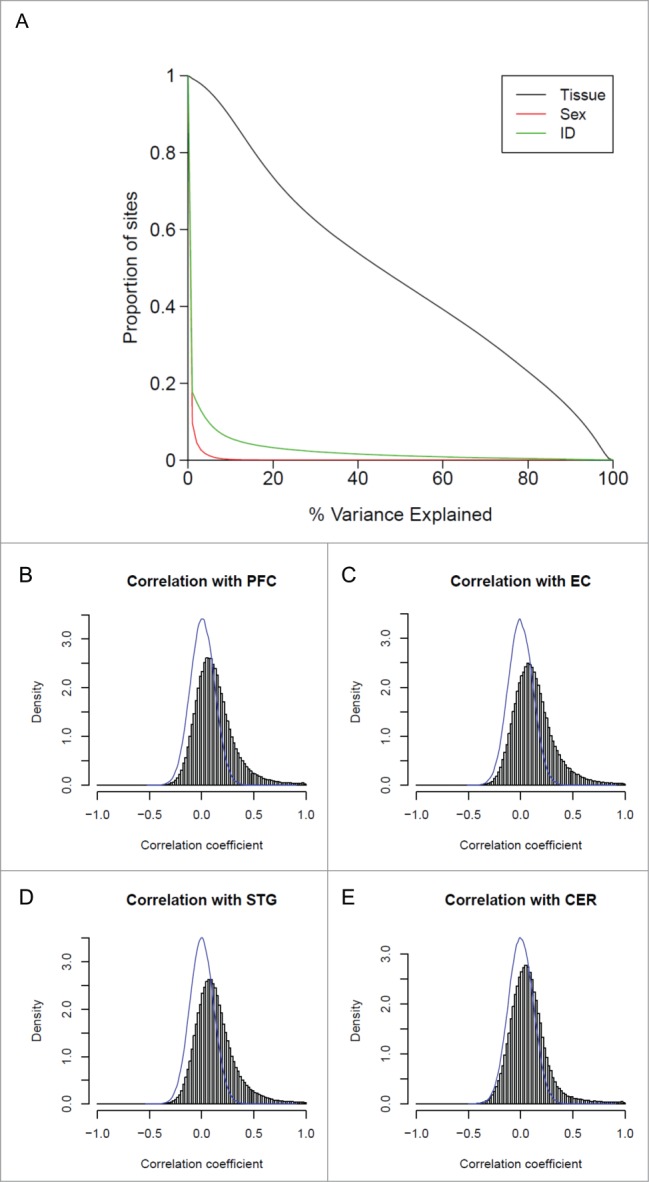
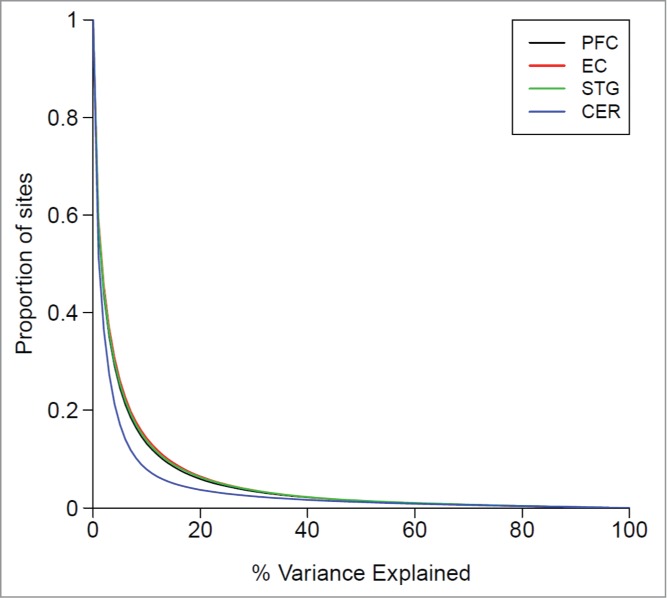
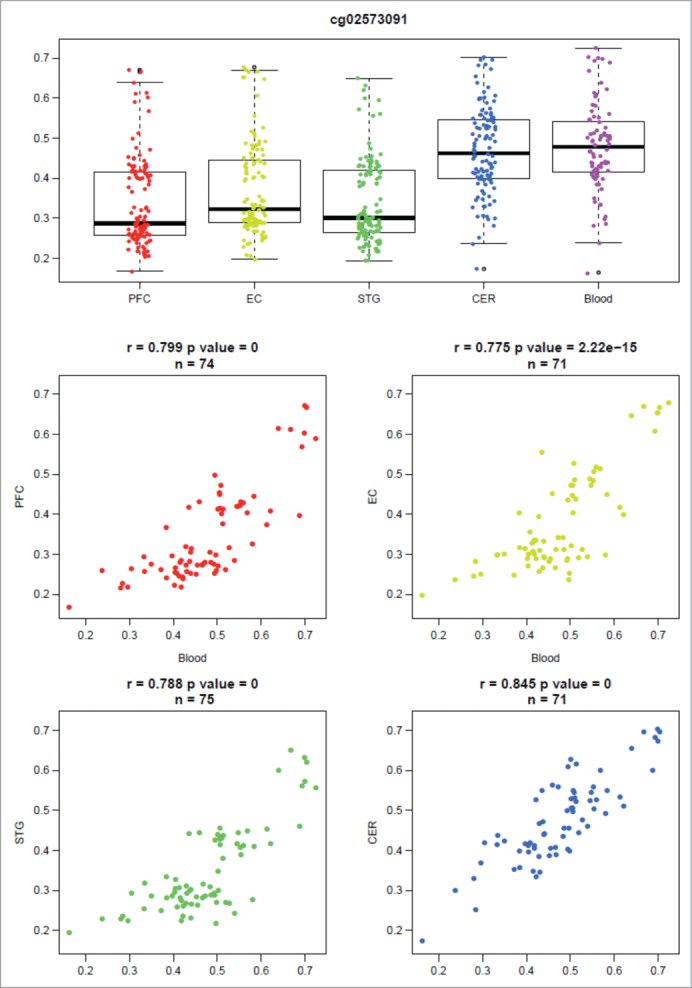
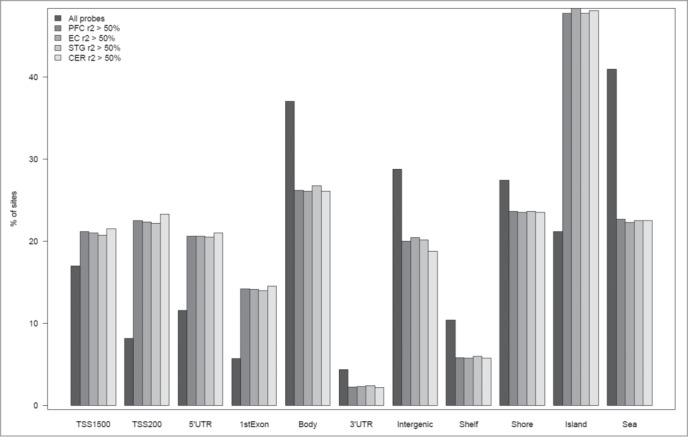
Verification
Claims the paper makes
The claims and statistics of this paper haven’t been checked yet.
Free: it reads the open-access text and checks the first 5 claims that cite a source we can check. Create a free account to check every claim.
Claims other papers make about this one
Each is checked against this paper’s own text: does it say what the citing paper says it does?
The source backs part of the claim, not all of it — or backs it for a different population, condition or comparison.
In the citing paper
“consistent with previous studies in AD that also found DNA methylation variations in the blood, by and large, did not recapitulate those in the brain [20, 22, 93].”
From Distinct sex-specific DNA methylation differences in Alzheimer’s disease (2022) · cites this paper as [93]
Experimental — accuracy not yet measuredThe cited source says what the claim attributes to it.
In the citing paper
“A key limitation of such epigenetic research as described above is nonetheless the tissue specificity of effects, which means that for only very limited sites scan congruent changes across tissues be expected (106, 107).”
From Epigenetic Modifications in Stress Response Genes Associated With Childhood Trauma (2019) · cites this paper as [106]
The cited source says what the claim attributes to it.
In the citing paper
“While we assessed methylation levels in whole blood, ECT is applied to the brain; both central and peripheral mechanisms may be affected by the global nature of the treatment and care should be taken with the interpretation of these findings65.”
From Methylome-wide change associated with response to electroconvulsive therapy in depressed patients (2021) · cites this paper as [65]
The cited source says what the claim attributes to it.
In the citing paper
“our study analyzed DNA methylation profiled in peripheral blood and therefore can provide only limited information about variation in the primary tissue associated with disease (Hannon et al., 2015).”
From DNA methylation meta-analysis reveals cellular alterations in psychosis and markers of treatment-resistant schizophrenia (2021) · cites this paper as Hannon et al., 2015
Self-check
Percentages, sums and reported differences re-computed from the paper’s own numbers.
The self-check needs the paper’s full text.
Citations
Cites
An integrated encyclopedia of DNA elements in the human genome
The ENCODE Project Consortium (2012) · Nature · doi:10.1038/nature11247 · Cited by 18,072
Bioconductor: open software development for computational biology and bioinformatics
Gentleman, R. C., Carey, V. J., Bates, D. M., Bolstad, B., Dettling, M., Dudoit, S., Ellis, B., Gautier, L., Ge, Y., Gentry, J., et al. (2004) · Genome Biology · doi:10.1186/gb-2004-5-10-r80 · Cited by 12,172 · cited 1×
“13.(33) Signal intensities were imported into R using the methylumi package.”
MethodIntegrative analysis of 111 reference human epigenomes
Roadmap Epigenomics Consortium, Kundaje, A., Meuleman, W., Ernst, J., Bilenky, M., Yen, A., Heravi-Moussavi, A., Kheradpour, P., Zhang, Z., Wang, J., et al. (2015) · Nature · doi:10.1038/nature14248 · Cited by 6,368
The Genotype-Tissue Expression (GTEx) pilot analysis: Multitissue gene regulation in humans
The GTEx Consortium, Ardlie, K. G., Deluca, D. S., Segrè, A. V., Sullivan, T. J., Young, T. R., Gelfand, E. T., Trowbridge, C. A., Maller, J. B., Tukiainen, T., et al. (2015) · Science · doi:10.1126/science.1262110 · Cited by 5,062
Mapping and analysis of chromatin state dynamics in nine human cell types
Ernst, J., Kheradpour, P., Mikkelsen, T. S., Shoresh, N., Ward, L. D., Epstein, C. B., Zhang, X., Wang, L., Issner, R., Coyne, M., et al. (2011) · Nature · doi:10.1038/nature09906 · Cited by 2,898
Irizarry, R. A., Ladd-Acosta, C., Wen, B., Wu, Z., Montano, C., Onyango, P., Cui, H., Gabo, K., Rongione, M., Webster, M., et al. (2009) · Nature Genetics · doi:10.1038/ng.298 · Cited by 2,177
Chen, Y.-A., Lemire, M., Choufani, S., Butcher, D. T., Grafodatskaya, D., Zanke, B. W., Gallinger, S., Hudson, T. J., & Weksberg, R. (2013) · Epigenetics · doi:10.4161/epi.23470 · Cited by 1,552
DNA methylation profiling of human chromosomes 6, 20 and 22
Eckhardt, F., Lewin, J., Cortese, R., Rakyan, V. K., Attwood, J., Burger, M., Burton, J., Cox, T. V., Davies, R., Down, T. A., et al. (2006) · Nature Genetics · doi:10.1038/ng1909 · Cited by 1,348
The human transcriptome across tissues and individuals
Melé, M., Ferreira, P. G., Reverter, F., DeLuca, D. S., Monlong, J., Sammeth, M., Young, T. R., Goldmann, J. M., Pervouchine, D. D., Sullivan, T. J., et al. (2015) · Science · doi:10.1126/science.aaa0355 · Cited by 1,304
A data-driven approach to preprocessing Illumina 450K methylation array data
Pidsley, R., Y Wong, C. C., Volta, M., Lunnon, K., Mill, J., & Schalkwyk, L. C. (2013) · BMC Genomics · doi:10.1186/1471-2164-14-293 · Cited by 1,302 · cited 1×
“Data was subsequently normalized in the R package wateRmelon using the dasen function as previously described.(35) Prior to data analysis, we removed the 65 nonCpG SNP probes and probes characterized by either non-specific binding (n D 43,233) or containing common (minor allele frequency > 5%) SNPs within 10 bp of the…”
MethodSelf-citation
Research works printed but not linked: 1
- Davis S, Du P, Bilke S, Triche J, Bootwalla M Methylumi: Handle Illumina Methylation Data. R Package Version 2.14.0 2015
Cited by
Items 201–300 of 477
NTRK2 methylation is related to reduced PTSD risk in two African cohorts of trauma survivors
Vukojevic, V., Coynel, D., Ghaffari, N. R., Freytag, V., Elbert, T., Kolassa, I.-T., Wilker, S., McGaugh, J. L., Papassotiropoulos, A., & de Quervain, D. J.-F. (2020) · Proceedings of the National Academy of Sciences · doi:10.1073/pnas.2008415117 · Cited by 19
“Additionally, studies that have addressed brain to periphery variation of DNA methylation suggest that a part of the methylome signatures is significantly shared across the tissues (82, 83), especially in the genomic regions that contain a high density of cytosine guanine dinucleotides, as seen in the specific region…”
BackgroundSmirnova, L., Modafferi, S., Schlett, C., Osborne, L. M., Payne, J. L., & Sabunciyan, S. (2024) · Molecular Psychiatry · doi:10.1038/s41380-023-02384-6 · Cited by 21
Schmitz, J., Kumsta, R., Moser, D., Güntürkün, O., & Ocklenburg, S. (2017) · Behavioural Brain Research · doi:10.1016/j.bbr.2017.09.035 · Cited by 22
Peng, C., den Dekker, M. A. M., Cárdenas, A., Rifas‐Shiman, S. L., Luttmann‐Gibson, H., Agha, G., Harris, M. H., Coull, B. A., Schwartz, J. D., Litonjua, A. A., et al. (2018) · Environmental Health Perspectives · doi:10.1289/ehp2034 · Cited by 24
“…we need to interpret with caution when we compare methylation levels from our birth cohort (cord blood/childhood peripheral blood) with values from the publically available dataset, in which their blood DNA methylation levels were assessed before death (age range 64 – 99) (Hannon et al. 2015).”
InfluentialComparative analysis reveals distinctive epigenetic features of the human cerebellum
Guevara, E. E., Hopkins, W. D., Hof, P. R., Ely, J. J., Bradley, B. J., & Sherwood, C. C. (2021) · PLoS Genetics · doi:10.1371/journal.pgen.1009506 · Cited by 22
A New Era for Epigenetic Epidemiology
Gunasekara, C., & Waterland, R. A. (2019) · Epigenomics · doi:10.2217/epi-2019-0282 · Cited by 17
Allele-Specific Methylation of SPDEF: A Novel Moderator of Psychosocial Stress and Substance Abuse
Tay, N., Macare, C., Liu, Y., Ruggeri, B., Jia, T., Chu, C., Biondo, F., Ing, A., Luo, Q., Sarkysian, D., et al. (2019) · American Journal of Psychiatry · doi:10.1176/appi.ajp.2018.17121360 · Cited by 18
DNA-methylation of the dopamin receptor 2 gene is altered during alcohol withdrawal
Hillemacher, T., Rhein, M., Burkert, A., Heberlein, A., Wilhelm, J., Glahn, A., Muschler, M. A. N., Kahl, K. G., Kornhuber, J., Bleich, S., et al. (2019) · European Neuropsychopharmacology · doi:10.1016/j.euroneuro.2019.09.002 · Cited by 19
Córdova‐Palomera, A., Palma‐Gudiel, H., Forés-Martos, J., Tabarés‐Seisdedos, R., & Fañanás, L. (2018) · PLoS ONE · doi:10.1371/journal.pone.0207754 · Cited by 22
Gardini, E., Chen, G. G., Fiacco, S., Mernone, L., Willi, J., Turecki, G., & Ehlert, U. (2020) · International Journal of Molecular Sciences · doi:10.3390/ijms21103654 · Cited by 19
“Furthermore, it should be noted that methylation at ESR1 CpGI shore in blood has been found to correlate with the ESR1 CpGI shore methylation in the brain, especially in the superior temporal gyrus (Supplementary Figure S1) [65].”
BackgroundDNA methylation differences at birth after conception through ART
Tobi, E. W., Almqvist, C., Hedman, A. M., Andolf, E. G., Holte, J., Olofsson, J. I., Wramsby, H., Wramsby, M., Pershagen, G., Heijmans, B. T., et al. (2020) · Human Reproduction · doi:10.1093/humrep/deaa253 · Cited by 23
“Although these observations are of potential interest, it should be noted that only for CpGs near GABRB3 the DNAm level correlated between blood and brain regions (Hannon et al., 2015) and for none of the CpGs was DNAm level associated with expression of the nearest gene in whole blood data.”
BackgroundStevenson, A. J., McCartney, D. L., Shireby, G. L., Hillary, R. F., King, D., Tzioras, M., Wrobel, N., McCafferty, S., Murphy, L., McColl, B. W., et al. (2022) · European Journal of Neuroscience · doi:10.1111/ejn.15661 · Cited by 20
Self-citationScorza, P., Duarte, C. S., Lee, S., Wu, H., Posner, J., Baccarelli, A., & Monk, C. (2023) · Journal of the American Academy of Child & Adolescent Psychiatry · doi:10.1016/j.jaac.2023.02.018 · Cited by 18
“Although we expected little confounding from genetics, SNP-associated CpG sites were removed with the DMRcate package in R.(48) We examined significant findings against the ARIES methylation quantitative trait loci (mQTL) catalogue as an additional sensitivity step to identify the possibility of confounding via geneti…”
Methodvan der Laan, L. C., Meeks, K. A. C., Chilunga, F. P., Agyemang, C. O., Venema, A., Mannens, M. M. A. M., Zafarmand, M. H., Klipstein‐Grobusch, K., Smeeth, L. L., Adeyemo, A., et al. (2020) · Scientific Reports · doi:10.1038/s41598-020-61649-0 · Cited by 21
Multiomic biological approaches to the study of child abuse and neglect
Layfield, S., Duffy, L., Phillips, K., Lardenoije, R., Klengel, T., & Ressler, K. J. (2021) · Pharmacology Biochemistry and Behavior · doi:10.1016/j.pbb.2021.173271 · Cited by 27
Social Epigenomics: Conceptualizations and Considerations for Oral Health
Gomaa, N. A. (2022) · Journal of Dental Research · doi:10.1177/00220345221110196 · Cited by 18
Rabotnick, M. H., Ehlinger, J. V., Haidari, A., & Goodrich, J. M. (2023) · Molecular and Cellular Endocrinology · doi:10.1016/j.mce.2023.112046 · Cited by 20
Epigenetics in Alzheimer’s Disease: A Critical Overview
Villa, C., & Combi, R. (2024) · International Journal of Molecular Sciences · doi:10.3390/ijms25115970 · Cited by 19
“Moreover, the analysis is restricted by the heterogeneity of brain tissue since it is well known that distinct cells exhibit unique methylation patterns [45].”
BackgroundDomschke, K., Schiele, M. A., Salvador, Ó. C., Zillich, L., Lipovsek, J., Pittig, A., Heinig, I., Ridderbusch, I. C., Straube, B., Richter, J., et al. (2025) · Molecular Psychiatry · doi:10.1038/s41380-025-03038-5 · Cited by 22
Gene regulation and speciation in a migratory divide between songbirds
Louder, M. I. M., Justen, H. C., Kimmitt, A. A., Lawley, K. S., Turner, L. M., Dickman, J. D., & Delmore, K. E. (2024) · Nature Communications · doi:10.1038/s41467-023-44352-2 · Cited by 23
Barker, V., Walker, R. M., Evans, K. L., & Lawrie, S. M. (2019) · Schizophrenia Research · doi:10.1016/j.schres.2019.11.050 · Cited by 16
Hidalgo, B., Minniefield, B., Patki, A., Tanner, R. M., Bagheri, M., Tiwari, H. K., Arnett, D. K., & Irvin, M. R. (2021) · PLoS ONE · doi:10.1371/journal.pone.0259836 · Cited by 18
Epigenome-wide DNA methylation in externalizing behaviours: A review and combined analysis
Meijer, M., Franke, B., Sandi, C., & Klein, M. (2022) · Neuroscience & Biobehavioral Reviews · doi:10.1016/j.neubiorev.2022.104997 · Cited by 25
“Attempts have been made to compare DNAm levels across different tissue sources (Braun et al., 2019; Hannon et al., 2015), which shows that DNAm profiles are highly cell type-specific (Murata et al.”
DNA Modifications and Alzheimer’s Disease
Smith, R. G., & Lunnon, K. (2017) · Advances in experimental medicine and biology · doi:10.1007/978-3-319-53889-1_16 · Cited by 21
“The potential of using blood or peripheral tissues to develop epigenetic biomarkers is still feasible given the correlation of DNA methylation between blood and brain for some, but not all, genetic loci (33).”
BackgroundSelf-citationEpigenetic scores for the circulating proteome as tools for disease predictionPreprint
Gadd, D. A., Hillary, R. F., McCartney, D. L., Zaghlool, S. B., Stevenson, A. J., Nangle, C., Campbell, A., Flaig, R., Harris, S. E., Walker, R. M., et al. (2020) · bioRxiv (Cold Spring Harbor Laboratory) · doi:10.1101/2020.12.01.404681 · Cited by 15
Rodríguez, N., Martínez-Pinteño, A., Blázquez, A., Ortiz, A. E., Moreno, E., Gassó, P., Lafuente, A., Lázaro, L., & Mas, S. (2021) · Pharmacogenomics and Personalized Medicine · doi:10.2147/pgpm.s313015 · Cited by 17
Sommerer, Y., Ohlei, O., Dobričić, V., Oakley, D. H., Wesse, T., Sabet, S. S., Demuth, I., Franke, A., Hyman, B. T., Lill, C. M., et al. (2022) · Clinical Epigenetics · doi:10.1186/s13148-022-01357-w · Cited by 16
“This is in line with a previous study assessing the correlation of DNAm between brain and blood samples, which reported moderate to strong correlations for 1% to 6% of CpG sites (16).”
BackgroundResultEpigenetics, chromatin and brain development and function
Isles, A. R. (2018) · Brain and Neuroscience Advances · doi:10.1177/2398212818812011 · Cited by 16
“This has obvious implications for the relevance of human epigenome–wide association studies (EWASs) where primary tissue may not be available (Hannon et al., 2015).”
BackgroundDerakhshan, M., Kessler, N. J., Ishida, M., Demetriou, C., Brucato, N., Moore, G. E., Fall, C. H. D., Chandak, G. R., Ricaut, F., Prentice, A. M., et al. (2022) · Nucleic Acids Research · doi:10.1093/nar/gkac503 · Cited by 17
DNA Methylation: A Mediator Between Parenting Stress and Adverse Child Development?
Mulder, R. H., Rijlaarsdam, J., & van IJzendoorn, M. H. (2017) · Springer eBooks · doi:10.1007/978-3-319-55376-4_7 · Cited by 21
Lauschke, V. M., Ivanov, M., & Ingelman‐Sundberg, M. (2017) · Trends in Pharmacological Sciences · doi:10.1016/j.tips.2017.05.007 · Cited by 15
Genetic estimators of DNA methylation provide insights into the molecular basis of polygenic traits
Freytag, V., Vukojević, V., Wagner-Thelen, H., Milnik, A., Vogler, C., Leber, M., Weinhold, L., Böhmer, A. C., Riedel-Heller, S. G., Maier, W., et al. (2018) · Translational Psychiatry · doi:10.1038/s41398-017-0070-x · Cited by 15
Zhang, W., Young, J. I., Gomez, L., Schmidt, M. A., Lukacsovich, D., Varma, A., Chen, X. S., Kunkle, B. W., Martin, E. R., & Wang, L. (2024) · Epigenetics · doi:10.1080/15592294.2024.2333660 · Cited by 19
“To assess the impact of probe reliability on cross-tissue associations, we examined ICCs for the probes in relation to the correlation of DNAm measured in the brain prefrontal cortex and blood in the London dataset [33].”
Variability of DNA Methylation within Schizophrenia Risk Loci across Subregions of Human Hippocampus
Ruzicka, W. B., Subburaju, S., & Benes, F. M. (2017) · Genes · doi:10.3390/genes8050143 · Cited by 14
“This has been reported for peripheral blood mononuclear cells as compared to multiple human brain regions [8,9].”
BackgroundBrains for Dementia Research: The Importance of Cohorts in Brain Banking
Francis, P. T., Hayes, G. M., Costello, H., & Whitfield, D. (2019) · Neuroscience Bulletin · doi:10.1007/s12264-018-0327-2 · Cited by 17
He, Y., Vinkers, C. H., Houtepen, L. C., de Witte, L. D., & Boks, M. P. (2019) · Frontiers in Psychiatry · doi:10.3389/fpsyt.2018.00743 · Cited by 17
“Though the current finding is based on blood, the database from Hannon et al, shows that methylation of this specific KITLG locus (cg27512205) in the blood is significantly correlated with prefrontal cortex and superior temporal gyrus in the brain (42).”
MethodEpigenetics and Common Non Communicable Disease
Tabatabaiefar, M. A., Sajjadi, R. S., & Narrei, S. (2019) · Advances in experimental medicine and biology · doi:10.1007/978-3-030-10616-4_2 · Cited by 15
Massaro, A. N., Bammler, T. K., MacDonald, J. W., Perez, K., Comstock, B. A., & Juul, S. E. (2021) · Scientific Reports · doi:10.1038/s41598-021-84214-9 · Cited by 14
Taeubert, M. J., de Prado-Bert, P., Geurtsen, M. L., Mancano, G., Vermeulen, M. J., Reiss, I. K. M., Caramaschi, D., Sunyer, J., Sharp, G. C., Julvez, J., et al. (2022) · Clinical Epigenetics · doi:10.1186/s13148-022-01276-w · Cited by 14
Rijlaarsdam, J., Cosín‐Tomás, M., Schellhas, L., Abrishamcar, S., Malmberg, A., Neumann, A., Felix, J. F., Sunyer, J., Gützkow, K. B., Gražulevičienė, R., et al. (2022) · Molecular Psychiatry · doi:10.1038/s41380-022-01871-6 · Cited by 17
“One probe, cg05867423, was positively correlated between blood and brain according to data from Hannon et al. tool (r= 0.36, p < 0.002), with positive correlations also identified in the BECon and IMAGE CPG tools (see Supplementary Tables 6c, 7c, 8c).”
MethodInfluentialDuffy, H. B. D., & Roth, T. L. (2020) · Frontiers in Human Neuroscience · doi:10.3389/fnhum.2020.594244 · Cited by 16
Genome-wide DNA methylation patterns associated with general psychopathology in children
Rijlaarsdam, J., Barker, E. D., Caserini, C., Koopman‐Verhoeff, M. E., Mulder, R. H., Felix, J. F., & Cecil, C. A. M. (2021) · Journal of Psychiatric Research · doi:10.1016/j.jpsychires.2021.05.029 · Cited by 17
Schiele, M. A., Crespo Salvador, O., Lipovsek, J., Schwarte, K., Schlosser, P., Zwanzger, P., Arolt, V., Baune, B. T., Köttgen, A., & Domschke, K. (2024) · International Journal of Neuropsychopharmacology · doi:10.1093/ijnp/pyae045 · Cited by 13
Ehlinger, J. V., Goodrich, J. M., Dolinoy, D. C., Watkins, D. J., Cantoral, A., Mercado‐García, A., Téllez‐Rojo, M. M., & Peterson, K. E. (2023) · Epigenomics · doi:10.2217/epi-2023-0169 · Cited by 12
“Overall, previous”
DNA methylation patterns of FKBP5 regulatory regions in brain and blood of humanized mice and humans
Yusupov, N., Roeh, S., Elliott, L. S., Chang, S., Loganathan, S., Urbina-Treviño, L., Fröhlich, A. S., Sauer, S., Ködel, M., Matosin, N., et al. (2024) · Molecular Psychiatry · doi:10.1038/s41380-024-02430-x · Cited by 14
“…brain regions in humans using a genome-wide DNAm array (Illumina In fi nium HumanMethylation450 BeadChip): Blood Brain DNA Methylation Comparison Tool (https:// epigenetics.essex.ac.uk/bloodbrain/ [60]) and Blood-Brain Epigenetic Concordance (BECon, https://redgar598.shinyapps.io/BECon/ [61]).”
Kwon, Y., Blažytė, A., Jeon, Y., Kim, Y. J., An, K., Jeon, S., Ryu, H., Shin, D.-H., Ahn, J.-H., Um, H., et al. (2025) · Clinical Epigenetics · doi:10.1186/s13148-025-01819-x · Cited by 12
Blood DNA methylation signature for incident dementia: Evidence from longitudinal cohorts
Zhang, W., Young, J. I., Gomez, L., Schmidt, M. A., Lukacsovich, D., Kunkle, B. W., Chen, X. S., Martin, E. R., & Wang, L. (2025) · Alzheimer s & Dementia · doi:10.1002/alz.14496 · Cited by 15
“44 We assessed the association of brain and blood methylation levels at dementia-associated CpGs using both an unadjusted correlation analysis with methylation beta values ( r beta ), and an adjusted correlation analysis using methylation residuals ( r resid ), in which we removed the effect of…”
Morales-Lara, D., De‐la‐Peña, C., & Murillo‐Rodríguez, E. (2017) · Molecular Neurobiology · doi:10.1007/s12035-017-0409-6 · Cited by 18
Hidden hypotheses in ‘hypothesis-free’ genome-wide epigenetic associations
Barker, E. D., Roberts, S., & Walton, E. (2018) · Current Opinion in Psychology · doi:10.1016/j.copsyc.2018.07.009 · Cited by 15
Schizotypy and altered hemispheric asymmetries: The role of cilia genes
Schmitz, J., Fraenz, C., Schlüter, C., Friedrich, P., Kumsta, R., Moser, D., Güntürkün, O., Genç, E., & Ocklenburg, S. (2019) · Psychiatry Research Neuroimaging · doi:10.1016/j.pscychresns.2019.110991 · Cited by 14
“The reasoning behind using peripheral tissue is the suggestion that it still predicts interindividual variation of DNA methylation in brain tissue (Hannon et al., 2015).”
BackgroundCheng, W., Luo, N., Zhang, Y., Zhang, X., Tan, H. Y., Zhang, D., Sui, J., Yue, W., & Yan, H. (2021) · Cerebral Cortex · doi:10.1093/cercor/bhab117 · Cited by 14
“As DNAm in the present study was measured with DNA obtained from peripheral blood mononuclear cells, we assessed the likely correlation between blood and brain methylation in three databases: the Blood Brain DNA Methylation Comparison Tool (Hannon et al. 2015), the Blood–Brain Epigenetic Concordance (BECon) (Edgar et…”
MethodLussier, A. A., Zhu, Y., Smith, B. J., Simpkin, A. J., Smith, A. D. A. C., Suderman, M. J., Walton, E., Relton, C. L., Ressler, K. J., & Dunn, E. C. (2022) · Biological Psychiatry Global Open Science · doi:10.1016/j.bpsgos.2022.04.002 · Cited by 16
“To probe the biological relevance of FDR-significant loci, we examined the correlation between DNAm levels in blood and brain using publicly available data (11).”
MethodSocioeconomic changes predict genome-wide DNA methylation in childhood
Liu, J., Cerutti, J., Lussier, A. A., Zhu, Y., Smith, B. J., Smith, A. D. A. C., & Dunn, E. C. (2022) · Human Molecular Genetics · doi:10.1093/hmg/ddac171 · Cited by 17
New insights into the (epi)genetics of twinning
van Dongen, J., Hubers, N., & Boomsma, D. I. (2023) · Human Reproduction · doi:10.1093/humrep/dead131 · Cited by 16
“…across tissues, we looked at the correlation between blood and buccal samples from the same individuals (van Dongen et al. , 2016), and between blood and post-mortem brain samples, based on previously published methylation data from matched blood and brain samples (Hannon et al. , 2015).”
Chen, J., Liu, J., & Calhoun, V. D. (2019) · Proceedings of the IEEE · doi:10.1109/jproc.2019.2913145 · Cited by 13
“For example, brain–blood DNA methylation correspondence exists in a set of genomic loci [174], [175], so does the blood–brain gene expression correspondence [176], partially attributing to cross-tissue mQTL and expression QTL effects [166], [167], [177], [178].”
Wang, A., Zhang, M., Ding, Y., Mo, X., Zhong, C., Zhu, Z., Guo, D., Zheng, X., Xu, T., Liu, Y., et al. (2020) · Journal of the American Heart Association · doi:10.1161/jaha.120.017499 · Cited by 15
Integrating brain methylome with GWAS for psychiatric risk gene discoveryPreprint
Han, S., Lin, Y., Wang, M., Goes, F. S., Tan, K., Zandi, P. P., Hyde, T. M., Weinberger, D. R., Potash, J. B., Kleinman, J. E., et al. (2018) · bioRxiv (Cold Spring Harbor Laboratory) · doi:10.1101/440206 · Cited by 12
Hillary, R., McCartney, D., Bernabéu, E., Gadd, D., Cheng, Y., Chybowska, A., Smith, H., Murphy, L., Wrobel, N., Campbell, A., et al. (2023) · medRxiv · doi:10.1101/2023.01.10.23284387 · Cited by 12
Fang, F., Quach, B. C., Lawrence, K. G., van Dongen, J., Marks, J. A., Lundgren, S., Lin, M., Odintsova, V. V., Costeira, R., Xu, Z., et al. (2023) · Molecular Psychiatry · doi:10.1038/s41380-023-02310-w · Cited by 14
“To determine the potential overlap of our top CpGs with previously reported EWAS results, we used the EWAS Atlas toolkit [42] to conduct enrichment analyses.”
MethodResultAo, X., Parisien, M., Fillingim, R. B., Ohrbach, R. K., Slade, G. D., Diatchenko, L. B., & Smith, S. B. (2023) · Pain · doi:10.1097/j.pain.0000000000003104 · Cited by 15
Divergent epigenetic responses to perinatal asphyxia in severe mental disorders
Wortinger, L. A., Stavrum, A.-K., Shadrin, A. A., Szabó, A., Rukke, S. H., Nerland, S., Smelror, R. E., Jørgensen, K. N., Barth, C., Andreou, D., et al. (2024) · Translational Psychiatry · doi:10.1038/s41398-023-02709-7 · Cited by 13
“…on the probes associated with LINGO3, BLCAP;NNAT, NANOS2 and SLC2A14 to investigate the relationship between DNAm in blood and at the same genomic loci in four brain regions (prefrontal cortex, entorhinal cortex, superior temporal gyrus and cerebellum) [40] and found signi fi cant correlations.”
BackgroundMethodTreble‐Barna, A., Patronick, J., Uchani, S., Marousis, N. C., Zigler, C. K., Fink, E. L., Kochanek, P. M., Conley, Y. P., & Yeates, K. O. (2020) · Frontiers in Neurology · doi:10.3389/fneur.2020.00460 · Cited by 11
“We will target a select number of BDNF CpG islands for this initial study that showed the strongest correlation between blood and CSF in our preliminary data (109) and show significant correlations between BDNF methylation in blood and postmortem prefrontal cortex brain tissue according to the searchable online Blood…”
MethodChidambaran, V., Zhang, X., Pilipenko, V. V., Chen, X., Wronowski, B., Geisler, K. J., Martin, L. J., Barski, A., Weirauch, M. T., & Ji, H. (2021) · Epigenomics · doi:10.2217/epi-2020-0424 · Cited by 12
“supported by blood–brain DNA methylation concordance studies which have observed high correlation of DNA methylation levels across tissues especially related to genetic influences [61,62].”
BackgroundTikhonova, M. A., Zhanaeva, S. Y., Shvaikovskaya, A. A., Olkov, N. M., Aftanas, L. I., & Danilenko, K. V. (2022) · International Journal of Molecular Sciences · doi:10.3390/ijms23169193 · Cited by 15
“Considering methylomic profiling of whole blood versus brain tissue, for the majority of DNA methylation sites, interindividual variation in whole blood is not a strong predictor of interindividual variation in the brain [34].”
BackgroundOpioid Medication Use and Blood Dna Methylation: Epigenome-Wide Association Meta-Analysis
Lee, M. K., Joehanes, R., McCartney, D. L., Kho, M., Hüls, A., Wyss, A. B., Liu, C., Walker, R. M., Kardia, S. L. R., Wingo, T. S., et al. (2022) · Epigenomics · doi:10.2217/epi-2022-0353 · Cited by 14
Exploring genome-wide DNA methylation patterns in Aicardi syndrome
Piras, I. S., Mills, G., Llaci, L., Naymik, M., Ramsey, K. M., Belnap, N., Balak, C., Jepsen, W. M., Szelinger, S., Siniard, A. L., et al. (2017) · Epigenomics · doi:10.2217/epi-2017-0060 · Cited by 14
Jia, T., Chu, C., Liu, Y., van Dongen, J., Armstrong, N. J., Bastin, M. E., Carrillo‐Roa, T., den Braber, A., Harris, M. A., Jansen, R., et al. (2018) · bioRxiv (Cold Spring Harbor Laboratory) · doi:10.1101/460444 · Cited by 12
Perini, S., Filosi, M., The Italian Autism Network, Allibrio, G., Basadonne, I., Benvenuto, A., Buono, S., Bravaccio, C., Casonato, C., Ceppi, E., et al. (2023) · Translational Psychiatry · doi:10.1038/s41398-023-02407-4 · Cited by 16
“Although neurodevelopmental pathways are preferably studied using brain tissues, our results support the potential for identifying epigenetic biomarkers of neurodevelopment even in peripheral tissues [47, 48].”
BackgroundGrima, N., Henden, L., Watson, O. T., Blair, I. P., & Williams, K. L. (2021) · Journal of Neuropathology & Experimental Neurology · doi:10.1093/jnen/nlab129 · Cited by 11
DNA Methylation as a Therapeutic and Diagnostic Target in Major Depressive Disorder
Lax, E. (2022) · Frontiers in Behavioral Neuroscience · doi:10.3389/fnbeh.2022.759052 · Cited by 12
“In addition, many CpGs show correlation of DNA methylation levels between blood and several brain regions, and hence can serve as disease biomarkers (Hannon et al., 2015; Edgar et al., 2017).”
BackgroundJamshidi, E., Boström, A. E. D., Wilczek, A., Nilsonne, Å., Åsberg, M., & Jokinen, J. (2023) · Cells · doi:10.3390/cells12030350 · Cited by 14
“Fourth, the appropriateness of the assumption of blood–brain transferability of epigenetic alterations has come under increasing scrutiny [47].”
BackgroundAn epigenome-wide methylation study of healthy individuals with or without depressive symptoms
Shimada, M., Otowa, T., Miyagawa, T., Umekage, T., Kawamura, Y., Bundo, M., Iwamoto, K., Ikegame, T., Tochigi, M., Kasai, K., et al. (2018) · Journal of Human Genetics · doi:10.1038/s10038-017-0382-y · Cited by 14
“We examined whether the methylation of the top-ranked DMPs correlated between blood and four brain regions using a published database [38].”
BackgroundHackenhaar, F. S., Study, T. A. I. B. A. L., Josefsson, M., Adolfsson, A. N., Landfors, M., Kauppi, K., Porter, T., Milicic, L., Laws, S. M., Hultdin, M., et al. (2023) · Journal of Alzheimer s Disease · doi:10.3233/jad-230039 · Cited by 10
Gardini, E., Fiacco, S., Mernone, L., & Ehlert, U. (2020) · Nature and Science of Sleep · doi:10.2147/nss.s256102 · Cited by 11
“…which enable a comparison of inter-individual methylation variance between peripheral tissues and the brain.76–78 Using the online tool provided by Hannon et al (2015),76 we found that methylation of CpGs located in the assessed DNA region of ESR1 was strongly correlated between blood and brain…”
BackgroundMethodThe Impact of Stress Within and Across Generations: Neuroscientific and Epigenetic Considerations
Miller, C. W. T. (2021) · Harvard Review of Psychiatry · doi:10.1097/hrp.0000000000000300 · Cited by 14
“Caution is necessary in generalizing DNAm findings,(20) despite some evidence for cross-tissue relevance.(56,57) DNAmmay differ depending on race and ethnic background.”
Backgroundde Marco, A., Scozia, G., Manfredi, L., & Conversi, D. (2022) · Genes · doi:10.3390/genes13081303 · Cited by 12
Bruzzone, S. E. P., Ozenne, B., Fisher, P. M., Ortega, G., Jensen, P. S., Dam, V. H., Svarer, C., Knudsen, G. M., Lesch, K., & Frøkjær, V. G. (2024) · Clinical Epigenetics · doi:10.1186/s13148-024-01678-y · Cited by 12
“To evaluate a correspondence of DNA methylation between the two tissues, we consulted the online database created by Hannon et al. (2015) and found that only SLC6A4 CpG4 methylation levels correlate with methylation in entorhinal cortex (p UNC = 0.02) and superior temporal gyrus (p UNC = 0.04).”
BackgroundMethodInfluentialIndividual variation and the challenge hypothesis
Bell, A. M. (2019) · Hormones and Behavior · doi:10.1016/j.yhbeh.2019.06.013 · Cited by 11
Is Peripheral BDNF Promoter Methylation a Preclinical Biomarker of Dementia?
Fransquet, P., Ritchie, K. A., Januar, V., Saffery, R., Ancelin, M., & Ryan, J. L. (2019) · Journal of Alzheimer s Disease · doi:10.3233/jad-190738 · Cited by 11
“This will bring a deeper understanding to the relationship between blood based DNA methylation biomarkers of disease, and DNA methylation related neuropathophysiology in the brain [13].”
Epigenetic predictors of lifestyle traits applied to the blood and brain
Gadd, D. A., Stevenson, A. J., Hillary, R. F., McCartney, D. L., Wrobel, N., McCafferty, S., Murphy, L., Russ, T. C., Harris, S. E., Redmond, P. H., et al. (2021) · Brain Communications · doi:10.1093/braincomms/fcab082 · Cited by 11
Schmitz, J., Kumsta, R., Moser, D., Güntürkün, O., & Ocklenburg, S. (2019) · Scientific Reports · doi:10.1038/s41598-019-42553-8 · Cited by 10
Lukacsovich, D., O’Shea, D. M., Huang, H., Zhang, W., Young, J. I., Chen, X. S., Dietrich, S., Kunkle, B. W., Martin, E. R., & Wang, L. (2024) · Database · doi:10.1093/database/baae061 · Cited by 11
“Encouragingly, the link to the Blood−Brain Comparison Database (55) under “Annota-tions” within the CpG Query tool shows that blood DNAm at cg13270055 is also significantly correlated with DNAm in the brain cortex regions, including the prefrontal cortex (r = 0.414, P value = 2.46 × 10 −4 ), entorhinal cortex (r = 0.4…”
InfluentialThe Role of Epigenetic Dysregulation in Suicidal Behaviors
Fiori, L. M., & Turecki, G. (2020) · Current topics in behavioral neurosciences · doi:10.1007/7854_2020_160 · Cited by 11
Dahrendorff, J., Currier, G. W., & Uddin, M. (2024) · American Journal of Medical Genetics Part B Neuropsychiatric Genetics · doi:10.1002/ajmg.b.32985 · Cited by 15
“Despite some progress in the characterization of the concordance between epigenetic alteration observed in blood and in the brain (Braun et al., 2019; Hannon et al., 2015; Loyfer et al., 2023), the question of which tissue is most reflective of the brain remains to be answered by future studies.”
DNA methylation signature of a lifestyle-based resilience index for cognitive health
Zhang, W., Lukacsovich, D., Young, J. I., Gomez, L., Schmidt, M., Martin, E., Kunkle, B., Chen, X., O'Shea, D., Galvin, J., et al. (2025) · Alzheimer's Research & Therapy · doi:10.1186/s13195-025-01733-7 · Cited by 11
“To assess the correlation of RI-associated DNAm in blood and brain samples, we used the London data-set, which consisted of 69 samples with matched PFC and blood samples [56].”
Dental and medical management of the patient with bipolar disorder
Abdul-Wasay, S. S., & Ouanounou, A. (2023) · Special Care in Dentistry · doi:10.1111/scd.12841 · Cited by 9
The researcher's guide to selecting biomarkers in mental health studies
Verhoeven, J. E., Wolkowitz, O. M., Satz, I. B., Conklin, Q. A., Lamers, F., Lavebratt, C., Lin, J., Lindqvist, D., Mayer, S. E., Melas, P. A., et al. (2024) · BioEssays · doi:10.1002/bies.202300246 · Cited by 12
“[37,43] The right tissue for potential biomarker assessment remains an important open question.”
Liu, J., Chen, J., Perrone‐Bizzozero, N. I., & Calhoun, V. D. (2018) · Frontiers in Genetics · doi:10.3389/fgene.2018.00343 · Cited by 8
“The ENGIMA project is a successful example of how to conduct large collaborative imaging-genetic studies (Thompson et al., 2014; Hibar et al., 2015).”
MethodPark, M., Lee, J., Lee, J.-C., Hwang, S., Roh, H. W., Hong, C. H., & Son, S. J. (2018) · Journal of Molecular Neuroscience · doi:10.1007/s12031-018-1180-5 · Cited by 9
A brief tour of epidemiologic epigenetics and mental health
Adams, C. D. (2018) · Current Opinion in Psychology · doi:10.1016/j.copsyc.2018.07.010 · Cited by 8
Sheerin, C. M., Lancaster, E. E., York, T. P., Walker, J. H., Danielson, C. K., & Amstadter, A. B. (2021) · Journal of Traumatic Stress · doi:10.1002/jts.22655 · Cited by 9
Properties of the epigenetic clock and age accelerationPreprint
Khoury, L. Y. E., Gorrie-Stone, T. J., Smart, M., Hughes, A., Bao, Y., Andrayas, A., Burrage, J., Hannon, E. J., Meena Kumari, B., Mill, J. S., et al. (2018) · bioRxiv (Cold Spring Harbor Laboratory) · doi:10.1101/363143 · Cited by 8
“DNA methylation levels were assessed on an Illumina HiScan System using the Illumina Infinium HumanMethylation450 BeadChip as previously described by Hannon et al. (2015).”
MethodSelf-citationConsortium profile: the methylation, imaging and NeuroDevelopment (MIND) consortium
Schuurmans, I. K., Mulder, R. H., Baltramonaityte, V., Lahtinen, A., Qiuyu, F., Rothmann, L. M., Staginnus, M., Tuulari, J. J., Burt, S. A., Buß, C., et al. (2025) · Molecular Psychiatry · doi:10.1038/s41380-025-03203-w · Cited by 13
“These CpGs can be identi fi ed using blood-brain methylation databases (e.g., BECon [38], Blood-Brain Comparison Tool [39], IMAGE-CpG [40]), which provide cross-tissue comparisons.”
Epigenetic Association Analyses and Risk Prediction of RLS
Harrer, P., Mirza‐Schreiber, N., Schmoll, V., Roeber, S., Stefani, A., Naher, S., Wagner, M., Gieger, C., Waldenberger, M., Peters, A., et al. (2023) · Movement Disorders · doi:10.1002/mds.29440 · Cited by 10
“5% more than 50%.(28) Current concepts on RLS pathophysiology focus on dopaminergic, GABAergic, and glutamatergic neurotransmitter systems(29) and brain iron metabolism.”
BackgroundAsselt, A. J. V., Beck, J. J., Finnicum, C. T., Johnson, B. N., Kallsen, N. A., Hottenga, J., de Geus, E. J. C., Boomsma, D. I., Ehli, E. A., & van Dongen, J. (2023) · International Journal of Molecular Sciences · doi:10.3390/ijms241914640 · Cited by 9
“Our approach (not adjusting for any factors other than technical variation) is in line with what previous similar studies have performed [10,11].”
BackgroundResultTarpada, S. P., Heid, J., Sun, S., Lee, M., Maslov, A. Y., Vijg, J., & Sen, M. (2024) · Journal of Bone and Joint Surgery · doi:10.2106/jbjs.23.01468 · Cited by 8
“Their results mirror those of studies on other inaccessible tissues, such as brain tissue 41 , 42 .”
Strachan, E. D., Zhao, J., Roy‐Byrne, P., Fowler, E., & Bacus, T. J. (2018) · Twin Research and Human Genetics · doi:10.1017/thg.2018.64 · Cited by 7
“E-mail: erstrach@uw.edu 507 subsequent gene expression, thereby contributing to disease etiology (Dolinoy & Jirtle, 2008; Dolinoy et al., 2007; Jiang et al., 2004; Tsankova et al., 2007).”
BackgroundZhu, Y., Lussier, A. A., Smith, A. D. A. C., Simpkin, A. J., Suderman, M. J., Walton, E., Relton, C. L., & Dunn, E. C. (2021) · Psychoneuroendocrinology · doi:10.1016/j.psyneuen.2022.105854 · Cited by 8
Novel pyrano 1,3 oxazine based ligand inhibits the epigenetic reader hBRD2 in glioblastoma
Deshmukh, P. H., Mathur, S., Gangadharan, G., Krishnappa, G., Nanjaiah, N. D., & Padmanabhan, B. (2020) · Biochemical Journal · doi:10.1042/bcj20200339 · Cited by 8
Kollert, L., Schiele, M. A., Thiel, C., Menke, A., Deckert, J., & Domschke, K. (2020) · Journal of Neural Transmission · doi:10.1007/s00702-020-02216-9 · Cited by 10
Metadata
- Authors
- Hannon, E., Lunnon, K., Schalkwyk, L., & Mill, J.
- Affiliations
- University of Exeter (GB)
- University of Essex (GB)
- King's College London (GB)
- Corresponding author
- Mill, Jonathan
- Venue
- Epigenetics
- Publisher
- Informa UK Limited
- Published
- 2015-10-12
- Volume
- 10
- Issue
- 11
- Pages
- 1024-1032
- ISSN
- 1559-2294 (ISSN-L)
- 1559-2308
- PMC
- PMC4844197
- OpenAlex
- W2161857374
- Semantic Scholar
- fa0666ea79f8e62b8815d121a745d761b939f32f
- Cited by
- 455
- References
- 35
- Citations by year
- 2026: 30 · 2025: 26 · 2024: 30 · 2023: 49 · 2022: 51 · 2021: 51 · 2020: 63 · 2019: 45 · 2018: 50 · 2017: 42 · 2016: 17
- FWCI
- 15.78
- Type
- journal article
- Language
- en
- Open access
- hybrid
- doi.org
- Licence
- cc-by
- Locations
- Epigenetics (publishedVersion, cc-by)
- PubMed Central (publishedVersion, cc-by)
- PubMed (publishedVersion)
- Open Access at Essex (University of Essex) (acceptedVersion)
- Figshare (submittedVersion)
- Open Research Exeter (University of Exeter) (submittedVersion, cc-by)
- Funders
- Medical Research Council (MR/K013807/1)
- National Institute on Aging (R01AG036039)
- Topics
- Life Sciences › Biochemistry, Genetics and Molecular Biology › Molecular Biology › Epigenetics and DNA Methylation
- Life Sciences › Biochemistry, Genetics and Molecular Biology › Genetics › Genetic Associations and Epidemiology
- Life Sciences › Biochemistry, Genetics and Molecular Biology › Molecular Biology › Genomics and Chromatin Dynamics
- Keywords
- DNA methylation, brain regions, prefrontal cortex, entorhinal cortex, superior temporal gyrus, cerebellum, disease biomarkers, neuropsychiatric phenotypes
- MeSH terms
- Mental Disorders, Cerebellum, DNA, Female, Humans, Male, Nervous System Diseases, Phenotype, Temporal Lobe, Genetic Variation, Genome, Human, Prefrontal Cortex, Entorhinal Cortex, DNA Methylation, Databases, Genetic, Epigenesis, Genetic, Epigenomics
About these checks
Registry, retraction, Cites and statistics results are computed, not judged, with one exception: a printed reference that no index lists is read once by a model before it counts as a citation error. Claims are extracted by a model and kept only when their quote appears verbatim in the text; each cited source is then checked, with a model’s help, for whether it says what the claim relies on. Those verdicts can be wrong — read the claim’s quote and the cited source before relying on one.
Statistics and arithmetic are recomputed, not judged.
Confidence bands are shown only for fields calibrated on our annotated test set. None is calibrated yet, so no band is shown.
What counts as a claim ›How we measure confidence ›How we check this ›
Are you an author, or do you see a problem with this page? Request a review
Data sources
Bibliographic data: Semantic Scholar, OpenAlex, Crossref.
Contains information from the Semantic Scholar Academic Graph Datasets, made available under the ODC Attribution License (ODC-BY 1.0).
Semantic Scholar’s data is described in: Kinney, R., et al. (2023). The Semantic Scholar Open Data Platform. arXiv:2301.10140.
