

Interindividual methylomic variation across blood, cortex, and cerebellum: implications for epigenetic studies of neurological and neuropsychiatric phenotypes
Open accessThe DOI matches its Crossref record; 35 of the 35 references it cites were found in a registry or an index.
Abstract
Given the tissue-specific nature of epigenetic processes, the assessment of disease-relevant tissue is an important consideration for epigenome-wide association studies (EWAS). Little is known about whether easily accessible tissues, such as whole blood, can be used to address questions about interindividual epigenomic variation in inaccessible tissues, such as the brain. We quantified DNA methylation in matched DNA samples isolated from whole blood and 4 brain regions (prefrontal cortex, entorhinal cortex, superior temporal gyrus, and cerebellum) from 122 individuals. We explored co-variation between tissues and the extent to which methylomic variation in blood is predictive of interindividual variation identified in the brain. For the majority of DNA methylation sites, interindividual variation in whole blood is not a strong predictor of interindividual variation in the brain, although the relationship with cortical regions is stronger than with the cerebellum. Variation at a subset of probes is strongly correlated across tissues, even in instances when the actual level of DNA methylation is significantly different between them. A substantial proportion of this co-variation, however, is likely to result from genetic influences. Our data suggest that for the majority of the genome, a blood-based EWAS for disorders where brain is presumed to be the primary tissue of interest will give limited information relating to underlying pathological processes. These results do not, however, discount the utility of using a blood-based EWAS to identify biomarkers of disease phenotypes manifest in the brain. We have generated a searchable database for the interpretation of data from blood-based EWAS analyses ( http://epigenetics.essex.ac.uk/bloodbrain/).
Overview
The claims and statistics of this paper haven’t been checked yet.
Free: it reads the open-access text and checks the first 5 claims that cite a source we can check. Create a free account to check every claim.
Integrity signals
Registry
Cites
Statistics
Figures
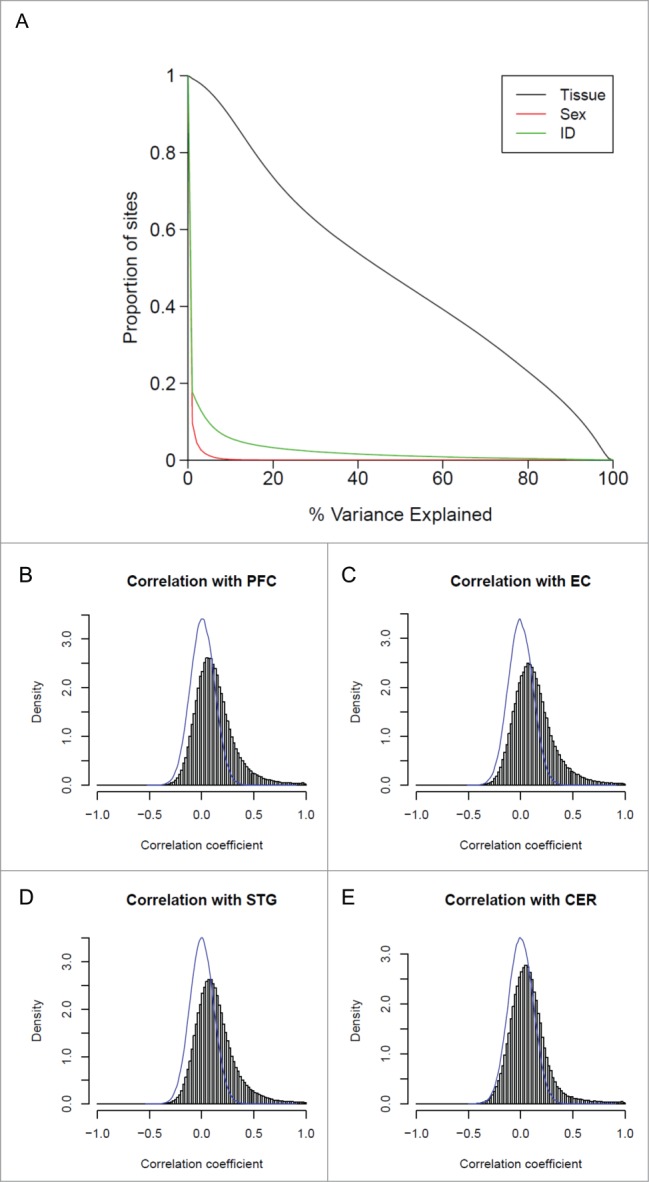
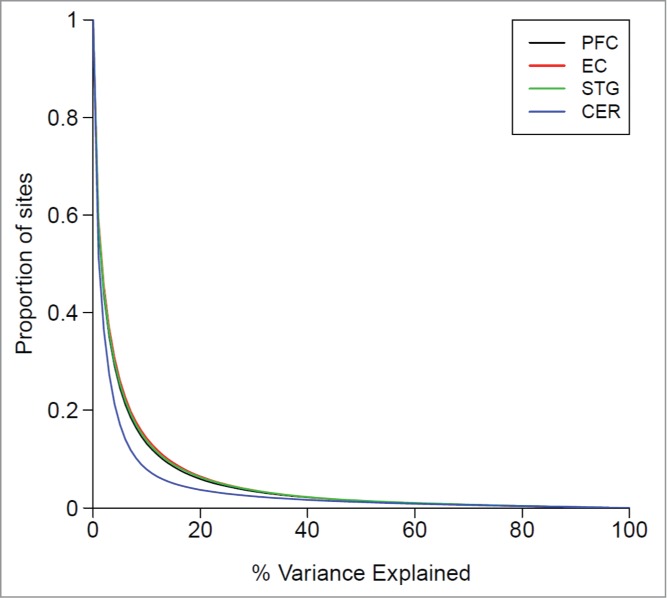
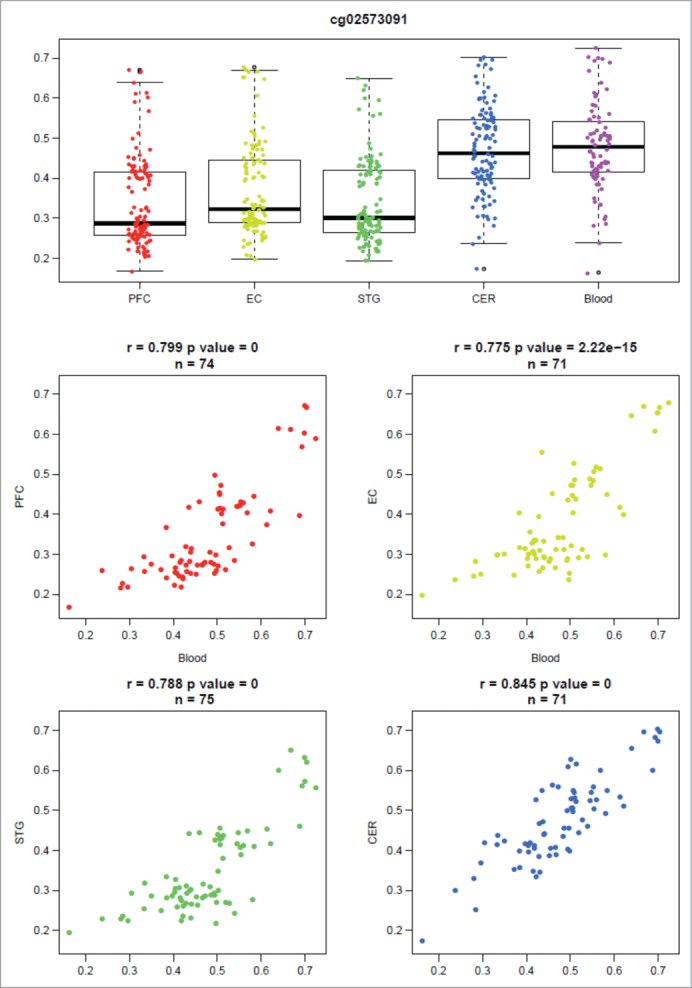
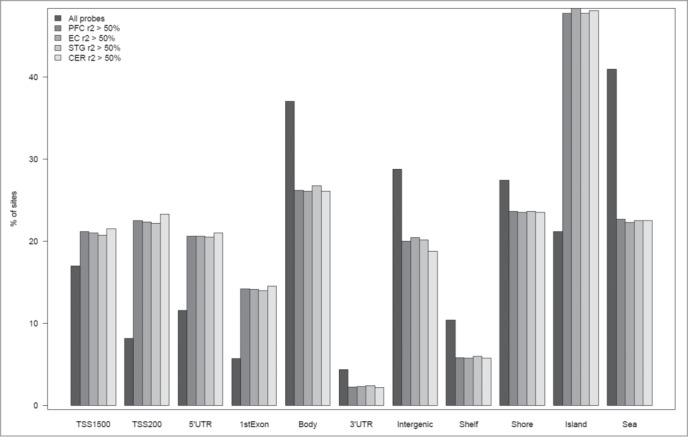
Verification
Claims the paper makes
The claims and statistics of this paper haven’t been checked yet.
Free: it reads the open-access text and checks the first 5 claims that cite a source we can check. Create a free account to check every claim.
Claims other papers make about this one
Each is checked against this paper’s own text: does it say what the citing paper says it does?
The source backs part of the claim, not all of it — or backs it for a different population, condition or comparison.
In the citing paper
“consistent with previous studies in AD that also found DNA methylation variations in the blood, by and large, did not recapitulate those in the brain [20, 22, 93].”
From Distinct sex-specific DNA methylation differences in Alzheimer’s disease (2022) · cites this paper as [93]
Experimental — accuracy not yet measuredThe cited source says what the claim attributes to it.
In the citing paper
“A key limitation of such epigenetic research as described above is nonetheless the tissue specificity of effects, which means that for only very limited sites scan congruent changes across tissues be expected (106, 107).”
From Epigenetic Modifications in Stress Response Genes Associated With Childhood Trauma (2019) · cites this paper as [106]
The cited source says what the claim attributes to it.
In the citing paper
“While we assessed methylation levels in whole blood, ECT is applied to the brain; both central and peripheral mechanisms may be affected by the global nature of the treatment and care should be taken with the interpretation of these findings65.”
From Methylome-wide change associated with response to electroconvulsive therapy in depressed patients (2021) · cites this paper as [65]
The cited source says what the claim attributes to it.
In the citing paper
“our study analyzed DNA methylation profiled in peripheral blood and therefore can provide only limited information about variation in the primary tissue associated with disease (Hannon et al., 2015).”
From DNA methylation meta-analysis reveals cellular alterations in psychosis and markers of treatment-resistant schizophrenia (2021) · cites this paper as Hannon et al., 2015
Self-check
Percentages, sums and reported differences re-computed from the paper’s own numbers.
The self-check needs the paper’s full text.
Citations
Cites
An integrated encyclopedia of DNA elements in the human genome
The ENCODE Project Consortium (2012) · Nature · doi:10.1038/nature11247 · Cited by 18,072
Bioconductor: open software development for computational biology and bioinformatics
Gentleman, R. C., Carey, V. J., Bates, D. M., Bolstad, B., Dettling, M., Dudoit, S., Ellis, B., Gautier, L., Ge, Y., Gentry, J., et al. (2004) · Genome Biology · doi:10.1186/gb-2004-5-10-r80 · Cited by 12,172 · cited 1×
“13.(33) Signal intensities were imported into R using the methylumi package.”
MethodIntegrative analysis of 111 reference human epigenomes
Roadmap Epigenomics Consortium, Kundaje, A., Meuleman, W., Ernst, J., Bilenky, M., Yen, A., Heravi-Moussavi, A., Kheradpour, P., Zhang, Z., Wang, J., et al. (2015) · Nature · doi:10.1038/nature14248 · Cited by 6,368
The Genotype-Tissue Expression (GTEx) pilot analysis: Multitissue gene regulation in humans
The GTEx Consortium, Ardlie, K. G., Deluca, D. S., Segrè, A. V., Sullivan, T. J., Young, T. R., Gelfand, E. T., Trowbridge, C. A., Maller, J. B., Tukiainen, T., et al. (2015) · Science · doi:10.1126/science.1262110 · Cited by 5,062
Mapping and analysis of chromatin state dynamics in nine human cell types
Ernst, J., Kheradpour, P., Mikkelsen, T. S., Shoresh, N., Ward, L. D., Epstein, C. B., Zhang, X., Wang, L., Issner, R., Coyne, M., et al. (2011) · Nature · doi:10.1038/nature09906 · Cited by 2,898
Irizarry, R. A., Ladd-Acosta, C., Wen, B., Wu, Z., Montano, C., Onyango, P., Cui, H., Gabo, K., Rongione, M., Webster, M., et al. (2009) · Nature Genetics · doi:10.1038/ng.298 · Cited by 2,177
Chen, Y.-A., Lemire, M., Choufani, S., Butcher, D. T., Grafodatskaya, D., Zanke, B. W., Gallinger, S., Hudson, T. J., & Weksberg, R. (2013) · Epigenetics · doi:10.4161/epi.23470 · Cited by 1,552
DNA methylation profiling of human chromosomes 6, 20 and 22
Eckhardt, F., Lewin, J., Cortese, R., Rakyan, V. K., Attwood, J., Burger, M., Burton, J., Cox, T. V., Davies, R., Down, T. A., et al. (2006) · Nature Genetics · doi:10.1038/ng1909 · Cited by 1,348
The human transcriptome across tissues and individuals
Melé, M., Ferreira, P. G., Reverter, F., DeLuca, D. S., Monlong, J., Sammeth, M., Young, T. R., Goldmann, J. M., Pervouchine, D. D., Sullivan, T. J., et al. (2015) · Science · doi:10.1126/science.aaa0355 · Cited by 1,304
Epigenome-wide association studies for common human diseases
Rakyan, V. K., Down, T. A., Balding, D. J., & Beck, S. (2011) · Nature Reviews Genetics · doi:10.1038/nrg3000 · Cited by 1,267
Research works printed but not linked: 1
- Davis S, Du P, Bilke S, Triche J, Bootwalla M Methylumi: Handle Illumina Methylation Data. R Package Version 2.14.0 2015
Cited by
Braun, P. R., Han, S., Hing, B., Nagahama, Y., Gaul, L. N., Heinzman, J. T., Grossbach, A. J., Close, L., Dlouhy, B. J., Howard, M. A., et al. (2019) · Translational Psychiatry · doi:10.1038/s41398-019-0376-y · Cited by 467
“Of the variable CpGs for each peripheral tissue (blood= 352,824, buccal= 427,048, and saliva= 485,203), with variability calculated as described by Hannon et al.16, 26.6% of the variable CpGs in blood, 20.4% in buccal, and 17.6% in saliva were nominally correlated.”
InfluentialFairchild, G., Hawes, D. J., Frick, P. J., Copeland, W. E., Odgers, C. L., Franke, B., Freitag, C. M., & De Brito, S. A. (2019) · Nature Reviews Disease Primers · doi:10.1038/s41572-019-0095-y · Cited by 387
DNA methylation in human diseases
Jin, Z., & Liu, Y. (2018) · Genes & Diseases · doi:10.1016/j.gendis.2018.01.002 · Cited by 403
Candidate biomarkers in psychiatric disorders: state of the field
Abi‐Dargham, A., Moeller, S. J., Ali, F., DeLorenzo, C., Domschke, K., Horga, G., Jutla, A., Kotov, R., Paulus, M. P., Rubio, J. M., et al. (2023) · World Psychiatry · doi:10.1002/wps.21078 · Cited by 372
Sieberts, S. K., Perumal, T. M., Carrasquillo, M. M., Allen, M., Reddy, J. S., Hoffman, G. E., Dang, K. K., Calley, J., Ebert, P. J., Eddy, J., et al. (2020) · Scientific Data · doi:10.1038/s41597-020-00642-8 · Cited by 318
Dunn, E. C., Soare, T. W., Zhu, Y., Simpkin, A. J., Suderman, M. J., Klengel, T., Smith, A. D. A. C., Ressler, K. J., & Relton, C. L. (2019) · Biological Psychiatry · doi:10.1016/j.biopsych.2018.12.023 · Cited by 315
Epigenetic Modifications in Stress Response Genes Associated With Childhood Trauma
Jiang, S., Postovit, L., Cattaneo, A., Binder, E. B., & Aitchison, K. J. (2019) · Frontiers in Psychiatry · doi:10.3389/fpsyt.2019.00808 · Cited by 288
“A key limitation of such epigenetic research as described above is nonetheless the tissue specificity of effects, which means that for only very limited sites scan congruent changes across tissues be expected (106, 107).”
BackgroundBiological embedding of experience: a primer on epigenetics
Aristizabal, M. J., Anreiter, I., Halldorsdottir, T., Odgers, C. L., McDade, T. W., Goldenberg, A., Mostafavi, S., Kobor, M. S., Binder, E. B., Sokolowski, M. B., et al. (2020) · Proceedings of the National Academy of Sciences · doi:10.1073/pnas.1820838116 · Cited by 268
The genetics of bipolar disorder
Gordovez, F. J. A., & McMahon, F. J. (2020) · Molecular Psychiatry · doi:10.1038/s41380-019-0634-7 · Cited by 262
BECon: a tool for interpreting DNA methylation findings from blood in the context of brain
Edgar, R. D., Jones, M. J., Meaney, M. J., Turecki, G., & Kobor, M. S. (2017) · Translational Psychiatry · doi:10.1038/tp.2017.171 · Cited by 261
“A) Percent of overlapping positively correlated informative CpGs in each of our brain regions and those regions used in the Hannon et al. (2015) data.”
BackgroundHoutepen, L. C., Vinkers, C. H., Carrillo-Roa, T., Hiemstra, M., van Lier, P. A., Meeus, W., Branje, S., Heim, C. M., Nemeroff, C. B., Mill, J., et al. (2016) · Nature Communications · doi:10.1038/ncomms10967 · Cited by 242
“For the identified KITLG methylation locus, we compared blood–brain correlation in a database containing 78 individuals (40–105 years old) described in more detail in a previous study 61 .”
MethodSelf-citationHannon, E., Knox, O., Sugden, K., Burrage, J., Wong, C. C. Y., Belsky, D. W., Corcoran, D. L., Arseneault, L., Moffitt, T. E., Caspi, A., et al. (2018) · PLOS Genetics · doi:10.1371/journal.pgen.1007544 · Cited by 207
Self-citationChildhood maltreatment and DNA methylation: A systematic review
Cecil, C. A. M., Zhang, Y., & Nolte, T. (2020) · Neuroscience & Biobehavioral Reviews · doi:10.1016/j.neubiorev.2020.02.019 · Cited by 169
Marzi, S. J., Sugden, K., Arseneault, L., Belsky, D. W., Burrage, J., Corcoran, D. L., Danese, A., Fisher, H. L., Hannon, E., Moffitt, T. E., et al. (2018) · American Journal of Psychiatry · doi:10.1176/appi.ajp.2017.17060693 · Cited by 163
“Comparisons of methylomic variation across blood and brain suggest that blood-based EWAS may yield limited information relating to underlying pathological processes for disorders where brain is the primary tissue of interest (59).”
BackgroundSelf-citationEpigenome-based cancer risk prediction: rationale, opportunities and challenges
on behalf of the FORECEE (4C) Consortium, Widschwendter, M., Jones, A., Evans, I., Reisel, D., Dillner, J., Sundström, K., Steyerberg, E. W., Vergouwe, Y., Wegwarth, O., et al. (2018) · Nature Reviews Clinical Oncology · doi:10.1038/nrclinonc.2018.30 · Cited by 160
Patterns of Reliability: Assessing the Reproducibility and Integrity of DNA Methylation Measurement
Sugden, K., Hannon, E. J., Arseneault, L., Belsky, D. W., Corcoran, D. L., Fisher, H. L., Houts, R. M., Kandaswamy, R., Moffitt, T. E., Poulton, R., et al. (2020) · Patterns · doi:10.1016/j.patter.2020.100014 · Cited by 151
“Previously, we evaluated the similarity of methylation levels between bloodDNA and DNA from four brain regions (prefrontal cortex, entorhinal cortex, superior temporal gyrus, and cerebellum) using the 450K BeadChip, and showed that only a small proportion of probes measured in blood correlate with methylation levels i…”
Self-citationHusquin, L. T., Rotival, M., Fagny, M., Quach, H., Zidane, N., McEwen, L. M., MacIsaac, J. L., Kobor, M. S., Aschard, H., Patin, E., et al. (2018) · Genome Biology · doi:10.1186/s13059-018-1601-3 · Cited by 149
“9 Because DNA methylation and meQTLs have been shown to be largely cell or tissue 1 dependent [23, 75-80], we next searched for the specific traits that account for the signals 2 detected at the parental category “immune system disorder”, given our focus on primary 3 monocytes.”
BackgroundZhang, L., Silva, T. C., Young, J. I., Gomez, L., Schmidt, M. A., Hamilton-Nelson, K. L., Kunkle, B. W., Chen, X., Martin, E. R., & Wang, L. (2020) · Nature Communications · doi:10.1038/s41467-020-19791-w · Cited by 139
Lauschke, V. M., Zhou, Y., & Ingelman‐Sundberg, M. (2019) · Pharmacology & Therapeutics · doi:10.1016/j.pharmthera.2019.01.002 · Cited by 148
Epigenetic programming of the neuroendocrine stress response by adult life stress
Dirven, B. C. J., Homberg, J. R., Kozicz, T., & Henckens, M. J. A. G. (2017) · Journal of Molecular Endocrinology · doi:10.1530/jme-17-0019 · Cited by 138
“Inter-individual variation in whole blood is not a strong predictor of inter-individual variation in the brain (Hannon et al. 2015), and epigenetic patterns vary”
BackgroundGundacker, C., Forsthuber, M., Szigeti, T., Kakucs, R., Mustieles, V., Fernandez, M. F., Bengtsen, E., Vogel, U., Hougaard, K. S., & Saber, A. T. (2021) · International Journal of Hygiene and Environmental Health · doi:10.1016/j.ijheh.2021.113855 · Cited by 135
Hannon, E., Dempster, E. L., Mansell, G., Burrage, J., Bass, N., Bohlken, M. M., Corvin, A., Curtis, C. J., Dempster, D., Di Forti, M., et al. (2021) · eLife · doi:10.7554/elife.58430 · Cited by 132
“…about mechanistic changes in the brain associated with psychosis, it is important to note that our study analyzed DNA methylation profiled in peripheral blood and therefore can provide only limited information about variation in the primary tissue associated with disease ( Hannon et al., 2015 ).”
Self-citationThe DNA Methylation in Neurological Diseases
Younesian, S., Yousefi, A., Momeny, M., Ghaffari, S. H., & Bashash, D. (2022) · Cells · doi:10.3390/cells11213439 · Cited by 153
Epigenetic Research in Neuropsychiatric Disorders: the “Tissue Issue”
Bakulski, K. M., Halladay, A., Hu, V. W., Mill, J., & Fallin, M. D. (2016) · Current Behavioral Neuroscience Reports · doi:10.1007/s40473-016-0083-4 · Cited by 127
Self-citationGassen, N. C., Chrousos, G. P., Binder, E. B., & Zannas, A. S. (2016) · Neuroscience & Biobehavioral Reviews · doi:10.1016/j.neubiorev.2016.06.003 · Cited by 140
“…implicated in the phenotype of interest. owever, select epigenetic signatures may show similar patterns cross multiple tissues (Capra, 2015; Hannon et al., 2015; Horvath, 013), suggesting that assessing these signatures in easily accesible tissues may hold promise as biomarkers for certain…”
BackgroundElevated polygenic burden for autism is associated with differential DNA methylation at birth
iPSYCH-Broad ASD Group, Hannon, E., Schendel, D., Ladd-Acosta, C., Grove, J., Hansen, C. S., Andrews, S. V., Hougaard, D. M., Bresnahan, M., Mors, O., et al. (2018) · Genome Medicine · doi:10.1186/s13073-018-0527-4 · Cited by 118
Self-citationA genomic atlas of systemic interindividual epigenetic variation in humans
Gunasekara, C., Scott, C. A., Laritsky, E., Baker, M. S., MacKay, H., Duryea, J., Kessler, N. J., Hellenthal, G., Wood, A. C., Hodges, K. R., et al. (2019) · Genome biology · doi:10.1186/s13059-019-1708-1 · Cited by 155
“Indeed, CoRSIVs are highly enriched for CpG sites previously shown to be highly correlated across four brain regions and blood [16] (odds ratio 16.”
BackgroundCattane, N., Richetto, J., & Cattaneo, A. (2020) · Neuroscience & Biobehavioral Reviews · doi:10.1016/j.neubiorev.2018.07.001 · Cited by 117
Epigenetics in eating disorders: a systematic review
Hübel, C., Marzi, S. J., Breen, G., & Bulik, C. M. (2019) · Molecular Psychiatry · doi:10.1038/s41380-018-0254-7 · Cited by 116
Bengston, S. E., Dahan, R. A., Donaldson, Z. R., Phelps, S. M., van Oers, K., Sih, A., & Bell, A. M. (2018) · Nature Ecology & Evolution · doi:10.1038/s41559-017-0411-4 · Cited by 123
Oxytocin pathways in the intergenerational transmission of maternal early life stress
Toepfer, P., Heim, C., Entringer, S., Binder, E., Wadhwa, P., & Buss, C. (2017) · Neuroscience & Biobehavioral Reviews · doi:10.1016/j.neubiorev.2016.12.026 · Cited by 113
“Epigenetic changes are highly tissue specific and only a subset of DNA methylation changes show cross-tissue correlation between peripheral tissues and the brain (Davies et al., 2012; Farré et al., 2015; Hannon et al., 2015).”
BackgroundOrigins of human disease: the chrono-epigenetic perspective
Oh, E. S., & Petronis, A. (2021) · Nature Reviews Genetics · doi:10.1038/s41576-021-00348-6 · Cited by 108
Case-control meta-analysis of blood DNA methylation and autism spectrum disorder
Andrews, S. V., Sheppard, B., Windham, G. C., Schieve, L. A., Schendel, D. E., Croen, L. A., Chopra, P., Alisch, R. S., Newschaffer, C. J., Warren, S. T., et al. (2018) · Molecular Autism · doi:10.1186/s13229-018-0224-6 · Cited by 101
the Traumatic Stress Brain Study Group, Logue, M. W., Miller, M. W., Wolf, E. J., Huber, B. R., Morrison, F. G., Zhou, Z., Zheng, Y., Smith, A. K., Daskalakis, N. P., et al. (2020) · Clinical Epigenetics · doi:10.1186/s13148-020-0820-0 · Cited by 112
Emerging Role of Epigenetic Mechanisms in Alcohol Addiction
Berkel, T. D. M., & Pandey, S. C. (2017) · Alcoholism: Clinical and Experimental Research · doi:10.1111/acer.13338 · Cited by 101
“…methylation signatures in brain regions relative to blood samples and concluded that blood-based studies offered limited value beyond the cortex (Hannon et al., 2015), several other studies have reported significant similarity in interindividual variation between blood samples and distinct…”
Peng, H., Zhu, Y., Strachan, E., Fowler, E., Bacus, T., Roy-Byrne, P., Goldberg, J., Vaccarino, V., & Zhao, J. (2018) · Psychosomatic Medicine · doi:10.1097/psy.0000000000000604 · Cited by 99
study, T. A. I. B. A. L., Nabais, M. F., Initiative, T. A. D. N., Laws, S. M., Lin, T., Vallerga, C. L., Armstrong, N. J., Blair, I. P., Kwok, J. B., Mather, K. A., et al. (2021) · Genome Biology · doi:10.1186/s13059-021-02275-5 · Cited by 99
Self-citationVasanthakumar, A., Davis, J. W., Idler, K., Waring, J. F., Asque, E., Riley-Gillis, B., Grosskurth, S., Srivastava, G., Kim, S., Nho, K., et al. (2020) · Clinical Epigenetics · doi:10.1186/s13148-020-00864-y · Cited by 98
“These studies have suggested that even though many of the DMPs were associated with differentially expressed transcripts, blood-based epigenome-wide association studies from methylation arrays may not correlate with disease etiology [25].”
BackgroundEpigenetic Basis of Lead-Induced Neurological Disorders
Wang, T., Zhang, J., & Xu, Y. (2020) · International Journal of Environmental Research and Public Health · doi:10.3390/ijerph17134878 · Cited by 111
“They concluded that, for the majority of methylation sites, interindividual variation in whole blood is not a strong predictor of cases in the brain, but still, the utility of blood-based EWAS to identify epigenetic markers of disease should not be discounted [45].”
BackgroundWu, S., Hivert, M., Cárdenas, A., Zhong, J., Rifas‐Shiman, S. L., Agha, G., Colicino, E., Just, A. C., Amarasiriwardena, C. J., Lin, X., et al. (2017) · Environmental Health Perspectives · doi:10.1289/ehp1246 · Cited by 104
“…DNA methylation correlations for top loci based on an independent sample dominated by adult females (the female:male ratio was approximately 2:1) (Hannon et al. 2015) and found that blood DNA methylation at the cg24637308 locus (DNHD1) was highly correlated with methylation at the same locus in…”
BackgroundNeuropeptide Y (NPY) and posttraumatic stress disorder (PTSD): A translational update
Schmeltzer, S. N., Herman, J. P., & Sah, R. (2016) · Experimental Neurology · doi:10.1016/j.expneurol.2016.06.020 · Cited by 110
“Differential NPY expression among brain regions may arise from variances in posttranscriptional processing or differences in epigenetic DNA modifications among brain regions (Hannon et al., 2015).”
Murphy, T. M., Crawford, B., Dempster, E. L., Hannon, E., Burrage, J., Turecki, G., Kaminsky, Z., & Mill, J. (2017) · Translational Psychiatry · doi:10.1038/tp.2016.249 · Cited by 92
Self-citationMeta-analysis of epigenome-wide association studies of cognitive abilities
Marioni, R. E., McRae, A. F., Bressler, J., Colicino, E., Hannon, E., Li, S., Prada, D., Smith, J. A., Trevisi, L., Tsai, P.-C., et al. (2018) · Molecular Psychiatry · doi:10.1038/s41380-017-0008-y · Cited by 88
“In epidemiological studies, the most likely candidate is blood, which, although its methylation patterns are often dissimilar to those in the brain [18, 19], they have still been linked to mental health traits Marioni et al.”
BackgroundMethodSelf-citationSnijders, C., Maihofer, A. X., Ratanatharathorn, A. D., Baker, D. G., Boks, M. P., Geuze, E., Jain, S., Kessler, R. C., Pishva, E., Risbrough, V. B., et al. (2020) · Clinical Epigenetics · doi:10.1186/s13148-019-0798-7 · Cited by 99
DNA methylation in human sperm: a systematic review
Åsenius, F., Danson, A. F., & Marzi, S. J. (2020) · Human Reproduction Update · doi:10.1093/humupd/dmaa025 · Cited by 91
Linking environmental risk factors with epigenetic mechanisms in Parkinson’s disease
Tsalenchuk, M., Gentleman, S., & Marzi, S. J. (2023) · npj Parkinson s Disease · doi:10.1038/s41531-023-00568-z · Cited by 105
“Evidence has indicated that epigenetic marks are not generally transferable from blood or saliva to disease-relevant cell types, necessitating brain-speci fi c studies of PD 117,156,157 .”
BackgroundSharp, G. C., Arathimos, R., Reese, S. E., Page, C. M., Felix, J. F., Küpers, L. K., Rifas‐Shiman, S. L., Liu, C., The Cohorts for Heart and Aging Research in Genomic Epidemiology plus (CHARGE +) methylation alcohol working group, Burrows, K., et al. (2017) · Epigenomics · doi:10.2217/epi-2017-0095 · Cited by 92
Establishing a generalized polyepigenetic biomarker for tobacco smoking
Sugden, K., Hannon, E. J., Arseneault, L., Belsky, D. W., Broadbent, J. M., Corcoran, D. L., Hancox, R. J., Houts, R. M., Moffitt, T. E., Poulton, R., et al. (2019) · Translational Psychiatry · doi:10.1038/s41398-019-0430-9 · Cited by 86
Self-citationGluck, C. A., Qiu, C., Han, S. Y., Palmer, M., Park, J., Ko, Y.-A., Guan, Y., Sheng, X., Hanson, R. L., Huang, J. Y., et al. (2019) · Nature Communications · doi:10.1038/s41467-019-10378-8 · Cited by 92
Principles and Challenges of Applying Epigenetic Epidemiology to Psychology
Jones, M. J., Moore, S. R., & Kobor, M. S. (2018) · Annual Review of Psychology · doi:10.1146/annurev-psych-122414-033653 · Cited by 84
Ovenden, E. S., McGregor, N. W., Emsley, R. A., & Warnich, L. (2017) · Progress in Neuro-Psychopharmacology and Biological Psychiatry · doi:10.1016/j.pnpbp.2017.10.004 · Cited by 94
“In a recent EWAS by Hannon et al. (2015), genome-wide methylation levels in whole blood and several brain regions from 122 individuals were assessed.”
Matosin, N., Cruceanu, C., & Binder, E. B. (2017) · Chronic Stress · doi:10.1177/2470547017710764 · Cited by 83
Cross-tissue integration of genetic and epigenetic data offers insight into autism spectrum disorder
Andrews, S. V., Ellis, S., Bakulski, K. M., Sheppard, B. K., Croen, L., Hertz‐Picciotto, I., Newschaffer, C. J., Feinberg, A. P., Arking, D. E., Ladd‐Acosta, C., et al. (2017) · Nature Communications · doi:10.1038/s41467-017-00868-y · Cited by 86
King, L., Robins, S., Chen, G., Yerko, V., Zhou, Y., Nagy, C., Feeley, N., Gold, I., Hayton, B. C., Turecki, G., et al. (2017) · Hormones and Behavior · doi:10.1016/j.yhbeh.2017.09.006 · Cited by 86
Genomewide DNA methylation analysis in combat veterans reveals a novel locus for PTSD
Mehta, D., Bruenig, D., Carrillo‐Roa, T., Lawford, B., Harvey, W., Morris, C. P., Smith, A. K., Binder, E. B., Young, R. M., & Voisey, J. (2017) · Acta Psychiatrica Scandinavica · doi:10.1111/acps.12778 · Cited by 78
“Nevertheless, for the DOCK2 CpG site, using a public data set, we observed a high concordance in DNA methylation from blood and brain regions (64).”
BackgroundMethodDNA Hypomethylation in Blood Links B3GALT4 and ZADH2 to Alzheimer’s Disease
Madrid, A., Hogan, K. J., Papale, L. A., Clark, L. R., Asthana, S., Johnson, S. C., & Alisch, R. S. (2018) · Journal of Alzheimer’s Disease · doi:10.3233/jad-180592 · Cited by 77
“With regard to the ZADH2 locus, 4 of the 5 DMPs that we report were compared with data from the 450 K array used to generate the BECon analysis and the Blood Brain DNA Methylation Comparison Tool [47, 48].”
Nishitani, S., Isozaki, M., Yao, A., Higashino, Y., Yamauchi, T., Kidoguchi, M., Kawajiri, S., Tsunetoshi, K., Neish, H., Imoto, H., et al. (2023) · Translational Psychiatry · doi:10.1038/s41398-023-02370-0 · Cited by 93
“The total number of probes and samples for GSE59685 and GSE95049 was 437 649 and 67 for brain tissues (PFC, EC, STG, and CER) and blood, and 444 283 and 15 samples of brain tissues (BA10, BA20, and BA7) and blood, respectively.”
BackgroundMethodResultInfluentialCardenas, A., Faleschini, S., Cortes Hidalgo, A., Rifas-Shiman, S. L., Baccarelli, A. A., DeMeo, D. L., Litonjua, A. A., Neumann, A., Felix, J. F., Jaddoe, V. W. V., et al. (2019) · Clinical Epigenetics · doi:10.1186/s13148-019-0653-x · Cited by 73
Islam, S. A., Goodman, S. J., MacIsaac, J. L., Obradović, J., Barr, R. G., Boyce, W. T., & Kobor, M. S. (2019) · Epigenetics & Chromatin · doi:10.1186/s13072-018-0245-6 · Cited by 71
Epigenomic signatures reveal mechanistic clues and predictive markers for autism spectrum disorder
LaSalle, J. M. (2023) · Molecular Psychiatry · doi:10.1038/s41380-022-01917-9 · Cited by 91
“…from whole blood matched to 4 brain regions (prefrontal cortex, entorhinal cortex, superior temporal gyrus, and cerebellum) from 122 typically developing individuals, concluding that interindividual variation in whole blood was not a strong predictor of interindividual variation in the brain [88].”
BackgroundDNA methylation signatures in panic disorder
Iurato, S., Carrillo-Roa, T., Arloth, J., Czamara, D., Diener-Hölzl, L., Lange, J., Müller-Myhsok, B., Binder, E. B., & Erhardt, A. (2017) · Translational Psychiatry · doi:10.1038/s41398-017-0026-1 · Cited by 70
“From the left: whole sample ( P = 0.980), males only ( P = 0.835), and females only ( P = 0.964) cerebellum) in a linear regression model using a publicly available data set 16 (Supplementary Fig.”
BackgroundMethodInfluentialKumsta, R., Marzi, S. J., Viana, J., Dempster, E. L., Crawford, B., Rutter, M., Mill, J., & Sonuga-Barke, E. J. S. (2016) · Translational Psychiatry · doi:10.1038/tp.2016.95 · Cited by 70
Self-citationEpigenome-wide association study of depression symptomatology in elderly monozygotic twins
Starnawska, A., Tan, Q., Soerensen, M., McGue, M. K., Mors, O. N., Børglum, A. D., Christensen, K., Nyegaard, M., & Christiansen, L. (2019) · Translational Psychiatry · doi:10.1038/s41398-019-0548-9 · Cited by 72
Chen, J., Zang, Z., Braun, U., Schwarz, K., Harneit, A., Kremer, T., Ma, R., Schweiger, J., Moessnang, C., Geiger, L., et al. (2020) · JAMA Psychiatry · doi:10.1001/jamapsychiatry.2019.4792 · Cited by 69
Cecil, C. A. M., & Nigg, J. T. (2022) · Molecular Diagnosis & Therapy · doi:10.1007/s40291-022-00609-y · Cited by 87
Hillary, R. F., McCartney, D. L., Bernabeu, E., Gadd, D. A., Gadd, D. A., Chybowska, A. D., Smith, H. M., Murphy, L., Wrobel, N., Campbell, A., et al. (2023) · PLoS Medicine · doi:10.1371/journal.pmed.1004247 · Cited by 78
DNA methylation signatures of educational attainment
van Dongen, J., Bonder, M. J., Dekkers, K. F., Nivard, M. G., van Iterson, M., Willemsen, G. A. H. M., Beekman, M., van der Spek, A., van Meurs, J. B. J., Franke, L., et al. (2018) · npj Science of Learning · doi:10.1038/s41539-018-0020-2 · Cited by 77
“Finally, to enable inferences about the implications of our findings to brain biology, we employ previously published methylomic datasets to study the variation displayed by education-associated CpGs across foetal brain development(46) and the correlation of their methylation levels between blood and brain tissue.(47)”
MethodBreastfeeding effects on DNA methylation in the offspring: A systematic literature review
Hartwig, F. P., de Mola, C. L., Davies, N. M., Victora, C. G., & Relton, C. L. (2017) · PLoS ONE · doi:10.1371/journal.pone.0173070 · Cited by 84
Jokinen, J., Boström, A. E., Dadfar, A., Ciuculete, D. M., Chatzittofis, A., Åsberg, M., & Schiöth, H. B. (2018) · EBioMedicine · doi:10.1016/j.ebiom.2017.12.018 · Cited by 67
“Whole blood and brain samples were collected using the Infinium HumanMethylation450 BeadChip, in a study described in more details elsewhere (Hannon et al., 2015).”
MethodMaternal anxiety during pregnancy and newborn epigenome-wide DNA methylation
Sammallahti, S., Hidalgo, A. P. C., Tuominen, S., Malmberg, A., Mulder, R. H., Brunst, K. J., Alemany, S., McBride, N., Yousefi, P., Heiss, J. A., et al. (2021) · Molecular Psychiatry · doi:10.1038/s41380-020-00976-0 · Cited by 80
Identical twins carry a persistent epigenetic signature of early genome programming
van Dongen, J., Gordon, S. D., McRae, A. F., Odintsova, V. V., Mbarek, H., Breeze, C. E., Sugden, K., Lundgren, S., Fernandez, J. C., Hannon, E. J., et al. (2021) · Nature Communications · doi:10.1038/s41467-021-25583-7 · Cited by 68
Self-citationHannon, E. J., Mansell, G., Walker, E., Nabais, M. F., Burrage, J., Kepa, A., Best-Lane, J., Rose, A., Heck, S., Moffitt, T. E., et al. (2021) · PLoS Genetics · doi:10.1371/journal.pgen.1009443 · Cited by 68
Self-citationLussier, A. A., Zhu, Y., Smith, B. J., Cerutti, J., Fisher, J., Melton, P. E., Wood, N. M., Cohen‐Woods, S., Huang, R., Mitchell, C. M., et al. (2023) · The Lancet Child & Adolescent Health · doi:10.1016/s2352-4642(23)00127-x · Cited by 80
“Most loci (28/41) had weak, positive brain-blood correlations in individuals without exposure to adversity (28/41 positive; ravg=0.10; 10 with p<0.05; Table S6; Figure S6)(31), suggesting adversity-associated differences in blood DNAm could be reflected in the central nervous system.”
BackgroundInfluentialGrünblatt, E., Marinova, Z., Roth, A., Gardini, E., Ball, J., Geissler, J. M., Wojdacz, T. K., Romanos, M., & Walitza, S. (2017) · Journal of Psychiatric Research · doi:10.1016/j.jpsychires.2017.10.010 · Cited by 68
“Tissue methylation specificity is supported by the data from the Complex Disease Epigenetics Group, as observed for the CpG site cg03363743, included in our MS-HRM analysis (Suppl.”
BackgroundEpigenome-wide association study of DNA methylation in panic disorder
Shimada-Sugimoto, M., Otowa, T., Miyagawa, T., Umekage, T., Kawamura, Y., Bundo, M., Iwamoto, K., Tochigi, M., Kasai, K., Kaiya, H., et al. (2017) · Clinical Epigenetics · doi:10.1186/s13148-016-0307-1 · Cited by 61
Alavian-Ghavanini, A., Lin, P.-I., Lind, P. M., Risén Rimfors, S., Halin Lejonklou, M., Dunder, L., Tang, M., Lindh, C., Bornehag, C.-G., & Rüegg, J. (2018) · Scientific Reports · doi:10.1038/s41598-018-29732-9 · Cited by 61
Kumsta, R. (2019) · Psychology and Psychotherapy: Theory, Research and Practice · doi:10.1111/papt.12227 · Cited by 60
Unravelling the role of epigenetics in reproductive adaptations to early-life environment
Bar-Sadeh, B., Rudnizky, S., Pnueli, L., Bentley, G. R., Stöger, R. J., Kaplan, A., & Melamed, P. (2020) · Nature Reviews Endocrinology · doi:10.1038/s41574-020-0370-8 · Cited by 65
Felix, J. F., & Cecil, C. A. M. (2018) · Journal of Developmental Origins of Health and Disease · doi:10.1017/s2040174418000442 · Cited by 67
Jia, T., Chu, C., Liu, Y., van Dongen, J., Papastergios, E., Armstrong, N. J., Bastin, M. E., Carrillo-Roa, T., den Braber, A., Harris, M., et al. (2021) · Molecular Psychiatry · doi:10.1038/s41380-019-0605-z · Cited by 56
DNA Methylation and Schizophrenia: Current Literature and Future Perspective
Magwai, T., Shangase, K. B., Oginga, F. O., Chiliza, B., Mpofana, T., & Xulu, K. R. (2021) · Cells · doi:10.3390/cells10112890 · Cited by 87
Characterization of cross-tissue genetic-epigenetic effects and their patterns in schizophrenia
Lin, D., Chen, J., Perrone‐Bizzozero, N. I., Bustillo, J., Du, Y., Calhoun, V. D., & Liu, J. (2018) · Genome Medicine · doi:10.1186/s13073-018-0519-4 · Cited by 67
Epigenome-wide Association Study of Attention-Deficit/Hyperactivity Disorder Symptoms in Adults
van Dongen, J., Zilhão, N. R., Sugden, K., Heijmans, B. T., ’t Hoen, P. A. C., van Meurs, J., Isaacs, A., Jansen, R., Franke, L., Boomsma, D. I., et al. (2019) · Biological Psychiatry · doi:10.1016/j.biopsych.2019.02.016 · Cited by 57
“In follow-up analyses, previously published datasets were used to test if DNA methylation level at top DMPs and at CpGs within significant DMRs were associated with whole-blood gene expression level in cis (55) and with whole-blood mQTLs (55) and to examine the correlation between DNA methylation in blood and four bra…”
Self-citationMissing heritability in Parkinson’s disease: the emerging role of non-coding genetic variation
Ohnmacht, J., May, P., Sinkkonen, L., & Krüger, R. (2020) · Journal of Neural Transmission · doi:10.1007/s00702-020-02184-0 · Cited by 66
“It is important to note that DNAm is generally a consequence of cell type-specific gene regulatory processes.”
ResultInfluentialMohandas, N., Bass-Stringer, S., Maksimovic, J., Crompton, K. E., Loke, Y. J., Walstab, J., Reid, S. M., Amor, D. J., Reddihough, D. S., & Craig, J. M. (2018) · Clinical Epigenetics · doi:10.1186/s13148-018-0457-4 · Cited by 63
“Studies have also shown the inconsistencies in DNA methylation markers from the blood in predicting brain DNA methylation status [27, 106].”
BackgroundKonwar, C., Price, E. M., Wang, L. Q., Wilson, S. L., Terry, J., & Robinson, W. P. (2018) · Epigenetics & Chromatin · doi:10.1186/s13072-018-0234-9 · Cited by 59
“DNAm patterns vary widely by tissue type [57, 58].”
BackgroundEpigenetics of alcohol use disorder—A review of recent advances in DNA methylation profiling
Longley, M. J., Lee, J., Jung, J., & Lohoff, F. W. (2021) · Addiction Biology · doi:10.1111/adb.13006 · Cited by 66
Peltzer, P. M., Lajmanovích, R. C., Martinuzzi, C. S., Attademo, A. M., Curi, L. M., & Sandoval, M. T. (2019) · The Science of The Total Environment · doi:10.1016/j.scitotenv.2019.05.275 · Cited by 58
Biological correlates of early life stressful events in major depressive disorder
Silva, R. C., Maffioletti, E., Gennarelli, M., Baune, B. T., & Minelli, A. (2021) · Psychoneuroendocrinology · doi:10.1016/j.psyneuen.2020.105103 · Cited by 52
Winsvold, B. S., Palta, P., Eising, E., Page, C. M., van den Maagdenberg, A. M. J. M., Palotie, A. V., & Zwart, J. (2017) · Cephalalgia · doi:10.1177/0333102417690111 · Cited by 57
From Genetics to Epigenetics: New Perspectives in Tourette Syndrome Research
Pagliaroli, L., Vető, B., Arányi, T., & Barta, C. (2016) · Frontiers in Neuroscience · doi:10.3389/fnins.2016.00277 · Cited by 53
Cell Types in Environmental Epigenetic Studies: Biological and Epidemiological Frameworks
Campbell, K. A., Colacino, J. A., Park, S. K., & Bakulski, K. M. (2020) · Current Environmental Health Reports · doi:10.1007/s40572-020-00287-0 · Cited by 60
Klein, H.-U., Bennett, D. A., & De Jager, P. L. (2016) · Acta Neuropathologica · doi:10.1007/s00401-016-1612-7 · Cited by 49
“A recent study in a modest number of samples reported that paired brain and blood profiles from the same subjects are largely not correlated [25].”
BackgroundMethylDetectR: a software for methylation-based health profiling
Hillary, R. F., & Marioni, R. E. (2020) · Wellcome Open Research · doi:10.12688/wellcomeopenres.16458.2 · Cited by 68
Epigenetic and integrative cross-omics analyses of cerebral white matter hyperintensities on MRI
Yang, Y., Knol, M. J., Wang, R., Mishra, A., Liu, D., Luciano, M., Teumer, A., Armstrong, N. J., Bis, J. C., Jhun, M. A., et al. (2022) · Brain · doi:10.1093/brain/awac290 · Cited by 58
“56 For CpGs with significant correlation ( P 0.05) between blood and prefrontal cortex, we tested the posterior probabilities for full co-localization (PPFC) that multiple traits (DNAm, gene expression and WMH burden) share causal variants at each locus, given the data.”
InfluentialKobayashi, T., Ishida, K., & Yoshie, H. (2016) · Archives of Oral Biology · doi:10.1016/j.archoralbio.2016.05.018 · Cited by 67
Boks, M. P., Houtepen, L. C., Xu, Z., He, Y., Ursini, G., Maihofer, A. X., Rajarajan, P., Yu, Q., Xu, H., Wu, Y., et al. (2018) · Schizophrenia · doi:10.1038/s41537-018-0058-4 · Cited by 46
“In the postmortem brains, we identified 69 SNPs on chromosome 16 with highly significant associations with DUSP22 methylation, which included previously reported mQTLs in blood(17) and brain.(16) This interaction between the DUSP22 DMR on chromosome 6 and the SNPs on chromosome 16 (Chr16:34190042-46441560) is consiste…”
ResultGenome-wide DNA methylation profiling with MeDIP-seq using archived dried blood spots
Staunstrup, N. H., Starnawska, A., Nyegaard, M., Christiansen, L., Nielsen, A. L., Børglum, A. D., & Mors, O. N. (2016) · Clinical Epigenetics · doi:10.1186/s13148-016-0242-1 · Cited by 46
Gadd, D. A., Hillary, R. F., McCartney, D. L., Shi, L., Stolicyn, A., Robertson, N., Walker, R. M., McGeachan, R. I., Campbell, A., Shen, X., et al. (2022) · Nature Communications · doi:10.1038/s41467-022-32319-8 · Cited by 48
Gunasekara, C., MacKay, H., Scott, C. A., Li, S., Laritsky, E., Baker, M. S., Grimm, S. L., Jun, G., Li, Y., Chen, R., et al. (2023) · Genome biology · doi:10.1186/s13059-022-02827-3 · Cited by 50
“As DNA methylation in the cerebellum often differs from that in other brain regions [39], including cerebellum in this analysis resulted in a minor cerebellum cluster (Additional file 1: Fig.”
BackgroundResult
Metadata
- Authors
- Hannon, E., Lunnon, K., Schalkwyk, L., & Mill, J.
- Affiliations
- University of Exeter (GB)
- University of Essex (GB)
- King's College London (GB)
- Corresponding author
- Mill, Jonathan
- Venue
- Epigenetics
- Publisher
- Informa UK Limited
- Published
- 2015-10-12
- Volume
- 10
- Issue
- 11
- Pages
- 1024-1032
- ISSN
- 1559-2294 (ISSN-L)
- 1559-2308
- PMC
- PMC4844197
- OpenAlex
- W2161857374
- Cited by
- 455
- References
- 35
- Citations by year
- 2026: 30 · 2025: 26 · 2024: 30 · 2023: 49 · 2022: 51 · 2021: 51 · 2020: 63 · 2019: 45 · 2018: 50 · 2017: 42 · 2016: 17
- FWCI
- 15.78
- Type
- journal article
- Language
- en
- Open access
- hybrid
- doi.org
- Licence
- cc-by
- Locations
- Epigenetics (publishedVersion, cc-by)
- PubMed Central (publishedVersion, cc-by)
- PubMed (publishedVersion)
- Open Access at Essex (University of Essex) (acceptedVersion)
- Figshare (submittedVersion)
- Open Research Exeter (University of Exeter) (submittedVersion, cc-by)
- Funders
- Medical Research Council (MR/K013807/1)
- National Institute on Aging (R01AG036039)
- Topics
- Life Sciences › Biochemistry, Genetics and Molecular Biology › Molecular Biology › Epigenetics and DNA Methylation
- Life Sciences › Biochemistry, Genetics and Molecular Biology › Genetics › Genetic Associations and Epidemiology
- Life Sciences › Biochemistry, Genetics and Molecular Biology › Molecular Biology › Genomics and Chromatin Dynamics
- Keywords
- DNA methylation, brain regions, prefrontal cortex, entorhinal cortex, superior temporal gyrus, cerebellum, disease biomarkers, neuropsychiatric phenotypes
- MeSH terms
- Mental Disorders, Cerebellum, DNA, Female, Humans, Male, Nervous System Diseases, Phenotype, Temporal Lobe, Genetic Variation, Genome, Human, Prefrontal Cortex, Entorhinal Cortex, DNA Methylation, Databases, Genetic, Epigenesis, Genetic, Epigenomics
About these checks
Registry, retraction, Cites and statistics results are computed, not judged, with one exception: a printed reference that no index lists is read once by a model before it counts as a citation error. Claims are extracted by a model and kept only when their quote appears verbatim in the text; each cited source is then checked, with a model’s help, for whether it says what the claim relies on. Those verdicts can be wrong — read the claim’s quote and the cited source before relying on one.
Statistics and arithmetic are recomputed, not judged.
Confidence bands are shown only for fields calibrated on our annotated test set. None is calibrated yet, so no band is shown.
What counts as a claim ›How we measure confidence ›How we check this ›
Are you an author, or do you see a problem with this page? Request a review
Data sources
Bibliographic data: Semantic Scholar, OpenAlex, Crossref.
Contains information from the Semantic Scholar Academic Graph Datasets, made available under the ODC Attribution License (ODC-BY 1.0).
Semantic Scholar’s data is described in: Kinney, R., et al. (2023). The Semantic Scholar Open Data Platform. arXiv:2301.10140.
