

Lactic acid bacteria and bifidobacteria deliberately introduced into the agro-food chain do not significantly increase the antimicrobial resistance gene pool
Open accessThe DOI matches its Crossref record; 76 of the 76 references it cites were found in a registry or an index.
Abstract
Lactic acid bacteria (LAB) and bifidobacteria may serve as reservoirs of antimicrobial resistance, but the risk posed by strains intentionally introduced into the agro-food chain has not yet been thoroughly investigated. The aim of our study was to evaluate whether probiotics, starter and protective cultures, and feed additives represent a risk to human health. In addition to commercial strains of LAB and bifidobacteria, isolates from human milk or colostrum, intestinal mucosa or feces, and fermented products were analyzed. Phenotypic susceptibility data of 474 strains showed that antimicrobial resistance was more common in intestinal isolates than in commercial strains. Antimicrobial resistance genes (ARGs) and mobile genetic elements (MGEs) were characterized in the whole genome sequences of 1114 strains using comparative genomics. Intrinsic ARGs were abundant in enterococci, bifidobacteria, and lactococci but were considered non-risky due to the absence of MGEs. The results revealed that 13.8% of commercial strains contained acquired ARGs, most frequently for tetracycline. We associated 75.5% of the acquired ARGs with known or novel MGEs, and their potential for transmission was assessed by examining metagenomic sequences. We confirmed that ARGs and MGEs were not as abundant or diverse in commercial strains as in human intestinal isolates or isolates from human milk, suggesting that strains intentionally introduced into the agro-food chain do not pose a significant threat. However, attention should be paid especially to individual probiotic strains containing elements that have been shown to have high potential for transferability in the gut microbiota.Abbreviations: ARG, antimicrobial resistance gene; ICE, integrative and conjugative element; IME, integrative and mobilizable element; LAB, lactic acid bacteria; MDR, multidrug resistance; MIC, minimum inhibitory concentration; MGE, mobile genetic element; TRRPP, tetracycline-resistant ribosomal protection protein; WGS, whole genome sequences
Overview
The claims and statistics of this paper haven’t been checked yet.
Free: it reads the open-access text and checks the first 5 claims that cite a source we can check. Create a free account to check every claim.
Integrity signals
Registry
Cites
Statistics
Figures
Verification
Claims the paper makes
The claims and statistics of this paper haven’t been checked yet.
Free: it reads the open-access text and checks the first 5 claims that cite a source we can check. Create a free account to check every claim.
Claims other papers make about this one
Each is checked against this paper’s own text: does it say what the citing paper says it does?
The cited source says what the claim attributes to it.
In the citing paper
“These results are highly consistent with data from previous studies on bacterial isolates (Campedelli et al., 2018; Duranti et al., 2017; Rozman et al., 2022; Rozman, Mohar Lorbeg, Treven, et al., 2023).”
From Exploring the resistome of probiotics, starter cultures, and cheeses via metagenomic analysis (2025) · cites this paper as Rozman et al., 2022
The cited source says what the claim attributes to it.
In the citing paper
“Notably, several of these ARGs were previously associated with different MGEs (Rozman et al., 2022).”
From Exploring the resistome of probiotics, starter cultures, and cheeses via metagenomic analysis (2025) · cites this paper as Rozman et al., 2022
The cited source says what the claim attributes to it.
In the citing paper
“In our recent study, we showed that mobile ARGs were not as abundant in the whole-genome sequences of probiotics and starter cul tures as in the genomes of lactic acid bacteria and bifidobacteria from human intestines or from human milk (Rozman et al., 2022).”
From Exploring the resistome of probiotics, starter cultures, and cheeses via metagenomic analysis (2025) · cites this paper as Rozman et al., 2022
Self-check
Percentages, sums and reported differences re-computed from the paper’s own numbers.
The self-check needs the paper’s full text.
Citations
Cites
Trimmomatic: a flexible trimmer for Illumina sequence data
Bolger, A. M., Lohse, M., & Usadel, B. (2014) · Bioinformatics · doi:10.1093/bioinformatics/btu170 · Cited by 65,548
The Sequence Alignment/Map format and SAMtools
Li, H., Handsaker, B., Wysoker, A., Fennell, T., Ruan, J., Homer, N., Marth, G., Abecasis, G., Durbin, R., & 1000 Genome Project Data Processing Subgroup (2009) · Bioinformatics · doi:10.1093/bioinformatics/btp352 · Cited by 62,041 · cited 1×
“7).(74) Their presence in the metagenomes was screened with a custom script based on BLAST (similarity ≥ 90%, coverage ≥ 80%).”
MethodFast gapped-read alignment with Bowtie 2
Langmead, B., & Salzberg, S. L. (2012) · Nature Methods · doi:10.1038/nmeth.1923 · Cited by 56,400 · cited 1×
“1.(72) Reads were assembled de novo using metaSPAdes 3.”
MethodBLAST+: architecture and applications
Camacho, C., Coulouris, G., Avagyan, V., Ma, N., Papadopoulos, J., Bealer, K., & Madden, T. L. (2009) · BMC Bioinformatics · doi:10.1186/1471-2105-10-421 · Cited by 22,074 · cited 1×
“Sequencing was done at Microsynth AG (Switzerland) and the 16S rDNA sequences were analyzed using the BLAST algorithm.(58)”
MethodMagiorakos, A.-P., Srinivasan, A., Carey, R. B., Carmeli, Y., Falagas, M. E., Giske, C. G., Harbarth, S., Hindler, J. F., Kahlmeter, G., Olsson-Liljequist, B., et al. (2012) · Clinical Microbiology and Infection · doi:10.1111/j.1469-0691.2011.03570.x · Cited by 14,449
International Organization for Standardization
(2011) · SpringerReference · doi:10.1007/springerreference_16847 · Cited by 12,534
QUAST: quality assessment tool for genome assemblies
Gurevich, A., Saveliev, V., Vyahhi, N., & Tesler, G. (2013) · Bioinformatics · doi:10.1093/bioinformatics/btt086 · Cited by 11,172
Database resources of the National Center for Biotechnology Information: update
Wheeler, D. L. (2004) · Nucleic Acids Research · doi:10.1093/nar/gkh073 · Cited by 10,641
KEGG as a reference resource for gene and protein annotation
Kanehisa, M., Sato, Y., Kawashima, M., Furumichi, M., & Tanabe, M. (2016) · Nucleic Acids Research · doi:10.1093/nar/gkv1070 · Cited by 7,387
Improved metagenomic analysis with Kraken 2
Wood, D. E., Lu, J., & Langmead, B. (2019) · Genome Biology · doi:10.1186/s13059-019-1891-0 · Cited by 7,061
Accelerated Profile HMM Searches
Eddy, S. R. (2011) · PLoS Computational Biology · doi:10.1371/journal.pcbi.1002195 · Cited by 6,975
Roary: rapid large-scale prokaryote pan genome analysis
Page, A. J., Cummins, C. A., Hunt, M., Wong, V. K., Reuter, S., Holden, M. T. G., Fookes, M., Falush, D., Keane, J. A., & Parkhill, J. (2015) · Bioinformatics · doi:10.1093/bioinformatics/btv421 · Cited by 5,736
Identification of acquired antimicrobial resistance genes
Zankari, E., Hasman, H., Cosentino, S., Vestergaard, M., Rasmussen, S., Lund, O., Aarestrup, F. M., & Larsen, M. V. (2012) · Journal of Antimicrobial Chemotherapy · doi:10.1093/jac/dks261 · Cited by 4,980
metaSPAdes: a new versatile metagenomic assembler
Nurk, S., Meleshko, D., Korobeynikov, A., & Pevzner, P. A. (2017) · Genome Research · doi:10.1101/gr.213959.116 · Cited by 4,496 · cited 1×
“0.(73) The sequences of MGEs found in the analyzed WGS were retrieved using SAMtools (version 1.”
MethodComing of age: ten years of next-generation sequencing technologies
Goodwin, S., McPherson, J. D., & McCombie, W. R. (2016) · Nature Reviews Genetics · doi:10.1038/nrg.2016.49 · Cited by 4,352
progressiveMauve: Multiple Genome Alignment with Gene Gain, Loss and Rearrangement
Darling, A. E., Mau, B., & Perna, N. T. (2010) · PLoS ONE · doi:10.1371/journal.pone.0011147 · Cited by 3,848 · cited 1×
“Genomic islands (chromosomal regions acquired by horizontal gene transfer) and their insertion sites were traced using multiple genome alignments generated by progressiveMauve.(69) Additional BLAST alignments were performed to eliminate the redundancy and to uncover known MGEs published in the literature as well as pu…”
MethodMash: fast genome and metagenome distance estimation using MinHash
Ondov, B. D., Treangen, T. J., Melsted, P., Mallonee, A. B., Bergman, N. H., Koren, S., & Phillippy, A. M. (2016) · Genome biology · doi:10.1186/s13059-016-0997-x · Cited by 3,373
Zheng, J., Wittouck, S., Salvetti, E., Franz, C. M. A. P., Harris, H. M. B., Mattarelli, P., O’Toole, P. W., Pot, B., Vandamme, P., Walter, J., et al. (2020) · International Journal of Systematic and Evolutionary Microbiology · doi:10.1099/ijsem.0.004107 · Cited by 3,313
CARD 2017: expansion and model-centric curation of the comprehensive antibiotic resistance database
Jia, B., Raphenya, A. R., Alcock, B., Waglechner, N., Guo, P., Tsang, K. K., Lago, B. A., Dave, B. M., Pereira, S., Sharma, A. N., et al. (2017) · Nucleic Acids Research · doi:10.1093/nar/gkw1004 · Cited by 2,661
ARG-ANNOT, a new bioinformatic tool to discover antibiotic resistance genes in bacterial genomes
Gupta, S. K., Padmanabhan, B. R., Diene, S. M., Lopez-Rojas, R., Kempf, M., Landraud, L., & Rolain, J.-M. (2014) · Antimicrobial Agents and Chemotherapy · doi:10.1128/aac.01310-13 · Cited by 1,476
Feldgarden, M., Brover, V., Haft, D. H., Prasad, A. B., Slotta, D. J., Tolstoy, I., Tyson, G. H., Zhao, S., Hsu, C.-H., McDermott, P. F., et al. (2019) · Antimicrobial Agents and Chemotherapy · doi:10.1128/aac.00483-19 · Cited by 1,459
Guidance on the characterisation of microorganisms used as feed additives or as production organisms
(FEEDAP), E. P. O. A. A. P. O. S. U. I. A. F., Rychen, G., Aquilina, G., Azimonti, G., Bampidis, V., Bastos, M. D. L., Bories, G., Chesson, A., Cocconcelli, P. S., Flachowsky, G., et al. (2018) · EFSA Journal · doi:10.2903/j.efsa.2018.5206 · Cited by 1,009
What is a resistance gene? Ranking risk in resistomes
Martínez, J. L., Coque, T. M., & Baquero, F. (2015) · Nature Reviews Microbiology · doi:10.1038/nrmicro3399 · Cited by 1,001 · cited 1×
“Factors that influence the risk of a particular ARG in a commensal strain include its association with a MGE, substrate specificity, fitness cost, and ecological niche overlap with human pathogens.(39) Given the lower abundance and diversity of ARGs (and MGEs) coupled with similar substrate profiles in bacteria delibe…”
BackgroundDatabase resources of the National Center for Biotechnology Information
Sayers, E. W., Beck, J., Bolton, E. E., Bourexis, D., Brister, J. R., Canese, K., Comeau, D. C., Funk, K., Kim, S., Klimke, W., et al. (2021) · Nucleic Acids Research · doi:10.1093/nar/gkaa892 · Cited by 962
Comparative metagenomics revealed commonly enriched gene sets in human gut microbiomes
Kurokawa, K., Itoh, T., Kuwahara, T., Oshima, K., Toh, H., Toyoda, A., Takami, H., Morita, H., Sharma, V. K., Srivastava, T. P., et al. (2007) · DNA Research · doi:10.1093/dnares/dsm018 · Cited by 869 · cited 1×
“The widespread distribution of the Tn916 carrying tet(M) in the human gut has been reported previously.(49) Conversely, no evidence of mobility outside the host species (B.”
BackgroundMetagenome-wide analysis of antibiotic resistance genes in a large cohort of human gut microbiota
Hu, Y., Yang, X., Qin, J., Lu, N., Cheng, G., Wu, N., Pan, Y., Li, J., Zhu, L., Wang, X., et al. (2013) · Nature Communications · doi:10.1038/ncomms3151 · Cited by 781 · cited 1×
“The higher prevalence of resistance in human gut isolates may be attributed to the fact that this environment is more frequently exposed to antibiotics and selection pressure.(44,45) To date, only a handful of studies have been conducted on antimicrobial resistance in commercial strains based on WGS analyses, which re…”
BackgroundPärnänen, K., Karkman, A., Hultman, J., Lyra, C., Bengtsson-Palme, J., Larsson, D. G. J., Rautava, S., Isolauri, E., Salminen, S., Kumar, H., et al. (2018) · Nature Communications · doi:10.1038/s41467-018-06393-w · Cited by 678 · cited 11×
“The widespread distribution of the Tn916 carrying tet(M) in the human gut has been reported previously.49 Conversely, no evidence of mobility outside the host species (B. longum or B. animalis subsp. lactis) was found for elements bearing erm (49) and tetW, which is consistent with reports that erm(49) does not occur…”
ResultInfluentialAntimicrobial Resistance in the Food Chain: A Review
Verraes, C., Van Boxstael, S., Van Meervenne, E., Van Coillie, E., Butaye, P., Catry, B., De Schaetzen, M.-A., Van Huffel, X., Imberechts, H., Dierick, K., et al. (2013) · International Journal of Environmental Research and Public Health · doi:10.3390/ijerph10072643 · Cited by 627 · cited 1×
“In recent years, there is increasing evidence that lactic acid bacteria (LAB) and bifidobacteria may act as vectors for the transmission of antimicrobial resistance genes (ARGs) in the gut microbiota.(1) The Qualified Presumption of Safety (QPS) requirement for the absence of acquired ARGs in bacteria intentionally in…”
BackgroundSetting and Revising Antibacterial Susceptibility Breakpoints
Turnidge, J., & Paterson, D. L. (2007) · Clinical Microbiology Reviews · doi:10.1128/cmr.00047-06 · Cited by 578
Identification and antibiotic susceptibility of bacterial isolates from probiotic products
Temmerman, R., Pot, B., Huys, G., & Swings, J. (2003) · International Journal of Food Microbiology · doi:10.1016/s0168-1605(02)00162-9 · Cited by 500
(EFSA), E. F. S. A. (2007) · EFSA Journal · doi:10.2903/j.efsa.2007.587 · Cited by 479
Emergence of Epidemic Multidrug-Resistant Enterococcus faecium from Animal and Commensal Strains
Lebreton, F., van Schaik, W., Manson McGuire, A., Godfrey, P., Griggs, A., Mazumdar, V., Corander, J., Cheng, L., Saif, S., Young, S., et al. (2013) · mBio · doi:10.1128/mbio.00534-13 · Cited by 455 · cited 1×
“As expected, the commensal strain clustered into clade B, whereas the animal and pathogenic isolates clustered into clade A.(16) The epidemic hospital strains clustered into a subclade that was genetically more distant from other clade strains of clade A, mainly nonstarter isolates.”
BackgroundGenus-Wide Assessment of Antibiotic Resistance in Lactobacillus spp
Campedelli, I., Mathur, H., Salvetti, E., Clarke, S., Rea, M. C., Torriani, S., Ross, R. P., Hill, C., & O’Toole, P. W. (2019) · Applied and Environmental Microbiology · doi:10.1128/aem.01738-18 · Cited by 343
Antimicrobial Resistance in Enterococcus spp. of animal origin
Torres, C., Alonso, C. A., Ruiz-Ripa, L., León-Sampedro, R., Del Campo, R., & Coque, T. M. (2018) · Microbiology Spectrum · doi:10.1128/microbiolspec.arba-0032-2018 · Cited by 262
Zaheer, R., Cook, S. R., Barbieri, R., Goji, N., Cameron, A., Petkau, A., Polo, R. O., Tymensen, L., Stamm, C., Song, J., et al. (2020) · Scientific Reports · doi:10.1038/s41598-020-61002-5 · Cited by 262
Improved metagenomic analysis with Kraken 2Preprint
Wood, D. E., Lu, J., & Langmead, B. (2019) · bioRxiv (Cold Spring Harbor Laboratory) · doi:10.1101/762302 · Cited by 240
Update of probiotics in human world: A nonstop source of benefactions till the end of time
Zommiti, M., Feuilloley, M. G. J., & Connil, N. (2020) · Microorganisms · doi:10.3390/microorganisms8121907 · Cited by 225
Kastner, S., Perreten, V., Bleuler, H., Hugenschmidt, G., Lacroix, C., & Meile, L. (2006) · Systematic and Applied Microbiology · doi:10.1016/j.syapm.2005.07.009 · Cited by 204
D'Aimmo, M. R., Modesto, M., & Biavati, B. (2007) · International Journal of Food Microbiology · doi:10.1016/j.ijfoodmicro.2006.10.003 · Cited by 195
A review of selection criteria for starter culture development in the food fermentation industry
Vinicius De Melo Pereira, G., De Carvalho Neto, D. P., Junqueira, A. C. D. O., Karp, S. G., Letti, L. A. J., Magalhães Júnior, A. I., & Soccol, C. R. (2020) · Food Reviews International · doi:10.1080/87559129.2019.1630636 · Cited by 189
Antibiotic resistant enterococci—Tales of a drug resistance gene trafficker
Werner, G., Coque, T. M., Franz, C. M. A. P., Grohmann, E., Hegstad, K., Jensen, L., van Schaik, W., & Weaver, K. (2013) · International Journal of Medical Microbiology · doi:10.1016/j.ijmm.2013.03.001 · Cited by 186
New insights in antibiotic resistance of Lactobacillus species from fermented foods
Abriouel, H., Casado Muñoz, M. D. C., Lavilla Lerma, L., Pérez Montoro, B., Bockelmann, W., Pichner, R., Kabisch, J., Cho, G.-S., Franz, C. M. A. P., Gálvez, A., et al. (2015) · Food Research International · doi:10.1016/j.foodres.2015.09.016 · Cited by 183
The FAO Action Plan on Antimicrobial Resistance 2021–2025
(2021) · FAO eBooks · doi:10.4060/cb5545en · Cited by 172
European Centre for Disease Prevention and Control (ECDC), (EFSA), E. F. S. A., & European Medicines Agency (EMA) (2021) · EFSA Journal · doi:10.2903/j.efsa.2021.6712 · Cited by 154
Maguire, F., Jia, B., Gray, K. L., Lau, W. Y. V., Beiko, R. G., & Brinkman, F. S. L. (2020) · Microbial Genomics · doi:10.1099/mgen.0.000436 · Cited by 152 · cited 1×
“The fact that these were mostly short genomic islands, IMEs, or ICEs, but rarely plasmids, may be related to sequencing or assembly errors, which had also been reported previously.(48) We have demonstrated that the elements carrying lnuC, erm(B), tet(O), and tet(M) have the potential for transmission within the gut mi…”
de Vries, L. E., Vallès, Y., Agersø, Y., Vaishampayan, P. A., García-Montaner, A., Kuehl, J. V., Christensen, H., Barlow, M., & Francino, M. P. (2011) · PLoS ONE · doi:10.1371/journal.pone.0021644 · Cited by 145 · cited 1×
“The higher prevalence of resistance in human gut isolates may be attributed to the fact that this environment is more frequently exposed to antibiotics and selection pressure.(44,45) To date, only a handful of studies have been conducted on antimicrobial resistance in commercial strains based on WGS analyses, which re…”
BackgroundTorriani, S., Zapparoli, G., & Dellaglio, F. (1999) · Applied and Environmental Microbiology · doi:10.1128/aem.65.10.4351-4356.1999 · Cited by 137
Meta-analysis of cheese microbiomes highlights contributions to multiple aspects of quality
Walsh, A. M., Macori, G., Kilcawley, K. N., & Cotter, P. D. (2020) · Nature Food · doi:10.1038/s43016-020-0129-3 · Cited by 133 · cited 2×
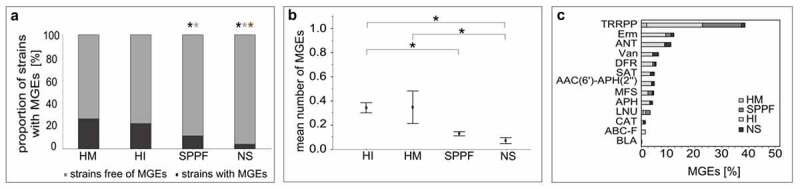
“…the microbiota of fermented foods was not burdened with MGEs, the risk of these products is negligible, which is consistent with the findings of Walsh et al. (2020).52 Contrary to expectations from prior studies, human milk samples were not burdened with MGEs.53 However, less sequence data…”
ResultThe human microbiome: A hot spot of microbial horizontal gene transfer
Liu, L., Chen, X., Skogerbø, G., Zhang, P., Chen, R., He, S., & Huang, D.-W. (2012) · Genomics · doi:10.1016/j.ygeno.2012.07.012 · Cited by 131 · cited 1×
“Starter, probiotic, and protective cultures or feed additives consumed with commercial products come into contact with a dense microbial community in the intestinal environment, where they may allow for ARGs dissemination.(21) Given that we do not yet know the actual size of the resistance gene pool in commercial stra…”
BackgroundZhu, W., Murray, P. R., Huskins, W. C., Jernigan, J. A., McDonald, L. C., Clark, N. C., Anderson, K. F., McDougal, L. K., Hageman, J. C., Olsen-Rasmussen, M., et al. (2010) · Antimicrobial Agents and Chemotherapy · doi:10.1128/aac.00185-10 · Cited by 125
vanC Cluster of Vancomycin-Resistant Enterococcus gallinarum BM4174
Arias, C. A., Courvalin, P., & Reynolds, P. E. (2000) · Antimicrobial Agents and Chemotherapy · doi:10.1128/aac.44.6.1660-1666.2000 · Cited by 115 · cited 1×
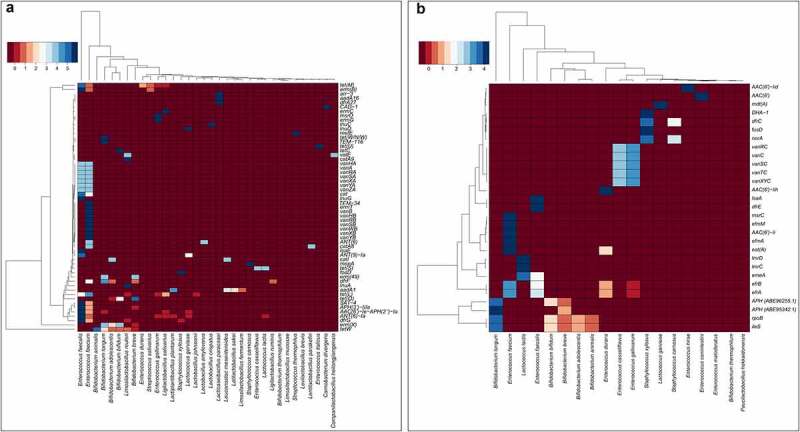
“gallinarum strains encode a vanC gene cluster that has been reported to confer low level of vancomycin resistance.(17) We also discovered that intrinsic aminoglycoside phosphotransferases are typical for bifidobacteria, and an efflux pump LmrCD for Lactococcus lactis (Figure 3b).”
BackgroundAmbroset, C., Coluzzi, C., Guédon, G., Devignes, M., Loux, V., Lacroix, T., Payot, S., & Leblond‐Bourget, N. (2016) · Frontiers in Microbiology · doi:10.3389/fmicb.2015.01483 · Cited by 104
Prevalence of antibiotic resistance genes among human gut-derived bifidobacteria
Duranti, S., Lugli, G. A., Mancabelli, L., Turroni, F., Milani, C., Mangifesta, M., Ferrario, C., Anzalone, R., Viappiani, A., van Sinderen, D., et al. (2017) · Applied and Environmental Microbiology · doi:10.1128/aem.02894-16 · Cited by 103
Tarrah, A., Castilhos, J. D., Rossi, R. C., Duarte, V. D. S., Ziegler, D. R., Corich, V., & Giacomini, A. (2018) · Frontiers in Microbiology · doi:10.3389/fmicb.2018.02214 · Cited by 97 · cited 1×
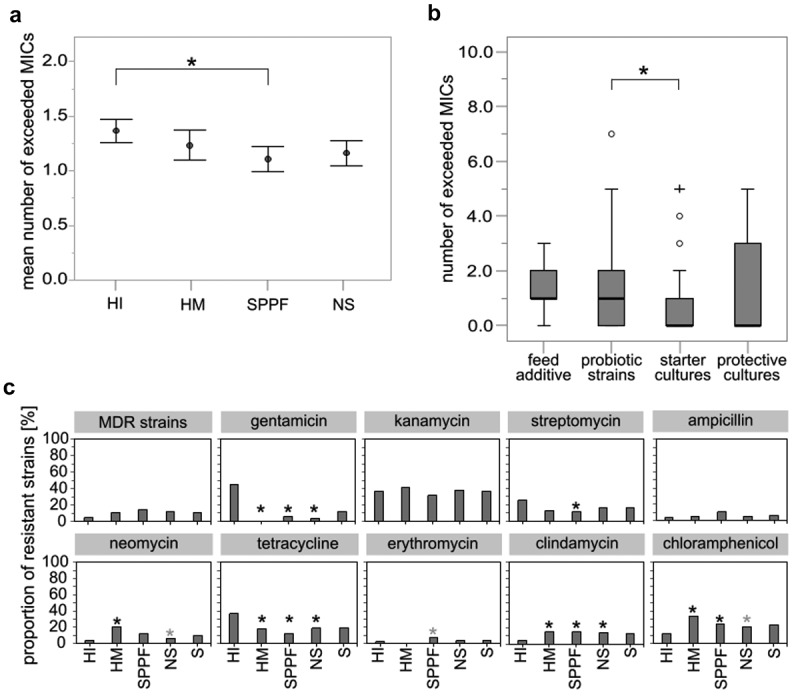
“Resistance occurred significantly more frequently in Levilactobacillus and Pediococcus, while Streptococcus thermophilus displayed pansusceptibility, which is in contrast to other studies that reported streptomycin, erythromycin, kanamycin, and tetracycline resistance.(29,30) Since the distributions of MICs in pedioco…”
ResultRozman, V., Mohar Lorbeg, P., Accetto, T., & Bogovič Matijašić, B. (2020) · International Journal of Food Microbiology · doi:10.1016/j.ijfoodmicro.2019.108388 · Cited by 92 · cited 8×
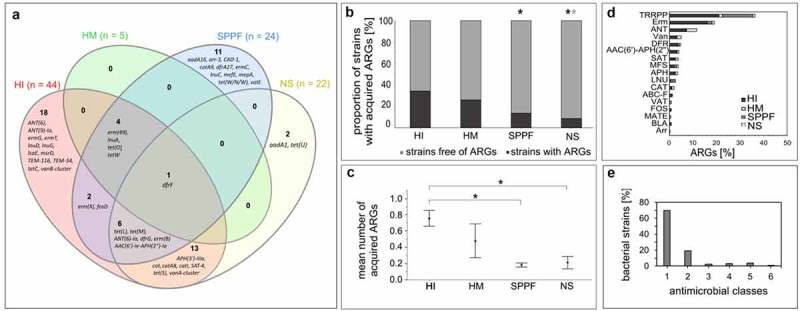
“(c) The mean number (± standard error) of acquired ARGs.”
BackgroundInfluentialSelf-citationAntibiotic sensitivity pattern of indigenous lactobacilli isolated from curd and human milk samples
Sharma, C., Gulati, S., Thakur, N., Singh, B. P., Gupta, S., Kaur, S., Mishra, S. K., Puniya, A. K., Gill, J. P. S., & Panwar, H. (2017) · 3 Biotech · doi:10.1007/s13205-017-0682-0 · Cited by 85
Jiang, X., Hall, A. B., Xavier, R. J., & Alm, E. J. (2019) · PLOS ONE · doi:10.1371/journal.pone.0223680 · Cited by 84
Yap, M., Feehily, C., Walsh, C. J., Fenelon, M. A., Murphy, E. F., McAuliffe, F. M., van Sinderen, D., O’Toole, P. W., O’Sullivan, Ó., & Cotter, P. D. (2020) · Scientific Reports · doi:10.1038/s41598-020-78773-6 · Cited by 75 · cited 1×
“However, less sequence data were analyzed for human milk samples because they are heavily contaminated with host DNA and have low microbial abundance.(54) The results of present study expand our knowledge of transferable resistance in strains deliberately introduced into the agro-food chain and provide a basis for ris…”
BackgroundGenetic Basis of Tetracycline Resistance in Bifidobacterium animalis subsp. lactis
Gueimonde, M., Flórez, A. B., van Hoek, A. H. A. M., Stuer-Lauridsen, B., Strøman, P., de los Reyes-Gavilán, C. G., & Margolles, A. (2010) · Applied and Environmental Microbiology · doi:10.1128/aem.03096-09 · Cited by 71
Flórez, A. B., Ammor, M. S., & Mayo, B. (2007) · International Journal of Food Microbiology · doi:10.1016/j.ijfoodmicro.2007.11.029 · Cited by 65
Whole-genome sequencing based characterization of antimicrobial resistance in Enterococcus
Tyson, G. H., Sabo, J. L., Rice-Trujillo, C., Hernandez, J., & McDermott, P. F. (2018) · Pathogens and Disease · doi:10.1093/femspd/fty018 · Cited by 56
Screening for Antimicrobial Resistance Genes and Virulence Factors via Genome Sequencing
Bennedsen, M., Stuer-Lauridsen, B., Danielsen, M., & Johansen, E. (2011) · Applied and Environmental Microbiology · doi:10.1128/aem.02493-10 · Cited by 54 · cited 6×
“(c) The mean number (± standard error) of acquired ARGs.”
BackgroundInfluentialColuzzi, C., Guédon, G., Devignes, M., Ambroset, C., Loux, V., Lacroix, T., Payot, S., & Leblond‐Bourget, N. (2017) · Frontiers in Microbiology · doi:10.3389/fmicb.2017.00443 · Cited by 52
Čitar, M., Hacin, B., Tompa, G., Stempelj, M., Rogelj, I., Dolinšek, J., Narat, M., & Matijašić, B. B. (2014) · Beneficial Microbes · doi:10.3920/bm2014.0081 · Cited by 51
Flórez, A. B., & Mayo, B. (2017) · Frontiers in Microbiology · doi:10.3389/fmicb.2017.02608 · Cited by 35 · cited 1×
“Resistance occurred significantly more frequently in Levilactobacillus and Pediococcus, while Streptococcus thermophilus displayed pansusceptibility, which is in contrast to other studies that reported streptomycin, erythromycin, kanamycin, and tetracycline resistance.(29,30) Since the distributions of MICs in pedioco…”
ResultAmachawadi, R. G. G., Giok, F., Shi, X., Soto, J. A., Narayanan, S. K., Tokach, M. D., Apley, M. D., & Nagaraja, T. G. (2018) · Journal of Animal Science · doi:10.1093/jas/sky056 · Cited by 31
Antibiotic Resistance Profile of Microbes From Traditional Fermented Foods
Abriouel, H., Knapp, C. W., Gálvez, A., & Benomar, N. (2016) · Elsevier eBooks · doi:10.1016/b978-0-12-802309-9.00029-7 · Cited by 30
Mobilome and Resistome Reconstruction from Genomes Belonging to Members of the Bifidobacterium Genus
Mancino, W., Lugli, G. A., van Sinderen, D., Ventura, M., & Turroni, F. (2019) · Microorganisms · doi:10.3390/microorganisms7120638 · Cited by 29 · cited 1×
“5%) of bifidobacteria.(40) MGEs were also not prevalent in other genera of LAB, however, these bacteria may carry plasmids,(8) IMEs, or ICEs.”
BackgroundMartínez, N., Luque, R., Milani, C., Ventura, M., Bañuelos, O., & Margolles, A. (2018) · Applied and Environmental Microbiology · doi:10.1128/aem.02888-17 · Cited by 27
Antimicrobial resistance of Lactobacillus spp. from fermented foods and human gut
Ma, Q., Fu, Y., Sun, H., Huang, Y. C., Li, L., Yu, Q., Dinnyés, A., & Sun, Q. (2017) · LWT · doi:10.1016/j.lwt.2017.07.059 · Cited by 26
Shani, N., Oberhaensli, S., & Arias‐Roth, E. (2020) · Journal of Food Protection · doi:10.4315/jfp-20-363 · Cited by 24 · cited 1×
“(2021) for chloramphenicol and tetracycline.(31) A comprehensive genome-wide comparative analysis based on the 1114 genomes led to the identification of intrinsic and acquired ARGs and associated MGEs.”
BackgroundCao, L., Chen, H., Wang, Q., Li, B., Hu, Y., Zhao, C., Hu, Y., & Yin, Y. (2020) · Current Microbiology · doi:10.1007/s00284-020-02230-w · Cited by 23 · cited 1×
“We also confirmed that erm(X) and tet(O) are typical among bifidobacteria.(34) Horizontal transfer of ARGs is driven by mobile genetic elements.”
BackgroundDeng, F., Chen, Y., Zhou, X., Xiao, H., Sun, T., Deng, Y., & Wen, J. (2021) · Microorganisms · doi:10.3390/microorganisms9040726 · Cited by 20
Raeisi, S. N., Ghoddusi, H. B., Boll, E. J., Farahmand, N., Stuer‐Lauridsen, B., Johansen, E., Sutherland, J. P., & Ouoba, L. I. I. (2018) · Food Control · doi:10.1016/j.foodcont.2018.07.016 · Cited by 18 · cited 1×
“lactis is not transferable to other species in vitro.(51) Because the microbiota of fermented foods was not burdened with MGEs, the risk of these products is negligible, which is consistent with the findings of Walsh et al.”
ResultCultivable Bacteria from Milk from Slovenian Breastfeeding Mothers
Tušar, T., Žerdoner, K., Matijašić, B. B., Paveljšek, D., Benedik, E., Bratanič, B., Mis, N. F., & Rogelj, I. (2014) · Food Technology and Biotechnology · Cited by 17
Jiang, X., Hall, A. B., Xavier, R. J., & Alm, E. J. (2017) · bioRxiv (Cold Spring Harbor Laboratory) · doi:10.1101/214213 · Cited by 15 · cited 1×
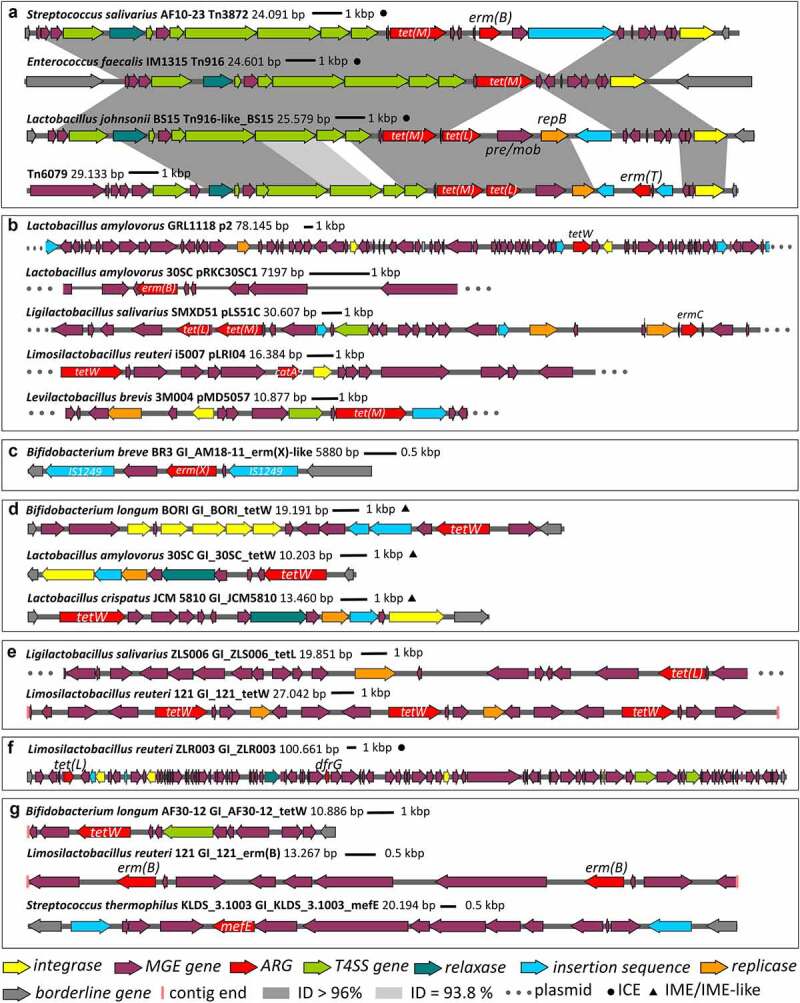
“Jiang et al. (2019) likewise reported that ARGs are spread by conjugation rather than transduction.37 In addition to the known elements, we also discovered 34 that had to our knowledge not been previously reported in the literature (Figure 5d-5g).”
Background
Research works printed but not linked: 1
- 15. EFSA-FEEDAP. Guidance on the assessment of bacterial susceptibility to antimicrobials of human and veterinary importance. EFSA Journal. 2012;10(6):2740. doi: 10.2903/j.efsa.2012.274. · doi:10.2903/j.efsa.2012.274
Cited by
Karnwal, A., & Malik, T. (2024) · Frontiers in Sustainable Food Systems · doi:10.3389/fsufs.2024.1307210 · Cited by 74
Safety aspects of microorganisms deliberately released into the environment
Lensch, A., Lindfors, H. E., Duwenig, E., Fleischmann, T. T., Hjort, C., Kärenlampi, S. O., McMurtry, L., Melton, E. D., Andersen, M. R., Skinner, R., et al. (2023) · EFB Bioeconomy Journal · doi:10.1016/j.bioeco.2023.100061 · Cited by 57
Genomic insights into antibiotic resistance and mobilome of lactic acid bacteria and bifidobacteria
Rozman, V., Mohar Lorbeg, P., Treven, P., Accetto, T., Janežič, S., Rupnik, M., & Bogovič Matijašić, B. (2023) · Life Science Alliance · doi:10.26508/lsa.202201637 · Cited by 36
Self-citationTamés-Caunedo, H., Sabater, C., Margollés, A., Ruíz, L., & Ruas‐Madiedo, P. (2023) · Food Research International · doi:10.1016/j.foodres.2023.113009 · Cited by 30
“Notably, such intrinsic antibiotic resistance mechanisms are relatively common in bifidobacteria but, as they cannot be horizontally transmitted, their presence in probiotic bacteria does not impose safety issues (Vitali et al., 2007; Rozman et al., 2022).”
Contribution of Food to the Human Health Burden of Antimicrobial Resistance
Choy, S. L. K., Neumann, E.-M., Romero-Barrios, P., & Tamber, S. (2023) · Foodborne Pathogens and Disease · doi:10.1089/fpd.2023.0099 · Cited by 26
“…attention owing to variable food safety oversight, high microbial numbers, and as potential reservoirs for ARGs as complex mixtures of undefined microbial species derived from environmental samples (Hachemi et al., 2019; Jans et al., 2018; Rozman et al., 2022; To´th et al., 2020; Xu et al., 2021).”
Background
Metadata
- Authors
- Rozman, V., Mohar Lorbeg, P., Treven, P., Accetto, T., Golob, M., Zdovc, I., & Bogovič Matijašić, B.
- Affiliations
- University of Ljubljana (SI)
- Institute of Dairy Science and Probiotics
- Corresponding author
- Rozman, Vita
- Venue
- Gut Microbes
- Publisher
- Informa UK Limited
- Published
- 2022-09-28
- Volume
- 14
- Issue
- 1
- Pages
- 2127438-2127438
- ISSN
- 1949-0976 (ISSN-L)
- 1949-0984
- PMC
- PMC9542798
- OpenAlex
- W4297514037
- Semantic Scholar
- b4b7b49ca5c2e36bffa73ed52f70c5bf4f6ea55d
- Cited by
- 21
- References
- 75
- Citations by year
- 2026: 8 · 2025: 3 · 2024: 4 · 2023: 6
- FWCI
- 1.06
- Type
- journal article
- Language
- en
- Open access
- gold
- doi.org
- Licence
- cc-by
- doi.org/10.1080/policies-text-data-mining (tdm)
- Locations
- Gut Microbes (publishedVersion, cc-by)
- PubMed Central (publishedVersion, cc-by)
- PubMed (publishedVersion)
- Repository of the University of Ljubljana (University of Ljubljana) (publishedVersion, cc-by)
- DOAJ (DOAJ: Directory of Open Access Journals) (submittedVersion, cc-by-sa)
- Funders
- Slovenian Research Agency
- Topics
- Health Sciences › Medicine › Microbiology (medical) › Antibiotic Resistance in Bacteria
- Life Sciences › Agricultural and Biological Sciences › Food Science › Probiotics and Fermented Foods
- Physical Sciences › Environmental Science › Pollution › Pharmaceutical and Antibiotic Environmental Impacts
- Keywords
- antimicrobial resistance genes, lactic acid bacteria, Bifidobacterium, probiotics, starter cultures, protective cultures, feed additives, mobile genetic elements, integrative and conjugative elements, tetracycline resistance, breast milk, gut microbiota
- MeSH terms
- Gastrointestinal Microbiome, Anti-Bacterial Agents, Bifidobacterium, Gene Pool, Humans, Tetracyclines, Food Chain, Drug Resistance, Bacterial, Lactobacillales
About these checks
Registry, retraction, Cites and statistics results are computed, not judged, with one exception: a printed reference that no index lists is read once by a model before it counts as a citation error. Claims are extracted by a model and kept only when their quote appears verbatim in the text; each cited source is then checked, with a model’s help, for whether it says what the claim relies on. Those verdicts can be wrong — read the claim’s quote and the cited source before relying on one.
Statistics and arithmetic are recomputed, not judged.
Confidence bands are shown only for fields calibrated on our annotated test set. None is calibrated yet, so no band is shown.
What counts as a claim ›How we measure confidence ›How we check this ›
Are you an author, or do you see a problem with this page? Request a review
Data sources
Bibliographic data: Semantic Scholar, OpenAlex, Crossref.
Contains information from the Semantic Scholar Academic Graph Datasets, made available under the ODC Attribution License (ODC-BY 1.0).
Semantic Scholar’s data is described in: Kinney, R., et al. (2023). The Semantic Scholar Open Data Platform. arXiv:2301.10140.
