

The DOI matches its Crossref record; 40 of the 40 references it cites were found in a registry or an index.
Probiotic Lactobacillus reuteri has antifungal effects on oral Candida species in vitro
Open accessAbstract
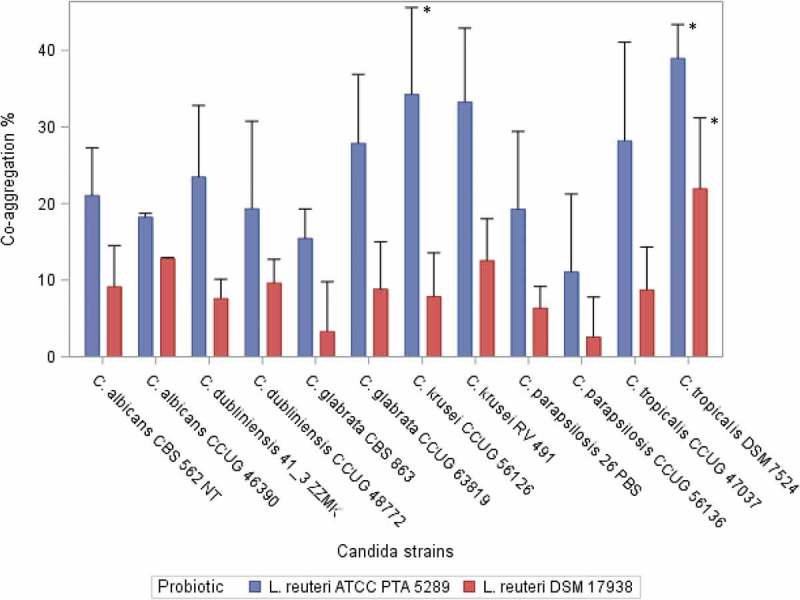
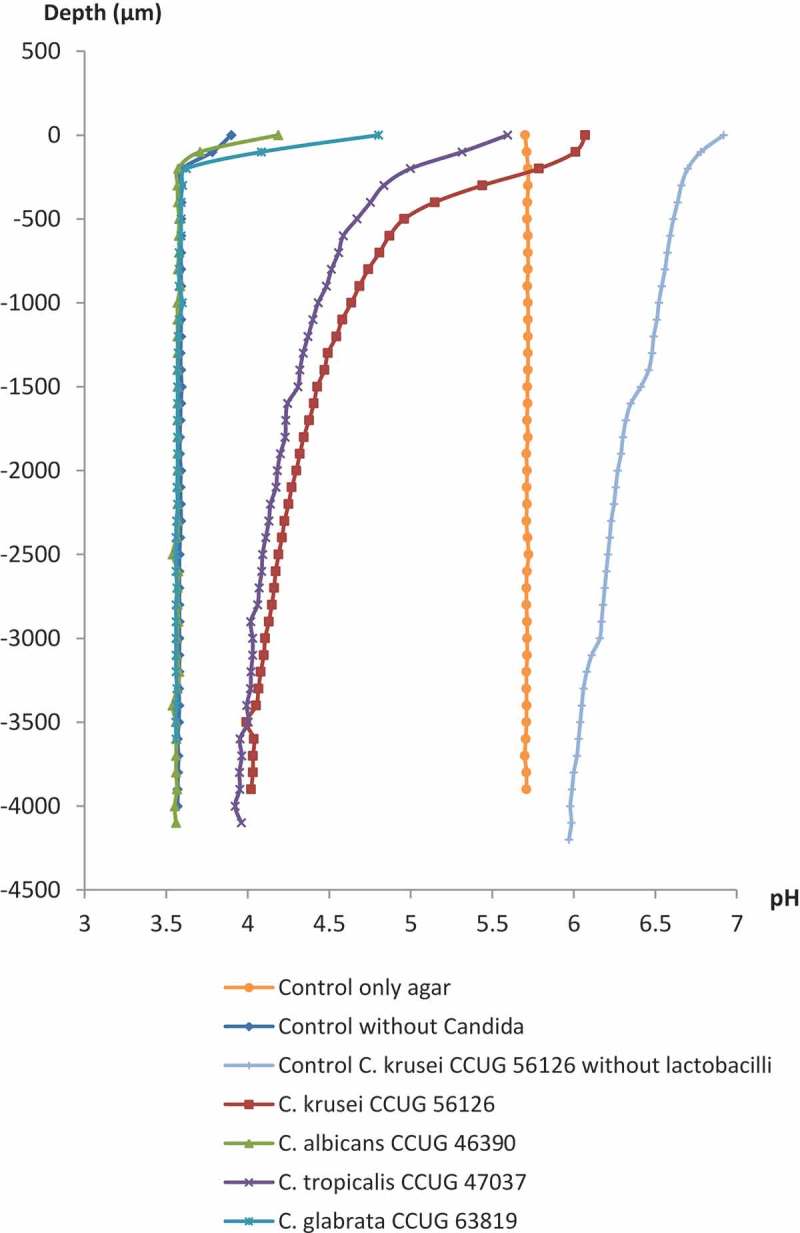
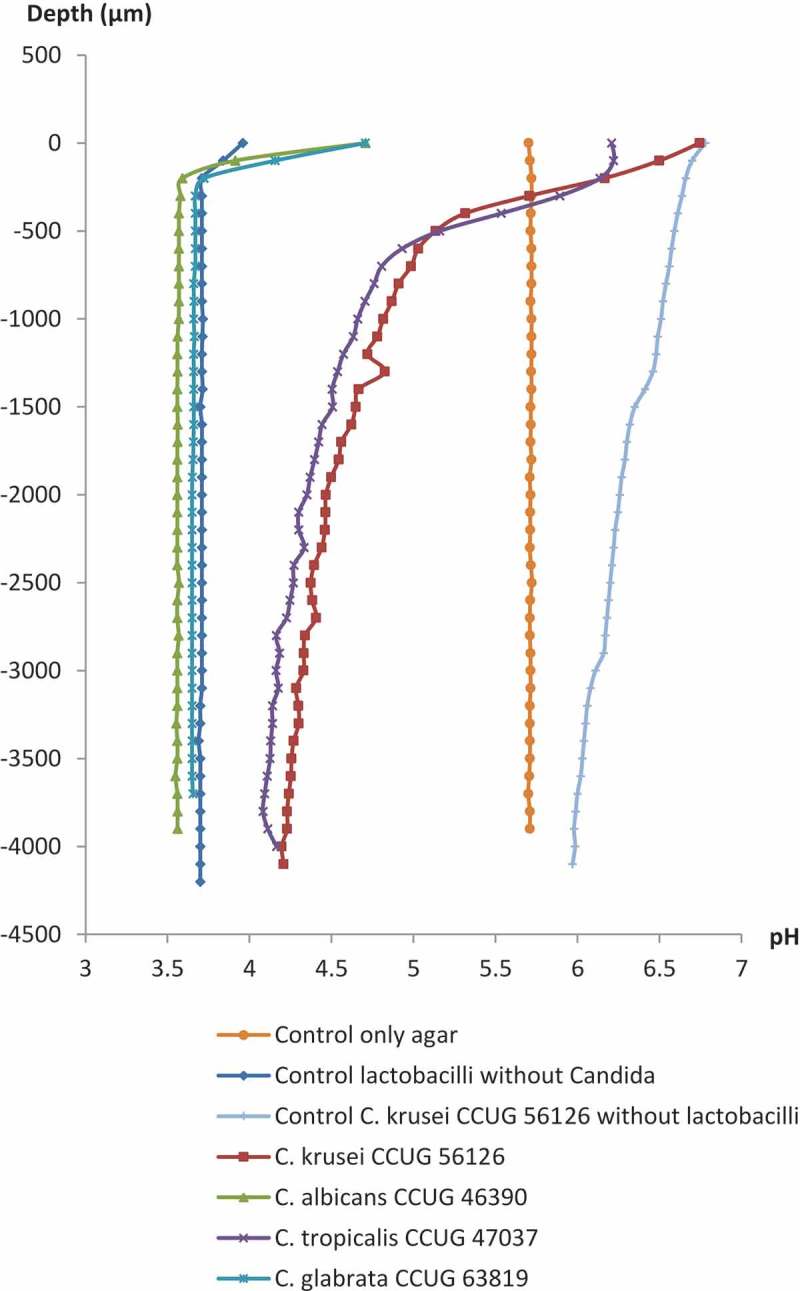
Background: An alternative approach for managing Candida infections in the oral cavity by modulating the oral microbiota with probiotic bacteria has been proposed.Objective: The aim was to investigate the antifungal potential of the probiotic bacterium Lactobacillus reuteri (DSM 17938 and ATCC PTA 5289) against six oral Candida species (C. albicans, C. glabrata, C. krusei, C. tropicalis, C. dubliniensis, and C. parapsilosis). Design: The lactobacilli were tested for their ability to co-aggregate with and inhibit the growth of the yeasts assessed by spectrophotometry and the agar overlay inhibition assay. Additionally, the pH was evaluated with microsensors, and the production of hydrogen peroxide (H2O2) by the lactobacilli was verified.Results: Both L. reuteri strains showed co-aggregation abilities with the yeasts. The lactobacilli almost completely inhibited the growth of C. albicans and C. parapsilosis, but did not affect C. krusei. Statistically significant differences in co-aggregation and growth inhibition capacities between the two L. reuteri strains were observed (p<0.001). The pH measurements suggested that C. krusei can resist the acids produced by the lactobacilli.Conclusions: L. reuteri exhibited antifungal properties against five of the six most common oral Candida species. Further, the results reconfirms that the probiotic capacity of L. reuteri is strain specific.
Overview
The claims and statistics of this paper haven’t been checked yet.
Run the check — free, no account needed. It reads the open-access text and checks the sources it cites.
Integrity signals
Registry
Cites
Statistics
Figures
Verification
Claims the paper makes
The claims and statistics of this paper haven’t been checked yet.
Run the check — free, no account needed. It reads the open-access text and checks the sources it cites.
Claims other papers make about this one
Each is checked against this paper’s own text: does it say what the citing paper says it does?
The source backs part of the claim, not all of it — or backs it for a different population, condition or comparison.
In the citing paper
“however, most studies have only examined intestinal and vaginal probiotic Lactobacillus strains.7, 8, 9 There have been very few studies relating to oral probiotic strains.10”
From Aggregation and adhesion ability of various probiotic strains and Candida species: An in vitro study (2024) · cites this paper as [10]
Experimental — accuracy not yet measured
Self-check
Percentages, sums and reported differences re-computed from the paper’s own numbers.
The self-check needs the paper’s full text.
Citations
Cites
Sardi, J. C. O., Scorzoni, L., Bernardi, T., Fusco-Almeida, A. M., & Mendes Giannini, M. J. S. (2013) · Journal of Medical Microbiology · doi:10.1099/jmm.0.045054-0 · Cited by 1,184
Eschenbach, D. A., Davick, P., Williams, B. L., Klebanoff, S. J., Young-Smith, K., Critchlow, C. M., & Holmes, K. K. (1989) · Journal of Clinical Microbiology · doi:10.1128/jcm.27.2.251-256.1989 · Cited by 709
Probiotics: Definition, Sources, Selection, and Uses
Sanders, M. E. (2008) · Clinical Infectious Diseases · doi:10.1086/523341 · Cited by 662
Adhesion and aggregation properties of probiotic and pathogen strains
Collado, M. C., Meriluoto, J., & Salminen, S. (2008) · European Food Research and Technology · doi:10.1007/s00217-007-0632-x · Cited by 603
Short-term consumption of probiotic-containing cheese and its effect on dental caries risk factors
Ahola, A. J., Yli‐Knuuttila, H., Suomalainen, T., Poussa, T. A., Ahlström, A., Meurman, J. H., & Korpela, R. (2002) · Archives of Oral Biology · doi:10.1016/s0003-9969(02)00112-7 · Cited by 387
The Fungal Pathogen Candida albicans Autoinduces Hyphal Morphogenesis by Raising Extracellular pH
Vylkova, S., Carman, A. J., Danhof, H. A., Collette, J. R., Zhou, H., & Lorenz, M. C. (2011) · mBio · doi:10.1128/mbio.00055-11 · Cited by 365
Valeur, N., Engel, P. A., Carbajal, N., Connolly, E., & Ladefoged, K. (2004) · Applied and Environmental Microbiology · doi:10.1128/aem.70.2.1176-1181.2004 · Cited by 343
Cleusix, V., Lacroix, C., Vollenweider, S., Duboux, M., & Blay, G. L. (2007) · BMC Microbiology · doi:10.1186/1471-2180-7-101 · Cited by 271
A characterization of pH-regulated dimorphism in Candida albicans
Buffo, J., Herman, M. A., & Soll, D. R. (1984) · Mycopathologia · doi:10.1007/bf00436698 · Cited by 256
Holyoak, C. D., Stratford, M., McMullin, Z., Cole, M., Crimmins, K., Brown, A. J. P., & Coote, P. J. (1996) · Applied and Environmental Microbiology · doi:10.1128/aem.62.9.3158-3164.1996 · Cited by 254
Research works printed but not linked: 2
- Laleman I, 2015, Quintessence Int, 46, 255
- Sanders ME., 2008, Clin Infect Dis, 46
Cited by
Sorted by citations
Adhesion mechanisms mediated by probiotics and prebiotics and their potential impact on human health
Monteagudo-Mera, A., Rastall, R. A., Gibson, G. R., Charalampopoulos, D., & Chatzifragkou, A. (2019) · Applied Microbiology and Biotechnology · doi:10.1007/s00253-019-09978-7 · Cited by 743
“For instance, a recent in vitro study reported that two probiotic L. reuteri strains were able to co-aggregate with Candida albicans during biofilm formation creating a hostile environment that inhibited the yeast growth (Jørgensen et al. 2017).”
BackgroundRole of Lactobacillus reuteri in Human Health and Diseases
Mu, Q., Tavella, V. J., & Luo, X. M. (2018) · Frontiers in Microbiology · doi:10.3389/fmicb.2018.00757 · Cited by 744
“Furthermore, some studies suggest that L. reuteri may have antifungal properties as well, where L. reuteri antagonizes, stops the growth of, and eventually kills various species of Candida (Jorgensen et al., 2017).”
ResultHealth Benefits of Heat-Killed (Tyndallized) Probiotics: An Overview
Piqué, N., Berlanga, M., & Miñana-Galbis, D. (2019) · International Journal of Molecular Sciences · doi:10.3390/ijms20102534 · Cited by 642
“Probiotics have also anti-fungal properties, for example Lactobacillus reuteri against Candida growth [61,67].”
BackgroundOral Microbiota and Alzheimer’s Disease: Do All Roads Lead to Rome?
Sureda, A., Daglia, M., Argüelles Castilla, S., Sanadgol, N., Fazel Nabavi, S., Khan, H., Belwal, T., Jeandet, P., Marchese, A., Pistollato, F., et al. (2020) · Pharmacological Research · doi:10.1016/j.phrs.2019.104582 · Cited by 143
Biofilms and vulvovaginal candidiasis
Rodríguez‐Cerdeira, C., Carnero-Gregorio, M., Molares-Vila, A., López-Bárcenas, A., Fabbrocini, G., Bardhi, B., Sinani, A., Sánchez-Blanco, E., Arenas, R., & Hernández‐Castro, R. (2018) · Colloids and Surfaces B Biointerfaces · doi:10.1016/j.colsurfb.2018.11.011 · Cited by 159
Probiotics: A Promising Role in Dental Health
Mahasneh, S. A., & Mahasneh, S. A. (2017) · Dentistry Journal · doi:10.3390/dj5040026 · Cited by 112
The role of Lactobacillus species in the control of Candida via biotrophic interactions
Zangl, I., Pap, I.-J., Aspöck, C., & Schüller, C. (2020) · Microbial Cell · doi:10.15698/mic2020.01.702 · Cited by 113
“Therefore, competition for binding sites could be partly influencing proper adhesion of Candida to mucosal surfaces [12].”
BackgroundThe Role of the Oral Microbiome in the Development of Diseases
Kozak, M., & Pawlik, A. (2023) · International Journal of Molecular Sciences · doi:10.3390/ijms24065231 · Cited by 108
A critical appraisal of the effects of probiotics on oral health
Chugh, P., Dutt, R., Sharma, A., Bhagat, N., & Dhar, M. S. (2020) · Journal of Functional Foods · doi:10.1016/j.jff.2020.103985 · Cited by 93
The role of Candida albicans candidalysin ECE1 gene in oral carcinogenesis
Satiman, E. A. F. E. N., Ahmad, H., Ramzi, A. B., Wahab, R. A., Kaderi, M. A., Himratul-Aznita, W. H., Dashper, S. G., McCullough, M. J., & Arzmi, M. H. (2020) · Journal of Oral Pathology and Medicine · doi:10.1111/jop.13014 · Cited by 71
Salari, S., & Ghasemi Nejad Almani, P. (2020) · Journal of Oral Microbiology · doi:10.1080/20002297.2020.1769386 · Cited by 70
“Then, the co-aggregation percentage was calculated using the following formula [7,15]:”
BackgroundMethodEffect of probiotics on oral candidiasis: a systematic review and meta-analysis
Mundula, T., Ricci, F., Barbetta, B., Baccini, M., & Amedei, A. (2019) · Nutrients · doi:10.3390/nu11102449 · Cited by 68
“As previously reported, the anti-Candida properties can be explained in different ways, such as (a) through co-aggregation, modification of oral pH, and production of H2O2 [45], (b) through releasing high amounts of lactic acid [47], and (c) through the complete inhibition of fungal biofilms [48,49].”
BackgroundContaldo, M., Stasio, D. D., Romano, A., Fiori, F., della Vella, F., Rupe, C., Lajolo, C., Petruzzi, M., Serpico, R., & Lucchese, A. (2022) · Current Drug Delivery · doi:10.2174/1567201819666220418104042 · Cited by 75
Action mechanisms of probiotics on Candida spp. and candidiasis prevention: an update
Ribeiro, F. D. C., Rossoni, R. D., de Barros, P. P., dos Santos, J. D., Fugisaki, L. R. D. O., Leão, M. V. P., & Junqueira, J. (2019) · Journal of Applied Microbiology · doi:10.1111/jam.14511 · Cited by 65
Oral microbiome in human health and diseases
Tian, S., Ding, T., & Li, H. (2024) · mLife · doi:10.1002/mlf2.12136 · Cited by 65
“For example, Lactobacillus reuteri can be combined with Candida species to decrease pathogenic oral microorganisms, improve dental caries, and maintain oral health 161 .”
BackgroundCitric acid enhances clean recycling of Chinese cabbage waste by anaerobic fermentation
Li, J., Meng, Q., Xing, J., Wang, C., Song, C., Ma, D., & Shan, A. (2022) · Journal of Cleaner Production · doi:10.1016/j.jclepro.2022.131366 · Cited by 54
Revisiting the intestinal microbiome and its role in Diarrhea and constipation
Iancu, M. A., Profir, M., Roşu, O. A., Ionescu, R. F., Cretoiu, S. M., & Gaspar, B. S. (2023) · Microorganisms · doi:10.3390/microorganisms11092177 · Cited by 53
Pereira, L. C., Correia, A. F., da Silva, Z. D. L., Resende, C. N., Brandão, F., Almeida, R. M., & Nóbrega, Y. K. D. M. (2021) · European Journal of Clinical Microbiology & Infectious Diseases · doi:10.1007/s10096-021-04199-1 · Cited by 55
Schlagenhauf, U., Rehder, J., Gelbrich, G., & Jockel‐Schneider, Y. (2020) · Journal of Periodontology · doi:10.1002/jper.19-0393 · Cited by 52
Application of probiotics in candidiasis management
Andrade, J. C., Kumar, S., Kumar, A., Černáková, L., & Rodrigues, C. F. (2021) · Critical Reviews in Food Science and Nutrition · doi:10.1080/10408398.2021.1926905 · Cited by 43
Aggregation and adhesion ability of various probiotic strains and Candida species: An in vitro study
Chantanawilas, P., Pahumunto, N., & Teanpaisan, R. (2024) · Journal of Dental Sciences · doi:10.1016/j.jds.2024.03.016 · Cited by 46
Kim, H., & Kang, S. (2019) · Archives of Oral Biology · doi:10.1016/j.archoralbio.2019.01.006 · Cited by 40
Probiotics—A complete oral healthcare package
Mishra, S., Rath, S., & Mohanty, N. (2020) · Journal of Chinese Integrative Medicine · doi:10.1016/j.joim.2020.08.005 · Cited by 37
Randomized pilot study on probiotic effects on recurrent candidiasis in oral lichen planus patients
Keller, M. K., & Kragelund, C. (2018) · Oral Diseases · doi:10.1111/odi.12858 · Cited by 36
Pathophysiological microenvironments in oral candidiasis
Jørgensen, M. R. (2024) · Apmis · doi:10.1111/apm.13412 · Cited by 42
Aziz, G., Fakhar, H., Rahman, S. U., Tariq, M., & Zaidi, A. (2019) · The Journal of Applied Poultry Research · doi:10.3382/japr/pfz042 · Cited by 36
Lordello, V. B., Meneguin, A. B., de Annunzio, S. R., Taranto, M. P., Chorilli, M., Fontana, C. R., & Cavallini, D. C. U. (2021) · Pharmaceutics · doi:10.3390/pharmaceutics13070998 · Cited by 35
“This acidification in the environment could have promoted the yeast cell energy exhaustion, inhibiting its multiplication and leading to cell death [5].”
BackgroundHow, Y. H., Lai, K., Pui, L. P., & In, L. L. A. (2022) · Journal of Food Process Engineering · doi:10.1111/jfpe.13985 · Cited by 32
Reproductive Tract Infections in Dairy Cows: Can Probiotics Curb Down the Incidence Rate?
Rosales, E. B., & Ametaj, B. N. (2021) · Dairy · doi:10.3390/dairy2010004 · Cited by 34
“A study by [179] reported that two probiotic strains of L.”
BackgroundTomičić, R., Tomičić, Z., & Raspor, P. (2022) · Folia Microbiologica · doi:10.1007/s12223-022-00956-7 · Cited by 29
The Antibiofilm Role of Biotics Family in Vaginal Fungal Infections
Boahen, A., Than, L. T. L., Loke, Y.-L., & Chew, S. Y. (2022) · Frontiers in Microbiology · doi:10.3389/fmicb.2022.787119 · Cited by 34
The oral microbiome in oral lichen planus during a 1‐year randomized clinical trial
Kragelund, C., & Keller, M. K. (2018) · Oral Diseases · doi:10.1111/odi.12961 · Cited by 27
Liu, Z., Cao, Q., Wang, W., Wang, B., Yang, Y., Xian, C. J., Li, T., & Zhai, Y. (2024) · Microorganisms · doi:10.3390/microorganisms13010045 · Cited by 23
Evaluation of the Role of Probiotics As a New Strategy to Eliminate Microbial Toxins: A Review
Ghadaksaz, A., Nodoushan, S. M., Sedighian, H., Behzadi, E., & Fooladi, A. A. I. (2022) · Probiotics and Antimicrobial Proteins · doi:10.1007/s12602-021-09893-2 · Cited by 20
Probiotics for Oral Candidiasis: Critical Appraisal of the Evidence and a Path Forward
Archambault, L. S., & Dongari‐Bagtzoglou, A. I. (2022) · Frontiers in Oral Health · doi:10.3389/froh.2022.880746 · Cited by 20
de Oliveira, N. M., Marín, D. O. M., Leite, A. R. P., Pero, A. C., Klein, M. I., & Compagnoni, M. A. (2018) · PLoS ONE · doi:10.1371/journal.pone.0203951 · Cited by 22
Han, C., Song, S., Cui, C., Cai, Y., Zhou, Y., Wang, J., Bei, W., Zhang, D., Guo, W., & Wang, S. (2024) · Animals · doi:10.3390/ani14071062 · Cited by 19
Limosilactobacillus reuteri inhibits the acid tolerance response in oral bacteria
Boisen, G., Prgomet, Z., Enggren, G., Dahl, H., Mkadmi, C., & Davies, J. R. (2023) · Biofilm · doi:10.1016/j.bioflm.2023.100136 · Cited by 18
“Supernatants from L. reuteri ATCC PTA5289 have been shown to inhibit growth of S. mutans, possibly through production of H2O2 [37].”
BackgroundInfluentialContaldo, M. (2023) · Frontiers in Bioscience-Elite · doi:10.31083/j.fbe1501006 · Cited by 19
“Jørgensen (2017) [78] in vitro on fungal cultures L.”
Coimbra-Gomes, J., Reis, P. J. M., Tavares, T. G., Faria, M. Â., Malcata, F. X., & Macedo, Â. C. (2023) · Molecules · doi:10.3390/molecules28083285 · Cited by 17
Ali, M. S., Lee, E., Quah, Y., Sayem, S. A. J., Abbas, M. A., Suk, K., Lee, S., & Park, S. (2024) · Veterinary Quarterly · doi:10.1080/01652176.2024.2344765 · Cited by 17
Advances in photocrosslinked natural hydrogel‐based microspheres for bone repair
Li, H., Zhou, J., Zhou, Y., Dao, J., Wei, D., & Wang, Y. (2024) · Journal of Polymer Science · doi:10.1002/pol.20240302 · Cited by 16
Rajão, A., Silva, J. P. N., Almeida-Nunes, D. L., Rompante, P., Rodrigues, C. F., & Andrade, J. C. (2025) · International Journal of Molecular Sciences · doi:10.3390/ijms26020638 · Cited by 17
“To evaluate both catalase and proteinase k effects, the pH of the CFS was first adjusted to 7.0 using 5 M NaOH to neutralize acidity.”
InfluentialKanj, A., & Skalski, J. H. (2024) · Journal of Fungi · doi:10.3390/jof10030192 · Cited by 15
“…and other Candida species that are in turn associated with airway inflammation when expanded in the gut [17,42,43]. known for its antifungal effects, particularly against P. kudriavzevii and other Candida species that are associated with airway inflammation when expanded in the gut [17,42,43].”
BackgroundElsayes, S. A., EL-Attar, M. S., Elhadary, A., Aboulela, A., Essawy, M. M., & Soliman, I. S. (2024) · Journal of Prosthetic Dentistry · doi:10.1016/j.prosdent.2024.05.018 · Cited by 14
Lactobacillus rhamnosus strains of oral and vaginal origin show strong antifungal activity in vitro
Jørgensen, M. R., Rikvold, P. D., Lichtenberg, M., Jensen, P. Ø., Kragelund, C., & Twetman, S. (2020) · Journal of Oral Microbiology · doi:10.1080/20002297.2020.1832832 · Cited by 15
“reuteri strains (ATCC PTA 5289 and DSM 17938) [9].”
BackgroundMethodResultInfluentialDargenio, V. N., Cristofori, F., Dargenio, C., Giordano, P., Indrio, F., Celano, G., & Francavilla, R. (2022) · Beneficial Microbes · doi:10.3920/bm2021.0151 · Cited by 15
Microbiome-mediated regulation of anti-fungal immunity
Zelante, T., Costantini, C., & Romani, L. R. (2020) · Current Opinion in Microbiology · doi:10.1016/j.mib.2020.05.002 · Cited by 14
Er, S., Tosun, A. İ., & Arik, G. (2019) · TURKISH JOURNAL OF MEDICAL SCIENCES · doi:10.3906/sag-1709-143 · Cited by 12
“These microorganisms in the vagina can cause infections in certain conditions (22).”
BackgroundChantanawilas, P., Pahumunto, N., Thananimit, S., & Teanpaisan, R. (2024) · Current Microbiology · doi:10.1007/s00284-024-03800-y · Cited by 12
“Certain probiotic Lactobacillus strains and their derived postbiotics could exhibit promising anticandidal activity [11], and it was reported that C. albicans were more susceptible compared to NAC strains [12, 13].”
Challenges and solutions in managing dental problems in children with autism
Al‐Beltagi, M., Zahrani, A. A. A., Mani, B. S., Hantash, E. M., Saeed, N. K., Bediwy, A. S., & Elbeltagi, R. M. (2025) · World Journal of Clinical Pediatrics · doi:10.5409/wjcp.v14.i3.106778 · Cited by 19
Savitri, & Lata, P. (2020) · Microorganisms for sustainability · doi:10.1007/978-981-15-6795-7_8 · Cited by 11
Fifteen Years of Probiotic Therapy in the Dental Context: What Has Been Achieved?
Twetman, S., Jørgensen, M. R., & Keller, M. K. (2017) · Journal of the California Dental Association · doi:10.1080/19424396.2017.12222503 · Cited by 11
Huo, P., Deng, L., Lu, J., Kan, P., Jing, R., & Luo, L.-J. (2025) · BMC Oral Health · doi:10.1186/s12903-025-06084-1 · Cited by 9
“For example, Jørgensen et al. [56] reported that L. reuteri almost completely inhibited Candida albicans and Candida smoothii growth in a co-culture.”
Knysh, O. V., Isayenko, O. Y., Voyda, Y. V., Kizimenko, O. O., & Babych, Y. M. (2019) · Regulatory Mechanisms in Biosystems · doi:10.15421/021938 · Cited by 9
Efficacy of probiotics for oral candidiasis management: a systematic review
Li, P., Yu, X., Chen, C., Zhao, Z., Lu, X., & Fan, Y. (2025) · BMC Oral Health · doi:10.1186/s12903-025-06468-3 · Cited by 10
Patiño, L. A., & Benavides-Córdoba, V. (2025) · Healthcare · doi:10.3390/healthcare13141718 · Cited by 10
Niamah, A. K., Mohammed, A. A., & Alhelf, N. A. (2023) · Journal of Microbiology Biotechnology and Food Sciences · doi:10.55251/jmbfs.4701 · Cited by 8
Hirozawa, M. T., Ono, M. A., Suguiura, I. M. D. S., García, S., Bordini, J. G., Amador, I. R., Hirooka, E. Y., & Ono, E. Y. S. (2023) · Brazilian Journal of Microbiology · doi:10.1007/s42770-023-01081-4 · Cited by 8
“Some of its metabolites, such as reuterin (3-hydroxypropionaldehyde), have been reported to inhibit Gram-positive and Gram-negative bacteria, fungi, and protozoa, including food spoilage microorganisms and pathogens [38, 48].”
BackgroundShort-Term Probiotic Administration Increases Fecal-Anti Candida Activity in Healthy Subjects
Angelis, M. D., Scagnolari, C., Oliva, A., Cavallari, E. N., Celani, L., Santinelli, L., Innocenti, G. P., Borrazzo, C., Ceccarelli, G., Vullo, V., et al. (2019) · Microorganisms · doi:10.3390/microorganisms7060162 · Cited by 8
Probiotic Interventions for Oral Health
Twetman, S., & Jørgensen, M. R. (2021) · Springer eBooks · doi:10.1007/978-981-33-6236-9_11 · Cited by 8
Unraveling brain aging through the lens of oral microbiota
Hu, Q., Wang, S., Zhang, W., Qu, J. T., & Liu, G. (2024) · Neural Regeneration Research · doi:10.4103/nrr.nrr-d-23-01761 · Cited by 8
Sookkhee, S., Khamnoi, P., Sastraruji, T., Boonkum, S., Wikan, N., & Nimlamool, W. (2024) · Nutrients · doi:10.3390/nu16091372 · Cited by 7
Azizian, K., Osquee, H. O., Pourlak, T., Hosseinpour, R., Asgharzadeh, M., Ganvarov, K., & Kafil, H. S. (2021) · Gene Reports · doi:10.1016/j.genrep.2021.101231 · Cited by 7
Holm, W. V., Zayed, N., Lauwens, K., Saghi, M., Axelsson, J., Aktan, M. K., Braem, A., Simoens, K., Vanbrabant, L., Proost, P., et al. (2024) · Probiotics and Antimicrobial Proteins · doi:10.1007/s12602-024-10253-z · Cited by 6
“Despite the fact that these mechanisms are unknown for the current strains, lactobacilli can produce a wide variety of antimicrobials such as reutericyclin [41], diverse bacteriocins [42, 43], hydrogen peroxide [44, 45], and lactic acid [46].”
In Vitro Inhibitory Effects and Co-Aggregation Activity of Lactobacilli on Candida albicans
Yocheva, L. D., Tserovska, L., Danguleva, A., Todorova, T., Zhelezova, G., Karaivanova, E., & Georgieva, R. (2024) · Microbiology Research · doi:10.3390/microbiolres15030104 · Cited by 6
“Here, species and strain specific co-aggregation activity were registered with C. albicans in accordance with other studies [34,39].”
ResultEvaluation of the antifungal activity of Lactobacillus reuteri against Candida species
bakhshi, M., Salari, S., Almani, P. G. N., & Afshari, S. A. K. (2021) · Gene Reports · doi:10.1016/j.genrep.2021.101369 · Cited by 6
Harnessing Probiotics to Combat Candidiasis: Mechanisms, Evidence, and Future Directions
Wright, E., Valand, N., & Girija, U. V. (2025) · Journal of Fungi · doi:10.3390/jof11110779 · Cited by 5
“L. reuteri is also noted to produce reuterin, a broad-spectrum antimicrobial that can inhibit bacteria, protozoa, and fungi, such as Candida [125].”
Ramos, L. P., de Almeida, M. E., Freire, H. P. S., Pessoa, W. F. B., Rezende, R. P., & Romano, C. C. (2022) · Anais da Academia Brasileira de Ciências · doi:10.1590/0001-3765202220210731 · Cited by 5
Mechanisms of action of Lactobacillus spp. in the treatment of oral candidiasis
Ferreira, R. L. P. S., Nova, B. G. V., do Carmo, M. S., & Abreu, A. G. (2024) · Brazilian Journal of Biology · doi:10.1590/1519-6984.282609 · Cited by 5
Martorano-Fernandes, L., Lacerda, M. C., Cavalcanti, Y. W., & de Almeida, L. D. F. D. (2021) · Research Society and Development · doi:10.33448/rsd-v10i10.19027 · Cited by 4
Nguyen, T. P. A., Gautam, S., Mahato, S., Jensen, O. C., Roudsari, A. H., & Baygi, F. (2023) · PLoS ONE · doi:10.1371/journal.pone.0293118 · Cited by 4
Pereira-Riveros, T., Salas, E. J., López‐López, J., Saka‐Herrán, C., Galiana, I. L., & Vinuesa, T. (2025) · Dentistry Journal · doi:10.3390/dj13060254 · Cited by 4
“Jørgensen et al. (2017) reported its inhibitory effects against C. albicans , C. dubliniensis , C. tropicalis , C. parapsilosis , and C. glabrata , although not C. krusei [42].”
Reyhani, M. F., Ghasemi, N., Milani, A. S., & Asl, M. A. (2023) · PubMed Central · doi:10.30476/dentjods.2022.94792.1812 · Cited by 4
Azizian, K., Taghizadeh, S., Hosseinpour, R., Tanomand, A., Sheikhsaran, E., Alizadeh, N., Naghili, B., & Kafil, H. S. (2019) · Ars Pharmaceutica (Internet) · doi:10.30827/ars.v60i1.7943 · Cited by 4
Fuad, A. S. M., Mazlan, W. N. A. W., Wahab, R. A., Nasruddin, N. S., & Arzmi, M. H. (2023) · International Journal of Orofacial and Health Sciences · doi:10.31436/ijohs.v4i2.204 · Cited by 3
Yue, S., Zhang, Z., Bian, F., Zhang, Y., Gao, C., Zhu, Y., Li, J., & Picimbon, J. (2023) · Microbiology Research · doi:10.3390/microbiolres14030059 · Cited by 2
Does Probiotic Intake Enhance the Efficacy of Oral Fungal Infection Treatment?
Klosek, S. K., Szymczak-Paluch, M., Bernaś, A. A., & Gawlak-Socka, S. (2026) · Nutrients · doi:10.3390/nu18091433 · Cited by 2
“Furthermore, Lactobacillus reuteri strains DSM 17938 and ATCC PTA 5289 demonstrated antifungal activity against several Candida species by reducing fungal growth and showing co-aggregation with five of the six species investigated [21].”
PROBIOTIC PROPERTIES OF LACTOBACILLUS REUTERI (L. REUTERI) STRAINS
Novikova, V. P., & Магомедова, Д. М. (2023) · Children s medicine of the North-West · doi:10.56871/cmn-w.2023.75.34.002 · Cited by 3
Probiotic Enterococcus faecium CRL 183 Inhibits Candida albicans Biofilm In Vitro
Lordello, V. B., de Annunzio, S. R., da Silva, E. P., Taranto, M. P., Fontana, C. R., & Cavallini, D. C. U. (2024) · Microbiology Research · doi:10.3390/microbiolres15040141 · Cited by 2
Industrial Requirements and Other Techno-functional Traits of Probiotics
Rajivgandhi, G. N., Vimala, R. T. V., Ramachandran, G., & Manoharan, N. (2021) · Elsevier eBooks · doi:10.1016/b978-0-12-822909-5.00030-7 · Cited by 3
Daoudou, B., Bayoï, J. R., Garga, Y., Djouldé, D. R., & Tatsadjieu, L. (2022) · American Journal of Food Technology · doi:10.3923/ajft.2022.10.16 · Cited by 1
Duche, R. T., Kaur, J., Singh, A., Sangwan, V., Sihag, M. K., Nwagu, T. N., Ezeogu, L. I., & Panwar, H. (2025) · Advanced Gut & Microbiome Research · doi:10.1155/agm3/7768975 · Cited by 1
Yang, L., Zhan, H., Wu, X., Wang, A., Zou, Y., Li, J., Lu, Y., & Ge, Z. (2025) · Frontiers in Microbiology · doi:10.3389/fmicb.2025.1723084 · Cited by 1
Probiotics for oral health and disease treatment
Meurman, J. H., & Stamatova, I. (2022) · Elsevier eBooks · doi:10.1016/b978-0-323-89908-6.00008-x · Cited by 1
Benefits and safety of probiotics in gastrointestinal diseases
Profir, M., Roşu, O. A., Ionescu, R. F., Pavelescu, L. A., & Creţoiu, S. M. (2024) · Elsevier eBooks · doi:10.1016/b978-0-12-824472-2.00011-7 · Cited by 1
Microbiome in Defence Against Pathogens
Ramanathan, J. (2024) · Springer eBooks · doi:10.1007/978-3-031-70088-0_16 · Cited by 2
Probiotic Enterococcus durans Interference with Oral Candida albicans Adhesion: An in vitro Study
Rashidi, M., Ahmadi, A., Ramazanzadeh, R., Noori, B., & Shafiee, F. (2020) · Journal of Advances in Medical and Biomedical Research · doi:10.30699/jambs.28.130.291 · Cited by 1
“reuteri produced lactic acid and organic acid decreased the pH of agar culture media and inhibited hyphal morphogenesis induction in Candida species (1).”
BackgroundInfluentialDias, A. M. M. (2018) · theses.fr (ABES) · doi:10.70675/d23527b7z823fz490fzafeez21e0de6d2406 · Cited by 1
Einsatz von Probiotika in der Therapie parodontaler Erkrankungen
Jockel‐Schneider, Y., Schlagenhauf, U., & Rehder, J. (2021) · ZWR - Das Deutsche Zahnärzteblatt · doi:10.1055/a-1473-0008
Pre- och probiotika för profylax och behandling av orala sjukdomar
Twetman, S., & Jørgensen, M. R. (2022) · Aktuel nordisk odontologi · doi:10.18261/issn.2058-7538-2022-01-07
Yue, S., Zhang, Z., Bian, F., Zhang, Y., Gao, C., Zhu, Y., Li, J., & Picimbon, J. (2022) · Research Square · doi:10.21203/rs.3.rs-2113752/v1
Yue, S., Zhang, Z., Bian, F., Zhang, Y., Gao, C., Zhu, Y., Li, J., & Picimbon, J. (2023) · Research Square · doi:10.21203/rs.3.rs-2423168/v1
Yue, S., Zhang, Z., Bian, F., Zhang, Y., Gao, C., Zhu, Y., Li, J., & Picimbon, J. (2023) · Research Square · doi:10.21203/rs.3.rs-2451339/v1
Lactobacilli and Klebsiella: Two Opposites in the Fight for Human Health
Shaposhnikov, L. A., Tishkov, V. I., & POMETUN, A. A. (2024) · Biochemistry (Moscow) · doi:10.1134/s0006297924140050
Oropharyngeal candidiasis — interdisciplinary aspects of childhood medicine
Mokia-Serbina, S. O., & Фесенко, В. І. (2024) · CHILD`S HEALTH · doi:10.22141/2224-0551.19.4.2024.1711
Chinchay, G., Guerra, F., Pérez, G., Coronel, J., & la Cruz, A. D. (2024) · Revista Científica Dékamu Agropec · doi:10.55996/dekamuagropec.v5i2.263
Uso de probióticos para el control de enfermedades orales.
Córdova, S., Bravo, P. P. O., Andrade, C., & Criollo, P. F. S. (2025) · Revista de la Asociación Dental Mexicana · doi:10.35366/119883
Application of probiotics in treatment and healthcare
Waseem, M., Javed, M. R., Saleem, M., Manzoor, M. F., Nayik, G. A., & Jagdale, Y. D. (2025) · Elsevier eBooks · doi:10.1016/b978-0-443-27594-4.00013-9
Centeno, J. E. O., Sotelo, R. N. G., Centeno, M. O., & Castillo, V. M. (2025) · Gaceta Médica Boliviana · doi:10.47993/gmb.v48i2.1012
Metadata
- Authors
- Jørgensen, M. R., Kragelund, C., Jensen, P. Ø., Keller, M. K., & Twetman, S.
- Affiliations
- University of Copenhagen (DK)
- Rigshospitalet (DK)
- Corresponding author
- Jørgensen, Mette Rose
- ORCID
- Venue
- Journal of Oral Microbiology
- Publisher
- Informa UK Limited
- Published
- 2017-01-01
- Volume
- 9
- Issue
- 1
- Pages
- 1274582
- ISSN
- 2000-2297 (ISSN-L)
- PMC
- PMC5328390
- OpenAlex
- W2584950134
- Cited by
- 107
- References
- 40
- Citations by year
- 2026: 7 · 2025: 12 · 2024: 21 · 2023: 15 · 2022: 13 · 2021: 10 · 2020: 10 · 2019: 11 · 2018: 6 · 2017: 2
- FWCI
- 8.93
- Type
- journal article
- Language
- en
- Open access
- gold
- doi.org
- Licence
- Locations
- Journal of Oral Microbiology (publishedVersion, cc-by)
- Europe PMC (PubMed Central) (publishedVersion, cc-by)
- PubMed Central (publishedVersion, cc-by)
- PubMed (publishedVersion)
- Research at the University of Copenhagen (University of Copenhagen) (publishedVersion, cc-by)
- DOAJ (DOAJ: Directory of Open Access Journals) (submittedVersion, cc-by-sa)
- Funders
- Tandlægeforeningen ((No number))
- Topics
- Life Sciences › Agricultural and Biological Sciences › Food Science › Probiotics and Fermented Foods
- Health Sciences › Dentistry › Periodontics › Oral microbiology and periodontitis research
- Health Sciences › Medicine › Infectious Diseases › Antifungal resistance and susceptibility
- Keywords
- Lactobacillus reuteri, probiotics, antifungal activity, oral candida, Candida albicans, Candida parapsilosis, Candida krusei, co-aggregation, hydrogen peroxide, oral candidiasis, oral microbiota
About these checks
Registry, retraction, Cites and statistics results are computed, not judged, with one exception: a printed reference that no index lists is read once by a model before it counts as a citation error. Claims are extracted by a model and kept only when their quote appears verbatim in the text; each cited source is then checked, with a model’s help, for whether it says what the claim relies on. Those verdicts can be wrong — read the claim’s quote and the cited source before relying on one.
Statistics and arithmetic are recomputed, not judged.
Confidence bands are shown only for fields calibrated on our annotated test set. None is calibrated yet, so no band is shown.
What counts as a claim ›How we measure confidence ›How we check this ›
Are you an author, or do you see a problem with this page? Request a review
