

The DOI matches its Crossref record; 60 of the 60 references it cites were found in a registry or an index.
Control of Foxp3 stability through modulation of TET activity
Open accessAbstract
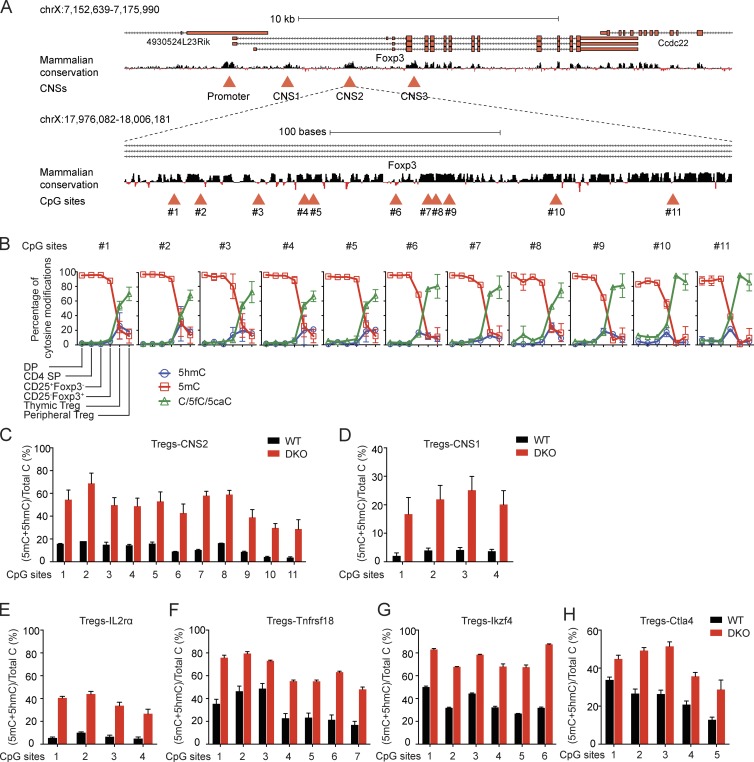
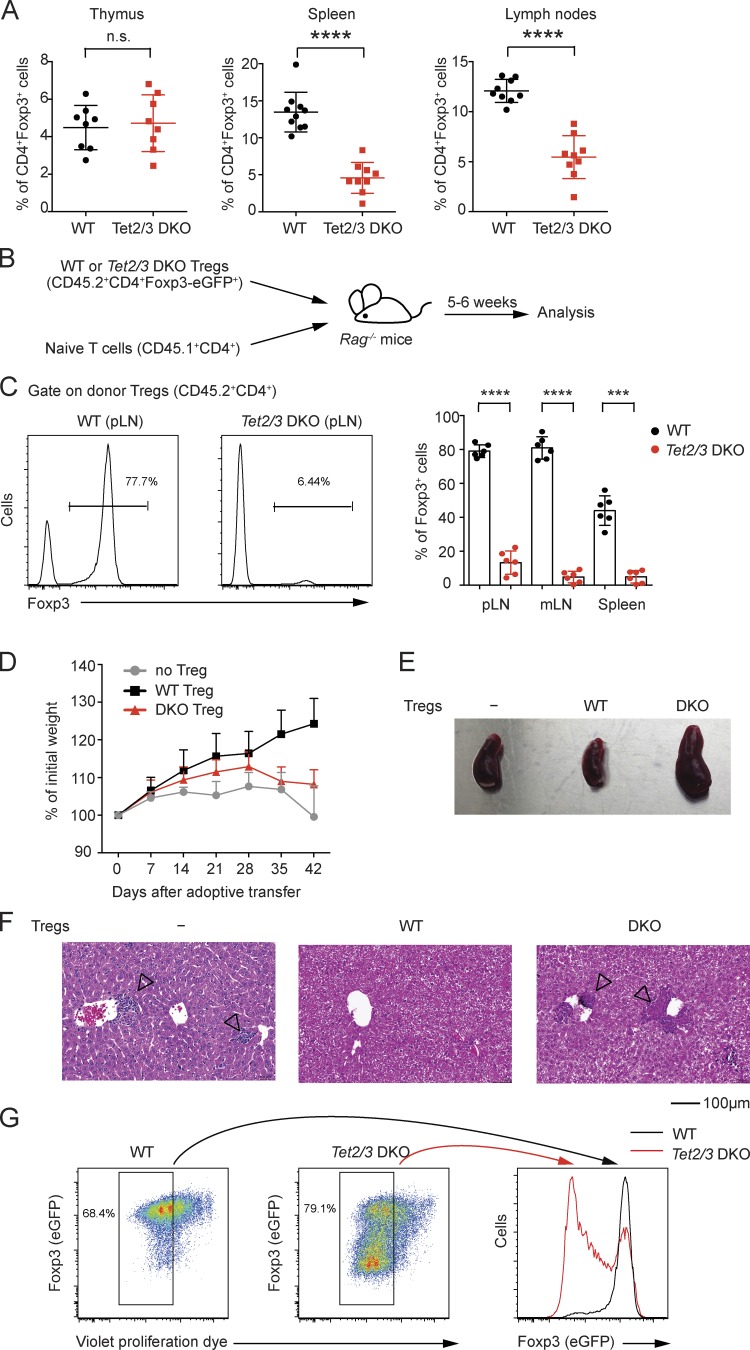
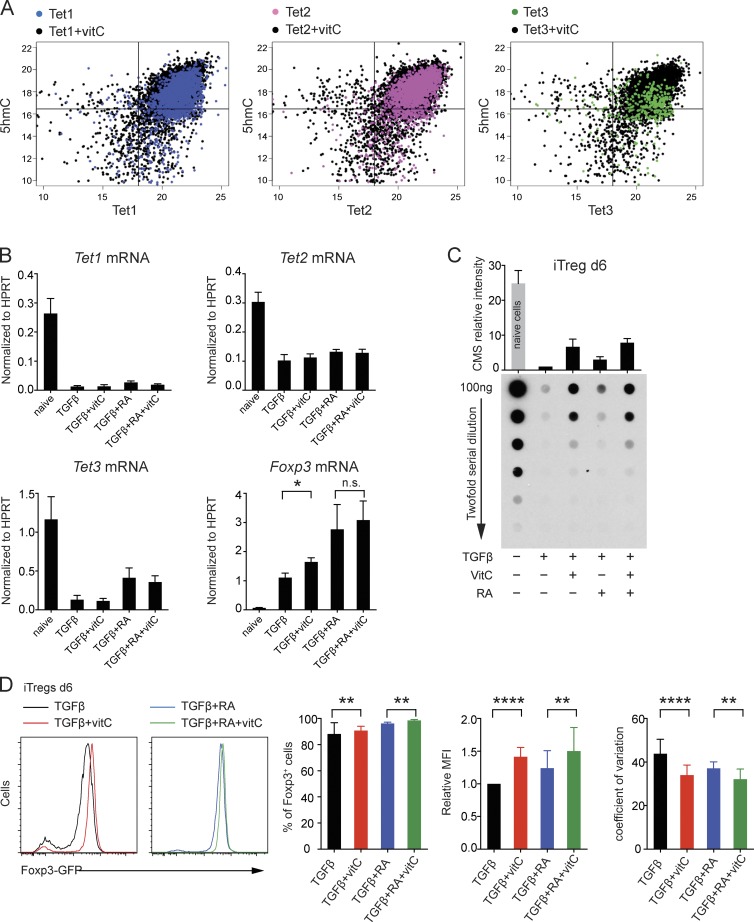
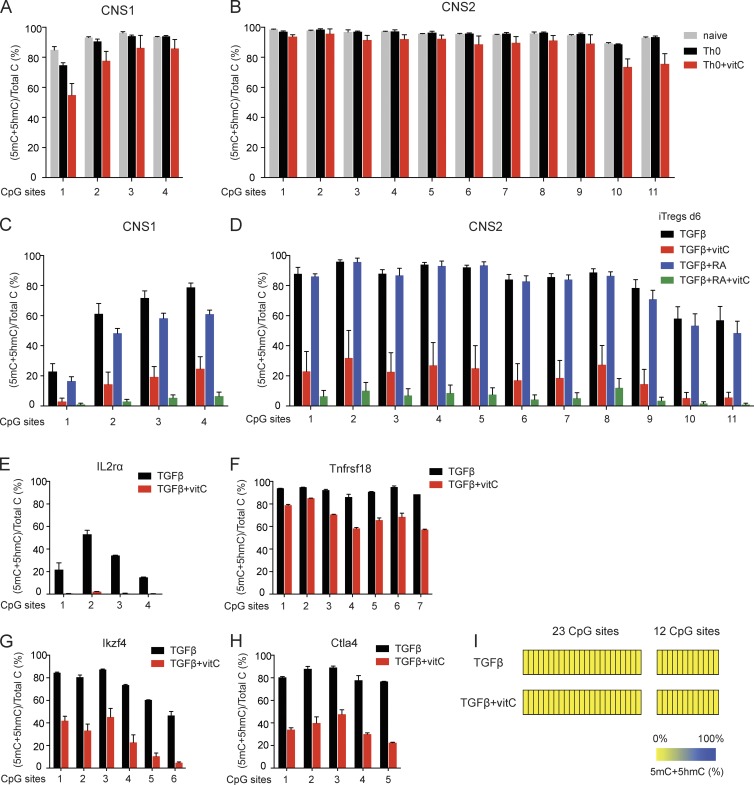
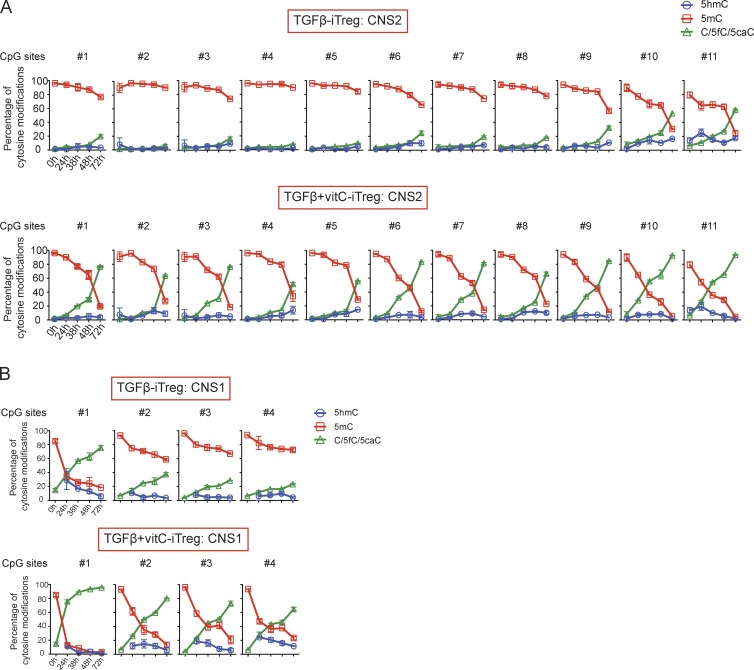
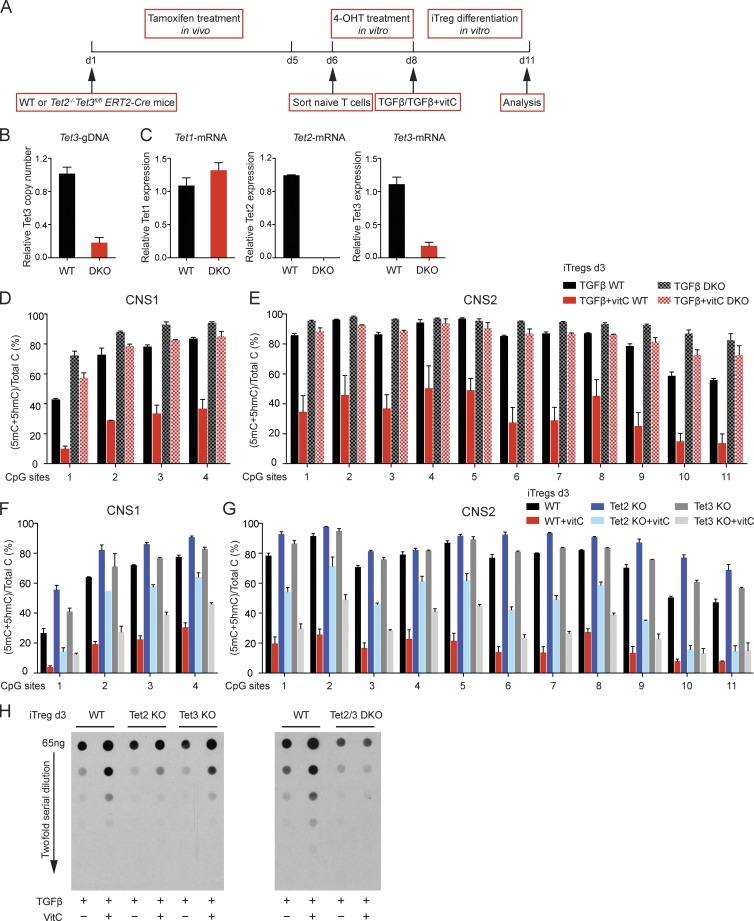
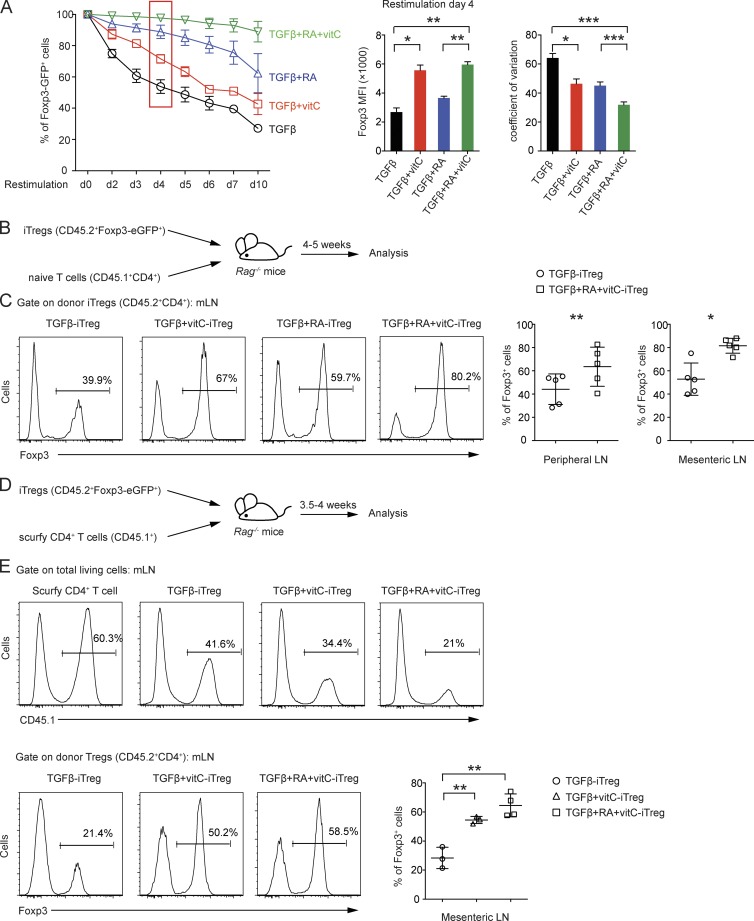
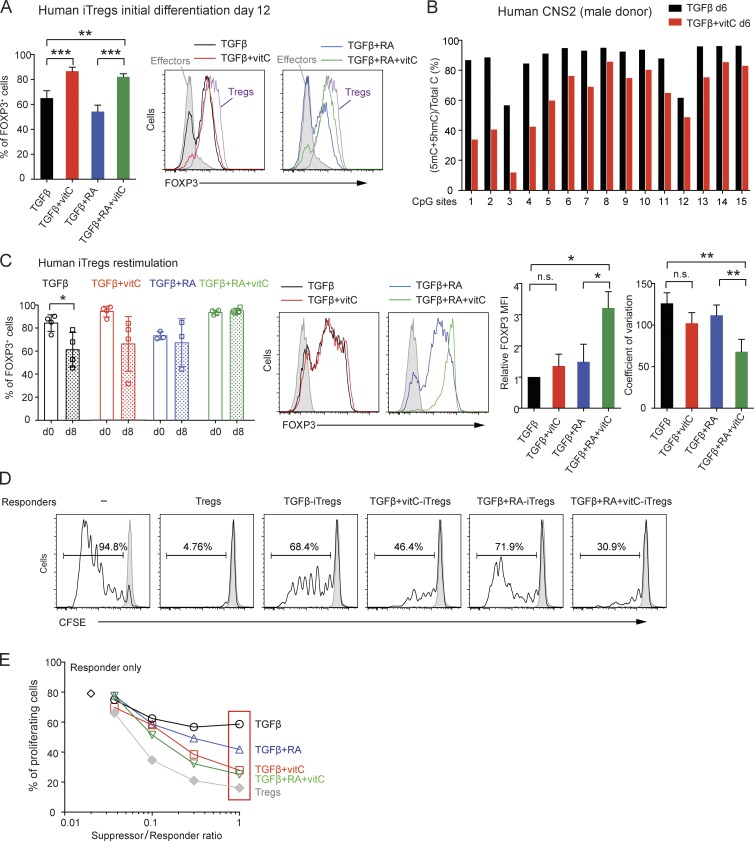
Ten-eleven translocation (TET) enzymes oxidize 5-methylcytosine (5mC) to 5-hydroxymethylcytosine and other oxidized methylcytosines, intermediates in DNA demethylation. In this study, we examine the role of TET proteins in regulating Foxp3, a transcription factor essential for the development and function of regulatory T cells (T reg cells), a distinct lineage of CD4+ T cells that prevent autoimmunity and maintain immune homeostasis. We show that during T reg cell development in the thymus, TET proteins mediate the loss of 5mC in T reg cell–specific hypomethylated regions, including CNS1 and CNS2, intronic cis-regulatory elements in the Foxp3 locus. Similar to CNS2-deficient T reg cells, the stability of Foxp3 expression is markedly compromised in T reg cells from Tet2/Tet3 double-deficient mice. Vitamin C potentiates TET activity and acts through Tet2/Tet3 to increase the stability of Foxp3 expression in TGF-β–induced T reg cells. Our data suggest that targeting TET enzymes with small molecule activators such as vitamin C might increase induced T reg cell efficacy.
Overview
The claims and statistics of this paper haven’t been checked yet.
Run the check — free, no account needed. It reads the open-access text and checks the sources it cites.
Integrity signals
Registry
Cites
Statistics
Figures
Verification
Claims the paper makes
The claims and statistics of this paper haven’t been checked yet.
Run the check — free, no account needed. It reads the open-access text and checks the sources it cites.
Claims other papers make about this one
Each is checked against this paper’s own text: does it say what the citing paper says it does?
In the citing paper
“The catalytic activity of all three TET family members (TET1, 2 and 3) are induced by vitC,13, 26”
From Vitamin C-induced epigenomic remodelling in IDH1 mutant acute myeloid leukaemia (2018) · cites this paper as [26]
Self-check
Percentages, sums and reported differences re-computed from the paper’s own numbers.
The self-check needs the paper’s full text.
Citations
Cites
Conversion of 5-Methylcytosine to 5-Hydroxymethylcytosine in Mammalian DNA by MLL Partner TET1
Tahiliani, M., Koh, K. P., Shen, Y., Pastor, W. A., Bandukwala, H., Brudno, Y., Agarwal, S., Iyer, L. M., Liu, D. R., Aravind, L., et al. (2009) · Science · doi:10.1126/science.1170116 · Cited by 5,836
Self-citationRegulatory T Cells and Immune Tolerance
Sakaguchi, S., Yamaguchi, T., Nomura, T., & Ono, M. (2008) · Cell · doi:10.1016/j.cell.2008.05.009 · Cited by 5,475
Chen, W., Jin, W., Hardegen, N. J., Lei, K.-J., Li, L., Marinos, N. J., McGrady, G., & Wahl, S. M. (2003) · The Journal of Experimental Medicine · doi:10.1084/jem.20030152 · Cited by 4,678
Tet proteins can convert 5-methylcytosine to 5-formylcytosine and 5-carboxylcytosine
Ito, S., Shen, L., Dai, Q., Wu, S. C., Collins, L. B., Swenberg, J. A., He, C., & Zhang, Y. (2011) · Science · doi:10.1126/science.1210597 · Cited by 3,451
Regulatory T cells: mechanisms of differentiation and function
Josefowicz, S. Z., Lu, L.-F., & Rudensky, A. Y. (2012) · Annual Review of Immunology · doi:10.1146/annurev.immunol.25.022106.141623 · Cited by 2,866
Tet-Mediated Formation of 5-Carboxylcytosine and Its Excision by TDG in Mammalian DNA
He, Y., Li, B.-Z., Li, Z., Liu, P., Wang, Y., Tang, Q., Ding, J., Jia, Y., Chen, Z., Li, L., et al. (2011) · Science · doi:10.1126/science.1210944 · Cited by 2,776
Self-citationBrunkow, M. E., Jeffery, E. W., Hjerrild, K. A., Paeper, B. W., Clark, L. B., Yasayko, S.-A., Wilkinson, J. E., Galas, D. J., Ziegler, S. F., & Ramsdell, F. (2001) · Nature Genetics · doi:10.1038/83784 · Cited by 2,628
Genesis: cluster analysis of microarray data
Sturn, A., Quackenbush, J., & Trajanoski, Z. (2002) · Bioinformatics · doi:10.1093/bioinformatics/18.1.207 · Cited by 1,761
Impaired hydroxylation of 5-methylcytosine in myeloid cancers with mutant TET2
Ko, M., Huang, Y., Jankowska, A. M., Pape, U. J., Tahiliani, M., Bandukwala, H. S., An, J., Lamperti, E. D., Koh, K. P., Ganetzky, R. D., et al. (2010) · Nature · doi:10.1038/nature09586 · Cited by 1,340
Self-citationEpigenetic Control of the foxp3 Locus in Regulatory T Cells
Floess, S., Freyer, J., Siewert, C., Baron, U., Olek, S., Polansky, J. K., Schlawe, K., Chang, H., Bopp, T., Schmitt, E., et al. (2007) · PLoS Biology · doi:10.1371/journal.pbio.0050038 · Cited by 1,296
Cited by
Sorted by citations
TET-mediated active DNA demethylation: mechanism, function and beyond
Wu, X., & Zhang, Y. (2017) · Nature Reviews Genetics · doi:10.1038/nrg.2017.33 · Cited by 1,661
Clonal hematopoiesis associated with TET2 deficiency accelerates atherosclerosis development in mice
Fuster, J. J., MacLauchlan, S., Zuriaga, M. A., Polackal, M. N., Ostriker, A. C., Chakraborty, R., Wu, C.-L., Sano, S., Muralidharan, S., Rius, C., et al. (2017) · Science · doi:10.1126/science.aag1381 · Cited by 1,536
Human FOXP3+ Regulatory T Cell Heterogeneity and Function in Autoimmunity and Cancer
Wing, J. B., Tanaka, A., & Sakaguchi, S. (2019) · Immunity · doi:10.1016/j.immuni.2019.01.020 · Cited by 726
Targeting the epigenetic regulation of antitumour immunity
Hogg, S. J., Beavis, P. A., Dawson, M. A., & Johnstone, R. W. (2020) · Nature Reviews Drug Discovery · doi:10.1038/s41573-020-0077-5 · Cited by 665
The regulation of immune tolerance by FOXP3
Lu, L., Barbi, J., & Pan, F. (2017) · Nature Reviews Immunology · doi:10.1038/nri.2017.75 · Cited by 580
Induced Regulatory T Cells: Their Development, Stability, and Applications
Kanamori, M., Nakatsukasa, H., Okada, M., Lu, Q., & Yoshimura, A. (2016) · Trends in Immunology · doi:10.1016/j.it.2016.08.012 · Cited by 465
Metabolic control of TH17 and induced Treg cell balance by an epigenetic mechanism
Xu, T., Stewart, K. M., Wang, X., Liu, K., Xie, M., Ryu, J. K., Li, K., Ma, T., Wang, H., Ni, L., et al. (2017) · Nature · doi:10.1038/nature23475 · Cited by 395
Epigenetics-targeted drugs: current paradigms and future challenges
Dai, W., Qiao, X., Fang, Y., Guo, R., Bai, P., Liu, S., Li, T., Jiang, Y., Wei, S., Na, Z., et al. (2024) · Signal Transduction and Targeted Therapy · doi:10.1038/s41392-024-02039-0 · Cited by 405
Epigenetic modulation of antitumor immunity for improved cancer immunotherapy
Dai, E., Zhu, Z., Wahed, S., Qu, Z., Storkus, W. J., & Guo, Z. S. (2021) · Molecular Cancer · doi:10.1186/s12943-021-01464-x · Cited by 346
“Vitamin C potentiates TET activity and acts through Tet2/Tet3 to increase the stability of Foxp3 expression in TGF-β-induced Treg cells [171].”
BackgroundMetabolic regulation of inflammation
Gaber, T., Strehl, C., & Buttgereit, F. (2017) · Nature Reviews Rheumatology · doi:10.1038/nrrheum.2017.37 · Cited by 320
Cancer immunotherapy with γδ T cells: many paths ahead of us
Kabelitz, D., Serrano, R., Kouakanou, L., Peters, C., & Kalyan, S. (2020) · Cellular and Molecular Immunology · doi:10.1038/s41423-020-0504-x · Cited by 306
“The suppressive activity of Tregs critically depends on the demethylation of Treg-specific demethylated regions (TSDRs) in the FOXP3 gene.(109,110) Vitamin C (Vit C) is a wellcharacterized cofactor for the activation of ten-eleven translocation (Tet) enzymes that mediate DNA hydroxymethylation, including the hypomethy…”
BackgroundEpigenetics of Modified DNA Bases: 5-Methylcytosine and Beyond
Kumar, S., Chinnusamy, V., & Mohapatra, T. (2018) · Frontiers in Genetics · doi:10.3389/fgene.2018.00640 · Cited by 287
“These epigenetic marks (5-fC, 5-caC, and 5-hmU) have been reported to play an important role in the regulation of transcription process, chromatin remodeling, and recruitment of DNA repair-associated complexes in animal (Fong et al., 2013; Yue et al., 2016).”
BackgroundHigh-dose vitamin C enhances cancer immunotherapy
Magrì, A., Germano, G., Lorenzato, A., Lamba, S., Chilà, R., Montone, M., Amodio, V., Ceruti, T., Sassi, F., Arena, S., et al. (2020) · Science Translational Medicine · doi:10.1126/scitranslmed.aay8707 · Cited by 285
“Physiological concentrations of VitC were reported to preserve the immunosuppressive capacity of T regulatory cells and prevent autoimmunity (15, 37).”
BackgroundChen, W. (2023) · Annual Review of Immunology · doi:10.1146/annurev-immunol-101921-045939 · Cited by 299
“For example, vitamin C potentiates ten-eleven translocation (TET) activity and acts through Tet2/Tet3 to increase the stability of Foxp3 expression in TGF-β -induced Tregs (112).”
TET (Ten-eleven translocation) family proteins: structure, biological functions and applications
Zhang, X., Zhang, Y., Wang, C., & Wang, X. (2023) · Signal Transduction and Targeted Therapy · doi:10.1038/s41392-023-01537-x · Cited by 297
“153 TET2 and TET3 acted as recruiters of HDACs to suppress CD86 and prevent autoimmunity.”
BackgroundTransforming growth factor–β1 in regulatory T cell biology
Moreau, J. M., Velegraki, M., Bolyard, C. M., Rosenblum, M. D., & Li, Z. (2022) · Science Immunology · doi:10.1126/sciimmunol.abi4613 · Cited by 260
Metabolic Control of Treg Cell Stability, Plasticity, and Tissue-Specific Heterogeneity
Shi, H., & Chi, H. (2019) · Frontiers in Immunology · doi:10.3389/fimmu.2019.02716 · Cited by 211
“Deletion of Tet2 blocks the demethylation effect of vitamin C (58, 59).”
BackgroundVitamin C and immune cell function in inflammation and cancer
Ang, A., Pullar, J. M., Currie, M. J., & Vissers, M. C. M. (2018) · Biochemical Society Transactions · doi:10.1042/bst20180169 · Cited by 191
Modulating Treg stability to improve cancer immunotherapy
Kang, J. H., & Zappasodi, R. (2023) · Trends in cancer · doi:10.1016/j.trecan.2023.07.015 · Cited by 190
The Loss of TET2 Promotes CD8+ T Cell Memory Differentiation
Carty, S. A., Gohil, M., Banks, L. B., Cotton, R. M., Johnson, M. E., Stelekati, E., Wells, A. D., Wherry, E. J., Koretzky, G. A., & Jordan, M. S. (2017) · The Journal of Immunology · doi:10.4049/jimmunol.1700559 · Cited by 175
Loss of TET2 and TET3 in regulatory T cells unleashes effector function
Yue, X., Lio, C. J., Samaniego‐Castruita, D., Li, X., & Rao, A. (2019) · Nature Communications · doi:10.1038/s41467-019-09541-y · Cited by 159
Self-citationRegulatory T cells in homeostasis and disease: molecular mechanisms and therapeutic potential
Wang, L., Liang, Y., Zhao, C., Ma, P., Zeng, S., Ju, D., Zhao, M., Yu, M., & Shi, Y. (2025) · Signal Transduction and Targeted Therapy · doi:10.1038/s41392-025-02326-4 · Cited by 190
“148,149 153 – 156 Fatty acid binding protein 5 (FABP5) is a member of the lipid chaperone family.”
Dysregulation of the TET family of epigenetic regulators in lymphoid and myeloid malignancies
Lio, C. J., Yuita, H., & Rao, A. (2019) · Blood · doi:10.1182/blood.2019791475 · Cited by 152
Self-citationTET proteins regulate the lineage specification and TCR-mediated expansion of iNKT cells
Tsagaratou, A., González-Avalos, E., Rautio, S., Scott-Browne, J. P., Togher, S., Pastor, W. A., Rothenberg, E. V., Chavez, L., Lähdesmäki, H., & Rao, A. (2017) · Nature Immunology · doi:10.1038/ni.3630 · Cited by 154
Self-citationEpigenetic mechanisms regulating T-cell responses
Schmidl, C., Delacher, M., Huehn, J., & Feuerer, M. (2018) · Journal of Allergy and Clinical Immunology · doi:10.1016/j.jaci.2018.07.014 · Cited by 153
Dissecting the biology of allogeneic HSCT to enhance the GvT effect whilst minimizing GvHD
Blazar, B. R., Hill, G. R., & Murphy, W. J. (2020) · Nature Reviews Clinical Oncology · doi:10.1038/s41571-020-0356-4 · Cited by 148
Blimp1 Prevents Methylation of Foxp3 and Loss of Regulatory T Cell Identity at Sites of Inflammation
Garg, G., Muschaweckh, A., Moreno, H. D., Vasanthakumar, A., Floess, S., Lepennetier, G., Oellinger, R., Zhan, Y., Regen, T., Hiltensperger, M., et al. (2019) · Cell Reports · doi:10.1016/j.celrep.2019.01.070 · Cited by 145
“Antagonistic Control of CNS2 (TSDR) Methylation by Blimp1 and IL-6-STAT3 through Dnmt3a The methylation status of the Foxp3 CNS2 has previously been shown to be controlled by the ten-eleventranslocation (Tet) family of enzymes, which contribute to its demethylation (Yue et al., 2016), and DNAmethyltranferases (Dnmts),…”
BackgroundInfluence of Vitamin C on Lymphocytes: An Overview
Van Gorkom, G., Klein Wolterink, R., Van Elssen, C., Wieten, L., Germeraad, W., & Bos, G. (2018) · Antioxidants · doi:10.3390/antiox7030041 · Cited by 139
“AA administration improved survival in both wild type and Gulo−/− mice and diminished the negative inhibition of Tregs by decreasing the expression of Foxp-3, CTLA-4, a protein that functions as an immune checkpoint and downregulates immune responses and the inhibitory cytokine TGF-β.”
BackgroundResultInfluentialTET Enzymes and 5hmC in Adaptive and Innate Immune Systems
Lio, C. J., & Rao, A. (2019) · Frontiers in Immunology · doi:10.3389/fimmu.2019.00210 · Cited by 144
“Moreover, overexpression of the TET1 catalytic domain in CD4 cells induced to differentiate into Foxp3-expressing induced Treg cells (iTreg) in vitro and resulted in partial demethylation of CNS2 (65), suggesting that TET enzymes may be in constant balance with the methylation machinery.”
BackgroundInfluentialSelf-citationTranscriptional regulation and development of regulatory T cells
Lee, W., & Lee, G. R. (2018) · Experimental & Molecular Medicine · doi:10.1038/emm.2017.313 · Cited by 147
The function and regulation of TET2 in innate immunity and inflammation
Cong, B., Zhang, Q., & Cao, X. (2020) · Protein & Cell · doi:10.1007/s13238-020-00796-6 · Cited by 135
“Moreover, TET2 mediates the demethylation of two intronic enhancers CNS1 and CNS2 and stabilizes FOXP3 expression in Treg (Yang et al., 2015; Yue et al., 2016, 2019).”
BackgroundPrecancer Atlas to Drive Precision Prevention Trials
Spira, A. E., Yurgelun, M. B. B., Alexandrov, L. B., Rao, A., Bejar, R., Polyák, K., Giannakis, M., Shilatifard, A., Finn, O. J., Dhodapkar, M., et al. (2017) · Cancer Research · doi:10.1158/0008-5472.can-16-2346 · Cited by 134
“HPV examples of immune evasion include: E6 inactivates p53, which induces PD-L1 (as above) and cervical Tregs, and integrates into/disrupts the PD-L1 30 UTR enhancing PD-L1 expression (210) and certain HLA genes have been linked to infection and CIN transformation, and immune evasion (209, 210).”
BackgroundInfluentialSelf-citationStabilization of Foxp3 expression by CRISPR-dCas9-based epigenome editing in mouse primary T cells
Okada, M., Kanamori, M., Someya, K., Nakatsukasa, H., & Yoshimura, A. (2017) · Epigenetics & Chromatin · doi:10.1186/s13072-017-0129-1 · Cited by 129
“Recent research has shown that TET family proteins are extensively involved in this demethylation process and maintain Treg stability [34, 35].”
Connections Between Metabolism and Epigenetics in Programming Cellular Differentiation
Chisolm, D. A., & Weinmann, A. S. (2018) · Annual Review of Immunology · doi:10.1146/annurev-immunol-042617-053127 · Cited by 133
Matias, M. I., Yong, C. S. M., Foroushani, A. B. K., Goldsmith, C., Mongellaz, C., Sezgin, E., Levental, K. R., Talebi, A., Perrault, J., Riviere, A., et al. (2021) · Cell Reports · doi:10.1016/j.celrep.2021.109911 · Cited by 124
“, 2009), are required for Treg stability and immune homeostasis (Nakatsukasa et al., 2019; Yang et al., 2015; Yue et al., 2019; Yue et al., 2016), but inhibiting”
BackgroundEpigenetic conversion of conventional T cells into regulatory T cells by CD28 signal deprivation
Mikami, N., Kawakami, R., Chen, K. Y., Sugimoto, A., Ohkura, N., & Sakaguchi, S. (2020) · Proceedings of the National Academy of Sciences · doi:10.1073/pnas.1922600117 · Cited by 119
“Ascorbic acid (vitamin C), a coenzyme for Tet enzymes that nonspecifically facilitates de novo demethylation of Foxp3 CNS2 in iTreg cells (22 – 24), enhanced the hypomethylation, enabling preparation of a homogenous population of Foxp3 CNS2 hypomethylated CD28( − ) iTregs (Fig.”
TET Enzymes in the Immune System: From DNA Demethylation to Immunotherapy, Inflammation, and Cancer
López-Moyado, I. F., Ko, M., Hogan, P. G., & Rao, A. (2024) · Annual Review of Immunology · doi:10.1146/annurev-immunol-080223-044610 · Cited by 119
Self-citationVitamin C promotes the proliferation and effector functions of human γδ T cells
Kouakanou, L., Xu, Y., Peters, C., He, J., Wu, Y., Yin, Z., & Kabelitz, D. (2019) · Cellular and Molecular Immunology · doi:10.1038/s41423-019-0247-8 · Cited by 118
Human macrophages induce CD4+Foxp3+ regulatory T cells via binding and re‐release of TGF‐β
Schmidt, A., Zhang, X., Joshi, R. N., Iqbal, S., Wahlund, C. J. E., Gabrielsson, S., Harris, R. A., & Tegner, J. N. (2016) · Immunology and Cell Biology · doi:10.1038/icb.2016.34 · Cited by 111
Molecular control of regulatory T cell development and function
Kitagawa, Y., & Sakaguchi, S. (2017) · Current Opinion in Immunology · doi:10.1016/j.coi.2017.10.002 · Cited by 112
TET family dioxygenases and the TET activator vitamin C in immune responses and cancer
Yue, X., & Rao, A. (2020) · Blood · doi:10.1182/blood.2019004158 · Cited by 106
Self-citationDikiy, S., Li, J., Bai, L., Jiang, M., Janke, L. J., Zong, X., Hao, X., Hoyos, B. E., Wang, Z.-M., Xu, B., et al. (2021) · Immunity · doi:10.1016/j.immuni.2021.03.020 · Cited by 108
“To explore this possibility, we turned to analysis of in vitro generated iTreg cells, where CNS2 remains methylated and inactive (Zheng et al., 2010).”
BackgroundInfluentialRole of Methylation in Pro- and Anti-Cancer Immunity
Mehdi, A., & Rabbani, S. A. (2021) · Cancers · doi:10.3390/cancers13030545 · Cited by 102
Montagner, S., Leoni, C., Emming, S., Chiara, G. D., Balestrieri, C., Barozzi, I., Piccolo, V., Togher, S., Ko, M., Rao, A., et al. (2016) · Cell Reports · doi:10.1016/j.celrep.2016.04.044 · Cited by 102
“In the absence of TET2, such effect was most likely due to the enhanced enzymatic activity of other 1570 Cell Reports 15, 1566–1579, May 17, 2016 TET family members (Yue et al., 2016), since VitC treatment did not significantly increase the expression of any Tet mRNA (Figure S4).”
BackgroundSelf-citationLi, X., Yue, X., Pastor, W. A., Lin, L., Georges, R. O., Chávez, L., Evans, S. Μ., & Rao, A. (2016) · Proceedings of the National Academy of Sciences · doi:10.1073/pnas.1617802113 · Cited by 98
Self-citationMutations in 5-methylcytosine oxidase TET2 and RhoA cooperatively disrupt T cell homeostasis
Zang, S., Li, J., Yang, H., Zeng, H., Han, W., Zhang, J., Lee, M., Moczygemba, M. M., Isgandarova, S., Yang, Y., et al. (2017) · Journal of Clinical Investigation · doi:10.1172/jci92026 · Cited by 100
Self-citationVitamin C-induced epigenomic remodelling in IDH1 mutant acute myeloid leukaemia
Mingay, M., Chaturvedi, A., Bilenky, M., Cao, Q., Jackson, L., Hui, T., Moksa, M., Heravi-Moussavi, A., Humphries, R. K., Heuser, M., et al. (2018) · Leukemia · doi:10.1038/leu.2017.171 · Cited by 94
Lio, C. J., Shukla, V., Samaniego‐Castruita, D., González‐Avalos, E., Chakraborty, A., Yue, X., Schatz, D. G., Ay, F., & Rao, A. (2019) · Science Immunology · doi:10.1126/sciimmunol.aau7523 · Cited by 102
Self-citationRevilla, S. A., Kranenburg, O., & Coffer, P. J. (2022) · Frontiers in Immunology · doi:10.3389/fimmu.2022.903564 · Cited by 104
TET2 in Normal and Malignant HematopoiesisPreprint
Bowman, R. L., & Levine, R. L. (2017) · Cold Spring Harbor Perspectives in Medicine · doi:10.1101/cshperspect.a026518 · Cited by 102
“Cite this article as Cold Spring Harb Perspect Med doi: 10.1101/cshperspect.a026518 5 w w w .p er sp ec ti ve si n m ed ic in e. o rg with consistent effects in ES cells, mouse embryonic fibroblasts, Tregulatory cells (Nair et al. 2016; Yue et al. 2016), and melanoma cells (Gustafson et al. 2015).”
InfluentialFunctional CRISPR dissection of gene networks controlling human regulatory T cell identity
Schumann, K., Raju, S. S., Lauber, M., Kolb, S., Shifrut, E., Cortez, J. T., Skartsis, N., Nguyen, V. Q., Woo, J. M., Roth, T. L., et al. (2020) · Nature Immunology · doi:10.1038/s41590-020-0784-4 · Cited by 93
Kressler, C., Gasparoni, G., Nordström, K. J. V., Hamo, D., Salhab, A., Dimitropoulos, C., Tierling, S., Reinke, P., Volk, H., Walter, J., et al. (2021) · Frontiers in Immunology · doi:10.3389/fimmu.2020.609891 · Cited by 88
“Thiswouldbe a significant improvement to the reported approaches, such as in vitro TGF-ß treatment together with vitamin-C, which was shown to induce TSDR de-methylation in mice due to enhanced TET activity, but only induced little demethylation in primary human naive T cells (59).”
BackgroundImprovement of Foxp3 stability through CNS2 demethylation by TET enzyme induction and activation
Someya, K., Nakatsukasa, H., Ito, M., Kondo, T., Tateda, K.-I., Akanuma, T., Koya, I., Sanosaka, T., Kohyama, J., Tsukada, Y.-I., et al. (2017) · International Immunology · doi:10.1093/intimm/dxx049 · Cited by 86
Genetic and Epigenetic Biomarkers of Immune Checkpoint Blockade Response
Xiao, Q., Nobre, A., Piñeiro, P., Berciano‐Guerrero, M., Alba, E., Cobo, M., Lauschke, V. M., & Barragán, I. (2020) · Journal of Clinical Medicine · doi:10.3390/jcm9010286 · Cited by 82
TET methylcytosine oxidases: new insights from a decade of research
Lio, C. J., Yue, X., López-Moyado, I. F., Tahiliani, M., Aravind, L., & Rao, A. (2020) · Journal of Biosciences · doi:10.1007/s12038-019-9973-4 · Cited by 80
“Moreover, inhibition of the Vitamin C transporter reverses the demethylation status of CNS2, both in Vitamin C-treated iTregs in vitro and in peripheral Tregs generated in vivo (Sasidharan Nair et al. 2016).”
BackgroundResultInfluentialSelf-citationSun, X., Cui, Y., Feng, H., Liu, H., & Liu, X. (2019) · The Journal of Experimental Medicine · doi:10.1084/jem.20190550 · Cited by 80
“It has been reported that TET-mediated active DNA demethylation maintains the demethylated status of CNS1 and CNS2 in the Foxp3 locus and regulates the stability of Foxp3 expression (Yue et al., 2016).”
InfluentialmiRNA142-3p targets Tet2 and impairs Treg differentiation and stability in models of type 1 diabetes
Scherm, M. G., Serr, I., Zahm, A. M., Schug, J., Bellusci, S., Manfredini, R., Salb, V. K., Gerlach, K., Weigmann, B., Ziegler, A., et al. (2019) · Nature Communications · doi:10.1038/s41467-019-13587-3 · Cited by 81
The potential role of vitamin C in empowering cancer immunotherapy
Bedhiafi, T., Inchakalody, V. P., Fernandes, Q., Mestiri, S., Billa, N., Shahab Uddin, M. S., Merhi, M., & Dermime, S. (2021) · Biomedicine & Pharmacotherapy · doi:10.1016/j.biopha.2021.112553 · Cited by 77
Iizuka-Koga, M., Nakatsukasa, H., Ito, M., Akanuma, T., Lu, Q., & Yoshimura, A. (2017) · Journal of Autoimmunity · doi:10.1016/j.jaut.2017.07.002 · Cited by 79
Air pollution, epigenetics, and asthma
Ji, H., Myers, J. M. B., Brandt, E. B., Brokamp, C., Ryan, P., & Hershey, G. K. K. (2016) · Allergy Asthma and Clinical Immunology · doi:10.1186/s13223-016-0159-4 · Cited by 74
Treg programming and therapeutic reprogramming in cancer
Ayala, M. A. M., Li, Z., & DuPage, M. J. P. (2019) · Immunology · doi:10.1111/imm.13058 · Cited by 75
TET Methylcytosine Oxidases in T Cell and B Cell Development and Function
Tsagaratou, A., Lio, C. J., Yue, X., & Rao, A. (2017) · Frontiers in Immunology · doi:10.3389/fimmu.2017.00220 · Cited by 76
“Vitamin C had the same effects on iTregs differentiated from human peripheral blood T cells; and both human and mouse iTregs generated in the presence of vitamin C showed suppressor activity comparable to that observed in Tregs isolated ex vivo (26).”
BackgroundResultInfluentialSelf-citationRoles of TET and TDG in DNA demethylation in proliferating and non-proliferating immune cells
Onodera, A., González‐Avalos, E., Lio, C. J., Georges, R. O., Bellacosa, A., Nakayama, T., & Rao, A. (2021) · Genome biology · doi:10.1186/s13059-021-02384-1 · Cited by 78
“5mC in WT naïve T cells, drops to very low levels in differentiated T cells, and is absent in TET-deficient cells [24, 35, 36], leading us to refer sometimes to the results of bisulfite”
BackgroundMethodResultInfluentialSelf-citationRegulatory T Cells: Molecular and Cellular Basis for Immunoregulation
Togashi, Y., & Nishikawa, H. (2017) · Current topics in microbiology and immunology · doi:10.1007/82_2017_58 · Cited by 75
“For example, Vitamin C can potentiate Tregs by regulating the activity of TET enzymes, which demethylate Treg-specific hypomethylated regions, including the FOXP3 locus (Yue et al. 2016).”
BackgroundLorenzato, A., Magrì, A., Matafora, V., Audrito, V., Arcella, P., Lazzari, L., Montone, M., Lamba, S., Deaglio, S., Siena, S., et al. (2020) · Cancers · doi:10.3390/cancers12030685 · Cited by 76
“Indeed, it has been reported that VitC can act as an epigenetic remodeling agent on cancer cells [39,40], as well as on several non-neoplastic cell types, including immune cells [41,42].”
BackgroundDietary factors and their influence on immunotherapy strategies in oncology: a comprehensive review
Golonko, A., Pienkowski, T., Świsłocka, R., Orzechowska, S., Marszałek, K., Szczerbiński, Ł., Swiergiel, A. H., & Lewandowski, W. (2024) · Cell Death and Disease · doi:10.1038/s41419-024-06641-6 · Cited by 77
Tet2 deficiency drives liver microbiome dysbiosis triggering Tc1 cell autoimmune hepatitis
Pandey, S. P., Bender, M. J., McPherson, A. C., Phelps, C. M., Sanchez, L. M., Rana, M., Hedden, L., Sangani, K. A., Chen, L., Shapira, J. H., et al. (2022) · Cell Host & Microbe · doi:10.1016/j.chom.2022.05.006 · Cited by 72
Davletgildeeva, A. T., & Kuznetsov, N. A. (2024) · Biomolecules · doi:10.3390/biom14091117 · Cited by 76
“Moreover, TET1 is required for fi broblast On the contrary, vitamin C, which apparently ensures the reduction of Fe(III) to Fe(II) within the enzyme’s active site, is an activator of such enzymes [134,135]. reprogramming [148].”
BackgroundEpigenetic perspectives on systemic autoimmune disease
Karagianni, P., & Tzioufas, A. G. (2019) · Journal of Autoimmunity · doi:10.1016/j.jaut.2019.102315 · Cited by 68
Sex Hormones and Gender Influence the Expression of Markers of Regulatory T Cells in SLE Patients
Singh, R. P., & Bischoff, D. S. (2021) · Frontiers in Immunology · doi:10.3389/fimmu.2021.619268 · Cited by 70
“Although recent evidence suggests that FoxP3 protein stability is controlled by several proteins including cyclin dependent kinase−2 (CDK-2) (103), Pim-2 kinase (104), Nemo-like kinase, and CNS2 (non–coding sequence 2 demethylation by TET (ten-eleven translocation) protein (105, 106).”
BackgroundRegulatory T Cell Stability and Plasticity in Atherosclerosis
Ali, A. J., Makings, J., & Ley, K. (2020) · Cells · doi:10.3390/cells9122665 · Cited by 65
Nair, V. S., Song, M. H., Ko, M., & Oh, K. I. (2016) · Molecules and Cells · doi:10.14348/molcells.2016.0276 · Cited by 67
“Inflammatory cytokines cause CNS2 to be methylated in Tet2 Tregs Previously, it was shown that Tet family members including Tet1, Tet2 and Tet3 have an essential role in demethylating the CpG motifs of the Foxp3 enhancer, CNS2, during the development of Tregs and contribute to the stable expression of Foxp3 (Yang et a…”
InfluentialNakatsukasa, H., Oda, M., Yin, J., Chikuma, S., Ito, M., Iizuka-Koga, M., Someya, K., Kitagawa, Y., Ohkura, N., Sakaguchi, S., et al. (2019) · International Immunology · doi:10.1093/intimm/dxz008 · Cited by 64
Differential roles of regulatory T cells in acute respiratory infections
Jovisic, M., Mambetsariev, N., Singer, B. D., & Morales‐Nebreda, L. (2023) · Journal of Clinical Investigation · doi:10.1172/jci170505 · Cited by 68
Molecular regulation of peripheral B cells and their progeny in immunityPreprint
Boothby, M. R., Hodges, E. C., & Thomas, J. W. (2019) · Genes & Development · doi:10.1101/gad.320192.118 · Cited by 68
“However, amore robust understanding of the functions of the metabolite- and vitamin C-regulated TET dioxygenases (Sasidharan Nair et al. 2016; Yue et al. 2016) in mature B cells and humoral immunity will hinge on use of later-acting and conditional Cre transgenes.”
BackgroundKasahara, H., Kondo, T., Nakatsukasa, H., Chikuma, S., Ito, M., Ando, M., Kurebayashi, Y., Sekiya, T., Yamada, T., Okamoto, S., et al. (2017) · International Immunology · doi:10.1093/intimm/dxx060 · Cited by 61
Qi, T., Sun, M., Zhang, C., Chen, P., Xiao, C., & Chang, X. (2020) · Cell Reports · doi:10.1016/j.celrep.2020.108452 · Cited by 63
TET-Mediated Epigenetic Regulation in Immune Cell Development and Disease
Tsiouplis, N. J., Bailey, D. W., Chiou, L. F., Wissink, F. J., & Tsagaratou, A. (2021) · Frontiers in Cell and Developmental Biology · doi:10.3389/fcell.2020.623948 · Cited by 63
“severe impact on the stability of the Foxp3 expression due to aberrant methylation of the CNS2 locus (Yue et al., 2016).”
BackgroundSelf-citationChang, Y., Rossetti, M. M., Vlamakis, H. C., Casero, D., Sunga, G. M., Harre, N., Miller, S. A., Humphries, R. M., Stappenbeck, T. S., Simpson, K. W., et al. (2018) · Mucosal Immunology · doi:10.1038/s41385-018-0022-7 · Cited by 62
“Moreover, in mice ascorbate facilitates the demethylation of Foxp3 enhancer and promotes Treg cell function 59, 60 .”
Masiuk, K. E., Laborada, J., Roncarolo, M. G., Hollis, R. P., & Kohn, D. B. (2019) · Cell stem cell · doi:10.1016/j.stem.2018.12.003 · Cited by 61
Schlöder, J., Shahneh, F. Z., Schneider, F.-J., & Wieschendorf, B. (2022) · Frontiers in Immunology · doi:10.3389/fimmu.2022.973813 · Cited by 63
Genomic landscape of MDS/CMML associated with systemic inflammatory and autoimmune disease
Zhao, L., Boy, M., Azoulay, C., Clappier, E., Sébert, M., Amable, L., Klibi, J., Benlagha, K., Espéli, M., Balabanian, K., et al. (2021) · Leukemia · doi:10.1038/s41375-021-01152-1 · Cited by 59
New Treg cell-based therapies of autoimmune diseases: towards antigen-specific immune suppression
Mikami, N., Kawakami, R., & Sakaguchi, S. (2020) · Current Opinion in Immunology · doi:10.1016/j.coi.2020.07.004 · Cited by 56
Epigenetic Control of Regulatory T Cell Stability and Function: Implications for Translation
Joudi, A. M., Flores, C. P. R., & Singer, B. D. (2022) · Frontiers in Immunology · doi:10.3389/fimmu.2022.861607 · Cited by 61
“Vitamin C facilitates demethylation of the Foxp3 CNS2 enhancer region in a TET2/3dependent manner to increase the stability of FoxP3 expression in TGF-b-induced Treg cells (33, 98).”
BackgroundLu, P., Chen, L., Wan, J., Liu, W., Lou, S., & Shen, Z. (2023) · Frontiers in Immunology · doi:10.3389/fimmu.2023.1179877 · Cited by 60
The transcription factor Batf3 inhibits the differentiation of regulatory T cells in the periphery
Lee, W., Kim, H. S., Hwang, S. S., & Lee, G. R. (2017) · Experimental & Molecular Medicine · doi:10.1038/emm.2017.157 · Cited by 59
Zhang, Z., Zhang, W., Guo, J. F., Gu, Q., Zhu, X., & Zhou, X. (2017) · The Journal of Immunology · doi:10.4049/jimmunol.1601409 · Cited by 58
“CNS2 to further ensure stable Foxp3 expression (14, 15).”
BackgroundZhong, F., Lin, Y., Zhao, L., Yang, C., Ye, Y., & Shen, Z. (2023) · British Journal of Cancer · doi:10.1038/s41416-023-02292-0 · Cited by 58
CMML: Clinical and molecular aspects
Itzykson, R., Duchmann, M., Lucas, N., & Solary, É. (2017) · International Journal of Hematology · doi:10.1007/s12185-017-2243-z · Cited by 64
“TET enzymes have been involved in normal innate and adaptive immunity [36, 37], but how TET2 mutations affect the function of normal T cells remains unclear.”
BackgroundTang, Y., Cui, G., Liu, H., Han, Y., Cai, C., Feng, Z., Shen, H., & Zeng, S. (2024) · 癌症:英文版 · doi:10.1002/cac2.12546 · Cited by 56
“The stability of FOXP3 expression is markedly compromised in Treg cells from TET2/TET3 double-deficient mice [292, 293].”
BackgroundVitamin C enhances the expression of IL17 in a Jmjd2-dependent manner
Song, M. H., Nair, V. S., & Oh, K. I. (2017) · BMB Reports · doi:10.5483/bmbrep.2017.50.1.193 · Cited by 55
“In this study, based on our previous report showing the role of vitamin C in Tregs, we investigated Th17 cells after vitamin C treatment and found that vitamin C exploited Jmjd2 histone demethylases to enhance the expression of IL17.”
InfluentialYuan, X., Yang, B.-H., Dong, Y. W., Yamamura, A., & Fu, W. (2017) · eLife · doi:10.7554/elife.29540 · Cited by 58
“DOI: https://doi.org/10.7554/eLife.29540 8 of 29 CRIg stabilizes Foxp3 expression in iTreg cells iTreg cells lose their expression of Foxp3 when they are restimulated with TCR signaling (Feng et al., 2014; Yue et al., 2016).”
BackgroundInfluentialNikolouli, E., Hardtke‐Wolenski, M., Hapke, M., Beckstette, M., Geffers, R., Floess, S., Jaeckel, E., & Huehn, J. (2017) · Frontiers in Immunology · doi:10.3389/fimmu.2017.00748 · Cited by 54
“Nevertheless, vitamin C-treated allo-iTregs displayed a significantly increased stability of Foxp3 expression upon in vivo transfer, in line with two recently published studies analyzing the stability of Foxp3 expression in polyclonal iTregs generated in presence of vitamin C after adoptive transfer into Rag2−/− or im…”
BackgroundResultInfluentialImproving the Efficacy of Regulatory T Cell Therapy
Baeten, P., Zeebroeck, L. V., Kleinewietfeld, M., Hellings, N., & Broux, B. (2021) · Clinical Reviews in Allergy & Immunology · doi:10.1007/s12016-021-08866-1 · Cited by 52
DNA Methylation in T-Cell Development and Differentiation
Correa, L. O., Jordan, M. S., & Carty, S. A. (2020) · Critical Reviews in Immunology · doi:10.1615/critrevimmunol.2020033728 · Cited by 52
The Plasticity and Stability of Regulatory T Cells during Viral-Induced Inflammatory Lesions
Bhela, S., Varanasi, S. K., Jaggi, U., Sloan, S. S., Rajasagi, N. K., & Rouse, B. T. (2017) · The Journal of Immunology · doi:10.4049/jimmunol.1700520 · Cited by 53
“A previous report had indicated that iTregs generated in the presence of vitamin C + RA could substantially stabilize Foxp3 expression in vitro and in vivo (29, 30).”
BackgroundControl of Foxp3 induction and maintenance by sequential histone acetylation and DNA demethylation
Li, J., Xu, B., He, M.-H., Zong, X., Cunningham, T. J., Sha, C., Fan, Y., Cross, R. J., Hanna, J. H., & Feng, Y. (2021) · Cell Reports · doi:10.1016/j.celrep.2021.110124 · Cited by 52
“Notably, 5-hydroxymethylcytosine (hmC) as an intermediate step of Tet/ASC-induced DNA demethylation has been captured in a broad range of the Foxp3 locus during Treg fate determination (Yue et al., 2021; Yue et al., 2016).”
BackgroundMethodResultInfluentialSakaguchi, S., Kawakami, R., & Mikami, N. (2023) · Immunotherapy Advances · doi:10.1093/immadv/ltad007 · Cited by 54
“Recent studies have demonstrated that nTregs transduced with an alloantigen-reactive TCR-CAR or single-chain Fv-CAR are more efficient than control Tregs in extending skin graft survival and suppressing GvHD in animal models [74–76].”
InfluentialMetabolic reprogramming of T regulatory cells in the hypoxic tumor microenvironment
Nair, V. S., Saleh, R., Toor, S. M., Cyprian, F. S., & Elkord, E. (2021) · Cancer Immunology Immunotherapy · doi:10.1007/s00262-020-02842-y · Cited by 51
The Adaptive Immune System in Multiple Sclerosis: An Estrogen-Mediated Point of View
Maglione, A., Rolla, S., Mercanti, S. F. D., Cutrupi, S., & Clerico, M. (2019) · Cells · doi:10.3390/cells8101280 · Cited by 48
“Moreover, the deletion of CNS2—a FOXP3 enhancer—led to reduced stability and the loss of FOXP3 expression in proliferating Treg cells [140,142,143].”
Background
Metadata
- Authors
- Yue, X., Trifari, S., Äijö, T., Tsagaratou, A., Pastor, W. A., Zepeda-Martínez, J. A., Lio, C.-W. J., Li, X., Huang, Y., Vijayanand, P., Lähdesmäki, H., & Rao, A.
- Affiliations
- La Jolla Institute for Immunology (US)
- Aalto University (FI)
- Corresponding author
- Rao, Anjana
- ORCID
- Venue
- Journal of Experimental Medicine
- Publisher
- Rockefeller University Press
- Published
- 2016-02-22
- Volume
- 213
- Issue
- 3
- Pages
- 377-397
- ISSN
- 0022-1007 (ISSN-L)
- 1540-9538
- PMC
- PMC4813667
- OpenAlex
- W2287054877
- Cited by
- 355
- References
- 60
- Citations by year
- 2026: 34 · 2025: 23 · 2024: 29 · 2023: 33 · 2022: 34 · 2021: 41 · 2020: 39 · 2019: 43 · 2018: 27 · 2017: 38 · 2016: 12
- FWCI
- 24.21
- Type
- journal article
- Language
- en
- Open access
- bronze
- doi.org
- Locations
- The Journal of Experimental Medicine (publishedVersion)
- PubMed Central (publishedVersion, cc-by-nc-sa)
- PubMed (publishedVersion)
- ePrints Soton (University of Southampton) (acceptedVersion)
- Aaltodoc (Aalto University) (submittedVersion, cc-by-nc-sa)
- Funders
- National Institutes of Health (AI44432, CA151535, HL114093)
- Leukemia and Lymphoma Society (LLS TRP 6464-15)
- Academy of Finland
- Cancer Research Institute
- National Science Foundation
- California Institute for Regenerative Medicine, University of California, San Diego (TG2-01154)
- Topics
- Life Sciences › Immunology and Microbiology › Immunology › T-cell and B-cell Immunology
- Life Sciences › Biochemistry, Genetics and Molecular Biology › Molecular Biology › Epigenetics and DNA Methylation
- Life Sciences › Biochemistry, Genetics and Molecular Biology › Molecular Biology › Genomics and Chromatin Dynamics
- Keywords
- Foxp3 stability, TET enzymes, TET2, TET3, regulatory T cells, DNA demethylation, 5-hydroxymethylcytosine, 5-methylcytosine, vitamin C, transcriptional regulation, small molecule activators
- MeSH terms
- Animals, Ascorbic Acid, Cell Differentiation, Cytosine, DNA-Binding Proteins, Humans, Male, Proto-Oncogene Proteins, DNA Methylation, 5-Methylcytosine, Dioxygenases, T-Lymphocytes, Regulatory, Mice, Forkhead Transcription Factors, Protein Stability, HEK293 Cells
About these checks
Registry, retraction, Cites and statistics results are computed, not judged, with one exception: a printed reference that no index lists is read once by a model before it counts as a citation error. Claims are extracted by a model and kept only when their quote appears verbatim in the text; each cited source is then checked, with a model’s help, for whether it says what the claim relies on. Those verdicts can be wrong — read the claim’s quote and the cited source before relying on one.
Statistics and arithmetic are recomputed, not judged.
Confidence bands are shown only for fields calibrated on our annotated test set. None is calibrated yet, so no band is shown.
What counts as a claim ›How we measure confidence ›How we check this ›
Are you an author, or do you see a problem with this page? Request a review
