

An index-based framework for assessing patterns and trends in river fragmentation and flow regulation by global dams at multiple scales
Open accessThe DOI matches its Crossref record; 86 of the 86 references it cites were found in a registry or an index.
Abstract
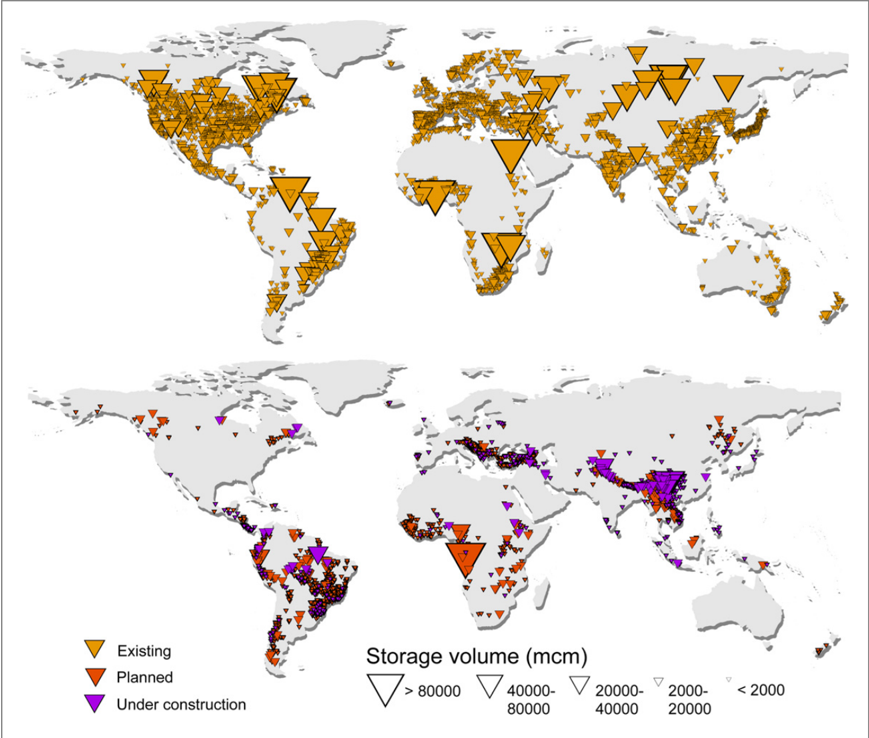
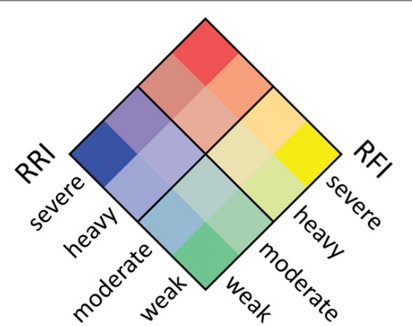
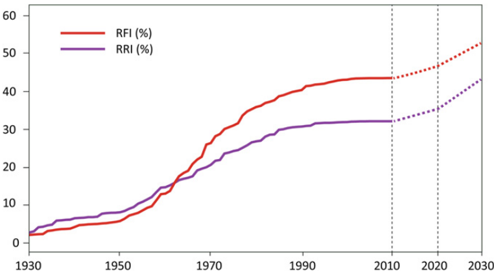
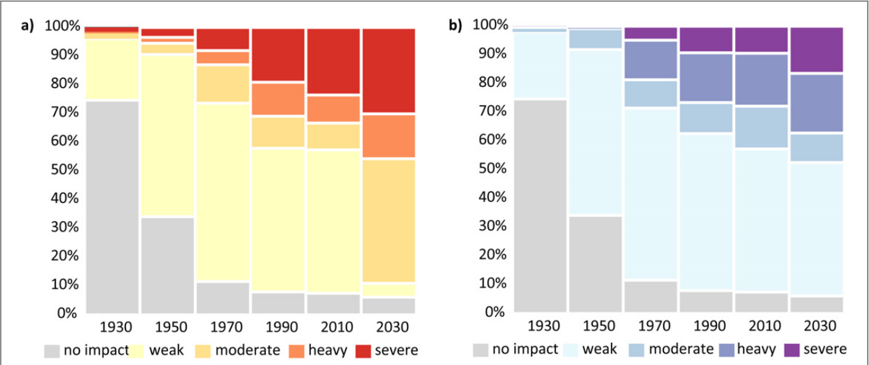
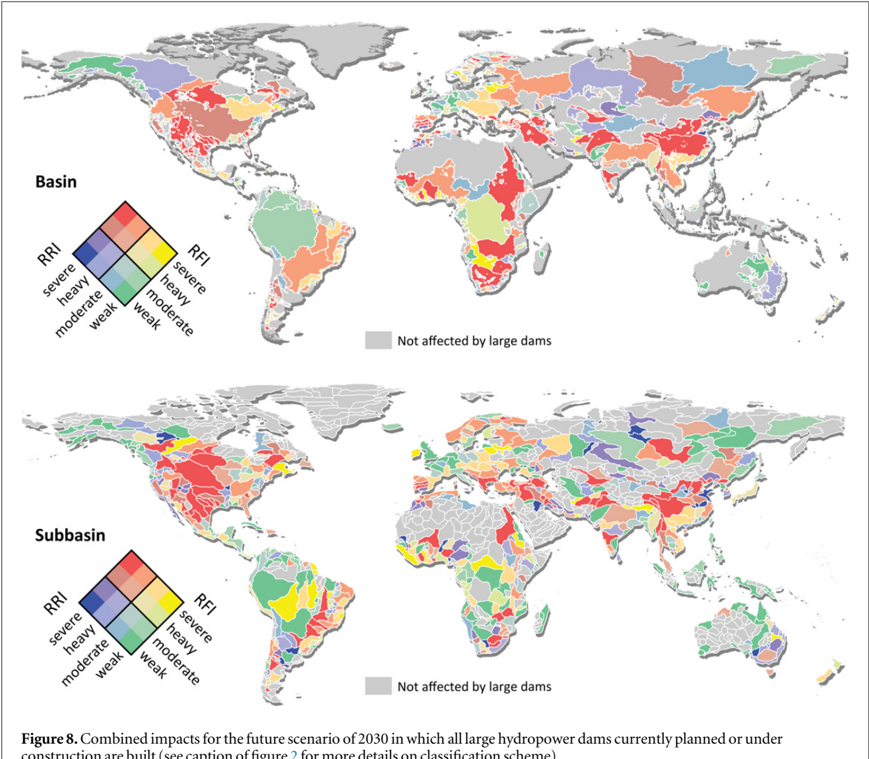
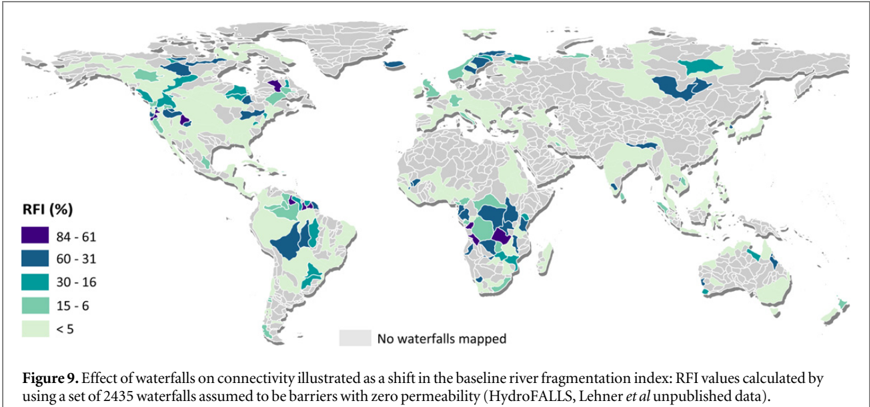
The global number of dam constructions has increased dramatically over the past six decades and is forecast to continue to rise, particularly in less industrialized regions. Identifying development pathways that can deliver the benefits of new infrastructure while also maintaining healthy and productive river systems is a great challenge that requires understanding the multifaceted impacts of dams at a range of scales. New approaches and advanced methodologies are needed to improve predictions of how future dam construction will affect biodiversity, ecosystem functioning, and fluvial geomorphology worldwide, helping to frame a global strategy to achieve sustainable dam development. Here, we respond to this need by applying a graph-based river routing model to simultaneously assess flow regulation and fragmentation by dams at multiple scales using data at high spatial resolution. We calculated the cumulative impact of a set of 6374 large existing dams and 3377 planned or proposed dams on river connectivity and river flow at basin and subbasin scales by fusing two novel indicators to create a holistic dam impact matrix for the period 1930–2030. Static network descriptors such as basin area or channel length are of limited use in hierarchically nested and dynamic river systems, so we developed the river fragmentation index and the river regulation index, which are based on river volume. These indicators are less sensitive to the effects of network configuration, offering increased comparability among studies with disparate hydrographies as well as across scales. Our results indicate that, on a global basis, 48% of river volume is moderately to severely impacted by either flow regulation, fragmentation, or both. Assuming completion of all dams planned and under construction in our future scenario, this number would nearly double to 93%, largely due to major dam construction in the Amazon Basin. We provide evidence for the importance of considering small to medium sized dams and for the need to include waterfalls to establish a baseline of natural fragmentation. Our versatile framework can serve as a component of river fragmentation and connectivity assessments; as a standardized, easily replicable monitoring framework at global and basin scales; and as part of regional dam planning and management strategies.
Overview
The claims and statistics of this paper haven’t been checked yet.
Free: it reads the open-access text and checks the first 5 claims that cite a source we can check. Create a free account to check every claim.
Integrity signals
Registry
Cites
Statistics
Figures
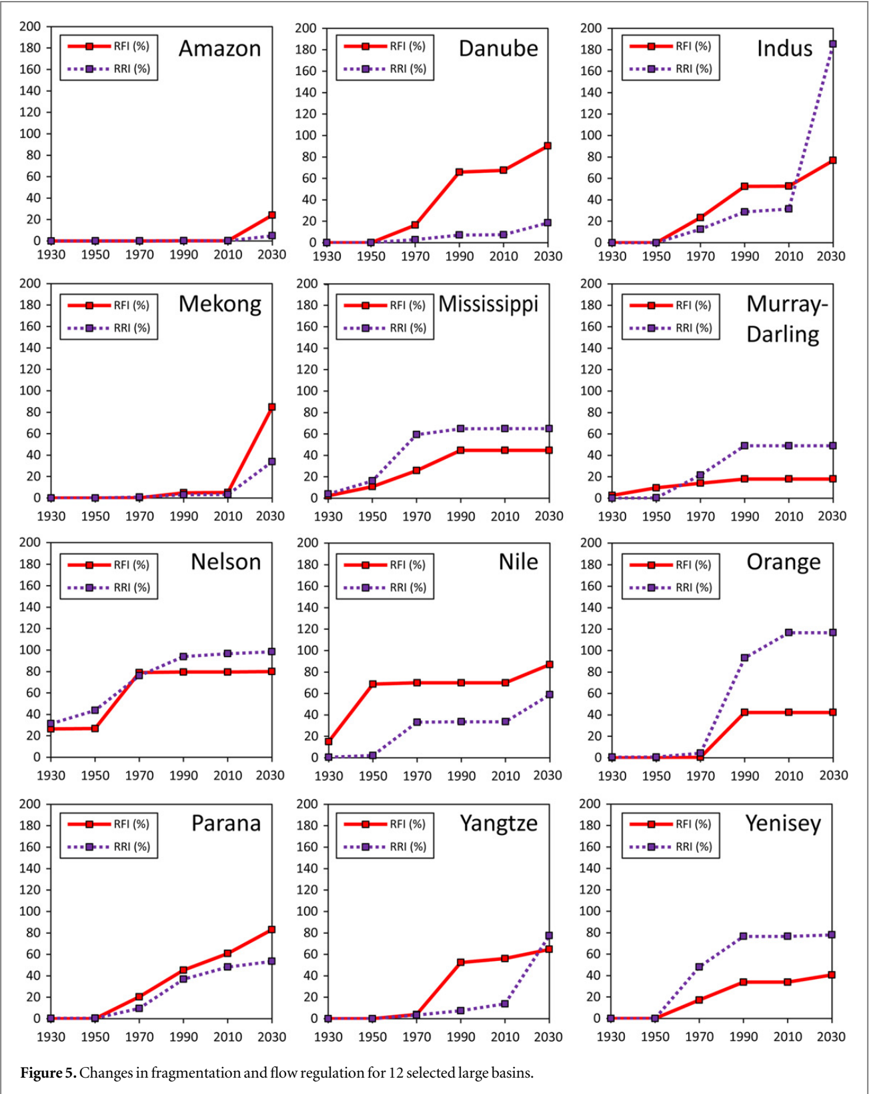
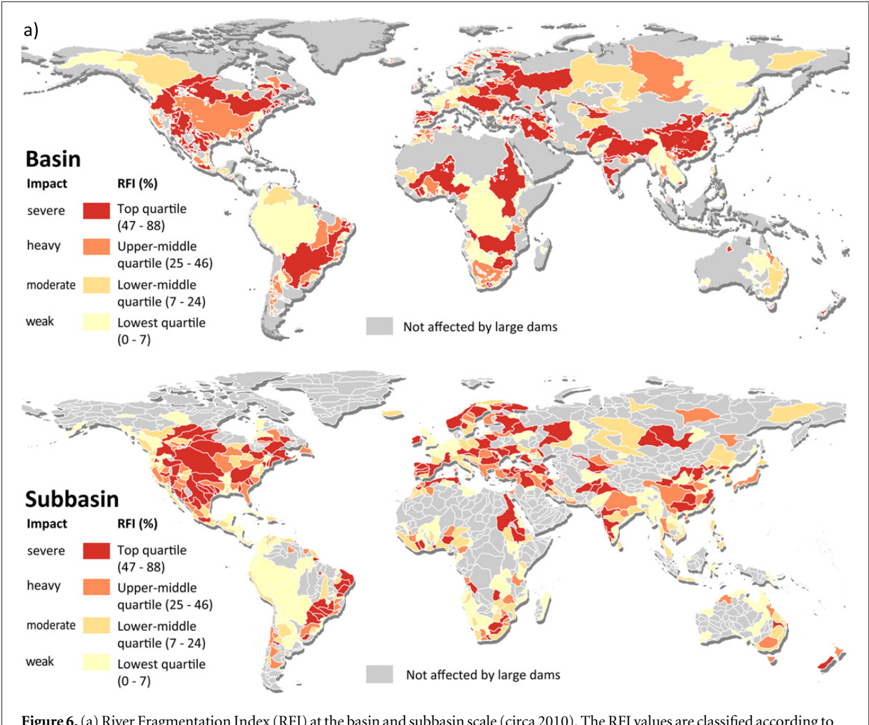
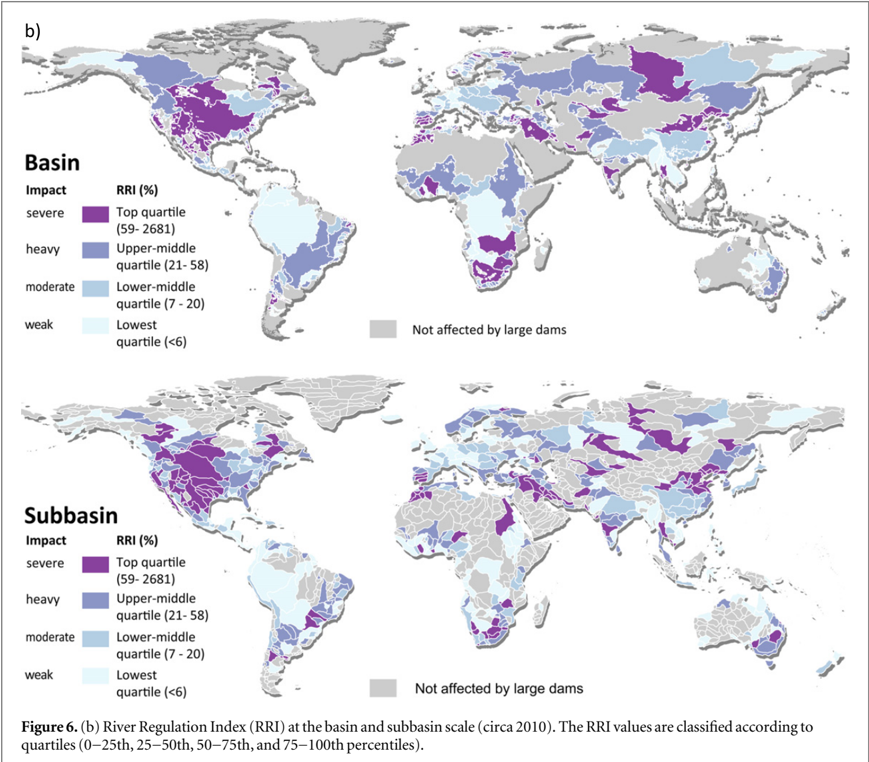
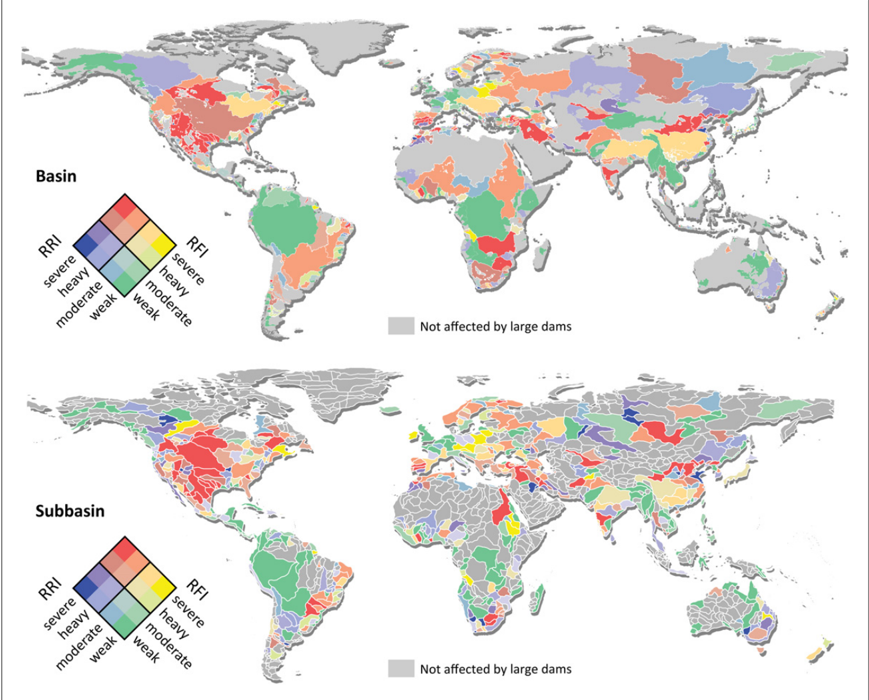
Verification
Claims the paper makes
The claims and statistics of this paper haven’t been checked yet.
Free: it reads the open-access text and checks the first 5 claims that cite a source we can check. Create a free account to check every claim.
Claims other papers make about this one
Each is checked against this paper’s own text: does it say what the citing paper says it does?
In the citing paper
“HydroSHEDS is a hydrographic mapping product that provides river and catchment information for regional and global-scale applications in a consistent format ( 26 ), including catchment areas and discharge estimates.”
From Mapping the world’s free-flowing rivers (2019) · cites this paper as [26]
Self-check
Percentages, sums and reported differences re-computed from the paper’s own numbers.
The self-check needs the paper’s full text.
Citations
Cites
Vannote, R. L., Minshall, G. W., Cummins, K. W., Sedell, J. R., & Cushing, C. E. (1980) · Canadian Journal of Fisheries and Aquatic Sciences · doi:10.1139/f80-017 · Cited by 9,984 · cited 2×
“Following Ward (1989), connectivity has a longitudinal aspect that connects upstream and downstream ecosystems (Vannote et al 1980), a lateral dimension by linking riverine systems with wetlands and floodplains (Tockner et al 1999), and a vertical component that connects surface water with…”
InfluentialGlobal threats to human water security and river biodiversity
Vörösmarty, C. J., McIntyre, P. B., Gessner, M. O., Dudgeon, D., Prusevich, A., Green, P., Glidden, S., Bunn, S. E., Sullivan, C. A., Liermann, C. R., et al. (2010) · Nature · doi:10.1038/nature09440 · Cited by 7,582
Poff, N. L., Allan, J. D., Bain, M. B., Karr, J. R., Prestegaard, K. L., Richter, B. D., Sparks, R. E., & Stromberg, J. C. (1997) · BioScience · doi:10.2307/1313099 · Cited by 6,500 · cited 1×
“…ecological functioning (Ward and Stanford 1995, Pringle et al 2000, Carlisle et al 2011), e.g., by reducing sediment delivery to floodplains and deltas (Syvitski et al 2009), altering thermal regimes (Poole and Berman 2001), or by disrupting life cycles of freshwater species (Poff et al 1997).”
Mackay, A. (2008) · Journal of Environmental Quality · doi:10.2134/jeq2008.0015br · Cited by 5,591
Fragmentation and Flow Regulation of the World's Large River Systems
Nilsson, C., Reidy, C. A., Dynesius, M., & Revenga, C. (2005) · Science · doi:10.1126/science.1107887 · Cited by 3,509 · cited 7×
“The DOR has in one form or another been a key component of seminal studies on flow regulation (e.g., Nilsson et al 2005) or has been analyzed in terms of the hydrologically equivalent ‘change in residence time’ or ‘water aging’ (e.g., Vörösmarty et al 1997).”
InfluentialBasic Principles and Ecological Consequences of Altered Flow Regimes for Aquatic Biodiversity
BUNN, S. E., & ARTHINGTON, A. H. (2002) · Environmental Management · doi:10.1007/s00267-002-2737-0 · Cited by 3,379
Parry, M. L., Canziani, O. F., de Strihou, J.-P. V. Y., & Palutikof, J. P. (2007) · Cited by 2,783
High‐resolution mapping of the world's reservoirs and dams for sustainable river‐flow management
Lehner, B., Liermann, C. R., Revenga, C., Vörösmarty, C., Fekete, B., Crouzet, P., Döll, P., Endejan, M., Frenken, K., Magome, J., et al. (2011) · Frontiers in Ecology and the Environment · doi:10.1890/100125 · Cited by 2,515 · cited 7×
“In order to compare our volumetric results to Lehner et al (2011)who focussed on river length, we calculated the volume of all reaches with DOR values ⩾2%, a threshold previously used to distinguish ‘affected’ rivers (Dynesius and Nilsson 1994, Nilsson et al 2005, Lehner et al 2011).”
InfluentialSelf-citationSinking deltas due to human activities
Syvitski, J. P. M., Kettner, A. J., Overeem, I., Hutton, E. W. H., Hannon, M. T., Brakenridge, G. R., Day, J., Vörösmarty, C., Saito, Y., Giosan, L., et al. (2009) · Nature Geoscience · doi:10.1038/ngeo629 · Cited by 2,465
A Method for Assessing Hydrologic Alteration within Ecosystems
Richter, B. D., Baumgartner, J. V., Powell, J., & Braun, D. P. (1996) · Conservation Biology · doi:10.1046/j.1523-1739.1996.10041163.x · Cited by 2,463 · cited 2×
“We believe that the proposed method and indicators can be applied inmultiple ways: as a standardized, easily replicable monitoring tool that provides comparable global and basin-scale indicators of changes and trends in support of international initiatives such as the Millennium Development Goals, the Global Biodivers…”
Method
Research works printed but not linked: 3
- ICPDR, 2009, Danube River Basin District Management Plan. Part A—Basin-wide overview.
- Ostroff A, Wieferich D, Cooper A and Infante D M 2013 National Anthropogenic Barrier Dataset (NABD) (Denver, CO: United States Geological Service (USGS) Aquatic GAP Program)
- Vörösmarty C J, 1997, AMBIO: J. Hum. Environ., 26, 210
Cited by
Items 101–200 of 739
Reconnecting the Elwha River: Spatial Patterns of Fish Response to Dam Removal
Duda, J. J., Torgersen, C. E., Brenkman, S. J., Peters, R. J., Sutton, K. T., Connor, H. A., Kennedy, P., Corbett, S. C., Welty, E., Geffre, A., et al. (2021) · Frontiers in Ecology and Evolution · doi:10.3389/fevo.2021.765488 · Cited by 65
Dai, M., Wang, J., Mingbo, Z., & Chen, X. (2017) · International Journal of Sediment Research · doi:10.1016/j.ijsrc.2017.02.006 · Cited by 63
Dunn, F., Nicholls, R. J., Darby, S. E., Cohen, S., Zarfl, C., & Fekete, B. M. (2018) · The Science of The Total Environment · doi:10.1016/j.scitotenv.2018.06.006 · Cited by 64
“As Zarfl et al. (2015) do not include reservoir volume in the projected dam 256 database, the reservoir volumes required for input to WBMsed were calculated from 257 potential generating capacity using the relationship established by Grill et al. (2015).”
MethodSelf-citationCastilla, E. P., Cunha, D. G. F., Lee, F. W. F., Loiselle, S., Ho, K.-C., & Hall, C. (2015) · Environmental Monitoring and Assessment · doi:10.1007/s10661-015-4912-9 · Cited by 67
“The HydroBASINS’s watershed boundaries were developed on behalf of theWorldWildlife Fund (Lehner and Grill 2013) and have already been used in several freshwater ecological studies (Carrizo et al. 2013; Markovic et al. 2014; Grill et al. 2015).”
MethodImpacts of loss of free-flowing rivers on global freshwater megafauna
He, F., Thieme, M. L., Zarfl, C., Grill, G., Lehner, B., Hogan, Z. S., Tockner, K., & Jähnig, S. C. (2021) · Biological Conservation · doi:10.1016/j.biocon.2021.109335 · Cited by 62
Self-citationMaheu, A., St‐Hilaire, A., Caissie, D., El‐Jabi, N., Bourque, G., & Boisclair, D. (2016) · Canadian Journal of Fisheries and Aquatic Sciences · doi:10.1139/cjfas-2015-0486 · Cited by 61
“A large proportion of river basins in North America are heavily impacted by river regulation (Grill et al. 2015), and given their widespread distribution, dams can also be an important source of thermal alteration for rivers.”
BackgroundBertoni, F., Castelletti, A. F., Giuliani, M., & Reed, P. M. (2019) · Earth s Future · doi:10.1029/2019ef001235 · Cited by 61
“They play an important role in managing climate extremes (floods and droughts) as well as the multisectoral demands that are typically in conflict for allocations of a regions' water resources (Berga et al., 2006; Grill et al., 2015).”
BackgroundWang, S., Cao, Z., Luo, P., & Zhu, W. Y. (2022) · Atmosphere · doi:10.3390/atmos13050744 · Cited by 60
Wang, K., Li, P., He, C., Shi, Q., & He, D. (2021) · Water Research · doi:10.1016/j.watres.2021.117358 · Cited by 60
The connectivity between soil erosion and sediment entrapment in reservoirs
Zarfl, C., & Lúcia, A. (2018) · Current Opinion in Environmental Science & Health · doi:10.1016/j.coesh.2018.05.001 · Cited by 60
Self-citationGlibert, P. M., Beusen, A. H. W., Harrison, J. A., Dürr, H. H., Bouwman, L., & Laruelle, G. G. (2018) · Ecological studies · doi:10.1007/978-3-319-70069-4_4 · Cited by 60
Hybrid life cycle assessment of agro-industrial wastewater valorisation
Chen, W., Oldfield, T. L., Patsios, S. I., & Holden, N. M. (2019) · Water Research · doi:10.1016/j.watres.2019.115275 · Cited by 59
Zielinski, D. P., McLaughlin, R. L., Pratt, T. C., Goodwin, R. A., & Muir, A. M. (2020) · BioScience · doi:10.1093/biosci/biaa090 · Cited by 59
CO 2 emissions from karst cascade hydropower reservoirs: mechanisms and reservoir effect
Wang, W., Li, S., Zhong, J., Wang, L., Yang, H., Xiao, H., & Liu, C. (2021) · Environmental Research Letters · doi:10.1088/1748-9326/abe962 · Cited by 59
Response of European grayling, Thymallus thymallus, to multiple stressors in hydropeaking rivers
Hayes, D. S., Lautsch, E., Unfer, G., Greimel, F., Zeiringer, B., Höller, N., & Schmutz, S. (2021) · Journal of Environmental Management · doi:10.1016/j.jenvman.2021.112737 · Cited by 58
Arias, M. E., Wittmann, F., Parolin, P., Murray‐Hudson, M., & Cochrane, T. A. (2016) · Hydrobiologia · doi:10.1007/s10750-016-2664-3 · Cited by 58
“On the one hand, water infrastructure development is accelerating in emerging economies, and future planswill likely impact conservation strategies for those large rivers that are still relatively unregulated (Grill et al., 2015).”
BackgroundMilt, A. W., Diebel, M. W., Doran, P. J., Ferris, M. C., Herbert, M. E., Khoury, M. L., Moody, A. T., Neeson, T. M., Ross, J. A., Treska, T., et al. (2018) · Conservation Biology · doi:10.1111/cobi.13105 · Cited by 57
Effects of change in streamflow patterns on water quality
Patil, R. J., Wei, Y., Pullar, D. V., & Shulmeister, J. (2021) · Journal of Environmental Management · doi:10.1016/j.jenvman.2021.113991 · Cited by 56
Mellado‐Díaz, A., Sánchez-González, J. R., Guareschi, S., Magdaleno, F., & Toro, M. (2019) · The Science of The Total Environment · doi:10.1016/j.scitotenv.2019.133774 · Cited by 56
Predicting the Likely Thermal Impact of Current and Future Dams Around the World
Ahmad, S. K., Hossain, F., Holtgrieve, G. W., Pavelsky, T. M., & Galelli, S. (2021) · Earth s Future · doi:10.1029/2020ef001916 · Cited by 56
“Given the pace at which future dams are being built, it is imperative to identify development pathways where the proposed infrastructure can serve its purpose while maintaining a sustainable and productive river system (Grill et al., 2015).”
BackgroundMethodCai, L., Katopodis, C., Johnson, D., Zhang, P., & Zhao, P. (2018) · Ecological Engineering · doi:10.1016/j.ecoleng.2018.07.023 · Cited by 55
Classical metapopulation dynamics and eco‐evolutionary feedbacks in dendritic networks
Fronhofer, E. A., & Altermatt, F. (2017) · Ecography · doi:10.1111/ecog.02761 · Cited by 56
“Such measures should402 especially take into account anthropogenic interventions affecting connectivity (especially heterogeneity on connections between patches) and fragmentation, such as dam- and channel building (Grill et al., 2015;404 Grant et al., 2012).”
BackgroundDamming the transnational Ayeyarwady basin. Hydropower and the water-energy nexus
Hennig, T. (2016) · Renewable and Sustainable Energy Reviews · doi:10.1016/j.rser.2016.07.048 · Cited by 54
Parametric transitions between bare and vegetated states in water-driven patterns
Bertagni, M. B., Perona, P., & Camporeale, C. (2018) · Proceedings of the National Academy of Sciences · doi:10.1073/pnas.1721765115 · Cited by 55
“As a consequence, 48% of all rivers worldwide are hydrologically altered by human activities (1), with a biodiversity threat exceeding the 75th percentile (2).”
BackgroundZhao, Q., Ding, S., Lu, X., Liang, G., Hong, Z., Lu, M., & Jing, Y. (2021) · CATENA · doi:10.1016/j.catena.2021.105880 · Cited by 53
Globally widespread and increasing violations of environmental flow envelopes
Virkki, V., Alanärä, E., Porkka, M., Ahopelto, L., Gleeson, T., Mohan, C., Wang-Erlandsson, L., Flörke, M., Gerten, D., Gosling, S. N., et al. (2022) · Hydrology and Earth System Sciences · doi:10.5194/hess-26-3315-2022 · Cited by 52
“These natural streamflow dynamics have already changed in major rivers across the globe (Grill et al., 2015).”
BackgroundNakicenovic, N., Riahi, K., Boza‐Kiss, B., Busch, S., Fujimori, S., Goujon, A., Grubler, A., Hasegawa, T., Kolp, P., McCollum, D. L., et al. (2018) · IIASA PURE (International Institute of Applied Systems Analysis) · doi:10.22022/tnt/07-2018.15347 · Cited by 57
Yoshioka, H., & Yaegashi, Y. (2017) · Applied Stochastic Models in Business and Industry · doi:10.1002/asmb.2301 · Cited by 51
Estado de conservación y distribución de la biodiversidad de agua dulce en los Andes tropicales
Tognelli, M. F., Lasso, C. A., Bota-Sierra, C. A., Jiménez-Segura, L. F., & Cox, N. A. (2016) · doi:10.2305/iucn.ch.2016.02.en · Cited by 56
Linking Mountain Glacier Retreat and Hydrological Changes in Southwestern Yukon
Chesnokova, A., Baraër, M., Laperrière-Robillard, T., & Huh, K. I. (2020) · Water Resources Research · doi:10.1029/2019wr025706 · Cited by 51
“Reservoirs are known to impact hydrological regimes by reducing the peak flows and altering the low flows' magnitudes as well as changing the peak flows and the low flows' frequencies (Grill et al., 2015; Mailhot et al., 2018).”
BackgroundIntroducing ‘riverconn’: an R package to assess river connectivity indices
Baldan, D., Cunillera‐Montcusí, D., Funk, A., & Hein, T. I. A. (2022) · Environmental Modelling & Software · doi:10.1016/j.envsoft.2022.105470 · Cited by 50
Governing Ecological Connectivity in Cross-Scale Dependent Systems
Keeley, A. T. H., Fremier, A. K., Goertler, P. A. L., Huber, P. R., Sturrock, A. M., Bashevkin, S. M., Barbaree, B. A., Grenier, J. L., Dilts, T. E., Gogol‐Prokurat, M., et al. (2022) · BioScience · doi:10.1093/biosci/biab140 · Cited by 50
Jiang, D., Li, Z., Luo, Y., & Xia, Y. (2020) · The Science of The Total Environment · doi:10.1016/j.scitotenv.2020.143682 · Cited by 48
Mekong Fishes: Biogeography, Migration, Resources, Threats, and Conservation
Kang, B., & Huang, X. (2021) · Reviews in Fisheries Science & Aquaculture · doi:10.1080/23308249.2021.1906843 · Cited by 49
“…the Mekong were widely discussed previously (Grumbine and Xu 2011; Stone 2011; Vaidyanathan 2011; Lanza 2012), the assessments on cumulative impacts on hydrology and ecosystem services caused by cascade dams within a watershed have been largely ignored (Grill et al. 2015; Winemiller et al. 2016).”
BackgroundO’Hanley, J. R., Pompeu, P. D. S., Louzada, M. O., Lima, L. P. Z., & Kemp, P. S. (2019) · Landscape and Urban Planning · doi:10.1016/j.landurbplan.2019.103725 · Cited by 48
“…suited for informing efficient hydropower 350 development across the wider tropics and subtropics (e.g., the Amazon, Mekong, equatorial 351 Africa), where the vast majority of hydropower dam building expected to be concentrated in the 352 coming years (Grill et al. 2015; Winemiller et al. 2016).”
BackgroundA new index to quantify longitudinal river fragmentation: Conservation and management implications
Jumani, S., Deitch, M. J., do Valle, D. R., Machado, S., Lecours, V., Kaplan, D., Krishnaswamy, J., & Howard, J. K. (2022) · Ecological Indicators · doi:10.1016/j.ecolind.2022.108680 · Cited by 47
Freshwaters: Global Distribution, Biodiversity, Ecosystem Services, and Human Pressures
Tockner, K. (2021) · Springer eBooks · doi:10.1007/978-3-030-60147-8_16 · Cited by 47
Are debt-for-nature swaps scalable: Which nature, how much debt, and who pays?
Nedopil, C., Yue, M., & Hughes, A. C. (2023) · AMBIO · doi:10.1007/s13280-023-01914-4 · Cited by 48
“…ecosystem problems [deforestation (Sommer et al. 2020), over-grazing (Smith 2017), rapid loss of mangroves (Thomas et al. 2017; Goldberg et al. 2020; Richards et al. 2020), and river fragmentation (Grill et al. 2015)] may be targeted most effectively with local spatial conservation approaches.”
BackgroundEffects of climate change on river and groundwater nutrient inputs to the coastal ocean
Richardson, C., Peucker‐Ehrenbrink, B., Wyatt, S. N., Bourbonnais, A., Hatje, V., Frey, C., Sanders, T., Varela, D. E., & Paytan, A. (2025) · Communications Earth & Environment · doi:10.1038/s43247-025-02594-6 · Cited by 46
Moving repatriation efforts forward for imperilled Canadian freshwater fishes
Lamothe, K. A., & Drake, D. A. R. (2019) · Canadian Journal of Fisheries and Aquatic Sciences · doi:10.1139/cjfas-2018-0295 · Cited by 47
100 Years of Progress in Hydrology
Peters‐Lidard, C. D., Hossain, F., Leung, L.-Y. R., McDowell, N. G., Rodell, M., Tapiador, F. J., Turk, F. J., & Wood, A. W. (2018) · Meteorological Monographs · doi:10.1175/amsmonographs-d-18-0019.1 · Cited by 49
Phytoplankton functional groups in a subtropical Brazilian reservoir: responses to impoundment
Souza, D. R. D. G., Bueno, N. C., Bortolini, J. C., Rodrigues, L. C., Bovo-Scomparin, V. M., & de Souza-Franco, G. M. (2016) · Hydrobiologia · doi:10.1007/s10750-016-2798-3 · Cited by 45
“Moreover, dams can have cumulative effects many hundreds of kilometers downstream and upstream from the barrier (Grill et al., 2015).”
BackgroundAcharya, S., Holland, A., Rees, G. N., Brooks, A. J., Coleman, D. W., Hepplewhite, C., Mika, S., Bond, N. R., & Silvester, E. J. (2023) · Water Research · doi:10.1016/j.watres.2023.119975 · Cited by 44
Climate change triggered planktonic cyanobacterial blooms in a regulated temperate river
Kleinteich, J., Frassl, M. A., Schulz, M., & Fischer, H. (2024) · Scientific Reports · doi:10.1038/s41598-024-66586-w · Cited by 44
“On a global scale, many rivers are regulated 13 and despite accomplished measures and improvements in water quality, eutrophication remains one of the main challenges for water quality 36 .”
BackgroundWang, H., Ran, X., Bouwman, L., Wang, J., Xu, B., Song, Z., Sun, S., Yao, Q., & Yu, Z. (2022) · Journal of Hydrology · doi:10.1016/j.jhydrol.2022.127525 · Cited by 44
Bertalan, L., Rodrigo‐Comino, J., Surian, N., Michalková, M. Š., Kovács, Z., Szabó, S., Szabó, G., & Hooke, J. M. (2019) · Journal of Environmental Management · doi:10.1016/j.jenvman.2019.109277 · Cited by 43
Qin, G., Liu, J., Xu, S., & Wang, T. (2020) · Environmental Monitoring and Assessment · doi:10.1007/s10661-020-08404-0 · Cited by 43
Bacterial communities in cascade reservoirs along a large river
Chen, Q., Chen, Y., Yang, J., MABERLY, S. C., Zhang, J., Ni, J., Wang, G., Tonina, D., Xiao, L., & Ma, H. (2021) · Limnology and Oceanography · doi:10.1002/lno.11967 · Cited by 43
Hunt, J. D., Zakeri, B., Nascimento, A., & Brandão, R. (2022) · Elsevier eBooks · doi:10.1016/b978-0-12-824510-1.00008-8 · Cited by 43
Hennig, T., Wang, W., Magee, D., & He, D. (2016) · Water · doi:10.3390/w8100476 · Cited by 42
Catchment-scale effects of river fragmentation: A case study on restoring connectivity
Birnie‐Gauvin, K., Nielsen, J., Frandsen, S. B., Olsen, H.-M., & Aarestrup, K. (2020) · Journal of Environmental Management · doi:10.1016/j.jenvman.2020.110408 · Cited by 44
A multi-pressure analysis of ecosystem services for conservation planning in the Alps
Vigl, L. E., Marsoner, T., Schirpke, U., Tscholl, S., Candiago, S., & Depellegrin, D. (2020) · Ecosystem Services · doi:10.1016/j.ecoser.2020.101230 · Cited by 42
Optimizing efforts to restore aquatic ecosystem connectivity requires thinking beyond large dams
Baumgartner, L. J., Marsden, T., Duffy, D., Horta, A., & Ning, N. (2022) · Environmental Research Letters · doi:10.1088/1748-9326/ac40b0 · Cited by 33
“Large dams have already been the subject of basin-scale fragmentation assessments in many of the world’s major river systems, because of their ubiquity and major impacts (Nilsson 2005, Grill et al 2015, Grill et al 2019).”
BackgroundInformatik, Alcamo, J. P., & Güntner, A. (2016) · Kobra (Universitätsbibliothek Kassel) · Cited by 43
Rodeles, A. A., Galicia, D., & Miranda, R. (2021) · Ecological Indicators · doi:10.1016/j.ecolind.2021.107557 · Cited by 42
Effect of dam on iron species distribution and transformation in riparian zones
Lu, Y., Zhang, P., Liu, H., Bu, X., Li, Y., Wen, Z., Li, M., Mao, S., & Yuan, S. (2022) · Journal of Hydrology · doi:10.1016/j.jhydrol.2022.127869 · Cited by 41
Past and future change in global river flows
Gudmundsson, L., Brunner, M. I., Döll, P., Fluet‐Chouinard, E., Frolova, N., Gosling, S. N., Hirabayashi, Y., Kireeva, M. B., Liu, X., Schmied, H. M., et al. (2025) · Nature Reviews Earth & Environment · doi:10.1038/s43017-025-00745-z · Cited by 40
A Spatially Variable Time Series of Sea Level Change Due to Artificial Water Impoundment
Hawley, W. B., Hay, C. C., Mitrovica, J. X., & Kopp, R. E. (2020) · Earth s Future · doi:10.1029/2020ef001497 · Cited by 40
“, 2015), the impact of river fragmentation on ecosystems (Grill et al., 2015), and hazards related to reservoir‐induced seismicity (e.”
InfluentialYan, H., Zhang, X., & Xu, Q. (2021) · CATENA · doi:10.1016/j.catena.2021.105833 · Cited by 40
Chen, M., Papadikis, K., Jun, C., & Macdonald, N. (2022) · Journal of Hydrology · doi:10.1016/j.jhydrol.2022.128772 · Cited by 40
Understanding Hydrological Alteration
Stewardson, M. J., Acreman, M., Costelloe, J. F., Fletcher, T. D., Fowler, K., Horne, A., Liu, G., McClain, M. E., & Peel, M. (2017) · Elsevier eBooks · doi:10.1016/b978-0-12-803907-6.00003-6 · Cited by 42
McManamay, R. A., George, R., Morrison, R. R., & Ruddell, B. L. (2022) · Scientific Data · doi:10.1038/s41597-022-01566-1 · Cited by 43
“The steps include: (1) compiling a nationwide dataset of streamflow gauges from the US Geological Survey (USGS) and distinguishing reference and non-reference gages and associated records21–23, (2) assembling stream flow records and calculating hydrologic indices23, (3) quantifying hydrologic alteration for stream gag…”
MethodWidén, Å., Malm‐Renöfält, B., Degerman, E., Wisaeus, D., & Jansson, R. (2022) · Water Resources Research · doi:10.1029/2021wr030297 · Cited by 40
Wang, R., Han, Y., Fan, F., Molinos, J. G., Xu, J., Wang, K., Wang, D., & Mei, Z. (2022) · Ecological Indicators · doi:10.1016/j.ecolind.2022.109434 · Cited by 39
Canadian Continental-Scale Hydrology under a Changing Climate: A Review
Stadnyk, T., & Déry, S. J. (2021) · Water · doi:10.3390/w13070906 · Cited by 39
“Studies have shown an increasing trend for river fragmentation and regulation over recent decades [52].”
BackgroundAmerican eel personality and body length influence passage success in an experimental fishway
Mensinger, M. A., Brehm, A. M., Mortelliti, A., Blomberg, E. J., & Zydlewski, J. (2021) · Journal of Applied Ecology · doi:10.1111/1365-2664.14009 · Cited by 39
“Considering that >90% of global river volume will be impacted by impoundments by 2030 (Grill et al., 2015), selection imposed by passage systems may bear severe consequences for fish species and aquatic ecosystems.”
BackgroundAssessing the potential impacts of dam operation on daily flow at ungauged river reaches
Mailhot, A., Talbot, G., Ricard, S., Turcotte, R., & Guinard, K. (2018) · Journal of Hydrology Regional Studies · doi:10.1016/j.ejrh.2018.06.006 · Cited by 39
Higgisson, W., Higgisson, B., Powell, M., Driver, P. D., & Dyer, F. J. (2019) · River Research and Applications · doi:10.1002/rra.3409 · Cited by 40
“Worldwide, the patterns of flow in rivers have been, and continues to be, affected by water resource development (Grill et al., 2015; Haddeland et al., 2014; Nilsson, Reidy, Dynesius, & Revenga, 2005).”
BackgroundUncharted waters: the rise of human-made aquatic environments in the age of the “Anthropocene”
Saulnier-Talbot, É., & Lavoie, I. (2018) · Anthropocene · doi:10.1016/j.ancene.2018.07.003 · Cited by 38
“It is also estimated that 48% of the world’s river volume is moderately or severely affected by flow regulation and/or fragmentation; this number is expected to rise to 93% if all planned or proposed dams to be built by 2030 are completed (Grill et al. 2015).”
BackgroundBrosse, M., Benateau, S., Gaudard, A., Stamm, C., & Altermatt, F. (2022) · Ecological Solutions and Evidence · doi:10.1002/2688-8319.12127 · Cited by 38
“Fragmentation or inter-basin water transfers for hydroelectric installations, being known to affect whole river networks (Grill et al., 2015), thus have strong effects on ecology of aquatic organisms.”
BackgroundDas, P., Hossain, F., Khan, S., Biswas, N. K., Lee, H., Piman, T., Meechaiya, C., Ghimire, U., & Hosen, K. (2022) · Environmental Modelling & Software · doi:10.1016/j.envsoft.2022.105533 · Cited by 41
“to reservoirs, which is projected to increase to about 93% in the future (Grill et al., 2015).”
BackgroundViewing river corridors through the lens of critical zone science
Wymore, A. S., Ward, A. S., Wohl, E., & Harvey, J. W. (2023) · Frontiers in Water · doi:10.3389/frwa.2023.1147561 · Cited by 38
“, 2003), flow regulation via dams and diversions (Grill et al., 2015), construction of artificial levees (Knox et al.”
BackgroundGlobal Analysis of Durable Policies for Free-Flowing River Protections
Perry, D., Harrison, I., Fernandes, S., Burnham, S., & Nichols, A. (2021) · Sustainability · doi:10.3390/su13042347 · Cited by 37
“Large dams provide energy, irrigation, flood control, and municipal water security, by modifying the flow of the rivers [14].”
BackgroundChan, J. C. F., Lam, B. Y. K., Dudgeon, D. L., & Liew, J. H. (2025) · Biological reviews/Biological reviews of the Cambridge Philosophical Society · doi:10.1111/brv.70032 · Cited by 38
Ponton, D. E., Lavoie, R. A., Leclerc, M., Bilodeau, F., Planas, D., & Amyot, M. (2021) · Environmental Science & Technology · doi:10.1021/acs.est.0c07015 · Cited by 37
Glibert, P. M., Heil, C. A., Madden, C. J., & Kelly, S. P. (2021) · Biogeochemistry · doi:10.1007/s10533-021-00760-4 · Cited by 37
“River discharge is changing in many parts of the world, from physical manipulations such as dam construction (e.g., Grill et al. 2015; Zarfl et al. 2015), channelization or management-regulated flow (e.g., Madden 2010), and from climate change (VicenteSerrano et al. 2019; Glibert 2020, Glibert et…”
BackgroundImplementation and sensitivity analysis of the Dam-Reservoir OPeration model (DROP v1.0) over Spain
Sadki, M., Munier, S., Boone, A. A., & Ricci, S. (2023) · Geoscientific model development · doi:10.5194/gmd-16-427-2023 · Cited by 38
Arevalo, E., Lassalle, G., Tetard, S., Maire, A., Sauquet, É., Lambert, P., Paumier, A., Villeneuve, B., & Drouineau, H. (2020) · The Science of The Total Environment · doi:10.1016/j.scitotenv.2020.141260 · Cited by 36
Microbial diversity accumulates in a downstream direction in the Three Gorges Reservoir
Wang, S., Hou, W., Jiang, H., Huang, L., Dong, H., Chen, S., Wang, B., Chen, Y., Lin, B., & Deng, Y. (2020) · Journal of Environmental Sciences · doi:10.1016/j.jes.2020.08.006 · Cited by 36
Sánchez‐Gómez, A., Arnold, J. G., Bieger, K., Čerkasova, N., Sammons, N. B., Pérez, S. M., & Molina‐Navarro, E. (2025) · Water Resources Management · doi:10.1007/s11269-024-04071-9 · Cited by 35
“This limits their usefulness for water resources managers and their reliability, since most river basins are not in a natural regime (Grill et al. 2015 ; Haddeland et al. 2014; Sofi et al. 2020).”
Challenges in Riverine Ecosystem Management
Sendzimir, J., & Schmutz, S. (2018) · Springer eBooks · doi:10.1007/978-3-319-73250-3_1 · Cited by 35
“Impacts could double should all planned dams be constructed by 2030 (Grill et al. 2015).”
BackgroundQuantifying Dam‐Induced Fluctuations in Streamflow Frequencies Across the Colorado River Basin
Hwang, J., Kumar, H., Ruhí, A., Sankarasubramanian, A., & Devineni, N. (2021) · Water Resources Research · doi:10.1029/2021wr029753 · Cited by 35
Wu, H., Song, F., Li, J., Zhou, Y., Zhang, J., & Fu, C. (2022) · Journal of Hydrology · doi:10.1016/j.jhydrol.2022.127847 · Cited by 35
Franklin, P. A., Sykes, J., Robbins, J., Booker, D. J., Bowie, S., Gee, E. M., & Baker, C. F. (2022) · Ecological Informatics · doi:10.1016/j.ecoinf.2022.101831 · Cited by 36
Šmejkal, M., Bartoň, D., Duras, J., Horký, P., Muška, M., Kubečka, J., Pfauserová, N., Tesfaye, M., & Slavík, O. (2023) · Frontiers in Environmental Science · doi:10.3389/fenvs.2023.1099030 · Cited by 37
“, 2019) is optimal solution of strong interaction between generalist fishes and rheophilic fishes, the global trend is to increase proportions of rivers that will be affected by damming (Grill et al., 2015; Zarfl et al., 2015; Winemiller et al., 2016; Cutler et al., 2020).”
BackgroundQiao, S., Yang, Y., Xu, B., Yang, Y., Zhu, M., Li, F., & Yu, H. (2024) · The Science of The Total Environment · doi:10.1016/j.scitotenv.2024.172002 · Cited by 34
Buddendorf, W. B., Jackson, F. L., Malcolm, I. A., Millidine, K. J., Geris, J., Wilkinson, M. E., & Soulsby, C. (2018) · The Science of The Total Environment · doi:10.1016/j.scitotenv.2018.11.263 · Cited by 34
Alternative transient states and slow plant community responses after changed flooding regimes
Sarneel, J. M., Hefting, M. M., Kowalchuk, G. A., Nilsson, C. F., van der Velden, M., Visser, E. J. W., Voesenek, L. A. C. J., & Jansson, R. (2019) · Global Change Biology · doi:10.1111/gcb.14569 · Cited by 34
“At the same time, 90% of the global river volume is impacted by flow regulation (Grill et al., 2015).”
BackgroundBailly, D., Batista-Silva, V. F., Cassemiro, F. A. S., Lemes, P., da Graça., W. J., de Oliveira, A. G., do Couto, E. V., Ferreira, J. H. D., Ré, R., Rangel, T. F., et al. (2021) · Aquatic Conservation Marine and Freshwater Ecosystems · doi:10.1002/aqc.3594 · Cited by 35
Calderón, M. R., Almeida, C. A., Jofré, M. B., González, S. P., & Miserendino, M. L. (2023) · The Science of The Total Environment · doi:10.1016/j.scitotenv.2023.163468 · Cited by 34
A century of human interventions on sediment flux variations in the Danube-Black Sea transition zone
Constantinescu, A. M., Tyler, A. N., Stănică, A., Spyrakos, E., Hunter, P., Catianis, I., & Panin, N. (2023) · Frontiers in Marine Science · doi:10.3389/fmars.2023.1068065 · Cited by 34
“The Danube River is highly fragmented and regulated and this phenomenon will only grow in the future (Grill et al., 2015; Habersack et al., 2016).”
BackgroundEriyagama, N., Smakhtin, V., & Udamulla, L. (2020) · Earth-Science Reviews · doi:10.1016/j.earscirev.2020.103294 · Cited by 34
Dams facilitate predation during Atlantic salmon ( Salmo salar ) smolt migration
Mensinger, M. A., Hawkes, J. P., Goulette, G. S., Mortelliti, A., Blomberg, E. J., & Zydlewski, J. (2023) · Canadian Journal of Fisheries and Aquatic Sciences · doi:10.1139/cjfas-2023-0175 · Cited by 33
Water security determines social attitudes about dams and reservoirs in South Europe
Dopico, E., Arboleya, E., Fernández, S., Borrell, Y. J., Consuegra, S., de Leániz, C. G., Lázaro, G., Rodríguez, C., & García‐Vázquez, E. (2022) · Scientific Reports · doi:10.1038/s41598-022-10170-7 · Cited by 33
Sandhya, K. M., Lianthuamluaia, L., Karnatak, G., Sarkar, U. K., Kumari, S., Puthiyottil, M., Kumar, V., Panda, D., Ali, Y., & Naskar, B. K. (2019) · Environmental Science and Pollution Research · doi:10.1007/s11356-019-05314-8 · Cited by 33
Simulating river regulation and reservoir performance in a continental-scale hydrologic model
Tefs, A., Stadnyk, T., Koenig, K. A., Déry, S. J., MacDonald, M. K., Slota, P., Crawford, J., & Hamilton, M. (2021) · Environmental Modelling & Software · doi:10.1016/j.envsoft.2021.105025 · Cited by 33
Meta-Evaluation of the One Health Implication on Food Systems of Agrochemical Use
Kosoe, E. A., Achana, G. T. W., & Ogwu, M. C. (2023) · Sustainable development and biodiversity · doi:10.1007/978-981-99-3439-3_14 · Cited by 32
Analysis of flow modifications and stress in the Tangon river basin of the Barind tract
Pal, S., Saha, A., & Das, T. (2018) · International Journal of River Basin Management · doi:10.1080/15715124.2018.1546714 · Cited by 32
“The inundation peakiness and variability diminution can significantly alter the life cycles of numerous floral and faunal species (Greet et al. 2012) and they often assist the invasion and spread of alien species (Grill et al. 2015).”
BackgroundSanz‐Ronda, F. J., Bravo‐Córdoba, F. J., Sánchez-Pérez, A., García‐Vega, A., Valbuena-Castro, J., Celestino, L. F., Torralva, M., & Oliva-Paterna, F. J. (2019) · Water · doi:10.3390/w11112362 · Cited by 33
Patil, R. J., Wei, Y., Pullar, D. V., & Shulmeister, J. (2022) · Journal of Environmental Management · doi:10.1016/j.jenvman.2022.115680 · Cited by 32
Metadata
- Authors
- Grill, G., Lehner, B., Lumsdon, A. E., MacDonald, G. K., Zarfl, C., & Reidy Liermann, C.
- Affiliations
- McGill University (CA)
- Leibniz Institute of Freshwater Ecology and Inland Fisheries (DE)
- University of Minnesota (US)
- Venue
- Environmental Research Letters
- Publisher
- IOP Publishing
- Published
- 2015-01-01
- Volume
- 10
- Issue
- 1
- Pages
- 015001
- ISSN
- 1748-9326 (ISSN-L)
- OpenAlex
- W2098921456
- Semantic Scholar
- e33c1b1aab65d6db9b2cac33ab424a011f8b3258
- Cited by
- 646
- References
- 86
- Citations by year
- 2026: 37 · 2025: 46 · 2024: 68 · 2023: 66 · 2022: 100 · 2021: 107 · 2020: 75 · 2019: 48 · 2018: 40 · 2017: 28 · 2016: 20 · 2015: 11
- FWCI
- 34.21
- Type
- journal article
- Language
- en
- Open access
- gold
- doi.org
- Licence
- cc-by
- iopscience.iop.org/info/page/text-and-data-mining (tdm, 5 d)
- creativecommons.org/licenses/by/3.0/ (vor, 5 d)
- Locations
- Environmental Research Letters (publishedVersion, cc-by)
- DOAJ (DOAJ: Directory of Open Access Journals) (submittedVersion)
- Refubium (Universitätsbibliothek der Freien Universität Berlin) (submittedVersion, cc-by)
- Universitätsbibliothek der FU Berlin Hochschulschriftenstelle u. Dokumentenserver (cc-by)
- Funders
- Gordon and Betty Moore Foundation
- World Wildlife Fund
- McGill University
- Nature Conservancy
- WWF International
- Natural Sciences and Engineering Research Council of Canada
- Topics
- Physical Sciences › Environmental Science › Nature and Landscape Conservation › Fish Ecology and Management Studies
- Physical Sciences › Earth and Planetary Sciences › Earth-Surface Processes › Hydrology and Sediment Transport Processes
- Physical Sciences › Environmental Science › Water Science and Technology › Water resources management and optimization
- Keywords
- dam impacts, river fragmentation, flow regulation, river connectivity, dam planning, Amazon basin, waterfalls
About these checks
Registry, retraction, Cites and statistics results are computed, not judged, with one exception: a printed reference that no index lists is read once by a model before it counts as a citation error. Claims are extracted by a model and kept only when their quote appears verbatim in the text; each cited source is then checked, with a model’s help, for whether it says what the claim relies on. Those verdicts can be wrong — read the claim’s quote and the cited source before relying on one.
Statistics and arithmetic are recomputed, not judged.
Confidence bands are shown only for fields calibrated on our annotated test set. None is calibrated yet, so no band is shown.
What counts as a claim ›How we measure confidence ›How we check this ›
Are you an author, or do you see a problem with this page? Request a review
Data sources
Bibliographic data: Semantic Scholar, OpenAlex, Crossref.
Contains information from the Semantic Scholar Academic Graph Datasets, made available under the ODC Attribution License (ODC-BY 1.0).
Semantic Scholar’s data is described in: Kinney, R., et al. (2023). The Semantic Scholar Open Data Platform. arXiv:2301.10140.
