

An index-based framework for assessing patterns and trends in river fragmentation and flow regulation by global dams at multiple scales
Open accessThe DOI matches its Crossref record; 86 of the 86 references it cites were found in a registry or an index.
Abstract
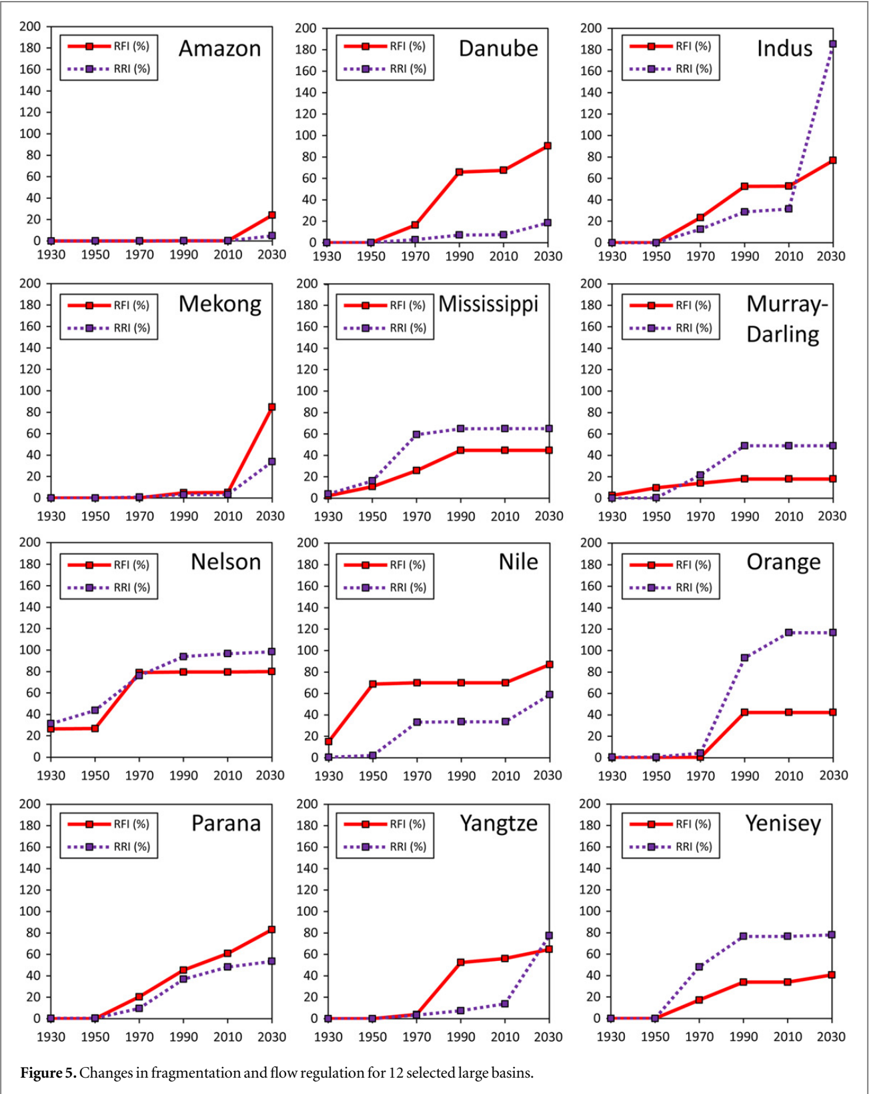
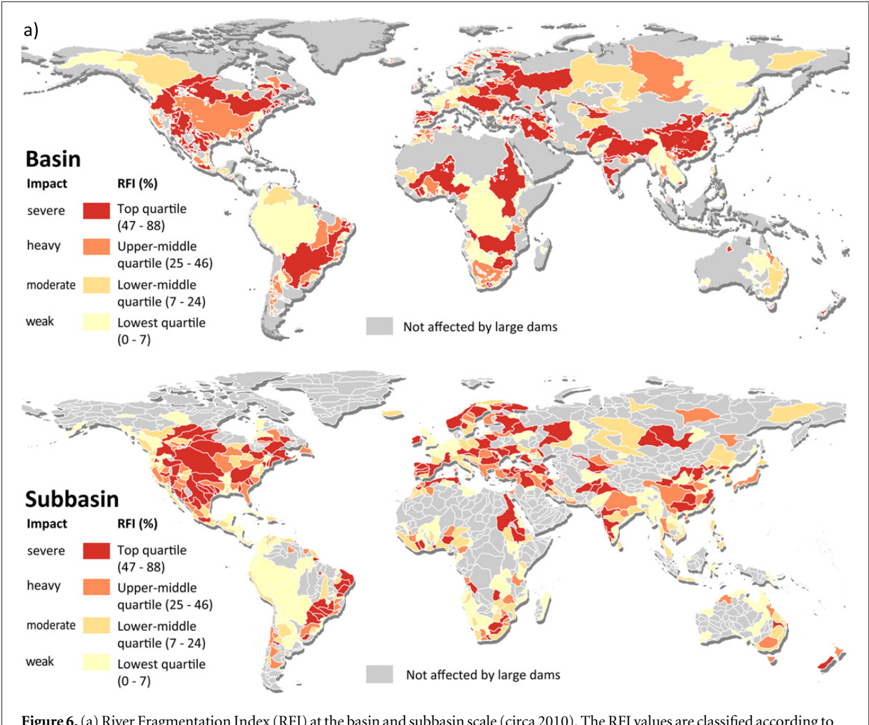
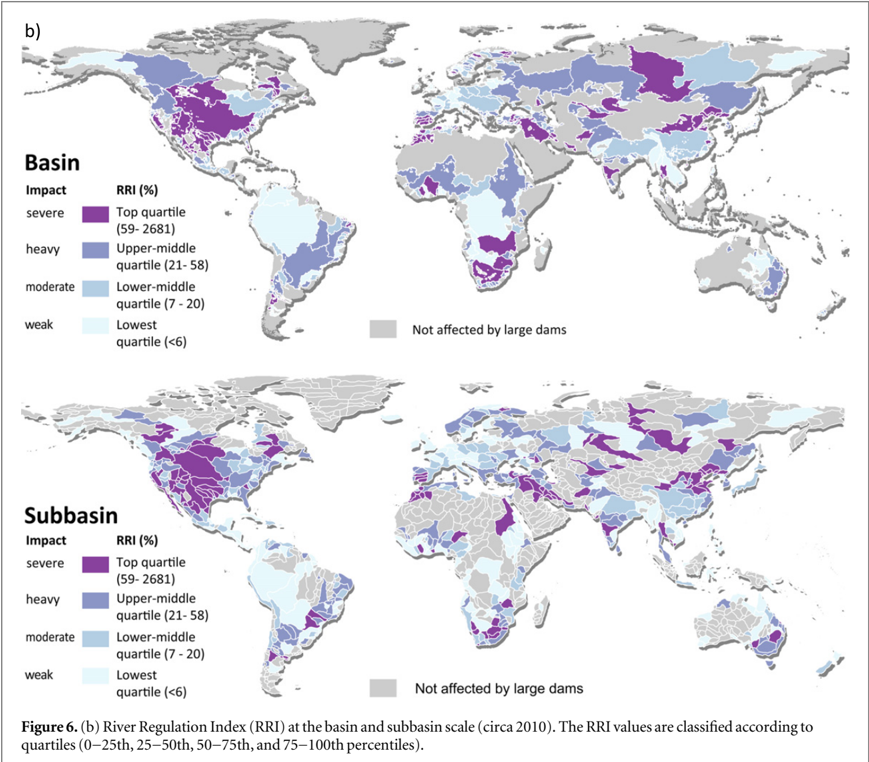
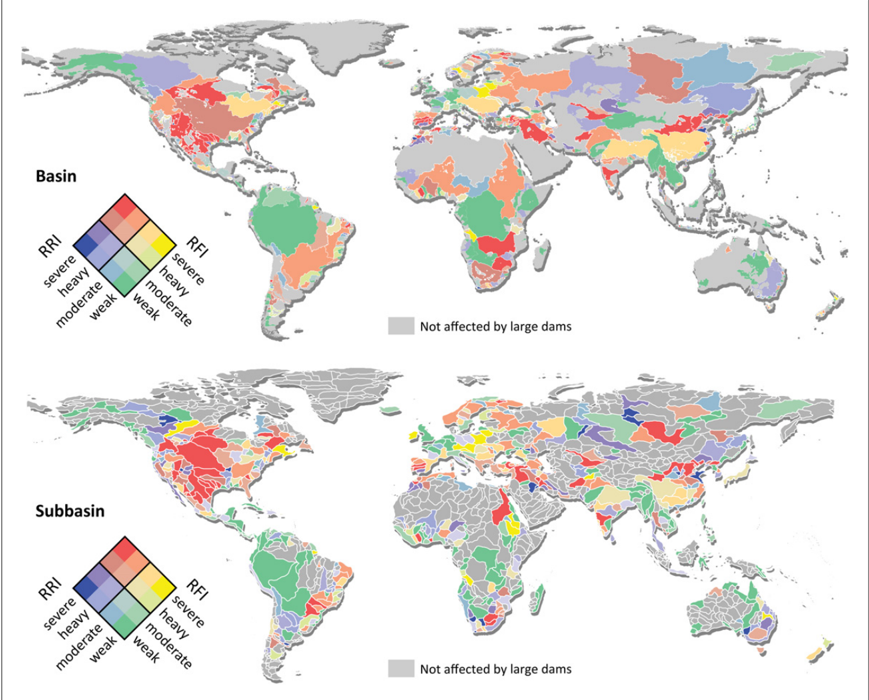
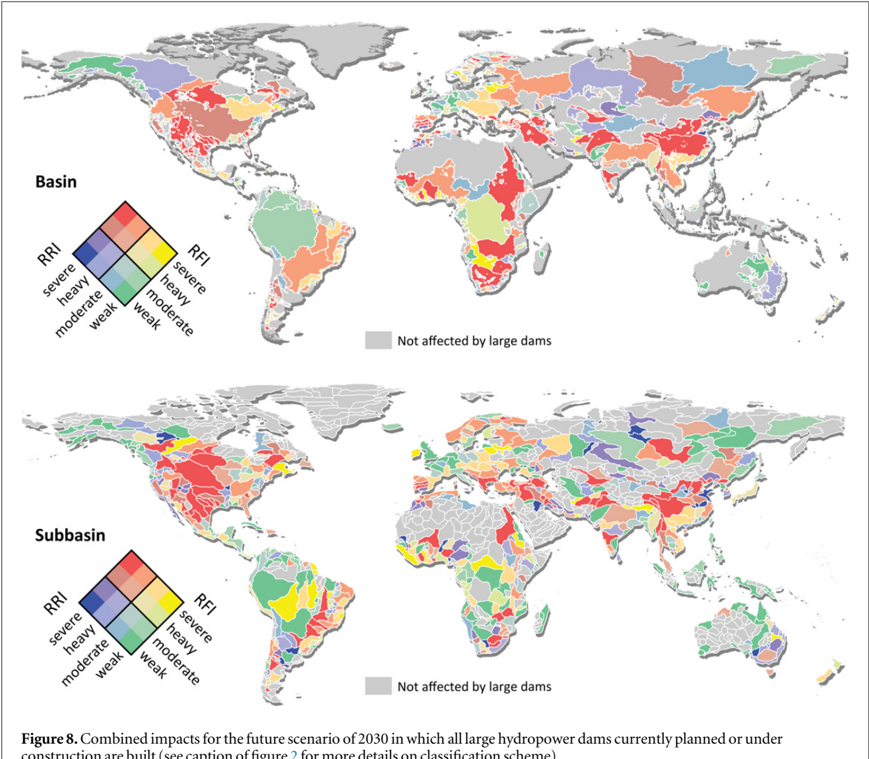
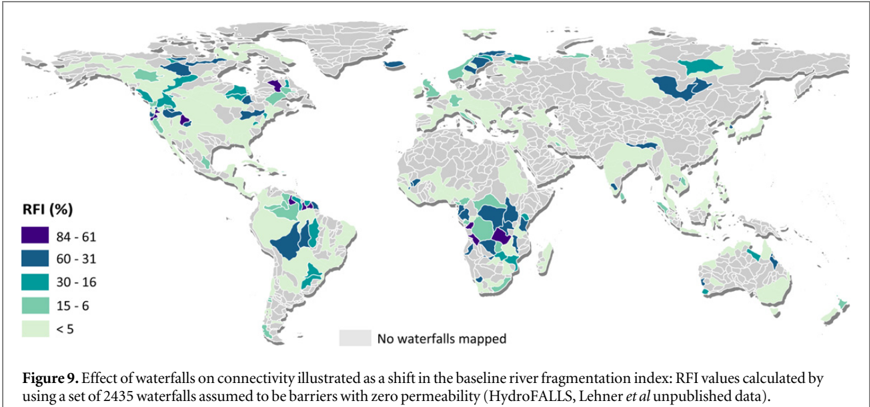
The global number of dam constructions has increased dramatically over the past six decades and is forecast to continue to rise, particularly in less industrialized regions. Identifying development pathways that can deliver the benefits of new infrastructure while also maintaining healthy and productive river systems is a great challenge that requires understanding the multifaceted impacts of dams at a range of scales. New approaches and advanced methodologies are needed to improve predictions of how future dam construction will affect biodiversity, ecosystem functioning, and fluvial geomorphology worldwide, helping to frame a global strategy to achieve sustainable dam development. Here, we respond to this need by applying a graph-based river routing model to simultaneously assess flow regulation and fragmentation by dams at multiple scales using data at high spatial resolution. We calculated the cumulative impact of a set of 6374 large existing dams and 3377 planned or proposed dams on river connectivity and river flow at basin and subbasin scales by fusing two novel indicators to create a holistic dam impact matrix for the period 1930–2030. Static network descriptors such as basin area or channel length are of limited use in hierarchically nested and dynamic river systems, so we developed the river fragmentation index and the river regulation index, which are based on river volume. These indicators are less sensitive to the effects of network configuration, offering increased comparability among studies with disparate hydrographies as well as across scales. Our results indicate that, on a global basis, 48% of river volume is moderately to severely impacted by either flow regulation, fragmentation, or both. Assuming completion of all dams planned and under construction in our future scenario, this number would nearly double to 93%, largely due to major dam construction in the Amazon Basin. We provide evidence for the importance of considering small to medium sized dams and for the need to include waterfalls to establish a baseline of natural fragmentation. Our versatile framework can serve as a component of river fragmentation and connectivity assessments; as a standardized, easily replicable monitoring framework at global and basin scales; and as part of regional dam planning and management strategies.
Overview
The claims and statistics of this paper haven’t been checked yet.
Free: it reads the open-access text and checks the first 5 claims that cite a source we can check. Create a free account to check every claim.
Integrity signals
Registry
Cites
Statistics
Figures
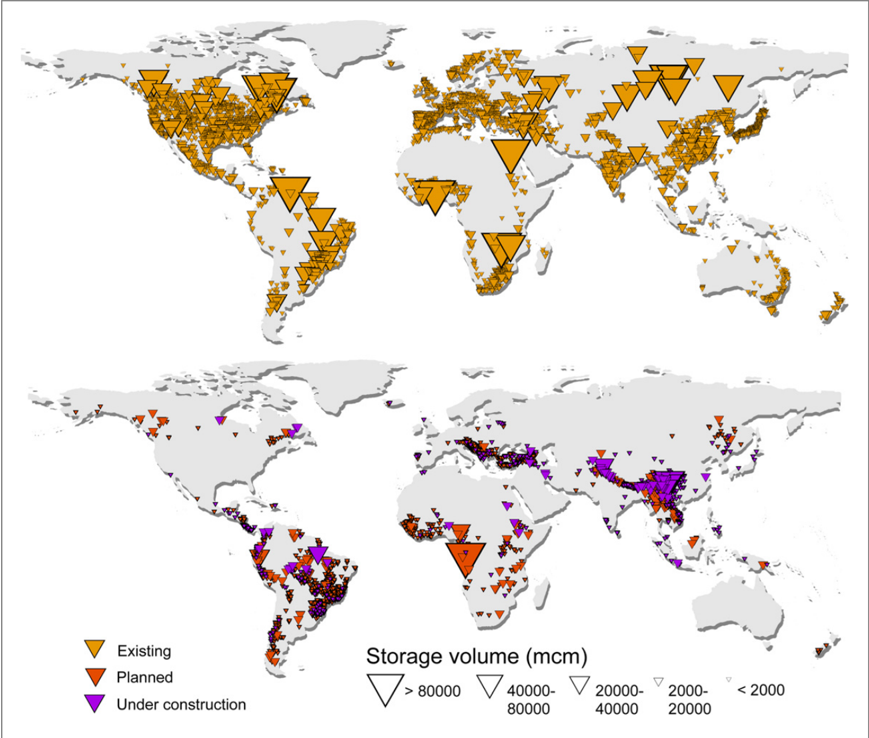
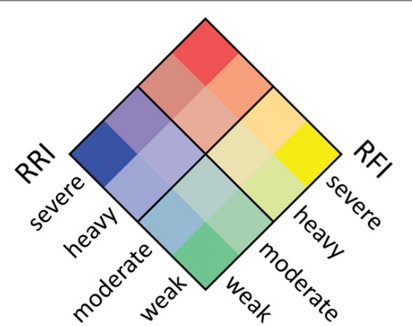
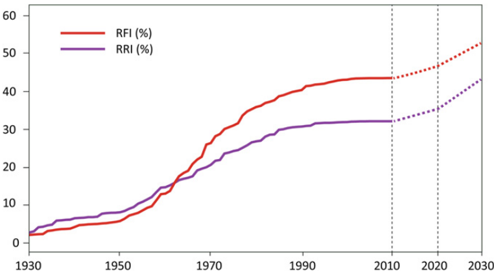
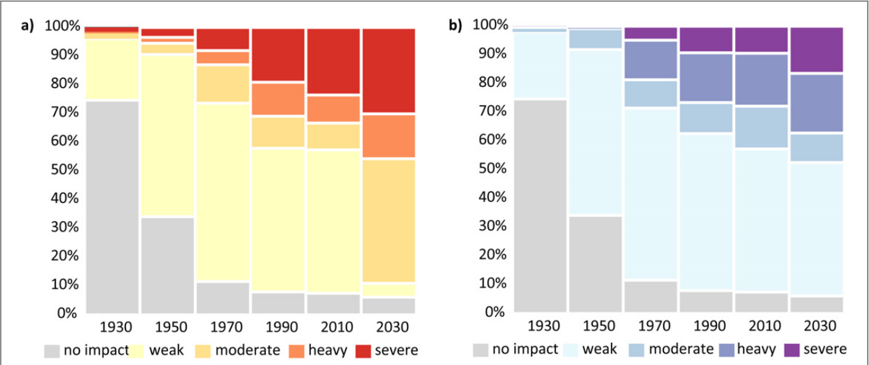
Verification
Claims the paper makes
The claims and statistics of this paper haven’t been checked yet.
Free: it reads the open-access text and checks the first 5 claims that cite a source we can check. Create a free account to check every claim.
Claims other papers make about this one
Each is checked against this paper’s own text: does it say what the citing paper says it does?
In the citing paper
“HydroSHEDS is a hydrographic mapping product that provides river and catchment information for regional and global-scale applications in a consistent format ( 26 ), including catchment areas and discharge estimates.”
From Mapping the world’s free-flowing rivers (2019) · cites this paper as [26]
Self-check
Percentages, sums and reported differences re-computed from the paper’s own numbers.
The self-check needs the paper’s full text.
Citations
Cites
Vannote, R. L., Minshall, G. W., Cummins, K. W., Sedell, J. R., & Cushing, C. E. (1980) · Canadian Journal of Fisheries and Aquatic Sciences · doi:10.1139/f80-017 · Cited by 9,984 · cited 2×
“Following Ward (1989), connectivity has a longitudinal aspect that connects upstream and downstream ecosystems (Vannote et al 1980), a lateral dimension by linking riverine systems with wetlands and floodplains (Tockner et al 1999), and a vertical component that connects surface water with…”
InfluentialGlobal threats to human water security and river biodiversity
Vörösmarty, C. J., McIntyre, P. B., Gessner, M. O., Dudgeon, D., Prusevich, A., Green, P., Glidden, S., Bunn, S. E., Sullivan, C. A., Liermann, C. R., et al. (2010) · Nature · doi:10.1038/nature09440 · Cited by 7,582
Poff, N. L., Allan, J. D., Bain, M. B., Karr, J. R., Prestegaard, K. L., Richter, B. D., Sparks, R. E., & Stromberg, J. C. (1997) · BioScience · doi:10.2307/1313099 · Cited by 6,500 · cited 1×
“…ecological functioning (Ward and Stanford 1995, Pringle et al 2000, Carlisle et al 2011), e.g., by reducing sediment delivery to floodplains and deltas (Syvitski et al 2009), altering thermal regimes (Poole and Berman 2001), or by disrupting life cycles of freshwater species (Poff et al 1997).”
Mackay, A. (2008) · Journal of Environmental Quality · doi:10.2134/jeq2008.0015br · Cited by 5,591
Fragmentation and Flow Regulation of the World's Large River Systems
Nilsson, C., Reidy, C. A., Dynesius, M., & Revenga, C. (2005) · Science · doi:10.1126/science.1107887 · Cited by 3,509 · cited 7×
“The DOR has in one form or another been a key component of seminal studies on flow regulation (e.g., Nilsson et al 2005) or has been analyzed in terms of the hydrologically equivalent ‘change in residence time’ or ‘water aging’ (e.g., Vörösmarty et al 1997).”
InfluentialBasic Principles and Ecological Consequences of Altered Flow Regimes for Aquatic Biodiversity
BUNN, S. E., & ARTHINGTON, A. H. (2002) · Environmental Management · doi:10.1007/s00267-002-2737-0 · Cited by 3,379
Parry, M. L., Canziani, O. F., de Strihou, J.-P. V. Y., & Palutikof, J. P. (2007) · Cited by 2,783
High‐resolution mapping of the world's reservoirs and dams for sustainable river‐flow management
Lehner, B., Liermann, C. R., Revenga, C., Vörösmarty, C., Fekete, B., Crouzet, P., Döll, P., Endejan, M., Frenken, K., Magome, J., et al. (2011) · Frontiers in Ecology and the Environment · doi:10.1890/100125 · Cited by 2,515 · cited 7×
“In order to compare our volumetric results to Lehner et al (2011)who focussed on river length, we calculated the volume of all reaches with DOR values ⩾2%, a threshold previously used to distinguish ‘affected’ rivers (Dynesius and Nilsson 1994, Nilsson et al 2005, Lehner et al 2011).”
InfluentialSelf-citationSinking deltas due to human activities
Syvitski, J. P. M., Kettner, A. J., Overeem, I., Hutton, E. W. H., Hannon, M. T., Brakenridge, G. R., Day, J., Vörösmarty, C., Saito, Y., Giosan, L., et al. (2009) · Nature Geoscience · doi:10.1038/ngeo629 · Cited by 2,465
A Method for Assessing Hydrologic Alteration within Ecosystems
Richter, B. D., Baumgartner, J. V., Powell, J., & Braun, D. P. (1996) · Conservation Biology · doi:10.1046/j.1523-1739.1996.10041163.x · Cited by 2,463 · cited 2×
“We believe that the proposed method and indicators can be applied inmultiple ways: as a standardized, easily replicable monitoring tool that provides comparable global and basin-scale indicators of changes and trends in support of international initiatives such as the Millennium Development Goals, the Global Biodivers…”
Method
Research works printed but not linked: 3
- ICPDR, 2009, Danube River Basin District Management Plan. Part A—Basin-wide overview.
- Ostroff A, Wieferich D, Cooper A and Infante D M 2013 National Anthropogenic Barrier Dataset (NABD) (Denver, CO: United States Geological Service (USGS) Aquatic GAP Program)
- Vörösmarty C J, 1997, AMBIO: J. Hum. Environ., 26, 210
Cited by
Items 301–400 of 739
Ru, H., Zhong, L., Wei, N., Li, Y., Sheng, Q., & Ni, Z. (2022) · Ecology and Evolution · doi:10.1002/ece3.9424 · Cited by 18
Lou, H., Li, H., Yang, S., Wang, X., Pan, Z., Zhang, Y., Zhou, B., & Zhang, J. (2023) · Journal of Hydrology · doi:10.1016/j.jhydrol.2023.129453 · Cited by 18
Porewater exchange drives the dissolved silicate export across the wetland‐estuarine continuum
Wang, F., Lu, Z., Wang, Y., Yan, R., & Chen, N. (2023) · Frontiers in Marine Science · doi:10.3389/fmars.2023.1206776 · Cited by 18
“Given the large number of dams in operation (Grill et al., 2015; Mailhot et al., 2018), the assessments of the resulting DSi retention and the role of wetlands in alleviating the retention have a great significance in the management and restoration of wetlands at global scales.”
BackgroundSpatio-temporal effects of river regulation on habitat quality for Atlantic salmon fry
Buddendorf, W. B., Malcolm, I. A., Geris, J., Fabris, L., Millidine, K. J., Wilkinson, M. E., & Soulsby, C. (2017) · Ecological Indicators · doi:10.1016/j.ecolind.2017.08.006 · Cited by 18
Blair, N. E., Leithold, E. L., Papanicolaou, A. N., Wilson, C. G., Keefer, L., Kirton, E. M., Vinson, D. S., Schnoebelen, D. J., Rhoads, B. L., Yu, M., et al. (2018) · Biogeochemistry · doi:10.1007/s10533-018-0439-9 · Cited by 18
“Reservoirs continue to be built and are predicted to fragment 90% of the world river volume by 2030 (Grill et al. 2015).”
BackgroundMethodPrecipitation Complexity and its Spatial Difference in the Taihu Lake Basin, China
Hu, J., Liu, Y., & Sang, Y. (2019) · Entropy · doi:10.3390/e21010048 · Cited by 18
“Under the aggravating influence of climate change and anthropogenic effects, the hydrological cycles in many basins and regions worldwide are significantly changing [1,2].”
BackgroundMüller, H., Hörbinger, S., Franta, F., Mendes, A., Li, J., Cao, P., Baoligao, B., Xu, F., & Rauch, H. P. (2022) · Land · doi:10.3390/land11020193 · Cited by 17
“According to Grill et al. (2015) [5], nearly 50% of Land 2022, 11, 193. https://doi.org/10.3390/land11020193 https://www.mdpi.com/journal/land Land 2022, 11, 193 2 of 16 the worldwide river volume shows moderate to strong flow regulation or fragmentation problems.”
BackgroundInfluentialZampatti, B. P., Fanson, B. G., Baumgartner, L. J., Butler, G. L., Brooks, S. G., Crook, D. A., Doyle, K. E., King, A. J., Koster, W. M., Maas, R., et al. (2021) · Marine and Freshwater Research · doi:10.1071/mf21033 · Cited by 18
“Dams and other regulating structures fragment habitats and alter hydrological regimes, leading to species decline and biodiversity loss (Poff et al. 2007; Grill et al. 2015).”
BackgroundPatterns and drivers of water quality changes associated with dams in the Tropical Andes
Winton, R. S., López‐Casas, S., Valencia‐Rodríguez, D., Bernal-Forero, C., Delgado, J., Wehrli, B., & Jiménez-Segura, L. F. (2023) · Hydrology and earth system sciences · doi:10.5194/hess-27-1493-2023 · Cited by 18
“…at global scales with a focus on specific processes, such as sediment transport (Maavara et al., 2015; Vörösmarty et al., 2003), fragmentation (Grill et al., 2015), greenhouse gas emissions (Harrison et al., 2021), water supply (Opperman et al., 2017) and water quality (Winton et al., 2019)”
Lima, L. P. Z., & Pompeu, P. D. S. (2020) · Environmental Management · doi:10.1007/s00267-020-01266-9 · Cited by 17
“Global-scale analyses can underestimate relevant impacts (Grill et al. 2015), such as the presence of small hydropower plants (PCH), prevalent in Brazil, which are a complete physical barrier for species and not present in most of global datasets used in optimizations methods.”
BackgroundNewson, M. D. (2021) · Earth Surface Processes and Landforms · doi:10.1002/esp.5256 · Cited by 17
“The problem is set to grow with the expansion of large hydropower schemes causing more river system fragmentation (Grill et al., 2015; Zarfl et al., 2014).”
BackgroundRiver regulation and climate change reduce river flows to major Australian floodplain wetland
Kreibich, J., Bino, G., Zheng, H., Chiew, F. H. S., Glamore, W. C., Woods, J., & Kingsford, R. T. (2024) · Journal of Environmental Management · doi:10.1016/j.jenvman.2024.122962 · Cited by 16
Bai, X., Zhang, P., Yang, Z. M., Zhang, D., Dong, X., Wang, S., Heying, S., Feng, Y., Li, S., Xiong, L., et al. (2025) · Journal of Hydrology · doi:10.1016/j.jhydrol.2025.133411 · Cited by 17
What Is the Future of the Lower Mekong Basin Struggling against Human Activities? A Review
Meur, M. L., Phu, V. L., & Gratiot, N. (2022) · IntechOpen eBooks · doi:10.5772/intechopen.95010 · Cited by 16
Ran, Y., Liu, Y., Wu, S., Li, W., Zhu, K., Ji, Y., Mir, Y., Ma, M., & Huang, P. (2021) · The Science of The Total Environment · doi:10.1016/j.scitotenv.2021.149886 · Cited by 16
Operations Eclipse Sequencing in Multipurpose Dam Planning
Arnold, W., Salazar, J. Z., Carlino, A., Giuliani, M., & Castelletti, A. F. (2023) · Earth s Future · doi:10.1029/2022ef003186 · Cited by 16
The response of Tampa Bay to a legacy mining nutrient release in the year following the event
Morrison, E. S., Phlips, E. J., Badylak, S., Chappel, A. R., Altieri, A. H., Osborne, T. Z., Tomasko, D. A., Beck, M. W., & Sherwood, E. T. (2023) · Frontiers in Ecology and Evolution · doi:10.3389/fevo.2023.1144778 · Cited by 16
“One of the potential mechanisms for the combined impacts of eutrophication and climate change is the disruption of engineered structures associated with water treatment and retention (Lehner et al., 2011; Beusen et al., 2015; Grill et al., 2015; Maavara et al., 2015).”
BackgroundCarrière, A., Reynaud, N., Gay, A., Baudoin, J.-M., & Argillier, C. (2023) · Aquatic Conservation Marine and Freshwater Ecosystems · doi:10.1002/aqc.4029 · Cited by 16
An indicator system for assessing the impact of human activities on river structure
Zhao, Y., Zeng, L., Wei, Y., Liu, J., Deng, J., Deng, Q., Tong, K., & Li, J. (2020) · Journal of Hydrology · doi:10.1016/j.jhydrol.2020.124547 · Cited by 16
Place-based interpretation of the sustainable development goals for the land-river interface
Vercruysse, K., Grabowski, R., Holman, I., Azhoni, A., Bala, B., Meersmans, J., Peng, J. X., Shankar, V., Mukate, S. V., Poddar, A., et al. (2022) · Sustainability Science · doi:10.1007/s11625-022-01176-1 · Cited by 16
Biodiversity and agriculture: rapid evidence review
DeClerck, F., Koziell, I., Sidhu, A., Wirths, J., Benton, T. G., Garibaldi, L. A., Kremen, C., Maron, M., del Rio, C. R., Clark, M., et al. (2021) · CGSPace A Repository of Agricultural Research Outputs (Consultative Group for International Agricultural Research) · doi:10.5337/2021.215 · Cited by 16
Albulescu, A.-C., Minea, I., Boicu, D., & Larion, D. (2022) · Water · doi:10.3390/w14081302 · Cited by 16
“Forests fulfil various ecosystem services, of particular importance in this context—the regulation and provisional ones [30,31].”
BackgroundBaud, A., Francus, P., Smol, J. P., Antoniades, D., & Gregory‐Eaves, I. (2023) · CATENA · doi:10.1016/j.catena.2023.107012 · Cited by 15
Hossain, F., Arnold, J. R., Beighley, R. E., Brown, C., Burian, S. J., Chen, J., Mitra, A., Niyogi, D., Pielke, R. A., Tidwell, V., et al. (2015) · PLoS ONE · doi:10.1371/journal.pone.0142073 · Cited by 15
“More recently, [4] have documented plans that many nations have undertaken in building hydropower dams while others like [5] have explored the impact of current and future water regulation on ecosystem function.”
BackgroundWater Quality in Representative Tuojiang River Network in Southwest China
Zhang, W., Jin, X., Cao, H., Zhao, Y. L., & Shan, B. (2018) · Water · doi:10.3390/w10070864 · Cited by 15
da Cruz, R. F., Hamilton, S. K., Tritico, H., Fantin‐Cruz, I., de Figueiredo, D. M., & Zeilhofer, P. (2021) · River Research and Applications · doi:10.1002/rra.3766 · Cited by 15
“The fragmentation of river systems by dams blocks migrations of fishes and other river animals (Grill et al., 2015; Liermann, Nilsson, Robertson, & Ng, 2012).”
BackgroundAntognazza, C. M., Vanetti, I., Santis, V. D., Bellani, A., Francesco, M. D., Puzzi, C. M., Casoni, A. G., & Zaccara, S. (2021) · Environments · doi:10.3390/environments8040025 · Cited by 15
“A major factor in the global biodiversity crisis is the loss of habitat connectivity in riverine environments that has been driven by the unprecedented expansion of anthropogenic infrastructure in the last 150 years [1].”
BackgroundWeiss, M., Weigand, H., & Leese, F. (2022) · Ecology and Evolution · doi:10.1002/ece3.8807 · Cited by 15
“In particular, natural water flow has been altered substantially over the past few centuries by the construction of in-stream barriers, such as dams, weirs (Grill et al., 2015; Nilsson et al., 2005; Zarfl et al., 2015) and culverts (David et al., 2014; Torterotot et al., 2014; Wheeler et al., 2005).”
Zhang, Y., Cao, B., Zhang, Q., Cui, S., Cui, B., & Du, J. (2022) · Sustainability · doi:10.3390/su14084530 · Cited by 15
“From the perspective of ecohydrology, hydrological connectivity refers to the mutual transfer of matter, energy, and organic matter among various elements of a water cycle island through a water network [2].”
BackgroundTurgeon, K., Turpin, C., & Gregory‐Eaves, I. (2018) · Canadian Journal of Fisheries and Aquatic Sciences · doi:10.1139/cjfas-2017-0561 · Cited by 15
“droelectric dams are currently in operation or are being constructed (Grill et al. 2015; Winemiller et al. 2016).”
BackgroundCañedo‐Argüelles, M., Hermoso, V., Herrera‐Grao, T., Barquín, J., & Bonada, N. (2019) · Aquatic Conservation Marine and Freshwater Ecosystems · doi:10.1002/aqc.3108 · Cited by 15
Mohan, C., Gleeson, T., Famiglietti, J. S., Virkki, V., Kummu, M., Porkka, M., Huggins, X., Wang-Erlandsson, L., Gerten, D., & Jähnig, S. C. (2022) · doi:10.1002/essoar.10507838.2 · Cited by 14
Mohan, C., Gleeson, T., Famiglietti, J. S., Virkki, V., Kummu, M., Porkka, M., Wang-Erlandsson, L., Huggins, X., Gerten, D., & Jähnig, S. C. (2022) · Hydrology and Earth System Sciences · doi:10.5194/hess-26-6247-2022 · Cited by 14
“Sci., 26, 6247–6262, 2022 https://doi.org/10.5194/hess-26-6247-2022 climate change (Davies, 2010; Poff et al., 2002), river fragmentation (Grill et al., 2015; Herrera-R et al., 2020), largescale habitat degradation (Moyle and Leidy, 1992), landscaping/river scaping (Allan et al., 2005), alien…”
InfluentialMeng, Y., Li, J., Wang, H., Du, L., Zhao, X., Liu, J., Pan, B., & Wang, T. (2024) · The Science of The Total Environment · doi:10.1016/j.scitotenv.2024.177398 · Cited by 14
Qin, X., Liu, Y., Shen, X., Wu, Y., Tian, W., Liu, Y., Wang, X., Shi, X., & Liu, G. (2019) · Fisheries Management and Ecology · doi:10.1111/fme.12375 · Cited by 14
A Multidecadal Analysis of Reservoir Storage Change in Developing Regions
Biswas, N. K., & Hossain, F. (2021) · Journal of Hydrometeorology · doi:10.1175/jhm-d-21-0053.1 · Cited by 14
Understanding the transgression of global and regional freshwater planetary boundaries
Pastor, A. V., Biemans, H., Franssen, W., Gerten, D., Hoff, H., Ludwig, F., & Kabat, P. (2022) · Philosophical Transactions of the Royal Society A Mathematical Physical and Engineering Sciences · doi:10.1098/rsta.2021.0294 · Cited by 14
B. ROUISSAT; Risk Assessment and Management Laboratory; University of Tlemcen, B. 2., & N. SMAIL; Risk Assessment and Management Laboratory; University of Tlemcen, B. 2. (2022) · Larhyss journal · Cited by 14
Saha, P., Islam, M., Oyshi, J. T., Khanum, R., & Nishat, A. (2019) · SN Applied Sciences · doi:10.1007/s42452-019-1417-0 · Cited by 14
Yu, H., Xu, S., Tian, W. D., Zhu, T., & Chen, X. (2020) · Environmental Pollution · doi:10.1016/j.envpol.2020.115725 · Cited by 14
Multi-biologic group analysis for an ecosystem response to longitudinal river regulation gradients
Rivaes, R. P., Feio, M. J., Almeida, S. F. P., Vieira, C., Calapez, A. R., Mortágua, A., Gebler, D., Lozanovska, I., & Aguiar, F. C. (2021) · The Science of The Total Environment · doi:10.1016/j.scitotenv.2020.144327 · Cited by 14
Chukwuka, A. V., & Ogbeide, O. (2021) · IntechOpen eBooks · doi:10.5772/intechopen.95521 · Cited by 14
“The connecting stream network and volume of lateral connectivity (stream orders) within a river basin landscape, is a reliable proxy for discerning watershed disruption [26] and is greatly reduced via agricultural activities including soil leveling for irrigation [27].”
BackgroundLi, Y., Meng, F., Wang, B., Yang, M., Liu, C., & Xu, S. (2021) · Chemical Geology · doi:10.1016/j.chemgeo.2021.120366 · Cited by 14
Application of Water Stable Isotopes for Hydrological Characterization of the Red River (Asia)
Nguyen, N. L., Do-Thu, N., & Trinh, D. A. (2021) · Water · doi:10.3390/w13152051 · Cited by 14
“Globally, the number of dam constructions has increased dramatically over the past six decades and is forecast to continue to rise, particularly in less industrialized regions and that identifying development pathways that can deliver the benefits of new infrastructure while also maintaining healthy and productive riv…”
BackgroundNguyen, E., Perkin, J. S., Smith, R. H., Mayes, K. B., & Trungale, J. (2021) · Ecosphere · doi:10.1002/ecs2.3669 · Cited by 14
“Flow regime alteration often imperils freshwater fishes and other riverine species adapted to naturally occurring dynamics in flow (Bunn and Arthington 2002, Lytle and Poff 2004, Lehner et al. 2011, Grill et al. 2015).”
BackgroundGhosh, K., & Chakraborty, P. (2021) · Wiley eBooks · doi:10.1002/9781119692621.ch8 · Cited by 14
Quantifying the trade-offs in re-operating dams for the environment in the Lower Volta River
Owusu, A. G., Salazar, J. Z., Mul, M., van der Zaag, P., & Slinger, J. H. (2023) · Hydrology and earth system sciences · doi:10.5194/hess-27-2001-2023 · Cited by 14
Xu, Z., Ge, L., Zou, W., Lv, B., Yang, J. J., Chai, Z., Guo, X., Zhu, X., & Kao, S. (2024) · Water Research · doi:10.1016/j.watres.2024.121940 · Cited by 13
Justino, S. T. P., Silva, R. B., Guerrini, I. A., da Silva, R. B. G., & Simões, D. (2024) · Sustainability · doi:10.3390/su17010051 · Cited by 13
Hu, P., Zeng, Q., Wang, J., Hou, J., Wang, H. E., Yang, Z., Liu, H., & Zhao, Y. (2021) · Journal of Environmental Management · doi:10.1016/j.jenvman.2021.112572 · Cited by 13
Tranmer, A. W., Benjankar, R. M., Vidergar, D. T., & Tonina, D. (2022) · Ecological Engineering · doi:10.1016/j.ecoleng.2022.106865 · Cited by 13
Kattel, G., Paszkowski, A., POKHREL, Y. N., Wu, W., Li, D., & Rao, M. P. (2023) · Wiley Interdisciplinary Reviews Water · doi:10.1002/wat2.1677 · Cited by 13
“By the early 21st century, 45,000 large dams were constructed in over 140 countries around the world, significantly fragmenting fluvial systems and altering their hydrological balance (Grill et al., 2015; Grill et al., 2019; Nilsson et al., 2005).”
BackgroundSwimming ability and behavior of Mrigal carp Cirrhinus mrigala and application to fishway design
Cai, L., Hou, Y., Johnson, D., Zhao, P., & Zhang, P. (2018) · Aquatic Biology · doi:10.3354/ab00702 · Cited by 13
Impacts on fish transported in tube fishways
Peirson, W. L., Harris, J. H., Suthers, I. M., Farzadkhoo, M., Kingsford, R. T., & Felder, S. (2022) · Journal of Hydro-environment Research · doi:10.1016/j.jher.2022.03.001 · Cited by 13
Saguier, M. I., Gerlak, A. K., Villar, P. C., Baigún, C., Venturini, V., Lara, A., & dos Santos, M. A. (2020) · Environmental Development · doi:10.1016/j.envdev.2020.100601 · Cited by 13
Bridging the gap: a new module for human water use in the Community Earth System Model version 2.2.1
Taranu, I. S., Lawrence, D. M., Wada, Y., Tang, T., Kluzek, E., Rabin, S. S., Yao, Y., Hertog, S. J. D., Vanderkelen, I., & Thiery, W. (2024) · Geoscientific model development · doi:10.5194/gmd-17-7365-2024 · Cited by 13
Karppinen, P., Hynninen, M., Vehanen, T., & Vähä, J. (2021) · Fisheries Management and Ecology · doi:10.1111/fme.12486 · Cited by 12
Vidotto‐Magnoni, A. P., Kurchevski, G., de Lima, F. P., Nobile, A. B., Garcia, D. A. Z., Casimiro, A. C. R., Pereira, A. D., & Orsi, M. L. (2021) · Anais da Academia Brasileira de Ciências · doi:10.1590/0001-3765202120190565 · Cited by 12
Ignatius, A. R., Purucker, S. T., Schaeffer, B. A., Wolfe, K., Urquhart, E. A., & Smith, D. (2022) · The Science of The Total Environment · doi:10.1016/j.scitotenv.2022.153568 · Cited by 12
From Slide Rule to Big Data: How Data Science is Changing Water Science and Engineering
Hering, J. G. (2019) · Journal of Environmental Engineering · doi:10.1061/(asce)ee.1943-7870.0001578 · Cited by 12
Rose, V., Rollwagen‐Bollens, G., Bollens, S., & Zimmerman, J. (2021) · Aquatic Microbial Ecology · doi:10.3354/ame01967 · Cited by 13
“Hydroelectric dams, which alter discharge and disrupt ecosystem connectivity and river habitats (Lier mann et al. 2012, Grill et al. 2015), are numerous on the CR, and its watershed has been impacted by substantial agricultural land use change over the past century (Matheussen et al. 2000).”
BackgroundNutrient inputs from subarctic rivers into Hudson Bay
Lee, J., Tefs, A., Galindo, V., Stadnyk, T., Gosselin, M., & Tremblay, J. (2023) · Elementa Science of the Anthropocene · doi:10.1525/elementa.2021.00085 · Cited by 12
García-Castro, K. L., & Márquez, E. J. (2023) · Hydrobiologia · doi:10.1007/s10750-023-05396-z · Cited by 11
“It is estimated that more than 76% of migratory river fish populations have been reduced since 1970 (Deinet et al., 2020), while construction of dams has accelerated and could affect almost 93% of the rivers around the planet by 2030 (Grill et al., 2015, 2019).”
Fish Species Diversity From Someșul Cald River: 50Years After Cascade Dam Constructions
Lațiu, C., Păpuc, T. A., Muntean, G. G., Uiuiu, P., Constantinescu, R., Matei-Lațiu, M.-C., Nicula, A., Craioveanu, C., Mireşan, V., & COCAN, D. I. (2022) · Frontiers in Environmental Science · doi:10.3389/fenvs.2022.918745 · Cited by 11
“Natural connectivity is blocked by river fragmentation both for longitudinal and lateral dimensions limiting the transfer of energy, matter (organic and inorganic), and organisms (Pringle, 2003; Grill et al., 2015).”
BackgroundTwardek, W. M., Wanningen, H., Garrido, P. F., Brink, K., Royte, J., Berkhuysen, A., Geenen, B., & Cooke, S. J. (2020) · Fisheries · doi:10.1002/fsh.10451 · Cited by 11
Wang, X., Xu, H., Liu, K., Zhao, X., Wei, G., Aili, A., & Zheng, G. (2025) · Journal of Environmental Management · doi:10.1016/j.jenvman.2025.125615 · Cited by 10
Nair, S. M., Sajina, A. M., Koushlesh, S. K., Chanu, T. N., Das, S. K., Bhakta, D., Vaisakh, G., Gogoi, P., Samanta, S., Meetei, W. A., et al. (2023) · Environmental Science and Pollution Research · doi:10.1007/s11356-023-27497-x · Cited by 10
“The loss of river network connectivity is an ever-present threat globally (Grill et al. 2015) and the booming of hydropower projects for meeting human demands (Zarfl et al.”
BackgroundFernández, N. B., Komoroske, L. M., Danylchuk, A. J., Primack, C., & Cheng, B. S. (2024) · Global Ecology and Conservation · doi:10.1016/j.gecco.2024.e02957 · Cited by 10
Molinari, B., Stewart‐Koster, B., Malthus, T., & Bunn, S. E. (2022) · Journal of Applied Ecology · doi:10.1111/1365-2664.14111 · Cited by 10
Experimental Analysis of a Fish Guidance System for a River Water Intake
Cîrciumaru, G., Chihaia, R.-A., Voina, A., Nistoran, D. E. G., Simionescu, Ş.-M., El-Leathey, L.-A., & Mândrea, L. T. (2022) · Water · doi:10.3390/w14030370 · Cited by 10
Dias, R. M., Peláez, Ó., Lopes, T. M., de Oliveira, A. G., Angulo‐Valencia, M. A., & Agostinho, Â. A. (2022) · Neotropical Ichthyology · doi:10.1590/1982-0224-2022-0046 · Cited by 10
Dallaire, C. O., Lehner, B., & Peres‐Neto, P. R. (2023) · Ecological Indicators · doi:10.1016/j.ecolind.2023.109907 · Cited by 10
Self-citationEffects of Climate Change on Navigability Indicators of the Lower Athabasca River, Canada
Peters, D. L. L., Dibike, Y. B., Shudian, J., Monk, W. A., & Baird, D. J. (2023) · Water · doi:10.3390/w15071373 · Cited by 10
Plant Roots Steer Resilience to Perturbation of River Floodplains
Bau’, V., Borthwick, A. G. L., & Perona, P. (2021) · Geophysical Research Letters · doi:10.1029/2021gl092388 · Cited by 11
“Perona and Crouzy (2018) modelled plant uprooting by flow as a result of stochas128 tic erosion dynamics requiring a time interval T to scour the bed to the critical depth 129 leading to plant collapse.”
Nelson, P. A., McDougall, C. A., Koops, M. A., & Barth, C. C. (2021) · Aquatic Conservation Marine and Freshwater Ecosystems · doi:10.1002/aqc.3760 · Cited by 10
Tan, Y., Liu, H., Lu, Y., Wang, Z., & Li, W. (2025) · Journal of Hydrology Regional Studies · doi:10.1016/j.ejrh.2025.102573 · Cited by 9
Liu, W., Tian, S., Yang, H., Wang, S., Li, Z., & Yin, X. (2025) · Water Biology and Security · doi:10.1016/j.watbs.2025.100500 · Cited by 9
Hashemi, S., Carrivick, J. L., & Klaar, M. J. (2023) · Earth Surface Processes and Landforms · doi:10.1002/esp.5749 · Cited by 9
Trottier, G., Tremblay, A., Bilodeau, F., & Turgeon, K. (2024) · The Science of The Total Environment · doi:10.1016/j.scitotenv.2024.171256 · Cited by 9
Zhang, S., Xue, S., Jian, H., Yang, F., & Yao, Q. (2024) · Marine Pollution Bulletin · doi:10.1016/j.marpolbul.2024.117092 · Cited by 9
Budy, P. E., Thompson, P. D., McKell, M. D., Thiede, G. P., Walsworth, T. E., & Conner, M. M. (2020) · Transactions of the American Fisheries Society · doi:10.1002/tafs.10240 · Cited by 9
“Alterations to riverscapes in the form of habitat fragmentation are especially pervasive, with an estimated 48% of the global river volume being moderately or severely impacted by fl ow regulation and/or fragmentation (Ward and Stanford 1983; Grill et al. 2015).”
Wang, H., Zhu, Y., Zha, H., & Guo, W. (2020) · Water Science & Technology Water Supply · doi:10.2166/ws.2020.369 · Cited by 9
Tian, K., Yin, X.-A., Bai, J., Yang, W., & Zhao, Y. (2021) · Water · doi:10.3390/w13131775 · Cited by 9
“Because connectivity is an important factor for maintaining wetland ecological functions, it also affects hydrology, water quality, and aquatic ecology, thereby playing a critical role in the development and ecological succession of wetland ecosystems [5].”
BackgroundJetter, C. N., Crossman, J. A., & Martins, E. (2023) · Endangered Species Research · doi:10.3354/esr01236 · Cited by 9
Garcia, D. A. Z., Tonella, L. H., Alves, G. H. Z., Vidotto‐Magnoni, A. P., Benedito, E., Britton, J. R., & Orsi, M. L. (2020) · Journal of Applied Ichthyology · doi:10.1111/jai.14035 · Cited by 9
Damned by dams? Infrastructure and conflict
Eberle, U. J. (2020) · London School of Economics and Political Science Research Online (London School of Economics and Political Science) · Cited by 9
Zhang, P., Jiao, R., Gong, C., Wang, F., Yan, W., Li, Q., & Wang, D. (2022) · Journal of Environmental Sciences · doi:10.1016/j.jes.2021.09.020 · Cited by 9
Fish–People–Place:Interweaving Knowledges to Elucidate Pacific Salmon Fate
Reid, A. J. (2020) · Carleton University's Institutional Repository (MacOdrum Library, Carleton University) · doi:10.22215/etd/2020-14221 · Cited by 10
Mountainous areas and river systems
Skoulikidis, N. (2021) · Elsevier eBooks · doi:10.1016/b978-0-12-819342-6.00009-9 · Cited by 8
Franco, A. C. S., Petry, A. C., García‐Berthou, E., & dos Santos, L. N. (2024) · Hydrobiologia · doi:10.1007/s10750-024-05576-5 · Cited by 8
“Dam construction directly affects fish populations through habitat fragmentation and flow regulation (Nilsson et al., 2005; Grill et al., 2015; Reid et al., 2019), disrupting fish migration routes and connectivity between ecosystems (Vannote et al., 1980; Fukushima et al., 2007; Ziv et al., 2012).”
Quantifying the impact of dams on global streamflow over the period of 1985–2014
Han, D., Liu, P., Zhang, L., Cheng, L., Cheng, Q., Zhang, X., Liu, W., & Yin, J. (2024) · Environmental Research Letters · doi:10.1088/1748-9326/ad6a70 · Cited by 8
“To analyze the historical, current, and future global dam impacts on river systems at basin and subbasin scales, Grill et al (2015) created a holistic dam impact matrix by fusing RRI and river fragmentation index.”
Akstinas, V., Virbickas, T., Kriaučiūnienė, J., Šarauskienė, D., Jakimavičius, D., Rakauskas, V., Negro, G., & Vezza, P. (2021) · Water · doi:10.3390/w13243508 · Cited by 8
“Forty-eight percent of rivers (expressed as river volume) globally are moderately to severely impacted by either flow regulation, fragmentation, or both [14], yet the hope for the sustainable development of dams remains [15].”
BackgroundZhang, X., Wright, K., Passalacqua, P., Simard, M., & Fagherazzi, S. (2022) · Journal of Geophysical Research Earth Surface · doi:10.1029/2021jf006294 · Cited by 8
“This is particularly true in large rivers, where damming has reduced the flux of material to the coast (Grill et al., 2015; Syvitski et al., 2009).”
BackgroundJiao, H., Guo, W., & Jiao, X. (2023) · Water Science & Technology Water Supply · doi:10.2166/ws.2023.089 · Cited by 8
Kibler, K. M. (2017) · International Journal of Hydrology · doi:10.15406/ijh.2017.01.00020 · Cited by 8
“dam height, reservoir size, installed hydropower capacity, gross static head) are potentially poor indicators of a dam’s environmental impact [1,2] and despite development of more comprehensive models [3-5] simplified indicators of impact size remain widely referenced.”
BackgroundFlow Dynamics Influence Fish Recruitment in Hydrologically Connected River–Reservoir Landscapes
Dattilo, J., Brewer, S. K., & Shoup, D. E. (2021) · North American Journal of Fisheries Management · doi:10.1002/nafm.10692 · Cited by 8
Turcotte, A., Blouin‐Demers, G., & Garant, D. (2022) · Conservation Genetics · doi:10.1007/s10592-022-01431-z · Cited by 8
“Worldwide, water flow and connectivity of almost half of all rivers have been modified by dam construction (Grill et al. 2015).”
BackgroundPanagopoulos, Y., Stefanidis, K., Sànchez, M. F., Weiland, F. S., van Beek, R., Venohr, M., Globevnik, L., Mimikou, M. A., & Birk, S. (2019) · Water · doi:10.3390/w11040703 · Cited by 8
“Riverine hydrology is altered by humans in various ways [3,4].”
BackgroundArthington, A. H. (2022) · Elsevier eBooks · doi:10.1016/b978-0-12-819166-8.00089-x · Cited by 9
Scaling debt for nature swaps – which nature, how much debt and who pays?Preprint
Nedopil, C., Yue, M., & Hughes, A. C. (2022) · Research Square · doi:10.21203/rs.3.rs-1358929/v1 · Cited by 8
Metadata
- Authors
- Grill, G., Lehner, B., Lumsdon, A. E., MacDonald, G. K., Zarfl, C., & Reidy Liermann, C.
- Affiliations
- McGill University (CA)
- Leibniz Institute of Freshwater Ecology and Inland Fisheries (DE)
- University of Minnesota (US)
- Venue
- Environmental Research Letters
- Publisher
- IOP Publishing
- Published
- 2015-01-01
- Volume
- 10
- Issue
- 1
- Pages
- 015001
- ISSN
- 1748-9326 (ISSN-L)
- OpenAlex
- W2098921456
- Semantic Scholar
- e33c1b1aab65d6db9b2cac33ab424a011f8b3258
- Cited by
- 646
- References
- 86
- Citations by year
- 2026: 37 · 2025: 46 · 2024: 68 · 2023: 66 · 2022: 100 · 2021: 107 · 2020: 75 · 2019: 48 · 2018: 40 · 2017: 28 · 2016: 20 · 2015: 11
- FWCI
- 34.21
- Type
- journal article
- Language
- en
- Open access
- gold
- doi.org
- Licence
- cc-by
- iopscience.iop.org/info/page/text-and-data-mining (tdm, 5 d)
- creativecommons.org/licenses/by/3.0/ (vor, 5 d)
- Locations
- Environmental Research Letters (publishedVersion, cc-by)
- DOAJ (DOAJ: Directory of Open Access Journals) (submittedVersion)
- Refubium (Universitätsbibliothek der Freien Universität Berlin) (submittedVersion, cc-by)
- Universitätsbibliothek der FU Berlin Hochschulschriftenstelle u. Dokumentenserver (cc-by)
- Funders
- Gordon and Betty Moore Foundation
- World Wildlife Fund
- McGill University
- Nature Conservancy
- WWF International
- Natural Sciences and Engineering Research Council of Canada
- Topics
- Physical Sciences › Environmental Science › Nature and Landscape Conservation › Fish Ecology and Management Studies
- Physical Sciences › Earth and Planetary Sciences › Earth-Surface Processes › Hydrology and Sediment Transport Processes
- Physical Sciences › Environmental Science › Water Science and Technology › Water resources management and optimization
- Keywords
- dam impacts, river fragmentation, flow regulation, river connectivity, dam planning, Amazon basin, waterfalls
About these checks
Registry, retraction, Cites and statistics results are computed, not judged, with one exception: a printed reference that no index lists is read once by a model before it counts as a citation error. Claims are extracted by a model and kept only when their quote appears verbatim in the text; each cited source is then checked, with a model’s help, for whether it says what the claim relies on. Those verdicts can be wrong — read the claim’s quote and the cited source before relying on one.
Statistics and arithmetic are recomputed, not judged.
Confidence bands are shown only for fields calibrated on our annotated test set. None is calibrated yet, so no band is shown.
What counts as a claim ›How we measure confidence ›How we check this ›
Are you an author, or do you see a problem with this page? Request a review
Data sources
Bibliographic data: Semantic Scholar, OpenAlex, Crossref.
Contains information from the Semantic Scholar Academic Graph Datasets, made available under the ODC Attribution License (ODC-BY 1.0).
Semantic Scholar’s data is described in: Kinney, R., et al. (2023). The Semantic Scholar Open Data Platform. arXiv:2301.10140.
