

A decade of clinical development of PARP inhibitors in perspective
Open accessThe DOI matches its Crossref record; 98 of the 100 references it cites were found in a registry or an index.
Abstract
Genomic instability is a hallmark of cancer, and often is the result of altered DNA repair capacities in tumour cells. DNA damage repair defects are common in different cancer types; these alterations can also induce tumour-specific vulnerabilities that can be exploited therapeutically. In 2009, a first-in-man clinical trial of the poly(ADP-ribose) polymerase (PARP) inhibitor olaparib clinically validated the synthetic lethal interaction between inhibition of PARP1, a key sensor of DNA damage, and BRCA1/BRCA2 deficiency. In this review, we summarize a decade of PARP inhibitor clinical development, a work that has resulted in the registration of several PARP inhibitors in breast (olaparib and talazoparib) and ovarian cancer (olaparib, niraparib and rucaparib, either alone or following platinum chemotherapy as maintenance therapy). Over the past 10 years, our knowledge on the mechanism of action of PARP inhibitor as well as how tumours become resistant has been extended, and we summarise this work here. We also discuss opportunities for expanding the precision medicine approach with PARP inhibitors, identifying a wider population who could benefit from this drug class. This includes developing and validating better predictive biomarkers for patient stratification, mainly based on homologous recombination defects beyond BRCA1/BRCA2 mutations, identifying DNA repair deficient tumours in other cancer types such as prostate or pancreatic cancer, or by designing combination therapies with PARP inhibitors.
Overview
The claims and statistics of this paper haven’t been checked yet.
Free: it reads the open-access text and checks the first 5 claims that cite a source we can check. Create a free account to check every claim.
Integrity signals
Registry
Cites
Statistics
Figures
Verification
Claims the paper makes
The claims and statistics of this paper haven’t been checked yet.
Free: it reads the open-access text and checks the first 5 claims that cite a source we can check. Create a free account to check every claim.
Claims other papers make about this one
Each is checked against this paper’s own text: does it say what the citing paper says it does?
The cited source says what the claim attributes to it.
In the citing paper
“PARP inhibitors are used as tumor therapy drugs, specifically targeting cancer cells with genetic defects in DNA repair genes such as BRCA1, exploiting their synthetic lethal relationship with PARP1 (Mateo et al, 2019).”
From Network integration of thermal proteome profiling with multi-omics data decodes PARP inhibition (2024) · cites this paper as Mateo et al, 2019
Self-check
Percentages, sums and reported differences re-computed from the paper’s own numbers.
The self-check needs the paper’s full text.
Citations
Cites
Signatures of mutational processes in human cancer
Initiative, A. P. C. G., Alexandrov, L. B., ICGC Breast Cancer Consortium, ICGC MMML-Seq Consortium, PedBrain, I., Nik-Zainal, S., Wedge, D. C., Aparicio, S. A. J. R., Behjati, S., Biankin, A. V., et al. (2013) · Nature · doi:10.1038/nature12477 · Cited by 9,660 · cited 1×
“Genomic signatures or scars represent repetitive patterns of DNA alterations that translate an underlying biological condition [56].”
BackgroundSelf-citationIntegrated genomic analyses of ovarian carcinoma
Perou, C. M. (2019) · Carolina Digital Repository (University of North Carolina at Chapel Hill) · doi:10.17615/hvp3-wg08 · Cited by 7,925
Targeting the DNA repair defect in BRCA mutant cells as a therapeutic strategy
Farmer, H., McCabe, N., Lord, C. J., Tutt, A. N. J., Johnson, D. A., Richardson, T. B., Santarosa, M., Dillon, K. J., Hickson, I., Knights, C., et al. (2005) · Nature · doi:10.1038/nature03445 · Cited by 6,683 · cited 2×
“In 2005, two seminal studies demonstrated that tumour cells lacking BRCA1 or BRCA2, key tumour suppressor proteins involved in double-strand DNA break (DSB) repair by homologous recombination (HR), are selectively sensitive to small molecule inhibitors of the PARP family of DNA repair enzymes [1, 2].”
BackgroundSelf-citationSpecific killing of BRCA2-deficient tumours with inhibitors of poly(ADP-ribose) polymerase
Bryant, H. E., Schultz, N., Thomas, H. D., Parker, K. M., Flower, D., Lopez, E., Kyle, S., Meuth, M., Curtin, N. J., & Helleday, T. (2005) · Nature · doi:10.1038/nature03443 · Cited by 5,198
Integrative Clinical Genomics of Advanced Prostate Cancer
Robinson, D., Van Allen, E. M., Wu, Y.-M., Schultz, N., Lonigro, R. J., Mosquera, J.-M., Montgomery, B., Taplin, M.-E., Pritchard, C. C., Attard, G., et al. (2015) · Cell · doi:10.1016/j.cell.2015.05.001 · Cited by 3,645
Self-citationInhibition of Poly(ADP-Ribose) Polymerase in Tumors from BRCA Mutation Carriers
Fong, P. C., Boss, D. S., Yap, T. A., Tutt, A., Wu, P., Mergui-Roelvink, M., Mortimer, P., Swaisland, H., Lau, A., O'Connor, M. J., et al. (2009) · New England Journal of Medicine · doi:10.1056/nejmoa0900212 · Cited by 3,634 · cited 1×
“A first-in-human clinical trial of KU-0059436 (KuDOS Pharmaceuticals/ AstraZeneca, later named AZD-2281/olaparib) was conducted to establish a recommended dose and to generate preliminary data in a biomarker-defined population [6, 7].”
MethodSelf-citationZehir, A., Benayed, R., Shah, R. H., Syed, A., Middha, S., Kim, H. R., Srinivasan, P., Gao, J., Chakravarty, D., Devlin, S. M., et al. (2017) · Nature Medicine · doi:10.1038/nm.4333 · Cited by 3,380 · cited 1×
“As interest has evolved beyond gBRCA1/2 mutations, multiplexed NGS assays of both germline and somatic DNA have become the preferred tool for patient identification [53, 54].”
BackgroundOlaparib for Metastatic Breast Cancer in Patients with a Germline BRCA Mutation
Robson, M., Im, S.-A., Senkus, E., Xu, B., Domchek, S. M., Masuda, N., Delaloge, S., Li, W., Tung, N., Armstrong, A., et al. (2017) · New England Journal of Medicine · doi:10.1056/nejmoa1706450 · Cited by 3,294 · cited 1×
“In 2017, results from a randomized phase III trial (OlympiAD) in HER2-negative, gBRCA1/2 mutation-associated, metastatic breast cancer comparing olaparib with physician’s treatment choice (capecitabine, eribulin, vinorelbine, or gemcitabine) were reported [36].”
BackgroundMaintenance Olaparib in Patients with Newly Diagnosed Advanced Ovarian Cancer
Moore, K., Colombo, N., Scambia, G., Kim, B.-G., Oaknin, A., Friedlander, M., Lisyanskaya, A., Floquet, A., Leary, A., Sonke, G. S., et al. (2018) · New England Journal of Medicine · doi:10.1056/nejmoa1810858 · Cited by 2,870 · cited 1×
“30) in the maintenance setting after first-line platinum-based chemotherapy in FIGO stage III/IV high-grade ovarian cancer [25].”
BackgroundSelf-citationA rapid method for determining sequences in DNA by primed synthesis with DNA polymerase
Sanger, F., & Coulson, A. R. (1975) · Journal of Molecular Biology · doi:10.1016/0022-2836(75)90213-2 · Cited by 2,709 · cited 1×
“During early phases of PARPi development, most efforts centred on detecting gBRCA1/ 2 mutations, initially using Sanger sequencing [52].”
Method
Cited by
Items 101–200 of 747
Extracellular Vesicles-ceRNAs as Ovarian Cancer Biomarkers: Looking into circRNA-miRNA-mRNA Code
Cammarata, G., Barraco, N., Giusti, I., Gristina, V., Dolo, V., & Taverna, S. (2022) · Cancers · doi:10.3390/cancers14143404 · Cited by 44
“Genomic instability, a hallmark of cancer, is the result of altered DNA repair functions in tumor cells [9], inducing genomic rearrangements and nucleotide mutations.”
BackgroundTargeting the DNA damage response for cancer therapy
Curtin, N. J. (2023) · Biochemical Society Transactions · doi:10.1042/bst20220681 · Cited by 49
García‐Campelo, R., Arrieta, O. G., Massutí, B., Rodríguez‐Abreu, D., Granados, A. L. O., Majem, M., Vicente, D., LIANES, P., Bosch‐Barrera, J., Insa, A., et al. (2020) · Lung Cancer · doi:10.1016/j.lungcan.2020.09.018 · Cited by 43
Cisplatin in the era of PARP inhibitors and immunotherapy
Duan, M., Leng, S., & Mao, P. (2024) · Pharmacology & Therapeutics · doi:10.1016/j.pharmthera.2024.108642 · Cited by 54
Bondar, D., & Karpichev, Y. (2024) · Biomolecules · doi:10.3390/biom14101269 · Cited by 49
BRCA1 and homologous recombination: implications from mouse embryonic development
Liu, Y., & Lu, L. (2020) · Cell & Bioscience · doi:10.1186/s13578-020-00412-4 · Cited by 51
The DNA damage response network in the treatment of head and neck squamous cell carcinoma
Psyrri, A. K., Gkotzamanidou, M. A., Papaxoinis, G., Krikoni, L., Economopoulou, P., Kotsantis, I., Anastasiou, Μ., & Souliotis, V. L. (2021) · ESMO Open · doi:10.1016/j.esmoop.2021.100075 · Cited by 48
Yusoh, N. A., Ahmad, H., Vallis, K. A., & Gill, M. R. (2025) · Medical Oncology · doi:10.1007/s12032-025-02812-3 · Cited by 40
“This class of drugs includes poly(ADP-ribose) polymerase (PARP) inhibitors that have received FDA approval [47, 48].”
Comparison of Carboplatin With Cisplatin in Small Cell Lung Cancer in US Veterans
Azar, I. H., Yazdanpanah, O., Jang, H., Austin, A., Kim, S., Chi, J., Alkassis, S., Saha, B. K., Chopra, A., Neu, K., et al. (2022) · JAMA Network Open · doi:10.1001/jamanetworkopen.2022.37699 · Cited by 45
The role of PARP inhibitor combination therapy in ovarian cancer
Hockings, H., & Miller, R. E. (2023) · Therapeutic Advances in Medical Oncology · doi:10.1177/17588359231173183 · Cited by 50
Up-regulation of hypoxia-inducible factor antisense as a novel approach to treat ovarian cancer
Lu, T., Tang, J., Shrestha, B., Heath, B. R., Li, H., Lei, Y. L., Ljungman, M. E., & Neamati, N. (2020) · Theranostics · doi:10.7150/thno.41792 · Cited by 42
“approved as a monotherapy or following platinum chemotherapy as maintenance therapy [3-5].”
BackgroundInfluentialRominiyi, O., & Collis, S. J. (2021) · Molecular Oncology · doi:10.1002/1878-0261.13020 · Cited by 51
Wanderley, C. W. S., Corrêa, T. S., Scaranti, M., Cunha, F. Q., & Barroso‐Sousa, R. (2022) · Frontiers in Immunology · doi:10.3389/fimmu.2022.816642 · Cited by 43
“The success of PARPi in cancer treatment is believed to originate from their ability to induce synthetic lethality (27, 28).”
BackgroundAdvancements in clinical research and emerging therapies for triple-negative breast cancer treatment
Xu, L., Xu, P., Wang, J., Ji, H., Zhang, L., & Tang, Z. (2024) · European Journal of Pharmacology · doi:10.1016/j.ejphar.2024.177202 · Cited by 47
Miyahira, A. K., Sharp, A., Ellis, L., Jones, J. C., Kaochar, S., Larman, H. B., Quigley, D. A., Ye, H., Simons, J. W., Pienta, K. J., et al. (2019) · The Prostate · doi:10.1002/pros.23934 · Cited by 42
Acetylation and Deacetylation of DNA Repair Proteins in Cancers
Li, S., Shi, B., Liu, X., & An, H.-X. (2020) · Frontiers in Oncology · doi:10.3389/fonc.2020.573502 · Cited by 38
Ma, Z., Sun, X., Zhao, Z., Lu, W., Guo, Q., Wang, S., You, J., Zhang, Y., & Liu, L. (2021) · Gynecologic Oncology · doi:10.1016/j.ygyno.2021.05.012 · Cited by 44
Coulson‐Gilmer, C., Morgan, R. D., Nelson, L., Barnes, B. M., Tighe, A., Wardenaar, R., Spierings, D. C. J., Schlecht, H., Burghel, G. J., Foijer, F., et al. (2021) · Journal of Experimental & Clinical Cancer Research · doi:10.1186/s13046-021-02124-0 · Cited by 42
“Furthermore, the majority of HRD tumours will eventually acquire PARPi resistance with treatment [21].”
BackgroundWu, X., Zhu, J., Wang, J., Lin, Z., Yin, R., Sun, W., Zhou, Q., Zhang, S., Wang, D., Shi, H., et al. (2021) · Clinical Cancer Research · doi:10.1158/1078-0432.ccr-21-1186 · Cited by 43
“Results from several randomized or single-arm clinical trials have shown that patients with platinum-sensitive ovarian cancer (PSOC), including those with tumors harboring BRCA1/2 mutations, can derive substantial clinical benefit from PARP inhibitor therapy (5, 6).”
BackgroundInfluentialPARP Inhibition Induces Synthetic Lethality and Adaptive Immunity in LKB1-Mutant Lung Cancer
Long, L.-L., Ma, S.-C., Guo, Z.-Q., Zhang, Y.-P., Fan, Z., Liu, L.-J., Liu, L., Han, D.-D., Leng, M.-X., Wang, J., et al. (2022) · Cancer Research · doi:10.1158/0008-5472.can-22-1740 · Cited by 45
Donato, M. D., Giovannelli, P., Migliaccio, A., & Castoria, G. (2023) · Cell & Bioscience · doi:10.1186/s13578-023-01008-4 · Cited by 42
DNA replication stress and emerging prospects for PARG inhibitors in ovarian cancer therapy
Pillay, N., Brady, R. M., Dey, M., Morgan, R. D., & Taylor, S. S. (2021) · Progress in Biophysics and Molecular Biology · doi:10.1016/j.pbiomolbio.2021.01.004 · Cited by 41
Zhang, N., Zhang, Y., Miao, W., Shi, C., Chen, Z., Wu, B., Zou, Y., Ma, Q., You, S., Lu, S., et al. (2022) · Redox Biology · doi:10.1016/j.redox.2022.102238 · Cited by 43
Liu, Z. S., Sinha, S., Bannister, M. H., Song, A., Arriaga-Gomez, E. A., McKeeken, A. J., Bonner, E. A., Hanson, B. K., Sarchi, M., Takashima, K., et al. (2023) · Cancer Research · doi:10.1158/0008-5472.can-23-3239 · Cited by 41
Martincuks, A., Song, J., Kohut, A. Y., Zhang, C., Li, Y., Zhao, Q., Mak, E., Rodríguez-Rodríguez, L., Yu, H., & Cristea, M. C. (2021) · Frontiers in Oncology · doi:10.3389/fonc.2021.724104 · Cited by 43
“Four PARP inhibitors (PARPi), Olaparib, Rucaparib, Niraparib, and Talazoparib are now FDA-approved for ovarian and breast cancer treatment, and their efficacy depends on BRCA and homologous recombination deficiency (HRD) status, platinum sensitivity, and prior lines of therapy (4).”
BackgroundJia, F., Liu, Y., Dou, X., Du, C., Mao, T., & Liu, X. (2022) · Oxidative Medicine and Cellular Longevity · doi:10.1155/2022/8245614 · Cited by 37
“However, it is also a substrate of the caspases, which can lose enzymatic activity and accelerate apoptosis after cleavage [28, 29].”
BackgroundBiological effects of the loss of homochirality in a multicellular organism
Bánréti, Á., Bhattacharya, S., Wien, F., Matsuo, K., Réfrégiers, M., Meinert, C., Meierhenrich, U. J., Hudry, B., Thompson, D., & Noselli, S. (2022) · Nature Communications · doi:10.1038/s41467-022-34516-x · Cited by 39
Biologic therapy for advanced breast cancer: recent advances and future directions
Tarantino, P., Morganti, S., & Curigliano, G. (2020) · Expert Opinion on Biological Therapy · doi:10.1080/14712598.2020.1752176 · Cited by 43
“Two PARP-inhibitors are currently approved for the treatment of gBRCA-mut HER2negative BC, regardless of hormone receptors expression.”
BackgroundInfluentialSystems approach to rational combination therapy: PARP inhibitors
Sun, C., Fang, Y., Labrie, M., Li, X., & Mills, G. B. (2020) · Biochemical Society Transactions · doi:10.1042/bst20191092 · Cited by 38
Newly diagnosed ovarian cancer: Which first-line treatment?
Lorusso, D., Ceni, V., Daniele, G., Salutari, V., Pietragalla, A., Muratore, M., Nero, C., Ciccarone, F., & Scambia, G. (2020) · Cancer Treatment Reviews · doi:10.1016/j.ctrv.2020.102111 · Cited by 38
Galván-Morales, M. Á., Rodríguez, R. B., Cruz, J. R. S., & Teran, L. M. (2020) · Molecules · doi:10.3390/molecules25235686 · Cited by 42
“Poly (ADP-ribose) polymerases (PARPs), especially PARP1, PARP2 selective inhibitor Not repair their DNA breaks sites [130,135,136]”
BackgroundArend, R. C., Jackson-Fisher, A. J., Jacobs, I. A., Chou, J., & Monk, B. J. (2021) · Cancer Biology & Therapy · doi:10.1080/15384047.2020.1868937 · Cited by 35
“Treatment with single-agent rucaparib or olaparib is standard of care for patients with recurrent, platinum-sensitive or platinum-resistant BRCA-mutated disease, after 2 or 3 prior lines of chemotherapy, respectively.(4,25,26,29) In addition, the QUADRA study has shown efficacy of niraparib monotherapy in patients wit…”
BackgroundResultInfluentialAn Insight on Novel Molecular Pathways in Metastatic Prostate Cancer: A Focus on DDR, MSI and AKT
Mollica, V., Marchetti, A., Rosellini, M., Nuvola, G., Rizzo, A., Santoni, M., Cimadamore, A., Montironi, R., & Massari, F. (2021) · International Journal of Molecular Sciences · doi:10.3390/ijms222413519 · Cited by 38
Ferretti, S., Mercinelli, C., Marandino, L., Litterio, G., Marchioni, M., & Schips, L. (2023) · Research and Reports in Urology · doi:10.2147/rru.s385257 · Cited by 56
“Poly-ADP-ribose polymerases (PARPs) belong to a protein family that repair single-strand DNA breaks.(43,44) PARP inhibitors (PARPi) are a new class of compounds developed for the treatment of different diseases with HRR deficiency, such as ovarian, breast and prostate cancer.”
BackgroundLamberti, G., Andrini, E., Sisi, M., Federico, A. D., & Ricciuti, B. (2020) · Future Oncology · doi:10.2217/fon-2020-0215 · Cited by 36
Targeting IDH1/2 mutant cancers with combinations of ATR and PARP inhibitors
Sule, A. D., Doorn, J. V., Sundaram, R. K., Ganesa, S., Vasquez, J. C., & Bindra, R. S. (2021) · NAR Cancer · doi:10.1093/narcan/zcab018 · Cited by 40
“PARP inhibitors have been tested extensively in HR-deficient cancer models, such as those with BRCA1 and BRCA2 mutations (19), as single agents or in combination with a range of DNA damaging agents and DNA repair inhibitors (20,21).”
BackgroundStudying PAR-Dependent Chromatin Remodeling to Tackle PARPi Resistance
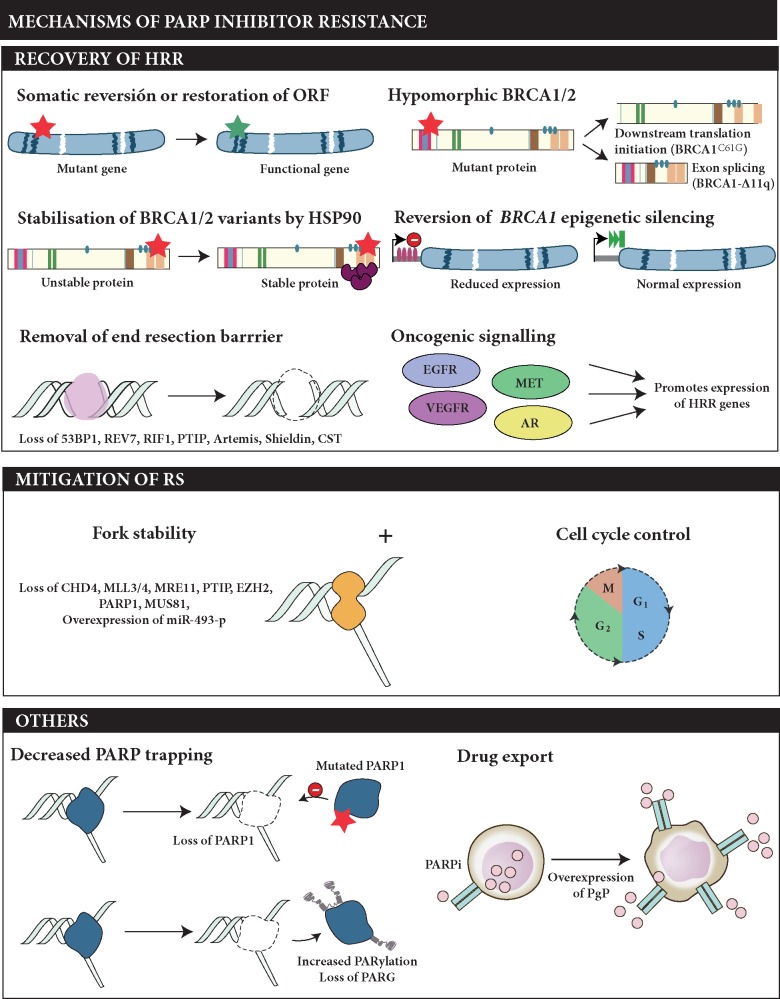
Andronikou, C., & Rottenberg, S. (2021) · Trends in Molecular Medicine · doi:10.1016/j.molmed.2021.04.010 · Cited by 43
“This resulted in the approval of several PARPis in breast (olaparib and talazoparib), ovarian (olaparib, niraparib, and rucaparib either alone or following platinum chemotherapy as maintenance therapy), and metastatic prostate cancer patients (olaparib) with a defect in homology-directed DNA repair [16,17].”
BackgroundTherapy-related myeloid neoplasms following treatment with PARP inhibitors: new molecular insights
Martin, J. E., Khalife‐Hachem, S., Grinda, T., Kfoury, M., Garciaz, S., Pasquier, F., Vargaftig, J., Uzunov, M., Belhabri, A., Bertoli, S., et al. (2021) · Annals of Oncology · doi:10.1016/j.annonc.2021.04.015 · Cited by 37
Pancreatic cancer – the past, the present, and the future
Andersson, R. E., Haglund, C., Seppänen, H. E., & Ansari, D. (2022) · Scandinavian Journal of Gastroenterology · doi:10.1080/00365521.2022.2067786 · Cited by 41
“Of interest is inhibition of PARP1 (poly(ADP-ribose) polymerase, PARP being a key sensor of DNA damage and BRCA1/BRCA2 deficiency [41,86].”
BackgroundResearch Progress of PARP Inhibitor Monotherapy and Combination Therapy for Endometrial Cancer
Shen, K., Yang, L., Li, F., Zhang, F., Ding, L., Yang, J., Lu, J., Wang, N., & Wang, Y. (2021) · Current Drug Targets · doi:10.2174/1389450122666210617111304 · Cited by 34
Advances in Development of Selective Antitumor Inhibitors That Target PARP-1
Liu, F., Chen, J., Li, X., Liu, R., Zhang, Y., Gao, C., & Shi, D. (2023) · Journal of Medicinal Chemistry · doi:10.1021/acs.jmedchem.3c00865 · Cited by 39
Johannes, J. W., Balazs, A., Barratt, D. G., Biśta, M., Chuba, M. D., Cosulich, S. C., Critchlow, S. E., Degorce, S. L., Fruscia, P. D., Edmondson, S. D., et al. (2024) · Journal of Medicinal Chemistry · doi:10.1021/acs.jmedchem.4c01725 · Cited by 38
Peng, S., Long, M., Chen, Q.-S., Yin, Z., Zeng, C., Zhang, W., Wen, Q., Zhang, X., Ke, W., & Wu, Y. (2025) · Cell Death Discovery · doi:10.1038/s41420-025-02418-8 · Cited by 43
“Today, the use of PARP inhibitor orapanil is expanding from ovarian cancer therapy to other tumor types with homologous recombination defects, such as breast, prostate and pancreatic cancer [43 – 46].”
Post-Transcriptional Regulation of PARP7 Protein Stability Is Controlled by Androgen Signaling
Kamata, T., Yang, C., Melhuish, T. A., Frierson, H. F., Wotton, D., & Paschal, B. M. (2021) · Cells · doi:10.3390/cells10020363 · Cited by 33
Sadoughi, F., Mirsafaei, L., Dana, P. M., Hallajzadeh, J., Asemi, Z., Mansournia, M. A., Montazer, M., Hosseinpour, M., & Yousefi, B. (2021) · DNA repair · doi:10.1016/j.dnarep.2021.103074 · Cited by 40
SEOM clinical guidelines for the treatment of advanced prostate cancer (2020)
del Alba, A. G., Méndez-Vidal, M. J., Vazquez, S., Castro, E., Climent, M. A., Gallardo, E., González‐Billalabeitia, E., Lorente, D., Maroto, P., & Arranz, J. A. (2021) · Clinical & Translational Oncology · doi:10.1007/s12094-021-02561-5 · Cited by 39
He, Y., Yu, X., Zhang, M., & Guo, W. (2021) · World Journal of Surgical Oncology · doi:10.1186/s12957-021-02342-y · Cited by 38
Identification of 2-substituted pyrrolo[1,2-b]pyridazine derivatives as new PARP-1 inhibitors
Xiang, H., Chen, J.-Y., Huan, X., Chen, Y., Gao, Z., Ding, J., Miao, Z., & Yang, C. (2020) · Bioorganic & Medicinal Chemistry Letters · doi:10.1016/j.bmcl.2020.127710 · Cited by 32
Chen, S., Huang, W., Kao, W., Hsiao, S., Pan, H.-Y., Fang, C.-W., Shiue, Y., Chou, C.-L., & Li, C. (2021) · Journal of Biomedical Science · doi:10.1186/s12929-020-00699-y · Cited by 34
“The HR pathway has become an emerging therapeutic target because of the successful development of PARP inhibition in cancer treatments [12, 13].”
BackgroundIncorvaia, L., Perez, A., Marchetti, C., Brando, C., Gristina, V., Cancelliere, D., Pivetti, A., Contino, S., Giovanni, E. D., Barraco, N., et al. (2023) · Cancer Treatment Reviews · doi:10.1016/j.ctrv.2023.102650 · Cited by 38
Murthy, S., Nizi, M. G., Maksimainen, M. M., Massari, S., Alaviuhkola, J., Lippok, B. E., Vagaggini, C., Sowa, S. T., Galera‐Prat, A., Ashok, Y., et al. (2023) · Journal of Medicinal Chemistry · doi:10.1021/acs.jmedchem.2c01460 · Cited by 36
Zhang, L., Zhen, Y., Lu, F., Li, Z., Lü, Y., Wang, G., & Ouyang, L. (2023) · European Journal of Medicinal Chemistry · doi:10.1016/j.ejmech.2023.115648 · Cited by 33
PARPs and PARP inhibitors: molecular mechanisms and clinical applications
Wang, F., Zhuyi, G. U. O., Carr, M. J., & Shi, W. (2025) · Molecular Biomedicine · doi:10.1186/s43556-025-00385-1 · Cited by 41
Conceição, C. J. F., Moe, E., Ribeiro, P. A., & Raposo, M. (2025) · Biochimica et Biophysica Acta (BBA) - Reviews on Cancer · doi:10.1016/j.bbcan.2025.189282 · Cited by 43
Li, J., Zhi, X., Chen, S., Shen, X., Chen, C., Yuan, L., Guo, J., Meng, D., Chen, M., & Yao, L. (2020) · PubMed Central · Cited by 37
The Emerging Roles and Therapeutic Implications of Epigenetic Modifications in Ovarian Cancer
Wang, Y., Huang, Z., Li, B., Liu, L., & Huang, C. (2022) · Frontiers in Endocrinology · doi:10.3389/fendo.2022.863541 · Cited by 37
“Indeed, all PARPis exhibit radio- or chemo-potentiation effects in vitro and in vivo, which is consistent with their ability to inhibit DNA damage repair (93, 94).”
BackgroundLin, S., Tu, G., Yu, Z., Jiang, Q., Zhang, L., Liu, J., Liu, Q., Huang, X., Xu, J., Lin, Y., et al. (2022) · Bioorganic & Medicinal Chemistry · doi:10.1016/j.bmc.2022.116912 · Cited by 30
Lin, S., Zhang, X., Yu, Z., Huang, X., Xu, J., Liu, Y., & Wu, L. (2022) · Bioorganic & Medicinal Chemistry · doi:10.1016/j.bmc.2022.116739 · Cited by 28
Amorphous Solid Dispersion as Drug Delivery Vehicles in Cancer
Budiman, A., Handini, A. L., Muslimah, M. N., Nurani, N. V., Laelasari, E., Kurniawansyah, I. S., & Aulifa, D. L. (2023) · Polymers · doi:10.3390/polym15163380 · Cited by 40
Heiss, B. L., Chang, E., Gao, X., Truong, T. M., Brave, M. H., Bloomquist, E. W., Shah, A. B., Hamed, S. S., Kraft, J. B., Chiu, H.-J., et al. (2024) · Journal of Clinical Oncology · doi:10.1200/jco.23.02182 · Cited by 32
Das, P. K., Matada, G. S. P., Pal, R., Maji, L., Dhiwar, P. S., Manjushree, B. V., & Viji, M. P. (2024) · European Journal of Medicinal Chemistry · doi:10.1016/j.ejmech.2024.116535 · Cited by 35
Sheta, R., Bachvarova, M., Plante, M., Renaud, M., Sebastianelli, A., Gregoire, J., Navarro, J. M., Bringas, R., Masson, J., & Bachvarov, D. R. (2020) · Journal of Translational Medicine · doi:10.1186/s12967-020-02613-4 · Cited by 29
Li, L., Jiang, D., Liu, H., Guo, C., Zhao, R., Zhang, Q., Xu, C., Qin, Z., Feng, J., Liu, Y., et al. (2023) · Nature Communications · doi:10.1038/s41467-023-37221-5 · Cited by 35
Fontana, P., Buch-Larsen, S. C., Suyari, O., Smith, R., Suskiewicz, M. J., Schützenhofer, K., Ariza, A., Rack, J. G. M., Nielsen, M. L., & Ahel, I. (2023) · Nature Communications · doi:10.1038/s41467-023-38793-y · Cited by 30
“Recently it was also shown that these components are critical determinants of the response to clinically relevant PARP inhibitors 27,29,30 .”
Rahman, R. M., Shi, D. D., Reitman, Z. J., Hamerlik, P., de Groot, J., Haas-Kogan, D. A., D’Andrea, A. D., Sulman, E. P., Tanner, K. G., Agar, N. Y. R., et al. (2024) · Neuro-Oncology · doi:10.1093/neuonc/noae072 · Cited by 37
Advances in the relationship between AP-1 and tumorigenesis, development and therapy resistance
Xue, X., Li, Z., Zhao, J., Zhao, Z., Li, Z., Li, Y., Liu, Y., & He, H. (2025) · Discover Oncology · doi:10.1007/s12672-025-01783-1 · Cited by 38
Comprehensive tumor molecular profile analysis in clinical practice
Özdoğan, M., Papadopoulou, E., Τσούλος, Ν., Tsantikidi, A., Mariatou, V.-M., Tsaousis, G., Kapeni, E., Bourkoula, E., Fotiou, D. F., Kapetsis, G., et al. (2021) · BMC Medical Genomics · doi:10.1186/s12920-021-00952-9 · Cited by 31
“This type of alterations could be used as predictive biomarkers of response to PARP inhibitors (PARPi) treatment [48, 49].”
Davis, S. L., Hartman, S. J., Bagby, S. M., Schlaepfer, M. I., Yacob, B. W., Tse, T. E., Simmons, D. M., Diamond, J. R., Lieu, C. H., Leal, A. D., et al. (2022) · BMC Cancer · doi:10.1186/s12885-022-10084-7 · Cited by 28
“In addition to further assessment of somatic mutations in the DDR pathway, there may also be benefit to evaluation of germline mutations, similar to the use of germline and somatic BRCA mutations to select patients for PARP inhibitor therapies in various clinical settings [33].”
BackgroundBRCA Mutations—The Achilles Heel of Breast, Ovarian and Other Epithelial Cancers
Loboda, A. P., Adonin, L., Zvereva, S. D., Pestov, N. B., Guschin, D. Y., Korneenko, T. V., Telegina, A. V., Kondratieva, O. K., Frolova, S. E., & Barlev, N. A. (2023) · International Journal of Molecular Sciences · doi:10.3390/ijms24054982 · Cited by 34
“The latter ultimately leads to the collapse of the replication fork and DNA double-strand breaks that cannot be repaired by HR in cancer cells [145].”
BackgroundParp Inhibitors and Radiotherapy: A New Combination for Prostate Cancer (Systematic Review)
BELENCHON, I. R., Ruiz, C. B. C., Sáez, C., Osmán-García, I., & López, R. A. M. (2023) · International Journal of Molecular Sciences · doi:10.3390/ijms241612978 · Cited by 32
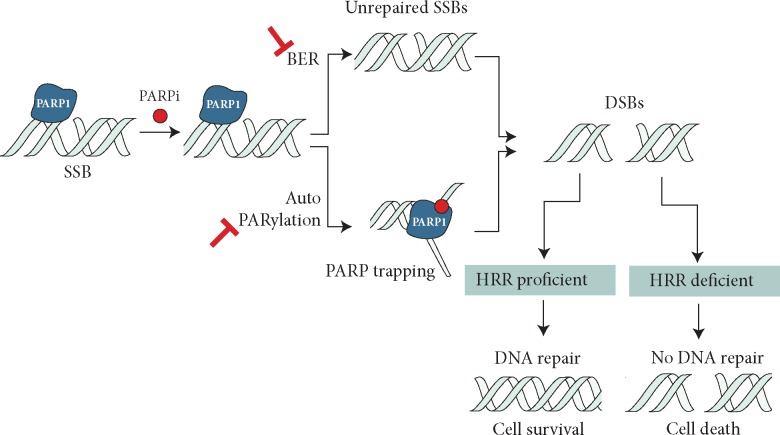
“In PCa, PARPi act through two mechanisms: (1) competitively binding to the active site, thereby preventing the repair of SSBs and favoring their conversion into DSBs [59] and; (2) trapping PARP-1 onto the damaged DNA, inhibiting autoPARylation [58].”
BackgroundPARP inhibitors in ovarian cancer: Mechanisms of resistance and implications to therapy
Kulkarni, S., Seneviratne, N., Tosun, Ç., & Madhusudan, S. (2025) · DNA repair · doi:10.1016/j.dnarep.2025.103830 · Cited by 41
Aldakheel, F. M., Alduraywish, S. A., & Dabwan, K. H. (2025) · Scientific Reports · doi:10.1038/s41598-025-97208-8 · Cited by 31
“These residues are critical to the enzyme activity because they are directly involved in the catalytic process and the stability of the enzyme–substrate complex 16 .”
Palazzo, A., Ciccarese, C., Iacovelli, R., Cannizzaro, M. C., Stefani, A., Salvatore, L., Bria, E., & Tortora, G. (2023) · ESMO Open · doi:10.1016/j.esmoop.2023.101154 · Cited by 36
“- Issue 2 - 2023 pancreatic, and prostate cancers.(1,2) The efficacy of PARPi is well defined in tumors carrying deleterious mutations of BRCA1/BRCA2 genes, whereas it is more controversial in tumors harboring inactivating mutations in other homologous recombination (HR)-related genes and in wild-type cancers.”
BackgroundYe, Y., Zhang, S., Jiang, Y., Huang, Y., Wang, G., Zhang, M., Gui, Z., Wu, Y., Bian, G., Li, P., et al. (2023) · Scientific Reports · doi:10.1038/s41598-023-48653-w · Cited by 27
“PARP inhibitors cause single-strand breaks in DNA that accumulate and convert to double-strand breaks 62 .”
BackgroundEmerging Therapeutic Drugs in Metastatic Triple-Negative Breast Cancer
Cipriano, É., & Mesquita, A. (2021) · Breast Cancer Basic and Clinical Research · doi:10.1177/11782234211002491 · Cited by 31
MLK4 regulates DNA damage response and promotes triple-negative breast cancer chemoresistance
Mehlich, D., Łomiak, M., Sobiborowicz, A., Mazan, A., Dymerska, D., Szewczyk, Ł. M., Mehlich, A., Borowiec, A., Prełowska, M. K., Gorczyński, A., et al. (2021) · Cell Death and Disease · doi:10.1038/s41419-021-04405-0 · Cited by 28
“PARP inhibitors have been established as important new therapies for breast cancer patients with inherited BRCA1/2 mutations [48].”
BackgroundWang, Q., & Zhang, J. (2022) · European Journal of Medicinal Chemistry · doi:10.1016/j.ejmech.2022.114690 · Cited by 25
A multi-task FP-GNN framework enables accurate prediction of selective PARP inhibitors
Ai, D., Wu, J., Cai, H., Zhao, D., Chen, Y., Wei, J., Xu, J., Zhang, J., & Wang, L. (2022) · Frontiers in Pharmacology · doi:10.3389/fphar.2022.971369 · Cited by 27
“In the absence of BRCA1/ 2 and therefore a faulty HR, the PARP inhibitors-induced DNA lesions cannot be repaired, resulting in cytotoxicity (Mateo et al., 2019).”
BackgroundSerra-Camprubí, Q., Verdaguer, H., Oliveros, W., Lupión-Garcia, N., Llop‐Guevara, A., Molina, C., Vila-Casadesús, M., Turpin, A., Neuzillet, C., Frigola, J., et al. (2022) · Clinical Cancer Research · doi:10.1158/1078-0432.ccr-22-2551 · Cited by 26
“Remarkably, the absence of PARPi effectiveness in these preclinical models is in contrast to what would be expected on the basis of previously published data (17 – 21).”
Self-citationPancreatic Cancer: BRCA Targeted Therapy and Beyond
Keane, F., O'Connor, C. A., Park, W., Seufferlein, T. T. W., & O'Reilly, E. M. (2023) · Cancers · doi:10.3390/cancers15112955 · Cited by 28
“The PARP enzymes have a key role in base excision repair of single-stranded DNA breaks [45], and inhibition of these enzymes results in the accumulation of single-stranded breaks (SSBs), leading to replication fork collapse, and the generation of double-stranded breaks (DSBs).”
BackgroundTransmembrane nuclease NUMEN/ENDOD1 regulates DNA repair pathway choice at the nuclear periphery
Chen, B., Ge, T., Jian, M., Chen, L., Fang, Z., He, Z., Huang, C., An, Y., Yin, S., Xiong, Y., et al. (2023) · Nature Cell Biology · doi:10.1038/s41556-023-01165-1 · Cited by 29
Wang, M., Yuan, C., Wu, Z., Xu, M., Chen, Z., Yao, J., Que, Z., Tian, J., Leung, E. L., & Wang, Z. (2024) · International Journal of Biological Sciences · doi:10.7150/ijbs.91861 · Cited by 24
“It has transitioned from the traditional "surgery+chemotherapy+observation/waiting" model to a comprehensive management model of "surgery+chemotherapy+maintenance therapy" breaking through the treatment bottleneck of ovarian cancer and entering the era of precision medicine [24].”
MethodNunes, M., Bartosch, C., Abreu, M. H., Richardson, A., Almeida, R., & Ricardo, S. A. V. (2024) · Cells · doi:10.3390/cells13090786 · Cited by 29
“Second, it traps PARP1 by stopping its release from damaged DNA, thus halting the progression of replication forks [271].”
BackgroundA pan‐tumor review of the role of poly(adenosine diphosphate ribose) polymerase inhibitors
Chehade, C. H., Gebrael, G., Sayegh, N., Özay, Z. İ., Narang, A., Crispino, T., Golan, T., Litton, J. K., Swami, U., Moore, K. N., et al. (2025) · CA A Cancer Journal for Clinicians · doi:10.3322/caac.21870 · Cited by 50
Pedretti, F., Abdalfttah, M., Pellegrino, B., Mateo, F., Martínez-Sanz, P., Herencia-Ropero, A., Òdena, A., Clavell-Revelles, P., Casali, G., Domènech, H., et al. (2025) · Cancer Research · doi:10.1158/0008-5472.can-24-2531 · Cited by 31
Self-citationPARP (Poly ADP‐ribose Polymerase) Family in Health and Disease
Lei, P., Li, W., Luo, J., Xu, N., Wang, Y., Xie, D., Guan, H., Huang, B., Huang, X., & Zhou, P. (2025) · MedComm · doi:10.1002/mco2.70314 · Cited by 33
Integrated genomics point to immune vulnerabilities in pleural mesothelioma
Năstase, A., Mandal, A., Lu, S. K., Anbunathan, H., Morris-Rosendahl, D. J., Zhang, Y. Z., Sun, X. M., Gennatas, S., Rintoul, R. C., Edwards, M. M., et al. (2021) · Scientific Reports · doi:10.1038/s41598-021-98414-w · Cited by 28
Sun, C., Jing, W., Xiong, G., Ma, D., Lin, Y., Lv, X., Zhao, Y., Ma, X., Zhu, L., Shen, X., et al. (2021) · Cancer Letters · doi:10.1016/j.canlet.2021.11.005 · Cited by 26
The Development of 18F Fluorthanatrace: A PET Radiotracer for Imaging Poly (ADP-Ribose) Polymerase-1
Lee, H. S., Schwarz, S. W., Schubert, E. K., Chen, D. L., Doot, R. K., Makvandi, M., Lin, L. L., McDonald, E. S., Mankoff, D. A., & Mach, R. H. (2022) · Radiology Imaging Cancer · doi:10.1148/rycan.210070 · Cited by 25
Pacheco-Barcía, V., Martín, A. J. M., Castro, E., Ballesteros, A. I., Marquina, G., González-Díaz, I., Colomer, R., & Romero-Laorden, N. (2022) · Cancers · doi:10.3390/cancers14122950 · Cited by 26
“Patients’ tumors which lack BRCA1 or BRCA2 are not able to repair DNA lesions and try to use error-prone DNA repair pathways that have a cytotoxic effect that kills the cells [5].”
BackgroundInfluentialEmerging treatment approaches for triple-negative breast cancer
Capuozzo, M., Celotto, V., Santorsola, M., Fabozzi, A., Landi, L., Ferrara, F., Borzacchiello, A., Granata, V., Sabbatino, F., Savarese, G., et al. (2023) · Medical Oncology · doi:10.1007/s12032-023-02257-6 · Cited by 29
“Consequently, the accumulation of unresolved SSBs induces the formation of double-strand breaks (DSBs), ultimately leading to cellular demise, particularly in cells deficient in HRR [47].”
BackgroundYusoh, N. A., Leong, S. W., Chia, S. L., Harun, S. N., Rahman, M. B. A., Vallis, K. A., Gill, M. R., & Ahmad, H. (2020) · ACS Chemical Biology · doi:10.1021/acschembio.9b00843 · Cited by 24
Yang, Y., Du, N., Xie, L., Jiang, J., Mo, J., Hong, J., Mao, D., Ng, D. M., & Shi, H. (2020) · World Journal of Surgical Oncology · doi:10.1186/s12957-020-01931-7 · Cited by 23
Chakraborty, G., Patail, N. K., Hirani, R., Nandakumar, S., Mazzu, Y. Z., Yoshikawa, Y., Atiq, M. O., Jehane, L. E., Stopsack, K. H., Lee, G. M., et al. (2020) · Clinical Cancer Research · doi:10.1158/1078-0432.ccr-20-2483 · Cited by 28
“PARPis are approved for the treatment of ovarian cancer, breast cancer, and prostate cancer (13).”
BackgroundOstrop, J., Zwiggelaar, R. T., Pedersen, M. T., Gerbe, F., Bösl, K., Lindholm, H. T., Díez-Sánchez, A., Parmar, N., Radetzki, S., von Kries, J. P., et al. (2021) · Frontiers in Cell and Developmental Biology · doi:10.3389/fcell.2020.618552 · Cited by 29
Bao, S., Yue, Y., Hua, Y., Zeng, T., Yang, Y., Yang, F., Yan, X., Sun, C., Yang, M., Fu, Z., et al. (2021) · Annals of Translational Medicine · doi:10.21037/atm-21-1883 · Cited by 25
“Currently, PARP inhibitors have been employed in the treatment of breast and ovarian cancer, either alone or in combination with other therapies (2,5).”
BackgroundTargeting BRCA and DNA Damage Repair Genes in GI Cancers: Pathophysiology and Clinical Perspectives
Zimmer, K., Kocher, F., Puccini, A., & Seeber, A. (2021) · Frontiers in Oncology · doi:10.3389/fonc.2021.662055 · Cited by 25
“, through DNA damaging chemotherapy) might be misinterpreted as HRR deficiency (62).”
BackgroundPARP inhibitors in small cell lung cancer: The underlying mechanisms and clinical implications
Wang, X., Zeng, X., Li, D., Zhu, C., Guo, X., Feng, L., & Yu, Z. (2022) · Biomedicine & Pharmacotherapy · doi:10.1016/j.biopha.2022.113458 · Cited by 29
An overview of the research progress of BRCA gene mutations in breast cancer
Wan, A., Zhang, G., Ma, D., Zhang, Y., & Qi, X. (2023) · Biochimica et Biophysica Acta (BBA) - Reviews on Cancer · doi:10.1016/j.bbcan.2023.188907 · Cited by 26
SETD2 Deficiency Confers Sensitivity to Dual Inhibition of DNA Methylation and PARP in Kidney Cancer
Zhou, X., Sekino, Y., Li, H., Fu, G., Zhi, Y., Zhao, S., Gujar, H., Zu, X., Weisenberger, D. J., Gill, I. S., et al. (2023) · Cancer Research · doi:10.1158/0008-5472.can-23-0401 · Cited by 26
Metadata
- Authors
- Mateo, J., Lord, C. J., Serra, V., Tutt, A., Balmaña, J., Castroviejo-Bermejo, M., Cruz, C., Oaknin, A., Kaye, S. B., & de Bono, J. S.
- Affiliations
- Vall d'Hebron Hospital Universitari (ES)
- Institute of Cancer Research (GB)
- Vall d'Hebron Institute of Oncology (ES)
- Royal Marsden NHS Foundation Trust (GB)
- Venue
- Annals of Oncology
- Publisher
- Elsevier BV
- Published
- 2019-09
- Volume
- 30
- Issue
- 9
- Pages
- 1437-1447
- ISSN
- 0923-7534 (ISSN-L)
- PMC
- PMC6771225
- OpenAlex
- W2951058429
- Cited by
- 743
- References
- 100
- Citations by year
- 2026: 58 · 2025: 123 · 2024: 81 · 2023: 123 · 2022: 145 · 2021: 128 · 2020: 77 · 2019: 8
- FWCI
- 8.58
- Type
- journal article
- Language
- en
- Open access
- hybrid
- doi.org
- Licence
- cc-by-nc
- www.elsevier.com/tdm/userlicense/1.0/ (tdm)
- creativecommons.org/licenses/by-nc/4.0/ (vor, 206 d)
- Locations
- Annals of Oncology (publishedVersion, cc-by-nc)
- PubMed Central (publishedVersion, cc-by-nc)
- PubMed (publishedVersion)
- Research Portal (King's College London) (submittedVersion, other-oa)
- Funders
- Prostate Cancer Foundation
- Instituto de Salud Carlos III
- FERO Foundation
- Asociación Española Contra el Cáncer
- AECC-JP Barcelona
- Cancer Research UK
- Department of Health (C12540/A25128)
- NHS funding
- NIHR Biomedical Research Centre
- Institute of Cancer Research
- National Institute for Health Research
- NIHR
- Topics
- Health Sciences › Medicine › Oncology › PARP inhibition in cancer therapy
- Life Sciences › Biochemistry, Genetics and Molecular Biology › Genetics › BRCA gene mutations in cancer
- Life Sciences › Biochemistry, Genetics and Molecular Biology › Molecular Biology › DNA Repair Mechanisms
- Keywords
- PARP inhibitors, olaparib, talazoparib, niraparib, rucaparib, synthetic lethality, DNA repair deficiency, genomic instability, breast cancer, ovarian cancer, maintenance therapy, platinum-based chemotherapy, PARP inhibitor resistance, predictive biomarkers, homologous recombination defects, precision medicine, prostate cancer, pancreatic cancer, combination therapy
- MeSH terms
- Poly(ADP-ribose) Polymerase Inhibitors, Poly (ADP-Ribose) Polymerase-1, Breast Neoplasms, Female, Humans, Indazoles, Indoles, Ovarian Neoplasms, Phthalazines, Piperazines, Piperidines, BRCA1 Protein, BRCA2 Protein, Genomic Instability
About these checks
Registry, retraction, Cites and statistics results are computed, not judged, with one exception: a printed reference that no index lists is read once by a model before it counts as a citation error. Claims are extracted by a model and kept only when their quote appears verbatim in the text; each cited source is then checked, with a model’s help, for whether it says what the claim relies on. Those verdicts can be wrong — read the claim’s quote and the cited source before relying on one.
Statistics and arithmetic are recomputed, not judged.
Confidence bands are shown only for fields calibrated on our annotated test set. None is calibrated yet, so no band is shown.
What counts as a claim ›How we measure confidence ›How we check this ›
Are you an author, or do you see a problem with this page? Request a review
Data sources
Bibliographic data: Semantic Scholar, OpenAlex, Crossref.
Contains information from the Semantic Scholar Academic Graph Datasets, made available under the ODC Attribution License (ODC-BY 1.0).
Semantic Scholar’s data is described in: Kinney, R., et al. (2023). The Semantic Scholar Open Data Platform. arXiv:2301.10140.
