

A decade of clinical development of PARP inhibitors in perspective
Open accessThe DOI matches its Crossref record; 98 of the 100 references it cites were found in a registry or an index.
Abstract
Genomic instability is a hallmark of cancer, and often is the result of altered DNA repair capacities in tumour cells. DNA damage repair defects are common in different cancer types; these alterations can also induce tumour-specific vulnerabilities that can be exploited therapeutically. In 2009, a first-in-man clinical trial of the poly(ADP-ribose) polymerase (PARP) inhibitor olaparib clinically validated the synthetic lethal interaction between inhibition of PARP1, a key sensor of DNA damage, and BRCA1/BRCA2 deficiency. In this review, we summarize a decade of PARP inhibitor clinical development, a work that has resulted in the registration of several PARP inhibitors in breast (olaparib and talazoparib) and ovarian cancer (olaparib, niraparib and rucaparib, either alone or following platinum chemotherapy as maintenance therapy). Over the past 10 years, our knowledge on the mechanism of action of PARP inhibitor as well as how tumours become resistant has been extended, and we summarise this work here. We also discuss opportunities for expanding the precision medicine approach with PARP inhibitors, identifying a wider population who could benefit from this drug class. This includes developing and validating better predictive biomarkers for patient stratification, mainly based on homologous recombination defects beyond BRCA1/BRCA2 mutations, identifying DNA repair deficient tumours in other cancer types such as prostate or pancreatic cancer, or by designing combination therapies with PARP inhibitors.
Overview
The claims and statistics of this paper haven’t been checked yet.
Free: it reads the open-access text and checks the first 5 claims that cite a source we can check. Create a free account to check every claim.
Integrity signals
Registry
Cites
Statistics
Figures
Verification
Claims the paper makes
The claims and statistics of this paper haven’t been checked yet.
Free: it reads the open-access text and checks the first 5 claims that cite a source we can check. Create a free account to check every claim.
Claims other papers make about this one
Each is checked against this paper’s own text: does it say what the citing paper says it does?
The cited source says what the claim attributes to it.
In the citing paper
“PARP inhibitors are used as tumor therapy drugs, specifically targeting cancer cells with genetic defects in DNA repair genes such as BRCA1, exploiting their synthetic lethal relationship with PARP1 (Mateo et al, 2019).”
From Network integration of thermal proteome profiling with multi-omics data decodes PARP inhibition (2024) · cites this paper as Mateo et al, 2019
Self-check
Percentages, sums and reported differences re-computed from the paper’s own numbers.
The self-check needs the paper’s full text.
Citations
Cites
Signatures of mutational processes in human cancer
Initiative, A. P. C. G., Alexandrov, L. B., ICGC Breast Cancer Consortium, ICGC MMML-Seq Consortium, PedBrain, I., Nik-Zainal, S., Wedge, D. C., Aparicio, S. A. J. R., Behjati, S., Biankin, A. V., et al. (2013) · Nature · doi:10.1038/nature12477 · Cited by 9,660 · cited 1×
“Genomic signatures or scars represent repetitive patterns of DNA alterations that translate an underlying biological condition [56].”
BackgroundSelf-citationIntegrated genomic analyses of ovarian carcinoma
Perou, C. M. (2019) · Carolina Digital Repository (University of North Carolina at Chapel Hill) · doi:10.17615/hvp3-wg08 · Cited by 7,925
Targeting the DNA repair defect in BRCA mutant cells as a therapeutic strategy
Farmer, H., McCabe, N., Lord, C. J., Tutt, A. N. J., Johnson, D. A., Richardson, T. B., Santarosa, M., Dillon, K. J., Hickson, I., Knights, C., et al. (2005) · Nature · doi:10.1038/nature03445 · Cited by 6,683 · cited 2×
“In 2005, two seminal studies demonstrated that tumour cells lacking BRCA1 or BRCA2, key tumour suppressor proteins involved in double-strand DNA break (DSB) repair by homologous recombination (HR), are selectively sensitive to small molecule inhibitors of the PARP family of DNA repair enzymes [1, 2].”
BackgroundSelf-citationSpecific killing of BRCA2-deficient tumours with inhibitors of poly(ADP-ribose) polymerase
Bryant, H. E., Schultz, N., Thomas, H. D., Parker, K. M., Flower, D., Lopez, E., Kyle, S., Meuth, M., Curtin, N. J., & Helleday, T. (2005) · Nature · doi:10.1038/nature03443 · Cited by 5,198
Integrative Clinical Genomics of Advanced Prostate Cancer
Robinson, D., Van Allen, E. M., Wu, Y.-M., Schultz, N., Lonigro, R. J., Mosquera, J.-M., Montgomery, B., Taplin, M.-E., Pritchard, C. C., Attard, G., et al. (2015) · Cell · doi:10.1016/j.cell.2015.05.001 · Cited by 3,645
Self-citationInhibition of Poly(ADP-Ribose) Polymerase in Tumors from BRCA Mutation Carriers
Fong, P. C., Boss, D. S., Yap, T. A., Tutt, A., Wu, P., Mergui-Roelvink, M., Mortimer, P., Swaisland, H., Lau, A., O'Connor, M. J., et al. (2009) · New England Journal of Medicine · doi:10.1056/nejmoa0900212 · Cited by 3,634 · cited 1×
“A first-in-human clinical trial of KU-0059436 (KuDOS Pharmaceuticals/ AstraZeneca, later named AZD-2281/olaparib) was conducted to establish a recommended dose and to generate preliminary data in a biomarker-defined population [6, 7].”
MethodSelf-citationZehir, A., Benayed, R., Shah, R. H., Syed, A., Middha, S., Kim, H. R., Srinivasan, P., Gao, J., Chakravarty, D., Devlin, S. M., et al. (2017) · Nature Medicine · doi:10.1038/nm.4333 · Cited by 3,380 · cited 1×
“As interest has evolved beyond gBRCA1/2 mutations, multiplexed NGS assays of both germline and somatic DNA have become the preferred tool for patient identification [53, 54].”
BackgroundOlaparib for Metastatic Breast Cancer in Patients with a Germline BRCA Mutation
Robson, M., Im, S.-A., Senkus, E., Xu, B., Domchek, S. M., Masuda, N., Delaloge, S., Li, W., Tung, N., Armstrong, A., et al. (2017) · New England Journal of Medicine · doi:10.1056/nejmoa1706450 · Cited by 3,294 · cited 1×
“In 2017, results from a randomized phase III trial (OlympiAD) in HER2-negative, gBRCA1/2 mutation-associated, metastatic breast cancer comparing olaparib with physician’s treatment choice (capecitabine, eribulin, vinorelbine, or gemcitabine) were reported [36].”
BackgroundMaintenance Olaparib in Patients with Newly Diagnosed Advanced Ovarian Cancer
Moore, K., Colombo, N., Scambia, G., Kim, B.-G., Oaknin, A., Friedlander, M., Lisyanskaya, A., Floquet, A., Leary, A., Sonke, G. S., et al. (2018) · New England Journal of Medicine · doi:10.1056/nejmoa1810858 · Cited by 2,870 · cited 1×
“30) in the maintenance setting after first-line platinum-based chemotherapy in FIGO stage III/IV high-grade ovarian cancer [25].”
BackgroundSelf-citationA rapid method for determining sequences in DNA by primed synthesis with DNA polymerase
Sanger, F., & Coulson, A. R. (1975) · Journal of Molecular Biology · doi:10.1016/0022-2836(75)90213-2 · Cited by 2,709 · cited 1×
“During early phases of PARPi development, most efforts centred on detecting gBRCA1/ 2 mutations, initially using Sanger sequencing [52].”
Method
Cited by
Items 201–300 of 747
Sabbatino, F., Liguori, L., Malapelle, U., Schiavi, F., Tortora, V., Conti, V., Filippelli, A., Tortora, G., Ferrone, C. R., & Pepe, S. (2020) · Frontiers in Oncology · doi:10.3389/fonc.2020.567289 · Cited by 25
A review on mechanisms of resistance to PARP inhibitors
Desai, C. J., Pathak, A. B., Limaye, S. A., Maniar, V., & Joshi, A. (2022) · Indian Journal of Cancer · doi:10.4103/ijc.ijc_53_21 · Cited by 25
Wu, J., Wu, Y., Chen, S., Guo, Q., Shao, Y., Liu, C., Lin, K., Wang, S., Zhu, J. W., Chen, X., et al. (2024) · Oncogene · doi:10.1038/s41388-024-02943-3 · Cited by 27
“Early PARP inhibitors are mainly used in OC patients with breast cancer susceptibility gene (BRCA) mutations or homologous recombination-de fi cient (HRD) positivity [44, 45].”
Watters, A. K., Seltzer, E. S., MacKenzie, D., Young, M. W., Muratori, J., Hussein, R., Sodoma, A. M., To, J. T., Singh, M., & Zhang, D. (2020) · Genes · doi:10.3390/genes11070829 · Cited by 23
Synergistic targeting strategies for prostate cancer
Li, X., Han, Z., & Ai, J. (2025) · Nature Reviews Urology · doi:10.1038/s41585-025-01042-6 · Cited by 27
“However, tumour cells cannot solve double-strand breaks owing to their lack of HRR capacity because of the mutations of BRCA1 , BRCA2 , ATM , CHEK2 and other related genes 165 .”
Nanoparticle Formulations of Poly (ADP-ribose) Polymerase Inhibitors for Cancer Therapy
Singh, B., Yang, S., Krishna, A., & Sridhar, S. (2020) · Frontiers in Chemistry · doi:10.3389/fchem.2020.594619 · Cited by 27
“Over the past few years, there have been tremendous efforts to develop novel PARP inhibitors for various cancer treatments (Lord and Ashworth, 2017; Mateo et al., 2019).”
BackgroundPoly( ADP ‐ribose) polymerase inhibition in pancreatic cancer
Singh, H. M., Bailey, P. J., Hübschmann, D., Berger, A. K., Neoptolemos, J. P., Jäger, D., Siveke, J. T., & Springfeld, C. (2021) · Genes Chromosomes and Cancer · doi:10.1002/gcc.22932 · Cited by 23
“In the study by Wadell et al,36 whole-genome sequencing and copy number variation analysis was performed on 100 patients with primary operable, nonpretreated PDAC.”
BackgroundInfluentialBakr, A., Hey, J., Sigismondo, G., Liu, C.-S., Sadik, A., Goyal, A., Cross, A., Iyer, R. L., Müller, P., Trauernicht, M., et al. (2021) · Nucleic Acids Research · doi:10.1093/nar/gkab964 · Cited by 27
Rad50 promotes ovarian cancer progression through NF‐κB activation
Li, Y., Wang, S., Li, P., Li, Y., Liu, Y., Fang, H., Zhang, X., Liu, Z., & Kong, B. (2021) · Journal of Cellular and Molecular Medicine · doi:10.1111/jcmm.17017 · Cited by 22
Marchetti, A., Rosellini, M., Nuvola, G., Tassinari, E., Mollica, V., Rizzo, A., Santoni, M., Cimadamore, A., Farolfi, A., Montironi, R., et al. (2022) · Cancers · doi:10.3390/cancers14040907 · Cited by 21
“On the contrary, if there is an alteration in HRR system, double-strand breaks cannot be repaired and so the effect produced by PARPi can be fatal for the cell [20,22].”
BackgroundZhou, C., Fabbrizi, M. R., Hughes, J. R., Grundy, G. J., & Parsons, J. L. (2022) · Frontiers in Oncology · doi:10.3389/fonc.2022.940377 · Cited by 21
“A notable point is that the effectiveness of radiosensitisation by PARP inhibitors may relate to their catalytic inhibition (IC50), PARP trapping potency (retaining PARP protein on the DNA strand break site), or the combination of both (19, 20).”
BackgroundKonstantinopoulos, P. A., González-Martín, A., Cruz, F. M., Friedlander, M. L., Glasspool, R. M., Lorusso, D., Marth, C., Monk, B. J., Kim, J., Hinson, P., et al. (2022) · Future Oncology · doi:10.2217/fon-2022-0666 · Cited by 24
Yang, D., Huang, F., Wei, W., Li, Q., Wu, J., Huang, Y., Li, Z., Zhang, H., Li, X., Yuan, Q.-E., et al. (2023) · International Journal of Biological Sciences · doi:10.7150/ijbs.79654 · Cited by 22
“susceptible to DNA damage therapies such as poly (ADP-ribose) polymerase inhibitors (PARPi).[1-3] A Ivyspring”
Comprehensive machine learning boosts structure-based virtual screening for PARP1 inhibitors
Caba, K., Tran‐Nguyen, V., Rahman, T., & Ballester, P. J. (2024) · Journal of Cheminformatics · doi:10.1186/s13321-024-00832-1 · Cited by 26
“Small-molecule PARP1 inhibitors have become the standard of care for women with metastatic ovarian cancer and breast cancer harbouring the single or double BRCA1 and BRCA2 mutations [9,10].”
BackgroundPARP inhibition in treatment of pancreatic cancer
Hammel, P. R., Zhang, C., Matile, J., Colle, E., Hadj-Naceur, I., Gagaille, M.-P., Bouattour, M., Cros, J. F., de Mestier, L., & Lamuraglia, M. (2020) · Expert Review of Anticancer Therapy · doi:10.1080/14737140.2020.1820330 · Cited by 21
Xu, B., Yin, Y., Dong, M., Song, Y., Li, W., Huang, X., Wang, T., He, J., Mu, X., Li, L., et al. (2020) · Cancer Medicine · doi:10.1002/cam4.3575 · Cited by 21
PARP Inhibitors Talazoparib and Niraparib Sensitize Melanoma Cells to Ionizing Radiation
Jonuscheit, S., Jost, T., Gajdošová, F., Wrobel, M., Hecht, M., Fietkau, R., & Distel, L. V. (2021) · Genes · doi:10.3390/genes12060849 · Cited by 22
“It has been suggested that PARPi offer the opportunity to enhance the efficacy of radiotherapy [7,13].”
BackgroundCserni, G., Francz, M., Járay, B., Kálmán, E., Kovács, I., Krenács, T., Tóth, E., Udvarhelyi, N., Vass, L., Vörös, A., et al. (2022) · Pathology & Oncology Research · doi:10.3389/pore.2022.1610373 · Cited by 29
Targeting PARP1: A Promising Approach for Next-Generation Poly (ADP-ribose) Polymerase Inhibitors
Ray, A., & Opyrchal, M. (2025) · Current Breast Cancer Reports · doi:10.1007/s12609-025-00582-5 · Cited by 27
“These first-generation PARPis demonstrate distinct levels of synthetic lethality with HRD tumors and various levels of toxicity due to their differences in PARP selectivity and trapping ability [17, 31, 53, 62, 63, 73].”
Li, X., Zhou, J., Xiao, M., Zhao, L., Zhao, Y., Wang, S., Gao, S., Zhuang, Y., Niu, Y., Li, S., et al. (2021) · Frontiers in Cell and Developmental Biology · doi:10.3389/fcell.2021.689028 · Cited by 28
“Simultaneously, patients with specific gene mutations are suitable candidates for immunotherapy, such as patients with BRCA1/2 gene mutations (Mateo et al., 2019).”
BackgroundPARP Inhibitors and Haematological Malignancies—Friend or Foe?
Skelding, K. A., & Lincz, L. F. (2021) · Cancers · doi:10.3390/cancers13215328 · Cited by 22
“Due to the essential role of PARPs in DNA repair, it is unsurprising that PARPi have emerged over the past decade as promising new anti-cancer therapies for a range of cancer types [17].”
BackgroundHu, H., Chen, X., Zhao, K., Zheng, W., & Gao, C. (2023) · Macromolecular Bioscience · doi:10.1002/mabi.202200577 · Cited by 21
Dellavedova, G., Decio, A., Formenti, L., Albertella, M. R., Wilson, J., Staniszewska, A. D., Leo, E., Giavazzi, R., Ghilardi, C., & Bani, M. R. (2023) · Cancer Research Communications · doi:10.1158/2767-9764.crc-22-0423 · Cited by 22
Kwon, W. (2023) · The World Journal of Men s Health · doi:10.5534/wjmh.230177 · Cited by 22
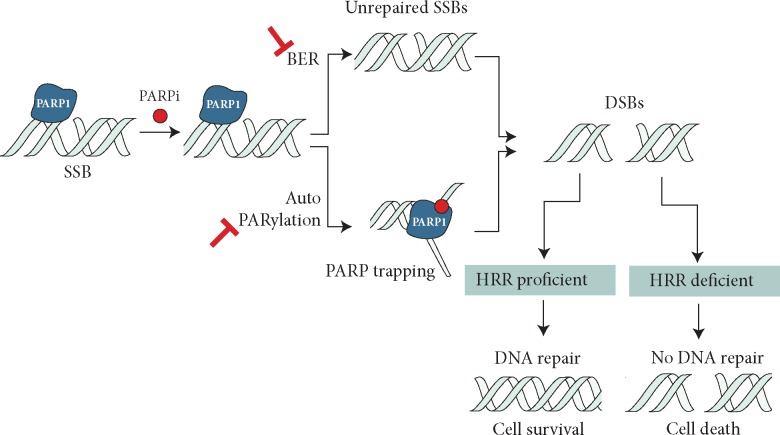
“Second, PARPi trap PARP-1 on damaged DNA by inhibiting auto-poly(ADP-ribosyl)lation (PARylation) or enhancing DNA affinity for the catalytic site by inducing allosteric changes in the PARP-1 structure [30].”
BackgroundDai, Y., Xu, J., Gong, X., Wei, J., Gao, Y., Chai, R., Lu, C., Zhao, B. T., & Kang, Y. (2024) · International Journal of Molecular Sciences · doi:10.3390/ijms25020886 · Cited by 22
Hintelmann, K., Berenz, T., Kriegs, M., Christiansen, S., Gatzemeier, F., Struve, N., Petersen, C., Betz, C. S., Rothkamm, K., Oetting, A., et al. (2021) · Frontiers in Oncology · doi:10.3389/fonc.2021.683688 · Cited by 22
“Upon collision with replication forks, these structures can lead to the formation of one-ended DSBs, the repair of which requires HR (13, 14).”
BackgroundThe Landscape of PARP Inhibitors in Solid Cancers
Muzzana, M., Broggini, M., & Damia, G. L. M. (2025) · OncoTargets and Therapy · doi:10.2147/ott.s499226 · Cited by 21
“82 However, the phase III Keylink-010 trial 83 showed no significant improvement in outcomes with the combination of pembrolizumab and olaparib in biomarker-unselected, heavily pretreated mCRPC, suggesting that further patient selection is critical for this approach.”
Pérez, M., García-Heredia, J. M., Felipe‐Abrio, B., Muñoz-Galván, S., Martín‐Broto, J., & Carnero, A. (2020) · Signal Transduction and Targeted Therapy · doi:10.1038/s41392-020-00246-z · Cited by 19
Where Do We Stand in the Management of Oligometastatic Prostate Cancer? A Comprehensive Review
Rivas, J. G., Fernández-Hernández, L., Puente-Vázquez, J., Casinello, N. V., Isabel, G. R. M., González, E. R., Luis, S. P. J., Abad-López, P., Sanmamed, N., Dilme, R. V., et al. (2022) · Cancers · doi:10.3390/cancers14082017 · Cited by 21
“There are currently three FDA-approved drugs for the treatment of M1 CRPC with mutations in DNA repair genes: olaparib (PROFOUND Study), rucaparib (TRITON 2 study) and niraparib (GALAHAD study), all of them with significant results in terms of survival or delay in radiological PFS [90].”
BackgroundKöcher, S., Zech, H. B., Krug, L., Gatzemeier, F., Christiansen, S., Meyer, F., Rietow, R., Struve, N., Mansour, W. Y., Kriegs, M., et al. (2022) · Frontiers in Oncology · doi:10.3389/fonc.2022.765968 · Cited by 18
“org 4 Therefore, we first tested to what extent HPV+ HNSCC cell lines may show hypersensitivity against PARP inhibition, following the well-established concept of synthetic lethality (27, 28).”
BackgroundAl-Sanea, M. M., Chilingaryan, G., Abelyan, N., Mamikonyan, M., Gasparyan, H. A., Hovhannisyan, S. A., Hamdi, A., Ali, A. R., Selim, S., & Mohamed, A. A. B. (2022) · PLoS ONE · doi:10.1371/journal.pone.0272065 · Cited by 20
“PARPi are the first approved drugs with an antineoplastic activity, whose mechanism of action targets the DNA damage response in BRCA1/2 mutated breast and ovarian cancers [5, 2, 16].”
BackgroundFeng, Z., Yang, X., Tian, M., Zeng, N., Bai, Z., Deng, W., Zhao, Y., Jianru, G., Yang, Y., Zhang, Z., et al. (2023) · BMC Cancer · doi:10.1186/s12885-023-11328-w · Cited by 20
“In addition, multiple clinical trials have shown the efficacy of PARP inhibitors in BRCA-mutated prostate cancer, pancreatic cancer, and small-cell lung cancer (SCLC) [45–47].”
BackgroundA Link between Replicative Stress, Lamin Proteins, and Inflammation
Willaume, S., Rass, E., Fontanilla-Ramirez, P., Moussa, A., Wanschoor, P., & Bertrand, P. (2021) · Genes · doi:10.3390/genes12040552 · Cited by 30
Luo, J., Ou, S., Wei, H., Qin, X., & Jiang, Q. (2022) · Frontiers in Oncology · doi:10.3389/fonc.2022.815265 · Cited by 20
“It can lead to cell death through the process of synthetic lethality caused by mutation or loss of function genes (6–8), providing an example of the precision medicine in recent decades (9, 10).”
BackgroundMulti-omics profiling reveals distinct microenvironment characterization of endometrial cancer
Cai, Y., Chang, Y., & Liu, Y. (2019) · Biomedicine & Pharmacotherapy · doi:10.1016/j.biopha.2019.109244 · Cited by 19
Advances in Targeted Therapy for Metastatic Prostate Cancer
Grewal, K., Dorff, T. B., Mukhida, S. S., Agarwal, N., & Hahn, A. W. (2025) · Current Treatment Options in Oncology · doi:10.1007/s11864-025-01323-7 · Cited by 22
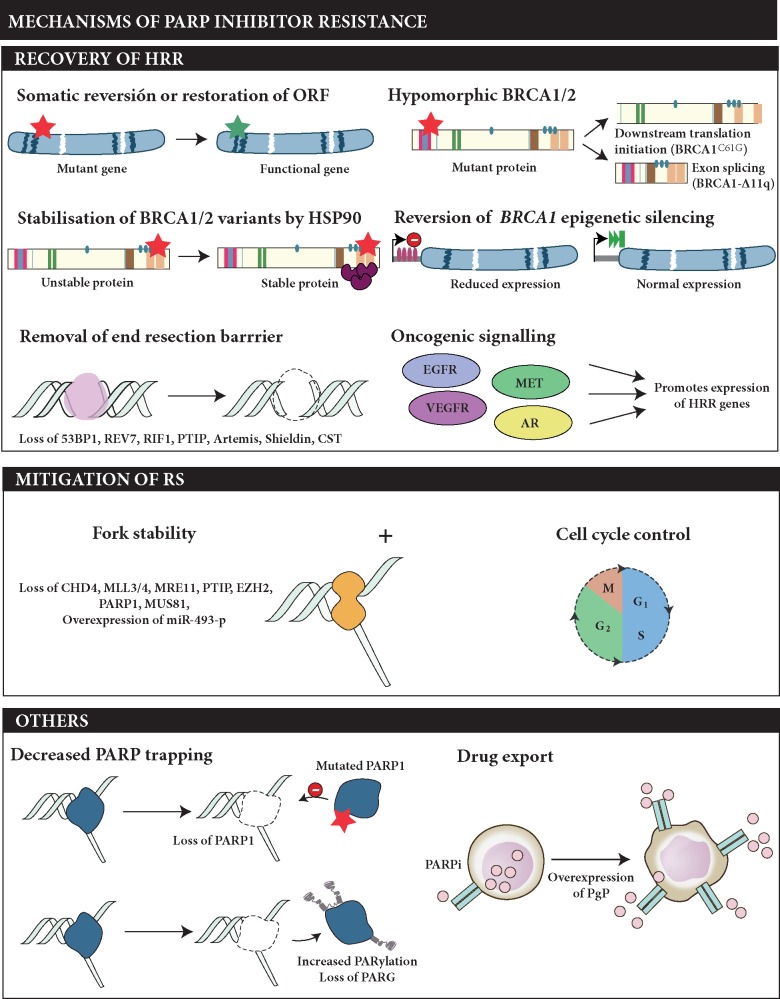
“Unfortunately, tumors often develop resistance to PARPis via multiple mechanisms, including recovery of HRR (e.g. BRCA restoration), replication fork protection, mutations in PARP1 DNA-binding domains, and increased expression of efflux pumps [40].”
Treatment of ovarian cancer: From the past to the new era (Review)
Alrosan, K., Alrosan, A. Z., Heilat, G. B., Alrousan, A. F., Gammoh, O., Alqudah, A. M., Madae’en, S., & Alrousan, M. (2025) · Oncology Letters · doi:10.3892/ol.2025.15130 · Cited by 21
“The ability to combine genomic, epigenomic, transcriptomic and proteomic insight may facilitate more precise, patient‑specific treatment strategies (269).”
Combination of Talazoparib and Palbociclib as a Potent Treatment Strategy in Bladder Cancer
Klein, F. G., Granier, C., Zhao, Y., Pan, Q., Tong, Z., Gschwend, J. E., Holm, P. S., & Nawroth, R. (2021) · Journal of Personalized Medicine · doi:10.3390/jpm11050340 · Cited by 19
“Because the clinical benefit of CDK4/6 or PARP-1 targeted inhibition as respective monotherapies might be, as also shown in other tumor entities [19,20], limited for BLCA, suitable combination therapies for these compounds are necessary for sufficient therapeutic efficiency.”
BackgroundExploring hypoxic biology to improve radiotherapy outcomes
Li, C., Wiseman, L., Okoh, E., Lind, M., Roy, R., Beavis, A. W., & Pires, I. M. (2022) · Expert Reviews in Molecular Medicine · doi:10.1017/erm.2022.14 · Cited by 25
Recent advances in structural types and medicinal chemistry of PARP-1 inhibitors
Yu, L., Yan, Z., Wang, Y., Hao, M., Zhao, J., Pang, C., & Li, S. (2022) · Medicinal Chemistry Research · doi:10.1007/s00044-022-02919-6 · Cited by 18
“now in clinical development or have received regulatory approval [73, 74].”
BackgroundRweyemamu, L. P., Gültaslar, B. K., Akan, G., Dharsee, N. J., Namkinga, L. A., Lyantagaye, S., Yazıcı, H., & Atalar, F. (2022) · Cancer Medicine · doi:10.1002/cam4.5091 · Cited by 23
Yusoh, N. A., Chia, S. L., Saad, N., Ahmad, H., & Gill, M. R. (2023) · Scientific Reports · doi:10.1038/s41598-023-28454-x · Cited by 18
Liu, H., Chen, X., Jia, Y., Chen, H., Wang, X., Liu, G., & Luo, Y. (2023) · Interdisciplinary medicine · doi:10.1002/inmd.20220013 · Cited by 20
Pearson, A. D. J., Federico, S. M., Gatz, S. A., Ortiz, M. V., Lesa, G. M., Scobie, N., Gounaris, I., Weiner, S. L., Weigel, B. J., Unger, T., et al. (2023) · European Journal of Cancer · doi:10.1016/j.ejca.2023.112950 · Cited by 22
“In December 2014 olaparib received its first FDA/EMA approval for advanced BRCA mutated ovarian cancer [52].”
BackgroundPARP Pioneers: Using BRCA1/2 Mutation-targeted Inhibition to Revolutionize Breast Cancer Treatment
Sharma, N., Bhati, A., Aggarwal, S., Shah, K., & Dewangan, H. K. (2024) · Current Pharmaceutical Design · doi:10.2174/0113816128322894241004051814 · Cited by 20
Mighri, N., Hamdi, Y., Boujemaa, M., Othman, H., Nasr, S. B., Benna, H. E., Mejri, N., Labidi, S., Ayari, J. B., Jaidene, O., et al. (2020) · Frontiers in Genetics · doi:10.3389/fgene.2020.552971 · Cited by 24
Ayoub, N. L., Yang, T., Abidi, A., Amneus, M. W., & Hodeib, M. (2022) · Gynecologic Oncology Reports · doi:10.1016/j.gore.2022.101044 · Cited by 18
“However, in the presence of BRCA1/2 deficiency, the impaired HR and accumulation of DSB causes synthetic lethality and cell death (Mateo et al., 2019; Bryant et al., 2005; Farmer et al., 2005).”
BackgroundInfluentialSogari, A., Rovera, E., Grasso, G., Mariella, E., Reilly, N. M., Lamba, S., Mauri, G., Durinikova, E., Vitiello, P. P., Lorenzato, A., et al. (2024) · Cell Reports Medicine · doi:10.1016/j.xcrm.2023.101376 · Cited by 17
Habaka, M., Daly, G. R., Shinyanbola, D., Alabdulrahman, M., McGrath, J., Dowling, G. P., Hehir, C. M., Huang, H. Y. R., Hill, A. D. K., Varešlija, D., et al. (2025) · Current Oncology Reports · doi:10.1007/s11912-025-01669-z · Cited by 17
“In the context of cancer with homologous recombination repair deficiency (HRD), cells often have germline or somatic mutations in genes that code for HRR proteins required for the repair pathway [5, 6].”
Li, X., Zeng, S., Ding, Y., Nie, Y., & Yang, M. (2021) · Frontiers in Molecular Biosciences · doi:10.3389/fmolb.2021.763958 · Cited by 17
“Recent studies on tumorigenesis, diagnosis, and therapy have shown the importance of tumor immunity and the role of antiprogrammed death 1/programmed death ligand 1 (anti-PD-1/ PDL-1) and polyadenosine diphosphate-ribose polymerase (PARP) inhibitors (Mateo et al., 2019; Puri and Shafique, 2020).”
BackgroundBallot, E., Galland, L., Mananet, H., Boidot, R., Arnould, L., Desmoulins, I., Mayeur, D., Kaderbhaï, C., Ilie, S. M., Hennequin, A., et al. (2022) · Breast Cancer Research · doi:10.1186/s13058-022-01572-6 · Cited by 17
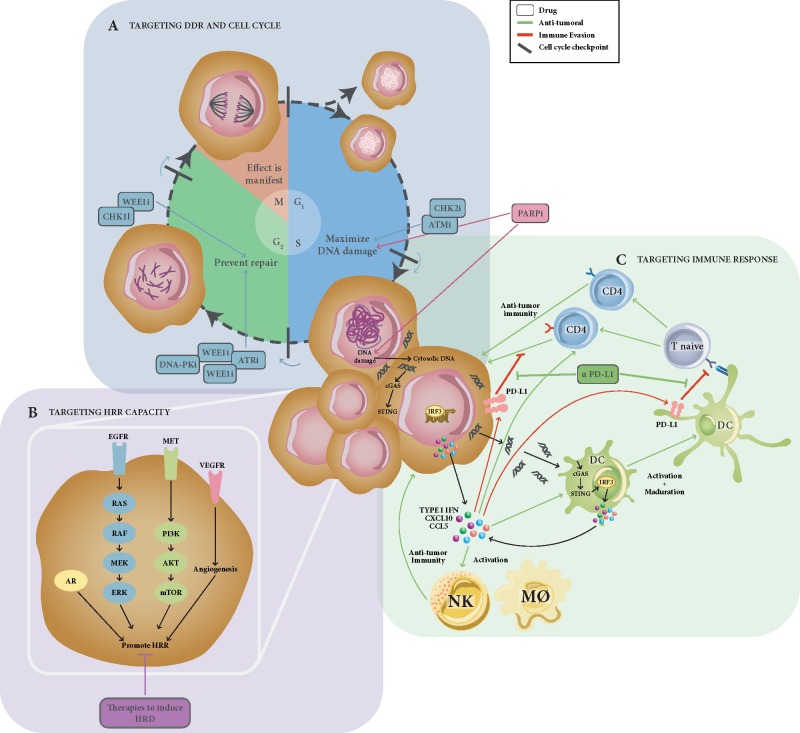
“It is possible that part of the therapeutic effect of PARPi is mediated by activation of the immune response via the STING pathway [10].”
BackgroundFrey, B., Borgmann, K., Jost, T., Greve, B., Oertel, M., Micke, O., & Eckert, F. (2023) · Strahlentherapie und Onkologie · doi:10.1007/s00066-023-02122-5 · Cited by 22
“Among the targets are PARP1, ATM and ATR as well as DNA PKCs. PARP inhibitors have been established in the standard treatment of ovarian and breast cancer based on BRCA1/2 mutations as well as other tumours with defects in homologous recombination [72].”
BackgroundThakur, A., Rana, M., Ritika, Mathew, J., Nepali, S., Pan, C.-H., Liou, J. P., & Nepali, K. (2023) · Bioorganic Chemistry · doi:10.1016/j.bioorg.2023.106893 · Cited by 18
Tischler, J. D., Tsuchida, H., Bosire, R., Oda, T. T., Park, A., & Adeyemi, R. O. (2024) · Nature Communications · doi:10.1038/s41467-024-45139-9 · Cited by 19
“PARP inhibitors have also recently been widely used for treatment of HR-de fi cient cancers 58,69 .”
BackgroundMethodChoi, P. J., Cooper, E., Schweder, P. M., Mee, E. T., Turner, C. P., Faull, R. L. M., Denny, W. A., Dragunow, M., Park, T., & Jose, J. (2020) · Bioorganic & Medicinal Chemistry Letters · doi:10.1016/j.bmcl.2020.127252 · Cited by 17
‘PARP’ing fibrosis: repurposing poly (ADP ribose) polymerase (PARP) inhibitors
Rao, P. D., Sankrityayan, H., Srivastava, A., Kulkarni, Y. A., Mulay, S. R., & Gaikwad, A. B. (2020) · Drug Discovery Today · doi:10.1016/j.drudis.2020.04.019 · Cited by 19
DNA Damage Repair Deficiency and Synthetic Lethality for Cancer Treatment
Burdak‐Rothkamm, S., & Rothkamm, K. (2020) · Trends in Molecular Medicine · doi:10.1016/j.molmed.2020.09.011 · Cited by 17
Proteomic Studies on the Management of High-Grade Serous Ovarian Cancer Patients: A Mini-Review
Bradbury, M., Borràs, E., Pérez‐Benavente, A., Gil‐Moreno, A., Santamaría, A., & Sabidó, E. (2021) · Cancers · doi:10.3390/cancers13092067 · Cited by 17
“Integrative proteomic analysis of formalin-fixed paraffinembedded (FFPE) tumor samples recently identified CT45 as a novel protein phosphatase 4 regulator linked to DNA damage signaling and responsible for enhancing chemosensitivity in metastatic HGSC [71].”
BackgroundInfluentialWang, X., & Zhao, J. (2022) · Cancer Management and Research · doi:10.2147/cmar.s346052 · Cited by 19
Hammel, P. R., Vitellius, C., Boisteau, É., Wisniewski, M., Colle, E., Hilmi, M., d’Engremont, C., Granier, S., Turpin, A., de Mestier, L., et al. (2020) · Therapeutic Advances in Medical Oncology · doi:10.1177/1758835920937949 · Cited by 19
Hamdi, Y., Mighri, N., Boujemaa, M., Mejri, N., Nasr, S. B., Rekaya, M. B., Messaoud, O., Bouaziz, H., Berrazega, Y., Rachdi, H., et al. (2021) · Frontiers in Oncology · doi:10.3389/fonc.2021.674965 · Cited by 19
“Indeed, unaffected BRCA mutation carriers have various preventive options including extensive and regular surveillance, chemoprevention, and risk-reducing surgery [6, 7], while, affected cases carrying BRCA mutations could bene t from personalized therapeutic options such as platinum-based chemotherapy and poly (ADP-r…”
BackgroundMorra, F., Merolla, F., Damia, G. L. M., Ricci, F., Varricchio, S., Ilardi, G., Arenare, L., Califano, D., Napolitano, V., Fruscio, R., et al. (2022) · Journal of Experimental & Clinical Cancer Research · doi:10.1186/s13046-022-02459-2 · Cited by 15
“Both talazoparib and veliparib, PARP inhibitors with greater PARP activity inhibition and trapping action, have recently received clinical approval for breast cancer treatment, enabling dosage reduction and improving clinical efficacy [17].”
BackgroundMurayama, A., & Marshall, D. C. (2023) · Gynecologic Oncology · doi:10.1016/j.ygyno.2023.12.011 · Cited by 18
Clinical translation for targeting DNA damage repair in non-small cell lung cancer: a review
Mao, X., Lee, N. K., Saad, S. E., & Fong, I. L. (2024) · Translational Lung Cancer Research · doi:10.21037/tlcr-23-742 · Cited by 24
Malik, U., & Pal, D. (2024) · European Journal of Medicinal Chemistry · doi:10.1016/j.ejmech.2024.116898 · Cited by 18
Balboni, A., Govoni, M., Rossi, V. S., Roberti, M., Cavalli, A., Stefano, G. D., & Manerba, M. (2020) · Biochimica et Biophysica Acta (BBA) - General Subjects · doi:10.1016/j.bbagen.2020.129760 · Cited by 18
Prelaj, A., Pircher, C. C., Massa, G., Martelli, V., Corrao, G., Russo, G. L., Proto, C., Ferrara, R., Galli, G., Toma, A. D., et al. (2021) · Cancers · doi:10.3390/cancers13061300 · Cited by 18
Immunological Response to COVID-19 Vaccination in Ovarian Cancer Patients Receiving PARP Inhibitors
Liontos, M., Terpos, E., Markellos, C., Zagouri, F., Briasoulis, Α., Katsiana, I., Skafida, E., Fiste, O., Kunadis, E., Andrikopoulou, Α., et al. (2021) · Vaccines · doi:10.3390/vaccines9101148 · Cited by 14
“PARPi have also been suggested by regulatory authorities to be used to discover additional biomarker-driven indications in breast, prostate, and pancreatic cancer [8].”
BackgroundZhang, X., Wang, L., Chen, S., Huang, P., Ma, L., Ding, H., Basappa, B., Zhu, T., Lobie, P. E., & Pandey, V. (2022) · Communications Medicine · doi:10.1038/s43856-022-00142-3 · Cited by 17
Recent advances in cancer therapy using PARP inhibitors
Kaur, S. D., Chellappan, D. K., Aljabali, A. A. A., Tambuwala, M. M., Dua, K., & Kapoor, D. N. (2022) · Medical Oncology · doi:10.1007/s12032-022-01840-7 · Cited by 21
“The BRCA1 and 2 proteins are involved in a wide range of biological functions, but their roles in DNA repair and genome integrity may explain how BRCA1 and BRCA2 mutations raise the menace of cancer [5, 6].”
BackgroundStructure-guided design and characterization of a clickable, covalent PARP16 inhibitor
Bejan, D. S., Sundalam, S. K., Jin, H., Morgan, R. K., Kirby, I. T., Siordia, I. R., Tivon, B., London, N., & Cohen, M. S. (2022) · Chemical Science · doi:10.1039/d2sc04820e · Cited by 17
Séguier, D., Parent, P., Duterque‐Coquillaud, M., Labreuche, J., Fromont, G., Dariane, C., Penel, N., Villers, A. A., Turpin, A., & Olivier, J. (2025) · European Urology Oncology · doi:10.1016/j.euo.2024.12.014 · Cited by 19
The Discovery of RP-2119: A Potent, Selective, and Orally Bioavailable Polθ ATPase Inhibitor
Mochirian, P., Papp, R., Mathieu, M., Ferraro, G. B., Dietrich, E., Liu, B., Bendahan, D., Perryman, A. L., Surprenant, S., Fournier, S., et al. (2025) · Journal of Medicinal Chemistry · doi:10.1021/acs.jmedchem.5c02103 · Cited by 19
Therapeutic Role of Synthetic Lethality in ARID1A -Deficient Malignancies
Hein, K. Z., Stephen, B., & Fu, S. (2023) · Journal of Immunotherapy and Precision Oncology · doi:10.36401/jipo-22-37 · Cited by 20
“[71,72] PARP inhibitors (PARPis) prevent the release of PARP1 from DNA.”
BackgroundThe power and the promise of synthetic lethality for clinical application in cancer treatment
Liu, Q., Yang, Z., Tang, Q.-H., Wang, W.-E., Chu, D.-S., Ji, J.-F., Fan, Q.-Y., Jiang, H., Yang, Q.-X., Zhang, H., et al. (2024) · Biomedicine & Pharmacotherapy · doi:10.1016/j.biopha.2024.116288 · Cited by 17
A novel SIK2 inhibitor SIC-19 exhibits synthetic lethality with PARP inhibitors in ovarian cancer
Wang, F., Yu, X., Qian, J., Cao, Y., Dong, S., Zhan, S., Lü, Z., Bast, R. C., Song, Q., Chen, Y., et al. (2024) · Drug Resistance Updates · doi:10.1016/j.drup.2024.101077 · Cited by 16
Kulkarni, S., Gajjar, K. B., & Madhusudan, S. (2024) · Frontiers in Oncology · doi:10.3389/fonc.2024.1414112 · Cited by 16
Combination therapy in advanced urothelial cancer: the role of PARP, HER-2 and mTOR inhibitors
Mollica, V., Maggio, I., López-Beltrán, A., Montironi, R., Cimadamore, A., Cheng, L., Rizzo, A., Giunchi, F., Schiavina, R., Fiorentino, M., et al. (2020) · Expert Review of Anticancer Therapy · doi:10.1080/14737140.2020.1807334 · Cited by 16
“PARP inhibitors target DDR gene alterations and have been proven active in other types of molecularly selected cancer like ovarian, breast, pancreatic, and prostate cancer [27,28].”
The emerging role of PARP inhibitors in prostate cancer
Stellato, M., Guadalupi, V., Sepe, P., Mennitto, A., Claps, M., Zattarin, E., Verzoni, E., Valdagni, R., de Braud, F., Santini, D., et al. (2020) · Expert Review of Anticancer Therapy · doi:10.1080/14737140.2020.1797497 · Cited by 15
Olaparib Synergizes the Anticancer Activity of Daunorubicin via Interaction with AKR1C3
Tavares, T. S., Hofman, J., Lekešová, A., Želazková, J., & Wsól, V. (2020) · Cancers · doi:10.3390/cancers12113127 · Cited by 17
“Olaparib, marketed under the trade name Lynparza, is a potent, FDA-approved PARP inhibitor (PARPi) for the treatment of ovarian, breast [41], and pancreatic [42] cancers.”
BackgroundRefining Immuno-Oncology Approaches in Metastatic Prostate Cancer: Transcending Current Limitations
Wong, R. L., & Yu, E. Y. (2021) · Current Treatment Options in Oncology · doi:10.1007/s11864-020-00808-x · Cited by 16
The Role of PARP Inhibitors in the Treatment of Prostate Cancer: Recent Advances in Clinical Trials
Xia, M., Guo, Z., & Hu, Z. (2021) · Biomolecules · doi:10.3390/biom11050722 · Cited by 19
“PARP1 catalyzes the decomposition of NAD+ into nicotinamide and ADP ribose, then takes ADP ribose as a substrate to make the receptor protein that includes PARP itself, together with histones and other chromatin-associated proteins, forming the poly (ADP-ribose) (PAR) chains [4,31].”
BackgroundLi, H., Wang, C., Lan, L., Wu, W., Evans, I. M., Ruiz, E. J., Yan, L., Zhou, Z., Oliveira, J. M., Reis, R. L., et al. (2021) · Frontiers in Cell and Developmental Biology · doi:10.3389/fcell.2021.719192 · Cited by 21
“The role of PARP1 is to bind to DNA damage sites (mostly single-stranded DNA breaks) and catalyze the synthesis of poly ADP ribose chains on protein substrates (Mateo et al., 2019).”
Hong, B., Lü, R., Lou, W., Bao, Y., Qiao, L., Hu, Y., Liu, K., Chen, J., Bao, D.-N., Ye, M., et al. (2021) · Experimental Cell Research · doi:10.1016/j.yexcr.2021.112827 · Cited by 15
Demuth, P., Thibol, L., Lemsch, A., Potlitz, F., Schulig, L., Grathwol, C., Manolikakes, G., Schade, D., Roukos, V., Link, A., et al. (2024) · Cancers · doi:10.3390/cancers16203441 · Cited by 14
Design, Synthesis and Activity Evaluation of New Phthalazinone PARP Inhibitors
Huang, M., Ren, J., Wang, Y., Chen, X., Yang, J., Tang, T., Yang, Z., Li, X., Ji, M., & Cai, J. (2021) · Chemical and Pharmaceutical Bulletin · doi:10.1248/cpb.c20-01018 · Cited by 15
Baquero, J. M., Marchena-Perea, E. M., Mirabet, R., Torres-Ruiz, R., Blanco‐Aparicio, C., Rodríguez, S., Helleday, T., Benitéz‐Buelga, C., Benitez, J. J., & Osório, A. (2022) · Frontiers in Oncology · doi:10.3389/fonc.2022.888810 · Cited by 16
Poly(ADP-Ribose) Polymerase Inhibition as a Promising Approach for Hepatocellular Carcinoma Therapy
Paturel, A., Hall, J. A., & Chemin, I. (2022) · Cancers · doi:10.3390/cancers14153806 · Cited by 16
“As mentioned before, synthetic lethality is defined as the fact that the loss of either of the two genes is not lethal per se but that their concomitant inactivation results in cell death [35].”
BackgroundDNA damage repair and cancer immunotherapy
Xiang, Z., Liu, H., & Hu, Y. (2023) · Genome Instability & Disease · doi:10.1007/s42764-023-00098-1 · Cited by 13
“A number of PARP inhibitors (Slade, 2020), such as Olaparib, Rucaparib, Niraparib and Talazoparib, have been approved to treat cancers, such as breast cancer, pancreatic cancer, ovarian cancer, fallopian tube cancer and primary peritoneal cancer (Mateo et al., 2019), which is mainly based on the principle of synthetic…”
BackgroundThorel, L., Divoux, J., Lequesne, J., Babin, G., Morice, P., Florent, R., Desmartin, G., Lecouflet, L., Alagama, C. M., Leconte, A., et al. (2024) · BMC Cancer · doi:10.1186/s12885-024-12429-w · Cited by 13
Wu, J., Wang, X., Yao, Y., Du, N., Duan, L., & Gong, P. (2024) · Bioorganic Chemistry · doi:10.1016/j.bioorg.2024.107556 · Cited by 14
Caggiano, C., Petrera, V., Ferri, M., Pieraccioli, M., Cesari, E., Leone, A. D., Sánchez, A. M., Fabi, A., Masetti, R., Naro, C., et al. (2024) · Cell Reports · doi:10.1016/j.celrep.2024.114751 · Cited by 17
Durmuş, H., Mertoğlu, E., Sticht, H., Ceylaner, S., Kulaksızoğlu, I. B., Hashemolhosseini, S., Uçar, E. Ö., & Parman, Y. (2021) · Neurological Sciences · doi:10.1007/s10072-021-05100-w · Cited by 14
Sakari, M., Tran, M. T., Rossjohn, J., Pulliainen, A. T., Beddoe, T., & Littler, D. R. (2022) · Journal of Biological Chemistry · doi:10.1016/j.jbc.2022.101892 · Cited by 14
“Small-molecule ART inhibitors have been developed as a means to inhibit PT (18) and PARPs (54).”
BackgroundHigashigawa, S., Matsubayashi, H., Kiyozumi, Y., Kado, N., Nishimura, S., Oishi, T., Sugino, T., Fushiki, K., Shirasu, H., Yasui, H., et al. (2022) · Japanese Journal of Clinical Oncology · doi:10.1093/jjco/hyac046 · Cited by 15
Zhao, D., Long, X., & Wang, J. (2022) · Drug Design Development and Therapy · doi:10.2147/dddt.s387920 · Cited by 14
“PARP inhibitors are broadly based on the genetic concept of synthetic lethality, whereby inhibition of PARP enzymes in HR deficient cells, particularly cells with breast-related cancer antigen (BRCA) 1/2 mutations, results in cell death.(3) At present, five PARP inhibitors have been developed for the treatment of canc…”
BackgroundCRISPR screens guide the way for PARP and ATR inhibitor biomarker discovery
Schleicher, E. M., & Moldovan, G. (2021) · FEBS Journal · doi:10.1111/febs.16217 · Cited by 16
Drug Repurposing to Circumvent Immune Checkpoint Inhibitor Resistance in Cancer Immunotherapy
To, K. K. W., & Cho, W. C. S. (2023) · Pharmaceutics · doi:10.3390/pharmaceutics15082166 · Cited by 18
“Tumors with defective homologous recombination, particularly BRCA mutation, are susceptible to PARP inhibitors [113].”
BackgroundBeneyton, A., Nonfoux, L., Gagné, J., Rodrigue, A., Kothari, C., Atalay, N., Hendzel, M. J., Poirier, G. G., & Masson, J. (2023) · NAR Cancer · doi:10.1093/narcan/zcad043 · Cited by 16
Zhang, C., Li-hong, J., Zhou, X., He, Y.-P., Liu, Y., Zhou, D., Lv, Y., Wu, B., & Zhao, Z. (2023) · Translational Oncology · doi:10.1016/j.tranon.2023.101812 · Cited by 17
“Many literatures have demonstrated that PARP inhibitors could significantly prolong the survival of patients with multiple malignancies, including ovarian cancer, breast cancer and pancreatic cancer, especially with HR deficiency, such as BRCA1/2 mutation [42,43].”
Background
Metadata
- Authors
- Mateo, J., Lord, C. J., Serra, V., Tutt, A., Balmaña, J., Castroviejo-Bermejo, M., Cruz, C., Oaknin, A., Kaye, S. B., & de Bono, J. S.
- Affiliations
- Vall d'Hebron Hospital Universitari (ES)
- Institute of Cancer Research (GB)
- Vall d'Hebron Institute of Oncology (ES)
- Royal Marsden NHS Foundation Trust (GB)
- Venue
- Annals of Oncology
- Publisher
- Elsevier BV
- Published
- 2019-09
- Volume
- 30
- Issue
- 9
- Pages
- 1437-1447
- ISSN
- 0923-7534 (ISSN-L)
- PMC
- PMC6771225
- OpenAlex
- W2951058429
- Cited by
- 743
- References
- 100
- Citations by year
- 2026: 58 · 2025: 123 · 2024: 81 · 2023: 123 · 2022: 145 · 2021: 128 · 2020: 77 · 2019: 8
- FWCI
- 8.58
- Type
- journal article
- Language
- en
- Open access
- hybrid
- doi.org
- Licence
- cc-by-nc
- www.elsevier.com/tdm/userlicense/1.0/ (tdm)
- creativecommons.org/licenses/by-nc/4.0/ (vor, 206 d)
- Locations
- Annals of Oncology (publishedVersion, cc-by-nc)
- PubMed Central (publishedVersion, cc-by-nc)
- PubMed (publishedVersion)
- Research Portal (King's College London) (submittedVersion, other-oa)
- Funders
- Prostate Cancer Foundation
- Instituto de Salud Carlos III
- FERO Foundation
- Asociación Española Contra el Cáncer
- AECC-JP Barcelona
- Cancer Research UK
- Department of Health (C12540/A25128)
- NHS funding
- NIHR Biomedical Research Centre
- Institute of Cancer Research
- National Institute for Health Research
- NIHR
- Topics
- Health Sciences › Medicine › Oncology › PARP inhibition in cancer therapy
- Life Sciences › Biochemistry, Genetics and Molecular Biology › Genetics › BRCA gene mutations in cancer
- Life Sciences › Biochemistry, Genetics and Molecular Biology › Molecular Biology › DNA Repair Mechanisms
- Keywords
- PARP inhibitors, olaparib, talazoparib, niraparib, rucaparib, synthetic lethality, DNA repair deficiency, genomic instability, breast cancer, ovarian cancer, maintenance therapy, platinum-based chemotherapy, PARP inhibitor resistance, predictive biomarkers, homologous recombination defects, precision medicine, prostate cancer, pancreatic cancer, combination therapy
- MeSH terms
- Poly(ADP-ribose) Polymerase Inhibitors, Poly (ADP-Ribose) Polymerase-1, Breast Neoplasms, Female, Humans, Indazoles, Indoles, Ovarian Neoplasms, Phthalazines, Piperazines, Piperidines, BRCA1 Protein, BRCA2 Protein, Genomic Instability
About these checks
Registry, retraction, Cites and statistics results are computed, not judged, with one exception: a printed reference that no index lists is read once by a model before it counts as a citation error. Claims are extracted by a model and kept only when their quote appears verbatim in the text; each cited source is then checked, with a model’s help, for whether it says what the claim relies on. Those verdicts can be wrong — read the claim’s quote and the cited source before relying on one.
Statistics and arithmetic are recomputed, not judged.
Confidence bands are shown only for fields calibrated on our annotated test set. None is calibrated yet, so no band is shown.
What counts as a claim ›How we measure confidence ›How we check this ›
Are you an author, or do you see a problem with this page? Request a review
Data sources
Bibliographic data: Semantic Scholar, OpenAlex, Crossref.
Contains information from the Semantic Scholar Academic Graph Datasets, made available under the ODC Attribution License (ODC-BY 1.0).
Semantic Scholar’s data is described in: Kinney, R., et al. (2023). The Semantic Scholar Open Data Platform. arXiv:2301.10140.
