

A decade of clinical development of PARP inhibitors in perspective
Open accessThe DOI matches its Crossref record; 98 of the 100 references it cites were found in a registry or an index.
Abstract
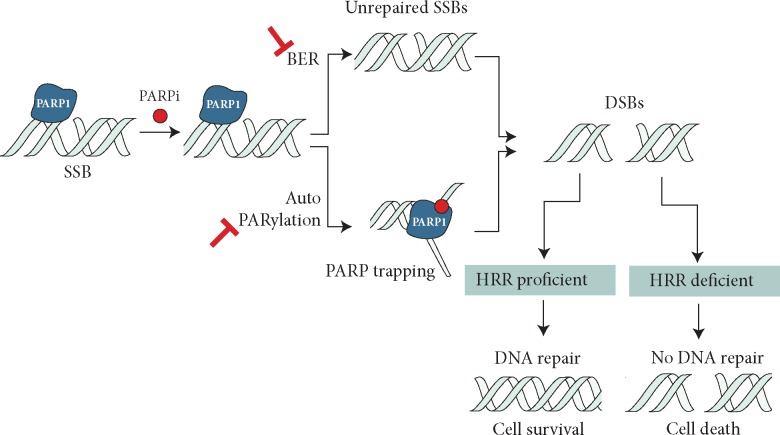
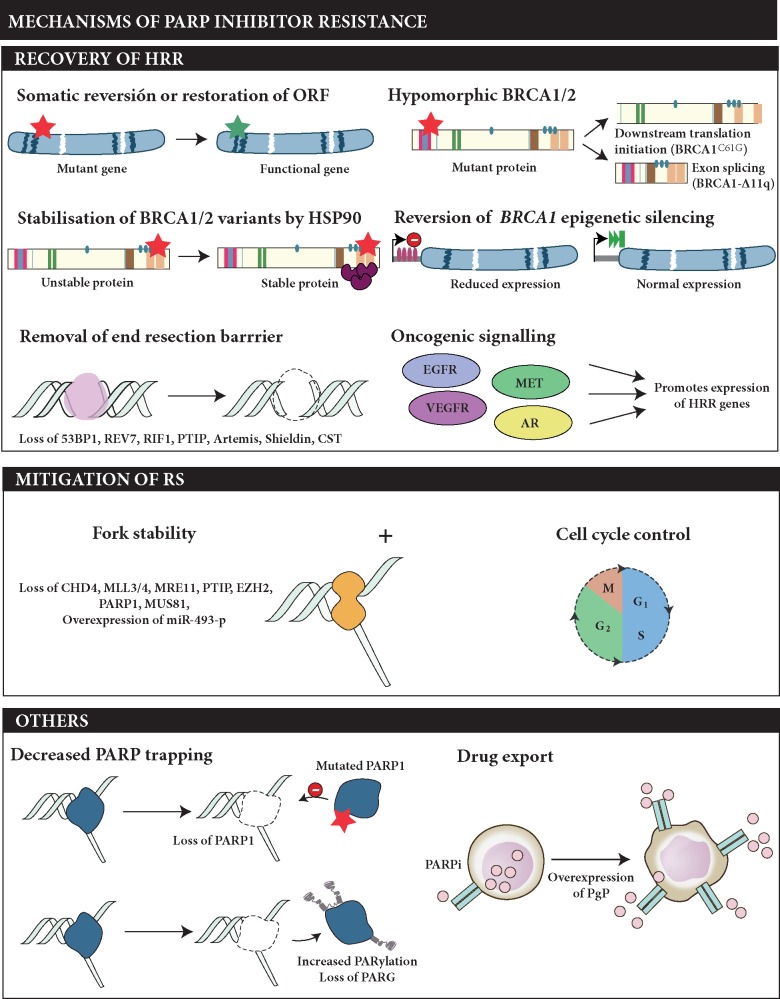
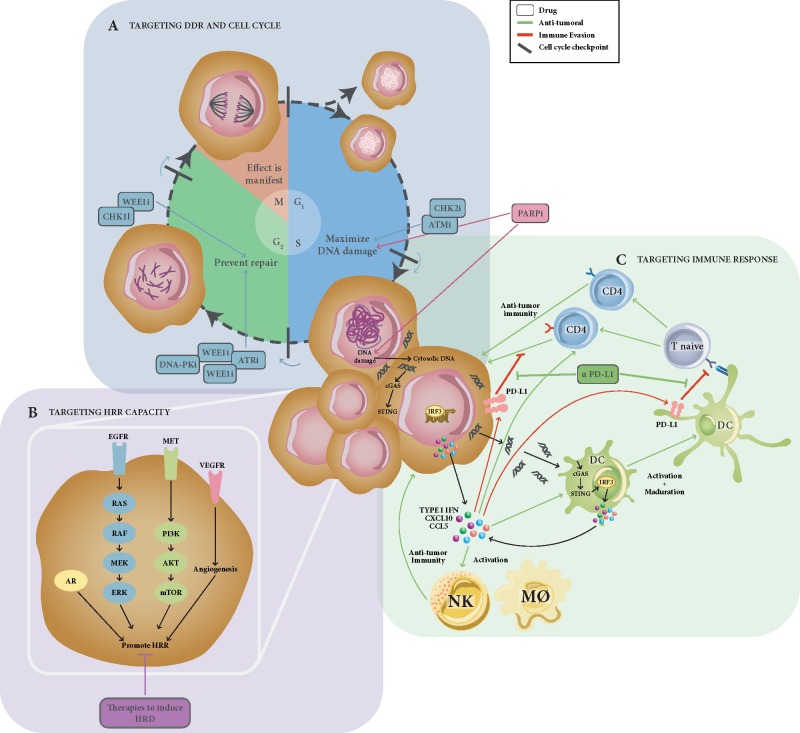
Genomic instability is a hallmark of cancer, and often is the result of altered DNA repair capacities in tumour cells. DNA damage repair defects are common in different cancer types; these alterations can also induce tumour-specific vulnerabilities that can be exploited therapeutically. In 2009, a first-in-man clinical trial of the poly(ADP-ribose) polymerase (PARP) inhibitor olaparib clinically validated the synthetic lethal interaction between inhibition of PARP1, a key sensor of DNA damage, and BRCA1/BRCA2 deficiency. In this review, we summarize a decade of PARP inhibitor clinical development, a work that has resulted in the registration of several PARP inhibitors in breast (olaparib and talazoparib) and ovarian cancer (olaparib, niraparib and rucaparib, either alone or following platinum chemotherapy as maintenance therapy). Over the past 10 years, our knowledge on the mechanism of action of PARP inhibitor as well as how tumours become resistant has been extended, and we summarise this work here. We also discuss opportunities for expanding the precision medicine approach with PARP inhibitors, identifying a wider population who could benefit from this drug class. This includes developing and validating better predictive biomarkers for patient stratification, mainly based on homologous recombination defects beyond BRCA1/BRCA2 mutations, identifying DNA repair deficient tumours in other cancer types such as prostate or pancreatic cancer, or by designing combination therapies with PARP inhibitors.
Overview
The claims and statistics of this paper haven’t been checked yet.
Free: it reads the open-access text and checks the first 5 claims that cite a source we can check. Create a free account to check every claim.
Integrity signals
Registry
Cites
Statistics
Figures
Verification
Claims the paper makes
The claims and statistics of this paper haven’t been checked yet.
Free: it reads the open-access text and checks the first 5 claims that cite a source we can check. Create a free account to check every claim.
Claims other papers make about this one
Each is checked against this paper’s own text: does it say what the citing paper says it does?
The cited source says what the claim attributes to it.
In the citing paper
“PARP inhibitors are used as tumor therapy drugs, specifically targeting cancer cells with genetic defects in DNA repair genes such as BRCA1, exploiting their synthetic lethal relationship with PARP1 (Mateo et al, 2019).”
From Network integration of thermal proteome profiling with multi-omics data decodes PARP inhibition (2024) · cites this paper as Mateo et al, 2019
Self-check
Percentages, sums and reported differences re-computed from the paper’s own numbers.
The self-check needs the paper’s full text.
Citations
Cites
Signatures of mutational processes in human cancer
Initiative, A. P. C. G., Alexandrov, L. B., ICGC Breast Cancer Consortium, ICGC MMML-Seq Consortium, PedBrain, I., Nik-Zainal, S., Wedge, D. C., Aparicio, S. A. J. R., Behjati, S., Biankin, A. V., et al. (2013) · Nature · doi:10.1038/nature12477 · Cited by 9,660 · cited 1×
“Genomic signatures or scars represent repetitive patterns of DNA alterations that translate an underlying biological condition [56].”
BackgroundSelf-citationIntegrated genomic analyses of ovarian carcinoma
Perou, C. M. (2019) · Carolina Digital Repository (University of North Carolina at Chapel Hill) · doi:10.17615/hvp3-wg08 · Cited by 7,925
Targeting the DNA repair defect in BRCA mutant cells as a therapeutic strategy
Farmer, H., McCabe, N., Lord, C. J., Tutt, A. N. J., Johnson, D. A., Richardson, T. B., Santarosa, M., Dillon, K. J., Hickson, I., Knights, C., et al. (2005) · Nature · doi:10.1038/nature03445 · Cited by 6,683 · cited 2×
“In 2005, two seminal studies demonstrated that tumour cells lacking BRCA1 or BRCA2, key tumour suppressor proteins involved in double-strand DNA break (DSB) repair by homologous recombination (HR), are selectively sensitive to small molecule inhibitors of the PARP family of DNA repair enzymes [1, 2].”
BackgroundSelf-citationSpecific killing of BRCA2-deficient tumours with inhibitors of poly(ADP-ribose) polymerase
Bryant, H. E., Schultz, N., Thomas, H. D., Parker, K. M., Flower, D., Lopez, E., Kyle, S., Meuth, M., Curtin, N. J., & Helleday, T. (2005) · Nature · doi:10.1038/nature03443 · Cited by 5,198
Integrative Clinical Genomics of Advanced Prostate Cancer
Robinson, D., Van Allen, E. M., Wu, Y.-M., Schultz, N., Lonigro, R. J., Mosquera, J.-M., Montgomery, B., Taplin, M.-E., Pritchard, C. C., Attard, G., et al. (2015) · Cell · doi:10.1016/j.cell.2015.05.001 · Cited by 3,645
Self-citationInhibition of Poly(ADP-Ribose) Polymerase in Tumors from BRCA Mutation Carriers
Fong, P. C., Boss, D. S., Yap, T. A., Tutt, A., Wu, P., Mergui-Roelvink, M., Mortimer, P., Swaisland, H., Lau, A., O'Connor, M. J., et al. (2009) · New England Journal of Medicine · doi:10.1056/nejmoa0900212 · Cited by 3,634 · cited 1×
“A first-in-human clinical trial of KU-0059436 (KuDOS Pharmaceuticals/ AstraZeneca, later named AZD-2281/olaparib) was conducted to establish a recommended dose and to generate preliminary data in a biomarker-defined population [6, 7].”
MethodSelf-citationZehir, A., Benayed, R., Shah, R. H., Syed, A., Middha, S., Kim, H. R., Srinivasan, P., Gao, J., Chakravarty, D., Devlin, S. M., et al. (2017) · Nature Medicine · doi:10.1038/nm.4333 · Cited by 3,380 · cited 1×
“As interest has evolved beyond gBRCA1/2 mutations, multiplexed NGS assays of both germline and somatic DNA have become the preferred tool for patient identification [53, 54].”
BackgroundOlaparib for Metastatic Breast Cancer in Patients with a Germline BRCA Mutation
Robson, M., Im, S.-A., Senkus, E., Xu, B., Domchek, S. M., Masuda, N., Delaloge, S., Li, W., Tung, N., Armstrong, A., et al. (2017) · New England Journal of Medicine · doi:10.1056/nejmoa1706450 · Cited by 3,294 · cited 1×
“In 2017, results from a randomized phase III trial (OlympiAD) in HER2-negative, gBRCA1/2 mutation-associated, metastatic breast cancer comparing olaparib with physician’s treatment choice (capecitabine, eribulin, vinorelbine, or gemcitabine) were reported [36].”
BackgroundMaintenance Olaparib in Patients with Newly Diagnosed Advanced Ovarian Cancer
Moore, K., Colombo, N., Scambia, G., Kim, B.-G., Oaknin, A., Friedlander, M., Lisyanskaya, A., Floquet, A., Leary, A., Sonke, G. S., et al. (2018) · New England Journal of Medicine · doi:10.1056/nejmoa1810858 · Cited by 2,870 · cited 1×
“30) in the maintenance setting after first-line platinum-based chemotherapy in FIGO stage III/IV high-grade ovarian cancer [25].”
BackgroundSelf-citationA rapid method for determining sequences in DNA by primed synthesis with DNA polymerase
Sanger, F., & Coulson, A. R. (1975) · Journal of Molecular Biology · doi:10.1016/0022-2836(75)90213-2 · Cited by 2,709 · cited 1×
“During early phases of PARPi development, most efforts centred on detecting gBRCA1/ 2 mutations, initially using Sanger sequencing [52].”
Method
Cited by
Items 401–500 of 747
Elkafoury, E. M., El‐Hamamsy, M. H., El-Bastawissy, E. A., Afarinkia, K., & Aboukhatwa, S. M. (2024) · Bioorganic Chemistry · doi:10.1016/j.bioorg.2024.107924 · Cited by 7
Clinically Significant BRCA1 and BRCA2 Germline Variants in Breast Cancer—A Single-Center Experience
Pleşea, I. E., Riza, A., Ahmet, A. M., Gavrilă, I., Mituț, A., Camen, G.-C., Lungulescu, C. V., Dorobantu, S., Barbu, A., Grigorescu, A., et al. (2024) · Cancers · doi:10.3390/cancers17010039 · Cited by 7
“In turn, in hormone receptor-deficient tumors, the combination PARP inhibitors and chemotherapy/immunotherapy can increase the killing effect of BRCA1 germline mutation [48,49].”
Decoding driver and phenotypic genes in cancer: Unveiling the essence behind the phenomenon
Liu, D., Liu, L., Zhang, X., Zhao, X., Li, X., Che, X., & Wu, G. (2025) · Molecular Aspects of Medicine · doi:10.1016/j.mam.2025.101358 · Cited by 6
Lazarides, K., Engel, J. L., Meseonznik, M., Feng, T., Choi, A. H., Yu, Y., Liu, S., Meier, S. R., Zhang, H., Shen, B., et al. (2025) · Molecular Cancer Therapeutics · doi:10.1158/1535-7163.mct-24-0822 · Cited by 7
Li, H., Wu, H., Li, S., Wang, Q., Li, G., Ma, X., Gong, Y., Chu, Y., Jin, S., Chen, X., et al. (2025) · iScience · doi:10.1016/j.isci.2025.112860 · Cited by 9
Ren, X., Sun, P., & Wang, Y. (2024) · Expert Opinion on Drug Safety · doi:10.1080/14740338.2024.2376690 · Cited by 8
“In the past decade, PARP inhibitors have become a new focus in cancer treatment [9].”
Wang, R., Liu, Y., Liu, M., Zhang, M., Li, C., Xu, S., Tang, S., Ma, Y., Wu, X., & Fei, W. (2024) · International Journal of Pharmaceutics · doi:10.1016/j.ijpharm.2024.125028 · Cited by 7
PARP inhibition radiosensitizes BRCA1 wildtype and mutated breast cancer to proton therapy
Kacem, M. B., Bright, S. J., Moran, E., Flint, D. B., Martinus, D. K. J., Turner, B., Qureshi, I., Kolachina, R., Manandhar, M., Marinello, P. C., et al. (2024) · Scientific Reports · doi:10.1038/s41598-024-81914-w · Cited by 7
“For in vivo studies, we used the BRCA1-intact murine triple negative breast cancer cell line 4T1.”
Pasaol, J. C., Śmieszek, A., & Pawlak, A. (2025) · International Journal of Molecular Sciences · doi:10.3390/ijms26041768 · Cited by 10
“Influenced by genetic diversity, the pharmacokinetic and pharmacodynamic differences between dog breeds further challenge the optimization of drug dosages and treatment regimens [93].”
Clark, R. K., Kenk, M., McAlpine, K., Thain, E., Farncombe, K. M., Pritchard, C. C., Nussbaum, R. L., Wyatt, A. W., Bono, J. S. D., Vesprini, D., et al. (2021) · Canadian Urological Association Journal · doi:10.5489/cuaj.7383 · Cited by 8
Custódio, N., Savisaar, R., Carvalho, C., Bak‐Gordon, P., Ribeiro, M. I., Tavares, J., Borralho, P., Peixoto, A., Pinto, C., Escudeiro, C., et al. (2022) · Biomedicines · doi:10.3390/biomedicines10020199 · Cited by 6
“Over the past 10 years, a new class of small molecule drugs that inhibit poly(adenosine diphosphate-ribose) polymerases (PARPs) has attracted much attention for the treatment of ovarian cancer [5].”
BackgroundInfluentialNi, Z., Xu, S., Yu, Z., Ye, Z., Li, R., Chen, C., Yang, J., Liu, H., Zhou, Z., & Zhang, X. (2022) · Investigational New Drugs · doi:10.1007/s10637-022-01268-w · Cited by 6
“Therapies targeting mTOR [3], EGFR [4], PARP [5], and immune checkpoint inhibitors are prominent among breast cancer treatments and can improve quality of life [6].”
BackgroundWang, P., Zhang, Q., Han, L., Cheng, Y., Sun, Z., Yin, Q., Zhang, Z., & Yu, J. (2022) · Cancers · doi:10.3390/cancers14205028 · Cited by 6
“, poly (ADP-ribose) polymerase [PARP] inhibitors) to establish new chemotherapeutic regimens [12,13].”
BackgroundPARP1pred: a web server for screening the bioactivity of inhibitors against DNA repair enzyme PARP-1
Lerksuthirat, T., Chitphuk, S., Stitchantrakul, W., Dejsuphong, D., Malik, A. A., & Nantasenamat, C. (2023) · EXCLI journal · doi:10.17179/excli2022-5602 · Cited by 13
Homologous Recombination Deficiency Score Determined by Genomic Instability in a Romanian Cohort
Radoi, V. E., Țurcan, M., Maioru, O., Dan, A., Bohîlțea, L. C., Dumitrescu, E., Gheorghe, A. S., Stănculeanu, D. L., Thodi, G., Loukas, Y. L., et al. (2023) · Diagnostics · doi:10.3390/diagnostics13111896 · Cited by 7
“The first one entails the acquisition of additional alterations that restore HRR at the level of cancer cells, either by re-expressing a gene that has been transcriptionally inactivated by mutations or epigenetics, or by (rewiring) the emergence of alternative responses to DNA damage [6,7].”
BackgroundGlobal trends in BRCA-related breast cancer research from 2013 to 2022: A scientometric analysis
Huang, Y., Zheng, D., Yang, Q., Wu, J., Tian, H., Ji, Z., Chen, L., Cai, J., Li, Z., & Chen, Y. (2023) · Frontiers in Oncology · doi:10.3389/fonc.2023.1197168 · Cited by 8
Henning, J., Boileau, J.-F., Peck, L., & McFarlane, T. (2023) · Current Oncology · doi:10.3390/curroncol30080556 · Cited by 7
PARP inhibitor-related haemorrhages: What does the real-world study say?
Wang, S., Guo, M., Zhang, X., Fan, P., & Jin, Z. (2023) · Frontiers in Oncology · doi:10.3389/fonc.2023.1070343 · Cited by 6
“Poly (ADP-ribose) polymerase (PARP) is an important factor mediating DNA repair, which can be combined with other DNA repair proteins to repair DNA damage (1).”
BackgroundPaiva, C. E., Preto, D. D., de Lima, C., & Paiva, B. S. R. (2023) · Cancer Control · doi:10.1177/10732748231176639 · Cited by 6
PARP inhibitors and the Kidney
Deshpande, P. P., Perazella, M. A., & Jhaveri, K. D. (2021) · Journal of Onco-Nephrology · doi:10.1177/2399369320987090 · Cited by 7
Galván-Morales, M. Á., Rodríguez, R. B., Cruz, J. R. S., & Teran, L. M. (2021) · Vide Leaf, Hyderabad eBooks · doi:10.37247/pamol2ed.2.2021.5 · Cited by 6
Liptay, M., Barbosa, J. S., Gogola, E., Duarte, A. A., Dibitetto, D., Schmid, J. A., Klebic, I., Mutlu, M., Siffert, M., Francica, P., et al. (2022) · bioRxiv (Cold Spring Harbor Laboratory) · doi:10.1101/2022.08.18.504391 · Cited by 6
“…polymerase (PARP) inhibitors in treatment of patients with BRCA1- or BRCA2-deficient tumors (Bryant et al., 2005; Farmer et al., 2005; Mateo et al., 2019), long-lasting clinical response rates in patients with advanced disease are limited by the development of resistance, of which…”
BackgroundLin, S., Sun, B., Zhu, Y., Huang, Y., Yu, Q., Yao, N., Liu, Y., & Chen, G. (2025) · Journal of Pharmacy and Pharmacology · doi:10.1093/jpp/rgaf006 · Cited by 5
Kondža, M., Bukić, J., Ćavar, I., & Tubić, B. (2025) · Drugs and Drug Candidates · doi:10.3390/ddc4020024 · Cited by 6
“By inhibiting PARP enzymes involved in base excision repair, these agents induce synthetic lethality in tumor cells with homologous recombination deficiency [80,81].”
Exploring the radiochemistry of PARP inhibitors: a new era in therapy and imaging
Destro, G., Rizzo, R., Rua, C., Azimi, R. R., & Morbelli, S. D. (2025) · EJNMMI Radiopharmacy and Chemistry · doi:10.1186/s41181-025-00364-5 · Cited by 5
“…potential use of PARP imaging with radiohalogen and radiocarbon-labelled PARP inhibitors in preclinical studies has been extensively demonstrated (Mateo et al. 2019; Farmer et al. 2005; Pascal 2018; Hassa et al. 2006; Alhmoud et al. 2020; D’Andrea 2018; Pommier et al. 2016; Kubalanza and Konecny…”
InfluentialInduction of moderate DNA damage enhances megakaryopoiesis and platelet production
Bekendam, R. H., Camacho, V., Stone, A. P., Barrachina, M. N., Branfield, S. L., Carminita, E., Becker, I. C., Lee, D. H., Walsey, E., Payne, C., et al. (2025) · Blood Advances · doi:10.1182/bloodadvances.2025017375 · Cited by 5
“2,5 Notably, PARPis can cause thrombocytopenia in patients, 2,5 presumably due to effects of PARP inhibition in platelet-producing cells, megakaryocytes (MKs), because platelets lack DNA.”
Sarac, B., Yücer, S., Çiftçi, F., Ghorbanpour, M., & Özerol, E. A. (2025) · Annals of Biomedical Engineering · doi:10.1007/s10439-025-03864-2 · Cited by 7
“4C) [62].”
The PARG frontier: mechanisms of PAR turnover and opportunities in precision oncology
Catara, G., Gerace, G., Lauro, R., & Palazzo, L. (2026) · Biochemical Pharmacology · doi:10.1016/j.bcp.2026.117770 · Cited by 7
van Amerongen, R., Bentires‐Alj, M., van Boxtel, A. L., Clarke, R. B., Fré, S., González‐Suárez, E., Iggo, R. D., Jechlinger, M., Jonkers, J., Mikkola, M. L., et al. (2023) · Journal of Mammary Gland Biology and Neoplasia · doi:10.1007/s10911-023-09544-y · Cited by 6
“Some argued that the introduction of poly(ADPribose) polymerase (PARP) inhibitors, which are now also increasingly used for the treatment of BRCA-deficient tumors [125], should be considered a breakthrough.”
BackgroundHow ligands regulate the binding of PARP1 with DNA: Deciphering the mechanism at the molecular level
Wang, K., Wu, Y., Lai, L., Wang, X., & Sun, S. (2023) · PLoS ONE · doi:10.1371/journal.pone.0290176 · Cited by 5
“Although many scientific issues have been addressed and significant milestones have been reached, it is still very challenging to elucidate the functional mechanism of PARP1 and to develop PARP1 inhibitors [2,4,18,20].”
BackgroundZhang, F., Sun, J., Zhang, L., Li, R., Wang, Y., Geng, H., Shen, C., Li, L., & Chen, L. (2024) · British Journal of Cancer · doi:10.1038/s41416-024-02729-0 · Cited by 5
“Several strategies that reduce toxicity and limit or suppress resistance, including continuous development of more ef fi cacious PARPi [78 – 80], and the design of drug combinations with optimised timing and dosing regimens, could tackle the toxicity issue [76, 81].”
Wang, Q., Feng, J., Jiang, Y., Zhou, H., Ruan, Q. Z., Yin, G., & Zhang, J. (2024) · Molecular Pharmaceutics · doi:10.1021/acs.molpharmaceut.4c00067 · Cited by 6
The interferon response at the intersection of genome integrity and innate immunity
Duzanic, F. D., & Penengo, L. (2024) · DNA repair · doi:10.1016/j.dnarep.2024.103786 · Cited by 6
Targeting dePARylation in cancer therapy
Li, P., Wu, D., & Yu, X. (2025) · DNA repair · doi:10.1016/j.dnarep.2025.103824 · Cited by 6
Sun, Y., Chen, M., Ye, P., Yang, J., Fang, K., Wang, C., Li, R., Fan, T., Shi, S., & Dong, C. (2025) · Materials Today Bio · doi:10.1016/j.mtbio.2025.101706 · Cited by 7
Najafi, N., & Fatemi, M. H. (2025) · SAR and QSAR in environmental research · doi:10.1080/1062936x.2025.2480859 · Cited by 5
“Currently, PARP-1 inhibitors such as Olaparib, Rucaparib, Niraparib, Talazoparib, Veliparib and AZD2461 have received multiple approvals from international regulatory agencies, including the FDA and EMA, and are utilized as primary treatments in BRCA-mutated cancers (Figure 1) [5,6,18].”
Kaneko, M. (2021) · Annals of Pharmacotherapy · doi:10.1177/10600280211013489 · Cited by 5
Safrygin, A. V., Zhmurov, P. A., Dar’in, D. V., Silonov, S., Kasatkina, M., Zonis, Y. A., Gureev, M., & Krasavin, M. (2021) · Journal of Enzyme Inhibition and Medicinal Chemistry · doi:10.1080/14756366.2021.1972993 · Cited by 6
Valtcheva, N., Nguyen-Sträuli, B. D., Wagner, U., Freiberger, S. N., Varga, Z., Britschgi, C., Dedes, K. J., & Rechsteiner, M. (2021) · Experimental and Molecular Pathology · doi:10.1016/j.yexmp.2021.104705 · Cited by 6
Liu, W., Xiang, J., Wu, X., Wei, S., Huang, H., Xiao, Y., Zhai, B., & Wang, T. (2022) · Frontiers in Oncology · doi:10.3389/fonc.2022.899861 · Cited by 5
“Further research is important to determine the best predictive biomarker suite for PRAD to provide the greatest clinical benefit for patients with lethal prostate cancer (26).”
BackgroundSun, X., Xu, S., Li, Y., Lv, X., Wei, M., & He, M. (2023) · Expert Review of Clinical Pharmacology · doi:10.1080/17512433.2023.2188193 · Cited by 7
Muhammad, N., Azeem, A., Bakar, M. A., Prajzendanc, K., Loya, A., Jakubowska, A., Hamann, U., & Rashid, M. U. (2023) · Breast Cancer Research and Treatment · doi:10.1007/s10549-023-07068-x · Cited by 5
“These genes play a crucial role in the homologous recombination (HR) repair of double-stranded DNA breaks [12].”
BackgroundGazzar, W. B. E., Albakri, K. A., Hasan, H., Badr, A. M., Farag, A. A., & Saleh, O. M. (2023) · Journal of Oncology Pharmacy Practice · doi:10.1177/10781552231188903 · Cited by 5
“77,78 Discrepancies between the results of the patient groups may be associated with previous exposure to DNA crosslinking agents, such as platinum and cyclophosphamide.”
BackgroundBondar, D., Bragina, O., Lee, J. Y., Semenyuta, I. V., Järving, I., Броварец, В. С., Wipf, P., Bahar, İ., & Karpichev, Y. (2023) · Helvetica Chimica Acta · doi:10.1002/hlca.202300133 · Cited by 5
Rivas, J. G., Nicoletti, R., Ibáñez, L., Steinbeißer, C., Meulder, B. D., Golozar, A., Axelsson, S. E., Snijder, R. J., Bjartell, A. S., Cornford, P. A., et al. (2023) · International Journal of Surgery Protocols · doi:10.1097/sp9.0000000000000009 · Cited by 5
Inhibiteurs de PARP dans les cancers du sein : développement clinique actuel et perspectives
Robbe, J., Moretta, J., Vicier, C., Sabatier, R., Noguès, C., & Gonçalvès, A. (2020) · Bulletin du Cancer · doi:10.1016/j.bulcan.2020.07.011 · Cited by 11
Li, L., Xiang, Y., Yang, G., Zhang, X., Yang, X., Yang, S., & Huang, J. (2021) · Investigational New Drugs · doi:10.1007/s10637-020-01034-w · Cited by 5
PARP inhibitors: shifting the paradigm in the treatment of pancreatic cancer
Desai, D., Khandwala, P., Parsi, M., & Potdar, R. R. (2021) · Medical Oncology · doi:10.1007/s12032-021-01507-9 · Cited by 5
Sun, S., Wang, X., Lin, R.-F., & Wang, K. (2022) · RSC Advances · doi:10.1039/d2ra02683j · Cited by 5
Chen, X., Zhang, Y., Mo, S., Ma, H., Lu, Z., Yu, S., & Chen, J. (2022) · Archives of Pathology & Laboratory Medicine · doi:10.5858/arpa.2021-0471-oa · Cited by 5
Exploring synthetic lethal network for the precision treatment of clear cell renal cell carcinoma
Liu, Z., Lin, D., Zhou, Y., Zhang, L., Yang, C., Guo, B., Xia, F., Li, Y., Chen, D., Wang, C., et al. (2022) · Scientific Reports · doi:10.1038/s41598-022-16657-7 · Cited by 6
Factors influencing survival in metastatic castration-resistant prostate cancer therapy
Marchioni, M., Marandino, L., Amparore, D., Berardinelli, F., Mascitti, M., Ferro, M., Campi, R., & Schips, L. (2022) · Expert Review of Anticancer Therapy · doi:10.1080/14737140.2022.2114458 · Cited by 5
“Otherwise BRCA1 or BRCA2 is involved in double-strand DNA break repair [23].”
BackgroundMethodInfluentialMechanism-based Suppression of Cancer by Targeting DNA-Replicating Enzymes
Arya, P., Malhotra, H., Chaudhary, B., Sarwara, A., Goyal, R., Wan, C. C., Mishra, D. K., & Gautam, R. K. (2023) · Current Protein and Peptide Science · doi:10.2174/1389203724666230512144011 · Cited by 7
Ganesan, S., & Garber, J. E. (2020) · JCO Precision Oncology · doi:10.1200/po.20.00269 · Cited by 5
Expanding PARP Inhibitor Use in Prostate Cancer Beyond DNA Repair Defects
dos Reis, A. F. P., Faulkner, L. G., Lai, I. W., Dev, H., & Pacey, S. (2025) · Clinical Oncology · doi:10.1016/j.clon.2025.103804 · Cited by 5
Krieghoff‐Henning, E., Michaeli, T., Boch, T., Kirchhof, J., Haselmann, V., Neumaier, M., Hofmann, W.-K., Betge, J., Ebert, M. P. A., Teufel, A., et al. (2025) · ESMO Open · doi:10.1016/j.esmoop.2025.105894 · Cited by 6
Discovery of PARP1-Sparing Inhibitors for Protein ADP-Ribosylation
Stephens, E. N., Chen, L., Ansari, A. J., Shen, K., Zhang, L., Guillen, S. G., Wang, C. C. C., & Zhang, Y. (2024) · ACS Medicinal Chemistry Letters · doi:10.1021/acsmedchemlett.4c00395 · Cited by 4
Wang, Q., Li, Z., Jiang, Y., Feng, J., Ruan, Q. Z., Yin, G., Han, P., & Zhang, J. (2024) · Bioorganic Chemistry · doi:10.1016/j.bioorg.2024.108063 · Cited by 5
Recent Progress in Poly(ADP–Ribose) Polymerase‐1 Inhibitors for Application in Cancer
Mehra, A., Islam, S., & Sangwan, R. (2025) · ChemistrySelect · doi:10.1002/slct.202404277 · Cited by 4
Tan, S., Zhu, F., Li, Y., Wen, X., Yang, S., Liao, Z., Duan, X., Xiao, D., & Zhang, Y. (2025) · Translational Oncology · doi:10.1016/j.tranon.2025.102416 · Cited by 5
“This is of particular interest given the limited biomarkers currently available for PARPi therapy [29].”
Yusoh, N. A., Su, L., Chia, S. L., Tian, X., Ahmad, H., & Gill, M. R. (2025) · Molecular Oncology · doi:10.1002/1878-0261.70093 · Cited by 4
“A recent advancement in targeted therapeutics is poly(ADP-ribose) polymerase (PARP) inhibitors (PARPi), which have shown promise as anticancer therapeutics, particularly toward BRCA-mutated BC [4 – 6].”
Hovland, H. N., Al-Adhami, R., Ariansen, S. L., Ghelue, M. V., Sjursen, W., Lima, S., Bolstad, M., Berger, A. H., Høberg‐Vetti, H., Knappskog, P. M., et al. (2022) · Familial Cancer · doi:10.1007/s10689-021-00286-6 · Cited by 4
Hypoxia-activated prodrugs of phenolic olaparib analogues for tumour-selective chemosensitisation
Wong, W. W., O'Brien-Gortner, S. F., Anderson, R. F., Wilson, W. R., Hay, M. P., & Dickson, B. D. (2023) · RSC Medicinal Chemistry · doi:10.1039/d3md00117b · Cited by 4
Zhao, L., Hu, K., Liu, W.-T., Qi, H., Li, G., Chen, J., & Han, L. (2023) · Archives of Gerontology and Geriatrics · doi:10.1016/j.archger.2023.105255 · Cited by 4
The Impact of Social Media on the Learning Process of Children Aged 6-12 Years Old
Wahyuni, N., Putri, D. K., Widiyastuti, S., Siburian, H. K., & Saputra, D. G. (2023) · Journal International of Lingua and Technology · doi:10.55849/jiltech.v3i1.507 · Cited by 15
“…development of technology is increasingly rapid in the era of globalization at this time, its influence is inevitable in the world of education Technology provides information quickly. done wisely for education and is very important for welfare (Mateo et al., 2019; Tahernejad-Javazmi et al., 2019).”
BackgroundHormone, Targeted, and Combinational Therapies for Breast Cancers: From Humans to Dogs
Ke, C., Lin, C., & Lin, C.-S. (2024) · International Journal of Molecular Sciences · doi:10.3390/ijms25020732 · Cited by 6
Hu, H., Serra, C., Zhang, W., Scrivo, A., Fernández‐Carasa, I., Consiglio, A., Aytés, À., Pujana, M. Á., Llebaria, A., & Antolín, A. A. (2022) · Cell chemical biology · doi:10.1016/j.chembiol.2024.01.007 · Cited by 5
Zalli, D., Mai, Z., Ferati, E., Ramaj, A., Bregu, R., & Pranjol, M. Z. I. (2023) · Springer eBooks · doi:10.1007/978-3-030-80962-1_413-1 · Cited by 12
Ligand-Based Approach for Multi-Target Drug Discovery: PTML Modeling of Triple-Target Inhibitors
Kleandrova, V. V., Cordeiro, M. N. D. S., & Speck‐Planche, A. (2024) · Current Topics in Medicinal Chemistry · doi:10.2174/0115680266325897240815112505 · Cited by 4
Prakash, S., Tyagi, P., Singh, P., Rajkumar, R., & Singh, A. P. (2024) · Current Cancer Drug Targets · doi:10.2174/0115680096331827240911165227 · Cited by 8
Kassab, R. M., Ali, M. A. M., Al‐Hussain, S. A., Zaki, M. E. A., Muhammad, Z. A., & Halim, A. S. A. (2025) · ChemMedChem · doi:10.1002/cmdc.202500045 · Cited by 4
Abualsoud, B. M., Alhomrani, M., Alamri, A. S., Alsanie, W. F., Ballal, S., Sharma, G. C., Krithiga, T., Singh, A., Kumar, A., & Deepak, A. (2025) · Journal of Biomaterials Science Polymer Edition · doi:10.1080/09205063.2025.2534698 · Cited by 7
Targeting defective DNA repair in prostate cancer
Carmichael, J. A., de la Maza, M. D. F., Rescigno, P., Chandran, K., & Bono, J. S. D. (2020) · Current Opinion in Oncology · doi:10.1097/cco.0000000000000654 · Cited by 4
PARP1 inhibition elicits immune responses against non-small cell lung cancer
Juncheng, P., Lafarge, A., Kroemer, G., & Castedo, M. (2022) · OncoImmunology · doi:10.1080/2162402x.2022.2111915 · Cited by 4
“Of note, PAR cells exhibited strong responses to the cytostatic and cytotoxic effects of niraparib, a specific PARP1 inhibitor which is clinically approved.(10) Conversely, PARP1 cells became resistant to niraparib, as expected (Figure 1b).”
BackgroundEmerging concepts in drug discovery for cancer therapy
Murga, M., & Fernández-Capetillo, Ó. (2022) · Molecular Oncology · doi:10.1002/1878-0261.13325 · Cited by 4
Brugioni, E., Cathcart-Rake, E. J., Metsker, J., Gustafson, E., Douglass, L., & Pluard, T. (2023) · Clinical Breast Cancer · doi:10.1016/j.clbc.2023.04.006 · Cited by 4
Oligometastatic carcinoma prostate – An overview of the last decade
Shah, M. J., Sharma, A. J., Hameed, B. M. Z., Jain, R., Patil, A. P., Karthickeyan, N., & Singh, A. G. (2023) · Indian Journal of Urology · doi:10.4103/iju.iju_60_23 · Cited by 4
“The first three drugs target the mutations in DNA repair genes while the latter is approved for tumors with MSI-H in M1 patients.[42,43]”
BackgroundRecent Advances in Therapeutic Application of DNA Damage Response Inhibitors against Cancer
Fernandes, S. G., Shah, P., & Khattar, E. (2021) · Anti-Cancer Agents in Medicinal Chemistry · doi:10.2174/1871520621666210608105735 · Cited by 4
Ratanaphan, A. (2025) · International Journal of Molecular Sciences · doi:10.3390/ijms262110613 · Cited by 3
“Accordingly, PARP inhibitors (PARPi) were developed as single-agent treatments for BRCA1/2 -deficient breast, ovarian, and prostate cancers [42].”
Zhang, F., Ni, R., Liang, Q., Chen, Z., Yu, S., Awadasseid, A., Cai, Z.-X., Xiong, X., & Zhang, W. (2025) · Bioorganic Chemistry · doi:10.1016/j.bioorg.2025.109238 · Cited by 3
PARP Inhibitors in Prostate Cancer: Broad Use or Patient Selection?
Ginel, I. G., Rodríguez-Antolín, A., Olmos, D., & Castro, E. (2025) · European Urology Focus · doi:10.1016/j.euf.2025.11.010 · Cited by 3
Feng, Y., Han, Z., Liu, X., Yao, S., Li, Y., Han, Y., & Xia, S. (2026) · International Immunopharmacology · doi:10.1016/j.intimp.2026.116325 · Cited by 5
Synergistic Combinations for Improved Therapeutic Outcomes in Triple Negative Breast Cancer
Jha, A., Venkatesh, S. K. S., Singh, A., & Lakkaniga, N. R. (2026) · Cell Biology International · doi:10.1002/cbin.70157 · Cited by 4
Zeng, S., Xu, Z., Liu, Y., Zhou, S., & Yan, Y. (2024) · Chemico-Biological Interactions · doi:10.1016/j.cbi.2024.110958 · Cited by 6
Qin, T., Hu, Z., Zhang, L., Lu, F., Xiao, R., Liu, Y., Fan, J., Guo, E., Yang, B., Fu, Y., et al. (2024) · Cell Reports Medicine · doi:10.1016/j.xcrm.2024.101631 · Cited by 5
Modulatory Potential of Poly (ADP‐Ribose) Polymerase 1 (PARP1) in BRCA‐Mutated Tumors
Munyembaraga, V., Cyuzuzo, D., Dao, T. N. P., Oyinloye, B. E., Onikanni, S. A., & Chang, H. (2024) · European Journal of Cancer Care · doi:10.1155/2024/8897255 · Cited by 4
“Impaired PARylation dysregulates PARP1 activity and may have implications for genome stability, DNA repair capacity, and disease development, including cancer and underlying mechanisms [15, 29, 30].”
An, D., Jiang, X., & Yang, Y. (2025) · Frontiers in Bioscience-Landmark · doi:10.31083/fbl26038 · Cited by 3
Reddy, T. P., & Yap, T. A. (2025) · Clinical and Translational Medicine · doi:10.1002/ctm2.70397 · Cited by 5
Ratanaphan, A. (2025) · International Journal of Molecular Sciences · doi:10.3390/ijms26209881 · Cited by 4
“PARPis have been developed as single-agent treatments for BRCA1/2-deficient breast, ovarian, and prostate cancers [82,83].”
Sun, W., Shi, Q., Li, J., Li, J., & Yu, L. (2020) · Frontiers in Oncology · doi:10.3389/fonc.2020.583566 · Cited by 4
“Unfortunately, the clinical effects of PARPi therapy in patients with OC are less favorable because of PARPi resistance [5-8].”
BackgroundJeusset, L. M., & McManus, K. J. (2021) · Methods in molecular biology · doi:10.1007/978-1-0716-1740-3_8 · Cited by 3
Morgan, R. D., Burghel, G. J., Flaum, N., Bulman, M. P., Smith, P., Clamp, A. R., Hasan, J., Mitchell, C. L., Salih, Z., Woodward, E. R., et al. (2022) · Journal of Clinical Pathology · doi:10.1136/jcp-2022-208369 · Cited by 3
Inno, A., Picece, V., Bogina, G. S., Settanni, G., Viassolo, V., Salgarello, M., & Gori, S. (2023) · Clinical Lung Cancer · doi:10.1016/j.cllc.2023.10.012 · Cited by 3
BRCA1 and BRCA2 germline mutations in Chinese Hakka breast cancer patients
Zhang, Y., Wu, H., Gan, C., Rao, H., Wang, Q., & Guo, X. (2024) · BMC Medical Genomics · doi:10.1186/s12920-023-01772-9 · Cited by 4
“For individuals carrying BRCA1 or BRCA2 mutations and diagnosed with HER2-breast cancer, treatment with PARP inhibitors such as olaparib and talazoparib may be considered [55, 56].”
BackgroundDNA damage targeted therapy for advanced breast cancer
Patel, V., Casimiro, S., Abreu, C., Barroso, T., Sousa, R., Torres, S., Ribeiro, L., Nogueira-Costa, G., Pais, H. L., Pinto, C., et al. (2024) · Exploration of Targeted Anti-tumor Therapy · doi:10.37349/etat.2024.00241 · Cited by 4
Effects of poly ( ADP ‐ribose) polymerase 1 ( PARP1 ) on silk proteins in the silkworm, Bombyx mori
Wu, M., Sun, H. X., Wang, A., Lao, J., Liu, D., Chen, C., Zhang, Y., Xia, Q., & Ma, S. (2024) · Insect Molecular Biology · doi:10.1111/imb.12938 · Cited by 3
“Recently, PARP inhibitors have been used in human cancer and tumour research (Mateo et al., 2019); nicotinamide adenine dinucleotide (NAD + ) is used as a donor to catalyse the ADP-ribosylation (ADPr) of target proteins (Cohen & Chang, 2018; Palazzo & Miko, 2017) and transfer ADP-ribose onto…”
BCOR-rearranged sarcomas: In silico insights into altered domains and BCOR interactions
Madarász, K., Mótyán, J. A., Chien, Y.-C. C., Bedekovics, J., Csoma, S. L., Méhes, G., & Mokánszki, A. (2025) · Computers in Biology and Medicine · doi:10.1016/j.compbiomed.2025.110144 · Cited by 3
Updated perspective and directions on hereditary diffuse gastric cancer
Gullo, I., Oliveíra, C., van der Post, R. S., van Dieren, J. M., Davis, J. L., Bougen-Zhukov, N. M., Guilford, P., & Carneiro, F. (2021) · Elsevier eBooks · doi:10.1016/b978-0-323-85563-1.00011-3 · Cited by 3
Poly Adenosine Diphosphate-Ribose Polymerase (PARP) Inhibitors in Pancreatic Cancer
Sunkara, T., Bandaru, S. S., Boyilla, R., Kunadharaju, R., Kukkadapu, P., & Chennamadhavuni, A. (2022) · Cureus · doi:10.7759/cureus.22575 · Cited by 6
“PAR chains attract DNA repair effectors, thereby competing for DNA repair [24].”
BackgroundHormone sensitive protocol for metastatic prostate cancer, an update
Ossorio, J. L. Á., Rodrigo-Aliaga, M., Rodríguez-Antolín, A., Urzaiz, M. U., Calleja, M., Ruíz, M. D. L. C., Quilez, J. B., Millán, I. R. H., Zalabardo, D. S., & Olmo, J. M. C. (2022) · Actas Urológicas Españolas (English Edition) · doi:10.1016/j.acuroe.2022.10.002 · Cited by 3
Metadata
- Authors
- Mateo, J., Lord, C. J., Serra, V., Tutt, A., Balmaña, J., Castroviejo-Bermejo, M., Cruz, C., Oaknin, A., Kaye, S. B., & de Bono, J. S.
- Affiliations
- Vall d'Hebron Hospital Universitari (ES)
- Institute of Cancer Research (GB)
- Vall d'Hebron Institute of Oncology (ES)
- Royal Marsden NHS Foundation Trust (GB)
- Venue
- Annals of Oncology
- Publisher
- Elsevier BV
- Published
- 2019-09
- Volume
- 30
- Issue
- 9
- Pages
- 1437-1447
- ISSN
- 0923-7534 (ISSN-L)
- PMC
- PMC6771225
- OpenAlex
- W2951058429
- Cited by
- 743
- References
- 100
- Citations by year
- 2026: 58 · 2025: 123 · 2024: 81 · 2023: 123 · 2022: 145 · 2021: 128 · 2020: 77 · 2019: 8
- FWCI
- 8.58
- Type
- journal article
- Language
- en
- Open access
- hybrid
- doi.org
- Licence
- cc-by-nc
- www.elsevier.com/tdm/userlicense/1.0/ (tdm)
- creativecommons.org/licenses/by-nc/4.0/ (vor, 206 d)
- Locations
- Annals of Oncology (publishedVersion, cc-by-nc)
- PubMed Central (publishedVersion, cc-by-nc)
- PubMed (publishedVersion)
- Research Portal (King's College London) (submittedVersion, other-oa)
- Funders
- Prostate Cancer Foundation
- Instituto de Salud Carlos III
- FERO Foundation
- Asociación Española Contra el Cáncer
- AECC-JP Barcelona
- Cancer Research UK
- Department of Health (C12540/A25128)
- NHS funding
- NIHR Biomedical Research Centre
- Institute of Cancer Research
- National Institute for Health Research
- NIHR
- Topics
- Health Sciences › Medicine › Oncology › PARP inhibition in cancer therapy
- Life Sciences › Biochemistry, Genetics and Molecular Biology › Genetics › BRCA gene mutations in cancer
- Life Sciences › Biochemistry, Genetics and Molecular Biology › Molecular Biology › DNA Repair Mechanisms
- Keywords
- PARP inhibitors, olaparib, talazoparib, niraparib, rucaparib, synthetic lethality, DNA repair deficiency, genomic instability, breast cancer, ovarian cancer, maintenance therapy, platinum-based chemotherapy, PARP inhibitor resistance, predictive biomarkers, homologous recombination defects, precision medicine, prostate cancer, pancreatic cancer, combination therapy
- MeSH terms
- Poly(ADP-ribose) Polymerase Inhibitors, Poly (ADP-Ribose) Polymerase-1, Breast Neoplasms, Female, Humans, Indazoles, Indoles, Ovarian Neoplasms, Phthalazines, Piperazines, Piperidines, BRCA1 Protein, BRCA2 Protein, Genomic Instability
About these checks
Registry, retraction, Cites and statistics results are computed, not judged, with one exception: a printed reference that no index lists is read once by a model before it counts as a citation error. Claims are extracted by a model and kept only when their quote appears verbatim in the text; each cited source is then checked, with a model’s help, for whether it says what the claim relies on. Those verdicts can be wrong — read the claim’s quote and the cited source before relying on one.
Statistics and arithmetic are recomputed, not judged.
Confidence bands are shown only for fields calibrated on our annotated test set. None is calibrated yet, so no band is shown.
What counts as a claim ›How we measure confidence ›How we check this ›
Are you an author, or do you see a problem with this page? Request a review
Data sources
Bibliographic data: Semantic Scholar, OpenAlex, Crossref.
Contains information from the Semantic Scholar Academic Graph Datasets, made available under the ODC Attribution License (ODC-BY 1.0).
Semantic Scholar’s data is described in: Kinney, R., et al. (2023). The Semantic Scholar Open Data Platform. arXiv:2301.10140.
