

A decade of clinical development of PARP inhibitors in perspective
Open accessThe DOI matches its Crossref record; 98 of the 100 references it cites were found in a registry or an index.
Abstract
Genomic instability is a hallmark of cancer, and often is the result of altered DNA repair capacities in tumour cells. DNA damage repair defects are common in different cancer types; these alterations can also induce tumour-specific vulnerabilities that can be exploited therapeutically. In 2009, a first-in-man clinical trial of the poly(ADP-ribose) polymerase (PARP) inhibitor olaparib clinically validated the synthetic lethal interaction between inhibition of PARP1, a key sensor of DNA damage, and BRCA1/BRCA2 deficiency. In this review, we summarize a decade of PARP inhibitor clinical development, a work that has resulted in the registration of several PARP inhibitors in breast (olaparib and talazoparib) and ovarian cancer (olaparib, niraparib and rucaparib, either alone or following platinum chemotherapy as maintenance therapy). Over the past 10 years, our knowledge on the mechanism of action of PARP inhibitor as well as how tumours become resistant has been extended, and we summarise this work here. We also discuss opportunities for expanding the precision medicine approach with PARP inhibitors, identifying a wider population who could benefit from this drug class. This includes developing and validating better predictive biomarkers for patient stratification, mainly based on homologous recombination defects beyond BRCA1/BRCA2 mutations, identifying DNA repair deficient tumours in other cancer types such as prostate or pancreatic cancer, or by designing combination therapies with PARP inhibitors.
Overview
The claims and statistics of this paper haven’t been checked yet.
Free: it reads the open-access text and checks the first 5 claims that cite a source we can check. Create a free account to check every claim.
Integrity signals
Registry
Cites
Statistics
Figures
Verification
Claims the paper makes
The claims and statistics of this paper haven’t been checked yet.
Free: it reads the open-access text and checks the first 5 claims that cite a source we can check. Create a free account to check every claim.
Claims other papers make about this one
Each is checked against this paper’s own text: does it say what the citing paper says it does?
The cited source says what the claim attributes to it.
In the citing paper
“PARP inhibitors are used as tumor therapy drugs, specifically targeting cancer cells with genetic defects in DNA repair genes such as BRCA1, exploiting their synthetic lethal relationship with PARP1 (Mateo et al, 2019).”
From Network integration of thermal proteome profiling with multi-omics data decodes PARP inhibition (2024) · cites this paper as Mateo et al, 2019
Self-check
Percentages, sums and reported differences re-computed from the paper’s own numbers.
The self-check needs the paper’s full text.
Citations
Cites
Signatures of mutational processes in human cancer
Initiative, A. P. C. G., Alexandrov, L. B., ICGC Breast Cancer Consortium, ICGC MMML-Seq Consortium, PedBrain, I., Nik-Zainal, S., Wedge, D. C., Aparicio, S. A. J. R., Behjati, S., Biankin, A. V., et al. (2013) · Nature · doi:10.1038/nature12477 · Cited by 9,660 · cited 1×
“Genomic signatures or scars represent repetitive patterns of DNA alterations that translate an underlying biological condition [56].”
BackgroundSelf-citationIntegrated genomic analyses of ovarian carcinoma
Perou, C. M. (2019) · Carolina Digital Repository (University of North Carolina at Chapel Hill) · doi:10.17615/hvp3-wg08 · Cited by 7,925
Targeting the DNA repair defect in BRCA mutant cells as a therapeutic strategy
Farmer, H., McCabe, N., Lord, C. J., Tutt, A. N. J., Johnson, D. A., Richardson, T. B., Santarosa, M., Dillon, K. J., Hickson, I., Knights, C., et al. (2005) · Nature · doi:10.1038/nature03445 · Cited by 6,683 · cited 2×
“In 2005, two seminal studies demonstrated that tumour cells lacking BRCA1 or BRCA2, key tumour suppressor proteins involved in double-strand DNA break (DSB) repair by homologous recombination (HR), are selectively sensitive to small molecule inhibitors of the PARP family of DNA repair enzymes [1, 2].”
BackgroundSelf-citationSpecific killing of BRCA2-deficient tumours with inhibitors of poly(ADP-ribose) polymerase
Bryant, H. E., Schultz, N., Thomas, H. D., Parker, K. M., Flower, D., Lopez, E., Kyle, S., Meuth, M., Curtin, N. J., & Helleday, T. (2005) · Nature · doi:10.1038/nature03443 · Cited by 5,198
Integrative Clinical Genomics of Advanced Prostate Cancer
Robinson, D., Van Allen, E. M., Wu, Y.-M., Schultz, N., Lonigro, R. J., Mosquera, J.-M., Montgomery, B., Taplin, M.-E., Pritchard, C. C., Attard, G., et al. (2015) · Cell · doi:10.1016/j.cell.2015.05.001 · Cited by 3,645
Self-citationInhibition of Poly(ADP-Ribose) Polymerase in Tumors from BRCA Mutation Carriers
Fong, P. C., Boss, D. S., Yap, T. A., Tutt, A., Wu, P., Mergui-Roelvink, M., Mortimer, P., Swaisland, H., Lau, A., O'Connor, M. J., et al. (2009) · New England Journal of Medicine · doi:10.1056/nejmoa0900212 · Cited by 3,634 · cited 1×
“A first-in-human clinical trial of KU-0059436 (KuDOS Pharmaceuticals/ AstraZeneca, later named AZD-2281/olaparib) was conducted to establish a recommended dose and to generate preliminary data in a biomarker-defined population [6, 7].”
MethodSelf-citationZehir, A., Benayed, R., Shah, R. H., Syed, A., Middha, S., Kim, H. R., Srinivasan, P., Gao, J., Chakravarty, D., Devlin, S. M., et al. (2017) · Nature Medicine · doi:10.1038/nm.4333 · Cited by 3,380 · cited 1×
“As interest has evolved beyond gBRCA1/2 mutations, multiplexed NGS assays of both germline and somatic DNA have become the preferred tool for patient identification [53, 54].”
BackgroundOlaparib for Metastatic Breast Cancer in Patients with a Germline BRCA Mutation
Robson, M., Im, S.-A., Senkus, E., Xu, B., Domchek, S. M., Masuda, N., Delaloge, S., Li, W., Tung, N., Armstrong, A., et al. (2017) · New England Journal of Medicine · doi:10.1056/nejmoa1706450 · Cited by 3,294 · cited 1×
“In 2017, results from a randomized phase III trial (OlympiAD) in HER2-negative, gBRCA1/2 mutation-associated, metastatic breast cancer comparing olaparib with physician’s treatment choice (capecitabine, eribulin, vinorelbine, or gemcitabine) were reported [36].”
BackgroundMaintenance Olaparib in Patients with Newly Diagnosed Advanced Ovarian Cancer
Moore, K., Colombo, N., Scambia, G., Kim, B.-G., Oaknin, A., Friedlander, M., Lisyanskaya, A., Floquet, A., Leary, A., Sonke, G. S., et al. (2018) · New England Journal of Medicine · doi:10.1056/nejmoa1810858 · Cited by 2,870 · cited 1×
“30) in the maintenance setting after first-line platinum-based chemotherapy in FIGO stage III/IV high-grade ovarian cancer [25].”
BackgroundSelf-citationA rapid method for determining sequences in DNA by primed synthesis with DNA polymerase
Sanger, F., & Coulson, A. R. (1975) · Journal of Molecular Biology · doi:10.1016/0022-2836(75)90213-2 · Cited by 2,709 · cited 1×
“During early phases of PARPi development, most efforts centred on detecting gBRCA1/ 2 mutations, initially using Sanger sequencing [52].”
Method
Cited by
Items 701–747 of 747
A rise in double-strand breaks sensitizes tumors to oxidative metabolism inhibitors
Medina‐Jover, F., Figueras, A., Gendrau‐Sanclemente, N., Racionero-Andrés, E., Sociats-Font, M., Lahiguera, Á., Sentís, P. G., Tormo-Fabios, M., Espín, R., Pardo-Cea, M. Á., et al. (2026) · Biomedicine & Pharmacotherapy · doi:10.1016/j.biopha.2026.119184
Kasumbwe, K., & Mohanlall, V. (2026) · The Open Biochemistry Journal · doi:10.2174/011874091x429753251129060633
Vicent, S., Welch, C., Novoa, G., Vasquez-Valencia, C., Macaya, I., Jimenez-Alonso, J. J., Subrizio, A., Lagos, A. F., Llorente, S., Jimenez, M., et al. (2026) · Research Square · doi:10.21203/rs.3.rs-9085811/v1
Mechanism of action of a new organometallic compound inhibitor of topoisomerase I in adenocarcinomas
Molinaro, C. (2023) · theses.fr (ABES) · doi:10.70675/98b43d98zd02bz42a9z89ebz27012480adda
The multidimensional biology of SKP2: mechanisms, pathologies, and emerging therapeutic frontiers
Hou, T., Hua, X., Yan, P., Ni, W., Wang, J., Inuzuka, H., Simon, D. K., & Wei, W. (2026) · Acta Materia Medica · doi:10.15212/amm-2025-0094
Toxicités cardiovasculaires des principales thérapies ciblées orales dans les tumeurs solides
Nannini, S., Droesch, C., Schultz, É., & Moinard‐Butot, F. (2026) · Bulletin du Cancer · doi:10.1016/j.bulcan.2026.02.014
Wang, Z., Yang, X., Cheng, T., Feng, J., Zheng, J., Wang, T., Zhang, M., Meng, H., Jiang, C., & Wei, B. (2026) · Journal of Gynecologic Oncology · doi:10.3802/jgo.2026.37.e97
“Subsequently, the FDA expanded its indication to include patients with breast cancer, pancreatic cancer, or prostate cancer [4-6] who present with homologous recombination repair deficiency (HRD) [7].”
Wang, Z. H., Miao, W., Gao, J., & Zhang, X. (2026) · Saudi Journal of Medicine and Medical Sciences · doi:10.4103/sjmms.sjmms_814_25
“[17] However, recent clinical trials have shown that not all BRCA1/2‑mutated tumors respond effectively to PARP inhibitor therapy.”
Zhang, L. Y., Qiao, R., Chen, M., Yang, Z., Gong, M., & Yu, R. (2026) · Cancer Management and Research · doi:10.2147/cmar.s603916
“Preliminary results presented at the 2024 Society of Gynecologic Oncology (SGO) Annual Meeting demonstrated that fluzoparib was significantly superior to placebo, reducing the risk of disease progression or death by 51%.”
Zhou, L., Ni, M., Yang, A., Zhou, Q., Wang, D., Dun, S., Xu, F., Huang, J.-M., Bi, X., Xia, W., et al. (2026) · Cancer Medicine · doi:10.1002/cam4.71865
“…testing eligibility vary, they collectively reflect a trend toward broader inclusion: Some advocate testing for individuals at high risk and all candidates for PARPi therapy irrespective of traditional risk factors, while a growing body of evidence supports the rationale for universal testing [5].”
Shen, K., & Cai, L. (2026) · Discover Oncology · doi:10.1007/s12672-026-05288-3
“By exploiting synthetic lethality, PARP inhibitors selectively target DNA repair–deficient tumor cells while sparing normal tissues, offering improved specificity and a more favorable toxicity profile compared with conventional chemotherapy [2, 3].”
Yoshida, K., Araki, H., Yamada, Y., Masahashi, Y., Miyamoto, E., Katayama, K., Kubokawa, M., Mogi, K., Yoshihara, M., Nagao, Y., et al. (2026) · International Journal of Clinical Oncology · doi:10.1007/s10147-026-03065-4
“In tumor cells with biallelic BRCA1/2 inactivation, PARP inhibition leads to DNA damage accumulation and induces synthetic lethality [ 10 ].”
BRCA1/2 Reversion Mutations and Cancer Therapy Resistance
Qi, W., Yang, G., Zhang, Y., Han, L., Mayo, K. H., Zeng, X., & Mo, J. (2026) · Biology · doi:10.3390/biology15110866 · Cited by 2
“These discoveries led to the approval of four PARPis, olaparib, rucaparib, nira-parib, and talazoparib in the United States and Europe, and two PARPis, fuzuloparib and pamiparib in China, for patients with BRCA1/2-mutated cancers [106,107].”
Zhou, S., Xue, L., Li, G., Huang, L., Gu, J., Wang, X., Li, H., Liu, Z., Li, F., Jiang, J., et al. (2026) · Phytomedicine · doi:10.1016/j.phymed.2026.158420
Twala, C., Govender, P. P., Marondedze, E. F., & Govender, K. K. (2026) · Pharmaceuticals · doi:10.3390/ph19060914 · Cited by 2
“PARP-1 eventually undergoes autoPARylation which enables it to detach and leave the DNA damaged site [21].”
Bisoi, A., & Singh, P. C. (2026) · ChemPhysChem · doi:10.1002/cphc.70443
Liu, S., Feng, B., Zhang, Z. D., Han, T., Yu, H., & Hu, H. (2026) · Journal of Chemical Information and Modeling · doi:10.1021/acs.jcim.6c00513
Targeting HORMAD1 splicing enhances MEK inhibitor sensitivity in breast cancers
Sun, C., Luo, H., & Zhang, J. (2026) · RNA · doi:10.1261/rna.081080.126
Aretini, P., Lessi, F., Lorenzo, F. D., Pastore, A., Morelli, M., Santonocito, O. S., Franceschi, S., Bianco, M., & Mazzanti, C. M. (2026) · Neuro-Oncology Advances · doi:10.1093/noajnl/vdag172
Replication fork directionality reveals how structural variants arise under replication stressPreprint
Głodzik, D., Rigby, M., Andreopoulos, M., Crawford, J., Ehmsen, S. R., Tapinos, A., Cornish, A., Houlston, R. S., Wedge, D. C., Scully, R., et al. (2026) · bioRxiv (Cold Spring Harbor Laboratory) · doi:10.64898/2026.06.29.735381
Prostate Cancer Development, Progression, and Therapy
Jin, X., Xiao, Z., Ding, Z., Li, W., Zeng, R., Shuai, Y., Ci, W., Xia, D., Zhang, X., & Huang, H. (2026) · MedComm – Oncology · doi:10.1002/mog2.70082
An Overview of Emerging Trends in Targeted Therapy of Triple‐Negative Breast Cancer
Kumar, A., & Subramanian, S. (2026) · International Journal of Breast Cancer · doi:10.1155/ijbc/8575520
“Poly-ADP ribose polymerase inhibitors (PARPi) block this function, causing DNA damage accumulation and eventual cell death [61].”
PARP1 hyperactivity stalls translation and triggers stress granule formation following DNA damage
Tereshchenko, M., Earnshaw, R., Sang, C. C., Won, M., Nostrand, J. L. V., Russell, R. C., & Lee, H. O. (2026) · The Journal of Cell Biology · doi:10.1083/jcb.202409149 · Cited by 1
Strzykała, A., Szlegiel, I., Gwiaździńska, O., Lewandowski, J., & Myszak, D. (2026) · International Journal of Innovative Technologies in Social Science · doi:10.31435/ijitss.2(50).2026.5937
Romero-Lozano, P., Gómez-Rey, M., Vila-Casadesús, M., Martin, A., Buono, G., Bach, V., Onieva, A., Ricart, M., Deltiempo, N., Castillo, E., et al. (2026) · ESMO Open · doi:10.1016/j.esmoop.2026.108242 · Cited by 1
Sensitizing Colorectal Cancer to PARP Inhibitors: Biomarkers, Mechanisms, and Combination Strategies
Elesnawy, M., Masood, E., & Naik, A. (2026) · International Journal of Molecular Sciences · doi:10.3390/ijms27188127
“Different PARPis vary in their trapping effectiveness, which correlates with their antitumor activity (Table 1), thereby underscoring the significance of both catalytic inhibition and PARP trapping in the design of efficient PARPis [13].”
Pan, L., Li, Y., Hu, J., Zou, X., & Fei, Y. (2026) · European Journal of Integrative Medicine · doi:10.1016/j.eujim.2026.102761
DNA2 nuclease inactivation induces DNA damage through a potential protein trapping mechanism
Baillie, K. E., Zhang, S., Qin, J., Mathew, V., Nations, T., Koneru, B., & Stirling, P. C. (2026) · DNA repair · doi:10.1016/j.dnarep.2026.103966
Ji, M., Jiang, C., Xi, Y., Liu, S., He, S., Zhang, J., 许小平, Yang, Z., Wang, X., & Song, S. (2026) · Materials Today Bio · doi:10.1016/j.mtbio.2026.103728
“To date, various PARP inhibitors (PARPis), including Olaparib [7], Rucaparib [8], Niraparib [9], and Talazoparib [10], have received clinical approval from the U.S. Food and Drug Administration (FDA) and the European Medicines Agency (EMA) [11].”
Incorvaia, L., Mollica, V., Fiala, O., Fujita, K., Ürün, Y., Melichar, B., Molina‐Cerrillo, J., Alonso‐Gordoa, T., Basso, U., Bourlon, M. T., et al. (2026) · The Prostate · doi:10.1002/pros.70269
Development of EZH2-based combination therapies and dual-target inhibitors for antitumor effects
Ma, Y., Zhang, Q., & Zhou, X. (2026) · Bioorganic Chemistry · doi:10.1016/j.bioorg.2026.110640
Stefan, D., Lequesne, J., Pouzoulet, F., Marzi, L. D., Mégnin-Chanet, F., Christy, F., Moignier, C., Clarisse, B., Barraux, V., Lechevrel, M., et al. (2026) · Antioxidants · doi:10.3390/antiox15101365
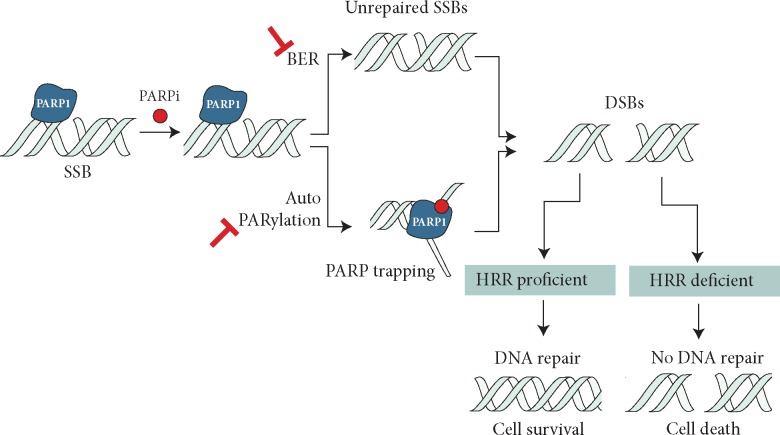
“As a competitive inhibitor of the NAD+ catalytic site, olaparib interferes with single-strand break (SSB) repair via the base excision repair (BER) pathway [3] and induces synthetic lethality in tumours harbouring homologous recombination (HR) deficiencies [4–6].”
BindingDB Entry 50019194: [1,2,4]Triazolo[3,4-
BindingDB (2024) · UC San Diego · doi:10.7270/q2ks6wwh
BindingDB (2024) · UC San Diego · doi:10.7270/q2fr022z
BindingDB (2025) · UC San Diego · doi:10.7270/q2wd4580
BindingDB Entry 50023530: Discovery of PARP1-Sparing Inhibitors for Protein ADP-Ribosylation.
BindingDB (2026) · UC San Diego · doi:10.7270/q2833xz0
Metadata
- Authors
- Mateo, J., Lord, C. J., Serra, V., Tutt, A., Balmaña, J., Castroviejo-Bermejo, M., Cruz, C., Oaknin, A., Kaye, S. B., & de Bono, J. S.
- Affiliations
- Vall d'Hebron Hospital Universitari (ES)
- Institute of Cancer Research (GB)
- Vall d'Hebron Institute of Oncology (ES)
- Royal Marsden NHS Foundation Trust (GB)
- Venue
- Annals of Oncology
- Publisher
- Elsevier BV
- Published
- 2019-09
- Volume
- 30
- Issue
- 9
- Pages
- 1437-1447
- ISSN
- 0923-7534 (ISSN-L)
- PMC
- PMC6771225
- OpenAlex
- W2951058429
- Cited by
- 743
- References
- 100
- Citations by year
- 2026: 58 · 2025: 123 · 2024: 81 · 2023: 123 · 2022: 145 · 2021: 128 · 2020: 77 · 2019: 8
- FWCI
- 8.58
- Type
- journal article
- Language
- en
- Open access
- hybrid
- doi.org
- Licence
- cc-by-nc
- www.elsevier.com/tdm/userlicense/1.0/ (tdm)
- creativecommons.org/licenses/by-nc/4.0/ (vor, 206 d)
- Locations
- Annals of Oncology (publishedVersion, cc-by-nc)
- PubMed Central (publishedVersion, cc-by-nc)
- PubMed (publishedVersion)
- Research Portal (King's College London) (submittedVersion, other-oa)
- Funders
- Prostate Cancer Foundation
- Instituto de Salud Carlos III
- FERO Foundation
- Asociación Española Contra el Cáncer
- AECC-JP Barcelona
- Cancer Research UK
- Department of Health (C12540/A25128)
- NHS funding
- NIHR Biomedical Research Centre
- Institute of Cancer Research
- National Institute for Health Research
- NIHR
- Topics
- Health Sciences › Medicine › Oncology › PARP inhibition in cancer therapy
- Life Sciences › Biochemistry, Genetics and Molecular Biology › Genetics › BRCA gene mutations in cancer
- Life Sciences › Biochemistry, Genetics and Molecular Biology › Molecular Biology › DNA Repair Mechanisms
- Keywords
- PARP inhibitors, olaparib, talazoparib, niraparib, rucaparib, synthetic lethality, DNA repair deficiency, genomic instability, breast cancer, ovarian cancer, maintenance therapy, platinum-based chemotherapy, PARP inhibitor resistance, predictive biomarkers, homologous recombination defects, precision medicine, prostate cancer, pancreatic cancer, combination therapy
- MeSH terms
- Poly(ADP-ribose) Polymerase Inhibitors, Poly (ADP-Ribose) Polymerase-1, Breast Neoplasms, Female, Humans, Indazoles, Indoles, Ovarian Neoplasms, Phthalazines, Piperazines, Piperidines, BRCA1 Protein, BRCA2 Protein, Genomic Instability
About these checks
Registry, retraction, Cites and statistics results are computed, not judged, with one exception: a printed reference that no index lists is read once by a model before it counts as a citation error. Claims are extracted by a model and kept only when their quote appears verbatim in the text; each cited source is then checked, with a model’s help, for whether it says what the claim relies on. Those verdicts can be wrong — read the claim’s quote and the cited source before relying on one.
Statistics and arithmetic are recomputed, not judged.
Confidence bands are shown only for fields calibrated on our annotated test set. None is calibrated yet, so no band is shown.
What counts as a claim ›How we measure confidence ›How we check this ›
Are you an author, or do you see a problem with this page? Request a review
Data sources
Bibliographic data: Semantic Scholar, OpenAlex, Crossref.
Contains information from the Semantic Scholar Academic Graph Datasets, made available under the ODC Attribution License (ODC-BY 1.0).
Semantic Scholar’s data is described in: Kinney, R., et al. (2023). The Semantic Scholar Open Data Platform. arXiv:2301.10140.
