

A decade of clinical development of PARP inhibitors in perspective
Open accessThe DOI matches its Crossref record; 98 of the 100 references it cites were found in a registry or an index.
Abstract
Genomic instability is a hallmark of cancer, and often is the result of altered DNA repair capacities in tumour cells. DNA damage repair defects are common in different cancer types; these alterations can also induce tumour-specific vulnerabilities that can be exploited therapeutically. In 2009, a first-in-man clinical trial of the poly(ADP-ribose) polymerase (PARP) inhibitor olaparib clinically validated the synthetic lethal interaction between inhibition of PARP1, a key sensor of DNA damage, and BRCA1/BRCA2 deficiency. In this review, we summarize a decade of PARP inhibitor clinical development, a work that has resulted in the registration of several PARP inhibitors in breast (olaparib and talazoparib) and ovarian cancer (olaparib, niraparib and rucaparib, either alone or following platinum chemotherapy as maintenance therapy). Over the past 10 years, our knowledge on the mechanism of action of PARP inhibitor as well as how tumours become resistant has been extended, and we summarise this work here. We also discuss opportunities for expanding the precision medicine approach with PARP inhibitors, identifying a wider population who could benefit from this drug class. This includes developing and validating better predictive biomarkers for patient stratification, mainly based on homologous recombination defects beyond BRCA1/BRCA2 mutations, identifying DNA repair deficient tumours in other cancer types such as prostate or pancreatic cancer, or by designing combination therapies with PARP inhibitors.
Overview
The claims and statistics of this paper haven’t been checked yet.
Free: it reads the open-access text and checks the first 5 claims that cite a source we can check. Create a free account to check every claim.
Integrity signals
Registry
Cites
Statistics
Figures
Verification
Claims the paper makes
The claims and statistics of this paper haven’t been checked yet.
Free: it reads the open-access text and checks the first 5 claims that cite a source we can check. Create a free account to check every claim.
Claims other papers make about this one
Each is checked against this paper’s own text: does it say what the citing paper says it does?
The cited source says what the claim attributes to it.
In the citing paper
“PARP inhibitors are used as tumor therapy drugs, specifically targeting cancer cells with genetic defects in DNA repair genes such as BRCA1, exploiting their synthetic lethal relationship with PARP1 (Mateo et al, 2019).”
From Network integration of thermal proteome profiling with multi-omics data decodes PARP inhibition (2024) · cites this paper as Mateo et al, 2019
Self-check
Percentages, sums and reported differences re-computed from the paper’s own numbers.
The self-check needs the paper’s full text.
Citations
Cites
Signatures of mutational processes in human cancer
Initiative, A. P. C. G., Alexandrov, L. B., ICGC Breast Cancer Consortium, ICGC MMML-Seq Consortium, PedBrain, I., Nik-Zainal, S., Wedge, D. C., Aparicio, S. A. J. R., Behjati, S., Biankin, A. V., et al. (2013) · Nature · doi:10.1038/nature12477 · Cited by 9,660 · cited 1×
“Genomic signatures or scars represent repetitive patterns of DNA alterations that translate an underlying biological condition [56].”
BackgroundSelf-citationIntegrated genomic analyses of ovarian carcinoma
Perou, C. M. (2019) · Carolina Digital Repository (University of North Carolina at Chapel Hill) · doi:10.17615/hvp3-wg08 · Cited by 7,925
Targeting the DNA repair defect in BRCA mutant cells as a therapeutic strategy
Farmer, H., McCabe, N., Lord, C. J., Tutt, A. N. J., Johnson, D. A., Richardson, T. B., Santarosa, M., Dillon, K. J., Hickson, I., Knights, C., et al. (2005) · Nature · doi:10.1038/nature03445 · Cited by 6,683 · cited 2×
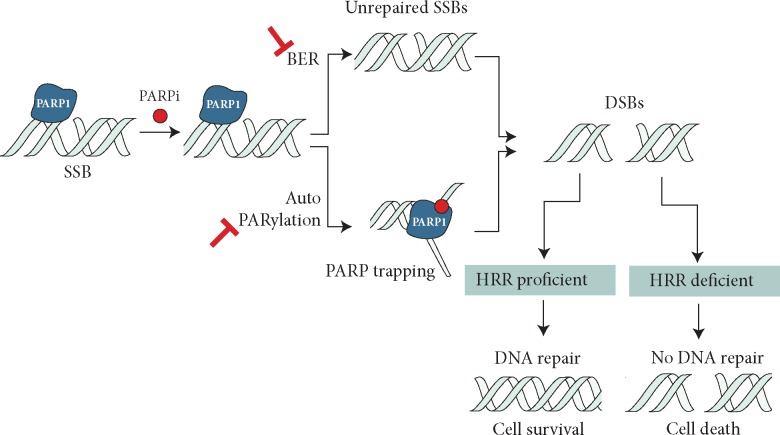
“In 2005, two seminal studies demonstrated that tumour cells lacking BRCA1 or BRCA2, key tumour suppressor proteins involved in double-strand DNA break (DSB) repair by homologous recombination (HR), are selectively sensitive to small molecule inhibitors of the PARP family of DNA repair enzymes [1, 2].”
BackgroundSelf-citationSpecific killing of BRCA2-deficient tumours with inhibitors of poly(ADP-ribose) polymerase
Bryant, H. E., Schultz, N., Thomas, H. D., Parker, K. M., Flower, D., Lopez, E., Kyle, S., Meuth, M., Curtin, N. J., & Helleday, T. (2005) · Nature · doi:10.1038/nature03443 · Cited by 5,198
Integrative Clinical Genomics of Advanced Prostate Cancer
Robinson, D., Van Allen, E. M., Wu, Y.-M., Schultz, N., Lonigro, R. J., Mosquera, J.-M., Montgomery, B., Taplin, M.-E., Pritchard, C. C., Attard, G., et al. (2015) · Cell · doi:10.1016/j.cell.2015.05.001 · Cited by 3,645
Self-citationInhibition of Poly(ADP-Ribose) Polymerase in Tumors from BRCA Mutation Carriers
Fong, P. C., Boss, D. S., Yap, T. A., Tutt, A., Wu, P., Mergui-Roelvink, M., Mortimer, P., Swaisland, H., Lau, A., O'Connor, M. J., et al. (2009) · New England Journal of Medicine · doi:10.1056/nejmoa0900212 · Cited by 3,634 · cited 1×
“A first-in-human clinical trial of KU-0059436 (KuDOS Pharmaceuticals/ AstraZeneca, later named AZD-2281/olaparib) was conducted to establish a recommended dose and to generate preliminary data in a biomarker-defined population [6, 7].”
MethodSelf-citationZehir, A., Benayed, R., Shah, R. H., Syed, A., Middha, S., Kim, H. R., Srinivasan, P., Gao, J., Chakravarty, D., Devlin, S. M., et al. (2017) · Nature Medicine · doi:10.1038/nm.4333 · Cited by 3,380 · cited 1×
“As interest has evolved beyond gBRCA1/2 mutations, multiplexed NGS assays of both germline and somatic DNA have become the preferred tool for patient identification [53, 54].”
BackgroundOlaparib for Metastatic Breast Cancer in Patients with a Germline BRCA Mutation
Robson, M., Im, S.-A., Senkus, E., Xu, B., Domchek, S. M., Masuda, N., Delaloge, S., Li, W., Tung, N., Armstrong, A., et al. (2017) · New England Journal of Medicine · doi:10.1056/nejmoa1706450 · Cited by 3,294 · cited 1×
“In 2017, results from a randomized phase III trial (OlympiAD) in HER2-negative, gBRCA1/2 mutation-associated, metastatic breast cancer comparing olaparib with physician’s treatment choice (capecitabine, eribulin, vinorelbine, or gemcitabine) were reported [36].”
BackgroundMaintenance Olaparib in Patients with Newly Diagnosed Advanced Ovarian Cancer
Moore, K., Colombo, N., Scambia, G., Kim, B.-G., Oaknin, A., Friedlander, M., Lisyanskaya, A., Floquet, A., Leary, A., Sonke, G. S., et al. (2018) · New England Journal of Medicine · doi:10.1056/nejmoa1810858 · Cited by 2,870 · cited 1×
“30) in the maintenance setting after first-line platinum-based chemotherapy in FIGO stage III/IV high-grade ovarian cancer [25].”
BackgroundSelf-citationA rapid method for determining sequences in DNA by primed synthesis with DNA polymerase
Sanger, F., & Coulson, A. R. (1975) · Journal of Molecular Biology · doi:10.1016/0022-2836(75)90213-2 · Cited by 2,709 · cited 1×
“During early phases of PARPi development, most efforts centred on detecting gBRCA1/ 2 mutations, initially using Sanger sequencing [52].”
Method
Cited by
Items 501–600 of 747
Yang, C. H., Zhang, Q., Tang, X., Wang, B., Guan, M., Tang, G., & Wu, Z. (2022) · Epigenomics · doi:10.2217/epi-2022-0025 · Cited by 3
Genetic Testing in Metastatic Breast Cancer in the USA: A Podcast
Basho, R. K., & Chase, M.-C. (2023) · Oncology and Therapy · doi:10.1007/s40487-023-00243-6 · Cited by 3
“…such, these guidelines (NCCN Guidelines) recommend that all patients with recurrent or metastatic breast cancer should be offered genetic testing for germline BRCA1 or 2 mutations to identify patients potentially suitable for treatment with a poly(ADP-ribose) polymerase, or PARP, inhibitor [1, 6].”
BackgroundImportance of BRCA mutation for the current treatment of pancreatic cancer beyond maintenance
Martínez-Galán, J., Rodriguez, I., & Caba, O. (2021) · World Journal of Gastroenterology · doi:10.3748/wjg.v27.i39.6515 · Cited by 3
Lee, G. J., Kim, J. W., Choi, H.-I., Choi, J., Cho, K. H., & Koo, T. (2023) · Journal of Analytical Science & Technology · doi:10.1186/s40543-023-00400-6 · Cited by 2
Tornillo, G., Warrington, L., Kendrick, H. D., Higgins, A. T., Hay, T., Beck, S., & Smalley, M. J. (2023) · Disease Models & Mechanisms · doi:10.1242/dmm.050211 · Cited by 2
“The defect in this process in BRCA1 loss-of-function-associated cancer is exploited by the use of poly ADP-ribose polymerase (PARP) inhibitors for therapy (Mateo et al., 2019).”
He, Y., Tang, X., Yang, F., Jiang, Q., Deng, L., & Lang, W. (2025) · Medicine · doi:10.1097/md.0000000000041953 · Cited by 4
“[51] The clinical response to the combination of chemotherapy and PARP inhibitors has been modest in patients with relapsed small-cell carcinoma.”
Cao, K., Wang, R., Wu, S., Ou, D., Li, R., Li, L., & Liu, X. (2025) · Molecular Diversity · doi:10.1007/s11030-025-11184-9 · Cited by 2
“The CD domain contains signature motifs, such as the PARP and WGR motifs, which are responsible for catalyzing the synthesis of poly(ADP-ribose) [14].”
Tu, J., Chen, J., Zhou, N., & Luo, L. (2025) · Molecular Diversity · doi:10.1007/s11030-025-11238-y · Cited by 2
Sato, K., Yoshino, H., Sato, Y., Sasaki, F., Munakata, N., & Tsuruga, E. (2025) · Biomedical Reports · doi:10.3892/br.2025.2047 · Cited by 2
“ATM and ATR are involved in the regulation of the response to DNA double‑strand breaks (DSBs) and single‑strand breaks (SSBs), respectively (6‑8).”
InfluentialDesign, development, and therapeutic applications of PARP-1 selective inhibitors
Xu, Y., Li, X., Zhao, Y., Xie, C., Chen, J., Lin, Y., Xing, P., Zhu, J., Wang, B., & Shi, D. (2025) · Future Medicinal Chemistry · doi:10.1080/17568919.2025.2561467 · Cited by 3
Cassuto, O., Mathiéu, R., Hélissey, C., Schmitt, A., Gobert, A., Mourey, L., Jovenin, N., Bouteleux, C., & Joly, F. (2025) · Therapeutic Advances in Medical Oncology · doi:10.1177/17588359251367308 · Cited by 3
Yazgan, S. C., Yekedüz, E., Akkuş, E., Sun, M., Gillessen, S., Fizazi, K. S., McKay, R. R., Ay, C., Castro, E., Agarwal, N., et al. (2025) · ESMO Open · doi:10.1016/j.esmoop.2025.105811 · Cited by 3
Boujemaa, M., Hamdi, Y., Guidara, S., Souissi, A., Bouaziz, H., Mejri, N., Aloulou, S., Mahjoub, N., Chaabane, K., Hakim, H., et al. (2025) · Journal of Translational Medicine · doi:10.1186/s12967-025-07027-8 · Cited by 2
Baghdadi, T. A., Rothe, M., Mangat, P. K., Garrett-Mayer, E. S., Crysler, O., Mileham, K. F., Farrington, L. C., Adesunloye, B. A., Dublis, S. A., Astsaturov, I. A., et al. (2025) · JCO Precision Oncology · doi:10.1200/po-25-00649 · Cited by 7
Gatz, S. A., Bender, J. G., Pearson, A. D. J., Ortiz, M. V., Bernardi, R. J., Chesler, L., Clifford, S. C., Cohen‐Gogo, S., Cuesta, E. A. D. L., de Rojas, T., et al. (2026) · JCO Precision Oncology · doi:10.1200/po-25-00642 · Cited by 2
Pant, T., Brajesh, R. G., Day, B. W., Solomon, A. D., Juric, M., Zielonka, J., & Bai, X. (2026) · Journal of Experimental & Clinical Cancer Research · doi:10.1186/s13046-026-03694-7 · Cited by 3
The complex landscape of non-coding RNAs in olaparib response and resistance
Tahamipour, F., Ghasemi, M., Ghahghaei‐Nezamabadi, A., & Ghafouri‐Fard, S. (2026) · Cancer Treatment and Research Communications · doi:10.1016/j.ctarc.2026.101214 · Cited by 2
Context-dependent synthetic lethality — an emerging precision therapeutic approach
Chang, L., Shaw, K. L., Vázquez, F., & Sellers, W. R. (2026) · Nature reviews. Cancer · doi:10.1038/s41568-026-00929-9 · Cited by 8
Zhou, L., Xiang, J., & He, Y. (2021) · Environmental Science and Pollution Research · doi:10.1007/s11356-021-15852-9 · Cited by 3
“Currently, there are two main explanations for the anti-tumor mechanism of PARP inhibitors: (1) the synthetic lethal mechanism (Mateo et al. 2019), in”
BackgroundGong, X., Tian, X., Xie, H., & Li, Z. (2022) · Cancer Medicine · doi:10.1002/cam4.5074 · Cited by 4
Real-World Concordance between Germline and Tumour BRCA1/2 Status in Epithelial Ovarian Cancer
Morgan, R. D., Burghel, G. J., Schlecht, H., Clamp, A. R., Hasan, J., Mitchell, C. L., Salih, Z., Shaw, J., Desai, S. N., Jayson, G. C., et al. (2023) · Cancers · doi:10.3390/cancers16010177 · Cited by 3
“This is best exemplified by the synthetic lethal use of poly (ADP-ribose) polymerase-1/2 inhibitors (PARPi) to treat high-grade serous carcinomas that harbour a BRCA1 or BRCA2 pathogenic/likely pathogenic variant [4].”
BackgroundXu, Q., Jiang, L., Chen, G., Ai, S., Fan, X., Wang, G., Jia, C., Wang, J., Zheng, K., Zhao, B., et al. (2024) · Frontiers in Medicine · doi:10.3389/fmed.2024.1412700 · Cited by 5
Genomic and clinical characterization of pediatric lymphoepithelioma-like carcinoma
Que, Y., Lu, X., Lü, S., Sun, F., Zhu, J., Zhang, Y., Wang, J., Huang, J., Liu, W., Wang, F., et al. (2024) · Journal of Translational Medicine · doi:10.1186/s12967-024-05921-1 · Cited by 2
Kirkendoll, C., Mansour, R. P., & Gaddam, S. J. (2024) · JCO Precision Oncology · doi:10.1200/po-24-00401 · Cited by 2
PARylation of HMGA1 desensitizes esophageal squamous cell carcinoma to olaparib
Lei, X., He, K., Li, Q., Zhang, L., Wu, D., Yang, J., Guo, J., Liu, M., Zhao, Z., Li, J., et al. (2024) · Clinical and Translational Medicine · doi:10.1002/ctm2.70111 · Cited by 3
Qiu, M., Pan, H., Lam, K. O., Wang, J., Zheng, Y., Li, H., Wu, X., Wang, L., Bao, L., Cheng, J., et al. (2025) · Cancer · doi:10.1002/cncr.35919 · Cited by 3
Lee, Y., Kim, H., Lee, S. Y., Lee, H., Hyung, J., Moon, M., Shin, J., Park, Y. S., Kim, T. W., & Ryu, M. (2025) · Gastric Cancer · doi:10.1007/s10120-025-01648-0 · Cited by 3
“PARP inhibitors have demonstrated clinical efficacy and received approvals with various indications in ovarian, breast, pancreatic, and prostate cancers, while ongoing studies are evaluating their potential benefits in gastric cancer [15].”
Gynecological malignancy organoids: A game changer for personalized medicine
Ding, Z., Chang, X., Qu, X., Hua, K., & Qiu, J. (2025) · Biochimica et Biophysica Acta (BBA) - Reviews on Cancer · doi:10.1016/j.bbcan.2025.189405 · Cited by 3
Zalli, D., Mai, Z., Ferati, E., Ramaj, A., Bregu, R., & Pranjol, M. Z. I. (2025) · Springer eBooks · doi:10.1007/978-3-032-00773-5_413 · Cited by 2
Poly(ADP-Ribose) Polymerase Inhibition in Small Cell Lung Cancer: A Review
Guo, M. Z., Marrone, K. A., Spira, A. I., & Scott, S. C. (2021) · The Cancer Journal · doi:10.1097/ppo.0000000000000555 · Cited by 3
Eiset, S. E., Funding, M., Racher, H., Heegaard, S., Gallie, B. L., Urbak, S. F., & Gregersen, P. A. (2022) · Clinical Case Reports · doi:10.1002/ccr3.5498 · Cited by 2
A Novel PARP Inhibitor YHP-836 For the Treatment of BRCA-Deficiency Cancers
Du, T., Zhang, Z., Zhou, J., Li, S., Yao, H., Ji, M., Xu, B., & Chen, X. (2022) · Frontiers in Pharmacology · doi:10.3389/fphar.2022.865085 · Cited by 2
“PARP inhibitors, including olaparib, rucaparib, niraparib, talazoparib, and pamiparib, have clinically demonstrated significant and sustained antitumor responses as a single agent in patients with gBRCAmutation tumors with a favorable toxicity profile (Brown et al., 2016; Spriggs and Longo, 2016; Yuan et al., 2017; Ma…”
BackgroundReport of a germline double heterozygote in MSH2 and PALB2
Αγιαννιτόπουλος, Κ., Papadopoulou, E., Tsaousis, G., Pepe, G., Kampouri, S., Patsea, E., Lypas, G., & Nasioulas, G. (2020) · Molecular Genetics & Genomic Medicine · doi:10.1002/mgg3.1242 · Cited by 2
Employing Cross-Species Approaches to Construct Humanized Genetic Interaction Networks
Jeusset, L. M., & McManus, K. J. (2021) · Methods in molecular biology · doi:10.1007/978-1-0716-1740-3_6 · Cited by 3
Arai, H., Xiao, Y., Millstein, J., Wang, J., Battaglin, F., Kawanishi, N. K., Jayachandran, P., Soni, S., Zhang, W., Mancao, C., et al. (2021) · British Journal of Cancer · doi:10.1038/s41416-021-01592-7 · Cited by 2
“One great success of this strategy is PARP inhibition in ovarian, breast, prostate, and pancreatic cancers with homologous recombination deficiency [9].”
BackgroundEmerging agents for metastatic pancreatic cancer: spotlight on early phase clinical trials
Kang, B. W., & Chau, I. (2021) · Expert Opinion on Investigational Drugs · doi:10.1080/13543784.2021.1995354 · Cited by 2
“For example, the genomic instability is often the result of altered DNA repair capacities in tumor cells [11].”
BackgroundTalazoparib in BRCA -Mutated Advanced Breast Cancer: Is�Earlier Better?
Boulos, M., Moujaess, E., Nsouli, G., Tfayli, A., & Kourié, H. R. (2022) · Pharmacogenomics · doi:10.2217/pgs-2022-0011 · Cited by 2
Morgan, R. D., Burghel, G. J., Flaum, N., Bulman, M. P., Smith, P., Clamp, A. R., Hasan, J., Mitchell, C. L., Salih, Z., Woodward, E. R., et al. (2023) · Cancers · doi:10.3390/cancers15030730 · Cited by 2
“Inclusion of poly (ADP-ribose) polymerase inhibitors (PARPi) as standard therapy for non-mucinous high-grade epithelial ovarian cancer (EOC) led to mainstream, reflex germline and tumour BRCA1/2 testing [1].”
BackgroundInhibition of p300 increases cytotoxicity of cisplatin in pancreatic cancer cells
Bugbee, T., Gathoni, M., Payne, C., Blubaugh, M. V., Matlock, K., Wixson, T., Lu, A., Stancic, S., Chung, P. A., Palinski, R. M., et al. (2023) · Gene · doi:10.1016/j.gene.2023.147762 · Cited by 2
PARP-1 Flips the Epigenetic Switch on Obesity
Margulies, C. E., & Ladurner, A. G. (2020) · Molecular Cell · doi:10.1016/j.molcel.2020.08.019 · Cited by 2
Milano, L., Alenezi, W. M., Fierheller, C. T., Serruya, C., Revil, T., Oros, K. K., Bruce, J. P., Spiegelman, D., Pugh, T. J., Mes‐Masson, A., et al. (2023) · medRxiv · doi:10.1101/2023.07.03.23290133 · Cited by 2
“Considering the impact of PARP inhibitors on the clinical management of BC and OC patients (96), cells expressing our BRIP1 variants were also tested for the sensitivity to PARP inhibitors, olaparib or talazoparib.”
Konecny, G. E., Chander, C., & Zhang, L. (2021) · The Cancer Journal · doi:10.1097/ppo.0000000000000564 · Cited by 1
Development of Homologous Recombination Functional Assays for Targeting the DDR
Oswald, A. J., & Gourley, C. (2023) · Cancer treatment and research · doi:10.1007/978-3-031-30065-3_4 · Cited by 2
An optimized fluorescence assay for screening novel PARP-1 inhibitors
Vuong, B., Fang, Y., & Tranmer, G. K. (2024) · Canadian Journal of Chemistry · doi:10.1139/cjc-2024-0047 · Cited by 1
Cardioprotective effects of PARP inhibitors for platinum-agent induced cardiotoxicity
Kim, J. H., Han, J., Kwon, J.-H., & Kim, M. G. (2025) · Investigational New Drugs · doi:10.1007/s10637-025-01509-8 · Cited by 1
“Originally developed as anticancer drugs, PARP inhibitors have also attracted attention for their potential cardioprotective properties [12, 13].”
Castro, E., Wang, D., Walsh, S., Craigie, S., Haltner, A., Nazari, J. L., Niyazov, A., & Samjoo, I. A. (2025) · Future Oncology · doi:10.1080/14796694.2025.2471200 · Cited by 1
“Additionally, talazoparib traps PARP on damaged DNA, further hindering DNA repair, replication, and transcription, making it highly effective in selectively killing cancer cells [10,11].”
Zhao, Y., Hisayoshi, T., Zhang, D., Suzuki, S., Watanabe, T., Kobayashi, A., Guo, Q., Momozawa, Y., Shimokawa, T., Kato, S., et al. (2025) · Cancer Science · doi:10.1111/cas.70081 · Cited by 1
Doberstein, K., Panther, J., Hahnen, E., Richters, L., Schouten, P. C., Harter, P., Heitz, F., Kommoss, S., Berlit, S., Tuschy, B., et al. (2025) · Communications Biology · doi:10.1038/s42003-025-08836-9 · Cited by 1
Sheng, J.-J., He, Y., Liu, P.-W., Zheng, S. L., Wu, N., Sui, H., Cheng, Q., & Li, H. (2025) · Journal of Translational Medicine · doi:10.1186/s12967-025-07284-7 · Cited by 1
Xiang, J., Xu, J., Fan, H., Chen, Q., Lu, Y., Wan, X., Jiang, Y., Zhang, X., Zhang, C., Liu, Q., et al. (2025) · Molecular Biomedicine · doi:10.1186/s43556-025-00356-6 · Cited by 1
“The clinical significance of PARP inhibition is under-scored by its approval by regulatory authorities for treating various cancer types, including ovarian, breast, and pancreatic cancers [10].”
Xu, W., Yan, J., Pan, D., Li, M., Wu, W., & Yang, M. (2025) · Nuclear Techniques · doi:10.3724/j.0253-3219.2025.hjs.48.250184 · Cited by 1
Genomics of ovarian cancers and the potential of precision medicine
Jarratt, A., Polidano, J., Scott, C. L., & Barker, H. E. (2025) · Therapeutic Advances in Medical Oncology · doi:10.1177/17588359251396651 · Cited by 5
Zhang, X., Pang, X., Chen, Y., Liu, G., Huang, J., & Zeng, Y. (2025) · Biomolecules · doi:10.3390/biom15121724 · Cited by 1
“This synthetic lethal approach is particularly effective against BRCA-mutant cancers, such as cervical cancer and breast cancer [151,155].”
MDC1 counteracts replication fork reversal and mediates chemosensitivity in BRCA1/2-deficient tumors
Hülya, D., Liptay, M., Barbosa, J. S., Gogola, E., Duarte, A. A., Schmid, J. A., Klebic, I., Mutlu, M., Siffert, M., Francica, P., et al. (2025) · Oncogene · doi:10.1038/s41388-025-03659-8 · Cited by 13
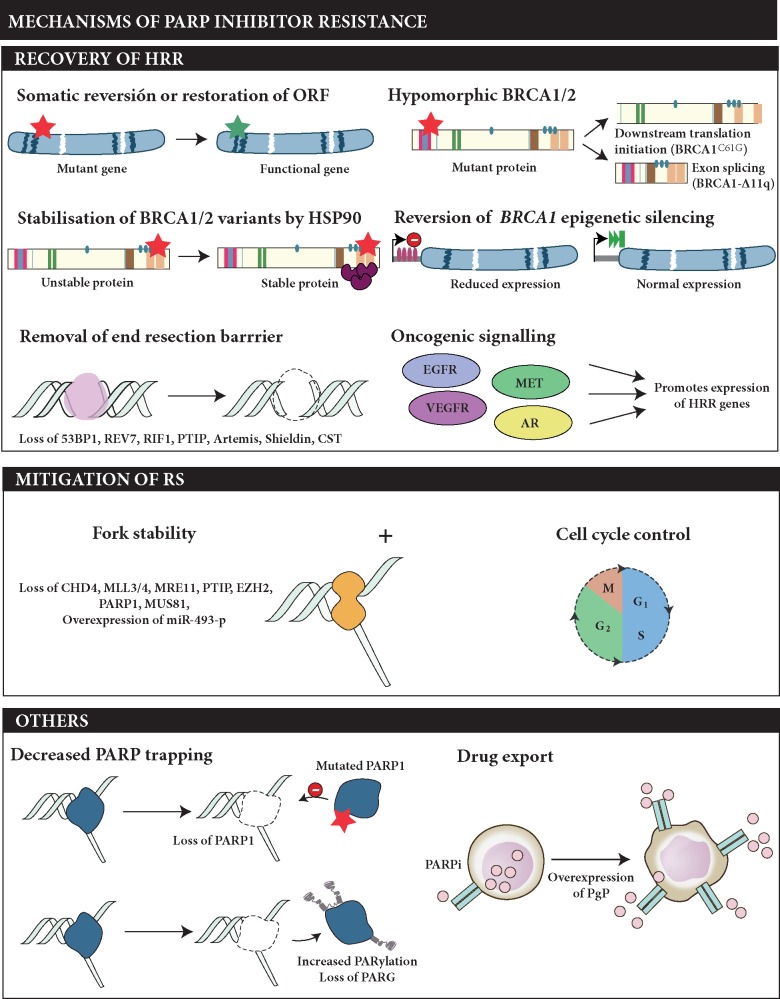
“Despite the success of poly(ADP-ribose) polymerase (PARP) inhibitors in treatment of patients with BRCA1-or BRCA2-de fi cient tumors [1 – 3] long-lasting clinical response rates in patients with advanced disease are limited by the development of resistance.”
Milano, L., Alenezi, W. M., Fierheller, C. T., Serruya, C., Revil, T., Oros, K. K., Bruce, J. J., Spiegelman, D., Pugh, T. J., Mes‐Masson, A., et al. (2026) · International Journal of Molecular Sciences · doi:10.3390/ijms27021037 · Cited by 3
Dhir, R., Ghosh, P., Sharma, D., & Asati, V. (2026) · Future Medicinal Chemistry · doi:10.1080/17568919.2026.2619466 · Cited by 1
Molecular biology of radiation response and resistance
Young, A., & O’Leary, B. (2026) · Current Opinion in Oncology · doi:10.1097/cco.0000000000001213 · Cited by 1
Huang, Y., Yang, Y., Zhang, Q., & Wang, S. (2026) · Critical Reviews in Oncology/Hematology · doi:10.1016/j.critrevonc.2026.105278 · Cited by 1
Mercinelli, C., Pavlick, D. C., Agarwal, N., Spiess, P. E., Li, R., Kamat, A. M., Grivas, P. D., Gupta, S., Maiorano, B. A., Tateo, V., et al. (2026) · The Oncologist · doi:10.1093/oncolo/oyag100 · Cited by 1
“22 Genomic ancestry distribution was overall comparable be-tween groups.”
PROTACs in cancer therapy: targeted degradation of GPX4, PARP and epigenetic regulators
Periyasamy, S., Jarrett, T., Truong, J., & Skouta, R. (2026) · Journal of Enzyme Inhibition and Medicinal Chemistry · doi:10.1080/14756366.2026.2636394 · Cited by 2
Yang, T., Bu, W., Xue, X., Wu, X., Zhou, Y., Chen, Y., Li, Y. S., Zhang, J., Li, P., Shen, F., et al. (2026) · Redox Biology · doi:10.1016/j.redox.2026.104158 · Cited by 3
“Previous reports have demonstrated that reverse BRCA1/2 mutations and thus HR functional restoration may mediate the acquired resistance to PARP inhibitors in ovarian or breast cancer [35,36].”
Noujiep, S. S. N., Altmann, J., Bullinger, L., & Sehouli, J. (2026) · Frontiers in Oncology · doi:10.3389/fonc.2026.1785547 · Cited by 1
Javed, A., Ur-Rehman, U., Yuan, R., Chen, X., Guo, H., & Fu, Z. (2026) · Journal of Controlled Release · doi:10.1016/j.jconrel.2026.114973 · Cited by 1
Akbari‐Ardabili, S., & Aghazadeh, S. (2026) · Veterinary and Comparative Oncology · doi:10.1111/vco.70079 · Cited by 1
Elkafoury, E. M., Mahmoud, S., Afarinkia, K., Salih, M. A. M., El‐Damasy, A. K., Ibrahim, M. A. A., Shawky, A. M., Sharaf, S. E., Alzahrani, O. R., Jaragh-Alhadad, L. A., et al. (2026) · Bioorganic Chemistry · doi:10.1016/j.bioorg.2026.110048 · Cited by 3
Cassuto, O., Schmitt, A., Hélissey, C., Gobert, A., Mathiéu, R., Bouteleux, C., Mourey, L., Jovenin, N., & Joly, F. (2026) · Bulletin du Cancer · doi:10.1016/j.bulcan.2026.04.009 · Cited by 1
Sheu, M., Chou, C.-L., Yang, C., Lee, S., Tian, Y., Lin, C.-Y., Hsiao, S., Chen, S., & Huang, W. (2020) · Pathology - Research and Practice · doi:10.1016/j.prp.2020.152922 · Cited by 1
Soto, J. D. (2020) · Journal of Current Medical Research and Opinion · doi:10.15520/jcmro.v3i11.362 · Cited by 2
França, P. D. D. S., Viray, T. D., Roberts, S. S., Michel, A. G., Abrahão, M., Patel, S. G., Ganly, I., Schöder, H. M., Brand, C., Reiner, T., et al. (2022) · Molecular Imaging and Biology · doi:10.1007/s11307-022-01756-8 · Cited by 1
“PARPi-FL targets PARP1, expressed in a variety of DNA damage including single-strand breaks, crossovers, supercoils, and some specific double-stranded sequences [33].”
BackgroundDefektif Homolog Rekombinasyon DNA Tamiri ve PARP İnhibisyonu Arasındaki Sentetik Letal Etkileşim
Toy, Y., Gündoğdu, R., SEVER, A., & Erdoğan, M. K. (2022) · Iğdır Üniversitesi Fen Bilimleri Enstitüsü Dergisi · doi:10.21597/jist.1095366 · Cited by 4
The Recent Advances of PARP Inhibitors in the Treatment of Cancer
Li, D. (2023) · Theoretical and Natural Science · doi:10.54254/2753-8818/3/20220498 · Cited by 1
“Several antitumor drugs of this class have been approved for the market, mainly targeting PARPs for the precise treatment of cancer [14].”
Ovarian cancer treatment strategies: focus on PARP inhibitors
Li, Z., & Li, H. (2023) · International Conference on Modern Medicine and Global Health (ICMMGH) · doi:10.1117/12.2692606 · Cited by 1
“Over the last ten years, there are four PARP inhibitors including olaparib, rucaparib, niraparib, and talazoparib approved [1].”
BackgroundJeppesen, T. E. (2024) · American Journal of Nuclear Medicine and Molecular Imaging · doi:10.62347/wtkq3953 · Cited by 1
“PARP inhibitors have demonstrated their clinical utility in the treatment of cancer [6, 7].”
BackgroundQiu, X., Liu, P., Lin, H., Peng, Z., Sun, X., Dong, G., Han, Y., & Huang, Z. (2025) · Discover Oncology · doi:10.1007/s12672-025-02094-1 · Cited by 1
PARP inhibitor response is enhanced in prostate cancer when XRCC1 expression is reduced
Goel, K., Venkatappa, V., Krieger, K. L., Chen, D., Sreekumar, A., & Gassman, N. R. (2025) · NAR Cancer · doi:10.1093/narcan/zcaf015 · Cited by 4
“The trapped DNA– PARP1 complexes block the replication fork progression and result in the generation of DSBs [ 7 , 30 ].”
Rippstein, N., Zemmour, C., Rodrigues, M. J., Ray-Coquard, I. L., Gladieff, L., Pautier, P., Frenel, J., Costaz, H., Lebreton, C., Pomel, C., et al. (2025) · The Oncologist · doi:10.1093/oncolo/oyaf075 · Cited by 2
Shen, K., Li, X., Zhao, S., Zhang, X., Yu, L., Li, J., & Cai, L. (2025) · Discover Oncology · doi:10.1007/s12672-025-02989-z · Cited by 1
“Unlike chemotherapy, which indiscriminately damages DNA in all dividing cells, Olaparib selectively targets homologous recombination-deficient (HRD) tumors, minimizing off-target effects [9].”
Bibliometric analysis of global research trends in pancreatic cancer immunotherapy
Fu, T., Chen, Y., Wang, H., He, L., Zhang, J., Zhou, Y., Duan, X., & Zhang, X. (2025) · Human Vaccines & Immunotherapeutics · doi:10.1080/21645515.2025.2538330 · Cited by 1
“82,83 The RAS family proteins are significant molecular switches involved in cell proliferation, differentiation, and apoptosis.”
Mechanisms of drug resistance: PARP inhibitors, antibody-drug-conjugates, and immunotherapy
Roufai, D. B., Tóth, R., Palo, U., Scaglione, G., Torres, A. T. P., Novak, Z., Hajj, H. E., Shushkevich, A. B., & Ledermann, J. A. (2025) · International Journal of Gynecological Cancer · doi:10.1016/j.ijgc.2025.102112 · Cited by 1
Zonyfar, C., Njimbouom, S. N., Mosalla, S., & Kim, J. (2025) · Bioinformatics and Biology Insights · doi:10.1177/11779322251366087 · Cited by 1
“14 Recent research highlights the significant potential of PARP inhibitors, such as CVL218, which is undergoing phase I clinical trials, in inhibiting SARS-CoV-2 replication 15 and combating the harmful effects of COVID-19 through various mechanisms.”
Hu, J., Liang, P., Jin, D., Fan, R.-Z., Xie, X., Liu, C., Jiang, Q., & Gao, L. (2022) · Expert Review of Anticancer Therapy · doi:10.1080/14737140.2022.2088513 · Cited by 1
Una actualización en el protocolo en cáncer de próstata metastásico hormonosensible
Ossorio, J. L. Á., Rodrigo-Aliaga, M., Rodríguez-Antolín, A., Urzaiz, M. U., Calleja, M., Ruíz, M. D. L. C., Quilez, J. B., Millán, I. R. H., Zalabardo, D. S., & Olmo, J. M. C. (2022) · Actas Urológicas Españolas · doi:10.1016/j.acuro.2022.09.003 · Cited by 2
Lieberman, H. B. (2020) · Translational Cancer Research · doi:10.21037/tcr.2019.12.102 · Cited by 1
“Based on the synthetic lethal effects caused by blocking alternative pathways that impact DNA repair, platinum-based chemotherapy is used in combination with PARP inhibitors to treat ovarian cancer patients with inherent deficiencies in homologous recombination due to BRCA1 and BRCA2 mutation (9).”
BackgroundLi, H., Wang, C., Lan, L., Wu, W., Evans, I. M., Ruiz, E. J., Yan, L., Zhang, H., Zhou, Z., Hu, Z., et al. (2021) · Research Square · doi:10.21203/rs.3.rs-529788/v1 · Cited by 1
He, Y., Yu, X., Zhang, M., & Guo, W. (2021) · Research Square · doi:10.21203/rs.3.rs-389804/v1 · Cited by 1
Turchi, J. J., Pawelczak, K. S., Weinfeld, M., & McHugh, P. J. (2022) · Frontiers in Oncology · doi:10.3389/fonc.2022.1023500 · Cited by 1
“Targeting DNA repair pathways and the DNA damage response (DDR) for cancer therapy has gained increased attention since the advent of PARP inhibitors and the demonstration of their clinical utility in BRCA-deficient cancers (1).”
BackgroundMurayama, A. (2023) · Research Square · doi:10.21203/rs.3.rs-3280055/v1 · Cited by 1
Pejovic, T. B., Odunsi, K. O., & Anderson, M. L. (2022) · Elsevier eBooks · doi:10.1016/b978-0-12-800684-9.00011-3 · Cited by 1
Inherited genetic risk factors in young-onset lung cancerPreprint
Selvan, M. E., Rothberg, B. E. G., Patel, A. A., Sang, J., Horowitz, A., Christiani, D. C., Klein, R. J., & Gumus, Z. H. (2026) · medRxiv · doi:10.64898/2026.04.14.26350822 · Cited by 1
“In several tumor types, both germline and somatic mutations in DDR genes confer sensitivity to poly (ADP-ribose) polymerase (PARP) inhibitors and platinum-based chemotherapy 77 .”
Inibidores da PARP: do mecanismo de ação à prática clínica
Branco, C., & Paredes, J. (2022) · Acta Médica Portuguesa · doi:10.20344/amp.13870 · Cited by 22
Chen, M., Marrs, B., Qi, L., Knifley, T., Jarrett, S. G., Weiss, H. L., Stewart, R. L., D'Orazio, J. A., & O’Connor, K. L. (2019) · bioRxiv (Cold Spring Harbor Laboratory) · doi:10.1101/785873 · Cited by 1
“The FDA recently approved PARP-1 inhibitor for the treatment of TNBC patients with BRCA mutation (4) and immunotherapy for the treatment of patients with PD-L1-positive, unresected locally advanced or metastatic TNBC, thus creating the first targeted therapies for TNBC.”
BackgroundImplications of BRCA Germline Mutations on Breast Cancer Medical Treatment
Du, F. L., Brunot, A., Rouge, T. D. L. M., & Dieras, V. C. (2020) · Current Breast Cancer Reports · doi:10.1007/s12609-020-00362-3
MYC Targeted Rad50 Drives Progression of High-Grade Serous Ovarian Cancer via NF-κB ActivationPreprint
Li, Y., Wang, S., Li, P., Li, Y., Liu, Y., Fang, H., Zhang, X., Liu, Z., & Kong, B. (2020) · Research Square · doi:10.21203/rs.3.rs-111959/v1
“Olaparib was the rst PARP inhibitor approved in the European Union and the United States for the treatment of advanced BRCA-mutated ovarian cancer [8].”
BackgroundTamoxifen and aromatase inhibitors for relapse of tubo-ovarian high-grade serous cancer
Gao, Y., Yang, K., Shi, S., Wang, J., Zhang, J., & Tian, J. (2021) · Cochrane Database of Systematic Reviews · doi:10.1002/14651858.cd014757
Leveraging technological opportunities in cancer genomics
Valle-Inclán, J. E. (2021) · Utrecht University Repository (Utrecht University) · doi:10.33540/480
A Comprehensive Tumor Molecular Profile Analysis in Clinical Practice: A Single Center’s ExperiencePreprint
Özdoğan, M., Papadopoulou, E., Τσούλος, Ν., Tsantikidi, A., Metaxa-Mariatou, V., Tsaousis, G. S., Kapeni, E., Bourkoula, E., Fotiou, D. F., Kapetsis, G., et al. (2020) · doi:10.21203/rs.3.rs-96233/v1
Exploiting Synthetic Lethal Network for Precision Treatment of Clear Cell Renal Cell CarcinomaPreprint
Liu, Z., Lin, D., Zhang, L., Yang, C., Guo, B., Xia, F., Li, Y., Chen, D., Wang, C., Xiao, Z., et al. (2021) · Research Square · doi:10.21203/rs.3.rs-958499/v1
Molekular zielgerichtete Therapie
Sebastian, M., & Wagner, S. (2021) · Elsevier eBooks · doi:10.1016/b978-3-437-23824-6.00007-9 · Cited by 2
Zhang, M., Lee, S., Fei, X., Wang, T., Zheng, Y., & Dai, H. (2022) · Research Square · doi:10.21203/rs.3.rs-1586914/v1
Metadata
- Authors
- Mateo, J., Lord, C. J., Serra, V., Tutt, A., Balmaña, J., Castroviejo-Bermejo, M., Cruz, C., Oaknin, A., Kaye, S. B., & de Bono, J. S.
- Affiliations
- Vall d'Hebron Hospital Universitari (ES)
- Institute of Cancer Research (GB)
- Vall d'Hebron Institute of Oncology (ES)
- Royal Marsden NHS Foundation Trust (GB)
- Venue
- Annals of Oncology
- Publisher
- Elsevier BV
- Published
- 2019-09
- Volume
- 30
- Issue
- 9
- Pages
- 1437-1447
- ISSN
- 0923-7534 (ISSN-L)
- PMC
- PMC6771225
- OpenAlex
- W2951058429
- Cited by
- 743
- References
- 100
- Citations by year
- 2026: 58 · 2025: 123 · 2024: 81 · 2023: 123 · 2022: 145 · 2021: 128 · 2020: 77 · 2019: 8
- FWCI
- 8.58
- Type
- journal article
- Language
- en
- Open access
- hybrid
- doi.org
- Licence
- cc-by-nc
- www.elsevier.com/tdm/userlicense/1.0/ (tdm)
- creativecommons.org/licenses/by-nc/4.0/ (vor, 206 d)
- Locations
- Annals of Oncology (publishedVersion, cc-by-nc)
- PubMed Central (publishedVersion, cc-by-nc)
- PubMed (publishedVersion)
- Research Portal (King's College London) (submittedVersion, other-oa)
- Funders
- Prostate Cancer Foundation
- Instituto de Salud Carlos III
- FERO Foundation
- Asociación Española Contra el Cáncer
- AECC-JP Barcelona
- Cancer Research UK
- Department of Health (C12540/A25128)
- NHS funding
- NIHR Biomedical Research Centre
- Institute of Cancer Research
- National Institute for Health Research
- NIHR
- Topics
- Health Sciences › Medicine › Oncology › PARP inhibition in cancer therapy
- Life Sciences › Biochemistry, Genetics and Molecular Biology › Genetics › BRCA gene mutations in cancer
- Life Sciences › Biochemistry, Genetics and Molecular Biology › Molecular Biology › DNA Repair Mechanisms
- Keywords
- PARP inhibitors, olaparib, talazoparib, niraparib, rucaparib, synthetic lethality, DNA repair deficiency, genomic instability, breast cancer, ovarian cancer, maintenance therapy, platinum-based chemotherapy, PARP inhibitor resistance, predictive biomarkers, homologous recombination defects, precision medicine, prostate cancer, pancreatic cancer, combination therapy
- MeSH terms
- Poly(ADP-ribose) Polymerase Inhibitors, Poly (ADP-Ribose) Polymerase-1, Breast Neoplasms, Female, Humans, Indazoles, Indoles, Ovarian Neoplasms, Phthalazines, Piperazines, Piperidines, BRCA1 Protein, BRCA2 Protein, Genomic Instability
About these checks
Registry, retraction, Cites and statistics results are computed, not judged, with one exception: a printed reference that no index lists is read once by a model before it counts as a citation error. Claims are extracted by a model and kept only when their quote appears verbatim in the text; each cited source is then checked, with a model’s help, for whether it says what the claim relies on. Those verdicts can be wrong — read the claim’s quote and the cited source before relying on one.
Statistics and arithmetic are recomputed, not judged.
Confidence bands are shown only for fields calibrated on our annotated test set. None is calibrated yet, so no band is shown.
What counts as a claim ›How we measure confidence ›How we check this ›
Are you an author, or do you see a problem with this page? Request a review
Data sources
Bibliographic data: Semantic Scholar, OpenAlex, Crossref.
Contains information from the Semantic Scholar Academic Graph Datasets, made available under the ODC Attribution License (ODC-BY 1.0).
Semantic Scholar’s data is described in: Kinney, R., et al. (2023). The Semantic Scholar Open Data Platform. arXiv:2301.10140.
