

A decade of clinical development of PARP inhibitors in perspective
Open accessThe DOI matches its Crossref record; 98 of the 100 references it cites were found in a registry or an index.
Abstract
Genomic instability is a hallmark of cancer, and often is the result of altered DNA repair capacities in tumour cells. DNA damage repair defects are common in different cancer types; these alterations can also induce tumour-specific vulnerabilities that can be exploited therapeutically. In 2009, a first-in-man clinical trial of the poly(ADP-ribose) polymerase (PARP) inhibitor olaparib clinically validated the synthetic lethal interaction between inhibition of PARP1, a key sensor of DNA damage, and BRCA1/BRCA2 deficiency. In this review, we summarize a decade of PARP inhibitor clinical development, a work that has resulted in the registration of several PARP inhibitors in breast (olaparib and talazoparib) and ovarian cancer (olaparib, niraparib and rucaparib, either alone or following platinum chemotherapy as maintenance therapy). Over the past 10 years, our knowledge on the mechanism of action of PARP inhibitor as well as how tumours become resistant has been extended, and we summarise this work here. We also discuss opportunities for expanding the precision medicine approach with PARP inhibitors, identifying a wider population who could benefit from this drug class. This includes developing and validating better predictive biomarkers for patient stratification, mainly based on homologous recombination defects beyond BRCA1/BRCA2 mutations, identifying DNA repair deficient tumours in other cancer types such as prostate or pancreatic cancer, or by designing combination therapies with PARP inhibitors.
Overview
The claims and statistics of this paper haven’t been checked yet.
Free: it reads the open-access text and checks the first 5 claims that cite a source we can check. Create a free account to check every claim.
Integrity signals
Registry
Cites
Statistics
Figures
Verification
Claims the paper makes
The claims and statistics of this paper haven’t been checked yet.
Free: it reads the open-access text and checks the first 5 claims that cite a source we can check. Create a free account to check every claim.
Claims other papers make about this one
Each is checked against this paper’s own text: does it say what the citing paper says it does?
The cited source says what the claim attributes to it.
In the citing paper
“PARP inhibitors are used as tumor therapy drugs, specifically targeting cancer cells with genetic defects in DNA repair genes such as BRCA1, exploiting their synthetic lethal relationship with PARP1 (Mateo et al, 2019).”
From Network integration of thermal proteome profiling with multi-omics data decodes PARP inhibition (2024) · cites this paper as Mateo et al, 2019
Self-check
Percentages, sums and reported differences re-computed from the paper’s own numbers.
The self-check needs the paper’s full text.
Citations
Cites
Signatures of mutational processes in human cancer
Initiative, A. P. C. G., Alexandrov, L. B., ICGC Breast Cancer Consortium, ICGC MMML-Seq Consortium, PedBrain, I., Nik-Zainal, S., Wedge, D. C., Aparicio, S. A. J. R., Behjati, S., Biankin, A. V., et al. (2013) · Nature · doi:10.1038/nature12477 · Cited by 9,660 · cited 1×
“Genomic signatures or scars represent repetitive patterns of DNA alterations that translate an underlying biological condition [56].”
BackgroundSelf-citationIntegrated genomic analyses of ovarian carcinoma
Perou, C. M. (2019) · Carolina Digital Repository (University of North Carolina at Chapel Hill) · doi:10.17615/hvp3-wg08 · Cited by 7,925
Targeting the DNA repair defect in BRCA mutant cells as a therapeutic strategy
Farmer, H., McCabe, N., Lord, C. J., Tutt, A. N. J., Johnson, D. A., Richardson, T. B., Santarosa, M., Dillon, K. J., Hickson, I., Knights, C., et al. (2005) · Nature · doi:10.1038/nature03445 · Cited by 6,683 · cited 2×
“In 2005, two seminal studies demonstrated that tumour cells lacking BRCA1 or BRCA2, key tumour suppressor proteins involved in double-strand DNA break (DSB) repair by homologous recombination (HR), are selectively sensitive to small molecule inhibitors of the PARP family of DNA repair enzymes [1, 2].”
BackgroundSelf-citationSpecific killing of BRCA2-deficient tumours with inhibitors of poly(ADP-ribose) polymerase
Bryant, H. E., Schultz, N., Thomas, H. D., Parker, K. M., Flower, D., Lopez, E., Kyle, S., Meuth, M., Curtin, N. J., & Helleday, T. (2005) · Nature · doi:10.1038/nature03443 · Cited by 5,198
Integrative Clinical Genomics of Advanced Prostate Cancer
Robinson, D., Van Allen, E. M., Wu, Y.-M., Schultz, N., Lonigro, R. J., Mosquera, J.-M., Montgomery, B., Taplin, M.-E., Pritchard, C. C., Attard, G., et al. (2015) · Cell · doi:10.1016/j.cell.2015.05.001 · Cited by 3,645
Self-citationInhibition of Poly(ADP-Ribose) Polymerase in Tumors from BRCA Mutation Carriers
Fong, P. C., Boss, D. S., Yap, T. A., Tutt, A., Wu, P., Mergui-Roelvink, M., Mortimer, P., Swaisland, H., Lau, A., O'Connor, M. J., et al. (2009) · New England Journal of Medicine · doi:10.1056/nejmoa0900212 · Cited by 3,634 · cited 1×
“A first-in-human clinical trial of KU-0059436 (KuDOS Pharmaceuticals/ AstraZeneca, later named AZD-2281/olaparib) was conducted to establish a recommended dose and to generate preliminary data in a biomarker-defined population [6, 7].”
MethodSelf-citationZehir, A., Benayed, R., Shah, R. H., Syed, A., Middha, S., Kim, H. R., Srinivasan, P., Gao, J., Chakravarty, D., Devlin, S. M., et al. (2017) · Nature Medicine · doi:10.1038/nm.4333 · Cited by 3,380 · cited 1×
“As interest has evolved beyond gBRCA1/2 mutations, multiplexed NGS assays of both germline and somatic DNA have become the preferred tool for patient identification [53, 54].”
BackgroundOlaparib for Metastatic Breast Cancer in Patients with a Germline BRCA Mutation
Robson, M., Im, S.-A., Senkus, E., Xu, B., Domchek, S. M., Masuda, N., Delaloge, S., Li, W., Tung, N., Armstrong, A., et al. (2017) · New England Journal of Medicine · doi:10.1056/nejmoa1706450 · Cited by 3,294 · cited 1×
“In 2017, results from a randomized phase III trial (OlympiAD) in HER2-negative, gBRCA1/2 mutation-associated, metastatic breast cancer comparing olaparib with physician’s treatment choice (capecitabine, eribulin, vinorelbine, or gemcitabine) were reported [36].”
BackgroundMaintenance Olaparib in Patients with Newly Diagnosed Advanced Ovarian Cancer
Moore, K., Colombo, N., Scambia, G., Kim, B.-G., Oaknin, A., Friedlander, M., Lisyanskaya, A., Floquet, A., Leary, A., Sonke, G. S., et al. (2018) · New England Journal of Medicine · doi:10.1056/nejmoa1810858 · Cited by 2,870 · cited 1×
“30) in the maintenance setting after first-line platinum-based chemotherapy in FIGO stage III/IV high-grade ovarian cancer [25].”
BackgroundSelf-citationA rapid method for determining sequences in DNA by primed synthesis with DNA polymerase
Sanger, F., & Coulson, A. R. (1975) · Journal of Molecular Biology · doi:10.1016/0022-2836(75)90213-2 · Cited by 2,709 · cited 1×
“During early phases of PARPi development, most efforts centred on detecting gBRCA1/ 2 mutations, initially using Sanger sequencing [52].”
Method
Cited by
Items 301–400 of 747
A Compound That Inhibits Glycolysis in Prostate Cancer Controls Growth of Advanced Prostate Cancer
Uo, T., Ojo, K. K., Sprenger, C. C. T., Epilepsia, K. S., Perera, B. G. K., Damodarasamy, M., Sun, S., Kim, S., Hogan, H. H., Hulverson, M. A., et al. (2024) · Molecular Cancer Therapeutics · doi:10.1158/1535-7163.mct-23-0540 · Cited by 16
“, BRCA1/2) define a subgroup of patients who can benefit from treatment with poly ADP ribose polymerase (PARP) inhibitors and possibly other DNA damaging therapies such as carboplatin(5).”
BackgroundShahab, M., Waqas, M. S., Fahira, A., Sharma, B. P., Zhang, H., Zheng, G., & Huang, Z. (2025) · Molecular Diversity · doi:10.1007/s11030-025-11119-4 · Cited by 15
Samarasekera, G., Go, N. E., Choutka, C., Xu, J., Takemon, Y., Chan, J. A.-W., Chan, M., Perera, S., Aparicio, S. A. J. R., Morin, G. B., et al. (2025) · PLoS Biology · doi:10.1371/journal.pbio.3003034 · Cited by 22
“Currently, PARP1 inhibitors are used clinically for the treatment of BRCA-mutated breast, ovarian, pancreatic, and prostate cancers [110,111].”
Liu, J., Zhang, S., Cao, L., Zhang, N., Guo, Q., Zou, Y. F., Yang, R., Dong, S., Zheng, L., Xiao, Y., et al. (2025) · Oncogene · doi:10.1038/s41388-025-03428-7 · Cited by 16
Nakamura, H., Sekine, H., Kato, H., Masai, H., Gradin, K., & Poellinger, L. (2022) · Journal of Biological Chemistry · doi:10.1016/j.jbc.2022.102137 · Cited by 14
“Currently, PARP inhibitors have been increasingly approved for clinical use, mainly for cancers with DNA-repair deficiencies (29, 30).”
BackgroundΑγιαννιτόπουλος, Κ., Pepe, G., Tsaousis, G., Potska, K., Bouzarelou, D., Katseli, A., NTOGKA, C., Meintani, A., Τσούλος, Ν., Giassas, S., et al. (2023) · Cancer Genomics & Proteomics · doi:10.21873/cgp.20396 · Cited by 13
Molecular Biology Mechanisms and Emerging Therapeutics of Triple-Negative Breast Cancer
Zhang, Z., Zhang, R., & Li, D. (2023) · Biologics · doi:10.2147/btt.s426392 · Cited by 29
“103 106 This scientific evidence provides positive proof of concept for PARP inhibition in BRCA-deficient breast cancers and demonstrates a novel targeted treatment strategy for TNBC.”
BackgroundHuang, C., Chang, W.-H., Huang, H., Guo, C., Chou, Y., Huang, N., Lee, W.-L., & Wang, P. (2020) · Clinical Epidemiology · doi:10.2147/clep.s199349 · Cited by 14
Mapping the Genetic Interaction Network of PARP inhibitor ResponsePreprint
Simpson, D., Jia, L., Jing, Y., & Adamson, B. (2023) · bioRxiv (Cold Spring Harbor Laboratory) · doi:10.1101/2023.08.19.553986 · Cited by 18
Role of PARP Inhibitors: A New Hope for Breast Cancer Therapy
De, K., Jana, M., Chowdhury, B., Calaf, G. M., & Roy, D. (2025) · International Journal of Molecular Sciences · doi:10.3390/ijms26062773 · Cited by 17
“Olaparib, talazoparib, and niraparib are examples of PARP inhibitors that work especially well for patients with hereditary breast and ovarian cancer syndromes caused by BRCA mutations [149].”
PARylation promotes acute kidney injury via RACK1 dimerization-mediated HIF-1α degradation
Li, X., Shen, X., Mao, X., Wang, Y., Dong, Y., Sun, S., Zhang, M., Wei, J., Wang, J., Li, C., et al. (2025) · Acta Pharmaceutica Sinica B · doi:10.1016/j.apsb.2025.07.019 · Cited by 12
“The key limitations of PARP1 inhibitors are resistance and limited selectivity 37 — 40 .”
Desnoyers, A., Nadler, M. B., Wilson, B. E., Stajer, S., & Amir, E. (2022) · npj Breast Cancer · doi:10.1038/s41523-022-00405-1 · Cited by 14
Loss of POLE3-POLE4 unleashes replicative gap accumulation upon treatment with PARP inhibitors
Hill, B. R., Ozgencil, M., Buckley-Benbow, L., Skingsley, S. L. P., Tomlinson, D., Eizmendi, C. O., Agnarelli, A., & Bellelli, R. (2024) · Cell Reports · doi:10.1016/j.celrep.2024.114205 · Cited by 12
Minimizing DNA trapping while maintaining activity inhibition via selective PARP1 degrader
Chen, L., Zou, Y., Sun, R., Huang, M., Zhu, X., Tang, X., Yang, X., Li, D., Fan, G., & Wang, Y. (2024) · Cell Death and Disease · doi:10.1038/s41419-024-07277-2 · Cited by 16
“OC316 was kindly provided by Prof Ahmed Ashour Ahmed ’ s lab in the Ovarian Cancer Cell Laboratory, University of Oxford.”
Thirty Years of BRCA1: Mechanistic Insights and Their Impact on Mutation Carriers
Moser, S. C., & Jonkers, J. (2025) · Cancer Discovery · doi:10.1158/2159-8290.cd-24-1326 · Cited by 16
Iacovacci, J., Brough, R., Moughari, F. A., Alexander, J. J., Kemp, H., Tutt, A. N. J., Natrajan, R., Lord, C. J., & Haider, S. (2025) · Science Advances · doi:10.1126/sciadv.adq9495 · Cited by 14
“By analogy, BRCAness cancers, i.e., those that share molecular features of germline BRCA1 or BRCA2 mutated cancers (gBRCAm), also phenocopy the platinum-salt or poly(adenosine diphosphate–ribose) polymerase (PARP) inhibitor sensitivity seen in gBRCAm cancers ( 21 – 23 ).”
Self-citationMakhov, P. B., Uzzo, R. G., Tulin, A. V., & Kolenko, V. M. (2020) · Urologic Oncology Seminars and Original Investigations · doi:10.1016/j.urolonc.2020.04.004 · Cited by 13
BRCA mutations in pancreatic cancer and progress in their targeting
Alkassis, S., Yazdanpanah, O., & Philip, P. A. (2021) · Expert Opinion on Therapeutic Targets · doi:10.1080/14728222.2021.1957462 · Cited by 16
“to trap PARP1 on the site of DNA damage [41].”
BackgroundLickliter, J. D., Voskoboynik, M., Mileshkin, L., Gan, H. K., Kichenadasse, G., Zhang, K., Zhang, M., Tang, Z., & Millward, M. (2021) · British Journal of Cancer · doi:10.1038/s41416-021-01632-2 · Cited by 13
“Currently, several mechanisms have been proposed to explain how PARP inhibition leads to cell death, including modulation of the PARylation activity of PARP and PARP–DNA trapping [3].”
BackgroundResultGuo, N., Li, M., Wang, L., Chen, H., Song, S., Miao, Z., & He, J. (2022) · Cancer Biology & Therapy · doi:10.1080/15384047.2021.2024414 · Cited by 14
Goh, J. C. H., Gourley, C., Tan, D. S. P., Nogueira‐Rodrigues, A., Elghazaly, H. A., Pierre, M. E., Giornelli, G. H., Kim, B., Morales-Vásquez, F., & Tyulyandina, A. S. (2022) · Gynecologic Oncology Reports · doi:10.1016/j.gore.2022.101028 · Cited by 16
Predictive biomarkers for molecularly targeted therapies and immunotherapies in breast cancer
Kwon, M. J. (2022) · Archives of Pharmacal Research · doi:10.1007/s12272-022-01402-5 · Cited by 17
Zheng, R., Yu, Y., Lv, L., Zhang, Y., Deng, H., Li, J., & Zhang, B. (2023) · Experimental Cell Research · doi:10.1016/j.yexcr.2023.113487 · Cited by 13
Gourley, C., Miller, R. E., Hollis, R. L., & Ledermann, J. A. (2020) · Current Opinion in Oncology · doi:10.1097/cco.0000000000000660 · Cited by 11
Integrating PARP inhibitors into the management of breast cancer: where are we?
Azim, H. A., Kassem, L. M. H., & Azim, H. A. (2021) · Chinese Clinical Oncology · doi:10.21037/cco-19-230 · Cited by 11
“Notably, when PARP enzyme does nor dissociate from the DNA, the whole process of BER is severely impaired (18,19).”
BackgroundPlaying on the Dark Side: SMYD3 Acts as a Cancer Genome Keeper in Gastrointestinal Malignancies
Sanese, P., Fasano, C., & Simone, C. (2021) · Cancers · doi:10.3390/cancers13174427 · Cited by 14
“The use of PARPi has entered clinical practice following FDA approval for the treatment of OvCas, BCs and PCs harboring defects in HR genes [93], which define a BRCAness phenotype.”
MethodUse of PARP inhibitors in prostate cancer: from specific to broader application
Zhang, Z., Diao, L., Zhang, C., Wang, F., Guan, X., & Yao, X. (2023) · Frontiers in Endocrinology · doi:10.3389/fendo.2023.1164067 · Cited by 15
“These post-translational modifications automatically activate PARP and other DNA repair enzymes, mediating DNA repair by modifying chromatin structure and by localizing DNA repair effectors (8, 9).”
BackgroundRAD51 Inhibition Shows Antitumor Activity in Hepatocellular Carcinoma
Pan, M., Sha, Y., Qiu, J., Chen, Y., Liu, L., Luo, M., Huang, A., & Xia, J. L. (2023) · International Journal of Molecular Sciences · doi:10.3390/ijms24097905 · Cited by 12
A Review of PARP-1 Inhibitors: Assessing Emerging Prospects and Tailoring Therapeutic Strategies
Ramesh, S., Almeida, S. D., Hammigi, S., Radhakrishna, G. K., Sireesha, G., Theivendren, P., Vellingiri, S., Kunjiappan, S., Ammunje, D. N., & Pavadai, P. (2023) · Drug Research · doi:10.1055/a-2181-0813 · Cited by 14
“PARP inhibitors exploit this vulnerability by additionally suppressing DNA repair mechanisms, leading to the demise of cancerous cells [29].”
BackgroundLiu, Y., Cao, Y., Liu, P., Zhai, S., Liu, Y., Tang, X., Lin, J., Shi, M., Qi, D., Deng, X., et al. (2023) · Cellular Oncology · doi:10.1007/s13402-023-00907-5 · Cited by 12
“BRCA1 and BRCA2 are critical regulators of homologous recombination (HR), an important pathway for repairing double-stranded DNA damage (DSBs) [5].”
ADP-ribosylation: An emerging direction for disease treatment
Liu, Y., Che, Y., Qiu, H.-L., Xia, H., Feng, Y.-Z., Deng, J.-Y., Yuan, Y., & Tang, Q. (2023) · Ageing Research Reviews · doi:10.1016/j.arr.2023.102176 · Cited by 17
UBA1 inhibition sensitizes cancer cells to PARP inhibitors
Awasthi, S., Dobrolecki, L. E., Sallas, C., Zhang, X., Yang, L., Khazaei, S., Ghosh, S. K., Jeter, C. R., Liu, J., Mills, G. B., et al. (2024) · Cell Reports Medicine · doi:10.1016/j.xcrm.2024.101834 · Cited by 16
“As a primary mechanism of PARPi resistance is the restoration of HR function, 15 these two hurdles largely collapse into a single clinical challenge of enhancing response of tumor cells with functional HR to PARPi.”
Deng, C., Xie, C., Li, Z., Mei, J., & Wang, K. (2025) · npj Precision Oncology · doi:10.1038/s41698-025-00895-9 · Cited by 14
Zanti, M., O'Mahony, D. G., Parsons, M. T., Dorling, L., Dennis, J., Boddicker, N. J., Chen, W., Hu, C., Naven, M., Yiangou, K., et al. (2025) · Nature Communications · doi:10.1038/s41467-025-59979-6 · Cited by 17
Proteomic analysis of talazoparib resistance in triple‐negative breast cancer cells
Eskiler, G. G., Yanar, S., Akpınar, G., & Kasap, M. (2020) · Journal of Biochemical and Molecular Toxicology · doi:10.1002/jbt.22678 · Cited by 11
Clinical Implications of Genomic Loss of Heterozygosity in Endometrial Carcinoma
Bustamante, B., Sinha, R., Rice, B., Nizam, A., Shan, W., Goldberg, G. L., John, V. S., Lin, D. I., Danziger, N. A., Pavlick, D. C., et al. (2021) · JCO Precision Oncology · doi:10.1200/po.20.00393 · Cited by 11
“and breast adenocarcinoma have also demonstrated responsiveness to PARPi therapy suggesting that synthetic lethality in the double-strand DNA break repair pathway may be a relevant therapeutic approach if one can appropriately identify HRD tumors.(6,7) A pan-cancer analysis has identified an association between bialle…”
BackgroundWu, X., Wang, Q., Liu, P., Sun, L., & Wang, Y. (2022) · Frontiers in Genetics · doi:10.3389/fgene.2022.1026871 · Cited by 11
“The analysis, verification and clinical identification of stratified biomarkers are essential for the use of these drugs to provide accurate patient care (Mateo et al., 2019).”
BackgroundRAD51D Secondary Mutation-Mediated Resistance to PARP-Inhibitor-Based Therapy in HGSOC
Xu, J., Dai, Y., Gao, Y., Chai, R., Lu, C., Yu, B., Kang, Y., & Xu, C. (2023) · International Journal of Molecular Sciences · doi:10.3390/ijms241914476 · Cited by 11
“Germline or somatic mutations in homologous recombination (HR) genes have been shown to respond well to PARPis in vitro and in patients [3].”
BackgroundMolecular targets and therapeutic strategies for triple-negative breast cancer
Bhat, Y., Thrishna, M. R., & Banerjee, S. (2023) · Molecular Biology Reports · doi:10.1007/s11033-023-08868-6 · Cited by 12
“To discover responsive individuals beyond the ovarian or breast cancer populations, several clinical trials using Olaparib, Rucaparib, Niraparib, or Talazoparib, alone or in combination, are continuously being carried out [94].”
Pauwels, E. K. J., & Bourguignon, M. (2022) · Medical Principles and Practice · doi:10.1159/000525281 · Cited by 14
The germline mutational landscape of genitourinary cancers and its indication for prognosis and risk
Yang, Y., Zhang, G., Hu, C., Luo, W., Jiang, H., Liu, S., & Yang, H. (2022) · BMC Urology · doi:10.1186/s12894-022-01141-1 · Cited by 11
“Although it has long been known that PARP inhibitors were effective for prostate cancer with pathogenic or likely pathogenic BRCA1/2 mutations [46, 47], it was not until recently that evidence started to emerge that PARP inhibitors were also effective in other genitourinary malignancies [47–51], except in renal cell c…”
BackgroundIshimoto, H., Sakamoto, N., Kido, T., Ozasa, M., Tsutsui, S., Mori, M., Setoguchi, D., Takemoto, S., Obase, Y., Ishimatsu, Y., et al. (2023) · BMC Pulmonary Medicine · doi:10.1186/s12890-023-02569-3 · Cited by 10
“The selection of molecular targets of deficient DDR mechanisms varies depending on the indications and often encompasses alterations of DDR genes beyond BRCA1/2, broadly referred to as BRCAness or PARPness features [1, 2].”
BackgroundPARP inhibitors alone or in combination for prostate cancer
de la Maza, M. D. F., Perez‐Gracia, J. L., López, B. M., & Castro, E. (2024) · Therapeutic Advances in Urology · doi:10.1177/17562872241272929 · Cited by 13
“37 Although this preclinical rationale supports the synergistic activity of PARPi and ICI, previous studies have taught us that molecular selection still should be considered in this approach.”
BackgroundMiao, R., Blue, K., Sommerer, K. R., Shah, A., Bottiglieri, S., Cueto, A. D., Berry, D. K., Ho, T. T., Hicks, J. K., & Kim, D. W. (2024) · Cancers · doi:10.3390/cancers16203447 · Cited by 12
Emerging strategies to overcome PARP inhibitors' resistance in ovarian cancer
Bi, R., Chen, L., Huang, M., Qiao, Z., Li, Z., Fan, G., & Wang, Y. (2024) · Biochimica et Biophysica Acta (BBA) - Reviews on Cancer · doi:10.1016/j.bbcan.2024.189221 · Cited by 11
Zheng, N., Cao, R.-L., Liu, D., Liu, P., Zhao, X., Zhang, S.-X., Huang, M., Zheng, Z., Chen, G., & Zou, L. (2025) · Free Radical Biology and Medicine · doi:10.1016/j.freeradbiomed.2025.01.014 · Cited by 10
Arce‐Gallego, S., Morgado, P. C., Delgado-Serrano, L., Simonetti, S., González, M., Romero-Lozano, P., Marmolejo, D. H., Morales‐Barrera, R., Arnau, G. M., Semidey, M. E., et al. (2025) · Cell Reports Medicine · doi:10.1016/j.xcrm.2025.101937 · Cited by 14
Self-citationDeciphering molecular pathways in urological cancers: A gateway to precision therapeutics
Hushmandi, K., Farahani, N., Einollahi, B., Salimimoghadam, S., Alimohammadi, M., Liang, L., Liu, L., & Sethi, G. (2025) · Journal of Advanced Research · doi:10.1016/j.jare.2025.06.009 · Cited by 13
“These mechanisms show how cancers adapt through multiple sophisticated strategies to evade treatment effects [75,345,364–368].”
Counting the cost of public and philanthropic R&D funding: the case of olaparib
Schmidt, L., Sehic, O., & Wild, C. (2022) · Journal of Pharmaceutical Policy and Practice · doi:10.1186/s40545-022-00445-9 · Cited by 11
Oncolyic Virotherapy for Prostate Cancer: Lighting a Fire in Winter
Wang, G., Liu, Y., Liu, S., Lin, Y., & Hu, C. P. (2022) · International Journal of Molecular Sciences · doi:10.3390/ijms232012647 · Cited by 12
The emerging importance of NAD+ metabolome for nutrition and food sciences: A bibliometric analysis
Alegre, G. F. S., & Pastore, G. M. (2023) · Food Bioscience · doi:10.1016/j.fbio.2023.103126 · Cited by 10
Postel-Vinay, S. C., Coves, J., Texier, M., Aldea, M. D., Gazzah, A., Dómine, M., Planchard, D., Peñas, R. D. L., González, M. A. S., Viteri, S., et al. (2023) · British Journal of Cancer · doi:10.1038/s41416-023-02514-5 · Cited by 11
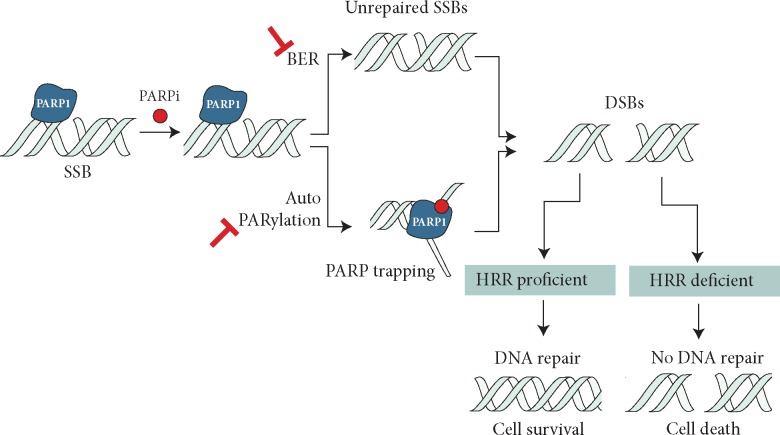
“PARPi act by two main mechanisms: (i) inhibiting the catalytic activity of the PARP enzymes (PARYlation), which play a key role in the repair of DNA single-strand breaks through base excision repair; and (ii) trapping PARP1 on the DNA, thereby stalling the replication forks during S-phase [5, 6].”
França, P. D. D. S., Guru, N., Kostolansky, A. R., Mauguen, A., Pirovano, G., Kossatz, S., Roberts, S. S., Abrahão, M., Patel, S. G., Reiner, T., et al. (2020) · Journal of Nuclear Medicine · doi:10.2967/jnumed.120.253575 · Cited by 12
“Cancer is usually marked by genomic instability that is often the result of alterations in the signaling of the DNA repair chain (24).”
Jianfeng, W., Yutao, W., & Bi, J. (2021) · Genomics · doi:10.1016/j.ygeno.2021.06.029 · Cited by 11
Murase, Y., Ono, H., Ogawa, K., Yoshioka, R., Ishikawa, Y., Ueda, H., Akahoshi, K., Ban, D., Kudo, A., Tanaka, S., et al. (2021) · Cancer Science · doi:10.1111/cas.15134 · Cited by 10
Cao, J., Guo, H., Ji, D., Shen, W., Zhang, S., Hsieh, C.-Y., Cai, S. X., Tian, Y. E., Xu, C., Zhang, P., et al. (2023) · The Oncologist · doi:10.1093/oncolo/oyad163 · Cited by 9
Mutational Signatures in Cancer
Dong, F., & Davies, K. D. (2023) · Journal of Molecular Diagnostics · doi:10.1016/j.jmoldx.2023.08.002 · Cited by 10
AKT-dependent nuclear localization of EPRS1 activates PARP1 in breast cancer cells
Zin, I., China, A., Khan, K., Nag, J. K., Vasu, K. I., Deshpande, G. M., Ghosh, P. K., Khan, D., Ramachandiran, I., Ganguly, S., et al. (2024) · Proceedings of the National Academy of Sciences · doi:10.1073/pnas.2303642121 · Cited by 10
Pöstyéni, E., Gabriel, R., & Kovács-Valasek, A. (2024) · Pharmaceutics · doi:10.3390/pharmaceutics16101320 · Cited by 11
“Based on their main effect, PARP inhibitors also can be distinguished by catalytic inhibition and PARP-1 trapping [35]. inhibition and PARP-1 trapping [35].”
BackgroundXu, Q., Wen, Y., Huang, T., Li, H., Liu, X., Shi, S.-N., Gong, W., Mills, G. B., Ma, D., Gao, Q., et al. (2025) · Biomarker Research · doi:10.1186/s40364-025-00814-x · Cited by 13
“Extensive preclinical and clinical studies have confirmed the effectiveness of PARPi in patients with various cancers harboring germline or somatic BRCA mutations, leading to FDA approval of PARPi for the treatment of ovarian, breast, prostate, and pancreatic cancers [25–28].”
Genomics and Immunomics in the Treatment of Urothelial Carcinoma
Mollica, V., Massari, F., Rizzo, A., Ferrara, R., Menta, A. K., & Adashek, J. J. (2022) · Current Oncology · doi:10.3390/curroncol29050283 · Cited by 11
“DDR genes are of pivotal importance to provide correction of genetic insults to DNA material and preserve genomic integrity [11,12].”
BackgroundSugitani, A., Ogawa, A., Yoshida, H., Kobayashi-Kato, M., Kikkawa, N., Tanase, Y., Uno, M., Ishikawa, M., & Kato, T. (2023) · International Journal of Surgical Pathology · doi:10.1177/10668969231183631 · Cited by 9
“21 The HRD status in MLA has only been reported in one recent case.”
BackgroundBergom, H. E., Sena, L. A., Day, A., Miller, B., Miller, C. D., Lozada, J. R., Zorko, N. A., Wang, J., Shenderov, E., Lobo, F. P., et al. (2024) · npj Genomic Medicine · doi:10.1038/s41525-024-00392-1 · Cited by 17
“Several alternative targeted therapies are also being developed including those that target DNA damage repair (PARP inhibitors) 6 – 8 , PTEN loss (AKT inhibitors) 9 , and radiotherapies that target PSMA (Lu177-PSMA-617) 10 .”
BackgroundLazzari, G. D., Opattová, A., & Arena, S. (2024) · Journal of Experimental & Clinical Cancer Research · doi:10.1186/s13046-024-03065-0 · Cited by 11
“Both these cancers, while distinct in their manifestation and impact on different genders, share common ground in the molecular dysregulation of cellular processes, including DNA repair pathways and common mutation in genes such as BRCA1/2 [7, 8].”
BackgroundJeong, K., & Park, M. (2021) · International Journal of Molecular Sciences · doi:10.3390/ijms22073509 · Cited by 9
“Olaparib is an oral PARP inhibitor that was first approved for the treatment of advanced ovarian cancer; however, today, it is applied to patients with recurrent pancreatic cancer carrying BRCA mutations [72].”
BackgroundImpact of Asp/Glu‐ADP‐ribosylation on protein‐protein interaction and protein function
Pei, J., Zhang, J., Wang, X., Kim, C., Yu, Y., & Cong, Q. (2022) · PROTEOMICS · doi:10.1002/pmic.202200083 · Cited by 9
“, genetic variants in BRCA1 and BRCA2) [5].”
ALAN is a computational approach that interprets genomic findings in the context of tumor ecosystems
Bergom, H. E., Shabaneh, A., Day, A., Ali, A. A.-M., Boytim, E., Tape, S., Lozada, J. R., Shi, X., Kerkvliet, C. J. P., McSweeney, S. T., et al. (2023) · Communications Biology · doi:10.1038/s42003-023-04795-1 · Cited by 9
“Many cancers including breast, ovarian, and prostate with mutations in BRCA1/ 2 are clinically actionable due to their response to PARP inhibitors 7,8 .”
BackgroundCalabrese, M., Saporita, I., Turco, F., Gillessen, S., Castro, E., Vogl, U. M., Stefano, R. F. D., Carfì, F. M., Poletto, S., Farinea, G., et al. (2023) · International Journal of Molecular Sciences · doi:10.3390/ijms25010078 · Cited by 9
Network integration of thermal proteome profiling with multi-omics data decodes PARP inhibition
Burtscher, M. L., Gade, S., Garrido-Rodriguez, M., Rutkowska, A., Werner, T., Eberl, H. C., Petretich, M., Knopf, N., Zirngibl, K., Grandi, P., et al. (2024) · Molecular Systems Biology · doi:10.1038/s44320-024-00025-w · Cited by 7
“Besides the stabilization of PARP1 as a drug target, different proteins stabilized potentially upon phosphorylation, for example, CHEK2, the major downstream target of the cell cycle arrest kinases, ATM, and ATR (Matthews et al, 2022).”
BackgroundInfluentialPreclinical and Clinical Trial Results Using Talazoparib and Low-Dose Chemotherapy
Wainberg, Z. A., Singh, A. S., Konecny, G. E., McCann, K. E., Hecht, J. R., Goldman, J. W., Chmielowski, B., Finn, R. S., O’Brien, N. A., von Euw, E., et al. (2022) · Clinical Cancer Research · doi:10.1158/1078-0432.ccr-22-1553 · Cited by 8
Khizer, H., Maryam, A., Ansari, A. A., Ahmad, M. S., & Khalid, R. R. (2024) · Archives of Biochemistry and Biophysics · doi:10.1016/j.abb.2024.110010 · Cited by 10
Targeting the PARylation-Dependent Ubiquitination Signaling Pathway for Cancer Therapies
Huang, D., Wang, J., Chen, L., Jiang, W., Inuzuka, H., Simon, D. K., & Wei, W. (2025) · Biomolecules · doi:10.3390/biom15020237 · Cited by 12
“…through mechanisms: enzymatic inhibition and PARP1 trapping By blocking PARP1 activity, they prevent single-strand break (SSB) repair, while PARP1 trapping, achieved by mimicking NAD ⁺ and competitively binding to PARP1’s catalytic domain, enhances its a ffi nity for DNA damage sites [81,82].”
Poly (ADP-ribose) polymerase inhibitors in cancer therapy
Zhu, Z., & Shi, Y. (2025) · Chinese Medical Journal · doi:10.1097/cm9.0000000000003471 · Cited by 11
“[10] This comprehensive review delves into the current status of PARPis, examining its mechanisms of action, clinical research endeavors, resistance mechanisms, and combination therapy approaches.”
Drug treatment of breast cancer brain metastases: progress and challenges
Luo, J., Ren, A., Si, D., Yang, J., Xu, D., & Li, N. (2025) · Discover Oncology · doi:10.1007/s12672-025-02820-9 · Cited by 9
“They have revolutionized the treatment of germline BRCA1/2 (gBRCA1/2)-associated breast cancer, marking a significant advancement in hereditary tumor management [80].”
Ye, G. H., Zhang, Y., He, M.-L., Yu, M.-Q., Li, S.-R., Du, B.-Q., Mao, N., Gao, Y., & Ye, X. (2025) · European Journal of Medicinal Chemistry · doi:10.1016/j.ejmech.2025.117937 · Cited by 10
Interactions of PARP1 Inhibitors with PARP1-Nucleosome Complexes
Maluchenko, N. V., Кошкина, Д. О., Korovina, A. N., Studitsky, V. M., & Feofanov, A. V. (2022) · Cells · doi:10.3390/cells11213343 · Cited by 8
“Some inhibitors of PARP1 (PARPi) are approved for antitumor therapy and are being evaluated for the treatment of other metabolic diseases [4,9,10].”
BackgroundWikiniyadhanee, R., Lerksuthirat, T., Stitchantrakul, W., Chitphuk, S., Takeda, S., & Dejsuphong, D. (2023) · BioMed Research International · doi:10.1155/2023/7891753 · Cited by 9
Fanale, D., Corsini, L. R., Pedone, E., Randazzo, U., Fiorino, A., Piazza, M. D., Brando, C., Magrin, L., Contino, S., Piraino, P., et al. (2023) · Critical Reviews in Oncology/Hematology · doi:10.1016/j.critrevonc.2023.104086 · Cited by 15
Chen, W., Xie, J., Gao, C., Zhang, C., Fu, Z., & Chen, S. (2024) · Gynecologic Oncology · doi:10.1016/j.ygyno.2024.01.012 · Cited by 9
PARP inhibition in prostate cancer
Nientiedt, C., Duensing, A. U., Zschäbitz, S., Jäger, D., Hohenfellner, M., Stenzinger, A., & Duensing, S. M. (2020) · Genes Chromosomes and Cancer · doi:10.1002/gcc.22903 · Cited by 10
“Most recently, olaparib was approved for maintenance treatment of germline BRCA1/2 mutated metastatic pancreatic adenocarcinoma.(32)”
BackgroundJiang, Y., Meng, X., Deng, N.-N., Meng, C., Li, L., He, Z., Wang, X., Song, Z., & Cui, R. (2021) · Frontiers in Oncology · doi:10.3389/fonc.2021.718761 · Cited by 9
“Mutations in the tumor suppressor gene BRCA1/2 cause HRR dysfunction, and in tumors with such mutations, PARP inhibition more effectively kills tumor cells, resulting in synthetic lethality (42).”
BackgroundSafrygin, A. V., Zhmurov, P. A., Dar’in, D. V., Silonov, S., Kasatkina, M., Zonis, Y. A., Gureev, M., & Krasavin, M. (2021) · Journal of Enzyme Inhibition and Medicinal Chemistry · doi:10.1080/14756366.2021.1969386 · Cited by 8
Rizvi, A., Merlin, M. A., & Shah, G. M. (2021) · European Journal of Pharmacology · doi:10.1016/j.ejphar.2021.174546 · Cited by 10
Design and synthesis of benzodiazepines as brain penetrating PARP-1 inhibitors
Jiang, Y. X., Gou, W., Shang, H., Cui, Y., Sun, X., Luo, L., Hou, W., Sun, T., & Li, Y. (2022) · Journal of Enzyme Inhibition and Medicinal Chemistry · doi:10.1080/14756366.2022.2053524 · Cited by 10
Funato, K., Otsuka, M., Sekiba, K., Miyakawa, Y., Seimiya, T., Shibata, C., Kishikawa, T., & Fujishiro, M. (2022) · Biochemical and Biophysical Research Communications · doi:10.1016/j.bbrc.2022.03.137 · Cited by 11
Nucleic Acid Sensing Pathways in DNA Repair Targeted Cancer Therapy
Xie, B., & Luo, A. (2022) · Frontiers in Cell and Developmental Biology · doi:10.3389/fcell.2022.903781 · Cited by 9
Gao, B., Voskoboynik, M., Cooper, A. J., Wilkinson, K. J., Hoon, S. N., Hsieh, C.-Y., Cai, S., Tian, Y. E., Bao, J., Ma, N., et al. (2023) · Cancer · doi:10.1002/cncr.34662 · Cited by 8
Targeting BRCA‐mutant biliary tract cancer: Current evidence and future perspectives
Li, X. Y., Chen, J. Q., Aisa, A., Ding, Y. W., Zhang, D., & Yuan, Y. (2023) · Journal of Digestive Diseases · doi:10.1111/1751-2980.13168 · Cited by 8
“BRCA1/2 are the central enzymes of HR, which have been extensively studied in several tumors.(13,14,26,27) As shown in Figure 1, in BRCA-mutant cancers, SSB can change to DSB when PARPi inhibits the PARP enzyme.”
BackgroundYan, F., Fu, Z., Li, G., & Wang, Z. (2023) · Molecules · doi:10.3390/molecules28041829 · Cited by 7
“Therefore, PARP1 is one of the most intensively investigated targets for treating cancers associated with BRCA1/2 deficiency [13,14].”
BackgroundPrudent tactics to sail the boat of PARP inhibitors as therapeutics for diverse malignancies
Rana, M., Thakur, A., Kaur, C., Pan, C., Lee, S., Liou, J., & Nepali, K. (2023) · Expert Opinion on Drug Discovery · doi:10.1080/17460441.2023.2241818 · Cited by 7
ML216-Induced BLM Helicase Inhibition Sensitizes PCa Cells to the DNA-Crosslinking Agent Cisplatin
Ma, X.-Y., Zhao, J., Ruan, Y., Zhang, W., Zhang, L.-Q., Cai, Z., & Xu, H. (2022) · Molecules · doi:10.3390/molecules27248790 · Cited by 7
“Rucaparib, niraparib, and BMN673, PRAP inhibitors that target the repair system of CDDP-induced DNA damage [36], have shown promise for improving CDDP therapy, though further research is needed [37].”
BackgroundMahalingam, P., Smith, S. S., Lopez, J. S., Sharma, R. K., Millard, T., Thway, K., Fisher, C., Reardon, D. A., Jones, R. L., Nicholson, A. G., et al. (2023) · Rare Tumors · doi:10.1177/20363613231152333 · Cited by 7
“Currently approved for use in ovarian and breast cancer, they are being evaluated in clinical trials as single agent therapy or in combination with conventional DNA-damaging cytotoxic agents in several advanced malignancies.(13) PARP inhibition has offered an opportunity to potentiate the effects of other DNA-damaging…”
BackgroundWang, X., Li, X., Li, W., Yu, Y., Hazaisihan, Y., Lin, T., & Jia, W. (2024) · Journal of Ovarian Research · doi:10.1186/s13048-024-01449-6 · Cited by 7
“Clinical trials on Olaparib, Rucaparib, and Niraparib [45] have yielded encouraging results.”
BackgroundChoi, S., Bae, H., Jo, D., & Kim, W. (2024) · Genes · doi:10.3390/genes15070959 · Cited by 8
Chidamide Reverses Fluzoparib Resistance in Triple-Negative Breast Cancer Cells
Li, X., Yuan, X., Wang, Z., Li, J., Liu, Z., Wang, Y., Wei, L., Li, Y., & Wang, X. (2022) · Frontiers in Oncology · doi:10.3389/fonc.2022.819714 · Cited by 8
“PARPi traditionally exert antitumor effects by trapping PARP on DNA, causing DNA replication forks to collapse, disrupting cell mitosis, and inducing cell death, although chemoresistance to PARPi has been reported (7, 8).”
BackgroundMakrecka‐Kuka, M., Vasiljeva, J., Dimitrijevs, P., & Arsenyan, P. (2022) · Pharmaceutics · doi:10.3390/pharmaceutics14122571 · Cited by 8
Tesfatsion, T., Collins, A., Ramirez, G. A., Mzannar, Y., Khan, H., Aboukameel, O., Azmi, A., Jagtap, P. G., Ray, K. P., & Cruces, W. (2025) · Natural Product Communications · doi:10.1177/1934578x251348390 · Cited by 7
Complexities of pharmacogenomic interactions in cancer
Khanna, K. K., & Duijf, P. H. G. (2020) · Molecular & Cellular Oncology · doi:10.1080/23723556.2020.1735910 · Cited by 7
“However, HRR-defective cancer cells, including cells with BRCA1/2 mutations, cannot repair this damage and die.(7) Thus, although drug resistance may arise, PARP inhibitors can selectively eradicate HRR-deficient cancer cells.”
BackgroundOstrop, J., Zwiggelaar, R. T., Pedersen, M. T., Gerbe, F., Bösl, K., Lindholm, H. T., Díez-Sánchez, A., Parmar, N., Radetzki, S., von Kries, J. P., et al. (2020) · bioRxiv (Cold Spring Harbor Laboratory) · doi:10.1101/2020.07.23.217414 · Cited by 7
Advances in Drug Therapy for Metastatic Pancreatic Ductal Adenocarcinoma
Gao, J., Wang, J., Guan, C., Shi, W., Dong, Q., Sheng, J., Zou, X., Xu, Z., Ge, Y., Huang, Z., et al. (2024) · Journal of Cancer · doi:10.7150/jca.89788 · Cited by 7
“DNA damage activates the DNA damage repair (DDR) pathway to restore the structure of damaged DNA molecules, which is essential for maintaining genome stability [59].”
Background
Metadata
- Authors
- Mateo, J., Lord, C. J., Serra, V., Tutt, A., Balmaña, J., Castroviejo-Bermejo, M., Cruz, C., Oaknin, A., Kaye, S. B., & de Bono, J. S.
- Affiliations
- Vall d'Hebron Hospital Universitari (ES)
- Institute of Cancer Research (GB)
- Vall d'Hebron Institute of Oncology (ES)
- Royal Marsden NHS Foundation Trust (GB)
- Venue
- Annals of Oncology
- Publisher
- Elsevier BV
- Published
- 2019-09
- Volume
- 30
- Issue
- 9
- Pages
- 1437-1447
- ISSN
- 0923-7534 (ISSN-L)
- PMC
- PMC6771225
- OpenAlex
- W2951058429
- Cited by
- 743
- References
- 100
- Citations by year
- 2026: 58 · 2025: 123 · 2024: 81 · 2023: 123 · 2022: 145 · 2021: 128 · 2020: 77 · 2019: 8
- FWCI
- 8.58
- Type
- journal article
- Language
- en
- Open access
- hybrid
- doi.org
- Licence
- cc-by-nc
- www.elsevier.com/tdm/userlicense/1.0/ (tdm)
- creativecommons.org/licenses/by-nc/4.0/ (vor, 206 d)
- Locations
- Annals of Oncology (publishedVersion, cc-by-nc)
- PubMed Central (publishedVersion, cc-by-nc)
- PubMed (publishedVersion)
- Research Portal (King's College London) (submittedVersion, other-oa)
- Funders
- Prostate Cancer Foundation
- Instituto de Salud Carlos III
- FERO Foundation
- Asociación Española Contra el Cáncer
- AECC-JP Barcelona
- Cancer Research UK
- Department of Health (C12540/A25128)
- NHS funding
- NIHR Biomedical Research Centre
- Institute of Cancer Research
- National Institute for Health Research
- NIHR
- Topics
- Health Sciences › Medicine › Oncology › PARP inhibition in cancer therapy
- Life Sciences › Biochemistry, Genetics and Molecular Biology › Genetics › BRCA gene mutations in cancer
- Life Sciences › Biochemistry, Genetics and Molecular Biology › Molecular Biology › DNA Repair Mechanisms
- Keywords
- PARP inhibitors, olaparib, talazoparib, niraparib, rucaparib, synthetic lethality, DNA repair deficiency, genomic instability, breast cancer, ovarian cancer, maintenance therapy, platinum-based chemotherapy, PARP inhibitor resistance, predictive biomarkers, homologous recombination defects, precision medicine, prostate cancer, pancreatic cancer, combination therapy
- MeSH terms
- Poly(ADP-ribose) Polymerase Inhibitors, Poly (ADP-Ribose) Polymerase-1, Breast Neoplasms, Female, Humans, Indazoles, Indoles, Ovarian Neoplasms, Phthalazines, Piperazines, Piperidines, BRCA1 Protein, BRCA2 Protein, Genomic Instability
About these checks
Registry, retraction, Cites and statistics results are computed, not judged, with one exception: a printed reference that no index lists is read once by a model before it counts as a citation error. Claims are extracted by a model and kept only when their quote appears verbatim in the text; each cited source is then checked, with a model’s help, for whether it says what the claim relies on. Those verdicts can be wrong — read the claim’s quote and the cited source before relying on one.
Statistics and arithmetic are recomputed, not judged.
Confidence bands are shown only for fields calibrated on our annotated test set. None is calibrated yet, so no band is shown.
What counts as a claim ›How we measure confidence ›How we check this ›
Are you an author, or do you see a problem with this page? Request a review
Data sources
Bibliographic data: Semantic Scholar, OpenAlex, Crossref.
Contains information from the Semantic Scholar Academic Graph Datasets, made available under the ODC Attribution License (ODC-BY 1.0).
Semantic Scholar’s data is described in: Kinney, R., et al. (2023). The Semantic Scholar Open Data Platform. arXiv:2301.10140.
