

Triglyceride-rich lipoproteins and their remnants: metabolic insights, role in atherosclerotic cardiovascular disease, and emerging therapeutic strategies—a consensus statement from the European Atherosclerosis Society
Open accessThe DOI matches its Crossref record; 211 of the 212 references it cites were found in a registry or an index; 81 of the 214 sources its claims cite were checked for support.
Abstract
Recent advances in human genetics, together with a large body of epidemiologic, preclinical, and clinical trial results, provide strong support for a causal association between triglycerides (TG), TG-rich lipoproteins (TRL), and TRL remnants, and increased risk of myocardial infarction, ischaemic stroke, and aortic valve stenosis. These data also indicate that TRL and their remnants may contribute significantly to residual cardiovascular risk in patients on optimized low-density lipoprotein (LDL)-lowering therapy. This statement critically appraises current understanding of the structure, function, and metabolism of TRL, and their pathophysiological role in atherosclerotic cardiovascular disease (ASCVD). Key points are (i) a working definition of normo- and hypertriglyceridaemic states and their relation to risk of ASCVD, (ii) a conceptual framework for the generation of remnants due to dysregulation of TRL production, lipolysis, and remodelling, as well as clearance of remnant lipoproteins from the circulation, (iii) the pleiotropic proatherogenic actions of TRL and remnants at the arterial wall, (iv) challenges in defining, quantitating, and assessing the atherogenic properties of remnant particles, and (v) exploration of the relative atherogenicity of TRL and remnants compared to LDL. Assessment of these issues provides a foundation for evaluating approaches to effectively reduce levels of TRL and remnants by targeting either production, lipolysis, or hepatic clearance, or a combination of these mechanisms. This consensus statement updates current understanding in an integrated manner, thereby providing a platform for new therapeutic paradigms targeting TRL and their remnants, with the aim of reducing the risk of ASCVD.
Overview
CoChat Summary
TL;DR
This European Atherosclerosis Society consensus statement appraises evidence that triglyceride-rich lipoproteins (TRL) and their remnants are causally related to atherosclerotic cardiovascular disease (ASCVD), including myocardial infarction, ischaemic stroke, and aortic valve stenosis, and contribute to residual risk on optimized LDL-lowering therapy. It reviews TRL metabolism, remnant atherogenicity, measurement challenges, and emerging therapeutic strategies targeting production, lipolysis, or hepatic clearance.
Key findings
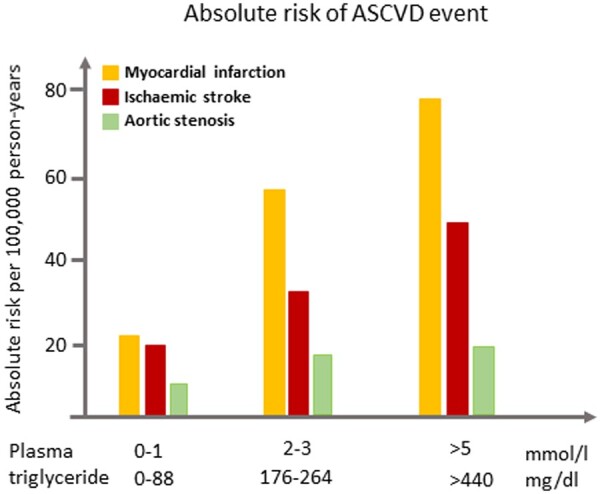
- Epidemiologic and genetic evidence supports a causal relationship between elevated plasma TG, TRL, and TRL remnants and ASCVD risk; the absolute risk increase is greatest for myocardial infarction (approximately four-fold at TG >5 mmol/L or >440 mg/dL vs. <1 mmol/L or <88 mg/dL), and less for ischaemic stroke and aortic stenosis.
- TRL and remnants accumulate at fasting TG levels >1.2 mmol/L (>100 mg/dL); ASCVD risk is considered clinically relevant at fasting TG >1.7 mmol/L (>150 mg/dL), while TG >10 mmol/L (>880 mg/dL) confers high pancreatitis risk.
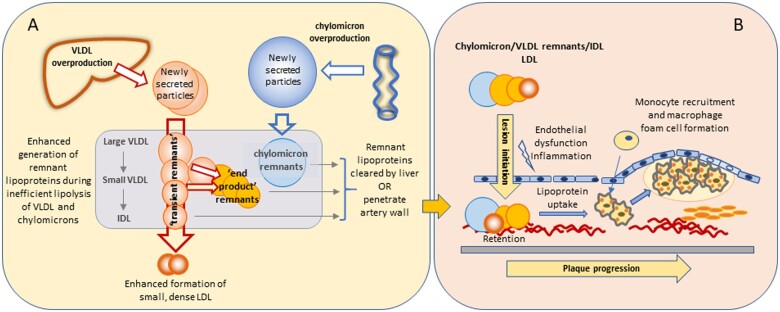
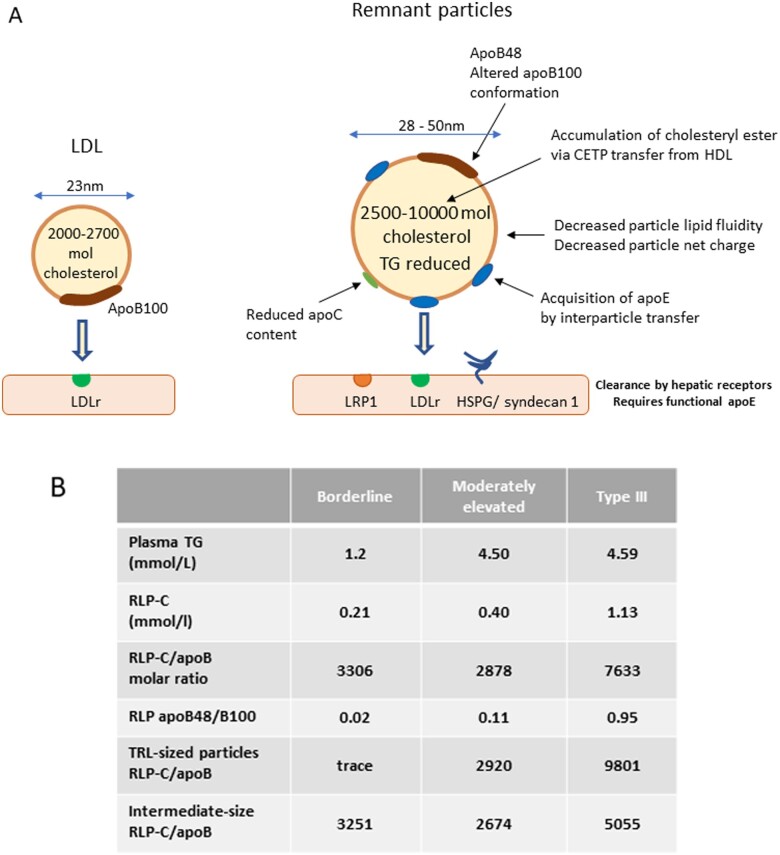
- Cholesterol-rich remnant particles can contain up to four-fold more cholesterol molecules than LDL (up to 10,000 vs. 2,000–2,700 cholesterol molecules per particle), are enriched in apoE and apoCIII, and are more potent inducers of macrophage foam cells than LDL on a per-particle basis.
- Therapeutic approaches include inhibiting lipoprotein production, reducing cholesteryl ester enrichment of remnants, stimulating lipolysis, and enhancing remnant clearance; however, no definitive measure captures the independent atherogenic potential of TRL and remnants, and randomized controlled trial evidence that lowering TG/TRL reduces ASCVD risk is limited.
Methods
- Consensus statement from a European Atherosclerosis Society Consensus Panel that met in London in January 2020 to critically appraise evidence on TRL and remnant definition, aetiology, metabolism, role in ASCVD, and clinical management.
- References (English language only) were identified through PubMed searches for articles published from 2000 using terms including “triglycerides,” “lipoprotein remnants,” “triglyceride-rich lipoproteins,” “cardiovascular disease,” “atherosclerosis,” “residual risk,” and “therapeutics,” plus reference-list searches.
- The paper is a narrative expert synthesis of epidemiologic, genetic, preclinical, and clinical trial evidence, not a systematic review or meta-analysis.
Limitations
- The paper states that there is no definitive measure capturing the independent atherogenic potential, structural and metabolic variability, or postprandial changes of TRL and remnants; defining remnants is difficult, and proposed TG cut-points are arbitrary though considered clinically useful.
- The paper states that there are no treatment goals for plasma TG or remnant abundance given limited randomized controlled trial evidence that lowering TG or TRL reduces ASCVD risk, and that determining the relative atherogenicity of TRL/remnants vs. LDL will require specific assays.
- Evident from the text: the search strategy was limited to English-language PubMed articles from 2000 onward plus reference lists, and the conclusions are consensus-based expert opinion rather than systematic quantitative synthesis.
Model-written summary. Check it against the paper before relying on it.
Integrity signals
Registry
Cites
Statistics
Figures
Verification
Claims the paper makes
33 Valid · 11 Not valid · 56 Not checked · 51 Own results and interpretations
Some cited sources support this claim and some don’t — read each source’s verdict below.
In the paper
“Recent advances in human genetics, together with a large body of epidemiologic, preclinical, and clinical trial results, provide strong support for a causal association between triglycerides (TG), TG-rich lipoproteins (TRL), and TRL remnants, and increased risk of myocardial infarction, ischaemic stroke, and aortic valve stenosis.”
§ Triglyceride-rich lipoproteins and their remnants: metabolic insights, role in atherosclerotic cardiovascular disease, and emerging therapeutic strategies—a consensus statement from the European Atherosclerosis Society > Abstract
What the sources say
- Partly supportedcites [1] Austin MA. Plasma triglyceride and coronary heart disease. Arterioscler Thromb 1991; 11: 2– 14. 1987999 sourceExperimental — accuracy not yet measured
Split into 2 atoms — 0 confirmed, 2 partially supported, 0 disputed, 0 misattributed, 0 unverifiable. Expand the claim to see per-atom verdicts.
- Partly supportedcites [2] Chapman MJ, Ginsberg HN, Amarenco P, Andreotti F, Borén J, Catapano AL, Descamps OS, Fisher E, Kovanen PT, Kuivenhoven JA, Lesnik P, Masana L, Nordestgaard BG, Ray KK, Reiner Z, Taskinen MR, Tokgözoglu L, Tybjærg-Hansen A, Watts GF; for the European Atherosclerosis Society Consensus Panel. Triglyceride-rich lipoproteins and high-density lipoprotein cholesterol in patients at high risk of cardiovascular disease: evidence and guidance for management. Eur Heart J 2011; 32: 1345– 1361. 21531743 PMC3105250 sourceExperimental — accuracy not yet measured
Split into 2 atoms — 0 confirmed, 2 partially supported, 0 disputed, 0 misattributed, 0 unverifiable. Expand the claim to see per-atom verdicts.
- Partly supportedcites [17] Nordestgaard BG. Triglyceride-rich lipoproteins and atherosclerotic cardiovascular disease: new insights from epidemiology, genetics, and biology. Circ Res 2016; 118: 547– 563. 26892957 sourceExperimental — accuracy not yet measured
Split into 2 atoms — 0 confirmed, 2 partially supported, 0 disputed, 0 misattributed, 0 unverifiable. Expand the claim to see per-atom verdicts.
- Disputedcites [19] Emerging Risk Factors Collaboration, Di Angelantonio E, Sarwar N, Perry P, Kaptoge S, Ray KK, Thompson A, Wood AM, Lewington S, Sattar N, Packard CJ, Collins R, Thompson SG, Danesh J. Major lipids, apolipoproteins, and risk of vascular disease. JAMA 2009; 302: 1993– 2000. 19903920 PMC3284229 sourceExperimental — accuracy not yet measured
Split into 2 atoms — 0 confirmed, 1 partially supported, 1 disputed, 0 misattributed, 0 unverifiable. Expand the claim to see per-atom verdicts.
Checked by a reasoning model — may be wrong.
- Partly supportedcites [20] Mach F, Baigent C, Catapano AL, Koskinas KC, Casula M, Badimon L, Chapman MJ, De Backer GG, Delgado V, Ference BA, Graham IM, Halliday A, Landmesser U, Mihaylova B, Pedersen TR, Riccardi G, Richter DJ, Sabatine MS, Taskinen MR, Tokgozoglu L, Wiklund O; ESC Scientific Document Group. 2019 ESC/EAS Guidelines for the management of dyslipidaemias: lipid modification to reduce cardiovascular risk. Eur Heart J 2020; 41: 111– 188. 31504418 sourceExperimental — accuracy not yet measured
Split into 2 atoms — 0 confirmed, 2 partially supported, 0 disputed, 0 misattributed, 0 unverifiable. Expand the claim to see per-atom verdicts.
- Not checked yetcites [24] Austin MA, Hokanson JE, Edwards KL. Hypertriglyceridemia as a cardiovascular risk factor. Am J Cardiol 1998; 81: 7B– 12B. 9526807 source
- Not checked yetcites [25] Nordestgaard BG, Varbo A. Triglycerides and cardiovascular disease. Lancet 2014; 384: 626– 635. 25131982 source
- Partly supportedcites [26] Ference BA, Kastelein JJP, Ray KK, Ginsberg HN, Chapman MJ, Packard CJ, Laufs U, Oliver-Williams C, Wood AM, Butterworth AS, Di Angelantonio E, Danesh J, Nicholls SJ, Bhatt DL, Sabatine MS, Catapano AL. Association of triglyceride-lowering LPL variants and LDL-C-lowering LDLR variants with risk of coronary heart disease. JAMA 2019; 321: 364– 373. 30694319 PMC6439767 sourceExperimental — accuracy not yet measured
Split into 2 atoms — 0 confirmed, 2 partially supported, 0 disputed, 0 misattributed, 0 unverifiable. Expand the claim to see per-atom verdicts.
- Not checked yetcites [27] Varbo A, Nordestgaard BG. Remnant cholesterol and risk of ischemic stroke in 112,512 individuals from the general population. Ann Neurol 2019; 85: 550– 559. 30723955 source
- Not checked yetcites [28] Kaltoft M, Langsted A, Nordestgaard BG. Triglycerides and remnant cholesterol associated with risk of aortic valve stenosis: Mendelian randomization in the Copenhagen General Population Study. Eur Heart J 2020; 41: 2288– 2299. 32267934 source
boostedstates a cause- Asserted: passes — The authors put it forward as true.
- Checkable: passes — It can be checked against evidence.
- Load-bearing: passes — The paper’s conclusions depend on it.
- Based: passes — The paper gives a reason why it holds.
- Partly supported
Some cited sources support this claim and some don’t — read each source’s verdict below.
In the paper
“Over the past three decades, epidemiologic and genetic evidence has accumulated to support the concept that elevated levels of plasma TG, TRL, and TRL remnants are causally related to an increased risk of ASCVD-related events—myocardial infarction (MI), stroke, and aortic valve stenosis—and all-cause mortality.1,2,17,19,20,24–28”
- Also stated in: § Triglycerides, triglyceride-rich lipoproteins, and remnants: definitions and clinical relevance · plain
“Accumulating evidence from epidemiologic and genetic studies is consistent with a causal relationship between ASCVD risk and elevated plasma levels of TG, TRL, and TRL remnants.”
§ Triglyceride-rich lipoproteins and their remnants: metabolic insights, role in atherosclerotic cardiovascular disease, and emerging therapeutic strategies—a consensus statement from the European Atherosclerosis Society > Search strategy > Triglycerides, triglyceride-rich lipoproteins, and remnants: definitions and clinical relevance
What the sources say
- Partly supportedcites [1] Austin MA. Plasma triglyceride and coronary heart disease. Arterioscler Thromb 1991; 11: 2– 14. 1987999 sourceExperimental — accuracy not yet measured
The Summary (pp. 10–11) reports an epidemiologic association between plasma triglycerides and coronary heart disease and discusses possible genetic susceptibility, including a trait associated with myocardial infarction risk. It also says the findings are not fully consistent and does not establish a causal relationship. The cited passages do not support the broader claims about triglyceride-rich lipoprotein remnants, stroke, aortic valve stenosis, or all-cause mortality. (LLM, conf=0.88)
- Partly supportedcites [2] Chapman MJ, Ginsberg HN, Amarenco P, Andreotti F, Borén J, Catapano AL, Descamps OS, Fisher E, Kovanen PT, Kuivenhoven JA, Lesnik P, Masana L, Nordestgaard BG, Ray KK, Reiner Z, Taskinen MR, Tokgözoglu L, Tybjærg-Hansen A, Watts GF; for the European Atherosclerosis Society Consensus Panel. Triglyceride-rich lipoproteins and high-density lipoprotein cholesterol in patients at high risk of cardiovascular disease: evidence and guidance for management. Eur Heart J 2011; 32: 1345– 1361. 21531743 PMC3105250 sourceExperimental — accuracy not yet measured
The Epidemiology section reports associations of markedly elevated triglycerides with myocardial infarction, ischaemic stroke, and total mortality, but notes that the stroke association disappeared after adjustment for other lipid factors. The Genetic studies section says an APOA5 analysis suggests a causal association between triglyceride-mediated pathways and coronary heart disease, while cautioning that genetic studies do not provide clear insights overall. The paper does not establish the claimed causal relationship for all listed outcomes or address aortic valve stenosis. (LLM, conf=0.88)
- Partly supportedcites [17] Nordestgaard BG. Triglyceride-rich lipoproteins and atherosclerotic cardiovascular disease: new insights from epidemiology, genetics, and biology. Circ Res 2016; 118: 547– 563. 26892957 sourceExperimental — accuracy not yet measured
Split into 2 atoms — 0 confirmed, 2 partially supported, 0 disputed, 0 misattributed, 0 unverifiable. Expand the claim to see per-atom verdicts.
- Disputedcites [19] Emerging Risk Factors Collaboration, Di Angelantonio E, Sarwar N, Perry P, Kaptoge S, Ray KK, Thompson A, Wood AM, Lewington S, Sattar N, Packard CJ, Collins R, Thompson SG, Danesh J. Major lipids, apolipoproteins, and risk of vascular disease. JAMA 2009; 302: 1993– 2000. 19903920 PMC3284229 sourceExperimental — accuracy not yet measured
The Results > Triglyceride section reports an initial association with coronary heart disease, but it becomes essentially null after adjustment for HDL-C and non-HDL-C; adjusted associations with stroke are also near null. This conflicts with attributing increased cardiovascular risk from elevated triglycerides to this paper as a causal conclusion. The paper does not assess triglyceride-rich remnants, aortic valve stenosis, or all-cause mortality in the cited findings. (LLM, conf=0.88)
Checked by a reasoning model — may be wrong.
- Partly supportedcites [20] Mach F, Baigent C, Catapano AL, Koskinas KC, Casula M, Badimon L, Chapman MJ, De Backer GG, Delgado V, Ference BA, Graham IM, Halliday A, Landmesser U, Mihaylova B, Pedersen TR, Riccardi G, Richter DJ, Sabatine MS, Taskinen MR, Tokgozoglu L, Wiklund O; ESC Scientific Document Group. 2019 ESC/EAS Guidelines for the management of dyslipidaemias: lipid modification to reduce cardiovascular risk. Eur Heart J 2020; 41: 111– 188. 31504418 sourceExperimental — accuracy not yet measured
Section 5.3.2 (page not provided) links triglyceride-rich lipoproteins and their remnants to ASCVD risk, but says their causal effect depends on ApoB-containing particle concentration rather than triglyceride content itself; it also cautions that the genetic evidence for triglycerides is difficult to interpret. The cited passages do not establish the claimed links to all-cause mortality or aortic valve stenosis. Section 9.7.3 instead associates aortic valve stenosis with LDL-C and lipoprotein(a). (LLM, conf=0.88)
- Not checked yetcites [24] Austin MA, Hokanson JE, Edwards KL. Hypertriglyceridemia as a cardiovascular risk factor. Am J Cardiol 1998; 81: 7B– 12B. 9526807 source
- Not checked yetcites [25] Nordestgaard BG, Varbo A. Triglycerides and cardiovascular disease. Lancet 2014; 384: 626– 635. 25131982 source
- Partly supportedcites [26] Ference BA, Kastelein JJP, Ray KK, Ginsberg HN, Chapman MJ, Packard CJ, Laufs U, Oliver-Williams C, Wood AM, Butterworth AS, Di Angelantonio E, Danesh J, Nicholls SJ, Bhatt DL, Sabatine MS, Catapano AL. Association of triglyceride-lowering LPL variants and LDL-C-lowering LDLR variants with risk of coronary heart disease. JAMA 2019; 321: 364– 373. 30694319 PMC6439767 sourceExperimental — accuracy not yet measured
The Discussion says triglyceride-rich remnant particles appear causally associated with cardiovascular disease risk, and Study Outcomes defines the measured coronary heart disease outcome to include myocardial infarction. The paper does not establish the claimed links to stroke, aortic valve stenosis, or all-cause mortality; its findings also focus on ApoB-containing particle concentration rather than triglyceride levels alone. The indexed passages provide section labels but no page numbers. (LLM, conf=0.88)
- Not checked yetcites [27] Varbo A, Nordestgaard BG. Remnant cholesterol and risk of ischemic stroke in 112,512 individuals from the general population. Ann Neurol 2019; 85: 550– 559. 30723955 source
- Not checked yetcites [28] Kaltoft M, Langsted A, Nordestgaard BG. Triglycerides and remnant cholesterol associated with risk of aortic valve stenosis: Mendelian randomization in the Copenhagen General Population Study. Eur Heart J 2020; 41: 2288– 2299. 32267934 source
plainstates a cause- Asserted: passes — The authors put it forward as true.
- Checkable: passes — It can be checked against evidence.
- Load-bearing: passes — The paper’s conclusions depend on it.
- Based: passes — The paper gives a reason why it holds.
- Also stated in: § Triglycerides, triglyceride-rich lipoproteins, and remnants: definitions and clinical relevance · plain
The sources with a verdict support this claim; the rest weren’t checked yet, have no full text we could read, or their verdicts aren’t rated yet.
In the paper
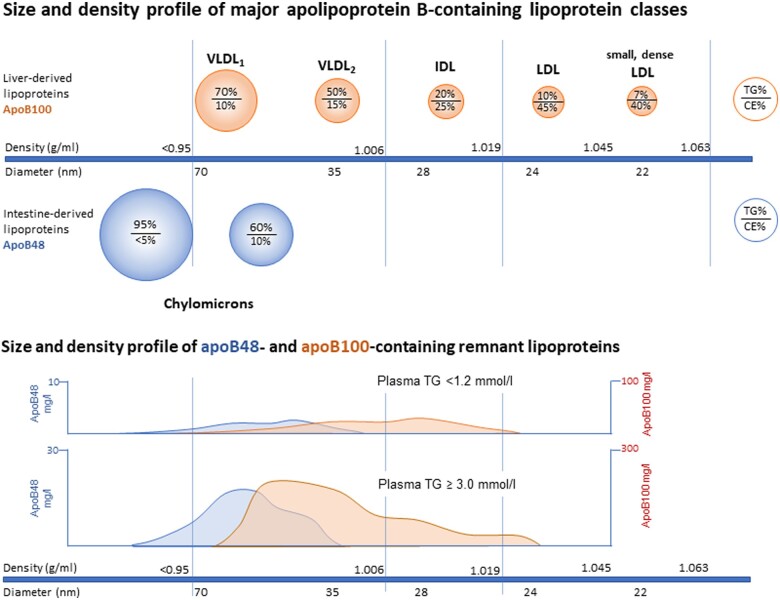
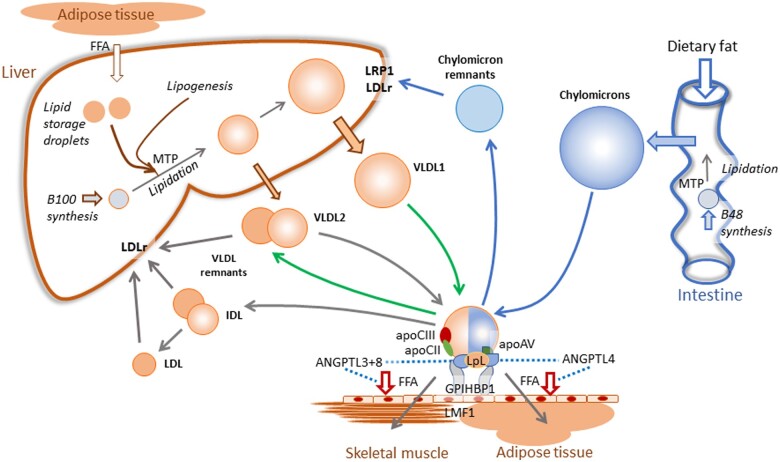
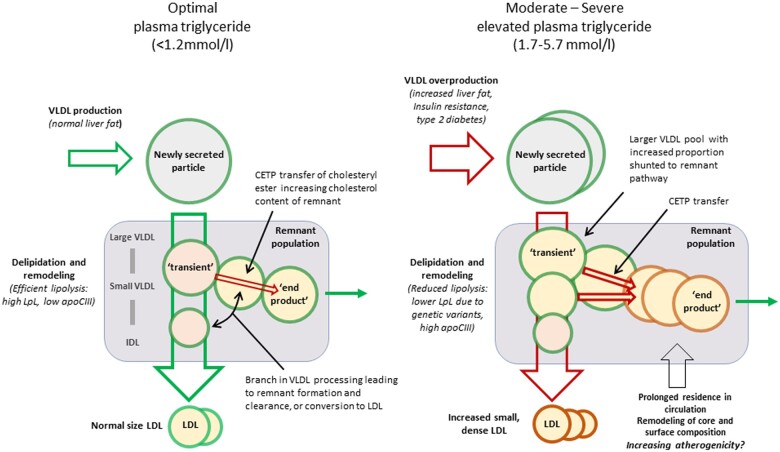
“In most people, remnant lipoproteins (and TRL in general) are highly heterogeneous (Figure 1).3,6–9”
§ Triglyceride-rich lipoproteins and their remnants: metabolic insights, role in atherosclerotic cardiovascular disease, and emerging therapeutic strategies—a consensus statement from the European Atherosclerosis Society > Search strategy > Triglycerides, triglyceride-rich lipoproteins, and remnants: definitions and clinical relevance
What the sources say
- Supportedcites [3] Björnson E, Packard CJ, Adiels M, Andersson L, Matikainen N, Söderlund S, Kahri J, Sihlbom C, Thorsell A, Zhou H, Taskinen MR, Borén J. Investigation of human apoB48 metabolism using a new, integrated non-steady-state model of apoB48 and apoB100 kinetics. J Intern Med 2019; 285: 562– 577. 30779243 PMC6849847 source
The Introduction (page unavailable) says TRLs comprise distinct fractions and that newly secreted particles and their remnants occur across the entire size and density range. The Discussion (page unavailable) reports apoB48-containing particles from chylomicrons through VLDL1 and VLDL2, with differing metabolic characteristics, and describes this as part of normal physiology. This supports the broad statement about heterogeneity, though the paper does not quantify the proportion of people. (LLM, conf=0.87)
- Not checked yetcites [6] Gotto AM, Pownall HJ, Havel RJ. Introduction to the plasma lipoproteins. Methods Enzymol 1986; 128: 3– 41. 3523141 source
- Not checked yetcites [7] Havel RJ, Triglyceride-rich lipoprotein remnants. In: Rifai N, Warnick G, Dominiczak M, eds. Handbook of Lipoprotein Testing. Washington DC: 25 AACC Press; 1997. p 451– 464.
- Not checked yetcites [8] Musliner TA, Giotas C, Krauss RM. Presence of multiple subpopulations of lipoproteins of intermediate density in normal subjects. Arteriosclerosis 1986; 6: 79– 87. 3942562 source
- Not checked yetcites [9] McNamara JR, Small DM, Li Z, Schaefer EJ. Differences in LDL subspecies involve alterations in lipid composition and conformational changes in apolipoprotein B. J Lipid Res 1996; 37: 1924– 1935. 8895058 source
plain- Asserted: passes — The authors put it forward as true.
- Checkable: passes — It can be checked against evidence.
- Load-bearing: passes — The paper’s conclusions depend on it.
- Based: passes — The paper gives a reason why it holds.
- Supported
The cited sources support only part of this claim — read each source’s verdict below.
In the paper
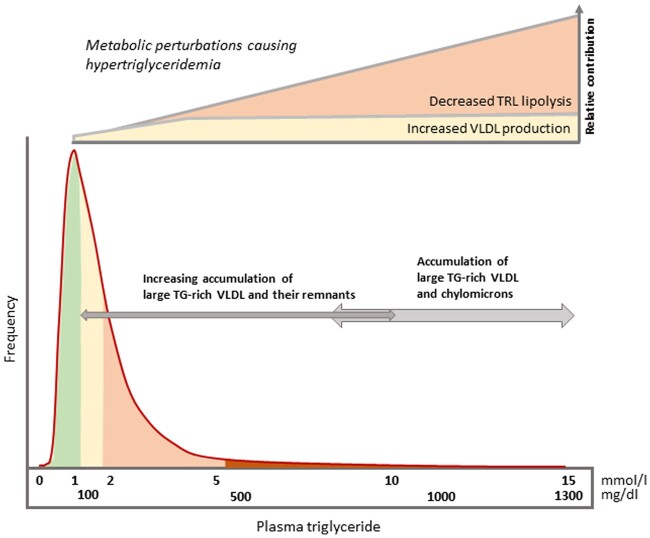
“it is less widely appreciated that fasting levels from as low as ∼1.2 mmol/L (∼100 mg/dL) can be associated with a cluster of metabolic abnormalities that include accumulation of TRL and remnants,14 as well as increased cardiovascular disease events15,16 (Figure 1).”
§ Triglyceride-rich lipoproteins and their remnants: metabolic insights, role in atherosclerotic cardiovascular disease, and emerging therapeutic strategies—a consensus statement from the European Atherosclerosis Society > Search strategy > Triglycerides, triglyceride-rich lipoproteins, and remnants: definitions and clinical relevance
What the sources say
- Partly supportedcites [14] Austin MA, King MC, Vranizan KM, Krauss RM. Atherogenic lipoprotein phenotype. A proposed genetic marker for coronary heart disease risk. Circulation 1990; 82: 495– 506. 2372896 sourceExperimental — accuracy not yet measured
Split into 2 atoms — 0 confirmed, 2 partially supported, 0 disputed, 0 misattributed, 0 unverifiable. Expand the claim to see per-atom verdicts.
- Partly supportedcites [15] Miller M, Seidler A, Moalemi A, Pearson TA. Normal triglyceride levels and coronary artery disease events: the Baltimore Coronary Observational Long-Term Study. J Am Coll Cardiol 1998; 31: 1252– 1257. 9581716 sourceExperimental — accuracy not yet measured
Split into 2 atoms — 1 confirmed, 1 partially supported, 0 disputed, 0 misattributed, 0 unverifiable. Expand the claim to see per-atom verdicts.
- Partly supportedcites [16] Lawler PR, Kotrri G, Koh M, Goodman SG, Farkouh ME, Lee DS, Austin PC, Udell JA, Ko DT. Real-world risk of cardiovascular outcomes associated with hypertriglyceridaemia among individuals with atherosclerotic cardiovascular disease and potential eligibility for emerging therapies. Eur Heart J 2020; 41: 86– 94. 31733058 sourceExperimental — accuracy not yet measured
Split into 2 atoms — 0 confirmed, 2 partially supported, 0 disputed, 0 misattributed, 0 unverifiable. Expand the claim to see per-atom verdicts.
plainstates an association- Asserted: passes — The authors put it forward as true.
- Checkable: passes — It can be checked against evidence.
- Load-bearing: passes — The paper’s conclusions depend on it.
- Based: passes — The paper gives a reason why it holds.
- Partly supported
The cited sources support only part of this claim — read each source’s verdict below.
In the paper
“Mendelian randomization studies focused on variants in the genes encoding apoAV, apoCIII, lipoprotein lipase (LpL) and the angiopoietin-like proteins 3, 4, and 8 (ANGPTL3, ANGPTL4, and ANGPTL8) have been highly informative.29–35”
§ Triglyceride-rich lipoproteins and their remnants: metabolic insights, role in atherosclerotic cardiovascular disease, and emerging therapeutic strategies—a consensus statement from the European Atherosclerosis Society > Search strategy > Triglycerides, triglyceride-rich lipoproteins, and remnants: definitions and clinical relevance
What the sources say
- Partly supportedcites [29] Do R, Stitziel NO, Won HH, Jørgensen AB, Duga S, Angelica Merlini P, Kiezun A, Farrall M, Goel A, Zuk O, Guella I, Asselta R, Lange LA, Peloso GM, Auer PLNHLBI Exome Sequencing Project Girelli D, Martinelli N, Farlow DN, DePristo MA, Roberts R, Stewart AF, Saleheen D, Danesh J, Epstein SE, Sivapalaratnam S, Hovingh GK, Kastelein JJ, Samani NJ, Schunkert H, Erdmann J, Shah SH, Kraus WE, Davies R, Nikpay M, Johansen CT, Wang J, Hegele RA, Hechter E, Marz W, Kleber ME, Huang J, Johnson AD, Li M, Burke GL, Gross M, Liu Y, Assimes TL, Heiss G, Lange EM, Folsom AR, Taylor HA, Olivieri O, Hamsten A, sourceExperimental — accuracy not yet measured
The Results passage labeled Abstract (page not provided) reports that rare APOA5 mutation carriers had a 2.2-fold higher MI/CAD risk, and the discussion there links APOA5, APOC3, and lipoprotein lipase variation to MI risk. This paper reports exome-sequencing association analyses, not a Mendelian randomization study, and the cited passages do not address ANGPTL3, ANGPTL4, or ANGPTL8. (LLM, conf=0.86)
- Supportedcites [30] Jørgensen AB, Frikke-Schmidt R, Nordestgaard BG, Tybjærg-Hansen A. Loss-of-function mutations in APOC3 and risk of ischemic vascular disease. N Engl J Med 2014; 371: 32– 41. 24941082 source
The cited paper supports the apoCIII portion of this multi-citation sentence. Its Abstract (page not provided) reports that APOC3 loss-of-function mutations were associated with lower triglyceride levels and reduced ischemic cardiovascular disease risk; the other genes are not attributed to this source individually. (LLM, conf=0.91)
- Supportedcites [31] Khera AV, Won HH, Peloso GM, O'Dushlaine C, Liu D, Stitziel NO, Natarajan P, Nomura A, Emdin CA, Gupta N, Borecki IB, Asselta R, Duga S, Merlini PA, Correa A, Kessler T, Wilson JG, Bown MJ, Hall AS, Braund PS, Carey DJ, Murray MF, Kirchner HL, Leader JB, Lavage DR, Manus JN, Hartzel DN, Samani NJ, Schunkert H, Marrugat J, Elosua R, McPherson R, Farrall M, Watkins H, Lander ES, Rader DJ, Danesh J, Ardissino D, Gabriel S, Willer C, Abecasis GR, Saleheen D, Dewey FE, Kathiresan S; Myocardial Infarction Genetics Consortium, DiscovEHR Study Group, CARDIoGRAM Exome Consortium, and Global Lipids Gene source
This source supports the lipoprotein lipase (LPL) portion of the sentence, which cites several studies for different genes. Its Methods (Statistical Analysis; page not indicated) describe an analysis using common LPL variants and a method equivalent to a cited Mendelian-randomization approach; the Discussion reports an association between those variants and coronary artery disease. It does not need to cover every gene listed alongside LPL. (LLM, conf=0.90)
- Partly supportedcites [32] Stitziel NO, Khera AV, Wang X, Bierhals AJ, Vourakis AC, Sperry AE, Natarajan P, Klarin D, Emdin CA, Zekavat SM, Nomura A, Erdmann J, Schunkert H, Samani NJ, Kraus WE, Shah SH, Yu B, Boerwinkle E, Rader DJ, Gupta N, Frossard PM, Rasheed A, Danesh J, Lander ES, Gabriel S, Saleheen D, Musunuru K, Kathiresan S; PROMIS and Myocardial Infarction Genetics Consortium Investigators. ANGPTL3 deficiency and protection against coronary artery disease. J Am Coll Cardiol 2017; 69: 2054– 2063. 28385496 PMC5404817 sourceExperimental — accuracy not yet measured
The Discussion (page not provided) places the paper’s ANGPTL3 findings alongside genetic evidence concerning APOA5, APOC3, ANGPTL4, and lipoprotein lipase activity. Our copy does not address ANGPTL8 or characterize the full set of studies as Mendelian randomization studies, so it supports only part of the attributed list. (LLM, conf=0.86)
- Supportedcites [33] Dewey FE, Gusarova V, O'Dushlaine C, Gottesman O, Trejos J, Hunt C, Van Hout CV, Habegger L, Buckler D, Lai KM, Leader JB, Murray MF, Ritchie MD, Kirchner HL, Ledbetter DH, Penn J, Lopez A, Borecki IB, Overton JD, Reid JG, Carey DJ, Murphy AJ, Yancopoulos GD, Baras A, Gromada J, Shuldiner AR. Inactivating variants in ANGPTL4 and risk of coronary artery disease. N Engl J Med 2016; 374: 1123– 1133. 26933753 PMC4900689 source
The Methods and Results report a study of ANGPTL4 variants, triglyceride levels, and coronary artery disease risk. This paper supports the ANGPTL4 example within the citing sentence’s group of genetic studies; the other genes are not being attributed to this citation alone. (LLM, conf=0.88)
- Supportedcites [34] Myocardial Infarction Genetics and CARDIoGRAM Exome Consortia Investigators; Stitziel NO, Stirrups KE, Masca NG, Erdmann J, Ferrario PG, König IR, Weeke PE, Webb TR, Auer PL, Schick UM, Lu Y, Zhang H, Dube MP, Goel A, Farrall M, Peloso GM, Won HH, Do R, van Iperen E, Kanoni S, Kruppa J, Mahajan A, Scott RA, Willenberg C, Braund PS, van Capelleveen JC, Doney AS, Donnelly LA, Asselta R, Merlini PA, Duga S, Marziliano N, Denny JC, Shaffer CM, El-Mokhtari NE, Franke A, Gottesman O, Heilmann S, Hengstenberg C, Hoffman P, Holmen OL, Hveem K, Jansson JH, Jöckel KH, Kessler T, Kriebel J, Laugwitz KL, source
The paper’s ANGPTL4 results and its section on coding variation in LPL report associations between variants in those genes and coronary artery disease. As one citation in a group, it supports the sentence’s reference to informative genetic-variant studies of ANGPTL4 and LPL. (LLM, conf=0.88)
- Partly supportedcites [35] Helkkula P, Kiiskinen T, Havulinna AS, Karjalainen J, Koskinen S, Salomaa V, Daly MJ, Palotie A, Surakka I, Ripatti S; FinnGen. ANGPTL8 protein-truncating variant associated with lower serum triglycerides and risk of coronary disease. PLoS Genet 2021; 17: e1009501. 33909604 PMC8109807 sourceExperimental — accuracy not yet measured
The Results (Primary analyses; page unavailable) examine ANGPTL8 and ANGPTL4 protein-truncating variants and their associations with lipid levels, so this paper fits the sentence’s broader point about informative genetic studies. But the Discussion (page unavailable) explicitly calls the study observational and says it cannot directly reveal causal effects; the copy does not support identifying this particular study as Mendelian randomization. (LLM, conf=0.86)
boosted- Asserted: passes — The authors put it forward as true.
- Checkable: passes — It can be checked against evidence.
- Load-bearing: passes — The paper’s conclusions depend on it.
- Based: passes — The paper gives a reason why it holds.
- Partly supported
66 more claims · 15 with their cited sources checked
Create a free account to see all 151 claims and to verify the 133 references still open.
- It may state two separate claims as one. 70
- Probably not a substantial claim. 16
Claims other papers make about this one
Each is checked against this paper’s own text: does it say what the citing paper says it does?
The cited source doesn’t support the claim as written.
In the citing paper
“The data from the PROMINENT trial are consistent with increased efficiency in conversion of triglyceride-rich lipoprotein remnants to LDL rather than their removal by the liver. 21”
From Triglyceride Lowering with Pemafibrate to Reduce Cardiovascular Risk (2022) · cites this paper as [21]
Checked by a reasoning model — may be wrong.
Experimental — accuracy not yet measuredThe cited source doesn’t support the claim as written.
In the citing paper
“yet highly effective therapies for reducing triglyceride levels are lacking. 5”
From Targeting APOC3 with Olezarsen in Moderate Hypertriglyceridemia (2025) · cites this paper as [5]
Checked by a reasoning model — may be wrong.
Experimental — accuracy not yet measuredThe source backs part of the claim, not all of it — or backs it for a different population, condition or comparison.
In the citing paper
“Hypertriglyceridemia is frequently identified in clinical practice, yet effective therapies are lacking. 5,17,18”
From Targeting APOC3 with Olezarsen in Moderate Hypertriglyceridemia (2025) · cites this paper as [5]
Experimental — accuracy not yet measuredThe source backs part of the claim, not all of it — or backs it for a different population, condition or comparison.
In the citing paper
“Though LDL is widely recognized as the dominant atherogenic factor, 149 the current analysis suggested that LDL‐C, a surrogate of LDL particle concentration, did not appear to be targeted by EPA and DHA in the treatment of dyslipidemia, an outcome in agreement with many published meta‐analysis results. 4 , 17 , 18 , 19”
From Association Between Omega-3 Fatty Acid Intake and Dyslipidemia: A Continuous Dose-Response Meta-Analysis of Randomized Controlled Trials (2023) · cites this paper as [4]
Experimental — accuracy not yet measuredThe cited source says what the claim attributes to it.
In the citing paper
“As a result of this process, CM are converted into chylomicron remnants, whereas VLDL particles are gradually transformed into intermediate-density lipoproteins (IDL) and, in part, into low-density lipoproteins (LDL) through further delipidation catalyzed by hepatic lipase [11].”
From Targeting triglycerides for cardiovascular risk reduction (2026) · cites this paper as [11]
2 more claims about this paper
Create a free account to see every claim other papers make about this one.
Self-check
Percentages, sums and reported differences re-computed from the paper’s own numbers.
Each contradiction between two passages listed here was confirmed by an independent check.
Rated minor: it would not touch a result — a value no result rests on, a p-value that stays on the same side of the significance level, or a conflict that is clerical, resolved elsewhere in the paper, or outside its own findings.
In the paper
§ Triglyceride-rich lipoproteins and their remnants: metabolic insights, role in atherosclerotic cardiovascular disease, and emerging therapeutic strategies—a consensus statement from the European Atherosclerosis Society > Search strategy > Triglycerides, triglyceride-rich lipoproteins, and remnants: definitions and clinical relevance
“Remnant lipoproteins are enriched in cholesterol (both free and esterified) and are depleted in apoC proteins and enriched in apoE (Figure 2).”
§ Triglyceride-rich lipoproteins and their remnants: metabolic insights, role in atherosclerotic cardiovascular disease, and emerging therapeutic strategies—a consensus statement from the European Atherosclerosis Society > Role of triglyceride-rich lipoproteins in atherosclerotic cardiovascular disease > How do triglyceride-rich lipoproteins and remnants exert atherogenic effects at the arterial wall?
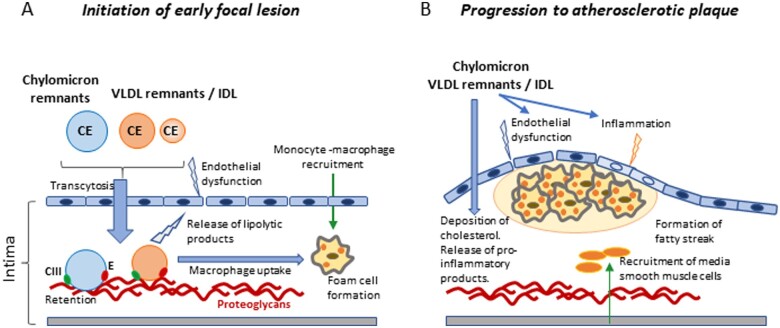
“The proteome of remnant particles is enriched in apoE and apoCIII”
Citations
Cites
Friedewald, W. T., Levy, R. I., & Fredrickson, D. S. (1972) · Clinical Chemistry · doi:10.1093/clinchem/18.6.499 · Cited by 32,423 · cited 2×
“66,153,154 Estimation of VLDL cholesterol concentration by nuclear magnetic resonance (NMR) spectroscopy analysis was recently proposed as a surrogate for remnant lipoproteins.”
BackgroundMach, F., Baigent, C., Catapano, A. L., Koskinas, K. C., Casula, M., Badimon, L., Chapman, M. J., De Backer, G. G., Delgado, V., Ference, B. A., et al. (2020) · European Heart Journal · doi:10.1093/eurheartj/ehz455 · Cited by 8,961
Self-citationGrundy, S. M., Stone, N. J., Bailey, A. L., Beam, C., Birtcher, K. K., Blumenthal, R. S., Braun, L. T., de Ferranti, S., Faiella-Tommasino, J., Forman, D. E., et al. (2019) · Circulation · doi:10.1161/cir.0000000000000625 · Cited by 6,185
Antihyperlipidemic and Biochemical Activities of Mcy Protein in Streptozotocin Induced Diabetic Rats
Marella, S., Maddirela, D. R., Badri, K. R., Jyothi Kumar, M. V., & Chippada, A. (2015) · Cellular Physiology and Biochemistry · doi:10.1159/000373954 · Cited by 5,938
Mach, F., Baigent, C., Catapano, A. L., Koskinas, K. C., Casula, M., Badimon, L., Chapman, M. J., De Backer, G. G., Delgado, V., Ference, B. A., et al. (2019) · Atherosclerosis · doi:10.1016/j.atherosclerosis.2019.08.014 · Cited by 4,854 · cited 3×
“13,20 Non-fasting TG is equivalent, if not superior, to fasting TG in assessing potential ASCVD risk.”
BackgroundSelf-citationNLRP3 inflammasomes are required for atherogenesis and activated by cholesterol crystals
Duewell, P., Kono, H., Rayner, K. J., Sirois, C. M., Vladimer, G., Bauernfeind, F. G., Abela, G. S., Franchi, L., Nuñez, G., Schnurr, M., et al. (2010) · Nature · doi:10.1038/nature08938 · Cited by 4,026
Ference, B. A., Ginsberg, H. N., Graham, I., Ray, K. K., Packard, C. J., Bruckert, E., Hegele, R. A., Krauss, R. M., Raal, F. J., Schunkert, H., et al. (2017) · European Heart Journal · doi:10.1093/eurheartj/ehx144 · Cited by 3,962 · cited 1×
“17,25,93,104,206”
Self-citationBrown, M. S., & Goldstein, J. L. (1997) · Cell · doi:10.1016/s0092-8674(00)80213-5 · Cited by 3,834
ESC/EAS Guidelines for the management of dyslipidaemias
Reiner, Ž., Catapano, A. L., De Backer, G., Graham, I., Taskinen, M.-R., Wiklund, O., Agewall, S., Alegria, E., Chapman, M. J., Durrington, P., et al. (2011) · European Heart Journal · doi:10.1093/eurheartj/ehr158 · Cited by 3,549
Self-citationCardiovascular Risk Reduction with Icosapent Ethyl for Hypertriglyceridemia
Bhatt, D. L., Steg, P. G., Miller, M., Brinton, E. A., Jacobson, T. A., Ketchum, S. B., Doyle, R. T., Juliano, R. A., Jiao, L., Granowitz, C., et al. (2019) · New England Journal of Medicine · doi:10.1056/nejmoa1812792 · Cited by 3,317 · cited 1×
“ASCVD risk, although it was suggested that only a modest part of this benefit was due to changes in TRL levels.(176) The lack of benefit in”
Background
Cited by
Items 301–400 of 1,001
Chen, M., Chen, Z., Ye, H., Cheng, Y., Jin, Z., & Cai, S. (2024) · Frontiers in Cardiovascular Medicine · doi:10.3389/fcvm.2024.1286091 · Cited by 12
Tognola, C., Bernasconi, D. P., Intravaia, R. C. M., Brioschi, G., Toscani, G., Algeri, M., Shkodra, A., Inglese, E., Sciumè, L., Danesi, R., et al. (2025) · International Journal of Cardiology · doi:10.1016/j.ijcard.2025.133608 · Cited by 13
Do we need new lipid-lowering agents in the era of PCSK9 inhibitors? Recent advances
Atar, D., Langslet, G., & Tonstad, S. (2022) · Kardiologia Polska · doi:10.33963/kp.a2022.0117 · Cited by 12
Crea, F. (2022) · European Heart Journal · doi:10.1093/eurheartj/ehac233 · Cited by 12
Khan, M. S., Ghumman, G. M., Baqi, A., Shah, J., Aziz, M., Mir, T., Tahir, A., Katragadda, S., Singh, H., Taleb, M., et al. (2023) · American Journal of Cardiovascular Drugs · doi:10.1007/s40256-023-00593-6 · Cited by 11
Klobučar, I., Hofmann, L., Habisch, H., Lechleitner, M., Klobučar, L., Trbušić, M., Pregartner, G., Berghold, A., Madl, T., Frank, S., et al. (2024) · Antioxidants · doi:10.3390/antiox13030339 · Cited by 12
“This may, at least in part, explain the established pro-atherogenic effects of triglyceride-rich lipoproteins and their remnants in cardiometabolic diseases [34].”
Владиславович, Е. М., Kukharchuk, V. V., Балахонова, Т. В., Gurevich, V. S., Сергиенко, И. В., Sokolov, A. A., Анатольевич, С. А., Иосифович, Ш. И., Ахмеджанов, Н. М., Барбараш, О. Л., et al. (2025) · Eurasian heart journal · doi:10.38109/2225-1685-2025-2-6-34 · Cited by 12
Management of Mild-to-Moderate Hypertriglyceridemia
Pulipati, V. P., Brinton, E. A., & Hatipoğlu, B. (2022) · Endocrine Practice · doi:10.1016/j.eprac.2022.07.003 · Cited by 12
A New Modality in Dyslipidemia Treatment: Antisense Oligonucleotide Therapy
Kim, K., & Choi, S. H. (2022) · Journal of Lipid and Atherosclerosis · doi:10.12997/jla.2022.11.3.250 · Cited by 11
Sánchez-Vinces, S., Garcia, P. H. D., Silva, A., Fernandes, A. M. A. P., Barreto, J. A., Duarte, G. H. B., Antônio, M. A., Birbrair, A., Porcari, A. M., & Carvalho, P. D. O. (2023) · Metabolites · doi:10.3390/metabo13020222 · Cited by 12
“The importance of these individual lipids and their association has been actively studied to clarify how their metabolism is related to pathological conditions [5,9,10].”
BackgroundHu, J., Ji, Y., Lang, X., & Zhang, X. (2023) · Frontiers in Psychiatry · doi:10.3389/fpsyt.2023.1085105 · Cited by 11
Liu, T., Zhao, D., Wang, M., Sun, J., Liu, J., Li, J., Duan, Y., Hu, P., Sun, Z., Liu, J., et al. (2023) · Journal of Atherosclerosis and Thrombosis · doi:10.5551/jat.63937 · Cited by 11
“…was preserved using sex-specific grouping methods, and after fu rther adjustment for baseline VLDL-P, LDL-P, their subclasses, and serum creatinine as well as after excluding participants who received lipid-lowering therapy or who had diabetes at baseline (Supplemental Tables 3, 4, 5, 6) .”
MethodLiu, S., Hou, J., Wan, J., Yang, Y., Wang, D., Liang, D., Wang, X., Zhou, P., & Wang, P. (2023) · Cardiovascular Drugs and Therapy · doi:10.1007/s10557-023-07511-7 · Cited by 11
“The association of HTG with adverse cardiovascular consequences is substantially robust, operating independently of LDL-C concentrations [30].”
Hermans, M. P., Dierckxsens, Y., Janssens, I., Seidel, L., Albert, A., Ahn, S. A., Rousseau, M. F., & Khan, A. P. (2023) · Frontiers in Pharmacology · doi:10.3389/fphar.2023.1280234 · Cited by 12
Predictive utility of remnant cholesterol in atherosclerotic cardiovascular disease
Proctor, S. D., Wang, M., Vine, D. F., & Raggi, P. (2024) · Current Opinion in Cardiology · doi:10.1097/hco.0000000000001140 · Cited by 11
Hong, S., Kim, K., Han, K., & Park, C. (2024) · Cardiovascular Diabetology · doi:10.1186/s12933-024-02353-5 · Cited by 11
“LDL-C is a known causal factor for ASCVD, [17, 18] whereas the role of TG in ASCVD causation remains debated [19].”
BackgroundWolska, A. T., Sampson, M. L., Zubirán, R., Meeusen, J. W., Donato, L. J., Jaffe, A. S., & Remaley, A. T. (2024) · Frontiers in Cardiovascular Medicine · doi:10.3389/fcvm.2024.1452869 · Cited by 11
Self-citationSebastián‐Valles, F., Santiago-Redondo, A., García-Artacho, E., Sampedro-Nuñez, M. A., Navas-Moreno, V., Martín, J. A. A., & Marazuela, M. (2025) · Journal of Diabetes and its Complications · doi:10.1016/j.jdiacomp.2025.109082 · Cited by 11
Beyond cholesterol: linking the conformation of apolipoprotein B to atherogenesis
Öörni, K., & Lorey, M. B. (2025) · Current Opinion in Lipidology · doi:10.1097/mol.0000000000000997 · Cited by 11
Approach to patients with hypertriglyceridemia
Chait, A., & Feingold, K. R. (2022) · Best Practice & Research Clinical Endocrinology & Metabolism · doi:10.1016/j.beem.2022.101659 · Cited by 11
Fanlo‐Maresma, M., Esteve-Luque, V., Pintó, X., Padró‐Miquel, A., Corbella, E., & Candás‐Estébanez, B. (2022) · Lupus Science & Medicine · doi:10.1136/lupus-2022-000774 · Cited by 11
Screening, diagnosis, and treatment of familial hypercholesterolaemia: a call to action
Crea, F. (2022) · European Heart Journal · doi:10.1093/eurheartj/ehac479 · Cited by 11
Björnson, E., Samaras, D., Adiels, M., Kullberg, J., Bäckhed, F., Bergström, G. M. L., & Gummesson, A. (2023) · Scientific Reports · doi:10.1038/s41598-023-39390-1 · Cited by 11
Association of remnant cholesterol with depression, type 2 diabetes, and their coexistence
Mao, Y., Zhao, R., Li, X., & Geng, Y. (2025) · BMC Psychiatry · doi:10.1186/s12888-025-06980-4 · Cited by 10
“The degradation and metabolism of RC by lipoprotein lipase can produce free fatty acids and monoacylglycerol, initiating an inflammatory response and thereby causing diabetes [51].”
Xie, L., Zhao, Y., Pan, Y., Shang, Y., Kong, Y., Gu, Y., Chen, T., & Mao, W. (2025) · Ecotoxicology and Environmental Safety · doi:10.1016/j.ecoenv.2025.118692 · Cited by 11
Han, M., Zhou, J., Wan, Z., Chen, M., Yan, M., Feng, W. S., Wang, G., Zhang, J., Zhang, L., Yan, L., et al. (2025) · Nutrition & Metabolism · doi:10.1186/s12986-025-00982-5 · Cited by 10
“Remnant cholesterol (RC), also called triglyceride-rich lipoprotein cholesterol, is emerging as a causal risk factor of CHD [6, 7].”
Amigó, N., Torné, P., Nordestgaard, L. T., Barbagallo, F. D. G., Merino, C., Magni, P., González-Lleó, A. M., Andreychuk, N., Catapano, A. L., Masana, L., et al. (2025) · International Journal of Molecular Sciences · doi:10.3390/ijms26178284 · Cited by 11
“1 H–NMR data and the lipid silhouette (LS) clearly illustrate these TG-associated alterations, including increased circulating TRL particles, defective delipidating, remnant cholesterol accumulation, and the formation of small, TG-enriched LDL and HDL particles (Figure 3) [26].”
InfluentialSelf-citationWu, X., Wilke, M., Batara, J., Proctor, S. D., Cree‐Green, M., Ghosh, M., Raggi, P., Windram, J. D., Becher, H. H., & Vine, D. F. (2025) · Frontiers in Endocrinology · doi:10.3389/fendo.2025.1520922 · Cited by 10
Wadop, Y. N., Bernal, R., Njamnshi, W. Y., Satizábal, C. L., Beiser, A., Ruiz, A., NJAMNSHI, A. K., Vasan, R. S., Seshadri, S. S., Himali, J. J., et al. (2025) · Journal of Neurology · doi:10.1007/s00415-025-13412-6 · Cited by 10
“APOE encodes the apolipoprotein E, a lipid-transport protein that plays a major role in lipid metabolism in both the periphery and the brain [38, 39].”
Phenome-wide Mendelian randomization study of plasma triglyceride levels and 2600 disease traits
Park, J. K., Bafna, S., Forrest, I. S., Duffy, Á., Márquez‐Luna, C., Petrazzini, B. O., Vy, H. M. T., Jordan, D. M., Verbanck, M., Narula, J., et al. (2023) · eLife · doi:10.7554/elife.80560 · Cited by 11
“Scientific interest in the atherogenic mechanisms of TRLs continues to grow, as recently reviewed elsewhere ( Borén et al., 2022 ; Ginsberg et al., 2021 ).”
Hirano, T. (2023) · Diabetology International · doi:10.1007/s13340-023-00634-0 · Cited by 10
“However, it should be noted that TG is causally related to atherosclerosis and TG is an established risk factor for ASCVD in the general population [11, 12] and diabetic population [13].”
BackgroundAlbrektsen, G., Wilsgaard, T., Heuch, I., Løchen, M., Thelle, D. S., Njølstad, I., Grimsgaard, S., & Bønaa, K. H. (2023) · Journal of the American Heart Association · doi:10.1161/jaha.122.030010 · Cited by 10
Chu, P., Yu, Y., Pan, Y., Dai, Y.-H., Yang, J., Huang, K., & Wu, Y. (2024) · Metabolites · doi:10.3390/metabo14020129 · Cited by 10
“These refinements and considerations may contribute to a more comprehensive understanding of the effects of L. bulgaricus in diverse populations and conditions.”
BackgroundJung, H. N., Huh, J. H., Roh, E., Han, K., Kang, J. G., Lee, S. J., & Ihm, S. (2024) · Lipids in Health and Disease · doi:10.1186/s12944-024-02050-y · Cited by 10
Li, F., Yuan, H., Cai, S., Piao, W., Nan, J., Yang, Y., Zhao, L., & Yu, D. (2024) · Nutrients · doi:10.3390/nu16193275 · Cited by 10
“Then, the endothelial surface cells transition to foamy macrophages, developing an unstable complex plaque and promoting the occurrence and development of atherosclerotic cardiovascular diseases [11].”
BackgroundWierzbicki, A. S. (2024) · Expert Opinion on Pharmacotherapy · doi:10.1080/14656566.2024.2444986 · Cited by 10
“Debates have centered on the extent that intervention on other components such as TG or HDL-C may be relevant [43].”
Kraaijenhof, J. M., Peletier, M. C., Nurmohamed, N. S., Hovingh, G. K., Alexander, V. J., Tsimikas, S., Stroes, E. S. G., & Kroon, J. (2025) · European Journal of Preventive Cardiology · doi:10.1093/eurjpc/zwaf478 · Cited by 10
Self-citationDietary Effects on Monocyte Phenotypes in Subjects With Hypertriglyceridemia and Metabolic Syndrome
Lian, Z., Perrard, X. D., Antony, A. K., Peng, X., Lu, X., Ni, J., Zhang, B., O’Brien, V., Saeed, A., Jia, X., et al. (2023) · JACC Basic to Translational Science · doi:10.1016/j.jacbts.2023.02.011 · Cited by 10
“Our current observations that plasma lipids related to triglyceride, but not total cholesterol, were positively associated with monocyte lipid accumulation and phenotypic changes are consistent with previous reports that hypertriglyceridemia vs hypercholesterolemia correlated better with inflammation.(2,5-13,18) Impor…”
BackgroundResultInfluentialSantos, R. D. (2023) · European Journal of Preventive Cardiology · doi:10.1093/eurjpc/zwad064 · Cited by 10
D’Erasmo, L., Tramontano, D., Di Costanzo, A., Casula, M., Galimberti, F., Baratta, F., Cefalù, A. B., Tarugi, P. M., Calandra, S., Zambon, A., et al. (2025) · Arteriosclerosis, Thrombosis, and Vascular Biology · doi:10.1161/atvbaha.125.323340 · Cited by 9
Self-citationYang, Y., Xiao, Z., Teng, J., Zhong, H., Duan, Y., Zhou, M., Wang, B., & Liu, A. (2025) · BMC Neurology · doi:10.1186/s12883-025-04129-0 · Cited by 9
“Hypertriglyceridemia, a hallmark of insulin resistance, has long been identified as a significant risk factor for atherosclerotic cardiovascular disease, as it promotes the accumulation of lipid-rich plaques in the arterial walls [30].”
Kessler, A. S., Baum, S. J., Kutrieb, E., Vera‐Llonch, M., Lonshteyn, A., Weycker, D. A., & Soffer, D. E. (2025) · Lipids in Health and Disease · doi:10.1186/s12944-025-02658-8 · Cited by 9
“Hypertriglyceridemia (HTG), defined as triglyceride (TG) levels ≥ 150 mg/dL ( ≥ 1.69 mmol/L), is associated with serious clinical manifestations including acute pancreatitis (AP) and cardiovascular disease (CVD) [1, 2].”
InfluentialReytor-González, C., Cevallos-Fernández, E., Jácome, B., & Simancas-Racines, D. (2025) · Frontiers in Cardiovascular Medicine · doi:10.3389/fcvm.2025.1655889 · Cited by 9
Hu, B., Wang, Y., Li, Z., Sun, H., Ren, Z., Hu, H., Ma, L., & Wu, J. (2025) · Cardiovascular Diabetology · doi:10.1186/s12933-025-03027-6 · Cited by 9
“It is well-established that triglycerides (TG) are involved in the progression of atherosclerosis [6], potentially through mechanisms such as promoting endothelial dysfunction, enhancing oxidative stress, and inflammatory responses [7].”
Towards precision psychiatry: Metabolomics identifies three biological subtypes of depression
Ma, S., Nie, Z., Zhang, M., Mei, J., Zhou, E., Hu, Z., Lv, H., Gong, Q., Wang, G., Wang, H., et al. (2025) · PLOS Digital Health · doi:10.1371/journal.pdig.0001125 · Cited by 9
“TRLs originate from the intestine and the liver and include chylomicrons, VLDLs and IDLs, and they serve as the primary source of fatty acids for energy production in peripheral tissues or storage in adipose tissue [41–43].”
Toth, P. P., & Banach, M. (2025) · Archives of Medical Science · doi:10.5114/aoms/216960 · Cited by 9
Pérez‐Vega, K. A., Castañer, O., Sanllorente, A., Lassale, C. M., Ros, E., Pintó, X., Estruch, R., Salas‐Salvadó, J., Corella, D., Alonso‐Gómez, Á. M., et al. (2022) · Molecular Nutrition & Food Research · doi:10.1002/mnfr.202200338 · Cited by 9
Yuan, Y., Zhou, X., & Ji, L. (2023) · Journal of Diabetes and its Complications · doi:10.1016/j.jdiacomp.2023.108585 · Cited by 9
Tokgözoğlu, L. S., Pirillo, A., & Catapano, A. L. (2023) · European Heart Journal · doi:10.1093/eurheartj/ehad485 · Cited by 9
Self-citationSolnica, B., Sygitowicz, G., Sitkiewicz, D., Jozwiak, J. J., Kasperczyk, S., Broncel, M., Wolska, A. T., Odrowąż‐Sypniewska, G., & Banach, M. (2024) · Diagnostyka Laboratoryjna · doi:10.5604/01.3001.0054.4954 · Cited by 9
Xiao, Q., Wang, L., Wang, J., Wang, M., Wang, D. W., & Ding, H. (2024) · Molecular Metabolism · doi:10.1016/j.molmet.2024.102011 · Cited by 9
“…is frequently observed in clinical settings as the predominant type of dyslipidemia and is linked to a variety of serious disorders, including atherosclerotic cardiovascular disease (ASCVD), nonalcoholic fatty liver disease (NAFLD), acute pancreatitis, as well as lipotoxic cardiomyopathy [1 e 4].”
Deng, Y., Wang, F., Wang, T., Zhang, X., Chen, D., Wang, Y., Chen, C., & Pan, G. (2024) · Prostaglandins & Other Lipid Mediators · doi:10.1016/j.prostaglandins.2024.106905 · Cited by 9
Ko, Y., Hsu, L., Wu, S., Liao, M.-S., Teng, M., Chou, H., & Ko, Y. (2025) · Genes · doi:10.3390/genes16020157 · Cited by 9
“Despite the widespread use of statins, the risk of ASCVD persists, particularly in individuals with low levels of low-density lipoprotein cholesterol (LDL-C); this residual risk is ascribed to elevated RC levels under dyslipidemia conditions [17–21].”
Cao, S., Teng, L., Gao, M., Hu, S., Xiao, S., Chen, C., He, Y., Cheng, S., & Xie, X. (2024) · Heliyon · doi:10.1016/j.heliyon.2024.e27943 · Cited by 9
“It may increase the levels of LDL and weaken the cholesterol transport reversal and antioxidant capacity associated with HDL [15].”
BackgroundYang, N., Wang, M., Liu, J., Liu, J., Hao, Y., Zhao, D., & on behalf of CCC-ACS Investigators (2022) · Metabolites · doi:10.3390/metabo12100898 · Cited by 9
“Emerging therapies targeting TRLs and their remnants have been under investigation [8,15].”
BackgroundLi, X., Yamada, H., Morita, S., Yamashita, Y., Kim, Y.-I., Kometani, T., Narang, N., Furuta, T., & Kim, M. (2023) · Nutrients · doi:10.3390/nu15071748 · Cited by 9
“Excessive fat absorption also fuels the formation and accumulation of atherogenic lipoproteins [2].”
BackgroundChao, T., Sun, J., Ge, Y., & Wang, C. (2023) · Nutrition Metabolism and Cardiovascular Diseases · doi:10.1016/j.numecd.2023.10.035 · Cited by 9
Tavaglione, F., Marafioti, G., Romeo, S., & Jamialahmadi, O. (2024) · The Journal of Clinical Endocrinology & Metabolism · doi:10.1210/clinem/dgae371 · Cited by 9
Targeting triglycerides to lower residual cardiovascular risk
Bubb, K. J., Nelson, A. J., & Nicholls, S. J. (2022) · Expert Review of Cardiovascular Therapy · doi:10.1080/14779072.2022.2058489 · Cited by 9
“Niacin modestly lowers triglyceride levels, in addition to its ability to raise HDL-C and lower levels of LDL-C and lipoprotein (a) [28].”
The remnant-cholesterol/CRP nexus: Trouble and strife when the fat hits the fire
Chan, D. C., Kritharides, L., & Watts, G. F. (2023) · Atherosclerosis · doi:10.1016/j.atherosclerosis.2023.06.075 · Cited by 9
Triglycerides and Cardiovascular Risk
Toth, P. P. (2024) · Journal of the American College of Cardiology · doi:10.1016/j.jacc.2024.07.027 · Cited by 9
The Role of GLP-1RA Medications in Medical Weight Loss and the Positive Impacts on Lipid Management
Suter, B., Rhodes, A. L., Bigeh, A., Frommeyer, T. C., & Mehta, L. S. (2025) · Current Cardiovascular Risk Reports · doi:10.1007/s12170-025-00761-0 · Cited by 8
“This increase of FFA in the liver and circulation results in hyper-triglyceridemia, pronounced in the postprandial period, and fasting dyslipidemia leading to insulin resistance, obesity, and unfavorable changes to the cardiometabolic profile [ 10, 11].”
Alturky, S., Ashfaq, Y., Elhance, A., Barney, M. E., Wadiwala, I. J., Hunter, A. K., & Nguyen, K. P. (2025) · Frontiers in Immunology · doi:10.3389/fimmu.2025.1519534 · Cited by 8
Maidman, S. D., & Rosenson, R. S. (2025) · BioDrugs · doi:10.1007/s40259-025-00731-3 · Cited by 8
“Recent evidence also suggests lipoprotein(a) and triglyceride-rich lipoproteins (TRLs) as potent risk modifiers for ASCVD, which are only modestly lowered with existing therapies [2, 3, 6–8].”
Not all fibrates are made equal: Learning from biology and clinical trials
Zambon, A., Staels, B., Farnier, M., Vrablík, M., & Catapano, A. L. (2025) · Atherosclerosis · doi:10.1016/j.atherosclerosis.2025.120555 · Cited by 8
Self-citationPeterson, A. L. H., Ashraf, A. P., Bachman, J., Hegele, R. A., Rashad, M., South, A. M., Tran, A. H., Zachariah, J. P. V., & Wong, J. P. (2026) · Arteriosclerosis Thrombosis and Vascular Biology · doi:10.1161/atv.0000000000000195 · Cited by 9
Self-citationYing, Q., Croyal, M., Chan, D. C., Blanchard, V., Pang, J., Krempf, M., & Watts, G. F. (2022) · Journal of Atherosclerosis and Thrombosis · doi:10.5551/jat.63587 · Cited by 8
Wang, J. Y., Kockx, M., Bolek, M., Lambert, T. J. R., Sullivan, D. J., Chow, V., & Kritharides, L. (2024) · Journal of Lipid Research · doi:10.1016/j.jlr.2024.100577 · Cited by 8
“In addition to TGs, TRLs also transport cholesterol and phospholipids and carry structural and functional proteins that regulate their composition and biological fate (7).”
BackgroundInfluentialSyed‐Abdul, M. M., Tian, L., Samuel, T., Wong, A., Hong, Y., DaCosta, R. S., & Lewis, G. F. (2024) · Gastro Hep Advances · doi:10.1016/j.gastha.2024.06.009 · Cited by 8
Self-citationChen, W., Hu, H., Cao, C., Liu, D., & Han, Y. Y. (2024) · Scientific Reports · doi:10.1038/s41598-024-69169-x · Cited by 8
“Further reductions beyond this threshold may substantially enhance the chances of successful reversion to normoglycemia.”
BackgroundJang, S. Y., Hwang, S.-Y., Jang, A., Kim, K. J., Yu, J. H., Kim, N. H., Yoo, H. J., Kim, N. H., Baik, S. H., & Choi, K. M. (2024) · Frontiers in Endocrinology · doi:10.3389/fendo.2024.1391733 · Cited by 8
Peng, X., Lian, Z., O’Brien, V., Xiao, J., Litchfield, B., Perrard, X. D., Lu, X., Ni, J., Mukherjee, A., Simmons, T., et al. (2025) · Journal of Lipid Research · doi:10.1016/j.jlr.2025.100763 · Cited by 9
“It is recognized that by transcytosis across the endothelial layer, TGRL remnants can enter arterial walls, where TGRL remnants interact with macrophages and contribute to atherogenesis (39).”
Björnson, E., Packard, C. J., Adiels, M., Leeper, N. J., Hellawell, J. L., Gummesson, A., Nissen, S. E., & Borén, J. (2025) · European Journal of Preventive Cardiology · doi:10.1093/eurjpc/zwaf657 · Cited by 8
Self-citationThe potential population health impact of treating REDUCE-IT eligible US adults with Icosapent Ethyl
Derington, C. G., Bress, A. P., Herrick, J. S., Fan, W., Wong, N. D., Andrade, K. E., Johnson, J., Philip, S., Abrahamson, D., Jiao, L., et al. (2022) · American Journal of Preventive Cardiology · doi:10.1016/j.ajpc.2022.100345 · Cited by 7
“Hypertriglyceridemia is a causal risk factor for atherosclerotic cardiovascular disease (ASCVD) events, mechanistically by elevating small very low density lipoproteins, intermediate density lipoproteins, and chylomicron remnants [4,5].”
Pitavastatin treatment remodels the HDL subclass lipidome and proteome in hypertriglyceridemia
Chapman, M. J., Orsoni, A., Mellett, N. A., Nguyen, A., Robillard, P., Shaw, J. E., Giral, P., Thérond, P., Swertfeger, D. K., Davidson, W. S., et al. (2023) · Journal of Lipid Research · doi:10.1016/j.jlr.2023.100494 · Cited by 8
“…the range associated with lowest all-cause mortality (58 – 76 mg/dl in males), together with normalization of both composition and plasma residence time of HDL particles, is desirable in nondiabetic hyper-triglyceridemic patients with low HDL-C at high cardiovascular risk (1, 4, 6, 28, 32, 62, 79).”
BackgroundSelf-citationCharacterization of sexual dimorphism in ANGPTL4 levels and function
Deng, M., & Kersten, S. (2024) · Journal of Lipid Research · doi:10.1016/j.jlr.2024.100526 · Cited by 8
Self-citationIncreasing the complexity of lipoprotein characterization for cardiovascular risk in type 2 diabetes
Guardiola, M., Rehues, P., Amigó, N., Arrieta, F., Botana, M., Gimeno-Orna, J. A., Girona, J., Martínez‐Montoro, J. I., Ortega, E., Pérez, A., et al. (2024) · European Journal of Clinical Investigation · doi:10.1111/eci.14214 · Cited by 8
“VLDL remnants rapidly become smaller particles ( 70 nm) that can enter the subendothelial space and be taken up by macrophages without any previous modification 22 (Figure 1B).”
Decoding cardiovascular risks: analyzing type 2 diabetes mellitus and ASCVD gene expression
Zhang, Y., Ji, L., Yang, D., Wu, J., & Yang, F. (2024) · Frontiers in Endocrinology · doi:10.3389/fendo.2024.1383772 · Cited by 8
Hypertriglyceridemia, a causal risk factor for atherosclerosis, and its laboratory assessment
Wieczorek, E., Ćwiklińska, A., & Jankowski, M. (2022) · Clinical Chemistry and Laboratory Medicine (CCLM) · doi:10.1515/cclm-2022-0189 · Cited by 8
Serum ANGPTL8 and ANGPTL3 as Predictors of Triglyceride Elevation in Adult Women
Stefańska, A., Bergmann, K., Krintus, M., Kuligowska-Prusińska, M., Murawska, K., & Sypniewska, G. (2022) · Metabolites · doi:10.3390/metabo12060539 · Cited by 8
“64 mmol/L; 151–500 mg/dL) [5] and underlined a causal relationship between atherosclerotic cardiovascular disease risk and increased levels of TG, VLDL, and TRL remnants.”
BackgroundTriglyzeride – Aktuelle Bewertung als Risikomarker und Therapieziele
Merkel, M., Müller‐Wieland, D., Laufs, U., & Parhofer, K. G. (2022) · DMW - Deutsche Medizinische Wochenschrift · doi:10.1055/a-1516-2661 · Cited by 8
The role of atherogenic lipoproteins in diabetes: Molecular aspects and clinical significance
Banerjee, Y., Patti, A. M., Giglio, R. V., Ciaccio, M., Vichithran, S., Faisal, S., Stoian, A. P., Rizvi, A. A., & Rizzo, M. (2023) · Journal of Diabetes and its Complications · doi:10.1016/j.jdiacomp.2023.108517 · Cited by 8
Wang, H., Zhang, H., Zhang, L., Zheng, X., & Yang, M. (2025) · Scientific Reports · doi:10.1038/s41598-025-21850-5 · Cited by 8
“These processes accelerate atherosclerosis and vascular stiffness, predisposing patients to heart disease and stroke 35,36 .”
Bakillah, A., Khamees, K. O., AlSubaiee, M., Soliman, A. F., Arab, M. A., Bashir, S. F., Hussaini, A. A., Otaibi, A. A., Mubarak, S. A. S., Iqbal, J., et al. (2023) · Journal of Clinical Medicine · doi:10.3390/jcm12020487 · Cited by 7
“This finding is consistent with the role of large VLDL particles in the initiation of early sequences of events in T2DM that generate atherogenic lipoprotein remnants, small dense LDL, and small HDL particles [69,70].”
ResultZhu, L., Guo, L., Xu, J. R., Xiang, Q., Tan, Y., Tian, F., Du, X., Zhang, S., Wen, T., & Liu, L. (2023) · Journal of Nutrition · doi:10.1016/j.tjnut.2023.11.020 · Cited by 7
Deng, L., Michielsen, C. C. J. R., Vrieling, F., Hooiveld, G. J. E. J., Stienstra, R., Feitsma, A. L., Kersten, S., & Afman, L. A. (2023) · Clinical Nutrition · doi:10.1016/j.clnu.2023.11.038 · Cited by 7
Self-citationYang, P., Tang, L. P., Yang, S., Shi, Q., Wang, Y., Qin, Y., Wang, J., & Li, Y. (2024) · Scientific Reports · doi:10.1038/s41598-024-59173-6 · Cited by 7
Elevated remnant cholesterol is a risk factor for acute ischemic stroke
Feng, Q., Li, H., Zhang, R., Sun, L., Zhang, S.-Y., Chen, Y., Zhang, Y., Shan, B., Zhao, Z., Zhou, H., et al. (2024) · Journal of Stroke and Cerebrovascular Diseases · doi:10.1016/j.jstrokecerebrovasdis.2024.107773 · Cited by 7
Cole, J., Couture, P., Tremblay, A. J., & Sniderman, A. D. (2024) · Journal of clinical lipidology · doi:10.1016/j.jacl.2024.09.009 · Cited by 7
Thomsen, M. N., Skytte, M. J., Samkani, A., Weber, P., Fenger, M., Frystyk, J., Hansen, E., Holst, J. J., Madsbad, S., Magkos, F., et al. (2024) · American Journal of Clinical Nutrition · doi:10.1016/j.ajcnut.2024.11.030 · Cited by 7
Fat absorption and metabolism after Roux-en-Y gastric bypass surgery
HINDSØ, M. G., Lundsgaard, A., Marinkovic, B., Jensen, M. H., Hedbäck, N., Svane, M. S., Dirksen, C., Jørgensen, N. B., London, A., Jeppesen, P. B., et al. (2025) · Metabolism · doi:10.1016/j.metabol.2025.156189 · Cited by 7
Soler‐Espejo, E., Chen, Y., Rivera‐Caravaca, J. M., Ramos‐Bratos, M. P., López‐Gálvez, R., Marín, F. R., Roldán, V., & Lip, G. Y. H. (2025) · Cardiovascular Diabetology · doi:10.1186/s12933-025-02831-4 · Cited by 7
“In contrast to native LDL-C, which typically requires oxidative modification before uptake, remnant particles can be directly internalised by macrophages, accelerating foam cell formation and promoting the progression of atherothrombotic plaques [28].”
Yang, X., Alexander, V. J., Xia, S., & Tsimikas, S. (2025) · Atherosclerosis · doi:10.1016/j.atherosclerosis.2025.120462 · Cited by 7
Zhang, H., Long, X., Niu, G., Shi, W., Zhao, Z., Feng, D., Sun, H. Y., & Wu, Y. (2025) · International Journal of Surgery · doi:10.1097/js9.0000000000002869 · Cited by 7
Baass, A. W., Paquette, M., Lam, O., Hofer, K., Collet, J., & McClain, M. R. (2025) · Journal of clinical lipidology · doi:10.1016/j.jacl.2025.08.012 · Cited by 7
Zhu, X., Xu, W., Hao, B., Chen, Q., Xiong, Z., Wang, Q., Hou, X., Chen, Y., Guo, J., & Chen, T. (2025) · European Journal of Preventive Cardiology · doi:10.1093/eurjpc/zwaf598 · Cited by 7
Reijnders, E., Bossuyt, P. M., Jukema, J. W., Ruhaak, L. R., Romijn, F. P. H. T. M., Szarek, M. J., Trompet, S., Bhatt, D. L., Bittner, V., Díaz, R., et al. (2025) · Arteriosclerosis Thrombosis and Vascular Biology · doi:10.1161/atvbaha.124.322336 · Cited by 8
Hvid, K., Balling, M., Nordestgaard, B. G., & Afzal, S. (2025) · European Journal of Preventive Cardiology · doi:10.1093/eurjpc/zwaf735 · Cited by 7
Self-citationCruz‐Bautista, I., Escamilla-Núñez, C., Flores-Jurado, Y., Rojas, R., Elías-López, D., Muñoz-Hernández, L., Mehta, R., Almeda‐Valdés, P., Razo-Olvera, F. M. D., Aguilar-Salinas, C. A., et al. (2024) · Journal of clinical lipidology · doi:10.1016/j.jacl.2024.05.002 · Cited by 8
Self-citationHe, T., Sun, X., Tong, M.-H., Zhang, M.-J., & Duan, Z. (2024) · Diabetes Metabolic Syndrome and Obesity · doi:10.2147/dmso.s471499 · Cited by 7
“46 Lastly, although the potential confounding parameters were adjusted for during the multivariable analysis, some unmeasured residual confounding factors, including dietary patterns, psychosocial stress, and socio-economic status, which may have influenced our risk estimates, were not considered…”
Background
Metadata
- Authors
- Ginsberg, H. N., Packard, C. J., Chapman, M. J., Borén, J., Aguilar-Salinas, C. A., Averna, M., Ference, B. A., Gaudet, D., Hegele, R. A., Kersten, S., Lewis, G. F., Lichtenstein, A. H., Moulin, P., Nordestgaard, B. G., Remaley, A. T., Staels, B., Stroes, E. S. G., Taskinen, M.-R., Tokgözoğlu, L. S., Tybjaerg-Hansen, A., Stock, J. K., & Catapano, A. L.
- Affiliations
- Columbia University (US)
- University of Glasgow (GB)
- Inserm (FR)
- Sahlgrenska University Hospital (SE)
- Instituto Nacional de Ciencias Médicas y Nutrición Salvador Zubirán (MX)
- University of Palermo (IT)
- University of Cambridge (GB)
- Université de Montréal (CA)
- Western University (CA)
- Wageningen University & Research (NL)
- University of Toronto (CA)
- Tufts University (US)
- University of Copenhagen (DK)
- National Institutes of Health (US)
- Amsterdam UMC Location University of Amsterdam (NL)
- University of Helsinki (FI)
- Hacettepe University (TR)
- Department of Clinical Biochemistry, Blegdamsvej 9, Rigshospitalet , Copenhagen 2100, Denmark
- European Atherosclerosis Society (SE)
- University of Milan (IT)
- Corresponding author
- Ginsberg, Henry N
- ORCID
- Ginsberg, Henry N
- Packard, Chris J
- Chapman, M John
- Borén, Jan
- Aguilar-Salinas, Carlos A
- Averna, Maurizio
- Gaudet, Daniel
- Hegele, Robert A
- Kersten, Sander
- Lewis, Gary F
- Lichtenstein, Alice H
- Moulin, Philippe
- Nordestgaard, Børge G
- Remaley, Alan T
- Staels, Bart
- Stroes, Erik S G
- Taskinen, Marja-Riitta
- Tokgözoğlu, Lale S
- Catapano, Alberico L
- Venue
- European Heart Journal
- Publisher
- Oxford University Press (OUP)
- Published
- 2021-09-02
- Volume
- 42
- Issue
- 47
- Pages
- 4791-4806
- ISSN
- 0195-668X (ISSN-L)
- 1522-9645
- PMC
- PMC8670783
- OpenAlex
- W3197326839
- Cited by
- 979
- References
- 212
- Citations by year
- 2026: 253 · 2025: 237 · 2024: 206 · 2023: 164 · 2022: 108 · 2021: 10
- FWCI
- 81.79
- Type
- journal article
- Language
- en
- Open access
- hybrid
- doi.org
- Licence
- Locations
- European Heart Journal (publishedVersion, other-oa)
- PubMed Central (publishedVersion, cc-by-nc)
- PubMed (publishedVersion)
- Research at the University of Copenhagen (University of Copenhagen) (publishedVersion, cc-by-nc)
- Socio-Environmental Systems Modeling (submittedVersion, cc-by-nc)
- HAL (submittedVersion, cc-by-nc)
- Työväentutkimus Vuosikirja (submittedVersion)
- Nova Science Publishers (Nova Science Publishers, Inc.) (submittedVersion)
- LillOA (Université de Lille (University Of Lille)) (submittedVersion, other-oa)
- Data Archiving and Networked Services (DANS) (submittedVersion, cc-by-nc)
- Funders
- The European Atherosclerosis Society Consensus Panel
- Topics
- Health Sciences › Medicine › Cardiology and Cardiovascular Medicine › Lipid metabolism and disorders
- Health Sciences › Medicine › Cardiology and Cardiovascular Medicine › Lipoproteins and Cardiovascular Health
- Health Sciences › Medicine › Endocrinology, Diabetes and Metabolism › Diabetes, Cardiovascular Risks, and Lipoproteins
- Keywords
- triglyceride-rich lipoproteins, remnant lipoproteins, atherosclerotic cardiovascular disease, hypertriglyceridemia, residual cardiovascular risk, lipolysis, atherogenicity, LDL-C lowering therapy, therapeutic target, myocardial infarction, ischemic stroke, aortic stenosis
- MeSH terms
- Cardiovascular Diseases, Brain Ischemia, Humans, Lipoproteins, Triglycerides, Stroke, Atherosclerosis
About these checks
Registry, retraction, Cites and statistics results are computed, not judged, with one exception: a printed reference that no index lists is read once by a model before it counts as a citation error. Claims are extracted by a model and kept only when their quote appears verbatim in the text; each cited source is then checked, with a model’s help, for whether it says what the claim relies on. Those verdicts can be wrong — read the claim’s quote and the cited source before relying on one.
The claim verdicts this report counts are experimental: their accuracy is not yet measured.
A language model drew the claims from the paper on 2026-10-04, under version 3 of the claim definition (model deepseek-v4.1-flash, prompt extract-v3).
A second model labelled each claim on 2026-10-04 (model jev-1.13-20260917, definition revision gold-guideline-v0.2).
Cited sources are checked with a language model’s help (gpt-6-sol).
Statistics and arithmetic are recomputed, not judged.
Confidence bands are shown only for fields calibrated on our annotated test set. None is calibrated yet, so no band is shown.
What counts as a claim ›How we measure confidence ›How we check this ›
Are you an author, or do you see a problem with this page? Request a review
Data sources
Bibliographic data: Semantic Scholar, OpenAlex, Crossref.
Contains information from the Semantic Scholar Academic Graph Datasets, made available under the ODC Attribution License (ODC-BY 1.0).
Semantic Scholar’s data is described in: Kinney, R., et al. (2023). The Semantic Scholar Open Data Platform. arXiv:2301.10140.
