

Cholesteryl ester transfer protein: at the heart of the action of lipid-modulating therapy with statins, fibrates, niacin, and cholesteryl ester transfer protein inhibitors
Open accessThe DOI matches its Crossref record; 152 of the 152 references it cites were found in a registry or an index.
Abstract
Subnormal plasma levels of high-density lipoprotein cholesterol (HDL-C) constitute a major cardiovascular risk factor; raising low HDL-C levels may therefore reduce the residual cardiovascular risk that frequently presents in dyslipidaemic subjects despite statin therapy. Cholesteryl ester transfer protein (CETP), a key modulator not only of the intravascular metabolism of HDL and apolipoprotein (apo) A-I but also of triglyceride (TG)-rich particles and low-density lipoprotein (LDL), mediates the transfer of cholesteryl esters from HDL to pro-atherogenic apoB-lipoproteins, with heterotransfer of TG mainly from very low-density lipoprotein to HDL. Cholesteryl ester transfer protein activity is elevated in the dyslipidaemias of metabolic disease involving insulin resistance and moderate to marked hypertriglyceridaemia, and is intimately associated with premature atherosclerosis and high cardiovascular risk. Cholesteryl ester transfer protein inhibition therefore presents a preferential target for elevation of HDL-C and reduction in atherosclerosis. This review appraises recent evidence for a central role of CETP in the action of current lipid-modulating agents with HDL-raising potential, i.e. statins, fibrates, and niacin, and compares their mechanisms of action with those of pharmacological agents under development which directly inhibit CETP. New CETP inhibitors, such as dalcetrapib and anacetrapib, are targeted to normalize HDL/apoA-I levels and anti-atherogenic activities of HDL particles. Further studies of these CETP inhibitors, in particular in long-term, large-scale outcome trials, will provide essential information on their safety and efficacy in reducing residual cardiovascular risk.
Overview
The claims and statistics of this paper haven’t been checked yet.
Free: it reads the open-access text and checks the first 5 claims that cite a source we can check. Create a free account to check every claim.
Integrity signals
Registry
Cites
Statistics
Figures
Verification
Claims the paper makes
The claims and statistics of this paper haven’t been checked yet.
Free: it reads the open-access text and checks the first 5 claims that cite a source we can check. Create a free account to check every claim.
Claims other papers make about this one
Each is checked against this paper’s own text: does it say what the citing paper says it does?
The source backs part of the claim, not all of it — or backs it for a different population, condition or comparison.
In the citing paper
“Remnant particles are enriched in cholesteryl esters and deficient in TG (Figure 2).”
From Triglyceride-rich lipoproteins and their remnants: metabolic insights, role in atherosclerotic cardiovascular disease, and emerging therapeutic strategies—a consensus statement from the European Atherosclerosis Society (2021) · cites this paper as [95]
Experimental — accuracy not yet measured
Self-check
Percentages, sums and reported differences re-computed from the paper’s own numbers.
The self-check needs the paper’s full text.
Citations
Cites
Rosuvastatin to Prevent Vascular Events in Men and Women with Elevated C-Reactive Protein
Ridker, P. M., Danielson, E., Fonseca, F. A. H., Genest, J., Gotto, A. M., Kastelein, J. J. P., Koenig, W., Libby, P., Lorenzatti, A. J., MacFadyen, J. G., et al. (2008) · New England Journal of Medicine · doi:10.1056/nejmoa0807646 · Cited by 6,674
High density lipoprotein as a protective factor against coronary heart disease
Gordon, T., Castelli, W. P., Hjortland, M. C., Kannel, W. B., & Dawber, T. R. (1977) · The American Journal of Medicine · doi:10.1016/0002-9343(77)90874-9 · Cited by 5,059
Intensive versus Moderate Lipid Lowering with Statins after Acute Coronary Syndromes
Cannon, C. P., Braunwald, E., McCabe, C. H., Rader, D. J., Rouleau, J. L., Belder, R., Joyal, S. V., Hill, K. A., Pfeffer, M. A., & Skene, A. M. (2004) · New England Journal of Medicine · doi:10.1056/nejmoa040583 · Cited by 4,938
Helsinki Heart Study: Primary-Prevention Trial with Gemfibrozil in Middle-Aged Men with Dyslipidemia
Frick, M. H., Elo, O., Haapa, K., Heinonen, O. P., Heinsalmi, P., Helo, P., Huttunen, J. K., Kaitaniemi, P., Koskinen, P., Manninen, V., et al. (1987) · New England Journal of Medicine · doi:10.1056/nejm198711123172001 · Cited by 3,881
Rosuvastatin to Prevent Vascular Events in Men and Women With Elevated C-Reactive Protein
Ridker, P. M., Danielson, E., Fonseca, F. A. H., Genest, J., Gotto, A. M., Kastelein, J. J. P., Koenig, W., Libby, P., Lorenzatti, A. J., MacFadyen, J. G., et al. (2009) · Obstetrical & Gynecological Survey · doi:10.1097/01.ogx.0000344393.60303.0a · Cited by 3,641
Intensive Lipid Lowering with Atorvastatin in Patients with Stable Coronary Disease
LaRosa, J. C., Grundy, S. M., Waters, D. D., Shear, C., Barter, P., Fruchart, J.-C., Gotto, A. M., Greten, H., Kastelein, J. J. P., Shepherd, J., et al. (2005) · New England Journal of Medicine · doi:10.1056/nejmoa050461 · Cited by 3,489
Rubins, H. B., Robins, S. J., Collins, D., Fye, C. L., Anderson, J. W., Elam, M. B., Faas, F. H., Linares, E., Schaefer, E. J., Schectman, G., et al. (1999) · New England Journal of Medicine · doi:10.1056/nejm199908053410604 · Cited by 3,439
High-density lipoprotein cholesterol and cardiovascular disease. Four prospective American studies.
Gordon, D. J., Probstfield, J. L., Garrison, R. J., Neaton, J. D., Castelli, W. P., Knoke, J. D., Jacobs, D. R., Bangdiwala, S., & Tyroler, H. A. (1989) · Circulation · doi:10.1161/01.cir.79.1.8 · Cited by 3,162
Effects of torcetrapib in patients at high risk for coronary events
Barter, P. J., Caulfield, M., Eriksson, M., Grundy, S. M., Kastelein, J. J. P., Komajda, M., Lopez-Sendon, J., Mosca, L., Tardif, J.-C., Waters, D. D., et al. (2007) · New England Journal of Medicine · doi:10.1056/nejmoa0706628 · Cited by 3,139
Nordestgaard, B. G., Benn, M., Schnohr, P., & Tybjærg-Hansen, A. (2007) · JAMA · doi:10.1001/jama.298.3.299 · Cited by 2,058
Nissen, S. E., Nicholls, S. J., Sipahi, I., Libby, P., Raichlen, J. S., Ballantyne, C. M., Davignon, J., Erbel, R., Fruchart, J. C., Tardif, J.-C., et al. (2006) · JAMA · doi:10.1001/jama.295.13.jpc60002 · Cited by 2,047
The PPARs: From Orphan Receptors to Drug Discovery
Willson, T. M., Brown, P. J., Sternbach, D. D., & Henke, B. R. (2000) · Journal of Medicinal Chemistry · doi:10.1021/jm990554g · Cited by 1,816 · cited 1×
“Fibrates are a chemically heterogeneous class of agents, among which the most widely clinically used, fenofibrate, is primarily a PPARa-agonist of moderate affinity.(84) Fibrates bind to PPARa by mimicking the structure of free fatty acids(85) and may increase HDL-C by up to 20% as a function of baseline lipid phenoty…”
BackgroundMechanism of Action of Fibrates on Lipid and Lipoprotein Metabolism
Staels, B., Dallongeville, J., Auwerx, J., Schoonjans, K., Leitersdorf, E., & Fruchart, J.-C. (1998) · Circulation · doi:10.1161/01.cir.98.19.2088 · Cited by 1,786 · cited 4×
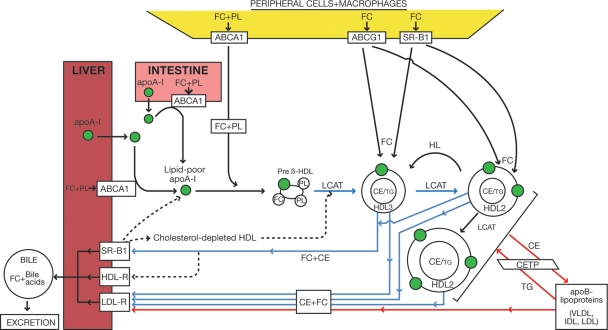
“Circulating HDL particles are highly heterogeneous in structure, intravascular metabolism, and anti-atherogenic activity, consisting primarily of two major subpopulations: large, light, cholesteryl ester (CE)-rich HDL2; and small, dense, CE-poor, protein-rich HDL3.”
BackgroundInfluentialClofibrate and Niacin in Coronary Heart Disease
(1975) · JAMA: The Journal of the American Medical Association · doi:10.1001/jama.1975.03240160024021 · Cited by 1,747
Nissen, S. E., Tsunoda, T., Tuzcu, E. M., Schoenhagen, P., Cooper, C. J., Yasin, M., Eaton, G. M., Lauer, M. A., Sheldon, W. S., Grines, C. L., et al. (2003) · JAMA · doi:10.1001/jama.290.17.2292 · Cited by 1,707 · cited 1×
“22 It is equally relevant that infusion of the HDL mimetic ETC-216, a lipidated form of recombinant apoA-I Milano, induced regression of coronary atherosclerosis in a small cohort of patients with acute coronary syndromes as evaluated by intravascular ultrasound (IVUS).(23) More recently, a single infusion of reconsti…”
BackgroundFasting compared with nonfasting triglycerides and risk of cardiovascular events in women
Bansal, S., Buring, J. E., Rifai, N., Mora, S., Sacks, F. M., & Ridker, P. M. (2007) · JAMA · doi:10.1001/jama.298.3.309 · Cited by 1,619
HDL cholesterol, very low levels of LDL cholesterol, and cardiovascular events
Barter, P., Gotto, A. M., LaRosa, J. C., Maroni, J., Szarek, M., Grundy, S. M., Kastelein, J. J. P., Bittner, V., & Fruchart, J.-C. (2007) · New England Journal of Medicine · doi:10.1056/nejmoa064278 · Cited by 1,610
The Response-to-Retention Hypothesis of Early Atherogenesis
Williams, K. J., & Tabas, I. (1995) · Arteriosclerosis, Thrombosis, and Vascular Biology · doi:10.1161/01.atv.15.5.551 · Cited by 1,413 · cited 1×
“potentially resulting in enhanced deposition in peripheral tissues and the arterial wall.(54) As we and others have proposed, this”
BackgroundKathiresan, S., Melander, O., Guiducci, C., Surti, A., Burtt, N. P., Rieder, M. J., Cooper, G. M., Roos, C., Voight, B. F., Havulinna, A. S., et al. (2008) · Nature Genetics · doi:10.1038/ng.75 · Cited by 1,386
Chinetti, G., Lestavel, S., Bocher, V., Remaley, A. T., Neve, B., Torra, I. P., Teissier, E., Minnich, A., Jaye, M., Duverger, N., et al. (2001) · Nature Medicine · doi:10.1038/83348 · Cited by 1,170
New Insights Into the Regulation of HDL Metabolism and Reverse Cholesterol Transport
Lewis, G. F., & Rader, D. J. (2005) · Circulation Research · doi:10.1161/01.res.0000170946.56981.5c · Cited by 1,093
Effect of Torcetrapib on the Progression of Coronary Atherosclerosis
Nissen, S. E., Tardif, J.-C., Nicholls, S. J., Revkin, J. H., Shear, C. L., Duggan, W. T., Ruzyllo, W., Bachinsky, W. B., Lasala, G. P., & Tuzcu, E. M. (2007) · New England Journal of Medicine · doi:10.1056/nejmoa070635 · Cited by 966 · cited 4×
“nificantly decrease IVUS-assessed atheroma volume in patients with CHD.(120,124) Although overall findings in the ILLUSTRATE”
BackgroundInfluentialPlasma cholesteryl ester transfer protein
Tall, A. (1993) · Journal of Lipid Research · doi:10.1016/s0022-2275(20)36957-1 · Cited by 953 · cited 6×
“protein is secreted primarily by the liver and adipose tissue, and circulates in plasma associated principally with HDL.(45,53) It pro-”
BackgroundInfluentialSharrett, A. R., Ballantyne, C. M., Coady, S. A., Heiss, G., Sorlie, P. D., Catellier, D., & Patsch, W. (2001) · Circulation · doi:10.1161/hc3501.095214 · Cited by 944
Vaisar, T., Pennathur, S., Green, P. S., Gharib, S. A., Hoofnagle, A. N., Cheung, M. C., Byun, J., Vuletic, S., Kassim, S., Singh, P., et al. (2007) · Journal of Clinical Investigation · doi:10.1172/jci26206 · Cited by 942 · cited 1×
“Indeed, recent proteomic analyses of HDL have revealed the presence of up to 75 distinct proteins.(28,29)”
BackgroundRobins, S. J., Collins, D., Wittes, J. T., Papademetriou, V., Deedwania, P. C., Schaefer, E. J., McNamara, J. R., Kashyap, M. L., Hershman, J. M., Wexler, L. F., et al. (2001) · JAMA · doi:10.1001/jama.285.12.1585 · Cited by 921
Cholesteryl Ester Transfer Protein: A Novel Target for Raising HDL and Inhibiting Atherosclerosis
Barter, P. J., Brewer, H. B., Chapman, M. J., Hennekens, C. H., Rader, D. J., & Tall, A. R. (2003) · Arteriosclerosis, Thrombosis, and Vascular Biology · doi:10.1161/01.atv.0000054658.91146.64 · Cited by 870 · cited 3×
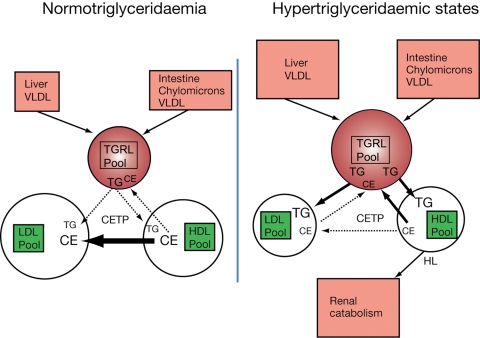
“Triglyceride enrichment of both high- and lowdensity lipoproteins by this mechanism gives rise to formation of small dense low-density lipoprotein and small dense high-density lipoprotein.45 Modified from Barter et al.49 (with permission from Lippincott Williams and Wilkins). lipoproteins (LDL, VLDL, and remnants) wit…”
BackgroundMethodInfluentialSelf-citationInazu, A., Brown, M. L., Hesler, C. B., Agellon, L. B., Koizumi, J., Takata, K., Maruhama, Y., Mabuchi, H., & Tall, A. R. (1990) · New England Journal of Medicine · doi:10.1056/nejm199011013231803 · Cited by 861
Statins, high-density lipoprotein cholesterol, and regression of coronary atherosclerosis
Nicholls, S. J., Tuzcu, E. M., Sipahi, I., Grasso, A. W., Schoenhagen, P., Hu, T., Wolski, K., Crowe, T., Desai, M. Y., Hazen, S. L., et al. (2007) · JAMA · doi:10.1001/jama.297.5.499 · Cited by 724 · cited 1×
“5%, are required in order to stop atherosclerosis progression, induce plaque regression, or both.(21)”
BackgroundAssmann, G., Schulte, H., von Eckardstein, A., & Huang, Y. (1996) · Atherosclerosis · doi:10.1016/0021-9150(96)05852-2 · Cited by 698
Effect of Torcetrapib on Carotid Atherosclerosis in Familial Hypercholesterolemia
Kastelein, J. J. P., van Leuven, S. I., Burgess, L., Evans, G. W., Kuivenhoven, J. A., Barter, P. J., Revkin, J. H., Grobbee, D. E., Riley, W. A., Shear, C. L., et al. (2007) · New England Journal of Medicine · doi:10.1056/nejmoa071359 · Cited by 658
Plasma high density lipoproteins. Metabolism and relationship to atherogenesis.
Tall, A. R. (1990) · Journal of Clinical Investigation · doi:10.1172/jci114722 · Cited by 652 · cited 3×
“Circulating HDL particles are highly heterogeneous in structure, intravascular metabolism, and anti-atherogenic activity, consisting primarily of two major subpopulations: large, light, cholesteryl ester (CE)-rich HDL2; and small, dense, CE-poor, protein-rich HDL3.”
BackgroundKontush, A., & Chapman, M. J. (2006) · Pharmacological Reviews · doi:10.1124/pr.58.3.1 · Cited by 647 · cited 8×
“Whereas high-density lipoprotein uptake by the low-density lipoprotein receptor results primarily in lysosomal-mediated degradation of both lipids and apolipoproteins, interaction of high-density lipoprotein with scavenger receptor B1 regenerates lipid-poor apoA-I and cholesterol-depleted high-density lipoproteins, bo…”
BackgroundInfluentialSelf-citationMiller, M., Cannon, C. P., Murphy, S. A., Qin, J., Ray, K. K., & Braunwald, E. (2008) · Journal of the American College of Cardiology · doi:10.1016/j.jacc.2007.10.038 · Cited by 610
Nicotinic acid: the broad‐spectrum lipid drug. A 50th anniversary review
CARLSON, L. A. (2005) · Journal of Internal Medicine · doi:10.1111/j.1365-2796.2005.01528.x · Cited by 581 · cited 1×
“cally increasing levels by up to 30% on a dose-dependent basis.(3,7,24,33,101) The clinical benefits associated with niacin treat-”
BackgroundScott, R., O'Brien, R., Fulcher, G., Pardy, C., d'Emden, M., Tse, D., Taskinen, M.-R., Ehnholm, C., Keech, A., & on behalf of the Fenofibrate Intervention and Event Lowering in Diabetes (FIELD) Study Investigators (2009) · Diabetes Care · doi:10.2337/dc08-1543 · Cited by 551
A cholesteryl ester transfer protein inhibitor attenuates atherosclerosis in rabbits
Okamoto, H., Yonemori, F., Wakitani, K., Minowa, T., Maeda, K., & Shinkai, H. (2000) · Nature · doi:10.1038/35018119 · Cited by 531 · cited 3×
“In addition, dalcetrapib treatment effected a 70% reduction in aortic arch lesions compared with controls.(129)”
BackgroundInfluentialPlasma High-Density Lipoproteins
Tall, A. R., & Small, D. M. (1978) · New England Journal of Medicine · doi:10.1056/nejm197811302992207 · Cited by 499
Briel, M., Ferreira-Gonzalez, I., You, J. J., Karanicolas, P. J., Akl, E. A., Wu, P., Blechacz, B., Bassler, D., Wei, X., Sharman, A., et al. (2009) · BMJ · doi:10.1136/bmj.b92 · Cited by 491 · cited 1×
“Some prudence should therefore be applied when interpreting potentially spurious conclusions.(17)”
BackgroundInsulin resistance and atherosclerosis
Semenkovich, C. F. (2006) · Journal of Clinical Investigation · doi:10.1172/jci29024 · Cited by 481
Hansel, B., Giral, P., Nobecourt, E., Chantepie, S., Bruckert, E., Chapman, M. J., & Kontush, A. (2004) · The Journal of Clinical Endocrinology & Metabolism · doi:10.1210/jc.2004-0305 · Cited by 477
Self-citationHigh-Density Lipoprotein as a Therapeutic Target: A Systematic Review
Singh, I. M., Shishehbor, M. H., & Ansell, B. J. (2007) · JAMA · doi:10.1001/jama.298.7.786 · Cited by 468 · cited 4×
“HDL-associated cardiovascular risk in low HDL-C subjects, due to their modest effect on HDL-C levels (up to 16%).(7,19,37,38) Fibric acid derivatives (fibrates) may increase HDL-C by up to 20%,(39) but their efficacy may depend upon several factors.”
BackgroundInfluentialBots, M. L., Visseren, F. L., Evans, G. W., Riley, W. A., Revkin, J. H., Tegeler, C. H., Shear, C. L., Duggan, W. T., Vicari, R. M., Grobbee, D. E., et al. (2007) · The Lancet · doi:10.1016/s0140-6736(07)61088-5 · Cited by 461
de Grooth, G. J., Kuivenhoven, J. A., Stalenhoef, A. F. H., de Graaf, J., Zwinderman, A. H., Posma, J. L., van Tol, A., & Kastelein, J. J. P. (2002) · Circulation · doi:10.1161/01.cir.0000015857.31889.7b · Cited by 456 · cited 2×
“efficacy and safety of dalcetrapib in 198 healthy subjects with mild hyperlipidaemia (HDL-C 60 mg/dL and TG 400 mg/dL).(131)”
BackgroundKamanna, V. S., & Kashyap, M. L. (2008) · The American Journal of Cardiology · doi:10.1016/j.amjcard.2008.02.029 · Cited by 453 · cited 1×
“Four key processes are considered to contribute to niacin-mediated elevation in apoA-I and HDL-C levels: (i) up-regulation of apoA-I production rate (þ24%) relative to placebo without change in fractional catabolic rate,(102) with no change in either the concentration of or kinetic parameters for apoA-II; (ii) the abi…”
BackgroundEfficacy and safety of high-density lipoprotein cholesterol-increasing compounds
Birjmohun, R. S., Hutten, B. A., Kastelein, J. J. P., & Stroes, E. S. G. (2005) · Journal of the American College of Cardiology · doi:10.1016/j.jacc.2004.10.031 · Cited by 429
Statin-induced inhibition of the Rho-signaling pathway activates PPARα and induces HDL apoA-I
Martin, G., Duez, H., Blanquart, C., Berezowski, V., Poulain, P., Fruchart, J.-C., Najib-Fruchart, J., Glineur, C., & Staels, B. (2001) · Journal of Clinical Investigation · doi:10.1172/jci10852 · Cited by 417
Davidson, W. S., Silva, R. A. G. D., Chantepie, S., Lagor, W. R., Chapman, M. J., & Kontush, A. (2009) · Arteriosclerosis, Thrombosis, and Vascular Biology · doi:10.1161/atvbaha.109.186031 · Cited by 415 · cited 1×
“Indeed, recent proteomic analyses of HDL have revealed the presence of up to 75 distinct proteins.(28,29)”
BackgroundSelf-citationLipoprotein Heterogeneity and Apolipoprotein B Metabolism
Packard, C. J., & Shepherd, J. (1997) · Arteriosclerosis, Thrombosis, and Vascular Biology · doi:10.1161/01.atv.17.12.3542 · Cited by 402 · cited 2×
“density predominated; reduction in CETP activity is readily implicated in each of these effects.(69,70,87) Fibrates preferentially enhance concentrations of apoA-I plus apoA-II-containing HDL”
BackgroundLibby, P. (2005) · Journal of the American College of Cardiology · doi:10.1016/j.jacc.2005.07.006 · Cited by 388 · cited 1×
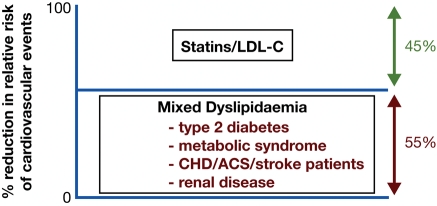
“patients with dyslipidaemia, and particularly in those exhibiting metabolic disease and insulin resistance.(1) In large landmark trials, reduction in low-density lipoprotein cholesterol (LDL-C) levels”
Backgroundvan der Steeg, W. A., Holme, I., Boekholdt, S. M., Larsen, M. L., Lindahl, C., Stroes, E. S. G., Tikkanen, M. J., Wareham, N. J., Faergeman, O., Olsson, A. G., et al. (2008) · Journal of the American College of Cardiology · doi:10.1016/j.jacc.2007.09.060 · Cited by 374 · cited 4×
“%) from baseline were observed, torcetrapib plus atorvastatin failed to diminish maximum CIMT in patients with familial hypercholesterolaemia121 and in mixed dyslipidaemia;122 equally, this combination did not significantly decrease IVUS-assessed atheroma volume in patients with CHD.120,124 Although overall findings i…”
BackgroundInfluentialClark, R. W., Sutfin, T. A., Ruggeri, R. B., Willauer, A. T., Sugarman, E. D., Magnus-Aryitey, G., Cosgrove, P. G., Sand, T. M., Wester, R. T., Williams, J. A., et al. (2004) · Arteriosclerosis, Thrombosis, and Vascular Biology · doi:10.1161/01.atv.0000118278.21719.17 · Cited by 371 · cited 1×
“plexes in which torcetrapib binds to CETP in a 1:1 ratio, forming a larger complex with HDL particles.(112,125) However, calculation shows that for plasma concentrations of HDL 6–10 mM, and”
BackgroundAtheroprotective Effects of High-Density Lipoproteins
Assmann, G., & Nofer, J.-R. (2003) · Annual Review of Medicine · doi:10.1146/annurev.med.54.101601.152409 · Cited by 343 · cited 1×
“anti-apoptotic, vasodilatory, anti-thrombotic, and anti-infectious actions.(27,30,31) It is as a result of this spectrum of anti-atherogenic, cardioprotective activities that therapeutic elevation in plasma”
BackgroundAntiatherogenic small, dense HDL—guardian angel of the arterial wall?
Kontush, A., & Chapman, M. J. (2006) · Nature Clinical Practice Cardiovascular Medicine · doi:10.1038/ncpcardio0500 · Cited by 342 · cited 4×
“tative anomalies of HDL particles in these insulin-resistant disease states (Figure 3).(31,32,145)”
BackgroundInfluentialSelf-citationNicotinic Acid: Pharmacological Effects and Mechanisms of Action
Gille, A., Bodor, E. T., Ahmed, K., & Offermanns, S. (2008) · Annual Review of Pharmacology and Toxicology · doi:10.1146/annurev.pharmtox.48.113006.094746 · Cited by 311
Taylor, A. J., Lee, H. J., & Sullenberger, L. E. (2006) · Current Medical Research and Opinion · doi:10.1185/030079906x148508 · Cited by 304
High-Density Lipoprotein Function
Ansell, B. J., Watson, K. E., Fogelman, A. M., Navab, M., & Fonarow, G. C. (2005) · Journal of the American College of Cardiology · doi:10.1016/j.jacc.2005.06.080 · Cited by 285
Qiu, X., Mistry, A., Ammirati, M. J., Chrunyk, B. A., Clark, R. W., Cong, Y., Culp, J. S., Danley, D. E., Freeman, T. B., Geoghegan, K. F., et al. (2007) · Nature Structural & Molecular Biology · doi:10.1038/nsmb1197 · Cited by 277 · cited 8×
“Indeed, we interpret available evidence from prospective and cross-sectional epidemiological studies to support the overall contention that reduction of CETP activity, particularly when supranormal as typically occurs in dyslipidaemic subjects at high cardiovascular risk,45 constitutes a potential strategy for decreas…”
BackgroundInfluentialKrishna, R., Anderson, M. S., Bergman, A. J., Jin, B., Fallon, M., Cote, J., Rosko, K., Chavez-Eng, C., Lutz, R., Bloomfield, D. M., et al. (2007) · The Lancet · doi:10.1016/s0140-6736(07)61813-3 · Cited by 277 · cited 1×
“A Phase I randomized, placebo-controlled study assessed the efficacy and safety of anacetrapib in 50 patients with dyslipidaemia (LDL-C, 100–190 mg/dL).(138) After 28-day treatment, anacetrapib produced dose-dependent lipid-altering effects; at the maximal”
Shaw, J. A., Bobik, A., Murphy, A., Kanellakis, P., Blombery, P., Mukhamedova, N., Woollard, K., Lyon, S., Sviridov, D., & Dart, A. M. (2008) · Circulation Research · doi:10.1161/circresaha.108.182063 · Cited by 275 · cited 3×
“More recently, a single infusion of reconstituted HDL particles induced acute changes in plaque composition and structure in a placebo-controlled study in patients exhibiting symptomatic atherosclerotic vascular disease in the superficial femoral artery.(24) Specifically, a 20% increment in HDL-C was associated with r…”
BackgroundVakkilainen, J., Steiner, G., Ansquer, J.-C., Aubin, F., Rattier, S., Foucher, C., Hamsten, A., & Taskinen, M.-R. (2003) · Circulation · doi:10.1161/01.cir.0000057982.50167.6e · Cited by 270
Guérin, M., Le Goff, W., Lassel, T. S., Van Tol, A., Steiner, G., & Chapman, M. J. (2001) · Arteriosclerosis, Thrombosis, and Vascular Biology · doi:10.1161/01.atv.21.2.282 · Cited by 258
Self-citationChapman, M. J., Assmann, G., Fruchart, J.-C., Shepherd, J., & Sirtori, C. (2004) · Current Medical Research and Opinion · doi:10.1185/030079904125004402 · Cited by 257
Self-citationLipoprotein cholesteryl ester production, transfer, and output in vivo in humans
Schwartz, C. C., VandenBroek, J. M., & Cooper, P. S. (2004) · Journal of Lipid Research · doi:10.1194/jlr.m300511-jlr200 · Cited by 249 · cited 8×
“Indeed, we interpret available evidence from prospective and cross-sectional epidemiological studies to support the overall contention that reduction of CETP activity, particularly when supranormal as typically occurs in dyslipidaemic subjects at high cardiovascular risk,45 constitutes a potential strategy for decreas…”
BackgroundInfluentialPrevalence of risk factors in men with premature coronary artery disease
Genest, J. J., McNamara, J. R., Salem, D. N., & Schaefer, E. J. (1991) · The American Journal of Cardiology · doi:10.1016/0002-9149(91)90924-a · Cited by 243
Bloomfield, D., Carlson, G. L., Sapre, A., Tribble, D., McKenney, J. M., Littlejohn, T. W., Sisk, C. M., Mitchel, Y., & Pasternak, R. C. (2009) · American Heart Journal · doi:10.1016/j.ahj.2008.09.022 · Cited by 243 · cited 1×
“ated as monotherapy and in co-administration with atorvastatin (20 mg/day) in patients (n 1⁄4 589) displaying either hypercholesterolaemia or mixed dyslipidaemia over an 8-week period; some 54% exhibited low HDL-C at baseline.(139) For anacetrapib monotherapy,”
BackgroundHigh-density lipoproteins: Epidemiologic profile and risks of coronary artery disease
Kannel, W. B. (1983) · The American Journal of Cardiology · doi:10.1016/0002-9149(83)90649-5 · Cited by 242
Guerin, M., Lassel, T. S., Le Goff, W., Farnier, M., & Chapman, M. J. (2000) · Arteriosclerosis, Thrombosis, and Vascular Biology · doi:10.1161/01.atv.20.1.189 · Cited by 237 · cited 4×
“transfer from HDL to atherogenic particles in dyslipidaemic subjects.(3,42,43,45) This effect, whether in normolipidaemic or dyslipidaemic subjects, or in animal models, involves several”
BackgroundInfluentialSelf-citationBrousseau, M. E., Diffenderfer, M. R., Millar, J. S., Nartsupha, C., Asztalos, B. F., Welty, F. K., Wolfe, M. L., Rudling, M., Björkhem, I., Angelin, B., et al. (2005) · Arteriosclerosis, Thrombosis, and Vascular Biology · doi:10.1161/01.atv.0000161928.16334.dd · Cited by 233
Sacks, F. M. (2002) · The American Journal of Cardiology · doi:10.1016/s0002-9149(02)02436-0 · Cited by 231
Postprandial lipemia, fenofibrate and coronary artery disease
Simpson, H. S., Williamson, C. M., Olivecrona, T., Pringle, S., Maclean, J., Lorimer, A. R., Bonnefous, F., Bogaievsky, Y., Packard, C. J., & Shepherd, J. (1990) · Atherosclerosis · doi:10.1016/0021-9150(90)90111-u · Cited by 230 · cited 4×
“As indicated above, CETP is centrally implicated in post-prandial hypertriglyceridaemia, an independent risk factor for CHD.(3,58) –61 The post-prandial state is characterized by the transient accumulation of intestinally derived chylomicrons (CM) and hepatically derived VLDL and their remnants, which may infiltrate a…”
BackgroundInfluentialTriglyceride enrichment of HDL enhances in vivo metabolic clearance of HDL apo A-I in healthy men
Lamarche, B., Uffelman, K. D., Carpentier, A., Cohn, J. S., Steiner, G., Barrett, P. H., & Lewis, G. F. (1999) · Journal of Clinical Investigation · doi:10.1172/jci5286 · Cited by 229 · cited 3×
“catabolism of HDL and apoA-I ensues via the renal pathway, with decrease in plasma levels of both HDL-C and apoA-I.(56,66) The action of CETP during the post-prandial phase has been”
BackgroundCurb, J. D., Abbott, R. D., Rodriguez, B. L., Masaki, K., Chen, R., Sharp, D. S., & Tall, A. R. (2004) · Journal of Lipid Research · doi:10.1194/jlr.m300520-jlr200 · Cited by 228 · cited 1×
“tention that reduction of CETP activity, particularly when supranormal as typically occurs in dyslipidaemic subjects at high cardiovascular risk,(45) constitutes a potential strategy for decreasing atherosclerosis and cardiovascular disease.(3,46) –49 This critical and timely review provides an integrated view of the…”
BackgroundNob�court, E., Jacqueminet, S., Hansel, B., Chantepie, S., Grimaldi, A., Chapman, M. J., & Kontush, A. (2005) · Diabetologia · doi:10.1007/s00125-004-1655-5 · Cited by 220 · cited 1×
“enriched in core TG and depleted in CE and apoA-I are formed intravascularly in both type 2 diabetic and metabolic syndrome patients.(24,31,149,150) Thus, therapeutic normalization of both the quantity and the quality of HDL particles by CETP inhibitors constitutes a key target to efficaciously attenuate atheroscleros…”
BackgroundSelf-citationWatts, G. F., Barrett, P. H. R., Ji, J., Serone, A. P., Chan, D. C., Croft, K. D., Loehrer, F., & Johnson, A. G. (2003) · Diabetes · doi:10.2337/diabetes.52.3.803 · Cited by 219 · cited 1×
“levels of apoA-I is minor as their fractional catabolic rate in the plasma compartment is accelerated.(90)”
BackgroundPrevalence of Risk Factors in Men With Premature Coronary Artery Disease
Genest, J. J., McNamara, J. R., Salem, D. N., & Schaefer, E. J. (1992) · Journal of Cardiopulmonary Rehabilitation · doi:10.1097/00008483-199203010-00011 · Cited by 217
Nicholls, S. J., Tuzcu, E. M., Brennan, D. M., Tardif, J.-C., & Nissen, S. E. (2008) · Circulation · doi:10.1161/circulationaha.108.790733 · Cited by 213
Yvan-Charvet, L., Matsuura, F., Wang, N., Bamberger, M. J., Nguyen, T., Rinninger, F., Jiang, X.-C., Shear, C. L., & Tall, A. R. (2007) · Arteriosclerosis, Thrombosis, and Vascular Biology · doi:10.1161/atvbaha.106.138347 · Cited by 201 · cited 1×
“tial utility in treating common forms of dyslipidaemia associated with premature atherosclerosis.(115,126,127,131,132,143,144) In particular, metabolic syndrome and type 2 diabetes may be ideal targets for”
BackgroundInsulin Resistance and Atherosclerosis
Razani, B., Chakravarthy, M. V., & Semenkovich, C. F. (2008) · Endocrinology and Metabolism Clinics of North America · doi:10.1016/j.ecl.2008.05.001 · Cited by 199
benefit-risk assessment of Rosuvastatin 10 to 40 milligrams
Brewer, H. B. (2003) · The American Journal of Cardiology · doi:10.1016/s0002-9149(03)00779-3 · Cited by 198
Tall, A., Sammett, D., & Granot, E. (1986) · Journal of Clinical Investigation · doi:10.1172/jci112417 · Cited by 195
Guérin, M., Bruckert, E., Dolphin, P. J., Turpin, G., & Chapman, M. J. (1996) · Arteriosclerosis, Thrombosis, and Vascular Biology · doi:10.1161/01.atv.16.6.763 · Cited by 195 · cited 2×
“density predominated; reduction in CETP activity is readily implicated in each of these effects.(69,70,87) Fibrates preferentially enhance concentrations of apoA-I plus apoA-II-containing HDL”
BackgroundSelf-citationRubic, T., Trottmann, M., & Lorenz, R. L. (2004) · Biochemical Pharmacology · doi:10.1016/j.bcp.2003.09.014 · Cited by 182 · cited 1×
“Finally, the potential role of niacin in enhancing cholesterol efflux via ABCA1 from macrophages to HDL acceptors, with positive impact on HDL-C levels, cannot be excluded.(110) The”
BackgroundFibrates in 2003: therapeutic action in atherogenic dyslipidaemia and future perspectives
Chapman, M. (2003) · Atherosclerosis · doi:10.1016/s0021-9150(03)00156-4 · Cited by 180 · cited 2×
“Fibric acid derivatives (fibrates) may increase HDL-C by up to 20%,(39) but their efficacy may depend upon several factors.(37,40) Like niacin, fibrates may be used in combination with statins, provided creatine kinase levels are monitored.”
BackgroundSelf-citationLuc, G., Bard, J.-M., Ferrières, J., Evans, A., Amouyel, P., Arveiler, D., Fruchart, J.-C., & Ducimetière, P. (2002) · Arteriosclerosis, Thrombosis, and Vascular Biology · doi:10.1161/01.atv.0000022850.59845.e0 · Cited by 180
Effects of Statins on High-Density Lipoproteins: A Potential Contribution to Cardiovascular Benefit
McTaggart, F., & Jones, P. (2008) · Cardiovascular Drugs and Therapy · doi:10.1007/s10557-008-6113-z · Cited by 177 · cited 3×
“Fibric acid derivatives (fibrates) may increase HDL-C by up to 20%,(39) but their efficacy may depend upon several factors.(37,40) Like niacin, fibrates may be used in combination with statins, provided creatine kinase levels are monitored.”
Backgroundvan der Hoorn, J. W. A., de Haan, W., Berbée, J. F. P., Havekes, L. M., Jukema, J. W., Rensen, P. C. N., & Princen, H. M. G. (2008) · Arteriosclerosis, Thrombosis, and Vascular Biology · doi:10.1161/atvbaha.108.171363 · Cited by 173
Kuivenhoven, J. A., de Grooth, G. J., Kawamura, H., Klerkx, A. H., Wilhelm, F., Trip, M. D., & Kastelein, J. J. P. (2005) · The American Journal of Cardiology · doi:10.1016/j.amjcard.2004.12.064 · Cited by 170 · cited 3×
“tial utility in treating common forms of dyslipidaemia associated with premature atherosclerosis.(115,126,127,131,132,143,144) In particular, metabolic syndrome and type 2 diabetes may be ideal targets for”
BackgroundBarter, P. J., & Kastelein, J. J. P. (2006) · Journal of the American College of Cardiology · doi:10.1016/j.jacc.2005.09.042 · Cited by 168 · cited 1×
“to form a complex that inhibits the transfer of lipids between HDL and other lipoproteins.(47) Data from a number of clinical studies performed in dyslipidaemic patients indicate that torcetrapib has beneficial effects on an atherogenic lipoprotein profile.”
BackgroundAshen, M. D., & Blumenthal, R. S. (2005) · New England Journal of Medicine · doi:10.1056/nejmcp044370 · Cited by 166
Paolini, J. F., Mitchel, Y. B., Reyes, R., Kher, U., Lai, E., Watson, D. J., Norquist, J. M., Meehan, A. G., Bays, H. E., Davidson, M., et al. (2008) · The American Journal of Cardiology · doi:10.1016/j.amjcard.2007.10.023 · Cited by 163 · cited 3×
“35 Flushing may also be reduced by combining ERN with a new prostaglandin D2 receptor 1 antagonist, laropiprant (MK-0524).(36) Indeed, in a recent Phase II study, significant reductions in flushing were observed in patients with dyslipidaemia treated with ERN plus laropiprant compared with ERN alone (P , 0.”
BackgroundInfluentialZambon, A., Gervois, P., Pauletto, P., Fruchart, J.-C., & Staels, B. (2006) · Arteriosclerosis, Thrombosis, and Vascular Biology · doi:10.1161/01.atv.0000204327.96431.9a · Cited by 162 · cited 3×
“As with statins, the question can be legitimately raised as to the relative contribution of HDL-raising to cardiovascular benefit by fibrates, particularly given the wide range of anti-inflammatory actions of these agents.(91,92)”
BackgroundGoff, W. L., Guérin, M., & Chapman, M. J. (2004) · Pharmacology & Therapeutics · doi:10.1016/j.pharmthera.2003.10.001 · Cited by 162
Self-citationIs raising HDL a futile strategy for atheroprotection?
JOY, T. R., & Hegele, R. A. (2008) · Nature Reviews Drug Discovery · doi:10.1038/nrd2489 · Cited by 162 · cited 5×
“recognized, especially as it is a key feature of common metabolic diseases (Figure 3).(3,32,52) Moreover, the defective anti-atherogenic function of HDL particles in metabolic disease is now established”
BackgroundInfluentialMolecular processes that handle — and mishandle — dietary lipids
Williams, K. J. (2008) · Journal of Clinical Investigation · doi:10.1172/jci35206 · Cited by 160 · cited 1×
“–61 The post-prandial state is characterized by the transient accumulation of intestinally derived chylomicrons (CM) and hepatically derived VLDL and their remnants, which may infiltrate and undergo retention in the arterial wall.(62) During the lipolytic process, surface components (mainly phospholipids and free”
BackgroundFibrates and future PPARα agonists in the treatment of cardiovascular disease
Staels, B., Maes, M., & Zambon, A. (2008) · Nature Clinical Practice Cardiovascular Medicine · doi:10.1038/ncpcardio1278 · Cited by 160
Is There a Role for Fibrates in the Management of Dyslipidemia in the Metabolic Syndrome?
Barter, P. J., & Rye, K.-A. (2008) · Arteriosclerosis, Thrombosis, and Vascular Biology · doi:10.1161/atvbaha.107.148817 · Cited by 153 · cited 4×
“As emphasized earlier, the impact of fibrates is largely a function of baseline lipid levels;(40,91) the effects of both gemfibrozil and fenofibrate on plasma HDL-C levels are most pronounced when fasting levels of TG and TG-rich lipoproteins are elevated, and when baseline HDL-C levels are low.(91,94) As with statins…”
BackgroundInfluentialBrewer, H. B. (2004) · Arteriosclerosis Thrombosis and Vascular Biology · doi:10.1161/01.atv.0000121505.88326.d2 · Cited by 151
Therapeutic elevation of HDL-cholesterol to prevent atherosclerosis and coronary heart disease
Chapman, M. J. (2006) · Pharmacology & Therapeutics · doi:10.1016/j.pharmthera.2006.02.003 · Cited by 150 · cited 12×
“recognized, especially as it is a key feature of common metabolic diseases (Figure 3).(3,32,52) Moreover, the defective anti-atherogenic function of HDL particles in metabolic disease is now established”
BackgroundInfluentialSelf-citationLamon-Fava, S., Diffenderfer, M. R., Barrett, P. H. R., Buchsbaum, A., Nyaku, M., Horvath, K. V., Asztalos, B. F., Otokozawa, S., Ai, M., Matthan, N. R., et al. (2008) · Arteriosclerosis, Thrombosis, and Vascular Biology · doi:10.1161/atvbaha.108.164541 · Cited by 149 · cited 1×
“Only recently has attention been focused on delineating the mechanisms which underlie the HDL-raising action of niacin.(102,104,105) Four key processes are considered to contribute to niacin-mediated elevation in apoA-I and HDL-C levels: (i) up-regulation of apoA-I production rate (þ24%) relative to placebo without ch…”
BackgroundTargeting residual cardiovascular risk: raising high-density lipoprotein cholesterol levels
Hausenloy, D. J., & Yellon, D. M. (2008) · Heart · doi:10.1136/hrt.2007.125401 · Cited by 149
McKenney, J. M., Davidson, M. H., Shear, C. L., & Revkin, J. H. (2006) · Journal of the American College of Cardiology · doi:10.1016/j.jacc.2006.06.066 · Cited by 144 · cited 1×
“Data from a number of clinical studies performed in dyslipidaemic patients indicate that torcetrapib has beneficial effects on an atherogenic lipoprotein profile.(113) – 115”
ResultLund-Katz, S., Laplaud, P. M., Phillips, M. C., & Chapman, M. J. (1998) · Biochemistry · doi:10.1021/bi980828m · Cited by 143 · cited 1×
“Furthermore, CETP is critical to optimization of LDL particle structure and apoB100 conformation for high affinity binding to LDL receptors.(45,57)”
BackgroundSelf-citationClark, R. W., Ruggeri, R. B., Cunningham, D., & Bamberger, M. J. (2006) · Journal of Lipid Research · doi:10.1194/jlr.m500349-jlr200 · Cited by 143
Saha, S. A., Kizhakepunnur, L. G., Bahekar, A., & Arora, R. R. (2007) · American Heart Journal · doi:10.1016/j.ahj.2007.07.011 · Cited by 143 · cited 1×
“these agents significantly reduce the occurrence of non-fatal myocardial infarction, but are without significant effect on other adverse cardiovascular outcomes.(98) Recent subgroup analyses”
BackgroundStein, E. A., Stroes, E. S. G., Steiner, G. A., Buckley, B. M., Capponi, A. M., Burgess, T., Niesor, E. J., Kallend, D. G., & Kastelein, J. J. P. (2009) · The American Journal of Cardiology · doi:10.1016/j.amjcard.2009.02.061 · Cited by 136 · cited 1×
“Furthermore, in a recent analysis of four 4-week Phase IIa studies (including the two studies mentioned above) and one 12-week Phase IIb study in patients with type II hyperlipidaemia, CHD, or CHD risk equivalents, dalcetrapib was generally well tolerated and was not associated with clinically relevant elevations in b…”
BackgroundLópes, R. D., Alexander, K. P., Manoukian, S. V., Bertrand, M. E., Feit, F., White, H. D., Pollack, C. V., Hoekstra, J. W., Gersh, B. J., Stone, G. W., et al. (2009) · Journal of the American College of Cardiology · doi:10.1016/j.jacc.2008.12.021 · Cited by 134
Vergeer, M., Bots, M. L., van Leuven, S. I., Basart, D. C., Sijbrands, E. J., Evans, G. W., Grobbee, D. E., Visseren, F. L., Stalenhoef, A. F., Stroes, E. S., et al. (2008) · Circulation · doi:10.1161/circulationaha.108.772665 · Cited by 134
Combined Statin and Niacin Therapy Remodels the High-Density Lipoprotein Proteome
Green, P. S., Vaisar, T., Pennathur, S., Kulstad, J. J., Moore, A. B., Marcovina, S., Brunzell, J., Knopp, R. H., Zhao, X.-Q., & Heinecke, J. W. (2008) · Circulation · doi:10.1161/circulationaha.108.770669 · Cited by 130 · cited 1×
“with recent findings in low HDL-C human subjects with established CAD who were treated with a niacin/statin combination, and in whom abnormalities in the HDL proteome were partially reversed.(109) Finally, the potential role of niacin in enhancing cholesterol efflux via ABCA1 from macrophages to HDL acceptors, with po…”
ResultDavidson, M. H., McKenney, J. M., Shear, C. L., & Revkin, J. H. (2006) · Journal of the American College of Cardiology · doi:10.1016/j.jacc.2006.06.067 · Cited by 129
Effects of postprandial lipemia on plasma cholesterol metabolism.
Castro, G. R., & Fielding, C. J. (1985) · Journal of Clinical Investigation · doi:10.1172/jci111786 · Cited by 123 · cited 1×
“ation of CE-enriched HDL into TG-rich HDL particles (Figure 2).(45,53,59,63) –65 Triglyceride enrichment of HDL is deleter-”
BackgroundSchaefer, J. R., Schweer, H., Ikewaki, K., Stracke, H., Seyberth, H. J., Kaffarnik, H., Maisch, B., & Steinmetz, A. (1999) · Atherosclerosis · doi:10.1016/s0021-9150(99)00053-2 · Cited by 121 · cited 1×
“shift in the HDL particle distribution towards larger, relatively cholesterol- and apoA-I-rich HDL particles typical of HDL2 observed in statin-treated populations, including patients displaying heterozygous familial hypercholesterolaemia.(43,68,72,76,77) Furthermore, lifestyle factors known to influence plasma CETP a…”
BackgroundDuez, H., Lefebvre, B., Poulain, P., Torra, I. P., Percevault, F., Luc, G., Peters, J. M., Gonzalez, F. J., Gineste, R., Helleboid, S., et al. (2005) · Arteriosclerosis, Thrombosis, and Vascular Biology · doi:10.1161/01.atv.0000154140.73570.00 · Cited by 120
The role of fibrates in managing hyperlipidemia: Mechanisms of action and clinical efficacy
Fazio, S., & Linton, M. F. (2004) · Current Atherosclerosis Reports · doi:10.1007/s11883-004-0104-8 · Cited by 118 · cited 1×
“vascular and systemic inflammation due to PPARa-mediated downregulation of a wide spectrum of pro-inflammatory genes.(91,92,99,100) In summary, statins and fibrates act in part by similar mechan-”
BackgroundZhang, L., Kamanna, V. S., Zhang, M. C., & Kashyap, M. L. (2008) · Journal of Lipid Research · doi:10.1194/jlr.m700426-jlr200 · Cited by 117
Asztalos, B. F., Horvath, K. V., McNamara, J. R., Roheim, P. S., Rubinstein, J. J., & Schaefer, E. J. (2002) · Atherosclerosis · doi:10.1016/s0021-9150(02)00149-1 · Cited by 115 · cited 2×
“shift in the HDL particle distribution towards larger, relatively cholesterol- and apoA-I-rich HDL particles typical of HDL2 observed in statin-treated populations, including patients displaying heterozygous familial hypercholesterolaemia.(43,68,72,76,77) Furthermore, lifestyle factors known to influence plasma CETP a…”
BackgroundHUANG, Z., INAZU, A., NOHARA, A., HIGASHIKATA, T., & MABUCHI, H. (2002) · Clinical Science · doi:10.1042/cs1030587 · Cited by 113 · cited 1×
“but atheromatous area was not correlated with HDL-C levels or CETP activity.(130)”
BackgroundApolipoprotein A-II Is Inversely Associated With Risk of Future Coronary Artery Disease
Birjmohun, R. S., Dallinga-Thie, G. M., Kuivenhoven, J. A., Stroes, E. S. G., Otvos, J. D., Wareham, N. J., Luben, R., Kastelein, J. J. P., Khaw, K.-T., & Boekholdt, S. M. (2007) · Circulation · doi:10.1161/circulationaha.107.704031 · Cited by 113 · cited 4×
“%) from baseline were observed, torcetrapib plus atorvastatin failed to diminish maximum CIMT in patients with familial hypercholesterolaemia121 and in mixed dyslipidaemia;122 equally, this combination did not significantly decrease IVUS-assessed atheroma volume in patients with CHD.120,124 Although overall findings i…”
BackgroundInfluentialLipolytically Modified Triglyceride-Enriched HDLs Are Rapidly Cleared From the Circulation
Rashid, S., Barrett, P. H. R., Uffelman, K. D., Watanabe, T., Adeli, K., & Lewis, G. F. (2002) · Arteriosclerosis, Thrombosis, and Vascular Biology · doi:10.1161/hq0302.105374 · Cited by 96 · cited 2×
“catabolism of HDL and apoA-I ensues via the renal pathway, with decrease in plasma levels of both HDL-C and apoA-I.(56,66) The action of CETP during the post-prandial phase has been”
BackgroundCASLAKE, M. J., Stewart, G., Day, S., Daly, E., McTaggart, F., Chapman, M. J., Durrington, P. N., Laggner, P., Mackness, M., Pears, J. S., et al. (2003) · Atherosclerosis · doi:10.1016/j.atherosclerosis.2003.08.025 · Cited by 95
Self-citationWolfram, R. M., Brewer, H. B., Xue, Z., Satler, L. F., Pichard, A. D., Kent, K. M., & Waksman, R. (2006) · The American Journal of Cardiology · doi:10.1016/j.amjcard.2006.04.006 · Cited by 86
Asztalos, B. F., Maulf, F. L., Dallal, G. E., Stein, E. A., Jones, P. H., Horvath, K. V., McTaggart, F., & Schaefer, E. J. (2007) · The American Journal of Cardiology · doi:10.1016/j.amjcard.2006.09.117 · Cited by 85 · cited 2×
“shift in the HDL particle distribution towards larger, relatively cholesterol- and apoA-I-rich HDL particles typical of HDL2 observed in statin-treated populations, including patients displaying heterozygous familial hypercholesterolaemia.(43,68,72,76,77) Furthermore, lifestyle factors known to influence plasma CETP a…”
BackgroundWang, W., Basinger, A., Neese, R. A., Shane, B., Myong, S.-A., Christiansen, M., & Hellerstein, M. K. (2001) · American Journal of Physiology-Endocrinology and Metabolism · doi:10.1152/ajpendo.2001.280.3.e540 · Cited by 85 · cited 1×
“The mechanisms underlying the action of niacin in reducing plasma VLDL, LDL, and apoB levels in vivo involve enhanced clearance of TG-rich lipoproteins containing either apoB100 or B48,(102) although evidence is equally available to support decreased rates of VLDL production; such discrepancies may depend upon the met…”
BackgroundNicotinic acid, alone and in combinations, for reduction of cardiovascular risk
Brown, B. G., & Zhao, X.-Q. (2008) · The American Journal of Cardiology · doi:10.1016/j.amjcard.2008.02.039 · Cited by 84 · cited 1×
“feature attenuation of atherosclerosis progression and/or induction of plaque regression in addition to reduction in cardiovascular risk, and have been reviewed elsewhere.(22) The mechanisms underlying the action of niacin in reducing plasma VLDL, LDL, and apoB levels in vivo involve enhanced clearance of TG-rich lipo…”
BackgroundThe effects of fibrates on lipoprotein and hemostatic coronary risk factors
Schonfeld, G. (1994) · Atherosclerosis · doi:10.1016/0021-9150(94)90090-6 · Cited by 73 · cited 3×
“Circulating HDL particles are highly heterogeneous in structure, intravascular metabolism, and anti-atherogenic activity, consisting primarily of two major subpopulations: large, light, cholesteryl ester (CE)-rich HDL2; and small, dense, CE-poor, protein-rich HDL3.”
BackgroundOliveira, H. C. F., Chouinard, R. A., Agellon, L. B., Bruce, C., Ma, L., Walsh, A., Breslow, J. L., & Tall, A. R. (1996) · Journal of Biological Chemistry · doi:10.1074/jbc.271.50.31831 · Cited by 70
Guérin, M., Dolphin, P. J., Talussot, C., Gardette, J., Berthézène, F., & Chapman, M. J. (1995) · Arteriosclerosis Thrombosis and Vascular Biology · doi:10.1161/01.atv.15.9.1359 · Cited by 70
Self-citationGuerin, M., Egger, P., Soudant, C., Le Goff, W., van Tol, A., Dupuis, R., & Chapman, M. J. (2002) · Journal of Lipid Research · doi:10.1194/jlr.m200135-jlr200 · Cited by 69 · cited 3×
“typical of premature coronary artery disease, type 2 diabetes, and the metabolic syndrome.(45,59,65) In the post-prandial phase, CETPmediated net CE transfer flux from HDL to potentially atherogenic TG-rich lipoproteins (especially large VLDL1) is markedly”
BackgroundMethodSelf-citationSpotlight on HDL-raising therapies: insights from the torcetrapib trials
Kontush, A., Guérin, M., & Chapman, M. J. (2008) · Nature Clinical Practice Cardiovascular Medicine · doi:10.1038/ncpcardio1191 · Cited by 68 · cited 2×
“tial utility in treating common forms of dyslipidaemia associated with premature atherosclerosis.(115,126,127,131,132,143,144) In particular, metabolic syndrome and type 2 diabetes may be ideal targets for”
BackgroundSelf-citationCatalano, G., Julia, Z., Frisdal, E., Vedie, B., Fournier, N., Le Goff, W., Chapman, M. J., & Guerin, M. (2009) · Arteriosclerosis, Thrombosis, and Vascular Biology · doi:10.1161/atvbaha.108.179416 · Cited by 68 · cited 1×
“tial utility in treating common forms of dyslipidaemia associated with premature atherosclerosis.(115,126,127,131,132,143,144) In particular, metabolic syndrome and type 2 diabetes may be ideal targets for”
BackgroundSelf-citationCritical role of cholesterol ester transfer protein in nicotinic acid-mediated HDL elevation in mice
Hernandez, M., Wright, S. D., & Cai, T. (2007) · Biochemical and Biophysical Research Communications · doi:10.1016/j.bbrc.2007.02.079 · Cited by 66
Streja, L., Packard, C. J., Shepherd, J., Cobbe, S. M., & Ford, I. (2002) · The American Journal of Cardiology · doi:10.1016/s0002-9149(02)02599-7 · Cited by 66 · cited 4×
“%) and reduce CETP gene expression by inhibiting cholesterol biosynthesis in the liver;72 the cholesterol response element in the promoter of the CETP gene presumably underlies this latter effect.73,74 Finally, statin-induced increase in HDL-C may in part be attributable to enhanced peroxisome proliferator-activated r…”
BackgroundInfluentialOut, damned dot: studies of the NAD(P)H oxidase in atherosclerosis
Griendling, K. K., & Harrison, D. G. (2001) · Journal of Clinical Investigation · doi:10.1172/jci14453 · Cited by 65
Millar, J. S., Brousseau, M. E., Diffenderfer, M. R., Hugh, P., Barrett, R., Welty, F. K., Faruqi, A., Wolfe, M. L., Nartsupha, C., Digenio, A. G., et al. (2006) · Arteriosclerosis, Thrombosis, and Vascular Biology · doi:10.1161/01.atv.0000219695.84644.56 · Cited by 64
Ashen, M. D., & Blumenthal, R. S. (2005) · ACC Current Journal Review · doi:10.1016/j.accreview.2005.11.021 · Cited by 53
Gauthier, B. R., Robb, M. J., Gaudet, F., Ginsburg, G. S., & McPherson, R. (1999) · Journal of Lipid Research · doi:10.1016/s0022-2275(20)33490-8 · Cited by 52
Guerin, M., Le Goff, W., Frisdal, E., Schneider, S., Milosavljevic, D., Bruckert, E., & Chapman, M. J. (2003) · The Journal of Clinical Endocrinology & Metabolism · doi:10.1210/jc.2003-030191 · Cited by 51 · cited 2×
“density predominated; reduction in CETP activity is readily implicated in each of these effects.(69,70,87) Fibrates preferentially enhance concentrations of apoA-I plus apoA-II-containing HDL”
BackgroundSelf-citationBerk-Planken, I., Hoogerbrugge, N., Stolk, R., Bootsma, A., & Jansen, H. (2003) · Diabetes Care · doi:10.2337/diacare.26.2.427 · Cited by 51 · cited 1×
“lipoprotein phospholipids and TG, may be moderately attenuated (up to –22%) on a dose-dependent basis by statin treatment.(80) This effect favours maintenance of HDL/apoA-I lipidation—and”
BackgroundLassel, T. S., Guérin, M., Auboiron, S., Chapman, M. J., & Guy-Grand, B. (1998) · Arteriosclerosis, Thrombosis, and Vascular Biology · doi:10.1161/01.atv.18.1.65 · Cited by 46 · cited 1×
“mechanism may be of special relevance in the post-prandial state.(45,55) In moderate to marked hypertriglyceridaemia, a second major CETP-mediated, pro-atherogenic pathway is of critical importance.”
BackgroundSelf-citationGoldenberg, I., Boyko, V., Tennenbaum, A., Tanne, D., Behar, S., & Guetta, V. (2009) · Archives of Internal Medicine · doi:10.1001/archinternmed.2008.584 · Cited by 42
Cholesterylestertransfer protein inhibition and endothelial function in type II hyperlipidemia
Hermann, F., Enseleit, F., Spieker, L. E., Périat, D., Sudano, I., Hermann, M., Corti, R., Noll, G., Ruschitzka, F. T., & Lüscher, T. F. (2008) · Thrombosis Research · doi:10.1016/j.thromres.2008.06.022 · Cited by 42
Guérin, M., Goff, W. L., Duchêne, E., Julia, Z., Nguyen, T. T., Thuren, T. Y., Shear, C. L., & Chapman, M. J. (2007) · Arteriosclerosis Thrombosis and Vascular Biology · doi:10.1161/atvbaha.107.151688 · Cited by 41 · cited 1×
“tial utility in treating common forms of dyslipidaemia associated with premature atherosclerosis.(115,126,127,131,132,143,144) In particular, metabolic syndrome and type 2 diabetes may be ideal targets for”
BackgroundSelf-citationChristine Contacos, A., Barter, P. J., Ljubica Vrga, A., & SULLIVAN, D. R. (1998) · Atherosclerosis · doi:10.1016/s0021-9150(98)00151-8 · Cited by 41 · cited 1×
“typical of premature coronary artery disease, type 2 diabetes, and the metabolic syndrome.(45,59,65) In the post-prandial phase, CETPmediated net CE transfer flux from HDL to potentially atherogenic TG-rich lipoproteins (especially large VLDL1) is markedly”
BackgroundSchaefer, E. J., & Asztalos, B. F. (2007) · The American Journal of Cardiology · doi:10.1016/j.amjcard.2007.08.010 · Cited by 40 · cited 1×
“the apoA-I-rich HDL subpopulation of largest size (a-1-HDL particles).(48,76,77) The effect of fibrates on HDL particle subspecies result in part from fibrate-mediated up-regulation of apoA-I and”
BackgroundNiaspan®: creating a new concept for raising HDL-cholesterol
McGovern, M. (2005) · European Heart Journal Supplements · doi:10.1093/eurheartj/sui042 · Cited by 24
Watts, G. F., & Chan, D. C. (2008) · Arteriosclerosis Thrombosis and Vascular Biology · doi:10.1161/atvbaha.108.175224 · Cited by 22 · cited 1×
“Only recently has attention been focused on delineating the mechanisms which underlie the HDL-raising action of niacin.(102,104,105) Four key processes are considered to contribute to niacin-mediated elevation in apoA-I and HDL-C levels: (i) up-regulation of apoA-I production rate (þ24%) relative to placebo without ch…”
BackgroundOut, damned dot: studies of the NAD(P)H oxidase in atherosclerosis
Griendling, K. K., & Harrison, D. G. (2001) · Journal of Clinical Investigation · doi:10.1172/jci200114453 · Cited by 20
Niesor, E. J., von der Mark, E., Brousse, M., & Maugeais, C. (2008) · Atherosclerosis · doi:10.1016/j.atherosclerosis.2008.04.024 · Cited by 18 · cited 8×
“Indeed, we interpret available evidence from prospective and cross-sectional epidemiological studies to support the overall contention that reduction of CETP activity, particularly when supranormal as typically occurs in dyslipidaemic subjects at high cardiovascular risk,45 constitutes a potential strategy for decreas…”
BackgroundInfluential
Research works printed but not linked: 28
- 2008, New England Journal of Medicine, 359, 2195, 10.1056/nejmoa0807646 · DOI · Paper page
- 2004, New England Journal of Medicine, 350, 1495, 10.1056/nejmoa040583 · DOI · Paper page
- 2002, Arteriosclerosis, Thrombosis, and Vascular Biology, 22, 1155, 10.1161/01.atv.0000022850.59845.e0 · DOI · Paper page
- 2008, Circulation Research, 103, 1084, 10.1161/circresaha.108.182063 · DOI · Paper page
- 2009, Arteriosclerosis, Thrombosis, and Vascular Biology, 29, 870, 10.1161/atvbaha.109.186031 · DOI · Paper page
- 2003, Annual review of medicine, 54, 321, 10.1146/annurev.med.54.101601.152409 · DOI · Paper page
- 2008, Annual review of pharmacology and toxicology, 48, 79, 10.1146/annurev.pharmtox.48.113006.094746 · DOI · Paper page
- 2006, Journal of the American College of Cardiology, 47, 492, 10.1016/j.jacc.2005.09.042 · DOI · Paper page
- 2007, The American journal of cardiology, 100, 25N
- 2003, Arteriosclerosis, Thrombosis, and Vascular Biology, 23, 160, 10.1161/01.atv.0000054658.91146.64 · DOI · Paper page
- 2005, Arteriosclerosis, Thrombosis, and Vascular Biology, 25, 585, 10.1161/01.atv.0000154140.73570.00 · DOI · Paper page
- 2008, Arteriosclerosis, Thrombosis, and Vascular Biology, 28, 39, 10.1161/atvbaha.107.148817 · DOI · Paper page
- 2006, Arteriosclerosis, Thrombosis, and Vascular Biology, 26, 977, 10.1161/01.atv.0000204327.96431.9a · DOI · Paper page
- Poulter N The impact of micronized fenofibrate on lipid subfractions and on reaching HDL-target levels in 7,098 patients with dyslipidaemia Br J Cardiol 1999 6 682 685
- 2008, Arteriosclerosis, Thrombosis, and Vascular Biology, 28, 1672, 10.1161/atvbaha.108.164541 · DOI · Paper page
- 2008, Arteriosclerosis, Thrombosis, and Vascular Biology, 28, 2016, 10.1161/atvbaha.108.171363 · DOI · Paper page
- 2006, Arteriosclerosis, Thrombosis, and Vascular Biology, 26, 1350, 10.1161/01.atv.0000219695.84644.56 · DOI · Paper page
- 2008, Arteriosclerosis, Thrombosis, and Vascular Biology, 28, 148, 10.1161/atvbaha.107.151688 · DOI
- 2007, New England Journal of Medicine, 357, 2109, 10.1056/nejmoa0706628 · DOI · Paper page
- 2008, Journal of the American College of Cardiology, 10, A322
- 2007, Circulation Research, 101, 1209
- 2007, New England Journal of Medicine, 356, 1304, 10.1056/nejmoa070635 · DOI · Paper page
- 2007, New England Journal of Medicine, 356, 1620, 10.1056/nejmoa071359 · DOI · Paper page
- 2004, Arteriosclerosis, Thrombosis, and Vascular Biology, 24, 490, 10.1161/01.atv.0000118278.21719.17 · DOI · Paper page
- 2009, Arteriosclerosis, Thrombosis, and Vascular Biology, 29, 268, 10.1161/atvbaha.108.179416 · DOI · Paper page
- 2005, Journal of the American College of Cardiology, 46, 1792, 10.1016/j.jacc.2005.06.080 · DOI · Paper page
- 2005, Arteriosclerosis, Thrombosis, and Vascular Biology, 25, 1057, 10.1161/01.atv.0000161928.16334.dd · DOI · Paper page
- 2007, Arteriosclerosis, Thrombosis, and Vascular Biology, 27, 1132, 10.1161/atvbaha.106.138347 · DOI · Paper page
Cited by
Progress and challenges in translating the biology of atherosclerosis
Libby, P., Ridker, P. M., & Hansson, G. K. (2011) · Nature · doi:10.1038/nature10146 · Cited by 4,010
Borén, J., Chapman, M. J., Krauss, R. M., Packard, C. J., Bentzon, J. F., Binder, C. J., Daemen, M. J., Demer, L. L., Hegele, R. A., Nicholls, S. J., et al. (2020) · European Heart Journal · doi:10.1093/eurheartj/ehz962 · Cited by 1,601
“In metabolic models explaining the generation of small LDL species (LDL-III and LDL-IV), cholesteryl ester transfer protein (CETP)-mediated transfer of TG molecules from VLDL (and potentially chylomicrons) to the core of LDL particles in exchange for cholesteryl esters is a critical step.(102) The LDL particle may be…”
BackgroundSelf-citationChapman, M. J., Ginsberg, H. N., Amarenco, P., Andreotti, F., Borén, J., Catapano, A. L., Descamps, O. S., Fisher, E., Kovanen, P. T., Kuivenhoven, J. A., et al. (2011) · European Heart Journal · doi:10.1093/eurheartj/ehr112 · Cited by 1,227
“CETP inhibitors increase HDL-C levels substantially, and some also affect LDL-C and triglyceride levels.(166) Dalcetrapib”
BackgroundSelf-citationGinsberg, H. N., Packard, C. J., Chapman, M. J., Borén, J., Aguilar-Salinas, C. A., Averna, M., Ference, B. A., Gaudet, D., Hegele, R. A., Kersten, S., et al. (2021) · European Heart Journal · doi:10.1093/eurheartj/ehab551 · Cited by 979
“2,94,95,97,98 This involves major modification of the HDL proteome and lipidome, 99,100 resulting in attenuated vasculoprotective functions including reverse cholesterol transport, inhibition of oxidation, and anti-inflammatory activities.”
BackgroundSelf-citationmiR-33 links SREBP-2 induction to repression of sterol transporters
Marquart, T. J., Allen, R. M., Ory, D. S., & Baldán, Á. (2010) · Proceedings of the National Academy of Sciences · doi:10.1073/pnas.1005191107 · Cited by 562
Metadata
- Authors
- Chapman, M. J., Le Goff, W., Guerin, M., & Kontush, A.
- Affiliations
- Inserm (FR)
- Corresponding author
- Chapman, M. J.
- Venue
- European Heart Journal
- Publisher
- Oxford University Press (OUP)
- Published
- 2009-10-12
- Volume
- 31
- Issue
- 2
- Pages
- 149-164
- ISSN
- 0195-668X (ISSN-L)
- 1522-9645
- PMC
- PMC2806550
- OpenAlex
- W2064366700
- Cited by
- 298
- References
- 152
- Citations by year
- 2026: 2 · 2025: 14 · 2024: 11 · 2023: 10 · 2022: 11 · 2021: 18 · 2020: 9 · 2019: 19 · 2018: 17 · 2017: 10 · 2016: 21 · 2015: 24 · 2014: 21 · 2013: 24 · 2012: 22
- FWCI
- 4.63
- Type
- journal article
- Language
- en
- Open access
- hybrid
- doi.org
- Licence
- other-oa
- Locations
- European Heart Journal (publishedVersion, other-oa)
- PubMed Central (publishedVersion, cc-by-nc)
- PubMed (publishedVersion)
- HAL (submittedVersion, other-oa)
- HighWire Press Open Archive (submittedVersion)
- Topics
- Health Sciences › Medicine › Cardiology and Cardiovascular Medicine › Lipoproteins and Cardiovascular Health
- Life Sciences › Biochemistry, Genetics and Molecular Biology › Biochemistry › Cholesterol and Lipid Metabolism
- Health Sciences › Medicine › Cardiology and Cardiovascular Medicine › Lipid metabolism and disorders
- Keywords
- cholesteryl ester transfer protein, CETP inhibitors, dalcetrapib, anacetrapib, HDL cholesterol, apolipoprotein A-I, statins, fibrates, nicotinic acid, lipid therapy, residual cardiovascular risk, dyslipidemia, hypertriglyceridemia, insulin resistance, atherosclerosis, triglyceride-rich lipoproteins, low-density lipoprotein
- MeSH terms
- Hypolipidemic Agents, Cardiovascular Agents, Cardiovascular Diseases, Cholesterol, Humans, Cholesterol, HDL, Niacin, Hydroxymethylglutaryl-CoA Reductase Inhibitors, Cholesterol Ester Transfer Proteins, Fibric Acids
About these checks
Registry, retraction, Cites and statistics results are computed, not judged, with one exception: a printed reference that no index lists is read once by a model before it counts as a citation error. Claims are extracted by a model and kept only when their quote appears verbatim in the text; each cited source is then checked, with a model’s help, for whether it says what the claim relies on. Those verdicts can be wrong — read the claim’s quote and the cited source before relying on one.
Statistics and arithmetic are recomputed, not judged.
Confidence bands are shown only for fields calibrated on our annotated test set. None is calibrated yet, so no band is shown.
What counts as a claim ›How we measure confidence ›How we check this ›
Are you an author, or do you see a problem with this page? Request a review
Data sources
Bibliographic data: Semantic Scholar, OpenAlex, Crossref.
Contains information from the Semantic Scholar Academic Graph Datasets, made available under the ODC Attribution License (ODC-BY 1.0).
Semantic Scholar’s data is described in: Kinney, R., et al. (2023). The Semantic Scholar Open Data Platform. arXiv:2301.10140.
