

Δ 9-Tetrahydrocannabinol During Adolescence Reprograms the Nucleus Accumbens Transcriptome, Affecting Reward Processing, Impulsivity, and Specific Aspects of Cocaine Addiction-Like Behavior in a Sex-Dependent Manner
Open accessThe DOI matches its Crossref record; 94 of the 94 references it cites were found in a registry or an index.
Abstract
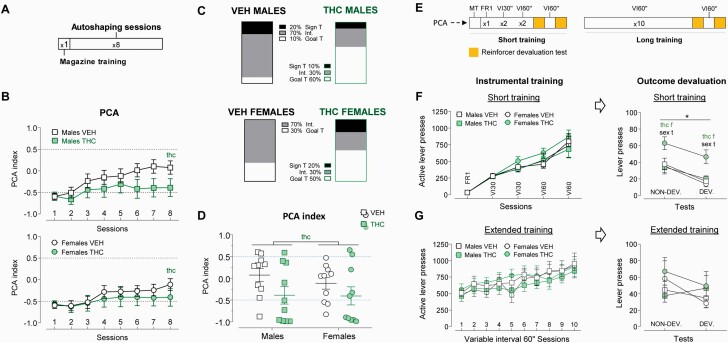
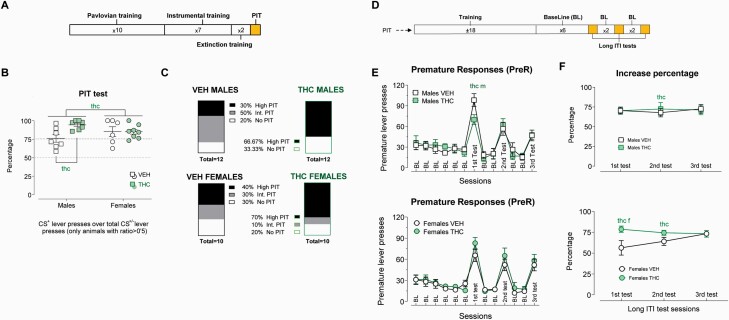
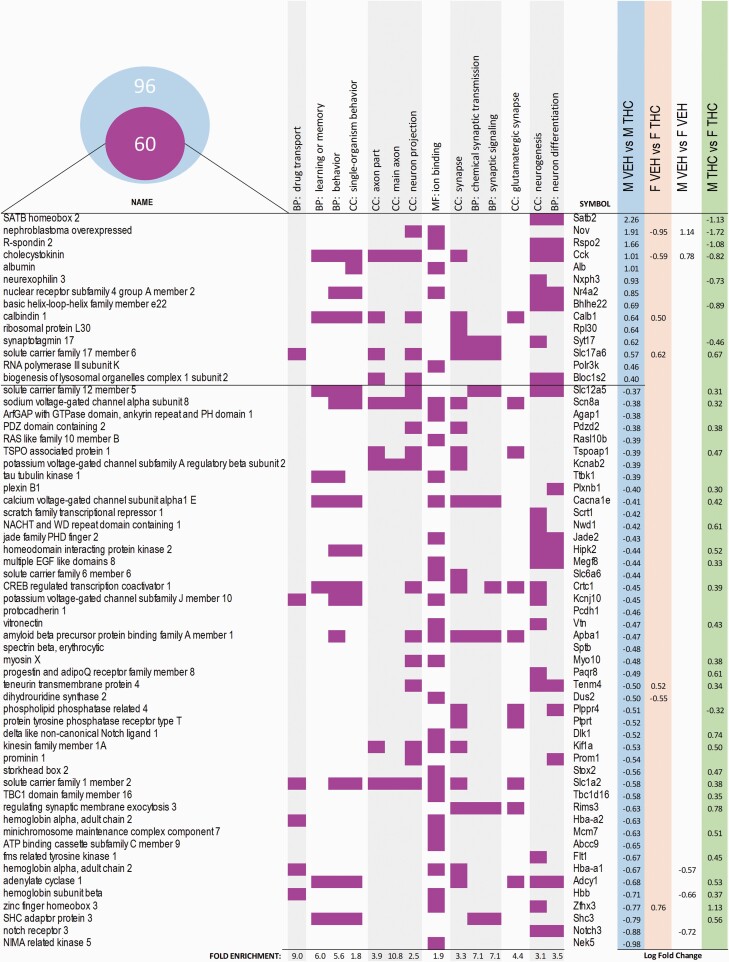
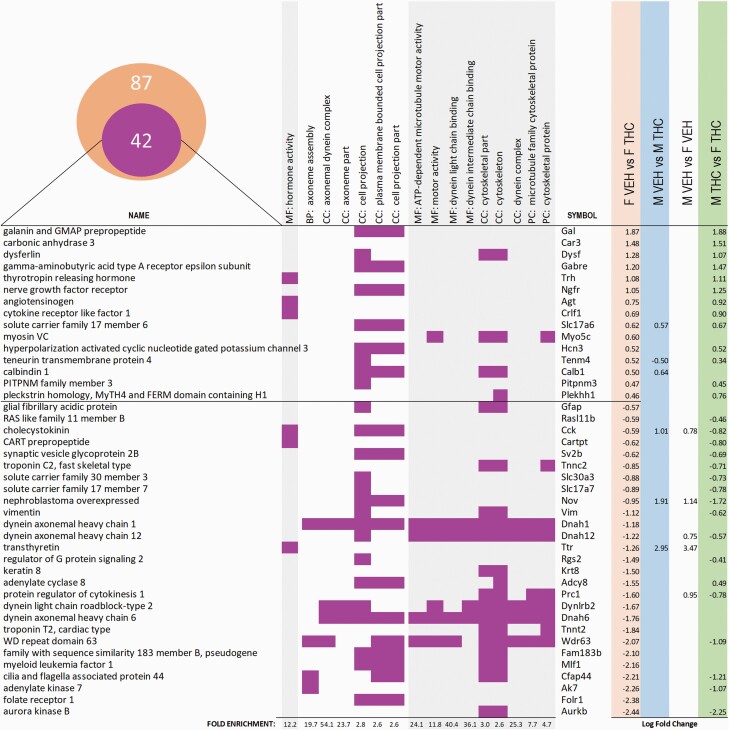
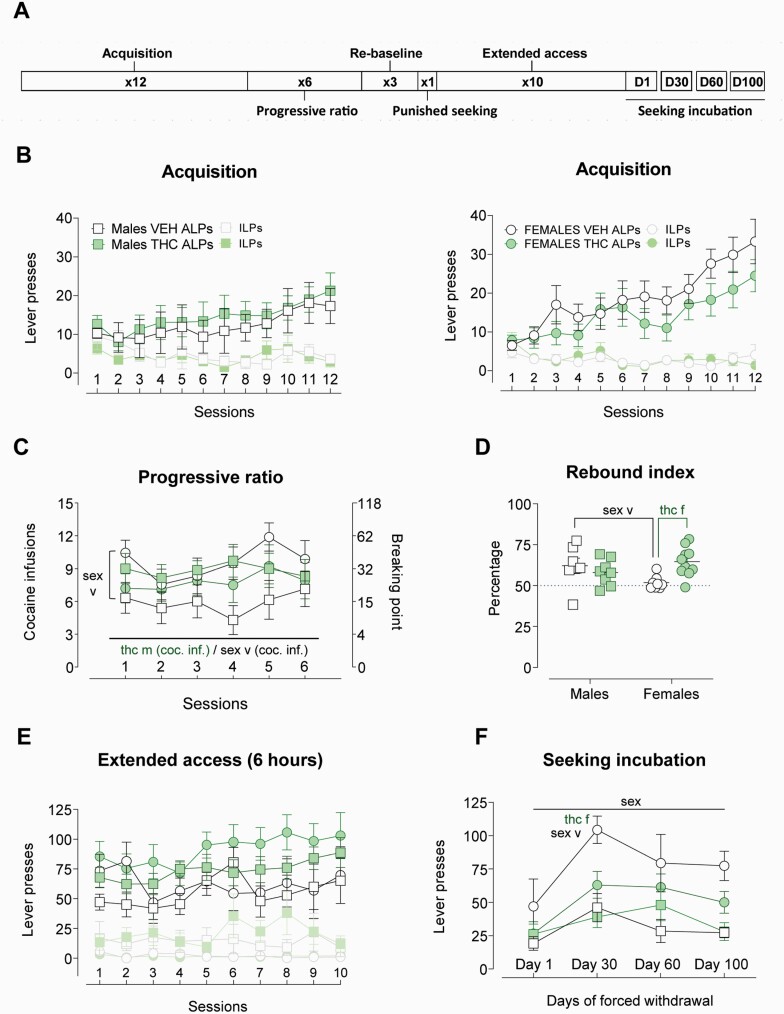
BACKGROUND: Cannabis exposure during adolescence is associated with emotional and motivational alterations that may entail an enhanced risk of developing psychiatric disorders. In rodent models, exposure to cannabinoids during adolescence leads to increased self-administration of opiates and cocaine, however, the psychological and neural mechanisms and the sex-specificity of this phenomenon are largely unknown. METHODS: We exposed male and female adolescent rats to Δ9-tetrahydrocannabinol (THC) and studied at adulthood the effects of such treatment on psychological processes related to reward, such as Pavlovian conditioned approach, Pavlovian to instrumental transfer, habit formation and waiting impulsivity. In the light of these data and given the involvement of the nucleus accumbens in the processes examined, we performed an RNASeq transcriptomic study and assessed cocaine addiction-like behavior. RESULTS: THC exposure increased goal-tracking (in males and females) and enhanced Pavlovian to instrumental transfer (especially in males) but did not affect habit formation. THC-exposed rats exhibited subtle, state-dependent changes in premature responding in the 2-CSRTT task. RNASeq data showed gene expression alterations in a marked sex-specific manner. While no effects were found on the acquisition of cocaine self-administration or punished drug-seeking, rats exposed to THC self-administered more cocaine under a progressive ratio schedule (males), had a higher rebound upon returning to continuous access to the drug (females) and showed reduced drug-seeking after 30 days of withdrawal (females). CONCLUSIONS: Adolescent THC affects specific aspects of reward- (and cocaine-) guided behavior and the function of a key brain region mediating these effects, in a remarkable sex-specific manner.
Overview
The claims and statistics of this paper haven’t been checked yet.
Free: it reads the open-access text and checks the first 5 claims that cite a source we can check. Create a free account to check every claim.
Integrity signals
Registry
Cites
Statistics
Figures
Verification
Claims the paper makes
The claims and statistics of this paper haven’t been checked yet.
Free: it reads the open-access text and checks the first 5 claims that cite a source we can check. Create a free account to check every claim.
Claims other papers make about this one
Each is checked against this paper’s own text: does it say what the citing paper says it does?
The cited source says what the claim attributes to it.
In the citing paper
“Differences in DEGs following adolescent THC exposure have also been shown in the NAc [138].”
From Consequences of adolescent drug use (2023) · cites this paper as [138]
Self-check
Percentages, sums and reported differences re-computed from the paper’s own numbers.
The self-check needs the paper’s full text.
Citations
Cites
The adolescent brain and age-related behavioral manifestations
Spear, L. P. (2000) · Neuroscience & Biobehavioral Reviews · doi:10.1016/s0149-7634(00)00014-2 · Cited by 5,433 · cited 2×
“Adolescence is a crucial period of development characterized by profound changes in psychological and neural processes (Spear, 2000; Paus et al., 2008; Blakemore, 2012).”
BackgroundWhy do many psychiatric disorders emerge during adolescence?
Paus, T., Keshavan, M., & Giedd, J. N. (2008) · Nature Reviews Neuroscience · doi:10.1038/nrn2513 · Cited by 3,123 · cited 1×
“Adolescence is a crucial period of development characterized by profound changes in psychological and neural processes (Spear, 2000; Paus et al., 2008; Blakemore, 2012).”
BackgroundMi, H., Muruganujan, A., Ebert, D., Huang, X., & Thomas, P. D. (2019) · Nucleic Acids Research · doi:10.1093/nar/gky1038 · Cited by 3,033 · cited 1×
“Gene ontologies and pathways enrichment and overrepresentation were calculated with the online tools and databases of PANTHER Classification System (Mi et al., 2019) for every gene subset obtained in the differential analysis.”
MethodEvidence for Addiction-like Behavior in the Rat
Deroche-Gamonet, V., Belin, D., & Piazza, P. V. (2004) · Science · doi:10.1126/science.1099020 · Cited by 1,135 · cited 2×
“, 2018), a cardinal feature of addictionlike behavior typically evaluated using punished CSA procedures (Deroche-Gamonet et al., 2004; Belin et al., 2008).”
BackgroundKandel, D. B., Yamaguchi, K., & Chen, K. (1992) · Journal of Studies on Alcohol · doi:10.15288/jsa.1992.53.447 · Cited by 1,039
A selective role for dopamine in stimulus-reward learning
Flagel, S. B., Clark, J. J., Robinson, T. E., Mayo, L., Czuj, A., Willuhn, I., Akers, C. A., Clinton, S. M., Phillips, P. E. M., & Akil, H. (2011) · Nature · doi:10.1038/nature09588 · Cited by 1,026
High Impulsivity Predicts the Switch to Compulsive Cocaine-Taking
Belin, D., Mar, A. C., Dalley, J. W., Robbins, T. W., & Everitt, B. J. (2008) · Science · doi:10.1126/science.1158136 · Cited by 989 · cited 2×
“, 2018), a cardinal feature of addictionlike behavior typically evaluated using punished CSA procedures (Deroche-Gamonet et al., 2004; Belin et al., 2008).”
BackgroundNotch signalling regulates stem cell numbers in vitro and in vivo
Androutsellis-Theotokis, A., Leker, R. R., Soldner, F., Hoeppner, D. J., Ravin, R., Poser, S. W., Rueger, M. A., Bae, S.-K., Kittappa, R., & McKay, R. D. G. (2006) · Nature · doi:10.1038/nature04940 · Cited by 956
From the ventral to the dorsal striatum: devolving views of their roles in drug addiction
Everitt, B. J., & Robbins, T. W. (2013) · Neuroscience & Biobehavioral Reviews · doi:10.1016/j.neubiorev.2013.02.010 · Cited by 675
Imaging brain development: The adolescent brain
Blakemore, S.-J. (2012) · NeuroImage · doi:10.1016/j.neuroimage.2011.11.080 · Cited by 649
Cannabis use and other illicit drug use: testing the cannabis gateway hypothesis
Fergusson, D. M., Boden, J. M., & Horwood, L. J. (2006) · Addiction · doi:10.1111/j.1360-0443.2005.01322.x · Cited by 484 · cited 1×
“A potential consequence of adolescent cannabinoid exposure (ACE) is an increase in the use and/or abuse liability of other drugs later in life (termed Gateway Hypothesis, which is under intense debate (Kandel et al., 1992, 2003; Fergusson et al., 2006; Tarter et al., 2006; Vanyukov et al., 2012; Kleinig, 2015; Mayet e…”
BackgroundSex differences in the acquisition of intravenously self-administered cocaine and heroin in rats
Lynch, W. J., & Carroll, M. E. (1999) · Psychopharmacology · doi:10.1007/s002130050979 · Cited by 463 · cited 2×
“Our data suggesting higher incubation in the females are consistent with previous research showing more robust incubation in females and a higher tendency to reinstate seeking by conditioned cues and drug priming (Lynch and Carroll, 1999; Kerstetter et al., 2008; Nicolas et al., 2019).”
ResultVanyukov, M. M., Tarter, R. E., Kirillova, G. P., Kirisci, L., Reynolds, M. D., Kreek, M. J., Conway, K. P., Maher, B. S., Iacono, W. G., Bierut, L., et al. (2012) · Drug and Alcohol Dependence · doi:10.1016/j.drugalcdep.2011.12.018 · Cited by 436 · cited 1×
“A potential consequence of adolescent cannabinoid exposure (ACE) is an increase in the use and/or abuse liability of other drugs later in life (termed Gateway Hypothesis, which is under intense debate (Kandel et al., 1992, 2003; Fergusson et al., 2006; Tarter et al., 2006; Vanyukov et al., 2012; Kleinig, 2015; Mayet e…”
BackgroundΔ9-Tetrahydrocannabinol Induces Dopamine Release in the Human Striatum
Bossong, M. G., van Berckel, B. N., Boellaard, R., Zuurman, L., Schuit, R. C., Windhorst, A. D., van Gerven, J. M. A., Ramsey, N. F., Lammertsma, A. A., & Kahn, R. S. (2009) · Neuropsychopharmacology · doi:10.1038/npp.2008.138 · Cited by 392
Defining midbrain dopaminergic neuron diversity by single-cell gene expression profiling
Poulin, J.-F., Zou, J., Drouin-Ouellet, J., Kim, K.-Y. A., Cicchetti, F., & Awatramani, R. B. (2014) · Cell Reports · doi:10.1016/j.celrep.2014.10.008 · Cited by 352 · cited 1×
“…in THC males, upregulated in THC females and associated with neurogenesis and ion-binding Gene Ontologies extracted from the list of differentially expressed genes in the males), is distinctively present in a subtype of D2-expressing neurons of the adult midbrain (Poulin et al., 2014).”
BackgroundChipster: user-friendly analysis software for microarray and other high-throughput data
Kallio, M. A., Tuimala, J. T., Hupponen, T., Klemelä, P., Gentile, M., Scheinin, I., Koski, M., Käki, J., & Korpelainen, E. I. (2011) · BMC Genomics · doi:10.1186/1471-2164-12-507 · Cited by 348 · cited 1×
“We used the Chipster analysis suite (Kallio et al., 2011) to perform data processing and analysis.”
MethodAppetitive Pavlovian-instrumental Transfer: A review
Cartoni, E., Balleine, B., & Baldassarre, G. (2016) · Neuroscience & Biobehavioral Reviews · doi:10.1016/j.neubiorev.2016.09.020 · Cited by 317
Wahlstrom, D., Collins, P., White, T., & Luciana, M. (2010) · Brain and Cognition · doi:10.1016/j.bandc.2009.10.013 · Cited by 311 · cited 1×
“, 2014), suggesting that this gene is responsive to several pharmacological challenges during adolescence (not just cannabinoids), with dopamine acting as a potential common link (Gottlieb, 2001; Bossong et al., 2009; Wahlstrom et al., 2010), and also that its downregulation may predispose to psychostimulant consumpti…”
BackgroundAddiction: failure of control over maladaptive incentive habits
Belin, D., Belin-Rauscent, A., Murray, J. E., & Everitt, B. J. (2013) · Current Opinion in Neurobiology · doi:10.1016/j.conb.2013.01.025 · Cited by 300 · cited 1×
“, 2016), Pavlovian conditioned approach (a measure of incentive salience) (Fitzpatrick and Morrow, 2016), habit formation (Belin et al., 2013; Everitt and Robbins, 2013), and impulsivity, a core endophenotype that predicts the development of cocaine addiction (Belin et al.”
BackgroundThe role of dopamine in the accumbens core in the expression of Pavlovian‐conditioned responses
Saunders, B. T., & Robinson, T. E. (2012) · European Journal of Neuroscience · doi:10.1111/j.1460-9568.2012.08217.x · Cited by 299 · cited 2×
“To potentiate goal tracking, cannabinoids might be interfering with the dopamine signal (see below), since sign-tracking behavior, indicative of incentive salience, seems to be more dopamine dependent (Flagel et al., 2011; Saunders and Robinson, 2012).”
BackgroundEllgren, M., Spano, S. M., & Hurd, Y. L. (2007) · Neuropsychopharmacology · doi:10.1038/sj.npp.1301127 · Cited by 287 · cited 1×
“, 2008a), heroin (Ellgren et al., 2007; Tomasiewicz et al., 2012; Lecca et al., 2020), fentanyl (but not oxycodone) (Nguyen et al.”
The link between schizophrenia and substance use disorder: A unifying hypothesis
Khokhar, J. Y., Dwiel, L. L., Henricks, A. M., Doucette, W. T., & Green, A. I. (2018) · Schizophrenia Research · doi:10.1016/j.schres.2017.04.016 · Cited by 281
Endocannabinoid Modulation of Orbitostriatal Circuits Gates Habit Formation
Gremel, C. M., Chancey, J. H., Atwood, B. K., Luo, G., Neve, R., Ramakrishnan, C., Deisseroth, K., Lovinger, D. M., & Costa, R. M. (2016) · Neuron · doi:10.1016/j.neuron.2016.04.043 · Cited by 251 · cited 1×
“This is interesting in the general context of the involvement of the endocannabinoid systems in habit formation (Hilário et al., 2007; Nazzaro et al., 2012; Gremel et al., 2016) and the effects of THC in adults animals, which has been shown to accelerate habit formation (Nazzaro et al.”
BackgroundAssociative learning mechanisms underpinning the transition from recreational drug use to addiction
Hogarth, L., Balleine, B. W., Corbit, L. H., & Killcross, S. (2013) · Annals of the New York Academy of Sciences · doi:10.1111/j.1749-6632.2012.06768.x · Cited by 203 · cited 1×
“We also examined habit formation tendency by using a sensory-specific satiation paradigm (Hogarth et al., 2013).”
MethodCurrent view on the functional regulation of the neuronal K+-Cl− cotransporter KCC2
Medina, I., Friedel, P., Rivera, C., Kahle, K. T., Kourdougli, N., Uvarov, P., & Pellegrino, C. (2014) · Frontiers in Cellular Neuroscience · doi:10.3389/fncel.2014.00027 · Cited by 203 · cited 1×
“, 2009); the sodium channel protein type 8 subunit alpha, Scn8a, which plays an important role in regulating excitability in the brain; and the potassium-chloride transporter member 5, Slc12a5, associated with the formation and maturation of glutamatergic and GABAergic synaptic connections (Medina et al., 2014).”
BackgroundThe Impact of Exposure to Cannabinoids in Adolescence: Insights From Animal Models
Rubino, T., & Parolaro, D. (2016) · Biological Psychiatry · doi:10.1016/j.biopsych.2015.07.024 · Cited by 183 · cited 2×
“Cannabis is the drug of abuse—other than alcohol and tobacco—most widely consumed by adolescents (EMCDA, 2019), and the exposure to this drug during adolescence has profound consequences for the developing individual (Higuera-Matas et al., 2015; Rubino and Parolaro, 2016; Ferland and Hurd, 2020; Hurd, 2020; Stringfiel…”
BackgroundLex, A., & Hauber, W. (2008) · Learning & Memory · doi:10.1101/lm.978708 · Cited by 178 · cited 2×
“Given that dopamine transmission in the NAcc is crucial for the PIT phenomenon, with a particular role of D1 receptors (Lex and Hauber, 2008), the specific enhancement of PIT in the THC-exposed males observed here may be related to the hyperdopaminergic state induced by ACE in specific circuits (De Felice and Laviolet…”
BackgroundResultDoes Marijuana Use Cause the Use of Other Drugs?
Kandel, D. B. (2003) · JAMA · doi:10.1001/jama.289.4.482 · Cited by 168
Endocannabinoid signaling is critical for habit formation
Hilário, M. R. F. (2007) · Frontiers in Integrative Neuroscience · doi:10.3389/neuro.07.006.2007 · Cited by 164 · cited 1×
“This is interesting in the general context of the involvement of the endocannabinoid systems in habit formation (Hilário et al., 2007; Nazzaro et al., 2012; Gremel et al., 2016) and the effects of THC in adults animals, which has been shown to accelerate habit formation (Nazzaro et al.”
BackgroundTarter, R. E., Vanyukov, M., Kirisci, L., Reynolds, M., & Clark, D. B. (2006) · American Journal of Psychiatry · doi:10.1176/ajp.2006.163.12.2134 · Cited by 163 · cited 1×
“A potential consequence of adolescent cannabinoid exposure (ACE) is an increase in the use and/or abuse liability of other drugs later in life (termed Gateway Hypothesis, which is under intense debate (Kandel et al., 1992, 2003; Fergusson et al., 2006; Tarter et al., 2006; Vanyukov et al., 2012; Kleinig, 2015; Mayet e…”
BackgroundKerstetter, K. A., Aguilar, V. R., Parrish, A. B., & Kippin, T. E. (2008) · Psychopharmacology · doi:10.1007/s00213-008-1089-8 · Cited by 155 · cited 1×
“Our data suggesting higher incubation in the females are consistent with previous research showing more robust incubation in females and a higher tendency to reinstate seeking by conditioned cues and drug priming (Lynch and Carroll, 1999; Kerstetter et al., 2008; Nicolas et al., 2019).”
ResultThe stimulation of food intake by selective agonists of mu, kappa and delta opioid receptors
Gosnell, B. A., Levine, A. S., & Morley, J. E. (1986) · Life Sciences · doi:10.1016/0024-3205(86)90243-2 · Cited by 148 · cited 1×
“Noteworthy, galanin has been involved in pathological food consumption and addiction (Gosnell et al., 1986a, 1986b; Sandi et al., 1988).”
BackgroundBari, A., & Pierce, R. C. (2005) · Neuroscience · doi:10.1016/j.neuroscience.2005.06.048 · Cited by 146 · cited 2×
“…2021 ACE was associated with higher intake during progressive ratio sessions in males but not females and effect that may rely on the previously mentioned increase of D1 receptors in the NAcc shell after ACE specifically in the males (Bari and Pierce, 2005; Higuera-Matas et al., 2010).”
BackgroundGlutamate Transporter GLT-1 as a Therapeutic Target for Substance Use Disorders
Roberts-Wolfe, D., & Kalivas, P. (2015) · CNS & Neurological Disorders - Drug Targets · doi:10.2174/1871527314666150529144655 · Cited by 145 · cited 2×
“…ethanol, and cannabinoids), and it has received attention as a potential target for pharmacological interventions in substance use disorders (Roberts-Wolfe and Kalivas, 2015); the voltage-gated potassium channel subunit beta-2 Kcnab2, which is similarly depleted after chronic morphine…”
BackgroundNicolas, C., Russell, T. I., Pierce, A. F., Maldera, S., Holley, A., You, Z.-B., McCarthy, M. M., Shaham, Y., & Ikemoto, S. (2019) · Biological Psychiatry · doi:10.1016/j.biopsych.2019.01.015 · Cited by 145 · cited 1×
“Our data suggesting higher incubation in the females are consistent with previous research showing more robust incubation in females and a higher tendency to reinstate seeking by conditioned cues and drug priming (Lynch and Carroll, 1999; Kerstetter et al., 2008; Nicolas et al., 2019).”
ResultMazei-Robison, M. S., Koo, J. W., Friedman, A. K., Lansink, C. S., Robison, A. J., Vinish, M., Krishnan, V., Kim, S., Siuta, M. A., Galli, A., et al. (2011) · Neuron · doi:10.1016/j.neuron.2011.10.012 · Cited by 143
Clarke, P. B. S., Jakubovič, A., & Fibiger, H. C. (1988) · Psychopharmacology · doi:10.1007/bf02180033 · Cited by 140 · cited 1×
“In this regard, an overabundance of galanin has been shown to decrease the sensitivity to amphetamine-induced behavioral effects (Clarke et al., 1988).”
BackgroundTomasiewicz, H. C., Jacobs, M. M., Wilkinson, M. B., Wilson, S. P., Nestler, E. J., & Hurd, Y. L. (2012) · Biological Psychiatry · doi:10.1016/j.biopsych.2012.04.026 · Cited by 130 · cited 1×
“, 2008a), heroin (Ellgren et al., 2007; Tomasiewicz et al., 2012; Lecca et al., 2020), fentanyl (but not oxycodone) (Nguyen et al.”
Addictive behaviour in experimental animals: prospects for translation
Everitt, B. J., Giuliano, C., & Belin, D. (2018) · Philosophical Transactions of the Royal Society B Biological Sciences · doi:10.1098/rstb.2017.0027 · Cited by 130 · cited 1×
“Indeed, in spite of the initial findings previously mentioned regarding the increased SA of drugs in cannabinoid pre-exposed animals, these studies have not always examined the complex full array of behaviors that are indicative of addiction, especially compulsive seeking or taking (Deroche-Gamonet et al., 2004; Everi…”
BackgroundVGLUT2 in dopamine neurons is required for psychostimulant-induced behavioral activation
Birgner, C., Nordenankar, K., Lundblad, M., Mendez, J. A., Smith, C., le Grevès, M., Galter, D., Olson, L., Fredriksson, A., Trudeau, L.-E., et al. (2010) · Proceedings of the National Academy of Sciences · doi:10.1073/pnas.0910986107 · Cited by 119
Rotzinger, S., & Vaccarino, F. J. (2003) · Journal of Psychiatry and Neuroscience · doi:10.1139/jpn.0322 · Cited by 119 · cited 2×
“Cholecystokinin (Cck) signaling pathways have been related to food intake, but also with reward and anxiety and even panic (Bradwejn and Vasar, 1995; Rotzinger and Vaccarino, 2003), and have also been studied in the context of drug-related behaviors (Lu et al., 2001, 2002; Wunderlich et al., 2004).”
BackgroundOpioid-induced feeding: Localization of sensitive brain sites
Gosnell, B. A., Morley, J. E., & Levine, A. S. (1986) · Brain Research · doi:10.1016/0006-8993(86)90526-3 · Cited by 119 · cited 1×
“Noteworthy, galanin has been involved in pathological food consumption and addiction (Gosnell et al., 1986a, 1986b; Sandi et al., 1988).”
BackgroundSK channel modulation rescues striatal plasticity and control over habit in cannabinoid tolerance
Nazzaro, C., Greco, B., Cerovic, M., Baxter, P. S., Rubino, T., Trusel, M., Parolaro, D., Tkatch, T., Benfenati, F., Pedarzani, P., et al. (2012) · Nature Neuroscience · doi:10.1038/nn.3022 · Cited by 109 · cited 2×
“This is interesting in the general context of the involvement of the endocannabinoid systems in habit formation (Hilário et al., 2007; Nazzaro et al., 2012; Gremel et al., 2016) and the effects of THC in adults animals, which has been shown to accelerate habit formation (Nazzaro et al.”
BackgroundNkansah-Amankra, S., & Minelli, M. (2016) · Preventive Medicine Reports · doi:10.1016/j.pmedr.2016.05.003 · Cited by 107
Higuera‐Matas, A., Ucha, M., & Ambrosio, E. (2015) · Neuroscience & Biobehavioral Reviews · doi:10.1016/j.neubiorev.2015.04.020 · Cited by 106 · cited 2×
“Cannabis is the drug of abuse—other than alcohol and tobacco—most widely consumed by adolescents (EMCDA, 2019), and the exposure to this drug during adolescence has profound consequences for the developing individual (Higuera-Matas et al., 2015; Rubino and Parolaro, 2016; Ferland and Hurd, 2020; Hurd, 2020; Stringfiel…”
BackgroundSelf-citationHiguera‐Matas, A., Soto‐Montenegro, M. L., Olmo, N. D., Miguéns, M., Torres, I., Vaquero, J. J., Sánchez, J. C., García-Lecumberri, C., Desco, M., & Ambrosio, E. (2007) · Neuropsychopharmacology · doi:10.1038/sj.npp.1301467 · Cited by 102
Self-citationDeconstructing the neurobiology of cannabis use disorder
Ferland, J.-M. N., & Hurd, Y. L. (2020) · Nature Neuroscience · doi:10.1038/s41593-020-0611-0 · Cited by 100 · cited 2×
“…to this drug during adolescence has profound consequences for the developing individual (Higuera-Matas et al., 2015; Rubino and Parolaro, 2016; Ferland and Hurd, 2020; Hurd, 2020; Stringfield and Torregrossa, 2021), which may be more severe than when exposure occurs exclusively during…”
BackgroundPattij, T., Janssen, M. C. W., Schepers, I., González-Cuevas, G., de Vries, T. J., & Schoffelmeer, A. N. M. (2007) · Psychopharmacology · doi:10.1007/s00213-007-0773-4 · Cited by 98
Behavioral endophenotypes of drug addiction: Etiological insights from neuroimaging studies
Jupp, B., & Dalley, J. W. (2013) · Neuropharmacology · doi:10.1016/j.neuropharm.2013.05.041 · Cited by 91 · cited 2×
“, 2013; Everitt and Robbins, 2013), and impulsivity, a core endophenotype that predicts the development of cocaine addiction (Belin et al., 2008; Jupp and Dalley, 2014).”
BackgroundDíaz-Alonso, J., Aguado, T., Wu, C.-S., Palazuelos, J., Hofmann, C., Garcez, P., Guillemot, F., Lu, H.-C., Lutz, B., Guzmán, M., et al. (2012) · The Journal of Neuroscience · doi:10.1523/jneurosci.0681-12.2012 · Cited by 83 · cited 1×
“Copyedited by: Adolescent THC Effects on Adult Reward Processing | 929 coupled to the regulation of the Ctip2–Satb2 transcriptional regulatory code (Diaz-Alonso et al., 2012), and in so doing, they guide corticospinal motor neuron differentiation.”
MethodStopponi, S., Soverchia, L., Ubaldi, M., Cippitelli, A., Serpelloni, G., & Ciccocioppo, R. (2013) · European Neuropsychopharmacology · doi:10.1016/j.euroneuro.2013.12.012 · Cited by 79 · cited 1×
“, 2018) or no changes in heroin SA (Stopponi et al., 2014).”
BackgroundFernández, J. M. B., Fernández, B., Higuera‐Matas, A., Miguéns, M., Viveros, M., García-Lecumberri, C., & Ambrosio, E. (2008) · Neuropharmacology · doi:10.1016/j.neuropharm.2008.01.006 · Cited by 77
Self-citationLü, L., Zhang, B., Liu, Z., & Zhang, Z. (2002) · Brain Research · doi:10.1016/s0006-8993(02)03359-0 · Cited by 70
Nguyen, J. D., Creehan, K. M., Kerr, T. M., & Taffe, M. A. (2020) · British Journal of Pharmacology · doi:10.1111/bph.14856 · Cited by 62
Framework for sex differences in adolescent neurobiology: A focus on cannabinoids
Viveros, M.-P., Marco, E. M., López-Gallardo, M., Garcia-Segura, L. M., & Wagner, E. J. (2011) · Neuroscience & Biobehavioral Reviews · doi:10.1016/j.neubiorev.2010.09.005 · Cited by 58 · cited 1×
“Therefore, to gain a deeper and broader understanding of the neurochemical alterations induced by adolescent THC in the NAcc and given the crucial role of sex differences in the effects of cannabinoids (Viveros et al., 2011), we performed an RNASeq study in the NAcc of adult male and female rats that had been exposed…”
MethodMayet, A., Legleye, S., Beck, F., Falissard, B., & Chau, N. (2016) · European Addiction Research · doi:10.1159/000439564 · Cited by 58 · cited 1×
“A potential consequence of adolescent cannabinoid exposure (ACE) is an increase in the use and/or abuse liability of other drugs later in life (termed Gateway Hypothesis, which is under intense debate (Kandel et al., 1992, 2003; Fergusson et al., 2006; Tarter et al., 2006; Vanyukov et al., 2012; Kleinig, 2015; Mayet e…”
BackgroundAltered gating of Kv1.4 in the nucleus accumbens suppresses motivation for reward
O’Donovan, B., Adeluyi, A., Anderson, E. L., Cole, R. D., Turner, J. R., & Ortinski, P. I. (2019) · eLife · doi:10.7554/elife.47870 · Cited by 58
Sánchez-Cardoso, P., Higuera‐Matas, A., Martı́n, S., Olmo, N. D., Miguéns, M., Garcı́a-Lecumberri, C., & Ambrosio, E. (2006) · Neuropharmacology · doi:10.1016/j.neuropharm.2006.10.011 · Cited by 55 · cited 1×
“…of 6 consecutive phases: (1) acquisition (12 daily 2-hour fixed ratio 1 sessions); (2) motivation for consumption (progressive ratio schedule (Sánchez-Cardoso et al., 2007); (3) rebound consumption: three 2-hour sessions under fixed ratio 1; (4) compulsive (punished) seeking: a single…”
BackgroundSelf-citationCholecystokinin and Anxiety: From Neuron to Behavior
Bradwejn, J., & Vasar, E. (1995) · Neuroscience intelligence unit · doi:10.1007/978-3-662-21705-4 · Cited by 55 · cited 2×
“Cholecystokinin (Cck) signaling pathways have been related to food intake, but also with reward and anxiety and even panic (Bradwejn and Vasar, 1995; Rotzinger and Vaccarino, 2003), and have also been studied in the context of drug-related behaviors (Lu et al., 2001, 2002; Wunderlich et al., 2004).”
BackgroundCentral angiotensin II controls alcohol consumption via its AT1 receptor
Maul, B., Krause, W., Pankow, K., Becker, M., Gembardt, F., Alenina, N. V., Walther, T., Bäder, M., & Siems, W. (2005) · The FASEB Journal · doi:10.1096/fj.05-3742com · Cited by 52
Scherma, M., Qvist, J. S., Asok, A., Huang, S.-S. C., Masia, P., Deidda, M., Wei, Y. B., Soni, R. K., Fratta, W., Fadda, P., et al. (2020) · Proceedings of the National Academy of Sciences · doi:10.1073/pnas.1920866117 · Cited by 47
Higuera‐Matas, A., Botreau, F., Olmo, N. D., Miguéns, M., Olías, Ó., Montoya, G. L., García-Lecumberri, C., & Ambrosio, E. (2010) · European Neuropsychopharmacology · doi:10.1016/j.euroneuro.2010.06.017 · Cited by 46 · cited 2×
“Given that dopamine transmission in the NAcc is crucial for the PIT phenomenon, with a particular role of D1 receptors (Lex and Hauber, 2008), the specific enhancement of PIT in the THC-exposed males observed here may be related to the hyperdopaminergic state induced by ACE in specific circuits (De Felice and Laviolet…”
BackgroundResultSelf-citationReady for Retirement: The Gateway Drug Hypothesis
Kleinig, J. (2015) · Substance Use & Misuse · doi:10.3109/10826084.2015.1007679 · Cited by 42 · cited 2×
“A potential consequence of adolescent cannabinoid exposure (ACE) is an increase in the use and/or abuse liability of other drugs later in life (termed Gateway Hypothesis, which is under intense debate (Kandel et al., 1992, 2003; Fergusson et al., 2006; Tarter et al., 2006; Vanyukov et al., 2012; Kleinig, 2015; Mayet e…”
BackgroundInvolvement of kappa type opioids on ethanol drinking
Sandi, C., Borrell, J. I., & Guaza, C. (1988) · Life Sciences · doi:10.1016/0024-3205(88)90562-0 · Cited by 38 · cited 1×
“Noteworthy, galanin has been involved in pathological food consumption and addiction (Gosnell et al., 1986a, 1986b; Sandi et al., 1988).”
BackgroundPavlovian Conditioned Approach Training in Rats
Fitzpatrick, C. J., & Morrow, J. D. (2016) · Journal of Visualized Experiments · doi:10.3791/53580 · Cited by 37 · cited 2×
“, 2016), Pavlovian conditioned approach (a measure of incentive salience) (Fitzpatrick and Morrow, 2016), habit formation (Belin et al.”
BackgroundAdolescent cannabinoid exposure effects on natural reward seeking and learning in rats
Schoch, H., Huerta, M. Y., Ruiz, C. M., Farrell, M. R., Jung, K. M., Huang, J. J., Campbell, R. R., Piomelli, D., & Mahler, S. V. (2018) · Psychopharmacology · doi:10.1007/s00213-017-4749-8 · Cited by 37 · cited 1×
“…to the CB1/CB2 receptor agonist WIN 55,512-2 altered the normal proportion of sign-tracking/goal-tracking in rats, creating an intermediate phenotype in cannabinoid-exposed animals that was not evident in vehicle-treated rats (biased towards signtracking in this study) (Schoch et al., 2017).”
BackgroundEffects of galanin on cocaine-mediated conditioned place preference and ERK signaling in mice
Narasimhaiah, R., Kamens, H. M., & Picciotto, M. R. (2008) · Psychopharmacology · doi:10.1007/s00213-008-1438-7 · Cited by 34 · cited 1×
“, 2015) and cocaine-conditioned place preference (Narasimhaiah et al., 2009), which is important considering the sex-specific effects in cocaine SA after ACE (Higuera-Matas et al.”
BackgroundDenise Kandel's classic work on the gateway sequence of drug acquisition
Lynskey, M. T., & Arpana Agrawal, A. (2018) · Addiction · doi:10.1111/add.14190 · Cited by 34
Friedman, A. L., Meurice, C., & Jutkiewicz, E. M. (2019) · Experimental and Clinical Psychopharmacology · doi:10.1037/pha0000276 · Cited by 33 · cited 3×
“(Friedman et al., 2019) and the different timing of the cannabinoid treatment or the cannabinoid agent (WIN 55,512-2) in the study of Kononoff et al.”
BackgroundResultDisentangling the lasting effects of adolescent cannabinoid exposure
Stringfield, S. J., & Torregrossa, M. M. (2021) · Progress in Neuro-Psychopharmacology and Biological Psychiatry · doi:10.1016/j.pnpbp.2020.110067 · Cited by 32 · cited 4×
“Noteworthy, the nucleus accumbens (NAcc) participates in many of these processes, and prior studies of ACE have highlighted alterations in this structure (Higuera-Matas et al., 2015; Stringfield and Torregrossa, 2021).”
BackgroundInfluentialKononoff, J., Melas, P. A., Kallupi, M., de Guglielmo, G., Kimbrough, A., Scherma, M., Fadda, P., Kandel, D. B., Kandel, E. R., & George, O. (2018) · Scientific Reports · doi:10.1038/s41598-018-31921-5 · Cited by 31 · cited 3×
“However, others have reported a delayed cocaine SA acquisition (Kononoff et al., 2018) or no changes in heroin SA (Stopponi et al.”
BackgroundResultInfluentialBeinfeld, M. C., Connolly, K., & Pierce, R. C. (2002) · Journal of Neurochemistry · doi:10.1046/j.1471-4159.2002.00894.x · Cited by 29 · cited 1×
“Moreover, cocaine behavioral sensitization is accompanied by increasing levels of Cck in the NAcc shell (Beinfeld et al., 2002).”
BackgroundTseng, K. Y., Roubert, C., Do, L., Rubinstein, M., Kelly, M. A., Grandy, D. K., Low, M. J., Gershanik, O. S., Murer, M. G., Giros, B., et al. (2000) · Molecular Brain Research · doi:10.1016/s0169-328x(00)00107-8 · Cited by 28 · cited 1×
“Nr4a2 can be modulated by neuronal firing and dopamine signaling; moreover, the loss of D2 signaling also contributes to Nr4a2 upregulation (Tseng et al., 2000).”
Backgrounddela Peña, I., Kim, H. J., Sohn, A., Kim, B.-N., Han, D. H., Ryu, J. H., Shin, C. Y., Noh, M., & Cheong, J. H. (2014) · Behavioral and Brain Functions · doi:10.1186/1744-9081-10-17 · Cited by 27
Lecca, D., Scifo, A., Pisanu, A., Valentini, V., Piras, G., Sil, A., Cadoni, C., & Chiara, G. D. (2020) · Neuropharmacology · doi:10.1016/j.neuropharm.2020.107974 · Cited by 27 · cited 1×
“, 2008a), heroin (Ellgren et al., 2007; Tomasiewicz et al., 2012; Lecca et al., 2020), fentanyl (but not oxycodone) (Nguyen et al.”
Puga, L., Alcántara‐Alonso, V., Coffeen, U., Jaimes, O., & de Gortari, P. (2016) · Behavioural Brain Research · doi:10.1016/j.bbr.2016.03.031 · Cited by 25 · cited 1×
“Thyrotropin-releasing hormone Trh, upregulated by THC in females, participates in energy metabolism and affects different hormonal functions but also enhances dopamine release in the NAcc (Puga et al., 2016).”
BackgroundLü, L. T., Huang, M., Ma, L., & Li, J. (2001) · Behavioural Brain Research · doi:10.1016/s0166-4328(00)00361-2 · Cited by 25
Ucha, M., Roura‐Martínez, D., Contreras, A., Pinto-Rivero, S., Orihuel, J., Ambrosio, E., & Higuera‐Matas, A. (2019) · Frontiers in Behavioral Neuroscience · doi:10.3389/fnbeh.2019.00022 · Cited by 22
Self-citationPavlovian to Instrumental Transfer Responses Do Not Correlate With Addiction-Like Behavior in Rats
Takahashi, T. T., Vengeliene, V., Enkel, T., Reithofer, S., & Spanagel, R. (2019) · Frontiers in Behavioral Neuroscience · doi:10.3389/fnbeh.2019.00129 · Cited by 22
Rakovska, A., Baranyi, M., Windisch, K., Petkova-Kirova, P. S., Gagov, H., & Kalfin, R. E. (2017) · Brain Research Bulletin · doi:10.1016/j.brainresbull.2017.08.005 · Cited by 21 · cited 1×
“Similarly, the cocaine- and amphetamineregulated transcript seems to exert a neuromodulatory role in the NAcc attenuating dopamine release (Rakovska et al., 2017), and cocaine- and amphetamine-regulated transcript injections into NAcc inhibit the behavioral effects of cocaine (Yu et al., 2017).”
BackgroundWunderlich, G. R., Rotzinger, S., Bush, D. E. A., DeSousa, N. J., & Vaccarino, F. J. (2004) · Brain Research · doi:10.1016/j.brainres.2003.10.064 · Cited by 20 · cited 1×
“Cholecystokinin (Cck) signaling pathways have been related to food intake, but also with reward and anxiety and even panic (Bradwejn and Vasar, 1995; Rotzinger and Vaccarino, 2003), and have also been studied in the context of drug-related behaviors (Lu et al., 2001, 2002; Wunderlich et al., 2004).”
BackgroundYu, C., Zhou, X., Fu, Q., Peng, Q., Oh, K., & Hu, Z. (2017) · Frontiers in Cellular Neuroscience · doi:10.3389/fncel.2017.00244 · Cited by 20 · cited 1×
“, 2017), and cocaine- and amphetamine-regulated transcript injections into NAcc inhibit the behavioral effects of cocaine (Yu et al., 2017).”
BackgroundJacobs-Brichford, E., Manson, K. F., & Roitman, J. D. (2018) · Physiology & Behavior · doi:10.1016/j.physbeh.2018.12.006 · Cited by 20 · cited 1×
“Adult animals with ACE have shown an increased preference for large, risky rewards (compared with small, certain ones) (Jacobs-Brichford et al., 2019) and a preference bias for small, immediate reinforcers (compared with large, delayed ones) (Johnson et al.”
BackgroundSpence, J. P., Reiter, J. L., Qiu, B., Gu, H., Garcia, D. K., Zhang, L., Graves, T. J., Williams, K. E., Bice, P. J., Zou, Y., et al. (2018) · Frontiers in Genetics · doi:10.3389/fgene.2018.00513 · Cited by 20
Behavioral effects of chronic WIN 55,212-2 administration during adolescence and adulthood in mice.
Johnson, K. R., Boomhower, S. R., & Newland, M. C. (2019) · Experimental and Clinical Psychopharmacology · doi:10.1037/pha0000271 · Cited by 20 · cited 1×
“, 2019) and a preference bias for small, immediate reinforcers (compared with large, delayed ones) (Johnson et al., 2019).”
BackgroundCannabis and the developing brain challenge risk perception
Hurd, Y. L. (2020) · Journal of Clinical Investigation · doi:10.1172/jci139051 · Cited by 20 · cited 2×
“…to this drug during adolescence has profound consequences for the developing individual (Higuera-Matas et al., 2015; Rubino and Parolaro, 2016; Ferland and Hurd, 2020; Hurd, 2020; Stringfield and Torregrossa, 2021), which may be more severe than when exposure occurs exclusively during adulthood.”
BackgroundTheatres idle almost 1 week in 4 in east of Ireland
Payne, D. (2001) · BMJ · doi:10.1136/bmj.322.7281.259 · Cited by 20 · cited 2×
“, 2014), suggesting that this gene is responsive to several pharmacological challenges during adolescence (not just cannabinoids), with dopamine acting as a potential common link (Gottlieb, 2001; Bossong et al., 2009; Wahlstrom et al., 2010), and also that its downregulation may predispose to psychostimulant consumpti…”
BackgroundAguilar, M. A., Ledesma, J., Rodríguez‐Arias, M., Penalva, C., Manzanedo, C., Miñarro, J., & Arenas, M. C. (2017) · International Journal of Molecular Sciences · doi:10.3390/ijms18061326 · Cited by 19 · cited 1×
“Previous ACE studies with cocaine showed that adult mice with an adolescent exposition to WIN55,212-2 were less susceptible to the anxiogenic effects of cocaine abstinence (Aguilar et al., 2017), suggesting a potential mechanism for our effects that needs to be further explored, especially concerning its potential sex…”
BackgroundPavlovian Conditioned Approach Training in Rats
Fitzpatrick, C. J., & Morrow, J. D. (2016) · Journal of Visualized Experiments · doi:10.3791/53580-v · Cited by 14
Felice, M. D., & Laviolette, S. R. (2021) · International Journal of Molecular Sciences · doi:10.3390/ijms22157861 · Cited by 12 · cited 1×
“…enhancement of PIT in the THC-exposed males observed here may be related to the hyperdopaminergic state induced by ACE in specific circuits (De Felice and Laviolette, 2021), especially the increment in D1 receptors in the NAcc shell in males but not females after ACE observed by us in a…”
BackgroundOgbonmwan, Y. E., Sciolino, N. R., Groves‐Chapman, J. L., Freeman, K. G., Schroeder, J. P., Edwards, G. L., Holmes, P. V., & Weinshenker, D. (2014) · Addiction Biology · doi:10.1111/adb.12166 · Cited by 11 · cited 1×
“It is also important to mention that agonists of the galanin receptor can reduce reinstatement of cocaine-seeking (Ogbonmwan et al., 2015) and cocaine-conditioned place preference (Narasimhaiah et al.”
BackgroundRole of Potassium Channel Gene Kcnj10 in Ethanol Preference in C57bl/6J and DBA/2J Mice
Zou, S. B., Weng, J. T.-Y., Symons, M. N., & Singh, S. M. (2008) · Alcoholism Clinical and Experimental Research · doi:10.1111/j.1530-0277.2008.00848.x · Cited by 11 · cited 1×
“, 2019); the ATP-sensitive inward rectifier potassium channel 10 Kcnj10, also involved in substance use disorders and ethanol preference (Zou et al., 2009); the sodium channel protein type 8 subunit alpha, Scn8a, which plays an important role in regulating excitability in the brain; and the potassium-chloride transpor…”
BackgroundMethylphenidate works by increasing dopamine levels
Gottlieb, S. (2001) · Europe PMC (PubMed Central) · Cited by 9
Cocaine Paired Environment Increases SATB2 Levels in the Rat Paraventricular Thalamus
Salti, A., Apostolova, G., Kummer, K. K., Lemos, C., Dechant, G., & Rawas, R. E. (2018) · Frontiers in Behavioral Neuroscience · doi:10.3389/fnbeh.2018.00224 · Cited by 8 · cited 1×
“Moreover, Satb2 in the paraventricular thalamus is also sensitive to cocaine-rewarding actions (Salti et al., 2018), so it could be speculated that this upregulated gene in accumbal cells may affect the rewarding actions of cocaine under specific circumstances (such as progressive ratio schedules;…”
Background
Research works printed but not linked: 2
- Biscaia M, Fernández B, Higuera-Matas A, Miguéns M, Viveros MP, García-Lecumberri C, Ambrosio E (2008b) Sex-dependent effects of periadolescent exposure to the cannabinoid agonist CP-55,940 on morphine self-administration behaviour and the endogenous opioid system. Neuropharmacology 54: 863– 873. 18329053 · DOI
- Rotzinger S, Vaccarino FJ (2003) Cholecystokinin receptor subtypes: role in the modulation of anxiety-related and reward-related behaviours in animal models. J Psychiatry Neurosci 28: 171– 181. 12790157 PMC161741
Cited by
Consequences of adolescent drug use
Steinfeld, M. R., & Torregrossa, M. M. (2023) · Translational Psychiatry · doi:10.1038/s41398-023-02590-4 · Cited by 237
“Importantly, the authors reported that NAc D2 receptors were responsible for nicotine-induced increases in microglial activation in adolescent rats, as well as the increased cocaine self-administration that was also observed.”
BackgroundInfluentialFerland, J. N., Ellis, R. J., Betts, G., Silveira, M. M., de Firmino, J. B., Winstanley, C. A., & Hurd, Y. L. (2022) · JAMA Psychiatry · doi:10.1001/jamapsychiatry.2022.3915 · Cited by 35
Cannabinoid CB1 receptor-sensitive neurodevelopmental processes and trajectories
Tseng, K. Y., & Molla, H. M. (2025) · Molecular Psychiatry · doi:10.1038/s41380-025-03057-2 · Cited by 22
Early life adversity: Epigenetic regulation underlying drug addiction susceptibility
Winter, J. J., Rodríguez-Acevedo, K. L., Dittrich, M., & Heller, E. A. (2023) · Molecular and Cellular Neuroscience · doi:10.1016/j.mcn.2023.103825 · Cited by 19
Synaptic pruning during adolescence shapes adult social behavior in both males and females
Kirkland, J. M., Edgar, E. L., Patel, I., Feustel, P. J., Belin, S., & Kopec, A. M. (2024) · Developmental Psychobiology · doi:10.1002/dev.22473 · Cited by 19
Metadata
- Authors
- Orihuel, J., Capellán, R., Roura-Martínez, D., Ucha, M., Ambrosio, E., & Higuera-Matas, A.
- Affiliations
- Universidad Nacional de Educación a Distancia (ES)
- Department of Psychobiology, School of Psychology, National University for Distance Learning (UNED), Madrid, Spain
- Venue
- International Journal of Neuropsychopharmacology
- Publisher
- Oxford University Press (OUP)
- Published
- 2021-08-26
- Volume
- 24
- Issue
- 11
- Pages
- 920-933
- ISSN
- 1461-1457 (ISSN-L)
- 1469-5111
- PMC
- PMC8598305
- OpenAlex
- W3195111299
- Semantic Scholar
- 4e1cb0bb00b681816b316b395ac8eb18d934ea58
- Cited by
- 23
- References
- 94
- Citations by year
- 2026: 5 · 2025: 6 · 2024: 3 · 2023: 8 · 2022: 1
- FWCI
- 1.75
- Type
- journal article
- Language
- en
- Open access
- gold
- doi.org
- Licence
- Locations
- The International Journal of Neuropsychopharmacology (publishedVersion, cc-by-nc)
- PubMed Central (publishedVersion, cc-by-nc)
- PubMed (publishedVersion)
- Espacio Tiempo y Forma Serie I Prehistoria y Arqueología (publishedVersion, cc-by-nc)
- Funders
- Spanish Ministry of Health, Social Services and Equality (RTA-RD16/0017/0022)
- Nacional Sobre Drogas (2016I073, 2017I042)
- Ministry of Science (PID2019-104523RB-I00, PID2019-111594RB-100)
- UNED
- European Union (JUST/2017/AG-DRUG-806996-JUSTSO)
- BBVA Foundation
- Ministry of Science and Innovation (BES-2011-043814)
- Topics
- Health Sciences › Medicine › Pharmacology (medical) › Cannabis and Cannabinoid Research
- Life Sciences › Neuroscience › Cellular and Molecular Neuroscience › Neurotransmitter Receptor Influence on Behavior
- Life Sciences › Neuroscience › Cognitive Neuroscience › Neural and Behavioral Psychology Studies
- Keywords
- delta-9-tetrahydrocannabinol, adolescent cannabis exposure, nucleus accumbens, sex differences, reward processing, impulsivity, cocaine self-administration, Pavlovian-to-instrumental transfer, Pavlovian conditioned approach, habit formation, gene expression reprogramming, premature responding
- MeSH terms
- Animals, Behavior, Animal, Brain, Habits, Impulsive Behavior, Male, Nucleus Accumbens, Reinforcement, Psychology, Reward, Self Administration, Sex Characteristics, Dronabinol, Cocaine-Related Disorders, Rats, Drug-Seeking Behavior, Transcriptome
About these checks
Registry, retraction, Cites and statistics results are computed, not judged, with one exception: a printed reference that no index lists is read once by a model before it counts as a citation error. Claims are extracted by a model and kept only when their quote appears verbatim in the text; each cited source is then checked, with a model’s help, for whether it says what the claim relies on. Those verdicts can be wrong — read the claim’s quote and the cited source before relying on one.
Statistics and arithmetic are recomputed, not judged.
Confidence bands are shown only for fields calibrated on our annotated test set. None is calibrated yet, so no band is shown.
What counts as a claim ›How we measure confidence ›How we check this ›
Are you an author, or do you see a problem with this page? Request a review
Data sources
Bibliographic data: Semantic Scholar, OpenAlex, Crossref.
Contains information from the Semantic Scholar Academic Graph Datasets, made available under the ODC Attribution License (ODC-BY 1.0).
Semantic Scholar’s data is described in: Kinney, R., et al. (2023). The Semantic Scholar Open Data Platform. arXiv:2301.10140.
