

Gut hormones in microbiota-gut-brain cross-talk
Open accessThe DOI matches its Crossref record; 63 of the 63 references it cites were found in a registry or an index.
Abstract
The homeostasis of the gut-brain axis has been shown to exert several effects on physiological and psychological health. The gut hormones released by enteroendocrine cells scattered throughout the gastrointestinal tract are important signaling molecules within the gut-brain axis. The interaction between gut microbiota and gut hormones has been greatly appreciated in gut-brain cross-talk. The microbiota plays an essential role in modulating many gut-brain axis-related diseases, ranging from gastrointestinal disorders to psychiatric diseases. Similarly, gut hormones also play pleiotropic and important roles in maintaining health, and are key signals involved in gut-brain axis. More importantly, gut microbiota can affect the release and functions of gut hormones. This review highlights the role of gut microbiota in the gut-brain axis and focuses on how microbiota-related gut hormones modulate various physiological functions. Future studies could target the microbiota-hormones-gut brain axis to develop novel therapeutics for different psychiatric and gastrointestinal disorders, such as obesity, anxiety, and depression.
Overview
The claims and statistics of this paper haven’t been checked yet.
Free: it reads the open-access text and checks the first 5 claims that cite a source we can check. Create a free account to check every claim.
Integrity signals
Registry
Cites
Statistics
Figures
Verification
Claims the paper makes
The claims and statistics of this paper haven’t been checked yet.
Free: it reads the open-access text and checks the first 5 claims that cite a source we can check. Create a free account to check every claim.
Claims other papers make about this one
Each is checked against this paper’s own text: does it say what the citing paper says it does?
The cited source says what the claim attributes to it.
In the citing paper
“It is also already known the important physiological role of gut microbiota in the metabolic homeostasis, hormones secretion, and brain function of the host [118–121].”
From NAD+ Precursors Nicotinamide Mononucleotide (NMN) and Nicotinamide Riboside (NR): Potential Dietary Contribution to Health (2023) · cites this paper as [119]
Self-check
Percentages, sums and reported differences re-computed from the paper’s own numbers.
The self-check needs the paper’s full text.
Citations
Cites
The Microbial Metabolites, Short-Chain Fatty Acids, Regulate Colonic T reg Cell Homeostasis
Smith, P. M., Howitt, M. R., Panikov, N., Michaud, M., Gallini, C. A., Bohlooly-Y, M., Glickman, J. N., & Garrett, W. S. (2013) · Science · doi:10.1126/science.1241165 · Cited by 5,413 · cited 1×
“It has been reported that SCFAs could play roles in glucose homeostasis, reduction of food intake, and modulation of lymphocyte function([13,14]) either through G-protein-coupled receptors (GPCRs) or acting as epigenetic modulators of histone deacetylases.”
BackgroundCryan, J. F., O'Riordan, K. J., Cowan, C. S. M., Sandhu, K. V., Bastiaanssen, T. F. S., Boehme, M., Codagnone, M. G., Cussotto, S., Fulling, C., Golubeva, A. V., et al. (2019) · Physiological Reviews · doi:10.1152/physrev.00018.2018 · Cited by 5,286 · cited 1×
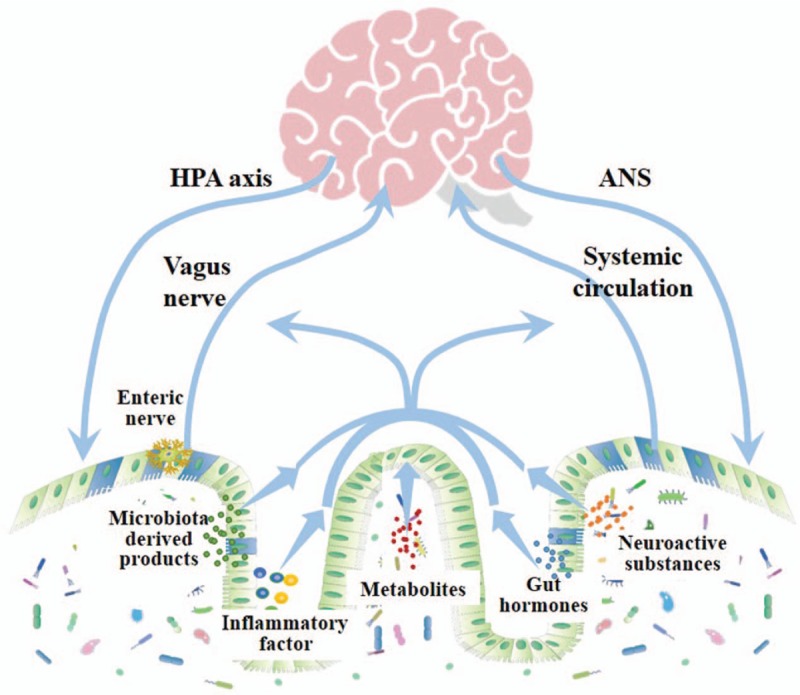
“Current evidence indicates that the gut modulates CNS functions primarily through the immune system and neuroimmune mechanisms, neurotransmitters, and ANS, which usually involves the vagus nerve, enteric nervous system, enteroendocrine signaling, and metabolites originating from the gut microbiota.([9]) For example, t…”
BackgroundA role for ghrelin in the central regulation of feeding
Nakazato, M., Murakami, N., Date, Y., Kojima, M., Matsuo, H., Kangawa, K., & Matsukura, S. (2001) · Nature · doi:10.1038/35051587 · Cited by 3,443 · cited 1×
“Ghrelin binds to the growth hormone secretagogue receptor 1a isoform (GHS-R1a) and plays various roles in food intake and memory regulation.([33]) Our previous study in obese patients included 30 individuals who underwent laparoscopic sleeve gastrectomy (LSG).”
BackgroundZelante, T., Iannitti, R. G., Cunha, C., De Luca, A., Giovannini, G., Pieraccini, G., Zecchi, R., D’Angelo, C., Massi-Benedetti, C., Fallarino, F., et al. (2013) · Immunity · doi:10.1016/j.immuni.2013.08.003 · Cited by 2,614 · cited 1×
“These indole compounds have been found to activate the aryl hydrocarbon receptor (AHR), and play extensive roles in the cell cycle, mucosal barrier, and immune regulation.([20,21]) Some species (Lactobacillus reuteri, Lactobacillus johnsonii, and Lactobacillus murinus) have been identified to provide indole derivative…”
BackgroundTolhurst, G., Heffron, H., Lam, Y. S., Parker, H. E., Habib, A. M., Diakogiannaki, E., Cameron, J., Grosse, J., Reimann, F., & Gribble, F. M. (2012) · Diabetes · doi:10.2337/db11-1019 · Cited by 2,404
Gut hormone PYY3-36 physiologically inhibits food intake
Batterham, R. L., Cowley, M. A., Small, C. J., Herzog, H., Cohen, M. A., Dakin, C. L., Wren, A. M., Brynes, A. E., Low, M. J., Ghatei, M. A., et al. (2002) · Nature · doi:10.1038/nature00887 · Cited by 2,351
Zheng, P., Zeng, B., Zhou, C., Liu, M., Fang, Z., Xu, X., Zeng, L., Chen, J., Fan, S., Du, X., et al. (2016) · Molecular Psychiatry · doi:10.1038/mp.2016.44 · Cited by 2,023 · cited 1×
“GF mice received fecal microbiota transplantation (FMT) showed the similar phenotypes as the “donors,” for examples, FMT of GF mice with microbiota frommajor depressive disorders patients results in increased depression-like behaviors.([11]) Colonization with the microbiota from patients with schizophrenia induces sch…”
BackgroundInteractions between the microbiota, immune and nervous systems in health and disease
Fung, T. C., Olson, C. A., & Hsiao, E. Y. (2017) · Nature Neuroscience · doi:10.1038/nn.4476 · Cited by 1,900 · cited 1×
“827 and Parkinson’s disease.([10]) GF mice received fecal microbiota transplantation (FMT) showed the similar phenotypes as the “donors,” for examples, FMT of GF mice with microbiota frommajor depressive disorders patients results in increased depression-like behaviors.”
BackgroundThe short-chain fatty acid acetate reduces appetite via a central homeostatic mechanism
Frost, G., Sleeth, M. L., Sahuri-Arisoylu, M., Lizarbe, B., Cerdan, S., Brody, L., Anastasovska, J., Ghourab, S., Hankir, M., Zhang, S., et al. (2014) · Nature Communications · doi:10.1038/ncomms4611 · Cited by 1,771 · cited 1×
“Acetate has been implied to play a direct role in the central appetite regulation,([18]) however, a study has shown that acetate produced by gut microbes could stimulate the parasympathetic nervous system and secretion of ghrelin, thereby increasing food intake.”
BackgroundKimura, I., Ozawa, K., Inoue, D., Imamura, T., Kimura, K., Maeda, T., Terasawa, K., Kashihara, D., Hirano, K., Tani, T., et al. (2013) · Nature Communications · doi:10.1038/ncomms2852 · Cited by 1,512 · cited 1×
“GPR43 was expressed in white adipose tissue, which allows SCFAs act as hormonal molecules and stimulate energy expenditure in the skeletal muscles and liver.([17]) More importantly, the effects of different SCFAs on the host physiology are distinct and the results are inconsistent.”
Background
Cited by
Gut Bacteria and Neurotransmitters
Dicks, L. M. T. (2022) · Microorganisms · doi:10.3390/microorganisms10091838 · Cited by 482
“Signals generated by the hypothalamus reach the pituitary and adrenal glands and communicate with EECs via the hypothalamic pituitary adrenal axis (HPA) [9].”
BackgroundInfluentialDiet and the Microbiota–Gut–Brain Axis: Sowing the Seeds of Good Mental Health
Berding, K., Vlckova, K., Marx, W., Schellekens, H., Stanton, C., Clarke, G., Jacka, F., Dinan, T. G., & Cryan, J. F. (2021) · Advances in Nutrition · doi:10.1093/advances/nmaa181 · Cited by 451
Gut liver brain axis in diseases: the implications for therapeutic interventions
Yan, M., Man, S., Sun, B., Ma, L., Guo, L., Huang, L., & Gao, W. (2023) · Signal Transduction and Targeted Therapy · doi:10.1038/s41392-023-01673-4 · Cited by 287
“218,219 5-HT represents one of the most distinctive gut hormones and is generated by enterochromaf fi n cells.”
BackgroundInfluentialThe gut microbiome in Alzheimer’s disease: what we know and what remains to be explored
Chandra, S., Sisodia, S. S., & Vassar, R. J. (2023) · Molecular Neurodegeneration · doi:10.1186/s13024-023-00595-7 · Cited by 278
“For example, differences in GMB-hormone interactions [28, 29] as well as differences in immune response between sexes [30] might be responsible.”
BackgroundChakrabarti, A., Geurts, L., Hoyles, L., Iozzo, P., Kraneveld, A. D., La Fata, G., Miani, M., Patterson, E., Pot, B., Shortt, C., et al. (2022) · Cellular and Molecular Life Sciences · doi:10.1007/s00018-021-04060-w · Cited by 237
“Recent studies suggest that gut hormones are involved in the physiological processes that lead to disorders such as anxiety and depression—with indications that mood disorders and obesity often co-exist [35].”
BackgroundUnderstanding the Gut–Brain Axis and Its Therapeutic Implications for Neurodegenerative Disorders
Zheng, Y., Bonfili, L., Wei, T., & Eleuteri, A. M. (2023) · Nutrients · doi:10.3390/nu15214631 · Cited by 175
Mechanistic Insights into the Link between Gut Dysbiosis and Major Depression: An Extensive Review
Sonali, S., Ray, B., Ahmed Tousif, H., Rathipriya, A. G., Sunanda, T., Mahalakshmi, A. M., Rungratanawanich, W., Essa, M. M., Qoronfleh, M. W., Chidambaram, S. B., et al. (2022) · Cells · doi:10.3390/cells11081362 · Cited by 156
“These molecules reach the nucleus tractus solitarius and the hypothalamus in the CNS, and act locally or activate the afferent vagal terminals in the gut or liver [41,42].”
BackgroundBalasubramanian, R., Schneider, E., Gunnigle, E., Cotter, P. D., & Cryan, J. F. (2024) · Neuroscience & Biobehavioral Reviews · doi:10.1016/j.neubiorev.2024.105562 · Cited by 153
“In brief, the hormones of the EES regulate motility, appetite, release of insulin and bile acids (Sun et al., 2020).”
Yang, Q., Dai, H., Cheng, Y., Wang, B., Xu, J., Zhang, Y., Chen, Y., Xu, F., Ma, Q., Fei, Z., et al. (2023) · Cell Reports · doi:10.1016/j.celrep.2023.112346 · Cited by 155
Effects of ultra-processed foods on the microbiota-gut-brain axis: The bread-and-butter issue
Song, Z., Song, R., Liu, Y., Wu, Z., & Zhang, X. (2023) · Food Research International · doi:10.1016/j.foodres.2023.112730 · Cited by 146
Sun, L., Zhang, H., Cao, Y., Wang, C., Zhao, C., Wang, H., Cui, G., Wang, M., Pan, Y., Shi, Y., et al. (2019) · International Journal of Medical Sciences · doi:10.7150/ijms.37322 · Cited by 127
Self-citationAlegre, G. F. S., & Pastore, G. M. (2023) · Current Nutrition Reports · doi:10.1007/s13668-023-00475-y · Cited by 101
Going with the grain: Fiber, cognition, and the microbiota-gut-brain-axis
Berding, K., Carbia, C., & Cryan, J. F. (2021) · Experimental Biology and Medicine · doi:10.1177/1535370221995785 · Cited by 100
“Gut microbes can directly produce and SCFAs can stimulate the secretion of gut hormones, such as glucagonpeptide 1 (GLP-1), peptide YY (PYY), and ghrelin.(119,120) Recent research has determined that the function of these gut hormones can go beyond local regulation in the gastrointestinal tract.”
BackgroundHow important are fatty acids in human health and can they be used in treating diseases?
Dicks, L. M. T. (2024) · Gut Microbes · doi:10.1080/19490976.2024.2420765 · Cited by 109
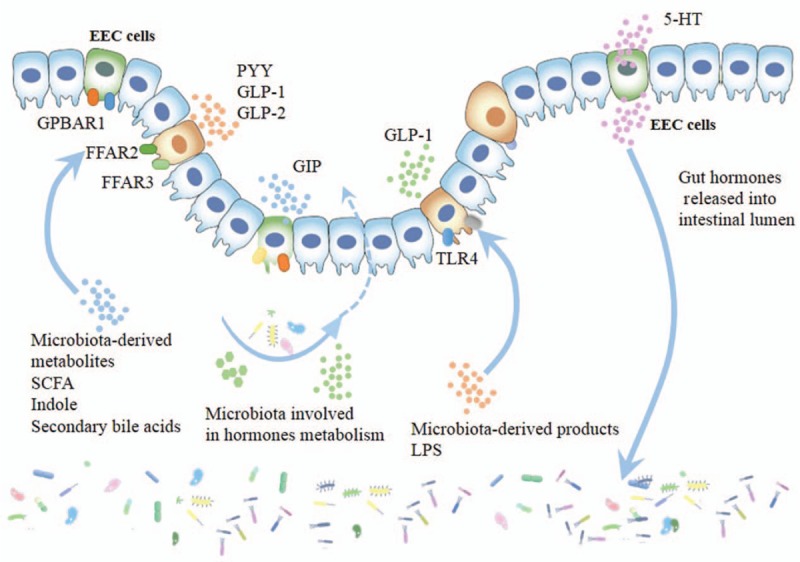
“68 In entero-epithelial cells (EECs), SCFAs stimulate the release of gut hormones 69 and modulate genes encoding the cyclic adenosine monophosphate (cAMP) response element-binding (CREB) protein.”
BackgroundSleep disorders related to nutrition and digestive diseases: a neglected clinical condition
Vernia, F., Ruscio, M. D., Ciccone, A. M., Viscido, A., Frieri, G., Stefanelli, G., & Latella, G. (2020) · International Journal of Medical Sciences · doi:10.7150/ijms.45512 · Cited by 102
Satiety: a gut–brain–relationship
Barakat, G. M., Ramadan, W., Assi, G., & Khoury, N. B. E. (2024) · The Journal of Physiological Sciences · doi:10.1186/s12576-024-00904-9 · Cited by 82
“All these data suggest that the relation between CCK and microbiota is thought to be due to microbial-derived products like lipopolysaccharide (LPS) and metabolites such SCFA [39] which act on enteroen-docrine cells to release CCK.”
BackgroundThe effects of micro- and nanoplastics on the central nervous system: A new threat to humanity?
Zheng, Y., Xu, S., Liu, J., & Liu, Z. (2024) · Toxicology · doi:10.1016/j.tox.2024.153799 · Cited by 86
Singh, J., Vanlallawmzuali, Singh, A. K., Biswal, S., Zomuansangi, R., Lalbiaktluangi, C., Singh, B. P., Singh, P. K., Vellingiri, B., Iyer, M., et al. (2024) · Asian Journal of Psychiatry · doi:10.1016/j.ajp.2024.104068 · Cited by 76
Dicks, L. M. T. (2023) · International Journal of Molecular Sciences · doi:10.3390/ijms25010038 · Cited by 82
“Hormone production regulated by gut microbiota interacts with EECs [131,132] and generates chemical signals that, in turn, react with the ENS.”
BackgroundKhan, M. T., Zohair, M., Khan, A., Kashif, A. W., Mumtaz, S., & Muskan, F. (2025) · Molecular and Cellular Endocrinology · doi:10.1016/j.mce.2025.112599 · Cited by 78
Gut Bacteria and Neuropsychiatric Disorders
Dicks, L. M. T., Hurn, D., & Hermanus, D. (2021) · Microorganisms · doi:10.3390/microorganisms9122583 · Cited by 70
“Production of hormones is regulated by gut nutrient content, and the interaction between gut microbiota and intestinal epithelial cells [54,55].”
BackgroundInfluentialYarahmadi, A., Afkhami, H., Javadi, A., & Kashfi, M. (2024) · Diabetology & Metabolic Syndrome · doi:10.1186/s13098-024-01561-z · Cited by 74
Ávila, P. R. M., Fiorot, M., Michels, M., Dominguini, D., Abatti, M. R., Vieira, A. A. D. S., de Moura, A. B., Behenck, J. P., Borba, L. A., Botelho, M. E. M., et al. (2020) · Journal of Affective Disorders · doi:10.1016/j.jad.2020.08.013 · Cited by 60
Petracco, G., Faimann, I., & Reichmann, F. (2025) · Pharmacology & Therapeutics · doi:10.1016/j.pharmthera.2025.108831 · Cited by 66
Rewiring the Brain Through the Gut: Insights into Microbiota–Nervous System Interactions
Săvulescu-Fiedler, I., Benea, S. N., Căruntu, C., Nancoff, A.-S., Homentcovschi, C., & Bucurica, S. (2025) · Current Issues in Molecular Biology · doi:10.3390/cimb47070489 · Cited by 52
“It is necessary to highlight the intricate interactions among the ENS, EECs, microbiota, and neurons; the gut microbiota regulates hormone production, which interacts with the EECs, generating signals that react with the enteric nervous system (ENS) [174–176].”
Tokarek, J., Gadzinowska, J., Młynarska, E., Franczyk, B., & Rysz, J. (2021) · Microorganisms · doi:10.3390/microorganisms10010052 · Cited by 51
“, dopamine) [44] and promote the release of gut hormones from gut enteroendocrine cells [47].”
BackgroundAbildinova, G. Z., Benberin, V. V., Vochshenkova, T. A., Afshar, A., Mussin, N. M., Kaliyev, A. A., Zhussupova, Z., & Tamadon, A. (2024) · Frontiers in Microbiology · doi:10.3389/fmicb.2024.1463958 · Cited by 48
“Peptides produced by gut microbiota can influence gut-brain communication and metabolic processes (Lai et al., 2024; Sun et al., 2020).”
Critical Review of the Cross-Links Between Dietary Components, the Gut Microbiome, and Depression
Randeni, N., & Xu, B. (2025) · International Journal of Molecular Sciences · doi:10.3390/ijms26020614 · Cited by 47
Progress on traditional Chinese medicine in treatment of ischemic stroke via the gut-brain axis
Zhai, Z., Su, P., Ma, L.-Y., Yang, H., Wang, T., Fei, Z.-G., Zhang, Y., Wang, Y., Ma, K., Han, B.-B., et al. (2022) · Biomedicine & Pharmacotherapy · doi:10.1016/j.biopha.2022.114056 · Cited by 46
Munteanu, C., Galaction, A., Turnea, M. A., Blendea, C. D., Rotariu, M., & Poştaru, M. (2024) · Antioxidants · doi:10.3390/antiox13091062 · Cited by 49
“Ghrelin and leptin regulate appetite and energy balance, while insulin influences cognitive functions [113,114].”
Chen, Y., Chiou, S., Hsu, A., Lin, Y., & Lin, J. (2021) · Molecular Nutrition & Food Research · doi:10.1002/mnfr.202100348 · Cited by 46
He, L., Yang, F., Tang, P., Gao, T., Yang, C., Tan, L., Yue, P., Hua, Y., Liu, S., & Guo, J. (2022) · Biomedicine & Pharmacotherapy · doi:10.1016/j.biopha.2022.113091 · Cited by 42
Stanimirov, B., Đanić, M., Pavlović, N., Zaklan, D., Lazarević, S., Mikov, M., & Stankov, K. (2025) · International Journal of Molecular Sciences · doi:10.3390/ijms262412167 · Cited by 44
“Peripheral signals, including gut-derived hormones, can directly influence hypothalamic circuits owing to the incomplete BBB in the arcuate nucleus and area postrema, which permits access of circulating peptides that rise postprandially [44].”
Goncharova, N. D. (2020) · BioEssays · doi:10.1002/bies.202000007 · Cited by 40
Intestinal Flora Affect Alzheimer's Disease by Regulating Endogenous Hormones
Wu, Y., Hang, Z., Tong, L., & Du, H. (2022) · Neurochemical Research · doi:10.1007/s11064-022-03784-w · Cited by 35
“The intestinal flora has SCFA metabolites, and indole subordinates, including serotonin, can likewise assume a part in the stomach brain pivot by managing gastrointestinal hormone emissions [12, 125].”
BackgroundTaj, T., Kaushik, M., Islam, A., Das, J., Kumar, B., Hussain, M. S., Ramzan, M., Ashique, S., Tariq, M., Sridhar, S. B., et al. (2025) · Biomedicine & Pharmacotherapy · doi:10.1016/j.biopha.2025.118861 · Cited by 41
Dietary (Poly)phenols and the Gut–Brain Axis in Ageing
Láng, L., McArthur, S., Lázár, A. S., Pourtau, L., Gaudout, D., Pontifex, M. G., Müller, M. M., & Vauzour, D. (2024) · Nutrients · doi:10.3390/nu16101500 · Cited by 34
The Impact of Probiotic Bacillus subtilis on Injurious Behavior in Laying Hens
Jiang, S., Hu, J., & Cheng, H. W. (2022) · Animals · doi:10.3390/ani12070870 · Cited by 32
Naringenin/naringin therapeutic effects and the role of intestinal microflora in them
Huang, X., Wu, H., Wu, X. W., Su, W., & Li, P. (2025) · Pharmacological Research · doi:10.1016/j.phrs.2025.107871 · Cited by 33
Roles of gastrointestinal polypeptides in intestinal barrier regulation
Xie, X., Geng, C., Li, X., Liao, J., Li, Y., Guo, Y., & Wang, C. (2022) · Peptides · doi:10.1016/j.peptides.2022.170753 · Cited by 32
Lu, X., Xue, Z.-Y., Yu, Q., Wei, S., Qiao, Y., Zhang, W., & Lü, H. (2022) · Frontiers in Cellular and Infection Microbiology · doi:10.3389/fcimb.2022.945851 · Cited by 31
“Recently, a microbiota-gut-brain axis (MGBA) has been proposed to explain the biological and physiological basis of psychiatr ic , neurodeve lopmental , age-re lated , and neurodegenerative disorders (Cryan et al., 2019).”
BackgroundInfluentialDoes Gut-Microbiome Interaction Protect against Obesity and Obesity-Associated Metabolic Disorders?
Zawada, A. E., Rychter, A. M., Ratajczak, A. E., Lisiecka-Masian, A., Dobrowolska, A., & Krela‐Kaźmierczak, I. (2020) · Microorganisms · doi:10.3390/microorganisms9010018 · Cited by 30
“Moreover, the intestinal microbiota can communicate with the enteric innervations by such means as an interaction with immune cells and enteroendocrine cells (EECs), which, through the activation of different receptors, produce hormones secreted by gastrointestinal tract hormones in response to a bacterial inducement…”
BackgroundSelective serotonin reuptake inhibitors and inflammatory bowel disease; Beneficial or malpractice
Hatamnejad, M. R., Baradaran Ghavami, S., Shirvani, M., Asghari Ahmadabad, M., Shahrokh, S., Farmani, M., Sherkat, G., Asadzadeh Aghdaei, H., & Zali, M. R. (2022) · Frontiers in Immunology · doi:10.3389/fimmu.2022.980189 · Cited by 28
“Intraluminal-released 5-HT can affect gut microbiota’s composition and function (28), whereas serotonin in tissue-surrounding basal space acts as a pleiotropic component.”
BackgroundSzabó, Á., Galla, Z., Spekker, E., Szűcs, M., Martos, D., Takeda, K., Ozaki, K., Inoue, H., Yamamoto, S., Toldi, J., et al. (2025) · Frontiers in Bioscience-Landmark · doi:10.31083/fbl25706 · Cited by 21
Jia, X., Chen, Q., Zhang, Y., & Asakawa, T. (2023) · Frontiers in Cellular and Infection Microbiology · doi:10.3389/fcimb.2023.1296713 · Cited by 22
Adaptive and metabolic convergence in rhizosphere and gut microbiomes
Ilyaskina, D., Altveş, S., Dong, L., Bouwmeester, H. J., & Aidy, S. E. (2025) · Microbiome · doi:10.1186/s40168-025-02179-7 · Cited by 27
“Interestingly, Stassen et al. [165] proposed a conceptual parallel between the plant root– shoot axis and the human gut–brain axis, suggesting that coumarins function analogously to flavonoids and str-igolactones in long-distance signaling and systemic host responses.”
Dicks, L. M. T. (2025) · International Journal of Molecular Sciences · doi:10.3390/ijms262110539 · Cited by 21
“Signals generated from these interactions reach the enteric nervous system (ENS) and central nervous system (CNS) via the Vagus nerve (VN) [11,12] (dashed lines, Figure 1).”
Zhao, H., Chen, X., Zhang, L., Tang, C., Meng, F., Zhou, L., Ping, Z., Lu, Z., & Lu, Y. (2023) · Food & Function · doi:10.1039/d2fo04014j · Cited by 22
Yuan, F., Zhou, Z., Wu, S., Jiao, F., Chen, L., Fang, L., Yin, H., Hu, X., Jiang, X., Liu, K., et al. (2023) · Proceedings of the National Academy of Sciences · doi:10.1073/pnas.2215590120 · Cited by 22
“The microbes could influence the function of epithelial cells and the epithelial cells could send signal to the brain by secretion and nerves (26, 30).”
BackgroundInfluentialIspas, S., Tuta, L. A., Botnarciuc, M., Ispas, V., Staicovici, S., Ali, S., Twakor, A. N., Cojocaru, C., Herlo, A., & Petcu, A. (2023) · Journal of Personalized Medicine · doi:10.3390/jpm13111602 · Cited by 24
“There are many potential biomarkers for identifying obesity, including microRNAs, adipocytes, oxidative stress, and microbiota.”
BackgroundShen, X., & Mu, X. (2024) · Metabolites · doi:10.3390/metabo14080399 · Cited by 20
“Trp is metabolized via three major pathways, with a series of important metabolites in the gut and brain, which experience significant alterations during stroke (Figure 3), exerting a profound effect on the physiological and pathological processes.”
BackgroundDing, X., Chen, Y., Guo, C., Fu, Y., Qin, C., Zhu, Q., Wang, J., Zhang, R., Tian, H., Feng, R., et al. (2023) · Acta Neuropathologica · doi:10.1007/s00401-023-02560-6 · Cited by 19
Self-citationSha, C., Jin, Z., Ku, S. Y., Kogosov, A. S., Yu, S., Bergese, S. D., & Hsieh, H. V. (2024) · Biomolecules · doi:10.3390/biom14101254 · Cited by 20
“Interestingly, fermentation products released by the gut microbiome regulate and modulate EEC gut hormone production and release [70].”
BackgroundSun, L., Zou, Y., Su, P., Xue, C., Wang, D., Zhao, F., Luo, W., & Zhang, J. (2022) · Oxidative Medicine and Cellular Longevity · doi:10.1155/2022/7676872 · Cited by 15
“microbiota metabolites, microbiota-derived products, and gut hormones [15].”
BackgroundSelf-citationRetractedNano-armor modification of bacteria through supramolecular interactions for disease treatment
Cao, X., Wang, Y., Wang, Q., Huang, Y., Ding, Y., & Mao, Z. (2024) · Coordination Chemistry Reviews · doi:10.1016/j.ccr.2024.216165 · Cited by 15
The Genetic Blueprint of Obesity: From Pathogenesis to Novel Therapies
Tonin, G., Eržen, S., Mlinarič, Z., Jurišić‐Eržen, D., Horvat, S., Kunej, T., & Klen, J. (2025) · Obesity Reviews · doi:10.1111/obr.13978 · Cited by 18
Nazir, M. M., Ghaffar, W., Mustafa, G., Saeed, S., Ijaz, M. U., & Ashraf, A. (2025) · Naunyn-Schmiedeberg s Archives of Pharmacology · doi:10.1007/s00210-025-04464-6 · Cited by 15
“It is interesting to note that new research highlights the fact that some microbiota members can produce metabolites or enzymes that aid in the synthesis of neurotransmitters or their precursors, which in turn can affect brain function (Sun et al. 2020).”
Zhong, M., Sun, Y., Wang, H., Marcella, C., Cui, B., Miao, Y., & Zhang, F. (2020) · World Journal of Clinical Cases · doi:10.12998/wjcc.v8.i17.3786 · Cited by 15
Rajkumar, R. P. (2021) · Life · doi:10.3390/life11090892 · Cited by 13
“Gut peptides represent a promising line of research in the quest to improve our understanding of gut-brain links in common mental disorders, and particularly in depression [26, 27].”
BackgroundEffects of common plastic products heat exposure on cognition: Mediated by gut microbiota
Hu, N., Pan, D., Yang, Y. H., Pu, L., He, X., Wang, H., Zhang, X., Du, Y., Yu, Z., He, S., et al. (2023) · Ecotoxicology and Environmental Safety · doi:10.1016/j.ecoenv.2023.114758 · Cited by 13
Self-citationNeutrophils in the Focus: Impact on Neuroimmune Dynamics and the Gut–Brain Axis
Kršek, A., & Batičić, L. (2024) · Gastrointestinal Disorders · doi:10.3390/gidisord6030039 · Cited by 14
“…system, affecting the production of pro-inflammatory cytokines and subsequently influencing and activating the release of corresponding hormones by the HPA axis, involved in regulating many different psychological segments, including mood and emotions and furthermore the immune system [212–222].”
BackgroundHernández-Baixauli, J., Puigbò, P., Abasolo-Zabalo, N., Palacios, H. H., Foguet‐Romero, E., Suñol, D., Galofré, M., Caimari, A., Baselga‐Escudero, L., Bas-Prior, J. M. D., et al. (2021) · International Journal of Molecular Sciences · doi:10.3390/ijms222312931 · Cited by 12
“The interaction between gut microbiota and gut hormones has been greatly evidenced in gut–brain crosstalk [42].”
BackgroundPark, S. K., Kang, J. Y., Kim, J. M., Kim, M. J., Lee, H. L., Moon, J. H., Jeong, H. R., Kim, H., & Heo, H. J. (2022) · Journal of Microbiology and Biotechnology · doi:10.4014/jmb.2203.03020 · Cited by 13
“Body weight is dependent on the balance between food intake and energy expenditure, and food intake affects the central nervous system through the microbiota-gut-brain crosstalk [25, 26].”
BackgroundPotrykus, M., Czaja-Stolc, S., Stankiewicz, M., Szymański, M., Łoniewski, I., Kaska, Ł., & Proczko-Stepaniak, M. (2024) · Nutrients · doi:10.3390/nu16132055 · Cited by 12
“These hormones play a pivotal role in regulating satiety, and their decreased secretion may lead to heightened food consumption [10].”
BackgroundPostoperative delayed gastric emptying: may gut microbiota play a role?
Wang, Z., Liu, C., Hu, K., Zuo, M., Tian, Z., Wei, Y., Zhou, Q., & Li, Q. (2024) · Frontiers in Cellular and Infection Microbiology · doi:10.3389/fcimb.2024.1449530 · Cited by 13
“…and structure of the intestinal fl ora, leading to postoperative intestinal microbial dysbiosis (Guyton and Alverdy, 2017), which may contribute to the development of postoperative gastrointestinal complications (Li et al., 2020; Gibiino et al., 2022; Zheng et al., 2023; Zhang et al., 2024).”
BackgroundMicrobial dipeptidyl peptidases of the S9B family as host-microbe isozymes
Aljumaah, M. R., Roach, J. M., Hu, Y., Gunstad, J., & Azcárate-Peril, M. A. (2025) · Science Advances · doi:10.1126/sciadv.ads5721 · Cited by 13
Gut microbiota and sepsis-associated encephalopathy: pathogenesis and precision therapies
Wei, N., Dai, S., Li, W., Zhou, J., & Chen, Y. (2025) · Frontiers in Neuroscience · doi:10.3389/fnins.2025.1596467 · Cited by 12
“Compared with FMT, it can remodel the entire gut microbiota, improves intestinal morphology, and reduces systemic inflammation in recipients (Li et al., 2020).”
Testis–Gut‐Reproduction Axis: The Key to Reproductive Health
Zou, H., Chen, W., Hu, B., Liu, H., & Zhao, J. (2024) · Andrologia · doi:10.1155/2024/5020917 · Cited by 15
The Therapeutic Potential of the Specific Intestinal Microbiome (SIM) Diet on Metabolic Diseases
Chu, N. H. S., Chow, E., & Chan, J. C. N. (2024) · Biology · doi:10.3390/biology13070498 · Cited by 13
“They communicate with the gut–organ axis, hormones, metabolic pathways, and immune cells [3,5,7,8].”
BackgroundAziz, N., Wal, P., Patel, A., & Prajapati, H. (2024) · Naunyn-Schmiedeberg s Archives of Pharmacology · doi:10.1007/s00210-024-03109-4 · Cited by 13
“Future studies on Parkinson’s illness should look at how probiotic foods affect entero-endocrine cells abnormal α-synuclein levels (L. J. Sun et al. 2020).”
Liu, M., Fan, G., Meng, L., Yang, K., & Liu, H. (2024) · Journal of Zhejiang University SCIENCE B · doi:10.1631/jzus.b2300343 · Cited by 11
Potential contribution of the gut microbiota to hypoglycemia after gastric bypass surgery
Zhou, L., Deng, M., & Xiao, X. (2020) · Chinese Medical Journal · doi:10.1097/cm9.0000000000000932 · Cited by 10
Bhadoriya, P., Jatley, A., Singh, A., Mehrotra, R., Jain, M., Mohammed, A., Hamzah, Z., & Bukke, S. P. N. (2025) · Discover Immunity. · doi:10.1007/s44368-025-00010-x · Cited by 11
“These effects are crucial for regulating various physiological functions, including food reward, appetite, mood, energy expenditure, gut motility and neurodevelopment [21].”
Sayers, B., Wijeyesekera, A., & Gibson, G. R. (2021) · Journal of Functional Foods · doi:10.1016/j.jff.2021.104753 · Cited by 11
Basgaran, A., Lymberopoulos, E., Burchill, E., Reis-Dehabadi, M., & Sharma, N. (2025) · Brain Communications · doi:10.1093/braincomms/fcaf059 · Cited by 8
“34 Thus, a state of reduced microbial diversity can influence the endogenous hormonal state of the host positively or negatively depending on which species have proliferated in abundance.”
Targeting the Gut–Brain Axis with Plant-Derived Essential Oils: Phytocannabinoids and Beyond
Camarda, L., Mattioli, L., Corazza, I., Marzetti, C., & Budriesi, R. (2025) · Nutrients · doi:10.3390/nu17091578 · Cited by 9
“Gut microbiota can also modulate the release of these hormones, demonstrating a dynamic interaction between microbes and the endocrine system [44].”
Fernanda, T., Kelley, S. T., DeMasi, T., Giltvedt, K., Tsang, M., Nannini, K., Kern, M., & Hooshmand, S. (2025) · Journal of Medical Microbiology · doi:10.1099/jmm.0.001987 · Cited by 8
“For instance, gut bacteria can promote the release of hormones from enteroendocrine cells via metabolites [8, 9], metabolize hormone-like chemicals and even contribute to neurohormone production [10].”
Acylations in cardiovascular diseases: advances and perspectives
Chen, X., Deng, C., Wang, H., & Tang, X. (2022) · Chinese Medical Journal · doi:10.1097/cm9.0000000000001941 · Cited by 8
“(3) Finally, SCFAs are generally derived from gut microbiota and intracellular metabolites and contribute to blood glucose homeostasis.([6,16-18]) It would also be interesting to test whether gut microbiota affects CVD such as atherosclerosis and hypertension by regulating short-chain lysine acylations of histones and…”
BackgroundCellular Immunity in Obesity: Pathophysiological Insights and the Impact of Bariatric Surgery
Rivera-Carranza, T., Girón, A. L.-T., Gónzalez-Vázquez, R., Vázquez-Cárdenas, P., Esquivel-Campos, A. L., Mendoza‐Pérez, F., Rojano‐Rodriguez, M., Mimiaga-Hernández, C., Cifuentes-Goches, J. C., Valle, O. E. P., et al. (2025) · International Journal of Molecular Sciences · doi:10.3390/ijms26209867 · Cited by 10
“In enteroendocrine cells, deficient LPS binding to TLR4 reduces GLP-1 and cholecystokinin secretion [145], highlighting the dual role of TLR4 in metabolic homeostasis [127].”
Jiang, Y., Wang, Y., Wang, M., Lin, L., & Tang, Y. (2023) · Frontiers in Medicine · doi:10.3389/fmed.2023.1119617 · Cited by 7
“) released from the gut play a critical part in the interaction between the brain and digestive system (38, 39).”
BackgroundThe role of the gut microbiome in the regulation of astrocytes in Alzheimer's disease
Chandra, S., & Vassar, R. J. (2024) · Neurotherapeutics · doi:10.1016/j.neurot.2024.e00425 · Cited by 7
Microbial Extracellular Vesicles in Host-Microbiota Interactions
Abubaker, S., Miri, S., Mottawea, W., & Hammami, R. (2024) · Results and problems in cell differentiation · doi:10.1007/978-3-031-62036-2_19 · Cited by 8
Gut: The gate and key to brain
Zhang, X., & Yang, Y. (2025) · Chinese Medical Journal · doi:10.1097/cm9.0000000000003767 · Cited by 6
“[104 ] It influences emotional behavior through binding to CKK-b receptors in the limbic regions.”
The gut-brain axis: Unveiling the impact of xenobiotics on neurological health and disorders
Koppula, S., Wankhede, N. L., Kyada, A., Ballal, S., Arya, R., Singh, S. K., Gulati, M., Sute, A. P., Sarode, S. N., Polshettiwar, S. P., et al. (2024) · Progress in Neuro-Psychopharmacology and Biological Psychiatry · doi:10.1016/j.pnpbp.2024.111237 · Cited by 6
Dysbiosis and Therapeutic Modulation of the Gut Microbiota in Multiple Sclerosis: A Narrative Review
Memariani, M., & Memariani, H. (2025) · Health Science Reports · doi:10.1002/hsr2.71564 · Cited by 5
“One must take heed of the fact that gut hormones can affect cognitive functions, like learning and memory, by interacting with different receptors situated in the CNS [33].”
Microbiome-Host Interactions: The Role of Gut Bacteria in Neurological Disorders
Nasir, O., Bibi, R., Qamar, M. U., Fatima, A., Ahsan, Z., Khan, F., & Amjad, S. (2023) · International Journal of Research Publication and Reviews · doi:10.55248/gengpi.4.1023.102705 · Cited by 5
Zozulya, S. A., Yakovlev, M. Y., & Klyushnik, T. P. (2023) · Psikhiatriya · doi:10.30629/2618-6667-2023-21-5-86-96 · Cited by 5
Bai, Y., Yu, M., Weng, C., Xu, J., Zheng, M., & Lv, B. (2026) · Frontiers in Neuroscience · doi:10.3389/fnins.2026.1832540 · Cited by 5
“Vagal afferents express diverse receptors, detect specific luminal stimuli, and relay signals to the brain (Sun et al., 2020), generating adaptive or maladaptive responses.”
Prabhakar, L., Herenjal, S. S., Deshpande, M. K., Choudhary, A., Chaudhary, A., Ansar, S. S., Pappuswamy, M., & Balasubramanian, B. (2024) · Natural Resources for Human Health · doi:10.53365/nrfhh/192940 · Cited by 6
“Moreover, the gut microbiota may have an impact on these hormones and mood maintenance (Sun et al., 2020).”
BackgroundWhen Gut Hormones Influence Brain Function in Depression
Siba, I. P., Martynhak, B. J., & Pereira, M. (2023) · Applied Biosciences · doi:10.3390/applbiosci2010005 · Cited by 5
“The production of this peptide happens especially in response to lipids, carbohydrates and proteins [11,75].”
BackgroundShang, X., Hu, G., Zhang, M., Zuo, J., Wang, M., Wu, J., Lv, Q., Zhou, Y., Shao, T., & Wang, G. (2025) · Chinese Herbal Medicines · doi:10.1016/j.chmed.2025.09.003 · Cited by 5
Grčić, A., Varljen, J., Bedoić, E., Kučić, N., Detel, D., & Batičić, L. (2022) · Medicina Fluminensis · doi:10.21860/medflum2022_271148 · Cited by 4
Jalandra, R., Dhar, R., Pethusamy, K., Sharma, M., & Karmakar, S. (2022) · F1000Research · doi:10.12688/f1000research.122429.1 · Cited by 4
“Furthermore,Candida, Escherichia, and Enterococcus generate the neurotransmitter serotonin, whereas some Bacillus species synthesize dopamine.(103) In the gastrointestinal tract, serotonin governs pain perception, Figure 2.”
BackgroundWu, T., Xing, H., Wu, T., Xie, X., Ji, L., Wang, W., Zhang, X., Zhang, Y., Jiang, C., & Bao, T. (2026) · Neuropsychiatric Disease and Treatment · doi:10.2147/ndt.s591429 · Cited by 3
Chen, J., Wu, X., Wang, X., Yuan, R., & Zhu, Q. (2025) · Frontiers in Microbiology · doi:10.3389/fmicb.2025.1580231 · Cited by 4
“This reduction may decrease the activity of regulatory T cells (Tregs), leading to the overactivation of pro-inflammatory Th17 cells and exacerbating post-stroke inflammatory damage (Sun et al., 2020).”
The influence of gut brain axis in neurodegenerative diseases: short review
Pérez, R. M., Alcantar-Garibay, O., Ben-Zión, E. W., Blancarte-Hernández, E., Marion, E. T., Loza-López, E. C., Galindo-Ruiz, M., & Monroy, G. R. (2022) · Revista de Fomento Social · doi:10.24875/rmn.210000821 · Cited by 4
“…present in the gut microbiota such as Lacto-bacillus, Bifidobacteria, Enterococcus, and Streptococcus species produce neurotransmitters like acetylcholine, GABA, and serotonin in a high scale, for example, 90% of the serotonin for brain and gastrointestinal tract use is produce in the gut 31,32 .”
BackgroundSun, D., Zhao, F., Wang, H., Du, G., Yan, B., & Yu, W. (2025) · Integrative Medicine in Nephrology and Andrology · doi:10.1097/imna-d-24-00065 · Cited by 2
Dietary influences on the gut-brain pathways: Mechanisms and therapeutic potential
Ajay, A., Gaur, S. S., Singh, J., Shams, R., Dash, K. K., Shaikh, A. M., & Kovács, B. (2025) · Human Nutrition & Metabolism · doi:10.1016/j.hnm.2025.200349 · Cited by 5
From gut to brain: Deciphering the impact of gut microbiota on neurological health
Gopinath, R., Arundadhi, M., Dhanasezhian, A., & Sucila, T. G. (2024) · Novel Research in Microbiology Journal · doi:10.21608/nrmj.2024.273319.1479 · Cited by 3
Rodríguez, V. M. T. N., Reyes, K. M. E., Díaz, K. I. G., Ortiz, A. I. H., López, C. P. R., Mendoza, R. I. L., Fierro, E. R. P., Cruz, Y. G., Nájera-Medina, O., Entzin, D. C. M., et al. (2023) · doi:10.24275/uama.379.10408 · Cited by 2
Metadata
- Authors
- Sun, L.-J., Li, J.-N., & Nie, Y.-Z.
- Affiliations
- State Key Laboratory of Cancer Biology, National Clinical Research Center for Digestive Diseases and Xijing Hospital of Digestive Diseases, The Fourth Military Medical University, Xi’an, Shaanxi 710032, China
- Department of Gastroenterology, Chinese Academy of Medical Sciences, Peking Union Medical College Hospital, Beijing 100730, China.
- Venue
- Chinese Medical Journal
- Published
- 2020-03-02
- Volume
- 133
- Issue
- 7
- Pages
- 826-833
- ISSN
- 0366-6999 (ISSN-L)
- 2542-5641
- PMC
- PMC7147657
- OpenAlex
- W3012468462
- Semantic Scholar
- ddf0f8df7797419d80bced352f449901a2e7dc28
- Cited by
- 145
- References
- 63
- Citations by year
- 2026: 17 · 2025: 38 · 2024: 31 · 2023: 22 · 2022: 19 · 2021: 8 · 2020: 9
- FWCI
- 1.39
- Type
- journal article
- Language
- en
- Open access
- gold
- doi.org
- Licence
- Locations
- Chinese Medical Journal (publishedVersion, cc-by-nc-nd)
- PubMed Central (publishedVersion, cc-by-nc-nd)
- PubMed (publishedVersion)
- DOAJ (DOAJ: Directory of Open Access Journals) (submittedVersion, cc-by-sa)
- Topics
- Life Sciences › Biochemistry, Genetics and Molecular Biology › Molecular Biology › Gut microbiota and health
- Health Sciences › Medicine › Gastroenterology › Gastrointestinal motility and disorders
- Life Sciences › Neuroscience › Endocrine and Autonomic Systems › Regulation of Appetite and Obesity
- Keywords
- gastrointestinal hormones, gut microbiota, gut-brain axis, enteroendocrine cells, mental illness, gastrointestinal diseases, obesity, anxiety, depression
- MeSH terms
- Gastrointestinal Microbiome, Animals, Anxiety, Appetite, Depression, Humans, Gastrointestinal Tract, Microbiota
About these checks
Registry, retraction, Cites and statistics results are computed, not judged, with one exception: a printed reference that no index lists is read once by a model before it counts as a citation error. Claims are extracted by a model and kept only when their quote appears verbatim in the text; each cited source is then checked, with a model’s help, for whether it says what the claim relies on. Those verdicts can be wrong — read the claim’s quote and the cited source before relying on one.
Statistics and arithmetic are recomputed, not judged.
Confidence bands are shown only for fields calibrated on our annotated test set. None is calibrated yet, so no band is shown.
What counts as a claim ›How we measure confidence ›How we check this ›
Are you an author, or do you see a problem with this page? Request a review
Data sources
Bibliographic data: Semantic Scholar, OpenAlex, Crossref.
Contains information from the Semantic Scholar Academic Graph Datasets, made available under the ODC Attribution License (ODC-BY 1.0).
Semantic Scholar’s data is described in: Kinney, R., et al. (2023). The Semantic Scholar Open Data Platform. arXiv:2301.10140.
