

Clinical characteristics of fatal and recovered cases of coronavirus disease 2019 in Wuhan, China: a retrospective study.
Open accessThe DOI matches its Crossref record; 28 of the 30 references it cites were found in a registry or an index, and 2 are not checked yet.
Abstract
Background: The 2019 novel coronavirus has caused the outbreak of the acute respiratory disease in Wuhan, Hubei Province of China since December 2019. This study was performed to analyze the clinical characteristics of patients who succumbed to and who recovered from 2019 novel coronavirus disease (COVID-19). Methods: Clinical data were collected from two tertiary hospitals in Wuhan. A retrospective investigation was conducted to analyze the clinical characteristics of fatal cases of COVID-19 (death group) and we compare them with recovered patients (recovered group). Continuous variables were analyzed using the Mann-Whitney U test. Categorical variables were analyzed by χ 2 test or Fisher exact test as appropriate. Results: Our study enrolled 109 COVID-19 patients who died during hospitalization and 116 recovered patients. The median age of the death group was older than the recovered group (69 [62, 74] vs. 40 [33, 57] years, Z = 9.738, P < 0.001). More patients in the death group had underlying diseases (72.5% vs. 41.4%, χ 2 = 22.105, P < 0.001). Patients in the death group had a significantly longer time of illness onset to hospitalization (10.0 [6.5, 12.0] vs. 7.0 [5.0, 10.0] days, Z = 3.216, P = 0.001). On admission, the proportions of patients with symptoms of dyspnea (70.6% vs. 19.0%, χ 2 = 60.905, P < 0.001) and expectoration (32.1% vs. 12.1%, χ 2 = 13.250, P < 0.001) were significantly higher in the death group. The blood oxygen saturation was significantly lower in the death group (85 [77, 91]% vs. 97 [95, 98]%, Z = 10.625, P < 0.001). The white blood cell (WBC) in death group was significantly higher on admission (7.23 [4.87, 11.17] vs. 4.52 [3.62, 5.88] ×10 9/L, Z = 7.618, P < 0.001). Patients in the death group exhibited significantly lower lymphocyte count (0.63 [0.40, 0.79] vs. 1.00 [0.72, 1.27] ×10 9/L, Z = 8.037, P < 0.001) and lymphocyte percentage (7.10 [4.45, 12.73]% vs. 23.50 [15.27, 31.25]%, Z = 10.315, P < 0.001) on admission, and the lymphocyte percentage continued to decrease during hospitalization (7.10 [4.45, 12.73]% vs. 2.91 [1.79, 6.13]%, Z = 5.242, P < 0.001). Alanine transaminase (22.00 [15.00, 34.00] vs. 18.70 [13.00, 30.38] U/L, Z = 2.592, P = 0.010), aspartate transaminase (34.00 [27.00, 47.00] vs. 22.00 [17.65, 31.75] U/L, Z = 7.308, P < 0.001), and creatinine levels (89.00 [72.00, 133.50] vs. 65.00 [54.60, 78.75] μmol/L, Z = 6.478, P < 0.001) were significantly higher in the death group than those in the recovered group. C-reactive protein (CRP) levels were also significantly higher in the death group on admission (109.25 [35.00, 170.28] vs. 3.22 [1.04, 21.80] mg/L, Z = 10.206, P < 0.001) and showed no significant improvement after treatment (109.25 [35.00, 170.28] vs. 81.60 [27.23, 179.08] mg/L, Z = 1.219, P = 0.233). The patients in the death group had more complications such as acute respiratory distress syndrome (ARDS) (89.9% vs. 8.6%, χ 2 = 148.105, P < 0.001), acute cardiac injury (59.6% vs. 0.9%, χ 2 = 93.222, P < 0.001), acute kidney injury (18.3% vs. 0%, χ 2 = 23.257, P < 0.001), shock (11.9% vs. 0%, χ 2 = 14.618, P < 0.001), and disseminated intravascular coagulation (DIC) (6.4% vs. 0%, χ 2 = 7.655, P = 0.006). Conclusions: Compared to the recovered group, more patients in the death group exhibited characteristics of advanced age, pre-existing comorbidities, dyspnea, oxygen saturation decrease, increased WBC count, decreased lymphocytes, and elevated CRP levels. More patients in the death group had complications such as ARDS, acute cardiac injury, acute kidney injury, shock, and DIC.
Overview
The claims and statistics of this paper haven’t been checked yet.
Free: it reads the open-access text and checks the first 5 claims that cite a source we can check. Create a free account to check every claim.
Integrity signals
Registry
Cites
Statistics
Figures
Verification
Claims the paper makes
The claims and statistics of this paper haven’t been checked yet.
Free: it reads the open-access text and checks the first 5 claims that cite a source we can check. Create a free account to check every claim.
Claims other papers make about this one
Each is checked against this paper’s own text: does it say what the citing paper says it does?
The cited source says what the claim attributes to it.
In the citing paper
“Given the fact that this group is reportedly more vulnerable during COVID-19 (Chen et al., 2020; Deng et al., 2020; Liu W. et al., 2020; Pan et al., 2020; World Health Organization, 2020), the findings are consistent with other similar studies (Rajkumar, 2020; Özdin and Bayrak Özdin, 2020).”
From Knowledge of COVID-19 and Its Influence on Mindfulness, Cognitive Emotion Regulation and Psychological Flexibility in the Indian Community (2020) · cites this paper as Deng et al., 2020
Self-check
Percentages, sums and reported differences re-computed from the paper’s own numbers.
The self-check needs the paper’s full text.
Citations
Cites
Clinical features of patients infected with 2019 novel coronavirus in Wuhan, China
Huang, C., Wang, Y., Li, X., Ren, L., Zhao, J., Hu, Y., Zhang, L., Fan, G., Xu, J., Gu, X., et al. (2020) · The Lancet · doi:10.1016/s0140-6736(20)30183-5 · Cited by 48,884
A novel coronavirus from patients with pneumonia in China, 2019
Zhu, N., Zhang, D., Wang, W., Li, X., Yang, B., Song, J., Zhao, X., Huang, B., Shi, W., Lu, R., et al. (2020) · New England Journal of Medicine · doi:10.1056/nejmoa2001017 · Cited by 28,244
Yang, X., Yu, Y., Xu, J., Shu, H., Xia, J., Liu, H., Wu, Y., Zhang, L., Yu, Z., Fang, M., et al. (2020) · The Lancet Respiratory Medicine · doi:10.1016/s2213-2600(20)30079-5 · Cited by 10,066 · cited 7×
“Discussion Table 2: Clinical symptoms and signs of the death and recovered groups with COVID-19.”
ResultInfluentialSelf-citationChan, J. F.-W., Yuan, S., Kok, K.-H., To, K. K.-W., Chu, H., Yang, J., Xing, F., Liu, J., Yip, C. C.-Y., Poon, R. W.-S., et al. (2020) · The Lancet · doi:10.1016/s0140-6736(20)30154-9 · Cited by 8,944 · cited 2×
“2019-nCoV is also a beta coronavirus that causes ARDS and can be transmitted between humans.([7]) Similar to SARS-CoV, the 2019-nCoV is speculated to use the angiotensin-converting enzyme (ACE) 2 as a receptor for cell invasion.”
BackgroundWan, Y., Shang, J., Graham, R., Baric, R. S., & Li, F. (2020) · Journal of Virology · doi:10.1128/jvi.00127-20 · Cited by 4,341
Self-citationAssiri, A., Al-Tawfiq, J. A., Al-Rabeeah, A. A., Al-Rabiah, F. A., Al-Hajjar, S., Al-Barrak, A., Flemban, H., Al-Nassir, W. N., Balkhy, H. H., Al-Hakeem, R. F., et al. (2013) · The Lancet Infectious Diseases · doi:10.1016/s1473-3099(13)70204-4 · Cited by 1,435 · cited 2×
“Previous studies also showed that the transaminases were elevated in the MERS and SARS patients.([20-23]) A recent study showed that elderly patients infected with 2019-nCoV have higher CRP levels.”
BackgroundResultWeiss, S. R., & Leibowitz, J. L. (2011) · Advances in Virus Research · doi:10.1016/b978-0-12-385885-6.00009-2 · Cited by 896 · cited 1×
“Coronaviruses are enveloped RNA viruses that could affect birds, humans, and other mammals, leading to respiratory, digestive, hepatic, and nervous system disorders.([4,5]) Among the six coronaviruses known to infect humans, two of them can cause ARDS, which are the severe acute respiratory syndrome coronavirus (SARSC…”
BackgroundFatal swine acute diarrhoea syndrome caused by an HKU2-related coronavirus of bat origin
Zhou, P., Fan, H., Lan, T., Yang, X.-L., Shi, W.-F., Zhang, W., Zhu, Y., Zhang, Y.-W., Xie, Q.-M., Mani, S., et al. (2018) · Nature · doi:10.1038/s41586-018-0010-9 · Cited by 757 · cited 1×
“Coronaviruses are enveloped RNA viruses that could affect birds, humans, and other mammals, leading to respiratory, digestive, hepatic, and nervous system disorders.([4,5]) Among the six coronaviruses known to infect humans, two of them can cause ARDS, which are the severe acute respiratory syndrome coronavirus (SARSC…”
BackgroundSelf-citationWong, R. S. M., Wu, A., To, K. F., Lee, N., Lam, C. W. K., Wong, C. K., Chan, P. K. S., Ng, M. H. L., Yu, L. M., Hui, D. S., et al. (2003) · BMJ · doi:10.1136/bmj.326.7403.1358 · Cited by 561 · cited 1×
“that during the acute phase of SARS-CoV infection in humans, the blood lymphocyte counts, particularly CD4 + and CD8 + T cell counts, were decreased.([16-18]) Another study suggested that lymphocyte cells, especially CD4 + and CD8 + T cells may play protective roles in coronavirus infection.”
BackgroundSun, P., Qie, S., Liu, Z., Ren, J., Li, K., & Xi, J. (2020) · Journal of Medical Virology · doi:10.1002/jmv.25735 · Cited by 523
Cited by
Items 501–600 of 656
Eraybar, S., Yüksel, M., Aygün, H., Ay, M. O., Kaya, H., & Bulut, M. (2021) · Bratislavské lekárske listy/Bratislava medical journal · doi:10.4149/bll_2021_068 · Cited by 3
Heart injury in COVID-19: immediate and long-term follow-up
Karpunina, N. S., Khlynova, O. V., & Шумович, И. В. (2021) · Perm Medical Journal · doi:10.17816/pmj38348-60 · Cited by 2
Alhilani, M., Cohn, M., Nakhoul, M., Than, J., Sim, S. Y., Choi, B., Jegatheeswaran, L., Minocha, A., Mutengesa, E., Zala, A. D., et al. (2021) · Health Science Reports · doi:10.1002/hsr2.404 · Cited by 2
“The association between COVID-19 mortality and older age is well established and thought to be multifactorial in origin, with a heightened systemic inflammatory response to infection in the elderly a potential contributor.(3,9,10,17-21) We hypothesize that the association of cough and myalgia at presentation with decr…”
BackgroundKastora, S. L., Patel, M., Carter, B., Delibegović, M., & Myint, P. K. (2021) · SSRN Electronic Journal · doi:10.2139/ssrn.3951144 · Cited by 2
Du, Y., Wang, X., Qin, Z., & Zhang, L. (2021) · Experimental and Therapeutic Medicine · doi:10.3892/etm.2021.10073 · Cited by 2
Alterações hematológicas em pacientes acometidos pela COVID-19
Coelho, F. A. D. R., Carmo, R. R. D. S., da Silva, W. R., de Sousa, J. P. A., Guimarães, A. C. D. M., Queiroz, L. D. S., Nascimento, H. M. S., Nunes, T. A. D. L., Brito, V. D. S., de Lira, J. A. S. P., et al. (2021) · Research Society and Development · doi:10.33448/rsd-v10i17.24135 · Cited by 1
Tezikov, Y. V., Станиславович, Л. И., & Yakusheva, A. O. (2023) · Russian Bulletin of Obstetrician-Gynecologist · doi:10.17116/rosakush20232301130 · Cited by 1
The Effect of SARS-COV-2 Infection on the Hematological Markers
Fatahi, S. M., Khanizadeh, S., Safarzadeh, A., Alamdary, A., Nikoo, H. R., Mohammadi, R., Ghalandarian, A., & Ajorloo, M. (2023) · Iranian Journal of Medical Microbiology · doi:10.30699/ijmm.17.2.202 · Cited by 1
Hajihasani, M. M., Farkhad, N. K., Mahmoudi, A. A., & Sahebkar, A. (2023) · Current Medicinal Chemistry · doi:10.2174/0929867331666230918092749 · Cited by 1
COVID-19 and acute limb ischemia: latest hypotheses of pathophysiology and molecular mechanisms
Yao, C., Dong, Y., Zhou, H., Zou, X., Alhaskawi, A., Ezzi, S. H. A., Wang, Z., Lai, J., Kota, V. G., Abdulla, M. H. A. H., et al. (2025) · Journal of Zhejiang University SCIENCE B · doi:10.1631/jzus.b2300512 · Cited by 1
“Neutrophilia and an elevated neutrophil-lymphocyte ratio (NLR) are common features of COVID-19 (Liu et al., 2020; Wang et al., 2020).”
Wang, Y., Wang, D., Yu, K., & Zhang, H. (2025) · Critical Public Health · doi:10.1080/09581596.2025.2574958 · Cited by 1
“…of severe cOViD-19. saRs-coV-2 infection frequently induces lymphopenia, particularly pronounced in severe, critical, and fatal cases (Deng et al., 2020; huang et al., 2020; sun et al., 2020a, 2020b; Wang et al., 2020). this depletion is attributed to mechanisms including suppressed/…”
Joshua, D., Shane, G., Gina, H., & Connor, T. (2020) · Scholarly Journal of Emergency Medicine and Critical Care · doi:10.36959/592/391 · Cited by 1
Aykaç, N. (2021) · The Turkish Journal of Geriatrics · doi:10.31086/tjgeri.2021.195 · Cited by 3
Nugroho, J., Wardhana, A. P., Rachmi, D. A., Mulia, E. P. B., A’yun, M. Q., Septianda, I., & Maghfirah, I. (2021) · Archives of Clinical Infectious Diseases · doi:10.5812/archcid.115442 · Cited by 1
STATUS OF COVID-19 IN THE WORST AFFECTED TWENTY COUNTRIES AND THE WORLD AT THE END OF 2020
Joshi, R. G., Rajput, K., Raval, V., Arya, P., Gohil, R. B., Patani, A. N., Mahla, K., Pandya, J. B., & Panchal, R. (2021) · Towards Excellence · doi:10.37867/te130211
Linfopenia como predictor de severidad en pacientes con infección por SARS-CoV-2
Zavala-Yamarte, A. Y., Donoso-Martel, N. C., Franco, A., Contreras, M., Carrero, Y. N., Villaparedes-Moreno, Y. F., & Balza-Novoa, R. R. (2023) · Kasmera · doi:10.56903/kasmera.5137774 · Cited by 1
Kumar, N., Ghadzi, S. M. S., Rajpoot, P. L., Thanganadar, H., Hashmi, F. K., Noor, A., Qureshi, A., Hussain, S., & Sulaiman, S. A. S. (2024) · The Journal of Infection in Developing Countries · doi:10.3855/jidc.18313 · Cited by 1
“Regarding the treatment, antibiotics, antifungal, and corticosteroid therapies were consumed more in the patients from the death group than in the recovered group; similar findings were reported by Deng et al. [38] and Nasir et al. [51] in their research.”
BackgroundResultPeng, J., Zhu, X., Zhuang, W., Luo, H., & Wang, E. (2024) · Frontiers in Bioscience-Landmark · doi:10.31083/j.fbl2903107 · Cited by 1
Delmi, A., Adiputro, D. L., Nurrasyidah, I., & Yasmina, A. (2024) · Berkala Kedokteran · doi:10.20527/jbk.v20i1.18896 · Cited by 1
Lukić-Šarkanović, M., Vico-Katanic, N., Jerković, M., Jokšić-Mazinjanin, R., Terzic, N., & Zdravković, R. (2024) · Srpski arhiv za celokupno lekarstvo · doi:10.2298/sarh240225041l · Cited by 1
Shivappa, P., Parmar, S., Menezes, G. A., Sekar, P., Ahmad, H., & Hossain, A. (2024) · Journal of Pharmacy And Bioallied Sciences · doi:10.4103/jpbs.jpbs_514_24 · Cited by 2
“[24,25] Patients in the severe COVID‑19 group exhibited significantly elevated levels of key inflammatory markers, including C‑reactive protein (CRP), erythrocyte sedimentation rate (ESR), procalcitonin (PCT), interleukin‑6 (IL‑6), interleukin‑10 (IL‑10), interleukin‑2R (IL‑2R), serum amyloid A…”
The Effect of Prior Use of Statins on the Severity of COVID-19 Disease
Hasani, H., Hamidi, F., Forg, F. A., Panahi, P., & Khelejan, F. T. (2025) · Critical Care Nursing Quarterly · doi:10.1097/cnq.0000000000000544 · Cited by 1
Complications associated with covid-19: A comprehensive review
Naeem, M. A. (2025) · Journal of Contemporary Pharmacy · doi:10.56770/jcp20259110 · Cited by 1
Sultan, S., & Acharya, Y. (2020) · Vascular · doi:10.1177/1708538120941635 · Cited by 1
“The definition of the DIC on these two studies was based on the International Society on Thrombosis and Hemostasis (ISTH) diagnostic criteria.79 Deng et al.80 reported even higher DIC incidence among non-survivors (6.4% vs. 0, p¼ 0.006), but the study did not specify the DIC diagnostic criteria.”
BackgroundInfluentialHematologic Parameters of Patients with COVID-19 Infection
Yozgat, A. K., & Yaralı, H. N. (2020) · Turkish Journal of Pediatric Disease · doi:10.12956/tchd.760786 · Cited by 1
“In another study, Deng et al. (20) has also been reported that patients with severe disease and fatal outcomes present with a decreased lymphocyte/white blood cell ratio both in admission.”
BackgroundCOVID - 19 in La Libertad, Peru
Arana-Calderón, C. A. (2020) · Revista Médica de Trujillo · doi:10.17268/rmt.2020.v15i03.02 · Cited by 1
Early Warning Factors of Death in COVID-19 Patients
Shang, M., Wei, J., Zou, H., Zhou, Q., Zhang, Y., & Wang, C.-Y. (2021) · Current Medical Science · doi:10.1007/s11596-021-2320-7 · Cited by 1
Clash of the two titans - COVID-19 and type 2 diabetes mellitus
Kaushik, P., Kumari, M., Bansal, S. K., Singh, N. K., Dawar, R., Sharma, M. K., & Suri, A. (2021) · Current Medicine Research and Practice · doi:10.4103/cmrp.cmrp_37_20 · Cited by 1
on behalf of COVID-19 Evidence and Recommendations Working Group, Du, P., Chen, W., Luo, X., Chen, Y., Shi, Q., Lv, M., Wang, J., Shi, X., Ma, X., et al. (2021) · Annals of Palliative Medicine · doi:10.21037/apm-21-1975 · Cited by 1
Haematological abnormalities and pharmacotherapy in severe acute respiratory syndrome corona virus 2
Raghute, L., Dudhgaonkar, S., Uike, P. S., & Jaiswal, K. (2021) · International Journal of Basic & Clinical Pharmacology · doi:10.18203/2319-2003.ijbcp20212386 · Cited by 1
Laboratory and demographic findings among patients with coronavirus disease 2019: A review
Mir, A., Farmanfarma, K. K., Salehiniya, H., Shakiba, A., & Mahdavifar, N. (2021) · Monaldi Archives for Chest Disease · doi:10.4081/monaldi.2021.1694 · Cited by 1
Cardiology Clinic in COVID-19 Era- Review Article
Iqbal, N. (2021) · Journal of Regenerative Biology and Medicine · doi:10.37191/mapsci-2582-385x-3(5)-085
Ak, M. A., Sahip, B., Çelebi, G., HORUZ, E., & Ertop, Ş. (2021) · Medical Journal of Western Black Sea · doi:10.29058/mjwbs.984490 · Cited by 1
COVID-19 is associated with a high prevalence of liver damage: a systematic review and meta-analysis
Yadav, D. K., Singh, A., Singh, A., Yadav, R. K., Bai, X., & Tingbo, L. (2021) · Journal of Patan Academy of Health Sciences · doi:10.3126/jpahs.v8i3.32233 · Cited by 1
Cao, A. J. W., Jeyaraj, D., & Liu, H. (2022) · Undergraduate Research in Natural and Clinical Science and Technology (URNCST) Journal · doi:10.26685/urncst.319 · Cited by 1
Self-citationAl-Sa'idy, H. A. H., Alyousif, B., & Al‐Snafi, A. E. (2022) · GSC Biological and Pharmaceutical Sciences · doi:10.30574/gscbps.2022.19.1.0142 · Cited by 1
Enhao, Z., Li, Y., Danlan, H., Yuchi, D., Wang, T., & Chun, Y. (2022) · Cogent Public Health · doi:10.1080/27707571.2022.2059129 · Cited by 1
RISIKO PRIBADI PENULARAN COVID-19 PADA MASYARAKAT DI KOTA PADANG, SUMATERA BARAT TAHUN 2020
Putra, M. R. B., Primawati, I., Putriyuni, A., & Hasni, D. (2022) · Jurnal Kedokteran dan Kesehatan Publikasi Ilmiah Fakultas Kedokteran Universitas Sriwijaya · doi:10.32539/jkk.v9i1.14116 · Cited by 1
The correlation between viral shedding duration and blood biomarkers in COVID-19-infected patients
Sadeghi, S., Nasri, P., Nasri, E., Solgi, H., Nasirian, M., Pourajam, S., Fakhim, H., Mirhendi, H., Ataei, B., & Mobarakeh, S. R. (2022) · Journal of Research in Medical Sciences · doi:10.4103/jrms.jrms_401_21 · Cited by 1
“The significance of CRP elevation and its intensity is to the extent that numerous scientists have represented it as a predicting factor for COVID‐19 infection severity, mortality, and prognosis.[10,19,20] Han et al.”
BackgroundStem Cells: A Promising Therapeutic Target for COVID-19
Hardin, L. T., & Xiao, N. (2022) · Stem Cell Discovery · doi:10.4236/scd.2022.121001 · Cited by 2
Uz, C. (2022) · Galician Medical Journal · doi:10.21802/gmj.2022.4.1 · Cited by 1
“The clinical characteristics of the disease may vary from asymptomatic infection to respiratory failure [3].”
BackgroundChauvin, A., Slagman, A. C., Polyzogopoulou, E., Bjørnsen, L. P., Adam, V. N., Palomäki, A., Fabbri, A., & Laribi, S. (2022) · Journal of Personalized Medicine · doi:10.3390/jpm12122085 · Cited by 1
Magomedov, A., Zickler, D., Karaivanov, S., Kurreck, A., Münch, F. H., Kamhieh‐Milz, J., Kahl, A., Piper, S. K., Eckardt, K., Dörner, T., et al. (2021) · Research Square · doi:10.21203/rs.3.rs-143670/v1 · Cited by 1
On Whether Therapeutic Plasma Exchange is Effective Against Severe/Critical COVID-19 PneumoniaPreprint
Cegolon, L., Einollahi, B., Imanizadeh, S., Rezapour, M., Javanbakht, M., Nikpouraghdam, M., Abolghasemi, H., & Mastrangelo, G. (2021) · Research Square · doi:10.21203/rs.3.rs-447329/v1 · Cited by 1
“Another striking finding was that the lowest range of O2 saturation range in survivors (95%) did not overlap with the highest range of O2 saturation among non-survivors (91%) [25].”
BackgroundInfluentialZou, F., & Qian, Z. (2020) · doi:10.21203/rs.3.rs-24567/v1 · Cited by 1
“et al[14] and Deng et al[12], death rate among patients with cardiac injury were particularly high: 97.”
BackgroundRhim, H. J., Park, J. H., Lee, Y., Kwon, S. C., Yu, M. G., Lee, H., Lee, S., & Ahn, Y. (2020) · doi:10.21203/rs.3.rs-39877/v1 · Cited by 1
Cardiovascular disorders followed by SARS-CoV-2 infection: An inevitable challenge – Correspondence
Rouhani, J., & Keikha, M. (2022) · International Journal of Surgery · doi:10.1016/j.ijsu.2022.106830 · Cited by 1
R, A. V. P., Jha, A. P., P, R. S., Sharma, A., Sharma, K., & Khandelwal, A. (2023) · doi:10.22541/au.170046905.54322057/v1 · Cited by 1
Liver Chemistries in COVID-19 Patients with Survival or Death: A Meta-AnalysisPreprint
Xing, Q.-Q., Dong, X., Ren, Y., Chen, W.-M., Zeng, D.-Y., Cai, Y.-Y., Hong, M., & Pan, J. (2020) · medRxiv · doi:10.1101/2020.04.26.20080580
Zhou, H., Xiao, X., Wang, X., Tan, X., Zhang, X., He, Y., Li, J., Guo-sheng, Y., Li, M., Liu, D., et al. (2020) · medRxiv · doi:10.1101/2020.07.06.20147827
“Previous reports about the clinical characteristics of diagnosed patients in China alerted that the severity of COVID-19 became more serious in elder people and those with underlying medical condition(s) [5, 6].”
A Clinical Pathway for Hospitalized Pediatric Patients With Initial SARS-CoV-2 Infection
Diamond, R., Fischer, A., Hooe, B. S., Sewell, T. B., Schweickert, A. J., Ahn, D. S., Jamal, N., Zachariah, P., Cheng, J., Abreu, W., et al. (2020) · Hospital Pediatrics · doi:10.1542/hpeds.2020-0170 · Cited by 1
Incidence of ARF Due to COVID-19 Interstitial Pneumonia
Romano, A., & Vitale, A. (2020) · Springer eBooks · doi:10.1007/978-3-030-55621-1_3
Unusual Clinical and Biochemical Presentations of Severe Covid-19 Pneumonia Managed in General Ward
Rahmana, Q. A. A., Ahasan, H. N., Chowdhury, T., Reza, I. B., & Islam, Q. T. (2020) · Journal of Bangladesh College of Physicians and Surgeons · doi:10.3329/jbcps.v38i4.48986
Thrombocytopenia and Lymphocytopenia
Bhimani, S., Khalid, M., & Khalid, H. (2020) · Infectious Diseases in Clinical Practice · doi:10.1097/ipc.0000000000000928
“Poor clinical outcomes have been associated with patients presenting with decreased lymphocyte/white blood cell ratio at the time of admission as well as during their hospital stay, as opposed to those who survived.(6) Moreover, progression to acute respiratory distress syndrome and subsequent need for intensive care…”
BackgroundCastillo, S. N. C. D., Figueroa, V. M. L., Sosa, G. J. O., & González, S. J. Á. (2020) · Journal of Geriatric Medicine and Gerontology · doi:10.23937/2469-5858/1510102
Incidence and Impact of Disseminated Intravascular Coagulation in COVID-19Preprint
Zhou, X., Cheng, Z., Luo, L., Zhu, Y., Lin, W., Ming, Z., Chen, W., & Hu, Y. (2020) · Research Square · doi:10.21203/rs.3.rs-89767/v1
“[10, 20, 22, 24, 28] Two studies described ICU patients and non-ICU patients,[9, 21] and two study described the incidence of DIC in patients with severe and non-severe disease.”
HEMATOLOGICAL PARAMETERS AND MORPHOLOGICALALTERATIONS IN LEUCOCYTES OF COVID-19 PATIENTS
Murarkar, P. S., Gosavi, A. V., Jujgar, A. S., & Patil, P. S. (2020) · INTERNATIONAL JOURNAL OF SCIENTIFIC RESEARCH · doi:10.36106/ijsr/7129135
A Scoring System To Predict Mortality In Patients Admitted To Hospital With Covid-19Preprint
Pedroso, Y., Aguirre‐Jaime, A., Cuevas, Z. D., Ramos-Real, M. J., Abreu-Trujillo, Ó., Castro-Hernández, M. B., Rodríguez-Gaspar, M., López-Lirola, A. M., Díez-Fuentes, M. L., Santos-Arozarena, D., et al. (2020) · Research Square · doi:10.21203/rs.3.rs-122946/v1
A digitized catalog of COVID‐19 epidemiology data
Tao, W., Yu, Z., & Han, J. J. (2021) · Quantitative Biology · doi:10.15302/j-qb-020-0230
“Publication date Data resources Groups Number in each group Chen et al. 2020 [20] 5.1 Tongji Hospital, Wuhan Total 21 Severe 11 Non-severe 10 Deng et al. 2020 [21] Not peer reviewed Tongji Hospital, Wuhan Severe 59 Critical 36 Non-severe 19 Diao et al. 2020 [22] 5.1 Two hospitals in Wuhan…”
BackgroundInfluentialCardiology and COVID: A Bidirectional Association!
Kumar, R., Yadav, S., Goel, A., Kumar, A., Ish, P., & Gupta, N. (2020) · Advances in respiratory medicine · doi:10.5603/arm.a2020.0169
Red Cell Distribution Width (RDW) – A useful parameter to assess prognosis in COVID patients
Sahai, J., Prabhakar, P., & Sahu, S. (2021) · Tropical Journal of Pathology and Microbiology · doi:10.17511/jopm.2021.i02.03
Balik, A. R., Yücel, Ç., Sertoğlu, E., Yavuz, Ö. Ö., Taşkın, G., Akkoyun, E., Arda, K., & Özgürtaş, T. (2021) · Research Square · doi:10.21203/rs.3.rs-716536/v1
Santiago, T., Oberlin, M., Contenti, J., Bilbault, P., & Levraut, J. (2021) · Annales françaises de médecine d’urgence · doi:10.3166/afmu-2021-0348
Rajeshwari, B., Shanmugam, S., Mathan, A., Dhananjayan, R., Isabella Princess, B., Selvan, K. C., & Ghosh, M. (2021) · Annals of Pathology and Laboratory Medicine · doi:10.21276/apalm.3066
Afify, S., Rabea, M., Darwish, A. Z., Arafa, A., Khalil, M., Heiba, A., Sodag, M. A., Omran, D., Ghaffar, M. A., Hassany, M., et al. (2021) · Journal of Medicine in Scientific Research · doi:10.4103/jmisr.jmisr_129_20
Management of Hospitalized Adult Patients with Coronavirus 2019 (COVID-19): A Therapeutic Guideline
Kolivand, P. H., Dehestani, V., & Kazemi, H. (2021) · The Neuroscience Journal of Shefaye Khatam · doi:10.52547/shefa.9.2.111
Alenzi, E. O., & Alenizi, H. O. (2021) · Dr Sulaiman Al Habib Medical Journal · doi:10.2991/dsahmj.k.211028.001
A Review on Laboratory Findings of Patients with COVID-19 Infection
Daneshyar, Z., & Rahimi, N. (2021) · Journal of Clinical Care and Skills · doi:10.52547/jccs.2.3.129
Clinical Manifestation of COVID-19-Associated Coagulopathy
Panigada, M., Meli, A., & Grasselli, G. (2021) · Springer eBooks · doi:10.1007/978-3-030-82938-4_9
Does Favipiravir Reduce Mortality in Patients with COVID-19 ARDS and Severe Pneumonia?
Aung, K. Z. L., Yılmaz, R., Güngördü, E., Aşar, S., & Şeker, Y. T. (2021) · Türk yoğun bakım derneği dergisi/Türk yoğun bakım dergisi · doi:10.4274/tybd.galenos.2021.04706
“(18) compared non survival and survival patients in their study, they concluded that increased leukocyte count and decreased lymphocyte count were associated with mortality.”
BackgroundBiochemical parameters and relation to disease severity in COVID-19 patients
GÜLTEN, S., Akpulat, U., Özcan, S., Özcan, E., Durak, Ö., SOYLU, V. G., Gülhan, M., Çalışır, B., Kılınç, Ç., & Çöplü, N. (2021) · Kastamonu Medical Journal · doi:10.51271/kmj-0026
COVID-19 Tanısı Alan Çocukların İmmüno-Hematolojik Açıdan Değerlendirilmesi
Orhan, M. F., & Özdemır, Ö. (2021) · Sakarya Medical Journal · doi:10.31832/smj.908894
de Oliveira, M. A. M., de Souza, I. B., Silva, J. A., Ribeiro, C. H. M. A., & Prete, A. C. L. (2022) · Research Society and Development · doi:10.33448/rsd-v11i2.25990
Assessment of COVID-19 Patients Infected During the Third Wave: A Multicenter International StudyPreprint
Amer, F. A., Shaltout, S. W., Saeed, M. A., Nofal, H. A. E., Nafae, R. M., Arslan, K., Tanoğlu, A., Nechifor, M., Luca, C. M., Al-kadhim, Z. H. A., et al. (2022) · SSRN Electronic Journal · doi:10.2139/ssrn.4045393
Beni, Z. N., Beni, A. N., Samani, F. R., Dayani, M. A., Beni, F. N., Radmehr, H., & Noorshargh, P. (2022) · Asian Biomedicine · doi:10.2478/abm-2022-0005
Association between Pre-Existing Comorbidities and COVID-19 Related Mortality: A Meta-Analysis Study
Balcı, S., Özgür, E. G., & Baydemır, C. (2022) · Kocaeli Üniversitesi Sağlık Bilimleri Dergisi · doi:10.30934/kusbed.1030440
Bugrimov, D. Y., Страхова, Н. В., & Mikhailova, S. E. (2022) · Global problems of modernity · doi:10.26787/nydha-2713-2048-2022-3-1-17-23
Kilby, K. J., Anderson-Quiñones, C., Pierce, K. R., Gabrah, K., Seth, A., & Brunson, A. (2022) · World Journal of Hematology · doi:10.5315/wjh.v9.i2.13
Aliravci, I. D., & Kul, G. (2022) · İstanbul Gelişim Üniversitesi Sağlık Bilimleri Dergisi · doi:10.38079/igusabder.1002146
Yadav, E. S., Thirunavukkarasu, I., Selvanathan, S. P., & Ganesh, U. G. (2018) · International Journal of Engineering & Technology · doi:10.14419/ijet.v7i4.30.25772
Gonzalez, C., Musso, G., Louzan, J. R., Dominguez, J. M., Gomez, C., Appendino, G., Abarca, A., Clemente, L., Baravalle, E., Latasa, D., et al. (2022) · Research Square · doi:10.21203/rs.3.rs-1594288/v1
Prophylactic Anticoagulant Use and Adverse Events with Bleeding in Critically Ill COVID-19 Patients
Bang, S. A., Kim, H.-S., Jeong, Y. M., Lee, J., Lee, J., & Lee, E. (2022) · Journal of Korean Society of Health-System Pharmacists · doi:10.32429/jkshp.2022.39.2.001
Frecuencia de trombosis arteriales y venosas de las extremidades en pacientes con COVID-19
Velasco-Vázquez, A., Bizueto-Rosas, H., Morales-Montoya, B. K., Castro-Luna, B. D., Boada-Sandoval, P. M., & Camarillo-Nava, V. M. (2022) · Revista Mexicana de Angiolog�a · doi:10.24875/rma.21000045
Paraclinical Characteristics of Fatal and Recovered COVID-19 Cases: a Retrospective Study
Goodarzi, E., Kakavand, M., Rashidi, K., Mamdohi, S., Momenabadi, V., Navabi, M., Abolfathi, H., & Khazaei, Z. (2022) · Journal of Medical Microbiology and Infectious Diseases · doi:10.52547/jommid.10.2.80
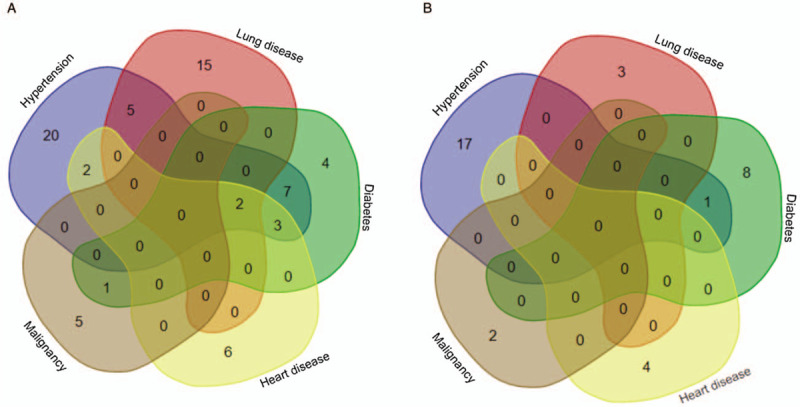
“In the study of Deng et al. (2020), most patients in the fatal group had underlying diseases, especially hypertension, lung disease, and heart disease [11], consistent with our findings.”
BackgroundResultInfluentialHepatic dysfunction in COVID-19: A useful prognostic marker of severe disease?
Chandra Shekhar, N., Diwakar, T. N., & Shenoy, V. (2022) · International Journal of Advanced Research in Medicine · doi:10.22271/27069567.2022.v4.i1c.369
Moorhead, R., O'Brien, J. S., Kelly, B. D., Shukla, D. C., Bolton, D. M., Kyprianou, N., Wiklund, P. N., Lantz, A. W., Mohamed, N., Goltz, H. H., et al. (2022) · Reports — Medical Cases Images and Videos · doi:10.3390/reports5030029
“A recent COVID-19 paper argued that parameters for the prediction of the need for admission to ICUs are urgently needed for patients with nephritis to enable timely management and appropriate resource allocation [35].”
BackgroundShi, C., Wu, T., Hu, J. Y., Guo, R., & Liu, Z. (2022) · European Journal of Inflammation · doi:10.1177/1721727x221100942
“Multiple organ dysfunction syndrome (MODS), disseminated intravascular coagulation (DIC), and venous thromboembolism (VTE) are considered as possible causes to the death in patients with severe COVID-19.”
BackgroundInfluentialTümer, M., Otal, Y., & Çelik, K. (2022) · Experimental Biomedical Research · doi:10.30714/j-ebr.2022.153
“In the present study, it was found that CRP levels increased in COVID-19 patients in response to proinflammatory cytokines, which were reported to be increased in most of the previous studies [9, 10].”
ResultÖzdemirel, T. Ş., Akkurt, E. S., ERTAN, Ö., Gökler, M. E., & Özyürek, B. A. (2022) · Lung India · doi:10.4103/lungindia.lungindia_20_22
“In a retrospective cohort study involving 191 patients with COVID-19 from Wuhan, China, high LDH and ferritin levels were associated with mortality,[21] and Wang et al.”
BackgroundAhmed, A., Parvez, M., Sadiya, S., Mondol, B. R., Monowara, M., Parvin, D. S., Rahman, Y., Sultana, D., Hanif, D. M. A., & Pal, K. C. (2022) · East African Scholars Journal of Medical Sciences · doi:10.36349/easms.2022.v05i09.002
“Irregularities in coagulation parameters with a higher D-dimer level are generally seen in severe COVID-19 infection [16].”
BackgroundZelalem, M., Yismaw, L., & Tesfa, M. (2022) · Research Square · doi:10.21203/rs.3.rs-2111702/v1
de Oliveira, T. B., Rodrigues, L. S., dos Santos, W. R. F., Hirata, M. Y., Silva, C. V. D. S., & Mazucheli, J. (2022) · Research Society and Development · doi:10.33448/rsd-v11i16.37666
FEATURES OF THE COURSE OF ARTERIAL HYPERTENSION IN PATIENTS AFTER COVID-19
Koval, S. M., Рєзнік, Л. А., Penkova, M. Y., & Konkova, V. S. (2022) · JOURNAL OF THE NATIONAL ACADEMY OF MEDICAL SCIENCES OF UKRAINE · doi:10.37621/jnamsu-2022-4-1
Fujino, M., Hamanaka, K., & Hitosugi, M. (2022) · Journal of Biorheology · doi:10.17106/jbr.36.45
“Other previous studies suggested that severe COVID-19 cases tended to have lower lymphocyte count and lymphocyte percentage and higher leukocyte counts than mild cases, resulting from dysregulation of the immune response [12, 13].”
ResultWahyuni, P. T., Najmah, N., Sucirahayu, C. A., Zanjabila, A. R., Alvionita, S., Aprina, F., & Setiawan, Y. (2022) · Jurnal Ilmu Kesehatan Masyarakat · doi:10.26553/jikm.2022.13.2.292-305
The Factors Affecting Mortality in Delta and Non-Delta Variant Severe Covid-19 Patients
Yaşar, B. G. (2023) · Comprehensive Medicine · doi:10.14744/cm.2022.92609
Comprehensive view of cardiovascular complications in SARS-Cov-2 infection
Pellegrini, P. R. R. M., & Domingos, C. H. C. (2023) · International Journal of Health Science · doi:10.22533/at.ed.159382331011
Sudhan, S. G., Zeeshan, A., Singh, V. P., Cardoza, J. V., Thakkar, D., Sruthi, G., & Preeti, S. (2023) · Cardiometry · doi:10.18137/cardiometry.2023.26.456465
Estimation of Some Biomarkers in Recovered COVID19 Patients
Nazzal, A. G., & Sabbar, A. G. (2022) · Journal of Techniques · doi:10.51173/jt.v4i33.587 · Cited by 1
Munir, M. Z., Khan, A. H., & Khan, T. M. (2023) · Healthcare · doi:10.3390/healthcare11081192 · Cited by 2
“Similarly, a study conducted in China found that patients with elevated CRP levels had a higher risk of mortality [17,18].”
Result
Metadata
- Authors
- Deng, Y., Liu, W., Liu, K., Fang, Y.-Y., Shang, J., Zhou, L., Wang, K., Leng, F., Wei, S., Chen, L., & Liu, H.-G.
- Affiliations
- Tongji Hospital (CN)
- Central Hospital of Wuhan (CN)
- Department of Respiratory and Critical Care Medicine, Tongji Hospital, Tongji Medical College, Huazhong University of Science and Technology, Wuhan, Hubei 430030, China
- Corresponding author
- Liu, Wei
- Liu, Kui
- Venue
- Chinese Medical Journal
- Published
- 2020-03-20
- Volume
- 133
- Issue
- 11
- Pages
- 1261-1267
- ISSN
- 0366-6999 (ISSN-L)
- 2542-5641
- PMC
- PMC7289311
- OpenAlex
- W3013689008
- Cited by
- 657
- References
- 29
- Citations by year
- 2026: 3 · 2025: 17 · 2024: 20 · 2023: 41 · 2022: 77 · 2021: 198 · 2020: 300
- FWCI
- 20.18
- Type
- journal article
- Language
- en
- Open access
- gold
- doi.org
- Licence
- Locations
- Chinese Medical Journal (publishedVersion, cc-by-nc-nd)
- PubMed Central (publishedVersion, cc-by-nc-nd)
- PubMed (publishedVersion)
- DOAJ (DOAJ: Directory of Open Access Journals) (submittedVersion, cc-by-sa)
- Topics
- Health Sciences › Medicine › Infectious Diseases › COVID-19 Clinical Research Studies
- Health Sciences › Medicine › Clinical Neurology › Long-Term Effects of COVID-19
- Health Sciences › Medicine › Infectious Diseases › SARS-CoV-2 and COVID-19 Research
- Keywords
- COVID-19 pandemic, SARS-CoV-2, fatal outcome, recovered patients, clinical features, dyspnea, oxygen saturation, white blood cell count, C-reactive protein, procalcitonin, length of hospital stay, underlying comorbidities, acute respiratory illness, Wuhan outbreak, prognostic factors, mortality risk factors
- MeSH terms
- Betacoronavirus, COVID-19, SARS-CoV-2, Adult, Aged, Aged, 80 and over, C-Reactive Protein, Female, Humans, Male, Middle Aged, Oxygen, Pneumonia, Viral, Retrospective Studies, Coronavirus Infections, Pandemics
About these checks
Registry, retraction, Cites and statistics results are computed, not judged, with one exception: a printed reference that no index lists is read once by a model before it counts as a citation error. Claims are extracted by a model and kept only when their quote appears verbatim in the text; each cited source is then checked, with a model’s help, for whether it says what the claim relies on. Those verdicts can be wrong — read the claim’s quote and the cited source before relying on one.
Statistics and arithmetic are recomputed, not judged.
Confidence bands are shown only for fields calibrated on our annotated test set. None is calibrated yet, so no band is shown.
What counts as a claim ›How we measure confidence ›How we check this ›
Are you an author, or do you see a problem with this page? Request a review
Data sources
Bibliographic data: Semantic Scholar, OpenAlex, Crossref.
Contains information from the Semantic Scholar Academic Graph Datasets, made available under the ODC Attribution License (ODC-BY 1.0).
Semantic Scholar’s data is described in: Kinney, R., et al. (2023). The Semantic Scholar Open Data Platform. arXiv:2301.10140.
