

The DOI matches its Crossref record; 75 of the 79 references it cites were found in a registry or an index.
Prevalence of mental health problems among medical students in China: A meta-analysis
Open accessAbstract
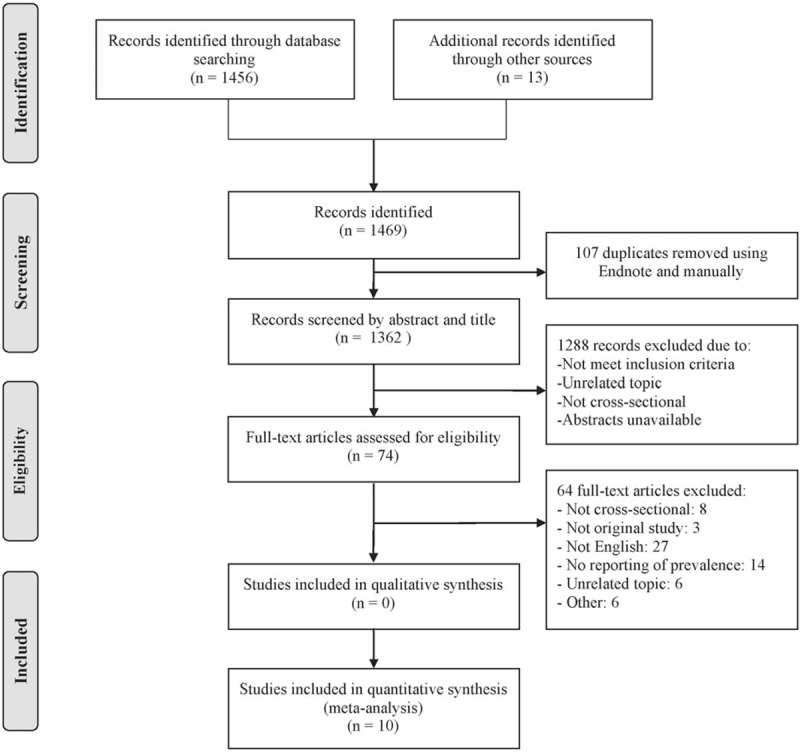
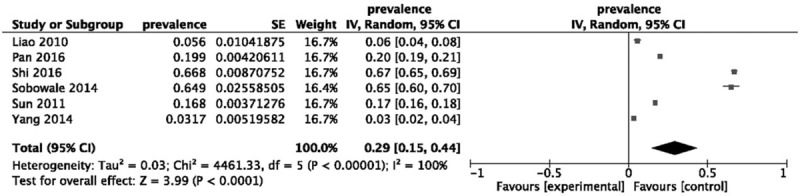
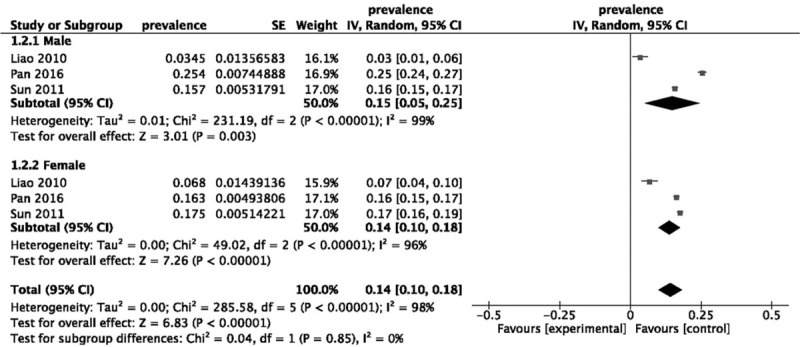
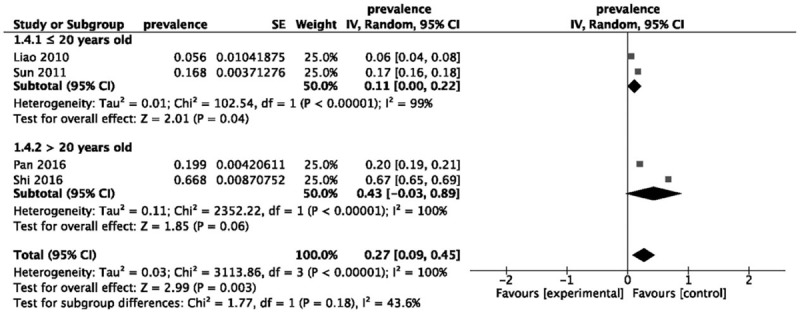
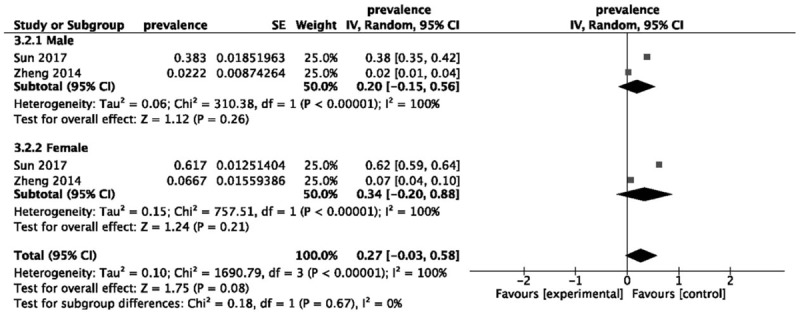
Background: The prevalence of mental health problems in medical students has continuously increased and is higher than the prevalence of mental health problems in students with other majors, which could lead to undesirable consequences for the students and their future patients. In China, the current states of medical education and healthcare workplaces differ in certain areas from those in Western or other Asian countries. However, the mental health status of Chinese medical students has not been systematically analyzed. Objectives: The purpose of this meta-analysis was to summarize the prevalence of mental health problems in Chinese medical students. Methods: All cross-sectional studies that investigated the prevalence of any mental health problem among Chinese medical students were retrieved from the following databases: EMBASE, PubMed, PsycINFO, OVID, the Cochrane Database of Systematic Reviews, and the Cochrane Central Register of Controlled Trials. We accepted each individual trial's inclusion and exclusion criteria for participants. The National Institutes of Health Quality Assessment Tool for Observational Cohort and Cross-Sectional Studies was adopted to appraise the methodological quality of each study. RevMan (version 5.3) was used to analyze the data. Results: Ten cross-sectional studies involving a total of 30,817 Chinese medical students were included. The prevalence of depression, anxiety, suicidal ideation, and eating disorders were 29%, 21%, 11%, and 2%, respectively. Subgroup analysis revealed no significant differences in the prevalence of depression and suicidal ideation between genders and no significant difference in the prevalence of depression between individuals of different ages (20 years and older or younger than 20 years). Conclusions and implications of key findings: Chinese medical students have relatively high prevalence of depression, anxiety, and suicidal ideation but a low prevalence of eating disorders. Mental health problems in Chinese medical students should be taken seriously, and timely screening of and proper intervention in these mental health problems are highly recommended.
Overview
The claims and statistics of this paper haven’t been checked yet.
Run the check — free, no account needed. It reads the open-access text and checks the sources it cites.
Integrity signals
Registry
Cites
Statistics
Figures



Verification
Claims the paper makes
The claims and statistics of this paper haven’t been checked yet.
Run the check — free, no account needed. It reads the open-access text and checks the sources it cites.
Claims other papers make about this one
Each is checked against this paper’s own text: does it say what the citing paper says it does?
The cited source says what the claim attributes to it.
In the citing paper
“A meta-analysis of 10 cross-sectional studies, which together engaged over 30,000 Chinese medical students, reported the prevalence of depression at 29%, anxiety at 21%, suicidal ideation at 11%, and eating disorders at 2% [5].”
From Promoting the mental health of university students in China: Protocol for contextual assessment to inform intervention design and adaptation (2021) · cites this paper as [5]
The check wasn’t confident either way, so it gives no verdict — never disputed.
In the citing paper
“In contrast, the situation in South Asia, particularly among its college students, remains under-researched, although existing studies reveal a comparable incidence of psychiatric symptoms. 7”
From Mental Health, Suicidality, Health, and Social Indicators Among College Students Across Nine States in India (2025) · cites this paper as [7]
Experimental — accuracy not yet measured
Self-check
Percentages, sums and reported differences re-computed from the paper’s own numbers.
The self-check needs the paper’s full text.
Citations
Cites
Preferred Reporting Items for Systematic Reviews and Meta-Analyses: the PRISMA statement
Moher, D., Liberati, A., Tetzlaff, J., Altman, D. G., & for the PRISMA Group (2009) · BMJ · doi:10.1136/bmj.b2535 · Cited by 83,823
Measuring inconsistency in meta-analyses
Higgins, J. P. T., Thompson, S. G., Deeks, J. J., & Altman, D. G. (2003) · BMJ · doi:10.1136/bmj.327.7414.557 · Cited by 63,139
Preferred reporting items for systematic reviews and meta-analyses: the PRISMA Statement.
(2009) · PubMed Central · Cited by 44,859
Preferred reporting items for systematic reviews and meta-analyses: The PRISMA statement
Moher, D., Liberati, A., Tetzlaff, J., Altman, D. G., & the PRISMA Group* (2009) · Annals of Internal Medicine · doi:10.7326/0003-4819-151-4-200908180-00135 · Cited by 37,554
Preferred Reporting Items for Systematic Reviews and Meta-Analyses: The PRISMA Statement
Moher, D., Liberati, A., Tetzlaff, J., & Altman, D. G. (2009) · Journal of Clinical Epidemiology · doi:10.1016/j.jclinepi.2009.06.005 · Cited by 19,575
The combination of estimates from different experiments
Cochran, W. G. (1954) · Biometrics · doi:10.2307/3001666 · Cited by 5,380 · cited 1×
“Heterogeneity was analyzed by the I(2) test, which describes the proportion of variation across the studies that is due not to chance but rather to the heterogeneity.([30,31]) The higher the percentage, the higher the level of heterogeneity was.”
MethodDyrbye, L. N., Thomas, M. R., & Shanafelt, T. D. (2006) · Academic Medicine · doi:10.1097/00001888-200604000-00009 · Cited by 2,909 · cited 1×
“, they can impair their quality of life and increase the risk of suicidal ideation and decrease academic performance, professionalism, and empathy toward their patients).([12,19,20]) The current state of the medical education system and healthcare working environment in China differs in some areas compared to those in…”
ResultThe ESEMeD/MHEDEA 2000 Investigators, Alonso, J., Angermeyer, M. C., Bernert, S., Bruffaerts, R., Brugha, T. S., Bryson, H., de Girolamo, G., de Graaf, R., Demyttenaere, K., et al. (2004) · Acta Psychiatrica Scandinavica · doi:10.1111/j.1600-0047.2004.00327.x · Cited by 1,825
GRADE guidelines: 5. Rating the quality of evidence—publication bias
Guyatt, G. H., Oxman, A. D., Montori, V., Vist, G., Kunz, R., Brozek, J., Alonso-Coello, P., Djulbegovic, B., Atkins, D., Falck-Ytter, Y., et al. (2011) · Journal of Clinical Epidemiology · doi:10.1016/j.jclinepi.2011.01.011 · Cited by 1,819 · cited 1×
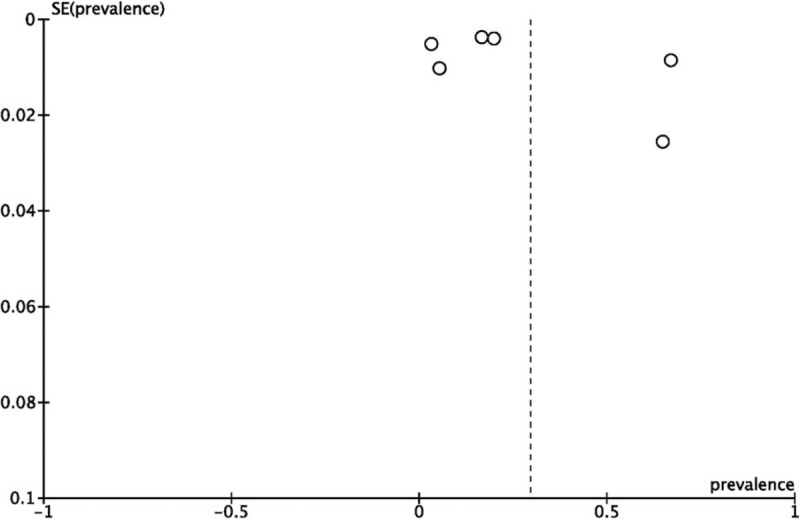
“The funnel plots indicate possible publication bias, evidence of asymmetry, and other small study effects.([32]) Finally, we followed PRISMA guidelines to report our findings.”
MethodThe Three-Step Theory (3ST): A New Theory of Suicide Rooted in the “Ideation-to-Action” Framework
Klonsky, E. D., & May, A. M. (2015) · International Journal of Cognitive Therapy · doi:10.1521/ijct.2015.8.2.114 · Cited by 1,799
Research works printed but not linked: 1
- Gallagher, 2012, National survey of counseling center directors, International Association of Counseling Service
Cited by
Sorted by citations
Risk factors associated with stress, anxiety, and depression among university undergraduate students
Mofatteh, M., Lincoln College, U. O. O., Merton College, U. O. O., & Sir William Dunn School of Pathology, U. O. O. (2021) · AIMS Public Health · doi:10.3934/publichealth.2021004 · Cited by 561
Suicide among physicians and health-care workers: A systematic review and meta-analysis
Dutheil, F., Aubert, C., Pereira, B., Dambrun, M., Moustafa, F., Mermillod, M., Baker, J. S., Trousselard, M., Lesage, F., & Navel, V. (2019) · PLoS ONE · doi:10.1371/journal.pone.0226361 · Cited by 597
“Students were excluded because of the difference in responsibilities in comparisons with health-care workers, and because of the existence of previous recent meta-analyses focusing specifically on health-care students [21,22,23,24]; we included interns because they were not included in the aforementioned meta-analyses…”
Shao, R., He, P., Ling, B., Tan, L., Xu, L., Hou, Y., Kong, L., & Yang, Y. (2020) · BMC Psychology · doi:10.1186/s40359-020-00402-8 · Cited by 422
“These factors could be the cause of worries and mental disorders in Chinese medical students [29, 30].”
BackgroundLasheras, I., Gracia‐García, P., Lipnicki, D. M., Bueno‐Notivol, J., López‐Antón, R., de la Cámara, C., Lobo, A., & Santabárbara, J. (2020) · International Journal of Environmental Research and Public Health · doi:10.3390/ijerph17186603 · Cited by 308
“There are several proposed mechanisms, including a high proportion of students with neurotic and perfectionistic personalities [16,31], and a particularly academically and emotionally demanding training [16,32,33].”
BackgroundExploring perceived stress among students in Turkey during the COVID-19 pandemic
Aslan, I., Ochnik, D., & Çınar, O. (2020) · International Journal of Environmental Research and Public Health · doi:10.3390/ijerph17238961 · Cited by 255
Physical activity, exercise, and mental disorders: it is time to move on
Schuch, F. B., & Vancampfort, D. (2021) · Trends in Psychiatry and Psychotherapy · doi:10.47626/2237-6089-2021-0237 · Cited by 251
Depression and Anxiety among Iranian Medical Students during COVID-19 Pandemic
Nakhostin-Ansari, A., Sherafati, A., Aghajani, F., Khonji, M. S., Aghajani, R., & Shahmansouri, N. (2020) · Iranian Journal of Psychiatry · doi:10.18502/ijps.v15i3.3815 · Cited by 231
Xiao, H., Shu, W., Li, M., Li, Z., Tao, F., Wu, X., Yu, Y., Meng, H., Vermund, S. H., & Hu, Y. (2020) · International Journal of Environmental Research and Public Health · doi:10.3390/ijerph17145047 · Cited by 198
Zhang, C., Wang, T., Zeng, P., Zhao, M., Zhang, G., Zhai, S., Meng, L., Wang, Y., & Liu, D. (2021) · Frontiers in Psychiatry · doi:10.3389/fpsyt.2021.648755 · Cited by 175
Sleep quality in medical students: a comprehensive meta-analysis of observational studies
Rao, W., Li, W., Qi, H., Hong, L., Chen, C., Li, C.-Y., Ng, C. H., Ungvari, G. S., & Xiang, Y. (2020) · Sleep And Breathing · doi:10.1007/s11325-020-02020-5 · Cited by 172
Prevalence of anxiety in college and university students: An umbrella review
Tan, G. X. D., Soh, X. C., Hartanto, A., Goh, A. Y. H., & Majeed, N. M. (2023) · Journal of Affective Disorders Reports · doi:10.1016/j.jadr.2023.100658 · Cited by 218
Zhang, J., Peng, C., & Chen, C. (2024) · Acta Psychologica · doi:10.1016/j.actpsy.2024.104351 · Cited by 125
Cuschieri, S., & Calleja‐Agius, J. (2020) · Anatomical Sciences Education · doi:10.1002/ase.2020 · Cited by 112
“In fact, mental health issues are already more prevalent among the medical students even under normal circumstances (Zeng et al., 2019).”
BackgroundMental Health Among Medical Students During COVID-19: A Systematic Review and Meta-Analysis
Jia, Q., Qu, Y., Sun, H., Huo, H., Hongxia, Y., & You, D. (2022) · Frontiers in Psychology · doi:10.3389/fpsyg.2022.846789 · Cited by 107
“Compared with other higher education, medical education was regarded as one of the training programs with the highest academic and emotional requirements out of any profession (Azad et al., 2017; Quek et al., 2019; Zeng et al., 2019).”
BackgroundAhmed, I., Hazell, C. M., Edwards, B., Glazebrook, C., & Davies, E. B. (2023) · BMC Psychiatry · doi:10.1186/s12888-023-04645-8 · Cited by 130
Chinese College Students' Stress and Anxiety Levels Under COVID-19
Zhan, H., Zheng, C., Zhang, X., Yang, M., Zhang, L., & Jia, X. (2021) · Frontiers in Psychiatry · doi:10.3389/fpsyt.2021.615390 · Cited by 110
Chang, J.-J., Ji, Y., Li, Y., Yuan, M., & Su, P. (2021) · Asian Journal of Psychiatry · doi:10.1016/j.ajp.2021.102824 · Cited by 89
Mental Health Problems and Needs among Transitional-Age Youth in Indonesia
Kaligis, F., Ismail, R. I., Wiguna, T., Prasetyo, S., Indriatmi, W., Gunardi, H., Pandia, V., & Magdalena, C. C. (2021) · International Journal of Environmental Research and Public Health · doi:10.3390/ijerph18084046 · Cited by 76
Jahrami, H., AlKaabi, J., Trabelsi, K., Pandi-Perumal, S. R., Saif, Z., Seeman, M. V., & Vitiello, M. V. (2023) · Journal of Psychosomatic Research · doi:10.1016/j.jpsychores.2023.111479 · Cited by 72
Is There a Burnout Epidemic among Medical Students? Results from a Systematic Review
Vincenzo, M. D., Arsenio, E., Rocca, B. D., Rosa, A., Tretola, L., Toricco, R., Boiano, A., Catapano, P., Cavaliere, S., Volpicelli, A., et al. (2024) · Medicina · doi:10.3390/medicina60040575 · Cited by 94
The impact of bedtime procrastination on depression symptoms in Chinese medical students
Guo, J., Meng, D., Ma, X., Zhu, L., Yang, L., & Mu, L. (2020) · Sleep And Breathing · doi:10.1007/s11325-020-02079-0 · Cited by 69
Zhang, C., Li, G., Fan, Z., Tang, X., & Zhang, F. (2021) · Psychology Research and Behavior Management · doi:10.2147/prbm.s304635 · Cited by 55
Only Children Were Associated with Anxiety and Depressive Symptoms among College Students in China
Cheng, S., Jia, C.-X., & Wang, Y. (2020) · International Journal of Environmental Research and Public Health · doi:10.3390/ijerph17114035 · Cited by 59
COVID-19 and mental health: A systematic review of international medical student surveys
Paz, D. C., Bains, M. S., Zueger, M. L., Bandi, V. R., Kuo, V. Y., Cook, K., & Ryznar, R. J. (2022) · Frontiers in Psychology · doi:10.3389/fpsyg.2022.1028559 · Cited by 56
Anosike, C., Anene‐Okeke, C. G., Ayogu, E. E., & Oshigbo, M. C. (2022) · Currents in Pharmacy Teaching and Learning · doi:10.1016/j.cptl.2022.06.002 · Cited by 58
Fino, E., Martoni, M., & Russo, P. M. (2021) · Advances in Health Sciences Education · doi:10.1007/s10459-021-10039-w · Cited by 46
“…school should be a place where students learn about themselves and their vulnerabilities and develop awareness of their inner experiences in parallel with gaining the necessary skills and knowledge to become a part of the future medical workforce (Colonnello et al., 2020; West et al., 2016).”
BackgroundWu, Z., Wang, B., Xiang, Z., Zou, Z., Liu, Z., Long, Y., & Chen, X. (2022) · Frontiers in Public Health · doi:10.3389/fpubh.2022.829674 · Cited by 47
Taher, T. M. J., Alfadhul, S. A., Abutiheen, A. A. K., Ghazi, H. F., & Abood, N. S. (2021) · Middle East Current Psychiatry · doi:10.1186/s43045-021-00086-9 · Cited by 46
Latent class analysis of depression and anxiety among medical students during COVID-19 epidemic
Liu, Z., Liu, R., Zhang, Y., Zhang, R., Liang, L., Wang, Y., Wei, Y., Zhu, R., & Wang, F. (2021) · BMC Psychiatry · doi:10.1186/s12888-021-03459-w · Cited by 47
Parviniannasab, A. M., Bijani, M., & Dehghani, A. (2022) · BMC Psychology · doi:10.1186/s40359-022-00935-0 · Cited by 56
Dai, Z., Jing, S., Wang, H., Xiao, W., Huang, Y., Chen, X., Fu, J., Pan, C., Tang, Q., Wang, H., et al. (2022) · Frontiers in Psychiatry · doi:10.3389/fpsyt.2022.949477 · Cited by 44
The Association Between Social Support, COVID-19 Exposure, and Medical Students' Mental Health
Yin, Y., Yang, X., Gao, L., Zhang, S.-Y., Qi, M., Zhang, L., Tan, Y., & Chen, J. (2021) · Frontiers in Psychiatry · doi:10.3389/fpsyt.2021.555893 · Cited by 46
Pahari, S., Barman, D., & Talukdar, R. (2023) · Tropical Medicine & International Health · doi:10.1111/tmi.13924 · Cited by 46
Wang, J., Liu, M., Bai, J., Chen, Y., Xia, J., Liang, B., Wei, R., Lin, J., Wu, J., & Xiong, P. (2023) · Frontiers in Public Health · doi:10.3389/fpubh.2023.1116616 · Cited by 55
Liu, Y., Shen, Q., Duan, L., Xu, L., Xiao, Y., & Zhang, T. (2024) · BMC Psychiatry · doi:10.1186/s12888-024-05809-w · Cited by 46
Liu, Y., Duan, L., Shen, Q., Xu, L., & Zhang, T.-C. (2024) · BMC Public Health · doi:10.1186/s12889-024-20232-2 · Cited by 39
“Studies have found that the prevalence of depression among Chinese university students exceeds 25% [4, 5], and the global prevalence has also reached nearly 30% [6].”
BackgroundBarriers to mental health service utilisation among medical students in Saudi Arabia
Alsalman, Z. H., Shafey, M. M., Alkhofi, A., Alessa, J., Bukhamsin, R., Bokhuwah, M. A., Aljumaiah, R. M., Al-makhaitah, N., & Almaslami, M. (2024) · Frontiers in Public Health · doi:10.3389/fpubh.2024.1371628 · Cited by 39
Fukushima, K., Fukushima, N., Sato, H., Yokota, J., & Uchida, K. (2020) · PLoS ONE · doi:10.1371/journal.pone.0235909 · Cited by 43
Chen, J., Tuersun, Y., Yang, J., Xiong, M., Wang, Y., Rao, X., & Jiang, S. (2022) · BMC Medical Education · doi:10.1186/s12909-022-03683-2 · Cited by 37
The psychological impact of COVID-19 on medical students [Letter]
Ullah, R., & Amin, S. K. (2020) · Psychiatry Research · doi:10.1016/j.psychres.2020.113020 · Cited by 36
Zhang, C., Li, G., Fan, Z., Tang, X., & Zhang, F. (2021) · Frontiers in Psychology · doi:10.3389/fpsyg.2021.600352 · Cited by 36
“, 2010); they are under more academic pressure than students in other majors (Bond et al., 2013; Zeng et al., 2019).”
BackgroundPrevalence of depression among Chinese medical students: A systematic review and meta-analysis
Jin, T., Sun, Y., Wang, H., Qiu, F., & Wang, X. (2022) · Psychology, Health & Medicine · doi:10.1080/13548506.2021.1950785 · Cited by 34
Self-citationZhong, Y., Schroeder, L., Gao, Y., Guo, X., & Gu, Y. (2021) · International Journal of Environmental Research and Public Health · doi:10.3390/ijerph18020633 · Cited by 42
Talukdar, R., Barman, D., Thakkar, V., & Kanungo, S. (2022) · Health Promotion Perspectives · doi:10.34172/hpp.2022.42 · Cited by 36
Chen, W., Yu, Z.-Y., Wang, L., & Gross, D. (2022) · Adversity and Resilience Science · doi:10.1007/s42844-022-00076-8 · Cited by 26
Sun, S., Xu, S., Guy, A. A., Guigayoma, J. P., Zhang, Y., Wang, Y., Operario, D., & Chen, R. (2023) · JAMA Network Open · doi:10.1001/jamanetworkopen.2023.2294 · Cited by 31
Self-citationAljuwaiser, S., Brazzelli, M. G., Arain, I., & Poobalan, A. S. (2023) · Journal of Mental Health · doi:10.1080/09638237.2023.2278095 · Cited by 45
Bu, H., He, A., Gong, N., Huang, L., Liang, K., Kastelic, K., Ma, J., Liu, Y., Chen, S., & Chi, X. (2021) · BMC Public Health · doi:10.1186/s12889-021-12116-6 · Cited by 31
Dai, P., Guoguo, Y., Qian, D., Wu, Z. B., Fu, M., & Peng, H. (2023) · Psychology Research and Behavior Management · doi:10.2147/prbm.s405580 · Cited by 31
Milasauskiene, E., Burkauskas, J., Podlipskytė, A., Király, O., Demetrovics, Z., Ambrasas, L., & Steiblienė, V. (2021) · Frontiers in Psychology · doi:10.3389/fpsyg.2021.685137 · Cited by 31
Heumann, E., Helmer, S. M., Busse, H., Negash, S., Horn, J., Pischke, C. R., Niephaus, Y., & Stock, C. (2022) · Journal of Affective Disorders · doi:10.1016/j.jad.2022.09.158 · Cited by 40
“As medical students have often been the research focus so far (Seweryn et al., 2015; Zeng et al., 2019), more research should also consider other student groups to verify our results.”
BackgroundRetractedLiu, Y., Wang, P., Duan, L., Shen, Q., Xu, L., & Zhang, T. (2025) · Psychology and Psychotherapy Theory Research and Practice · doi:10.1111/papt.12580 · Cited by 30
PHYSICAL ACTIVITY AND SYMPTOMS OF ANXIETY AND DEPRESSION AMONG MEDICAL STUDENTS DURING A PANDEMIC
Mendes, T. B., de Souza, K. C., França, C. N., Rossi, F. E., Santos, R. P. G., Duailibi, K., Tuleta, I., Armond, J. D. E., Stubbs, B., & Neves, L. M. (2021) · Revista Brasileira de Medicina do Esporte · doi:10.1590/1517-8692202127062021_0059 · Cited by 28
Thinkings on the reform of medical education system in China
Tie, H., Luo, Y., & Chen, D. (2024) · Medical Education Online · doi:10.1080/10872981.2024.2302677 · Cited by 27
Falade, J., Oyebanji, A. H., Babatola, A. O., Falade, O. O., & Ojo, T. O. (2020) · Pan African Medical Journal · doi:10.11604/pamj.2020.37.53.24994 · Cited by 28
Cherian, A. V., Armstrong, G., Sobhana, H., Haregu, T., Deuri, S. P., Bhat, S. U., Aiman, A., Menon, V., Cherian, A. V., Kannappan, Y., et al. (2025) · Indian Journal of Psychological Medicine · doi:10.1177/02537176241244775 · Cited by 25
Chaabane, S., Chaabna, K., Khawaja, S., Aboughanem, J., Mittal, D., Mamtani, R., & Cheema, S. (2024) · Scientific Reports · doi:10.1038/s41598-024-53818-2 · Cited by 29
Risk factors for suicidal ideation among the older people living alone in rural region of China
Hu, C., Zhao, D., Gong, F., Zhao, Y., Li, J., & Sun, Y. (2020) · Medicine · doi:10.1097/md.0000000000021330 · Cited by 25
Help-seeking behaviors for mental health problems in medical students: Studies in Thailand and India
Seera, G., Arya, S., Sethi, S., Nimmawitt, N., & Ratta‐apha, W. (2020) · Asian Journal of Psychiatry · doi:10.1016/j.ajp.2020.102453 · Cited by 24
Szczurek, K., Furgał, N., Szczepanek, D., Zaman, R., Krysta, K., & Krzystanek, M. (2021) · International Journal of Environmental Research and Public Health · doi:10.3390/ijerph18189884 · Cited by 26
Beketov, V., Lebedeva, M., & Taranova, M. (2024) · Current Psychology · doi:10.1007/s12144-023-05471-7 · Cited by 21
Alghamdi, S. A., Aljaffer, M. A., Alahmari, F. S., Alasiri, A. B., Alkahtani, A. H., Alhudayris, F. S., & Alhusaini, B. A. (2023) · Saudi Medical Journal · doi:10.15537/smj.2023.44.6.20230055 · Cited by 21
Jha, P., Nezam, S., Golwara, A., Khan, S., Singh, S. D., & Tanwar, A. S. (2020) · Journal of Family Medicine and Primary Care · doi:10.4103/jfmpc.jfmpc_294_20 · Cited by 24
Monterrosa-Castro, Á. D. J., Ordosgoitia-Parra, E., & Beltrán-Barrios, T. (2020) · Medunab · doi:10.29375/01237047.3881 · Cited by 27
Cayo-Rojas, C. F., Castro‐Mena, M., Rosell, R. D. L. C. A., Aliaga-Mariñas, A. S., Castañeda, M. I. L., Cervantes‐Ganoza, L., & Cervantes-Liñán, L. C. (2021) · Journal of International Society of Preventive and Community Dentistry · doi:10.4103/jispcd.jispcd_52_21 · Cited by 20
Feng, Y., Meng, D., Guo, J., Zhao, Y., Ma, X., Zhu, L., & Mu, L. (2022) · Sleep Medicine · doi:10.1016/j.sleep.2022.04.022 · Cited by 20
Zhang, C., Li, G., Fan, Z., Tang, X., & Zhang, F. (2020) · Psychology Research and Behavior Management · doi:10.2147/prbm.s288647 · Cited by 21
Wainipitapong, S., & Chiddaycha, M. (2022) · BMC Medical Education · doi:10.1186/s12909-022-03527-z · Cited by 19
Ding, P., Li, J., Chen, H., Zhong, C., Ye, X., & Shi, H. (2022) · Frontiers in Public Health · doi:10.3389/fpubh.2022.957409 · Cited by 20
Regli, J., Bahmani, D. S., Rigotti, V., Stanga, Z. G., Ülgür, I. I., Fichter, C., Lang, U. E., Brühl, A. B., & Brand, S. (2024) · Journal of Clinical Medicine · doi:10.3390/jcm13154372 · Cited by 20
“The background to this study was as follows: Compared to the general population and non-medical students, medical students reported more mental health issues [13,14,17,18,25,26,29].”
ResultMental health disorders: prevalent but widely ignored in academia?
Müller, A. (2020) · The Journal of Physiology · doi:10.1113/jp279386 · Cited by 19
“In terms of university students and junior researchers, there is accumulating evidence for a relatively high prevalence of mental disorders in this population, including medical students (Rosenthal & Okie, 2005; Levecque et al. 2017; Pacheco et al. 2017; Zeng et al. 2019).”
BackgroundMental health among Thai medical students: Preadmission evaluation and service utilization
Chiddaycha, M., & Wainipitapong, S. (2021) · Health Science Reports · doi:10.1002/hsr2.416 · Cited by 18
Guo, Y., Li, S., Zhang, L., Xuan, Q., He, L., Ye, Q., Ma, J., Li, P., Xiong, Y., Yang, J., et al. (2022) · Frontiers in Public Health · doi:10.3389/fpubh.2022.957597 · Cited by 19
Kotera, Y., Jackson, J. E., Kirkman, A., Edwards, A., Colman, R. D., Underhill, A., Jackson, J. G., Baker, D., & Ozaki, A. (2023) · International Journal of Mental Health and Addiction · doi:10.1007/s11469-023-01018-w · Cited by 30
Prevalence of depression among medical students in Africa: Systematic review and meta-analysis
Mekonnen, C. K., Abate, H. K., Beko, Z. W., Zegeye, A. F., & Azagew, A. W. (2024) · PLoS ONE · doi:10.1371/journal.pone.0312281 · Cited by 18
Abdel-Hady, D., Baklola, M. I., Terra, M., & El‐Gilany, A. (2022) · Middle East Current Psychiatry · doi:10.1186/s43045-022-00267-0 · Cited by 16
Biological Psychiatry and Psychopharmacology
Fountoulakis, K. N., Nimatoudis, I., & Stahl, S. M. (2019) · Springer eBooks · doi:10.1007/978-3-030-18323-3_13 · Cited by 17
Safaie, N., Ketabi, S., Kia, N., Mirmohammadkhani, M., Moonesan, M. R., & Paknazar, F. (2020) · Journal of Education and Health Promotion · doi:10.4103/jehp.jehp_582_19 · Cited by 15
“This study revealed that 29% and 21% of medical students were suffering from depression and anxiety disorders, respectively.[34]”
BackgroundStress and its impairment of skin barrier function
Lyu, F., Wu, T. Q., Bian, Y., Zhu, K., Xu, J., & Li, F. (2023) · International Journal of Dermatology · doi:10.1111/ijd.16598 · Cited by 15
Suicidal Behaviors Among Medical Students: A Scoping Review of Systematic Reviews and Meta-Analyses
Agyapong-Opoku, F., Agyapong-Opoku, N., Agyapong, B., & Greenshaw, A. J. (2025) · Behavioral Sciences · doi:10.3390/bs15091215 · Cited by 22
Tawse, J., & Demou, E. (2022) · BMJ Open · doi:10.1136/bmjopen-2022-065639 · Cited by 16
Prevalence and influencing factors of anxiety in medical students during the COVID-19 pandemic
Liu, H., Liu, X., & Xu, W. (2022) · Heliyon · doi:10.1016/j.heliyon.2022.e10487 · Cited by 14
A novel model to predict mental distress among medical graduate students in China
Guo, F., Yi, M., Sun, L., Luo, T., Han, R., Zheng, L., Jin, S., Jun, W., Lei, M., & Gao, C. (2021) · BMC Psychiatry · doi:10.1186/s12888-021-03573-9 · Cited by 12
Effect of fear of missing out on learning burnout in medical students: a moderated mediation
Ye, X., Li, Y., Liu, Y., Zheng, Q., Lin, Z., Zeng, Y., Lin, Z., Zhu, T., Chen, X., Chen, L., et al. (2023) · Frontiers in Psychiatry · doi:10.3389/fpsyt.2023.1289906 · Cited by 18
“Due to the highly specialized requirements of the healthcare industry, medical students often face with a heavy academic workload (22, 23), require considerable time and effort to acquire the necessary professional knowledge and skills (24), and often even experience sleep deprivation (25).”
BackgroundGuízar-Sánchez, D., Sampieri-Cabrera, R., Inclán-Rubio, V., & Muñoz-Comonfort, A. (2023) · Salud Mental · doi:10.17711/sm.0185-3325.2023.020 · Cited by 12
Prevalence and Factors Associated With Suicidal Ideation in Medical Students With Migraine
Luo, J., Liu, E., Yang, H., Du, C.-Z., Xia, L.-J., Zhang, Z., Li, T., Ren, J., Tang, J., Tang, P.-Q., et al. (2021) · Frontiers in Psychiatry · doi:10.3389/fpsyt.2021.683342 · Cited by 15
Wong, J. P.-H., Jia, C.-X., Vahabi, M., Liu, J. J. W., Li, A. T.-W., Cong, X., Poon, M. K.-L., Yamada, J., Ning, X., Gao, J., et al. (2021) · JMIR Research Protocols · doi:10.2196/25009 · Cited by 12
Self-citationTao, H., Zeng, X., Hou, M., Chen, S., Shen, J., Liao, X., & Zou, C. (2023) · Frontiers in Psychology · doi:10.3389/fpsyg.2023.1134631 · Cited by 12
Gunsalus, K. T. W., Mixon, J. K., & House, E. M. (2024) · Medical Science Educator · doi:10.1007/s40670-024-02025-9 · Cited by 14
Chen, Q., Mao, C., Qi, L.-H., Luo, Y., Yang, G., Wang, L., Liu, C., Zheng, C., Zhang, J.-X., & Fan, C. (2024) · Frontiers in Psychology · doi:10.3389/fpsyg.2024.1401129 · Cited by 18
Heumann, E., Helmer, S. M., Busse, H., Negash, S., Horn, J., Pischke, C. R., Niephaus, Y., & Stock, C. (2024) · Frontiers in Public Health · doi:10.3389/fpubh.2024.1459501 · Cited by 14
Bahmani, D. S., Eisenhut, L., Mikoteit, T., Helfenstein, N., Brühl, A. B., Dürsteler, K. M., Becker, S. P., & Brand, S. (2025) · Journal of Clinical Medicine · doi:10.3390/jcm14072362 · Cited by 14
Mokhtary, F., Faghihi, E., Sanagoo, A., & Jouybari, L. M. (2025) · BMC Medical Education · doi:10.1186/s12909-025-07211-w · Cited by 11
Marković, M. M., Latas, M. B., Milovanović, S., Poznanović, S. T., Lazarević, M. M., Karišik, M. J., Đorđević, J., Mandinić, Z., & Jovanović, S. (2022) · International Journal of Environmental Research and Public Health · doi:10.3390/ijerph192114061 · Cited by 11
Li, S., Rong, X., Wang, C., Li, C., Liu, Q., Zhang, Y., Liu, Z., Zhang, L., & Zhang, M. (2024) · Frontiers in Psychology · doi:10.3389/fpsyg.2024.1467830 · Cited by 16
The relationship between low-intensity exercise and psychological distress among college students
Zhu, E., Sun, J., & Du, T. (2020) · Revista da Associação Médica Brasileira · doi:10.1590/1806-9282.66.6.737 · Cited by 10
Translation and Validation of the Mindful Self-Care Scale—Chinese Version: A Pilot Study
Wong, M. Y. C. (2020) · Psych · doi:10.3390/psych2040025 · Cited by 10
Alejandro-Salinas, R., Rojas-Cueva, A. C., Visconti-Lopez, F. J., Osorio-Martínez, M. L., & Toro-Huamanchumo, C. J. (2022) · Heliyon · doi:10.1016/j.heliyon.2022.e09446 · Cited by 10
“The most frequent disorders are anxiety and major depression, both with a higher prevalence than reported in the general population [12, 13].”
Jing, S., Dai, Z., Liu, X., Yang, X., Cheng, J., Chen, T., Feng, Z., Liu, X., Dong, F., Xin, Y., et al. (2025) · Journal of Medical Internet Research · doi:10.2196/71741 · Cited by 9
Yusefi, A. R., Beigzadeh, A., & Kaya, F. (2025) · BMC Medical Education · doi:10.1186/s12909-025-08063-0 · Cited by 24
Metadata
- Authors
- Zeng, W., Chen, R., Wang, X., Zhang, Q., & Deng, W.
- Affiliations
- Department of Graduate Medical Education
- Department of Neurosurgery
- Sichuan University (CN)
- Corresponding author
- Deng, Wei
- Venue
- Medicine
- Published
- 2019-05
- Volume
- 98
- Issue
- 18
- Pages
- e15337
- ISSN
- 0025-7974 (ISSN-L)
- 1536-5964
- PMC
- PMC6504335
- OpenAlex
- W2942994841
- Cited by
- 286
- References
- 79
- Citations by year
- 2026: 28 · 2025: 42 · 2024: 49 · 2023: 45 · 2022: 45 · 2021: 46 · 2020: 29 · 2019: 2
- FWCI
- 5.59
- Type
- journal article
- Language
- en
- Open access
- gold
- doi.org
- Licence
- Locations
- Medicine (publishedVersion, cc-by-nc-nd)
- Europe PMC (PubMed Central) (publishedVersion, cc-by-nc-nd)
- PubMed Central (publishedVersion, cc-by-nc-nd)
- PubMed (publishedVersion)
- Funders
- Health and Family Planning Commission of Sichuan Province
- Fundamental Research Funds for the Central Universities (2012017yjsy200)
- Topics
- Health Sciences › Health Professions › General Health Professions › Healthcare professionals’ stress and burnout
- Health Sciences › Medicine › Psychiatry and Mental health › Mental Health Treatment and Access
- Social Sciences › Psychology › Clinical Psychology › COVID-19 and Mental Health
- Keywords
- mental illness, medical students, depression, anxiety, suicidal ideation, eating disorders, prevalence, Chinese medical students, gender differences, age differences, mental health screening
- MeSH terms
- Adolescent, Adult, Anxiety, Feeding and Eating Disorders, Mental Disorders, China, Cross-Sectional Studies, Depression, Education, Medical, Female, Humans, Male, Mental Health, Students, Medical, Prevalence, Workplace, Young Adult, Suicidal Ideation
About these checks
Registry, retraction, Cites and statistics results are computed, not judged, with one exception: a printed reference that no index lists is read once by a model before it counts as a citation error. Claims are extracted by a model and kept only when their quote appears verbatim in the text; each cited source is then checked, with a model’s help, for whether it says what the claim relies on. Those verdicts can be wrong — read the claim’s quote and the cited source before relying on one.
Statistics and arithmetic are recomputed, not judged.
Confidence bands are shown only for fields calibrated on our annotated test set. None is calibrated yet, so no band is shown.
What counts as a claim ›How we measure confidence ›How we check this ›
Are you an author, or do you see a problem with this page? Request a review
