

The DOI matches its Crossref record; 75 of the 79 references it cites were found in a registry or an index.
Prevalence of mental health problems among medical students in China: A meta-analysis
Open accessAbstract
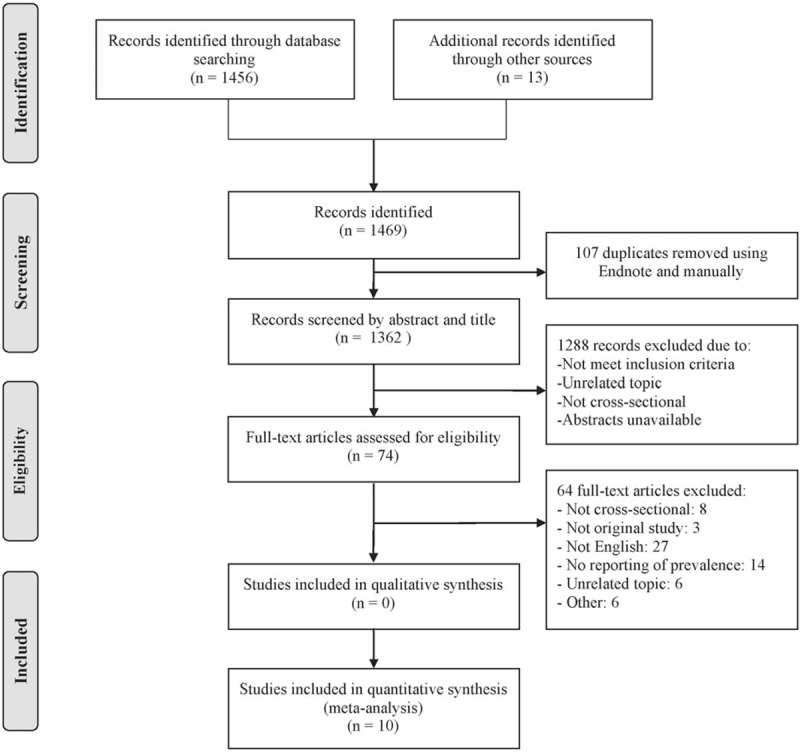
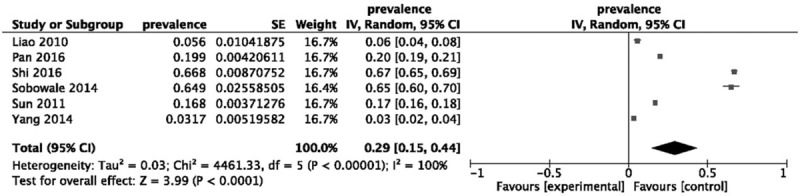
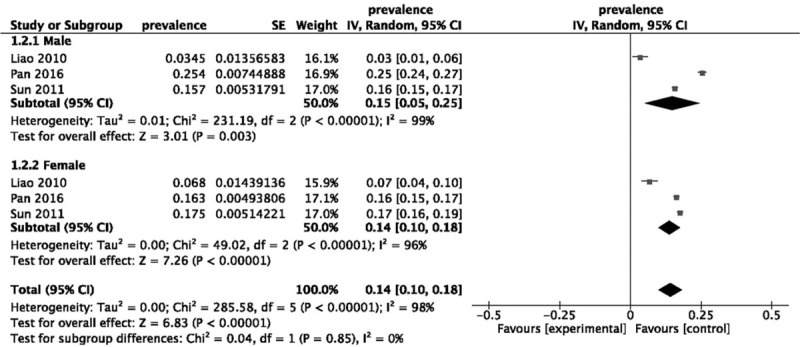
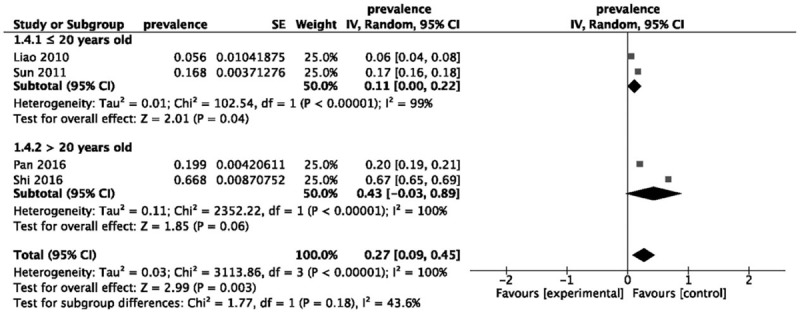
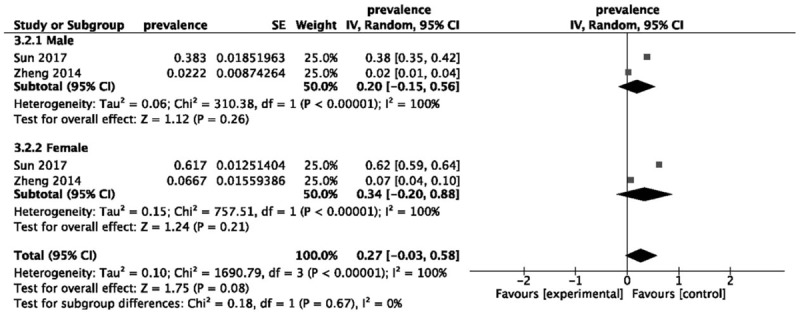
Background: The prevalence of mental health problems in medical students has continuously increased and is higher than the prevalence of mental health problems in students with other majors, which could lead to undesirable consequences for the students and their future patients. In China, the current states of medical education and healthcare workplaces differ in certain areas from those in Western or other Asian countries. However, the mental health status of Chinese medical students has not been systematically analyzed. Objectives: The purpose of this meta-analysis was to summarize the prevalence of mental health problems in Chinese medical students. Methods: All cross-sectional studies that investigated the prevalence of any mental health problem among Chinese medical students were retrieved from the following databases: EMBASE, PubMed, PsycINFO, OVID, the Cochrane Database of Systematic Reviews, and the Cochrane Central Register of Controlled Trials. We accepted each individual trial's inclusion and exclusion criteria for participants. The National Institutes of Health Quality Assessment Tool for Observational Cohort and Cross-Sectional Studies was adopted to appraise the methodological quality of each study. RevMan (version 5.3) was used to analyze the data. Results: Ten cross-sectional studies involving a total of 30,817 Chinese medical students were included. The prevalence of depression, anxiety, suicidal ideation, and eating disorders were 29%, 21%, 11%, and 2%, respectively. Subgroup analysis revealed no significant differences in the prevalence of depression and suicidal ideation between genders and no significant difference in the prevalence of depression between individuals of different ages (20 years and older or younger than 20 years). Conclusions and implications of key findings: Chinese medical students have relatively high prevalence of depression, anxiety, and suicidal ideation but a low prevalence of eating disorders. Mental health problems in Chinese medical students should be taken seriously, and timely screening of and proper intervention in these mental health problems are highly recommended.
Overview
The claims and statistics of this paper haven’t been checked yet.
Run the check — free, no account needed. It reads the open-access text and checks the sources it cites.
Integrity signals
Registry
Cites
Statistics
Figures



Verification
Claims the paper makes
The claims and statistics of this paper haven’t been checked yet.
Run the check — free, no account needed. It reads the open-access text and checks the sources it cites.
Claims other papers make about this one
Each is checked against this paper’s own text: does it say what the citing paper says it does?
The cited source says what the claim attributes to it.
In the citing paper
“A meta-analysis of 10 cross-sectional studies, which together engaged over 30,000 Chinese medical students, reported the prevalence of depression at 29%, anxiety at 21%, suicidal ideation at 11%, and eating disorders at 2% [5].”
From Promoting the mental health of university students in China: Protocol for contextual assessment to inform intervention design and adaptation (2021) · cites this paper as [5]
The check wasn’t confident either way, so it gives no verdict — never disputed.
In the citing paper
“In contrast, the situation in South Asia, particularly among its college students, remains under-researched, although existing studies reveal a comparable incidence of psychiatric symptoms. 7”
From Mental Health, Suicidality, Health, and Social Indicators Among College Students Across Nine States in India (2025) · cites this paper as [7]
Experimental — accuracy not yet measured
Self-check
Percentages, sums and reported differences re-computed from the paper’s own numbers.
The self-check needs the paper’s full text.
Citations
Cites
Preferred Reporting Items for Systematic Reviews and Meta-Analyses: the PRISMA statement
Moher, D., Liberati, A., Tetzlaff, J., Altman, D. G., & for the PRISMA Group (2009) · BMJ · doi:10.1136/bmj.b2535 · Cited by 83,823
Measuring inconsistency in meta-analyses
Higgins, J. P. T., Thompson, S. G., Deeks, J. J., & Altman, D. G. (2003) · BMJ · doi:10.1136/bmj.327.7414.557 · Cited by 63,139
Preferred reporting items for systematic reviews and meta-analyses: the PRISMA Statement.
(2009) · PubMed Central · Cited by 44,859
Preferred reporting items for systematic reviews and meta-analyses: The PRISMA statement
Moher, D., Liberati, A., Tetzlaff, J., Altman, D. G., & the PRISMA Group* (2009) · Annals of Internal Medicine · doi:10.7326/0003-4819-151-4-200908180-00135 · Cited by 37,554
Preferred Reporting Items for Systematic Reviews and Meta-Analyses: The PRISMA Statement
Moher, D., Liberati, A., Tetzlaff, J., & Altman, D. G. (2009) · Journal of Clinical Epidemiology · doi:10.1016/j.jclinepi.2009.06.005 · Cited by 19,575
The combination of estimates from different experiments
Cochran, W. G. (1954) · Biometrics · doi:10.2307/3001666 · Cited by 5,380 · cited 1×
“Heterogeneity was analyzed by the I(2) test, which describes the proportion of variation across the studies that is due not to chance but rather to the heterogeneity.([30,31]) The higher the percentage, the higher the level of heterogeneity was.”
MethodDyrbye, L. N., Thomas, M. R., & Shanafelt, T. D. (2006) · Academic Medicine · doi:10.1097/00001888-200604000-00009 · Cited by 2,909 · cited 1×
“, they can impair their quality of life and increase the risk of suicidal ideation and decrease academic performance, professionalism, and empathy toward their patients).([12,19,20]) The current state of the medical education system and healthcare working environment in China differs in some areas compared to those in…”
ResultThe ESEMeD/MHEDEA 2000 Investigators, Alonso, J., Angermeyer, M. C., Bernert, S., Bruffaerts, R., Brugha, T. S., Bryson, H., de Girolamo, G., de Graaf, R., Demyttenaere, K., et al. (2004) · Acta Psychiatrica Scandinavica · doi:10.1111/j.1600-0047.2004.00327.x · Cited by 1,825
GRADE guidelines: 5. Rating the quality of evidence—publication bias
Guyatt, G. H., Oxman, A. D., Montori, V., Vist, G., Kunz, R., Brozek, J., Alonso-Coello, P., Djulbegovic, B., Atkins, D., Falck-Ytter, Y., et al. (2011) · Journal of Clinical Epidemiology · doi:10.1016/j.jclinepi.2011.01.011 · Cited by 1,819 · cited 1×
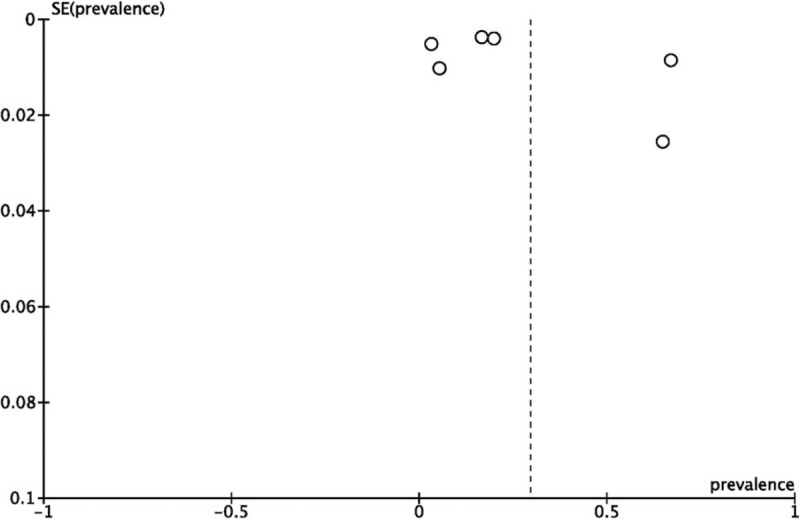
“The funnel plots indicate possible publication bias, evidence of asymmetry, and other small study effects.([32]) Finally, we followed PRISMA guidelines to report our findings.”
MethodThe Three-Step Theory (3ST): A New Theory of Suicide Rooted in the “Ideation-to-Action” Framework
Klonsky, E. D., & May, A. M. (2015) · International Journal of Cognitive Therapy · doi:10.1521/ijct.2015.8.2.114 · Cited by 1,799
Pine, D. S., Cohen, P., Gurley, D., Brook, J., & Ma, Y. (1998) · Archives of General Psychiatry · doi:10.1001/archpsyc.55.1.56 · Cited by 1,753 · cited 1×
“Mental health problems may persist into adulthood if they remain undetected or are not treated appropriately.([18]) For students majoring in health-related subjects, these problems can result in numerous undesirable personal and professional consequences (e.”
BackgroundBayram, N., & Bilgel, N. (2008) · Social Psychiatry and Psychiatric Epidemiology · doi:10.1007/s00127-008-0345-x · Cited by 1,391
Social consequences of psychiatric disorders, I: Educational attainment
(1995) · American Journal of Psychiatry · doi:10.1176/ajp.152.7.1026 · Cited by 1,370
Stress and depression among medical students: a cross-sectional study
Dahlin, M., Joneborg, N., & Runeson, B. (2005) · Medical Education · doi:10.1111/j.1365-2929.2005.02176.x · Cited by 1,226
The relation of depression and anxiety to life-stress and achievement in students
Andrews, B., & Wilding, J. M. (2004) · British Journal of Psychology · doi:10.1348/0007126042369802 · Cited by 919
Sareen, J., Cox, B. J., Afifi, T. O., de Graaf, R., Asmundson, G. J. G., ten Have, M., & Stein, M. B. (2005) · Archives of General Psychiatry · doi:10.1001/archpsyc.62.11.1249 · Cited by 824
Prevalence of mental disorders and psychosocial impairments in adolescents and young adults
WITTCHEN, H.-U., NELSON, C. B., & LACHNER, G. (1998) · Psychological Medicine · doi:10.1017/s0033291797005928 · Cited by 821
Garlow, S. J., Rosenberg, J., Moore, J. D., Haas, A. P., Koestner, B., Hendin, H., & Nemeroff, C. B. (2007) · Depression and Anxiety · doi:10.1002/da.20321 · Cited by 807
Changes in counseling center client problems across 13 years
Benton, S. A., Robertson, J. M., Tseng, W.-C., Newton, F. B., & Benton, S. L. (2003) · Professional Psychology: Research and Practice · doi:10.1037/0735-7028.34.1.66 · Cited by 619 · cited 1×
“As a consequence, mental health problems among medical students have been reported to be continuously increasing([10,11]) and to be much more prevalent in medical students than in students with other majors.”
BackgroundMental health problems among medical students in Brazil: a systematic review and meta-analysis
Pacheco, J. P. G., Giacomin, H. T. A., Tam, W., Ribeiro, T. B., Arab, C., Bezerra, Í. M. P., & Pinasco, G. C. (2017) · Brazilian Journal of Psychiatry · doi:10.1590/1516-4446-2017-2223 · Cited by 581 · cited 2×
“Previous meta-analyses and systematic reviews investigated the prevalence of mental health problems among medical students in Asia,([51]) Brazil,([76]) and some English-speaking countries.”
BackgroundAcademy for eating disorders position paper: Eating disorders are serious mental illnesses
Klump, K. L., Bulik, C. M., Kaye, W. H., Treasure, J. L., & Tyson, E. P. (2008) · International Journal of Eating Disorders · doi:10.1002/eat.20589 · Cited by 523 · cited 2×
“However, due to the severe consequences of eating disorders,([66,67]) careful screening and proper intervention are still important for Chinese medical students.”
BackgroundMedical student depression, anxiety and distress outside North America: a systematic review
Hope, V., & Henderson, M. (2014) · Medical Education · doi:10.1111/medu.12512 · Cited by 477
Tyssen, R., Vaglum, P., Grønvold, N. T., & Ekeberg, Ø. (2001) · Journal of Affective Disorders · doi:10.1016/s0165-0327(00)00205-6 · Cited by 444
Non-communicable diseases must have greater priority, says WHO
Zarocostas, J. (2009) · British medical journal · doi:10.1136/bmj.b2857 · Cited by 391
Stewart-Brown, S. L., Evans, J., Patterson, J., Petersen, S., Doll, H., Balding, J., & Regis, D. (2000) · Journal of Public Health · doi:10.1093/pubmed/22.4.492 · Cited by 347
Prevalence of Depression among Chinese University Students: A Meta-Analysis
Lei, X.-Y., Xiao, L.-M., Liu, Y.-N., & Li, Y.-M. (2016) · PLOS ONE · doi:10.1371/journal.pone.0153454 · Cited by 300 · cited 2×
“The result is much higher compared with the prevalence of depression in Chinese students with other majors([50]) as well as in medical students from other countries.”
BackgroundResultThe Social Mission of Medical Education: Ranking the Schools
Mullan, F., Chen, C., Petterson, S., Kolsky, G., & Spagnola, M. (2010) · Annals of Internal Medicine · doi:10.7326/0003-4819-152-12-201006150-00009 · Cited by 298 · cited 1×
“One of the main aims of medical schools is to train students to meet the healthcare needs of current and future national populations.([1,2]) This is usually achieved through an arduous training curriculum and long-term clinical practice, for which high levels of motivation, intelligence, and stamina are expected.”
BackgroundDuarte, P. S., Miyazaki, M. C., Blay, S. L., & Sesso, R. (2009) · Kidney International · doi:10.1038/ki.2009.156 · Cited by 265
Psychosocial Intervention Improves Depression, Quality of Life, and Fluid Adherence in Hemodialysis
Cukor, D., Ver Halen, N., Asher, D. R., Coplan, J. D., Weedon, J., Wyka, K. E., Saggi, S. J., & Kimmel, P. L. (2014) · Journal of the American Society of Nephrology · doi:10.1681/asn.2012111134 · Cited by 263
Adolescent Substance Abuse and Psychiatric Comorbidities
Deas, D., & Brown, E. S. (2006) · The Journal of Clinical Psychiatry · doi:10.4088/jcp.0706e02 · Cited by 240
Medical Students’ Experience of and Reaction to Stress: The Role of Depression and Anxiety
Saravanan, C., & Wilks, R. (2014) · The Scientific World JOURNAL · doi:10.1155/2014/737382 · Cited by 237
Adolescent Eating Disorders: Definitions, Symptomatology, Epidemiology and Comorbidity
Herpertz‐Dahlmann, B. (2008) · Child and Adolescent Psychiatric Clinics of North America · doi:10.1016/j.chc.2008.07.005 · Cited by 214 · cited 2×
“However, due to the severe consequences of eating disorders,([66,67]) careful screening and proper intervention are still important for Chinese medical students.”
BackgroundEmbodied health: the effects of a mind–body course for medical students
Bond, A. R., Mason, H., Lemaster, C. M., Shaw, S. E., Mullin, C. S., Holick, E. A., & Saper, R. B. (2013) · Medical Education Online · doi:10.3402/meo.v18i0.20699 · Cited by 172 · cited 1×
“Generally, the total time required to acquire the necessary professional knowledge and skills is greater for medical students than those with other majors,([3,4]) and the study of medicine is believed to be associated with significantly higher mental and physical pressure than is experienced in other subject areas.”
BackgroundPrevalence of Suicidal Ideation in Chinese College Students: A Meta-Analysis
Li, Z.-Z., Li, Y., Lei, X., Zhang, D., Liu, L., Tang, S., & Chen, L. (2014) · PLoS ONE · doi:10.1371/journal.pone.0104368 · Cited by 171 · cited 1×
“The combined result of our meta-analysis revealed that the prevalence of suicidal ideation among medical students in China was 11%, which is higher than in medical students in Brazil([58]) and similar to the result reported in other Chinese college students([59]) and in medical students from the United States.”
ResultDyrbye, L. N., Harper, W., Moutier, C., Durning, S. J., Power, D. V., Massie, F. S., Eacker, A., Thomas, M. R., Satele, D., Sloan, J. A., et al. (2012) · Academic Medicine · doi:10.1097/acm.0b013e31825cfa35 · Cited by 169 · cited 1×
“, they can impair their quality of life and increase the risk of suicidal ideation and decrease academic performance, professionalism, and empathy toward their patients).([12,19,20]) The current state of the medical education system and healthcare working environment in China differs in some areas compared to those in…”
ResultTomoda, A., Mori, K., Kimura, M., Takahashi, T., & Kitamura, T. (2000) · Psychiatry and Clinical Neurosciences · doi:10.1046/j.1440-1819.2000.00757.x · Cited by 143
Chen, H.-Y., Cheng, I.-C., Pan, Y.-J., Chiu, Y.-L., Hsu, S.-P., Pai, M.-F., Yang, J.-Y., Peng, Y.-S., Tsai, T.-J., & Wu, K.-D. (2011) · Kidney International · doi:10.1038/ki.2011.151 · Cited by 140
Mental health issues amongst medical students in Asia: a systematic review [2000-2015].
(2016) · Europe PMC (PubMed Central) · doi:10.3978/j.issn.2305-5839.2016.02.07 · Cited by 139 · cited 4×
“Previous meta-analyses and systematic reviews investigated the prevalence of mental health problems among medical students in Asia,([51]) Brazil,([76]) and some English-speaking countries.”
BackgroundResultInfluentialShi, M., Liu, L., Wang, Z. Y., & Wang, L. (2015) · PLoS ONE · doi:10.1371/journal.pone.0119916 · Cited by 135 · cited 5×
“98.9 Depression SCL-90 Anxiety SCL-90 BAI=Beck Anxiety Inventory, BDI=Beck Depression Inventory, BHS=Beck Hopelessness Scale, CES-D=Center for Epidemiologic Studies Depression Scale, EAT-26=Eating Attitude Test-26, EDI=Eating Disorders Inventory, NCS=US National Comorbidity Survey, PHQ-9=Patient Health Questionnaire-9…”
BackgroundMethodInfluentialDepression and suicidal ideation in medical students in China: a call for wellness curricula
Sobowale, K., Zhou, A., Fan, J., Liu, N., & Sherer, R. D. (2014) · International Journal of Medical Education · doi:10.5116/ijme.52e3.a465 · Cited by 133 · cited 6×
“[36] Cross-sectional Southern Not clear 2 and 3 348 Not clear 99.”
BackgroundMethodResultInfluentialEffects of an adaptation training programme for patients with end‐stage renal disease
Tsay, S., Lee, Y., & Lee, Y. (2005) · Journal of Advanced Nursing · doi:10.1111/j.1365-2648.2004.03347.x · Cited by 121
Group intervention to improve quality of life in haemodialysis patients
Lii, Y.-C., Tsay, S., & Wang, T.-J. T. (2007) · Journal of Clinical Nursing · doi:10.1111/j.1365-2702.2007.01963.x · Cited by 108
Singh, I., & Jha, A. K. (2013) · Journal of Educational and Developmental Psychology · doi:10.5539/jedp.v3n1p222 · Cited by 99
Reformation of medical education in China
Xu, D. R., Sun, B., Wan, X., & Yang, K. (2010) · The Lancet · doi:10.1016/s0140-6736(10)60241-3 · Cited by 92
Screening high school students for eating disorders: results of a national initiative.
Austin, S. B., Ziyadeh, N. J., Forman, S. F., Prokop, L. A., Keliher, A., & Jacobs, D. G. (2008) · PubMed Central · Cited by 91
Sun, L., Zhou, C., Xu, L., Li, S., Kong, F., & Chu, J. (2016) · Psychiatry Research · doi:10.1016/j.psychres.2016.11.024 · Cited by 87 · cited 8×
“Abbreviation: BAI = Beck Anxiety Inventory, BDI = Beck Depression Inventory, BHS = Beck Hopelessness Scale, CDSR = Cochrane Database of Systematic Reviews, CES-D = Center for Epidemiologic Studies Depression Scale, CI = confidence interval, EAT-26 = Eating Attitude Test, EDI = Eating Disorders Inventory, NCS = Nationa…”
BackgroundMethodInfluentialCorrelation between Family Environment and Suicidal Ideation in University Students in China
Zhai, H., Bai, B., Chen, L., Han, D. H., Wang, L., Qiao, Z., Qiu, X., Yang, X., & Yang, Y. (2015) · International Journal of Environmental Research and Public Health · doi:10.3390/ijerph120201412 · Cited by 81 · cited 1×
“Previous studies([62,63]) reported a higher incidence of suicidal ideation in female university students than in males.”
BackgroundLiao, Y., Knoesen, N. P., Castle, D. J., Tang, J., Yun-long, D., Bookun, R., Chen, X., Hao, W., Meng, G., & Liu, T. (2010) · Comprehensive Psychiatry · doi:10.1016/j.comppsych.2009.11.007 · Cited by 79 · cited 10×
“Abbreviation: BAI = Beck Anxiety Inventory, BDI = Beck Depression Inventory, BHS = Beck Hopelessness Scale, CDSR = Cochrane Database of Systematic Reviews, CES-D = Center for Epidemiologic Studies Depression Scale, CI = confidence interval, EAT-26 = Eating Attitude Test, EDI = Eating Disorders Inventory, NCS = Nationa…”
BackgroundMethodResultInfluentialShi, M., Liu, L., Wang, Z. Y., & Wang, L. (2016) · BMC Psychiatry · doi:10.1186/s12888-016-0710-3 · Cited by 77 · cited 7×
“Abbreviation: BAI = Beck Anxiety Inventory, BDI = Beck Depression Inventory, BHS = Beck Hopelessness Scale, CDSR = Cochrane Database of Systematic Reviews, CES-D = Center for Epidemiologic Studies Depression Scale, CI = confidence interval, EAT-26 = Eating Attitude Test, EDI = Eating Disorders Inventory, NCS = Nationa…”
BackgroundMethodInfluentialPeláez-Fernández, M. Á., Labrador, F. J., & Raich, R. M. (2007) · Journal of Psychosomatic Research · doi:10.1016/j.jpsychores.2006.12.010 · Cited by 75
Health-related quality of life of students from a private medical school in Brazil
Lins-Kusterer, L., Carvalho, F. M., Menezes, M. S., Porto-Silva, L., & Damasceno, H. (2015) · International Journal of Medical Education · doi:10.5116/ijme.563a.5dec · Cited by 75
Pan, X., Wen, Y., Zhao, Y., Hu, J., Li, S., Zhang, S., Li, X., Chang, H., Xue, Q., Zhao, Z.-M., et al. (2015) · Psychology Health & Medicine · doi:10.1080/13548506.2015.1127395 · Cited by 69 · cited 9×
“Abbreviation: BAI = Beck Anxiety Inventory, BDI = Beck Depression Inventory, BHS = Beck Hopelessness Scale, CDSR = Cochrane Database of Systematic Reviews, CES-D = Center for Epidemiologic Studies Depression Scale, CI = confidence interval, EAT-26 = Eating Attitude Test, EDI = Eating Disorders Inventory, NCS = Nationa…”
BackgroundMethodInfluentialThe Medical Student Stress Profile: a tool for stress audit in medical training
O’Rourke, M., Hammond, S., O’Flynn, S., & Boylan, G. B. (2010) · Medical Education · doi:10.1111/j.1365-2923.2010.03734.x · Cited by 68 · cited 1×
“Generally, the total time required to acquire the necessary professional knowledge and skills is greater for medical students than those with other majors,([3,4]) and the study of medicine is believed to be associated with significantly higher mental and physical pressure than is experienced in other subject areas.”
BackgroundStraining to describe and tackle stress in medical students
Adams, J. M. (2004) · Medical Education · doi:10.1111/j.1365-2929.2004.01810.x · Cited by 63 · cited 1×
“Generally, the total time required to acquire the necessary professional knowledge and skills is greater for medical students than those with other majors,([3,4]) and the study of medicine is believed to be associated with significantly higher mental and physical pressure than is experienced in other subject areas.([5…”
BackgroundWyon, M. A., Hutchings, K. M., Wells, A., & Nevill, A. M. (2013) · Clinical Journal of Sport Medicine · doi:10.1097/jsm.0000000000000054 · Cited by 57
A gloomy future for medical students in China
Zeng, J., Zeng, X., & Tu, Q. (2013) · The Lancet · doi:10.1016/s0140-6736(13)62624-0 · Cited by 56
Suicidal Ideation Among Medical Students
Torres, A. R., Campos, L. M., Lima, M. C. P., & Ramos‐Cerqueira, A. T. D. A. (2017) · The Journal of Nervous and Mental Disease · doi:10.1097/nmd.0000000000000734 · Cited by 55 · cited 3×
“The combined result of our meta-analysis revealed that the prevalence of suicidal ideation among medical students in China was 11%, which is higher than in medical students in Brazil[58] and similar to the result reported in other Chinese college students[59] and in medical students from the United States.”
ResultPsychiatric Illness in Male Doctors and Controls: an Analysis of Scottish Hospitals In-patient Data
Murray, R. M. (1977) · The British Journal of Psychiatry · doi:10.1192/bjp.131.1.1 · Cited by 54 · cited 1×
“The recent publication of these studies and the high prevalence values for depression, anxiety, and suicidal ideation draws attention to the fact that although these mental health issues have long been reported worldwide, especially in some advanced countries, more attention should be paid to medical students in devel…”
BackgroundVanderbilt, A. A., Isringhausen, K. T., VanderWielen, L. M., Wright, M. S., Slashcheva, L. D., & Madden, M. A. (2013) · Medical Education Online · doi:10.3402/meo.v18i0.20644 · Cited by 52
Sun, L., Sun, L., Sun, Y., Yang, L., Wu, H., Zhang, D., Cao, H., & Sun, Y. (2011) · The International Journal of Psychiatry in Medicine · doi:10.2190/pm.42.1.c · Cited by 52 · cited 10×
“Abbreviation: BAI = Beck Anxiety Inventory, BDI = Beck Depression Inventory, BHS = Beck Hopelessness Scale, CDSR = Cochrane Database of Systematic Reviews, CES-D = Center for Epidemiologic Studies Depression Scale, CI = confidence interval, EAT-26 = Eating Attitude Test, EDI = Eating Disorders Inventory, NCS = Nationa…”
BackgroundMethodResultInfluentialPsychologic correlates of eating attitudes in Turkish female college students
Çelıkel, F. Ç., Cumurcu, B. E., Koç, M., Etikán, Í., & Yücel, B. (2007) · Comprehensive Psychiatry · doi:10.1016/j.comppsych.2007.09.003 · Cited by 51 · cited 1×
“34%),([68]) Turkey (12%),([69]) and the United States (15% of females and 4% of males).”
BackgroundWhich future for doctors in China?
Jingang, A. (2013) · The Lancet · doi:10.1016/s0140-6736(13)61928-5 · Cited by 47
Suicidal Ideation Among Students and Physicians at a U.S. Medical School
Zisook, S., Young, I. T., Doran, N., Downs, N. S., Hadley, A., Kirby, B., McGuire, T., Moutier, C. Y., Norcross, W. A., & Tiamson‐Kassab, M. (2016) · OMEGA - Journal of Death and Dying · doi:10.1177/0030222815598045 · Cited by 46 · cited 2×
“The combined result of our meta-analysis revealed that the prevalence of suicidal ideation among medical students in China was 11%, which is higher than in medical students in Brazil([58]) and similar to the result reported in other Chinese college students([59]) and in medical students from the United States.([60]) W…”
ResultSubclinical eating disorders in female medical students in Anhui, China: a cross-sectional study.
Chang, W., Nie, M., Kang, Y., He, L., Jin, Y., & Yao, Y. (2015) · PubMed · doi:10.3305/nh.2015.31.4.8456 · Cited by 39 · cited 7×
“Abbreviation: BAI = Beck Anxiety Inventory, BDI = Beck Depression Inventory, BHS = Beck Hopelessness Scale, CDSR = Cochrane Database of Systematic Reviews, CES-D = Center for Epidemiologic Studies Depression Scale, CI = confidence interval, EAT-26 = Eating Attitude Test, EDI = Eating Disorders Inventory, NCS = Nationa…”
BackgroundMethodResultInfluentialInfluencing factors of mental health of medical students in China
Yang, F., Meng, H., Hui, C., Xu, X., Liu, Z., Luo, A., & Feng, Z. (2014) · Journal of Huazhong University of Science and Technology [Medical Sciences] · doi:10.1007/s11596-014-1298-9 · Cited by 37 · cited 8×
“Abbreviation: BAI = Beck Anxiety Inventory, BDI = Beck Depression Inventory, BHS = Beck Hopelessness Scale, CDSR = Cochrane Database of Systematic Reviews, CES-D = Center for Epidemiologic Studies Depression Scale, CI = confidence interval, EAT-26 = Eating Attitude Test, EDI = Eating Disorders Inventory, NCS = Nationa…”
MethodResultInfluentialAssociations between Body Mass Index and Visual Impairment of School Students in Central China
Yang, F., Yang, C., Liu, Y., Peng, S., Liu, B., Gao, X., & Tan, X. (2016) · International Journal of Environmental Research and Public Health · doi:10.3390/ijerph13101024 · Cited by 31
Jiang, C. X., Li, Z. Z., Chen, P., & Chen, L. Z. (2015) · Medicine · doi:10.1097/md.0000000000002071 · Cited by 30
Major Depression Prevalence in Calgary
Patten, S. B. (2000) · The Canadian Journal of Psychiatry · doi:10.1177/070674370004501008 · Cited by 29
Social and psychological factors of the suicidal tendencies of Chinese medical students
Zheng, A., & Wang, Z. (2014) · BioPsychoSocial Medicine · doi:10.1186/1751-0759-8-23 · Cited by 18 · cited 6×
“For suicidal ideation, 3 different tools, namely, the BeckHopelessness Scale,[42] the PHQ-9,[36] and the US National Comorbidity Survey,[43] were also used in 3 studies.”
BackgroundMethodInfluentialPrevalence of eating disorders in female university students and affecting factors
Celik, S., Yoldaşcan, E., Okyay, R. A., & Özenli, Y. (2015) · Anatolian Journal of Psychiatry · doi:10.5455/apd.175836 · Cited by 12 · cited 1×
“Some studies have reported that bodyweight is positively correlated with eating disorders,([71,72]) and the average body mass index of Chinese people is generally lower than those of the populations in Western countries.”
BackgroundSzabó, P., & Túry, F. (1995) · PubMed · Cited by 11
Personality factors and eating disorders: Self-uncertainty
von Lojewski, A., & Abraham, S. F. (2013) · Eating Behaviors · doi:10.1016/j.eatbeh.2013.10.020 · Cited by 8
Characteristics and prognosis of alcoholic doctors.
Glatt, M. M. (1977) · BMJ · doi:10.1136/bmj.1.6059.507-a · Cited by 6 · cited 1×
“The recent publication of these studies and the high prevalence values for depression, anxiety, and suicidal ideation draws attention to the fact that although these mental health issues have long been reported worldwide, especially in some advanced countries, more attention should be paid to medical students in devel…”
BackgroundKovács, T. (2007) · PubMed · Cited by 4
Comparison of Dietary Variety Between US and Chinese College Students
Brunt, A. R., Zhong, L., & Rhee, Y. S. (2009) · Journal of the American Dietetic Association · doi:10.1016/j.jada.2009.06.063 · Cited by 1
Research works printed but not linked: 1
- Gallagher, 2012, National survey of counseling center directors, International Association of Counseling Service
Cited by
Sorted by citations
Risk factors associated with stress, anxiety, and depression among university undergraduate students
Mofatteh, M., Lincoln College, U. O. O., Merton College, U. O. O., & Sir William Dunn School of Pathology, U. O. O. (2021) · AIMS Public Health · doi:10.3934/publichealth.2021004 · Cited by 561
Suicide among physicians and health-care workers: A systematic review and meta-analysis
Dutheil, F., Aubert, C., Pereira, B., Dambrun, M., Moustafa, F., Mermillod, M., Baker, J. S., Trousselard, M., Lesage, F., & Navel, V. (2019) · PLoS ONE · doi:10.1371/journal.pone.0226361 · Cited by 597
“Students were excluded because of the difference in responsibilities in comparisons with health-care workers, and because of the existence of previous recent meta-analyses focusing specifically on health-care students [21,22,23,24]; we included interns because they were not included in the aforementioned meta-analyses…”
Shao, R., He, P., Ling, B., Tan, L., Xu, L., Hou, Y., Kong, L., & Yang, Y. (2020) · BMC Psychology · doi:10.1186/s40359-020-00402-8 · Cited by 422
“These factors could be the cause of worries and mental disorders in Chinese medical students [29, 30].”
BackgroundLasheras, I., Gracia‐García, P., Lipnicki, D. M., Bueno‐Notivol, J., López‐Antón, R., de la Cámara, C., Lobo, A., & Santabárbara, J. (2020) · International Journal of Environmental Research and Public Health · doi:10.3390/ijerph17186603 · Cited by 308
“There are several proposed mechanisms, including a high proportion of students with neurotic and perfectionistic personalities [16,31], and a particularly academically and emotionally demanding training [16,32,33].”
BackgroundExploring perceived stress among students in Turkey during the COVID-19 pandemic
Aslan, I., Ochnik, D., & Çınar, O. (2020) · International Journal of Environmental Research and Public Health · doi:10.3390/ijerph17238961 · Cited by 255
Metadata
- Authors
- Zeng, W., Chen, R., Wang, X., Zhang, Q., & Deng, W.
- Affiliations
- Department of Graduate Medical Education
- Department of Neurosurgery
- Sichuan University (CN)
- Corresponding author
- Deng, Wei
- Venue
- Medicine
- Published
- 2019-05
- Volume
- 98
- Issue
- 18
- Pages
- e15337
- ISSN
- 0025-7974 (ISSN-L)
- 1536-5964
- PMC
- PMC6504335
- OpenAlex
- W2942994841
- Cited by
- 286
- References
- 79
- Citations by year
- 2026: 28 · 2025: 42 · 2024: 49 · 2023: 45 · 2022: 45 · 2021: 46 · 2020: 29 · 2019: 2
- FWCI
- 5.59
- Type
- journal article
- Language
- en
- Open access
- gold
- doi.org
- Licence
- Locations
- Medicine (publishedVersion, cc-by-nc-nd)
- Europe PMC (PubMed Central) (publishedVersion, cc-by-nc-nd)
- PubMed Central (publishedVersion, cc-by-nc-nd)
- PubMed (publishedVersion)
- Funders
- Health and Family Planning Commission of Sichuan Province
- Fundamental Research Funds for the Central Universities (2012017yjsy200)
- Topics
- Health Sciences › Health Professions › General Health Professions › Healthcare professionals’ stress and burnout
- Health Sciences › Medicine › Psychiatry and Mental health › Mental Health Treatment and Access
- Social Sciences › Psychology › Clinical Psychology › COVID-19 and Mental Health
- Keywords
- mental illness, medical students, depression, anxiety, suicidal ideation, eating disorders, prevalence, Chinese medical students, gender differences, age differences, mental health screening
- MeSH terms
- Adolescent, Adult, Anxiety, Feeding and Eating Disorders, Mental Disorders, China, Cross-Sectional Studies, Depression, Education, Medical, Female, Humans, Male, Mental Health, Students, Medical, Prevalence, Workplace, Young Adult, Suicidal Ideation
About these checks
Registry, retraction, Cites and statistics results are computed, not judged, with one exception: a printed reference that no index lists is read once by a model before it counts as a citation error. Claims are extracted by a model and kept only when their quote appears verbatim in the text; each cited source is then checked, with a model’s help, for whether it says what the claim relies on. Those verdicts can be wrong — read the claim’s quote and the cited source before relying on one.
Statistics and arithmetic are recomputed, not judged.
Confidence bands are shown only for fields calibrated on our annotated test set. None is calibrated yet, so no band is shown.
What counts as a claim ›How we measure confidence ›How we check this ›
Are you an author, or do you see a problem with this page? Request a review
