

Social media, internet use and suicide attempts in adolescents
Open accessThe DOI matches its Crossref record; 40 of the 40 references it cites were found in a registry or an index; 16 of the 58 sources its claims cite were checked for support.
Abstract
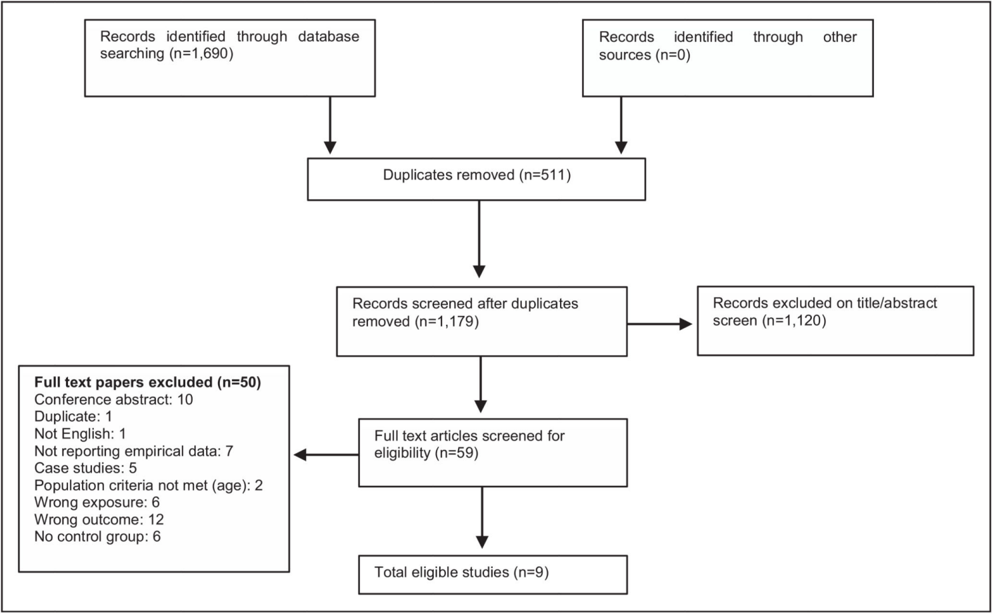
PURPOSE OF REVIEW: Suicide is the second leading cause of death in youth aged 10-24 years old globally, but detecting those at risk is challenging. Novel preventive strategies with wide influence across populations are required. Interest in the potential for both detrimental and supportive influences of social media/internet use on suicidal behaviour has been growing; however, the relationship remains unclear. RECENT FINDINGS: A systematic search of articles from database inception up to 25 January 2019 across five databases: Medline, PsycINFO, EMBASE, HMIC and CINAHL revealed nine independent studies investigating social media/internet use and suicide attempts in young people less than 19 years old (n = 346 416). An independent direct association was found between heavy social media/internet use and increased suicide attempts in seven studies (adjusted ORs ranged from 1.03 to 5.10), although adjusting for cyberbullying victimization and sleep disturbance reduced the strength of this association. Two studies found that some social media/internet use, versus no use, may be associated with fewer suicide attempts. There were no studies investigating the relationship between social media/internet use and completed suicide. SUMMARY: There is an independent association between problematic use of social media/internet and suicide attempts in young people. However, the direction of causality, if any, remains unclear. Further evaluation through longitudinal studies is needed.
Overview
CoChat Summary
TL;DR
This systematic review found an independent association between heavy or problematic social media/internet use and increased suicide attempts in adolescents, with adjusted ORs from 1.03 to 5.10 across seven studies. However, all included studies were cross-sectional, and the direction of causality remains unclear.
Key findings
- Nine independent studies (total n = 346,416) investigated social media/internet use and suicide attempts in young people under 19 years; seven found an independent direct association between heavy use and increased suicide attempts, with adjusted ORs ranging from 1.03 to 5.10.
- Adjusting for cyberbullying victimization and sleep disturbance reduced the strength of this association: Sampasa-Kanyinga’s SNS–suicide attempt association (OR 5.10, 95% CI 1.45–17.88) was explained by cyberbullying victimization, and Guo et al. found sleep disturbance partially mediated the link between Problematic Internet Use and suicide attempts.
- Two studies found that some social media/internet use, versus no use, may be associated with fewer suicide attempts: Kim found occasional internet users had the lowest attempted suicide rate, and Lee et al. found the high-risk internet addiction group (OR 1.91, 95% CI 1.71–2.14) and nonuser group (OR 1.33, 95% CI 1.25–1.42) were more likely to attempt suicide than the potential-risk group (OR 1.20, 95% CI 1.04–1.38).
- No studies investigated the relationship between social media/internet use and completed suicide.
Methods
- Systematic review reported according to PRISMA, registered on PROSPERO (ID CRD42018115259); searched Medline, PsycINFO, EMBASE, HMIC and CINAHL from database inception to 25 January 2019, including English-language, peer-reviewed observational studies with a majority of participants under 19 years and suicide attempts as the specified outcome.
- Nine cross-sectional studies published between 2012 and 2018 were included; participant age range was 11–18 years, settings included community/school-based samples plus one psychiatric outpatient and one psychiatric inpatient sample, and total participants were n = 346,416.
- Quality was assessed with an adapted Newcastle-Ottawa scale (six high quality, two medium, one low); heterogeneity in exposure and outcome measures prevented meta-analysis, so findings were summarized narratively.
Limitations
- Stated in the paper: the review excluded participants aged 19 or over, studies referring to “suicidal behaviour” without specified suicide or suicide attempts, grey literature, and non-English language publications; heterogeneity of exposure and outcome measures made synthesis challenging and prevented meta-analysis.
- Evident from the text: all nine included studies were cross-sectional, so the direction of causality, if any, remains unclear; no included study examined completed suicide; and cyberbullying victimization and sleep disturbance were not controlled for in most studies.
Model-written summary. Check it against the paper before relying on it.
Integrity signals
Registry
Cites
Statistics
Figures
Verification
Claims the paper makes
15 Valid · 5 Not valid · 48 Not checked · 35 Own results and interpretations
The cited sources support only part of this claim — read each source’s verdict below.
In the paper
“However, it is challenging to detect and intervene early, as many of those who go on to die by suicide will not have interacted with mental health services [2].”
What the sources say
- Partly supportedcites [2] 2. Kidger J, Heron J, Lewis G, et al. Adolescent self-harm and suicidal thoughts in the ALSPAC cohort: a self-report survey in England. BMC Psychiatry. 2012; 12:69. [PubMed: 22737989] sourceExperimental — accuracy not yet measured
The Discussion (Main findings; page unavailable) reports that only one third of adolescents who self-harmed with a desire to die sought medical help afterward, suggesting that many such episodes remain hidden from medical services. The study does not establish whether people who later die by suicide had previously interacted with mental health services; its outcome is self-reported self-harm, not subsequent suicide deaths. (LLM, conf=0.87)
plain- Asserted: passes — The authors put it forward as true.
- Checkable: passes — It can be checked against evidence.
- Load-bearing: passes — The paper’s conclusions depend on it.
- Based: passes — The paper gives a reason why it holds.
- Partly supported
The cited sources support only part of this claim — read each source’s verdict below.
In the paper
“There is growing evidence of specific mechanisms by which social media/internet use can be harmful, especially in relation to young people.”
What the sources say
- Not matchedcites [11 ■■ ]
This doesn’t read as a citation we can look up.
- Not matchedcites [29] 29. Brown RC, Fischer T, Goldwich AD, et al. #cutting: Nonsuicidal self-injury (NSSI) on Instagram.
Its entry has no title and year that we can search by.
- Supportedcites [30] 30. Cavazos-Rehg PA, Krauss MJ, Sowles SJ, et al. An analysis of depression, self-harm, and suicidal ideation content on Tumblr. Crisis. 2017; 38:44-52. [PubMed: 27445014] source
The Discussion (page unavailable) identifies a potential mechanism: Tumblr posts may glorify self-harm and suicide, while young users may be influenced by peers and media. The paper also reports that prior studies suggest online discussion may normalize self-harm and suicidal ideation. It treats harm as a concern requiring further study, consistent with the claim’s wording that social media use can be harmful. (LLM, conf=0.85)
plainstates a possible cause- Asserted: passes — The authors put it forward as true.
- Checkable: passes — It can be checked against evidence.
- Load-bearing: passes — The paper’s conclusions depend on it.
- Based: passes — The paper gives a reason why it holds.
- Not matched
Every source the paper cites for this claim was checked and supports it.
In the paper
“and stepwise regression (coefficient 0.552, 95% CI 0.207- 0.896, P =0.002)”
What the sources say
- Supportedcites Kaess, 2014 matched to “Pathological Internet use among European adolescents: psychopathology and self-destructive behaviours” (2014) source
Table 2 in the Results section reports a positive coefficient for suicide attempts in the final stepwise regression on pathological Internet use: 0.552 (95% CI 0.207–0.896; p = 0.002). (LLM, conf=0.95)
plainstates an association- Asserted: passes — The authors put it forward as true.
- Checkable: passes — It can be checked against evidence.
- Load-bearing: passes — The paper’s conclusions depend on it.
- Based: passes — The paper gives a reason why it holds.
- Supported
Every source the paper cites for this claim was checked and supports it.
In the paper
“Patients with PIU showed significantly more suicide attempts than patients without ( χ 2 13.78, P <0.001)”
What the sources say
- Supportedcites Fuchs, 2018 matched to “Pathological internet use—an important comorbidity in child and adolescent psychiatry: prevalence and correlation patterns in a naturalistic sample of adolescent inpatients” (2018) source
Results §3.3.2 reports that adolescent inpatients with PIU had significantly more suicide attempts than those without PIU (46.9% versus 13.9%; p < 0.001). The reported group sizes in §3.3 and the chi-squared testing method in §2.3 are consistent with χ² = 13.78, although that statistic is not printed in the retrieved passage. (LLM, conf=0.90)
plainstates an association- Asserted: passes — The authors put it forward as true.
- Checkable: passes — It can be checked against evidence.
- Load-bearing: passes — The paper’s conclusions depend on it.
- Based: passes — The paper gives a reason why it holds.
- Supported
The cited sources support only part of this claim — read each source’s verdict below.
In the paper
“Boys: NIU (OR 1.87, 95% CI 1.61-2.18)”
What the sources say
- Partly supportedcites Kim, 2012 matched to “The Nonlinear Association Between Internet Using Time for Non-Educational Purposes and Adolescent Health” (2012) sourceExperimental — accuracy not yet measured
The Results report that, with OIUs as the reference group, the odds of attempted suicide were significantly higher in both genders and describe a U-shaped association that includes NIUs. Our copy does not provide the specific estimate of OR 1.87 or its 95% CI of 1.61–2.18; searches for those numbers found no matching passage. The available passages have section labels but no page numbers. (LLM, conf=0.82)
plainstates an association- Asserted: passes — The authors put it forward as true.
- Checkable: passes — It can be checked against evidence.
- Load-bearing: passes — The paper’s conclusions depend on it.
- Based: passes — The paper gives a reason why it holds.
- Partly supported
51 more claims · 5 with their cited sources checked
Create a free account to see all 103 claims and to verify the 3 references still open.
- Probably not a substantial claim. 30
- It may state two separate claims as one. 26
- The quote only partly states this claim. 1
Claims other papers make about this one
Each is checked against this paper’s own text: does it say what the citing paper says it does?
In the citing paper
“A systematic review investigating social media/internet use and suicide attempts in youth aged 11-18 years found more frequent social media/internet use was associated with increased odds (1.03 to 5.10) for suicide attempt.32”
From Evidence-based youth suicide prevention and intervention in pediatric primary care settings. (2024) · cites this paper as [32]
Self-check
Percentages, sums and reported differences re-computed from the paper’s own numbers.
Each contradiction between two passages listed here was confirmed by an independent check.
Rated minor: it would not touch a result — a value no result rests on, a p-value that stays on the same side of the significance level, or a conflict that is clerical, resolved elsewhere in the paper, or outside its own findings.
In the paper
§ Results · p. 3
“The age range of participants studied was 11 - 18 years.”
§ Summary of included studies · p. 14
“N =5126, school based 11-20-year olds (mean age 15.2 years)”
Citations
Cites
Social network sites: definition, history, and scholarship
boyd, D. M., & Ellison, N. B. (2007) · Journal of Computer-Mediated Communication · doi:10.1111/j.1083-6101.2007.00393.x · Cited by 16,251
The Three-Step Theory (3ST): A New Theory of Suicide Rooted in the “Ideation-to-Action” Framework
Klonsky, E. D., & May, A. M. (2015) · International Journal of Cognitive Therapy · doi:10.1521/ijct.2015.8.2.114 · Cited by 1,799 · cited 1×
“Capacity (dispositional, acquired and practical) to make a suicide attempt is an important factor in the Three-Step Theory of suicide [32] and it is not yet known if, or how, social media/internet could impact this.”
BackgroundNock, M. K. (2010) · Annual Review of Clinical Psychology · doi:10.1146/annurev.clinpsy.121208.131258 · Cited by 1,550
Stiglic, N., & Viner, R. M. (2019) · BMJ Open · doi:10.1136/bmjopen-2018-023191 · Cited by 1,259
Global patterns of mortality in young people: a systematic analysis of population health data
Patton, G. C., Coffey, C., Sawyer, S. M., Viner, R. M., Haller, D. M., Bose, K., Vos, T., Ferguson, J., & Mathers, C. D. (2009) · The Lancet · doi:10.1016/s0140-6736(09)60741-8 · Cited by 1,233 · cited 1×
“Introduction Suicide is the second leading cause of death in young people aged 10–24 years, globally [1].”
Media Use in School-Aged Children and Adolescents
COUNCIL ON COMMUNICATIONS AND MEDIA, Hill, D., Ameenuddin, N., Chassiakos, Y. (. R., Cross, C., Radesky, J., Hutchinson, J., Levine, A., Boyd, R., Mendelson, R., et al. (2016) · Pediatrics · doi:10.1542/peds.2016-2592 · Cited by 622
Self-harm, suicidal behaviours, and cyberbullying in children and young people: systematic review
John, A., Glendenning, A. C., Marchant, A., Montgomery, P., Stewart, A., Wood, S., Lloyd, K., & Hawton, K. (2018) · Journal of Medical Internet Research · doi:10.2196/jmir.9044 · Cited by 580
Mars, B., Heron, J., Klonsky, E. D., Moran, P., O'Connor, R. C., Tilling, K., Wilkinson, P., & Gunnell, D. (2019) · The Lancet Psychiatry · doi:10.1016/s2215-0366(19)30030-6 · Cited by 546
Marchant, A., Hawton, K., Stewart, A., Montgomery, P., Singaravelu, V., Lloyd, K., Purdy, N., Daine, K., & John, A. (2017) · PLoS ONE · doi:10.1371/journal.pone.0181722 · Cited by 464
Correlates of suicide attempts among self-injurers: a meta-analysis
Victor, S. E., & Klonsky, E. D. (2014) · Clinical Psychology Review · doi:10.1016/j.cpr.2014.03.005 · Cited by 390 · cited 1×
“The links between self-harm, suicidal ideation and later suicide attempts are well established [5,6], but nomenclature in this field varies.”
Research works printed but not linked: 3
- 4. The SAGE Handbook of Social Media Research Methods. 2017.
- 7. National Collaborating Centre for Mental Health (UK). NICE Clinical Guidelines, No. 16. SelfHarm: The Short-Term Physical and Psychological Management and Secondary Prevention of SelfHarm in Primary and Secondary CareLeicester (UK): British Psychological Society; 2004. Available from: https://www.ncbi.nlm.nih.gov/books/NBK56385/ [Accessed 9 April 2019]
- 28. Arlington, V. Diagnostic and statistical manual of mental disorders. fifth edition. USA: American Psychiatric Association; 2013.
Cited by
Items 101–200 of 257
Boldrini, M., & Mann, J. J. (2022) · Elsevier eBooks · doi:10.1016/b978-0-323-85654-6.00039-3 · Cited by 9
Impacto de las pantallas y las redes sociales en la salud mental
Eddy, L. S., Patón, A. H., Buratti, M. A. F., Pitti, J. Á., Salmerón-Ruiz, M. A., Hernández, P. J. R., & Real‐López, M. (2025) · Anales de Pediatría · doi:10.1016/j.anpedi.2025.503909 · Cited by 18
Sedgwick, R., Bittar, A., Kalsi, H., Barack, T., Downs, J. M., & Dutta, R. (2023) · BMJ Open · doi:10.1136/bmjopen-2022-061640 · Cited by 11
Self-citationBarclay, N., Kelley, K. A., Brausch, A. M., Muehlenkamp, J. J., & Nadorff, M. R. (2023) · Suicide and Life-Threatening Behavior · doi:10.1111/sltb.12981 · Cited by 8
Thematic analysis of Prevention of Future Death reports for suicide: January 2021 to October 2022
Wallace, E., Revie, L., Schneider, D., Mais, D., & Sharland, E. (2024) · BMJ Mental Health · doi:10.1136/bmjment-2023-300804 · Cited by 6
“26 Analysis of more recent PFD reports is important to identify new themes, and work underway which aims to conduct ‘real-time’ analysis of PFDs provides a crucial database from which further thematic analysis can be conducted.”
Интернет и самоповреждения подростков: кто виноват – что делать
Любов, Е. Б., & Zotov, P. B. (2019) · Суицидология · doi:10.32878/suiciderus.19-10-03(36)-3-18 · Cited by 11
Gupta, G. K., & Sharma, D. K. (2021) · International Conference on Computing for Sustainable Global Development · doi:10.1109/indiacom51348.2021.00116 · Cited by 11
“Among the people, depression enforces serious social problems such as suicide, defined as a single mental health disorder with a set of diagnosis strategies [1].”
BackgroundHow Search Engines Handle Suicide Queries
Borge, O., Cosgrove, V. E., Cryst, E., Grossman, S., Perkins, S., & Meter, A. V. (2021) · Journal of Online Trust and Safety · doi:10.54501/jots.v1i1.16 · Cited by 10
“Individuals who specifically seek self-harm or suicide-related content may be at especially high risk for this contagion (Sedgwick et al. 2019; Mars et al. 2015; Daine et al. 2013).”
BackgroundChu, M., Li, H., Lin, S., Cai, X., Li, X., Chen, S.-H., Zhang, X., Man, Q., Lee, C., & Chiang, Y. (2021) · Frontiers in Public Health · doi:10.3389/fpubh.2021.756360 · Cited by 12
“Increased social media/internet use was associated with suicide attempts (4).”
BackgroundUsing machine learning approach towards successful crowdfunding prediction
Raflesia, S. P., Lestarini, D., Kurnia, R. D., & Hardiyanti, D. Y. (2023) · Bulletin of Electrical Engineering and Informatics · doi:10.11591/eei.v12i4.5238 · Cited by 11
“Not only done locally but also worldwide [1]–[3].”
Social Media Addiction: The Cause and Result of Growing Social Problems
Smith, T. E. (2023) · Springer eBooks · doi:10.1007/978-3-030-68127-2_365-1 · Cited by 13
Social Media is Addictive and Influences Behavior: Should it Be Regulated as a Digital Therapeutic?
Perakslis, E. D., & Quintana, Y. (2023) · Journal of Medical Internet Research · doi:10.2196/43174 · Cited by 11
International trends in male youth suicide and suicidal behaviour
Rice, T., Livshin, A. D., Rihmer, Z., Walther, A., Bhuiyan, M., Bruges-Boude, A., Chen, Y., Gonda, X., Grossberg, A., Hassan, Y., et al. (2024) · Acta Neuropsychiatrica · doi:10.1017/neu.2024.37 · Cited by 9
“Among the 3262 adolescents in the study, 3.7% ( n = 121) reported suicidal ideation, and increased parental engagement, close friends, and physical activity were protective factors (Rasalingam et al ., 2022).”
InfluentialFarbstein, D., Lukito, S., Yorke, I., Wilson, E., Crudgington, H., El-Aalem, O., Cliffe, C., Bergou, N., Itani, L. A., Owusu, A., et al. (2022) · BMJ Open · doi:10.1136/bmjopen-2021-058297 · Cited by 11
Self-citationGrzejszczak, J., Strzelecki, D., Gabryelska, A., & Kotlicka‐Antczak, M. (2023) · Children · doi:10.3390/children10020333 · Cited by 7
Ma, Y., Zheng, Z.-A., Yao, Z.-Y., Xu, X., Zhou, X.-Y., Kou, C., Yao, B., Sun, W., Li, R., Xiao-jie, G., et al. (2025) · Journal of Affective Disorders · doi:10.1016/j.jad.2025.01.049 · Cited by 8
The clinical implications of digital technology
Idelji-Tehrani, S., Dubicka, B., & Graham, R. (2022) · Clinical Child Psychology and Psychiatry · doi:10.1177/13591045221145400 · Cited by 13
Messias, E., Salas, J., Wilson, L., & Scherrer, J. F. (2023) · The Journal of Nervous and Mental Disease · doi:10.1097/nmd.0000000000001653 · Cited by 6
Cheng, Q., Lui, C. S. M., Ip, F. W. L., & YIP, P. S. F. (2021) · JMIR Mental Health · doi:10.2196/15551 · Cited by 8
“Social media is a ubiquitous form of communication for young people nowadays, and this has become a double-edged sword for suicide prevention [2-5].”
BackgroundTsomokos, D. I. (2026) · Social Psychiatry and Psychiatric Epidemiology · doi:10.1007/s00127-025-02999-w · Cited by 5
“…by the short Kessler scale—in late adolescence (age 17), and that the development of interpersonal distrust between the two timepoints (at age 14) mediated this association along with poorer sleep (later bedtimes) [22, 36] and negative self-perception of physical appearance [10, 33].”
Trait vulnerabilities and stressful life events: implications for youth suicide risk
Gay, M. (2024) · Vulnerable Children and Youth Studies · doi:10.1080/17450128.2024.2446331 · Cited by 5
“Additionally, constant connectivity exacerbates mental health vulnerabilities, including sleep disturbances and anxiety, which are closely linked to suicidal behaviors (Anderson & Platt, 2024; Sedgwick et al., 2019).”
Impact of screen and social media use on mental health
Eddy, L. S., Patón, A. H., Buratti, M. A. F., Pitti, J. Á., Salmerón-Ruiz, M. A., Hernández, P. J. R., & Real‐López, M. (2025) · Anales de Pediatría (English Edition) · doi:10.1016/j.anpede.2025.503909 · Cited by 20
Zhu, X., Yang, Y., Wright, H. R., Speyer, L. G., Allitt, M., Obsuth, I., Errington, P. J., & Murray, A. L. (2025) · SSM - Mental Health · doi:10.1016/j.ssmmh.2025.100582 · Cited by 10
Xin, M., Petrovic, J., Zhang, L., & Yang, X. (2022) · Frontiers in Psychology · doi:10.3389/fpsyg.2022.998535 · Cited by 6
“, information era; post-COVID era), which may have far-reaching impacts on suicidal behavior (Bao et al., 2019; Roberts and Chen, 2019; Sedgwick et al., 2019; Bailey et al., 2020; Daou et al., 2021).”
BackgroundSørensen, J. B., Thomassen, J. L., Konradsen, F., Meyrowitsch, D. W., Vildekilde, T., Karstad, O. M., Ploug, T., & Kingod, N. R. (2023) · Mental Health & Prevention · doi:10.1016/j.mhp.2023.200303 · Cited by 7
Álvarez-Mon, M. Á., Sánchez‐Villegas, A., Gutiérrez-Rojas, L., & Martínez‐González, M. Á. (2024) · Journal of Epidemiology & Community Health · doi:10.1136/jech-2023-220577 · Cited by 12
“34 Other studies also found that cyberbullying mediated a substantial proportion of this relationship.”
BackgroundRecommendations for perioperative care of adolescents at risk for suicide
Dustin, R. H., & Winters, B. A. (2021) · Journal of Perioperative Practice · doi:10.1177/17504589211020905 · Cited by 6
Comportamiento epidemiológico del intento de suicidio en niños y adolescentes, Colombia 2016-2020
Mesa, M. P. Q., Tarapues, J. C. H., Mendoza-Ortiz, A., & Ortiz, B. M. (2022) · Pediatría · doi:10.14295/rp.v55i1.355 · Cited by 10
del Castillo, R. P., Murillo, L. G., Castaño, L. M., del Sol-Calderón, P., Aranda, A., & Maresca, I. P. (2023) · Revista de Psiquiatría Infanto-Juvenil · doi:10.31766/revpsij.v40n3a2 · Cited by 9
Levine, M. (2025) · British Journal of Social Psychology · doi:10.1111/bjso.12896 · Cited by 6
“Of particular concern is whether digital technologies and social media affordances produce negative health behaviours including addictions (Sun & Zhang, 2021), self-harm (Dyson et al., 2016) and even suicide (Sedgwick et al., 2019; Twenge et al., 2018).”
Sursely, A. M., Baran, B., Bardhoshi, G., & Platt, J. (2025) · Journal of Adolescence · doi:10.1002/jad.70088 · Cited by 8
“…2020; Verduyn et al. 2017), systematic reviews (Damodar et al. 2021; Keles et al. 2019; McCrae et al. 2017; Memon et al. 2018; Radtke et al. 2022; Sedgwick et al. 2019), reviews of reviews (Valkenburg et al. 2022), meta‐analyses (Hancock et al. 2022; Ivie et al. 2020), and meta‐analyses of…”
Xie, T., Tang, M., Zhang, R. J., & Liu, J. H.-F. (2022) · Healthcare · doi:10.3390/healthcare10010113 · Cited by 6
“As technology has progressed, the boundaries between social media and the internet have become increasingly blurred, so the two terms were not distinguished in the current study, as in previous research [5].”
ResultSocial Media Usage and Its Effects on the Psychological Health of Adolescents
Perry, J., Devore, S. K., Pellegrino, C., & Salce, A. J. (2023) · NASN School Nurse · doi:10.1177/1942602x231159901 · Cited by 12
“Exposure to stories about suicide on SM sites is strongly associated with suicide attempts (Sedgwick et al., 2019).”
BackgroundThe #BlueWhaleChallenge and presence of suicidal ideations on Polish-language Twitter
Waszak, P. M., Otręba, M., Zagożdżon, P., Springer, J., & Gmitrowicz, A. (2024) · Advances in Mental Health · doi:10.1080/18387357.2024.2370889 · Cited by 6
“However, whether these two phenomena are causally linked remains uncertain (Sedgwick et al., 2019).”
Varley, D., Fenton, C., Gargan, G., Taylor, O., Taylor, A., Kirby, N., Morton, M., Barrow, J., Hatton, C., & Wright, B. (2022) · Adolescent Psychiatry · doi:10.2174/2210676612666220721101210 · Cited by 14
Ilia, S., Sakapeti, E., Briassoulis, P., Gerostergios, G., Vgontzas, A. N., & Briassoulis, G. C. (2023) · Children · doi:10.3390/children10030558 · Cited by 6
“Our findings that during early adolescence, suicidal children engage in problematic internet use confirm the results of a recent study showing that the problematic use of the internet and social media is independently associated with suicide attempts in young people [41].”
ResultComparison of Sentiment Analysis Techniques for Twitter posts classification
Osman, I. N., & Husien, I. M. (2022) · doi:10.1109/icdsic56987.2022.10075895 · Cited by 4
“Even though these lifestyle factors, such as suicidal thinking, are uncommon, they have a substantial detrimental influence on the lives of those who are subjected to them [2][3].”
BackgroundJeong, H. S., Kim, H. M.-S., & Kim, K. M. (2024) · European Addiction Research · doi:10.1159/000535677 · Cited by 6
Pediatric suicide attempts lagged during the COVID-19 pandemic: a European multicenter study
Moscoso, A., Cousien, A., Serra, G., Erlangsen, A., Vila, M., Paradžik, L., Pires, S., Villar-Cabeza, F., Bogadi, M., da Silva, P. C., et al. (2024) · Child and Adolescent Psychiatry and Mental Health · doi:10.1186/s13034-024-00784-2 · Cited by 7
“Regarding risk explanatory factors, excessive internet use may contribute to SA in children and adolescents [25, 26] with a bigger influence on girls [27].”
BackgroundTopçu, S., & DİNÇER, T. A. (2022) · The Journal of Pediatric Academy · doi:10.51271/jpea-2022-150 · Cited by 12
Digital Media, Suicide, and Self-Injury
Kruzan, K. P., & Whitlock, J. L. (2022) · Cambridge University Press eBooks · doi:10.1017/9781108976237.018 · Cited by 7
Kuchma, V. R., Makarova, A. Y., Naryshkina, E. V., Yamschikova, N. L., Brazhnikov, A. Y., Fedorinin, A. A., Дмитриевна, Л. Е., & Demina, N. N. (2022) · Health Risk Analysis · doi:10.21668/health.risk/2022.3.05.eng · Cited by 3
Kids Surfing the Web: A Comparative Study in Portugal
Monteiro, A. M. R., de Sousa, C. N. S., & Barros, R. M. D. A. (2023) · Computers · doi:10.3390/computers12090168 · Cited by 7
A Digital Duty of Care: A Critical Review of the Online Safety BillPreprint
Trengove, M., Kazim, E., Almeida, D. R. S., Hilliard, A., Lomas, E., & Zannone, S. (2022) · SSRN Electronic Journal · doi:10.2139/ssrn.4072593 · Cited by 4
Tang, S., Luo, C., Chen, Y., Liu, M., Chen, R., Li, X., & Zhao, J. (2025) · Journal of Affective Disorders · doi:10.1016/j.jad.2025.04.032 · Cited by 7
Diao, R., Yao, J., & Li, J. (2025) · BMC Psychology · doi:10.1186/s40359-025-03534-x · Cited by 6
Annual Research Review: Self‐harm in young people
Ougrin, D., & Kaess, M. (2026) · Journal of Child Psychology and Psychiatry · doi:10.1111/jcpp.70112 · Cited by 5
Self-citationGrocott, L. R., Mair, A., Galione, J. N., Armey, M. F., Huang, J. J. S., & Nugent, N. R. (2022) · Journal of Adolescence · doi:10.1002/jad.12060 · Cited by 3
“…networking can further serve adolescents' desires for social connection and support (Davis, 2012; S. Li et al., 2019; Moreno et al., 2011; Radovic et al., 2017; Sedgwick et al., 2019), online exchanges require unique methods to operationalize and measure interactions (Sapountzi & Psannis, 2018).”
Mortality trends and years of potential life lost due to suicide in adolescents
Oliveira, B. C. D. S. D., Flores, R. E. L., Andrade, A. C. D. S., et al. (2024) · Revista de Saúde Pública · doi:10.11606/s1518-8787.2024058005564 · Cited by 3
“…early search for a definitive solution to internal and external conflicts experienced by female adolescents and the factors that could be related to this precocity, such as psychological and/or sexual violence, stressful events, excessive use of social media, and lack of family support 3,5,16,26.”
BackgroundInfluentialJohn, J. R., Khan, J. R., Middleton, P. M., Huang, Y. T., Lin, D. P., Hu, N., Jalaludin, B. B., Chay, P., Lingam, R., & Eapen, V. (2024) · BJPsych Open · doi:10.1192/bjo.2024.763 · Cited by 3
Media Influences on Self-Harm, Suicidality, and Suicide
Kruzan, K. P., Nesi, J. L., Hamilton, J. L., Vidal, C., Twenge, J. M., Peeples, D. A., & Niederkrotenthaler, T. (2024) · Springer eBooks · doi:10.1007/978-3-031-69362-5_20 · Cited by 4
Suicide Prevention in Changing Environments
Niederkrotenthaler, T., Arensman, E., Armstrong, G., Keyes, K. M., Pitman, A., & Till, B. (2025) · Crisis · doi:10.1027/0227-5910/a001007 · Cited by 5
Extension Needs Outreach Innovation Free from the Harms of Social Media
Swinton, J. (2020) · Journal of Extension · doi:10.34068/joe.58.02.30 · Cited by 3
“…connection to others, marital discord, infidelity, divorce, reduced life satisfaction, poor self-image, and increase in body mass index (Abbasi & Alghamdi, 2017; Clayton, 2014; Sedgwick, Epstein, Dutta, & Ougrin, 2019; Selfhout, Branje, Delsing, ter Bogt, & Meeus, 2009; Shakya & Christakis, 2017).”
Fang, A. C., Hersh, M., Birgisson, N. E., Saynina, O., & Wang, N. E. (2021) · Journal of the American College of Emergency Physicians Open · doi:10.1002/emp2.12556 · Cited by 2
Koç, T., & Akın, P. (2021) · Acta Infologica · doi:10.26650/acin.914952 · Cited by 3
Kim, D., Quan, L., Seo, M., Kim, K., Kim, J., & Zhu, Y. (2023) · Suicide and Life-Threatening Behavior · doi:10.1111/sltb.12959 · Cited by 5
Transition to Permitless Open Carry and Association with Firearm-Related Suicide
Grimsley, E. A., Torikashvili, J. V., Janjua, H. M., Read, M. D., Kuo, P. C., & Diaz, J. J. (2024) · Journal of the American College of Surgeons · doi:10.1097/xcs.0000000000000959 · Cited by 3
Wallace, G. T., & Conner, B. T. (2024) · Development and Psychopathology · doi:10.1017/s0954579424001597 · Cited by 6
“Thus, results emphasize that family and school environments serve as contexts for salient social experiences in this age range (Carballo et al., 2020; Cha et al., 2018; Fotti et al., 2006; Janiri et al., 2020; Miller et al., 2015; Sedgwick et al., 2019; de Sousa et al., 2017).”
Trends in Pediatric Diphenhydramine Cases Reported to US Poison Centers (2014–2023)
Dikranian, L. C., Vohra, V., Merolla, D. M., Sethuraman, U., & Kannikeswaran, N. (2025) · Pediatrics Open Science · doi:10.1542/pedsos.2025-000573 · Cited by 4
Huang, C., Zhou, Y., Yue, Y., Yu, Y., Wang, Z., Huang, C., Zhu, Y., Bredemeier, K., Edenbaum, E. R., Joiner, T. E., et al. (2025) · American Journal of Epidemiology · doi:10.1093/aje/kwaf242 · Cited by 6
Alansari, A. N., Zaazouee, M. S., Singh, K., Tabia, I., Ahmad, M. F., Elshanbary, A. A., & Hammoudeh, S. (2025) · Public Health · doi:10.1016/j.puhe.2025.106038 · Cited by 4
Kaluževičiūtė, G., Moreton, J., & Jackson, J. E. (2025) · International Journal of Mental Health Nursing · doi:10.1111/inm.70183 · Cited by 4
“However, a systematic review by Sedgwick et al. (2019) highlighted that problematic use of social media increased suicide attempts in seven studies.”
Balhara, Y. P. S., Ranjan, R., Ganesh, R., Sarkar, S., Kattimani, S., Saxena, V., Das, S. C., Dhiman, V., Singh, S., Bhargava, R., et al. (2026) · Frontiers in Psychiatry · doi:10.3389/fpsyt.2025.1747027 · Cited by 3
“Sedgwick et al. reported adjusted odds ratios between 1.03 and 5.10 for suicide attempts among adolescents with high social-media engagement (42).”
InfluentialCooper, C., Sala, L. L., Patlamazoglou, L., Patrick, P., Sabo, A., Rajaram, G., & Robinson, J. (2026) · Computers in Human Behavior Reports · doi:10.1016/j.chbr.2026.101067 · Cited by 6
Nguyen, N., Martinez, R., Irarrázaval, M., Souza, R. O. E., & Hennis, A. J. M. (2026) · The Lancet Regional Health - Americas · doi:10.1016/j.lana.2026.101497 · Cited by 7
The influence of social media on suicidal ideation: a systematic literature review
Farok, N. H. M., & Mahmud, N. B. (2020) · Journal of Research in Psychology · doi:10.31580/jrp.v2i1.1367 · Cited by 3
Detecting Depressive Online User Behavior During Global Pandemic by Fusing LSTM and CNN Models
Bhuvaneswari, A. (2022) · Algorithms for intelligent systems · doi:10.1007/978-981-16-6332-1_1 · Cited by 2
The Influence of Social Media on Adolescent Suicide: Is It All Bad?
Niles, L. L. (2022) · Journal of Psychosocial Nursing and Mental Health Services · doi:10.3928/02793695-20220906-03 · Cited by 5
Suicide in adolescents: A case study
Karayazı, H. (2023) · Journal of Awareness · doi:10.26809/joa.2018 · Cited by 6
Torino, G., Leone, S., Cortese, S., Dieleman, G. C., Gerritsen, S. E., Maffezzoni, D., Martella, D., Micciolo, R., Singh, S. P., Street, C., et al. (2024) · Scientific Reports · doi:10.1038/s41598-024-76605-5 · Cited by 4
“Longitudinal investigations are necessary to clarify the nature of the association between suicidal behaviours and social media use, given the ambiguity surrounding the precise direction of causality 71 .”
BackgroundResearch on cyberbullying and suicide: a bibliometric analysis
Denche-Zamorano, Á. M., Mendoza-Muñoz, M., Barrios‐Fernández, S., Galán-Arroyo, C., Adsuar, J. C., & Rojo-Ramos, J. (2024) · Psychology in the Schools · doi:10.1002/pits.23327 · Cited by 6
Akın, U., & Konar, N. M. (2025) · Journal of Forensic and Legal Medicine · doi:10.1016/j.jflm.2025.102809 · Cited by 3
Psychoeducational audiovisual intervention for raising awareness of suicidal risks
Durán, L., Almeida, A. M., Figueiredo‐Braga, M., & Lopes, A. C. (2021) · Iberian Conference on Information Systems and Technologies (CISTI) · doi:10.23919/cisti52073.2021.9476647 · Cited by 2
“Estes dados poderão indiciar que este tipo de intervenções digitais são efetivas e promovem literacia, podendo combater atitudes estigmatizantes, o que deve ser uma prioridade na prevenção do suicídio [25].”
BackgroundTrends in Suicide Mortality in the Federation of Bosnia and Herzegovina - 2010-2020
Lagarija, S., Hasanica, N., Musa, S., & Asa, C. (2021) · Medical Archives · doi:10.5455/medarh.2021.75.302-306 · Cited by 4
“2021 AUG; 75(4): 302-306 Trends in Suicide Mortality in the Federation of Bosnia and Herzegovina - 2010-2020”
BackgroundInfluential"Listen to Me; Here’s an Analysis of Social Media Impact on Mental Health of Medical Students"
Alamgir, M. A. (2024) · Biomedical Journal of Scientific & Technical Research · doi:10.26717/bjstr.2024.54.008572 · Cited by 2
Smartphone and Self-Harm: A study of TikTok Use as a Risk Factor
Udam, M., Oktara, T. W., Justitia, D., Putri, U. N., Karisma, S. P., Fajri, N., Muhazir, M., & Erwinda, L. (2024) · Bulletin of Counseling and Psychotherapy · doi:10.51214/002024061020000 · Cited by 4
Digital Media Use in Transitional-Age Youth: Challenges and Opportunities
Weigle, P. E., Kaliebe, K., Dalope, K. A., Asamoah, T., & Shafi, R. M. A. (2021) · Springer eBooks · doi:10.1007/978-3-030-62113-1_18 · Cited by 3
Bibi, S., Ahmed, S., & Jahangir, M. (2024) · CARC Research in Social Sciences · doi:10.58329/criss.v3i1.110 · Cited by 5
Investigating the Relationships between Internet Addiction and Suicidal Ideation in Adolescent Girls
Akbari, Z., Serjouie, F., Yaztappeh, J. S., Turkzadeh, M. H., Ziyaei, F., Bagheri, A., Zohd, M. S., & Kianimoghadam, A. S. (2024) · Iranian Journal of Psychiatry · doi:10.18502/ijps.v20i1.17401 · Cited by 3
Huang, Z., Hao, W., Wan, J., Qiao, J., xie, M., Yang, Y. P., Zhang, J., & Li, X. (2025) · Journal of Emergency Nursing · doi:10.1016/j.jen.2024.12.011 · Cited by 1
Holas, P., Roczon, P., Korczak, A., Styła, R., & Niemaszyk, J. (2024) · The American Journal of Psychology · doi:10.5406/19398298.137.4.04 · Cited by 2
Marufu, T. C., Kaltsa, A., Albelbisi, Z., Carter, T., Coad, J., Bolton, S. J., Breedon, P., Craven, M. P., Frost, K., Harbottle, A., et al. (2025) · Journal of Child Health Care · doi:10.1177/13674935251374808 · Cited by 2
“Adolescents who have survived violence, are more likely to experience suicidal thoughts and self-harm attempts (De Lijster et al., 2016; Sedgwick et al., 2019).”
Risk of self-injurious behavior increases in adolescence: new findings
Quiroga-Garza, A., Vera, F. O., Chapa, A. L. D. L. G., Almaguer, P. A. I., Pérez, E. B., Hernández, M. H., & Treviño, A. G. D. (2025) · Frontiers in Psychology · doi:10.3389/fpsyg.2025.1563027 · Cited by 10
Amirian, M., Khezeli, M., Afshari, A., Khezeli, M., Shiri, N., Narimani, S., & Habibi, M. (2025) · International Journal of Adolescence and Youth · doi:10.1080/02673843.2025.2582831 · Cited by 2
“A systematic review indicated a direct association between heavy use of social media or the Internet and a higher likelihood of suicide attempts (Sedgwick et al., 2019).”
Crying Out in the Dark? Exploring the Mental Health Vulnerabilities of Dark Web Users
Meldrum, R. C., Partin, R. D., Lehmann, P. S., & Kevorkian, S. S. (2025) · Cyberpsychology Behavior and Social Networking · doi:10.1177/21522715251397784 · Cited by 1
“18 Case studies have also documented the purchase of toxic and poisonous substances to commit suicide from the dark web 19 ; the sheer volume of pro-suicide content available may exacerbate the potential for suicidality among individuals with preexisting mental health challenges.”
Zhou, R., Liu, Y., He, Y., Liang, J., Chen, M., Chen, N., Jia, F., & Hou, C. (2026) · Asia-Pacific Psychiatry · doi:10.1111/appy.70011 · Cited by 2
“Similarly, elevated social media addiction is associated with increased risks of suicidal ideation and attempts (Sedgwick et al. 2019; Kaess et al. 2014), and cohort studies indicate a time-dependent influence of online media on NSSI (Wang et al. 2020).”
Díaz-Moreno, A., Bonilla, I., & Lusar, A. C. (2026) · Psychology Society & Education · doi:10.21071/pse.v18i1.18478 · Cited by 2
“As Sedgwick et al. (2019) pointed out in their systematic review, certain uses of social media and exposure to specific content can be harmful to the mental health of young people.”
Evaluation of hanging deaths in childhood: An autopsy study
Küçük, C., Aydoğdu, H. İ., EFİL, H., & Arslan, M. N. (2026) · Forensic Science International · doi:10.1016/j.forsciint.2026.112868 · Cited by 2
Romann, L. R., Oeldorf-Hirsch, A., & Andalibi, N. (2026) · New Media & Society · doi:10.1177/14614448261435958 · Cited by 1
Dullur, P., Diaz, A. M., Mohsin, M., & Jairam, R. (2026) · Australasian Psychiatry · doi:10.1177/10398562261447767 · Cited by 1
Ungruh, R., & Pera, M. S. (2026) · ACM Conference on User Modeling, Adaptation and Personalization (UMAP) · doi:10.1145/3774935.3806148 · Cited by 1
“These are frequently discussed concerns regarding RS [73] and online platforms at large [5, 96], more so for children [115, 118], as harmful content 1 can have a considerable impact on them [1, 15, 91, 100, 105].”
Abdalla, A. A., Fahmy, M., Anwar, K., Hendi, A. E., Cullen, K. R., & Ibrahim, O. (2026) · Annals of General Psychiatry · doi:10.1186/s12991-026-00646-5 · Cited by 1
“Some research has demonstrated that NSSI is predicted by impulsivity [38], and in the context of negative affect, NSSI frequency is greater in individuals with greater impulsivity [33, 34].”
Disambiguation of features for improving target class detection from social media text
Chiroma, F., & Haig, E. (2020) · IEEE International Conference on Fuzzy Systems (FUZZ-IEEE) · doi:10.1109/fuzz48607.2020.9177778 · Cited by 1
“[7], [8], [22], [32], [33]) from social media.”
BackgroundPost-COVID Psychological Impact on Social Media Users: A Study on Twitter Users
Mia, R., Kabir, A. I., & Fahad, A. A. (2022) · Informatica Economica · doi:10.24818/issn14531305/26.4.2022.04 · Cited by 1
The relationship between online searches and suicide
Acosta‐González, N., Gallegos, F., & Mosquera, D. (2024) · International Journal of Social Psychiatry · doi:10.1177/00207640241264674 · Cited by 1
“The ‘digi-tal violence’ category investigated online harassment and its possible links to suicidal thoughts (Ortiz-Prado et al., 2017; Sedgwick et al., 2019; Srivastava et al., 2023) In total, 131 search terms were carefully selected and reviewed to ensure adequate search volume and data coverage…”
Sharma, M., & Lakhan, R. (2024) · Elsevier eBooks · doi:10.1016/b978-0-443-29098-5.00006-0 · Cited by 1
Abid, I. B., Shannon, B., & Friedman, L. S. (2025) · American Journal of Epidemiology · doi:10.1093/aje/kwae482 · Cited by 1
“Deaths of Despair” among College Students Amidst COVID-19 Pandemic: A Call for Action
Batra, K., & Batra, R. (2023) · IntechOpen eBooks · doi:10.5772/intechopen.102961 · Cited by 2
Social Media Affects Emotional and Cognitive Status
Siriwat Wittaya Cambridge Program, P. R., & Chaeycharoen, S. (2022) · International Journal of Current Science Research and Review · doi:10.47191/ijcsrr/v5-i7-47 · Cited by 3
Metadata
- Authors
- Sedgwick, R., Epstein, S., Dutta, R., & Ougrin, D.
- Affiliations
- King's College London (GB)
- Corresponding author
- Sedgwick, Rosemary
- Venue
- Current Opinion in Psychiatry
- Published
- 2019-11
- Volume
- 32
- Issue
- 6
- Pages
- 534-541
- ISSN
- 0951-7367 (ISSN-L)
- PMC
- PMC6791504
- OpenAlex
- W2961274044
- Cited by
- 260
- References
- 39
- Citations by year
- 2026: 28 · 2025: 33 · 2024: 44 · 2023: 50 · 2022: 52 · 2021: 28 · 2020: 23 · 2019: 1
- FWCI
- 30.34
- Type
- journal article
- Language
- en
- Open access
- hybrid
- doi.org
- Licence
- cc-by
- Locations
- Current Opinion in Psychiatry (publishedVersion, cc-by)
- Europe PMC (PubMed Central) (publishedVersion, cc-by)
- PubMed Central (publishedVersion, cc-by)
- PubMed (publishedVersion)
- Research Portal (King's College London) (submittedVersion, cc-by)
- Bristol Research (University of Bristol) (submittedVersion)
- Explore Bristol Research (submittedVersion)
- Funders
- MQ: Transforming Mental Health (MQDS16/52)
- Psychiatry Research Trust
- National Institute for Health and Care Research (ACF-2015-17-018, ACF-2017-17-019)
- Academy of Medical Sciences (AMS-CSF4-Dutta)
- Medical Research Council (MR/R004927/1)
- Topics
- Social Sciences › Psychology › Clinical Psychology › Suicide and Self-Harm Studies
- Social Sciences › Sociology and Political Science › Impact of Technology on Adolescents
- Social Sciences › Psychology › Social Psychology › Mental Health via Writing
- Keywords
- social media use, internet use, suicide attempts, adolescents, youth suicide, cyber victimization, sleep disorders, suicide prevention, problematic internet use
- MeSH terms
- Adolescent, Adult, Child, Humans, Longitudinal Studies, Male, Suicide, Attempted, Internet, Young Adult, Bullying, Suicidal Ideation, Social Media
About these checks
Registry, retraction, Cites and statistics results are computed, not judged, with one exception: a printed reference that no index lists is read once by a model before it counts as a citation error. Claims are extracted by a model and kept only when their quote appears verbatim in the text; each cited source is then checked, with a model’s help, for whether it says what the claim relies on. Those verdicts can be wrong — read the claim’s quote and the cited source before relying on one.
The claim verdicts this report counts are experimental: their accuracy is not yet measured.
A language model drew the claims from the paper on 2026-10-10, under version 3 of the claim definition (model deepseek-v4.1-flash, prompt extract-v3).
A second model labelled each claim on 2026-10-10 (model jev-1.13-20260917, definition revision gold-guideline-v0.2).
Cited sources are checked with a language model’s help (gpt-6-sol).
Statistics and arithmetic are recomputed, not judged.
Confidence bands are shown only for fields calibrated on our annotated test set. None is calibrated yet, so no band is shown.
What counts as a claim ›How we measure confidence ›How we check this ›
Are you an author, or do you see a problem with this page? Request a review
Data sources
Bibliographic data: Semantic Scholar, OpenAlex, Crossref.
Contains information from the Semantic Scholar Academic Graph Datasets, made available under the ODC Attribution License (ODC-BY 1.0).
Semantic Scholar’s data is described in: Kinney, R., et al. (2023). The Semantic Scholar Open Data Platform. arXiv:2301.10140.
