

Social media, internet use and suicide attempts in adolescents
Open accessThe DOI matches its Crossref record; 40 of the 40 references it cites were found in a registry or an index; 16 of the 58 sources its claims cite were checked for support.
Abstract
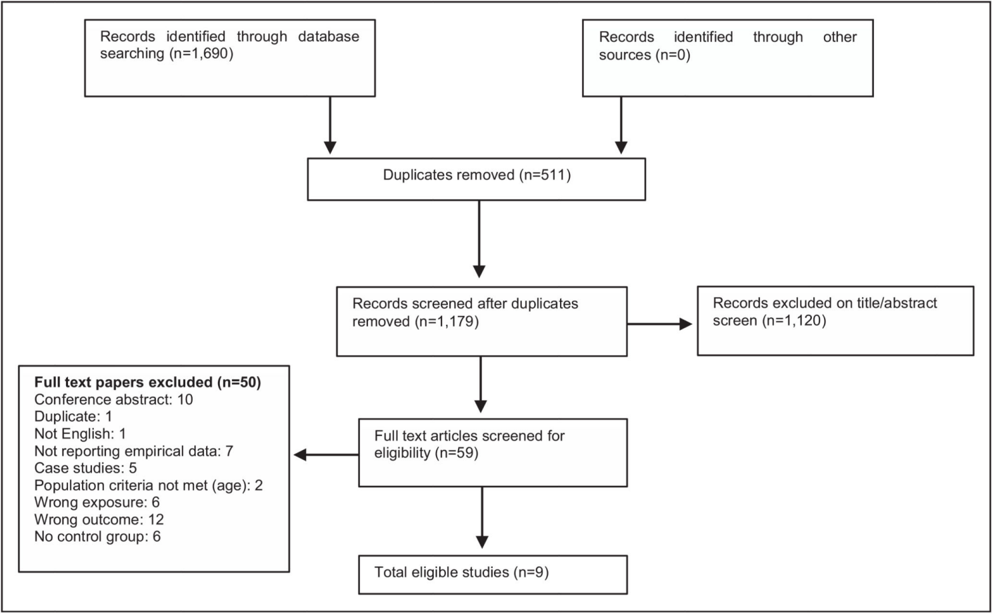
PURPOSE OF REVIEW: Suicide is the second leading cause of death in youth aged 10-24 years old globally, but detecting those at risk is challenging. Novel preventive strategies with wide influence across populations are required. Interest in the potential for both detrimental and supportive influences of social media/internet use on suicidal behaviour has been growing; however, the relationship remains unclear. RECENT FINDINGS: A systematic search of articles from database inception up to 25 January 2019 across five databases: Medline, PsycINFO, EMBASE, HMIC and CINAHL revealed nine independent studies investigating social media/internet use and suicide attempts in young people less than 19 years old (n = 346 416). An independent direct association was found between heavy social media/internet use and increased suicide attempts in seven studies (adjusted ORs ranged from 1.03 to 5.10), although adjusting for cyberbullying victimization and sleep disturbance reduced the strength of this association. Two studies found that some social media/internet use, versus no use, may be associated with fewer suicide attempts. There were no studies investigating the relationship between social media/internet use and completed suicide. SUMMARY: There is an independent association between problematic use of social media/internet and suicide attempts in young people. However, the direction of causality, if any, remains unclear. Further evaluation through longitudinal studies is needed.
Overview
CoChat Summary
TL;DR
This systematic review found an independent association between heavy or problematic social media/internet use and increased suicide attempts in adolescents, with adjusted ORs from 1.03 to 5.10 across seven studies. However, all included studies were cross-sectional, and the direction of causality remains unclear.
Key findings
- Nine independent studies (total n = 346,416) investigated social media/internet use and suicide attempts in young people under 19 years; seven found an independent direct association between heavy use and increased suicide attempts, with adjusted ORs ranging from 1.03 to 5.10.
- Adjusting for cyberbullying victimization and sleep disturbance reduced the strength of this association: Sampasa-Kanyinga’s SNS–suicide attempt association (OR 5.10, 95% CI 1.45–17.88) was explained by cyberbullying victimization, and Guo et al. found sleep disturbance partially mediated the link between Problematic Internet Use and suicide attempts.
- Two studies found that some social media/internet use, versus no use, may be associated with fewer suicide attempts: Kim found occasional internet users had the lowest attempted suicide rate, and Lee et al. found the high-risk internet addiction group (OR 1.91, 95% CI 1.71–2.14) and nonuser group (OR 1.33, 95% CI 1.25–1.42) were more likely to attempt suicide than the potential-risk group (OR 1.20, 95% CI 1.04–1.38).
- No studies investigated the relationship between social media/internet use and completed suicide.
Methods
- Systematic review reported according to PRISMA, registered on PROSPERO (ID CRD42018115259); searched Medline, PsycINFO, EMBASE, HMIC and CINAHL from database inception to 25 January 2019, including English-language, peer-reviewed observational studies with a majority of participants under 19 years and suicide attempts as the specified outcome.
- Nine cross-sectional studies published between 2012 and 2018 were included; participant age range was 11–18 years, settings included community/school-based samples plus one psychiatric outpatient and one psychiatric inpatient sample, and total participants were n = 346,416.
- Quality was assessed with an adapted Newcastle-Ottawa scale (six high quality, two medium, one low); heterogeneity in exposure and outcome measures prevented meta-analysis, so findings were summarized narratively.
Limitations
- Stated in the paper: the review excluded participants aged 19 or over, studies referring to “suicidal behaviour” without specified suicide or suicide attempts, grey literature, and non-English language publications; heterogeneity of exposure and outcome measures made synthesis challenging and prevented meta-analysis.
- Evident from the text: all nine included studies were cross-sectional, so the direction of causality, if any, remains unclear; no included study examined completed suicide; and cyberbullying victimization and sleep disturbance were not controlled for in most studies.
Model-written summary. Check it against the paper before relying on it.
Integrity signals
Registry
Cites
Statistics
Figures
Verification
Claims the paper makes
15 Valid · 5 Not valid · 48 Not checked · 35 Own results and interpretations
The cited sources support only part of this claim — read each source’s verdict below.
In the paper
“However, it is challenging to detect and intervene early, as many of those who go on to die by suicide will not have interacted with mental health services [2].”
What the sources say
- Partly supportedcites [2] 2. Kidger J, Heron J, Lewis G, et al. Adolescent self-harm and suicidal thoughts in the ALSPAC cohort: a self-report survey in England. BMC Psychiatry. 2012; 12:69. [PubMed: 22737989] sourceExperimental — accuracy not yet measured
The Discussion (Main findings; page unavailable) reports that only one third of adolescents who self-harmed with a desire to die sought medical help afterward, suggesting that many such episodes remain hidden from medical services. The study does not establish whether people who later die by suicide had previously interacted with mental health services; its outcome is self-reported self-harm, not subsequent suicide deaths. (LLM, conf=0.87)
plain- Asserted: passes — The authors put it forward as true.
- Checkable: passes — It can be checked against evidence.
- Load-bearing: passes — The paper’s conclusions depend on it.
- Based: passes — The paper gives a reason why it holds.
- Partly supported
The cited sources support only part of this claim — read each source’s verdict below.
In the paper
“There is growing evidence of specific mechanisms by which social media/internet use can be harmful, especially in relation to young people.”
What the sources say
- Not matchedcites [11 ■■ ]
This doesn’t read as a citation we can look up.
- Not matchedcites [29] 29. Brown RC, Fischer T, Goldwich AD, et al. #cutting: Nonsuicidal self-injury (NSSI) on Instagram.
Its entry has no title and year that we can search by.
- Supportedcites [30] 30. Cavazos-Rehg PA, Krauss MJ, Sowles SJ, et al. An analysis of depression, self-harm, and suicidal ideation content on Tumblr. Crisis. 2017; 38:44-52. [PubMed: 27445014] source
The Discussion (page unavailable) identifies a potential mechanism: Tumblr posts may glorify self-harm and suicide, while young users may be influenced by peers and media. The paper also reports that prior studies suggest online discussion may normalize self-harm and suicidal ideation. It treats harm as a concern requiring further study, consistent with the claim’s wording that social media use can be harmful. (LLM, conf=0.85)
plainstates a possible cause- Asserted: passes — The authors put it forward as true.
- Checkable: passes — It can be checked against evidence.
- Load-bearing: passes — The paper’s conclusions depend on it.
- Based: passes — The paper gives a reason why it holds.
- Not matched
Every source the paper cites for this claim was checked and supports it.
In the paper
“and stepwise regression (coefficient 0.552, 95% CI 0.207- 0.896, P =0.002)”
What the sources say
- Supportedcites Kaess, 2014 matched to “Pathological Internet use among European adolescents: psychopathology and self-destructive behaviours” (2014) source
Table 2 in the Results section reports a positive coefficient for suicide attempts in the final stepwise regression on pathological Internet use: 0.552 (95% CI 0.207–0.896; p = 0.002). (LLM, conf=0.95)
plainstates an association- Asserted: passes — The authors put it forward as true.
- Checkable: passes — It can be checked against evidence.
- Load-bearing: passes — The paper’s conclusions depend on it.
- Based: passes — The paper gives a reason why it holds.
- Supported
Every source the paper cites for this claim was checked and supports it.
In the paper
“Patients with PIU showed significantly more suicide attempts than patients without ( χ 2 13.78, P <0.001)”
What the sources say
- Supportedcites Fuchs, 2018 matched to “Pathological internet use—an important comorbidity in child and adolescent psychiatry: prevalence and correlation patterns in a naturalistic sample of adolescent inpatients” (2018) source
Results §3.3.2 reports that adolescent inpatients with PIU had significantly more suicide attempts than those without PIU (46.9% versus 13.9%; p < 0.001). The reported group sizes in §3.3 and the chi-squared testing method in §2.3 are consistent with χ² = 13.78, although that statistic is not printed in the retrieved passage. (LLM, conf=0.90)
plainstates an association- Asserted: passes — The authors put it forward as true.
- Checkable: passes — It can be checked against evidence.
- Load-bearing: passes — The paper’s conclusions depend on it.
- Based: passes — The paper gives a reason why it holds.
- Supported
The cited sources support only part of this claim — read each source’s verdict below.
In the paper
“Boys: NIU (OR 1.87, 95% CI 1.61-2.18)”
What the sources say
- Partly supportedcites Kim, 2012 matched to “The Nonlinear Association Between Internet Using Time for Non-Educational Purposes and Adolescent Health” (2012) sourceExperimental — accuracy not yet measured
The Results report that, with OIUs as the reference group, the odds of attempted suicide were significantly higher in both genders and describe a U-shaped association that includes NIUs. Our copy does not provide the specific estimate of OR 1.87 or its 95% CI of 1.61–2.18; searches for those numbers found no matching passage. The available passages have section labels but no page numbers. (LLM, conf=0.82)
plainstates an association- Asserted: passes — The authors put it forward as true.
- Checkable: passes — It can be checked against evidence.
- Load-bearing: passes — The paper’s conclusions depend on it.
- Based: passes — The paper gives a reason why it holds.
- Partly supported
51 more claims · 5 with their cited sources checked
Create a free account to see all 103 claims and to verify the 4 references still open.
- Probably not a substantial claim. 30
- It may state two separate claims as one. 26
- The quote only partly states this claim. 1
Claims other papers make about this one
Each is checked against this paper’s own text: does it say what the citing paper says it does?
In the citing paper
“A systematic review investigating social media/internet use and suicide attempts in youth aged 11-18 years found more frequent social media/internet use was associated with increased odds (1.03 to 5.10) for suicide attempt.32”
From Evidence-based youth suicide prevention and intervention in pediatric primary care settings. (2024) · cites this paper as [32]
Self-check
Percentages, sums and reported differences re-computed from the paper’s own numbers.
Each contradiction between two passages listed here was confirmed by an independent check.
Rated minor: it would not touch a result — a value no result rests on, a p-value that stays on the same side of the significance level, or a conflict that is clerical, resolved elsewhere in the paper, or outside its own findings.
In the paper
§ Results · p. 3
“The age range of participants studied was 11 - 18 years.”
§ Summary of included studies · p. 14
“N =5126, school based 11-20-year olds (mean age 15.2 years)”
Citations
Cites
Social network sites: definition, history, and scholarship
boyd, D. M., & Ellison, N. B. (2007) · Journal of Computer-Mediated Communication · doi:10.1111/j.1083-6101.2007.00393.x · Cited by 16,251
The Three-Step Theory (3ST): A New Theory of Suicide Rooted in the “Ideation-to-Action” Framework
Klonsky, E. D., & May, A. M. (2015) · International Journal of Cognitive Therapy · doi:10.1521/ijct.2015.8.2.114 · Cited by 1,799 · cited 1×
“Capacity (dispositional, acquired and practical) to make a suicide attempt is an important factor in the Three-Step Theory of suicide [32] and it is not yet known if, or how, social media/internet could impact this.”
BackgroundNock, M. K. (2010) · Annual Review of Clinical Psychology · doi:10.1146/annurev.clinpsy.121208.131258 · Cited by 1,550
Stiglic, N., & Viner, R. M. (2019) · BMJ Open · doi:10.1136/bmjopen-2018-023191 · Cited by 1,259
Global patterns of mortality in young people: a systematic analysis of population health data
Patton, G. C., Coffey, C., Sawyer, S. M., Viner, R. M., Haller, D. M., Bose, K., Vos, T., Ferguson, J., & Mathers, C. D. (2009) · The Lancet · doi:10.1016/s0140-6736(09)60741-8 · Cited by 1,233 · cited 1×
“Introduction Suicide is the second leading cause of death in young people aged 10–24 years, globally [1].”
Media Use in School-Aged Children and Adolescents
COUNCIL ON COMMUNICATIONS AND MEDIA, Hill, D., Ameenuddin, N., Chassiakos, Y. (. R., Cross, C., Radesky, J., Hutchinson, J., Levine, A., Boyd, R., Mendelson, R., et al. (2016) · Pediatrics · doi:10.1542/peds.2016-2592 · Cited by 622
Self-harm, suicidal behaviours, and cyberbullying in children and young people: systematic review
John, A., Glendenning, A. C., Marchant, A., Montgomery, P., Stewart, A., Wood, S., Lloyd, K., & Hawton, K. (2018) · Journal of Medical Internet Research · doi:10.2196/jmir.9044 · Cited by 580
Mars, B., Heron, J., Klonsky, E. D., Moran, P., O'Connor, R. C., Tilling, K., Wilkinson, P., & Gunnell, D. (2019) · The Lancet Psychiatry · doi:10.1016/s2215-0366(19)30030-6 · Cited by 546
Marchant, A., Hawton, K., Stewart, A., Montgomery, P., Singaravelu, V., Lloyd, K., Purdy, N., Daine, K., & John, A. (2017) · PLoS ONE · doi:10.1371/journal.pone.0181722 · Cited by 464
Correlates of suicide attempts among self-injurers: a meta-analysis
Victor, S. E., & Klonsky, E. D. (2014) · Clinical Psychology Review · doi:10.1016/j.cpr.2014.03.005 · Cited by 390 · cited 1×
“The links between self-harm, suicidal ideation and later suicide attempts are well established [5,6], but nomenclature in this field varies.”
Research works printed but not linked: 3
- 4. The SAGE Handbook of Social Media Research Methods. 2017.
- 7. National Collaborating Centre for Mental Health (UK). NICE Clinical Guidelines, No. 16. SelfHarm: The Short-Term Physical and Psychological Management and Secondary Prevention of SelfHarm in Primary and Secondary CareLeicester (UK): British Psychological Society; 2004. Available from: https://www.ncbi.nlm.nih.gov/books/NBK56385/ [Accessed 9 April 2019]
- 28. Arlington, V. Diagnostic and statistical manual of mental disorders. fifth edition. USA: American Psychiatric Association; 2013.
Cited by
Keyes, K. M., & Platt, J. M. (2024) · Journal of Child Psychology and Psychiatry · doi:10.1111/jcpp.13864 · Cited by 253
Van Meter, A. R., Knowles, E. A., & Mintz, E. H. (2023) · Journal of the American Academy of Child & Adolescent Psychiatry · doi:10.1016/j.jaac.2022.07.867 · Cited by 193
Social Media Use and Self-Injurious Thoughts and Behaviors: A Systematic Review and Meta-Analysis
Nesi, J., Burke, T. A., Bettis, A. H., Kudinova, A. Y., Thompson, E. C., MacPherson, H. A., Fox, K. A., Lawrence, H. R., Thomas, S. A., Wolff, J. C., et al. (2021) · Clinical Psychology Review · doi:10.1016/j.cpr.2021.102038 · Cited by 186
Lavis, A., & Winter, R. (2020) · Journal of Child Psychology and Psychiatry · doi:10.1111/jcpp.13245 · Cited by 170
“The authors found an independent association between ‘problematic use of social media/internet and suicide attempts in young people’ but concluded that ‘the direction of causality, if any, remains unclear’ (Sedgwick et al., 2019).”
BackgroundKato, T. A., Shinfuku, N., & Tateno, M. (2020) · Current Opinion in Psychiatry · doi:10.1097/yco.0000000000000601 · Cited by 154
Suicide in young people: screening, risk assessment, and intervention
Hughes, J. L., Horowitz, L. M., Ackerman, J. P., Adrian, M. C., Campo, J. V., & Bridge, J. A. (2023) · BMJ · doi:10.1136/bmj-2022-070630 · Cited by 135
McEvoy, D., Brannigan, R., Cooke, L., Butler, E., Walsh, C., Arensman, E., & Clarke, M. C. (2023) · Journal of Psychiatric Research · doi:10.1016/j.jpsychires.2023.10.017 · Cited by 188
O’Connor, R. C., Worthman, C. M., Abanga, M. A., Athanassopoulou, N., Boyce, N., Chan, L. F., Christensen, H. M., Das‐Munshi, J., Downs, J. L., Koenen, K. C., et al. (2023) · The Lancet Psychiatry · doi:10.1016/s2215-0366(23)00058-5 · Cited by 153
“28”
Social Media Use and adolescents' mental health and well-being: An umbrella review
Sala, A., Porcaro, L., & Gómez, E. (2024) · Computers in Human Behavior Reports · doi:10.1016/j.chbr.2024.100404 · Cited by 120
Ougrin, D., Wong, B. H.-C., Vaezinejad, M., Plener, P. L., Mehdi, T., Romaniuk, L., Barrett, E., Hussain, H., Lloyd, A., Tolmac, J., et al. (2022) · European Child & Adolescent Psychiatry · doi:10.1007/s00787-021-01741-6 · Cited by 127
Self-citationYang, B. Q., Wang, B., Sun, N., Xu, F., Wang, L., Chen, J., Yu, S., Zhang, Y., Zhu, Y., Dai, T., et al. (2021) · Psychiatry Research · doi:10.1016/j.psychres.2021.114219 · Cited by 131
Suicide Risk in Emerging Adulthood: Associations with Screen Time over 10 years
Coyne, S. M., Hurst, J. L., Dyer, W. J., Hunt, Q. A., Schvanaveldt, E., Brown, S., & Jones, G. C. (2021) · Journal of Youth and Adolescence · doi:10.1007/s10964-020-01389-6 · Cited by 91
Effects of Social Media Use on Youth and Adolescent Mental Health: A Scoping Review of Reviews
Agyapong-Opoku, N., Agyapong-Opoku, F., & Greenshaw, A. J. (2025) · Behavioral Sciences · doi:10.3390/bs15050574 · Cited by 84
“There is a wide range of literature that highlights this uncertainty, with each study directly examining or addressing the relationship but collectively drawing inconsistent conclusions (Haddad et al., 2021; Liu et al., 2022; Sedgwick et al., 2019).”
A lexicon-based approach to detecting suicide-related messages on Twitter
Sarsam, S. M., Al‐Samarraie, H., Alzahrani, A. I., Alnumay, W. S., & Smith, A. P. (2020) · Biomedical Signal Processing and Control · doi:10.1016/j.bspc.2020.102355 · Cited by 81
Social media use of adolescents who died by suicide: Lessons from a psychological autopsy study
Balt, E., Mérelle, S., Robinson, J., Popma, A., Creemers, D., van den Brand, I., van Bergen, D., Rasing, S., Mulder, W., & Gilissen, R. (2023) · Child and Adolescent Psychiatry and Mental Health · doi:10.1186/s13034-023-00597-9 · Cited by 66
“While several studies add to our understanding of the relation between social media, self-harm and even suicidal behaviours, there has been a paucity of empirical evidence for the relationship between social media use and suicide death in adolescents [34].”
BackgroundMcInroy, L. B., Beaujolais, B., Leung, V. W. Y., Craig, S. L., Eaton, A. D., & Austin, A. (2020) · Psychology and Sexuality · doi:10.1080/19419899.2020.1806103 · Cited by 78
“The direction of that association is unclear (Sedgwick et al., 2019), however the fact that youth were interpreting and answering the suicidality questions independently in an online survey – instead of during an interaction with researchers – could have affected their responses.”
BackgroundInfluentialJones, R., Mougouei, D., & Evans, S. L. (2021) · Human Behavior and Emerging Technologies · doi:10.1002/hbe2.304 · Cited by 62
Bailey, E., Alvarez-Jimenez, M., Robinson, J., D’Alfonso, S., Nedeljkovic, M., Davey, C. G., Bendall, S., Gilbertson, T., Phillips, J., Bloom, L., et al. (2020) · International Journal of Environmental Research and Public Health · doi:10.3390/ijerph17072435 · Cited by 58
“Despite the potential of internet-based social networking interventions for supporting youth at risk of suicide, there is concern about possible risks such as normalising suicidal behaviours and reinforcing them [15,23].”
BackgroundDoes social media use confer suicide risk? A systematic review of the evidence
Macrynikola, N., Auad, E., Menjivar, J., & Miranda, R. (2021) · Computers in Human Behavior Reports · doi:10.1016/j.chbr.2021.100094 · Cited by 57
Suicide assessment and treatment in pediatric primary care settings
Sisler, S. M., Schapiro, N. A., Nakaishi, M., & Steinbuchel, P. H. (2020) · Journal of Child and Adolescent Psychiatric Nursing · doi:10.1111/jcap.12282 · Cited by 69
“Other factors contributing to increased risk in adolescent populations include social media consumption (Sedgwick, Epstein, Dutta, & Ougrin, 2019); increase in bullying and cyberbullying (Shain & AAP Committee on Adolescence, 2016; van Geel, Vedder, & Tanilon, 2014); bullying and family rejection…”
Adolescent Social Media Use through a Self-Determination Theory Lens: A Systematic Scoping Review
West, M., Rice, S., & Vella‐Brodrick, D. (2024) · International Journal of Environmental Research and Public Health · doi:10.3390/ijerph21070862 · Cited by 125
“A common line of inquiry examines the relationship be-tween social media use and mental health concerns including self-harm, suicidal ideation, negative body image, depression and anxiety [23–27].”
BackgroundGeoffroy, M., Orri, M., Girard, A., Perret, L. C., & Turecki, G. (2020) · Psychological Medicine · doi:10.1017/s0033291720000732 · Cited by 69
Digital media use and subsequent self-harm during a 1-year follow-up of Chinese adolescents
Wang, L., Liu, X., Liu, Z., & Jia, C.-X. (2020) · Journal of Affective Disorders · doi:10.1016/j.jad.2020.05.066 · Cited by 65
Ougrin, D., Corrigall, R. J., Stahl, D. R., Poole, J., Zundel, T., Wait, M., Slater, V., Reavey, P., Byford, S., Ivens, J., et al. (2020) · European Child & Adolescent Psychiatry · doi:10.1007/s00787-020-01617-1 · Cited by 52
Self-citationStapelberg, N. J. C., Svetičič, J., Hughes, I. P., & Turner, K. A. (2020) · International Journal of Environmental Research and Public Health · doi:10.3390/ijerph17165920 · Cited by 54
“facilitate the development of suicidal thoughts and attempts [42,43].”
BackgroundWerling, A. M., Walitza, S., Grünblatt, E., & Drechsler, R. (2021) · Comprehensive Psychiatry · doi:10.1016/j.comppsych.2021.152260 · Cited by 58
Marengo, N., Borraccino, A., Charrier, L., Berchialla, P., Dalmasso, P., Caputo, M., & Lemma, P. (2021) · Public Health · doi:10.1016/j.puhe.2021.08.010 · Cited by 42
Social Media and Suicide Risk in Youth
Jaycox, L. H., Murphy, E. R., Zehr, J. L., Pearson, J. L., & Avenevoli, S. (2024) · JAMA Network Open · doi:10.1001/jamanetworkopen.2024.41499 · Cited by 42
Hamilton, J. L., Biernesser, C., Moreno, M. A., Porta, G., Hamilton, E., Johnson, K., Poling, K. D., Sakolsky, D., Brent, D. A., & Goldstein, T. G. (2021) · Suicide and Life-Threatening Behavior · doi:10.1111/sltb.12801 · Cited by 39
Characterization of time-variant and time-invariant assessment of suicidality on Reddit using C-SSRS
Gaur, M., Aribandi, V., Alambo, A., Kursuncu, U., Thirunarayan, K., Beich, J., Pathak, J., & Sheth, A. (2021) · PLoS ONE · doi:10.1371/journal.pone.0250448 · Cited by 59
“, clinical grounding) and “how patients express themselves on social media (User Types and Content Types)” [4].”
BackgroundInfluentialCyberbullying on social media: Definitions, prevalence, and impact challenges
Ray, G., McDermott, C. D., & Nicho, M. (2024) · Journal of Cybersecurity · doi:10.1093/cybsec/tyae026 · Cited by 38
Lusar, A. C., Díaz-Moreno, A., Bonilla, I., Cladellas, R., Griffiths, M. D., Gómez-Romero, M. J., & Limonero, J. T. (2024) · BMC Public Health · doi:10.1186/s12889-024-17860-z · Cited by 60
“The absence of a relationship between PIU and SR contradicts what was suggested in previous studies, both in the Spanish population [40, 43], and in other studies in different cultures [36, 84].”
ResultAdolescents, Suicide, and the COVID-19 Pandemic
Durante, J. C., & Lau, M. (2022) · Pediatric Annals · doi:10.3928/19382359-20220317-02 · Cited by 44
The “Vicious Circle of addictive Social Media Use and Mental Health” Model
Brailovskaia, J. (2024) · Acta Psychologica · doi:10.1016/j.actpsy.2024.104306 · Cited by 51
Digital self‐harm and suicidality among adolescents
Patchin, J. W., Hinduja, S., & Meldrum, R. C. (2022) · Child and Adolescent Mental Health · doi:10.1111/camh.12574 · Cited by 48
Rouleau, R. D., Beauregard, C., & Beaudry, V. (2023) · BMC Psychology · doi:10.1186/s40359-023-01141-2 · Cited by 53
“Social media use has been associated with various psychiatric conditions, such as depression [8], poor sleep quality [9, 10], social anxiety [11], internalizing problems [12] and suicidal behaviours [13, 14].”
BackgroundHaghish, E. F., Nes, R. B., Obaidi, M., Qin, P., Stänicke, L. I., Bekkhus, M., Laeng, B., & Czajkowski, N. O. (2023) · Journal of Youth and Adolescence · doi:10.1007/s10964-023-01892-6 · Cited by 45
“Finally, biological factors (Chang et al., 2016) and behavioral factors such as internet addiction or extensive use of social media can also exacerbate the suicide risk (Sedgwick et al., 2019).”
BackgroundCheng, J., Peng, C., Rong, F., Wang, Y. C., Tan, Y., & Yu, Y. (2024) · Journal of Behavioral Addictions · doi:10.1556/2006.2023.00078 · Cited by 44
“…mechanism, the visual stimulation of mobile phones could disturb functional normality in the frontal lobe of the brain, which may slow thinking, aggravate impulsiveness, and reinforce negative thoughts and behaviors (Sedgwick, Epstein, Dutta, & Ougrin, 2019; Sung-min & Byoung-jin, 2022).”
BackgroundDebate: Emergency mental health presentations of young people during the COVID‐19 lockdown
Ougrin, D. (2020) · Child and Adolescent Mental Health · doi:10.1111/camh.12411 · Cited by 34
“Both suicide and self-harm in young people have been rising in the UK, and, in recent years, social media has been playing a prominent role in the way young people communicate about self-harm (Sedgwick et al., 2019).”
BackgroundSelf-citationRisk Factors for Problematic Social Media Use in Youth: A Systematic Review of Longitudinal Studies
Pazdur, M., Tutus, D., & Haag, A. (2025) · Adolescent Research Review · doi:10.1007/s40894-025-00264-4 · Cited by 87
“…problematic social media use has been linked to the development of depression and anxiety, low self-esteem, increased suicidality, decreased quality of sleep, poorer relationships with family and friends and academic difficulties (Banyai et al., 2017; Boer et al., 2020; Sedgwick et al., 2019).”
Biernesser, C. L., Montano, G. T., Miller, E. P., & Radović, A. (2020) · JMIR Pediatrics and Parenting · doi:10.2196/21644 · Cited by 35
“In addition, youth with depression are more likely to report internet harassment [12], cyberbullying [13,14], and addictive internet use [15] experiences that have been associated with fluctuations in mood states and heightened suicidal risk among adolescents [16-20].”
BackgroundGhali, S., Afifi, S., Suryadevara, V., Habab, Y., Hutcheson, A., Panjiyar, B. K., Davydov, G. G., Nashat, H., & Nath, T. S. (2023) · Cureus · doi:10.7759/cureus.43835 · Cited by 50
Kruzan, K. P., Whitlock, J. L., Bazarova, N. N., Bhandari, A., & Chapman, J. (2022) · JMIR Formative Research · doi:10.2196/26526 · Cited by 33
“All analyses were performed using SPSS software (versions 25 and 27; IBM Corp).”
Fadhli, S. A. M., Yan, J. L. S., Halim, A. S. A., Razak, A. A., & Rahman, A. A. (2022) · Healthcare · doi:10.3390/healthcare10050856 · Cited by 55
“Several research studies on identifying risk factors of suicidal behaviour among adolescents reported that perceived academic pressure [23], being female [25,26] and having a social media account [41] were positively associated with suicidal behaviour among adolescents.”
BackgroundSocial media, self-harm, and suicide
Scherr, S. (2022) · Current Opinion in Psychology · doi:10.1016/j.copsyc.2022.101311 · Cited by 36
Peprah, P., Oduro, M. S., Atta-Osei, G., Addo, I. Y., Morgan, A. K., & Gyasi, R. M. (2024) · Scientific Reports · doi:10.1038/s41598-024-59509-2 · Cited by 38
“According to current research, PSMU may increase adolescents’ exposure to cyberbullying victimisation, which can have severe consequences for their mental health 28–30 .”
Kelly, S., Brooks, S. P. J., Benkhedda, K., MacFarlane, A. J., Greene-Finestone, L. S., Skidmore, B., Clifford, T., & Wells, G. A. (2024) · Journal of Clinical Epidemiology · doi:10.1016/j.jclinepi.2024.111408 · Cited by 39
Galán, J. G., Vergara, D., Ordóñez-Olmedo, E., & Bucheli, M. G. V. (2020) · Sustainability · doi:10.3390/su12125087 · Cited by 30
Rodway, C., Tham, S.-G., Richards, N., Ibrahim, S., Turnbull, P., Kapur, N., & Appleby, L. (2022) · Psychological Medicine · doi:10.1017/s0033291722001258 · Cited by 31
A critical review of the Online Safety Bill
Trengove, M., Kazim, E., Almeida, D. R. S., Hilliard, A., Zannone, S., & Lomas, E. (2022) · Patterns · doi:10.1016/j.patter.2022.100544 · Cited by 46
“20 It is unclear, therefore, whether the Bill as it is will be able to resolve much of the problem of suicidality and self-harm.”
Anthony, R., Young, H., Hewitt, G., Sloan, L., Moore, G. F., Murphy, S., & Cook, S. (2022) · Child and Adolescent Mental Health · doi:10.1111/camh.12610 · Cited by 40
Teng, Z., Zhang, Y., Wei, Z., Liu, M., Tang, M., Deng, Y., Chen, Z., Wu, Y., Liu, R., Yang, Y., et al. (2023) · Frontiers in Public Health · doi:10.3389/fpubh.2022.1063605 · Cited by 28
Social media use, sleep, and psychopathology in psychiatrically hospitalized adolescents.
Nesi, J., Burke, T. A., Extein, J., Kudinova, A. Y., Fox, K. A., Hunt, J., & Wolff, J. C. (2021) · Journal of Psychiatric Research · doi:10.1016/j.jpsychires.2021.10.014 · Cited by 22
Yu, Z., Zhu, X., & Li, Y. (2024) · BMC Public Health · doi:10.1186/s12889-024-19191-5 · Cited by 27
“For example, a meta-analysis suggested that some social media/internet use, compared to no use, may be associated with fewer suicide attempts among young people less than 19 years old [29].”
BackgroundMarengo, D., Settanni, M., Mastrokoukou, S., Fabris, M. A., & Longobardi, C. (2024) · International Journal of Bullying Prevention · doi:10.1007/s42380-024-00269-y · Cited by 27
“This issue is especially pressing because globally, suicide ranks as the second most common cause of death among individuals aged 10 to 24 years (Patton et al., 2009; Sedgwick et al., 2019).”
InfluentialKennard, B. D., Hughes, J. L., Minhajuddin, A., Jones, S. M., Jha, M. K., Slater, H., Mayes, T. L., Storch, E. A., LaGrone, J. M., Martin, S. L., et al. (2025) · Journal of Affective Disorders · doi:10.1016/j.jad.2025.01.046 · Cited by 34
Chang, Y., Lin, C., Liao, S., Chen, Y., Shaw, F. F., Hsu, C., Gunnell, D., & Chang, S. (2022) · Australian & New Zealand Journal of Psychiatry · doi:10.1177/00048674221108640 · Cited by 27
“Person-based research showed mixed findings about the relationship between young people’s Internet and social media use and mental health problems (Keles et al., 2020; Sedgwick et al., 2019).”
BackgroundIslam, M. R., Tushar, M. I., Tultul, P. S., Akter, R., Sohan, M., Anjum, R., Roy, A., Hossain, M. J., Rahman, M. A., Nahar, Z., et al. (2022) · Health Science Reports · doi:10.1002/hsr2.1008 · Cited by 26
“Students are on the internet for educational, recreational, and social reasons during the pandemic.(27) Though the online world has been a game‐changer for teenagers in many ways, its usage can also become disruptive and troublesome, with severe consequences for their mental health.”
BackgroundZhao, C., He, J., Du, M., Xu, H., Lai, X., Yu, G., & Zhang, G. (2023) · Current Psychology · doi:10.1007/s12144-023-04560-x · Cited by 22
“PIU/PSU have been positively linked with suicidal ideation (Arrivillaga et al., 2020; Sedgwick et al., 2019).”
Lee, M., & Lee, H. (2023) · Psychiatry Investigation · doi:10.30773/pi.2023.0051 · Cited by 28
Suicide after Facebook posts–An unnoticed departure of life in Bangladesh
Islam, M. R., Qusar, M. S., & Islam, M. S. (2021) · Emerging Trends in Drugs Addictions and Health · doi:10.1016/j.etdah.2021.100005 · Cited by 22
Lookingbill, V., & Le, K. (2024) · Social Media + Society · doi:10.1177/20563051241254371 · Cited by 21
“Similar to other stigmatized populations (Lingel & boyd, 2013), members of NSSI communities engage in self-policing tactics, which work to challenge linear framing of social contagion claims (Sedgwick et al., 2019; Staniland et al., 2021).”
Piko, B. F., Kiss, H., Hartmann, A., Hamvai, C., & Fitzpatrick, K. M. (2024) · European Journal of Mental Health · doi:10.5708/ejmh.19.2024.0019 · Cited by 26
“…a problematic behavior, it may bring unfavorable health consequences including depressive symptoms (Vidal et al., 2020), worsening physical fitness (Shimoga et al., 2019), disordered eating (Wilksch et al., 2020), increased suicide risk (Sedgwick et al., 2019), and anxiety (Vannucci et al., 2017).”
BackgroundSuicide on Facebook-the tales of unnoticed departure in Bangladesh
Soron, T. R., & Islam, S. M. S. (2020) · Cambridge Prisms Global Mental Health · doi:10.1017/gmh.2020.5 · Cited by 18
“The wide spread and increasing use of internet is helping us to collect more precise and accurate suicide data and the existing evidence shows a mixed relationship between internet use and suicide (Sedgwick et al., 2019).”
BackgroundGross, N. (2022) · Journal of Contemporary Ethnography · doi:10.1177/08912416221105869 · Cited by 19
Zhang, Y., Liu, Z., Liu, B.-P., Yang, X., Wan, L.-P., Liu, X., & Jia, C.-X. (2022) · Journal of Affective Disorders · doi:10.1016/j.jad.2022.07.035 · Cited by 20
Fekih‐Romdhane, F., Malaeb, D. N., Loch, A. A., Farah, N., Stambouli, M., Cheour, M., Obeïd, S., & Hallit, S. R. (2023) · International Journal of Mental Health and Addiction · doi:10.1007/s11469-023-01028-8 · Cited by 16
“…that SI is cross-sectionally associated with problematic Internet use and PSU in adolescents and young adults (Chahine et al., 2020; Cheng et al., 2018; Dib et al., 2021; Liu et al., 2020; Marchant et al., 2017; Sampasa-Kanyinga & Lewis, 2015; Sedgwick et al., 2019; Wan Ismail et al., 2020).”
Hwang, W., Fu, X., Kim, S.-H., Jung, E., & Zhang, Y. (2023) · Frontiers in Psychology · doi:10.3389/fpsyg.2022.1022914 · Cited by 18
Landa–Blanco, M., Romero, K., Caballero, I., Gálvez-Pineda, E., Fúnes-Henríquez, M. J., & Romero, R. (2024) · Frontiers in Psychiatry · doi:10.3389/fpsyt.2024.1352889 · Cited by 21
Racial Disparities in Spatial and Temporal Youth Suicide Clusters
Platt, J., Pamplin, J. R., Gimbrone, C., Rutherford, C., Kandula, S., Olfson, M., Gould, M. S., Martínez‐Alés, G., Shaman, J. L., & Keyes, K. M. (2022) · Journal of the American Academy of Child & Adolescent Psychiatry · doi:10.1016/j.jaac.2021.12.012 · Cited by 18
Wang, H., & Parris, J. J. (2021) · PLoS ONE · doi:10.1371/journal.pone.0255610 · Cited by 19
“Poor media portrayal of suicide is not only irresponsible but also harmful to youths [9, 22, 24, 25].”
BackgroundCross-sectional Study of Factors Associated With Suicide Ideation in Ontario Adolescents
Rakoff, J., Chavarria, J., Hamilton, H. A., & Elton‐Marshall, T. (2022) · The Canadian Journal of Psychiatry · doi:10.1177/07067437221111364 · Cited by 18
van Schalkwyk, M. C., Collin, J., Eddleston, M., Petticrew, M. P., Pearson, M., Schölin, L., Maani, N., Konradsen, F., Gunnell, D., & Knipe, D. W. (2023) · The Lancet Psychiatry · doi:10.1016/s2215-0366(23)00043-3 · Cited by 16
“There is increasing recognition of the potential ways in which social media use can influence suicidal behaviour, both positively and negatively, especially in young people.(2,27) Use of particular pharmaceuticals among younger people has also been associated with increased risk of suicidal behaviour.”
BackgroundZhang, J.-Y., Zhang, H., Chen, Y., Zhang, L., Yuqiu, Z., & Li, Y. (2025) · Journal of Pediatric Nursing · doi:10.1016/j.pedn.2025.01.013 · Cited by 18
Özarıcı, E., & SÖGÜT, S. C. (2021) · Perspectives In Psychiatric Care · doi:10.1111/ppc.12872 · Cited by 16
Jin, Z., Li, R., Xu, H., Rong, F., Xiao, W., Yu, W., Sun, Y., Zhang, S., Tao, F., & Wan, Y. (2022) · Journal of Affective Disorders · doi:10.1016/j.jad.2022.09.047 · Cited by 11
The Roles of Endorsement and Stigma in Suicidal Ideation and Behavior among Chinese College Students
Lyu, S., & Li, Y. (2023) · International Journal of Environmental Research and Public Health · doi:10.3390/ijerph20010877 · Cited by 14
Editorial: Social media use in children and adolescents – on the good or the bad side of the force?
Kaess, M. (2020) · Child and Adolescent Mental Health · doi:10.1111/camh.12432 · Cited by 15
How do teens with a history of suicidal behavior and self-harm interact with social media?
Szlyk, H. S., Li, X., Kasson, E., Peoples, J. E., Montayne, M., Kaiser, N., & Cavazos‐Rehg, P. (2023) · Journal of Adolescence · doi:10.1002/jad.12154 · Cited by 10
Evidence-based youth suicide prevention and intervention in pediatric primary care settings.
Ruch, D. A., Hughes, J. L., Bridge, J. A., & Fontanella, C. A. (2024) · Pediatric Clinics of North America · doi:10.1016/j.pcl.2024.07.017 · Cited by 10
Iwatate, E., Atem, F., Jones, E. C., Hughes, J. L., Yokoo, T., & Messiah, S. E. (2023) · European Child & Adolescent Psychiatry · doi:10.1007/s00787-023-02191-y · Cited by 12
“For example, the rapid dissemination of the internet and smartphones resulted in the emergence of internet/social media addiction [26], the rise in cyberbul-lying [27], and reduced sleep duration and poor quality [28, 29].”
Suicide announced on Facebook followed by uploading of a handwritten suicide note
Behera, C., Kishore, S., Kaushik, R., Sikary, A. K., & Satapathy, S. S. (2020) · Asian Journal of Psychiatry · doi:10.1016/j.ajp.2020.102061 · Cited by 12
Suicide first aid guidelines for Indonesia: a Delphi consensus study
Setiyawati, D., Jatmika, W. N., Puspakesuma, N., Retnowati, S., & Colucci, E. (2022) · Journal of Mental Health · doi:10.1080/09638237.2021.2022632 · Cited by 11
“An SLR study suggested an independent direct association between heavy social media use and increased suicide attempts (Sedgwick et al., 2019).”
BackgroundEpidemiology of Suicide and Suicidal Behavior in Youth
Ruch, D. A., & Bridge, J. A. (2022) · SpringerBriefs in psychology · doi:10.1007/978-3-031-06127-1_1 · Cited by 20
Bye, A., Carter, B., Leightley, D., Trevillion, K., Liakata, M., Branthonne‐Foster, S., Williamson, G., Zenasni, Z., & Dutta, R. (2023) · BMJ Open · doi:10.1136/bmjopen-2022-069748 · Cited by 14
Self-citationTibber, M. S., Wang, M., & Zhang, C. (2022) · International Journal of Human-Computer Interaction · doi:10.1080/10447318.2022.2064035 · Cited by 19
“…including anxiety (Keles et al., 2020), depression (Baker & Algorta, 2016; Vidal et al., 2020), self-esteem (Saiphoo & Vahedi, 2019), perceived stress (Hampton et al., 2014), life satisfaction (Hawi & Samaha, 2017), self-harm (Biernesser et al., 2020) and suicidality (Sedgwick et al., 2019).”
Harren, N., & Walburg, V. (2022) · Journal of Technology in Behavioral Science · doi:10.1007/s41347-022-00280-4 · Cited by 13
“, social advantages) (Orchard, 2019; Sedgwick et al., 2019), fear of missing out on gratifications (Roberts & David, 2020; Tandon et al.”
BackgroundMedia and Communication in the Digital Age: Changes and Dynamics
Topsümer, F., Durmuş, Y., & YILMAZ, B. A. (2023) · Özgür Yayınları eBooks · doi:10.58830/ozgur.pub234 · Cited by 27
Chen, Y., Chen, F., Wu, K. C., Lu, T., Chi, Y., & Yip, P. S. F. (2023) · SSM - Population Health · doi:10.1016/j.ssmph.2023.101543 · Cited by 9
“…suicide and suicidal behaviors, disseminating suicide-related content, exposing social media users to new methods of suicide, and providing an instantaneous vehicle for cyber-bullying/cyber-victimization (Biernesser et al., 2020; John et al., 2018; Nesi et al., 2021; Sedgwick et al., 2019).”
BackgroundAI, Suicide Prevention and the Limits of Beneficence
Halsband, A., & Heinrichs, B. (2022) · Philosophy & Technology · doi:10.1007/s13347-022-00599-z · Cited by 9
Suicide risk and media consumption in the COVID-19 pandemic in Colombia
Garcés-Prettel, M., Ibáñez, D. B., Arroyave, J., & Santoya-Montes, Y. (2023) · Revista de Comunicación · doi:10.26441/rc22.1-2023-2975 · Cited by 12
Harris, D., & Krishnan, A. (2023) · Journal of Health Communication · doi:10.1080/10810730.2023.2203077 · Cited by 10
“Studies that have examined the relationship between social media use and suicide-related behaviors have noted a relationship between the two (Luxton, June, & Fairall, 2012; Nesi et al., 2021; Sedgwick, Epstein, Dutta, & Ougrin, 2019).”
BackgroundLeightley, D., Bye, A., Carter, B., Trevillion, K., Branthonne‐Foster, S., Liakata, M., Wood, A., Ougrin, D., Orben, A. C., Ford, T. J., et al. (2023) · Frontiers in Psychiatry · doi:10.3389/fpsyt.2022.1096253 · Cited by 12
“Not all social media use is detrimental to mental health however, and it is increasingly harnessed to provide support and even suicide prevention strategies (2, 3).”
BackgroundSelf-citationO’Connor, R. C., & Robb, K. A. (2020) · The Lancet Psychiatry · doi:10.1016/s2215-0366(20)30094-8 · Cited by 9
“Negative social comparison processes 4 and cyberbullying 5 have been implicated in suicide risk in adolescents and young adults and might offer two possible explanatory mechanisms within the association between screen time and suicide risk.”
BackgroundMarshall, R. D., Bailey, J. A., Lin, A. L., Sheridan, D. C., Hendrickson, R. G., Hughes, A., & Horowitz, B. Z. (2024) · Clinical Toxicology · doi:10.1080/15563650.2024.2331064 · Cited by 8
“Some researchers have posited an association between increasing self-harm in youth and the rise of social media platforms [7,8].”
BackgroundA graph-based approach for population health analysis using Geo-tagged tweets
Nguyen, H. S., Nguyen, T., & Nguyen, D. T. (2020) · Multimedia Tools and Applications · doi:10.1007/s11042-020-10034-0 · Cited by 11
Goo, S. Y., Lee, T. H., Lim, H., Lee, E., Kim, J. Y., & Jeon, J. Y. (2023) · Mental health and physical activity · doi:10.1016/j.mhpa.2023.100539 · Cited by 10
Marzec, I., Zabłocka, K., & Stachurski, J. (2021) · Pediatria Polska · doi:10.5114/polp.2021.108226 · Cited by 21
“Easy access to various types of intoxicants and the popularity of the topic in the Internet and social media are important factors influencing the size of this problem [20, 30].”
BackgroundBoudard, M., Alexandre, J., Kervran, C., Jakubiec, L., Shmulewitz, D., Hasin, D. S., Fournet, L., Rassis, C., Claverie, P., Serre, F., et al. (2022) · Journal of Medical Internet Research · doi:10.2196/31803 · Cited by 13
“Although the link and the direction of the link between screen use and increased mortality and morbidity remain to be confirmed [15,16], there is enough evidence to explore whether such a screen use disorder (ScUD) could be diagnosed for the purpose of prevention and treatment.”
Kim, H. (2022) · Healthcare · doi:10.3390/healthcare10091671 · Cited by 9
“From a neurophysiological point of view, the visual stimulation of a smartphone causes functional abnormalities in the frontal lobe of the brain, increasing the problems of thinking, judgment, and impulse control [9] and reinforcing negative thoughts and behaviors [29].”
Background
Metadata
- Authors
- Sedgwick, R., Epstein, S., Dutta, R., & Ougrin, D.
- Affiliations
- King's College London (GB)
- Corresponding author
- Sedgwick, Rosemary
- Venue
- Current Opinion in Psychiatry
- Published
- 2019-11
- Volume
- 32
- Issue
- 6
- Pages
- 534-541
- ISSN
- 0951-7367 (ISSN-L)
- PMC
- PMC6791504
- OpenAlex
- W2961274044
- Semantic Scholar
- d3be32c29a46a11a51f63086f6aa915b5d26f6d9
- Cited by
- 260
- References
- 39
- Citations by year
- 2026: 28 · 2025: 33 · 2024: 44 · 2023: 50 · 2022: 52 · 2021: 28 · 2020: 23 · 2019: 1
- FWCI
- 30.34
- Type
- journal article
- Language
- en
- Open access
- hybrid
- doi.org
- Licence
- cc-by
- Locations
- Current Opinion in Psychiatry (publishedVersion, cc-by)
- Europe PMC (PubMed Central) (publishedVersion, cc-by)
- PubMed Central (publishedVersion, cc-by)
- PubMed (publishedVersion)
- Research Portal (King's College London) (submittedVersion, cc-by)
- Bristol Research (University of Bristol) (submittedVersion)
- Explore Bristol Research (submittedVersion)
- Funders
- MQ: Transforming Mental Health (MQDS16/52)
- Psychiatry Research Trust
- National Institute for Health and Care Research (ACF-2015-17-018, ACF-2017-17-019)
- Academy of Medical Sciences (AMS-CSF4-Dutta)
- Medical Research Council (MR/R004927/1)
- Topics
- Social Sciences › Psychology › Clinical Psychology › Suicide and Self-Harm Studies
- Social Sciences › Sociology and Political Science › Impact of Technology on Adolescents
- Social Sciences › Psychology › Social Psychology › Mental Health via Writing
- Keywords
- social media use, internet use, suicide attempts, adolescents, youth suicide, cyber victimization, sleep disorders, suicide prevention, problematic internet use
- MeSH terms
- Adolescent, Adult, Child, Humans, Longitudinal Studies, Male, Suicide, Attempted, Internet, Young Adult, Bullying, Suicidal Ideation, Social Media
About these checks
Registry, retraction, Cites and statistics results are computed, not judged, with one exception: a printed reference that no index lists is read once by a model before it counts as a citation error. Claims are extracted by a model and kept only when their quote appears verbatim in the text; each cited source is then checked, with a model’s help, for whether it says what the claim relies on. Those verdicts can be wrong — read the claim’s quote and the cited source before relying on one.
The claim verdicts this report counts are experimental: their accuracy is not yet measured.
A language model drew the claims from the paper on 2026-10-10, under version 3 of the claim definition (model deepseek-v4.1-flash, prompt extract-v3).
A second model labelled each claim on 2026-10-10 (model jev-1.13-20260917, definition revision gold-guideline-v0.2).
Cited sources are checked with a language model’s help (gpt-6-sol).
Statistics and arithmetic are recomputed, not judged.
Confidence bands are shown only for fields calibrated on our annotated test set. None is calibrated yet, so no band is shown.
What counts as a claim ›How we measure confidence ›How we check this ›
Are you an author, or do you see a problem with this page? Request a review
Data sources
Bibliographic data: Semantic Scholar, OpenAlex, Crossref.
Contains information from the Semantic Scholar Academic Graph Datasets, made available under the ODC Attribution License (ODC-BY 1.0).
Semantic Scholar’s data is described in: Kinney, R., et al. (2023). The Semantic Scholar Open Data Platform. arXiv:2301.10140.
