

The DOI matches its Crossref record; 89 of the 90 references it cites were found in a registry or an index, and 1 are not checked yet.
Structural basis of SARS-CoV-2 Omicron immune evasion and receptor engagement
Open accessPublished version of a preprint
Abstract
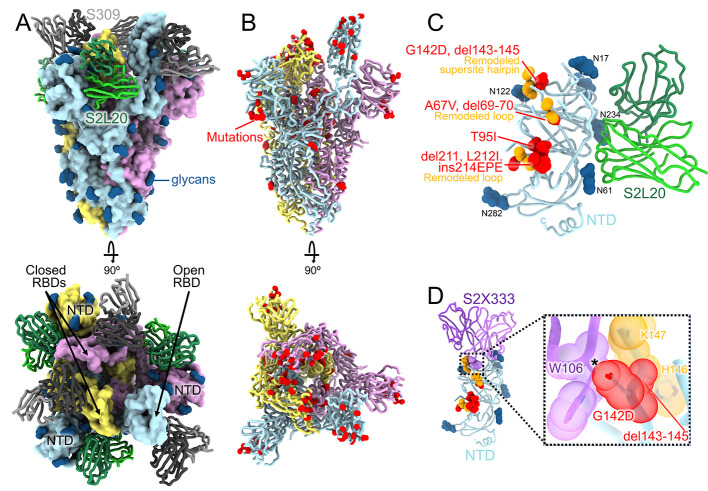
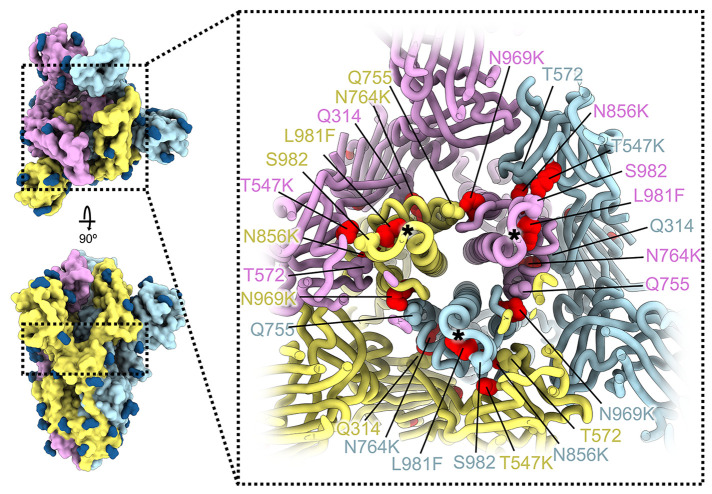
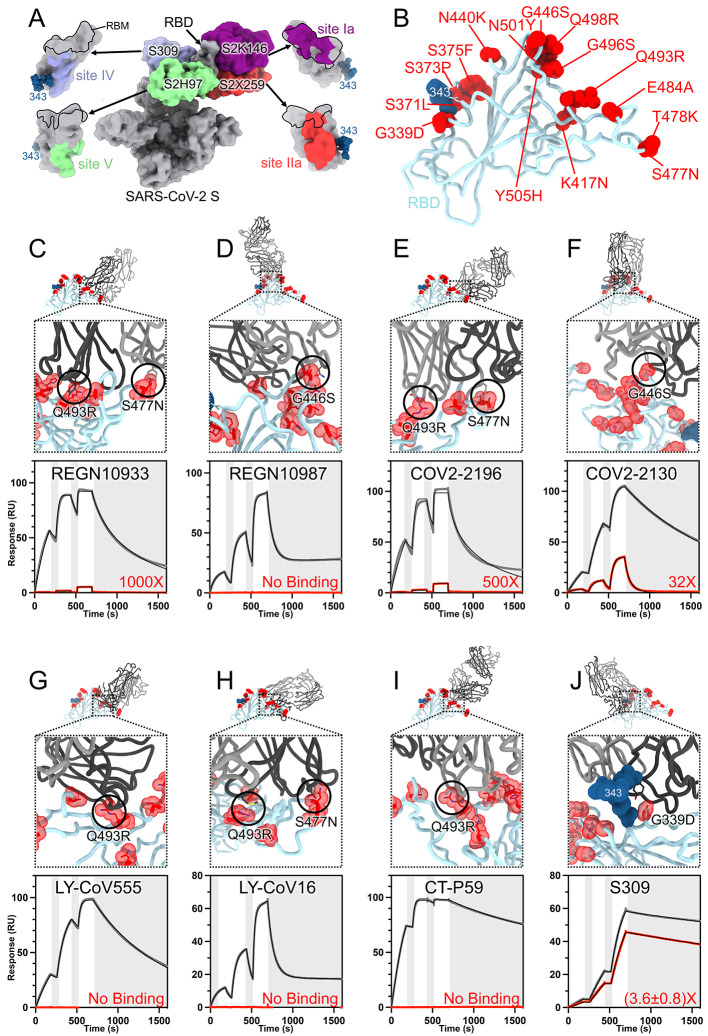
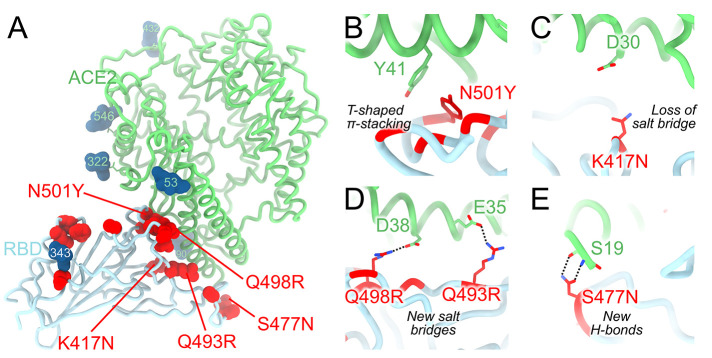
The severe acute respiratory syndrome coronavirus 2 (SARS-CoV-2) Omicron variant of concern evades antibody-mediated immunity that comes from vaccination or infection with earlier variants due to accumulation of numerous spike mutations. To understand the Omicron antigenic shift, we determined cryo–electron microscopy and x-ray crystal structures of the spike protein and the receptor-binding domain bound to the broadly neutralizing sarbecovirus monoclonal antibody (mAb) S309 (the parent mAb of sotrovimab) and to the human ACE2 receptor. We provide a blueprint for understanding the marked reduction of binding of other therapeutic mAbs that leads to dampened neutralizing activity. Remodeling of interactions between the Omicron receptor-binding domain and human ACE2 likely explains the enhanced affinity for the host receptor relative to the ancestral virus.
Overview
The claims and statistics of this paper haven’t been checked yet.
Run the check — free, no account needed. It reads the open-access text and checks the sources it cites.
Integrity signals
Registry
Cites
Statistics
Figures
Verification
Claims the paper makes
The claims and statistics of this paper haven’t been checked yet.
Run the check — free, no account needed. It reads the open-access text and checks the sources it cites.
Claims other papers make about this one
Each is checked against this paper’s own text: does it say what the citing paper says it does?
The cited source says what the claim attributes to it.
In the citing paper
“Several VOCs which have mutated, such as Beta1 and Omicron2, evade humoral responses elicited by vaccines based on ancestral S-protein sequences3.”
From Efficacy of an unmodified bivalent mRNA vaccine against SARS-CoV-2 variants in female small animal models (2023) · cites this paper as [2]
In the citing paper
“Reinfections and vaccine breakthrough infections accounted for the majority of Omicron BA.1/2 infections, likely attributable to a minority of population remaining naïve prior to the Omicron BA.1/2 wave and to Omicron BA.1/2's immune-escape properties 16,21,22 .”
From Rapidly shifting immunologic landscape and severity of SARS-CoV-2 in the Omicron era in South Africa (2023) · cites this paper as [22]
Self-check
Percentages, sums and reported differences re-computed from the paper’s own numbers.
The self-check needs the paper’s full text.
Citations
Cites
UCSF Chimera—A visualization system for exploratory research and analysis
Pettersen, E. F., Goddard, T. D., Huang, C. C., Couch, G. S., Greenblatt, D. M., Meng, E. C., & Ferrin, T. E. (2004) · Journal of Computational Chemistry · doi:10.1002/jcc.20084 · Cited by 45,882
Features and development of Coot
Emsley, P., Lohkamp, B., Scott, W. G., & Cowtan, K. (2010) · Acta Crystallographica Section D Biological Crystallography · doi:10.1107/s0907444910007493 · Cited by 29,915
Phaser crystallographic software
McCoy, A. J., Grosse-Kunstleve, R. W., Adams, P. D., Winn, M. D., Storoni, L. C., & Read, R. J. (2007) · Journal of Applied Crystallography · doi:10.1107/s0021889807021206 · Cited by 20,612
MolProbity : all-atom structure validation for macromolecular crystallography
Chen, V. B., Arendall, W. B., Headd, J. J., Keedy, D. A., Immormino, R. M., Kapral, G. J., Murray, L. W., Richardson, J. S., & Richardson, D. C. (2010) · Acta Crystallographica Section D Biological Crystallography · doi:10.1107/s0907444909042073 · Cited by 14,115
cryoSPARC: algorithms for rapid unsupervised cryo-EM structure determination
Punjani, A., Rubinstein, J. L., Fleet, D. J., & Brubaker, M. A. (2017) · Nature Methods · doi:10.1038/nmeth.4169 · Cited by 11,626
Cryo-EM structure of the 2019-nCoV spike in the prefusion conformation
Wrapp, D., Wang, N., Corbett, K. S., Goldsmith, J. A., Hsieh, C.-L., Abiona, O., Graham, B. S., & McLellan, J. S. (2020) · Science · doi:10.1126/science.abb2507 · Cited by 8,897
Structure, function and antigenicity of the SARS-CoV-2 spike glycoprotein
Walls, A. C., Park, Y.-J., Tortorici, M. A., Wall, A., McGuire, A. T., & Veesler, D. (2020) · doi:10.1101/2020.02.19.956581 · Cited by 8,586 · cited 1×
“However, the region comprising residues 366 to 375, which harbors the S371L/S373P/S375F substitutions, deviates markedly from the conformation observed for the Wuhan-Hu-1 RBD, irrespective of the presence of bound linoleic acid ( 4 , 42 , 43 ).”
Self-citationREFMAC 5 for the refinement of macromolecular crystal structures
Murshudov, G. N., Skubák, P., Lebedev, A. A., Pannu, N. S., Steiner, R. A., Nicholls, R. A., Winn, M., Long, F., & Vagin, A. A. (2011) · Acta Crystallographica Section D Biological Crystallography · doi:10.1107/s0907444911001314 · Cited by 8,415
Liebschner, D., Afonine, P. V., Baker, M. L., Bunkóczi, G., Chen, V. B., Croll, T. I., Hintze, B., Hung, L.-W., Jain, S., McCoy, A. J., et al. (2019) · Acta Crystallographica Section D Structural Biology · doi:10.1107/s2059798319011471 · Cited by 7,953
Self-citationStructure of the SARS-CoV-2 spike receptor-binding domain bound to the ACE2 receptor
Lan, J., Ge, J., Yu, J., Shan, S., Zhou, H., Fan, S., Zhang, Q., Shi, X., Wang, Q., Zhang, L., et al. (2020) · Nature · doi:10.1038/s41586-020-2180-5 · Cited by 5,983 · cited 2×
“The Omicron RBD is structurally similar to the Wuhan-Hu-1 RBD and both structures can be superimposed with an r.m.s.d. of 0.8Å over 183 aligned C ɑ residues (as compared to PDB 6m0j ( 42 )).”
Research works printed but not linked: 2
- 10.1016/j.cell.2020.02.058 · DOI · Paper page
- 10.1126/science.abh1139 · DOI · Paper page
Cited by
Sorted by citations
Markov, P. V., Ghafari, M., Beer, M., Lythgoe, K., Simmonds, P., Stilianakis, N. I., & Katzourakis, A. (2023) · Nature Reviews Microbiology · doi:10.1038/s41579-023-00878-2 · Cited by 1,179
Altered TMPRSS2 usage by SARS-CoV-2 Omicron impacts infectivity and fusogenicity
Meng, B., Abdullahi, A., Ferreira, I. A. T. M., Goonawardane, N., Saito, A., Kimura, I., Yamasoba, D., Gerber, P. P., Fatihi, S., Rathore, S., et al. (2022) · Nature · doi:10.1038/s41586-022-04474-x · Cited by 1,146
Self-citationSARS-CoV-2 Omicron variant: Antibody evasion and cryo-EM structure of spike protein–ACE2 complex
Mannar, D., Saville, J. W., Zhu, X., Srivastava, S. S., Berezuk, A. M., Tuttle, K. S., Marquez, A. C., Sekirov, I., & Subramaniam, S. (2022) · Science · doi:10.1126/science.abn7760 · Cited by 630
SARS-CoV-2 Omicron virus causes attenuated disease in mice and hamsters
Halfmann, P., Iida, S., Iwatsuki‐Horimoto, K., Maemura, T., Kiso, M., Scheaffer, S. M., Darling, T. L., Joshi, A., Loeber, S. J., Singh, G., et al. (2022) · Nature · doi:10.1038/s41586-022-04441-6 · Cited by 664
Self-citationAntibody escape of SARS-CoV-2 Omicron BA.4 and BA.5 from vaccine and BA.1 serum
Tuekprakhon, A., Nutalai, R., Dijokaite-Guraliuc, A., Zhou, D., Ginn, H. M., Selvaraj, M., Liu, C., Mentzer, A. J., Supasa, P., Duyvesteyn, H. M. E., et al. (2022) · Cell · doi:10.1016/j.cell.2022.06.005 · Cited by 687
Attenuated replication and pathogenicity of SARS-CoV-2 B.1.1.529 Omicron
Shuai, H., Chan, J. F.-W., Hu, B., Chai, Y., Yuen, T. T.-T., Yin, F., Huang, X., Yoon, C., Hu, J., Liu, H., et al. (2022) · Nature · doi:10.1038/s41586-022-04442-5 · Cited by 651
SARS-CoV-2 Omicron variant: recent progress and future perspectives
Fan, Y., Li, X., Zhang, L., Wan, S., Zhang, L., & Zhou, F. (2022) · Signal Transduction and Targeted Therapy · doi:10.1038/s41392-022-00997-x · Cited by 599
“G339D and N440K are presumed to interfere with the combination of S309 and spike protein due to the proximity of the antigenic site, but the impact is limited.(76,127) BA.”
InfluentialShrestha, L. B., Foster, C. S. P., Rawlinson, W. D., Tedla, N. T., & Bull, R. A. (2022) · Reviews in Medical Virology · doi:10.1002/rmv.2381 · Cited by 483
Lewnard, J. A., Hong, V. X., Patel, M. M., Kahn, R. J., Lipsitch, M., & Tartof, S. Y. (2022) · Nature Medicine · doi:10.1038/s41591-022-01887-z · Cited by 394
Shifting mutational constraints in the SARS-CoV-2 receptor-binding domain during viral evolution
Starr, T. N., Greaney, A. J., Hannon, W. W., Loes, A. N., Hauser, K., Dillen, J. R., Ferri, E., Farrell, A. G., Dadonaite, B., McCallum, M., et al. (2022) · Science · doi:10.1126/science.abo7896 · Cited by 298
Self-citationPeacock, T. P., Brown, J. C., Zhou, J., Thakur, N., Sukhova, K., Newman, J., Kugathasan, R., Yan, A. W. C., Furnon, W., Lorenzo, G. D., et al. (2022) · bioRxiv (Cold Spring Harbor Laboratory) · doi:10.1101/2021.12.31.474653 · Cited by 265
Imprinted antibody responses against SARS-CoV-2 Omicron sublineages
Park, Y., Pinto, D., Walls, A. C., Liu, Z., Marco, A. D., Benigni, F., Zatta, F., Silacci-Fregni, C., Bassi, J., Sprouse, K. R., et al. (2022) · Science · doi:10.1126/science.adc9127 · Cited by 230
Self-citationChi, W.-Y., Li, Y.-D., Huang, H., Chan, T. E. H., Chow, S.-Y., Su, J.-H., Ferrall, L., Hung, C., & Wu, T. ‐. (2022) · Journal of Biomedical Science · doi:10.1186/s12929-022-00853-8 · Cited by 225
Molecular basis of receptor binding and antibody neutralization of Omicron
Qin, H., Han, W., Li, J., Xu, S., Wang, Y., Xu, C., Li, Z., Wang, Y., Zhang, C., Huang, Z. W., et al. (2022) · Nature · doi:10.1038/s41586-022-04581-9 · Cited by 198
Starr, T. N., Greaney, A. J., Stewart, C., Walls, A. C., Hannon, W. W., Veesler, D., & Bloom, J. D. (2022) · PLoS Pathogens · doi:10.1371/journal.ppat.1010951 · Cited by 196
Self-citationThe humoral response and antibodies against SARS-CoV-2 infection
Qi, H., Liu, B., Wang, X., & Zhang, L. (2022) · Nature Immunology · doi:10.1038/s41590-022-01248-5 · Cited by 195
Omicron: increased transmissibility and decreased pathogenicity
Bálint, G., Vörös-Horváth, B., & Széchenyi, A. (2022) · Signal Transduction and Targeted Therapy · doi:10.1038/s41392-022-01009-8 · Cited by 182
“Analysis using advanced structure determining methods such as cryo-electron microscopy and X-ray crystallography confirmed these results and directly connected novel mutations and new chemical interaction sites.(5) The ACE2 affinity was determined experimentally, using biolayer interferometry.”
The Evolution and Biology of SARS-CoV-2 VariantsPreprint
Telenti, A., Hodcroft, E. B., & Robertson, D. L. (2022) · Cold Spring Harbor Perspectives in Medicine · doi:10.1101/cshperspect.a041390 · Cited by 191
Potent cross-reactive antibodies following Omicron breakthrough in vaccinees
Nutalai, R., Zhou, D., Tuekprakhon, A., Ginn, H. M., Supasa, P., Liu, C., Huo, J., Mentzer, A. J., Duyvesteyn, H. M. E., Dijokaite-Guraliuc, A., et al. (2022) · Cell · doi:10.1016/j.cell.2022.05.014 · Cited by 167
Structural basis for potent antibody neutralization of SARS-CoV-2 variants including B.1.1.529
Zhou, T., Wang, L., Misasi, J., Pegu, A., Zhang, Y., Harris, D. R., Olia, A. S., Talana, C. A., Yang, E. S., Chen, M., et al. (2022) · Science · doi:10.1126/science.abn8897 · Cited by 163
Molecular fate-mapping of serum antibody responses to repeat immunization
Schiepers, A., Wout, M. F. L. V. ’., Greaney, A. J., Zang, T. M., Muramatsu, H., Lin, P. J. C., Tam, Y. K., Mesin, L., Starr, T. N., Bieniasz, P. D., et al. (2023) · Nature · doi:10.1038/s41586-023-05715-3 · Cited by 166
Omicron spike function and neutralizing activity elicited by a comprehensive panel of vaccines
Bowen, J. E., Addetia, A., Dang, H. V., Stewart, C., Brown, J. T., Sharkey, W. K., Sprouse, K. R., Walls, A. C., Mazzitelli, I. G., Logue, J. K., et al. (2022) · Science · doi:10.1126/science.abq0203 · Cited by 160
Self-citationClose relatives of MERS-CoV in bats use ACE2 as their functional receptors
Xiong, Q., Cao, L., Ma, C., Tortorici, M. A., Liu, C., Si, J., Liu, P., Gu, M., Walls, A. C., Wang, C., et al. (2022) · Nature · doi:10.1038/s41586-022-05513-3 · Cited by 160
Self-citationNeutralization, effector function and immune imprinting of Omicron variants
Addetia, A., Piccoli, L., Case, J. B., Park, Y., Beltramello, M., Guarino, B., Dang, H. V., de Melo, G. D., Pinto, D., Sprouse, K. R., et al. (2023) · Nature · doi:10.1038/s41586-023-06487-6 · Cited by 179
Self-citationZhao, Z., Zhou, J., Tian, M., Huang, M., Liu, S., Xie, Y., Han, P., Bai, C., Han, P., Zheng, A., et al. (2022) · Nature Communications · doi:10.1038/s41467-022-32665-7 · Cited by 153
Kumari, M., Lu, R., Li, M., Huang, J., Hsu, F., Ko, S.-H., Ke, F.-Y., Su, S.-C., Liang, K.-H., Yuan, J. P., et al. (2022) · Journal of Biomedical Science · doi:10.1186/s12929-022-00852-9 · Cited by 166
Structural and functional impact by SARS-CoV-2 Omicron spike mutations
Zhang, J., Cai, Y., Lavine, C. L., Peng, H., Zhu, H., Anand, K., Tong, P., Gautam, A. K., Mayer, M. L., Rits‐Volloch, S., et al. (2022) · Cell Reports · doi:10.1016/j.celrep.2022.110729 · Cited by 145
Compensatory epistasis maintains ACE2 affinity in SARS-CoV-2 Omicron BA.1
Moulana, A., Dupic, T., Phillips, A. M., Chang, J., Nieves, S., Roffler, A. A., Greaney, A. J., Starr, T. N., Bloom, J. D., & Desai, M. M. (2022) · Nature Communications · doi:10.1038/s41467-022-34506-z · Cited by 156
Case, J. B., Mackin, S., Errico, J. M., Chong, Z., Madden, E. A., Whitener, B. M., Guarino, B., Schmid, M., Rosenthal, K., Ren, K., et al. (2022) · Nature Communications · doi:10.1038/s41467-022-31615-7 · Cited by 146
Self-citationUnderstanding T cell responses to COVID-19 is essential for informing public health strategies
Vardhana, S. A., Baldo, L., Morice, W. G., & Wherry, E. J. (2022) · Science Immunology · doi:10.1126/sciimmunol.abo1303 · Cited by 140
“Furthermore, monoclonal antibodies used in a therapeutic capacity showed reduced neutralization and impaired binding to the Delta and Omicron spike protein (15, 16), and the Alpha and Beta variants are both refractory or resistant to therapeutic monoclonal antibodies directed against the spike protein (14).”
Molecular characteristics, immune evasion, and impact of SARS-CoV-2 variants
Sun, C., Xie, C., Bu, G., Zhong, L., & Zeng, M. (2022) · Signal Transduction and Targeted Therapy · doi:10.1038/s41392-022-01039-2 · Cited by 149
Lusvarghi, S., Pollett, S. D., Neerukonda, S. N., Wang, W., Wang, R., Vassell, R. A., Epsi, N. J., Fries, A. C., Agan, B. K., Lindholm, D. A., et al. (2022) · Science Translational Medicine · doi:10.1126/scitranslmed.abn8543 · Cited by 133
Dhawan, M. K., Saied, A. A., Mitra, S., Alhumaydhi, F. A., Emran, T. B., & Wilairatana, P. (2022) · Biomedicine & Pharmacotherapy · doi:10.1016/j.biopha.2022.113522 · Cited by 130
RetractedHunt, A. C., Case, J. B., Park, Y., Cao, L., Wu, K., Walls, A. C., Liu, Z., Bowen, J. E., Yeh, A. H.-W., Saini, S., et al. (2022) · Science Translational Medicine · doi:10.1126/scitranslmed.abn1252 · Cited by 121
Self-citationSARS-CoV-2: Evolution and Emergence of New Viral Variants
Flores-Vega, V. R., Monroy-Molina, J. V., Jiménez-Hernández, L. E., Torres, A. G., Santos, J. I., & Rosales-Reyes, R. (2022) · Viruses · doi:10.3390/v14040653 · Cited by 127
Tortorici, M. A., Addetia, A., Seo, A. J., Brown, J. T., Sprouse, K., Logue, J., Clark, E., Franko, N., Chu, H. Y., & Veesler, D. (2024) · Immunity · doi:10.1016/j.immuni.2024.02.016 · Cited by 127
Self-citationMartin, D. P., Lytras, S., Lucaci, A. G., Maier, W., Grüning, B. A., Shank, S. D., Weaver, S., MacLean, O. A., Orton, R. J., Lemey, P., et al. (2022) · Molecular Biology and Evolution · doi:10.1093/molbev/msac061 · Cited by 129
“2022) and affinity for human and/or animal ACE2 proteins (Cameroni et al. 2022; Gobeil et al. 2022; Mannar et al. 2022; McCallum et al. 2022; Meng et al. 2022; Peacock et al. 2022); (2) between efficient proteolytic priming with TMPRSS2 which expedites cellular entry via the cell surface (Meng et al.”
InfluentialAdams, K., Rhoads, J. P., Surie, D., Gaglani, M., Ginde, A. A., McNeal, T., Talbot, H. K., Casey, J. D., Zepeski, A., Shapiro, N. I., et al. (2022) · BMJ · doi:10.1136/bmj-2022-072065 · Cited by 115
Cryo-EM structures of SARS-CoV-2 Omicron BA.2 spike
Stalls, V., Lindenberger, J. J., Gobeil, S., Henderson, R. C., Parks, R., Barr, M., Deyton, M., Martin, M., Janowska, K., Huang, X., et al. (2022) · Cell Reports · doi:10.1016/j.celrep.2022.111009 · Cited by 101
“We and others have described structures of the Omicron BA.1 spike (Zhou, 2021, Mannar et al., 2022, Cerutti et al., 2022, Cui et al., 2022, McCallum et al., 2022, Ye et al., 2022, Gobeil et al., 2022).”
Pastorio, C., Zech, F., Noettger, S., Jung, C., Jacob, T., Sanderson, T., Sparrer, K. M. J., & Kirchhoff, F. (2022) · Cell Host & Microbe · doi:10.1016/j.chom.2022.07.006 · Cited by 95
“Thus, mutations in the N-terminal domain or receptor-binding domain (NTD and RBD, respectively) of S can increase resistance to neutralizing antibodies (Cao et al., 2022; Dai and Gao, 2021; Dejnirattisai et al., 2022; McCallum et al., 2022; VanBlargan et al., 2021).”
Tortorici, M. A., Walls, A. C., Joshi, A., Park, Y., Eguia, R. T., Miranda, M. C., Kepl, E., Dosey, A. M., Stevens‐Ayers, T., Boeckh, M. J., et al. (2022) · Cell · doi:10.1016/j.cell.2022.05.019 · Cited by 89
Self-citationB-cell and antibody responses to SARS-CoV-2: infection, vaccination, and hybrid immunity
Lapuente, D., Winkler, T., & Tenbusch, M. (2023) · Cellular and Molecular Immunology · doi:10.1038/s41423-023-01095-w · Cited by 101
“Nevertheless, the RBD remains the most prominent target for nAbs, and the resulting immune pressure is re fl ected by an increasing number of escape mutations in the RBD, which is particularly the case for the omicron variant [33, 34].”
Bianchini, F., Crivelli, V., Abernathy, M. E., Guerra, C., Palus, M., Muri, J., Marcotte, H., Piralla, A., Pedotti, M., Gasparo, R. D., et al. (2023) · Science Immunology · doi:10.1126/sciimmunol.ade0958 · Cited by 88
SARS-CoV-2 evolution on a dynamic immune landscape
Raharinirina, N. A., Gubela, N., Börnigen, D., Smith, M. R., Oh, D., Budt, M., Mache, C., Schillings, C., Fuchs, S., Dürrwald, R., et al. (2025) · Nature · doi:10.1038/s41586-024-08477-8 · Cited by 88
Structural dynamics in the evolution of SARS-CoV-2 spike glycoprotein
Calvaresi, V., Wrobel, A. G., Toporowska, J., Hammerschmid, D., Doores, K. J., Bradshaw, R. T., Parsons, R. B., Benton, D. J., Roustan, C., Reading, E., et al. (2023) · Nature Communications · doi:10.1038/s41467-023-36745-0 · Cited by 81
Broad anti–SARS-CoV-2 antibody immunity induced by heterologous ChAdOx1/mRNA-1273 vaccination
Kaku, C. I., Champney, E. R., Normark, J., García, M., Johnson, C. E., Ahlm, C., Christ, W., Sakharkar, M., Ackerman, M. E., Klingström, J., et al. (2022) · Science · doi:10.1126/science.abn2688 · Cited by 75
Bowen, J. E., Park, Y., Stewart, C., Brown, J. T., Sharkey, W. K., Walls, A. C., Joshi, A., Sprouse, K. R., McCallum, M., Tortorici, M. A., et al. (2022) · Science Immunology · doi:10.1126/sciimmunol.adf1421 · Cited by 81
Self-citationBreakthrough infections after COVID-19 vaccination: Insights, perspectives and challenges
Amanatidou, E., Gkiouliava, A., Pella, E., Serafidi, M., Tsilingiris, D., Vallianou, N. G., Karampela, Ι., & Dalamaga, Μ. (2022) · Metabolism Open · doi:10.1016/j.metop.2022.100180 · Cited by 78
“Overall, emerging data have suggested that the omicron variant presents increased transmissibility and ability to dodge immunity whether from vaccination or previous infection as well decreased pathogenicity [11,12].”
Zhou, H., Møhlenberg, M., Thakor, J. C., Tuli, H. S., Wang, P., Assaraf, Y. G., Dhama, K., & Jiang, S. (2022) · Clinical Microbiology Reviews · doi:10.1128/cmr.00014-22 · Cited by 78
Evolution of the SARS-CoV-2 Omicron spike
Parsons, R., & Acharya, P. (2023) · Cell Reports · doi:10.1016/j.celrep.2023.113444 · Cited by 79
“4,39,55 Thus, the same mutations that remodeled the S protein architecture may have contributed to immune escape by the Omicron variant.”
Lee, I., Sun, C., Wu, P., Lan, Y.-H., Wang, I.-H., Liu, W., Yuan, J. P., Chang, Y.-W., Tseng, S.-C., Tsung, S.-I., et al. (2022) · Journal of Biomedical Science · doi:10.1186/s12929-022-00830-1 · Cited by 66
Structural insights into the SARS-CoV-2 Omicron RBD-ACE2 interaction
Lan, J., He, X., Ren, Y., Wang, Z., Zhou, H., Fan, S., Zhu, C., Liu, D., Shao, B., Liu, T., et al. (2022) · Cell Research · doi:10.1038/s41422-022-00644-8 · Cited by 72
Xue, S., Han, Y., Wu, F., & Wang, Q. (2024) · Protein & Cell · doi:10.1093/procel/pwae007 · Cited by 81
“…of S protein is of primary importance for SARS-CoV-2 infection, thus distinct VOC mutations work together to maintain the ACE2 affinity and even enhance it to varying degrees (Cao et al., 2022a; Chakraborty, 2022; Liu et al., 2022; Ma et al., 2023; McCallum et al., 2022; Ozono et al., 2021).”
Seephetdee, C., Bhukhai, K., Buasri, N., Leelukkanaveera, P., Lerdwattanasombat, P., Manopwisedjaroen, S., Phueakphud, N., Kuhaudomlarp, S., Olmedillas, E., Saphire, E. O., et al. (2022) · Antiviral Research · doi:10.1016/j.antiviral.2022.105370 · Cited by 73
Brüssow, H. (2022) · Microbial Biotechnology · doi:10.1111/1751-7915.14064 · Cited by 70
“The spike proteins from the original Wuhan isolate and Omicron can be largely superimposed except for a 10 aa region preventing the binding of site II neutralizing monoclonal antibodies in Omicron (McCallum et al., 2022).”
Immune responses in Omicron SARS-CoV-2 breakthrough infection in vaccinated adults
Kared, H., Wolf, A., Alirezaylavasani, A., Ravussin, A., Solum, G., Tran, T. T., Lund‐Johansen, F., Vaage, J. T., Nissen‐Meyer, L. S. H., Nygaard, U. C., et al. (2022) · Nature Communications · doi:10.1038/s41467-022-31888-y · Cited by 65
Mannar, D., Saville, J. W., Sun, Z., Zhu, X. Q., Martí, M. M., Srivastava, S. S., Berezuk, A., Zhou, S., Tuttle, K. S., Sobolewski, M. D., et al. (2022) · Nature Communications · doi:10.1038/s41467-022-32262-8 · Cited by 65
Imprinted antibody responses against SARS-CoV-2 Omicron sublineages
Park, Y.-J., Pinto, D., Walls, A. C., Liu, Z., De Marco, A., Benigni, F., Zatta, F., Silacci-Fregni, C., Bassi, J., Sprouse, K. R., et al. (2022) · doi:10.1101/2022.05.08.491108 · Cited by 251
Self-citationThe rapid replacement of the SARS-CoV-2 Delta variant by Omicron (B.1.1.529) in England
Paton, R. S., Overton, C. E., & Ward, T. (2022) · Science Translational Medicine · doi:10.1126/scitranslmed.abo5395 · Cited by 62
“The variant has 37 mutations on the receptor binding domain (RBD) ( 10 ).”
The landscape of antibody binding affinity in SARS-CoV-2 Omicron BA.1 evolution
Moulana, A., Dupic, T., Phillips, A. M., Chang, J., Roffler, A. A., Greaney, A. J., Starr, T. N., Bloom, J. D., & Desai, M. M. (2023) · eLife · doi:10.7554/elife.83442 · Cited by 62
Šmíd, M., Berec, L., Přibylová, L., Májek, O., Pavlík, T., Jarkovský, J., Weiner, J., Barusová, T., & Trnka, J. (2022) · The Journal of Infectious Diseases · doi:10.1093/infdis/jiac161 · Cited by 67
“This rapid 62 spread was at least in part brought about by a degree of immune evasion due to a 63 large number of mutations in the viral S-protein, which led to changes in epitopes 64 recognised by antibodies elicited by vaccination or previous infection [2].”
Structures of Omicron spike complexes and implications for neutralizing antibody development
Guo, H., Gao, Y., Li, T., Li, T., Lu, Y., Zheng, L., Liu, Y., Yang, T., Luo, F., Song, S., et al. (2022) · Cell Reports · doi:10.1016/j.celrep.2022.110770 · Cited by 61
“As reported previously, S309 has shown enhanced SARS-CoV-2 neutralization when in combination with other antibodies (McCallum et al., 2022; Pinto et al., 2020).”
Choosing a cellular model to study SARS-CoV-2
de Souza, G. A. P., Bideau, M. L., Boschi, C., Wurtz, N., Colson, P., Aherfi, S., Devaux, C. A., & Scola, B. L. (2022) · Frontiers in Cellular and Infection Microbiology · doi:10.3389/fcimb.2022.1003608 · Cited by 63
Fumagalli, V., Ravà, M., Marotta, D., Lucia, P. D., Bono, E. B., Giustini, L., Leo, F. D., Casalgrandi, M., Monteleone, E., Mouro, V., et al. (2024) · Nature Immunology · doi:10.1038/s41590-024-01787-z · Cited by 61
“This vulnerability is further exacerbated by the emergence of viral variants that can evade these responses 9–11 .”
Grobbelaar, L. M., Kruger, A., Venter, C., Burger, E. M., Laubscher, G. J., Maponga, T. G., Kotze, M. J., Kwaan, H. C., Miller, J. B., Fulkerson, D. H., et al. (2022) · Seminars in Thrombosis and Hemostasis · doi:10.1055/s-0042-1756306 · Cited by 61
Recent insights into SARS‐CoV‐2 omicron variant
da Silva, S. J. R., Kohl, A., Pena, L., & Pardee, K. (2022) · Reviews in Medical Virology · doi:10.1002/rmv.2373 · Cited by 56
Omicron-specific mRNA vaccination alone and as a heterologous booster against SARS-CoV-2
Fang, Z., Peng, L., Filler, R. B., Suzuki, K., McNamara, A., Lin, Q., Renauer, P. A., Yang, L., Menasché, B. L., Sanchez, A., et al. (2022) · Nature Communications · doi:10.1038/s41467-022-30878-4 · Cited by 55
SARS-CoV-2 spike N-terminal domain modulates TMPRSS2-dependent viral entry and fusogenicity
Meng, B., Datir, R. P., Choi, J., Baker, S. G., Dougan, G., Hess, C., Kingston, N., Lehner, P. J., Lyons, P., Matheson, N. J., et al. (2022) · Cell Reports · doi:10.1016/j.celrep.2022.111220 · Cited by 58
“The lack of allostery of the Omicron NTD may reside in the unique nature of its spike (Cerutti et al., 2022; Cui et al., 2022; Gobeil et al., 2022; Mannar et al., 2022; McCallum et al., 2022; Stalls et al., 2022; Ye et al., 2022; Zhang et al., 2022).”
Generation of SARS-CoV-2 escape mutations by monoclonal antibody therapy
Ragonnet‐Cronin, M., Nutalai, R., Huo, J., Dijokaite-Guraliuc, A., Das, R., Tuekprakhon, A., Supasa, P., Liu, C., Selvaraj, M., Groves, N., et al. (2023) · Nature Communications · doi:10.1038/s41467-023-37826-w · Cited by 61
Yadav, P. K., Kumar, A., Upadhyay, S., Kumar, A., Srivastava, A., Srivastava, M., & Srivastava, S. (2024) · Microchimica Acta · doi:10.1007/s00604-024-06442-w · Cited by 56
“Label-free, real-time, fast, and on-site detection of biomolecular binding interactions and a variety of biomarkers is made possible by SPR-based biosensing technology, which offers several advantages such as simple operation, fast reaction times, and exceptional selectivity [249].”
Lai, J., Coleman, K. K., Tai, S., German, J. R., Hong, F. H., Albert, B., Esparza, Y., Srikakulapu, A. K., Schanz, M., Maldonado, I. S., et al. (2022) · Clinical Infectious Diseases · doi:10.1093/cid/ciac846 · Cited by 60
A highly efficient needle-free-injection delivery system for mRNA-LNP vaccination against SARS-CoV-2
Mao, S., Li, S., Zhang, Y., Long, L., Peng, J., Cao, Y., Mao, J. Z., Qi, X., Qi, X., San, G., et al. (2022) · Nano Today · doi:10.1016/j.nantod.2022.101730 · Cited by 55
Akerman, A., Milogiannakis, V., Jean, T., Esneau, C., Silva, M. R., Ison, T., Fichter, C., Lopez, J. A., Chandra, D., Naing, Z., et al. (2023) · EBioMedicine · doi:10.1016/j.ebiom.2023.104545 · Cited by 56
Broad-spectrum CRISPR-mediated inhibition of SARS-CoV-2 variants and endemic coronaviruses in vitro
Zeng, L., Liu, Y., Wrynla, X. H., Abbott, T. R., Han, M., Zhu, Y., Chemparathy, A., Lin, X., Chen, X., Wang, H., et al. (2022) · Nature Communications · doi:10.1038/s41467-022-30546-7 · Cited by 53
“Some monoclonal antibodies have shown impaired binding to the spike protein of variants 51,54,60,61 .”
Du, W., Hurdiss, D. L., Drabek, D., Mykytyn, A. Z., Kaiser, F. K., González-Hernández, M., Muñoz‐Santos, D., Lamers, M. M., van Haperen, R., Li, W., et al. (2022) · Science Immunology · doi:10.1126/sciimmunol.abp9312 · Cited by 56
Structural basis for the evolution and antibody evasion of SARS-CoV-2 BA.2.86 and JN.1 subvariants
Yang, H., Guo, H., Wang, A., Cao, L., Fan, Q., Jiang, J., Wang, M., Lin, L., Ge, X., Wang, H., et al. (2024) · Nature Communications · doi:10.1038/s41467-024-51973-8 · Cited by 50
“Previous studies on the S protein of SARS-CoV-2 primarily demonstrated either a complete “ up ” or “ down ” conformationinRBDs 15,16,41 .”
Structural conservation among variants of the SARS-CoV-2 spike postfusion bundle
Yang, K., Wang, C., White, K. I., Pfuetzner, R. A., Esquivies, L. R., & Brünger, A. T. (2022) · Proceedings of the National Academy of Sciences · doi:10.1073/pnas.2119467119 · Cited by 55
Luo, S., Zhang, J., Kreutzberger, A. J. B., Eaton, A., Edwards, R. J., Jing, C., Dai, H., Sempowski, G. D., Cronin, K. D., Parks, R., et al. (2022) · Science Immunology · doi:10.1126/sciimmunol.add5446 · Cited by 53
Arunachalam, P. S., Feng, Y., Ashraf, U., Hu, M., Walls, A. C., Edara, V. V., Zarnitsyna, V. I., Aye, P. P., Golden, N., Miranda, M. C., et al. (2022) · Science Translational Medicine · doi:10.1126/scitranslmed.abq4130 · Cited by 53
Self-citationLi, L., Han, P., Huang, B., Xie, Y., Li, W., Zhang, D., Han, P., Xu, Z., Bai, B., Zhou, J., et al. (2022) · Cell Discovery · doi:10.1038/s41421-022-00431-0 · Cited by 49
“Y34 Y453 (2), R493 (22), S494 (15, 1), S496 (1)”
InfluentialImmune Escape Associated with RBD Omicron Mutations and SARS-CoV-2 Evolution Dynamics
Kudriavtsev, A. V., Vakhrusheva, A., Novoseletsky, V. N., Bozdaganyan, M. E., Шайтан, К. В., Kirpichnikov, M. P., & Sokolova, O. S. (2022) · Viruses · doi:10.3390/v14081603 · Cited by 52
“Only therapeutic antibodies of class 3 (S309) and 4 (A3, CR3022, S2A4, S304, S2X35, H014, COVA1-16, S2X259, and DH1047) targeting regions that do not directly interact with ACE2, but interfere with its binding, can potently neutralize Omicron with some efficiency [48,49,50].”
Forsyth, C. B., Zhang, L., Bhushan, A., Swanson, B. A., Zhang, L., Mamede, J. I., Voigt, R. M., Shaikh, M. W., Engen, P. A., & Keshavarzian, A. (2022) · Microorganisms · doi:10.3390/microorganisms10101996 · Cited by 52
Structural Plasticity and Immune Evasion of SARS-CoV-2 Spike Variants
Ghimire, D., Han, Y., & Lu, M. (2022) · Viruses · doi:10.3390/v14061255 · Cited by 44
“Reduced: wide range >1- to >100-fold to total loss (D614G) [63,85,87,101] Completely reduced: [63,101] Increased: <10-fold (D614G) [63,102–104].”
InfluentialThe Current Status and Future Promise of SPR Biosensors
Chiu, N. (2022) · Biosensors · doi:10.3390/bios12110933 · Cited by 50
Rapidly shifting immunologic landscape and severity of SARS-CoV-2 in the Omicron era in South Africa
Sun, K., Tempia, S., Kleynhans, J., von Gottberg, A., McMorrow, M. L., Wolter, N., Bhiman, J. N., Moyes, J., Carrim, M., Martinson, N. A., et al. (2023) · Nature Communications · doi:10.1038/s41467-022-35652-0 · Cited by 45
Cao, L., Lou, J., Chan, S. Y., Zheng, H., Liu, C., Zhao, S., Li, Q., Mok, C. K. P., Chan, R. W. Y., Chong, K. C., et al. (2022) · Nature Medicine · doi:10.1038/s41591-022-01877-1 · Cited by 49
Human coronavirus HKU1 recognition of the TMPRSS2 host receptor
McCallum, M., Park, Y., Stewart, C., Sprouse, K. R., Addetia, A., Brown, J. T., Tortorici, M. A., Gibson, C. A., Wong, E., Ieven, M. M., et al. (2024) · Cell · doi:10.1016/j.cell.2024.06.006 · Cited by 51
“These findings may explain the observed polymorphism of TMPRSS2-interacting residues among HKU1 isolates and are reminiscent of observations made for SARS-CoV-2 62,72,73 and 229E 71,74 .”
Self-citationMaeda, R., Fujita, J., Konishi, Y., Kazuma, Y., Yamazaki, H., Anzai, I., Watanabe, T., Yamaguchi, K., Kasai, K., Nagata, K., et al. (2022) · Communications Biology · doi:10.1038/s42003-022-03630-3 · Cited by 47
Immune evasion of neutralizing antibodies by SARS-CoV-2 Omicron
Wang, L., Møhlenberg, M., Wang, P., & Zhou, H. (2023) · Cytokine & Growth Factor Reviews · doi:10.1016/j.cytogfr.2023.03.001 · Cited by 49
“Secondly, although several point mutations reduce the binding of RBD to angiotensin-converting enzyme 2 (ACE2), the presence of compensatory mutations can restore the higher affinity of RBD to ACE2 [49] (Fig.”
InfluentialMultiple independent acquisitions of ACE2 usage in MERS-related coronaviruses
Ma, C., Liu, C., Park, Y., Tang, J., Chen, J., Xiong, Q., Lee, J., Stewart, C., Asarnow, D. E., Brown, J. T., et al. (2025) · Cell · doi:10.1016/j.cell.2024.12.031 · Cited by 47
“58,59 However, a recent study reported that PnNL2180B (PN-β CoV) primarily exhibits intestinal tropism in its natural bat host, suggesting a potential fecal-oral route used by these viruses in bats.”
Self-citationNi, D., Turelli, P., Beckert, B., Nazarov, S., Uchikawa, E., Myasnikov, A. G., Pojer, F., Trono, D., Stahlberg, H., & Lau, K. (2023) · PLoS Pathogens · doi:10.1371/journal.ppat.1011206 · Cited by 47
“1 variant was first reported with increased resistance to antibodies and significantly stronger binding to hACE2.[60,68] We also observe that mACE2 also shows drastically increased binding (almost 10-fold) to the Omicron BA.”
Nguyen, H. L., Thai, N. Q., Nguyen, P. H., & Li, M. S. (2022) · The Journal of Physical Chemistry B · doi:10.1021/acs.jpcb.2c01048 · Cited by 46
Antibody Titers and Protection against Omicron (BA.1 and BA.2) SARS-CoV-2 Infection
Dimeglio, C., Migueres, M., Bouzid, N., Chapuy‐Regaud, S., Gernigon, C., Da-Silva, I., Porcheron, M., Martin‐Blondel, G., Hérin, F., & Izopet, J. (2022) · Vaccines · doi:10.3390/vaccines10091548 · Cited by 45
“1 and the ancestral SARS-CoV-2 strain used in current vaccines and immunoassays [24].”
Molecular insights into the adaptive evolution of SARS-CoV-2 spike protein
Yao, Z., Zhang, L., Duan, Y., Tang, X., & Lü, J. (2024) · Journal of Infection · doi:10.1016/j.jinf.2024.106121 · Cited by 49
SARS-CoV-2 resistance to monoclonal antibodies and small-molecule drugs
Iketani, S., & Ho, D. D. (2024) · Cell chemical biology · doi:10.1016/j.chembiol.2024.03.008 · Cited by 49
Molecular basis of convergent evolution of ACE2 receptor utilization among HKU5 coronaviruses
Park, Y., Liu, C., Lee, J., Brown, J. T., Ma, C., Liu, P., Gen, R., Xiong, Q., Zepeda, S. K., Stewart, C., et al. (2025) · Cell · doi:10.1016/j.cell.2024.12.032 · Cited by 47
Self-citationMechanism and evolution of human ACE2 binding by SARS-CoV-2 spike
Wrobel, A. G. (2023) · Current Opinion in Structural Biology · doi:10.1016/j.sbi.2023.102619 · Cited by 48
Chen, Z., Zhang, Y., Wang, M., Islam, M. S., Liao, P., Hu, Y., & Chen, X. (2022) · International Journal of Biological Sciences · doi:10.7150/ijbs.73583 · Cited by 42
Kumar, S., Patel, A. B., Lai, L., Chennareddy, C., Valanparambil, R. M., Reddy, E. S., Gottimukkala, K. P., Davis-Gardner, M. E., Edara, V. V., Linderman, S. L., et al. (2022) · Science Advances · doi:10.1126/sciadv.add2032 · Cited by 41
“Structural studies have reported that SARS-CoV-2 bnAbs target only a few antigenic sites on the RBD, which are majorly recognized by class 3 and class 4 mAbs ( 12 , 13 , 18 , 19 ).”
Rapid escape of new SARS-CoV-2 Omicron variants from BA.2-directed antibody responses
Dijokaite-Guraliuc, A., Das, R., Zhou, D., Ginn, H. M., Liu, C., Duyvesteyn, H. M. E., Huo, J., Nutalai, R., Supasa, P., Selvaraj, M., et al. (2023) · Cell Reports · doi:10.1016/j.celrep.2023.112271 · Cited by 46
“2–5, 13, 15, 21, 24, 34, 36) showed little or no ACE2-blocking function.”
Metadata
- Authors
- McCallum, M., Czudnochowski, N., Rosen, L. E., Zepeda, S. K., Bowen, J. E., Walls, A. C., Hauser, K., Joshi, A., Stewart, C., Dillen, J. R., Powell, A. E., Croll, T. I., Nix, J., Virgin, H. W., Corti, D., Snell, G., & Veesler, D.
- Affiliations
- University of Washington (US)
- VIR Biotechnology (United States) (US)
- Howard Hughes Medical Institute (US)
- University of Cambridge (GB)
- Lawrence Berkeley National Laboratory (US)
- Washington University in St. Louis (US)
- Vir Biotechnology (Switzerland) (CH)
- Corresponding author
- McCallum, Matthew
- Czudnochowski, Nadine
- Snell, Gyorgy
- Veesler, David
- ORCID
- Venue
- Science
- Published
- 2022-02-25
- Volume
- 375
- Issue
- 6583
- Pages
- 864-868
- ISSN
- 0036-8075 (ISSN-L)
- 1095-9203
- PMC
- PMC9427005
- OpenAlex
- W4220861013
- Cited by
- 535
- References
- 85
- Citations by year
- 2026: 25 · 2025: 56 · 2024: 85 · 2023: 122 · 2022: 246
- FWCI
- 62.11
- Type
- journal article
- Language
- en
- Open access
- hybrid
- doi.org
- Licence
- cc-by
- Locations
- Science (publishedVersion, cc-by)
- bioRxiv (Cold Spring Harbor Laboratory) (acceptedVersion, cc-by-nc-nd)
- PubMed Central (publishedVersion, cc-by)
- PubMed (publishedVersion)
- OSTI OAI (U.S. Department of Energy Office of Scientific and Technical Information) (submittedVersion, cc-by)
- eScholarship (California Digital Library) (submittedVersion)
- Funders
- Howard Hughes Medical Institute (DE-AC02-05CH11231)
- U.S. Department of Energy (-AC02-05CH11231, Contract No. DE-AC02-05-CH11231, 05CH11231, No. DE-AC02-05-CH11231, DE AC02 05CH11231, DE-AC02-)
- Burroughs Wellcome Fund (DE-AC02-05CH11231)
- University of Washington
- Wellcome Trust (Z/17/Z, 209407/Z/17/Z)
- Fast Grants
- National Institutes of Health (S10 OD032290, DE-AC02–05CH11231, 1s10od023476-01, HHSN272201700059C)
- Office of Science (No. DE-AC02- 05-CH11231, DEAC02–05CH11231, AC02-05CH11231, DE-AC02, 05CH11231, Contract No. DE-AC02-05CH11231)
- National Institute of General Medical Sciences (DE-AC02-05CH11231, R01GM120553, T32GM008268, P30GM124169)
- National Institute of Allergy and Infectious Diseases (HHSN272201700059C, DP1AI158186)
- Topics
- Health Sciences › Medicine › Infectious Diseases › SARS-CoV-2 and COVID-19 Research
- Life Sciences › Biochemistry, Genetics and Molecular Biology › Molecular Biology › vaccines and immunoinformatics approaches
- Life Sciences › Agricultural and Biological Sciences › Animal Science and Zoology › Animal Virus Infections Studies
- Keywords
- Omicron variant, spike protein, receptor binding domain, antibody escape, sotrovimab, ACE2 receptor, antigenic shift, spike protein mutations, antibody affinity
- MeSH terms
- Protein Domains, Broadly Neutralizing Antibodies, Receptors, Coronavirus, Angiotensin-Converting Enzyme 2, SARS-CoV-2, Antigenic Drift and Shift, Antibodies, Monoclonal, Antibodies, Viral, Humans, Models, Molecular, Mutation, Protein Binding, Protein Conformation, Crystallography, X-Ray, Amino Acid Substitution, Cryoelectron Microscopy, Protein Interaction Domains and Motifs, Immune Evasion, Spike Glycoprotein, Coronavirus
About these checks
Registry, retraction, Cites and statistics results are computed, not judged, with one exception: a printed reference that no index lists is read once by a model before it counts as a citation error. Claims are extracted by a model and kept only when their quote appears verbatim in the text; each cited source is then checked, with a model’s help, for whether it says what the claim relies on. Those verdicts can be wrong — read the claim’s quote and the cited source before relying on one.
Statistics and arithmetic are recomputed, not judged.
Confidence bands are shown only for fields calibrated on our annotated test set. None is calibrated yet, so no band is shown.
What counts as a claim ›How we measure confidence ›How we check this ›
Are you an author, or do you see a problem with this page? Request a review
