

The DOI matches its Crossref record; 89 of the 90 references it cites were found in a registry or an index, and 1 are not checked yet.
Structural basis of SARS-CoV-2 Omicron immune evasion and receptor engagement
Open accessPublished version of a preprint
Abstract
The severe acute respiratory syndrome coronavirus 2 (SARS-CoV-2) Omicron variant of concern evades antibody-mediated immunity that comes from vaccination or infection with earlier variants due to accumulation of numerous spike mutations. To understand the Omicron antigenic shift, we determined cryo–electron microscopy and x-ray crystal structures of the spike protein and the receptor-binding domain bound to the broadly neutralizing sarbecovirus monoclonal antibody (mAb) S309 (the parent mAb of sotrovimab) and to the human ACE2 receptor. We provide a blueprint for understanding the marked reduction of binding of other therapeutic mAbs that leads to dampened neutralizing activity. Remodeling of interactions between the Omicron receptor-binding domain and human ACE2 likely explains the enhanced affinity for the host receptor relative to the ancestral virus.
Overview
The claims and statistics of this paper haven’t been checked yet.
Run the check — free, no account needed. It reads the open-access text and checks the sources it cites.
Integrity signals
Registry
Cites
Statistics
Figures
Verification
Claims the paper makes
The claims and statistics of this paper haven’t been checked yet.
Run the check — free, no account needed. It reads the open-access text and checks the sources it cites.
Claims other papers make about this one
Each is checked against this paper’s own text: does it say what the citing paper says it does?
The cited source says what the claim attributes to it.
In the citing paper
“Several VOCs which have mutated, such as Beta1 and Omicron2, evade humoral responses elicited by vaccines based on ancestral S-protein sequences3.”
From Efficacy of an unmodified bivalent mRNA vaccine against SARS-CoV-2 variants in female small animal models (2023) · cites this paper as [2]
In the citing paper
“Reinfections and vaccine breakthrough infections accounted for the majority of Omicron BA.1/2 infections, likely attributable to a minority of population remaining naïve prior to the Omicron BA.1/2 wave and to Omicron BA.1/2's immune-escape properties 16,21,22 .”
From Rapidly shifting immunologic landscape and severity of SARS-CoV-2 in the Omicron era in South Africa (2023) · cites this paper as [22]
Self-check
Percentages, sums and reported differences re-computed from the paper’s own numbers.
The self-check needs the paper’s full text.
Citations
Cites
UCSF Chimera—A visualization system for exploratory research and analysis
Pettersen, E. F., Goddard, T. D., Huang, C. C., Couch, G. S., Greenblatt, D. M., Meng, E. C., & Ferrin, T. E. (2004) · Journal of Computational Chemistry · doi:10.1002/jcc.20084 · Cited by 45,882
Features and development of Coot
Emsley, P., Lohkamp, B., Scott, W. G., & Cowtan, K. (2010) · Acta Crystallographica Section D Biological Crystallography · doi:10.1107/s0907444910007493 · Cited by 29,915
Phaser crystallographic software
McCoy, A. J., Grosse-Kunstleve, R. W., Adams, P. D., Winn, M. D., Storoni, L. C., & Read, R. J. (2007) · Journal of Applied Crystallography · doi:10.1107/s0021889807021206 · Cited by 20,612
MolProbity : all-atom structure validation for macromolecular crystallography
Chen, V. B., Arendall, W. B., Headd, J. J., Keedy, D. A., Immormino, R. M., Kapral, G. J., Murray, L. W., Richardson, J. S., & Richardson, D. C. (2010) · Acta Crystallographica Section D Biological Crystallography · doi:10.1107/s0907444909042073 · Cited by 14,115
cryoSPARC: algorithms for rapid unsupervised cryo-EM structure determination
Punjani, A., Rubinstein, J. L., Fleet, D. J., & Brubaker, M. A. (2017) · Nature Methods · doi:10.1038/nmeth.4169 · Cited by 11,626
Cryo-EM structure of the 2019-nCoV spike in the prefusion conformation
Wrapp, D., Wang, N., Corbett, K. S., Goldsmith, J. A., Hsieh, C.-L., Abiona, O., Graham, B. S., & McLellan, J. S. (2020) · Science · doi:10.1126/science.abb2507 · Cited by 8,897
Structure, function and antigenicity of the SARS-CoV-2 spike glycoprotein
Walls, A. C., Park, Y.-J., Tortorici, M. A., Wall, A., McGuire, A. T., & Veesler, D. (2020) · doi:10.1101/2020.02.19.956581 · Cited by 8,586 · cited 1×
“However, the region comprising residues 366 to 375, which harbors the S371L/S373P/S375F substitutions, deviates markedly from the conformation observed for the Wuhan-Hu-1 RBD, irrespective of the presence of bound linoleic acid ( 4 , 42 , 43 ).”
Self-citationREFMAC 5 for the refinement of macromolecular crystal structures
Murshudov, G. N., Skubák, P., Lebedev, A. A., Pannu, N. S., Steiner, R. A., Nicholls, R. A., Winn, M., Long, F., & Vagin, A. A. (2011) · Acta Crystallographica Section D Biological Crystallography · doi:10.1107/s0907444911001314 · Cited by 8,415
Liebschner, D., Afonine, P. V., Baker, M. L., Bunkóczi, G., Chen, V. B., Croll, T. I., Hintze, B., Hung, L.-W., Jain, S., McCoy, A. J., et al. (2019) · Acta Crystallographica Section D Structural Biology · doi:10.1107/s2059798319011471 · Cited by 7,953
Self-citationStructure of the SARS-CoV-2 spike receptor-binding domain bound to the ACE2 receptor
Lan, J., Ge, J., Yu, J., Shan, S., Zhou, H., Fan, S., Zhang, Q., Shi, X., Wang, Q., Zhang, L., et al. (2020) · Nature · doi:10.1038/s41586-020-2180-5 · Cited by 5,983 · cited 2×
“The Omicron RBD is structurally similar to the Wuhan-Hu-1 RBD and both structures can be superimposed with an r.m.s.d. of 0.8Å over 183 aligned C ɑ residues (as compared to PDB 6m0j ( 42 )).”
RELION: Implementation of a Bayesian approach to cryo-EM structure determination
Scheres, S. H. W. (2012) · Journal of Structural Biology · doi:10.1016/j.jsb.2012.09.006 · Cited by 5,446
UCSF ChimeraX: Meeting modern challenges in visualization and analysis
Goddard, T. D., Huang, C. C., Meng, E. C., Pettersen, E. F., Couch, G. S., Morris, J. H., & Ferrin, T. E. (2018) · Protein Science · doi:10.1002/pro.3235 · Cited by 5,267
New tools for automated high-resolution cryo-EM structure determination in RELION-3
Zivanov, J., Nakane, T., Forsberg, B., Kimanius, D., Hagen, W., Lindahl, E., & Scheres, S. (2018) · eLife · doi:10.7554/elife.42166 · Cited by 4,377
Rosenthal, P. B., & Henderson, R. (2003) · Journal of Molecular Biology · doi:10.1016/j.jmb.2003.07.013 · Cited by 2,416
Antibody resistance of SARS-CoV-2 variants B.1.351 and B.1.1.7
Wang, P., Nair, M. S., Liu, L., Iketani, S., Luo, Y., Guo, Y., Wang, M., Yu, J., Zhang, B., Kwong, P. D., et al. (2021) · Nature · doi:10.1038/s41586-021-03398-2 · Cited by 2,312 · cited 2×
“S4, and table S3) and neutralization of single mutant S pseudoviruses ( 9 , 40 , 41 ).”
Omicron escapes the majority of existing SARS-CoV-2 neutralizing antibodies
Cao, Y., Wang, J., Jian, F., Xiao, T., Song, W., Yisimayi, A., Huang, W., Li, Q., Wang, P., An, R., et al. (2022) · Nature · doi:10.1038/s41586-021-04385-3 · Cited by 2,006
Croll, T. I. (2018) · Acta Crystallographica Section D Structural Biology · doi:10.1107/s2059798318002425 · Cited by 1,966
Self-citationStarr, T. N., Greaney, A. J., Hilton, S. K., Ellis, D., Crawford, K. H. D., Dingens, A. S., Navarro, M. J., Bowen, J. E., Tortorici, M. A., Walls, A. C., et al. (2020) · Cell · doi:10.1016/j.cell.2020.08.012 · Cited by 1,956 · cited 2×
“R346K does not affect S309 whether in isolation or in the context of the full constellation of Omicron mutations illustrating that mAbs targeting antigenic site IV can be differently affected by Omicron ( 7 , 9 , 46 ).”
Self-citationCross-neutralization of SARS-CoV-2 by a human monoclonal SARS-CoV antibody
Pinto, D., Park, Y.-J., Beltramello, M., Walls, A. C., Tortorici, M. A., Bianchi, S., Jaconi, S., Culap, K., Zatta, F., De Marco, A., et al. (2020) · Nature · doi:10.1038/s41586-020-2349-y · Cited by 1,885 · cited 3×
“…C135 was identified from a SARS-CoV-2 convalescent donor ( 25 ), S309 was isolated from a subject who recovered from a SARS-CoV infection in 2003 ( 12 ); the latter strategy increased the likelihood of finding mAbs recognizing epitopes that are mutationally constrained throughout sarbecovirus…”
Self-citationAutomated molecular microscopy: The new Leginon system
Suloway, C. J. M., Pulokas, J., Fellmann, D., Cheng, A., Guerra, F., Quispe, J. D., Stagg, S. M., Potter, C. S., & Carragher, B. O. (2005) · Journal of Structural Biology · doi:10.1016/j.jsb.2005.03.010 · Cited by 1,695
Rapid epidemic expansion of the SARS-CoV-2 Omicron variant in southern Africa
Viana, R. P. E. S., Moyo, S. M., Amoako, D. G., Tegally, H., Scheepers, C., Althaus, C. L., Anyaneji, U. J., Bester, P. A., Boni, M. F., Chand, M., et al. (2022) · Nature · doi:10.1038/s41586-022-04411-y · Cited by 1,678
SARS-CoV-2 neutralizing antibody structures inform therapeutic strategies
Barnes, C. O., Jette, C. A., Abernathy, M. E., Dam, K.-M. A., Esswein, S. R., Gristick, H. B., Malyutin, A. G., Sharaf, N. G., Huey-Tubman, K. E., Lee, Y. E., et al. (2020) · Nature · doi:10.1038/s41586-020-2852-1 · Cited by 1,599
Non-uniform refinement: adaptive regularization improves single-particle cryo-EM reconstruction
Punjani, A., Zhang, H., & Fleet, D. J. (2020) · Nature Methods · doi:10.1038/s41592-020-00990-8 · Cited by 1,559
Considerable escape of SARS-CoV-2 Omicron to antibody neutralization
Planas, D., Saunders, N., Maes, P., Guivel-Benhassine, F., Planchais, C., Buchrieser, J., Bolland, W.-H., Porrot, F., Staropoli, I., Lemoine, F., et al. (2022) · Nature · doi:10.1038/s41586-021-04389-z · Cited by 1,514
Piccoli, L., Park, Y.-J., Tortorici, M. A., Czudnochowski, N., Walls, A. C., Beltramello, M., Silacci-Fregni, C., Pinto, D., Rosen, L. E., Bowen, J. E., et al. (2020) · Cell · doi:10.1016/j.cell.2020.09.037 · Cited by 1,395 · cited 2×
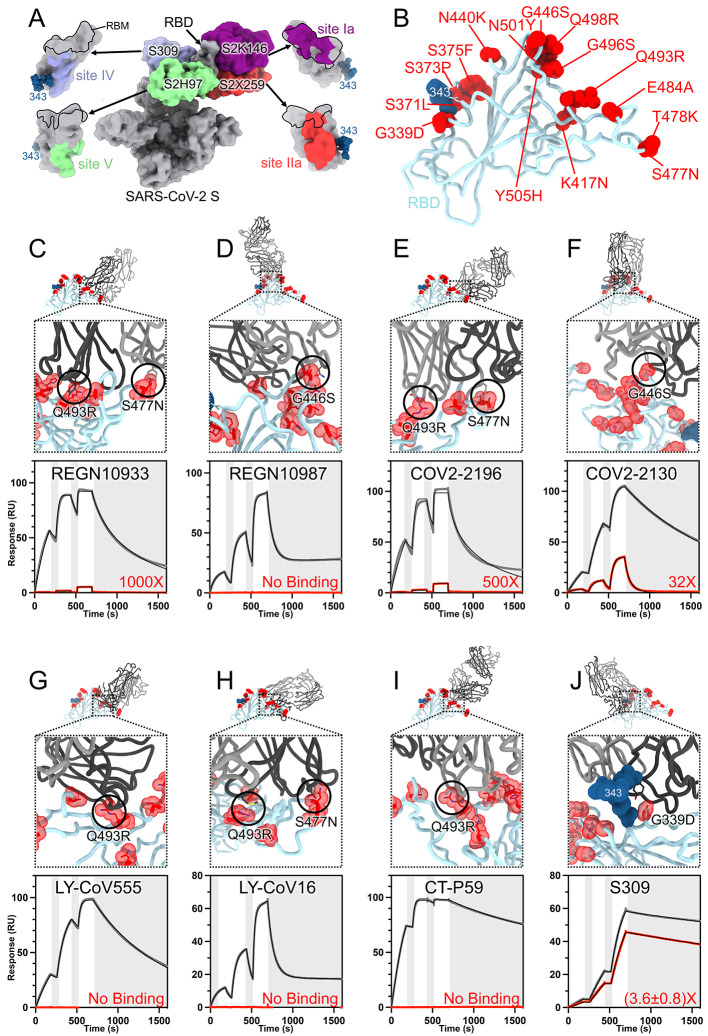
“The K417N, G446S, S477N, T478K, E484A, Q493R, G496S, Q498R, N501Y and Y505H mutations are part of antigenic site I, which is immunodominant in previous variants ( 13 , 24 ).”
Self-citationEscape from neutralizing antibodies by SARS-CoV-2 spike protein variants
Weisblum, Y., Schmidt, F., Zhang, F., DaSilva, J., Poston, D., Lorenzi, J. C., Muecksch, F., Rutkowska, M., Hoffmann, H.-H., Michailidis, E., et al. (2020) · eLife · doi:10.7554/elife.61312 · Cited by 1,308 · cited 1×
“%) harbor the R346K substitution which in conjunction with N440K (present in the main haplotype) leads to escape from C135 mAb-mediated neutralization ( 25 , 51 ).”
Structure-based design of prefusion-stabilized SARS-CoV-2 spikes
Hsieh, C.-L., Goldsmith, J. A., Schaub, J. M., DiVenere, A. M., Kuo, H.-C., Javanmardi, K., Le, K. C., Wrapp, D., Lee, A. G., Liu, Y., et al. (2020) · Science · doi:10.1126/science.abd0826 · Cited by 1,303
Real-time cryo-electron microscopy data preprocessing with Warp
Tegunov, D., & Cramer, P. (2019) · Nature Methods · doi:10.1038/s41592-019-0580-y · Cited by 1,292
Striking antibody evasion manifested by the Omicron variant of SARS-CoV-2
Liu, L., Iketani, S., Guo, Y., Chan, J. F.-W., Wang, M., Liu, L., Luo, Y., Chu, H., Huang, Y., Nair, M. S., et al. (2022) · Nature · doi:10.1038/s41586-021-04388-0 · Cited by 1,290 · cited 9×
“Furthermore, S477N and Q493R have been shown to dampen binding of and neutralization mediated by LY-CoV16 ( 9 , 41 ).”
InfluentialStudies in humanized mice and convalescent humans yield a SARS-CoV-2 antibody cocktail
Hansen, J., Baum, A., Pascal, K. E., Russo, V., Giordano, S., Wloga, E., Fulton, B. O., Yan, Y., Koon, K., Patel, K., et al. (2020) · Science · doi:10.1126/science.abd0827 · Cited by 1,210
SARS-CoV-2 Omicron spike mediated immune escape and tropism shift
Meng, B., Ferreira, I. A. T. M., Abdullahi, A., Goonawardane, N., Saito, A., Kimura, I., Yamasoba, D., Gerba, P. P., Fatihi, S., Rathore, S., et al. (2021) · doi:10.1101/2021.12.17.473248 · Cited by 1,147
Self-citationAltered TMPRSS2 usage by SARS-CoV-2 Omicron impacts infectivity and fusogenicity
Meng, B., Abdullahi, A., Ferreira, I. A. T. M., Goonawardane, N., Saito, A., Kimura, I., Yamasoba, D., Gerber, P. P., Fatihi, S., Rathore, S., et al. (2022) · Nature · doi:10.1038/s41586-022-04474-x · Cited by 1,146
Self-citationBroadly neutralizing antibodies overcome SARS-CoV-2 Omicron antigenic shift
Cameroni, E., Bowen, J. E., Rosen, L. E., Saliba, C., Zepeda, S. K., Culap, K., Pinto, D., VanBlargan, L. A., Marco, A. D., di Iulio, J., et al. (2021) · Nature · doi:10.1038/s41586-021-04386-2 · Cited by 1,070
Self-citationPotently neutralizing and protective human antibodies against SARS-CoV-2
Zost, S. J., Gilchuk, P., Case, J. B., Binshtein, E., Chen, R. E., Nkolola, J. P., Schäfer, A., Reidy, J. X., Trivette, A., Nargi, R. S., et al. (2020) · Nature · doi:10.1038/s41586-020-2548-6 · Cited by 1,041
Chen, S., McMullan, G., Faruqi, A. R., Murshudov, G. N., Short, J. M., Scheres, S. H. W., & Henderson, R. A. (2013) · Ultramicroscopy · doi:10.1016/j.ultramic.2013.06.004 · Cited by 1,005
N-terminal domain antigenic mapping reveals a site of vulnerability for SARS-CoV-2
McCallum, M., De Marco, A., Lempp, F. A., Tortorici, M. A., Pinto, D., Walls, A. C., Beltramello, M., Chen, A., Liu, Z., Zatta, F., et al. (2021) · Cell · doi:10.1016/j.cell.2021.03.028 · Cited by 901 · cited 2×
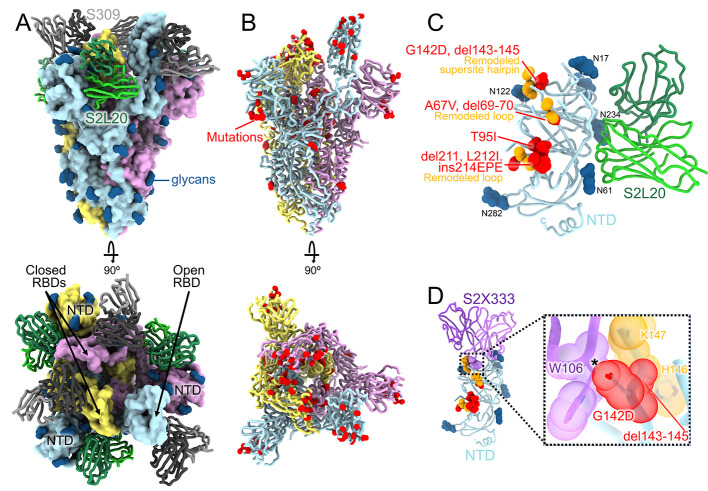
“1D) ( 2 , 22 ).”
Self-citationHoffmann, M., Krüger, N., Schulz, S., Cossmann, A., Rocha, C., Kempf, A., Nehlmeier, I., Graichen, L., Moldenhauer, A.-S., Winkler, M. S., et al. (2022) · Cell · doi:10.1016/j.cell.2021.12.032 · Cited by 889 · cited 1×
“S7A) and can utilize mouse ACE2 as an entry receptor for S-mediated entry ( 7 , 49 ).”
EMRinger: side chain–directed model and map validation for 3D cryo-electron microscopy
Barad, B. A., Echols, N., Wang, R. Y.-R., Cheng, Y., DiMaio, F., Adams, P. D., & Fraser, J. S. (2015) · Nature Methods · doi:10.1038/nmeth.3541 · Cited by 886
A Bayesian approach to beam-induced motion correction in cryo-EM single-particle analysis
Zivanov, J., Nakane, T., & Scheres, S. H. W. (2018) · IUCrJ · doi:10.1107/s205225251801463x · Cited by 879
Barnes, C. O., West, A. P., Huey-Tubman, K. E., Hoffmann, M. A. G., Sharaf, N. G., Hoffman, P. R., Koranda, N., Gristick, H. B., Gaebler, C., Muecksch, F., et al. (2020) · Cell · doi:10.1016/j.cell.2020.06.025 · Cited by 795
Structural insights into coronavirus entry
(2019) · Advances in Virus Research · doi:10.1016/bs.aivir.2019.08.002 · Cited by 769 · cited 1×
“2) ( 16 , 17 ).”
Self-citationProspective mapping of viral mutations that escape antibodies used to treat COVID-19
Starr, T. N., Greaney, A. J., Addetia, A., Hannon, W. W., Choudhary, M. C., Dingens, A. S., Li, J. Z., & Bloom, J. D. (2021) · Science · doi:10.1126/science.abf9302 · Cited by 743 · cited 2×
“Furthermore, S477N and Q493R have been shown to dampen binding of and neutralization mediated by LY-CoV16 ( 9 , 41 ).”
SARS-CoV-2 B.1.1.7 sensitivity to mRNA vaccine-elicited, convalescent and monoclonal antibodies
Collier, D. A., De Marco, A., Ferreira, I. A. T. M., Meng, B., Datir, R., Walls, A. C., Kemp S, S. A., Bassi, J., Pinto, D., Fregni, C. S., et al. (2021) · doi:10.1101/2021.01.19.21249840 · Cited by 729
Self-citationSensitivity of SARS-CoV-2 B.1.1.7 to mRNA vaccine-elicited antibodies
Collier, D. A., De Marco, A., Ferreira, I. A. T. M., Meng, B., Datir, R. P., Walls, A. C., Kemp, S. A., Bassi, J., Pinto, D., Silacci-Fregni, C., et al. (2021) · Nature · doi:10.1038/s41586-021-03412-7 · Cited by 728
Self-citationVanBlargan, L. A., Errico, J. M., Halfmann, P., Zost, S. J., Crowe, J. E., Purcell, L. A., Kawaoka, Y., Corti, D., Fremont, D. H., & Diamond, M. (2022) · Nature Medicine · doi:10.1038/s41591-021-01678-y · Cited by 690
Self-citationAttenuated fusogenicity and pathogenicity of SARS-CoV-2 Omicron variant
Suzuki, R., Yamasoba, D., Kimura, I., Wang, L., Kishimoto, M., Ito, J., Morioka, Y., Nao, N., Nasser, H., Uriu, K., et al. (2022) · Nature · doi:10.1038/s41586-022-04462-1 · Cited by 662 · cited 1×
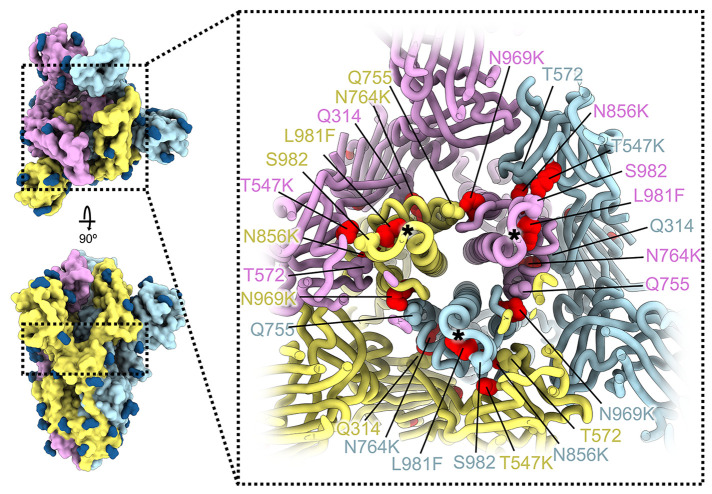
“Putatively enhanced interactions between the S 1 and S 2 subunits in Omicron S along with pre-fusion stabilization, and altered processing at the S 1 /S 2 cleavage site due to the N679K and P681H mutations, might reduce S 1 shedding, consistent with recent studies ( 18 – 20 ).”
A Mouse-Adapted SARS-CoV-2 Induces Acute Lung Injury and Mortality in Standard Laboratory Mice
Leist, S. R., Dinnon, K. H., Schäfer, A., Tse, L. V., Okuda, K., Hou, Y. J., West, A., Edwards, C. E., Sanders, W., Fritch, E. J., et al. (2020) · Cell · doi:10.1016/j.cell.2020.09.050 · Cited by 613 · cited 1×
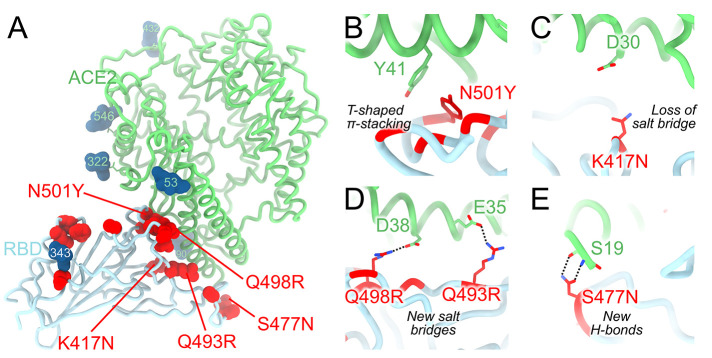
“These findings concur with the emergence and fixation of the Q493K RBD mutation upon serial passaging in mice to yield a mouse-adapted virus designated SARS-CoV-2 MA10 ( 50 ).”
Thomson, E. C., Rosen, L. E., Shepherd, J. G., Spreafico, R., da Silva Filipe, A., Wojcechowskyj, J. A., Davis, C., Piccoli, L., Pascall, D. J., Dillen, J., et al. (2021) · Cell · doi:10.1016/j.cell.2021.01.037 · Cited by 606
Self-citationmRNA vaccination boosts cross-variant neutralizing antibodies elicited by SARS-CoV-2 infection
Stamatatos, L., Czartoski, J., Wan, Y.-H., Homad, L. J., Rubin, V., Glantz, H., Neradilek, M., Seydoux, E., Jennewein, M. F., MacCamy, A. J., et al. (2021) · Science · doi:10.1126/science.abg9175 · Cited by 557 · cited 1×
“The RBD is the main target of plasma neutralizing activity in convalescent and vaccinated individuals and comprises several antigenic sites recognized by neutralizing Abs with a range of neutralization potencies and breadth ( 12 , 13 , 21 , 23 – 36 ) (Fig.”
Cryo-electron microscopy structure of a coronavirus spike glycoprotein trimer
Walls, A. C., Tortorici, M. A., Bosch, B., Frenz, B., Rottier, P. J. M., DiMaio, F., Rey, F. A., & Veesler, D. (2016) · Nature · doi:10.1038/nature16988 · Cited by 533 · cited 1×
“2) ( 16 , 17 ).”
Self-citationWalls, A. C., Fiala, B., Schäfer, A., Wrenn, S., Pham, M. N., Murphy, M., Tse, L. V., Shehata, L., O’Connor, M. A., Chen, C., et al. (2020) · Cell · doi:10.1016/j.cell.2020.10.043 · Cited by 532
Self-citationBroad neutralization of SARS-related viruses by human monoclonal antibodies
Wec, A. Z., Wrapp, D., Herbert, A. S., Maurer, D. P., Haslwanter, D., Sakharkar, M., Jangra, R. K., Dieterle, M. E., Lilov, A., Huang, D., et al. (2020) · Science · doi:10.1126/science.abc7424 · Cited by 526
Cerutti, G., Guo, Y., Zhou, T., Gorman, J., Lee, M., Rapp, M., Reddem, E. R., Yu, J., Bahna, F., Bimela, J., et al. (2021) · Cell Host & Microbe · doi:10.1016/j.chom.2021.03.005 · Cited by 519
SARS-CoV-2 RBD antibodies that maximize breadth and resistance to escape
Starr, T. N., Czudnochowski, N., Liu, Z., Zatta, F., Park, Y., Addetia, A., Pinto, D., Beltramello, M., Hernandez, P., Greaney, A. J., et al. (2021) · Nature · doi:10.1038/s41586-021-03807-6 · Cited by 503
Self-citationStarr, T. N., Greaney, A. J., Dingens, A. S., & Bloom, J. D. (2021) · Cell Reports Medicine · doi:10.1016/j.xcrm.2021.100255 · Cited by 470
Automated structure refinement of macromolecular assemblies from cryo-EM maps using Rosetta
Wang, R. Y.-R., Song, Y., Barad, B. A., Cheng, Y., Fraser, J. S., & DiMaio, F. (2016) · eLife · doi:10.7554/elife.17219 · Cited by 457
Free fatty acid binding pocket in the locked structure of SARS-CoV-2 spike protein
Toelzer, C., Gupta, K., Yadav, S. K. N., Borucu, U., Davidson, A. D., Williamson, M. K., Shoemark, D. K., Garzoni, F., Staufer, O., Milligan, R., et al. (2020) · Science · doi:10.1126/science.abd3255 · Cited by 427 · cited 1×
“However, the region comprising residues 366 to 375, which harbors the S371L/S373P/S375F substitutions, deviates markedly from the conformation observed for the Wuhan-Hu-1 RBD, irrespective of the presence of bound linoleic acid ( 4 , 42 , 43 ).”
SARS-CoV-2 immune evasion by the B.1.427/B.1.429 variant of concern
McCallum, M., Bassi, J., De Marco, A., Chen, A., Walls, A. C., Di Iulio, J., Tortorici, M. A., Navarro, M.-J., Silacci-Fregni, C., Saliba, C., et al. (2021) · Science · doi:10.1126/science.abi7994 · Cited by 412
Self-citationMosaic nanoparticles elicit cross-reactive immune responses to zoonotic coronaviruses in mice
Cohen, A. A., Gnanapragasam, P. N. P., Lee, Y. E., Hoffman, P. R., Ou, S. K.-H., Kakutani, L. M., Keeffe, J. R., Wu, H., Howarth, M. R., West, A. P., et al. (2021) · Science · doi:10.1126/science.abf6840 · Cited by 396
Tackling COVID-19 with neutralizing monoclonal antibodies
Corti, D., Purcell, L. A., Snell, G., & Veesler, D. (2021) · Cell · doi:10.1016/j.cell.2021.05.005 · Cited by 386
Self-citationStructural and functional ramifications of antigenic drift in recent SARS-CoV-2 variants
Yuan, M., Huang, D., Lee, C.-C. D., Wu, N. C., Jackson, A. M., Zhu, X., Liu, H., Peng, L., van Gils, M. J., Sanders, R. W., et al. (2021) · doi:10.1101/2021.02.16.430500 · Cited by 364 · cited 1×
“The K417N mutation dampens receptor recognition by about 3-fold ( 2 , 6 , 39 , 45 ) likely through loss of a salt bridge with ACE2 D30 (Fig.”
Privateer: software for the conformational validation of carbohydrate structures
Agirre, J., Iglesias‐Fernández, J., Rovira, C., Davies, G. J., Wilson, K. S., & Cowtan, K. D. (2015) · Nature Structural & Molecular Biology · doi:10.1038/nsmb.3115 · Cited by 355
Suryadevara, N., Shrihari, S., Gilchuk, P., VanBlargan, L. A., Binshtein, E., Zost, S. J., Nargi, R. S., Sutton, R. E., Winkler, E. S., Chen, E. C., et al. (2021) · Cell · doi:10.1016/j.cell.2021.03.029 · Cited by 345
Adjuvanting a subunit COVID-19 vaccine to induce protective immunity
Arunachalam, P. S., Walls, A. C., Golden, N., Atyeo, C. G., Fischinger, S., Li, C., Aye, P. P., Navarro, M. J., Lai, L., Edara, V. V., et al. (2021) · Nature · doi:10.1038/s41586-021-03530-2 · Cited by 317
Self-citationBroad and potent activity against SARS-like viruses by an engineered human monoclonal antibody
Rappazzo, C. G., Tse, L. V., Kaku, C. I., Wrapp, D., Sakharkar, M., Huang, D., Deveau, L. M., Yockachonis, T. J., Herbert, A. S., Battles, M. B., et al. (2021) · Science · doi:10.1126/science.abf4830 · Cited by 307
VanBlargan, L., Errico, J., Halfmann, P., et al. (2021) · Research Square · doi:10.21203/rs.3.rs-1175516/v1 · Cited by 293
Genetic and structural basis for SARS-CoV-2 variant neutralization by a two-antibody cocktail
Dong, J., Zost, S. J., Greaney, A. J., Starr, T. N., Dingens, A. S., Chen, E. C., Chen, R. E., Case, J. B., Sutton, R. E., Gilchuk, P., et al. (2021) · Nature Microbiology · doi:10.1038/s41564-021-00972-2 · Cited by 285
Molecular basis of immune evasion by the Delta and Kappa SARS-CoV-2 variants
McCallum, M., Walls, A. C., Sprouse, K. R., Bowen, J. E., Rosen, L. E., Dang, H. V., Marco, A. D., Franko, N., Tilles, S. W., Logue, J. K., et al. (2021) · Science · doi:10.1126/science.abl8506 · Cited by 280 · cited 1×
“1D) ( 2 , 22 ).”
Self-citationBroad sarbecovirus neutralization by a human monoclonal antibody
Tortorici, M. A., Czudnochowski, N., Starr, T. N., Marzi, R., Walls, A. C., Zatta, F., Bowen, J. E., Jaconi, S., di Iulio, J., Wang, Z., et al. (2021) · Nature · doi:10.1038/s41586-021-03817-4 · Cited by 255 · cited 2×
“Dampened S 1 subunit shedding might enhance the effector function activity of vaccine-or infection-elicited Abs along with that of therapeutic mAbs ( 21 ) that retain affinity for Omicron S.”
Self-citationBroadly neutralizing antibodies overcome SARS-CoV-2 Omicron antigenic shift
Cameroni, E., Bowen, J. E., Rosen, L. E., Saliba, C., Zepeda, S. K., Culap, K., Pinto, D., VanBlargan, L. A., Marco, A. D., di Iulio, J., et al. (2021) · Nature · doi:10.1038/d41586-021-03825-4 · Cited by 251
Self-citationGreaney, A. J., Loes, A. N., Gentles, L. E., Crawford, K. H. D., Starr, T. N., Malone, K. D., Chu, H. Y., & Bloom, J. D. (2021) · Science Translational Medicine · doi:10.1126/scitranslmed.abi9915 · Cited by 244
Omicron escapes the majority of existing SARS-CoV-2 neutralizing antibodies
Cao, Y., Wang, J., Jian, F., Xiao, T., Song, W., Yisimayi, A., Huang, W., Li, Q., Wang, P., An, R., et al. (2021) · Nature · doi:10.1038/d41586-021-03796-6 · Cited by 227
Considerable escape of SARS-CoV-2 Omicron to antibody neutralization
Planas, D., Saunders, N., Maes, P., Guivel‐Benhassine, F., Planchais, C., Buchrieser, J., Bolland, W., Porrot, F., Staropoli, I., Lemoine, F., et al. (2021) · Nature · doi:10.1038/d41586-021-03827-2 · Cited by 194
Walls, A. C., Miranda, M. C., Schäfer, A., Pham, M. N., Greaney, A., Arunachalam, P. S., Navarro, M.-J., Tortorici, M. A., Rogers, K., O’Connor, M. A., et al. (2021) · Cell · doi:10.1016/j.cell.2021.09.015 · Cited by 185 · cited 1×
“The identification of broadly reactive mAbs that neutralize multiple distinct sarbecoviruses, including SARS-CoV-2 variants, pave the way for designing vaccines eliciting broad sarbecovirus immunity ( 52 – 56 ).”
Self-citationZhu, X. Q., Mannar, D., Srivastava, S. S., Berezuk, A., Demers, J., Saville, J. W., Leopold, K., Li, W., Dimitrov, D. S., Tuttle, K. S., et al. (2021) · PLoS Biology · doi:10.1371/journal.pbio.3001237 · Cited by 183
Chimeric spike mRNA vaccines protect against Sarbecovirus challenge in mice
Martinez, D. R., Schäfer, A., Leist, S. R., la Cruz, G. D., West, A., Atochina‐Vasserman, E. N., Lindesmith, L. C., Pardi, N., Parks, R., Barr, M., et al. (2021) · Science · doi:10.1126/science.abi4506 · Cited by 175
Emerging SARS-CoV-2 variants expand species tropism to murines
Shuai, H., Chan, J. F., Yuen, T. T., Yoon, C., Hu, J., Wen, L., Hu, B., Yang, D., Wang, Y., Hou, Y., et al. (2021) · EBioMedicine · doi:10.1016/j.ebiom.2021.103643 · Cited by 166 · cited 1×
“Although the N501Y mutation has been described previously to enable some SARS-CoV-2 VOC to infect and replicate in mice, the Alpha and Beta variant RBDs only weakly bound mouse ACE2 ( 47 , 48 ).”
Tada, T., Dcosta, B. M., Samanovic, M. I., Herati, R. S., Cornelius, A. R., Zhou, H., Vaill, A., Kazmierski, W., Mulligan, M. J., & Landau, N. R. (2021) · mBio · doi:10.1128/mbio.00696-21 · Cited by 155 · cited 1×
“S3, and table S3) and with previous analyses of the impact of individual mutations on neutralization by each of these two mAbs ( 9 , 38 – 40 ).”
A broadly cross-reactive antibody neutralizes and protects against sarbecovirus challenge in mice
Martinez, D. R., Schäfer, A., Gobeil, S., Li, D., la Cruz, G. D., Parks, R., Lu, X., Barr, M., Stalls, V., Janowska, K., et al. (2021) · Science Translational Medicine · doi:10.1126/scitranslmed.abj7125 · Cited by 137
Antibody-mediated broad sarbecovirus neutralization through ACE2 molecular mimicry
Park, Y., Marco, A. D., Starr, T. N., Liu, Z., Pinto, D., Walls, A. C., Zatta, F., Zepeda, S. K., Bowen, J. E., Sprouse, K. R., et al. (2022) · Science · doi:10.1126/science.abm8143 · Cited by 135
Self-citationTrack Omicron’s spread with molecular data
Scott, L. E., Hsiao, M., Moyo, S., Singh, L., Tegally, H., Dor, G., Maes, P., Pybus, O. G., Kraemer, M. U. G., Semenova, E., et al. (2021) · Science · doi:10.1126/science.abn4543 · Cited by 109
Automatically Fixing Errors in Glycoprotein Structures with Rosetta
Frenz, B., Rämisch, S., Borst, A. J., Walls, A. C., Adolf‐Bryfogle, J., Schief, W. R., Veesler, D., & DiMaio, F. (2018) · Structure · doi:10.1016/j.str.2018.09.006 · Cited by 104
Self-citationJette, C. A., Cohen, A. A., Gnanapragasam, P. N. P., Muecksch, F., Lee, Y. E., Huey‐Tubman, K. E., Schmidt, F., Hatziioannou, T., Bieniasz, P. D., Nussenzweig, M. C., et al. (2021) · Cell Reports · doi:10.1016/j.celrep.2021.109760 · Cited by 99
Neutralization and Stability of SARS-CoV-2 Omicron VariantPreprint
Zeng, C., Evans, J. P., Qu, P., Faraone, J. N., Zheng, Y.-M., Carlin, C., Bednash, J. S., Zhou, T., Lozanski, G., Mallampalli, R. K., et al. (2021) · bioRxiv (Cold Spring Harbor Laboratory) · doi:10.1101/2021.12.16.472934 · Cited by 87 · cited 1×
“Putatively enhanced interactions between the S 1 and S 2 subunits in Omicron S along with pre-fusion stabilization, and altered processing at the S 1 /S 2 cleavage site due to the N679K and P681H mutations, might reduce S 1 shedding, consistent with recent studies ( 18 – 20 ).”
Pan, T. S., Chen, R., He, X., Yuan, Y., Deng, X., Li, R., Yan, H., Yan, S., Liu, J., Zhang, Y., et al. (2021) · Signal Transduction and Targeted Therapy · doi:10.1038/s41392-021-00848-1 · Cited by 72 · cited 1×
“Although the N501Y mutation has been described previously to enable some SARS-CoV-2 VOC to infect and replicate in mice, the Alpha and Beta variant RBDs only weakly bound mouse ACE2 ( 47 , 48 ).”
VanBlargan, L., Errico, J., Halfmann, P., et al. (2021) · bioRxiv · doi:10.1101/2021.12.15.472828 · Cited by 59 · cited 5×
“This finding likely explains the similarly moderate reduction of S309 potency against the single G339D S mutant ( 9 ) or the full constellation of Omicron S mutations ( 7 , 9 – 11 ).”
InfluentialOlmedillas, E., Mann, C. J., Peng, W., Wang, Y.-T., Díaz-Avalos, R., Bedinger, D., Valentine, K. M., Shafee, N., Schendel, S. L., Yuan, M., et al. (2021) · bioRxiv (Cold Spring Harbor Laboratory) · doi:10.1101/2021.05.06.441046 · Cited by 23
SARS-CoV-2 spike conformation determines plasma neutralizing activityPreprint
Bowen, J. E., Walls, A. C., Joshi, A., Sprouse, K. R., Stewart, C., Tortorici, M. A., Franko, N., Logue, J. K., Mazzitelli, I. G., Tilles, S. W., et al. (2021) · bioRxiv (Cold Spring Harbor Laboratory) · doi:10.1101/2021.12.19.473391 · Cited by 21 · cited 1×
“The RBD is the main target of plasma neutralizing activity in convalescent and vaccinated individuals and comprises several antigenic sites recognized by neutralizing Abs with a range of neutralization potencies and breadth ( 12 , 13 , 21 , 23 – 36 ) (Fig.”
Self-citationAttenuated fusogenicity and pathogenicity of SARS-CoV-2 Omicron variantPreprint
Sato, K., Suzuki, R., Yamasoba, D., et al. (2022) · Research Square · doi:10.21203/rs.3.rs-1207670/v1 · Cited by 9
Research works printed but not linked: 2
- 10.1016/j.cell.2020.02.058 · DOI · Paper page
- 10.1126/science.abh1139 · DOI · Paper page
Cited by
Sorted by citations
Markov, P. V., Ghafari, M., Beer, M., Lythgoe, K., Simmonds, P., Stilianakis, N. I., & Katzourakis, A. (2023) · Nature Reviews Microbiology · doi:10.1038/s41579-023-00878-2 · Cited by 1,179
Altered TMPRSS2 usage by SARS-CoV-2 Omicron impacts infectivity and fusogenicity
Meng, B., Abdullahi, A., Ferreira, I. A. T. M., Goonawardane, N., Saito, A., Kimura, I., Yamasoba, D., Gerber, P. P., Fatihi, S., Rathore, S., et al. (2022) · Nature · doi:10.1038/s41586-022-04474-x · Cited by 1,146
Self-citationSARS-CoV-2 Omicron variant: Antibody evasion and cryo-EM structure of spike protein–ACE2 complex
Mannar, D., Saville, J. W., Zhu, X., Srivastava, S. S., Berezuk, A. M., Tuttle, K. S., Marquez, A. C., Sekirov, I., & Subramaniam, S. (2022) · Science · doi:10.1126/science.abn7760 · Cited by 630
SARS-CoV-2 Omicron virus causes attenuated disease in mice and hamsters
Halfmann, P., Iida, S., Iwatsuki‐Horimoto, K., Maemura, T., Kiso, M., Scheaffer, S. M., Darling, T. L., Joshi, A., Loeber, S. J., Singh, G., et al. (2022) · Nature · doi:10.1038/s41586-022-04441-6 · Cited by 664
Self-citationAntibody escape of SARS-CoV-2 Omicron BA.4 and BA.5 from vaccine and BA.1 serum
Tuekprakhon, A., Nutalai, R., Dijokaite-Guraliuc, A., Zhou, D., Ginn, H. M., Selvaraj, M., Liu, C., Mentzer, A. J., Supasa, P., Duyvesteyn, H. M. E., et al. (2022) · Cell · doi:10.1016/j.cell.2022.06.005 · Cited by 687
Metadata
- Authors
- McCallum, M., Czudnochowski, N., Rosen, L. E., Zepeda, S. K., Bowen, J. E., Walls, A. C., Hauser, K., Joshi, A., Stewart, C., Dillen, J. R., Powell, A. E., Croll, T. I., Nix, J., Virgin, H. W., Corti, D., Snell, G., & Veesler, D.
- Affiliations
- University of Washington (US)
- VIR Biotechnology (United States) (US)
- Howard Hughes Medical Institute (US)
- University of Cambridge (GB)
- Lawrence Berkeley National Laboratory (US)
- Washington University in St. Louis (US)
- Vir Biotechnology (Switzerland) (CH)
- Corresponding author
- McCallum, Matthew
- Czudnochowski, Nadine
- Snell, Gyorgy
- Veesler, David
- ORCID
- Venue
- Science
- Published
- 2022-02-25
- Volume
- 375
- Issue
- 6583
- Pages
- 864-868
- ISSN
- 0036-8075 (ISSN-L)
- 1095-9203
- PMC
- PMC9427005
- OpenAlex
- W4220861013
- Cited by
- 535
- References
- 85
- Citations by year
- 2026: 25 · 2025: 56 · 2024: 85 · 2023: 122 · 2022: 246
- FWCI
- 62.11
- Type
- journal article
- Language
- en
- Open access
- hybrid
- doi.org
- Licence
- cc-by
- Locations
- Science (publishedVersion, cc-by)
- bioRxiv (Cold Spring Harbor Laboratory) (acceptedVersion, cc-by-nc-nd)
- PubMed Central (publishedVersion, cc-by)
- PubMed (publishedVersion)
- OSTI OAI (U.S. Department of Energy Office of Scientific and Technical Information) (submittedVersion, cc-by)
- eScholarship (California Digital Library) (submittedVersion)
- Funders
- Howard Hughes Medical Institute (DE-AC02-05CH11231)
- U.S. Department of Energy (-AC02-05CH11231, Contract No. DE-AC02-05-CH11231, 05CH11231, No. DE-AC02-05-CH11231, DE AC02 05CH11231, DE-AC02-)
- Burroughs Wellcome Fund (DE-AC02-05CH11231)
- University of Washington
- Wellcome Trust (Z/17/Z, 209407/Z/17/Z)
- Fast Grants
- National Institutes of Health (S10 OD032290, DE-AC02–05CH11231, 1s10od023476-01, HHSN272201700059C)
- Office of Science (No. DE-AC02- 05-CH11231, DEAC02–05CH11231, AC02-05CH11231, DE-AC02, 05CH11231, Contract No. DE-AC02-05CH11231)
- National Institute of General Medical Sciences (DE-AC02-05CH11231, R01GM120553, T32GM008268, P30GM124169)
- National Institute of Allergy and Infectious Diseases (HHSN272201700059C, DP1AI158186)
- Topics
- Health Sciences › Medicine › Infectious Diseases › SARS-CoV-2 and COVID-19 Research
- Life Sciences › Biochemistry, Genetics and Molecular Biology › Molecular Biology › vaccines and immunoinformatics approaches
- Life Sciences › Agricultural and Biological Sciences › Animal Science and Zoology › Animal Virus Infections Studies
- Keywords
- Omicron variant, spike protein, receptor binding domain, antibody escape, sotrovimab, ACE2 receptor, antigenic shift, spike protein mutations, antibody affinity
- MeSH terms
- Protein Domains, Broadly Neutralizing Antibodies, Receptors, Coronavirus, Angiotensin-Converting Enzyme 2, SARS-CoV-2, Antigenic Drift and Shift, Antibodies, Monoclonal, Antibodies, Viral, Humans, Models, Molecular, Mutation, Protein Binding, Protein Conformation, Crystallography, X-Ray, Amino Acid Substitution, Cryoelectron Microscopy, Protein Interaction Domains and Motifs, Immune Evasion, Spike Glycoprotein, Coronavirus
About these checks
Registry, retraction, Cites and statistics results are computed, not judged, with one exception: a printed reference that no index lists is read once by a model before it counts as a citation error. Claims are extracted by a model and kept only when their quote appears verbatim in the text; each cited source is then checked, with a model’s help, for whether it says what the claim relies on. Those verdicts can be wrong — read the claim’s quote and the cited source before relying on one.
Statistics and arithmetic are recomputed, not judged.
Confidence bands are shown only for fields calibrated on our annotated test set. None is calibrated yet, so no band is shown.
What counts as a claim ›How we measure confidence ›How we check this ›
Are you an author, or do you see a problem with this page? Request a review
