

Within-Host Evolution of Pseudomonas aeruginosa Reveals Adaptation toward Iron Acquisition from Hemoglobin
Open accessThe DOI matches its Crossref record; 35 of the 35 references it cites were found in a registry or an index.
Abstract
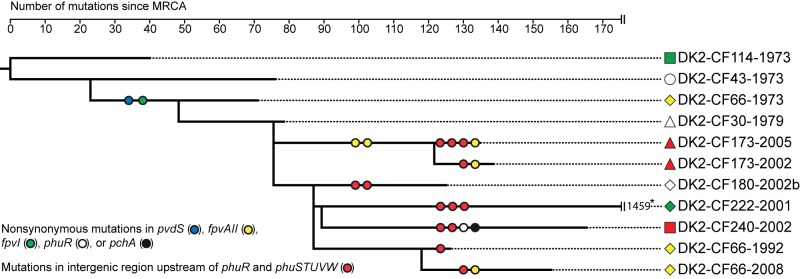
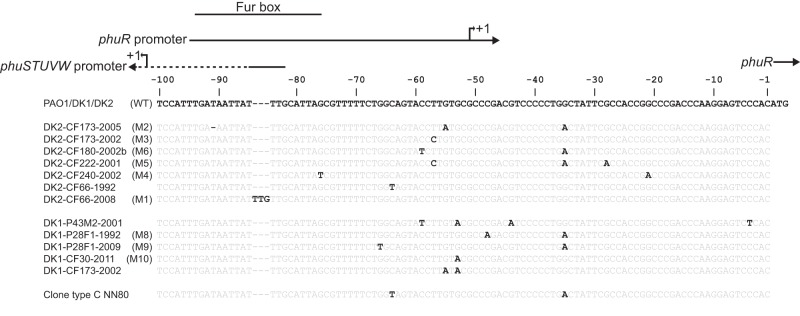
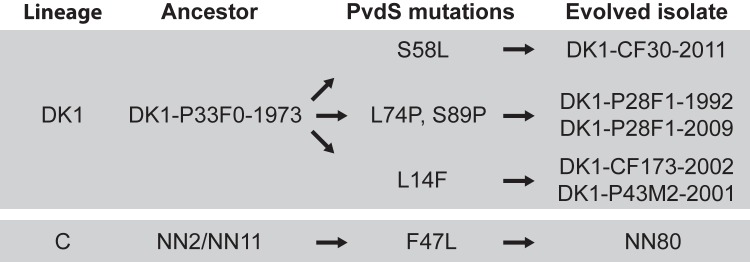
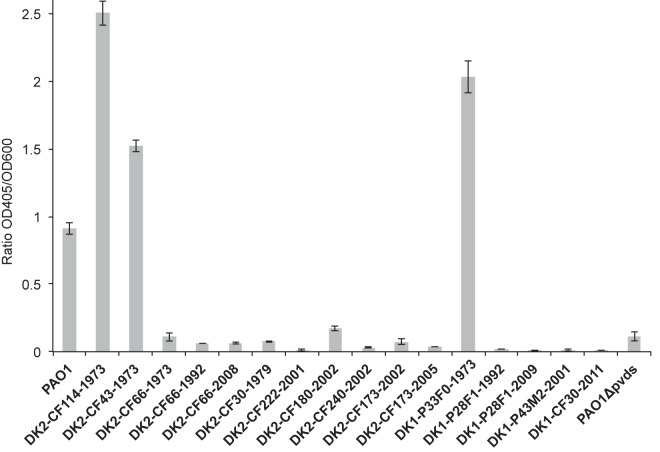
Pseudomonas aeruginosa airway infections are a major cause of mortality and morbidity of cystic fibrosis (CF) patients. In order to persist, P. aeruginosa depends on acquiring iron from its host, and multiple different iron acquisition systems may be active during infection. This includes the pyoverdine siderophore and the Pseudomonas heme utilization (phu) system. While the regulation and mechanisms of several iron-scavenging systems are well described, it is not clear whether such systems are targets for selection during adaptation of P. aeruginosa to the host environment. Here we investigated the within-host evolution of the transmissible P. aeruginosa DK2 lineage. We found positive selection for promoter mutations leading to increased expression of the phu system. By mimicking conditions of the CF airways in vitro, we experimentally demonstrate that increased expression of phuR confers a growth advantage in the presence of hemoglobin, thus suggesting that P. aeruginosa evolves toward iron acquisition from hemoglobin. To rule out that this adaptive trait is specific to the DK2 lineage, we inspected the genomes of additional P. aeruginosa lineages isolated from CF airways and found similar adaptive evolution in two distinct lineages (DK1 and PA clone C). Furthermore, in all three lineages, phuR promoter mutations coincided with the loss of pyoverdine production, suggesting that within-host adaptation toward heme utilization is triggered by the loss of pyoverdine production. Targeting heme utilization might therefore be a promising strategy for the treatment of P. aeruginosa infections in CF patients. IMPORTANCE Most bacterial pathogens depend on scavenging iron within their hosts, which makes the battle for iron between pathogens and hosts a hallmark of infection. Accordingly, the ability of the opportunistic pathogen Pseudomonas aeruginosa to cause chronic infections in cystic fibrosis (CF) patients also depends on iron-scavenging systems. While the regulation and mechanisms of several such iron-scavenging systems have been well described, not much is known about how the within-host selection pressures act on the pathogens' ability to acquire iron. Here, we investigated the within-host evolution of P. aeruginosa, and we found evidence that P. aeruginosa during long-term infections evolves toward iron acquisition from hemoglobin. This adaptive strategy might be due to a selective loss of other iron-scavenging mechanisms and/or an increase in the availability of hemoglobin at the site of infection. This information is relevant to the design of novel CF therapeutics and the development of models of chronic CF infections.
Overview
The claims and statistics of this paper haven’t been checked yet.
Free: it reads the open-access text and checks the first 5 claims that cite a source we can check. Create a free account to check every claim.
Integrity signals
Registry
Cites
Statistics
Figures
Verification
Claims the paper makes
The claims and statistics of this paper haven’t been checked yet.
Free: it reads the open-access text and checks the first 5 claims that cite a source we can check. Create a free account to check every claim.
Claims other papers make about this one
Each is checked against this paper’s own text: does it say what the citing paper says it does?
The source backs part of the claim, not all of it — or backs it for a different population, condition or comparison.
In the citing paper
“Among several potential adaptations that took place during this period, evidence of positive selection was detected in the promoter of phu, the bacterial heme uptake system.”
From Buried Treasure: Evolutionary Perspectives on Microbial Iron Piracy (2015) · cites this paper as [88]
Experimental — accuracy not yet measuredThe source backs part of the claim, not all of it — or backs it for a different population, condition or comparison.
In the citing paper
“indicating that ferrous iron is also a source of bioavailable iron.”
From Heme Synthesis and Acquisition in Bacterial Pathogens (2016) · cites this paper as [166]
Experimental — accuracy not yet measuredThe source backs part of the claim, not all of it — or backs it for a different population, condition or comparison.
In the citing paper
“Additionally, P. aeruginosa lineages colonized in cystic fibrosis patients evolved to prefer heme over the siderophore pyoverdine as an iron source (85).”
From Transition Metals and Virulence in Bacteria (2016) · cites this paper as [85]
Experimental — accuracy not yet measuredThe cited source says what the claim attributes to it.
In the citing paper
“Using experimental culture systems, the authors determined that increased expression of the phu system enhanced bacterial growth in a model of the CF lung, and that similar mutations had occurred independently in P. aeruginosa isolates from other patients with CF.”
From Buried Treasure: Evolutionary Perspectives on Microbial Iron Piracy (2015) · cites this paper as [88]
The cited source says what the claim attributes to it.
In the citing paper
“These clinical data confirm experimental findings suggesting that P. aeruginosa heme acquisition contributes to chronic infection.”
From Heme Synthesis and Acquisition in Bacterial Pathogens (2016) · cites this paper as [166]
6 more claims about this paper
Create a free account to see every claim other papers make about this one.
Self-check
Percentages, sums and reported differences re-computed from the paper’s own numbers.
The self-check needs the paper’s full text.
Citations
Cites
R: A Language and Environment for Statistical Computing
R Core Team (2025) · doi:10.32614/r.manuals · Cited by 352,181
The Sequence Alignment/Map format and SAMtools
Li, H., Handsaker, B., Wysoker, A., Fennell, T., Ruan, J., Homer, N., Marth, G., Abecasis, G., Durbin, R., & 1000 Genome Project Data Processing Subgroup (2009) · Bioinformatics · doi:10.1093/bioinformatics/btp352 · Cited by 62,041
Herrero, M., de Lorenzo, V, & Timmis, K. N. (1990) · Journal of Bacteriology · doi:10.1128/jb.172.11.6557-6567.1990 · Cited by 1,586 · cited 1×
“Escherichia coli strain CC118( pir) was used for maintenance of recombinant plasmids (28) in medium supplemented with 8 g/ml of tetracycline.”
MethodGenetic adaptation by Pseudomonas aeruginosa to the airways of cystic fibrosis patients
Smith, E. E., Buckley, D. G., Wu, Z., Saenphimmachak, C., Hoffman, L. R., D’Argenio, D. A., Miller, S. I., Ramsey, B. W., Speert, D. P., Moskowitz, S. M., et al. (2006) · Proceedings of the National Academy of Sciences · doi:10.1073/pnas.0602138103 · Cited by 1,319 · cited 1×
“(5) over an infection course of 90 months also did not reveal any mutations in iron acquisition systems, except for a nonsynonymous mutation in pvdS (which correlated with the loss of pyoverdine production) and an intergenic SNP upstream of fptA (5).”
BackgroundBacterial Iron Sources: From Siderophores to Hemophores
Wandersman, C., & Delepelaire, P. (2004) · Annual Review of Microbiology · doi:10.1146/annurev.micro.58.030603.123811 · Cited by 930 · cited 1×
“Siderophores are generally regarded as highly immunogenic (22), and selection against pyoverdine production might have driven the accumulation of pvdS mutations, leading to a loss of pyoverdine production in the evolved isolates.”
BackgroundThe Battle for Iron between Bacterial Pathogens and Their Vertebrate Hosts
Skaar, E. P. (2010) · PLoS Pathogens · doi:10.1371/journal.ppat.1000949 · Cited by 796 · cited 3×
“While the regulation and mechanisms of several of such iron-scavenging systems are well described (1), not much is known about how the withinhost selection pressures act on the pathogens’ ability to acquire iron.”
BackgroundInfluentialChromosomal genetics of Pseudomonas
Holloway, B. W., Krishnapillai, V., & Morgan, A. F. (1979) · Microbiological Reviews · doi:10.1128/mmbr.43.1.73-102.1979 · Cited by 761 · cited 5×
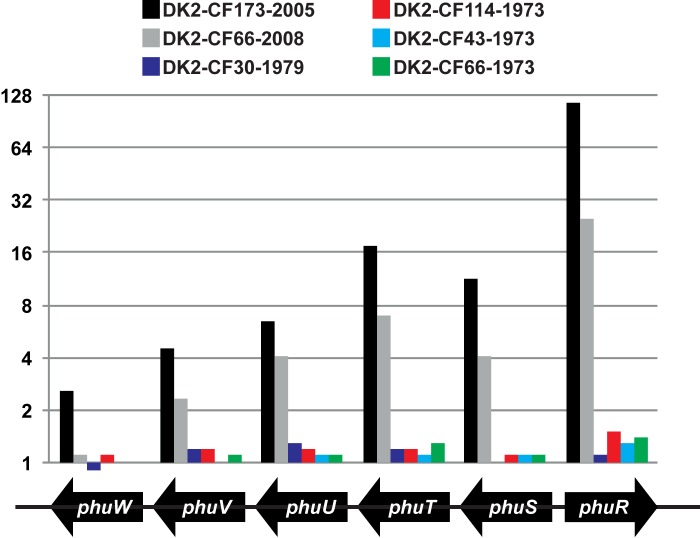
“Accordingly, we found the transcription of the phuRSTUVW genes to be upregulated in both of the mutated isolates (DK2-CF173-2005 and DK2-CF66-2008) relative to that for their ancestors and a laboratory reference strain PAO1 (Fig.”
MethodInfluentialHoang, T. T., Kutchma, A. J., Becher, A., & Schweizer, H. P. (2000) · Plasmid · doi:10.1006/plas.1999.1441 · Cited by 497
Evolutionary dynamics of bacteria in a human host environment
Yang, L., Jelsbak, L., Marvig, R. L., Damkiær, S., Workman, C. T., Rau, M. H., Hansen, S. K., Folkesson, A., Johansen, H. K., Ciofu, O., et al. (2011) · Proceedings of the National Academy of Sciences · doi:10.1073/pnas.1018249108 · Cited by 369 · cited 5×
“Sequencing of DK1 isolates was performed as described earlier (4).”
BackgroundMethodSelf-citationFeo – Transport of Ferrous Iron into Bacteria
Cartron, M. L., Maddocks, S., Gillingham, P., Craven, C. J., & Andrews, S. C. (2006) · BioMetals · doi:10.1007/s10534-006-0003-2 · Cited by 366 · cited 2×
“This search revealed that the feo operon, encoding a ferrous iron uptake system (12), was upregulated in DK2-CF66-1973 and the four isolates sampled after 1973 (Table 1), indicating that several iron acquisition systems might play a role in adaptation of P.”
Background
Research works printed but not linked: 1
- Høiby N Frederiksen B 2000 Microbiology of cystic fibrosis, p 83– 107 In Hodson M Geddes D (ed), Cystic fibrosis, 2nd ed. Arnold, London, United Kingdom
Cited by
Bacterial siderophores in community and host interactions
Kramer, J., Özkaya, Ö., & Kümmerli, R. (2020) · Nature Reviews Microbiology · doi:10.1038/s41579-019-0284-4 · Cited by 998
Pseudomonas aeruginosa: An Audacious Pathogen with an Adaptable Arsenal of Virulence Factors
Jurado-Martín, I., Sainz-Mejías, M., & McClean, S. (2021) · International Journal of Molecular Sciences · doi:10.3390/ijms22063128 · Cited by 698
“This is caused by mutations in the Phu system encoding genes, such as phuR, phuT, and phuUV [287].”
BackgroundWinstanley, C., O’Brien, S., & Brockhurst, M. A. (2016) · Trends in Microbiology · doi:10.1016/j.tim.2016.01.008 · Cited by 689
“For example, there is evidence for adaptation towards iron acquisition from haemoglobin repeatably and independently across multiple patients [32].”
BackgroundPseudomonas aeruginosa adaptation and evolution in patients with cystic fibrosis
Rossi, E., La Rosa, R., Bartell, J. A., Marvig, R. L., Haagensen, J. A. J., Sommer, L. M., Molin, S., & Johansen, H. K. (2021) · Nature Reviews Microbiology · doi:10.1038/s41579-020-00477-5 · Cited by 525
Self-citationWithin-host evolution of bacterial pathogens
Didelot, X., Walker, A. S., Peto, T. E., Crook, D. W., & Wilson, D. J. (2016) · Nature Reviews Microbiology · doi:10.1038/nrmicro.2015.13 · Cited by 483
Transition Metals and Virulence in Bacteria
Palmer, L. D., & Skaar, E. P. (2016) · Annual Review of Genetics · doi:10.1146/annurev-genet-120215-035146 · Cited by 449
Heme Synthesis and Acquisition in Bacterial Pathogens
Choby, J. E., & Skaar, E. P. (2016) · Journal of Molecular Biology · doi:10.1016/j.jmb.2016.03.018 · Cited by 343
Epidemiology, Biology, and Impact of Clonal Pseudomonas aeruginosa Infections in Cystic Fibrosis
Parkins, M. D., Somayaji, R., & Waters, V. J. (2018) · Clinical Microbiology Reviews · doi:10.1128/cmr.00019-18 · Cited by 253
“divergent strain acquired from the same locale (179, 181, 182).”
BackgroundRole of Iron Uptake Systems in Pseudomonas aeruginosa Virulence and Airway Infection
Minandri, F., Imperi, F., Frangipani, E., Bonchi, C., Visaggio, D., Facchini, M., Pasquali, P., Bragonzi, A., & Visca, P. (2016) · Infection and Immunity · doi:10.1128/iai.00098-16 · Cited by 228
“aeruginosa can evolve toward heme acquisition during CF lung colonization, plausibly as a consequence of increased availability of hemoglobin (77, 78).”
BackgroundLong-term social dynamics drive loss of function in pathogenic bacteria
Andersen, S. B., Marvig, R. L., Molin, S., Krogh Johansen, H., & Griffin, A. S. (2015) · Proceedings of the National Academy of Sciences · doi:10.1073/pnas.1508324112 · Cited by 168
“1) and also, lowering background receptor expression (18, 27).”
BackgroundSelf-citationHendricks, M. R., Lashua, L. P., Fischer, D. K., Flitter, B. A., Eichinger, K. M., Durbin, J. E., Sarkar, S. N., Coyne, C. B., Empey, K. M., & Bomberger, J. M. (2016) · Proceedings of the National Academy of Sciences · doi:10.1073/pnas.1516979113 · Cited by 168
“aeruginosa pyoverdine production is high early in infection (46, 47).”
BackgroundBacterial Adaptation during Chronic Respiratory Infections
Cullen, L., & McClean, S. (2015) · Pathogens · doi:10.3390/pathogens4010066 · Cited by 159
“haemoglobin utilisation for iron CF [22]”
Damron, F. H., Oglesby-Sherrouse, A. G., Wilks, A., & Barbier, M. (2016) · Scientific Reports · doi:10.1038/srep39172 · Cited by 161
Rossi, E., Falcone, M., Molin, S., & Johansen, H. K. (2018) · Nature Communications · doi:10.1038/s41467-018-05944-5 · Cited by 137
Self-citationBuried Treasure: Evolutionary Perspectives on Microbial Iron Piracy
Barber, M. F., & Elde, N. C. (2015) · Trends in Genetics · doi:10.1016/j.tig.2015.09.001 · Cited by 118
“aeruginosa strains that had maintained persistent human colonization for over 36 years [88].”
BackgroundO'Brien, S., & Fothergill, J. L. (2017) · FEMS Microbiology Letters · doi:10.1093/femsle/fnx128 · Cited by 119
Inflammation: A Double-Edged Sword in the Response to Pseudomonas aeruginosa Infection
Lin, C. K., & Kazmierczak, B. I. (2017) · Journal of Innate Immunity · doi:10.1159/000455857 · Cited by 132
Nutrient limitation determines the fitness of cheaters in bacterial siderophore cooperation
Sexton, D. J., & Schuster, M. (2017) · Nature Communications · doi:10.1038/s41467-017-00222-2 · Cited by 120
Extracellular Heme Uptake and the Challenge of Bacterial Cell Membranes
Huang, W., & Wilks, A. (2017) · Annual Review of Biochemistry · doi:10.1146/annurev-biochem-060815-014214 · Cited by 107
“aeruginosa clinical isolates show increased expression of PhuR as a consequence of mutations within the phuR promoter (77) and an increased efficiency to utilize heme at the expense of iron (78).”
BackgroundPyoverdine-Dependent Virulence of Pseudomonas aeruginosa Isolates From Cystic Fibrosis Patients
Kang, D., Revtovich, A. V., Chen, Q., Shah, K. N., Cannon, C. L., & Kirienko, N. V. (2019) · Frontiers in Microbiology · doi:10.3389/fmicb.2019.02048 · Cited by 129
Iron Acquisition Mechanisms and Their Role in the Virulence of Burkholderia Species
Butt, A. T., & Thomas, M. S. (2017) · Frontiers in Cellular and Infection Microbiology · doi:10.3389/fcimb.2017.00460 · Cited by 99
“Evidence was also provided for increased haem usage as an iron source concomitant with a reduction in pyoverdine synthesis during the later stages of infection (Marvig et al., 2014; Nguyen et al., 2014).”
BackgroundPseudomonas aeruginosa adaptation and diversification in the non-cystic fibrosis bronchiectasis lung
Hilliam, Y., Moore, M. P., Lamont, I. L., Bilton, D., Haworth, C. S., Foweraker, J., Walshaw, M. J., Williams, D., Fothergill, J. L., De Soyza, A., et al. (2017) · European Respiratory Journal · doi:10.1183/13993003.02108-2016 · Cited by 98
“During chronic lung infections in CF, P. aeruginosa adapts by favouring the heme utilisation route for iron acquisition rather than the pyoverdine siderophore system [33].”
Understanding Pseudomonas aeruginosa–Host Interactions: The Ongoing Quest for an Efficacious Vaccine
Sainz-Mejías, M., Jurado‐Martín, I., & McClean, S. (2020) · Cells · doi:10.3390/cells9122617 · Cited by 114
68Ga-labelled desferrioxamine-B for bacterial infection imaging
Petřík, M., Umlaufova, E., Raclavský, V., Palyzová, A., Havlíček, V., Pfister, J., Mair, C., Nový, Z., Popper, M., Hajdúch, M., et al. (2020) · European Journal of Nuclear Medicine and Molecular Imaging · doi:10.1007/s00259-020-04948-y · Cited by 99
Frydenlund Michelsen, C., Hossein Khademi, S. M., Krogh Johansen, H., Ingmer, H., Dorrestein, P. C., & Jelsbak, L. (2016) · The ISME Journal · doi:10.1038/ismej.2015.220 · Cited by 95
“…the primers PqsH_F-PstI (5 ′ -GAGACTGCAGATCACGCT GCACCTCGTCGC-3 ′ ) and pqsH_R-XhoI (5 ′ -ACATCT CGAGGTCGGTGAGATGGCCGCACA-3 ′ ) and ligated with T4 DNA ligase into pHK-CTX2-lux (Marvig et al. , 2014) after double digestion of the PCR fragment and vector with the restriction enzymes Xho I and Pst I.”
Self-citationKordes, A., Preusse, M., Willger, S. D., Braubach, P., Jonigk, D., Haverich, A., Warnecke, G., & Häussler, S. (2019) · Nature Communications · doi:10.1038/s41467-019-11414-3 · Cited by 97
Rapid diversification of Pseudomonas aeruginosa in cystic fibrosis lung-like conditions
Schick, A., & Kassen, R. (2018) · Proceedings of the National Academy of Sciences · doi:10.1073/pnas.1721270115 · Cited by 103
“The CF airway contains a rich spectrum of resources and nutrients that could provide ample ecological opportunity to drive specialization (13, 32, 33), and the thick mucus layer, a by-product of the”
BackgroundGallium-Protoporphyrin IX Inhibits Pseudomonas aeruginosa Growth by Targeting Cytochromes
Hijazi, S., Visca, P., & Frangipani, E. (2017) · Frontiers in Cellular and Infection Microbiology · doi:10.3389/fcimb.2017.00012 · Cited by 84
“In particular, three terminal oxidases (Cco-1, Cco-2, and Cio) sustain bacterial growth in the CF lung, a particular environment where P. aeruginosa iron-uptake abilities are sought to evolve toward heme utilization (Alvarez-Ortega and Harwood, 2007; Marvig et al., 2014; Nguyen et al., 2014).”
BackgroundMethodInfluentialSmith, A. D., & Wilks, A. (2015) · Journal of Biological Chemistry · doi:10.1074/jbc.m114.633495 · Cited by 83
“aeruginosa longitudinal cystic fibrosis lung isolates suggested PhuR is the major heme receptor in clinical infection (39).”
BackgroundCamus, L., Briaud, P., Vandenesch, F., & Moreau, K. (2021) · Frontiers in Microbiology · doi:10.3389/fmicb.2021.617784 · Cited by 96
Song, J., Zhai, P., Zhang, Y., Zhang, C., Sang, H., Han, G., Keller, N. P., & Lu, L. (2016) · mBio · doi:10.1128/mbio.01919-15 · Cited by 73
Regulation of Pseudomonas aeruginosa Virulence by Distinct Iron Sources
Reinhart, A., & Oglesby-Sherrouse, A. (2016) · Genes · doi:10.3390/genes7120126 · Cited by 73
“The bioavailability of iron within the CF lung also changes dramatically over time due to chronic infection and inflammation [34,58,59,90].”
BackgroundBacterial evolution during human infection: Adapt and live or adapt and die
Culyba, M. J., & Tyne, D. V. (2021) · PLoS Pathogens · doi:10.1371/journal.ppat.1009872 · Cited by 79
Within-host microevolution of Pseudomonas aeruginosa in Italian cystic fibrosis patients
Marvig, R. L., Dolce, D., Sommer, L. M., Petersen, B., Ciofu, O., Campana, S., Molin, S., Taccetti, G., & Johansen, H. K. (2015) · BMC Microbiology · doi:10.1186/s12866-015-0563-9 · Cited by 70
“For example, the exact C to T phuR promoter mutation (PAO1 genome position 5289158) found in isolates F23, F40, and F41 has previously been shown to increase the expression of the Pseudomonas heme uptake (phu) system; an adaptive trait shown to improve the uptake of iron from host hemoglobin [19].”
BackgroundSelf-citationFlynn, K. M., Dowell, G., Johnson, T. M., Koestler, B. J., Waters, C. M., & Cooper, V. S. (2016) · Journal of Bacteriology · doi:10.1128/jb.00048-16 · Cited by 76
Iron acquisition strategies in pseudomonads: mechanisms, ecology, and evolution
Kümmerli, R. (2022) · BioMetals · doi:10.1007/s10534-022-00480-8 · Cited by 79
“aeruginosa is under selection for improved performance in chronic infections of cystic fibrosis patients (Marvig et al. 2014; Andersen et al. 2018), highlighting the importance of the acquisition of iron via heme.”
BackgroundWithin-Host Adaptation Mediated by Intergenic Evolution in Pseudomonas aeruginosa
Khademi, S. M. H., Sazinas, P., & Jelsbak, L. (2019) · Genome Biology and Evolution · doi:10.1093/gbe/evz083 · Cited by 73
Self-citationMould, D. L., Botelho, N. J., & Hogan, D. A. (2020) · mBio · doi:10.1128/mbio.01865-20 · Cited by 64
Knippel, R. J., Wexler, A. G., Miller, J. M., Beavers, W. N., Weiss, A., de Crécy-Lagard, V., Edmonds, K. A., Giedroc, D. P., & Skaar, E. P. (2020) · Cell Host & Microbe · doi:10.1016/j.chom.2020.05.015 · Cited by 62
“, 2005), Pseudomonas aeruginosa (Marvig et al., 2014), and E.”
PAMDB: a comprehensive Pseudomonas aeruginosa metabolome database
Huang, W., Brewer, L. K., Jones, J. W., Nguyen, A. T., Marcu, A., Wishart, D. S., Oglesby-Sherrouse, A. G., Kane, M. A., & Wilks, A. (2018) · Nucleic Acids Research · doi:10.1093/nar/gkx1061 · Cited by 61
From genotype to phenotype: adaptations of Pseudomonas aeruginosa to the cystic fibrosis environment
Camus, L., Vandenesch, F., & Moreau, K. (2021) · Microbial Genomics · doi:10.1099/mgen.0.000513 · Cited by 84
Azimi, S., Thomas, J., Cleland, S. E., Curtis, J. E., Goldberg, J. B., & Diggle, S. P. (2021) · mBio · doi:10.1128/mbio.00860-21 · Cited by 67
“aeruginosa adapts to the CF lung environment (19-21, 33, 47, 48), and population heterogeneity during chronic infection (20, 21, 23, 49, 50), little is known about the impact of this intra-specific heterogeneity on the formation of P.”
BackgroundIron acquisition in the cystic fibrosis lung and potential for novel therapeutic strategies
Tyrrell, J., & Callaghan, M. (2016) · Microbiology · doi:10.1099/mic.0.000220 · Cited by 56
Global and local selection acting on the pathogen Stenotrophomonas maltophilia in the human lung
Chung, H., Lieberman, T. D., Vargas, S. O., Flett, K. B., McAdam, A. J., Priebe, G. P., & Kishony, R. (2017) · Nature Communications · doi:10.1038/ncomms14078 · Cited by 57
Bianconi, I., D’Arcangelo, S., Esposito, A., Benedet, M., Piffer, E., Dinnella, G., Gualdi, P., Schinella, M., Baldo, E., Donati, C., et al. (2019) · Frontiers in Microbiology · doi:10.3389/fmicb.2018.03242 · Cited by 66
Mechanisms of host adaptation by bacterial pathogens
Barber, M. F., & Fitzgerald, J. R. (2024) · FEMS Microbiology Reviews · doi:10.1093/femsre/fuae019 · Cited by 72
“…c hr onic infections, ho w e v er, P. aeruginosa can under go m ultiple genetic alter ations that enhance surviv al in the human host (Winstanley et al. 2016 , Planet 2022 ), including incr eased ir on acquisition from hemoglobin during infection of cystic fibrosis patients (Marvig et al. 2014 ).”
BackgroundImperi, F., Fiscarelli, E. V., Visaggio, D., Leoni, L., & Visca, P. (2019) · Frontiers in Cellular and Infection Microbiology · doi:10.3389/fcimb.2019.00049 · Cited by 49
“…obtained at late stages of chronic infection (Supplementary Figure 4), in accordance with previous reports showing that P. aeruginosa evolves in the CF lung toward less virulent phenotypes and/or the use of iron sources alternative to pyoverdine (De Vos et al., 2001; Marvig et al., 2014, 2015).”
ResultCommon Adaptive Strategies Underlie Within-Host Evolution of Bacterial Pathogens
Gatt, Y. E., & Margalit, H. (2020) · Molecular Biology and Evolution · doi:10.1093/molbev/msaa278 · Cited by 54
Marvig, R. L., Sommer, L. M., Jelsbak, L., Molin, S., & Johansen, H. K. (2015) · Future Microbiology · doi:10.2217/fmb.15.3 · Cited by 55
Self-citationPetřík, M., Pfister, J., Misslinger, M., Decristoforo, C., & Haas, H. (2020) · Journal of Fungi · doi:10.3390/jof6020073 · Cited by 51
Multifaceted interactions between the pseudomonads and insects: mechanisms and prospects
Teoh, M.-C., Furusawa, G., & Singham, G. V. (2021) · Archives of Microbiology · doi:10.1007/s00203-021-02230-9 · Cited by 53
Whole‐Cell P450 Biocatalysis Using Engineered Escherichia coli with Fine‐Tuned Heme Biosynthesis
Hu, B., Yu, H., Zhou, J., Li, J., Chen, J., Du, G., Lee, S. Y., & Zhao, X. (2022) · Advanced Science · doi:10.1002/advs.202205580 · Cited by 50
Xu, Z., Zhang, H., Yu, H. J., Dai, Q., Xiong, J., Sheng, H., Qiu, J. Y., Jiang, L., Peng, J., He, X., et al. (2019) · Canadian Journal of Microbiology · doi:10.1139/cjm-2019-0055 · Cited by 51
“Multiple mechanisms are involved in P. aeruginosa virulence 37 factor-mediated host pathogenesis, such as collagen cleavage, cellular membrane 38 damage, and host iron scavenging (Bejarano et al. 1989; Jayaseelan et al. 2014; 39 Marvig et al. 2014).”
BackgroundPrivatisation rescues function following loss of cooperation
Andersen, S. B., Ghoul, M., Marvig, R. L., Lee, Z.-B., Molin, S., Johansen, H. K., & Griffin, A. S. (2018) · eLife · doi:10.7554/elife.38594 · Cited by 47
“sue degrades (Marvig et al., 2014), as evidenced by increased coughing up of blood, termed WT 0 .”
InfluentialSelf-citationLeon, D., D’Alton, S., Quandt, E. M., & Barrick, J. E. (2018) · PLoS Genetics · doi:10.1371/journal.pgen.1007348 · Cited by 48
Jenul, C., Keim, K. C., Jens, J. N., Zeiler, M. J., Schilcher, K., Schurr, M. J., Melander, C., Phelan, V. V., & Horswill, A. R. (2023) · Cell Reports · doi:10.1016/j.celrep.2023.112540 · Cited by 48
Granato, E. T., Harrison, F., Kümmerli, R., & Ross‐Gillespie, A. (2016) · Frontiers in Microbiology · doi:10.3389/fmicb.2016.01952 · Cited by 47
“…under debate (current explanations include pyoverdine disuse, competitive strain interactions and/or a switch to alternative iron-uptake systems, Marvig et al., 2014; Frontiers in Microbiology | www.frontiersin.org 9 December 2016 | Volume 7 | Article 1952 FIGURE 3 | Association between effect…”
BackgroundMoleres, J., Fernández-Calvet, A., Ehrlich, R. L., Martí, S., Pérez-Regidor, L., Euba, B., Rodríguez-Arce, I., Balashov, S. V., Cuevas, E., Liñares, J., et al. (2018) · mBio · doi:10.1128/mbio.01176-18 · Cited by 51
Rezzoagli, C., Granato, E. T., & Kümmerli, R. (2020) · Journal of Medical Microbiology · doi:10.1099/jmm.0.001134 · Cited by 51
“With regard to pyoverdine, it has been suggested that bacteria switch to heme as a source of iron, making pyoverdine-mediated iron scavenging redundant (Marvig et al., 2014a; Nguyen et al., 2014).”
BackgroundNguyen, A. T., Jones, J. W., Cámara, M., Williams, P. M., Kane, M. A., & Oglesby, A. G. (2016) · Frontiers in Microbiology · doi:10.3389/fmicb.2016.01171 · Cited by 48
Heinzl, G. A., Huang, W., Yu, W., Giardina, B. J., Zhou, Y., MacKerell, A. D., Wilks, A., & Xue, F. (2016) · Journal of Medicinal Chemistry · doi:10.1021/acs.jmedchem.6b00757 · Cited by 44
Biofilm: A Hotspot for Emerging Bacterial Genotypes
Nesse, L. L., & Simm, R. (2018) · Advances in applied microbiology · doi:10.1016/bs.aambs.2018.01.003 · Cited by 45
Immune Modulation by Inhibitors of the HO System
Fernández‐Fierro, A., Funes, S. C., Ríos, M., Covián, C., González, J., & Kalergis, A. M. (2020) · International Journal of Molecular Sciences · doi:10.3390/ijms22010294 · Cited by 42
Revisiting Host-Pathogen Interactions in Cystic Fibrosis Lungs in the Era of CFTR Modulators
Ribeiro, C. M. P., Higgs, M. G., Muhlebach, M. S., Wolfgang, M. C., Borgatti, M., Lampronti, I., & Cabrini, G. (2023) · International Journal of Molecular Sciences · doi:10.3390/ijms24055010 · Cited by 38
“Instead, systems associated with heme utilization and iron sequestration from hemoglobin were found to be the primary method for iron acquisition during late chronic infection [183,185,186].”
BackgroundHarrison, F., McNally, A., da Silva, A. C., Heeb, S., & Diggle, S. P. (2017) · The ISME Journal · doi:10.1038/ismej.2017.103 · Cited by 41
“More specifically, in CF, there is evidence that P. aeruginosa switches from siderophore-mediated uptake of iron (III) to utilising available iron (II) and heme (Cornelis and Dingemans, 2013; Marvig et al., 2014).”
BackgroundZygiel, E. M., Obisesan, A. O., Nelson, C. E., Oglesby, A. G., & Nolan, E. M. (2021) · Journal of Biological Chemistry · doi:10.1074/jbc.ra120.015975 · Cited by 36
“aeruginosa uses heme uptake machinery during infection, and in some cases, preferentially utilizes heme over other iron sources (14, 28).”
BackgroundInfluentialCheating and resistance to cheating in natural populations of the bacteriumPseudomonas fluorescens
Bruce, J. B., Cooper, G. A., Chabas, H., West, S. A., & Griffin, A. S. (2017) · Evolution · doi:10.1111/evo.13328 · Cited by 58
“Pyoverdine production can be lost if alternative iron sources are available, but these nonproducers have retained functional pyoverdine receptors which are costly even when expressed at low levels (Marvig et al. 2014; Nguyen et al. 2014; Andersen et al. 2015).”
BackgroundInvestigation of the multifaceted iron acquisition strategies of Burkholderia cenocepacia
Tyrrell, J., Whelan, N., Wright, C., Sá‐Correia, I., McClean, S., Thomas, M. S., & Callaghan, M. (2015) · BioMetals · doi:10.1007/s10534-015-9840-1 · Cited by 31
“2013) with preferential acquisition of iron from heme as infection progresses (Ngyugen et al. 2014; Marvig et al. 2014).”
Dent, A. T., Mouriño, S., Huang, W., & Wilks, A. (2018) · Journal of Biological Chemistry · doi:10.1074/jbc.ra118.006185 · Cited by 35
“Specifically, 13C-heme uptake studies with P. aeruginosa PAO1 and the phuR or hasR strains showed deletion of the gene encoding the outer-membrane receptor PhuR significantly decreased the efficiency of heme uptake, whereas loss of HasR had no effect on the rate of heme uptake (13).”
BackgroundInfluentialHwang, W., Yong, J. H., Min, K. B., Lee, K., Pascoe, B., Sheppard, S. K., & Yoon, S. S. (2021) · PLoS Pathogens · doi:10.1371/journal.ppat.1009681 · Cited by 32
“Consistent with our findings, the frequency of mutations within this intergenic region in a CF isolate were found to increase significantly compared to the background mutation rate, and the mutated intergenic region increased phuR promoter activity [65].”
ResultMixed Populations and Co-Infection: Pseudomonas aeruginosa and Staphylococcus aureus
Camus, L., Briaud, P., Vandenesch, F., Doléans-Jordheim, A., & Moreau, K. (2022) · Advances in experimental medicine and biology · doi:10.1007/978-3-031-08491-1_15 · Cited by 33
Smith, A. D., Modi, A. R., Sun, S., Dawson, J. H., & Wilks, A. (2015) · Biochemistry · doi:10.1021/acs.biochem.5b00017 · Cited by 29
P. aeruginosa interactions with other microbes in biofilms during co-infection
Oliveira, M., Cunha, E. S., Tavares, L. M., & Serrano, I. D. (2023) · AIMS Microbiology · doi:10.3934/microbiol.2023032 · Cited by 33
“aeruginosa siderophores, pyoverdine and pyochelin, are replaced by a haem assimilation system used by Pseudomonas to sequester iron, generating an iron-rich environment [225].”
BackgroundWilson, T., Mouriño, S., & Wilks, A. (2021) · Journal of Biological Chemistry · doi:10.1016/j.jbc.2021.100275 · Cited by 28
“aeruginosa decreases its reliance on siderophores, while simultaneously increasing reliance on heme (28, 29).”
BackgroundPyoverdine Inhibitors and Gallium Nitrate Synergistically Affect Pseudomonas aeruginosa
Kang, D., Revtovich, A. V., Deyanov, A. E., & Kirienko, N. V. (2021) · mSphere · doi:10.1128/msphere.00401-21 · Cited by 30
“uptake toward heme assimilation/utilization (57, 58).”
Treffon, J., Block, D., Moche, M., Reiß, S., Fuchs, S., Engelmann, S., Becher, D., Langhanki, L., Mellmann, A., Peters, G., et al. (2018) · The Journal of Infectious Diseases · doi:10.1093/infdis/jiy012 · Cited by 31
“aeruginosa and Burkholderia cenocepacia during chronic airway infection in CF [42, 43].”
BackgroundWilliams, D. F., Fothergill, J. L., Evans, B., Caples, J., Haldenby, S. T., Walshaw, M. J., Brockhurst, M. A., Winstanley, C., & Paterson, S. (2018) · Microbial Genomics · doi:10.1099/mgen.0.000167 · Cited by 33
“213 On: Wed, 04 Apr 2018 13:13:33 infection [36] or other iron acquisition systems are favoured [37]; and mexA and mexB, which encode two components of an efflux pump (MexA-MexB-OprM), associated with both antibiotic resistance and virulence [38, 39].”
Mettrick, K. A., Hassan, K. A., Lamont, I. L., & Reid, D. W. (2020) · Antibiotics · doi:10.3390/antibiotics9040144 · Cited by 27
Khademi, S. M. H., Gabrielaitė, M., Paulsson, M., Knulst, M., Touriki, E., Marvig, R. L., & Påhlman, L. I. (2021) · mSystems · doi:10.1128/msystems.00523-21 · Cited by 31
“ABTGC minimal medium (75) consisting of 2 g/liter (NH4)2SO4, 6 g/liter Na2HPO4, 3 g/liter KH2PO4, 3 g/liter NaCl, 1mM MgCl2, 0.”
Self-citationWardell, S. J. T., Gauthier, J., Martin, L. W., Potvin, M., Brockway, B., Lévesque, R. C., & Lamont, I. L. (2021) · Microbial Genomics · doi:10.1099/mgen.0.000681 · Cited by 31
Insertion sequences drive the emergence of a highly adapted human pathogen
Sentausa, E., Basso, P., Berry, A., Adrait, A., Bellement-Theroue, G., Couté, Y., Lory, S., Elsen, S., & Attrée, I. (2019) · Microbial Genomics · doi:10.1099/mgen.0.000265 · Cited by 33
“…between CLJ1 and CLJ3, a rate about six times higher than that recorded for sequential isolates in the same CF patients over 8.8 years in one study [10] and almost ten times higher than the mutations reported in a matched isolate pair, collected from a single patient with a 7.5-year interval in…”
InfluentialMetallotherapeutics development in the age of iron-clad bacteria
Centola, G. A., Xue, F., & Wilks, A. (2020) · Metallomics · doi:10.1039/d0mt00206b · Cited by 24
Adolf, L. A., & Heilbronner, S. (2022) · Metabolites · doi:10.3390/metabo12060489 · Cited by 25
“aeruginosa [88] express haem-acquisition systems.”
Profiling the Heme‐Binding Proteomes of Bacteria Using Chemical Proteomics
Wilkinson, I. V. L., Bottlinger, M., Harraoui, Y. E., & Sieber, S. A. (2022) · Angewandte Chemie International Edition · doi:10.1002/anie.202212111 · Cited by 23
Moore, M., Lamont, I. L., Williams, D., Paterson, S., Kukavica‐Ibrulj, I., Tucker, N. P., Kenna, D., Turton, J. F., Jeukens, J., Freschi, L., et al. (2021) · Microbial Genomics · doi:10.1099/mgen.0.000511 · Cited by 27
“aeruginosa adapts to favour iron acquisition from haemoglobin rather than via siderophores [75, 76].”
Glanville, D. G., Mullineaux-Sanders, C., Corcoran, C. J., Burger, B. T., Imam, S., Donohue, T. J., & Ulijasz, A. T. (2021) · mSystems · doi:10.1128/msystems.00933-20 · Cited by 24
Spoils of war: iron at the crux of clinical and ecological fitness of Pseudomonas aeruginosa
Nguyen, A. T., & Oglesby, A. G. (2015) · BioMetals · doi:10.1007/s10534-015-9848-6 · Cited by 24
“2000a, b), heme and ferrous iron uptake systems predominate in chronic infections (Hunter et al. 2013; Konings et al. 2013; Marvig et al. 2014; Nguyen et al. 2014) (Fig.”
InfluentialHigh-Throughput Approaches for the Identification of Pseudomonas aeruginosa Antivirulents
Kang, D., Zhang, L., & Kirienko, N. V. (2021) · mBio · doi:10.1128/mbio.02240-20 · Cited by 24
“In addition, there is clear evidence of a shift in iron uptake strategies away from siderophores toward heme-mediated ferrous iron acquisition (152, 154, 155).”
BackgroundDeredge, D. J., Huang, W., Hui, C., Matsumura, H., Yue, Z., Moënne‐Loccoz, P., Shen, J., Wintrode, P. L., & Wilks, A. (2017) · Proceedings of the National Academy of Sciences · doi:10.1073/pnas.1606931114 · Cited by 22
“This increase is in large part caused by point mutations within the promoter region of the phu operon leading to increased expression of PhuR (8).”
BackgroundInfluentialHeme in Bacterial Pathogenesis and as an Antimicrobial Target
Chen, P.-Y., & Skaar, E. P. (2025) · Chemical Reviews · doi:10.1021/acs.chemrev.5c00528 · Cited by 21
“223,224 Since the Has system of P. aeruginosa does not have a periplasmic component, once heme is transported through the outer membrane, it is hypothesized that HasR then delivers heme to the Phu system.”
Liu, C., Du, P., Zhao, J., Li, B., Wang, C., Sun, L., Lu, B., Wang, Y., Liu, Y., & Cao, B. (2020) · Infection and Drug Resistance · doi:10.2147/idr.s243836 · Cited by 21
Salmonella Typhimurium undergoes distinct genetic adaption during chronic infections of mice
Søndberg, E., & Jelsbak, L. (2016) · BMC Microbiology · doi:10.1186/s12866-016-0646-2 · Cited by 19
“Although, the effect of these mutations is more difficult to infer from the sequence alone, they may still provide selective advantage by altering the regulation and expression of neighboring genes [24].”
BackgroundSelf-citationAchromobacter spp. genetic adaptation in cystic fibrosis
Gabrielaitė, M., Nielsen, F. C., Johansen, H. K., & Marvig, R. L. (2021) · Microbial Genomics · doi:10.1099/mgen.0.000582 · Cited by 22
“Similar patterns were previously identified in other bacteria causing chronic infections in patients with CF [39, 55, 56].”
ResultSelf-citationModeling the native ensemble of PhuS using enhanced sampling MD and HDX-ensemble reweighting
Kihn, K. C., Wilson, T., Smith, A. K., Bradshaw, R. T., Wintrode, P. L., Forrest, L. R., Wilks, A., & Deredge, D. J. (2021) · Biophysical Journal · doi:10.1016/j.bpj.2021.11.010 · Cited by 20
Llamas, M. A., & Sánchez-Jiménez, A. (2022) · Advances in experimental medicine and biology · doi:10.1007/978-3-031-08491-1_2 · Cited by 22
Edgar, R. J., Hampton, G. E., Garcia, G. P. C., Maher, M. J., Perugini, M. A., Ackerley, D. F., & Lamont, I. L. (2017) · Molecular Microbiology · doi:10.1111/mmi.13855 · Cited by 20
“During chronic infection iron may be available to P. aeruginosa in other forms such as heme or ferrous ions (Hunter et al., 2013; Konings et al., 2013; Marvig et al., 2014) with consequent repression of pyoverdine synthesis gene expression and uptake (Konings et al., 2013).”
Backgroundde Lima, V. M., Batista, B. B., & da Silva Neto, J. F. (2022) · Frontiers in Cellular and Infection Microbiology · doi:10.3389/fcimb.2022.873536 · Cited by 17
“aeruginosa prioritizes siderophore systems in acute infections but switches to heme in long-term chronic infections (Marvig et al., 2014; Nguyen et al., 2014); and Vibrio cholerae relies on heme released by cholera toxin-dependent damage in the intestine (Rivera-Chávez and Mekalanos, 2019).”
BackgroundSommer, L. M., Marvig, R. L., Luján, A. M., Koza, A., Pressler, T., Molin, S., & Johansen, H. K. (2016) · BMC Genomics · doi:10.1186/s12864-016-2873-1 · Cited by 21
“resistance development [4, 5], metabolism [6], escape from the immune system [7], and transmission between niches in the airways of a patient [8] and between patients [9, 10], have primarily been carried out based on investigations of single longitudinally stored bacterial isolates [11–13].”
BackgroundSelf-citationThe role of host heme in bacterial infection
Donegan, R. K. (2022) · Biological Chemistry · doi:10.1515/hsz-2022-0192 · Cited by 19
Evolution of Klebsiella pneumoniae with mucoid and non-mucoid type colonies within a single patient
Lee, H., Shin, J., Chung, Y., Baek, J. Y., Chung, D. R., Peck, K. R., Song, J., & Ko, K. S. (2019) · International Journal of Medical Microbiology · doi:10.1016/j.ijmm.2019.03.003 · Cited by 15
Metadata
- Authors
- Marvig, R. L., Damkiær, S., Khademi, S. M. H., Markussen, T. M., Molin, S., & Jelsbak, L.
- Affiliations
- Technical University of Denmark (DK)
- Corresponding author
- Jelsbak, Lars
- Venue
- mBio
- Publisher
- American Society for Microbiology
- Published
- 2014-07
- Volume
- 5
- Issue
- 3
- Pages
- e00966-14
- ISSN
- 2150-7511 (ISSN-L)
- 2161-2129
- PMC
- PMC4010824
- OpenAlex
- W2099164168
- Cited by
- 164
- References
- 35
- Citations by year
- 2026: 11 · 2025: 9 · 2024: 7 · 2023: 6 · 2022: 17 · 2021: 22 · 2020: 17 · 2019: 11 · 2018: 15 · 2017: 15 · 2016: 21 · 2015: 13
- FWCI
- 6.70
- Type
- journal article
- Language
- en
- Open access
- gold
- doi.org
- Licence
- cc-by-nc-sa
- creativecommons.org/licenses/by-nc-sa/3.0/ (vor)
- journals.asm.org/non-commercial-tdm-license (tdm)
- Locations
- mBio (publishedVersion, cc-by-nc-sa)
- Europe PMC (PubMed Central) (publishedVersion, cc-by-nc-sa)
- PubMed Central (publishedVersion, cc-by-nc-sa)
- PubMed (publishedVersion)
- DOAJ (DOAJ: Directory of Open Access Journals) (submittedVersion, cc-by-sa)
- Technical University of Denmark, DTU Orbit (Technical University of Denmark, DTU) (submittedVersion)
- Funders
- Villum Fonden (00007262)
- Topics
- Life Sciences › Biochemistry, Genetics and Molecular Biology › Molecular Biology › Bacterial biofilms and quorum sensing
- Health Sciences › Medicine › Pulmonary and Respiratory Medicine › Cystic Fibrosis Research Advances
- Life Sciences › Biochemistry, Genetics and Molecular Biology › Genetics › Bacterial Genetics and Biotechnology
- Keywords
- Pseudomonas aeruginosa, within-host evolution, iron acquisition, hemoglobin utilization, pyoverdine, cystic fibrosis, chronic lung infection, adaptive evolution
- MeSH terms
- Adaptation, Physiological, Bacterial Proteins, Base Sequence, Biological Evolution, Heme, Hemoglobins, Iron, Molecular Sequence Data, Mutation, Oligopeptides, Phylogeny, Promoter Regions, Genetic, Pseudomonas aeruginosa, Pseudomonas Infections, Transcription, Genetic, Gene Expression Regulation, Bacterial, Sequence Alignment, Host-Pathogen Interactions
About these checks
Registry, retraction, Cites and statistics results are computed, not judged, with one exception: a printed reference that no index lists is read once by a model before it counts as a citation error. Claims are extracted by a model and kept only when their quote appears verbatim in the text; each cited source is then checked, with a model’s help, for whether it says what the claim relies on. Those verdicts can be wrong — read the claim’s quote and the cited source before relying on one.
Statistics and arithmetic are recomputed, not judged.
Confidence bands are shown only for fields calibrated on our annotated test set. None is calibrated yet, so no band is shown.
What counts as a claim ›How we measure confidence ›How we check this ›
Are you an author, or do you see a problem with this page? Request a review
Data sources
Bibliographic data: Semantic Scholar, OpenAlex, Crossref.
Contains information from the Semantic Scholar Academic Graph Datasets, made available under the ODC Attribution License (ODC-BY 1.0).
Semantic Scholar’s data is described in: Kinney, R., et al. (2023). The Semantic Scholar Open Data Platform. arXiv:2301.10140.
