

Novel Entries in a Fungal Biofilm Matrix Encyclopedia
Open accessThe DOI matches its Crossref record; 95 of the 98 references it cites were found in a registry or an index.
Abstract
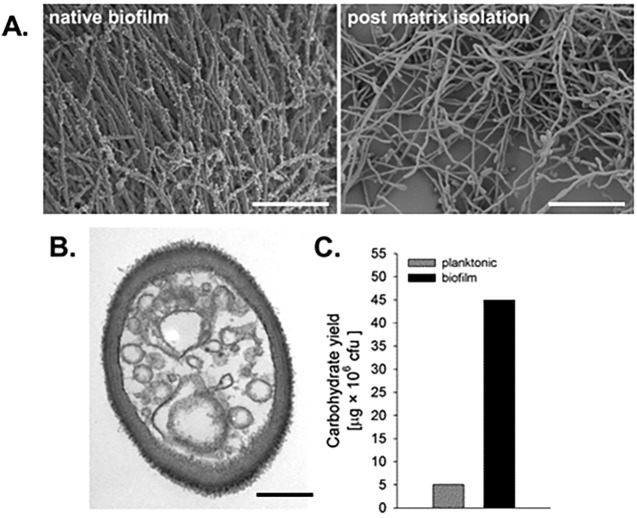
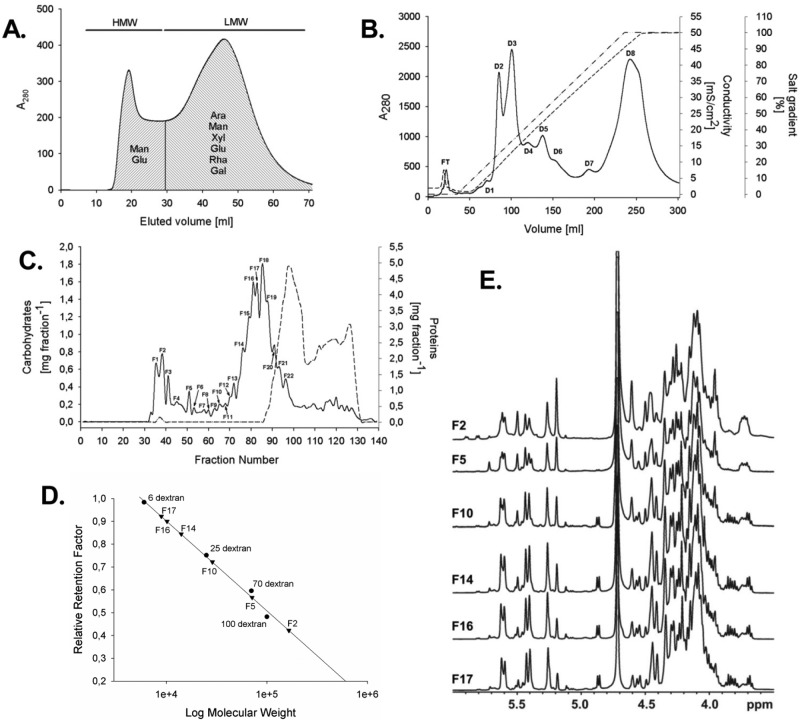
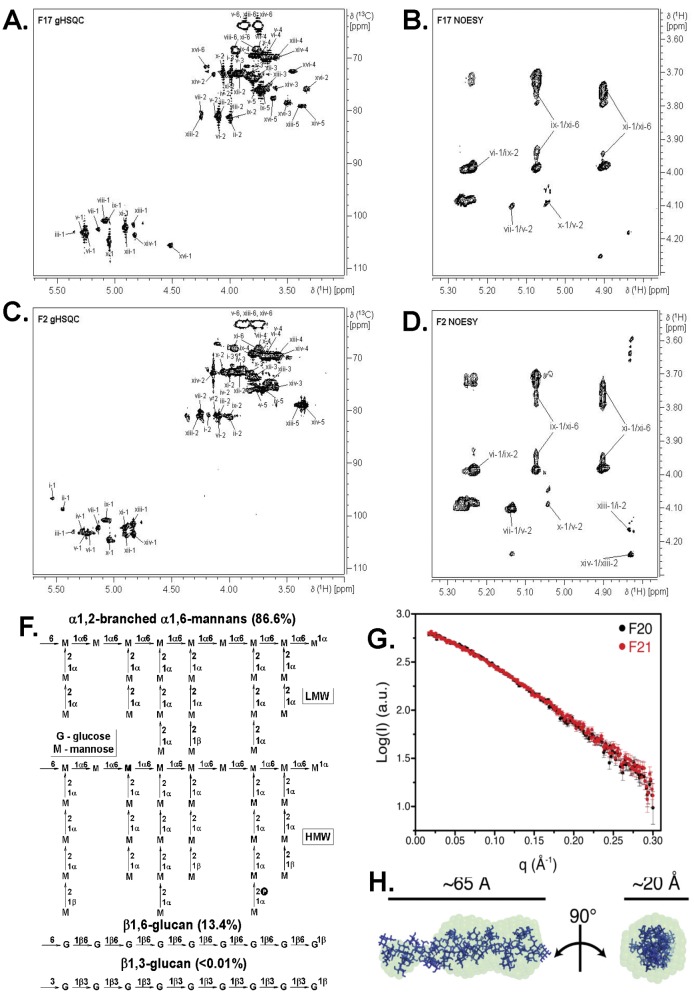
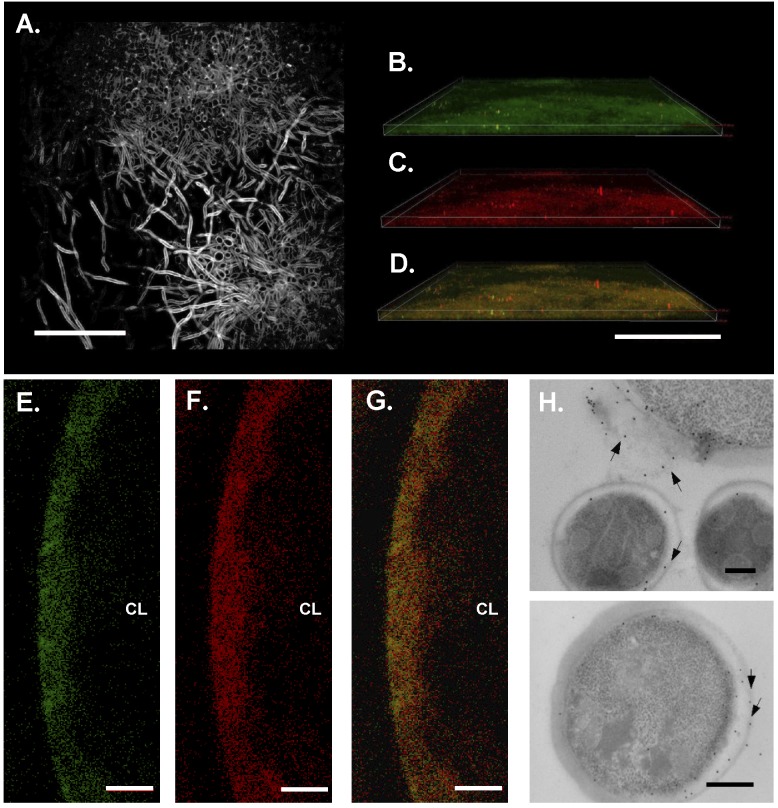
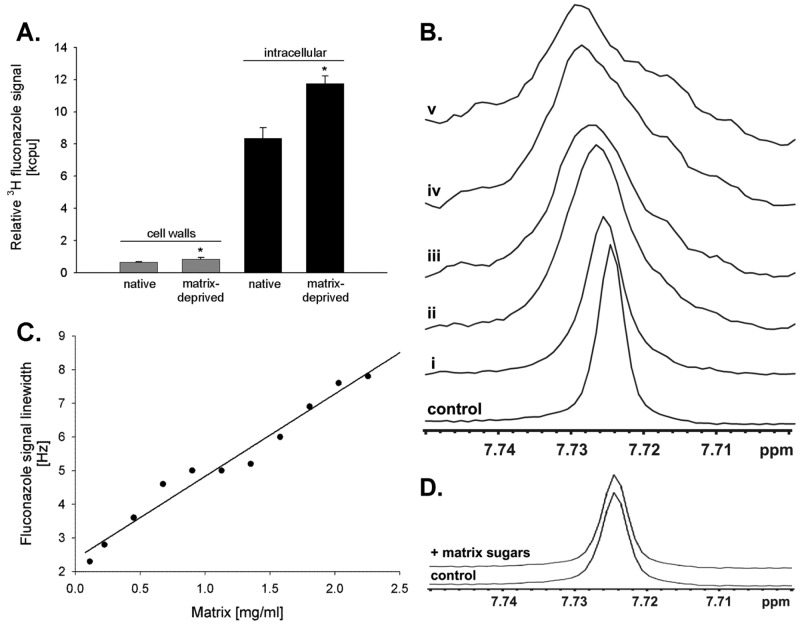
Virulence of Candida is linked with its ability to form biofilms. Once established, biofilm infections are nearly impossible to eradicate. Biofilm cells live immersed in a self-produced matrix, a blend of extracellular biopolymers, many of which are uncharacterized. In this study, we provide a comprehensive analysis of the matrix manufactured by Candida albicans both in vitro and in a clinical niche animal model. We further explore the function of matrix components, including the impact on drug resistance. We uncovered components from each of the macromolecular classes (55% protein, 25% carbohydrate, 15% lipid, and 5% nucleic acid) in the C. albicans biofilm matrix. Three individual polysaccharides were identified and were suggested to interact physically. Surprisingly, a previously identified polysaccharide of functional importance, β-1,3-glucan, comprised only a small portion of the total matrix carbohydrate. Newly described, more abundant polysaccharides included α-1,2 branched α-1,6-mannans (87%) associated with unbranched β-1,6-glucans (13%) in an apparent mannan-glucan complex (MGCx). Functional matrix proteomic analysis revealed 458 distinct activities. The matrix lipids consisted of neutral glycerolipids (89.1%), polar glycerolipids (10.4%), and sphingolipids (0.5%). Examination of matrix nucleic acid identified DNA, primarily noncoding sequences. Several of the in vitro matrix components, including proteins and each of the polysaccharides, were also present in the matrix of a clinically relevant in vivo biofilm. Nuclear magnetic resonance (NMR) analysis demonstrated interaction of aggregate matrix with the antifungal fluconazole, consistent with a role in drug impedance and contribution of multiple matrix components. IMPORTANCE This report is the first to decipher the complex and unique macromolecular composition of the Candida biofilm matrix, demonstrate the clinical relevance of matrix components, and show that multiple matrix components are needed for protection from antifungal drugs. The availability of these biochemical analyses provides a unique resource for further functional investigation of the biofilm matrix, a defining trait of this lifestyle.
Overview
The claims and statistics of this paper haven’t been checked yet.
Free: it reads the open-access text and checks the first 5 claims that cite a source we can check. Create a free account to check every claim.
Integrity signals
Registry
Cites
Statistics
Figures
Verification
Claims the paper makes
The claims and statistics of this paper haven’t been checked yet.
Free: it reads the open-access text and checks the first 5 claims that cite a source we can check. Create a free account to check every claim.
Claims other papers make about this one
Each is checked against this paper’s own text: does it say what the citing paper says it does?
The source backs part of the claim, not all of it — or backs it for a different population, condition or comparison.
In the citing paper
“Proteins are estimated to contribute greater than 50% of the biomass of C. albicans biofilms, and include enzymes in metabolic pathways for carbohydrates, amino acids, and energy metabolism.98”
From The dental plaque biofilm matrix (2021) · cites this paper as [98]
Experimental — accuracy not yet measuredThe source backs part of the claim, not all of it — or backs it for a different population, condition or comparison.
In the citing paper
“In the biofilm community, a unique extracellular mannan-glucan complex has been shown to prevent antifungal drugs from reaching intracellular drug targets (17–20).”
From Dual function of Candida auris mannosyltransferase, MNT5, in biofilm community protection from antifungal therapy and the host (2025) · cites this paper as [19]
Experimental — accuracy not yet measuredThe cited source says what the claim attributes to it.
In the citing paper
“The C. albicans biofilm matrix is predominantly composed of proteins and glycoproteins (55%), carbohydrates (25%), lipids (15%), and nucleic acids (5%).”
From Candida albicans Biofilms and Human Disease (2015) · cites this paper as [209]
The cited source says what the claim attributes to it.
In the citing paper
“Over 500 proteins were identified in the matrix.”
From Candida albicans Biofilms and Human Disease (2015) · cites this paper as [209]
The cited source says what the claim attributes to it.
In the citing paper
“Thus, although β-1,3-glucans contribute to drug resistance and are the major cell wall polysaccharide (130), we now know that they constitute only a small fraction of the total polysaccharides present, implying that the matrix is not constructed simply of released cell wall constituents.”
From Candida albicans Biofilms and Human Disease (2015) · cites this paper as [209]
4 more claims about this paper
Create a free account to see every claim other papers make about this one.
Self-check
Percentages, sums and reported differences re-computed from the paper’s own numbers.
The self-check needs the paper’s full text.
Citations
Cites
KEGG: Kyoto Encyclopedia of Genes and Genomes
Kanehisa, M. (2000) · Nucleic Acids Research · doi:10.1093/nar/28.1.27 · Cited by 37,077 · cited 1×
“Functional mapping of the matrix proteome was performed using the KEGG database (80, 81).”
MethodKEGG: Kyoto Encyclopedia of Genes and Genomes
Ogata, H., Goto, S., Sato, K., Fujibuchi, W., Bono, H., & Kanehisa, M. (1999) · Nucleic Acids Research · doi:10.1093/nar/27.1.29 · Cited by 31,232
Measurement of protein using bicinchoninic acid
Smith, P. K., Krohn, R. I., Hermanson, G. T., Mallia, A. K., Gartner, F. H., Provenzano, M. D., Fujimoto, E. K., Goeke, N. M., Olson, B. J., & Klenk, D. C. (1985) · Analytical Biochemistry · doi:10.1016/0003-2697(85)90442-7 · Cited by 18,482 · cited 1×
“The protein concentration of the crude matrix sample was assessed colorimetrically at 562 nm using the BCA protein assay kit (Pierce Biotechnology, Rockford, IL) (76).”
MethodBacterial Biofilms: A Common Cause of Persistent Infections
Costerton, J. W., Stewart, P. S., & Greenberg, E. P. (1999) · Science · doi:10.1126/science.284.5418.1318 · Cited by 12,167 · cited 2×
“The biofilm lifestyle represents a common form of microbial growth and persistence in nature (1, 29, 30).”
BackgroundFlemming, H.-C., & Wingender, J. (2010) · Nature Reviews Microbiology · doi:10.1038/nrmicro2415 · Cited by 10,137
Perkins, D. N., Pappin, D. J. C., Creasy, D. M., & Cottrell, J. S. (1999) · Electrophoresis · doi:10.1002/(sici)1522-2683(19991201)20:18<3551::aid-elps3551>3.0.co;2-2 · Cited by 8,203
Biofilms: Survival Mechanisms of Clinically Relevant Microorganisms
Donlan, R. M., & Costerton, J. W. (2002) · Clinical Microbiology Reviews · doi:10.1128/cmr.15.2.167-193.2002 · Cited by 6,644 · cited 2×
“Arguably, the most clinically relevant phenotype of biofilm growth in the medical setting is resistance to antimicrobial therapy and the immune system (2, 59, 60).”
BackgroundKEGG for integration and interpretation of large-scale molecular data sets
Kanehisa, M., Goto, S., Sato, Y., Furumichi, M., & Tanabe, M. (2012) · Nucleic Acids Research · doi:10.1093/nar/gkr988 · Cited by 4,848 · cited 1×
“Functional mapping of the matrix proteome was performed using the KEGG database (80, 81).”
MethodKeller, A., Nesvizhskii, A. I., Kolker, E., & Aebersold, R. (2002) · Analytical Chemistry · doi:10.1021/ac025747h · Cited by 4,830
Epidemiology of Invasive Candidiasis: a Persistent Public Health Problem
Pfaller, M. A., & Diekema, D. J. (2007) · Clinical Microbiology Reviews · doi:10.1128/cmr.00029-06 · Cited by 4,174 · cited 1×
“Candida albicans is the most common hospital-associated fungal pathogen and frequently produces biofilm infection of medical devices, resulting in the highest mortality among nosocomial pathogens (6, 7).”
Background
Cited by
Items 301–318 of 318
Silva, P. A., Souza, A. A., de Oliveira, G. M., Ramada, M. H. S., Hernández, N. V., Mora-Montes, H. M., Bueno, R. V., Martins-de-Sa, D., de Freitas, S. M., Felipe, M. S. S., et al. (2024) · Figshare · doi:10.6084/m9.figshare.25770488
Silva, P. A., Souza, A. A., de Oliveira, G. M., Ramada, M. H. S., Hernández, N. V., Mora-Montes, H. M., Bueno, R. V., Martins-de-Sa, D., de Freitas, S. M., Felipe, M. S. S., et al. (2024) · Figshare · doi:10.6084/m9.figshare.26717265
Silva, P. A., Souza, A. A., de Oliveira, G. M., Ramada, M. H. S., Hernández, N. V., Mora-Montes, H. M., Bueno, R. V., Martins-de-Sa, D., de Freitas, S. M., Felipe, M. S. S., et al. (2024) · Figshare · doi:10.6084/m9.figshare.26717262
Nanostructured Hydrogels: A Method to Prevent Biofilms on Implantable Medical Devices
Jayasinghe, H. G., Madduma‐Bandarage, U. S. K., & Madihally, S. V. (2026) · Gels · doi:10.3390/gels12020146
Analyse de l'écologie microbienne des conduites d'eau d'unités de soins dentaires
Costa, D. (2015) · theses.fr (ABES) · doi:10.70675/a2dc41b4zc93ez4fa9za3b0z92693dea83f5
L'interaction Hsp90/co-chaperonnes : nouvelle cible pour le traitement des candidoses invasives
Rouges, C. (2023) · theses.fr (ABES) · doi:10.70675/40b24a3fz159ez4d8ez8a34zdd8ffa1c22fa
Invasive plants of France and Indonesia : a solution against C. albicans biofilms?
Desrini, S. (2023) · theses.fr (ABES) · doi:10.70675/c34fe8a1zd810z4358z952czadabb21dea2e
Fonctions et biosynthèse des β-1,6-glucanes de la paroi cellulaire chez Candida albicans
Bekirian, C. (2024) · theses.fr (ABES) · doi:10.70675/b1028289z0c26z4acaz8f96z18e5c0c94464
Development and Differentiation of Yeast Colonies and Biofilms
Palková, Z., & Váchová, L. (2026) · The mycota · doi:10.1007/978-3-032-15548-1_6
Abriat, C., Huang, L., Sunder, S., Bauman, J. S., Landry, G. A., Mueller, H. R. L., VanEpps, J. S., Solomon, M. J., & Kumar, A. (2026) · Biofilm · doi:10.1016/j.bioflm.2026.100369
“The C. albicans biofilm ECM is composed of proteins, lipids, eDNA, and carbohydrates [19].”
Antifungal turbinmicin alters functional vesicle cargo
Żarnowski, R., Nett, J. E., Bugni, T. S., & Andes, D. R. (2026) · Antimicrobial Agents and Chemotherapy · doi:10.1128/aac.00558-26
Self-citationResistant Candida spp. in Healthy Individuals: Mapping a Surveillance Blind Spot
Alves, A. M. C. V., de Lima, L. F., Cruz, G. S., Leite, A. C. R. D. M., de Brito, É. H. S., Azevedo, N. F., & Rodrigues, C. F. (2026) · Microbiology Research · doi:10.3390/microbiolres17090184
Soni, A., Vrzoňová, R., Paulovičová, L., Bzducha‐Wróbel, A., & Farkaš, P. (2026) · International Journal of Biological Macromolecules · doi:10.1016/j.ijbiomac.2026.154672
Genomic Landscape Underlying Biofilm Formation Diversity in Nakaseomyces glabratus Clinical Isolates
Costa, I. V., Zolotareva, M., Cavalheiro, M., Mil‐Homens, D., Miranda, I. M., Sasamoto, K., Fialho, A. M., Rodrigues, A. G., Chibana, H., & Teixeira, M. C. (2026) · MicrobiologyOpen · doi:10.1002/mbo3.70444
DectiSomes as broad-spectrum antifungal drugs
Meagher, R. B., Lewis, Z., Ambati, S., & Lin, X. (2026) · Microbiology and Molecular Biology Reviews · doi:10.1128/mmbr.00027-26
Metadata
- Authors
- Zarnowski, R., Westler, W. M., Lacmbouh, G. A., Marita, J. M., Bothe, J. R., Bernhardt, J., Lounes-Hadj Sahraoui, A., Fontaine, J., Sanchez, H., Hatfield, R. D., Ntambi, J. M., Nett, J. E., Mitchell, A. P., & Andes, D. R.
- Affiliations
- Department of Medicine, Infectious Diseases, University of Wisconsin, Madison, Wisconsin, USA
- University of Wisconsin–Madison (US)
- U.S. Dairy Forage Research Center (US)
- Universität Greifswald (DE)
- Université du Littoral Côte d’Opale, Unité de Chimie Environnementale at Interactions sur le Vivant, Calais, France
- Université du littoral côte d'opale (FR)
- Carnegie Mellon University (US)
- Corresponding author
- Andes, David R.
- ORCID
- Venue
- mBio
- Publisher
- American Society for Microbiology
- Published
- 2014-08-29
- Volume
- 5
- Issue
- 4
- Pages
- e01333-14
- ISSN
- 2150-7511 (ISSN-L)
- 2161-2129
- PMC
- PMC4128356
- OpenAlex
- W2149297795
- Cited by
- 315
- References
- 98
- Citations by year
- 2026: 18 · 2025: 24 · 2024: 23 · 2023: 23 · 2022: 31 · 2021: 27 · 2020: 34 · 2019: 30 · 2018: 26 · 2017: 27 · 2016: 29 · 2015: 19 · 2014: 4
- FWCI
- 18.51
- Type
- journal article
- Language
- en
- Open access
- gold
- doi.org
- Licence
- cc-by-nc-sa
- creativecommons.org/licenses/by-nc-sa/3.0/ (vor)
- journals.asm.org/non-commercial-tdm-license (tdm)
- Locations
- mBio (publishedVersion, cc-by-nc-sa)
- PubMed Central (publishedVersion, cc-by-nc-sa)
- PubMed (publishedVersion)
- OSTI OAI (U.S. Department of Energy Office of Scientific and Technical Information) (submittedVersion)
- HAL (submittedVersion, cc-by-nc-sa)
- DOAJ (DOAJ: Directory of Open Access Journals) (submittedVersion, cc-by-sa)
- Figshare (submittedVersion, cc-by-nc-sa)
- KiltHub Repository
- Funders
- National Science Foundation (8415048, OIA‐9977486, 9214394)
- U.S. Department of Energy
- U.S. Department of Agriculture
- University of Georgia
- National Institutes of Health (5f32gm010399-02, NIH-R01, 2p41rr005351-21)
- National Heart, Lung, and Blood Institute (T32HL007899)
- National Institute of General Medical Sciences (P41GM10399)
- National Institute of Allergy and Infectious Diseases (R01AI067703, R01AI073289)
- National Center for Research Resources (RR-02781, S10RR002781, P41RR002301, S10RR008438, S10RR027000, P41-RR02301, RR-08438, P41-RR005351)
- Topics
- Health Sciences › Medicine › Infectious Diseases › Antifungal resistance and susceptibility
- Life Sciences › Biochemistry, Genetics and Molecular Biology › Molecular Biology › Bacterial biofilms and quorum sensing
- Life Sciences › Biochemistry, Genetics and Molecular Biology › Molecular Biology › Fungal and yeast genetics research
- Keywords
- Candida albicans, fungal biofilms, biofilm matrix composition, β-1,6-glucan, β-1,3-glucan, glycerolipids, antifungal resistance, fluconazole, virulence
- MeSH terms
- Antifungal Agents, Candida albicans, Fungal Proteins, Gene Expression Regulation, Fungal, Biofilms, Proteomics
About these checks
Registry, retraction, Cites and statistics results are computed, not judged, with one exception: a printed reference that no index lists is read once by a model before it counts as a citation error. Claims are extracted by a model and kept only when their quote appears verbatim in the text; each cited source is then checked, with a model’s help, for whether it says what the claim relies on. Those verdicts can be wrong — read the claim’s quote and the cited source before relying on one.
Statistics and arithmetic are recomputed, not judged.
Confidence bands are shown only for fields calibrated on our annotated test set. None is calibrated yet, so no band is shown.
What counts as a claim ›How we measure confidence ›How we check this ›
Are you an author, or do you see a problem with this page? Request a review
Data sources
Bibliographic data: Semantic Scholar, OpenAlex, Crossref.
Contains information from the Semantic Scholar Academic Graph Datasets, made available under the ODC Attribution License (ODC-BY 1.0).
Semantic Scholar’s data is described in: Kinney, R., et al. (2023). The Semantic Scholar Open Data Platform. arXiv:2301.10140.
