

Novel Entries in a Fungal Biofilm Matrix Encyclopedia
Open accessThe DOI matches its Crossref record; 95 of the 98 references it cites were found in a registry or an index.
Abstract
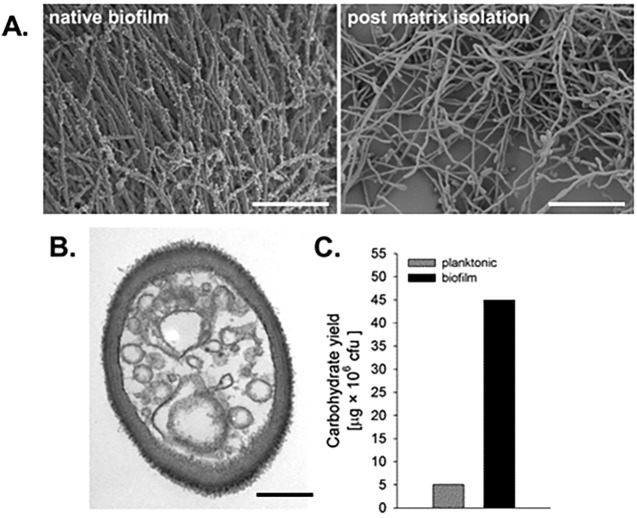
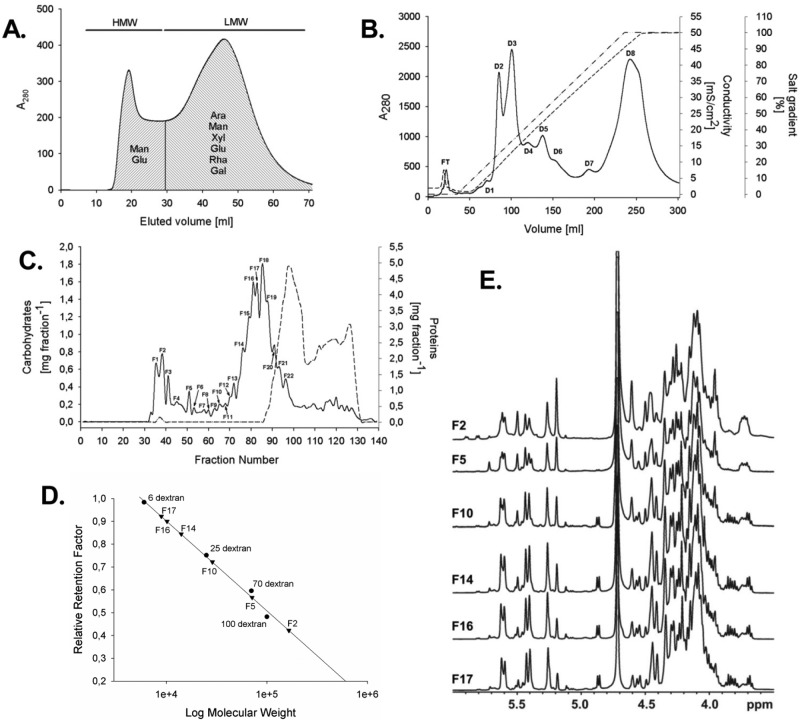
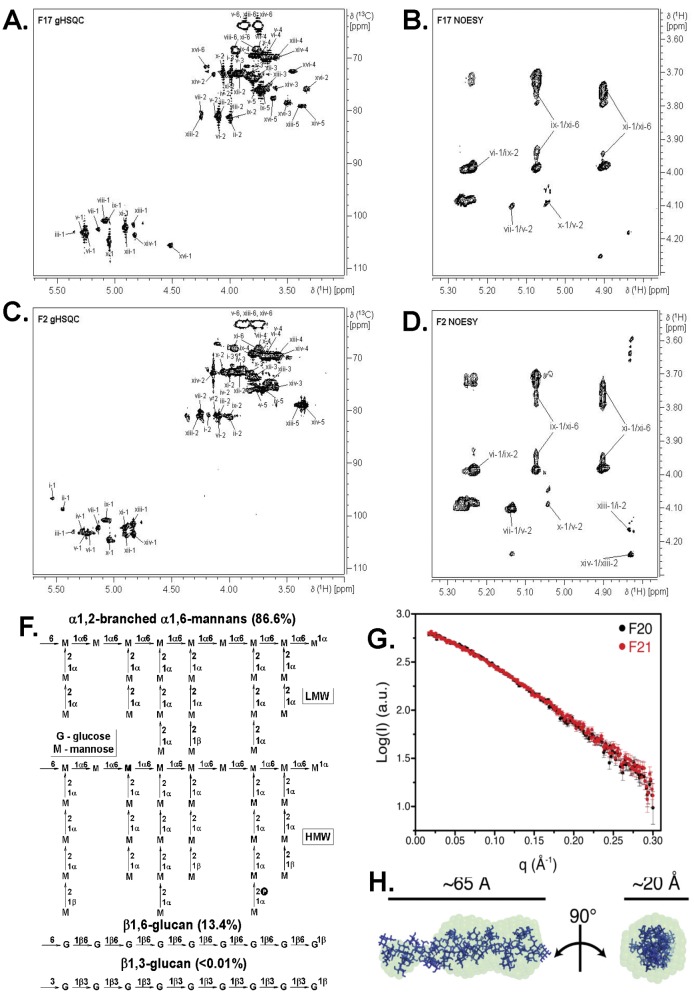
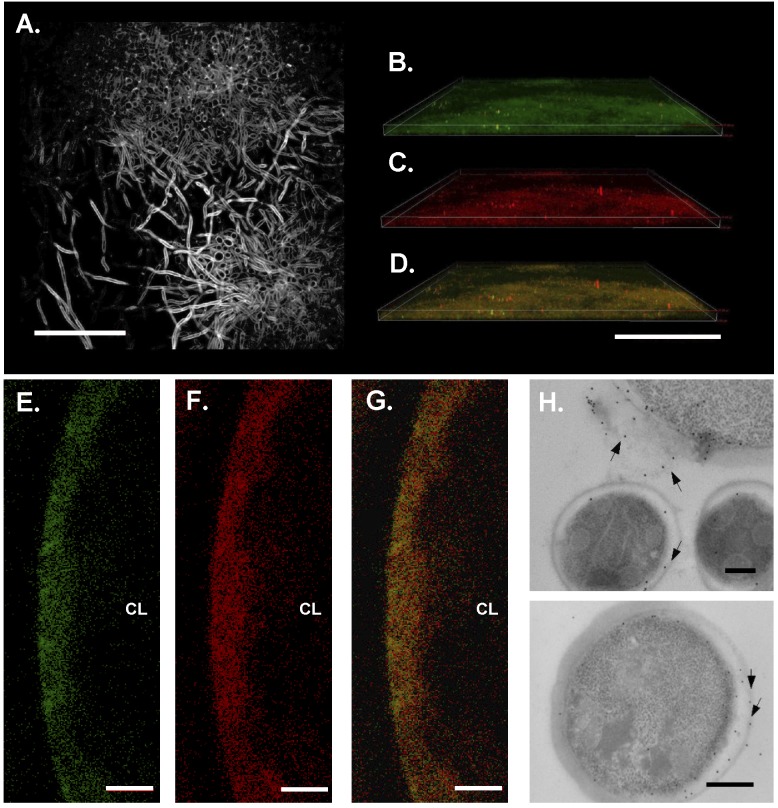
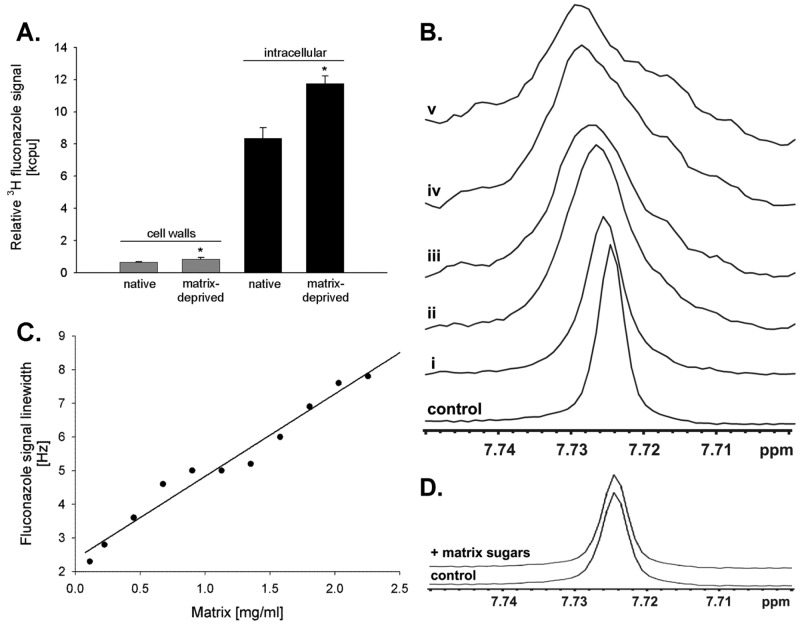
Virulence of Candida is linked with its ability to form biofilms. Once established, biofilm infections are nearly impossible to eradicate. Biofilm cells live immersed in a self-produced matrix, a blend of extracellular biopolymers, many of which are uncharacterized. In this study, we provide a comprehensive analysis of the matrix manufactured by Candida albicans both in vitro and in a clinical niche animal model. We further explore the function of matrix components, including the impact on drug resistance. We uncovered components from each of the macromolecular classes (55% protein, 25% carbohydrate, 15% lipid, and 5% nucleic acid) in the C. albicans biofilm matrix. Three individual polysaccharides were identified and were suggested to interact physically. Surprisingly, a previously identified polysaccharide of functional importance, β-1,3-glucan, comprised only a small portion of the total matrix carbohydrate. Newly described, more abundant polysaccharides included α-1,2 branched α-1,6-mannans (87%) associated with unbranched β-1,6-glucans (13%) in an apparent mannan-glucan complex (MGCx). Functional matrix proteomic analysis revealed 458 distinct activities. The matrix lipids consisted of neutral glycerolipids (89.1%), polar glycerolipids (10.4%), and sphingolipids (0.5%). Examination of matrix nucleic acid identified DNA, primarily noncoding sequences. Several of the in vitro matrix components, including proteins and each of the polysaccharides, were also present in the matrix of a clinically relevant in vivo biofilm. Nuclear magnetic resonance (NMR) analysis demonstrated interaction of aggregate matrix with the antifungal fluconazole, consistent with a role in drug impedance and contribution of multiple matrix components. IMPORTANCE This report is the first to decipher the complex and unique macromolecular composition of the Candida biofilm matrix, demonstrate the clinical relevance of matrix components, and show that multiple matrix components are needed for protection from antifungal drugs. The availability of these biochemical analyses provides a unique resource for further functional investigation of the biofilm matrix, a defining trait of this lifestyle.
Overview
The claims and statistics of this paper haven’t been checked yet.
Free: it reads the open-access text and checks the first 5 claims that cite a source we can check. Create a free account to check every claim.
Integrity signals
Registry
Cites
Statistics
Figures
Verification
Claims the paper makes
The claims and statistics of this paper haven’t been checked yet.
Free: it reads the open-access text and checks the first 5 claims that cite a source we can check. Create a free account to check every claim.
Claims other papers make about this one
Each is checked against this paper’s own text: does it say what the citing paper says it does?
The source backs part of the claim, not all of it — or backs it for a different population, condition or comparison.
In the citing paper
“Proteins are estimated to contribute greater than 50% of the biomass of C. albicans biofilms, and include enzymes in metabolic pathways for carbohydrates, amino acids, and energy metabolism.98”
From The dental plaque biofilm matrix (2021) · cites this paper as [98]
Experimental — accuracy not yet measuredThe source backs part of the claim, not all of it — or backs it for a different population, condition or comparison.
In the citing paper
“In the biofilm community, a unique extracellular mannan-glucan complex has been shown to prevent antifungal drugs from reaching intracellular drug targets (17–20).”
From Dual function of Candida auris mannosyltransferase, MNT5, in biofilm community protection from antifungal therapy and the host (2025) · cites this paper as [19]
Experimental — accuracy not yet measuredThe cited source says what the claim attributes to it.
In the citing paper
“The C. albicans biofilm matrix is predominantly composed of proteins and glycoproteins (55%), carbohydrates (25%), lipids (15%), and nucleic acids (5%).”
From Candida albicans Biofilms and Human Disease (2015) · cites this paper as [209]
The cited source says what the claim attributes to it.
In the citing paper
“Over 500 proteins were identified in the matrix.”
From Candida albicans Biofilms and Human Disease (2015) · cites this paper as [209]
The cited source says what the claim attributes to it.
In the citing paper
“Thus, although β-1,3-glucans contribute to drug resistance and are the major cell wall polysaccharide (130), we now know that they constitute only a small fraction of the total polysaccharides present, implying that the matrix is not constructed simply of released cell wall constituents.”
From Candida albicans Biofilms and Human Disease (2015) · cites this paper as [209]
4 more claims about this paper
Create a free account to see every claim other papers make about this one.
Self-check
Percentages, sums and reported differences re-computed from the paper’s own numbers.
The self-check needs the paper’s full text.
Citations
Cites
KEGG: Kyoto Encyclopedia of Genes and Genomes
Kanehisa, M. (2000) · Nucleic Acids Research · doi:10.1093/nar/28.1.27 · Cited by 37,077 · cited 1×
“Functional mapping of the matrix proteome was performed using the KEGG database (80, 81).”
MethodKEGG: Kyoto Encyclopedia of Genes and Genomes
Ogata, H., Goto, S., Sato, K., Fujibuchi, W., Bono, H., & Kanehisa, M. (1999) · Nucleic Acids Research · doi:10.1093/nar/27.1.29 · Cited by 31,232
Measurement of protein using bicinchoninic acid
Smith, P. K., Krohn, R. I., Hermanson, G. T., Mallia, A. K., Gartner, F. H., Provenzano, M. D., Fujimoto, E. K., Goeke, N. M., Olson, B. J., & Klenk, D. C. (1985) · Analytical Biochemistry · doi:10.1016/0003-2697(85)90442-7 · Cited by 18,482 · cited 1×
“The protein concentration of the crude matrix sample was assessed colorimetrically at 562 nm using the BCA protein assay kit (Pierce Biotechnology, Rockford, IL) (76).”
MethodBacterial Biofilms: A Common Cause of Persistent Infections
Costerton, J. W., Stewart, P. S., & Greenberg, E. P. (1999) · Science · doi:10.1126/science.284.5418.1318 · Cited by 12,167 · cited 2×
“The biofilm lifestyle represents a common form of microbial growth and persistence in nature (1, 29, 30).”
BackgroundFlemming, H.-C., & Wingender, J. (2010) · Nature Reviews Microbiology · doi:10.1038/nrmicro2415 · Cited by 10,137
Perkins, D. N., Pappin, D. J. C., Creasy, D. M., & Cottrell, J. S. (1999) · Electrophoresis · doi:10.1002/(sici)1522-2683(19991201)20:18<3551::aid-elps3551>3.0.co;2-2 · Cited by 8,203
Biofilms: Survival Mechanisms of Clinically Relevant Microorganisms
Donlan, R. M., & Costerton, J. W. (2002) · Clinical Microbiology Reviews · doi:10.1128/cmr.15.2.167-193.2002 · Cited by 6,644 · cited 2×
“Arguably, the most clinically relevant phenotype of biofilm growth in the medical setting is resistance to antimicrobial therapy and the immune system (2, 59, 60).”
BackgroundKEGG for integration and interpretation of large-scale molecular data sets
Kanehisa, M., Goto, S., Sato, Y., Furumichi, M., & Tanabe, M. (2012) · Nucleic Acids Research · doi:10.1093/nar/gkr988 · Cited by 4,848 · cited 1×
“Functional mapping of the matrix proteome was performed using the KEGG database (80, 81).”
MethodKeller, A., Nesvizhskii, A. I., Kolker, E., & Aebersold, R. (2002) · Analytical Chemistry · doi:10.1021/ac025747h · Cited by 4,830
Epidemiology of Invasive Candidiasis: a Persistent Public Health Problem
Pfaller, M. A., & Diekema, D. J. (2007) · Clinical Microbiology Reviews · doi:10.1128/cmr.00029-06 · Cited by 4,174 · cited 1×
“Candida albicans is the most common hospital-associated fungal pathogen and frequently produces biofilm infection of medical devices, resulting in the highest mortality among nosocomial pathogens (6, 7).”
Background
Cited by
Items 101–200 of 318
The catheterized bladder environment promotes Efg1- and Als1-dependent Candida albicans infection
Bella, A. A. L., Andersen, M. J., Gervais, N. C., Molina, J. J., Molesan, A., Stuckey, P. V., Wensing, L. F., Nobile, C. J., Shapiro, R. S., Santiago-Tirado, F. H., et al. (2023) · Science Advances · doi:10.1126/sciadv.ade7689 · Cited by 42
Manfiolli, A. O., dos Reis, T. F., de Assis, L. J., de Castro, P. A., Silva, L. P., Hori, J. I., Walker, L. A., Munro, C. A., Rajendran, R., Ramage, G., et al. (2018) · The Cell Surface · doi:10.1016/j.tcsw.2018.03.002 · Cited by 39
“The ECM of fungal biofilms is composed of different classes of macromolecules, such as proteins, carbohydrates, lipids and nucleic acids (Cegelski, 2015; Martins et al., 2010; Reichhardt et al., 2015; Zarnowski et al., 2014).”
BackgroundHurdle technology using encapsulated enzymes and essential oils to fight bacterial biofilms
Mechmechani, S., Khelissa, S., Gharsallaoui, A., Omari, K. E., Hamzé, M., & Chihib, N. (2022) · Applied Microbiology and Biotechnology · doi:10.1007/s00253-022-11875-5 · Cited by 39
“Several advanced reviews have detailed the functional role and composition of EPS in various matrices formed by these organisms as biofilms of a single species (Zarnowski et al. 2014; Peterson et al. 2015; Hobley et al. 2015; Flemming et al. 2016; Dragoš and Kovács 2017; Bowen et al. 2018).”
BackgroundVerma-Gaur, J., Qu, Y., Harrison, P. F., Lo, T. L., Quenault, T., Dagley, M. J., Bellousoff, M., Powell, D. R., Beilharz, T. H., & Traven, A. (2015) · PLOS Genetics · doi:10.1371/journal.pgen.1005590 · Cited by 33
“albicans biofilm matrix relate functionally to cell wall integrity, reflecting the fact that cell wall carbohydrates β-glucans and mannans are important components of the matrix material [49].”
BackgroundSantos, R., Costa, C., Mil-Homens, D., Romão, D., de Carvalho, C. C. C. R., Pais, P., Mira, N. P., Fialho, A. M., & Teixeira, M. C. (2017) · Cellular Microbiology · doi:10.1111/cmi.12686 · Cited by 33
“…cells was further assessed, given its importance in biofilm formation, either as part of the cell membrane composition (Bonhomme & D'Enfert, 2013; Shah et al., 2014) or, as recently demonstrated, as part of the extracellular matrix of the biofilm of Candida albicans (Zarnowski et al., 2014).”
BackgroundDNase increases the efficacy of antimicrobial photodynamic therapy on Candida albicans biofilms
Panariello, B. H. D., Klein, M. I., Alves, F., & Pavarina, A. C. (2019) · Photodiagnosis and Photodynamic Therapy · doi:10.1016/j.pdpdt.2019.05.038 · Cited by 35
Butassi, E., Svetaz, L. A., Carpinella, M. C., Efferth, T., & Zacchino, S. A. (2021) · Antibiotics · doi:10.3390/antibiotics10091053 · Cited by 43
“The most abundant polysaccharides included α-1,2 branched α-1,6-mannans (87%) associated with unbranched β-1,6-glucans (13%) in an apparent mannan-glucan complex, while β-1,3 glucan comprised only a small portion of the total EPM carbohydrates [46].”
BackgroundInfluentialRodrigues, C. F., Gonçalves, B., Rodrigues, M. E., Silva, S. M., Azeredo, J., & Henriques, M. (2017) · Mycopathologia · doi:10.1007/s11046-017-0135-7 · Cited by 36
Virulence Factors in Candida albicans and Streptococcus mutans Biofilms Mediated by Farnesol
Fernandes, R. A., Monteiro, D. R., Arias, L. S., Fernandes, G. L., Delbem, A. C. B., & Barbosa, D. B. (2018) · Indian Journal of Microbiology · doi:10.1007/s12088-018-0714-4 · Cited by 37
Large-scale production and isolation of Candida biofilm extracellular matrix
Żarnowski, R., Sánchez, H., & Andes, D. R. (2016) · Nature Protocols · doi:10.1038/nprot.2016.132 · Cited by 34
Self-citationRamos, L. S., de Mello, T. P., Branquinha, M. H., & dos Santos, A. L. S. (2020) · Journal of Fungi · doi:10.3390/jof6020046 · Cited by 35
“[47] described proteins and carbohydrates as the major components of C.”
BackgroundInteractions of microorganisms with host mucins: a focus on Candida albicans
Arevalo, A. V., & Nobile, C. J. (2020) · FEMS Microbiology Reviews · doi:10.1093/femsre/fuaa027 · Cited by 40
“As the biofilm matures, extensive filamentation takes place along with the production of the extracellular matrix, which is comprised of proteins, polysaccharides, nucleic acids and lipids (Baillie and Douglas 1999; Zarnowski et al. 2014; Pierce et al. 2017).”
BackgroundJackson, D. N., Yang, L., Wu, S., Kennelly, E. J., & Lipke, P. N. (2015) · Antimicrobial Agents and Chemotherapy · doi:10.1128/aac.00820-15 · Cited by 34
New advances on the Brettanomyces bruxellensis biofilm mode of life
Lebleux, M., Abdo, H., Coelho, C., Basmaciyan, L., Albertin, W., Maupeu, J., Laurent, J., Roullier‐Gall, C., Alexandre, H., Guilloux-Bénatier, M., et al. (2019) · International Journal of Food Microbiology · doi:10.1016/j.ijfoodmicro.2019.108464 · Cited by 39
Zhou, W., Zhou, X., Huang, X., Zhu, C., Weir, M. D., Melo, M. A. S., Bonavente, A., Lynch, C. D., Imazato, S., Oates, T. W., et al. (2020) · Journal of Dentistry · doi:10.1016/j.jdent.2020.103344 · Cited by 37
Plant-associated fungal biofilms—knowns and unknowns
Motaung, T. E., Peremore, C., Wingfield, B. D., & Steenkamp, E. T. (2020) · FEMS Microbiology Ecology · doi:10.1093/femsec/fiaa224 · Cited by 35
Combinatorial drug approaches to tackleCandida albicansbiofilms
Cremer, K. D., Staes, I., Delattin, N., Cammue, B. P. A., Thevissen, K., & Brucker, K. D. (2015) · Expert Review of Anti-infective Therapy · doi:10.1586/14787210.2015.1056162 · Cited by 35
“albicans biofilms grown in vivo and in vivo, a significant difference in ECM protein composition could be observed with the majority of proteins being of host origin, while the ECM carbohydrate composition appeared more similar in both conditions [23].”
BackgroundGeraniol eradicates Candida glabrata biofilm by targeting multiple cellular pathways
Gupta, P., Gupta, H., & Poluri, K. M. (2021) · Applied Microbiology and Biotechnology · doi:10.1007/s00253-021-11397-6 · Cited by 40
Dunn, M. J., Fillinger, R. J., Anderson, L. M., & Anderson, M. Z. (2020) · npj Biofilms and Microbiomes · doi:10.1038/s41522-020-00149-5 · Cited by 37
Li, R., Zhu, L., Liu, D., Wang, W., Zhang, C., Jiao, S., Wei, J., Ren, L., Zhang, Y., Gou, X., et al. (2022) · Carbohydrate Polymers · doi:10.1016/j.carbpol.2022.119253 · Cited by 33
Rodrigues, C., & Henriques, M. (2018) · Genes · doi:10.3390/genes9040205 · Cited by 29
Pentland, D. R., Davis, J., Mühlschlegel, F. A., & Gourlay, C. W. (2021) · npj Biofilms and Microbiomes · doi:10.1038/s41522-021-00238-z · Cited by 28
Raman Metabolomics of Candida auris Clades: Profiling and Barcode Identification
Pezzotti, G., Kobara, M., Nakaya, T., Imamura, H., Fujii, T., Miyamoto, N., Adachi, T., Yamamoto, T., Kanamura, N., Ohgitani, E., et al. (2022) · International Journal of Molecular Sciences · doi:10.3390/ijms231911736 · Cited by 31
“As described above, the ECM indeed consists of poly- and monosaccharides made of chained glucose rings incorporating and linked by C–O–C bonds [35,36].”
BackgroundBiofilms and oral health: nanotechnology for biofilm control
Govindarajan, D. K., Mohanarangam, M., Kadirvelu, L., Sivaramalingam, S. S., Jothivel, D., Ravichandran, A., Periasamy, S., & Kandaswamy, K. (2025) · Discover Nano · doi:10.1186/s11671-025-04299-3 · Cited by 30
“The ECM serves to protect the biofilm from physical disruption and enhances resistance to xenobiotics [389].”
Biofilm characteristics and transcriptomic analysis of Haemophilus parasuis
Jiang, R., Xiang, M., Chen, W., Zhang, P., Wu, X., Zhu, G., Tu, T., Jiang, D., Yao, X., Luo, Y., et al. (2021) · Veterinary Microbiology · doi:10.1016/j.vetmic.2021.109073 · Cited by 32
Shao, J., Cui, Y., Zhang, M.-X., Wang, T., Wu, D., & Wang, C. (2016) · Pharmaceutical Biology · doi:10.1080/13880209.2016.1237977 · Cited by 29
“Furthermore, b-1,3-glucan can be secreted into the supernatant that constituted the complex three-dimensional structure of C. albicans biofilm, also responsible for conferring fluconazole resistance to biofilm phenotype (Nett et al. 2007; Zarnowski et al. 2014).”
BackgroundLi, Q., Liu, J., Shao, J., Da, W., Shi, G., Wang, T., Wu, D., & Wang, C. (2019) · Frontiers in Microbiology · doi:10.3389/fmicb.2019.01600 · Cited by 28
Antifungal Activity of Mexican Propolis on Clinical Isolates of Candida Species
Rivera-Yañez, C. R., Ruiz-Hurtado, P. A., Reyes‐Reali, J., Mendoza‐Ramos, M. I., Vargas-Díaz, M. E., Hernández-Sánchez, K. M., Pozo‐Molina, G., Méndez-Catalá, C. F., García-Romo, G. S., Pedroza‐González, A., et al. (2022) · Molecules · doi:10.3390/molecules27175651 · Cited by 28
“albicans biofilms are formed of protein, lipids, extracellular DNA, and carbohydrates (which contribute to 25% of the matrix, where the mannan–glucan complex is the most abundant) [107].”
BackgroundHrubanová, K., Nebesářová, J., Růžička, F., & Krzyžánek, V. (2018) · Micron · doi:10.1016/j.micron.2018.04.006 · Cited by 25
Proteome analysis of biofilm produced by a Fusarium falciforme keratitis infectious agent
Calvillo‐Medina, R. P., Reyes‐Grajeda, J. P., Barba‐Escoto, L., Bautista-Hernández, L. A., Campos‐Guillén, J., Jones, G. H., & Lucio, V. M. B. (2019) · Microbial Pathogenesis · doi:10.1016/j.micpath.2019.03.001 · Cited by 25
DectiSomes: C-type lectin receptor-targeted liposomes as pan-antifungal drugs
Meagher, R. B., Lewis, Z., Ambati, S., & Lin, X. (2023) · Advanced Drug Delivery Reviews · doi:10.1016/j.addr.2023.114776 · Cited by 27
Rodrigues, C. F., & Henriques, M. (2017) · Therapeutic Advances in Infectious Disease · doi:10.1177/2049936116684477 · Cited by 36
Epigenetic determinants of phenotypic plasticity in Candida albicans
Rai, L. S., Singha, R., Brahma, P., & Sanyal, K. (2017) · Fungal Biology Reviews · doi:10.1016/j.fbr.2017.07.002 · Cited by 26
Lopez-Ribot, J. L. (2014) · mBio · doi:10.1128/mbio.01781-14 · Cited by 28
“(11) constitutes a genuine tour de force for the comprehensive biochemical analysis of the biopolymers present in the matrix, facilitated by the use of stateof-the-art instrumentation and powerful glycomic, proteomic, and lipidomic techniques.”
BackgroundMethodInfluentialLobo, C. I. V., Lopes, A. C. U. D. A., & Klein, M. I. (2021) · Journal of Fungi · doi:10.3390/jof7050340 · Cited by 26
Trigo-Gutierrez, J. K., Calori, I. R., Bárbara, G. D. O., Pavarina, A. C., Gonçalves, R. S., Caetano, W., Tedesco, A. C., & Mima, E. G. D. O. (2023) · Frontiers in Microbiology · doi:10.3389/fmicb.2023.1132781 · Cited by 27
Rąpała‐Kozik, M., Surowiec, M., Juszczak, M., Wronowska, E., Kulig, K., Bednarek, A., Gonzalez‐Gonzalez, M., Karkowska‐Kuleta, J., Zawrotniak, M., Satała, D., et al. (2023) · Yeast · doi:10.1002/yea.3855 · Cited by 32
“The matrix components of the biofilm formed by C. albicans were well characterized and comprise approximately 55% protein, 25% carbohydrates (mainly mannans and glucans), 15% lipids, and 5% nucleic acids (Zarnowski et al., 2014).”
Bars, P. L., Kouadio, A. A., Amouriq, Y., Bodic, F., Bléry, P., & Bandiaky, O. N. (2023) · Polymers · doi:10.3390/polym16010040 · Cited by 32
“Quantitatively, this biofilm is defined as a community of more than 10 11 microorganisms per gram of dry weight [84,85], attached to the extrados and intrados of the surface of the prosthesis and sur-rounded by an extracellular matrix (ECM) produced by the bacteria and Candida themselves [86,87].”
BackgroundReichhardt, C., Joubert, L., Clemons, K. V., Stevens, D. A., & Cegelski, L. (2019) · Medical Mycology · doi:10.1093/mmy/myy140 · Cited by 24
Da, W., Shao, J., Li, Q., Shi, G., Wang, T., Wu, D., & Wang, C. (2019) · Frontiers in Microbiology · doi:10.3389/fmicb.2019.00034 · Cited by 23
“5%) was detected in Candida matrix (Zarnowski et al., 2014).”
MethodCandida glabrata's recurrent infections: biofilm formation during Amphotericin B treatment
Rodrigues, C. F., Silva, S., Azeredo, J., & Henriques, M. (2016) · Letters in Applied Microbiology · doi:10.1111/lam.12600 · Cited by 21
“…of b-1,3 glucans (Table 2). b-1,3 glucans are polymers found in the cell wall of Candida and in the biofilm matrix and are related to the antifungal resistance, making it difficult for the drugs to diffuse through the biofilm matrices (Lewis et al. 2012; Taff et al. 2012; Zarnowski et al. 2014).”
BackgroundCharacterization of a biofilm formed by Fusarium oxysporum on the human nails
Veiga, F. F., de Castro‐Hoshino, L. V., Sato, F., Baesso, M. L., Silva, S. M., Negri, M., & Svidzinski, T. I. E. (2021) · International Journal of Dermatology · doi:10.1111/ijd.15747 · Cited by 23
Peng, Z., & Tang, J. (2022) · Frontiers in Microbiology · doi:10.3389/fmicb.2021.783010 · Cited by 27
Candida biofilm matrix as a resistance mechanism against photodynamic therapy
Garcia, B. A., Panariello, B. H. D., de Freitas-Pontes, K. M., & Duarte, S. (2021) · Photodiagnosis and Photodynamic Therapy · doi:10.1016/j.pdpdt.2021.102525 · Cited by 20
Palková, Z., & Váchová, L. (2021) · Computational and Structural Biotechnology Journal · doi:10.1016/j.csbj.2021.10.012 · Cited by 22
“Enzymes associated with carbohydrate (particularly TCA cycle, pyruvate metabolism and glycolysis/gluconeogenesis), amino acid and energy metabolism have been identified [15,51].”
BackgroundLi, L., Huang, X., & Chen, H. (2024) · Gut Microbes · doi:10.1080/19490976.2024.2328868 · Cited by 23
“70 Quorum sensing factor farnesol, initially identified in high-density cultures, serves as a crucial inhibitor of hyphal formation and participates in the dispersal of biofilm cells of C. albicans .”
BackgroundLearning the ABC of oral fungal drug resistance
Cannon, R. D., & Holmes, A. R. (2015) · Molecular Oral Microbiology · doi:10.1111/omi.12109 · Cited by 24
Alves, R. M. A., Mota, S. M. D. S., Silva, S. M., Rodrigues, C. F., Brown, A. J. P., Henriques, M., Casal, M., & Paiva, S. (2017) · Biofouling · doi:10.1080/08927014.2017.1392514 · Cited by 24
“The matrix of Candida has a prominent role in the antifungal drug resistance associated with biofilms (Branda et al. 2005; Zarnowski et al. 2014).”
BackgroundPolyelectrolyte-mediated increase of biofilm mass formation
Bucki, R., Niemirowicz, K., Wnorowska, U., Wątek, M., Byfield, F. J., Cruz, K., Wróblewska, M., & Janmey, P. A. (2015) · BMC Microbiology · doi:10.1186/s12866-015-0457-x · Cited by 19
“Therefore, once established, biofilm infections are nearly impossible to eradicate [7].”
BackgroundEshima, S., Kurakado, S., Matsumoto, Y., Kudo, T., & Sugita, T. (2022) · Microorganisms · doi:10.3390/microorganisms10112179 · Cited by 20
“albicans consists of β-D-glucan, proteins, nucleic acids, and lipids [32].”
BackgroundMicro- to nano-scale chemical and mechanical mapping of antimicrobial-resistant fungal biofilms
Pham, D. Q., Bryant, S. J., Cheeseman, S., Huang, L. Z. Y., Bryant, G., Dupont, M. F., Chapman, J., Berndt, C. C., Vongsvivut, J. P., Crawford, R. J., et al. (2020) · Nanoscale · doi:10.1039/d0nr05617k · Cited by 19
DNase enhances photodynamic therapy against fluconazole‐resistant Candida albicans biofilms
Abreu‐Pereira, C. A., Klein, M. I., Lobo, C. I. V., Pereira, A. L. G., Jordão, C. C., & Pavarina, A. C. (2022) · Oral Diseases · doi:10.1111/odi.14149 · Cited by 18
Kumar, A., Saha, S. K., Banerjee, P., Prasad, K., & Sengupta, T. K. (2023) · Current Microbiology · doi:10.1007/s00284-023-03495-7 · Cited by 19
Uppuluri, P., & Lopez-Ribot, J. L. (2017) · Springer eBooks · doi:10.1007/978-3-319-50409-4_5 · Cited by 21
Lewińska, A., Jaromin, A., & Jezierska, J. (2019) · Colloids and Surfaces B Biointerfaces · doi:10.1016/j.colsurfb.2019.110639 · Cited by 18
Banu, S. F., Thamotharan, S., Gowrishankar, S., Pandian, S. K., & Nithyanand, P. (2019) · Biofouling · doi:10.1080/08927014.2019.1680650 · Cited by 19
“The ECM consists of a combination of glycoproteins, carbohydrates, lipids and nucleic acids (Zarnowski et al. 2014), which makes the biofilm 100–1,000 times more resistant to commonly used antifungal drugs (Mah and O’Toole 2001).”
BackgroundKeleştemur, S., Çobandede, Z., & Çulha, M. (2020) · Colloids and Surfaces B Biointerfaces · doi:10.1016/j.colsurfb.2019.110765 · Cited by 20
Biofilm Formation as a Pathogenicity Factor of Medically Important Fungi
Vila, T. V. M., & Rozental, S. (2016) · InTech eBooks · doi:10.5772/62768 · Cited by 30
Hameed, S., Hans, S., Singh, S., Dhiman, R., Monasky, R. C., Pandey, R. P., Thangamani, S., & Fatima, Z. (2021) · Pathogens · doi:10.3390/pathogens10080942 · Cited by 20
Pneumocystis murina promotes inflammasome formation and NETosis during Pneumocystis pneumonia
Sayson, S. G., Ashbaugh, A., Porollo, A., Smulian, G., & Cushion, M. T. (2024) · mBio · doi:10.1128/mbio.01409-24 · Cited by 20
Bezerra, L. P., Freitas, C. D. T., Silva, A. F. B., Amaral, J. L., Neto, N. A. S., Silva, R. G. G., Parra, A. L. C., Goldman, G. H., Oliveira, J. T. A., Mesquita, F. P., et al. (2022) · Antibiotics · doi:10.3390/antibiotics11050553 · Cited by 20
“consists of an extracellular matrix composed of glycoproteins (55%), carbohydrates (25%), lipids (15%), and nucleic acids (5%) [4].”
BackgroundHamid, S., Zainab, S., Faryal, R., & Ali, N. (2017) · Journal of Applied Biomedicine · doi:10.1016/j.jab.2017.02.003 · Cited by 16
Dispersal of single and mixed non- albicans Candida species biofilms by β-1,3-glucanase in vitro
Tan, Y., Leonhard, M., Ma, S., Moser, D., & Schneider‐Stickler, B. (2017) · Microbial Pathogenesis · doi:10.1016/j.micpath.2017.10.057 · Cited by 18
Munusamy, K., Loke, M. F., Vadivelu, J., & Tay, S. T. (2020) · Microbial Pathogenesis · doi:10.1016/j.micpath.2020.104614 · Cited by 17
Zerumbone Disturbs the Extracellular Matrix of Fluconazole-Resistant Candida albicans Biofilms
Abreu‐Pereira, C. A., Pereira, A. L. G., Noveletto, J. V. M., Jordão, C. C., & Pavarina, A. C. (2023) · Journal of Fungi · doi:10.3390/jof9050576 · Cited by 16
“The mannan-1,6-glucan conjugate is the major matrix constituent, while in the cell wall, β-1,3 glucan is the predominant cell wall polysaccharide [50,51].”
BackgroundJuszczak, M., Zawrotniak, M., & Rąpała‐Kozik, M. (2024) · Frontiers in Immunology · doi:10.3389/fimmu.2024.1295168 · Cited by 16
Nanoformulations for dismantling fungal biofilms: The latest arsenals of antifungal therapy
Gupta, P., Meher, M. K., Tripathi, S., & Poluri, K. M. (2024) · Molecular Aspects of Medicine · doi:10.1016/j.mam.2024.101290 · Cited by 18
Nunes, T. S. B. S., Rosa, L. M., Vega-Chacón, Y., & Mima, E. G. D. O. (2020) · Microorganisms · doi:10.3390/microorganisms8070980 · Cited by 18
“Another investigation suggested that the stability of each matrix polysaccharide (α-mannans, 1,6-β-glucan, and 1,3-β-glucan) is responsible for maintaining the MGC, which is crucial for biofilm resistance [67].”
BackgroundInfluentialRodrigues, C. F., Correia, A., Vilanova, M., & Henriques, M. (2019) · Journal of Clinical Medicine · doi:10.3390/jcm8020142 · Cited by 16
Extracellular DNA secreted in yeast cultures is metabolism-specific and inhibits cell proliferation
de Alteriis, E., Incerti, G., Cartenì, F., Chiusano, M. L., Colantuono, C., Palomba, E., Termolino, P., Monticolo, F., Esposito, A., Bonanomi, G., et al. (2023) · Microbial Cell · doi:10.15698/mic2023.12.810 · Cited by 17
Biofilms formed byScedosporiumandLomentosporaspecies: focus on the extracellular matrix
de Mello, T. P., Branquinha, M. H., & dos Santos, A. L. S. (2020) · Biofouling · doi:10.1080/08927014.2020.1759558 · Cited by 15
“Diverse types of lipids have been described in bacterial and fungal biofilms, which play a role in cell attachment and dispersion (Flemming and Wingender 2010; Zarnowski et al. 2014).”
BackgroundMethodHydrogen peroxide enhances the efficacy of photodynamic therapy against Candida albicans biofilms
de Sousa, T. V., Jordão, C. C., Abreu‐Pereira, C. A., Pereira, A. L. G., Barbugli, P. A., Klein, M. I., & Pavarina, A. C. (2023) · Biofouling · doi:10.1080/08927014.2023.2189011 · Cited by 15
“The eDNA is a fungal and bacterial biofilm matrix component that allows it to adhere to surfaces and promotes connections with biopolymers, giving structural integrity and stability to biofilms (Nett et al. 2007; Zarnowski et al. 2014).”
BackgroundInfluentialShao, J., Lu, K.-Q., Tian, G., Cui, Y., Yan, Y., Wang, T., Zhang, X., & Wang, C. (2014) · Journal of Microbiological Methods · doi:10.1016/j.mimet.2014.12.006 · Cited by 15
Efficacy of Ethanol against Trichosporon asahii Biofilm in vitro
Liao, Y., Zhao, H., Lu, X., Yang, S., Zhou, J.-F., & Yang, R. (2015) · Medical Mycology · doi:10.1093/mmy/myv006 · Cited by 16
“The extracellular matrix (ECM), or extracellular polymeric substance, is characteristic of structured fungal biofilms and plays a central role in fungal resistance to host immunity and antifungal agents.”
BackgroundInfluentialCandida Biofilm Tolerance: Comparison of Planktonic and Biofilm Resistance Mechanisms
Dominguez, E. G., & Andes, D. R. (2017) · Springer eBooks · doi:10.1007/978-3-319-50409-4_6 · Cited by 18
Self-citationAnti‐Adhesion Activity of Tannins Isolated from the Mangrove Laguncularia racemosa
Glasenapp, Y., Lucas, C., Wöltje, T., Fohrer, J., & Papenbrock, J. (2019) · Chemistry & Biodiversity · doi:10.1002/cbdv.201800632 · Cited by 16
Neutrophil extracellular traps in the fight against biofilm-forming microorganisms: hunters or prey?
Dolgushin, I. I., & Анатольевна, М. Е. (2020) · Journal of microbiology epidemiology immunobiology · doi:10.36233/0372-9311-2020-97-5-9 · Cited by 14
Vila, T. V. M., Fonseca, B. B., da Cunha, M. M. L., dos Santos, G. R. C., Ishida, K., Barreto‐Bergter, E., de Souza, W., & Rozental, S. (2017) · Journal of Microscopy · doi:10.1111/jmi.12580 · Cited by 14
“The ECM of the fungal biofilms is composed by a complex mixture of polysaccharides, proteins and nucleic acids (Zarnowski et al., 2014) and may represent a physical barrier, preventing the access of antimicrobial agents into the cells of the biofilm community, which contribute to the increase of drug resistance (Flemm…”
BackgroundInfluentialSahoo, B., Goyal, R., Dutta, S., Joshi, P., & Sanyal, K. (2025) · ACS Infectious Diseases · doi:10.1021/acsinfecdis.5c00079 · Cited by 15
Gatina, A. E., Trizna, E. Y., Kolesnikova, A. I., Baidamshina, D. R., Горшкова, А. С., Drucker, V., Bogachev, M. I., & Kayumov, A. R. (2022) · Medicina · doi:10.3390/medicina58121710 · Cited by 13
Twice-daily red and blue light treatment for Candida albicans biofilm matrix development control
da Silveira, P. V., Panariello, B. H. D., Costa, C. A. G. D. A., Maule, S. M., Maule, S. M., Janal, M. N., Zanin, I. C. J., & Duarte, S. (2018) · Lasers in Medical Science · doi:10.1007/s10103-018-2610-x · Cited by 13
Revisiting Old Questions and New Approaches to Investigate the Fungal Cell Wall Construction
Blatzer, M., Beauvais, A., Henrissat, B., & Latgé, J. (2020) · Current topics in microbiology and immunology · doi:10.1007/82_2020_209 · Cited by 13
Revealing Candida glabrata biofilm matrix proteome: global characterization and pH response
Gonçalves, B., Azevedo, N. F., Osório, H., Henriques, M., & Silva, S. M. (2021) · Biochemical Journal · doi:10.1042/bcj20200844 · Cited by 12
Exopolysaccharides and Biofilms
Mauff, F. L. (2020) · Current topics in microbiology and immunology · doi:10.1007/82_2020_199 · Cited by 15
Żarnowski, R., Sánchez, H., Andreu, C., Andes, D. R., & del Olmo, M. (2021) · Applied Microbiology and Biotechnology · doi:10.1007/s00253-021-11132-1 · Cited by 12
Self-citationPerformance of Two Extracts Derived from Propolis on Mature Biofilm Produced by Candida albicans
Barros, I. L. E., Veiga, F. F., de Castro‐Hoshino, L. V., de Souza, M., Malacrida, A. M., Diniz, B. V., dos Santos, R. S., Bruschi, M. L., Baesso, M. L., Negri, M., et al. (2022) · Antibiotics · doi:10.3390/antibiotics12010072 · Cited by 10
“albicans in a shorter time of just 48 h reported that proteins represent approximately 55% of the dry weight of the ECM, while e-DNA constitutes about 5% [20].”
BackgroundPalková, Z., & Váchová, L. (2025) · Cell Death and Differentiation · doi:10.1038/s41418-025-01485-9 · Cited by 11
Tuan, D. A., & Masák, J. (2026) · Current Microbiology · doi:10.1007/s00284-025-04713-0 · Cited by 10
“This helps explain why membrane-active adjuvants (e.g., thymol/carvacrol) often potentiate azoles: disrupting lipid domains/EV dynamics increases intramatrix drug bioavailability [38 – 41 ].”
InfluentialMarin-Dett, F. H., Campanella, J. E. M., Trovatti, E., Bertolini, M. C., Vergani, C. E., & Barbugli, P. A. (2022) · Journal of Applied Oral Science · doi:10.1590/1678-7757-2022-0319 · Cited by 10
Martin‐Yken, H., Bedekovic, T., Brand, A., Richard, M. L., Znaidi, S., d’Enfert, C., & Dague, É. (2018) · The Cell Surface · doi:10.1016/j.tcsw.2018.10.002 · Cited by 13
“T compounds, particularly azoles and amphotericin B (Desai et al., 2014; Taff et al., 2013; Vediyappan et al., 2010; Zarnowski et al., 2014).”
Antifungal Mechanisms of a Chinese Herbal Medicine, Cao Huang Gui Xiang, Against Candida Species
Yue, H., Xu, X., He, S., Cui, X., Guo, Y., Zhao, J., Peng, B., & Liu, Q. (2022) · Frontiers in Pharmacology · doi:10.3389/fphar.2022.813818 · Cited by 13
“Biofilm can grow on any biotic or abiotic surfaces, especially on implantedmedical devices, leading to about half of all nosocomial fungal infections, as well as posing great challenges for the clinical treatments (Zarnowski et al., 2014; Mitchell et al., 2015; Dominguez et al., 2018).”
BackgroundHarikrishnan, P., Arayambath, B., Jayaraman, V. K., Ekambaram, K., Ahmed, E. A., PALANISAMY, S., Ibrahim, H.-I. M., Sundaresan, A., & Thirugnanasambantham, K. (2022) · World Journal of Microbiology and Biotechnology · doi:10.1007/s11274-022-03410-5 · Cited by 13
“biofilms consist of a structured mixture of yeast-form, pseudohyphal, and hyphal cells encased in an extracellular matrix made up of proteins, carbohydrates, lipids, and nucleic acids (Zarnowski et al. 2014).”
BackgroundHernández-Benítez, J. A., Santos-Ocampo, B. N., Rosas–Ramírez, D., Ramírez‐Granillo, A., Bautista-Hernández, L. A., Lucio, V. M. B., Pérez, N. O., & Rodríguez-Tovar, A. V. (2025) · Journal of Fungi · doi:10.3390/jof11010053 · Cited by 12
Martínez, J. P., Blanes, R., Casanova, M., Valentín, E., Murgui, A., & Domínguez, Á. (2016) · FEMS Yeast Research · doi:10.1093/femsyr/fow075 · Cited by 10
Panariello, B. H. D., Klein, M. I., Dias, L. M., Bellini, A., Costa, V. B., Barbugli, P. A., & Pavarina, A. C. (2021) · Biofouling · doi:10.1080/08927014.2021.2001645 · Cited by 11
“The ECM of C. albicans biofilm has large amounts of b-1,6 glucans (ASP) and a-mannans (WSP), which interact to form the mannan-glucan-MGCx complex (Zarnowski et al. 2014).”
BackgroundLagree, K., & Mitchell, A. P. (2017) · ASM Press eBooks · doi:10.1128/9781555819583.ch42 · Cited by 10
Self-citationBiotechnological applications of biofilms formed by osmotolerant and halotolerant yeasts
Andreu, C., & del Olmo, M. (2023) · Applied Microbiology and Biotechnology · doi:10.1007/s00253-023-12589-y · Cited by 12
Updates on Therapeutic Strategies Against Candida (and Aspergillus) Biofilm Related Infections
Muakkassa, F., & Ghannoum, M. A. (2016) · Advances in experimental medicine and biology · doi:10.1007/5584_2016_11 · Cited by 9
“In fact, nuclear magnetic resonance (NMR) imaging analysis has shown aggregate interaction between the biofilm matrix and the antifungal fluconazole (Zarnowski et al. 2014).”
BackgroundAHL-mediated quorum sensing drives plastisphere formation and elevates pathogenic potential
Wang, J., Lu, L., Sun, Y., Messer, L. F., Wu, M., Duan, Z., Shi, J., Yang, Y., Li, C., Mao, Y., et al. (2026) · The ISME Journal · doi:10.1093/ismejo/wrag066 · Cited by 9
Huang, L., Lu, W., Yang, N., & Liu, J. (2022) · Frontiers in Cellular and Infection Microbiology · doi:10.3389/fcimb.2022.1023457 · Cited by 8
Metadata
- Authors
- Zarnowski, R., Westler, W. M., Lacmbouh, G. A., Marita, J. M., Bothe, J. R., Bernhardt, J., Lounes-Hadj Sahraoui, A., Fontaine, J., Sanchez, H., Hatfield, R. D., Ntambi, J. M., Nett, J. E., Mitchell, A. P., & Andes, D. R.
- Affiliations
- Department of Medicine, Infectious Diseases, University of Wisconsin, Madison, Wisconsin, USA
- University of Wisconsin–Madison (US)
- U.S. Dairy Forage Research Center (US)
- Universität Greifswald (DE)
- Université du Littoral Côte d’Opale, Unité de Chimie Environnementale at Interactions sur le Vivant, Calais, France
- Université du littoral côte d'opale (FR)
- Carnegie Mellon University (US)
- Corresponding author
- Andes, David R.
- ORCID
- Venue
- mBio
- Publisher
- American Society for Microbiology
- Published
- 2014-08-29
- Volume
- 5
- Issue
- 4
- Pages
- e01333-14
- ISSN
- 2150-7511 (ISSN-L)
- 2161-2129
- PMC
- PMC4128356
- OpenAlex
- W2149297795
- Cited by
- 315
- References
- 98
- Citations by year
- 2026: 18 · 2025: 24 · 2024: 23 · 2023: 23 · 2022: 31 · 2021: 27 · 2020: 34 · 2019: 30 · 2018: 26 · 2017: 27 · 2016: 29 · 2015: 19 · 2014: 4
- FWCI
- 18.51
- Type
- journal article
- Language
- en
- Open access
- gold
- doi.org
- Licence
- cc-by-nc-sa
- creativecommons.org/licenses/by-nc-sa/3.0/ (vor)
- journals.asm.org/non-commercial-tdm-license (tdm)
- Locations
- mBio (publishedVersion, cc-by-nc-sa)
- PubMed Central (publishedVersion, cc-by-nc-sa)
- PubMed (publishedVersion)
- OSTI OAI (U.S. Department of Energy Office of Scientific and Technical Information) (submittedVersion)
- HAL (submittedVersion, cc-by-nc-sa)
- DOAJ (DOAJ: Directory of Open Access Journals) (submittedVersion, cc-by-sa)
- Figshare (submittedVersion, cc-by-nc-sa)
- KiltHub Repository
- Funders
- National Science Foundation (8415048, OIA‐9977486, 9214394)
- U.S. Department of Energy
- U.S. Department of Agriculture
- University of Georgia
- National Institutes of Health (5f32gm010399-02, NIH-R01, 2p41rr005351-21)
- National Heart, Lung, and Blood Institute (T32HL007899)
- National Institute of General Medical Sciences (P41GM10399)
- National Institute of Allergy and Infectious Diseases (R01AI067703, R01AI073289)
- National Center for Research Resources (RR-02781, S10RR002781, P41RR002301, S10RR008438, S10RR027000, P41-RR02301, RR-08438, P41-RR005351)
- Topics
- Health Sciences › Medicine › Infectious Diseases › Antifungal resistance and susceptibility
- Life Sciences › Biochemistry, Genetics and Molecular Biology › Molecular Biology › Bacterial biofilms and quorum sensing
- Life Sciences › Biochemistry, Genetics and Molecular Biology › Molecular Biology › Fungal and yeast genetics research
- Keywords
- Candida albicans, fungal biofilms, biofilm matrix composition, β-1,6-glucan, β-1,3-glucan, glycerolipids, antifungal resistance, fluconazole, virulence
- MeSH terms
- Antifungal Agents, Candida albicans, Fungal Proteins, Gene Expression Regulation, Fungal, Biofilms, Proteomics
About these checks
Registry, retraction, Cites and statistics results are computed, not judged, with one exception: a printed reference that no index lists is read once by a model before it counts as a citation error. Claims are extracted by a model and kept only when their quote appears verbatim in the text; each cited source is then checked, with a model’s help, for whether it says what the claim relies on. Those verdicts can be wrong — read the claim’s quote and the cited source before relying on one.
Statistics and arithmetic are recomputed, not judged.
Confidence bands are shown only for fields calibrated on our annotated test set. None is calibrated yet, so no band is shown.
What counts as a claim ›How we measure confidence ›How we check this ›
Are you an author, or do you see a problem with this page? Request a review
Data sources
Bibliographic data: Semantic Scholar, OpenAlex, Crossref.
Contains information from the Semantic Scholar Academic Graph Datasets, made available under the ODC Attribution License (ODC-BY 1.0).
Semantic Scholar’s data is described in: Kinney, R., et al. (2023). The Semantic Scholar Open Data Platform. arXiv:2301.10140.
