

Proteome Analysis Reveals the Conidial Surface Protein CcpA Essential for Virulence of the Pathogenic Fungus Aspergillus fumigatus
Open accessThe DOI matches its Crossref record; 67 of the 68 references it cites were found in a registry or an index.
Abstract
The mammalian immune system relies on recognition of pathogen surface antigens for targeting and clearance. In the absence of immune evasion strategies, pathogen clearance is rapid. In the case of Aspergillus fumigatus , the successful fungus must avoid phagocytosis in the lung to establish invasive infection. In healthy individuals, fungal spores are cleared by immune cells; however, in immunocompromised patients, clearance mechanisms are impaired. Here, using proteome analyses, we identified CcpA as an important fungal spore protein involved in pathogenesis. A. fumigatus lacking CcpA was more susceptible to immune recognition and prompt eradication and, consequently, exhibited drastically attenuated virulence. In infection studies, CcpA was required for virulence in infected immunocompromised mice, suggesting that it could be used as a possible immunotherapeutic or diagnostic target in the future. In summary, our report adds a protein to the list of those known to be critical to the complex fungal spore surface environment and, more importantly, identifies a protein important for conidial immunogenicity during infection.
Overview
The claims and statistics of this paper haven’t been checked yet.
Free: it reads the open-access text and checks the first 5 claims that cite a source we can check. Create a free account to check every claim.
Integrity signals
Registry
Cites
Statistics
Figures
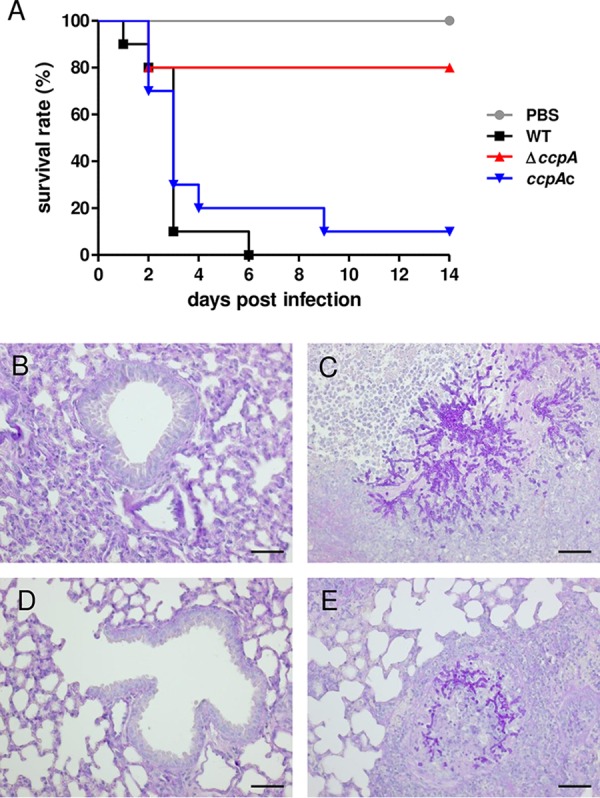
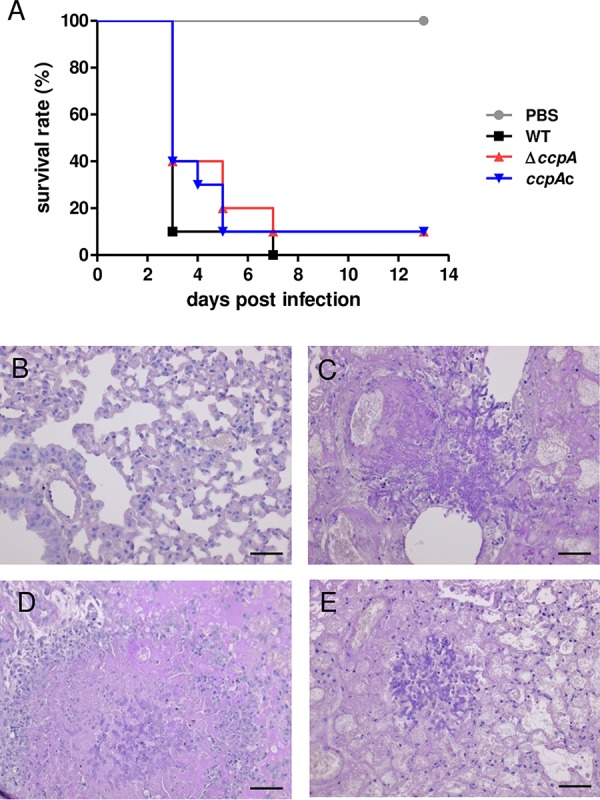
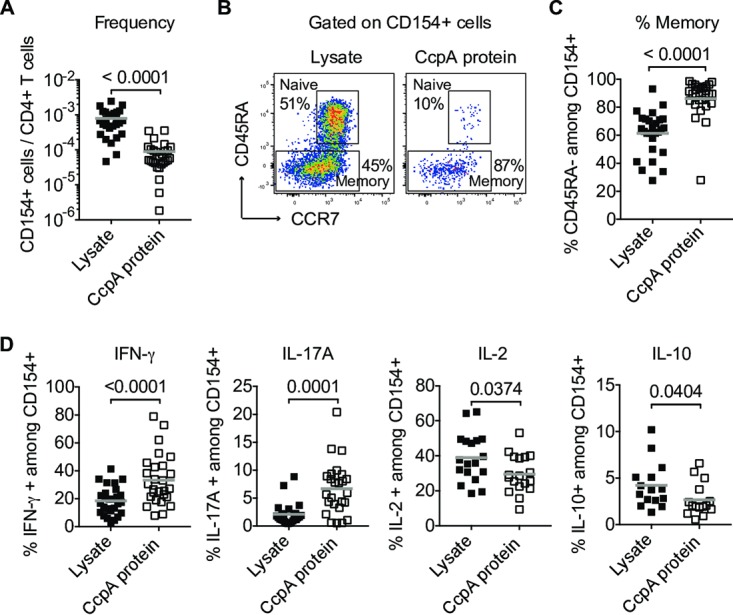
Verification
Claims the paper makes
The claims and statistics of this paper haven’t been checked yet.
Free: it reads the open-access text and checks the first 5 claims that cite a source we can check. Create a free account to check every claim.
Claims other papers make about this one
Each is checked against this paper’s own text: does it say what the citing paper says it does?
In the citing paper
“Another cell wall protein, CcpA, found on the surface of the conidium, also played a role in immunomasking the conidium (473).”
From Aspergillus fumigatus and Aspergillosis in 2019 (2019) · cites this paper as [473]
In the citing paper
“Another cell wall protein, CcpA, found on the surface of the conidium, also played a role in immunomasking the conidium (473).”
From Aspergillus fumigatus and Aspergillosis in 2019 (2019) · cites this paper as [473]
Self-check
Percentages, sums and reported differences re-computed from the paper’s own numbers.
The self-check needs the paper’s full text.
Citations
Cites
Bradford, M. M. (1976) · Analytical Biochemistry · doi:10.1016/0003-2697(76)90527-3 · Cited by 255,302 · cited 1×
“After centrifugation at 20,800 g for 20 min at 16°C, protein concentration was determined using the Bio-Rad protein assay (Bio-Rad) (45).”
Krogh, A., Larsson, B., von Heijne, G., & Sonnhammer, E. L. L. (2001) · Journal of Molecular Biology · doi:10.1006/jmbi.2000.4315 · Cited by 12,654 · cited 1×
“A total of 43 proteins contained a signal peptide for secretion (SignalP 4.1 Server [21]), 8 proteins contained predicted transmembrane helices (TMHMM Server v. 2.0 [22, 23]), and 8 proteins contained a GPI-anchored attachment signal (according to the data in reference 24).”
InfluentialSignalP 4.0: discriminating signal peptides from transmembrane regions
Petersen, T. N., Brunak, S., von Heijne, G., & Nielsen, H. (2011) · Nature Methods · doi:10.1038/nmeth.1701 · Cited by 8,847 · cited 1×
“A total of 43 proteins contained a signal peptide for secretion (SignalP 4.1 Server [21]), 8 proteins contained predicted transmembrane helices (TMHMM Server v. 2.0 [22, 23]), and 8 proteins contained a GPI-anchored attachment signal (according to the data in reference 24).”
InfluentialProtein production by auto-induction in high-density shaking cultures
Studier, F. W. (2005) · Protein Expression and Purification · doi:10.1016/j.pep.2005.01.016 · Cited by 5,931 · cited 1×
“2% (wt/vol) -lactose, and appropriate supplements (55).”
Fitting a mixture model by expectation maximization to discover motifs in biopolymers.
Bailey, T. L., & Elkan, C. (1994) · PubMed · Cited by 5,806
Hidden Killers: Human Fungal Infections
Brown, G. D., Denning, D. W., Gow, N. A. R., Levitz, S. M., Netea, M. G., & White, T. C. (2012) · Science Translational Medicine · doi:10.1126/scitranslmed.3004404 · Cited by 4,284 · cited 1×
“Specific diagnostics and treatment options for IA are limited, resulting in high (30% to 95%) mortality rates (5).”
A hidden Markov model for predicting transmembrane helices in protein sequences.
Sonnhammer, E. L. L., von HEIJNE, G., & Krogh, A. (1998) · PubMed · Cited by 2,505
Bass, D. A., Parce, J. W., Dechatelet, L. R., Szejda, P., Seeds, M. C., & Thomas, M. (1983) · The Journal of Immunology · doi:10.4049/jimmunol.130.4.1910 · Cited by 1,809 · cited 1×
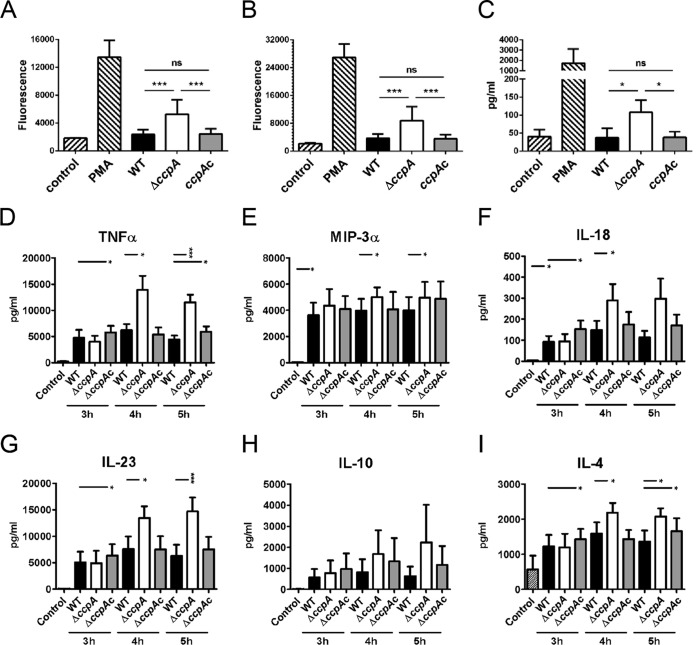
“Oxidative burst was determined by the 2=,7=-dichlorofluorescein (DCF) assay (58).”
Aspergillus fumigatus and Aspergillosis in 2019
Latgé, J.-P., & Chamilos, G. (2019) · Clinical Microbiology Reviews · doi:10.1128/cmr.00140-18 · Cited by 1,400
Interleukin‐8, a chemotactic and inflammatory cytokine
Baggiolini, M., & Clark-Lewis, I. (1992) · FEBS Letters · doi:10.1016/0014-5793(92)80909-z · Cited by 989
Surface hydrophobin prevents immune recognition of airborne fungal spores
Aimanianda, V., Bayry, J., Bozza, S., Kniemeyer, O., Perruccio, K., Elluru, S. R., Clavaud, C., Paris, S., Brakhage, A. A., Kaveri, S. V., et al. (2009) · Nature · doi:10.1038/nature08264 · Cited by 792 · cited 1×
“One wellstudied protein is the RodA hydrophobin, which forms a cohesive, proteinaceous layer on resting conidia and masks Dectin-1-dependent host immune responses to increase fungal survival (18, 19).”
Self-citationLuther, K., Torosantucci, A., Brakhage, A. A., Heesemann, J., & Ebel, F. (2007) · Cellular Microbiology · doi:10.1111/j.1462-5822.2006.00796.x · Cited by 582
Self-citationScaffold: A bioinformatic tool for validating MS/MS‐based proteomic studies
Searle, B. C. (2010) · PROTEOMICS · doi:10.1002/pmic.200900437 · Cited by 561 · cited 1×
“0 (Proteome software) using the following parameters: minimum number of unique peptides 2, minimum peptide identification probability 95% (47).”
The pathobiology of Aspergillus fumigatus
Latgé, J.-P. (2001) · Trends in Microbiology · doi:10.1016/s0966-842x(01)02104-7 · Cited by 546 · cited 1×
“The asexual reproduction of A. fumigatus leads to the formation and release of conidia into the atmosphere (8–10).”
The role of Dectin-1 in the host defence against fungal infections
Drummond, R. A., & Brown, G. D. (2011) · Current Opinion in Microbiology · doi:10.1016/j.mib.2011.07.001 · Cited by 294 · cited 1×
“Although the polysaccharides that form the cell wall of A. fumigatus conidia have been extensively studied (7, 15–17), less is known about A. fumigatus conidial surface proteins with immune-modulatory functions.”
Krappmann, S., Sasse, C., & Braus, G. H. (2006) · Eukaryotic Cell · doi:10.1128/ec.5.1.212-215.2006 · Cited by 287 · cited 1×
“Plasmid pΔccpA was generated using plasmid pSK397 (51, 52).”
Self-citationCerqueira, G. C., Arnaud, M. B., Inglis, D. O., Skrzypek, M. S., Binkley, G., Simison, M., Miyasato, S. R., Binkley, J., Orvis, J., Shah, P., et al. (2014) · Nucleic Acids Research · doi:10.1093/nar/gkt1029 · Cited by 253
Regulatory T-cell Modulation Using Cyclophosphamide in Vaccine Approaches: A Current Perspective
Le, D. T., & Jaffee, E. M. (2012) · Cancer Research · doi:10.1158/0008-5472.can-11-3912 · Cited by 240 · cited 1×
“loss of some subsets of fast-growing epithelial cells, among others (31, 32, 40).”
rodletless mutants of Aspergillus fumigatus
Thau, N., Monod, M., Crestani, B., Rolland, C., Tronchin, G., Latgé, J. P., & Paris, S. (1994) · Infection and Immunity · doi:10.1128/iai.62.10.4380-4388.1994 · Cited by 234 · cited 1×
“Despite this important function, a ΔrodA knockout retains full virulence in nonneutropenic mice immunosuppressed with cortisone acetate (20).”
Balloy, V., Huerre, M., Latgé, J.-P., & Chignard, M. (2005) · Infection and Immunity · doi:10.1128/iai.73.1.494-503.2005 · Cited by 231 · cited 1×
“succumbing to invasive fungal growth (30, 39).”
Heinekamp, T., Thywißen, A., Macheleidt, J., Keller, S., Valiante, V., & Brakhage, A. A. (2013) · Frontiers in Microbiology · doi:10.3389/fmicb.2012.00440 · Cited by 216 · cited 1×
“fumigatus conidia is composed of polysaccharides, proteins, dihydroxynaphthalene (DHN)-melanin pigment, and other secondary metabolites (13, 14).”
Self-citationZuluaga, A. F., Salazar, B. E., Rodriguez, C. A., Zapata, A. X., Agudelo, M., & Vesga, O. (2006) · BMC Infectious Diseases · doi:10.1186/1471-2334-6-55 · Cited by 202 · cited 1×
“In addition to neutropenia, these mice also exhibited other alterations to the normal immune response, including increased infiltration and abundance of lung eosinophils, decreased regulatory T cell levels, and loss of some subsets of fast-growing epithelial cells, among others (31, 32, 40).”
Reichard, U., Buttner, S., Eiffert, H., Staib, F., & Ruchel, R. (1990) · Journal of Medical Microbiology · doi:10.1099/00222615-33-4-243 · Cited by 193 · cited 4×
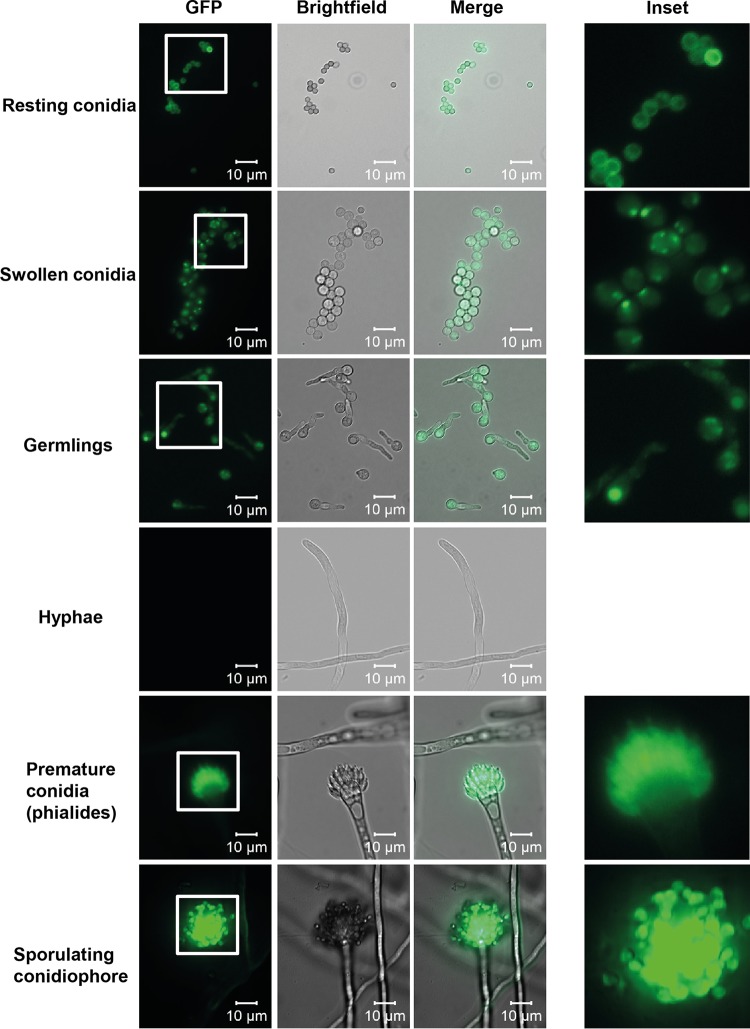
“In comparison, analysis of wild-type strain D141 as a control showed no fluorescent eGFP signal (Fig.”
InfluentialSelf-citationChazalet, V., Debeaupuis, J.-P., Sarfati, J., Lortholary, J., Ribaud, P., Shah, P., Cornet, M., Thien, H. V., Gluckman, E., Brücker, G., et al. (1998) · Journal of Clinical Microbiology · doi:10.1128/jcm.36.6.1494-1500.1998 · Cited by 192 · cited 1×
“The asexual reproduction of A. fumigatus leads to the formation and release of conidia into the atmosphere (8–10).”
Carrion, S. D. J., Leal, S. M., Ghannoum, M. A., Aimanianda, V., Latgé, J.-P., & Pearlman, E. (2013) · The Journal of Immunology · doi:10.4049/jimmunol.1300748 · Cited by 187 · cited 1×
“One well-studied protein is the RodA hydrophobin, which forms a cohesive, proteinaceous layer on resting conidia and masks Dectin-1-dependent host immune responses to increase fungal survival (18, 19).”
Menacing Mold: The Molecular Biology of Aspergillus fumigatus
Brakhage, A. A., & Langfelder, K. (2002) · Annual Review of Microbiology · doi:10.1146/annurev.micro.56.012302.160625 · Cited by 183 · cited 1×
“fumigatus infection remains insufficiently understood (6, 7).”
Self-citationMcCormick, A., Loeffler, J., & Ebel, F. (2010) · Cellular Microbiology · doi:10.1111/j.1462-5822.2010.01517.x · Cited by 179 · cited 1×
“Conidia are effectively cleared by the innate immune system and rarely pose a danger to healthy individuals (reviewed in references 7, 11, and 12); however, in patients with reduced mucociliary clearance or immune dysfunction, elimination of conidia can fail, leading to the development of IA.…”
Bozza, S., Clavaud, C., Giovannini, G., Fontaine, T., Beauvais, A., Sarfati, J., D'Angelo, C., Perruccio, K., Bonifazi, P., Zagarella, S., et al. (2009) · The Journal of Immunology · doi:10.4049/jimmunol.0900961 · Cited by 176 · cited 1×
“Although the polysaccharides that form the cell wall of A. fumigatus conidia have been extensively studied (7, 15–17), less is known about A. fumigatus conidial surface proteins with immune-modulatory functions.”
Pagano, L., Girmenia, C., Mele, L., Ricci, P., Tosti, M. E., Nosari, A., Buelli, M., Picardi, M., Allione, B., Corvatta, L., et al. (2001) · PubMed · Cited by 176
Bacher, P., Schink, C., Teutschbein, J., Kniemeyer, O., Assenmacher, M., Brakhage, A. A., & Scheffold, A. (2013) · The Journal of Immunology · doi:10.4049/jimmunol.1202221 · Cited by 173 · cited 1×
“fumigatus proteins are readily detectable in the blood (33, 34).”
Self-citationInteraction of phagocytes with filamentous fungi
Brakhage, A. A., Bruns, S., Thywißen, A., Zipfel, P. F., & Behnsen, J. (2010) · Current Opinion in Microbiology · doi:10.1016/j.mib.2010.04.009 · Cited by 172
Self-citationAspergillus Cell Wall and Biofilm
Beauvais, A., Fontaine, T., Aimanianda, V., & Latgé, J. (2014) · Mycopathologia · doi:10.1007/s11046-014-9766-0 · Cited by 171 · cited 1×
“The surface of A. fumigatus conidia is composed of poly-saccharides, proteins, dihydroxynaphthalene (DHN)-melanin pigment, and other secondary metabolites (13, 14).”
Thywißen, A., Heinekamp, T., Dahse, H.-M., Schmaler-Ripcke, J., Nietzsche, S., Zipfel, P. F., & Brakhage, A. A. (2011) · Frontiers in Microbiology · doi:10.3389/fmicb.2011.00096 · Cited by 161 · cited 1×
“Further preparation and scanning electron microscopy were carried out as previously described (56).”
Self-citationBertuzzi, M., Schrettl, M., Alcazar-Fuoli, L., Cairns, T. C., Muñoz, A., Walker, L. A., Herbst, S., Safari, M., Cheverton, A. M., Chen, D., et al. (2014) · PLoS Pathogens · doi:10.1371/journal.ppat.1004413 · Cited by 158
Self-citationKupfahl, C., Heinekamp, T., Geginat, G., Ruppert, T., Härtl, A., Hof, H., & Brakhage, A. A. (2006) · Molecular Microbiology · doi:10.1111/j.1365-2958.2006.05373.x · Cited by 157 · cited 1×
“Established murine models for invasive pulmonary aspergillosis were used for virulence studies (62, 63).”
Self-citationHospenthal, D. R., Kwon-Chung, K. J., & Bennett, J. E. (1998) · Medical Mycology · doi:10.1080/02681219880000241 · Cited by 155
Molecular Mechanisms of Conidial Germination in Aspergillus spp
Baltussen, T. J. H., Zoll, J., Verweij, P. E., & Melchers, W. J. G. (2019) · Microbiology and Molecular Biology Reviews · doi:10.1128/mmbr.00049-19 · Cited by 155
Bayry, J., Beaussart, A., Dufrêne, Y. F., Sharma, M., Bansal, K., Kniemeyer, O., Aimanianda, V., Brakhage, A. A., Kaveri, S. V., Kwon-Chung, K. J., et al. (2014) · Infection and Immunity · doi:10.1128/iai.01726-14 · Cited by 137
Self-citationKrappmann, S., Bayram, O., & Braus, G. H. (2005) · Eukaryotic Cell · doi:10.1128/ec.4.7.1298-1307.2005 · Cited by 125 · cited 1×
“Plasmid pΔccpA was generated using plasmid pSK397 (51, 52).”
Self-citationInterference of Aspergillus fumigatus with the immune response
Heinekamp, T., Schmidt, H., Lapp, K., Pähtz, V., Shopova, I., Köster-Eiserfunke, N., Krüger, T., Kniemeyer, O., & Brakhage, A. A. (2015) · Seminars in Immunopathology · doi:10.1007/s00281-014-0465-1 · Cited by 123 · cited 1×
“fumigatus infection remains insufficiently understood (6, 7).”
Self-citationArnaud, M. B., Chibucos, M. C., Costanzo, M. C., Crabtree, J., Inglis, D. O., Lotia, A., Orvis, J., Shah, P., Skrzypek, M. S., Binkley, G., et al. (2010) · Nucleic Acids Research · doi:10.1093/nar/gkp751 · Cited by 117 · cited 1×
“Sequence information was obtained from the Aspergillus Genome Database (AspGD; http://www.aspergillusgenome.org) (49, 50).”
Asif, A. R., Oellerich, M., Amstrong, V. W., Riemenschneider, B., Monod, M., & Reichard, U. (2006) · Journal of Proteome Research · doi:10.1021/pr0504586 · Cited by 117 · cited 3×
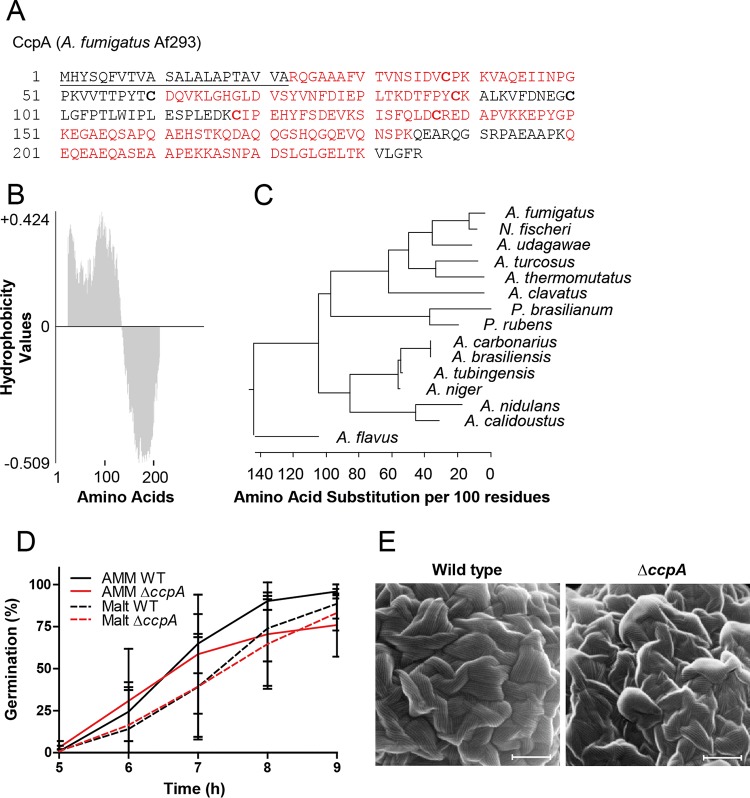
“However, it was previously reported that CcpA is part of the conidial surface proteome (35).”
InfluentialSelf-citationInvasive aspergillosis in chronic granulomatous disease
Segal, B. H., & Romani, L. R. (2009) · Medical Mycology · doi:10.1080/13693780902736620 · Cited by 107 · cited 1×
“A. fumigatus can cause serious invasive lung infections, designated invasive aspergillosis (IA), in patients immunocompromised by hematologic malignancies, organ transplantation, or genetic immunodeficiency (1–4).”
Brakhage, A. A., & den Brulle, J. V. (1995) · Journal of Bacteriology · doi:10.1128/jb.177.10.2781-2788.1995 · Cited by 97 · cited 1×
“Unless otherwise stated, A. fumigatus was cultivated at 37°C on Aspergillus minimal medium (AMM) agar plates or in AMM containing 50 mM glucose and 70 mM NaNO 3 as previously described (42, 43).”
Self-citationAspergillus fumigatus CalA binds to integrin α5β1 and mediates host cell invasion
Liu, H., Lee, M. J., Solis, N. V., Phan, Q. T., Swidergall, M., Ralph, B., Ibrahim, A. S., Sheppard, D. C., & Filler, S. G. (2016) · Nature Microbiology · doi:10.1038/nmicrobiol.2016.211 · Cited by 95
Self-citationLiebmann, B., M�hleisen, T. W., M�ller, M., Hecht, M., Weidner, G., Braun, A. C., Brock, M., & Brakhage, A. A. (2004) · Archives of Microbiology · doi:10.1007/s00203-004-0667-3 · Cited by 89 · cited 1×
“Established murine models for invasive pulmonary aspergillosis were used for virulence studies (62, 63).”
Self-citationPost, M. J., Lass‐Floerl, C., Gastl, G., & Nachbaur, D. (2007) · Transplant Infectious Disease · doi:10.1111/j.1399-3062.2007.00219.x · Cited by 87 · cited 1×
“conidia with the cell wall-lyzing enzyme -(1,3)-glucanase and identified 25 different proteins (35).”
Suh, M.-J., Fedorova, N. D., Cagas, S. E., Hastings, S., Fleischmann, R. D., Peterson, S. N., Perlin, D. S., Nierman, W. C., Pieper, R., & Momany, M. (2012) · Proteome Science · doi:10.1186/1477-5956-10-30 · Cited by 85
Ebel, F., Schwienbacher, M., Beyer, J., Heesemann, J., Brakhage, A. A., & Brock, M. (2006) · Fungal Genetics and Biology · doi:10.1016/j.fgb.2006.01.015 · Cited by 82 · cited 1×
“fumigatus were generated by homologous recombination following the transformation of protoplasts (54).”
Self-citationMaerker, C., Rohde, M., Brakhage, A. A., & Brock, M. (2005) · The FEBS Journal · doi:10.1111/j.1742-4658.2005.04784.x · Cited by 81 · cited 1×
“fumigatus was cultivated at 37°C on Aspergillus minimal medium (AMM) agar plates or in AMM containing 50 mM glucose and 70 mM NaNO3 as previously described (42, 43).”
Self-citationIbrahim-Granet, O., Jouvion, G., Hohl, T. M., Droin-Bergère, S., Philippart, F., Kim, O., Adib-Conquy, M., Schwendener, R., Cavaillon, J.-M., & Brock, M. (2010) · BMC Microbiology · doi:10.1186/1471-2180-10-105 · Cited by 78 · cited 2×
“In this model, mice are immunosuppressed with cortisone acetate, and yet recruitment of neutrophils to the site of infection still occurs (30).”
Campoli, P., Al Abdallah, Q., Robitaille, R., Solis, N. V., Fielhaber, J. A., Kristof, A. S., Laverdiere, M., Filler, S. G., & Sheppard, D. C. (2011) · Antimicrobial Agents and Chemotherapy · doi:10.1128/aac.00637-11 · Cited by 78 · cited 1×
“The three strains were transformed with a GFP expression plasmid containing the ble phleomycin resistance marker (GFP-Phleo) (61).”
Self-citationFungal infections in hematopoietic stem cell transplant recipients
Marr, K. A. (2008) · Medical Mycology · doi:10.1080/13693780701885552 · Cited by 74
Ball, B., Bermas, A., Carruthers‐Lay, D., & Geddes‐McAlister, J. (2019) · Journal of Fungi · doi:10.3390/jof5020052 · Cited by 67
Lind, A. L., Lim, F. Y., Soukup, A. A., Keller, N. P., & Rokas, A. (2018) · mSphere · doi:10.1128/msphere.00050-18 · Cited by 64 · cited 2×
“the three transcription factors central to asexual development, BrlA, WetA, and AbaA (37), and that it contains a conserved, canonical AbaA binding site, with motif “CATTCC” (MEME analysis; reference 38 and data not shown).”
Bacher, P., Kniemeyer, O., Teutschbein, J., Thön, M., Vödisch, M., Wartenberg, D., Scharf, D. H., Koester-Eiserfunke, N., Schütte, M., Dübel, S., et al. (2014) · The Journal of Immunology · doi:10.4049/jimmunol.1400776 · Cited by 61 · cited 2×
“fumigatus proteome CcpA belongs to the group of immunogenic proteins (34).”
Self-citationFröhlich, T., Arnold, G. J., Fritsch, R., Mayr, T., & Laforsch, C. (2009) · BMC Genomics · doi:10.1186/1471-2164-10-171 · Cited by 50 · cited 1×
“The in-solution digestion and subsequent LC-MS/MS analysis were carried out by Toplab GmbH as described previously (46) with some modifications.”
Su, Y.-C., Rolph, M. S., Cooley, M. A., & Sewell, W. A. (2006) · Journal of Allergy and Clinical Immunology · doi:10.1016/j.jaci.2005.10.042 · Cited by 46 · cited 1×
“loss of some subsets of fast-growing epithelial cells, among others (31, 32, 40).”
Heddergott, C., Bruns, S., Nietzsche, S., Leonhardt, I., Kurzai, O., Kniemeyer, O., & Brakhage, A. A. (2012) · Eukaryotic Cell · doi:10.1128/ec.00037-12 · Cited by 44 · cited 1×
“Proteins were extracted as previously described (44).”
Self-citationHünniger, K., Bieber, K., Martin, R., Lehnert, T., Figge, M. T., Löffler, J., Guo, R.-F., Riedemann, N. C., & Kurzai, O. (2015) · The Journal of Immunology · doi:10.4049/jimmunol.1401845 · Cited by 43 · cited 1×
“Interaction of A. fumigatus with PMNs. Human PMNs were purified from venous blood of healthy volunteers by density gradient centrifugation using Polymorphprep (Progen Biotechnik GmbH) as described previously (57).”
Self-citationConidial surface proteins at the interface of fungal infections
Blango, M. G., Kniemeyer, O., & Brakhage, A. A. (2019) · PLoS Pathogens · doi:10.1371/journal.ppat.1007939 · Cited by 43
Self-citationPongpom, M., Liu, H., Xu, W., Snarr, B. D., Sheppard, D. C., Mitchell, A. P., & Filler, S. G. (2015) · Infection and Immunity · doi:10.1128/iai.02685-14 · Cited by 36
Self-citationRole of Aspergillus fumigatus DvrA in Host Cell Interactions and Virulence
Ejzykowicz, D. E., Solis, N. V., Gravelat, F. N., Chabot, J., Li, X., Sheppard, D. C., & Filler, S. G. (2010) · Eukaryotic Cell · doi:10.1128/ec.00055-10 · Cited by 30 · cited 1×
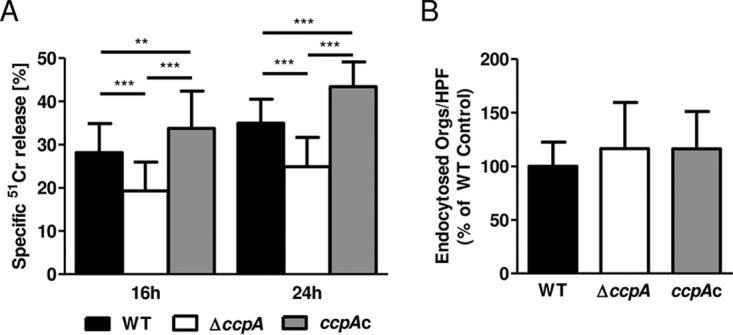
“Epithelial cell damage was measured using a standard 51Cr release assay (29).”
Self-citationMezger, M., Wozniok, I., Blockhaus, C., Kurzai, O., Hebart, H. F., Einsele, H., & Loeffler, J. (2008) · Antimicrobial Agents and Chemotherapy · doi:10.1128/aac.01618-07 · Cited by 25 · cited 1×
“Human moDCs were generated from monocytes, which were isolated from peripheral blood mononuclear cells using CD14 microbeads (Miltenyi Biotec) as described previously (59).”
Self-citationSriranganadane, D., Reichard, U., Salamin, K., Fratti, M., Jousson, O., Waridel, P., Quadroni, M., Neuhaus, J., & Monod, M. (2011) · Microbiology · doi:10.1099/mic.0.048603-0 · Cited by 22
Self-citationCao, W., Maruyama, J., Kitamoto, K., Sumikoshi, K., Terada, T., Nakamura, S., & Shimizu, K. (2009) · The Journal of General and Applied Microbiology · doi:10.2323/jgam.55.381 · Cited by 17
Schmitt, J., Thomas, M., Caperell–Grant, A., Chelladurai, B. S., Cao, L., Mehtala, J. G., Perkins, S. M., Wei, A., & Matei, D. E. (2012) · Cancer Research · doi:10.1158/1538-7445.am2012-3439 · Cited by 16
Research works printed but not linked: 1
- Sambrook J, Russell DW 2001 Molecular cloning: a laboratory manual. Cold Spring Harbor Laboratory Press, Cold Spring Harbor, NY.
Cited by
Aspergillus fumigatus and Aspergillosis in 2019
Latgé, J.-P., & Chamilos, G. (2019) · Clinical Microbiology Reviews · doi:10.1128/cmr.00140-18 · Cited by 1,400
Molecular Mechanisms of Conidial Germination in Aspergillus spp
Baltussen, T. J. H., Zoll, J., Verweij, P. E., & Melchers, W. J. G. (2019) · Microbiology and Molecular Biology Reviews · doi:10.1128/mmbr.00049-19 · Cited by 155
“Recently, an extensive A. fumigatus conidial surface proteome analysis was carried out using LC-MS/MS (107).”
MethodInfluentialQuarantin, A., Hadeler, B., Kröger, C., Schäfer, W., Favaron, F., Sella, L., & Martínez-Rocha, A. L. (2019) · Frontiers in Microbiology · doi:10.3389/fmicb.2019.00751 · Cited by 93
Ball, B., Bermas, A., Carruthers‐Lay, D., & Geddes‐McAlister, J. (2019) · Journal of Fungi · doi:10.3390/jof5020052 · Cited by 67
“Of these proteins, 40% contain a signal peptide, predicted transmembrane helix, or GPI-anchored attachment signal, supporting their presence at the interface between the cell surface and extracellular environment [38].”
BackgroundAmich, J., Mokhtari, Z., Strobel, M., Vialetto, E., Sheta, D., Yu, Y., Hartweg, J., Kalleda, N., Jarick, K. J., Brede, C., et al. (2020) · mBio · doi:10.1128/mbio.02752-19 · Cited by 64
Self-citation
Metadata
- Authors
- Voltersen, V., Blango, M. G., Herrmann, S., Schmidt, F., Heinekamp, T., Strassburger, M., Krüger, T., Bacher, P., Lother, J., Weiss, E., Hünniger, K., Liu, H., Hortschansky, P., Scheffold, A., Löffler, J., Krappmann, S., Nietzsche, S., Kurzai, O., Einsele, H., Kniemeyer, O., Filler, S. G., Reichard, U., & Brakhage, A. A.
- Affiliations
- Leibniz-Institut für Naturstoff-Forschung und Infektionsbiologie e. V. - Hans-Knöll-Institut (HKI) (DE)
- Universitätsmedizin Göttingen (DE)
- Institute of Clinical Molecular Biology, Christian-Albrechts University Kiel, Kiel, Germany
- Universitätsklinikum Würzburg (DE)
- University of Würzburg (DE)
- University of California, Los Angeles (US)
- Christian-Albrechts-Universität zu Kiel (DE)
- Friedrich-Alexander-Universität Erlangen-Nürnberg (DE)
- Center for Electron Microscopy, Jena University Hospital, Jena, Germany
- Corresponding author
- Brakhage, Axel A.
- ORCID
- Venue
- mBio
- Publisher
- American Society for Microbiology
- Published
- 2018-11-07
- Volume
- 9
- Issue
- 5
- ISSN
- 2150-7511 (ISSN-L)
- 2161-2129
- PMC
- PMC6168859
- OpenAlex
- W2894964423
- Cited by
- 71
- References
- 68
- Citations by year
- 2026: 5 · 2025: 7 · 2024: 6 · 2023: 11 · 2022: 6 · 2021: 9 · 2020: 13 · 2019: 12 · 2018: 2
- FWCI
- 6.81
- Type
- journal article
- Language
- en
- Open access
- gold
- doi.org
- Licence
- cc-by
- creativecommons.org/licenses/by/4.0/ (vor)
- journals.asm.org/non-commercial-tdm-license (tdm)
- Locations
- mBio (publishedVersion, cc-by)
- Europe PMC (PubMed Central) (publishedVersion, cc-by)
- PubMed Central (publishedVersion, cc-by)
- PubMed (publishedVersion)
- DOAJ (DOAJ: Directory of Open Access Journals) (submittedVersion, cc-by-sa)
- DOAJ (DOAJ: Directory of Open Access Journals) (submittedVersion)
- eScholarship (California Digital Library) (submittedVersion)
- GoeScholar The Publication Server of the Georg-August-Universität Göttingen (Georg-August-Universität Göttingen) (submittedVersion, cc-by)
- Funders
- HHS | National Institutes of Health (R01AI073829, R56AI111836)
- Deutsche Forschungsgemeinschaft (JSMC, CRC/Tr-124 (FungiNet))
- Leibniz-Gemeinschaft (Leibniz Science Campus InfectoOptics)
- Bundesministerium für Bildung und Forschung (13N13861, 03ZZ0803A)
- BMBF (Project InfectControl 2020 (ART4Fun Fkz 03ZZ0813A, DIAT Fkz 03ZZ0827A))
- Topics
- Health Sciences › Medicine › Infectious Diseases › Antifungal resistance and susceptibility
- Life Sciences › Biochemistry, Genetics and Molecular Biology › Molecular Biology › Fungal and yeast genetics research
- Health Sciences › Medicine › Infectious Diseases › Fungal Infections and Studies
- Keywords
- Aspergillus fumigatus, California Consumer Privacy Act, fungal virulence, phagocytosis evasion, immunocompromised patients, invasive aspergillosis, immunotherapy targets, diagnostic targets
- MeSH terms
- A549 Cells, Animals, Aspergillosis, Aspergillus fumigatus, Cell Wall, Chromatography, Liquid, Dendritic Cells, Endocytosis, Epithelial Cells, Female, Fungal Proteins, Humans, Membrane Proteins, Spores, Fungal, T-Lymphocytes, Virulence, Immunocompromised Host, Neutrophil Activation, Proteome, Virulence Factors, Mice
About these checks
Registry, retraction, Cites and statistics results are computed, not judged, with one exception: a printed reference that no index lists is read once by a model before it counts as a citation error. Claims are extracted by a model and kept only when their quote appears verbatim in the text; each cited source is then checked, with a model’s help, for whether it says what the claim relies on. Those verdicts can be wrong — read the claim’s quote and the cited source before relying on one.
Statistics and arithmetic are recomputed, not judged.
Confidence bands are shown only for fields calibrated on our annotated test set. None is calibrated yet, so no band is shown.
What counts as a claim ›How we measure confidence ›How we check this ›
Are you an author, or do you see a problem with this page? Request a review
Data sources
Bibliographic data: Semantic Scholar, OpenAlex, Crossref.
Contains information from the Semantic Scholar Academic Graph Datasets, made available under the ODC Attribution License (ODC-BY 1.0).
Semantic Scholar’s data is described in: Kinney, R., et al. (2023). The Semantic Scholar Open Data Platform. arXiv:2301.10140.
