

Comparative effectiveness of GLP-1 receptor agonists on glycaemic control, body weight, and lipid profile for type 2 diabetes: systematic review and network meta-analysis
Open accessThe DOI matches its Crossref record; 46 of the 46 references it cites were found in a registry or an index; 1 of the 4 sources its claims cite were checked for support.
Abstract
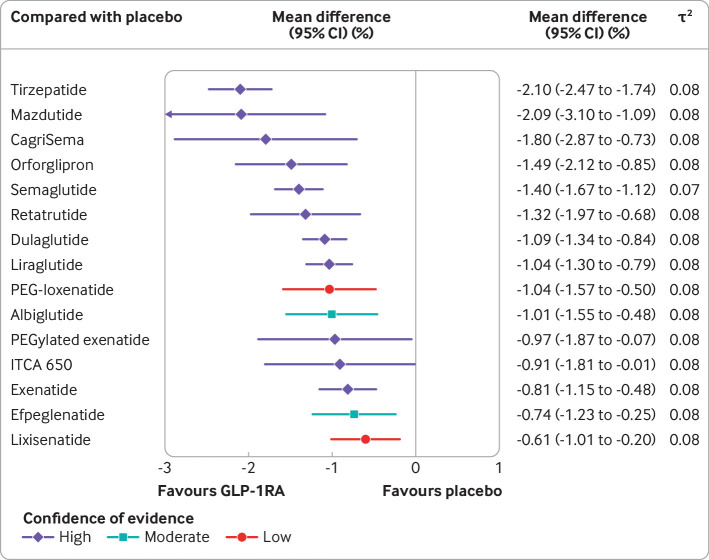
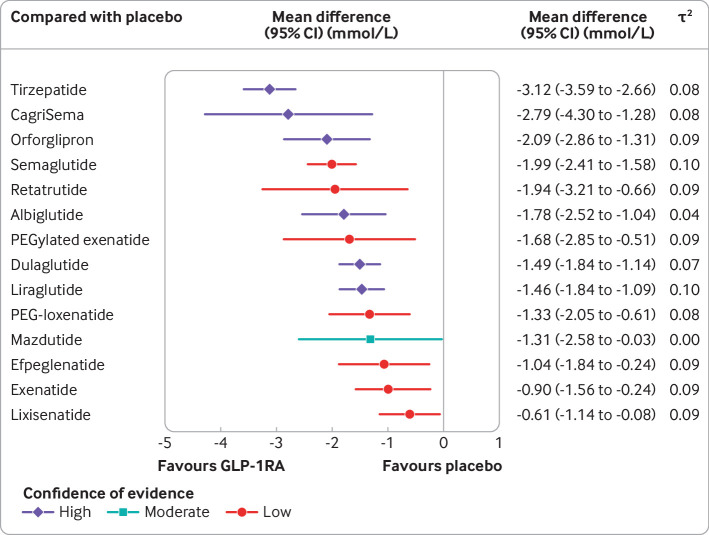
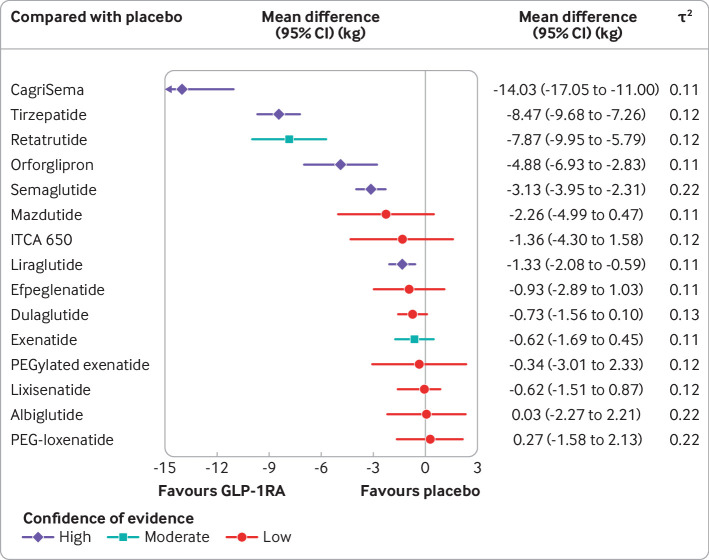
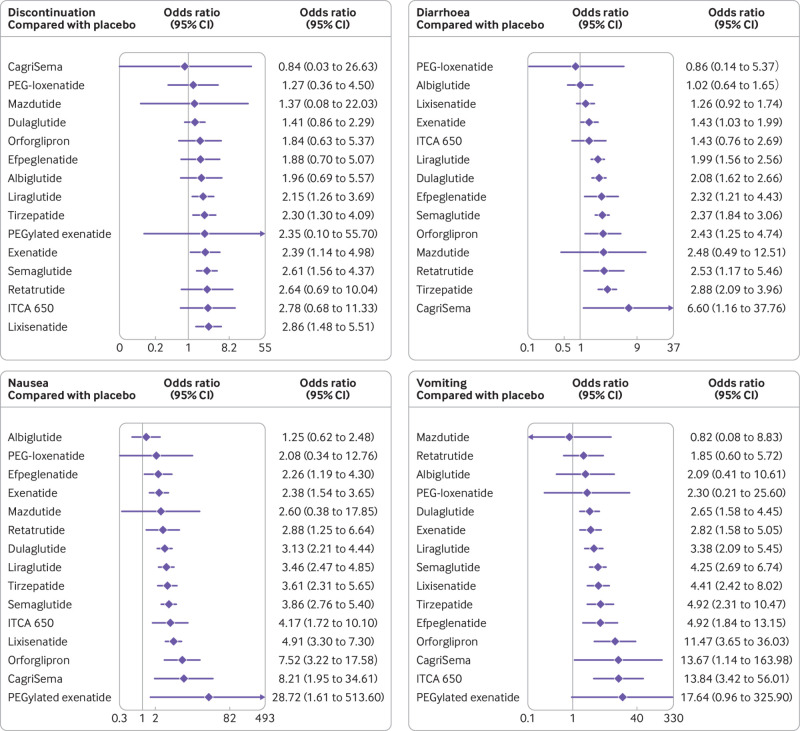
Abstract Objective To evaluate the comparative efficacy and safety of glucagon-like peptide-1 receptor agonists (GLP-1RAs) on glycaemic control, body weight, and lipid profile in adults with type 2 diabetes. Design Systematic review and network meta-analysis. Data sources PubMed, Web of Science, Cochrane Central Register of Controlled Trials (CENTRAL), and Embase from database inception to 19 August 2023. Eligibility criteria for selecting studies Eligible randomised controlled trials enrolled adults with type 2 diabetes who received GLP-1RA treatments and compared effects with placebo or any GLP-1RA drug, with a follow-up duration of at least 12 weeks. Trials with a crossover design, non-inferiority studies comparing GLP-1RA and other drug classes without a placebo group, using withdrawn drugs, and non-English studies were deemed ineligible. Results 76 eligible trials involving 15 GLP-1RA drugs and 39 246 participants were included in this network meta-analysis; all subsequent estimates refer to the comparison with placebo. All 15 GLP-1RAs effectively lowered haemoglobin A 1c and fasting plasma glucose concentrations. Tirzepatide induced the largest reduction of haemoglobin A 1c concentrations (mean difference −2.10% (95% confidence interval −2.47% to −1.74%), surface under the cumulative ranking curve 94.2%; high confidence of evidence), and fasting plasma glucose concentrations (−3.12 mmol/L (−3.59 to −2.66), 97.2%; high confidence), and proved the most effective GLP-1RA drug for glycaemic control. Furthermore, GLP-1RAs were shown to have strong benefits to weight management for patients with type 2 diabetes. CagriSema (semaglutide with cagrilintide) resulted in the highest weight loss (mean difference −14.03 kg (95% confidence interval −17.05 to −11.00); high confidence of evidence), followed by tirzepatide (−8.47 kg (−9.68 to −7.26); high confidence). Semaglutide was effective in lowering the concentration of low density lipoprotein (−0.16 mmol/L (−0.30 to −0.02)) and total cholesterol (−0.48 mmol/L (−0.84 to −0.11)). Moreover, this study also raises awareness of gastrointestinal adverse events induced by GLP-1RAs, and concerns about safety are especially warranted for high dose administration. Conclusions GLP-1RAs are efficacious in treating adults with type 2 diabetes. Compared with the placebo, tirzepatide was the most effective GLP-1RA drug for glycaemic control by reducing haemoglobin A 1c and fasting plasma glucose concentrations. GLP-1RAs also significantly improved weight management for type 2 diabetes, with CagriSema performing the best for weight loss. The results prompt safety concerns for GLP-1RAs, especially with high dose administration, regarding gastrointestinal adverse events. Systematic review registration PROSPERO CRD42022342845.
Overview
CoChat Summary
## TL;DR
This systematic review and network meta-analysis of 76 randomized controlled trials (39,246 participants) compared 15 GLP-1 receptor agonists for type 2 diabetes. Tirzepatide ranked best for glycaemic control, CagriSema for weight loss, and several drugs increased gastrointestinal adverse events.
## Key findings
- Across 76 trials involving 39,246 adults, all 15 GLP-1RAs significantly reduced HbA1c and fasting plasma glucose versus placebo.
- Tirzepatide had the largest HbA1c reduction: mean difference −2.10% (95% CI −2.47% to −1.74%) and fasting plasma glucose reduction: −3.12 mmol/L (−3.59 to −2.66), both with high confidence of evidence.
- CagriSema produced the greatest weight loss: −14.03 kg (95% CI −17.05 to −11.00); tirzepatide was next: −8.47 kg (−9.68 to −7.26).
- Semaglutide lowered low-density lipoprotein by −0.16 mmol/L (−0.30 to −0.02) and total cholesterol by −0.48 mmol/L (−0.84 to −0.11); PEG-loxenatide increased HDL by 0.16 mmol/L (0.00 to 0.31).
## Methods
- Systematic review and network meta-analysis of randomized controlled trials, registered in PROSPERO (CRD42022342845) and reported under PRISMA/PRISMA-NMA.
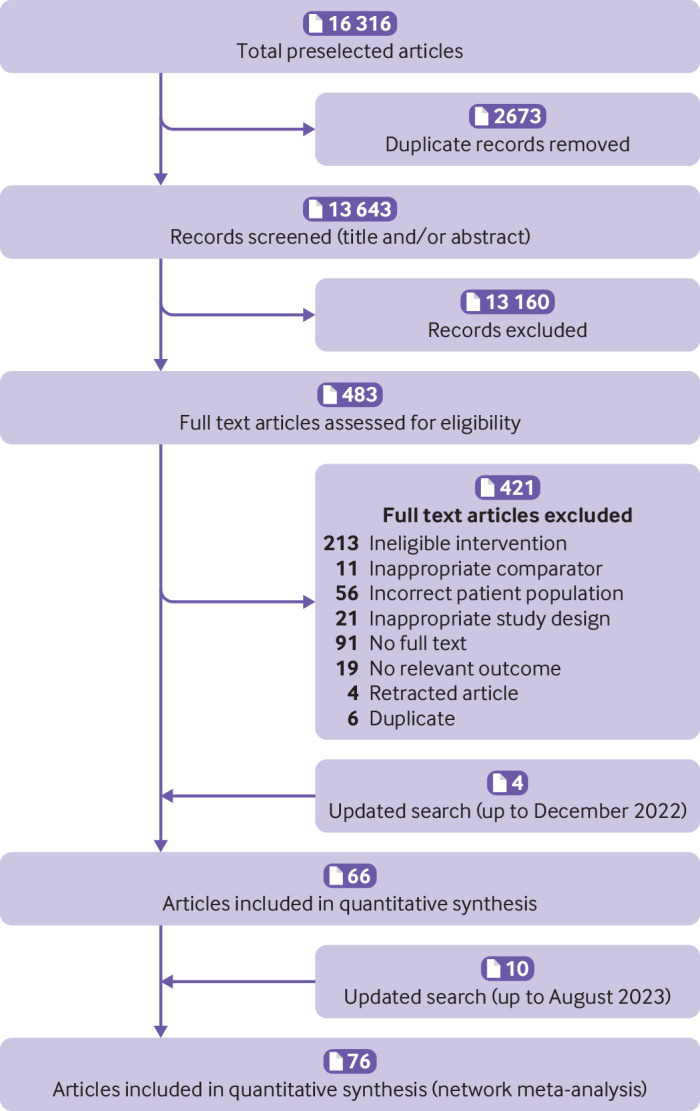
- Searched PubMed, Web of Science, CENTRAL, and Embase from inception to 19 August 2023, plus conference websites, ClinicalTrials.gov, references, and prior reviews; included English-language peer-reviewed RCTs in adults with type 2 diabetes, follow-up ≥12 weeks.
- Used frequentist random-effects network meta-analysis in Stata, with SUCRA rankings, node-splitting/design-treatment interaction for consistency, CINeMA and RoB 2 for evidence quality/bias, and meta-regression/subgroup analyses by dose, follow-up, age, diabetes duration, and background treatment.
## Limitations
- The paper states that included trials varied in population characteristics and follow-up durations, which may have led to imprecise effect estimates.
- The paper states that participants had little control over diet and exercise, which may have influenced blood glucose and body weight.
- The paper states that some trials did not provide enough information to assess randomization, allocation concealment, or blinding, and some drugs had few studies, so subgroup and comparative results should be interpreted cautiously.
- Evident from the text: the review excluded non-English studies, conference abstracts, crossover trials, and non-inferiority studies without a placebo arm, so the evidence base may be narrower than all available GLP-1RA trials.
Model-written summary. Check it against the paper before relying on it.
Integrity signals
Registry
Cites
Statistics
Figures
Verification
Claims the paper makes
1 Valid · 0 Not valid · 1 Not checked · 41 Own results and interpretations
The sources with a verdict support this claim; the rest weren’t checked yet, have no full text we could read, or their verdicts aren’t rated yet.
In the paper
“GLP-1RAs have been shown to greatly reduce the body weight of obese people with type 2 diabetes.8 14”
§ Comparative effectiveness of GLP-1 receptor agonists on glycaemic control, body weight, and lipid profile for type 2 diabetes: systematic review and network meta-analysis > Introduction
What the sources say
- Supportedcites [8] Garvey WT Frias JP Jastreboff AM SURMOUNT-2 investigators. Tirzepatide once weekly for the treatment of obesity in people with type 2 diabetes (SURMOUNT-2): a double-blind, randomised, multicentre, placebo-controlled, phase 3 trial. Lancet 2023; 402: 613- 26. 10.1016/S0140-6736(23)01200-X. 37385275 source
The Research in context section reports that the GLP-1 receptor agonists liraglutide and semaglutide produced placebo-adjusted body-weight reductions of 4.0%–6.2% in people with overweight or obesity and type 2 diabetes. This supports the citing sentence's broad claim; the section also distinguishes these drugs from tirzepatide, a dual GIP and GLP-1 receptor agonist. (LLM, conf=0.91)
- Not checked — no full text of the sourcecites [14] Wharton S Blevins T Connery L GZGI Investigators. Daily oral glp-1 receptor agonist orforglipron for adults with obesity. N Engl J Med 2023; 389: 877- 88. 10.1056/NEJMoa2302392. 37351564 source
boostedstates a cause- Asserted: passes — The authors put it forward as true.
- Checkable: passes — It can be checked against evidence.
- Load-bearing: unclear — It is unclear whether the paper’s conclusions depend on it.
- Based: passes — The paper gives a reason why it holds.
- Supported
A result the paper reports from its own data — it cites no other source for it, so there is none to check. The quote shows it is in the paper.
In the paper
“All 15 GLP-1RA drugs showed significant efficacy in reducing HbA1c levels compared with placebo in adults with type 2 diabetes (fig 2, fig 3).”
§ Comparative effectiveness of GLP-1 receptor agonists on glycaemic control, body weight, and lipid profile for type 2 diabetes: systematic review and network meta-analysis > Results > Glycaemic control
plainstates a causen = 343- Asserted: passes — The authors put it forward as true.
- Checkable: passes — It can be checked against evidence.
- Load-bearing: passes — The paper’s conclusions depend on it.
- Based: passes — The paper gives a reason why it holds.
A result the paper reports from its own data — it cites no other source for it, so there is none to check. The quote shows it is in the paper.
In the paper
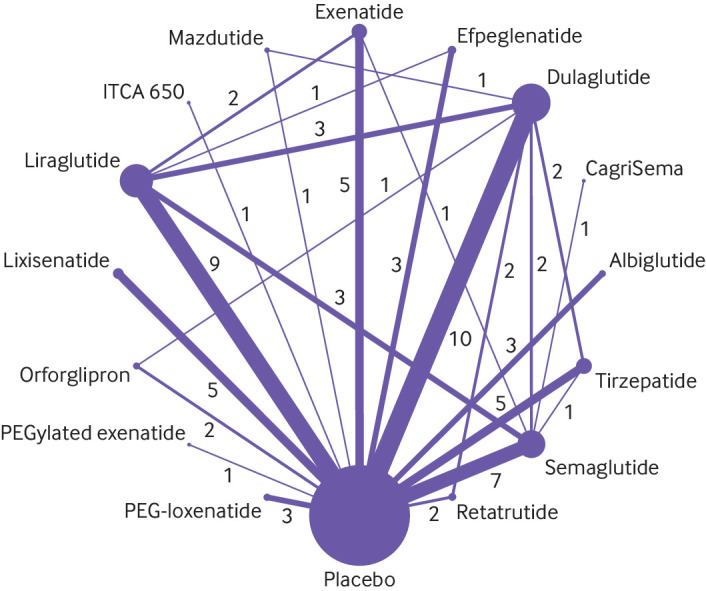
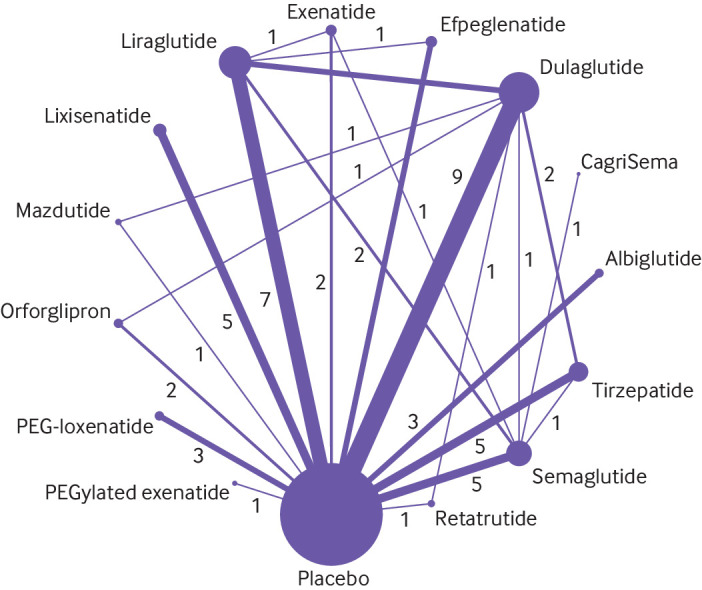
“Evaluated by fasting blood glucose, the network meta-analysis enrolled 47 randomised controlled trials with 17 163 subjects, confirming the placebo controlled effectiveness of all the 15 GLP-1RAs (fig 4, fig 5).”
§ Comparative effectiveness of GLP-1 receptor agonists on glycaemic control, body weight, and lipid profile for type 2 diabetes: systematic review and network meta-analysis > Results > Glycaemic control
boostedstates a causen = 163- Asserted: passes — The authors put it forward as true.
- Checkable: passes — It can be checked against evidence.
- Load-bearing: passes — The paper’s conclusions depend on it.
- Based: passes — The paper gives a reason why it holds.
A result the paper reports from its own data — it cites no other source for it, so there is none to check. The quote shows it is in the paper.
In the paper
“The efficacy of tirzepatide in lowering concentrations of HbA1c and fasting blood glucose, and lowering body weight was directly proportional to the length of follow-up duration (appendix 15).”
§ Comparative effectiveness of GLP-1 receptor agonists on glycaemic control, body weight, and lipid profile for type 2 diabetes: systematic review and network meta-analysis > Results > Subgroup analyses
plainstates an association- Asserted: passes — The authors put it forward as true.
- Checkable: passes — It can be checked against evidence.
- Load-bearing: unclear — It is unclear whether the paper’s conclusions depend on it.
- Based: passes — The paper gives a reason why it holds.
A result the paper reports from its own data — it cites no other source for it, so there is none to check. The quote shows it is in the paper.
In the paper
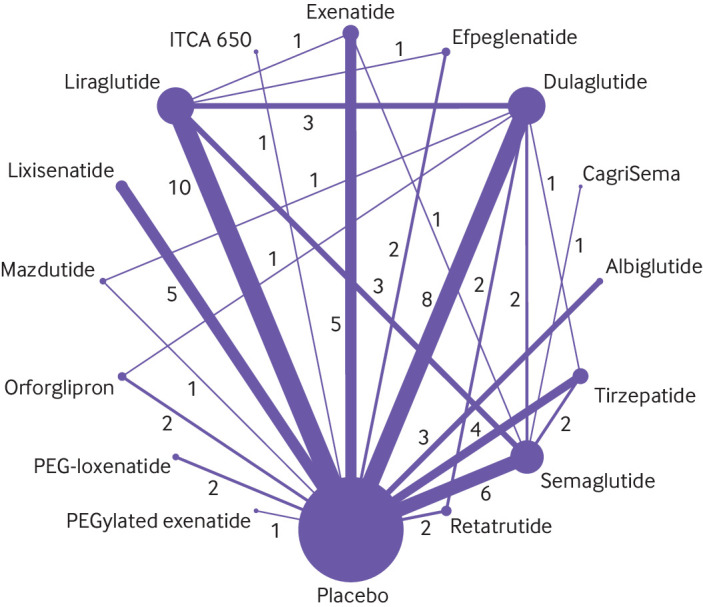
“followed by tirzepatide (−8.47 kg (−9.68 to −7.26); high confidence).”
§ Comparative effectiveness of GLP-1 receptor agonists on glycaemic control, body weight, and lipid profile for type 2 diabetes: systematic review and network meta-analysis > Abstract > Results
plainstates a cause- Asserted: passes — The authors put it forward as true.
- Checkable: passes — It can be checked against evidence.
- Load-bearing: passes — The paper’s conclusions depend on it.
- Based: passes — The paper gives a reason why it holds.
23 more claims
Create a free account to see all 43 claims and every source verdict.
- It may state two separate claims as one. 13
- Probably not a substantial claim. 5
Claims other papers make about this one
Each is checked against this paper’s own text: does it say what the citing paper says it does?
The source backs part of the claim, not all of it — or backs it for a different population, condition or comparison.
In the citing paper
“However, GLP‐1RA treatments showed over twice the odds of discontinuation due to adverse events compared with placebo. 27”
From Real‐world evidence on the utilization, clinical and comparative effectiveness, and adverse effects of newer GLP ‐ 1RA ‐based weight‐loss therapies (2025) · cites this paper as [27]
Experimental — accuracy not yet measuredThe source backs part of the claim, not all of it — or backs it for a different population, condition or comparison.
In the citing paper
“According to recent studies, tirzepatide, orforglipron, semaglutide, liraglutide, and exenatide were positively associated with diarrhea when compared with placebo, while liraglutide was associated with diarrhea when compared with exenatide and placebo [51, 53, 56].”
From Gastrointestinal adverse events associated with GLP-1 RA in non-diabetic patients with overweight or obesity: a systematic review and network meta-analysis (2025) · cites this paper as [53]
Experimental — accuracy not yet measuredThe source backs part of the claim, not all of it — or backs it for a different population, condition or comparison.
In the citing paper
“Nausea was the most frequently reported symptom, besides vomiting and diarrhea, findings consistent with prior research in diabetic populations [51–56].”
From Gastrointestinal adverse events associated with GLP-1 RA in non-diabetic patients with overweight or obesity: a systematic review and network meta-analysis (2025) · cites this paper as [53]
Experimental — accuracy not yet measuredThe source backs part of the claim, not all of it — or backs it for a different population, condition or comparison.
In the citing paper
“The benefits of this form of therapy to treat T2DM include 1) delayed gastric emptying, and 2) inhibiting the production of glucagon from pancreatic α- cells (71–73).”
From A critical review on diabetes mellitus type 1 and type 2 management approaches: from lifestyle modification to current and novel targets and therapeutic agents. (2024) · cites this paper as [73]
Experimental — accuracy not yet measuredThe cited source says what the claim attributes to it.
In the citing paper
“In a meta‐analysis of 76 RCTs in T2D, liraglutide, semaglutide and tirzepatide were all associated with significantly increased ORs of nausea, vomiting and diarrhoea. 27”
From Real‐world evidence on the utilization, clinical and comparative effectiveness, and adverse effects of newer GLP ‐ 1RA ‐based weight‐loss therapies (2025) · cites this paper as [27]
7 more claims about this paper
Create a free account to see every claim other papers make about this one.
Citations
Cites
The PRISMA 2020 statement: An updated guideline for reporting systematic reviews
Page, M. J., McKenzie, J. E., Bossuyt, P. M., Boutron, I., Hoffmann, T. C., Mulrow, C. D., Shamseer, L., Tetzlaff, J. M., Akl, E. A., Brennan, S. E., et al. (2021) · BMJ · doi:10.1136/bmj.n71 · Cited by 108,283
RoB 2: a revised tool for assessing risk of bias in randomised trials
Sterne, J. A. C., Savović, J., Page, M. J., Elbers, R. G., Blencowe, N. S., Boutron, I., Cates, C. J., Cheng, H.-Y., Corbett, M. S., Eldridge, S. M., et al. (2019) · BMJ · doi:10.1136/bmj.l4898 · Cited by 34,787
James, S. L., Abate, D., Abate, K. H., Abay, S. M., Abbafati, C., Abbasi, N., Abbastabar, H., Abd-Allah, F., Abdela, J., Abdelalim, A., et al. (2018) · The Lancet · doi:10.1016/s0140-6736(18)32279-7 · Cited by 13,867
Self-citationHutton, B., Salanti, G., Caldwell, D. M., Chaimani, A., Schmid, C. H., Cameron, C., Ioannidis, J. P. A., Straus, S., Thorlund, K., Jansen, J. P., et al. (2015) · Annals of Internal Medicine · doi:10.7326/m14-2385 · Cited by 8,269
The PRISMA 2020 statement: an updated guideline for reporting systematic reviews
Page, M. J., McKenzie, J., Bossuyt, P., Boutron, I., Hoffmann, T., mulrow, C., Shamseer, L., Tetzlaff, J., Akl, E., Brennan, S. E., et al. (2020) · doi:10.31222/osf.io/v7gm2_v1 · Cited by 8,090
The PRISMA 2020 statement: an updated guideline for reporting systematic reviews
Page, M. J., McKenzie, J., Bossuyt, P., Boutron, I., Hoffmann, T., mulrow, C., Shamseer, L., Tetzlaff, J., Akl, E., Brennan, S. E., et al. (2020) · doi:10.31222/osf.io/v7gm2 · Cited by 5,177
Biology of Incretins: GLP-1 and GIP
Baggio, L. L., & Drucker, D. J. (2007) · Gastroenterology · doi:10.1053/j.gastro.2007.03.054 · Cited by 3,639
Investigating and dealing with publication and other biases in meta-analysis
Sterne, J. A. C., Egger, M., & Smith, G. D. (2001) · BMJ · doi:10.1136/bmj.323.7304.101 · Cited by 2,225
PPARγ signaling and metabolism: the good, the bad and the future
Ahmadian, M., Suh, J. M., Hah, N., Liddle, C., Atkins, A. R., Downes, M., & Evans, R. M. (2013) · Nature Medicine · doi:10.1038/nm.3159 · Cited by 2,016
CINeMA: an approach for assessing confidence in the results of a network meta-analysis
Nikolakopoulou, A., Higgins, J. P. T., Papakonstantinou, T., Chaimani, A., Del Giovane, C., Egger, M., & Salanti, G. (2020) · PLOS Medicine · doi:10.1371/journal.pmed.1003082 · Cited by 1,935
Cited by
Items 301–400 of 547
Bianchi, C., Prato, S. D., Rothberg, A. E., & Nauck, M. A. (2026) · Diabetes Obesity and Metabolism · doi:10.1111/dom.70674 · Cited by 4
“…weight-lowering agents like semaglutide and tirzepatide (near-normoglycaemia or normoglycaemia with meaningful weight reduction without significant risk for severe hypoglycaemia) [44] are in contrast to past attempts to achieve near-normal HbA 1c concentrations using alternative therapies.”
GLP ‐1 Receptor/Dual Agonists for Weight Loss: A Systematic Review and Network Meta‐Analysis of RCTs
Vienghirun, J., Sawangjit, R., Suttiruksa, S., Chaiyakunapruk, N., Jinathongthai, P., Khunti, K., & Lee, S. W. H. (2026) · Diabetes Obesity and Metabolism · doi:10.1111/dom.70698 · Cited by 4
Nyrhi, L., Ponkilainen, V., Laaksonen, J., Kuikka, L., Paljakka, L., Karjalainen, T., Mattila, V. M., & Kuitunen, I. (2026) · EBioMedicine · doi:10.1016/j.ebiom.2026.106238 · Cited by 6
Lauri, G., Arcidiacono, P. G., Facciorusso, A., Capurso, G., & Tacelli, M. (2026) · Pancreatology · doi:10.1016/j.pan.2026.04.005 · Cited by 4
Khan, S., Herbst, W., Tajrishi, F. Z., Notani, S., Knight, A., Jamil, Z., & Ferdinand, K. C. (2026) · Biomedicines · doi:10.3390/biomedicines14040743 · Cited by 4
“…used agents such as albiglutide, lixisenatide, and extended-release exenatide failed to show significant stroke-protective effects, highlighting important heterogeneity and cautioning against assuming uniform stroke prevention across all GLP-1 receptor agonists (Table 1) [11,83,88,90–102].”
Gunasekaran, P., Inban, P., Agrawal, A., Thai, A., Aravazhi, P. S., Tariq, H., Prajjwal, P., & John, J. (2026) · Disease-a-Month · doi:10.1016/j.disamonth.2026.102113 · Cited by 4
Regulatory cycles of orexin and glucagon-Like peptide-1 in postviral syndromes
Ruhrländer, J., Schieffer, E., & Schieffer, B. (2026) · Endocrine Reviews · doi:10.1210/endrev/bnag009 · Cited by 2
Wan, K., Dai, Z.-H., Lei, E., Wong, P.-S., Wang, Y.-Y., Yu, A. P., Lin, F., Huang, Y., Duncan, W. C., Chan, K. Y., et al. (2026) · The Lancet Obstetrics Gynaecology & Women s Health · doi:10.1016/s3050-5038(25)00219-5 · Cited by 2
Buonanno, S., Gaggiano, C., Baldi, C., Cantarini, L., Frediani, B., & Gentileschi, S. (2026) · Journal of Personalized Medicine · doi:10.3390/jpm16060284 · Cited by 3
Brown, J. P., Huybrechts, K. F., Straub, L., Patorno, E., Seely, E. W., Bateman, B. T., & Hernández–Díaz, S. (2026) · Annals of Internal Medicine · doi:10.7326/annals-25-04820 · Cited by 8
GLP-1-based combination strategies for weight loss: Multi-target agents and combination therapies
Wang, X., Lin, R., Sun, Q., Xin, X., & Feng, Q. (2026) · Pharmacological Research · doi:10.1016/j.phrs.2026.108331 · Cited by 2
Beyond Weight Loss: Evaluating Cardiovascular Advantages of GLP-1 Receptor Agonists
Vezza, T., & Víctor, V. M. (2024) · American Journal of Cardiovascular Drugs · doi:10.1007/s40256-024-00650-8 · Cited by 4
Characteristic points of latest Standards of Medical Care in Diabetes
Bando, H. (2024) · Diabetes research (Edinburgh, Scotland) · doi:10.36502/2024/droa.6185 · Cited by 2
Are the lipid-lowering effects of incretin-based therapies relevant for cardiovascular benefit?
Alnima, T., Smits, M. M., & Hanssen, N. M. J. (2024) · Current Opinion in Lipidology · doi:10.1097/mol.0000000000000949 · Cited by 3
Too good to be true: Are GLP-1 receptor agonists the new metformin?
Kowall, B., Maier, G. A., & Rathmann, W. (2024) · Journal of Diabetes and its Complications · doi:10.1016/j.jdiacomp.2024.108851 · Cited by 2
Alghamdi, F. A., Alshegifi, H., Alhuthayli, R., Helal, T., Huwait, T. A., Alharbi, T., Akbar, A. F., Alshehri, W., & Alsheikh, S. (2024) · Cureus · doi:10.7759/cureus.74345 · Cited by 3
Where are we now? Biased signalling of Class B G protein-coupled receptor-targeted therapeutics
Tasma, Z., Garelja, M. L., Jamaluddin, A., Alexander, T. I., & Rees, T. A. (2025) · Pharmacology & Therapeutics · doi:10.1016/j.pharmthera.2025.108846 · Cited by 4
Wong, Y. J., & Goh, G. B. (2025) · Singapore Medical Journal · doi:10.4103/singaporemedj.smj-2025-051 · Cited by 2
Bantham, A., Hosking, M., & Rogers, R. J. (2025) · American Journal of Health Promotion · doi:10.1177/08901171251335507d · Cited by 3
Pantanetti, P., Ronconi, V., Mancin, S., Carolis, C. D., Alberti, S., Pazzi, O., Marco, S. D., Michetti, G., Coacci, S., Mignini, V. E., et al. (2025) · Diabetology · doi:10.3390/diabetology6080080 · Cited by 3
“Although previous findings have suggested that GLP-1 receptor agonists may also help lower BP [58–60], no statistically significant changes in systolic or diastolic BP were recorded in our study.”
Baidya, J., Dalton, J., Oris, R. J., Olson, J., Huang, R., Herczeg, C. K., Giakas, A. M., Green, W. A., Mathew, J. I., Baek, G., et al. (2025) · Spine Open · doi:10.1097/bn9.0000000000000013 · Cited by 2
Wang, X., Wu, X., Ouyang, Q., Liu, F., Liu, S., Qiu, J., Zhang, D., He, W., Tian, Q., Li, B., et al. (2025) · Industrial Crops and Products · doi:10.1016/j.indcrop.2025.122170 · Cited by 2
Sali, S. R., Srivastava, M., Ampeti, S., Sheikh, R. B., & Sonam Shashikala, B., V (2024) · medtigo Journal of Medicine · doi:10.63096/medtigo3061115 · Cited by 1
Strand, M. W., Chow, D. S., Shen, W., & Watanabe, J. H. (2025) · Pharmacoepidemiology · doi:10.3390/pharma4020009 · Cited by 2
Grenet, G., Gougeon, A., Salzwedel, D. M., Jauca, C. D., & Wright, J. M. (2025) · Cochrane Database of Systematic Reviews · doi:10.1002/14651858.cd016144 · Cited by 3
Kamrul-Hasan, A. B. M., Ganakumar, V., Nagendra, L., Dutta, D., Islam, M. R., & Pappachan, J. M. (2025) · World Journal of Diabetes · doi:10.4239/wjd.v16.i5.103244 · Cited by 4
Alicic, R. Z., & Neumiller, J. J. (2025) · Cardiology Clinics · doi:10.1016/j.ccl.2024.12.003 · Cited by 1
Emerging Treatments for Obesity: the Role of GLP1 Receptor Agonists on Stroke
Mariscal, M., & Testai, F. D. (2025) · Current Neurology and Neuroscience Reports · doi:10.1007/s11910-025-01423-9 · Cited by 2
Sen, S., Pai, S., & Harbell, M. W. (2025) · Current Opinion in Anaesthesiology · doi:10.1097/aco.0000000000001522 · Cited by 1
Jia, W., Li, X., & Qi, S. (2025) · Materials Technology · doi:10.1080/10667857.2025.2517670 · Cited by 2
“Reducing weight not only alleviates the accumulation of fat within the body but can also mitigate fatty liver disease [9].”
Effect of Ebenatide on glycemic metabolism and body fat in patients with type 2 diabetes mellitus
Xu, C.-L., Kong, X., Liu, X., Xu, X., Liu, B.-L., & Ma, J. (2025) · Frontiers in Endocrinology · doi:10.3389/fendo.2025.1622526 · Cited by 2
Expert Consensus Statement on Simplified Glycemic Care in Patients With Type 2 Diabetes Mellitus
Sethi, B. K., Chowdhury, S., Jain, S. M., Zargar, A. H., Chadha, M. D., Bhattacharyya, A., Shaikh, S. S., Makkar, B. M., Chawla, M. S., Kalra, P., et al. (2025) · Cureus · doi:10.7759/cureus.87002 · Cited by 1
“A systematic review and meta-analysis by Yao et al. [114] (76 studies, n=39,256) found that CagriSema (semaglutide with cagrilintide) led to significant weight loss (−14.03 kg, 95% CI (−17.05 to −11.00)), followed by tirzepatide (−8.47 kg, 95% CI (−9.68 to −7.26)).”
InfluentialZhao, W., Niu, X., Zhou, X., Shi, R., & Zhou, X. (2025) · Elsevier eBooks · doi:10.1016/b978-0-443-33885-4.00007-x · Cited by 1
Exposure–Response Analysis of Efsubaglutide Alfa in Patients with Type 2 Diabetes Mellitus
Wang, Q., Jiang, F., Xu, Y., Lei, Y., Zhang, L., & Sun, X. (2025) · Clinical Pharmacokinetics · doi:10.1007/s40262-025-01570-9 · Cited by 3
“These side effects are generally mild and often diminish over time [10].”
Therapeutic strategy for diabetic patients with cardiovascular-kidney-metabolic syndrome
Huang, J., Zuo, P.-Y., Zhang, C., & Yan, J. (2025) · Postgraduate Medical Journal · doi:10.1093/postmj/qgaf180 · Cited by 1
The perspectives in obesity and type 2 diabetes therapy: the present and future of incretin therapy
Shestakova, M. V., & Bashlykova, R. O. (2025) · Terapevticheskii arkhiv · doi:10.26442/00403660.2025.10.203366 · Cited by 6
Ahmad, B., Singh, P., Shah, R. J., Arif, M. H., Goel, A., Saeed, M., Saleh, A. O., Amer, S., Mukhlis, M., Waqas, S. A., et al. (2025) · Medicina de Familia SEMERGEN · doi:10.1016/j.semerg.2025.102628 · Cited by 1
Expression and functional diversity of the glucagon-like peptide-1 receptor across tumor types
Alba, M. M., Lee, W. H., Lee, J. S. H., Lu, Z., Stiles, B. L., & Ligumsky, H. (2025) · Discover Oncology · doi:10.1007/s12672-025-04097-4 · Cited by 4
“These effects have driven the widespread use of GLP-1-based therapies globally, and research continues to explore additional therapeutic uses [3, 8–11].”
Tian, X., Zhang, L., Zhang, K., Ge, X., Luo, Z., Zhang, Y., Wang, G. X., & Zhai, X. (2025) · Frontiers in Neurology · doi:10.3389/fneur.2025.1653900 · Cited by 1
Bhatia, R., Al-Bana, H., Mohamed, K., Amaefuna, C., Johnson, S. L., Munasinghe, B., Elkomi, R., Gillani, S. F., Beyene, E., Bisrat, M., et al. (2025) · Journal of Neurology · doi:10.1007/s00415-025-13560-9 · Cited by 2
Distilling the evidence for GLP-1 receptor agonists in alcohol use disorder
Bernstein, E. Y., & Schacht, J. P. (2025) · Addiction Science & Clinical Practice · doi:10.1186/s13722-025-00638-y · Cited by 1
“…events, which the authors defined as AUD incidence, recurrence, hospitalizations related to alcohol or other substances, or acute alcohol intoxication alcohol-related outcomes among trials in this review, also exhibits greater effects for weight loss compared to dula-glutide and exenatide [8].”
Campbell, C., peddi, P., Rogers, A. M., DuCoin, C. G., Sujka, J. A., & Docimo, S. (2025) · Obesity Surgery · doi:10.1007/s11695-025-08412-4 · Cited by 2
Thiyagarajan, S. K., Wall‐Wieler, E., Liu, Y., Zheng, F., & Edwards, M. (2026) · Obesity Surgery · doi:10.1007/s11695-025-08467-3 · Cited by 2
“In these patients, Glucagon-like Peptide-1 Receptor Agonists (GLP-1 RAs) [4–6] and Roux-en-Y gastric bypass (RYGB) [7–9 ] are two treatment options that can significantly impact weight loss and control of T2D.”
Zhou, L., Shen, X.-L., Zhu, Q.-R., Yu, W.-K., Li, H.-C., Cao, G., & Bao, Y. (2026) · Journal of Pharmaceutical Analysis · doi:10.1016/j.jpha.2026.101558 · Cited by 4
“Intensive glycemic control carries the risk of hypoglycemia, while GLP-1 receptor agonists are limited by gastrointestinal side effects and high cost [127].”
Navarrete, B. A., Heatley, H., Kaplan, A. G., et al. (2026) · Pragmatic and Observational Research · doi:10.2147/por.s550543 · Cited by 1
“5 Emerging evidence suggests potential anti-inflammatory and pulmonary benefits in terms of exacerbation reduction of GLP-1 RAs compared to other T2D treatments.”
Chen, Q., Chen, T., Lin, W., & Chen, X. (2026) · Diabetes Metabolic Syndrome and Obesity · doi:10.2147/dmso.s585436 · Cited by 3
“Recent network meta-analyses by Yao 56 and Xie 57,58 support the overall safety profile described above.”
InfluentialWang, M., Jiang, Y.-N., Li, P.-P., & Wu, Y.-J. (2026) · Diabetes Metabolic Syndrome and Obesity · doi:10.2147/dmso.s565093 · Cited by 2
“7,8 9–11 Notably, multiple studies have confirmed that obesity and insulin resistance are independent risk factors for the progression of MASH to fibrosis, and GLP-1RAs exert liver protection via both direct and indirect mechanisms.”
Self-citationGLP-1 Is Not Enough: Can Glucagon Fill the Energy Expenditure Gap?
Beji, S., & Caron, A. (2026) · Neuroendocrinology · doi:10.1159/000550812 · Cited by 1
“GLP-1 receptor agonists (GLP-1RAs) have become a cornerstone in the treatment of type 2 diabetes and obesity because of their ability to improve glycemic control and reduce body weight [67–70].”
Chan, Z. H., Omar, A. S., Gill, K., Volucke, G., Azhar, M. M., Haleem, S. M., Sia, J. E., Rahman, O. U., Ahmad, M., Shahid, N., et al. (2026) · Cardiology in Review · doi:10.1097/crd.0000000000001209 · Cited by 2
Hayek, A. A., Klonoff, D. C., Zahrani, W. M. A., Indarkiri, N. Y., & Dawish, M. A. A. (2026) · Advances in Therapy · doi:10.1007/s12325-026-03495-6 · Cited by 2
Johnson, B. V. B. (2026) · Journal of Nutrition · doi:10.1016/j.tjnut.2026.101436 · Cited by 1
Dyslipidemia in Diabetes: Navigating a Complex Landscape for Improved Cardiovascular Outcomes
Wahab, R. A., & Mahmood, W. A. W. (2026) · Clinical Medicine Insights Endocrinology and Diabetes · doi:10.1177/11795514261422310 · Cited by 2
“88 Although not among the approved pharmacotherapies for hyperlipidemia in diabetes, both SGLT2i and GLP-1a have demonstrated modest lipid-lowering effects.”
Nakano, Y., Morita, S., Nishi, N., Kita, M., Shimo, N., Takeshima, K., Furukawa, Y., & Matsuoka, T. (2026) · Diabetology International · doi:10.1007/s13340-026-00882-w · Cited by 1
“While their potent weight-reducing effects are well established, concerns have been raised regarding their potential impact on skeletal muscle mass and function, particularly in patients with risk factors for muscle decline [2, 3].”
Temperley, H. C., Coalter, M., Creavin, B., Jordan, P., Hogan, A. E., O'Sullivan, J. N., O'Shea, D. B., McCormick, P. H., Harrold, E., & Kelly, M. E. (2026) · British journal of surgery · doi:10.1093/bjs/znag029 · Cited by 2
“Their significant benefit is dependent on the potency of the agent used and the trials, but data show they can cause weight loss of between 5% and 18% of body weight in obesity 34 and a reduction in HbA1c of up to 2.1% 31 .”
InfluentialIizuka, K., Ito, A., Ushiroda, C., Hirano, K., Deguchi, K., Hiratsuka, I., Shibata, M., Takayanagi, T., Seino, Y., Sano, K., et al. (2026) · Nutrients · doi:10.3390/nu18060956 · Cited by 1
“…effects, as some drugs, such as GLP-1 receptor agonists and SGLT2 inhibitors, improve blood sugar levels while lowering body weight, whereas others, such as insulin, result in initial weight gain that is correlated with improved blood sugar; however, the two become independent later on [36–39].”
Li, Z., Huang, J., Zhou, S., Luan, Y., Xie, H., Chen, Z., Xu, J., & Qian, J. (2026) · Journal of Diabetes Research · doi:10.1155/jdr/8893769 · Cited by 1
Acute Contractile Effects of Glucagon-like-Peptide-1 Receptor Agonists in the Human Heart
Neumann, J., Kirchhefer, U., Hofmann, B., & Gergs, U. (2026) · Pharmaceutics · doi:10.3390/pharmaceutics18040447 · Cited by 1
Association of GLP-1 agonists with metabolic and acid–base disorders after radical cystectomy
Manivasagam, S. S., Ahmad, N. B., Kassim, A., & Raman, J. D. (2026) · Urologic Oncology Seminars and Original Investigations · doi:10.1016/j.urolonc.2026.03.008 · Cited by 1
Khan, M. Q., Becchetti, C., Jouid, M. R., Mortuza, R., Panda, S., Pierluissi, V., Stegagnini, M., Punchhi, G., Bajunayd, A., Viganò, R., et al. (2026) · Liver Transplantation · doi:10.1097/lvt.0000000000000917 · Cited by 2
Zbârcea, C. E., Marineci, C., Valeanu, A., Chiriţă, C., & Șeremet, O. C. (2026) · Diabetology · doi:10.3390/diabetology7060108 · Cited by 3
“They also target receptors in the brain and gastrointestinal tract, reducing appetite, slowing gastric emptying, and postponing glucose absorption [129,130].”
Piraccini, B. M., Vaño-Galvan, S., Blume‐Peytavi, U., Ribet, V., & Mengeaud, V. (2026) · Dermatology and Therapy · doi:10.1007/s13555-026-01792-0 · Cited by 3
Huang, S.-C., Wu, J.-Y., Kuo, C.-Y., Hsu, W., Tsai, Y., & Lai, C. (2026) · Drug Design Development and Therapy · doi:10.2147/dddt.s609054 · Cited by 5
Gong, J., Chiu, N., Clinch, K., Qian, Y., Ho, J. E., & Wadhera, R. K. (2026) · Journal of the American College of Cardiology · doi:10.1016/j.jacc.2026.04.031 · Cited by 4
Sarić, M. M., Šikić, N. L., Sorić, T., Sarić, A., Ivanišin, A., Brodić, I., & Milić, M. (2026) · International Journal of Molecular Sciences · doi:10.3390/ijms27125495 · Cited by 2
“In addition to improving glycemic control, they promote weight reduction through combined endocrine and central nervous system effects that influence satiety and energy intake [155].”
Henriques, J. P., Weckwerth, A. V. B., Sant’Ana, A. C. P., Damante, C. A., Santos, C. F., & Negrato, C. A. (2026) · Annales Pharmaceutiques Françaises · doi:10.1016/j.pharma.2026.06.008 · Cited by 5
Milluzzo, A., Quaranta, G., Barbagallo, F. D. G., Marco, M. D., Carrubba, N., Oteri, V., Sciacca, L., & Frittitta, L. (2026) · Endocrine Practice · doi:10.1016/j.eprac.2026.06.006 · Cited by 2
Marani, A., Neri, E., Morea, E., Bertolla, D., Gualdi, G., Borghi, A., Conti, A., & Amerio, P. (2026) · Journal of Clinical Medicine · doi:10.3390/jcm15135126 · Cited by 3
High Dose of Liraglutide Impairs Renal Function in Female Hypertensive Rats
Firmino, F. T., Peixoto, P., Batista, T. J., Escouto, L. D. S., Brasil, G. A., Couto, M. D. R., de Melo, A. F., & Bissoli, N. S. (2024) · Journal of Cardiovascular Pharmacology · doi:10.1097/fjc.0000000000001649 · Cited by 1
“11 Importantly, studies in rodents showed that liraglutide was related to an increased risk of focal thyroid C-cell hyperplasia, adenomas, and C-cell tumors.”
Zhu, H., Guo, P., Zhao, Y., Wu, X., Wang, B., Yang, H., & Yu, J. (2024) · Obesity Surgery · doi:10.1007/s11695-024-07634-2 · Cited by 1
“For example, glucagon-like peptide-1 receptor agonists (GLP-1RA), such as liraglutide and semaglutide, can reduce HbA1c levels and aid in weight loss [37].”
Weighing In: Glucagon-Like Peptide-1 Receptor Agonism for Persons With HIV.
Thomas, T. S., & Srinivasa, S. (2024) · PubMed Central · Cited by 7
Xie, H., Xu, Q., Zhao, B., & Wu, W. (2025) · Expert Opinion on Drug Safety · doi:10.1080/14740338.2025.2469273 · Cited by 2
“GLP-1 analogues are known to be effective in promoting weight loss and their approval for obesity treatment with liraglutide and semaglutide [50].”
Gagnon, C. A., Buchanan, K., Deaver, J. M., Schmitt, J. A., Lahart, I. M., Shetty, S., Ashraf, A. P., & Pappachan, J. M. (2025) · World Journal of Diabetes · doi:10.4239/wjd.v16.i7.106890 · Cited by 3
Patient support during GLP‑1 arGLP‑1 therapy: practical solutions for cosmetologists
Akhmedbaeva, I. A., Kruglova, L. S., & Gryazeva, N. V. (2025) · Medical alphabet · doi:10.33667/2078-5631-2025-23-7-10 · Cited by 1
Intestinal glucagon-like peptide-1 in hypoglycemic counterregulation for type 1 diabetes management
Zhang, K., Kan, C., Wang, Y.-Q., Hou, N., & Sun, X. (2024) · World Journal of Diabetes · doi:10.4239/wjd.v15.i12.2380 · Cited by 1
Zhou, Y., & Zhai, Y. (2025) · Diabetes Care · doi:10.2337/dc24-1777 · Cited by 1
Ren, Q.-W., & Yiu, K. (2025) · European Journal of Preventive Cardiology · doi:10.1093/eurjpc/zwaf242 · Cited by 1
Chen, Z., Liu, T., Mo, Y., Fu, Q., Lei, S., Tong, T., & Tang, X. (2025) · medRxiv · doi:10.1101/2025.09.18.25335860 · Cited by 3
Tirzepatide cardiovascular benefits and adverse events assessment: a Bayesian network meta-analysisPreprint
gong, X., cheng, P., han, Y., li, Q., Song, C., & Zhao, Y. (2024) · Research Square · doi:10.21203/rs.3.rs-4159026/v1
Semaglutide interferes with postnatal development of juvenile mice with compromised growthPreprint
Joly, A., Rebiffé, L., Dusabyinema, Y., Dellinger, J., Gauthier, K. C., Leulier, F., & Vadder, F. D. (2024) · bioRxiv (Cold Spring Harbor Laboratory) · doi:10.1101/2024.05.06.592704
Morioka, T., Takeuchi, M., Ozeki, A., & Emoto, M. (2024) · Diabetes Obesity and Metabolism · doi:10.1111/dom.15644 · Cited by 2
“26 A Phase 3 study conducted in Chinese people 1,21 showed a reduction in body weight, whereas no change in body weight was observed in a Phase 3 study in Japanese people that evaluated dulaglutide 0.75 mg mono-therapy.”
InfluentialSemaglutide in the Treatment of Diabetes and Associated Obesity
Makuch, R., Chrościcka, A., Gała, K., Czajka, A., Lenard, P., Kucharski, A., Michalska, S., Pilarski, K., Dewicka, M., & Wawrzyniak, A. M. (2024) · Journal of Education Health and Sport · doi:10.12775/jehs.2024.73.51699
“These effects collectively contribute to the reduction of blood glucose levels and body weight [5,7].”
BackgroundUnterschiede in der Wirksamkeit und Verträglichkeit Inkretinbasierter Diabetes-Medikamente
Franke, K. (2024) · DMW - Deutsche Medizinische Wochenschrift · doi:10.1055/a-2260-5914
Dash, J. R., Pattnaik, G., Pattanaik, S., Ghosh, G., Rath, G., & Kar, B. (2024) · Current Bioactive Compounds · doi:10.2174/0115734072326477240816115418
Matvejeva, D., Nováková, M., Piťhová, P., & Kvapil, M. (2024) · Vnitřní lékařství · doi:10.36290/vnl.2024.085
Xiao, Z., Yin, X., Lai, X., Zhou, X., Zhang, Y., Yang, D., Wu, R., Wang, H., Zhou, J., Yang, X., et al. (2024) · SSRN Electronic Journal · doi:10.2139/ssrn.5038364
Chen, X., Zhang, Z., Wei, D., Huang, W., Chen, W., Ding, D.-G., Xu, X., Zhang, Y., Zhang, Y., Xu, X., et al. (2026) · Nutrition Reviews · doi:10.1093/nutrit/nuag048
Thomas, M., Mastitskaya, S., Parker, S., Cookson, R., Holmes, L., Marsh, A., Ramesh, A. V., Rudd, S., Teo, M., & Mortimer, A. M. (2024) · medRxiv · doi:10.1101/2024.12.04.24318321
The Use of Glucagon-Like Peptide-1 (GLP-1) Agonists in the Perioperative Period: A Case Study
Anderson, T. R., Bushhouse, M., Carletto, E. J., & van Holder, K. (2025) · Cureus · doi:10.7759/cureus.77106 · Cited by 1
Li, J., Ni, W., Bai, X., Zhou, S., Wu, X., Li, J., Jiang, Z., Wu, J., Li, M., Wong, H.-N., et al. (2025) · SSRN Electronic Journal · doi:10.2139/ssrn.5083838
de Carvalho, G. F., de Sousa, G. M. B., Moraes, G., Dorneles, H. B. F., Ferreira, L. C. L., Cury, G. A. A., Carvalho, M. D. O. P., & Lima, M. C. T. L. (2025) · Contribuciones a las Ciencias Sociales · doi:10.55905/revconv.18n.1-235 · Cited by 1
Builes-Montaño, C. E., Suarez-Rodriguez, A. F., & Carreño, J. (2025) · F1000Research · doi:10.12688/f1000research.159628.1
Exploring a novel mechanism for targeting β-arrestin-2 in the management of diabetic nephropathy
Liu, N., Yan, W., & Xiong, K. (2025) · World Journal of Diabetes · doi:10.4239/wjd.v16.i4.101994
Song, X., Yang, X., Liu, Q., Bian, X., Gao, L., & Tao, J. (2025) · Diabetes Metabolic Syndrome and Obesity · doi:10.2147/dmso.s502475 · Cited by 1
Xu, Y., Velu, P., Hu, L., & Guimarães, N. S. (2025) · Diabetology & Metabolic Syndrome · doi:10.1186/s13098-025-01633-8
Herbal medicine for experimental type 2 diabetes and atherosclerosis
Białoszycka, Ż., Biloshytska, A., Białoszycka, M. M., Pachevska, A. V., & Vasyliev, M. (2025) · Quality in Sport · doi:10.12775/qs.2025.41.60382
Stafeev, I., Agareva, M. Y., Michurina, S. S., Tomilova, A., Shestakova, E. A., Voznesenskaya, А. А., Sineokaya, M. S., Alekseeva, N., Boldyreva, M. A., Ratner, E. I., et al. (2025) · American Journal of Physiology-Endocrinology and Metabolism · doi:10.1152/ajpendo.00033.2025
Sun, Y.-M., Kuang, J., Zhang, H.-H., Xia, X.-X., Wang, J.-Y., Zheng, D., Zhou, K., Tang, Y., Zhao, A., Jia, W., et al. (2025) · World Journal of Diabetes · doi:10.4239/wjd.v16.i6.103616 · Cited by 1
“In recent years, GLP-1 receptor agonists have emerged as the most promising agents for treating diabetes and obesity[17,18].”
Can glucagon-like peptide 1 agonists redefine polycystic ovary syndrome weight loss management?
Mason, I., & Weinerman, R. S. (2025) · Fertility and Sterility · doi:10.1016/j.fertnstert.2025.06.018
Nicholl, C. G., Wilson, K. J., & D'Souza, S. (2025) · Wiley eBooks · doi:10.1002/9781394397976.ch16
Thomas, M., Mastitskaya, S., Parker, S., Cookson, R., Holmes, L., Marsh, A., Ramesh, A. V., Rudd, S., Teo, M., & Mortimer, A. M. (2025) · medRxiv · doi:10.1101/2025.07.23.25332036 · Cited by 1
Metadata
- Authors
- Yao, H., Zhang, A., Li, D., Wu, Y., Wang, C.-Z., Wan, J.-Y., & Yuan, C.-S.
- Affiliations
- Beijing University of Chinese Medicine (CN)
- University of Chicago (US)
- Venue
- BMJ
- Publisher
- BMJ
- Published
- 2024-01-29
- Volume
- 384
- Pages
- e076410
- ISSN
- 1756-1833 (ISSN-L)
- PMC
- PMC10823535
- OpenAlex
- W4391309422
- Cited by
- 558
- References
- 42
- Citations by year
- 2026: 196 · 2025: 259 · 2024: 103
- FWCI
- 32.55
- Type
- journal article
- Language
- en
- Open access
- hybrid
- doi.org
- Licence
- Locations
- BMJ (publishedVersion, cc-by-nc)
- PubMed Central (publishedVersion, cc-by-nc)
- PubMed (publishedVersion)
- HighWire Press Open Archive (submittedVersion)
- Funders
- National Natural Science Foundation of China (82274379)
- Beijing University of Chinese Medicine
- Fundamental Research Funds for the Central Universities
- Topics
- Health Sciences › Medicine › Endocrinology, Diabetes and Metabolism › Diabetes Treatment and Management
- Health Sciences › Medicine › Pharmacology (medical) › Pharmacology and Obesity Treatment
- Health Sciences › Medicine › Endocrinology, Diabetes and Metabolism › Diabetes Management and Research
- Keywords
- GLP-1 receptor agonists, type 2 diabetes, glycemic control, weight loss, lipid profile, HbA1c, fasting blood glucose, tirzepatide, semaglutide, cagrilintide, LDL cholesterol, triglycerides, drug safety, drug efficacy comparison, weight management
- MeSH terms
- Glycemic Control, Glucagon-Like Peptide-1 Receptor Agonists, Adult, Blood Glucose, Body Weight, Diabetes Mellitus, Type 2, Glycated Hemoglobin, Humans, Hypoglycemic Agents, Weight Loss, Lipid Metabolism
About these checks
Registry, retraction, Cites and statistics results are computed, not judged, with one exception: a printed reference that no index lists is read once by a model before it counts as a citation error. Claims are extracted by a model and kept only when their quote appears verbatim in the text; each cited source is then checked, with a model’s help, for whether it says what the claim relies on. Those verdicts can be wrong — read the claim’s quote and the cited source before relying on one.
A language model drew the claims from the paper on 2026-10-10, under version 3 of the claim definition (model deepseek-v4.1-flash, prompt extract-v3).
A second model labelled each claim on 2026-10-10 (model jev-1.13-20260917, definition revision gold-guideline-v0.2).
Cited sources are checked with a language model’s help (gpt-6-sol).
Statistics and arithmetic are recomputed, not judged.
Confidence bands are shown only for fields calibrated on our annotated test set. None is calibrated yet, so no band is shown.
What counts as a claim ›How we measure confidence ›How we check this ›
Are you an author, or do you see a problem with this page? Request a review
Data sources
Bibliographic data: Semantic Scholar, OpenAlex, Crossref.
Contains information from the Semantic Scholar Academic Graph Datasets, made available under the ODC Attribution License (ODC-BY 1.0).
Semantic Scholar’s data is described in: Kinney, R., et al. (2023). The Semantic Scholar Open Data Platform. arXiv:2301.10140.
