

Comparative effectiveness of GLP-1 receptor agonists on glycaemic control, body weight, and lipid profile for type 2 diabetes: systematic review and network meta-analysis
Open accessThe DOI matches its Crossref record; 46 of the 46 references it cites were found in a registry or an index; 1 of the 4 sources its claims cite were checked for support.
Abstract
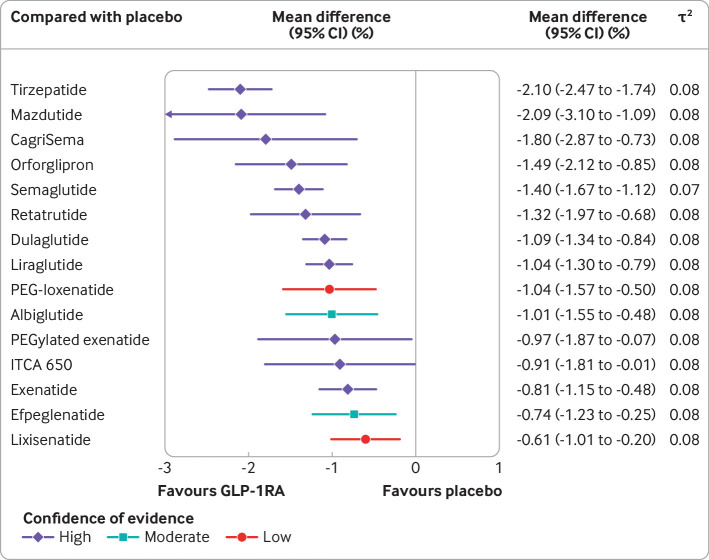
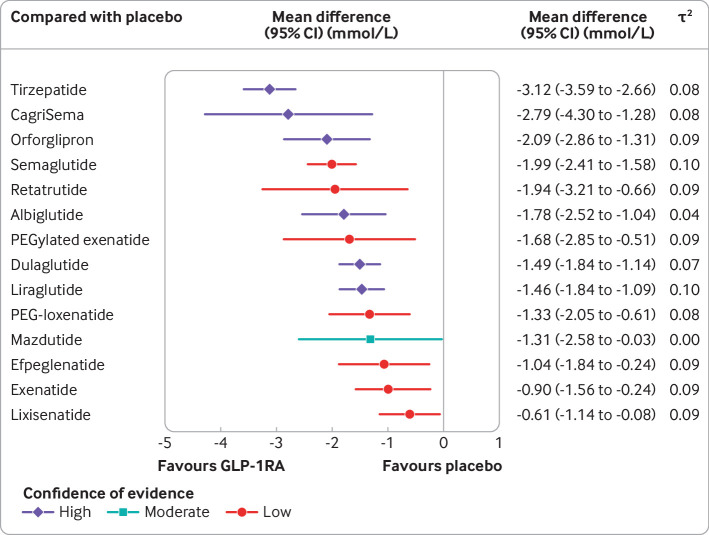
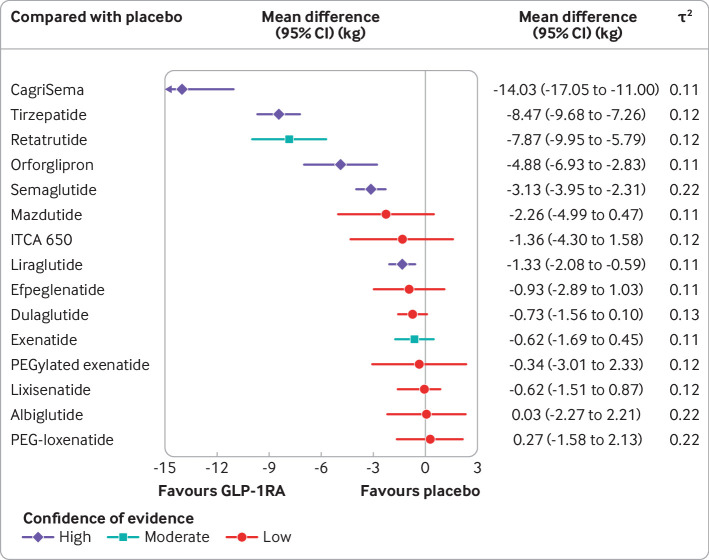
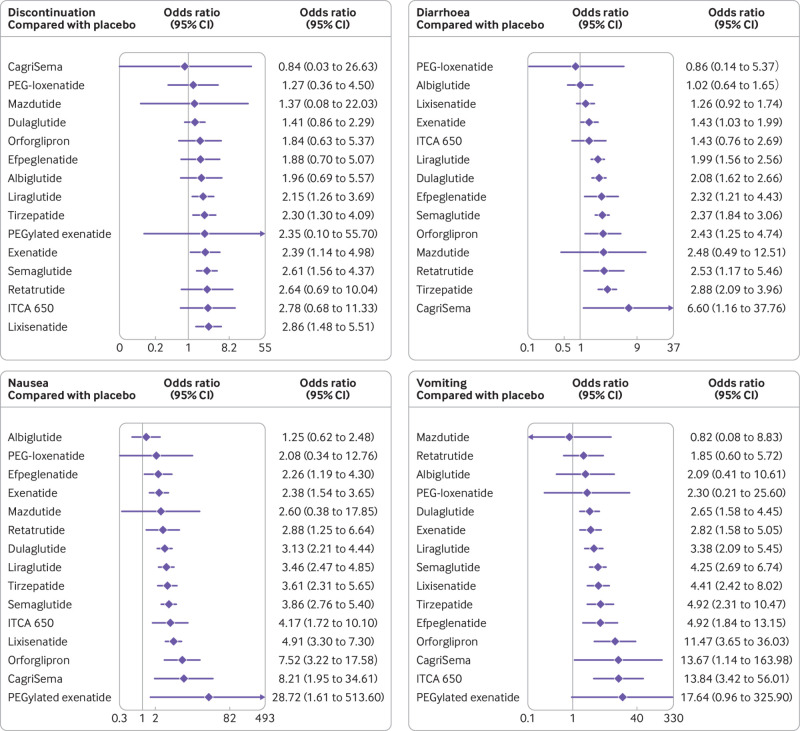
Abstract Objective To evaluate the comparative efficacy and safety of glucagon-like peptide-1 receptor agonists (GLP-1RAs) on glycaemic control, body weight, and lipid profile in adults with type 2 diabetes. Design Systematic review and network meta-analysis. Data sources PubMed, Web of Science, Cochrane Central Register of Controlled Trials (CENTRAL), and Embase from database inception to 19 August 2023. Eligibility criteria for selecting studies Eligible randomised controlled trials enrolled adults with type 2 diabetes who received GLP-1RA treatments and compared effects with placebo or any GLP-1RA drug, with a follow-up duration of at least 12 weeks. Trials with a crossover design, non-inferiority studies comparing GLP-1RA and other drug classes without a placebo group, using withdrawn drugs, and non-English studies were deemed ineligible. Results 76 eligible trials involving 15 GLP-1RA drugs and 39 246 participants were included in this network meta-analysis; all subsequent estimates refer to the comparison with placebo. All 15 GLP-1RAs effectively lowered haemoglobin A 1c and fasting plasma glucose concentrations. Tirzepatide induced the largest reduction of haemoglobin A 1c concentrations (mean difference −2.10% (95% confidence interval −2.47% to −1.74%), surface under the cumulative ranking curve 94.2%; high confidence of evidence), and fasting plasma glucose concentrations (−3.12 mmol/L (−3.59 to −2.66), 97.2%; high confidence), and proved the most effective GLP-1RA drug for glycaemic control. Furthermore, GLP-1RAs were shown to have strong benefits to weight management for patients with type 2 diabetes. CagriSema (semaglutide with cagrilintide) resulted in the highest weight loss (mean difference −14.03 kg (95% confidence interval −17.05 to −11.00); high confidence of evidence), followed by tirzepatide (−8.47 kg (−9.68 to −7.26); high confidence). Semaglutide was effective in lowering the concentration of low density lipoprotein (−0.16 mmol/L (−0.30 to −0.02)) and total cholesterol (−0.48 mmol/L (−0.84 to −0.11)). Moreover, this study also raises awareness of gastrointestinal adverse events induced by GLP-1RAs, and concerns about safety are especially warranted for high dose administration. Conclusions GLP-1RAs are efficacious in treating adults with type 2 diabetes. Compared with the placebo, tirzepatide was the most effective GLP-1RA drug for glycaemic control by reducing haemoglobin A 1c and fasting plasma glucose concentrations. GLP-1RAs also significantly improved weight management for type 2 diabetes, with CagriSema performing the best for weight loss. The results prompt safety concerns for GLP-1RAs, especially with high dose administration, regarding gastrointestinal adverse events. Systematic review registration PROSPERO CRD42022342845.
Overview
CoChat Summary
## TL;DR
This systematic review and network meta-analysis of 76 randomized controlled trials (39,246 participants) compared 15 GLP-1 receptor agonists for type 2 diabetes. Tirzepatide ranked best for glycaemic control, CagriSema for weight loss, and several drugs increased gastrointestinal adverse events.
## Key findings
- Across 76 trials involving 39,246 adults, all 15 GLP-1RAs significantly reduced HbA1c and fasting plasma glucose versus placebo.
- Tirzepatide had the largest HbA1c reduction: mean difference −2.10% (95% CI −2.47% to −1.74%) and fasting plasma glucose reduction: −3.12 mmol/L (−3.59 to −2.66), both with high confidence of evidence.
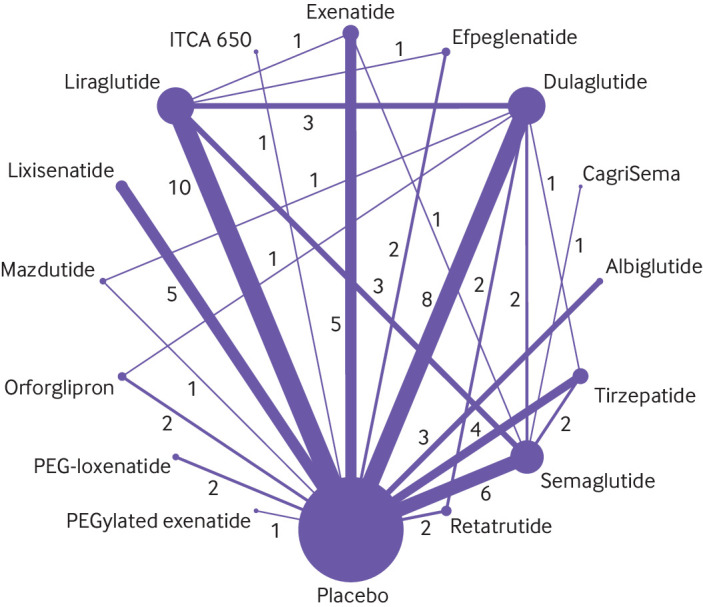
- CagriSema produced the greatest weight loss: −14.03 kg (95% CI −17.05 to −11.00); tirzepatide was next: −8.47 kg (−9.68 to −7.26).
- Semaglutide lowered low-density lipoprotein by −0.16 mmol/L (−0.30 to −0.02) and total cholesterol by −0.48 mmol/L (−0.84 to −0.11); PEG-loxenatide increased HDL by 0.16 mmol/L (0.00 to 0.31).
## Methods
- Systematic review and network meta-analysis of randomized controlled trials, registered in PROSPERO (CRD42022342845) and reported under PRISMA/PRISMA-NMA.
- Searched PubMed, Web of Science, CENTRAL, and Embase from inception to 19 August 2023, plus conference websites, ClinicalTrials.gov, references, and prior reviews; included English-language peer-reviewed RCTs in adults with type 2 diabetes, follow-up ≥12 weeks.
- Used frequentist random-effects network meta-analysis in Stata, with SUCRA rankings, node-splitting/design-treatment interaction for consistency, CINeMA and RoB 2 for evidence quality/bias, and meta-regression/subgroup analyses by dose, follow-up, age, diabetes duration, and background treatment.
## Limitations
- The paper states that included trials varied in population characteristics and follow-up durations, which may have led to imprecise effect estimates.
- The paper states that participants had little control over diet and exercise, which may have influenced blood glucose and body weight.
- The paper states that some trials did not provide enough information to assess randomization, allocation concealment, or blinding, and some drugs had few studies, so subgroup and comparative results should be interpreted cautiously.
- Evident from the text: the review excluded non-English studies, conference abstracts, crossover trials, and non-inferiority studies without a placebo arm, so the evidence base may be narrower than all available GLP-1RA trials.
Model-written summary. Check it against the paper before relying on it.
Integrity signals
Registry
Cites
Statistics
Figures
Verification
Claims the paper makes
1 Valid · 0 Not valid · 1 Not checked · 41 Own results and interpretations
The sources with a verdict support this claim; the rest weren’t checked yet, have no full text we could read, or their verdicts aren’t rated yet.
In the paper
“GLP-1RAs have been shown to greatly reduce the body weight of obese people with type 2 diabetes.8 14”
§ Comparative effectiveness of GLP-1 receptor agonists on glycaemic control, body weight, and lipid profile for type 2 diabetes: systematic review and network meta-analysis > Introduction
What the sources say
- Supportedcites [8] Garvey WT Frias JP Jastreboff AM SURMOUNT-2 investigators. Tirzepatide once weekly for the treatment of obesity in people with type 2 diabetes (SURMOUNT-2): a double-blind, randomised, multicentre, placebo-controlled, phase 3 trial. Lancet 2023; 402: 613- 26. 10.1016/S0140-6736(23)01200-X. 37385275 source
The Research in context section reports that the GLP-1 receptor agonists liraglutide and semaglutide produced placebo-adjusted body-weight reductions of 4.0%–6.2% in people with overweight or obesity and type 2 diabetes. This supports the citing sentence's broad claim; the section also distinguishes these drugs from tirzepatide, a dual GIP and GLP-1 receptor agonist. (LLM, conf=0.91)
- Not checked — no full text of the sourcecites [14] Wharton S Blevins T Connery L GZGI Investigators. Daily oral glp-1 receptor agonist orforglipron for adults with obesity. N Engl J Med 2023; 389: 877- 88. 10.1056/NEJMoa2302392. 37351564 source
boostedstates a cause- Asserted: passes — The authors put it forward as true.
- Checkable: passes — It can be checked against evidence.
- Load-bearing: unclear — It is unclear whether the paper’s conclusions depend on it.
- Based: passes — The paper gives a reason why it holds.
- Supported
A result the paper reports from its own data — it cites no other source for it, so there is none to check. The quote shows it is in the paper.
In the paper
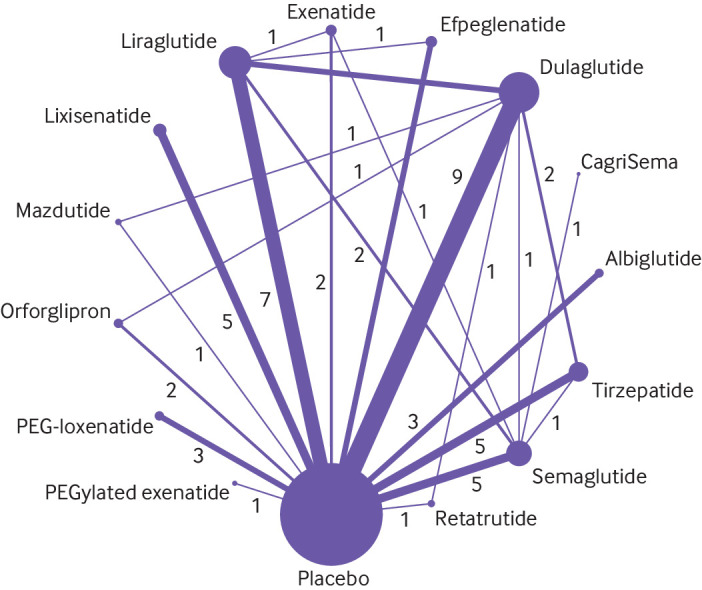
“All 15 GLP-1RA drugs showed significant efficacy in reducing HbA1c levels compared with placebo in adults with type 2 diabetes (fig 2, fig 3).”
§ Comparative effectiveness of GLP-1 receptor agonists on glycaemic control, body weight, and lipid profile for type 2 diabetes: systematic review and network meta-analysis > Results > Glycaemic control
plainstates a causen = 343- Asserted: passes — The authors put it forward as true.
- Checkable: passes — It can be checked against evidence.
- Load-bearing: passes — The paper’s conclusions depend on it.
- Based: passes — The paper gives a reason why it holds.
A result the paper reports from its own data — it cites no other source for it, so there is none to check. The quote shows it is in the paper.
In the paper
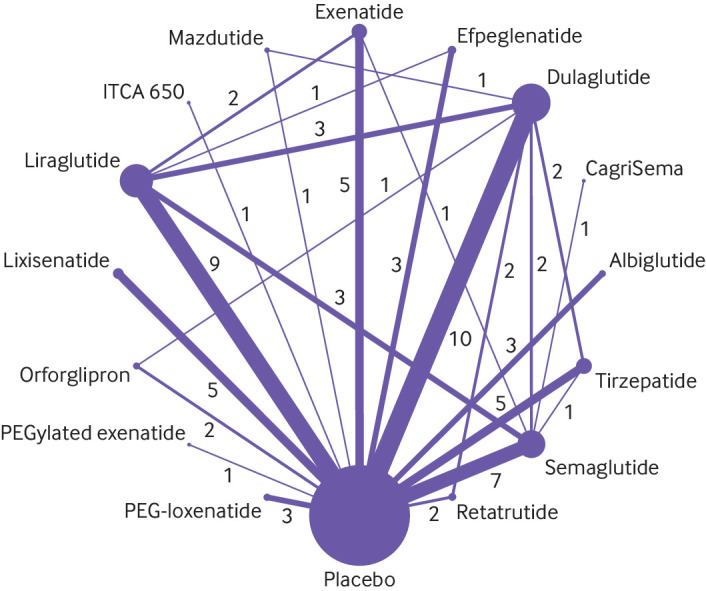
“Evaluated by fasting blood glucose, the network meta-analysis enrolled 47 randomised controlled trials with 17 163 subjects, confirming the placebo controlled effectiveness of all the 15 GLP-1RAs (fig 4, fig 5).”
§ Comparative effectiveness of GLP-1 receptor agonists on glycaemic control, body weight, and lipid profile for type 2 diabetes: systematic review and network meta-analysis > Results > Glycaemic control
boostedstates a causen = 163- Asserted: passes — The authors put it forward as true.
- Checkable: passes — It can be checked against evidence.
- Load-bearing: passes — The paper’s conclusions depend on it.
- Based: passes — The paper gives a reason why it holds.
A result the paper reports from its own data — it cites no other source for it, so there is none to check. The quote shows it is in the paper.
In the paper
“The efficacy of tirzepatide in lowering concentrations of HbA1c and fasting blood glucose, and lowering body weight was directly proportional to the length of follow-up duration (appendix 15).”
§ Comparative effectiveness of GLP-1 receptor agonists on glycaemic control, body weight, and lipid profile for type 2 diabetes: systematic review and network meta-analysis > Results > Subgroup analyses
plainstates an association- Asserted: passes — The authors put it forward as true.
- Checkable: passes — It can be checked against evidence.
- Load-bearing: unclear — It is unclear whether the paper’s conclusions depend on it.
- Based: passes — The paper gives a reason why it holds.
A result the paper reports from its own data — it cites no other source for it, so there is none to check. The quote shows it is in the paper.
In the paper
“followed by tirzepatide (−8.47 kg (−9.68 to −7.26); high confidence).”
§ Comparative effectiveness of GLP-1 receptor agonists on glycaemic control, body weight, and lipid profile for type 2 diabetes: systematic review and network meta-analysis > Abstract > Results
plainstates a cause- Asserted: passes — The authors put it forward as true.
- Checkable: passes — It can be checked against evidence.
- Load-bearing: passes — The paper’s conclusions depend on it.
- Based: passes — The paper gives a reason why it holds.
23 more claims
Create a free account to see all 43 claims and every source verdict.
- It may state two separate claims as one. 13
- Probably not a substantial claim. 5
Claims other papers make about this one
Each is checked against this paper’s own text: does it say what the citing paper says it does?
The source backs part of the claim, not all of it — or backs it for a different population, condition or comparison.
In the citing paper
“However, GLP‐1RA treatments showed over twice the odds of discontinuation due to adverse events compared with placebo. 27”
From Real‐world evidence on the utilization, clinical and comparative effectiveness, and adverse effects of newer GLP ‐ 1RA ‐based weight‐loss therapies (2025) · cites this paper as [27]
Experimental — accuracy not yet measuredThe source backs part of the claim, not all of it — or backs it for a different population, condition or comparison.
In the citing paper
“According to recent studies, tirzepatide, orforglipron, semaglutide, liraglutide, and exenatide were positively associated with diarrhea when compared with placebo, while liraglutide was associated with diarrhea when compared with exenatide and placebo [51, 53, 56].”
From Gastrointestinal adverse events associated with GLP-1 RA in non-diabetic patients with overweight or obesity: a systematic review and network meta-analysis (2025) · cites this paper as [53]
Experimental — accuracy not yet measuredThe source backs part of the claim, not all of it — or backs it for a different population, condition or comparison.
In the citing paper
“Nausea was the most frequently reported symptom, besides vomiting and diarrhea, findings consistent with prior research in diabetic populations [51–56].”
From Gastrointestinal adverse events associated with GLP-1 RA in non-diabetic patients with overweight or obesity: a systematic review and network meta-analysis (2025) · cites this paper as [53]
Experimental — accuracy not yet measuredThe source backs part of the claim, not all of it — or backs it for a different population, condition or comparison.
In the citing paper
“The benefits of this form of therapy to treat T2DM include 1) delayed gastric emptying, and 2) inhibiting the production of glucagon from pancreatic α- cells (71–73).”
From A critical review on diabetes mellitus type 1 and type 2 management approaches: from lifestyle modification to current and novel targets and therapeutic agents. (2024) · cites this paper as [73]
Experimental — accuracy not yet measuredThe cited source says what the claim attributes to it.
In the citing paper
“In a meta‐analysis of 76 RCTs in T2D, liraglutide, semaglutide and tirzepatide were all associated with significantly increased ORs of nausea, vomiting and diarrhoea. 27”
From Real‐world evidence on the utilization, clinical and comparative effectiveness, and adverse effects of newer GLP ‐ 1RA ‐based weight‐loss therapies (2025) · cites this paper as [27]
7 more claims about this paper
Create a free account to see every claim other papers make about this one.
Citations
Cites
The PRISMA 2020 statement: An updated guideline for reporting systematic reviews
Page, M. J., McKenzie, J. E., Bossuyt, P. M., Boutron, I., Hoffmann, T. C., Mulrow, C. D., Shamseer, L., Tetzlaff, J. M., Akl, E. A., Brennan, S. E., et al. (2021) · BMJ · doi:10.1136/bmj.n71 · Cited by 108,283
RoB 2: a revised tool for assessing risk of bias in randomised trials
Sterne, J. A. C., Savović, J., Page, M. J., Elbers, R. G., Blencowe, N. S., Boutron, I., Cates, C. J., Cheng, H.-Y., Corbett, M. S., Eldridge, S. M., et al. (2019) · BMJ · doi:10.1136/bmj.l4898 · Cited by 34,787
James, S. L., Abate, D., Abate, K. H., Abay, S. M., Abbafati, C., Abbasi, N., Abbastabar, H., Abd-Allah, F., Abdela, J., Abdelalim, A., et al. (2018) · The Lancet · doi:10.1016/s0140-6736(18)32279-7 · Cited by 13,867
Self-citationHutton, B., Salanti, G., Caldwell, D. M., Chaimani, A., Schmid, C. H., Cameron, C., Ioannidis, J. P. A., Straus, S., Thorlund, K., Jansen, J. P., et al. (2015) · Annals of Internal Medicine · doi:10.7326/m14-2385 · Cited by 8,269
The PRISMA 2020 statement: an updated guideline for reporting systematic reviews
Page, M. J., McKenzie, J., Bossuyt, P., Boutron, I., Hoffmann, T., mulrow, C., Shamseer, L., Tetzlaff, J., Akl, E., Brennan, S. E., et al. (2020) · doi:10.31222/osf.io/v7gm2_v1 · Cited by 8,090
The PRISMA 2020 statement: an updated guideline for reporting systematic reviews
Page, M. J., McKenzie, J., Bossuyt, P., Boutron, I., Hoffmann, T., mulrow, C., Shamseer, L., Tetzlaff, J., Akl, E., Brennan, S. E., et al. (2020) · doi:10.31222/osf.io/v7gm2 · Cited by 5,177
Biology of Incretins: GLP-1 and GIP
Baggio, L. L., & Drucker, D. J. (2007) · Gastroenterology · doi:10.1053/j.gastro.2007.03.054 · Cited by 3,639
Investigating and dealing with publication and other biases in meta-analysis
Sterne, J. A. C., Egger, M., & Smith, G. D. (2001) · BMJ · doi:10.1136/bmj.323.7304.101 · Cited by 2,225
PPARγ signaling and metabolism: the good, the bad and the future
Ahmadian, M., Suh, J. M., Hah, N., Liddle, C., Atkins, A. R., Downes, M., & Evans, R. M. (2013) · Nature Medicine · doi:10.1038/nm.3159 · Cited by 2,016
CINeMA: an approach for assessing confidence in the results of a network meta-analysis
Nikolakopoulou, A., Higgins, J. P. T., Papakonstantinou, T., Chaimani, A., Del Giovane, C., Egger, M., & Salanti, G. (2020) · PLOS Medicine · doi:10.1371/journal.pmed.1003082 · Cited by 1,935
Cited by
Items 401–500 of 547
Vienghirun, J., Sawangjit, R., Suttiruksa, S., Chaiyakunapruk, N., Jinathongthai, P., Khunti, K. K., & Lee, S. W. H. (2025) · SSRN Electronic Journal · doi:10.2139/ssrn.5372118
Advancing Type 2 Diabetes Management with Semaglutide: Clinical and Real-World Insights
Srivastava, M., Ampeti, S., Sonam Shashikala, B., V, Sheikh, R. B., Kirankumar, P. N., & Sali, S. R. (2025) · medtigo Journal of Medicine · doi:10.63096/medtigo3061238
Translational pharmacology and biomarkers applied to GPCR
Özcelik, D., Andreetta, F., & van der Kam, E. L. (2025) · Elsevier eBooks · doi:10.1016/b978-0-443-29808-0.00036-4
Impacts of endosymbionts on fitness parameters of hemipteran insects: a Meta-analysis
Li, J., Zhou, G., He, W.-Z., Deng, J., Liu, X., & Rao, Q. (2025) · Symbiosis · doi:10.1007/s13199-025-01074-x
“This study followed the PRISMA 2020 (preferred reporting items for systematic reviews and meta-analyses statement 2020; https:// www. prisma-state ment. org/ prisma- 2020-state ment) (Page et al. 2021; Yao et al. 2024; Oladipupo et al. 2022; Hopkins et al. 2021).”
Vashisht, R., Dhruva, S. S., Patel, A. R., Dahm, L., Morris, P., Gonzalez, D. M., Follett, R., Sirota, M., Singh, K., Han, C., et al. (2025) · SSRN Electronic Journal · doi:10.1101/2025.08.13.25333579 · Cited by 2
Miller, G. W. (2025) · The Conversation · doi:10.64628/aai.9nsuhruja
Efectividad de los agonistas del receptor GLP-1 en el manejo de pacientes diabéticos tipo 2
Bejarano‐Romero, F., Molés, V. A., Porrúa, D. M., Guerrero, E. L., Barriga, H. S., & Vilarrasa, L. C. (2025) · Atención Primaria · doi:10.1016/j.aprim.2025.103354 · Cited by 1
Agonistas do receptor de GLP-1 no tratamento do diabetes tipo 2: evidências e perspectivas clínicas
Schwieder, M. G., Andrzejewski, A. P., TRINDADE, B. S. D., da Silva, N. F. S., da Silva, A. P., Graube, S. L., & Pagno, A. R. (2025) · Caderno Pedagógico · doi:10.54033/cadpedv22n11-106
Preoperative Use of Liraglutide in Weight Loss Surgery: Limitations and Future Research
Wang, A., & Li, Y. (2025) · Obesity Surgery · doi:10.1007/s11695-025-08257-x
“Furthermore, a comparative network meta-analysis highlighted heterogeneity in GLP-1RA efficacy on body weight and glycemic control [13], suggesting that concomitant therapies may further amplify variability.”
Bhatia, R., Al-Bana, H., Mohamed, K., et al. (2025) · Research Square · doi:10.21203/rs.3.rs-7497591/v1
Switching from a High-Fat to a Regular Chow Diet Improves Obesity Progression in Mice
Wang, Y., Chen, F., Wang, X., Wang, S., & Ding, L. (2025) · Current Issues in Molecular Biology · doi:10.3390/cimb47100791 · Cited by 1
“These results suggest that modification of dietary structure, rather than short-term caloric restriction alone, represents a practical strategy to alleviate obesity and its metabolic complications [39].”
Chen, Z., Liu, T., Mo, Y., Fu, Q., Lei, S., Tong, T., & Tang, X. (2025) · doi:10.2196/preprints.85051
The Pharmaceutical Year That Was, 2025
Fox, A. W. (2025) · Pharmaceutical Medicine · doi:10.1007/s40290-025-00588-5
“In well-controlled clinical trials, at least 15 GLP-1RAs have been shown to lower HbA 1c and reduce body weight in patients with type 2 diabetes [10].”
Yamamoto‐Kataoka, S., Tsuge, T., Kataoka, Y., Metzendorf, M., Franco, J. V. A., & Watanabe, N. (2025) · Cochrane Database of Systematic Reviews · doi:10.1002/14651858.cd016111
Semaglutide Exacerbates Stunting in Growth-Impaired Juvenile Male Mice via Reduced Energy Metabolism
Joly, A., Rebiffé, L., Dusabyinema, Y., Dellinger, J., Caillon, E., Gauthier, K. C., Leulier, F., & Vadder, F. D. (2025) · Journal of the Endocrine Society · doi:10.1210/jendso/bvaf158 · Cited by 2
Fennel, Z. J., Kurian, A., Bourrant, P., Skiles, C. M., Castro, R. J., Yee, E. M., Greilach, S. A., Keirstead, H. S., Nistor, G., Berchtold, N. C., et al. (2025) · Obesity · doi:10.1002/oby.70068 · Cited by 1
Huang, W., & Du, X. (2025) · Archives of Gynecology and Obstetrics · doi:10.1007/s00404-025-08207-z
EFEITOS ADVERSOS FRENTE AO USO INDEVIDO DO OZEMPIC
Rigato, L. K., Missiato, M., Silva, O. A., Verdi, N. C., & Reis, D. G. D. (2025) · Revista Omnia Saúde · doi:10.69719/ros.v8.851
Rai, A., Kolli, M., Singh, G. P., Rishu, R., Cai, C. Y. L., Balaji, H., Pongen, B., Joy, S., & Shahid Sai, A. K. (2025) · Cureus · doi:10.7759/cureus.96162
“This variability suggests distinct pharmacological properties and clinical profiles within the class, necessitating comparative effectiveness research to inform optimal therapeutic selection [7].”
Faler, B. J. (2025) · Surgery for Obesity and Related Diseases · doi:10.1016/j.soard.2025.11.003
Zheng, J., Yang, J., & Yang, J. (2025) · BMJ Open · doi:10.1136/bmjopen-2025-105429 · Cited by 2
DeLacey, S. E., Dieguez, A. C., & Bensignor, M. O. (2025) · Diabetes Therapy · doi:10.1007/s13300-025-01823-7
“Newer incretin-based therapies, such as dual-and triple-agonist therapies, have shown higher efficacy than dulaglutide, liraglutide, or exenatide in adults, but are not yet approved for Y-T2D [26].”
Carlson, T. L., Fineman, M. S., Kernodle, S., Hutch, C. R., BRYANT, C., Colbert, K., Seeley, R. J., & Nimgaonkar, A. (2025) · Molecular Metabolism · doi:10.1016/j.molmet.2025.102287
Chan, Y.-C., Chuang, S., Wu, L.-C., Kuo, Y., Lian, Y.-Z., & Chen, Y. (2025) · The Journal of Arthroplasty · doi:10.1016/j.arth.2025.11.036 · Cited by 1
Advancements in cardiovascular pharmacology
Varrassi, G., Pergolizzi, J. V., Farì, G., Al-Alwany, A. A., & Leoni, M. L. G. (2025) · Advancements in health research. · doi:10.4081/ahr.2025.122 · Cited by 1
“14,15 Imatinib (traditionally a cancer drug) has been explored in pulmonary arterial hypertension (PAH) as adjunct therapy, with meta-analysis suggesting improvements in outcomes when added to background therapy.”
Cardiovascular Effectiveness of Semaglutide Versus Dulaglutide in Type 2 Diabetes
Bonnesen, K., Heide‐Jørgensen, U., Christensen, D. H., Lash, T. L., Pedersen, L. H., Thomsen, R. W., Matthews, A., & Schmidt, M. (2025) · Pharmacoepidemiology and Drug Safety · doi:10.1002/pds.70276 · Cited by 1
“effects but lack results on cardiovascular outcomes [7, 8].”
InfluentialAlmeida, O. P., Page, A. T., Kelty, E. A., Russell, D. J., Bulsara, M. K., Sanfilippo, F. M., Preen, D. B., & Etherton‐Beer, C. (2025) · Diabetes Obesity and Metabolism · doi:10.1111/dom.70376
Sillassen, C. D. B., Faltermeier, P., Petersen, J. J., Kamp, C. B., Grand, J., Domínguez, H., Frølich, A., Gæde, P., Gluud, C. N., Mathiesen, O., et al. (2025) · BMJ Open · doi:10.1136/bmjopen-2024-098205
“38 A systematic review with network meta-analysis from 2020 investigated the cardiovascular safety and mortality in participants with type 2 diabetes treated with GLP-1 RAs, based on cardiovascular outcome trials.”
Recent advances of clinical management in diabetic kidney disease
Zhou, Y. W. (2025) · Asian Journal of Surgery · doi:10.1016/j.asjsur.2025.10.097
Hayat, I., Sattar, T., Shafiq, S., Ejaz, H. M., & Noor, M. H. (2025) · Developmental medico-life-sciences · doi:10.69750/dmls.02.010.0168
Ramsbacher, N., & Neumiller, J. J. (2025) · American Diabetes Association eBooks · doi:10.2337/9781580408486-references
GLP-1 Receptor Agonist Impact on Fracture Risk In Patients with Obesity
Chelton, A., Lawson, E., Boghara, S., & Jenney, F. E. (2025) · Journal of the American Osteopathic Academy of Orthopedics · doi:10.70709/ellc5ccpa22
Lim, P. O. (2025) · Springer eBooks · doi:10.1007/978-3-032-10734-3_3
TIRZEPATIDE - A NEW ERA IN OBESITY TREATMENT? A REVIEW OF THE CURRENT STATE OF KNOWLEDGE
Solarz, A., Kryślak, J., Szabelski, S., Graczyk, E., Sokołowski, M., & Oskroba, K. (2025) · International Journal of Innovative Technologies in Social Science · doi:10.31435/ijitss.4(48).2025.4143
Cline, L., & Wilson, E. (2026) · Physician Assistant Clinics · doi:10.1016/j.cpha.2025.09.002 · Cited by 1
Baran, H. I., Sahinoglu, N., & Cicek, G. (2026) · Springer eBooks · doi:10.1007/978-3-032-07267-2_11
Fukui, M., Tsuboi, S., Yamamoto, Y., & Terauchi, Y. (2026) · Diabetes Therapy · doi:10.1007/s13300-026-01839-7
“However, emerging therapies, although potentially more costly upfront, continue to improve glycemic control and reduce the risk of diabetes-related comorbidities [31, 32].”
Xiao, Z., Zhou, X., Yang, D., Lai, X., Zhang, Y., Wu, R., Wang, H., Zhou, J., Yang, X., Xu, F., et al. (2026) · Frontiers in Nutrition · doi:10.3389/fnut.2026.1744017
PLEIOTROPIC EFFECTS OF GLP-1 RECEPTOR AGONISTS: A LITERATURE REVIEW
Marzec, W., Maruchniak, H., Biedroń, P., Skrzypek, A., Hutkowski, M., Zbrożek, M., Chwostek, Z., Kosiarski, B., Markowicz, P., & Biłyk, K. (2026) · International Journal of Innovative Technologies in Social Science · doi:10.31435/ijitss.1(49).2026.4911
Jia, W., & WANG, Q. (2026) · Diabetes Obesity and Metabolism · doi:10.1111/dom.70556
Jiang, Y., Qin, D., Lin, S., Xu, X., & Wang, H. (2026) · Risk Management and Healthcare Policy · doi:10.2147/rmhp.s564791
“5,6 On the policy front, access to GLP-1 RAs has garnered increasing attention.”
Stump, K., Centeno, D., Talsania, A. J., Morar, H., & Wiekrykas, B. D. (2026) · Hand · doi:10.1177/15589447261422503 · Cited by 1
Liu, J., He, T., Wang, Z., Sun, L., & Cheng, J. (2026) · BMC Pregnancy and Childbirth · doi:10.1186/s12884-026-08836-5 · Cited by 1
“Meta-analyses have shown that medications such as metformin [25], DPP-4 inhibitors [26], and GLP-1 RA [27] can reduce serum total cholesterol and low-density lipoprotein cholesterol in patients with type 2 diabetes, thereby lowering the cardiovascular risks associated with dyslipidemia.”
Kidney and Cardiovascular Protection in Diabetes: Beyond Diabetes Typology
Mottl, A. K., Sawinski, D. L., & Bjornstad, P. (2026) · American Journal of Kidney Diseases · doi:10.1053/j.ajkd.2025.10.022
Khatib, O. E., Chiha, M., Jarad, O., Salloum, C., Baba, K. E., Dajani, R., Shaqfa, S. A., & Hajj, S. E. (2026) · Experimental and Clinical Transplantation · doi:10.6002/ect.2025.0180 · Cited by 1
Adam, M., Fréget, L., Bärnighausen, T., Rodríguez, F., Amsalem, D., & Linos, E. (2026) · JAMA Network Open · doi:10.1001/jamanetworkopen.2026.0577 · Cited by 2
Hoog, M. M., Minghetti, A., & Valentine, W. J. (2026) · Diabetes Therapy · doi:10.1007/s13300-026-01846-8 · Cited by 1
Markovic, E. S., Ward, H., Khanuja, K., & McLaren, R. A. (2026) · American Journal of Perinatology · doi:10.1055/a-2832-1764
Batty, J. A., del Toro, T., & Hall, M. (2026) · BMJ Medicine · doi:10.1136/bmjmed-2026-002704
Six-year Follow-Up of Nonpharmacological and Nonsurgical Obesity Treatments
Ekman, M., & Ridderstråle, M. (2026) · Diabetes Metabolic Syndrome and Obesity · doi:10.2147/dmso.s590255
Yu, Z., Fu, D., Xu, J., Lin, C., Yin, G., Cai, D., Jiang, H., Ling, K., Chen, J., & Zhuo, Y. (2026) · Frontiers in Endocrinology · doi:10.3389/fendo.2026.1756581 · Cited by 1
Metabolic dysfunction and the use of adjunct medications in type 1 diabetes
Luk, A., Cheah, Y. S., Misra, S., & Salem, V. (2026) · Current Opinion in Endocrinology Diabetes and Obesity · doi:10.1097/med.0000000000000956
Effects of once-weekly semaglutide on regional body composition in overweight or obese adults
Ma, Y., Tang, B., Zeng, Y., Zhan, Y., Cong, L., & Hu, F. (2026) · Metabolism and Target Organ Damage · doi:10.20517/mtod.2025.212 · Cited by 1
周, 玮. (2026) · Advances in Clinical Medicine · doi:10.12677/acm.2026.1641306
Li, L., Cui, S., Chow, J., Wu, Y., Yu, Q., Zhong, Y., Wang, Z., Liu, H., Ali, S. S. A., Hu, X., et al. (2026) · Journal of Evidence-Based Medicine · doi:10.1111/jebm.70128 · Cited by 1
“Therefore, the primary analysis was restricted to RCTs with a medium-term follow-up (24–54 weeks) to reduce heterogeneity [ 35 ].”
Self-citationEffect of Semaglutide on Body Weight, Blood Lipid Profile, and Adipokine Status in Obese Patients
Tyurina, A. V., Kurochkina, N. S., & Владиславович, Е. М. (2026) · Kardiologiia · doi:10.18087/cardio.2026.2.n3116 · Cited by 1
Safety of glucagon-like peptide-1 agonists: data from the Russian National pharmacovigilance system
Gomon, Y. М., Александровна, М. Е., Колбин, А. С., & Горелов, К. В. (2026) · Real-World Data & Evidence · doi:10.37489/2782-3784-myrwd-092
Zhang, M., Yin, J., Han, Q., & Yin, Y. (2026) · The Innovation Nutrition · doi:10.59717/j.xinn-nutri.2026.100012
Hashem, I. E.-A., Abuajameia, B. H., & Akhtar, S. (2026) · Journal of drug targeting · doi:10.1080/1061186x.2026.2656880
Glucagon-Like Peptide-1 Receptor Agonists in Managing High Stoma Output: A Scoping Review
Mao, C., Wang, A. J., & Le, K. D. R. (2026) · Journal of Surgical Research · doi:10.1016/j.jss.2026.03.080
Chen, Z. X., Du, C., Cai, L., Feng, S., Zou, Q., Guo, W., Li, F., Du, D., Hu, F., Liu, X., et al. (2026) · Frontiers in Pharmacology · doi:10.3389/fphar.2026.1816593
“…food intake and body weight (Gabery et al., 2020), cardiovascular protection (Urquhart and Willis, 2020), renoprotection (Clark, 2024), enhanced cognition and learning (Monney et al., 2023), modulation of lipid metabolism (Yao et al., 2024), and regulation of serum uric acid (Najafi et al., 2022).”
Fang, Q., Zhu, Y., Rao, M., & Liu, P. (2026) · Frontiers in Medicine · doi:10.3389/fmed.2026.1752341 · Cited by 2
“Gastrointestinal side effects may lead to treatment discontinuation in some patients, though severe cases remain rare and can be mitigated with appropriate monitoring (62).”
Insights into semaglutide cardiovascular research: Mechanisms, trials, and frontiers
Zhang, J. K., Gao, G., He, M., & Sun, T. (2026) · European Journal of Pharmacology · doi:10.1016/j.ejphar.2026.178921
ETHER: a proposal for a European peri-operative data sharing and registry network
van Klei, W. A., Spies, C., von Dinklage, F., Joachim, J., Struys, M. M. R. F., Chew, M. S., Sabeļņikovs, O., Díaz‐Cambronero, Ó., Madappa, S., Bühre, W., et al. (2026) · European Journal of Anaesthesiology · doi:10.1097/eja.0000000000002366
Endoluminal device induces insulin sensitivity and greater weight control than semaglutide in pigs
Russo, S. L. M. L., Neto, M. G., Previti, E., Bove, V., Mingrone, G., & Boškoski, I. (2026) · Gut · doi:10.1136/gutjnl-2025-337077
Zheng, X., Xu, Q., Wei, Y., Chen, F., Li, G., Yu, S., & Ge, J. (2026) · Toxicology and Applied Pharmacology · doi:10.1016/j.taap.2026.117866
Obesity and biological aging across the life course: A geroscience framework for metabolic health
Correa‐Burrows, P., Burrows, R., Kennedy, B. K., & González-Billault, C. E. (2026) · Metabolism · doi:10.1016/j.metabol.2026.156634 · Cited by 1
Łupina, K., Dziewierz, A., Janczura, J., & Siudak, Z. (2026) · Acta Diabetologica · doi:10.1007/s00592-026-02709-1 · Cited by 1
Giacalone, J. D., Elias, J., Le, J., Brancaccio, H., & Alberta, F. G. (2026) · Seminars in Arthroplasty JSES · doi:10.1016/j.sart.2026.151594
Terui, S., Minami, T., Nakamura, K., & Terauchi, Y. (2026) · Journal of Lipid and Atherosclerosis · doi:10.12997/jla.2026.15.2.249 · Cited by 1
Clinical impact of tirzepatide on patients with chronic obstructive pulmonary disease
Wu, J.-Y., Lin, Y.-M., Hsu, W., Liu, T.-H., Tsai, Y., Huang, P., Chuang, M., & Lai, C. (2026) · Frontiers in Pharmacology · doi:10.3389/fphar.2026.1838392 · Cited by 1
“While both drug classes improve glycemic control and promote weight loss, tirzepatide has demonstrated superior efficacy (Moiz et al., 2025; Mather et al., 2024; Yao et al., 2024), suggesting that its dual mechanism may offer additional clinical benefits.”
Troshina, E. A., Antsiferov, M. B., As, A., Bakulin, I. G., Galstyan, G. R., Маркова, Т. Н., Romantsova, T. I., Mazurina, N. V., & Koteshkova, O. M. K. (2026) · Problems of Endocrinology · doi:10.14341/probl13784 · Cited by 2
“(2024), показал, что тирзепатид де-монстрирует сопоставимый с агонистами рецепторов ГПП-1 (арГПП-1) риск НЯ со стороны ЖКТ, однако ча-стота отмены терапии вследствие побочных эффектов была ниже в группе тирзепатида [5].”
Tirzepatide data: safety first is safety always!
Janić, M., Rabbani, S. A., El‐Tanani, M., Rangraze, I. R., Janež, A., Maggio, V., & Rizzo, M. (2026) · Expert Opinion on Drug Safety · doi:10.1080/14740338.2026.2681511
Ganakumar, V., Fernandez, C. J., & Pappachan, J. M. (2026) · World Journal of Diabetes · doi:10.4239/wjd.116477
Caplin, A., & Fraser, R. I. (2026) · The Canadian Journal of Addiction · doi:10.1097/cxa.0000000000000268 · Cited by 1
Diabetic macular edema and GLP-1 receptor agonist use: a systematic review and meta-analysis
Al-Burak, S. A., Voznyy, V., Elganga, M., Zajner, C., Juncal, V., Sheidow, T., & Malvankar‐Mehta, M. S. (2026) · Canadian Journal of Ophthalmology · doi:10.1016/j.jcjo.2026.05.004 · Cited by 2
Wang, J. E., Phillips, M., Nadarajah, V., & Lockey, S. D. (2026) · HSS Journal® The Musculoskeletal Journal of Hospital for Special Surgery · doi:10.1177/15563316261455872 · Cited by 1
Liu, X., Yuanlin, G., Zhao, B., Teng, H., Liu, W., Xiao, K., & Ma, C. (2026) · Atherosclerosis Plus · doi:10.1016/j.athplu.2026.100570
“Glucagon-like peptide-1 receptor agonist (GLP-1RA) is a novel drug class that is currently prescribed and primarily used in the management of type 2 diabetes and obesity [17].”
Alnsour, L., Al-Samydai, A. M., Sadek, B. S., & Akour, A. A. (2026) · Biomedicine & Pharmacotherapy · doi:10.1016/j.biopha.2026.119614
The Role of GLP-1 Agonists in Weight Management: Barriers, Effectiveness, and Safety Perceptions
Silwal, P., Dilley, A., Adhikari, S., Lusk, J. L., & McFadden, B. R. (2026) · Drugs & Therapy Perspectives · doi:10.1007/s40267-026-01243-y
Brož, J., Koželuhová, M., Michalec, J., & Lukáč, O. (2026) · Česká a slovenská farmacie · doi:10.36290/csf.2026.020 · Cited by 1
Zou, H.-Y., Jiang, H., Xiao-di, G., Wen, Z.-Y., Shi, Y., Zhou, A.-D., Wang, M., Xu, F., & Cai, M. (2026) · World Journal of Diabetes · doi:10.4239/wjd.120343
Tirzepatide and the Cardiovascular Continuum: Metabolic, Cardiorenal and Heart Failure Evidence
Parlati, A. L. M., Martini, L., Nardi, E., Carluccio, R., Parlati, L. E., Madaudo, C., & Filardi, P. P. (2026) · Clinical Medicine Insights Cardiology · doi:10.1177/11795468261460202 · Cited by 3
“21 Beyond plasma lipids, imaging data suggest an effect on ectopic fat.”
Li, F., Du, C., Yu, Q., Feng, S., Cai, L., Chen, Z. X., Zou, Q., Guo, W., Du, D., Hu, F., et al. (2026) · Diabetes Obesity and Metabolism · doi:10.1111/dom.70880
Barrett, P., Brooks, C. P., McCluskey, S., & Brown, A. (2026) · Journal of Eating Disorders · doi:10.1186/s40337-026-01634-6 · Cited by 2
Rationale of renewed efforts in developing MC4R modulators to treat metabolic disorders
Feng, W., Zhou, Q., & Wang, M. (2026) · Acta Pharmaceutica Sinica B · doi:10.1016/j.apsb.2026.06.035
“In the meantime, the global obesity therapeutic landscape underwent a profound transformation due to the unprecedented success of GLP-1RAs, including liraglutide, semaglutide, and later dual and triple incretin mimetics such as tirzepatide and retatrutide 1,3,70,71 .”
Peptide hormone-based combinational pharmacotherapies for chronic metabolic diseases
Chui, Z. S. W., Xue, Y., Wu, X., & Xu, A. (2026) · Pharmacological Reviews · doi:10.1016/j.pharmr.2026.100150
Surgery on Patients Taking Glucagon-Like Peptide-1 Receptor Agonists
Rosen, C. B., & Gee, D. W. (2026) · Advances in Surgery · doi:10.1016/j.yasu.2026.03.011
Pan, S., Weng, C., Sheen, Y., Tsai, S.-F., Lin, J., Chen, J., Lin, C., Huang, S.-P., Chang, C.-J., Lin, H.-J., et al. (2026) · The American Journal of Medicine · doi:10.1016/j.amjmed.2026.06.023 · Cited by 1
Sensitive issues of the incretin-based therapy
BAKULIN, I., Sukhomlinova, I. M., Lebedeva, Y., & BELOUSOV, A. (2026) · Медицинский вестник МВД · doi:10.52341/20738080_2026_142_3_25
Lipska, K. J., Zawack, K., Yan, L., Mutalik, P., Li, J., Gulanski, B., Ioannou, G. N., & Aslan, M. (2026) · Annals of Internal Medicine · doi:10.7326/annals-25-05216
Spiazzi, B. F., Zingano, C. P., Colpani, V., & Gerchman, F. (2026) · Diabetes Research and Clinical Practice · doi:10.1016/j.diabres.2026.113431 · Cited by 3
Lv, Z., Geng, Y., Liu, H., Zheng, J., Zhao, L., & Li, B. (2026) · Experimental Aging Research · doi:10.1080/0361073x.2026.2700149
“Effect sizes were expressed as standardized mean differences with their 95% confidence intervals (CI), the interpretation of which was referenced against prior literature (Watt et al., 2021; Yao et al., 2024).”
Sun, Y., Li, X., & Xu, L. (2026) · Endocrine · doi:10.1007/s12020-026-04699-0
“[ 23 ].”
Matsuo, Y., Okada, A., Sakamoto, T., & Yasunaga, H. (2026) · Journal of Evidence-Based Medicine · doi:10.1111/jebm.70164
Polsky, S., Beck, E., Shah, A., Cengiz, D., & Garg, S. K. (2026) · Diabetes Technology & Therapeutics · doi:10.1177/15209156261468108
Pharmacological interventions of metabolic therapies
Ruan, C., & Hua, Y.-J. (2026) · Elsevier eBooks · doi:10.1016/b978-0-443-34186-1.00003-7
Association between glucagon-like peptide-1 receptor agonist use and ischemic stroke severity
Chen, H. A., Lakhani, D. A., Yaddanapudi, S., Latifikhereshky, S., Rai, P., Kakadiya, J., Malhotra, A., Colasurdo, M., & Gandhi, D. (2026) · Journal of the Neurological Sciences · doi:10.1016/j.jns.2026.126106
Heshmati, J., Mahmoodianfard, S., Raizman, E., Abraham, A., & Mir, H. R. (2026) · Tobacco Induced Diseases · doi:10.18332/tid/219815
“Additionally, these agents stimulate insulin secretion and reduce energy intake, which may help mitigate post-cessation weight gain 19,24 .”
Metadata
- Authors
- Yao, H., Zhang, A., Li, D., Wu, Y., Wang, C.-Z., Wan, J.-Y., & Yuan, C.-S.
- Affiliations
- Beijing University of Chinese Medicine (CN)
- University of Chicago (US)
- Venue
- BMJ
- Publisher
- BMJ
- Published
- 2024-01-29
- Volume
- 384
- Pages
- e076410
- ISSN
- 1756-1833 (ISSN-L)
- PMC
- PMC10823535
- OpenAlex
- W4391309422
- Cited by
- 558
- References
- 42
- Citations by year
- 2026: 196 · 2025: 259 · 2024: 103
- FWCI
- 32.55
- Type
- journal article
- Language
- en
- Open access
- hybrid
- doi.org
- Licence
- Locations
- BMJ (publishedVersion, cc-by-nc)
- PubMed Central (publishedVersion, cc-by-nc)
- PubMed (publishedVersion)
- HighWire Press Open Archive (submittedVersion)
- Funders
- National Natural Science Foundation of China (82274379)
- Beijing University of Chinese Medicine
- Fundamental Research Funds for the Central Universities
- Topics
- Health Sciences › Medicine › Endocrinology, Diabetes and Metabolism › Diabetes Treatment and Management
- Health Sciences › Medicine › Pharmacology (medical) › Pharmacology and Obesity Treatment
- Health Sciences › Medicine › Endocrinology, Diabetes and Metabolism › Diabetes Management and Research
- Keywords
- GLP-1 receptor agonists, type 2 diabetes, glycemic control, weight loss, lipid profile, HbA1c, fasting blood glucose, tirzepatide, semaglutide, cagrilintide, LDL cholesterol, triglycerides, drug safety, drug efficacy comparison, weight management
- MeSH terms
- Glycemic Control, Glucagon-Like Peptide-1 Receptor Agonists, Adult, Blood Glucose, Body Weight, Diabetes Mellitus, Type 2, Glycated Hemoglobin, Humans, Hypoglycemic Agents, Weight Loss, Lipid Metabolism
About these checks
Registry, retraction, Cites and statistics results are computed, not judged, with one exception: a printed reference that no index lists is read once by a model before it counts as a citation error. Claims are extracted by a model and kept only when their quote appears verbatim in the text; each cited source is then checked, with a model’s help, for whether it says what the claim relies on. Those verdicts can be wrong — read the claim’s quote and the cited source before relying on one.
A language model drew the claims from the paper on 2026-10-10, under version 3 of the claim definition (model deepseek-v4.1-flash, prompt extract-v3).
A second model labelled each claim on 2026-10-10 (model jev-1.13-20260917, definition revision gold-guideline-v0.2).
Cited sources are checked with a language model’s help (gpt-6-sol).
Statistics and arithmetic are recomputed, not judged.
Confidence bands are shown only for fields calibrated on our annotated test set. None is calibrated yet, so no band is shown.
What counts as a claim ›How we measure confidence ›How we check this ›
Are you an author, or do you see a problem with this page? Request a review
Data sources
Bibliographic data: Semantic Scholar, OpenAlex, Crossref.
Contains information from the Semantic Scholar Academic Graph Datasets, made available under the ODC Attribution License (ODC-BY 1.0).
Semantic Scholar’s data is described in: Kinney, R., et al. (2023). The Semantic Scholar Open Data Platform. arXiv:2301.10140.
