

Effect of a machine learning-based severe sepsis prediction algorithm on patient survival and hospital length of stay: A randomised clinical trial.
Open accessThe DOI matches its Crossref record; 33 of the 33 references it cites were found in a registry or an index.
Abstract
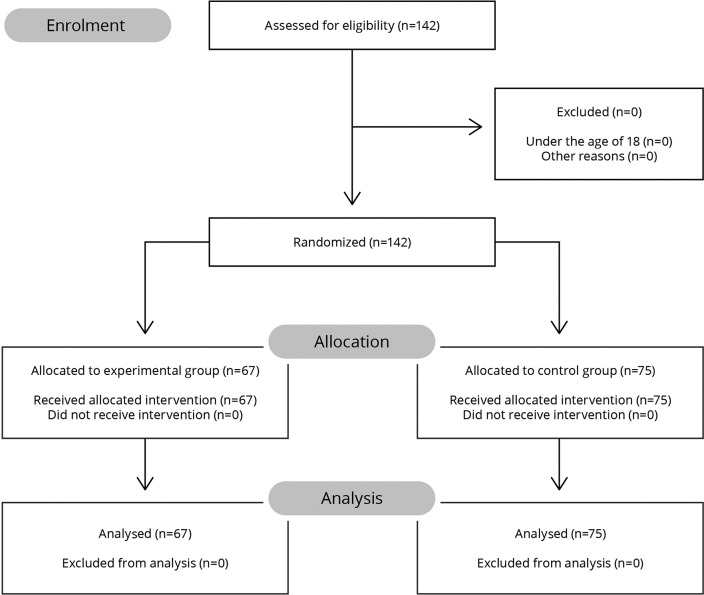
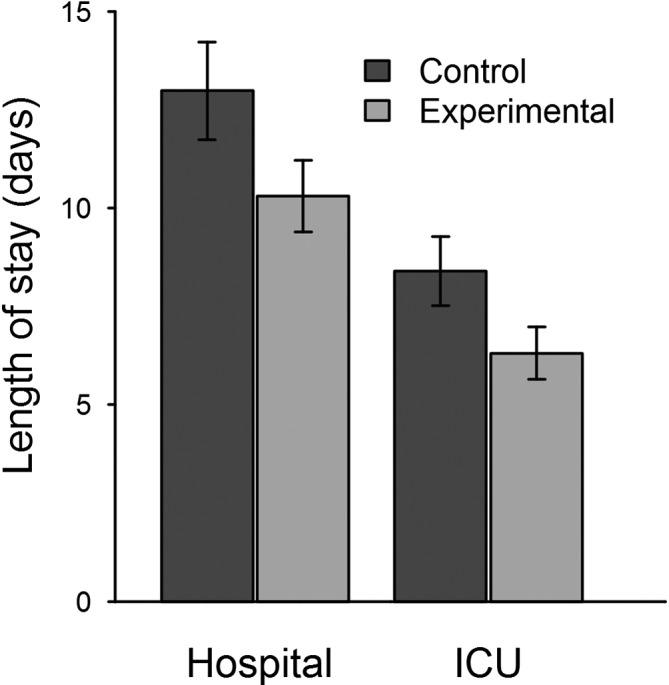
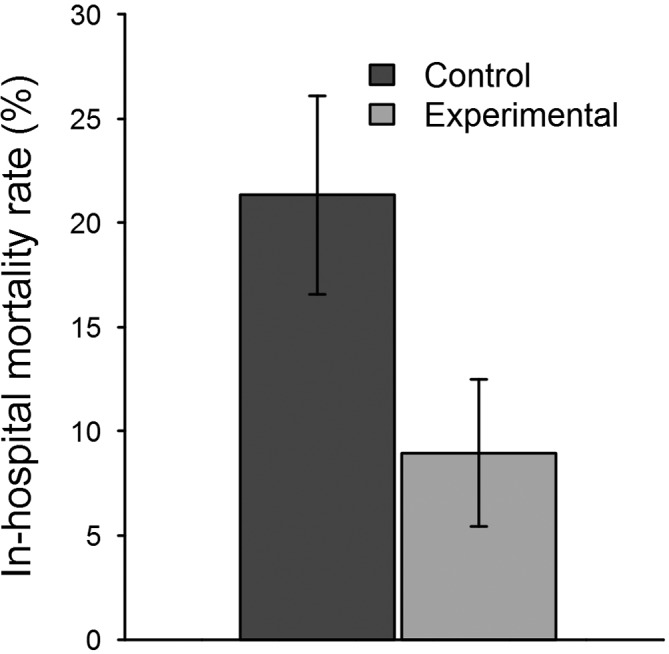
Introduction: Several methods have been developed to electronically monitor patients for severe sepsis, but few provide predictive capabilities to enable early intervention; furthermore, no severe sepsis prediction systems have been previously validated in a randomised study. We tested the use of a machine learning-based severe sepsis prediction system for reductions in average length of stay and in-hospital mortality rate. Methods: We conducted a randomised controlled clinical trial at two medical-surgical intensive care units at the University of California, San Francisco Medical Center, evaluating the primary outcome of average length of stay, and secondary outcome of in-hospital mortality rate from December 2016 to February 2017. Adult patients (18+) admitted to participating units were eligible for this factorial, open-label study. Enrolled patients were assigned to a trial arm by a random allocation sequence. In the control group, only the current severe sepsis detector was used; in the experimental group, the machine learning algorithm (MLA) was also used. On receiving an alert, the care team evaluated the patient and initiated the severe sepsis bundle, if appropriate. Although participants were randomly assigned to a trial arm, group assignments were automatically revealed for any patients who received MLA alerts. Results: Outcomes from 75 patients in the control and 67 patients in the experimental group were analysed. Average length of stay decreased from 13.0 days in the control to 10.3 days in the experimental group (p=0.042). In-hospital mortality decreased by 12.4 percentage points when using the MLA (p=0.018), a relative reduction of 58.0%. No adverse events were reported during this trial. Conclusion: The MLA was associated with improved patient outcomes. This is the first randomised controlled trial of a sepsis surveillance system to demonstrate statistically significant differences in length of stay and in-hospital mortality. Trial registration: NCT03015454.
Overview
The claims and statistics of this paper haven’t been checked yet.
Free: it reads the open-access text and checks the first 5 claims that cite a source we can check. Create a free account to check every claim.
Integrity signals
Registry
Cites
Statistics
Figures
Verification
Claims the paper makes
The claims and statistics of this paper haven’t been checked yet.
Free: it reads the open-access text and checks the first 5 claims that cite a source we can check. Create a free account to check every claim.
Claims other papers make about this one
Each is checked against this paper’s own text: does it say what the citing paper says it does?
The cited source doesn’t support the claim as written.
In the citing paper
“A pooled analysis of three RCTs did not demonstrate a mortality benefit of active screening (RR 0.90; 95% CI 0.51–1.58) [33–35].”
From Surviving sepsis campaign: international guidelines for management of sepsis and septic shock 2021 (2021) · cites this paper as [35]
Checked by a reasoning model — may be wrong.
Experimental — accuracy not yet measuredThe source backs part of the claim, not all of it — or backs it for a different population, condition or comparison.
In the citing paper
“A pooled analysis of three RCTs did not demonstrate a mortality benefit of active screening (RR, 0.90; 95% CI, 0.51-1.58)(33-35).”
From Surviving Sepsis Campaign: International Guidelines for Management of Sepsis and Septic Shock 2021. (2021) · cites this paper as [35]
Experimental — accuracy not yet measuredThe source backs part of the claim, not all of it — or backs it for a different population, condition or comparison.
In the citing paper
“Most (66%) post-implementation studies did not report real-world MLA performance (Figure 2), and of the 3 that did, one reported improved MLA performance58 while the other 2 showed marked declines,34,50”
From Deployment of machine learning algorithms to predict sepsis: systematic review and application of the SALIENT clinical AI implementation framework (2023) · cites this paper as [58]
Experimental — accuracy not yet measuredThe source backs part of the claim, not all of it — or backs it for a different population, condition or comparison.
In the citing paper
“Three papers using their own hospital data reported inquiries for data sharing were possible [28, 32, 35], two papers reported data would not be shared [25, 31].”
From Machine learning for the prediction of sepsis: a systematic review and meta-analysis of diagnostic test accuracy (2020) · cites this paper as [32]
Experimental — accuracy not yet measuredThe source backs part of the claim, not all of it — or backs it for a different population, condition or comparison.
In the citing paper
“Despite the rise in competing models and products for early sepsis detection [5], few machine learning models have been implemented as part of clinical care [6-8].”
From Integrating a Machine Learning System Into Clinical Workflows: Qualitative Study (2020) · cites this paper as [8]
Experimental — accuracy not yet measured
10 more claims about this paper
Create a free account to see every claim other papers make about this one.
Self-check
Percentages, sums and reported differences re-computed from the paper’s own numbers.
The self-check needs the paper’s full text.
Citations
Cites
The third international consensus definitions for sepsis and septic shock (Sepsis-3).
Singer, M., Deutschman, C. S., Seymour, C. W., Shankar-Hari, M., Annane, D., Bauer, M., Bellomo, R., Bernard, G. R., Chiche, J.-D., Coopersmith, C. M., et al. (2016) · JAMA · doi:10.1001/jama.2016.0287 · Cited by 28,250
Vincent, J. L., Moreno, R., Takala, J., Willatts, S., De Mendonça, A., Bruining, H., Reinhart, C. K., Suter, P. M., & Thijs, L. G. (1996) · Intensive Care Medicine · doi:10.1007/bf01709751 · Cited by 11,674
Early goal-directed therapy in the treatment of severe sepsis and septic shock
Rivers, E., Nguyen, B., Havstad, S., Ressler, J., Muzzin, A., Knoblich, B., Peterson, E., & Tomlanovich, M. (2001) · New England Journal of Medicine · doi:10.1056/nejmoa010307 · Cited by 10,743 · cited 1×
“Specifically, the prediction algorithm’s ability to identify patients with severe sepsis before onset provided the opportunity for early intervention, which has been widely shown to decrease patient mortality.(23) 24 Kumar et al 7 found that survival decreased by 7.”
MethodAngus, D. C., Linde-Zwirble, W. T., Lidicker, J., Clermont, G., Carcillo, J., & Pinsky, M. R. (2001) · Critical Care Medicine · doi:10.1097/00003246-200107000-00002 · Cited by 8,503
The Surviving Sepsis Campaign Guidelines Committee including The Pediatric Subgroup*, Dellinger, R. P., Levy, M. M., Rhodes, A., Annane, D., Gerlach, H., Opal, S. M., Sevransky, J. E., Sprung, C. L., Douglas, I. S., et al. (2013) · Intensive Care Medicine · doi:10.1007/s00134-012-2769-8 · Cited by 7,290
Kumar, A., Roberts, D., Wood, K. E., Light, B., Parrillo, J. E., Sharma, S., Suppes, R., Feinstein, D., Zanotti, S., Taiberg, L., et al. (2006) · Critical Care Medicine · doi:10.1097/01.ccm.0000217961.75225.e9 · Cited by 6,109 · cited 2×
“Although there is some controversy about the conclusions drawn by Kumar et al about the linear relationship between antibiotic timing and survival, as well as concerns that the researchers did not properly consider confounding factors in reporting their outcomes, conflicting evidence has largely shown that waiting to…”
BackgroundInfluentialA randomized trial of protocol-based care for early septic shock.
The ProCESS Investigators (2014) · New England Journal of Medicine · doi:10.1056/nejmoa1401602 · Cited by 2,414
Churpek, M. M., Snyder, A., Han, X., Sokol, S., Pettit, N., Howell, M. D., & Edelson, D. P. (2017) · American Journal of Respiratory and Critical Care Medicine · doi:10.1164/rccm.201604-0854oc · Cited by 689
Two Decades of Mortality Trends Among Patients With Severe Sepsis: A Comparative Meta-Analysis*
Stevenson, E. K., Rubenstein, A. R., Radin, G. T., Wiener, R. S., & Walkey, A. J. (2014) · Critical Care Medicine · doi:10.1097/ccm.0000000000000026 · Cited by 648
Monitor Alarm Fatigue : An Integrative Review
Cvach, M. (2012) · Biomedical Instrumentation & Technology · doi:10.2345/0899-8205-46.4.268 · Cited by 632
Cited by
Items 101–200 of 433
Sepsis Performance Improvement Programs: From Evidence Toward Clinical Implementation
Schinkel, M., Nanayakkara, P. W. B., & Wiersinga, W. J. (2022) · Critical Care · doi:10.1186/s13054-022-03917-1 · Cited by 51
Zubair, M., Din, I., Sarwar, N., Boltayevich, E. B., Mаkhmudov, S., & Trabelsi, Z. (2025) · BMC Infectious Diseases · doi:10.1186/s12879-025-11423-2 · Cited by 49
AI in the Intensive Care Unit: Up-to-Date Review
Nguyen, D., Ngo, B., & vanSonnenberg, E. (2020) · Journal of Intensive Care Medicine · doi:10.1177/0885066620956620 · Cited by 49
Siontis, G. C. M., Sweda, R., Noseworthy, P. A., Friedman, P. A., Siontis, K. C., & Patel, C. J. (2021) · BMJ Health & Care Informatics · doi:10.1136/bmjhci-2021-100466 · Cited by 48
Artificial Intelligence for Early Sepsis Detection: A Word of Caution
Schinkel, M., van der Poll, T., & Wiersinga, W. J. (2023) · American Journal of Respiratory and Critical Care Medicine · doi:10.1164/rccm.202212-2284vp · Cited by 49
Artificial Intelligence in Infection Management in the ICU
Corte, T. D., Hoecke, S. V., & Waele, J. J. D. (2022) · Critical Care · doi:10.1186/s13054-022-03916-2 · Cited by 47
Joshi, M., Mecklai, K., Rozenblum, R., & Samal, L. (2022) · JAMIA Open · doi:10.1093/jamiaopen/ooac022 · Cited by 46
“Furthermore, there are data suggesting that such algorithms may enable earlier intervention and improve outcomes such as length of stay and mortality.(14,21) However, ML algorithms are new to clinical practice and raise practical, ethical, and face validity concerns.”
BackgroundBenchmarking AutoML frameworks for disease prediction using medical claims
Romero, R. A. A., Deypalan, M. N. Y., Mehrotra, S., Jungao, J. T., Sheils, N. E., Manduchi, E., & Moore, J. H. (2022) · BioData Mining · doi:10.1186/s13040-022-00300-2 · Cited by 46
Das, S., Zomorrodi, R., Mirjalili, M., Kirkovski, M., Blumberger, D. M., Rajji, T. K., & Desarkar, P. (2022) · Progress in Neuro-Psychopharmacology and Biological Psychiatry · doi:10.1016/j.pnpbp.2022.110705 · Cited by 46
Use of neural network models to predict liver transplantation waitlist mortality
Nagai, S., Nallabasannagari, A. R., Moonka, D., Reddiboina, M., Yeddula, S., Kitajima, T., Francis, I., & Abouljoud, M. S. (2022) · Liver Transplantation · doi:10.1002/lt.26442 · Cited by 44
Novel approaches to facilitate the implementation of guidelines in the ICU
Rosa, R. G., Teixeira, C., & Sjoding, M. W. (2020) · Journal of Critical Care · doi:10.1016/j.jcrc.2020.07.014 · Cited by 43
Clinical management of sepsis can be improved by artificial intelligence: yes
Komorowski, M. (2019) · Intensive Care Medicine · doi:10.1007/s00134-019-05898-2 · Cited by 43
Machine learning for early dynamic prediction of functional outcome after stroke
Klug, J., Leclerc, G., Dirren, E., & Carrera, E. (2024) · Communications Medicine · doi:10.1038/s43856-024-00666-w · Cited by 44
Pinto, A., Pennisi, F., Odelli, S., Ponti, E. D., Veronese, N., Signorelli, C., Baldo, V., & Gianfredi, V. (2025) · Biomedicines · doi:10.3390/biomedicines13102525 · Cited by 42
Predicting Infections Using Computational Intelligence – A Systematic Review
Baldominos, A., Puello, A., Oğul, H., Aşuroğlu, T., & Colomo‐Palacios, R. (2020) · IEEE Access · doi:10.1109/access.2020.2973006 · Cited by 41
Application of machine learning methods in clinical trials for precision medicine
Wang, Y., Carter, B. Z., Li, Z., & Huang, X. (2022) · JAMIA Open · doi:10.1093/jamiaopen/ooab107 · Cited by 41
Sarantopoulos, A., Mastori Kourmpani, C., Yokarasa, A. L., Makamanzi, C., Antoniou, P., Spernovasilis, N., & Tsioutis, C. (2024) · Tropical Medicine and Infectious Disease · doi:10.3390/tropicalmed9100228 · Cited by 40
“Shimabukuro et al. conducted a randomized controlled trial involving adult patients in two intensive care units (ICUs) at the University of California, San Francisco Medical Center [33].”
BackgroundKijpaisalratana, N., Saoraya, J., Nhuboonkaew, P., Vongkulbhisan, K., & Musikatavorn, K. (2024) · Internal and Emergency Medicine · doi:10.1007/s11739-024-03535-5 · Cited by 40
Vito, A. D., Geremia, N., Marıno, A., Bavaro, D. F., Caruana, G., Meschiari, M., Colpani, A., Mazzitelli, M., Scaglione, V., Rullo, E. V., et al. (2024) · Infection · doi:10.1007/s15010-024-02350-6 · Cited by 41
Tensor learning of pointwise mutual information from EHR data for early prediction of sepsis
Nesaragi, N., Patidar, S., & Aggarwal, V. (2021) · Computers in Biology and Medicine · doi:10.1016/j.compbiomed.2021.104430 · Cited by 40
Giebel, G. D., Raszke, P., Nowak, H., Palmowski, L., Adamzik, M., Heinz, P., Tokic, M. C., Timmesfeld, N., Brunkhorst, F. M., Wasem, J., et al. (2025) · JMIR Medical Informatics · doi:10.2196/69688 · Cited by 39
Haeusler, G. M., Gaynor, L., Teh, B. W., Babl, F. E., Orme, L. M., Segal, A., Mechinaud, F. M., Bryant, P. A., Phillips, B., Lourenço, R. D. A., et al. (2020) · Supportive Care in Cancer · doi:10.1007/s00520-020-05654-z · Cited by 39
Ahn, I., Gwon, H., Kang, H. J., Kim, Y., Seo, H., Choi, H., Cho, H. N., Kim, M., Jun, T. J., & Kim, Y. (2021) · JMIR Medical Informatics · doi:10.2196/32662 · Cited by 39
Predictive analytics and machine learning in stroke and neurovascular medicine
Saber, H., Somai, M. M., Rajah, G. B., Scalzo, F., & Liebeskind, D. S. (2019) · Neurological Research · doi:10.1080/01616412.2019.1609159 · Cited by 38
A Deep Learning-Based Sepsis Estimation Scheme
Al‐Mualemi, B. Y., & Lu, L. (2020) · IEEE Access · doi:10.1109/access.2020.3043732 · Cited by 38
Yusuf, H. D., & Abdulrazaq, K. (2018) · Iconic Research and Engineering Journals · doi:10.64388/irev1i11-1723090 · Cited by 40
Epic Sepsis Model Inpatient Predictive Analytic Tool: A Validation Study
Cull, J., Brevetta, R., Gerac, J., Kothari, S., & Blackhurst, D. (2023) · Critical Care Explorations · doi:10.1097/cce.0000000000000941 · Cited by 37
“These studies have also shown an improvement in early intervention for antibiotic administration and escalation (18, 26), diagnostic test (18–20), improvement of LOS (19, 28), and mortality (19, 22, 23, 25, 26).”
BackgroundResultInfluentialHabets, P. C., Thomas, R. M., Milaneschi, Y., Jansen, R., Pool, R., Peyrot, W. J., Penninx, B. W. J. H., Meijer, O. C., van Wingen, G. A., & Vinkers, C. H. (2023) · Biological Psychiatry · doi:10.1016/j.biopsych.2023.05.024 · Cited by 38
Hospital Length-of-Stay Prediction Using Machine Learning Algorithms—A Literature Review
Almeida, G., Correia, F. B., Borges, A. R., & Bernardino, J. (2024) · Applied Sciences · doi:10.3390/app142210523 · Cited by 38
van den Berg, M., Medina, O. A. G., Loohuis, I., van der Flier, M., Dudink, J., Benders, M. J. N. L., Bartels, R., & Vijlbrief, D. C. (2023) · Computers in Biology and Medicine · doi:10.1016/j.compbiomed.2023.107156 · Cited by 36
Wardi, G., Owens, R., Josef, C., Malhotra, A., Longhurst, C., & Nemati, S. (2023) · Critical Care Medicine · doi:10.1097/ccm.0000000000005894 · Cited by 35
Transforming Hospital Quality Improvement Through Harnessing the Power of Artificial Intelligence
Abukhadijah, H. J., & Nashwan, A. J. (2024) · Global Journal on Quality and Safety in Healthcare · doi:10.36401/jqsh-24-4 · Cited by 35
Early Diagnosis of Sepsis: The Role of Biomarkers and Rapid Microbiological Tests
Plata-Menchaca, E. P., Ruiz‐Rodríguez, J. C., & Ferrer, R. (2024) · Seminars in Respiratory and Critical Care Medicine · doi:10.1055/s-0044-1787270 · Cited by 36
Enhancing Infection Control in ICUS Through AI: A Literature Review
Godbole, A. A., Paras, P., Mehra, M., Banerjee, S., Roy, P., Deb, N., & Jagtap, S. (2025) · Health Science Reports · doi:10.1002/hsr2.70288 · Cited by 35
Lin, P.-C., Chen, K.-T., Chen, H.-C., Islam, M. M., & Lin, M. (2021) · Journal of Personalized Medicine · doi:10.3390/jpm11111055 · Cited by 35
Machine Learning for Biomedical Time Series Classification: From Shapelets to Deep Learning
Bock, C., Moor, M., Jutzeler, C. R., & Borgwardt, K. M. (2020) · Methods in molecular biology · doi:10.1007/978-1-0716-0826-5_2 · Cited by 35
Artificial Intelligence for Cardiac Imaging-Genetics Research
de Marvao, A., Dawes, T. J. W., & O’Regan, D. P. (2020) · Frontiers in Cardiovascular Medicine · doi:10.3389/fcvm.2019.00195 · Cited by 34
Hospital Acquired Sepsis, Disease Prevalence, and Recent Advances in Sepsis Mitigation
Garvey, M. (2024) · Pathogens · doi:10.3390/pathogens13060461 · Cited by 35
van der Werff, S. D., van Rooden, S. M., Henriksson, A., Behnke, M., Aghdassi, S. J. S., van Mourik, M. S. M., & Nauclér, P. (2025) · Journal of Internal Medicine · doi:10.1111/joim.20100 · Cited by 32
Abromavičius, V., Plonis, D., Tarasevičius, D., & Serackis, A. (2020) · Electronics · doi:10.3390/electronics9071133 · Cited by 33
Wong, A.-K. I., Cheung, P. C., Kamaleswaran, R., Martin, G. S., & Holder, A. L. (2020) · Frontiers in Big Data · doi:10.3389/fdata.2020.579774 · Cited by 32
Garvey, M. (2024) · Antibiotics · doi:10.3390/antibiotics13090877 · Cited by 31
Kausch, S. L., Moorman, J. R., Lake, D. E., & Keim‐Malpass, J. (2021) · Intensive and Critical Care Nursing · doi:10.1016/j.iccn.2021.103035 · Cited by 31
Meyer, L. M., Stead, S., Salge, T. O., & Antons, D. (2024) · Technological Forecasting and Social Change · doi:10.1016/j.techfore.2024.123568 · Cited by 29
Development and optimization of diagnostic assays for infectious diseases
Ciotti, M., Nicolai, E., & Pieri, M. (2024) · LabMed discovery. · doi:10.1016/j.lmd.2024.100032 · Cited by 30
Machine learning-based clinical decision support for infection risk prediction
Feng, T., Noren, D. P., Kulkarni, C., Mariani, S., Zhao, C. Y., Ghosh, E., Swearingen, D., Frassica, J. J., McFarlane, D. C., & Conroy, B. (2023) · Frontiers in Medicine · doi:10.3389/fmed.2023.1213411 · Cited by 29
Transferability and interpretability of the sepsis prediction models in the intensive care unit
Chen, Q., Li, R., Lin, C., Lai, C., Chen, D., Qu, H., Huang, Y., Lu, W., Tang, Y., & Li, L. (2022) · BMC Medical Informatics and Decision Making · doi:10.1186/s12911-022-02090-3 · Cited by 28
A Model for Improving Infection Detection Accuracy through Integrated Laboratory Information Systems
Abdulrazaq, K., Yusuf, H. D., Osinem, H. E., & Eribenne, F. (2019) · Iconic Research and Engineering Journals · doi:10.64388/irev3i6-1723089 · Cited by 28
The Japanese Clinical Practice Guidelines for Management of Sepsis and Septic Shock 2024
Shime, N., Nakada, T., Yatabe, T., Yamakawa, K., Aoki, Y., Inoue, S., Iba, T., Ogura, H., Kawai, Y., Kawaguchi, A., et al. (2025) · Acute Medicine & Surgery · doi:10.1002/ams2.70037 · Cited by 27
Vázquez-López, R., Rojas, O. R., Moreno, A. I., Favila, J. E. U., Peña-Barreto, A., Ortuño, G. L. O., Vaamonde, J. A. A., Velazco, I. A. A., Castro, J. M. F., Solano, S., et al. (2019) · Antibiotics · doi:10.3390/antibiotics8030106 · Cited by 27
Nichol, A. A., Batten, J. N., Halley, M. C., Axelrod, J. K., Sankar, P. L., & Cho, M. K. (2021) · Journal of Medical Internet Research · doi:10.2196/26391 · Cited by 27
Clinical management of sepsis can be improved by artificial intelligence: no
Garnacho‐Montero, J., & Martín‐Loeches, I. (2020) · Intensive Care Medicine · doi:10.1007/s00134-020-05947-1 · Cited by 26
Boussi Rahmouni, H., Hassine, N. B. E. H., Chouchen, M., Ceylan, H. İ., Muntean, R. I., Bragazzi, N. L., & Dergaa, I. (2025) · Healthcare · doi:10.3390/healthcare13202553 · Cited by 25
“Post-implementation analysis showed sustained mortality improvements over extended follow-up periods [84].”
Palmowski, L., Nowak, H., Witowski, A., Koos, B., Wolf, A., Weber, M., Kleefisch, D., Unterberg, M., Haberl, H., von Busch, A., et al. (2024) · PLoS ONE · doi:10.1371/journal.pone.0300739 · Cited by 25
The present and future role of artificial intelligence and machine learning in anesthesiology
Alexander, J. C., Romito, B. T., & Çobanoğlu, M. C. (2020) · International Anesthesiology Clinics · doi:10.1097/aia.0000000000000294 · Cited by 25
Data analytics and clinical feature ranking of medical records of patients with sepsis
Chicco, D., & Oneto, L. (2021) · BioData Mining · doi:10.1186/s13040-021-00235-0 · Cited by 25
Cozzolino, C., Mao, S., Bassan, F., Bilato, L., Compagno, L., Salvò, V., Chiusaroli, L., Cocchio, S., & Baldo, V. (2025) · Artificial Intelligence in Medicine · doi:10.1016/j.artmed.2025.103137 · Cited by 24
Talianu, A., Fraser-Krauss, O., Bolton, W., Ming, D. K. Y., Zhu, N., Hernandez, B., Gilchrist, M. J., Holmes, A. H., Georgiou, P., & Rawson, T. M. (2025) · Journal of Antimicrobial Chemotherapy · doi:10.1093/jac/dkaf470 · Cited by 24
A New Application of Optimized Random Forest Algorithms in Intelligent Fault Location of Rudders
Chang, B., Yang, R., Guo, C., Ge, S., & Li, L. (2019) · IEEE Access · doi:10.1109/access.2019.2926109 · Cited by 24
Yang, A. C., Ma, W.-M., Chiang, D.-H., Liao, Y.-Z., Lai, H.-Y., Lin, S.-C., Liu, M.-C., Wen, K. X., Lin, T.-H., Tsai, W.-X., et al. (2025) · Intelligence-Based Medicine · doi:10.1016/j.ibmed.2025.100242 · Cited by 23
Chen, J., Ren, W., Liu, J., Fu, Z., Yao, Y., Chen, X., & Teng, L. (2022) · Heliyon · doi:10.1016/j.heliyon.2022.e12481 · Cited by 22
He, B., & Qiu, Z. H. (2024) · Frontiers in Artificial Intelligence · doi:10.3389/frai.2024.1348907 · Cited by 22
Shrestha, U., Alsadoon, A., Prasad, P. W. C., Aloussi, S. A., & Alsadoon, O. H. (2021) · Multimedia Tools and Applications · doi:10.1007/s11042-021-10725-2 · Cited by 22
Safety-driven design of machine learning for sepsis treatment
Jia, Y., Lawton, T., Burden, J., McDermid, J. A., & Habli, I. (2021) · Journal of Biomedical Informatics · doi:10.1016/j.jbi.2021.103762 · Cited by 22
Valan, B., Prakash, A., Ratliff, W., Gao, M., Muthya, S., Thomas, A., Eaton, J. L., Gardner, M., Nichols, M., Revoir, M., et al. (2025) · npj Digital Medicine · doi:10.1038/s41746-025-01664-5 · Cited by 21
REINFORCEMENT LEARNING IN CARDIOVASCULAR THERAPY PROTOCOL: A NEW PERSPECTIVE
Zainab, H., Khan, R., Khan, A. H., & Hussain, H. K. (2024) · BIN : Bulletin Of Informatics · Cited by 21
Giordano, M., Dheman, K., & Magno, M. (2024) · IEEE Sensors Journal · doi:10.1109/jsen.2024.3424655 · Cited by 22
Thiele, D., Rodseth, R. N., Friedland, R., Berger, F., Mathew, C., Maslo, C., Moll, V., Leithner, C., Storm, C., Krannich, A., et al. (2025) · Journal of Clinical Medicine · doi:10.3390/jcm14020350 · Cited by 21
Effective implementation of the Accelerate Pheno™ system for positive blood cultures
Humphries, R. M., & Martino, T. D. (2019) · Journal of Antimicrobial Chemotherapy · doi:10.1093/jac/dky534 · Cited by 21
Enhancing sepsis management through machine learning techniques: A review
Ocampo-Quintero, N., Vidal-Cortés, P., del Río Carbajo, L., Fdez-Riverola, F., Reboiro-Jato, M., & Glez-Peña, D. (2022) · Medicina Intensiva · doi:10.1016/j.medin.2020.04.003 · Cited by 20
Burdick, H., Pino, E., Gabel-Comeau, D., Gu, C., Huang, H., Lynn-Palevsky, A., & Das, R. (2017) · doi:10.1101/224014 · Cited by 20
Self-citationHarnessing AI for advancing pathogenic microbiology: a bibliometric and topic modeling approach
Tian, T., Zhang, X., Zhang, F., Huang, X. C., Li, M., Quan, Z.-W., Wang, W., Lei, J., Wang, Y., Liu, Y., et al. (2024) · Frontiers in Microbiology · doi:10.3389/fmicb.2024.1510139 · Cited by 20
Prediction on critically ill patients: The role of “big data”
Bulgarelli, L., Deliberato, R. O., & Johnson, A. E. W. (2020) · Journal of Critical Care · doi:10.1016/j.jcrc.2020.07.017 · Cited by 20
Huang, B. L., Wang, R., Masino, A. J., & Obstfeld, A. E. (2021) · International Journal of Laboratory Hematology · doi:10.1111/ijlh.13549 · Cited by 20
To catch a killer: electronic sepsis alert tools reaching a fever pitch?
Ruppel, H., & Liu, V. (2019) · BMJ Quality & Safety · doi:10.1136/bmjqs-2019-009463 · Cited by 19
Bridging the artificial intelligence valley of death in surgical decision-making
Balch, J. A., Upchurch, G. R., Bihorac, A., & Loftus, T. J. (2021) · Surgery · doi:10.1016/j.surg.2021.01.008 · Cited by 20
Alrashedi, H., Alderaan, S. M., Alnomasy, N., Lamine, H., Saleh, K. A., & Alkubati, S. A. (2026) · JMIR Nursing · doi:10.2196/85649 · Cited by 19
Monfredi, O., Moore, C. C., Sullivan, B. A., Keim‐Malpass, J., Fairchild, K. D., Loftus, T. J., Bihorac, A., Krahn, K. N., Dubrawski, A. W., Lake, D. E., et al. (2022) · Journal of Electrocardiology · doi:10.1016/j.jelectrocard.2022.10.011 · Cited by 19
Mitigating Bias in Machine Learning Models with Ethics-Based Initiatives: The Case of Sepsis
Banja, J. D., Xie, Y., Smith, J. R., Rana, S., & Holder, A. L. (2025) · The American Journal of Bioethics · doi:10.1080/15265161.2025.2497971 · Cited by 18
Davis, J. P., Wessells, D. A., & Moorman, J. R. (2020) · Critical Care Explorations · doi:10.1097/cce.0000000000000294 · Cited by 18
Shen, J., Chetty, S. C., Shokouhi, S., Maharjan, J., Chuba, Y., Calvert, J. S., & Mao, Q. (2022) · Thrombosis Research · doi:10.1016/j.thromres.2022.05.016 · Cited by 18
Evaluation of the effectiveness of an automated sepsis predictive tool on patient outcomes
Schootman, M., Wiskow, C., Loux, T., Meyer, L., Powell, S., Gandhi, A., & Lacasse, A. (2022) · Journal of Critical Care · doi:10.1016/j.jcrc.2022.154061 · Cited by 17
Transforming critical care: the digital revolution's impact on intensive care units
Vernic, C., Tamaș, T.-P., Petre, I., & Ursoniu, S. (2025) · Frontiers in Digital Health · doi:10.3389/fdgth.2025.1664382 · Cited by 17
Dheman, K., Giordano, M., Thomas, C., Schilk, P., & Magno, M. (2024) · IEEE/ACM International Conference on Internet-of-Things Design and Implementation (IoTDI) · doi:10.1109/iotdi61053.2024.00013 · Cited by 17
Topiwala, R., Patel, K., Twigg, J., Rhule, J., & Meisenberg, B. (2019) · Critical Care Explorations · doi:10.1097/cce.0000000000000046 · Cited by 16
Despraz, J., Matusiak, R., Nektarijevic, S., Rossetti, V., Bastardot, F., Akrour, R., Konasch, A., Gauthiez, É., Pignolet, O., Pepe, S., et al. (2026) · npj Digital Medicine · doi:10.1038/s41746-025-02180-2 · Cited by 17
The Effect of Early Warning Systems for Sepsis on Mortality: A Systematic Review and Meta-analysis
Alshaeba, S. E., Marhoffer, E. A., Holleck, J. L., Theisen-Toupal, J. C., Grimshaw, A. A., & Gunderson, C. G. (2025) · Journal of General Internal Medicine · doi:10.1007/s11606-025-09569-5 · Cited by 16
Sasikala, S., Subhashini, S. J., Alli, P., & Angelina, J. J. R. (2020) · Advances in medical technologies and clinical practice book series · doi:10.4018/978-1-7998-5071-7.ch008 · Cited by 16
Advancing care for acute gastrointestinal bleeding using artificial intelligence
Shung, D. L. (2021) · Journal of Gastroenterology and Hepatology · doi:10.1111/jgh.15372 · Cited by 16
Abbas, G. H., Sen, P., Giri, O. A., & Khan, N. H. (2025) · Critical Care Explorations · doi:10.1097/cce.0000000000001360 · Cited by 15
Quarton, S., Livesey, A., Pittaway, H., Adiga, A., Grudzinska, F. S., McNally, A., Dosanjh, D. P. S., Sapey, E., & Parekh, D. (2024) · Journal of Hospital Infection · doi:10.1016/j.jhin.2024.02.029 · Cited by 17
Upadhyaya, D. P., Tarabichi, Y., Prantzalos, K., Ayub, S., Kaelber, D. C., & Sahoo, S. S. (2023) · Computers in Biology and Medicine · doi:10.1016/j.compbiomed.2024.109251 · Cited by 15
THE MAIN DIRECTIONS OF DEVELOPMENT OF ARTIFICIAL INTELLIGENCE IN MEDICINE
Komkov, A. A., Mazaev, V. P., Ryazanova, S. V., Samochatov, D. N., & Bazaeva, E. V. (2020) · Научное обозрение Медицинские науки (Scientific Review Medical Sciences) · doi:10.17513/srms.1141 · Cited by 15
Practical Machine Learning-Based Sepsis Prediction
Pettinati, M. J., Chen, G., Rajput, K. S., & Selvaraj, N. (2020) · Annual International Conference of the IEEE Engineering in Medicine and Biology Society (EMBC) · doi:10.1109/embc44109.2020.9176323 · Cited by 15
Zhang, H., Wang, C., & Yang, N. (2024) · Technology and Health Care · doi:10.3233/thc-240087 · Cited by 14
Kissel, K. A., Krewulak, K. D., Poulin, T. G., Parhar, K. K. S., Niven, D. J., Doiron, V. M., & Fiest, K. M. (2025) · Critical Care Explorations · doi:10.1097/cce.0000000000001200 · Cited by 14
Lemańska-Perek, A., Krzyżanowska‐Gołąb, D., Kobylińska, K., Biecek, P., Skalec, T., Tyszko, M., Goździk, W., & Adamik, B. (2022) · Cells · doi:10.3390/cells11152433 · Cited by 14
Precision medicine in anesthesiology
Jalilian, L., & Cannesson, M. (2020) · International Anesthesiology Clinics · doi:10.1097/aia.0000000000000297 · Cited by 13
Arabi, Y. M., Alsaawi, A., Zahrani, M., Khathaami, A. M. A., AlHazme, R. H., Mutrafy, A. A., Qarni, A. A. A., Shouabi, A. A., Qasim, E. A., Abdukahil, S. A., et al. (2021) · Trials · doi:10.1186/s13063-021-05562-5 · Cited by 13
Artificial Intelligence and Machine Learning Applications in Critically Ill Brain Injured Patients
Vitt, J. R., & Mainali, S. (2024) · Seminars in Neurology · doi:10.1055/s-0044-1785504 · Cited by 12
Metadata
- Authors
- Shimabukuro, D. W., Barton, C. W., Feldman, M. D., Mataraso, S. J., & Das, R.
- Affiliations
- University of California, San Francisco (US)
- University of California, Berkeley (US)
- Dascena (United States) (US)
- Corresponding author
- Das, Ritankar
- Venue
- BMJ Open Respiratory Research
- Publisher
- BMJ
- Published
- 2017-11
- Volume
- 4
- Issue
- 1
- Pages
- e000234
- ISSN
- 2052-4439 (ISSN-L)
- PMC
- PMC5687546
- OpenAlex
- W2768083064
- Semantic Scholar
- 04df1188faf6674173ea875ce187a32c8992e911
- Cited by
- 382
- References
- 33
- Citations by year
- 2026: 38 · 2025: 38 · 2024: 60 · 2023: 46 · 2022: 50 · 2021: 48 · 2020: 60 · 2019: 34 · 2018: 7 · 2017: 1
- FWCI
- 21.84
- Type
- journal article
- Language
- en
- Open access
- gold
- doi.org
- Licence
- cc-by-nc
- Locations
- BMJ Open Respiratory Research (publishedVersion, cc-by-nc)
- Europe PMC (PubMed Central) (publishedVersion, cc-by-nc)
- PubMed Central (publishedVersion, cc-by-nc)
- PubMed (publishedVersion)
- eScholarship (California Digital Library) (submittedVersion)
- eScholarship (California Digital Library) (submittedVersion, cc-by-nc)
- Funders
- National Institute of Nursing Research
- National Science Foundation
- Topics
- Health Sciences › Medicine › Critical Care and Intensive Care Medicine › Sepsis Diagnosis and Treatment
- Physical Sciences › Computer Science › Artificial Intelligence › Machine Learning in Healthcare
- Health Sciences › Medicine › Surgery › Healthcare Technology and Patient Monitoring
- Keywords
- severe sepsis, sepsis prediction, machine learning algorithms, electronic surveillance, early warning alerts, in-hospital mortality, length of hospital stay, intensive care unit, sepsis bundle, clinical decision support
About these checks
Registry, retraction, Cites and statistics results are computed, not judged, with one exception: a printed reference that no index lists is read once by a model before it counts as a citation error. Claims are extracted by a model and kept only when their quote appears verbatim in the text; each cited source is then checked, with a model’s help, for whether it says what the claim relies on. Those verdicts can be wrong — read the claim’s quote and the cited source before relying on one.
Statistics and arithmetic are recomputed, not judged.
Confidence bands are shown only for fields calibrated on our annotated test set. None is calibrated yet, so no band is shown.
What counts as a claim ›How we measure confidence ›How we check this ›
Are you an author, or do you see a problem with this page? Request a review
Data sources
Bibliographic data: Semantic Scholar, OpenAlex, Crossref.
Contains information from the Semantic Scholar Academic Graph Datasets, made available under the ODC Attribution License (ODC-BY 1.0).
Semantic Scholar’s data is described in: Kinney, R., et al. (2023). The Semantic Scholar Open Data Platform. arXiv:2301.10140.
